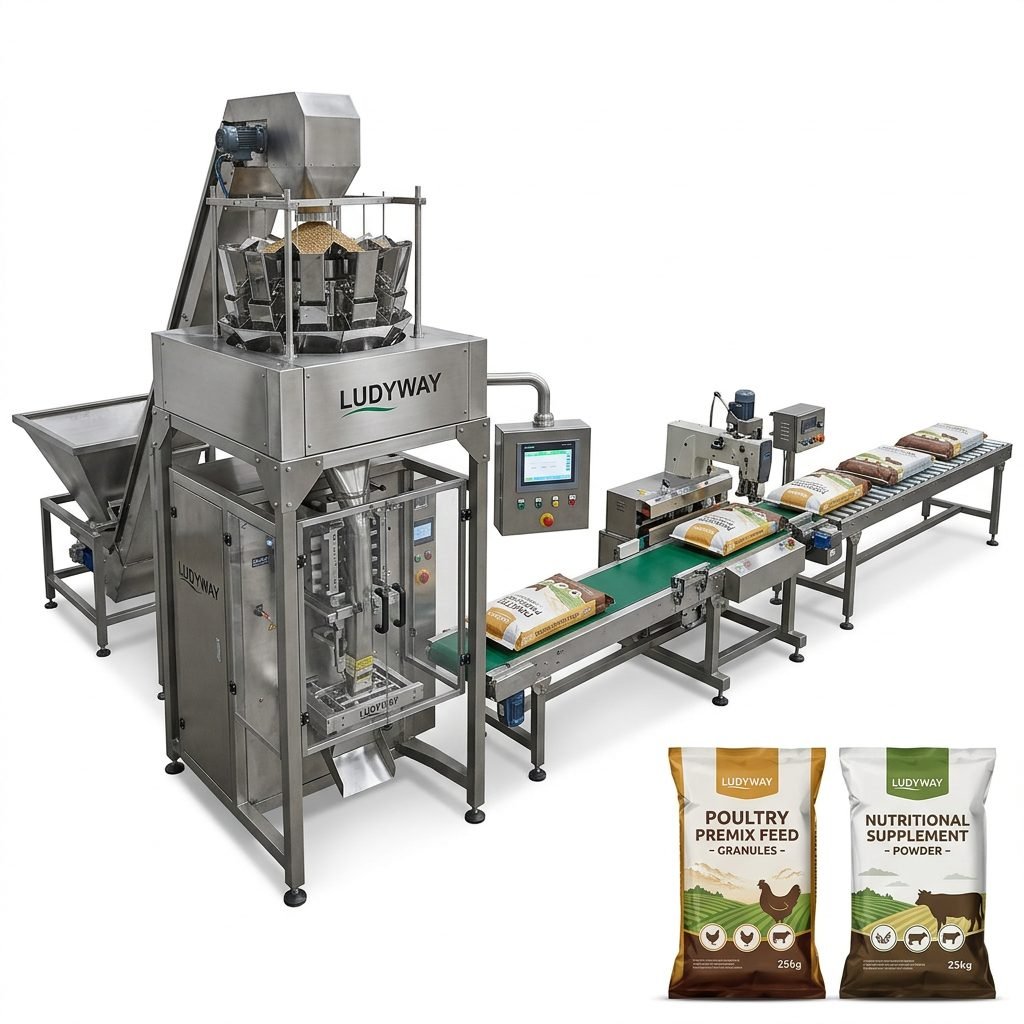
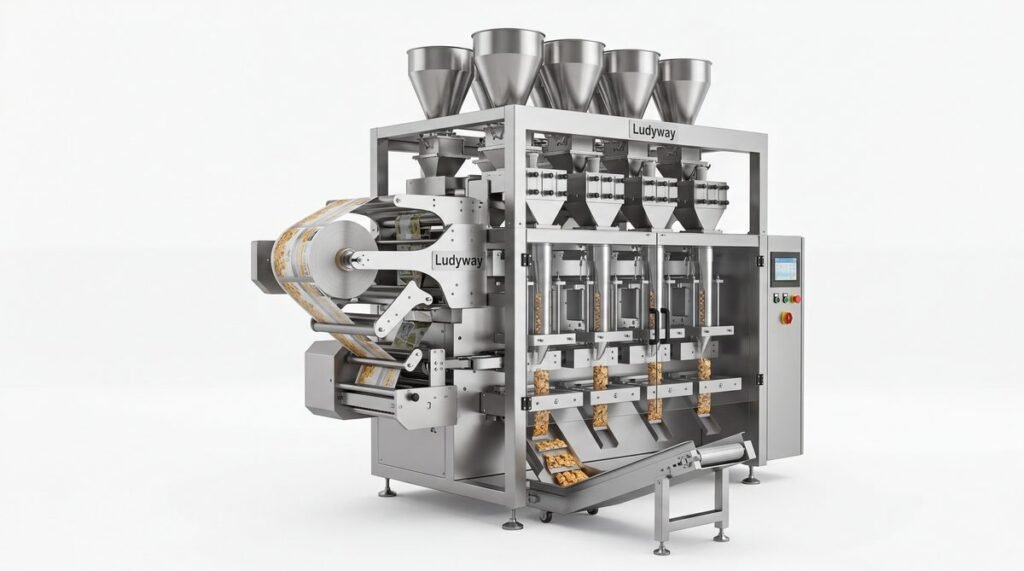
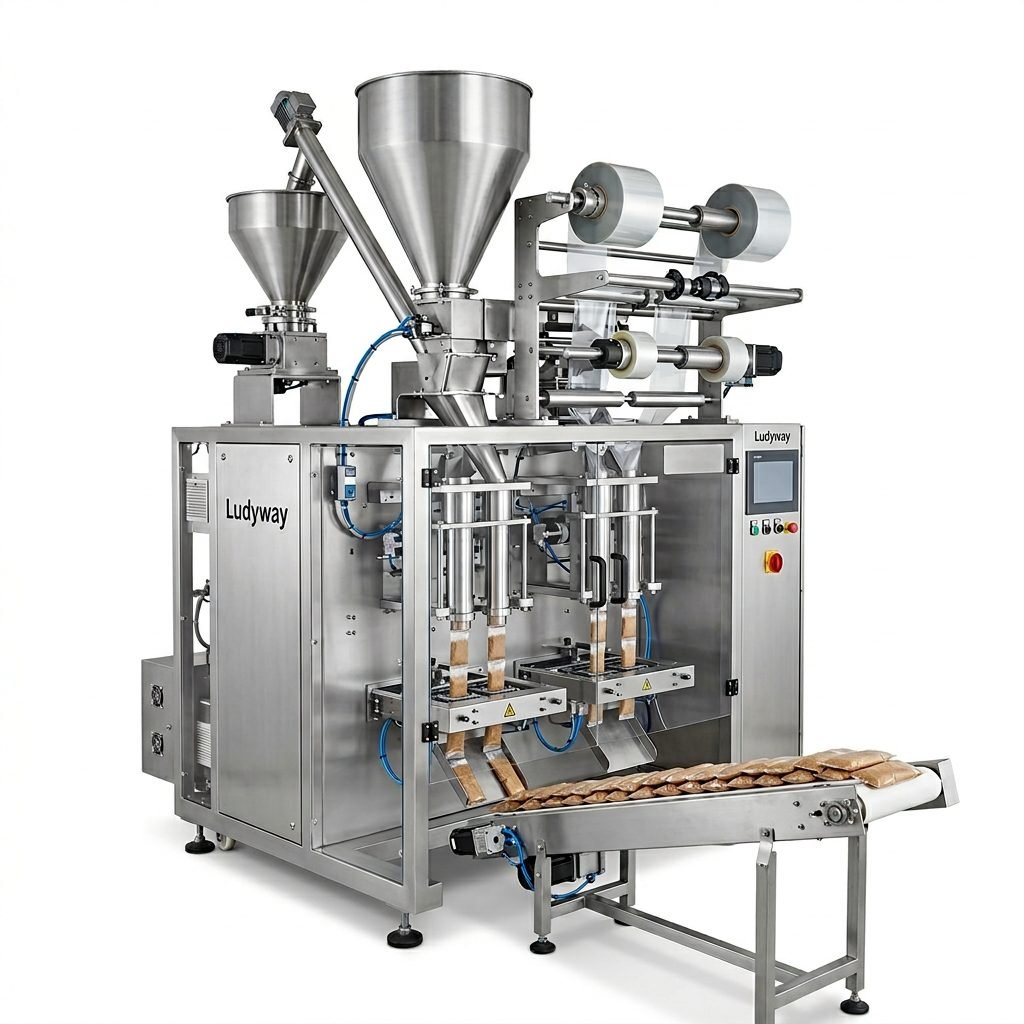
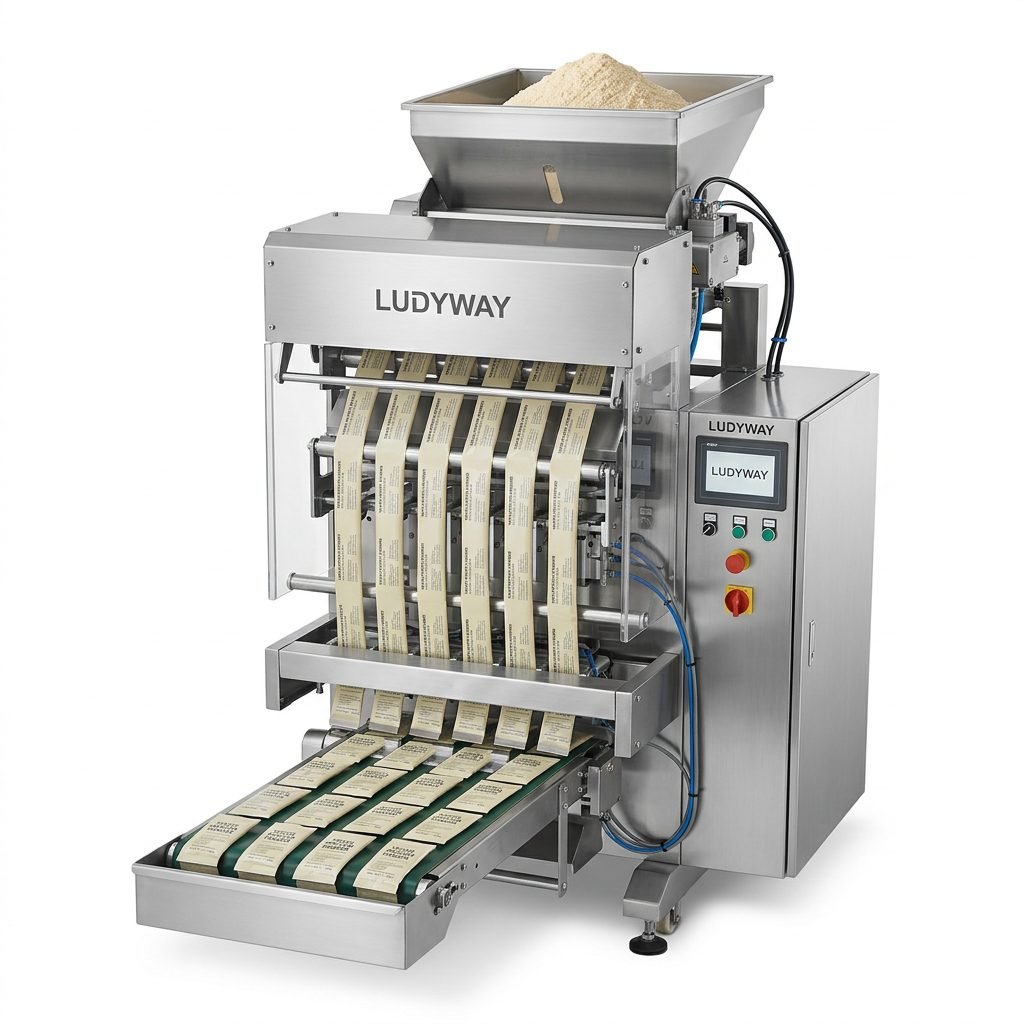
Choosing the right potato chip packaging machine is a critical decision for snack producers. It directly impacts production efficiency, product freshness, shelf appeal, and overall profitability. This comprehensive guide delves into the different types of machines, explains their core working principles, and provides a clear framework to help you select the optimal system for your specific needs.
Understanding the Different Types of Potato Chip Packaging Machines
The packaging process for potato chips must protect their delicate, fragile nature while ensuring speed and hygiene. Machines are primarily categorized by the type of bag they produce and their level of automation.
Vertical Form-Fill-Seal (VFFS) Machines
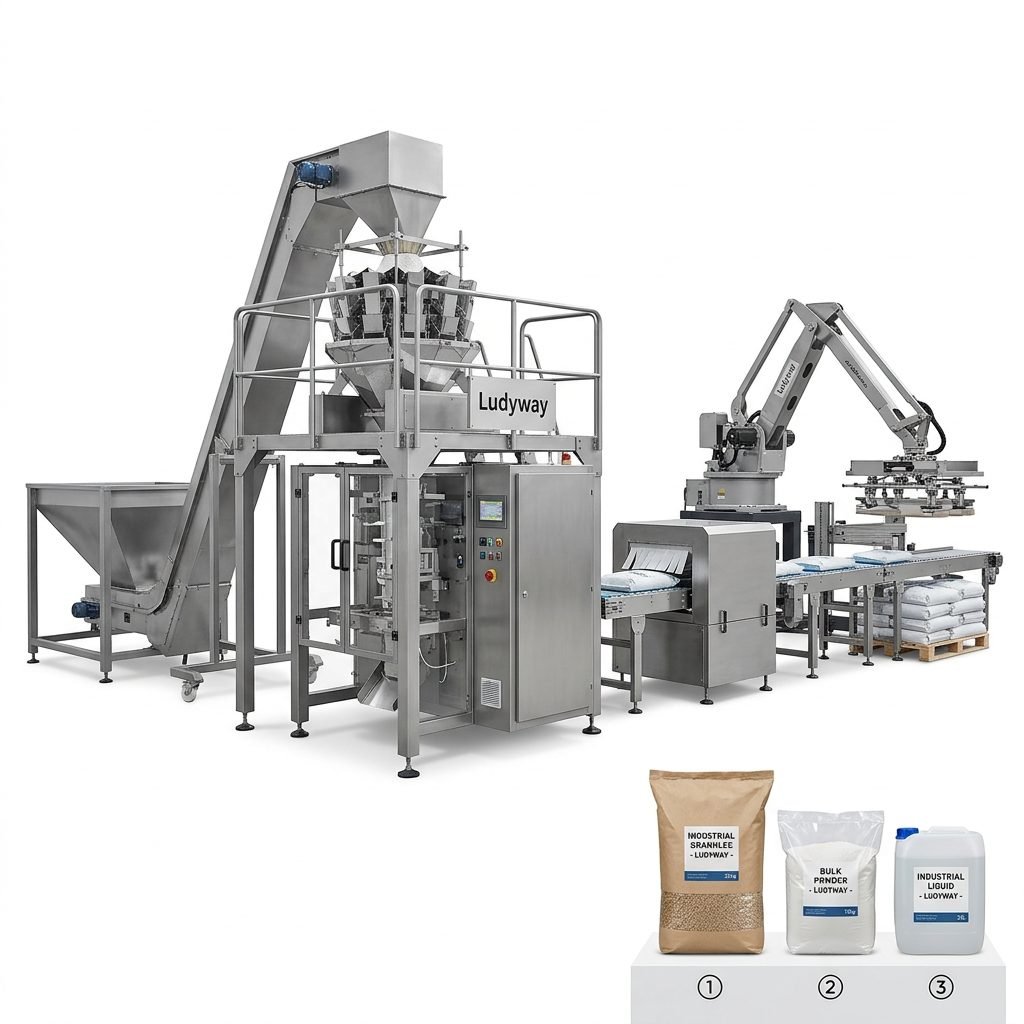
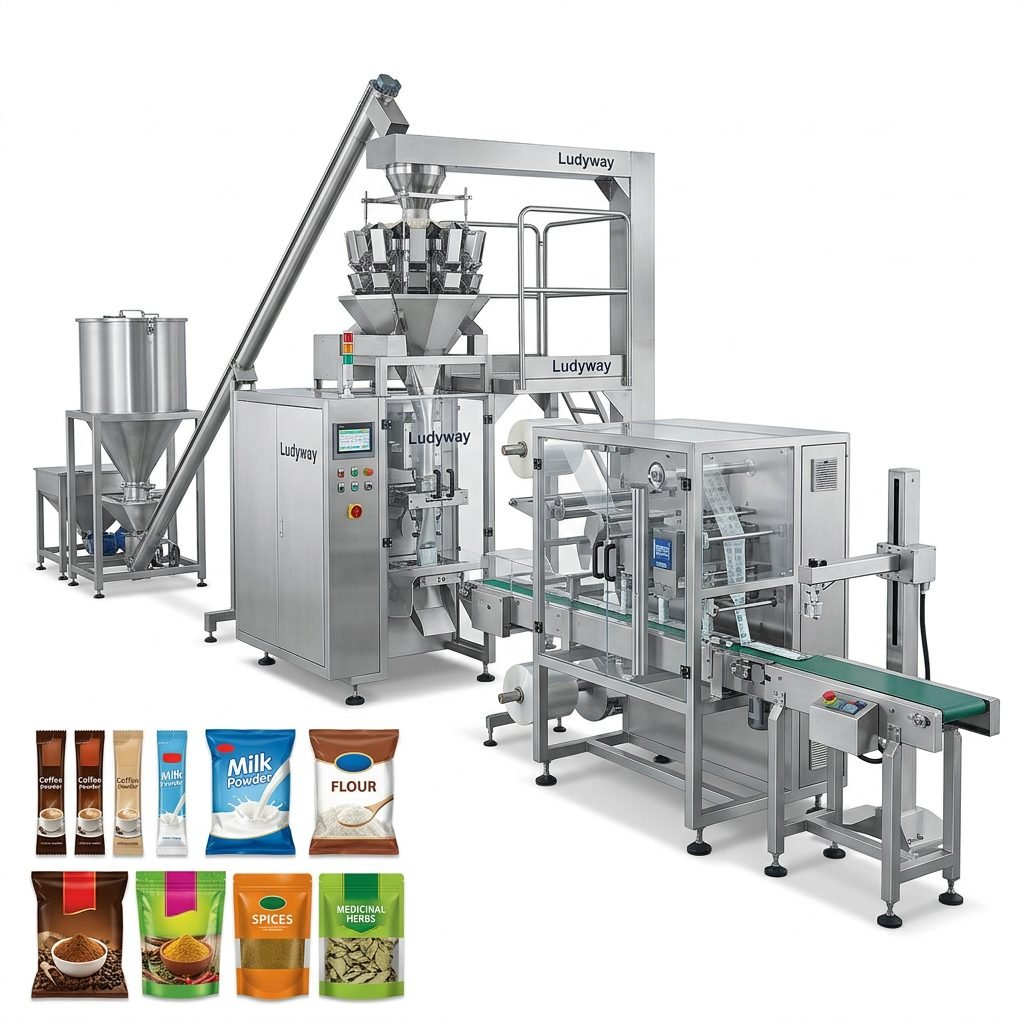
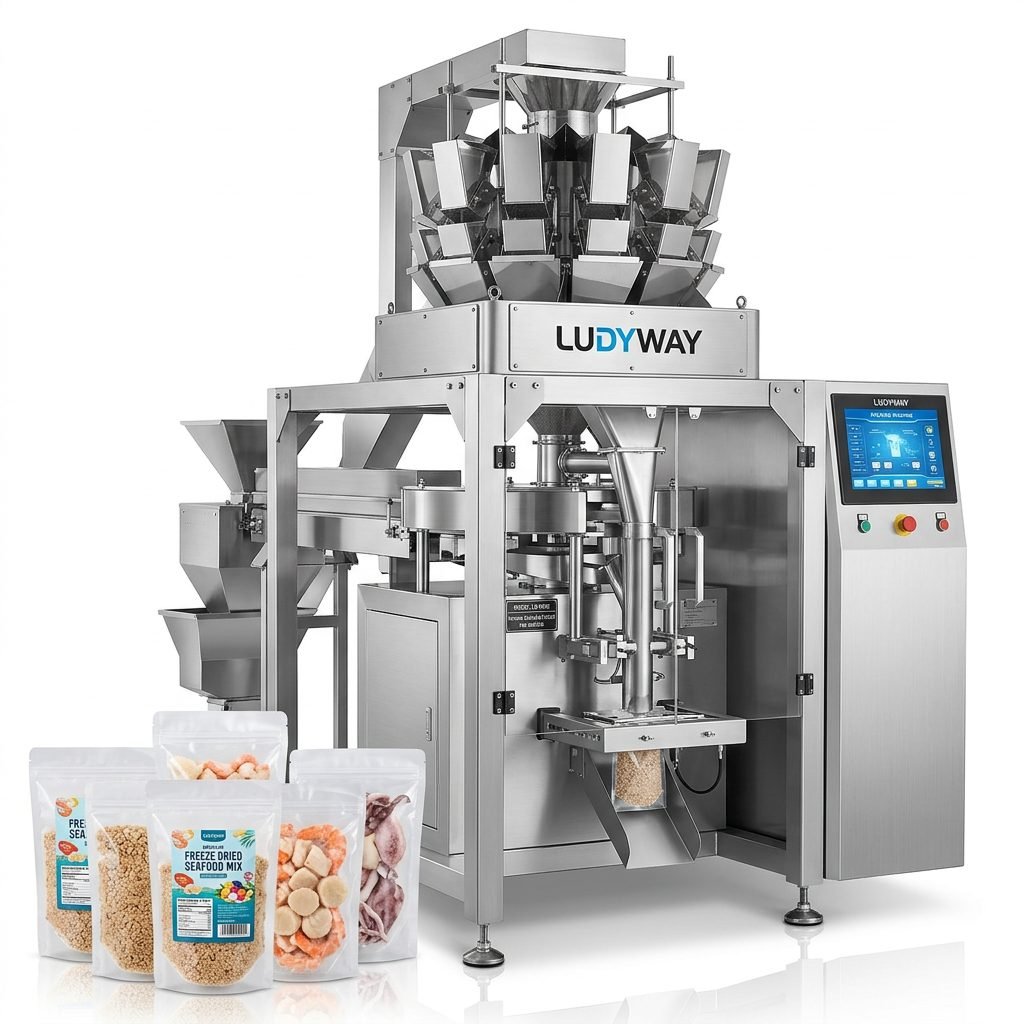
These are the most common and versatile systems for packaging loose, free-flowing products like chips. A flat roll of packaging film is formed into a tube vertically around a filling tube. The bottom is sealed, the precise weight of chips is dropped in, and then the top is sealed before being cut into individual bags. They are ideal for high-speed production of pillow bags or gusseted bags.
Horizontal Form-Fill-Seal (HFFS) Machines
HFFS machines are typically used for more rigid structures or when chips need to be arranged in a specific pattern, such as in tray or carton systems. The film is fed horizontally, formed into a shape, the product is placed inside, and then it is sealed. This method is excellent for creating stand-up pouches with excellent graphics presentation.
Pre-Made Bag Machines
In this system, pre-manufactured bags (flat or stand-up) are automatically picked, opened, filled with chips, and then sealed. This is advantageous for using complex, high-quality laminated materials that are difficult to form from a roll, offering superior barrier properties and aesthetic appeal for premium brands.
Multi-Lane & High-Speed Stick Pack Machines
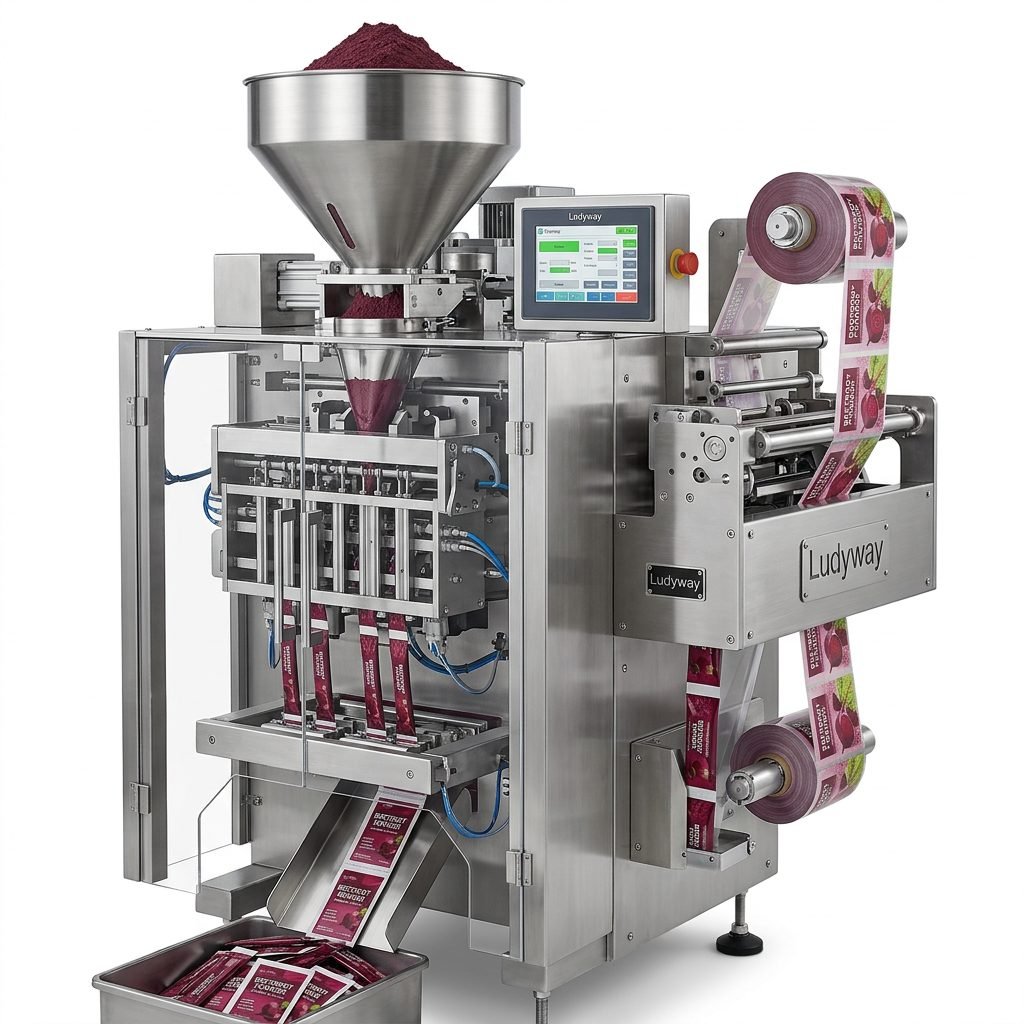
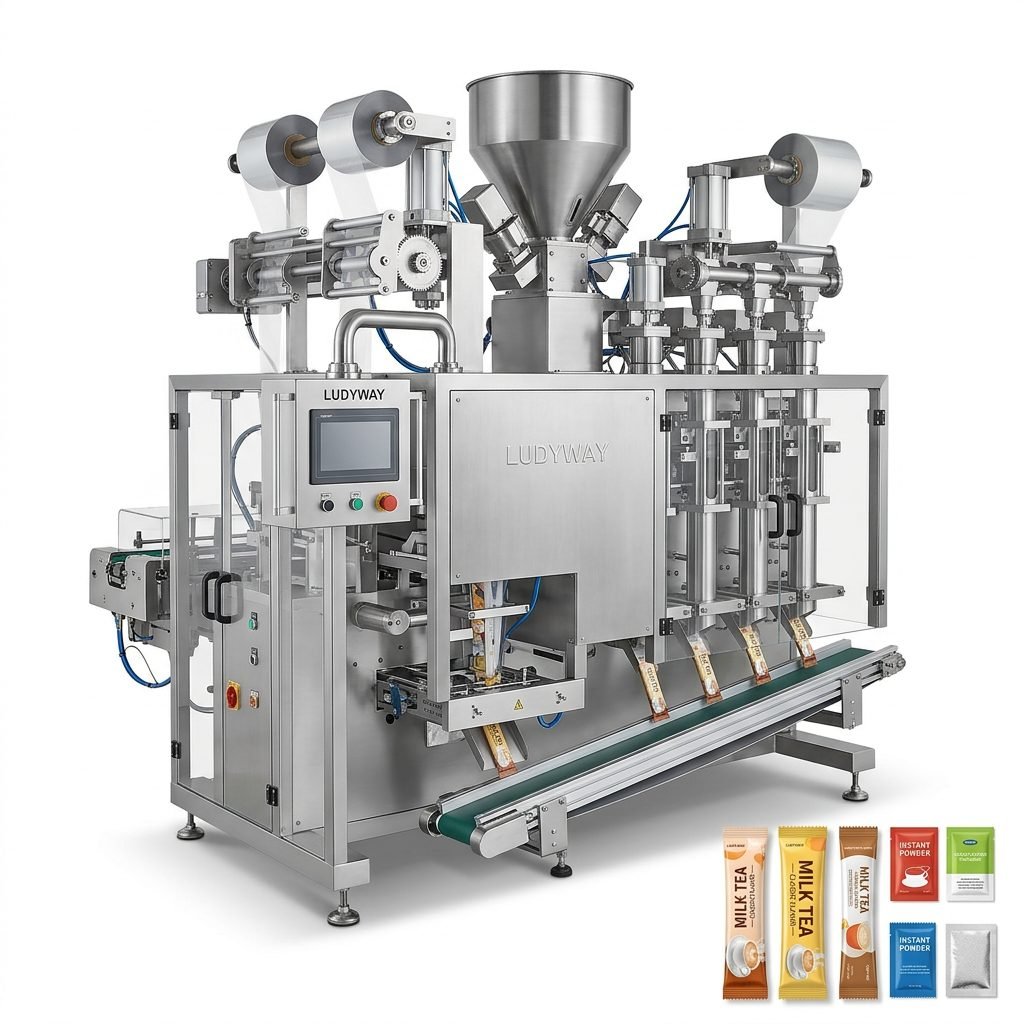
For smaller, single-serve portions or variety packs, multi-lane stick pack machines are highly efficient. They can produce multiple small, slim packets simultaneously from a single roll of film, achieving extremely high outputs. These are perfect for school canteens, airlines, or convenience store distribution.
Core Working Principle of a Modern Packaging Line
While machine types differ, the fundamental process in an automated line follows a consistent sequence designed for efficiency and product integrity.
1. Product Feeding & Handling
Gentle handling is paramount. Chips are conveyed from the fryer/cooling area via vibratory feeders or bucket elevators designed to minimize breakage. A combination weigher is the heart of this stage, using multiple buckets to quickly and accurately combine small amounts to achieve the exact target weight for each bag, ensuring weight compliance and reducing giveaway.
2. Film Unwinding & Forming
A roll of multi-layered laminate film (providing moisture, light, and oxygen barriers) is mounted. The film passes through tensioners and guides before being shaped. In a VFFS machine, a forming collar molds the flat film into a continuous vertical tube around the filling cylinder.
3. The Sealing Process
This is where the package is created. Heated sealing jaws (often with intricate patterns for tamper evidence) press against the film to create the back seal and the bottom seal of the next bag. The sealing temperature, pressure, and dwell time are precisely controlled to ensure strong, airtight seals without burning the material.
4. Precision Filling
As the newly formed bag moves down, the weighed portion of chips is released from the weigher’s hopper through the filling tube and into the waiting bag. Filling happens in a controlled, drop-free environment to prevent chip shattering and to maintain bag shape.
5. Top Sealing & Cutting
After filling, the top of the filled bag is sealed, simultaneously creating the bottom seal for the following bag. A sharp cutting mechanism, often integrated into the sealing jaws, then separates the individual finished bag, which is discharged onto a take-away conveyor.
How to Choose the Right Potato Chip Packaging System
Selecting equipment is not a one-size-fits-all decision. You must evaluate your specific operational requirements against machine capabilities.
1. Assess Your Production Requirements
→ Bag Size & Style: What are your primary bag dimensions? Do you need standard pillow bags, stand-up pouches (doypacks), or gusseted bags for larger volumes?
→ Output Speed (Bags Per Minute): Calculate your required output based on market demand and shift patterns. Speeds can range from 60 to over 200 bags per minute.
→ Product Characteristics: Consider chip thickness, oil content, and fragility. This influences the choice of feeding system and drop height.
2. Evaluate Key Machine Features
Look beyond the basic specs. Servo-motor driven machines offer superior precision, flexibility (easier size changeovers), and energy efficiency compared to mechanical systems. The accuracy and speed of the weighing system are non-negotiable for cost control. Also, consider the sealing technology—consistent, reliable seals prevent spoilage and customer complaints.
3. Consider Material Compatibility & Sustainability
Your machine must handle your chosen packaging material efficiently. Discuss with suppliers if you plan to use recyclable mono-material films or compostable laminates, as these may require different sealing parameters. The ability to run thinner gauge films without compromising seal integrity can lead to significant material cost savings.
4. Plan for Integration & Future Growth
The machine should integrate seamlessly with your existing fryers, conveyors, and checkweighers or metal detectors. Choose a supplier, like Ludyway Machinery, that can provide a complete turnkey solution and support. Furthermore, select a system with some capacity headroom and modularity to accommodate future product lines or increased demand without a complete overhaul.
5. Analyze Total Cost of Ownership (TCO)
The purchase price is just the beginning. Factor in installation costs, energy consumption, spare parts availability, required maintenance, and the potential cost of downtime. A reliable, well-supported machine from an experienced manufacturer often provides a lower TCO than a cheaper, less capable alternative.
Partnering with an Experienced Supplier
The success of your packaging operation heavily relies on your equipment partner. A supplier with deep application knowledge in the snack industry can provide invaluable guidance. For instance, Ludyway Machinery, with over 30 years of industry experience, offers more than 50 intelligent packaging models and specializes in tailoring solutions for global food producers. They understand the nuances of protecting product crispness and maximizing line efficiency.
Frequently Asked Questions (FAQs)
Q: What is the typical speed range for a standard potato chip VFFS machine?
A: Speeds vary greatly based on bag size and complexity. For standard mid-size bags, modern servo-driven VFFS machines commonly operate between 80 and 160 bags per minute. Multi-lane systems for small bags can exceed 300 packets per minute.
Q: Can one machine handle different bag sizes and styles?
A: Yes, most modern machines are designed for quick changeovers. However, switching from a flat pillow bag to a stand-up pouch (doypack) usually requires a significant change in the forming assembly, not just a simple adjustment. It’s crucial to discuss your flexibility needs with the supplier upfront.
Q: How important is nitrogen flushing for chip packaging?
A: Extremely important. Nitrogen (N2) flushing displaces oxygen inside the bag before sealing. This inert atmosphere prevents oxidative rancidity (stale taste) and protects the chips from physical crushing during transport by creating a cushioning “pillow.” Most modern chip packaging systems integrate a nitrogen flushing system.
Q: What are the most common causes of packaging defects?
A: The top issues are weak or broken seals (caused by incorrect temperature/pressure, contaminated jaws, or poor film quality), inaccurate filling (leading to underweight or overweight bags), and bag misalignment during forming. Regular preventive maintenance and operator training are key to minimizing defects.
Q: What support should I expect from the machine manufacturer?
A> You should expect comprehensive support including installation supervision, thorough operator and maintenance training, detailed technical manuals, readily available spare parts, and responsive after-sales service (remote support and on-site visits). A reliable partner will help you optimize performance long after the sale.