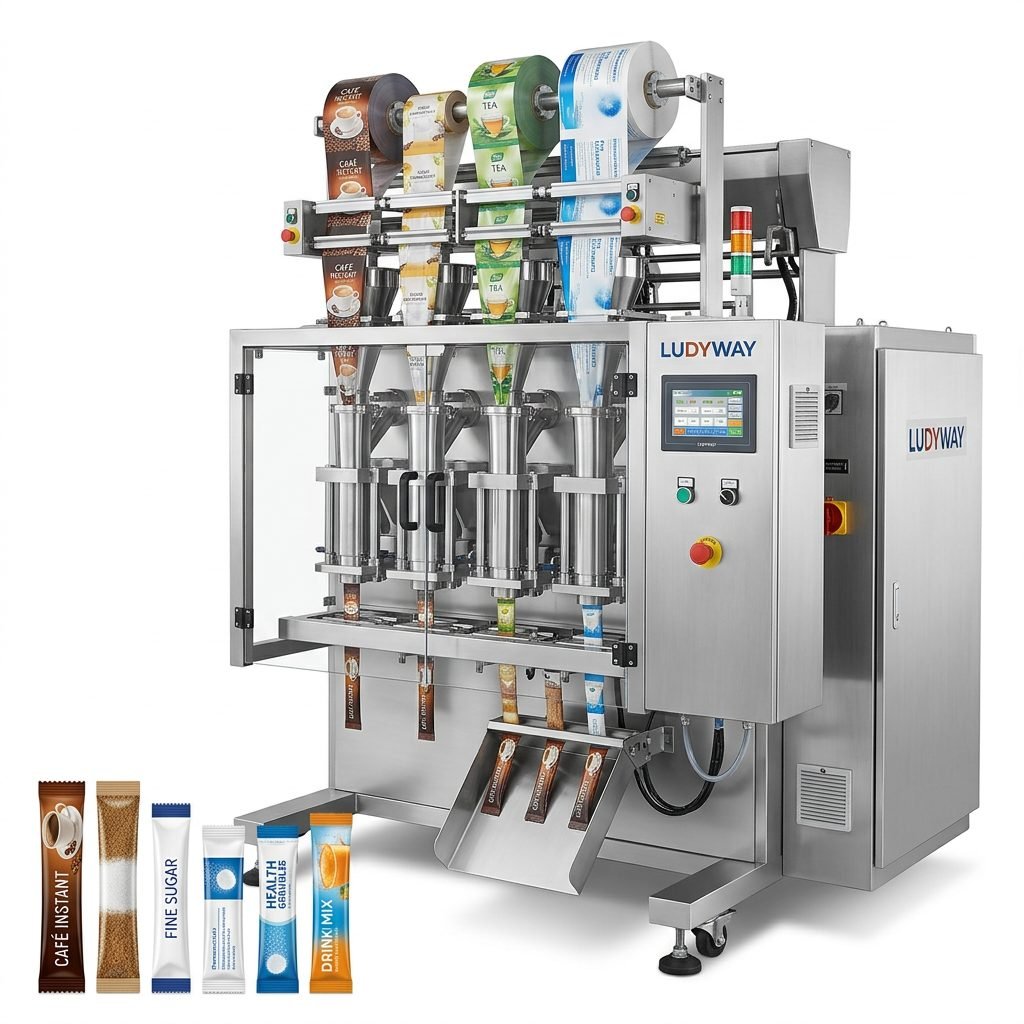
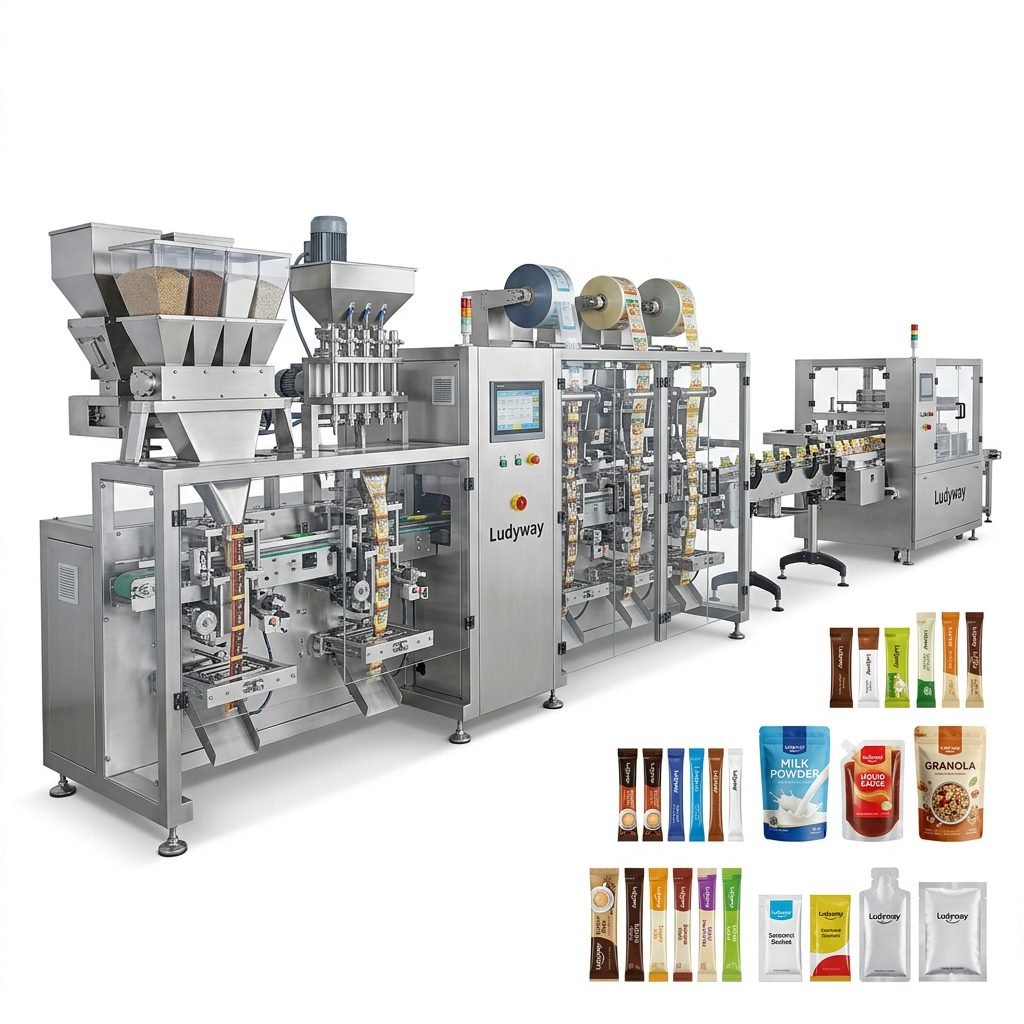
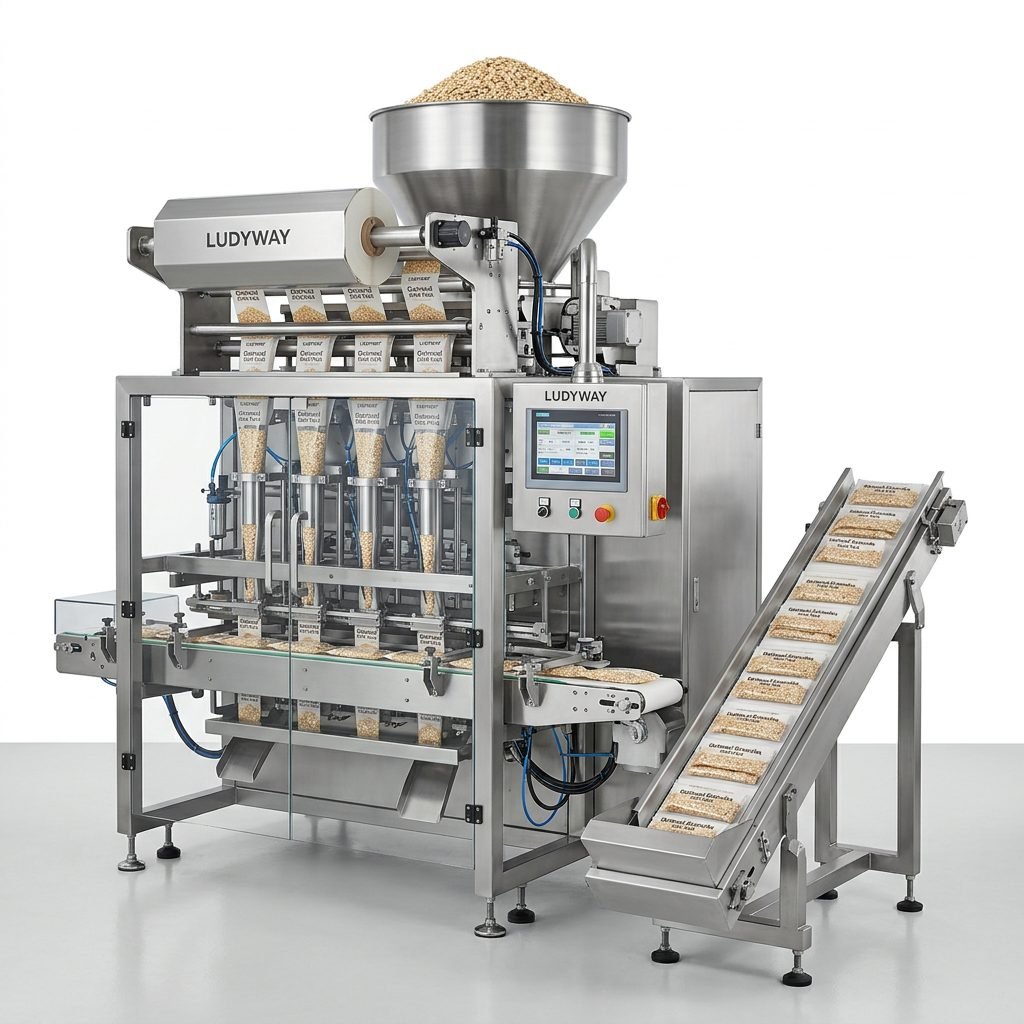
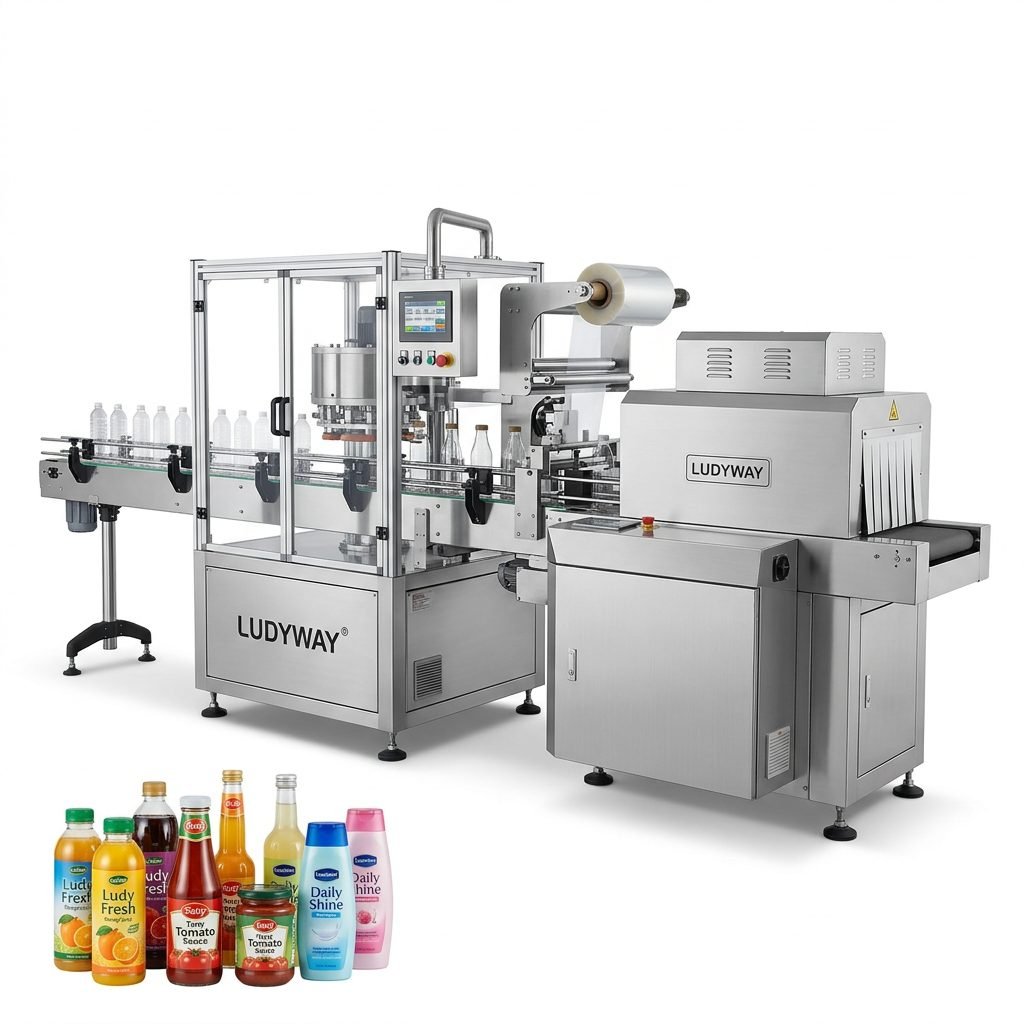
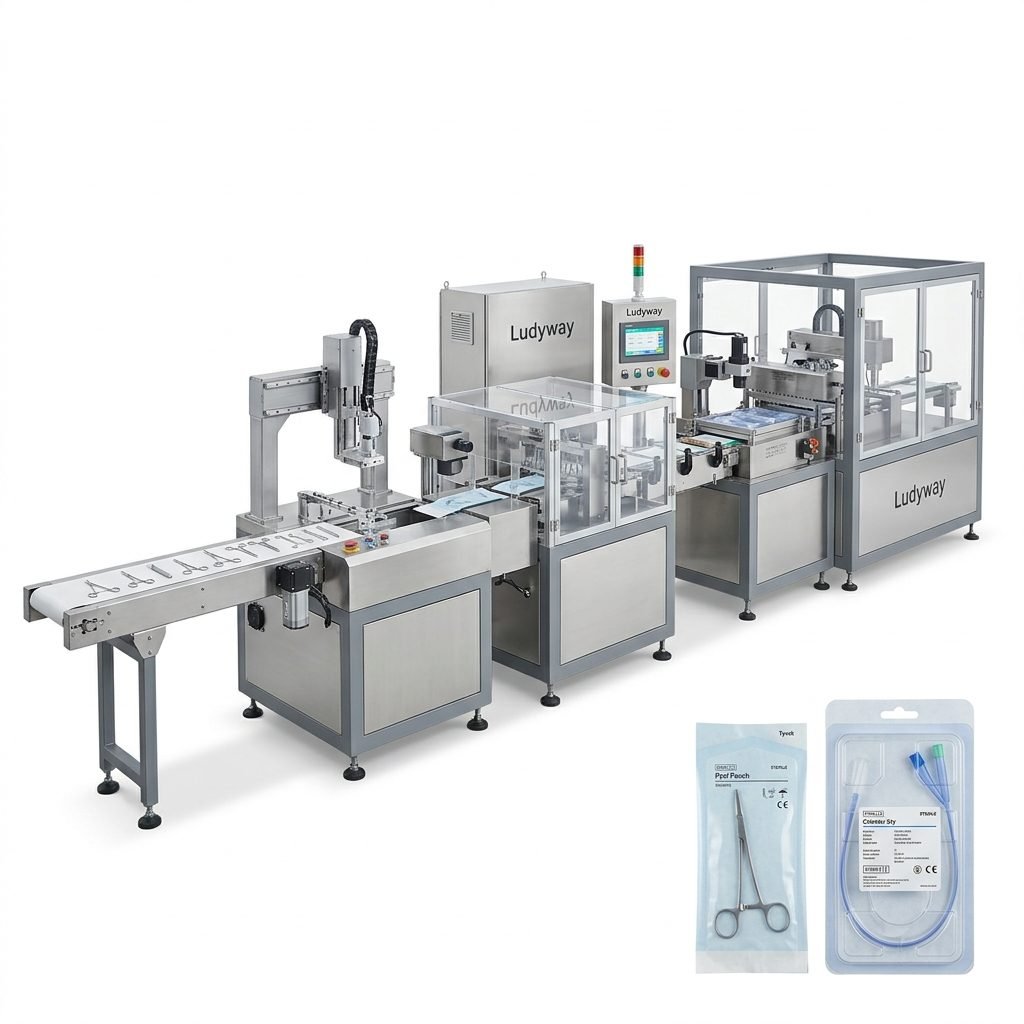
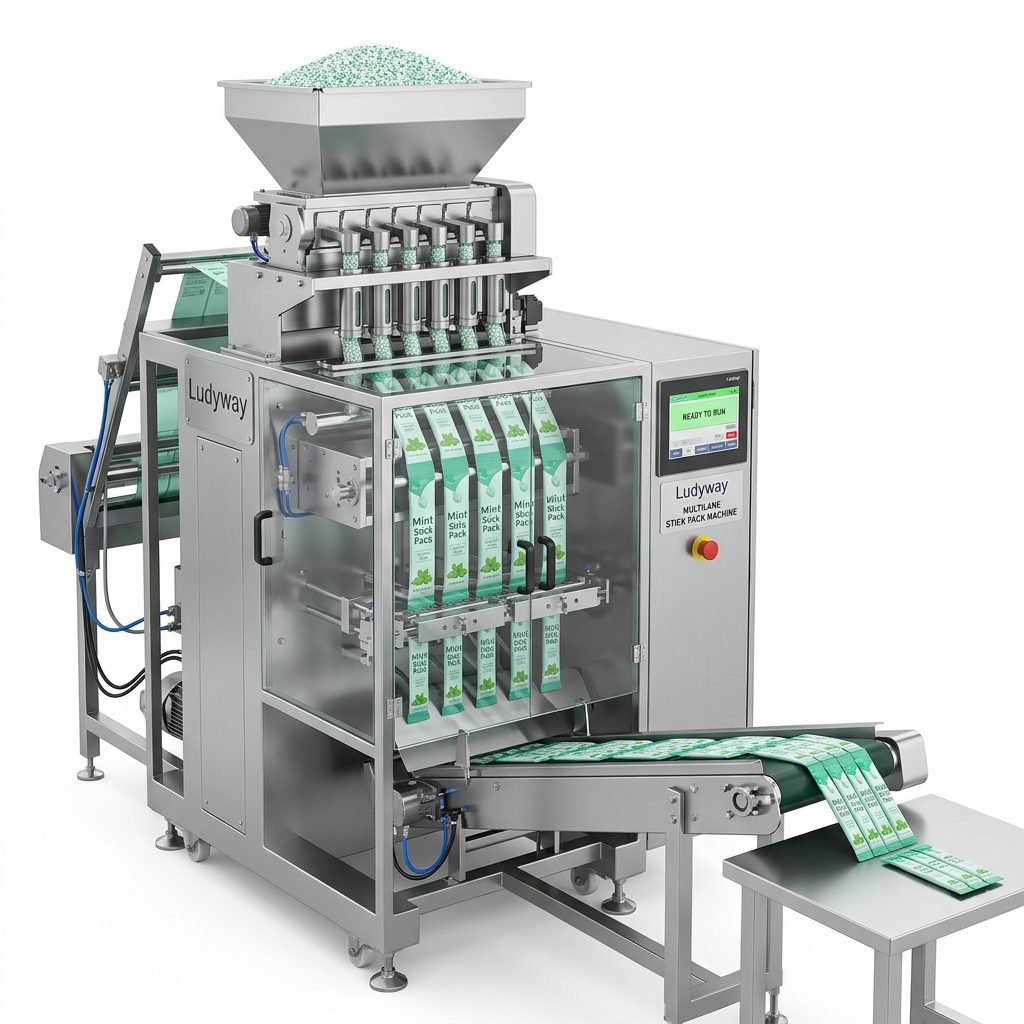
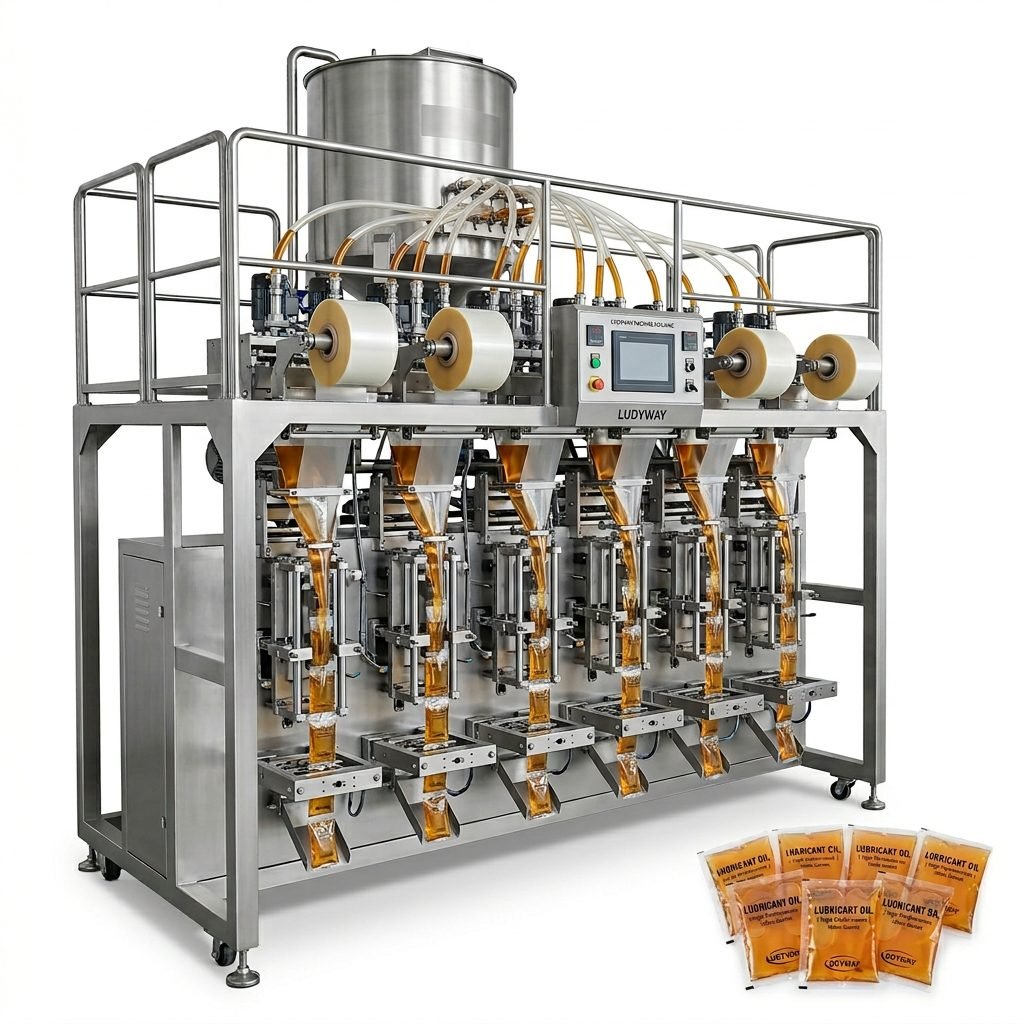
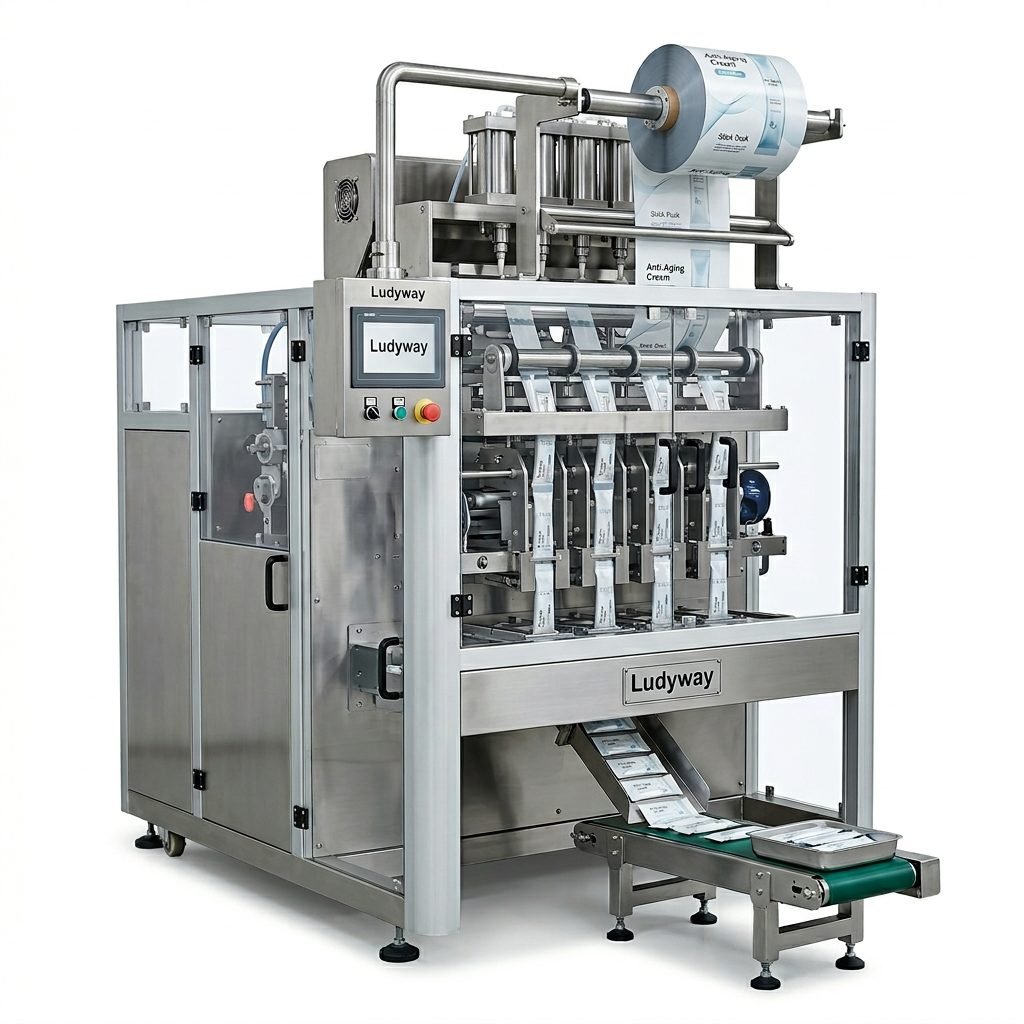
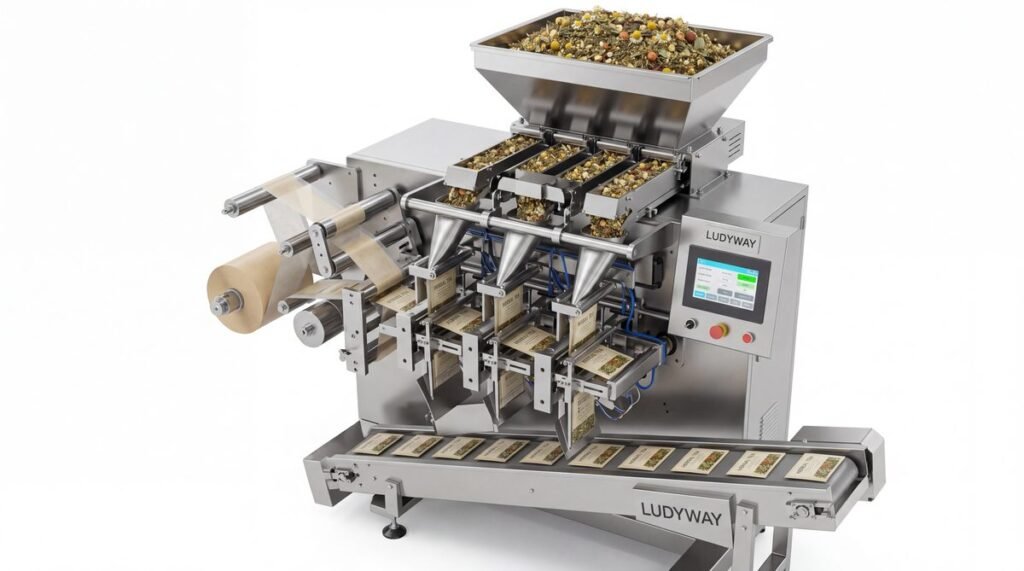
Effective maintenance is the cornerstone of maximizing the lifespan and efficiency of your plastic packaging machine. When it comes to packaging machine manufacturer standards, neglecting routine care can lead to costly downtime, inconsistent seal quality, and premature component failure. A well-structured maintenance plan not only ensures operational continuity but also safeguards product integrity, particularly in the food and pharmaceutical sectors where hygiene is paramount.
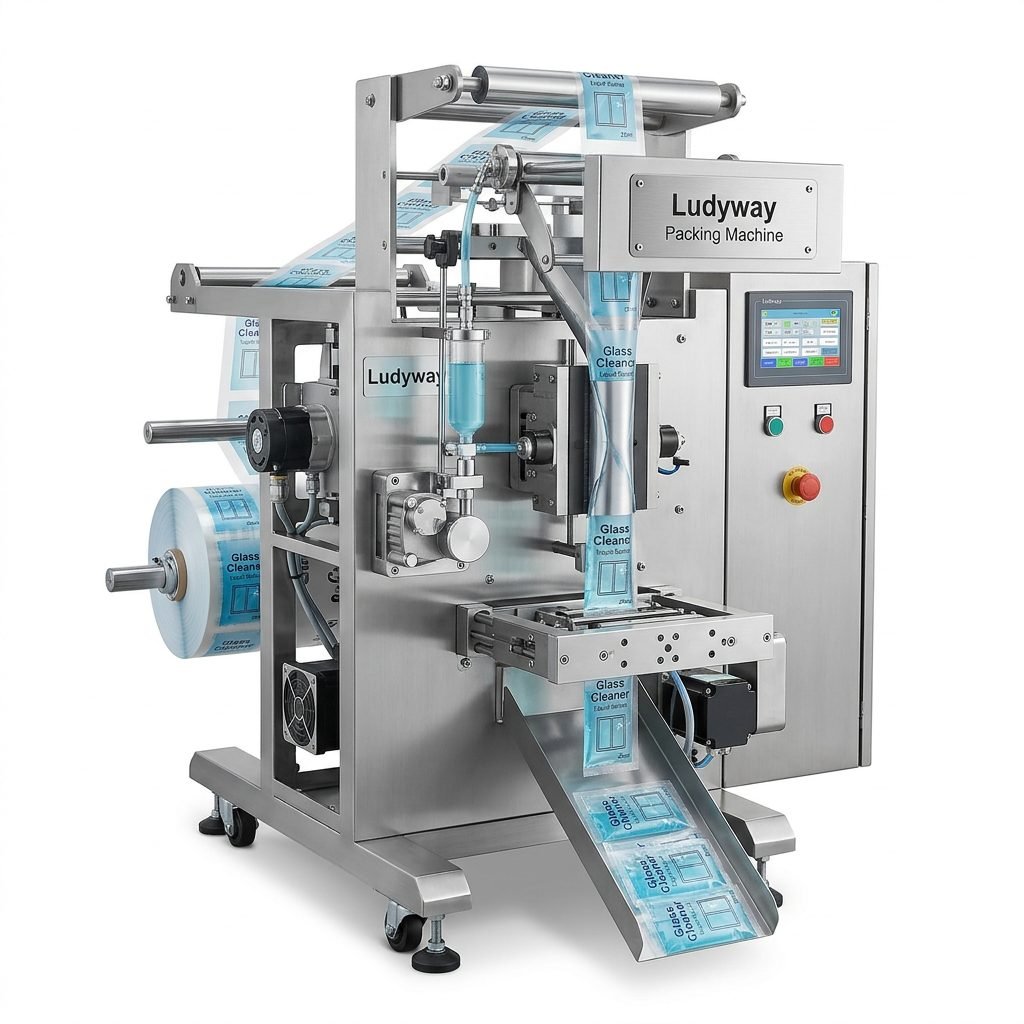
The Strategic Value of Preventive Maintenance
Moving from reactive repairs to preventive maintenance is a game-changer. Rather than waiting for a breakdown, scheduled interventions based on running hours or production cycles keep your equipment in peak condition. This approach significantly reduces the total cost of ownership and preserves the value of your investment in advanced automatic packaging equipment. Facilities that implement rigorous preventive protocols often report a reduction in unplanned stoppages by up to 45%, directly boosting overall equipment effectiveness.
Core Areas of Focus
To build a successful maintenance routine, you must concentrate on the machine’s most critical subsystems. The plastic packaging process relies heavily on precise temperature control, consistent material feeding, and impeccable sealing integrity. By breaking down your maintenance checklist into these key zones, you ensure no vital component is overlooked.
- Heating and Sealing Zone: The heart of any plastic packaging machine, where temperature consistency dictates seam strength.
- Film Feeding and Tension Control: Misalignment here causes wrinkles, misfeeds, and wasted material.
- Forming and Cutting Assemblies: Sharpness and alignment are crucial for clean, professional-looking packages.
- Electrical and Sensor Systems: Dust and vibration can compromise sensitive controls, leading to erratic behavior.
- Pneumatic and Mechanical Drive Components: Leaks or inadequate lubrication accelerate wear in moving parts.
Daily Cleaning: A Non-Negotiable Discipline
Maintaining a clean machine is the simplest yet most effective strategy to extend operational life. Plastic dust, product residue, and environmental debris are the primary enemies of precision machinery. A daily cleaning ritual prevents abrasive particles from infiltrating bearings and seals, while also mitigating fire hazards associated with accumulated plastic film scraps. Use compressed air cautiously—never direct it toward sensitive electronics—and instead rely on lint-free cloths and approved food-grade cleaning agents for product contact surfaces.
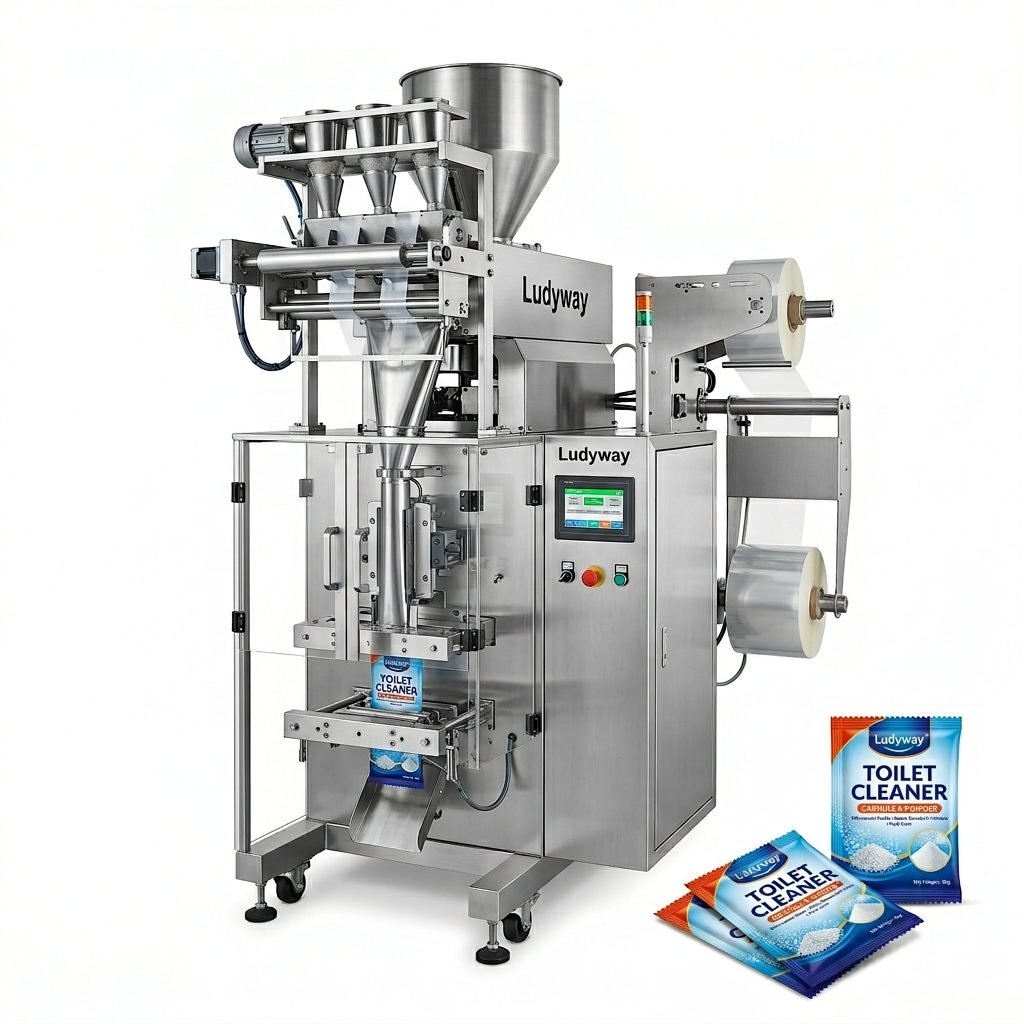
Step-by-Step Daily Routine
- Power down and lock out the machine completely before any intervention.
- Remove all film remnants, cut-offs, and product spillage from the forming area.
- Wipe down sealing jaws with a soft brass brush (if metal) or a non-abrasive pad to remove melted residue.
- Inspect and clean photoelectric sensors with a gentle, dry microfiber cloth.
- Check the air filter and drain the moisture trap on the pneumatic system.
Critical Inspection of Sealing and Heating Elements
The seal is the most critical quality attribute of any flexible package. Consistent heat distribution across the sealing jaw surface is essential to avoid weak spots or burn-through. Using a pyrometer, operators should periodically verify that the actual temperature matches the controller setpoint. Look for signs of uneven coating wear on non-stick surfaces; a scratched or degraded jaw surface will immediately create defective seals. For machines running aggressive films, consider upgrading to premium-grade sealing bands with enhanced durability.
| Component | Check Frequency | Key Action |
|---|---|---|
| Sealing Jaws | Every Shift | Clean residue, verify temperature accuracy |
| Thermocouples | Monthly | Calibrate against certified reference |
| Heater Cartridges | Quarterly | Check electrical resistance for degradation |
| Non-stick Covers (PTFE) | Weekly | Inspect for cuts, bubbles, or peeling |
Lubrication and Wear Prevention for Moving Parts
A well-lubricated machine runs smoother, quieter, and lasts significantly longer. However, plastic packaging environments present a unique challenge: you must prevent lubricant from contaminating the packaging film or product. Always follow the manufacturer’s lubrication chart precisely, using food-grade greases and oils where contamination risk exists. Pay special attention to high-cycle components like cam-driven jaws, connecting rods, and reciprocating shafts. Over-lubrication is as harmful as under-lubrication—excess grease attracts dust and creates a grinding paste that accelerates wear.

Essential Lubrication Points
- Rotary sealing shafts: Apply high-temperature stable grease sparingly.
- Linear guide rails: Clean old grease before applying a fresh thin coat.
- Chain drives and sprockets: Use adhesive chain oil to prevent fling-off.
- Pneumatic cylinders: Only lubricate if specified; oil mist systems require functional checks.
Precision Alignment of Film Path and Forming Tubes
Film tracking errors are a primary source of waste in plastic packaging. A slight misalignment at the forming shoulder or tube will cause the film to drift, resulting in crooked seals and crushed product. During maintenance, use alignment bars or laser guides to verify that the forming tube, vertical sealing bars, and cross-seal jaw share a precise geometric relationship. Adjust dancers and tension arms to ensure smooth, consistent film feed without sudden jerks. Regularly inspect the forming collar for any nicks or rough spots that could scratch the film surface.
Consistent tension across the full web width is non-negotiable. Worn bearings on unwind rollers or a sticking dancer arm oscillation can create intermittent tension spikes. These spikes often manifest as “smiling” seals or creeping film drift. Always refer to your specific automatic packaging solutions manual for the correct dancer arm settings and counterweight configurations.
Electrical System and Sensor Integrity
Modern plastic packaging machines rely heavily on automation and sensor feedback loops. Dust ingress is the silent killer of control panels and sensor lenses. All cabinet seals must be intact, and positive pressure cooling fans should be operational. For capacitive and photoelectric sensors that detect film registration marks or product presence, a weekly wipe-down prevents false readings. Check all terminal block connections for tightness, as thermal cycling from the sealing section can cause screws to loosen over time, leading to intermittent faults that are notoriously difficult to troubleshoot.
Sensor Health Checklist
- Clean all optical sensor lenses and reflectors with a damp lint-free wipe.
- Verify that all emergency stop circuits and safety interlocks engage without delay.
- Inspect cable chains and flex zones for wire fatigue or exposed conductors.
- Test fiber optic cables for internal breakage, especially where bending radius is small.
Spare Parts Management
Even with the most rigorous maintenance, wear items will eventually need replacement. A strategic spare parts inventory prevents extended downtime waiting for components. We recommend always keeping a kit of critical consumables on hand. This proactive approach is a hallmark of top-tier production facilities. Companies like Ludyway offer comprehensive spare parts kits tailored to their machine models, ensuring quick genuine replacements. Beyond basic wear items, consider the lead time for more complex assemblies like full jaw sections or drive servo motors when planning your inventory.
| Part Category | Recommended Stock Level | Replacement Indicator |
|---|---|---|
| Sealing Ribbons/Bands | 2-3 sets | Visible surface cracking or inconsistent heat imprint |
| Cutting Knives (Guillotine/Rotary) | 1-2 sets | Ragged cut edges or increased cutting force noise |
| PTFE Covers/tape | 5-10 rolls | Any sign of burning, tearing, or adhesion loss |
| Heating Elements/Cartridges | 1-2 per size | Controller output stays at 100% without reaching setpoint |
| Pneumatic Seals & O-rings | Assorted kit | Audible air leaks or slow cylinder actuation |
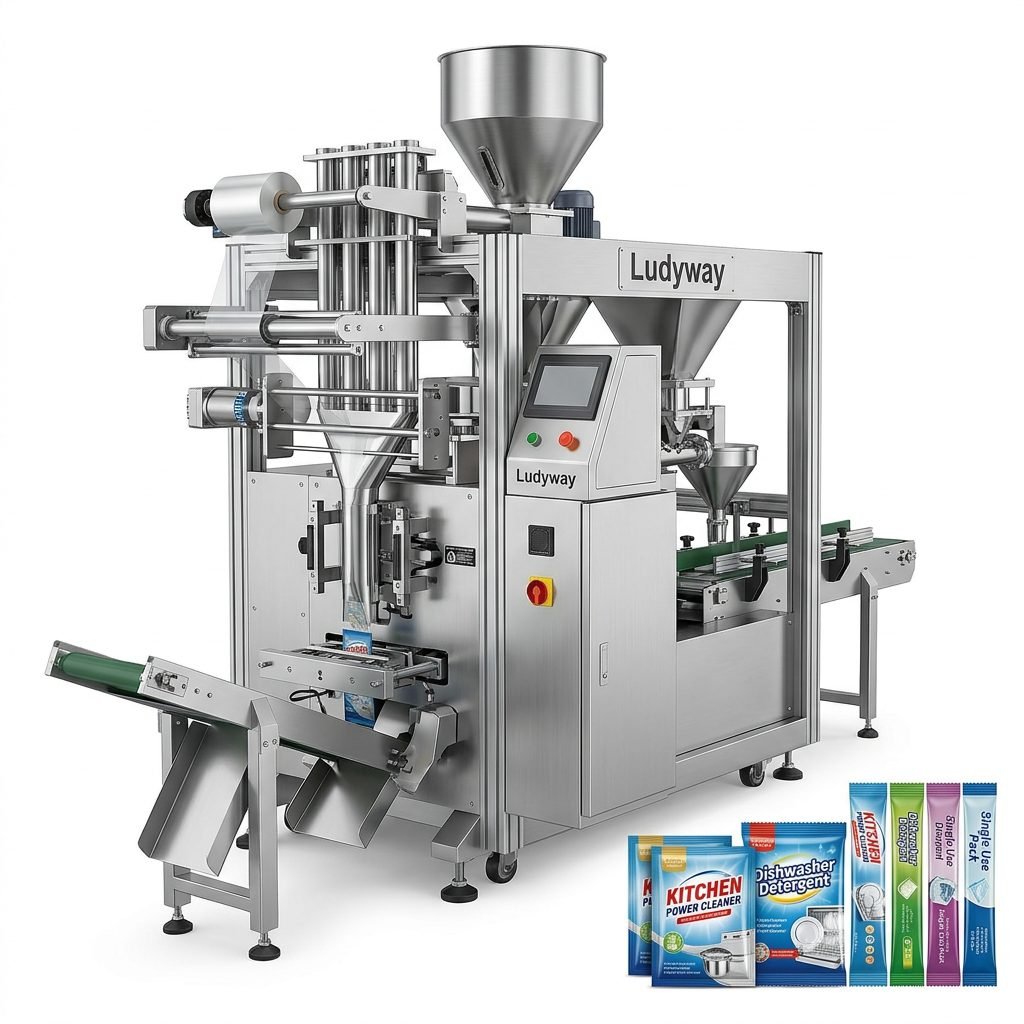
Seasonal and Long-Term Storage Procedures
If a production line is scheduled for extended shutdown or seasonal operation, specific preservation steps are essential. Plastic packaging machines left idle in humid environments suffer from corrosion on bare metal surfaces and degradation of rubber components. Before any long-term storage, thoroughly clean and dry all parts, apply a light protective oil to exposed steel surfaces, and relieve tension from all film threading rollers. Disconnect pneumatic pressure and cover the machine to prevent dust settlement. Most critically, energize control cabinets periodically to keep internal dehumidifying heaters active and protect sensitive electronics from moisture damage.
Documenting Your Maintenance History
A maintenance log is not merely a record—it is an analytical tool for predicting failures. Every action, observation, and replaced part should be timestamped and linked to machine counters. Over time, this data reveals patterns, such as a particular heater failing every 1800 hours or a specific batch of film causing more residue than usual. Digital maintenance management systems can send automatic reminders and keep the entire technical history accessible at the machine interface. This data-driven methodology moves maintenance from a cost center to a strategic asset in plastic packaging operations.
For further guidance on advanced packaging equipment support and tailored maintenance protocols, explore the resources available from industry leaders and machine manufacturers who prioritize long-term total cost of ownership over short-term gains.