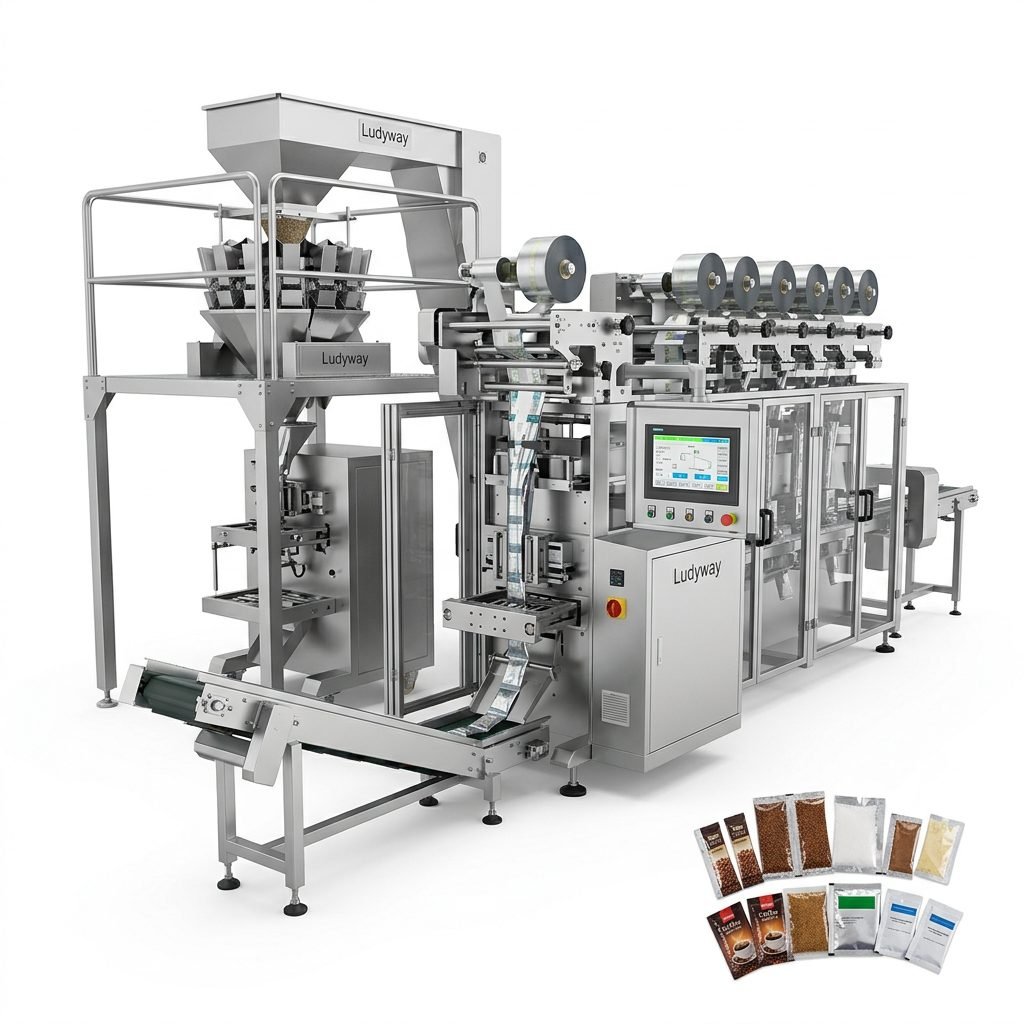
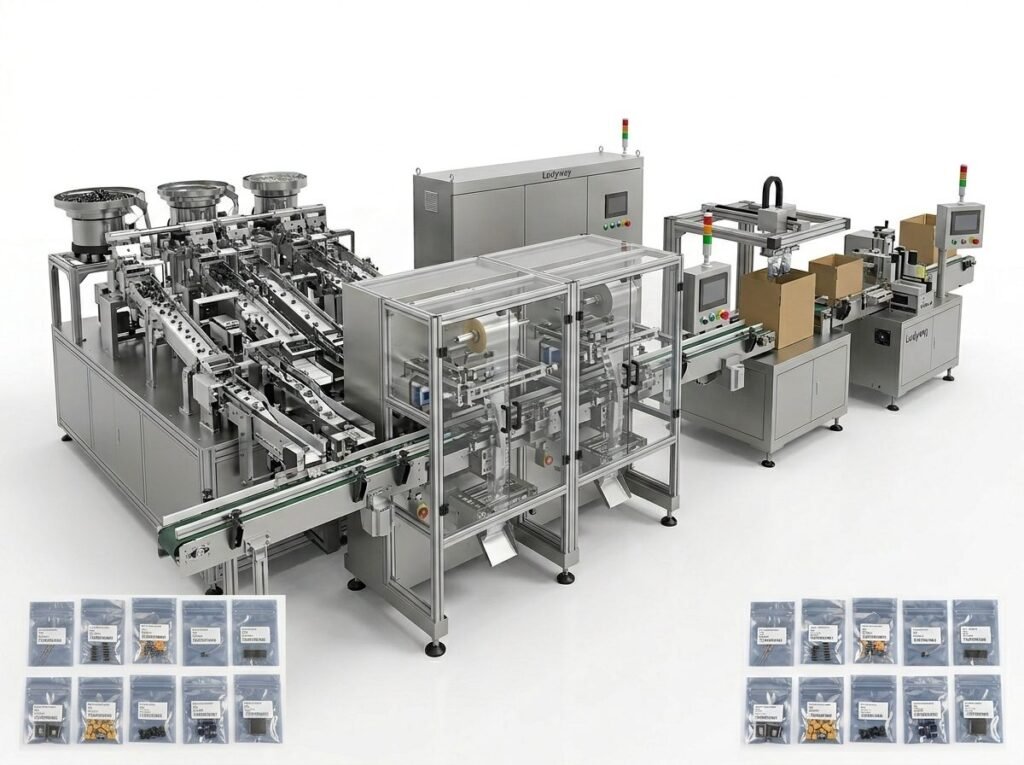
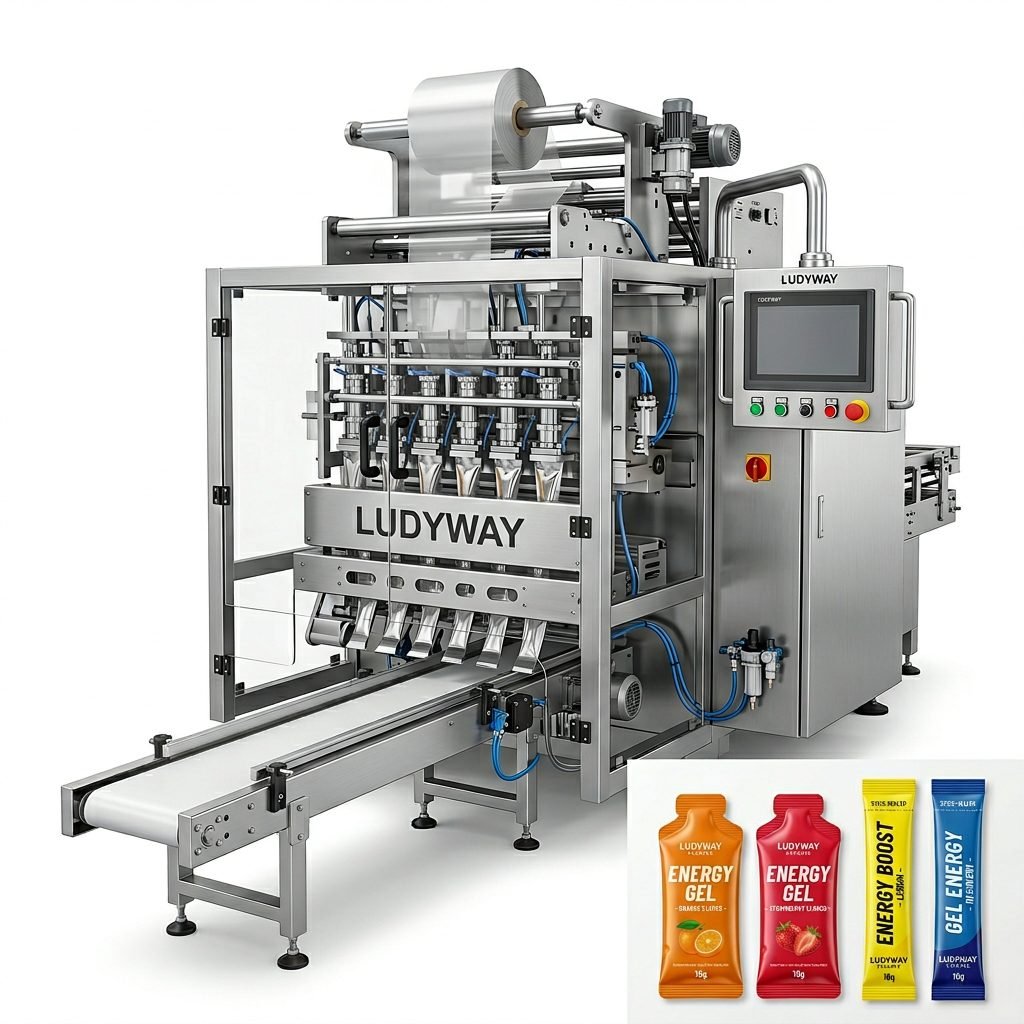
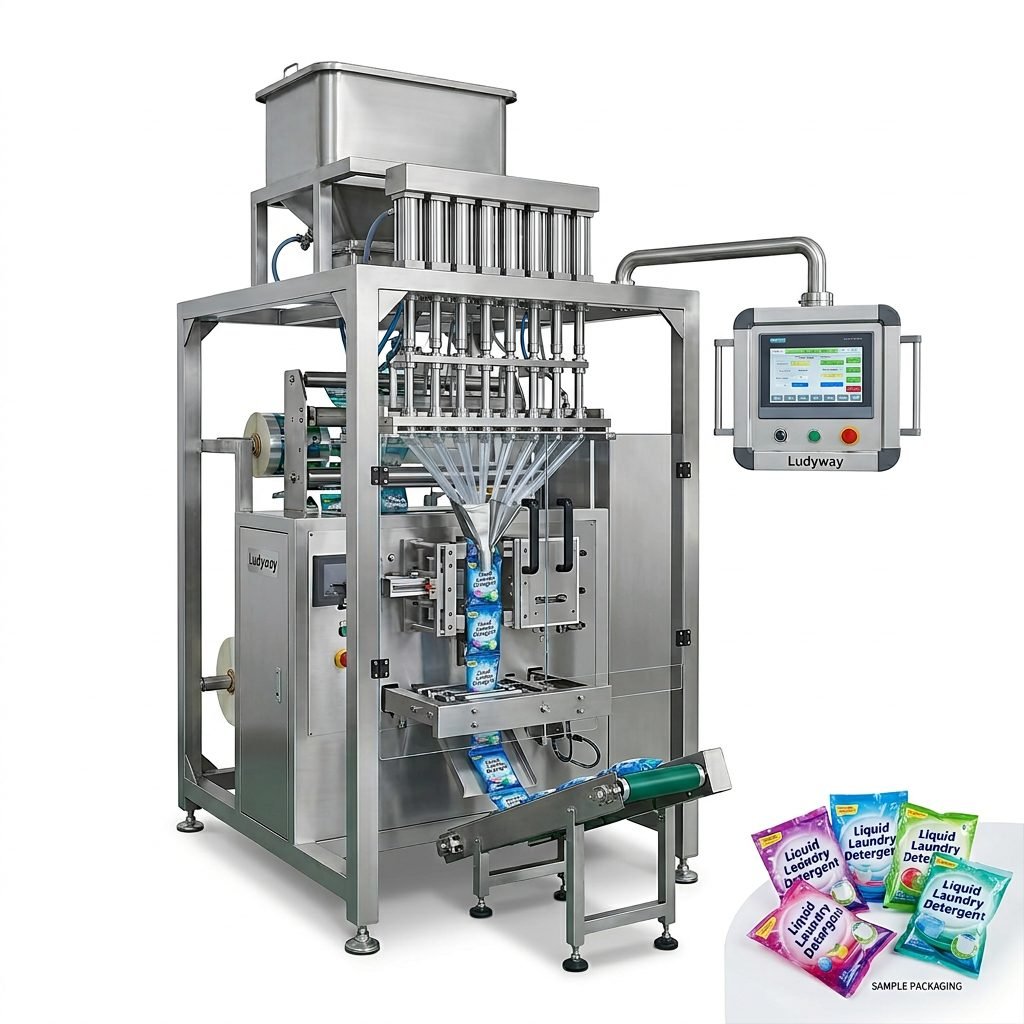
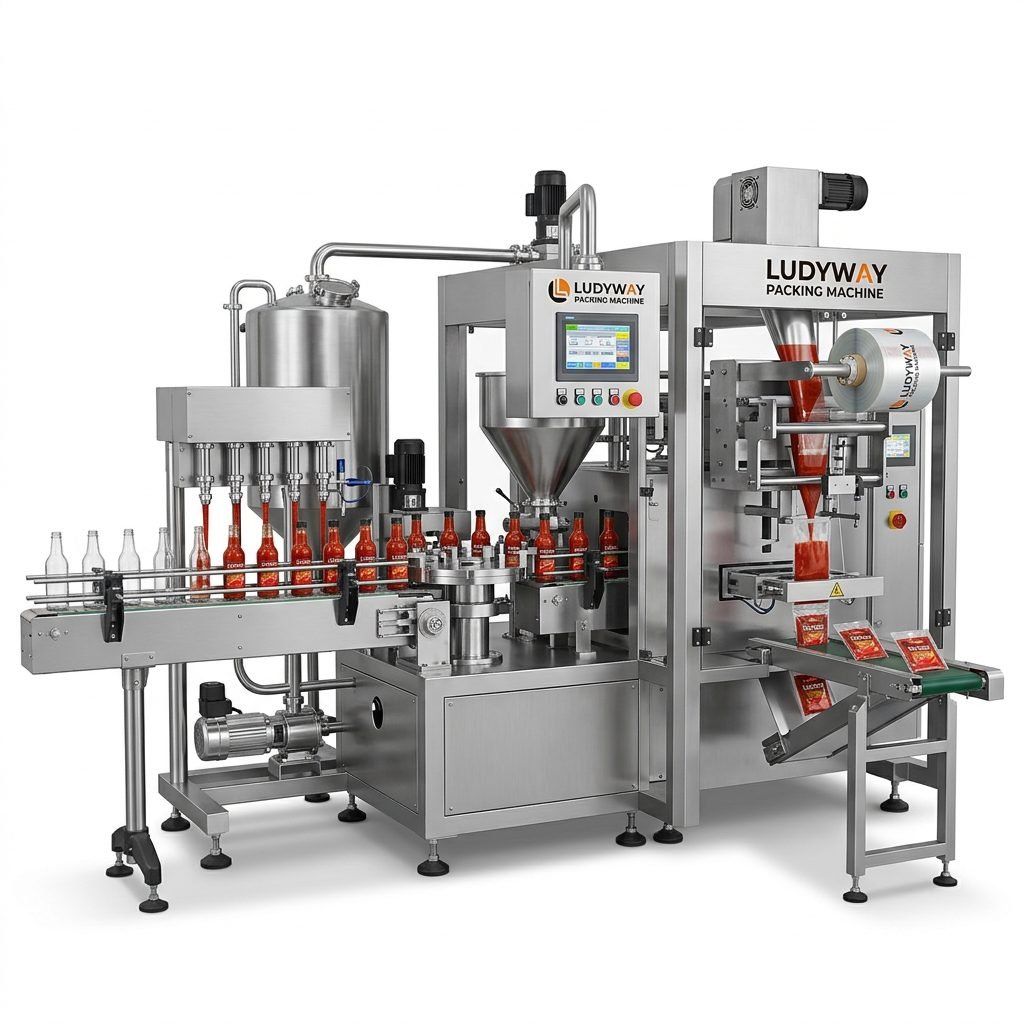
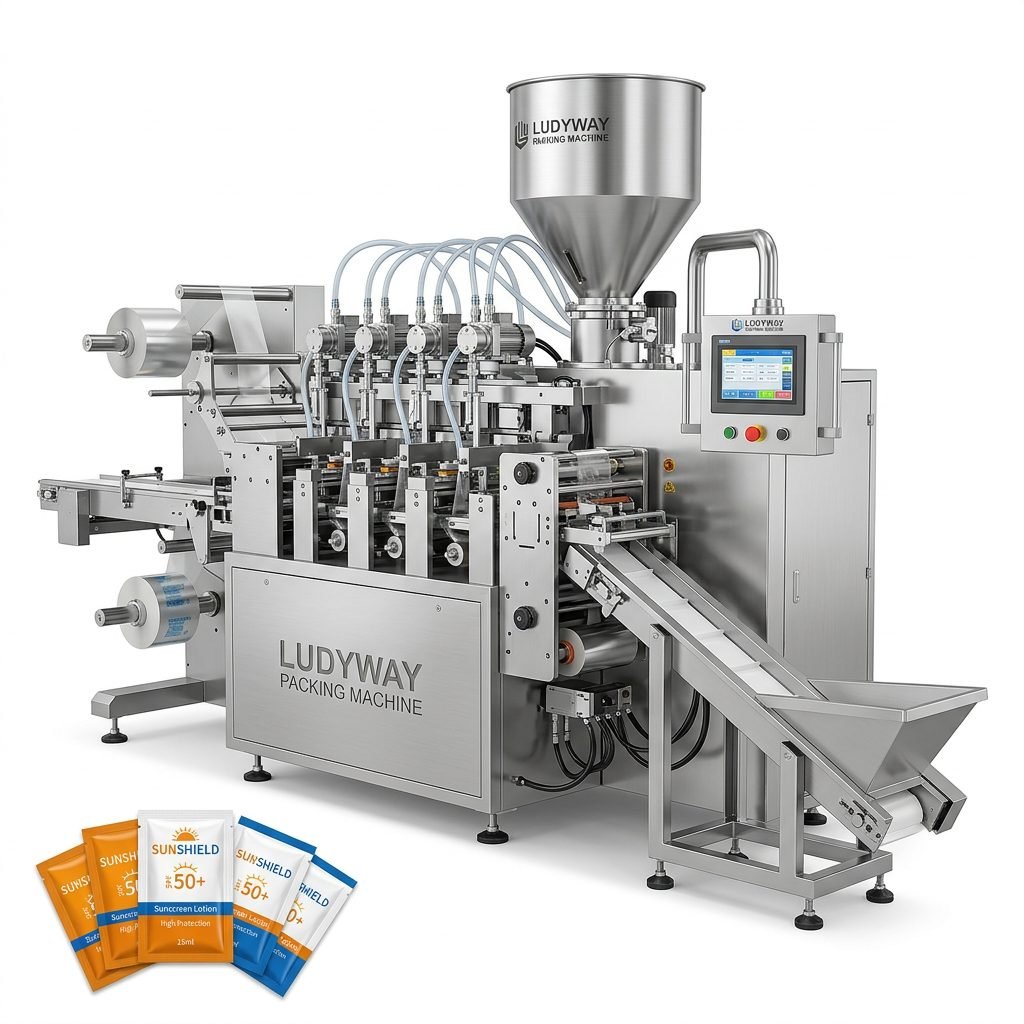
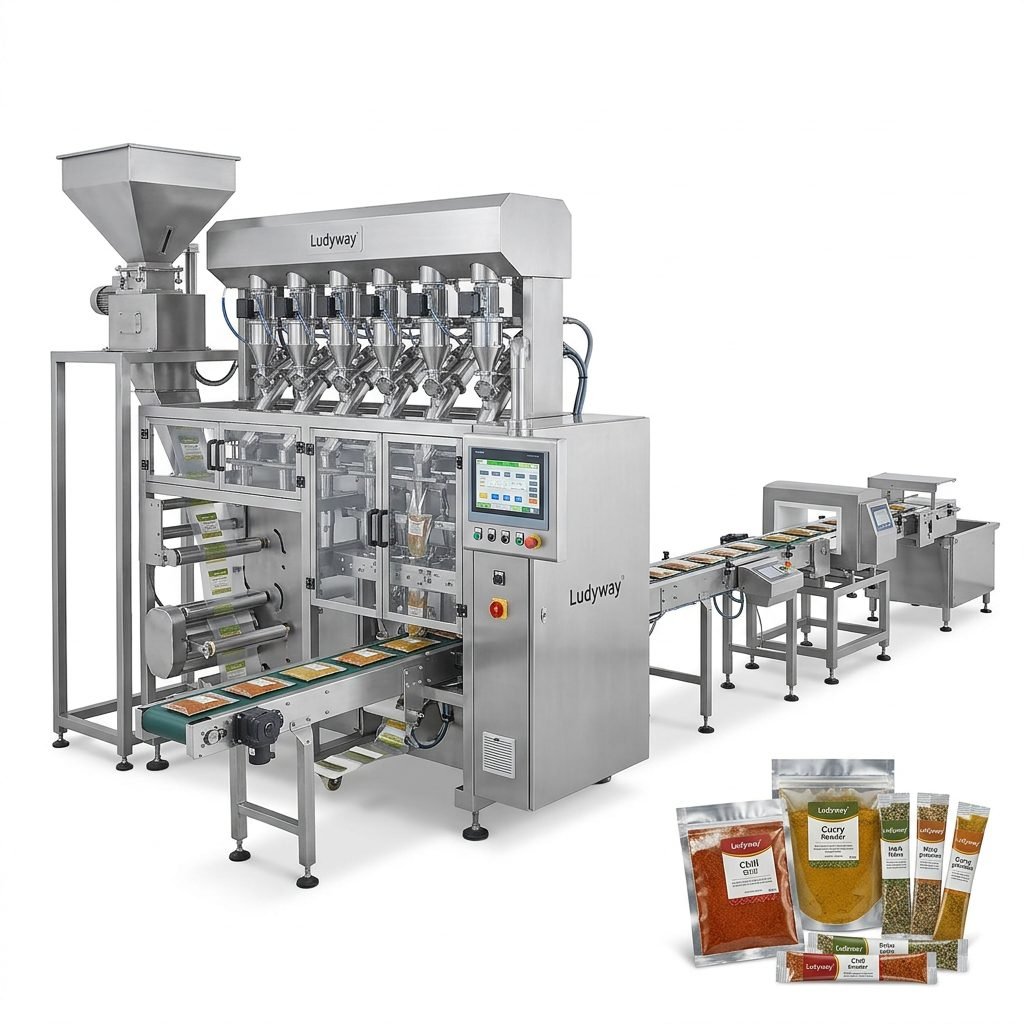
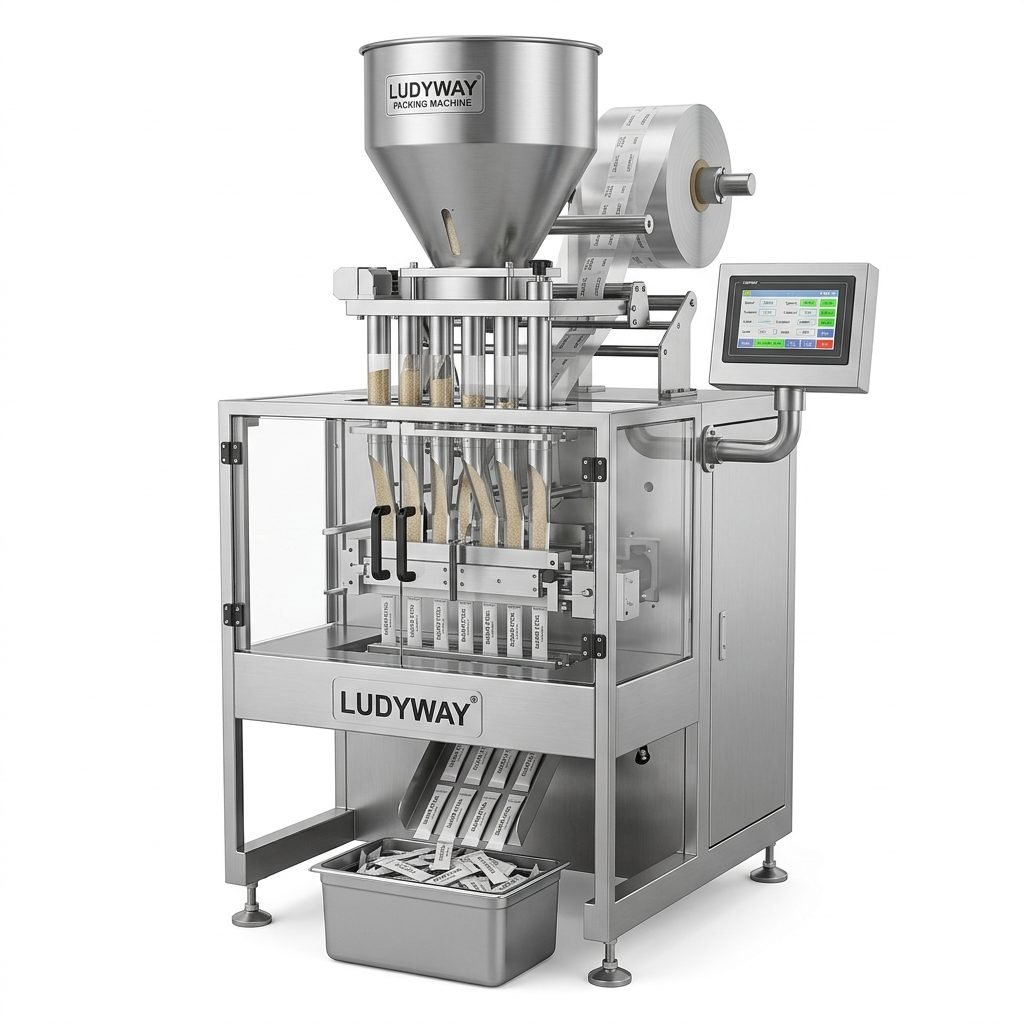
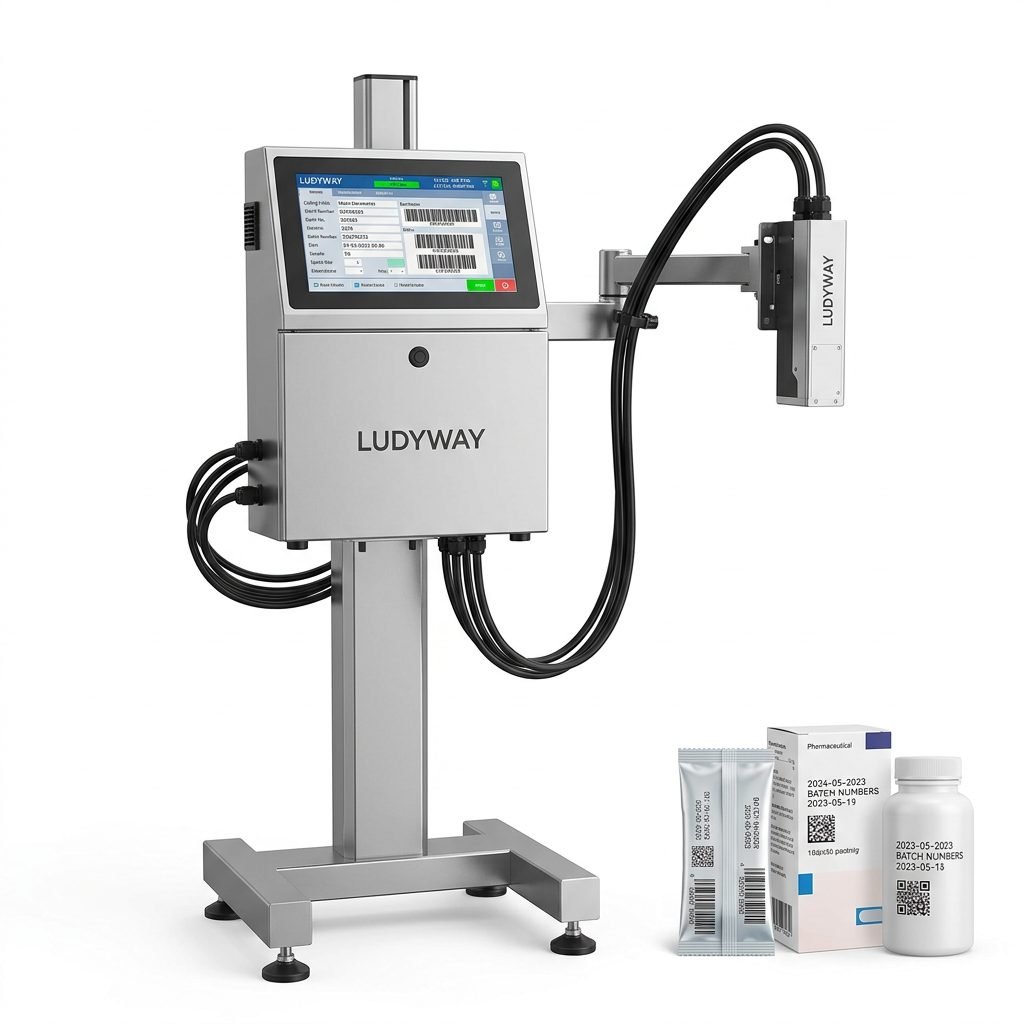
Packing pouch printing machines are the backbone of flexible packaging production lines. Whether you run a small contract packaging business or manage a large-scale manufacturing facility, the reliability of your packaging machinery directly impacts product quality, production efficiency, and your bottom line. A well-maintained printing machine not only extends equipment lifespan but also ensures consistent print quality, reduces unplanned downtime, and minimizes costly emergency repairs.
This comprehensive guide walks you through essential maintenance practices that every operator and maintenance technician should follow. From daily cleaning routines to quarterly inspections, these tips will help you keep your pouch printing machine running at peak performance.
Why Regular Maintenance Matters
Neglecting routine maintenance on a pouch printing machine can lead to a cascade of problems. Print head clogging, ink system failures, and misaligned components are just a few issues that arise when maintenance is overlooked. According to the Flexible Packaging Association, preventive maintenance can reduce equipment-related downtime by up to 30-50% in high-volume production environments.
Investing time in consistent upkeep not only preserves print quality but also protects your brand reputation. Smudged barcodes, faded expiration dates, and inconsistent branding on pouches can lead to product recalls and customer dissatisfaction.
Daily Cleaning Procedures
Daily cleaning is the single most impactful maintenance task you can perform. Dust, ink residue, and substrate particles accumulate quickly on printing surfaces and can compromise print clarity.
- Print head cleaning: Use manufacturer-approved cleaning solutions to wipe print heads at the start and end of each shift. Avoid abrasive materials that can scratch delicate nozzle surfaces.
- Ink system inspection: Check ink levels, inspect for leaks around cartridges and supply lines, and wipe away any dried ink buildup around the print area.
- Conveyor and roller cleaning: Remove accumulated dust and debris from feed rollers, guide rails, and the conveyor belt. Built-up residue can cause pouch misalignment during printing.
- Sensor lens cleaning: Optical sensors rely on clean lenses. Use a lint-free cloth to gently clean all photoelectric sensors that control registration and print timing.
- Exterior wipe-down: A full exterior cleaning prevents dust from migrating into sensitive internal components during operation.
Lubrication Best Practices
Proper lubrication reduces friction, prevents premature wear, and maintains smooth mechanical operation. However, over-lubrication can be as damaging as under-lubrication.
- Follow the manufacturer’s lubrication chart for specific grease points and recommended intervals.
- Use only food-grade lubricants when maintaining machines used for food packaging applications, as specified by FDA packaging regulations.
- Pay special attention to chain drives, bearing housings, cam mechanisms, and rotary joints.
- Document all lubrication activities in a maintenance log for traceability.
- Inspect grease fittings regularly and replace damaged ones immediately to prevent contamination.
Inspection and Replacement of Wear Parts
Every packing pouch printing machine contains components designed to wear over time. Proactive replacement of these parts prevents catastrophic failures during production runs.
The most commonly replaced wear parts include:
- Print heads – Performance degrades gradually; schedule replacements based on print volume rather than waiting for complete failure.
- Rubber rollers and belts – Check for cracking, glazing, or loss of elasticity every month.
- Seals and gaskets – Inspect ink system seals quarterly to prevent leaks that can damage electronics.
- Filters – Replace ink and air filters according to the manufacturer’s recommended schedule.
- Drive belts – Tension and alignment should be verified during each preventive maintenance cycle.
Electrical System Maintenance
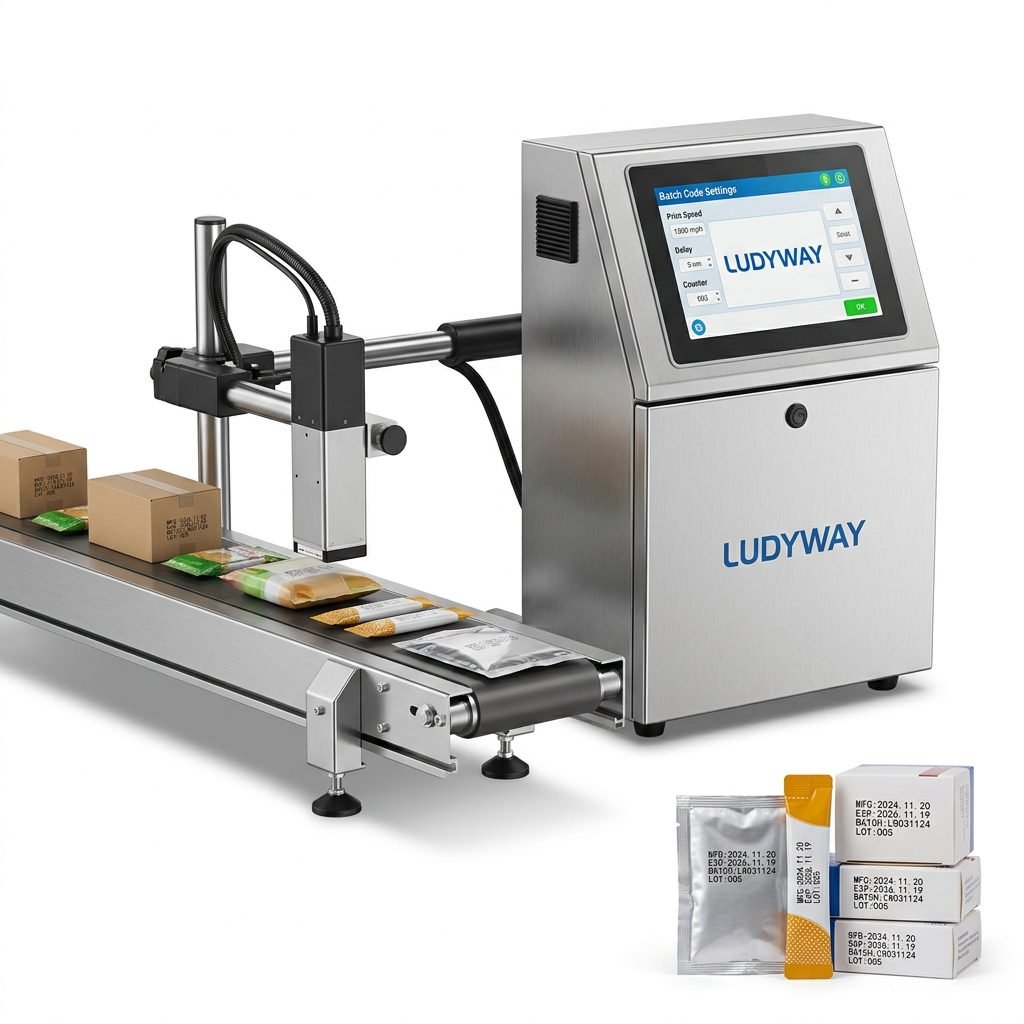
Electrical issues are among the most difficult to diagnose and can cause intermittent problems that are frustrating to troubleshoot. A structured approach to electrical maintenance minimizes these risks.
- Connection integrity: Tighten all terminal connections, inspect wiring harnesses for signs of heat damage or corrosion, and verify grounding continuity.
- Control panel inspection: Keep control cabinets clean and dry. Check that cooling fans are operational and that vents are unobstructed.
- Static discharge prevention: In dry environments, static buildup can damage sensitive electronics. Verify that anti-static measures are functioning correctly.
- Backup parameters: Regularly back up machine configuration settings to avoid losing critical operational parameters during power outages or component failures.
Calibration and Alignment Checks
Print registration accuracy depends on precise mechanical alignment and sensor calibration. Even minor deviations can cause misaligned prints that render pouches unusable.
- Verify print-to-pouch registration at the start of each production batch.
- Calibrate sensors for consistent detection of registration marks across different film materials and colors.
- Check that print head distance and angle are within the specified tolerance range for optimal ink transfer.
- Inspect and adjust timing belt tension to maintain synchronization between the printing station and the film transport system.
- Perform test prints after any mechanical adjustment to confirm alignment accuracy.
Preventive Maintenance Schedule Overview
The following table outlines a recommended maintenance schedule for packing pouch printing machines. Adjust intervals based on your specific production volume and operating environment:
| Maintenance Task | Frequency | Responsible Party | Priority Level |
|---|---|---|---|
| Print head exterior cleaning | Daily | Operator | High |
| Ink level and leak inspection | Daily | Operator | High |
| Conveyor and roller cleaning | Daily | Operator | High |
| Sensor lens cleaning | Weekly | Operator | Medium |
| Lubrication of moving parts | Weekly | Maintenance Tech | High |
| Print registration calibration | Weekly | Operator | High |
| Belt tension and alignment check | Monthly | Maintenance Tech | Medium |
| Electrical connection inspection | Monthly | Maintenance Tech | Medium |
| Filter replacement | Quarterly | Maintenance Tech | Medium |
| Full print head replacement | As needed / Annually | Maintenance Tech | Low-Medium |
| Comprehensive system audit | Semi-Annually | Service Engineer | High |
| Control system backup and software update | Annually | Service Engineer | Medium |
Troubleshooting Common Issues
Even with diligent maintenance, occasional issues arise. Understanding common problems and their root causes accelerates troubleshooting and minimizes downtime.
- Problem: Faded or inconsistent print quality.
Likely causes: Low ink levels, partially clogged print heads, incorrect print head distance, or worn print heads nearing end of life. - Problem: Print misalignment or registration errors.
Likely causes: Dirty registration sensors, incorrect sensor calibration, film tension inconsistencies, or mechanical wear in the transport system. - Problem: Intermittent ink supply or ink starvation.
Likely causes: Clogged ink filters, air trapped in the ink delivery system, or failing ink pump components. - Problem: Smudging immediately after printing.
Likely causes: Insufficient drying time, incorrect ink formulation for the substrate material, or ambient humidity issues affecting ink curing. - Problem: Excessive mechanical noise or vibration.
Likely causes: Worn bearings, loose mounting bolts, misaligned drive components, or insufficient lubrication.
Professional Maintenance and Support Services
While in-house maintenance teams handle daily and weekly tasks effectively, periodic professional servicing adds significant value. Experienced technicians can identify developing issues before they lead to equipment failure and perform advanced calibration that restores original print quality standards. For businesses operating high-performance packaging equipment, partnering with a manufacturer that offers comprehensive after-sales support is crucial. Companies like Ludyway, with over 30 years of packaging machinery expertise, provide technical assistance and genuine spare parts that help extend machine lifespan and maintain optimal output quality.
Documentation and Record Keeping
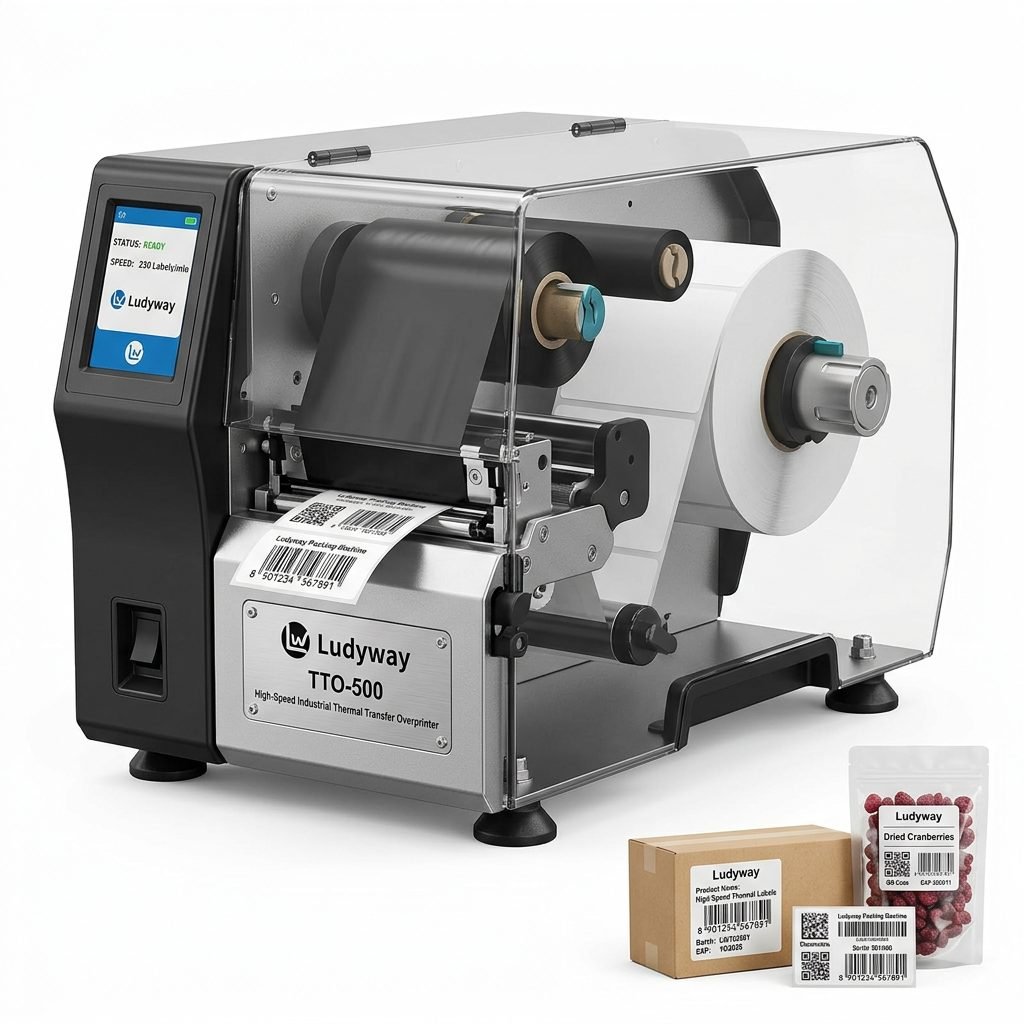
A detailed maintenance log is an invaluable tool for tracking machine health over time. Consistent documentation helps identify recurring issues, optimize spare parts inventory, and demonstrate compliance with industry regulations including ISO packaging standards.
- Record all cleaning, lubrication, and inspection activities with dates and technician names.
- Document any parts replaced, including part numbers and supplier information.
- Track print quality metrics to detect gradual degradation trends.
- Maintain a digital backup of all maintenance records for easy retrieval during audits.
- Use maintenance history to refine and optimize your preventive maintenance schedule.
Final Thoughts on Maximizing Machine Lifespan
Maintaining a packing pouch printing machine is not merely about following a checklist—it’s about building a culture of proactive care. Operators who understand their equipment are more likely to notice subtle changes in performance and address them before they escalate into costly repairs. By combining daily cleaning discipline, scheduled lubrication, timely wear part replacement, and periodic professional servicing, you can significantly extend the service life of your printing machine while maintaining consistent, high-quality output that meets the demands of modern packaging industry standards.
Remember that every production environment is unique. Factors such as ambient temperature, humidity, dust levels, production speed, and substrate materials all influence maintenance requirements. Adapt these guidelines to your specific operating conditions and always prioritize safety when performing any maintenance procedure.
About Ludyway
Ludyway is one of the largest packaging machine manufacturers in China, specializing in advanced packaging equipment and turnkey production solutions for the food, pharmaceutical, and health industries. With over 30 years of industry expertise, we provide reliable and efficient packaging solutions for granule, powder, liquid, and pouch packaging applications. Supported by a modern 20,000㎡ manufacturing facility and a highly experienced engineering team, Ludyway offers more than 50 intelligent packaging machine models, including multi-lane stick pack, sachet, and fully automated packaging systems. Serving customers in over 100 countries and regions, we are committed to delivering innovative, high-performance, and cost-effective packaging solutions that help businesses improve productivity, product quality, and operational efficiency.
Contact Details:
- E-Mail: info@ludyway.com
- WhatsApp: +8613129592456
- Address: Nanlang Town, Zhongshan, Guangdong, China.

Resources: PMMI – Packaging and Processing Technologies | Flexible Packaging Association | FDA – Food Packaging and Food Contact Substances | ISO Packaging Standards