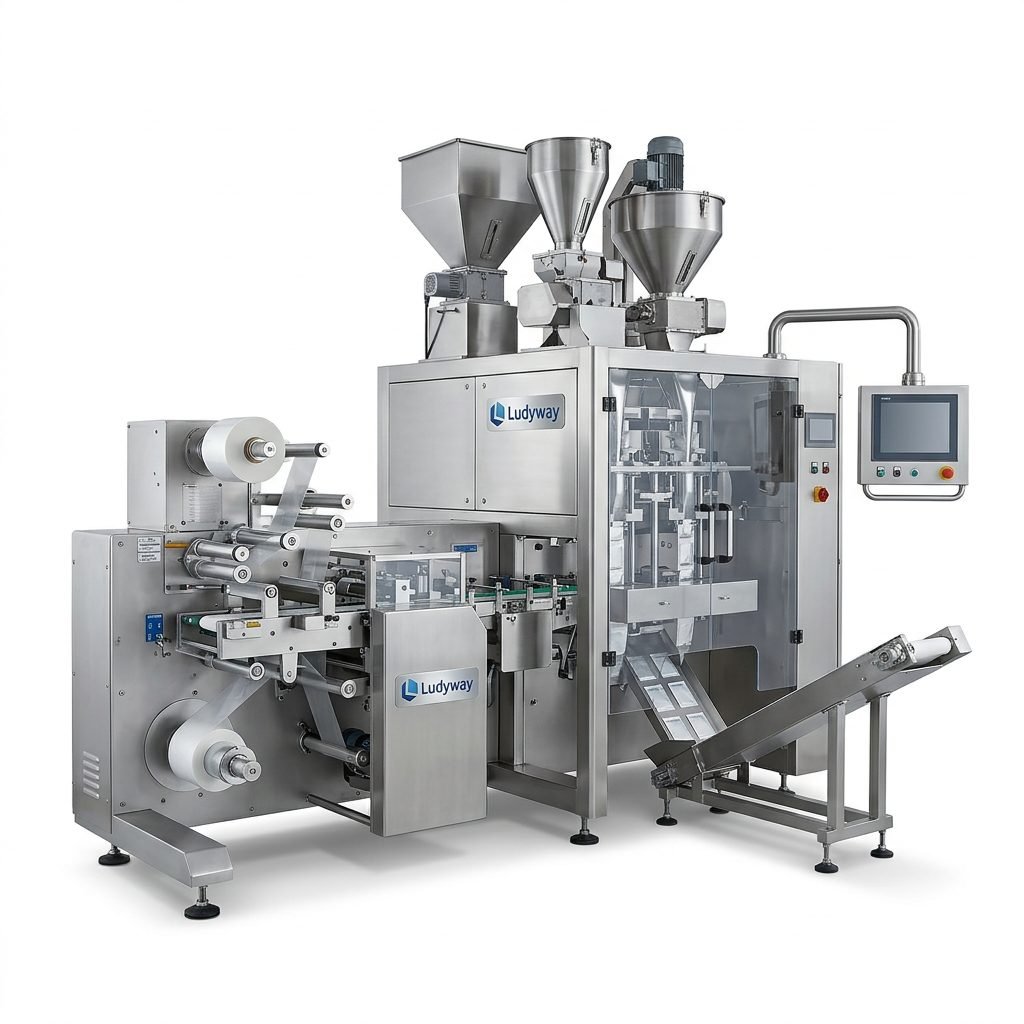
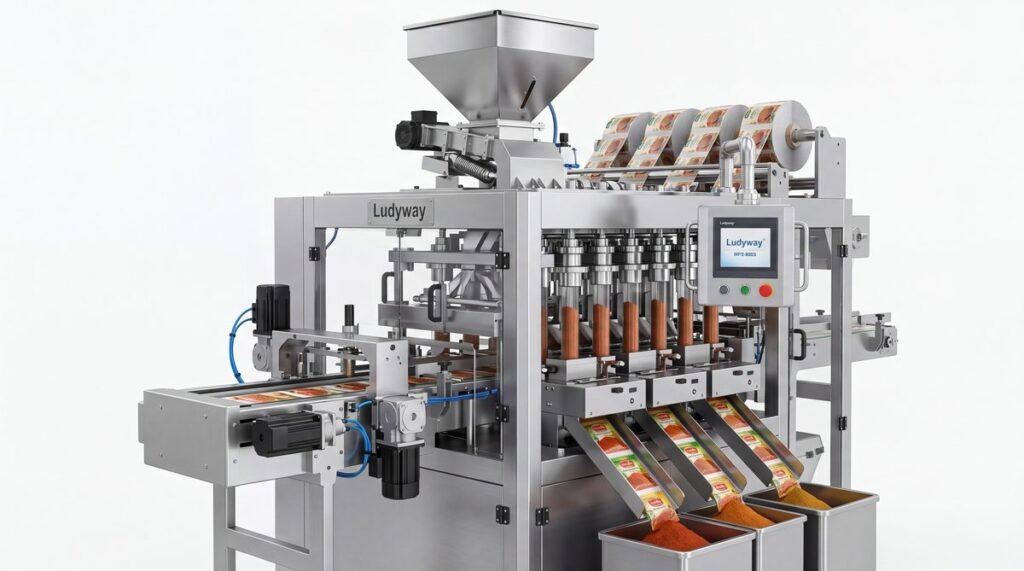
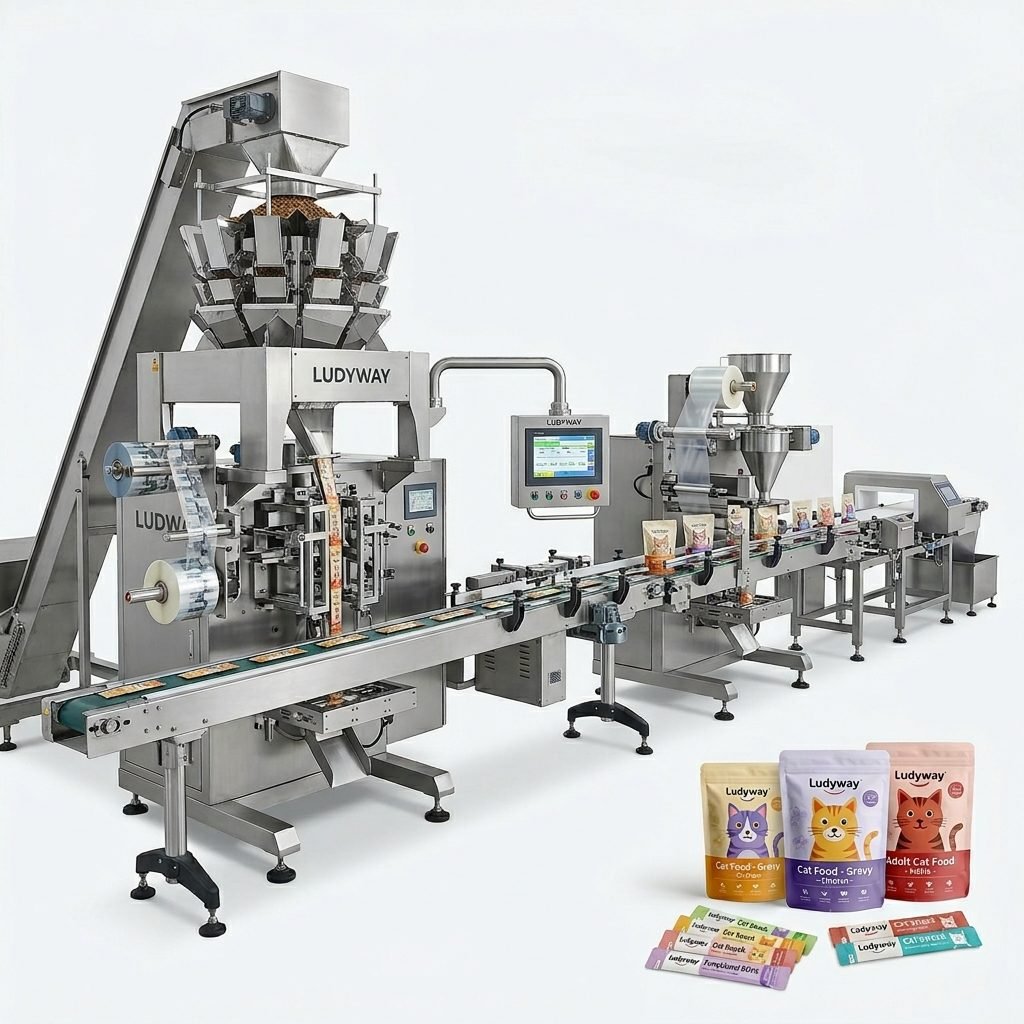
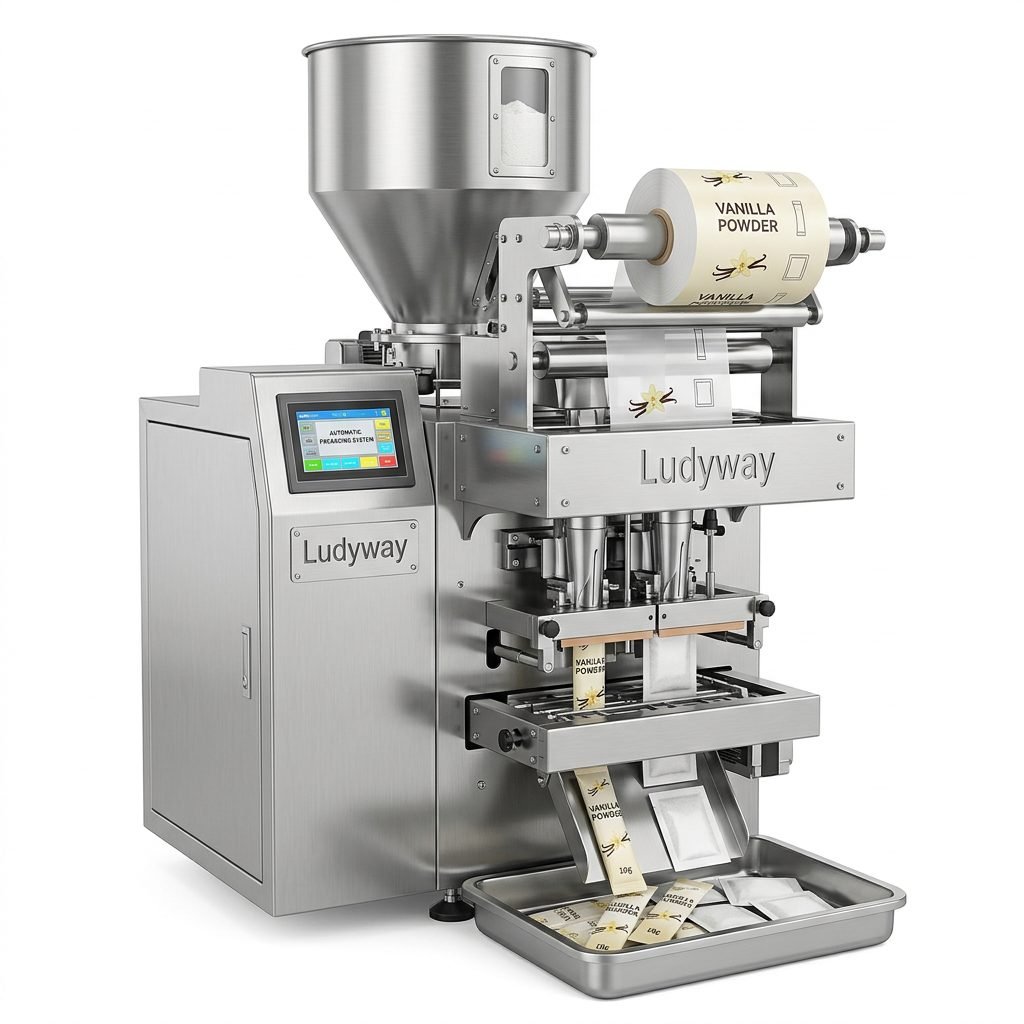
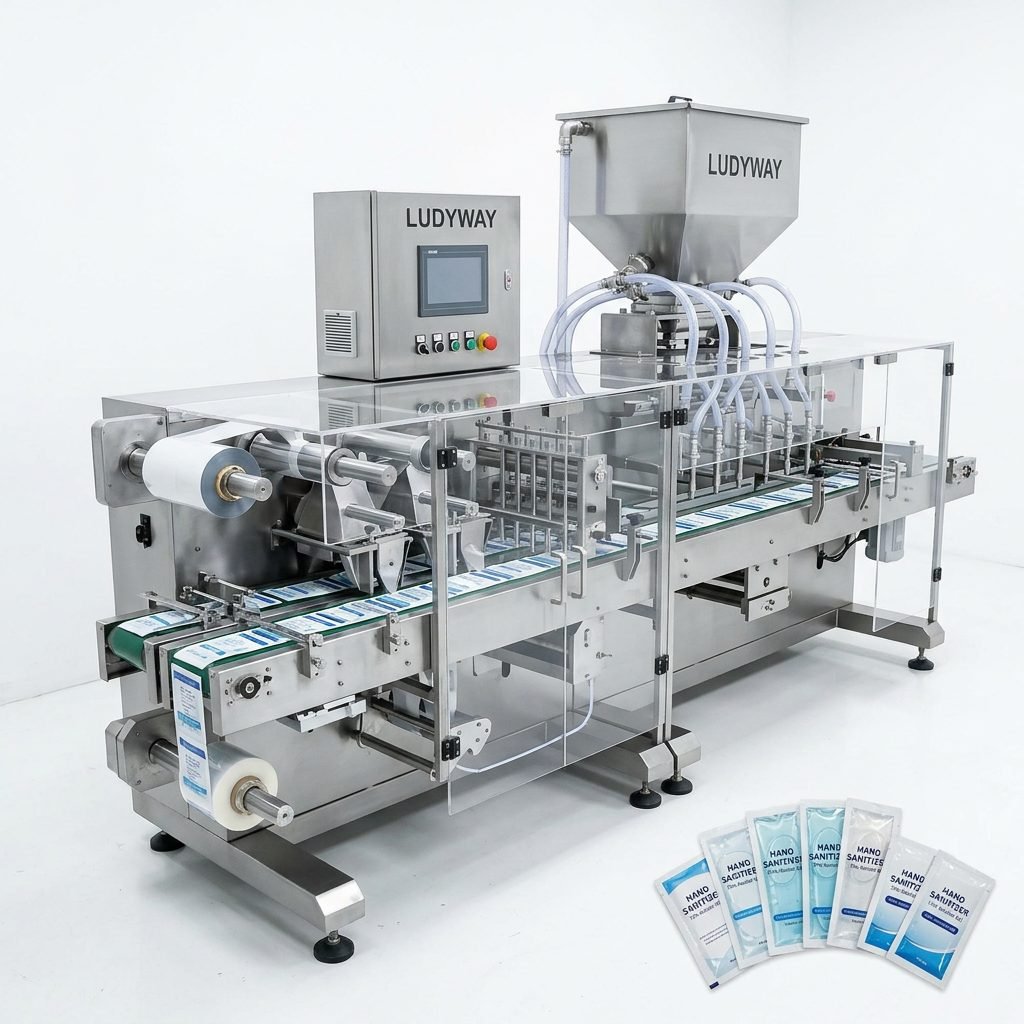
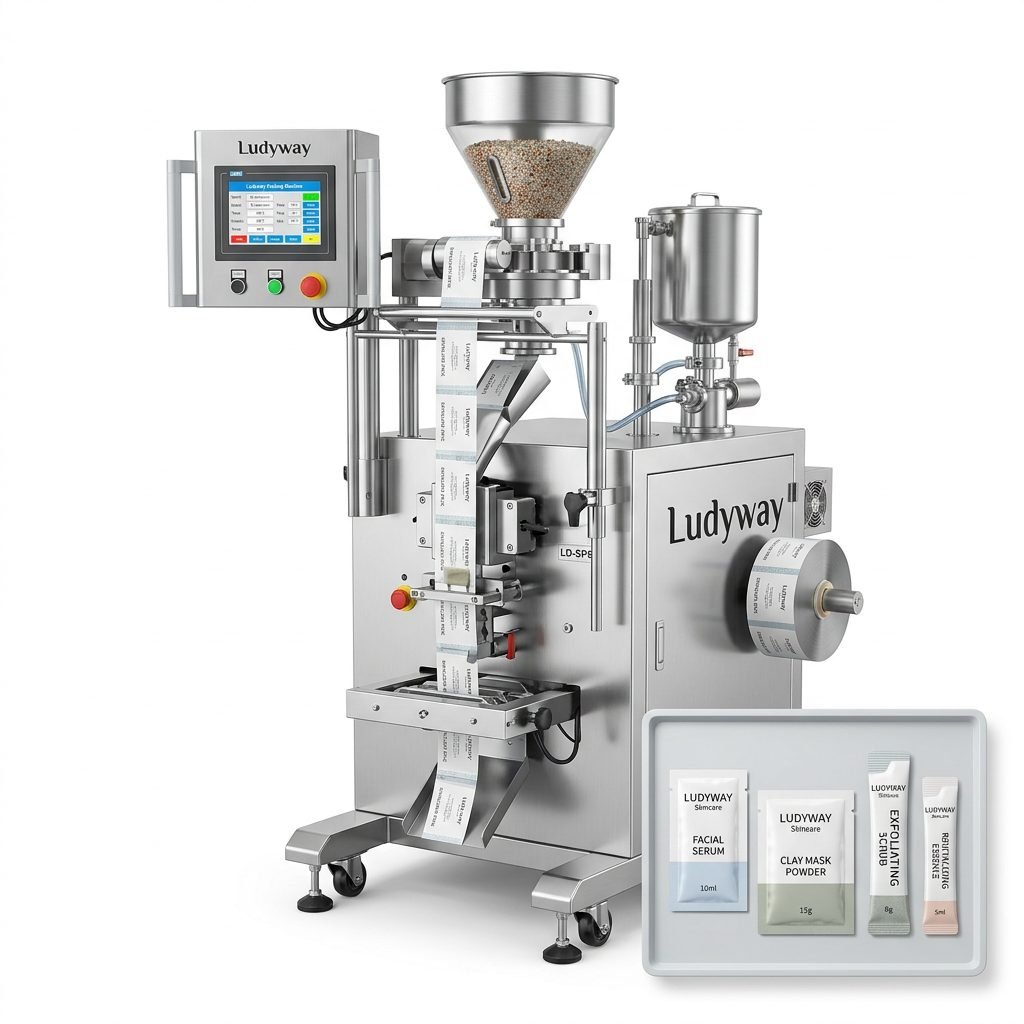
In the competitive world of flexible packaging, a flexo packaging machine is a critical asset. When operating at peak efficiency, it delivers crisp, vibrant prints at high speeds. However, without a structured maintenance routine, print quality deteriorates, unplanned downtime increases, and operational costs spiral. Implementing essential maintenance tips not only protects your investment but also ensures consistent printing performance and extends the service life of your equipment.
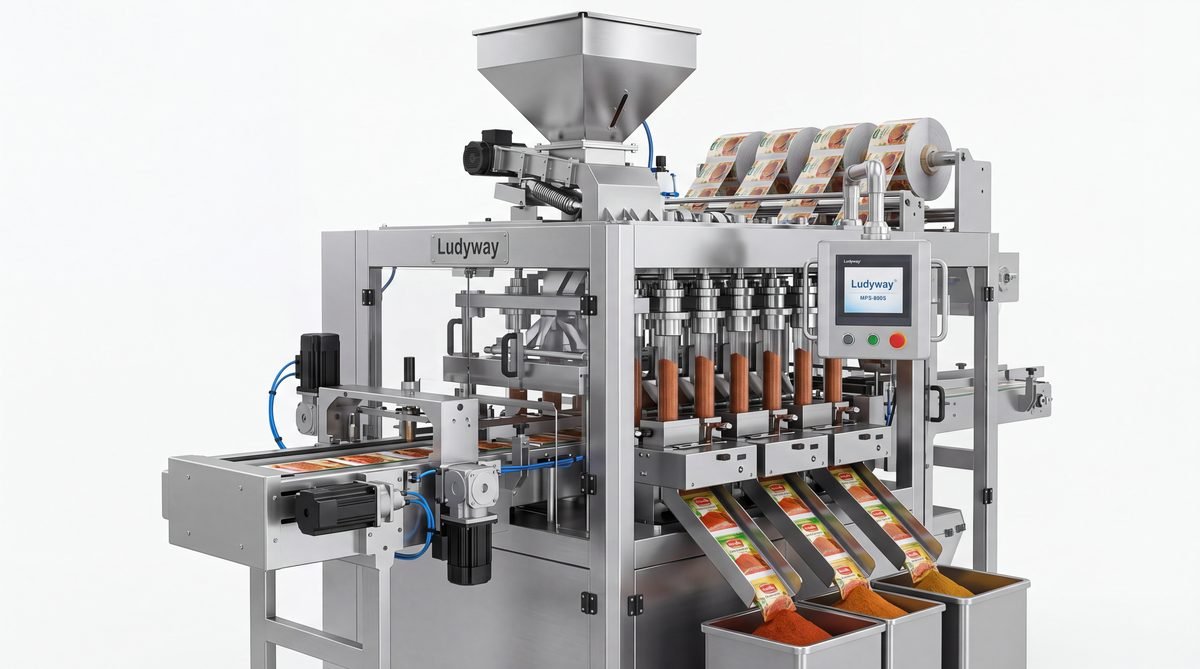
1. Daily Cleaning: The First Line of Defense
Ink residue, dust, and substrate debris are the natural enemies of a flexographic printing press. A rigorous daily cleaning schedule prevents contamination that can lead to print defects and mechanical wear.
- Ink Systems: Flush the ink pumps, chambers, and anilox rolls immediately after the run. Dried ink is difficult to remove and can damage delicate cell structures on the anilox roller.
- Doctor Blades: Wipe down the doctor blade chamber and inspect the blade edge. A clean blade is essential for precise ink metering.
- Substrate Path: Use a lint-free cloth to wipe down idler rollers and the web path. Built-up adhesive or dust can cause tracking issues and web breaks.
2. Anilox Roll Care: Protecting the Heart of the Machine
The anilox roll is the most sensitive and costly component in the ink transfer process. Proper care directly impacts color consistency.
Use a strong magnification glass to inspect the cells weekly. If you notice plugging, implement a deep cleaning cycle. Never use harsh metal brushes on ceramic anilox rolls; instead, opt for ultrasonic cleaning or sodium bicarbonate blasting systems designed specifically for ceramic surfaces.
3. Comprehensive Scheduled Lubrication
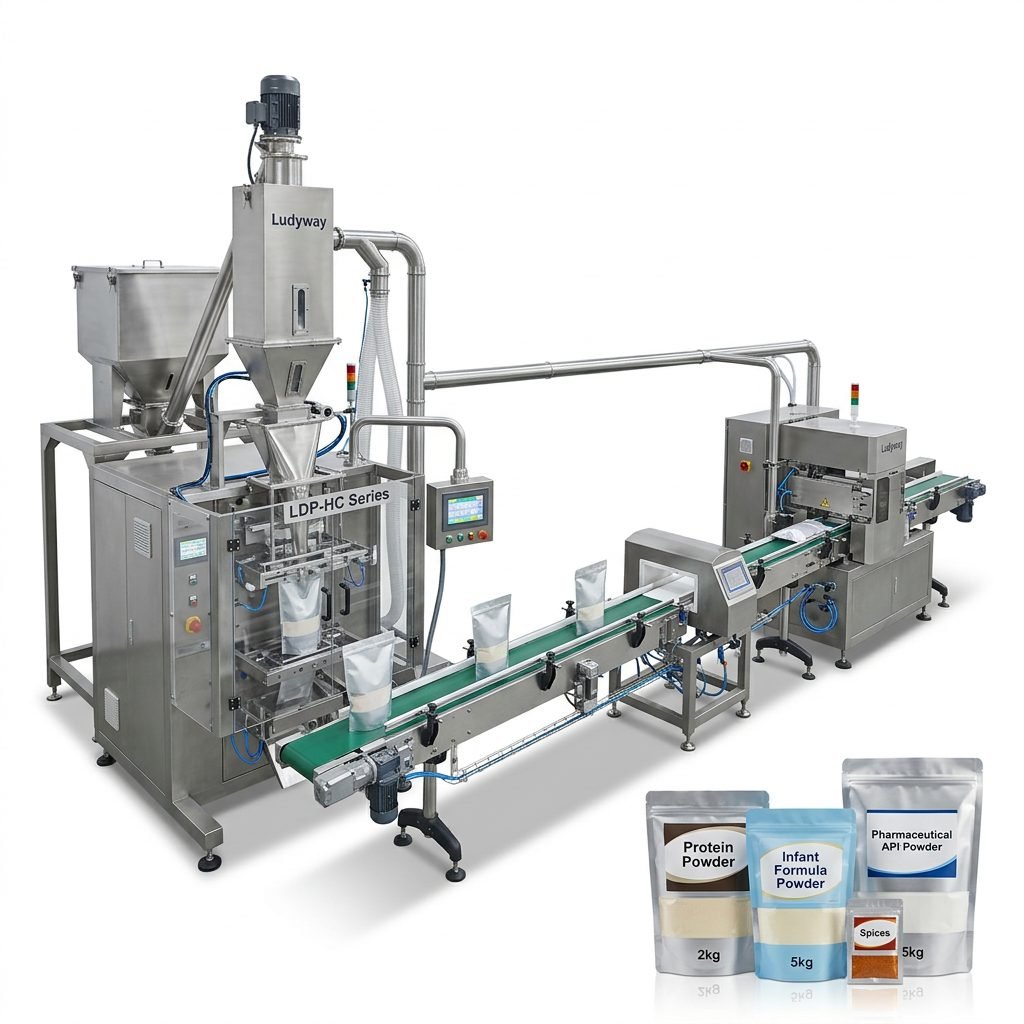
Mechanical failure in a flexo packing machine often traces back to inadequate lubrication. Over-greasing can be as harmful as under-greasing, attracting contaminants to bearings.
| Component | Lubrication Type | Frequency |
|---|---|---|
| Gears (Open) | Heavy-duty adhesive grease | Weekly |
| Linear Guides | Light machine oil (ISO VG 32-68) | Daily (light coat) |
| Bearings (Sealed) | As per OEM specification | Quarterly |
Note: Always verify the grease compatibility, as mixing lithium-based greases with other types can harden the lubricant and seize bearings.
4. Electrical Panel and Sensor Integrity
Modern machines rely on photoelectric sensors and servo drives. Dust ingress into electrical cabinets is a leading cause of unplanned downtime in industrial environments.
- Keep cabinet doors sealed. Replace worn gaskets immediately.
- Use dry compressed air to gently blow dust off circuit boards monthly.
- Calibrate web tension sensors and edge guides according to the packaging machinery standards to maintain substrate registration accuracy.
5. The Critical Role of Drying Systems
Poor maintenance of the UV curing or hot air drying system results in ink set-off and blocking on the rewind. Check the UV lamp shutters and reflectors. Dirty reflectors can reduce UV output by up to 50%, forcing you to slow down the press. For hot air knives, ensure the filters are clean to maintain proper airflow across the web width.
6. Spare Parts and Inventory Management
A proactive maintenance program is incomplete without a critical spares kit. Waiting for a specific belt or sensor to ship can shut down your packaging line for days.
At minimum, stock the following:
- Doctor blades (metal and plastic).
- Impression roller sleeves.
- Web cleaning adhesive rolls.
- Common fuses, relays, and photoelectric sensors.
7. Operator Training and Documentation
Even the best maintenance plan fails without skilled execution. Document every repair and adjustment in a machine logbook. This historical data helps diagnose recurring issues. As highlighted by Ludyway, a leading packaging machine manufacturer with over 30 years of industry expertise, combining advanced packaging equipment design with a well-trained technical team is the most effective way to maximize productivity and quality.