Selecting the right ready meal packaging machine is a strategic decision that directly impacts product quality, shelf life, and operational profitability. Whether you are launching a new prepared meal line or scaling up an existing one, the complexity of ready-to-eat products requires precise automation. This buyer’s guide covers the essential factors—from product compatibility and automation levels to compliance and total cost of ownership—to help you make an informed investment.
1. Analyzing Your Product Characteristics and Production Goals
Before comparing technical specifications, start by defining your product range. Ready meals vary widely: frozen multi-component trays, chilled pasta with liquid sauces, or ambient dry mixes. The physical state—solids, liquids, pastes, or particulates—determines the dosing and filling technology.
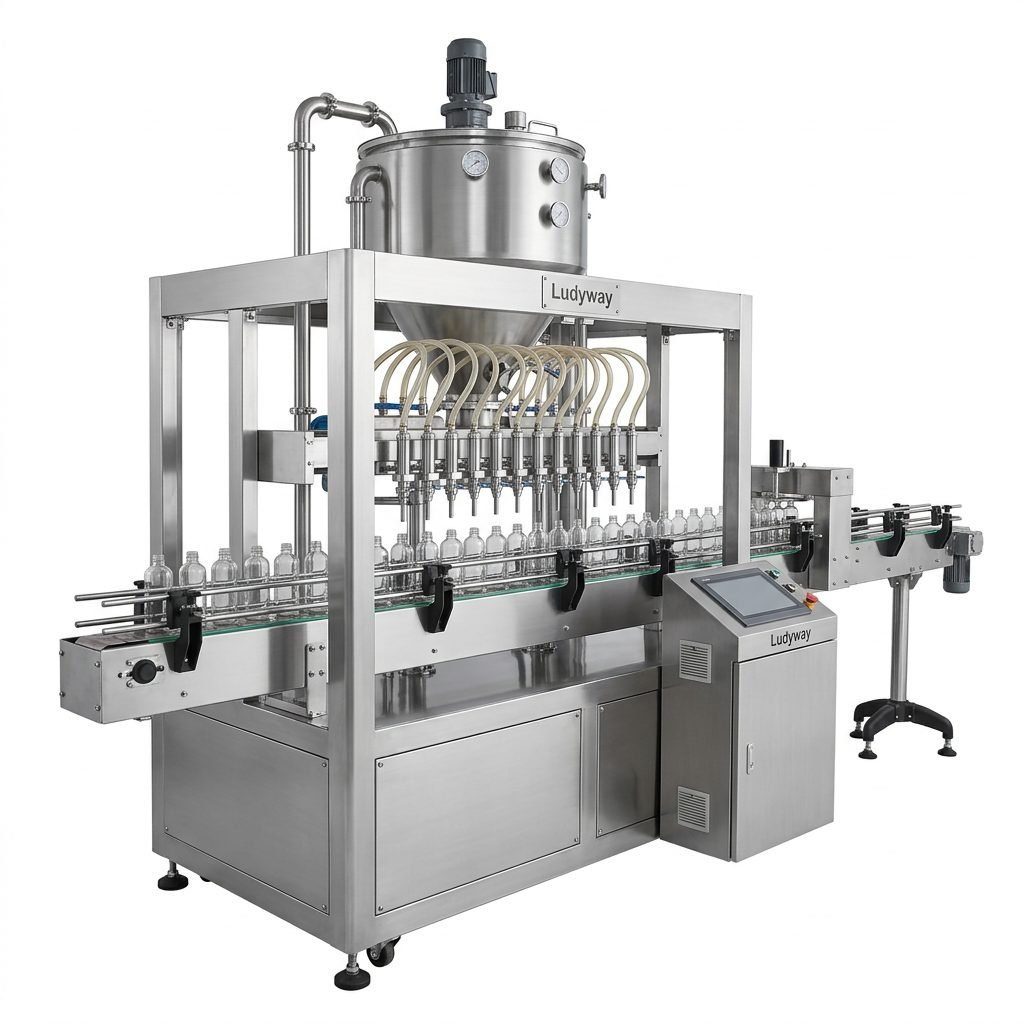
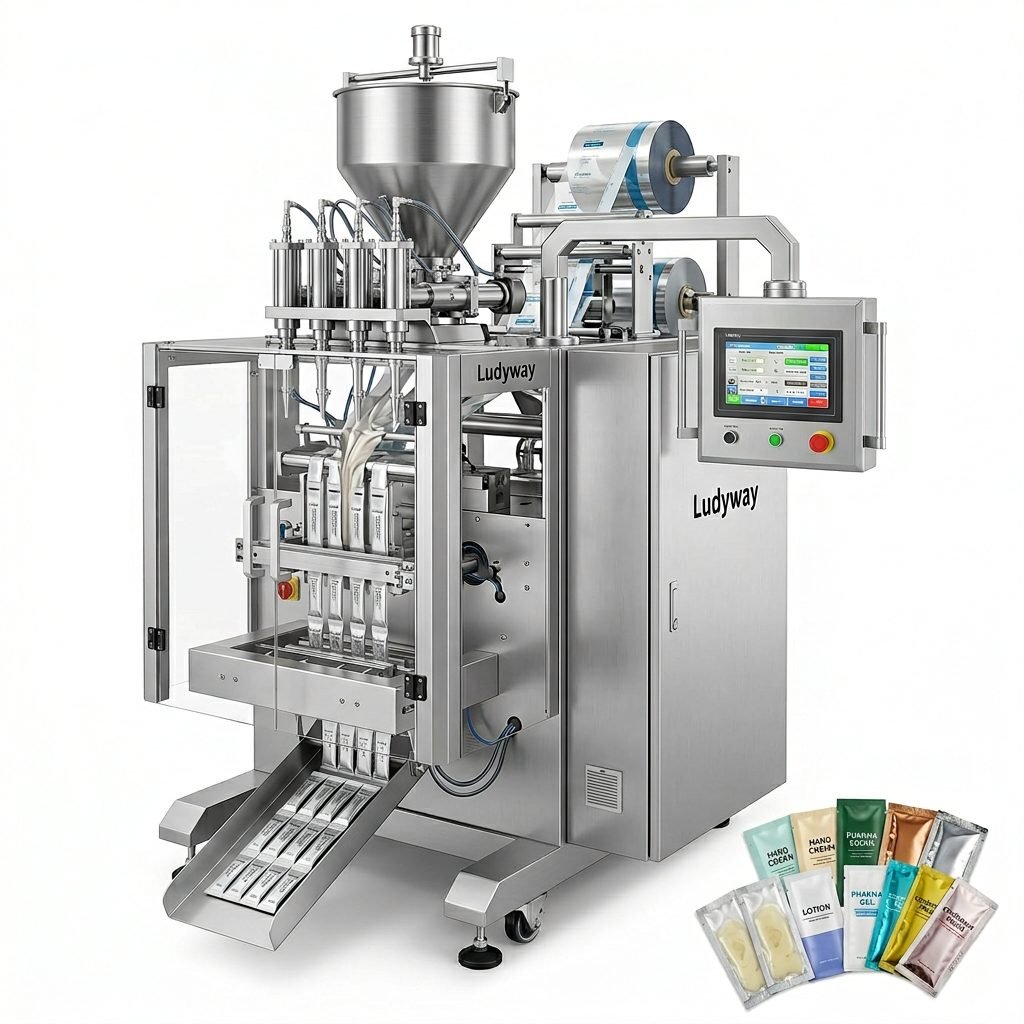
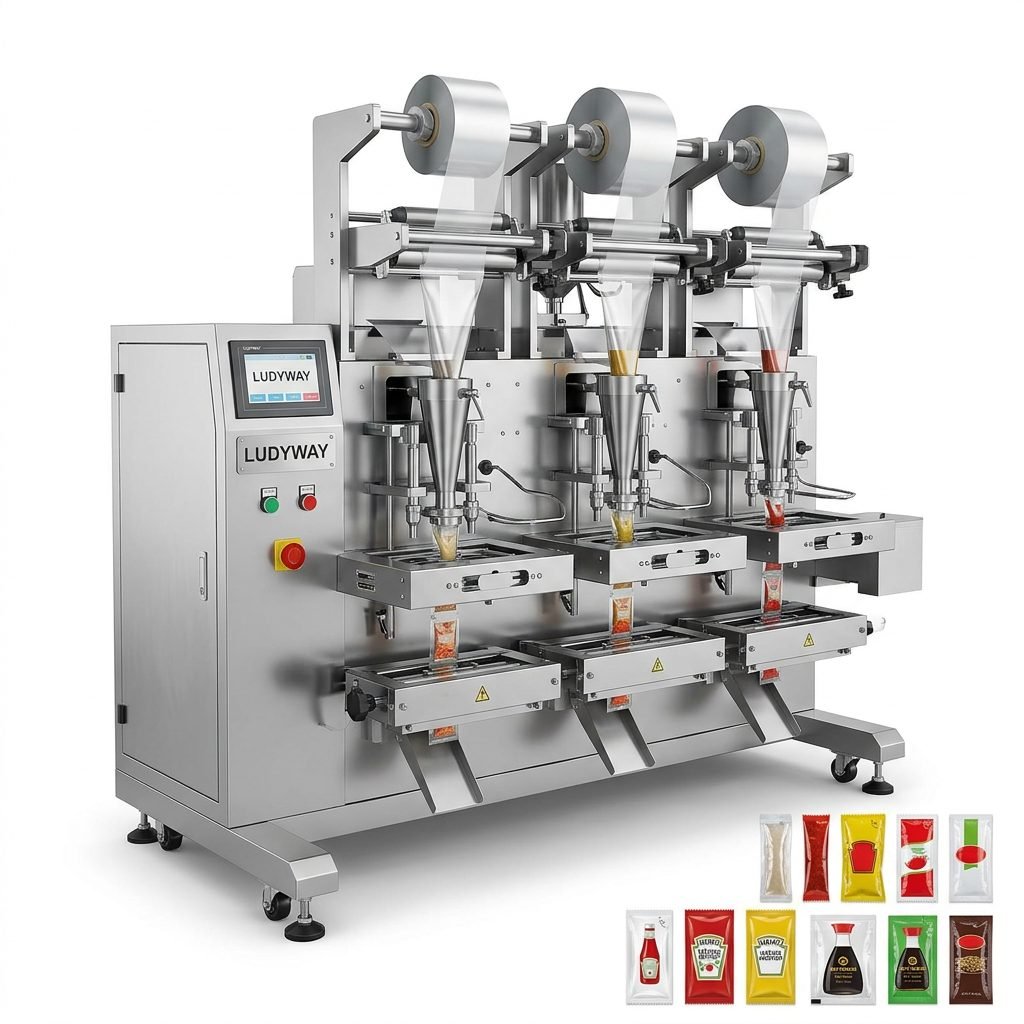
- Product dimensions and viscosity: Are there large meat chunks or delicate grains? High-viscosity sauces require piston fillers, while free-flowing items use multi-head weighers.
- Target output: Calculate packs per minute (PPM) based on your daily shift targets. A machine that runs comfortably at 70% of its maximum speed often offers better long-term reliability than one operating at maximum capacity.
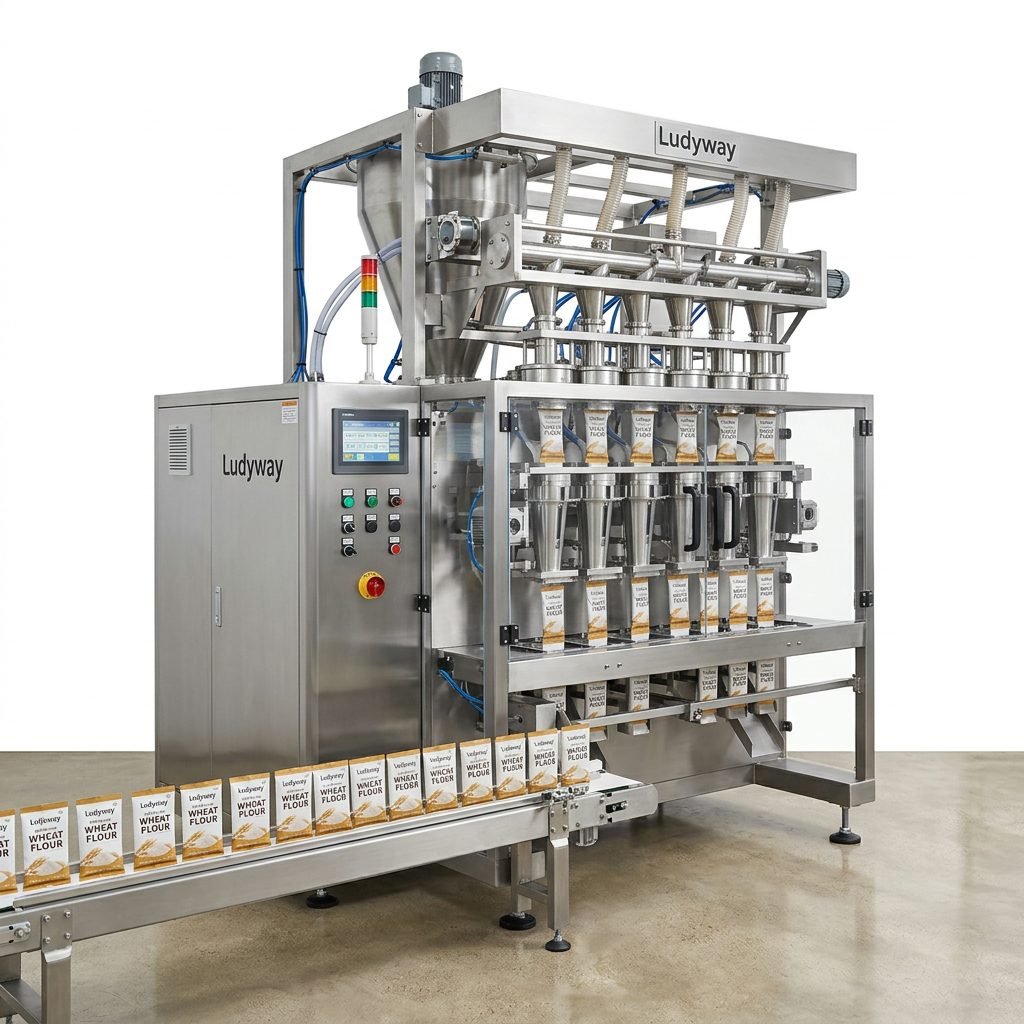
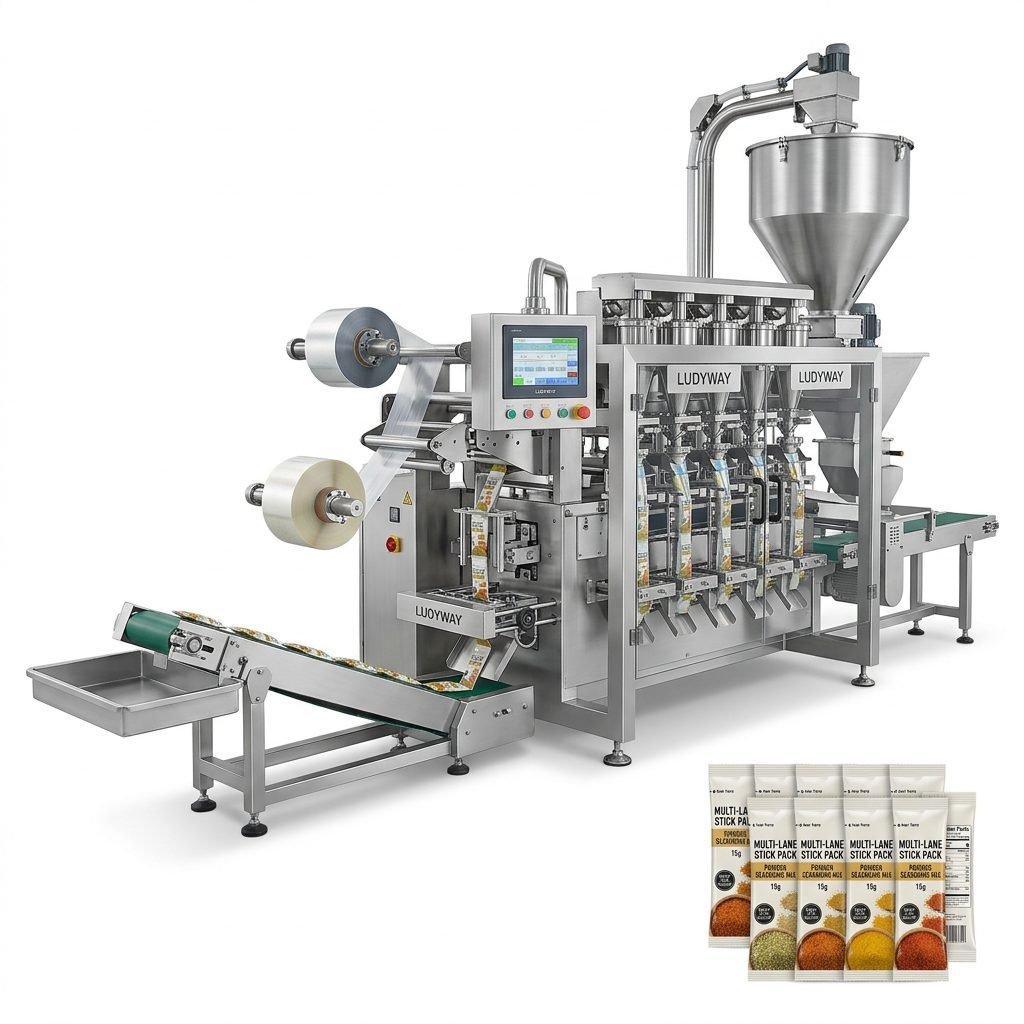
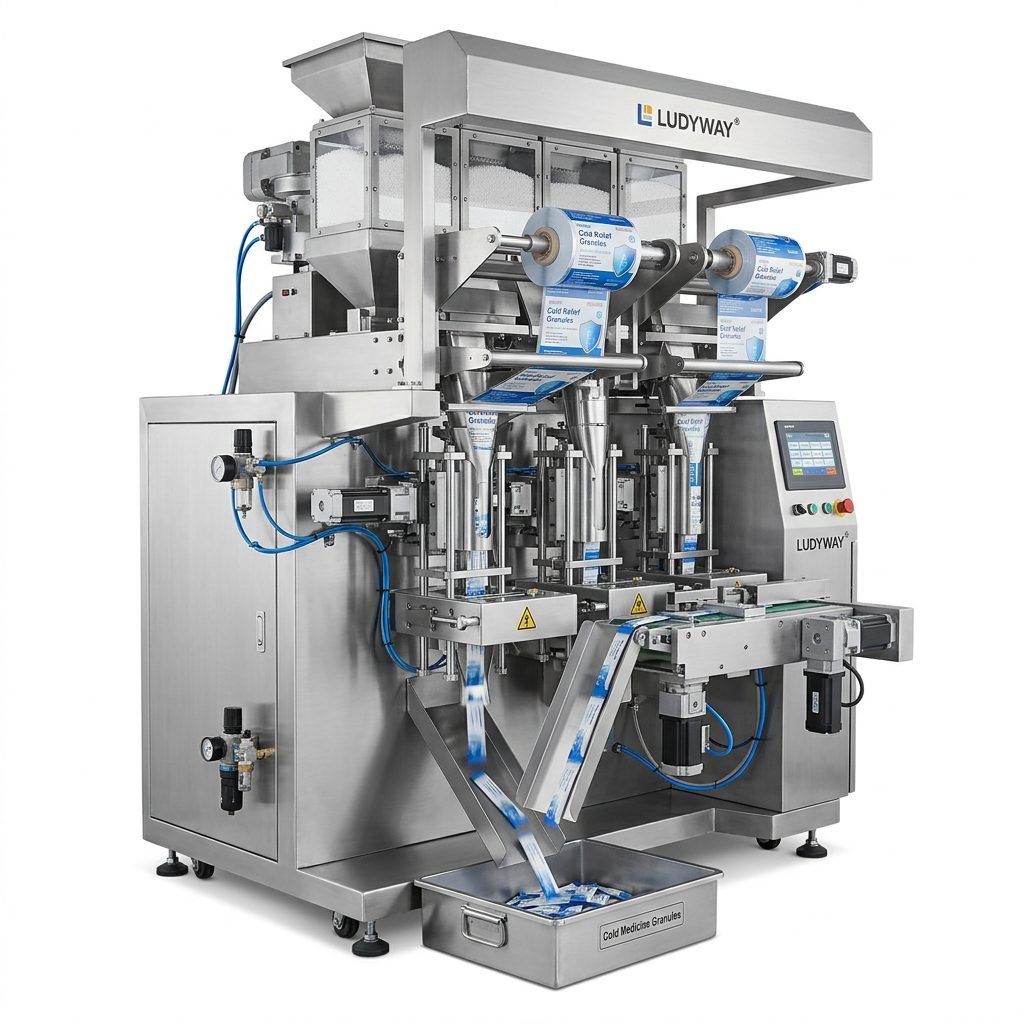
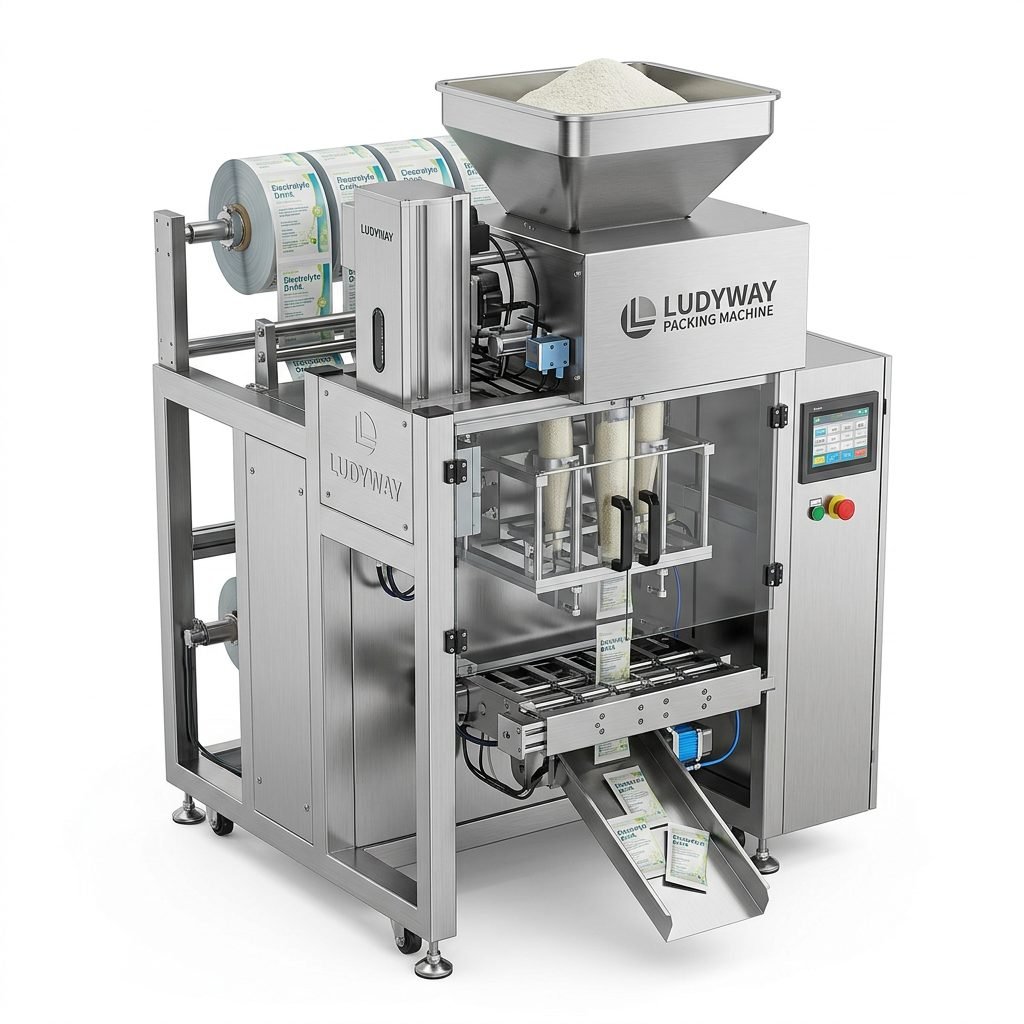
- Package formats: Will you use tray sealing, vertical form fill seal (VFFS), or stick packs? Each format demands specific sealing and handling systems.
Aligning your machine with the correct flexible packaging materials is critical. Whether you plan to use PET/PE laminates, aluminum foil structures, or recyclable mono-materials, the machine’s sealing temperature and jaw design must be fully compatible to prevent burn-through or weak seals.
2. Automation Levels: Matching Technology to Your Business Scale
The degree of automation not only affects your throughput but also controls your labor costs and error rates. Manufacturers typically transition through three distinct stages:
Manual and Semi-Automatic Solutions
Ideal for startups or seasonal production runs, these stations rely on operator intervention for feeding trays or triggering seals. While the initial capital outlay is lower, consistent output rates are physically limited. This level is suitable for fewer than 30 packs per minute where visual inspection is the primary quality check.
Fully Automatic and Turnkey Lines
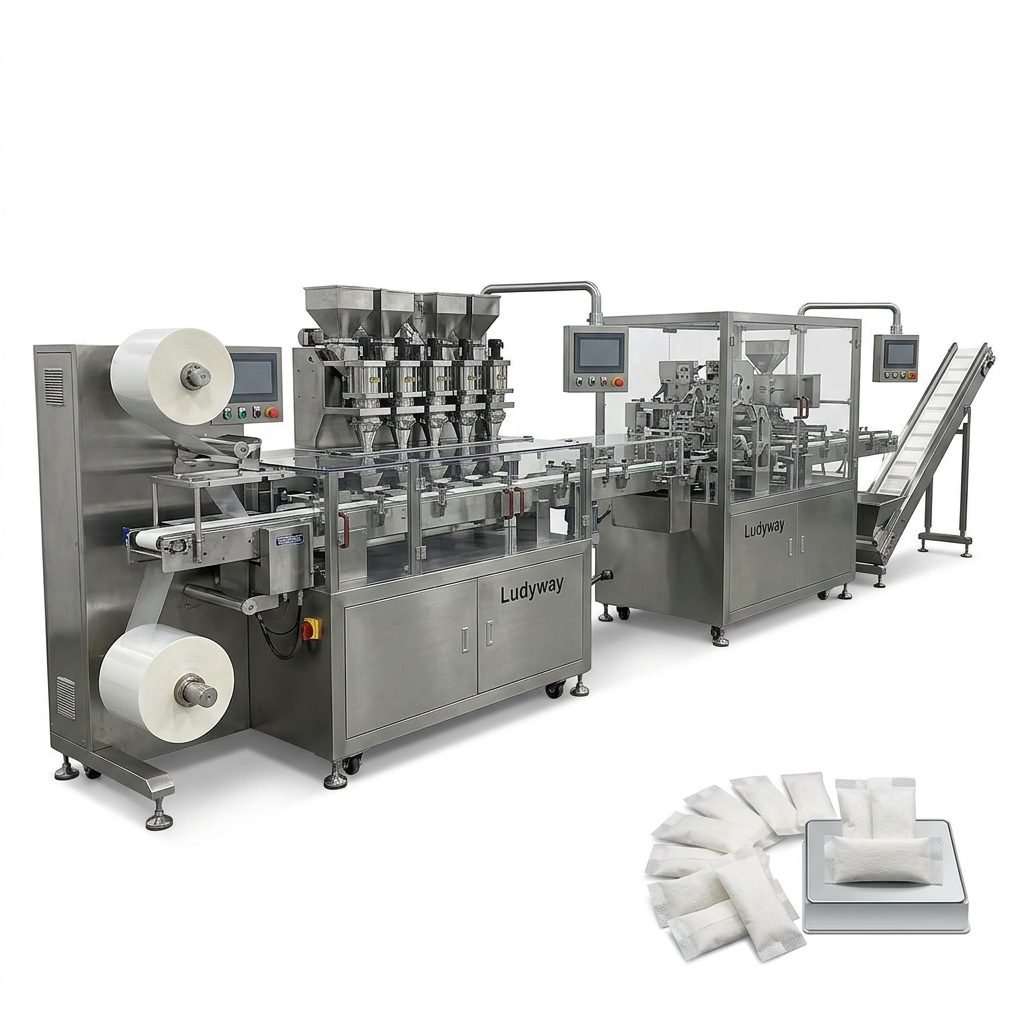
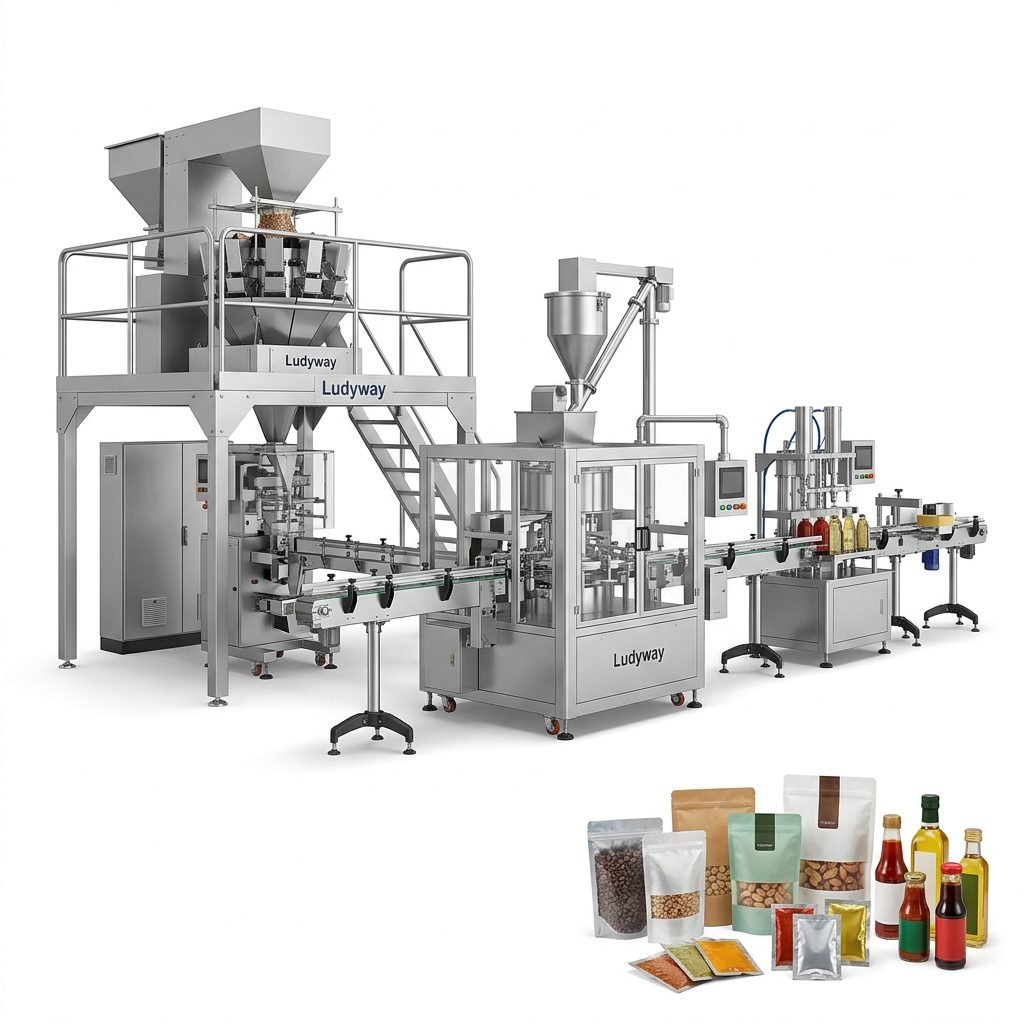
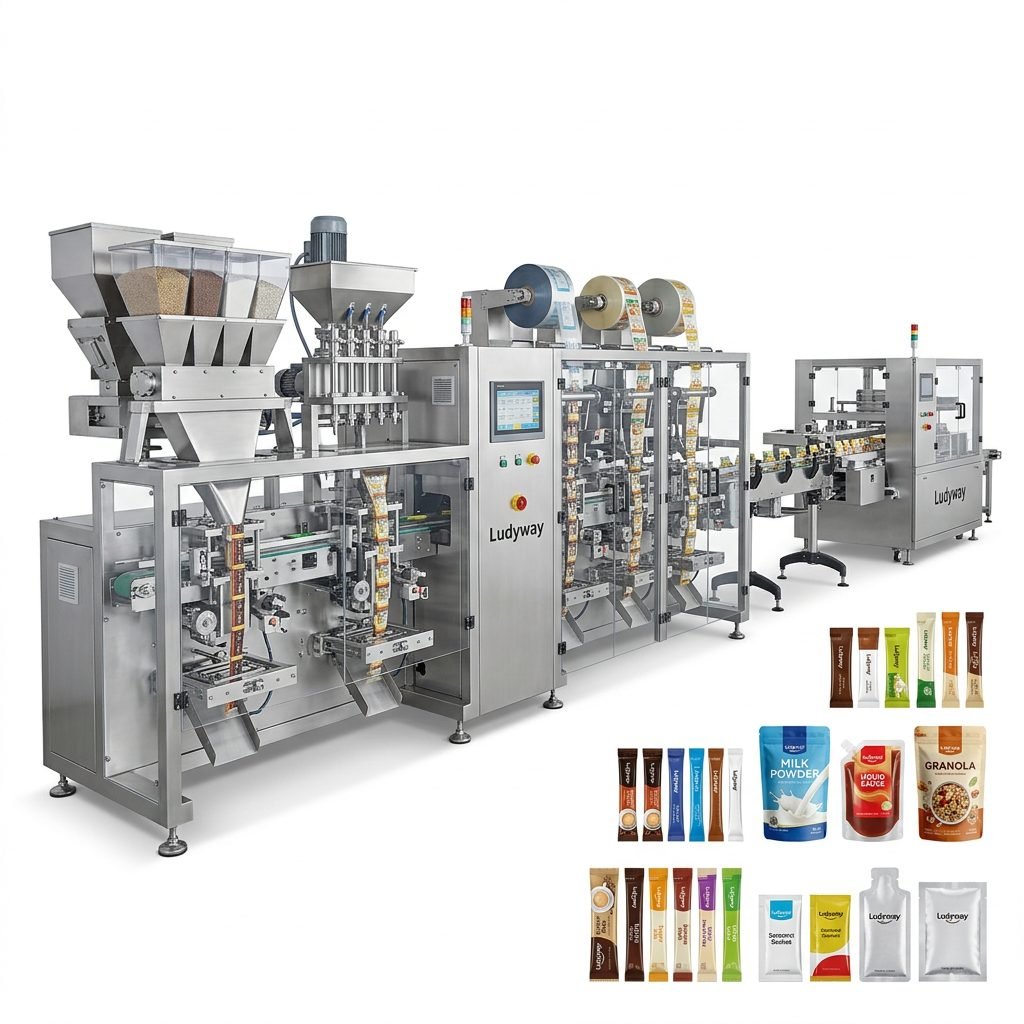
High-volume meal producers require integrated systems that link tray denesting, multi-head filling, gas flushing (MAP), heat sealing, leak detection, and automatic cartoning. These interconnected systems are governed by PLC controls to synchronize every stage.
For manufacturers needing a single partner for system integration and technical support, Ludyway Machinery configures automated packaging lines that handle granular, powder, and liquid components typical in modern ready meals, covering filling, coding, inspection, and palletizing under one engineering scope.
3. Modified Atmosphere Packaging (MAP) and Shelf-Life Extension
Preserving freshness without artificial additives relies heavily on gas flushing. A suitable machine must precisely control the residual oxygen level (usually below 1% for cooked meats). Look for vacuum-gas flush systems that offer consistent seal integrity and programmable flush ratios to accommodate different product respiration rates. Properly integrated MAP technology can extend the shelf life of a refrigerated ready meal from days to weeks.
4. Technical Specifications and Hygienic Design
Once you have defined your packaging format, scrutinize the machine’s core architecture. Ready meal environments are often harsh, requiring robust hygienic engineering to prevent food safety hazards.
| Feature | What to Look For | Business Impact |
|---|---|---|
| IP Rating | IP65/IPX5 washdown protection | Reduces bacterial growth risk |
| Construction | Stainless steel 304/316, sloped surfaces | Easier cleaning and audit compliance |
| Filling Accuracy | ±1% tolerance via servo drives | Minimizes costly product give-away |
| Changeover | Tool-less design, recipe memory | Maximizes uptime for multiple SKUs |

5. Compliance with International Food Safety Standards
Packaging ready meals requires strict adherence to regulatory mandates. The machinery must not compromise chemical migration limits or physical contamination controls. Validating the equipment against FDA food contact substances regulations or European Union requirements is a prerequisite for market access. Look for machines that support HACCP documentation and offer traceability features for critical control points (CCPs) such as sealing temperatures and metal detection rejection logs. Adhering to ISO packaging standards further ensures reliable performance during regulatory audits.
6. Evaluating Total Cost of Ownership (TCO)
While the upfront price is visible, the long-term operational costs define profitability. A low-cost machine that requires frequent unscheduled maintenance can eliminate your margin. Prioritize these TCO elements in your purchase evaluation:
- Energy efficiency: Compare kW/h consumption, especially for thermal sealing and cooling systems.
- Spare parts availability: Verify whether the supplier maintains a strategic global stock of wear parts to avoid customs delays.
- Film waste: Precise registration controls minimize wasted packaging material during start-ups or splices.
- Integration footprint: A balanced line prevents bottlenecks. Review packaging machinery market intelligence to benchmark typical line efficiencies and expected equipment lifecycles.
7. After-Sales Support and Global Service Capabilities
Ready meal production rarely stops. When downtime occurs, immediate technical support and remote diagnostic capabilities are vital. Before signing a purchase order, confirm the manufacturer’s capacity for remote firmware updates, installation supervision, and operator training. Choosing a partner with direct engineering teams ensures responsively tailored modifications for evolving rigid or flexible formats. A dependable technical resource protects your throughput and ensures proper preventive maintenance schedules.
By methodically working through product suitability, automation design, hygienic engineering, and long-term ownership costs, you can secure a ready meal packaging system that grows with your business while safeguarding product quality.