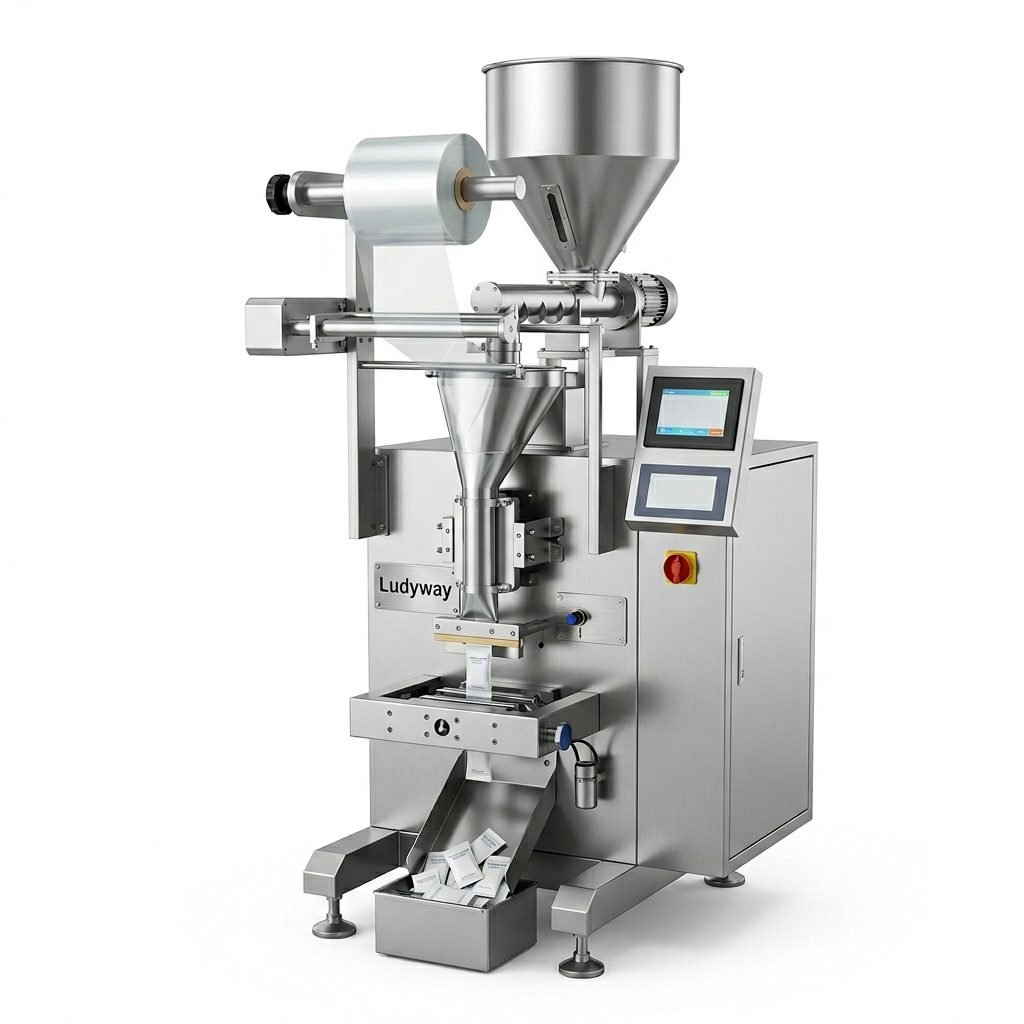
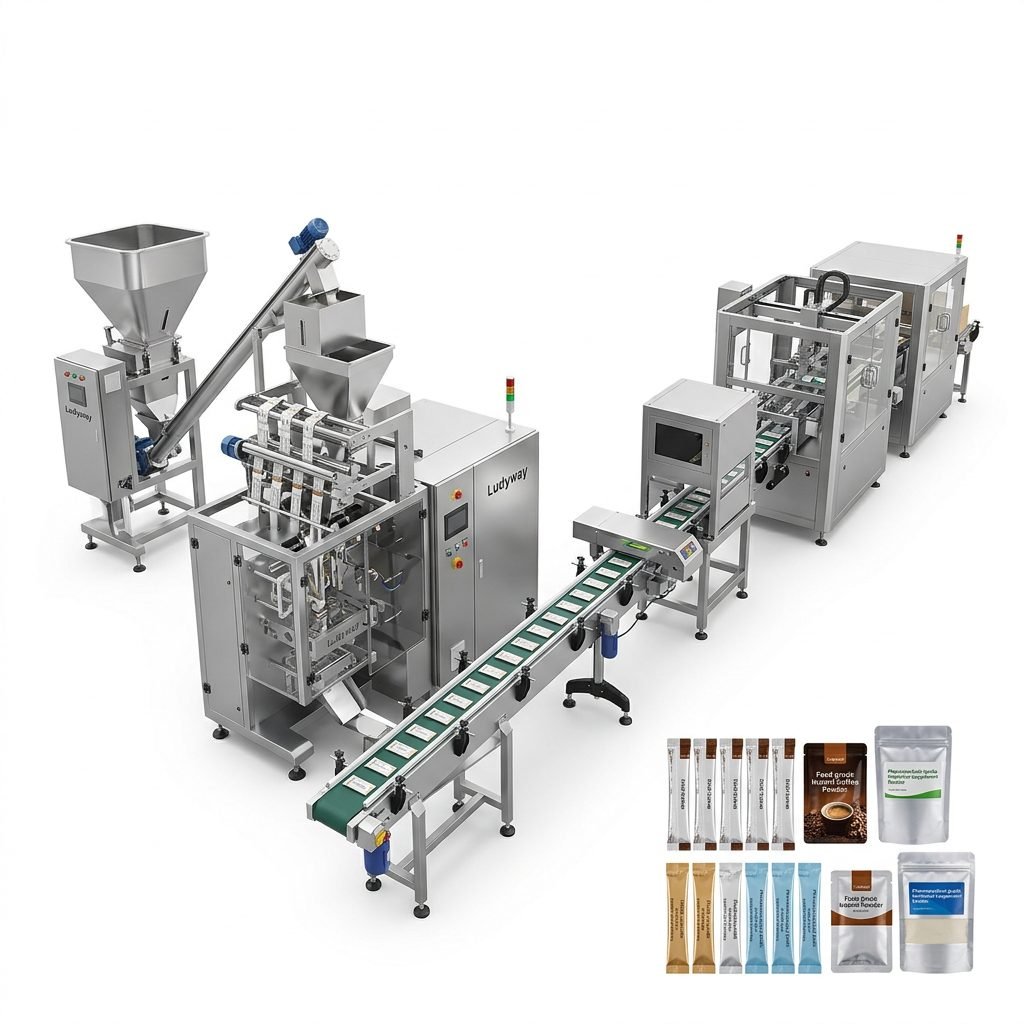
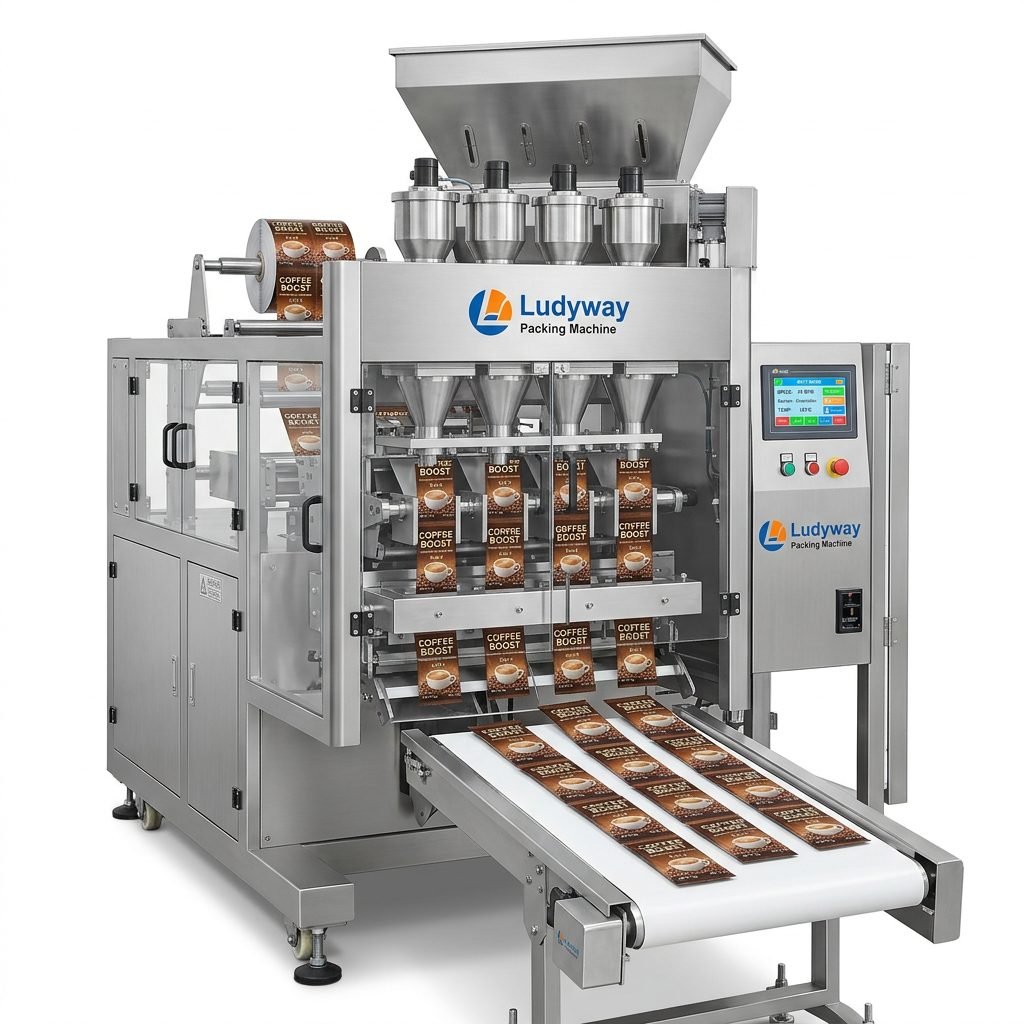
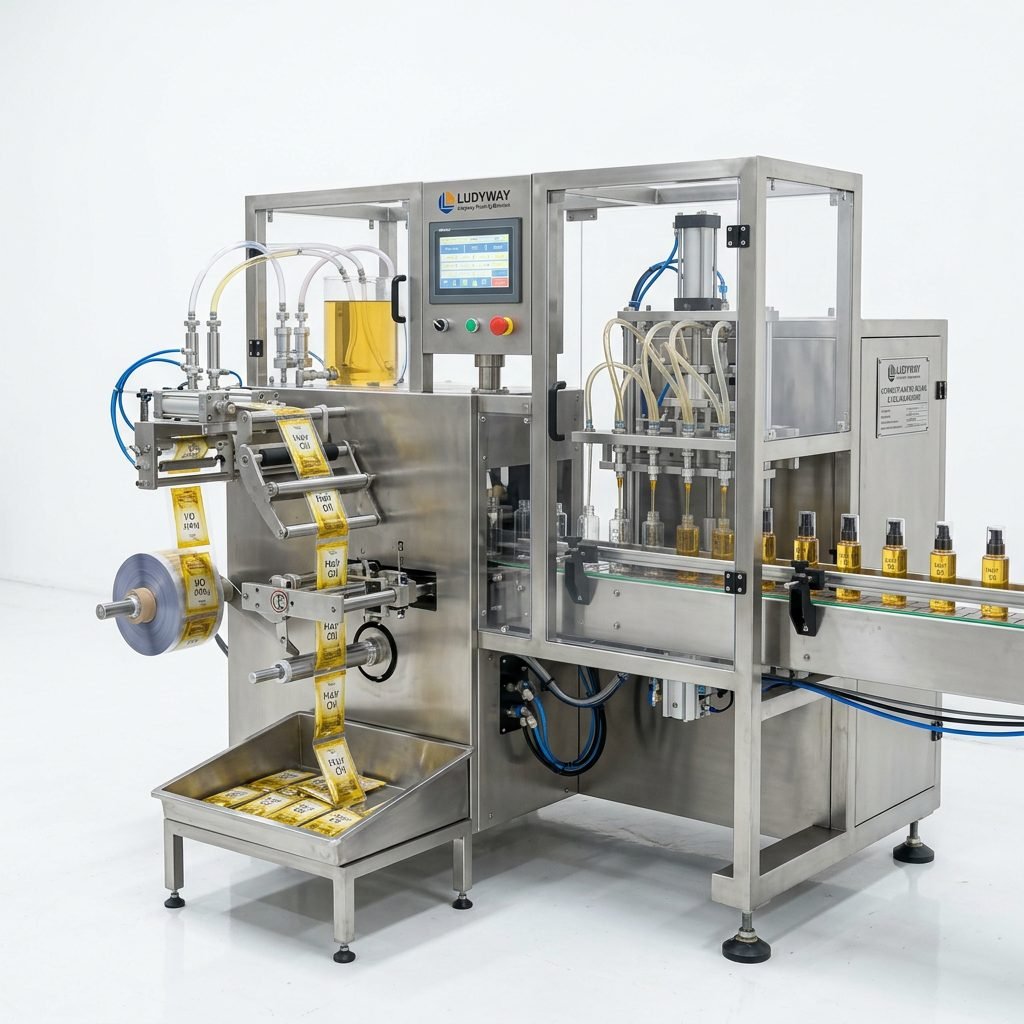
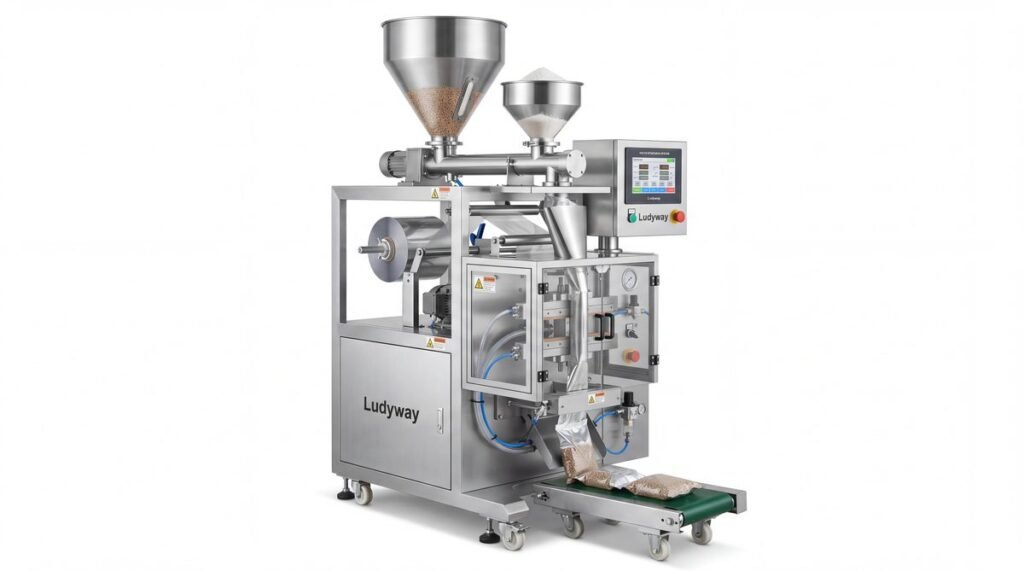
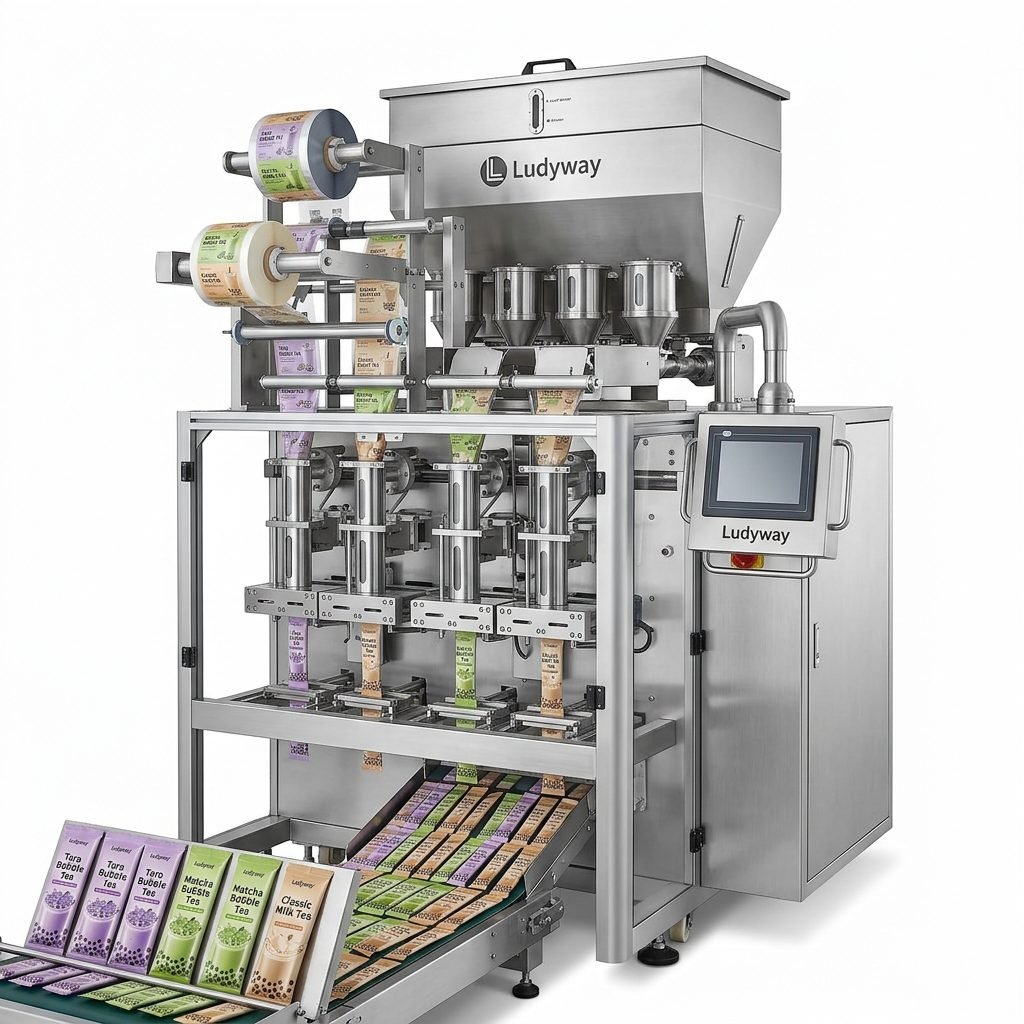
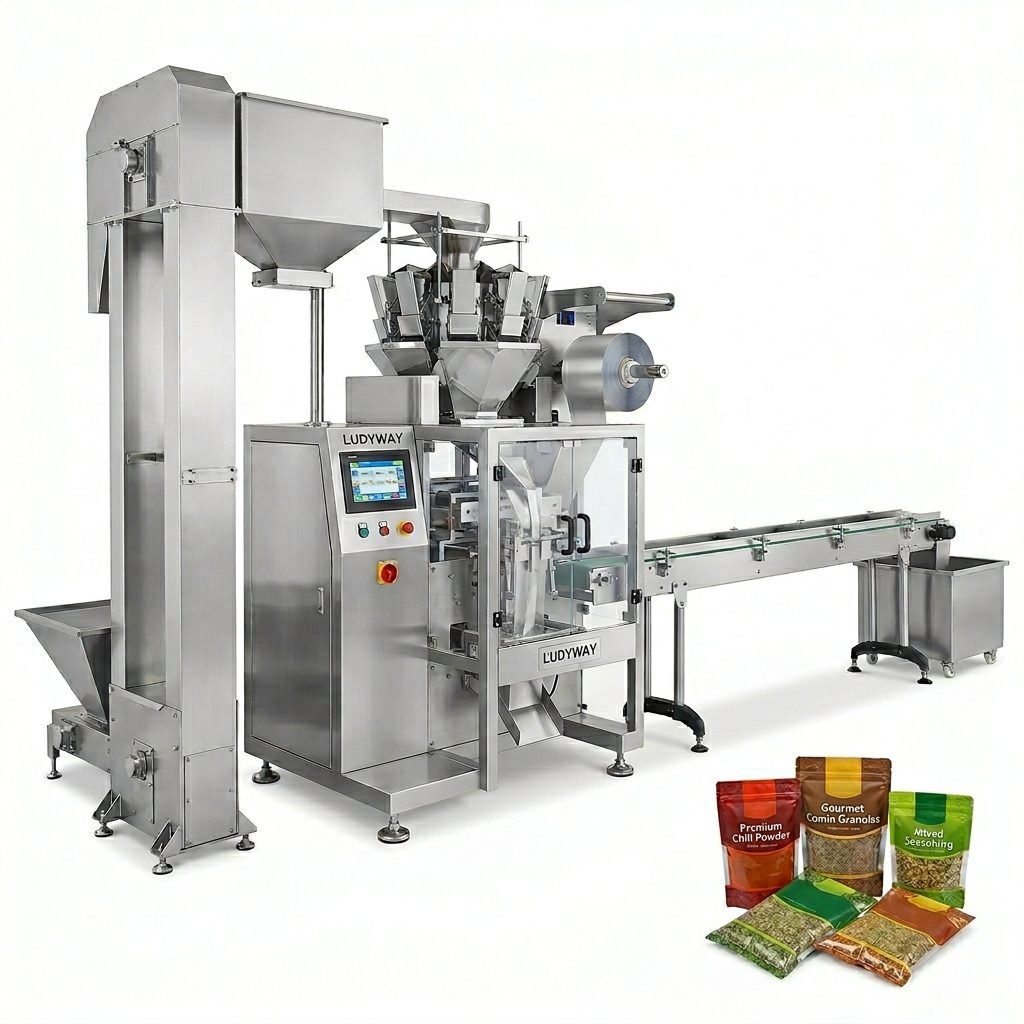
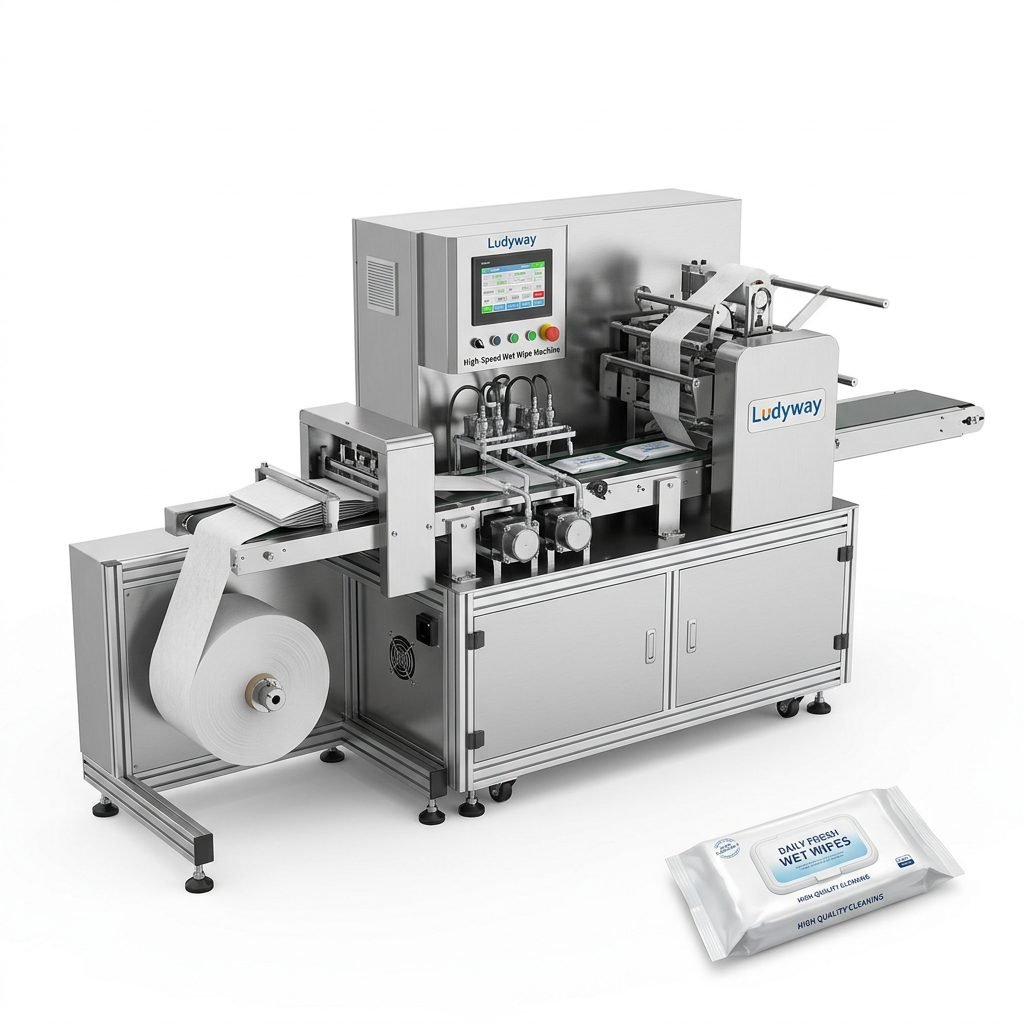
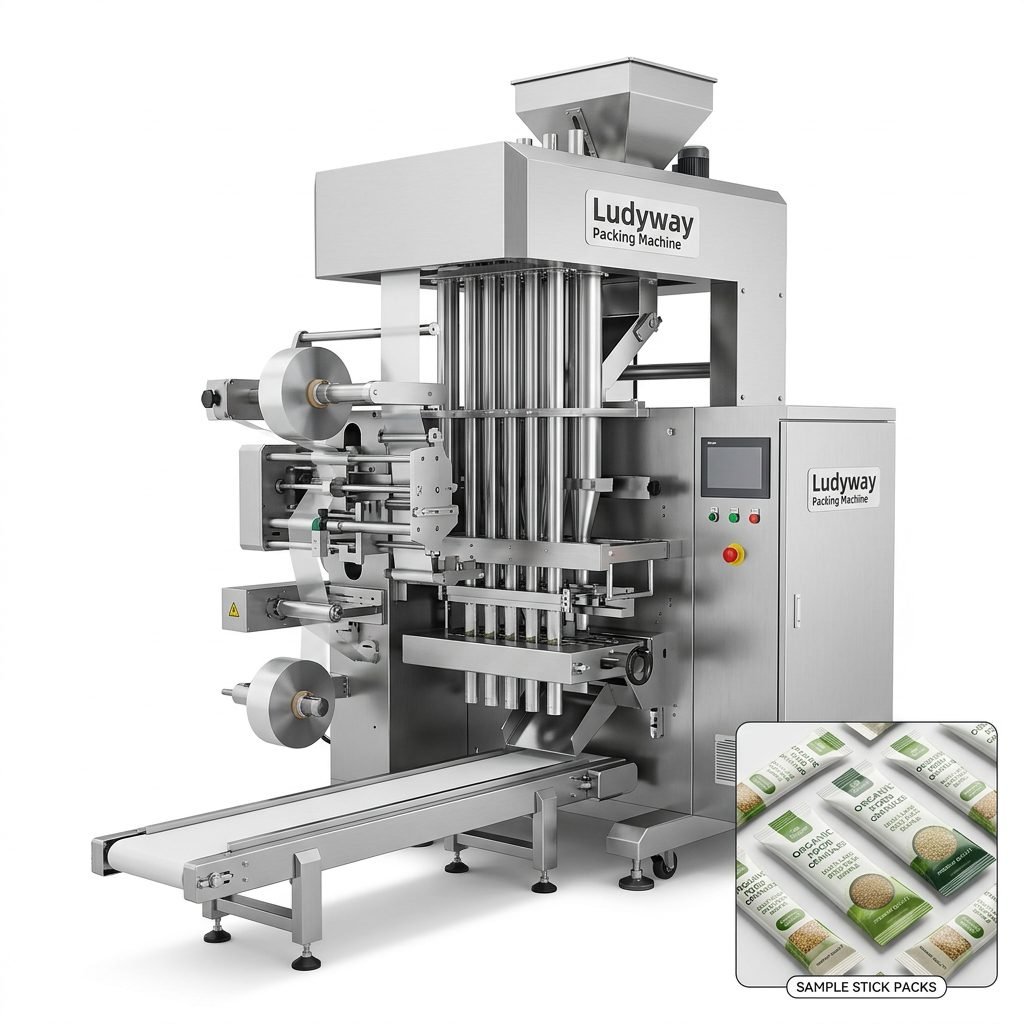
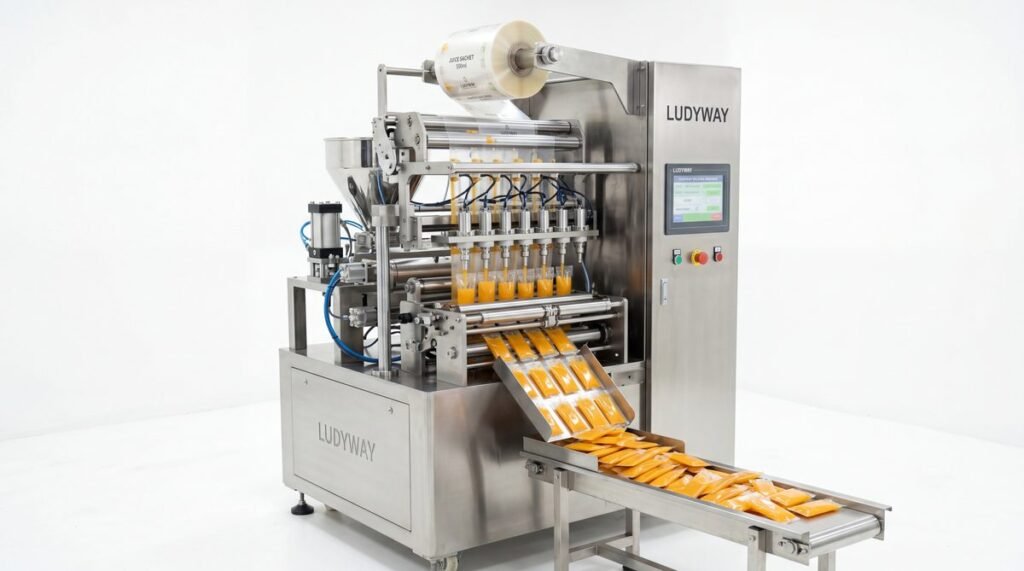
Maintaining a band sealer packing machine is essential for ensuring consistent seal quality, extending equipment lifespan, and minimizing unplanned downtime. Whether you are packaging food, pharmaceuticals, or industrial goods, a well-executed preventive maintenance program directly impacts your production line’s overall equipment effectiveness. This guide covers practical cleaning procedures, proper lubrication techniques, and effective troubleshooting tips to keep your machine running at peak performance.
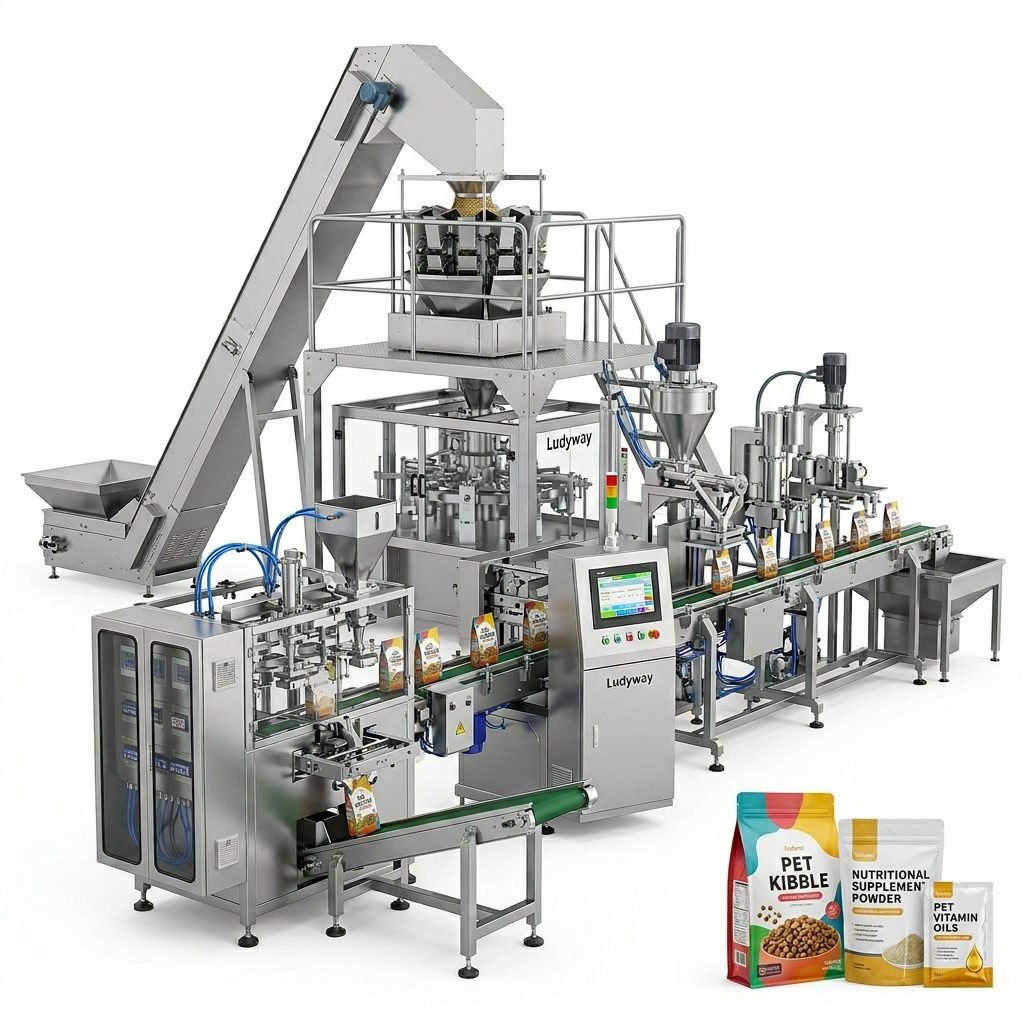
Why Routine Maintenance Matters
Skipping regular maintenance on a band sealer can lead to inconsistent seals, product waste, and costly repairs. Heat sealers operate under continuous thermal and mechanical stress. Dust, product residue, and friction can degrade critical components, resulting in weak seals or machine jams. By integrating a structured maintenance plan, operators can reduce the risk of seal failure and maintain optimal production speeds. For businesses running high-volume packaging operations, consistent machine upkeep is a strategic advantage.
Daily Cleaning Procedures
The most fundamental aspect of band sealer care is daily cleaning. At the end of each shift, operators should perform the following tasks:
- Power Down Completely: Always disconnect the machine from the power source before any cleaning activity.
- Remove Loose Debris: Use a soft brush or compressed air to blow away dust and product particles from the conveyor belt, sealing bands, and cooling bars.
- Wipe Down the Sealing Bands: Gently clean the Teflon-coated bands with a lint-free cloth and a mild, non-flammable solvent. Avoid abrasive materials that can scratch the band surface.
- Clean the Cooling Area: Check the cooling bars and remove any melted film residue that may have accumulated.
- Inspect the Conveyor Belt: Wipe the belt surface and confirm it is free from sticky residues that could cause tracking issues.
Consistent daily cleaning prevents buildup that can interfere with heat transfer and cause seal integrity problems.

Weekly and Monthly Cleaning Tasks
Beyond daily wipe-downs, a deeper cleaning schedule should be followed on a weekly and monthly basis:
| Frequency | Task | Target Area |
|---|---|---|
| Weekly | Deep clean the sealing jaw area | Heating elements and pressure rollers |
| Weekly | Check and clean air filters | Cooling fan intakes |
| Monthly | Remove and clean the conveyor belt | Belt surface and drive rollers |
| Monthly | Inspect electrical connections | Terminal blocks and wiring |
Neglecting these deeper cleaning steps can lead to overheating and premature wear of the heating bands.
Proper Lubrication Techniques
Lubrication reduces friction on moving parts, preventing excessive wear and energy consumption. However, over-lubrication can be just as damaging as under-lubrication, especially in a packaging environment where excess grease can contaminate the product.
- Identify Lubrication Points: Refer to the machine’s manual to locate all grease fittings and oil points on bearings, chains, and gears.
- Use Food-Grade Lubricants: For food and pharmaceutical packaging applications, always use H1-rated food-grade lubricants to ensure safety compliance.
- Lubricate Bearings: Apply a small amount of high-temperature grease to drive roller bearings every 160 operating hours or as recommended by the manufacturer.
- Chain Maintenance: Clean and lightly oil the drive chain monthly to prevent stiff links and uneven motion.
- Avoid Contamination: Wipe away any excess lubricant immediately to prevent it from transferring onto the sealing bands or the packaged product.
Lubrication Schedule Overview
| Component | Lubricant Type | Interval |
|---|---|---|
| Drive Roller Bearings | High-temperature grease | Every 160 hours |
| Drive Chain | Light machine oil | Monthly |
| Guide Rails | Dry film lubricant | Quarterly |
| Tension Rollers | High-temperature grease | Every 160 hours |
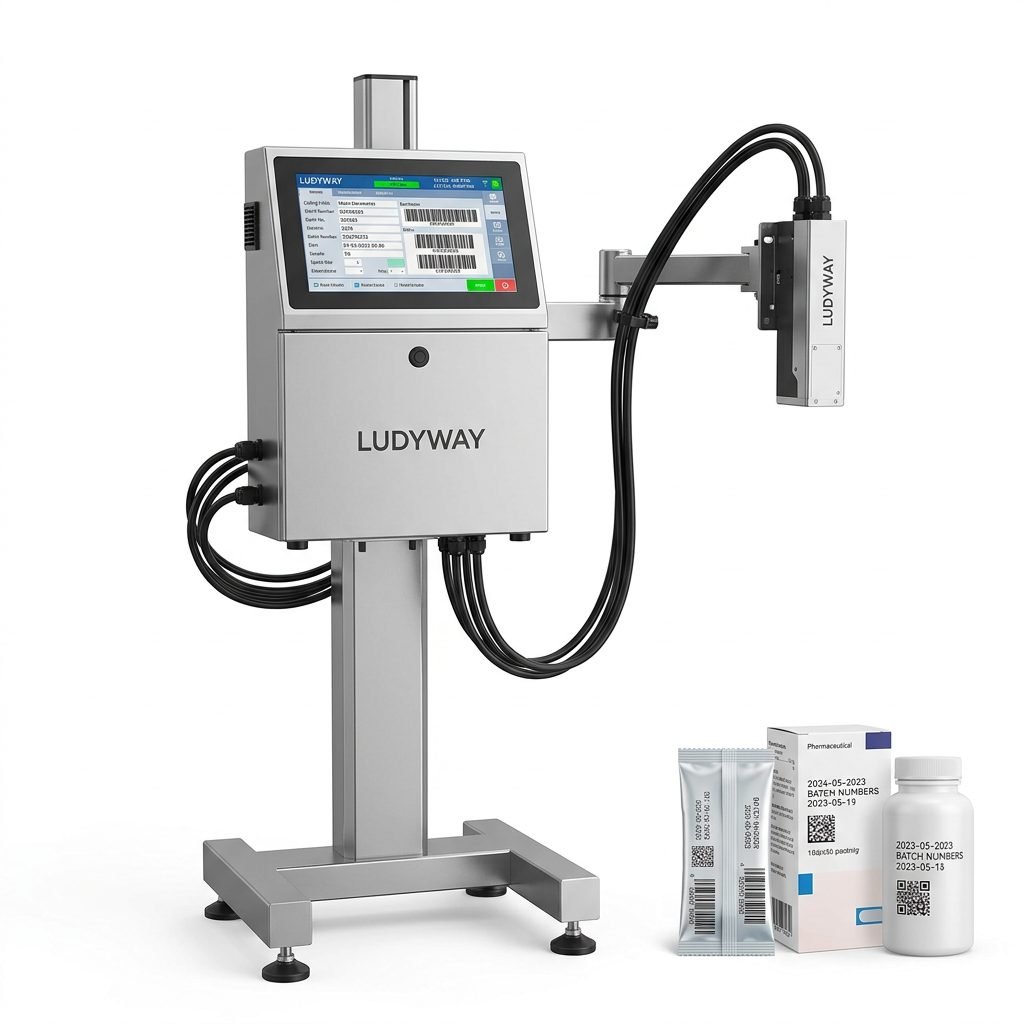
Common Troubleshooting Issues and Solutions
Even with diligent cleaning and lubrication, issues can arise. Here are common problems and how to address them efficiently:
1. Inconsistent or Weak Seals
- Potential Causes: Incorrect temperature setting, dirty sealing bands, worn Teflon coating, or fluctuating air pressure.
- Solution: Verify the temperature controller is calibrated. Clean or replace the sealing bands if residue is present. Check the air supply for pneumatic systems and ensure pressure is stable.
2. Machine Jamming or Film Wrinkling
- Potential Causes: Misaligned film tracking, worn conveyor belts, or incorrect tension settings.
- Solution: Realign the film roll and adjust the tracking guides. Inspect the belt for wear and replace it if it is stretched or damaged. Fine-tune the tension knobs gradually.
3. Overheating or Burnt Seals
- Potential Causes: Thermostat failure, excessive dwell time, or blocked cooling fans.
- Solution: Test the thermostat and heating element with a multimeter. Reduce the conveyor speed slightly to allow for proper cooling. Clean any obstructions from the ventilation grilles.
4. Unusual Noise or Vibration
- Potential Causes: Lack of lubrication, loose mounting bolts, or worn bearings.
- Solution: Immediately stop the machine and inspect all lubrication points. Tighten all mounting bolts to the specified torque. Replace any bearings that show signs of pitting or noise.
Key Operational Parameters to Monitor
Proactive operators should regularly monitor and log the following parameters to detect trends before they become problems:
- Seal Temperature: Log the actual temperature versus the set point daily.
- Conveyor Speed: Track the speed setting and ensure it matches the film specification.
- Pressure Settings: For pneumatic models, record the seal bar pressure weekly.
- Band Condition: Visually inspect the Teflon band for cuts, discoloration, or peeling every shift.
Spare Parts Management
Keeping critical spare parts on hand reduces downtime during a breakdown. A recommended spare parts kit for a band sealer should include:
- Teflon sealing bands
- Heating elements (cartridge heaters)
- Thermocouples or temperature sensors
- Drive belts and conveyor belts
- Cooling bar assemblies
- Fuses and relays
Partnering with a reliable equipment manufacturer guarantees you can access genuine parts quickly. For companies seeking robust and serviceable machinery, Ludyway provides a wide range of packaging solutions designed for ease of maintenance and long-term reliability.

Safety Precautions During Maintenance
Safety must be the priority during any maintenance procedure. Always follow these guidelines:
- Lockout/Tagout: Isolate the main power supply before removing guards or accessing internal components.
- Allow Cooling Time: The sealing jaws and bands retain heat; allow them to cool sufficiently to prevent burns.
- Protective Gear: Wear heat-resistant gloves and safety glasses when handling hot components or cleaning solvents.
- Electrical Safety: Only qualified electricians should open control panels or test live circuits.
Documenting Maintenance Activities
Implementing a maintenance log helps track the machine’s history and predict future service needs. Record details such as the date, type of service performed, parts replaced, and the operator’s name. This data supports predictive maintenance strategies and critical for maintaining warranty coverage and resale value.
By adhering to these cleaning, lubrication, and troubleshooting practices, operators can dramatically improve the reliability of their band sealer packing machine. For more information on advanced packaging equipment and replacement components, visit Ludyway’s official site or explore resources from the PMMI industry association.