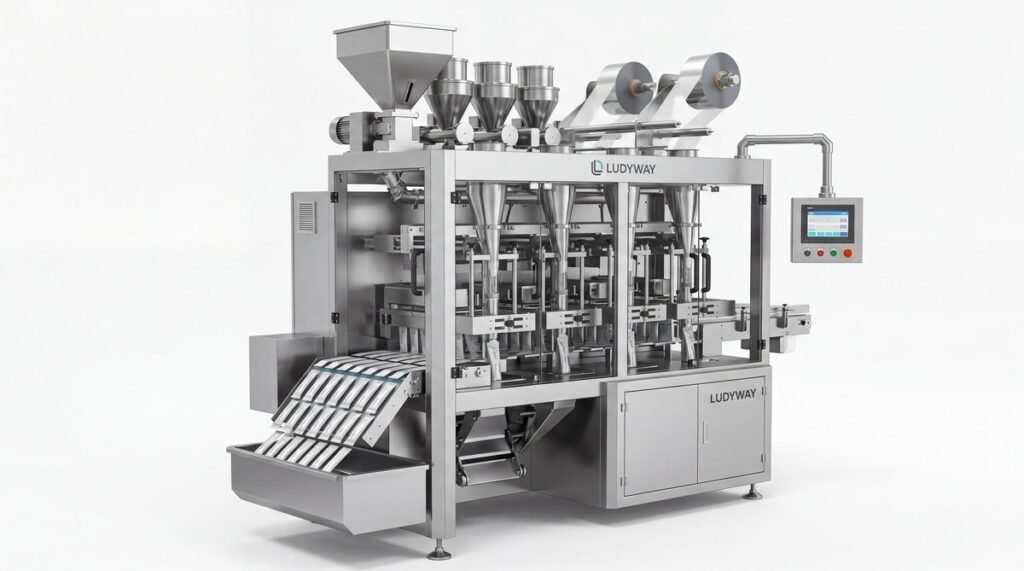
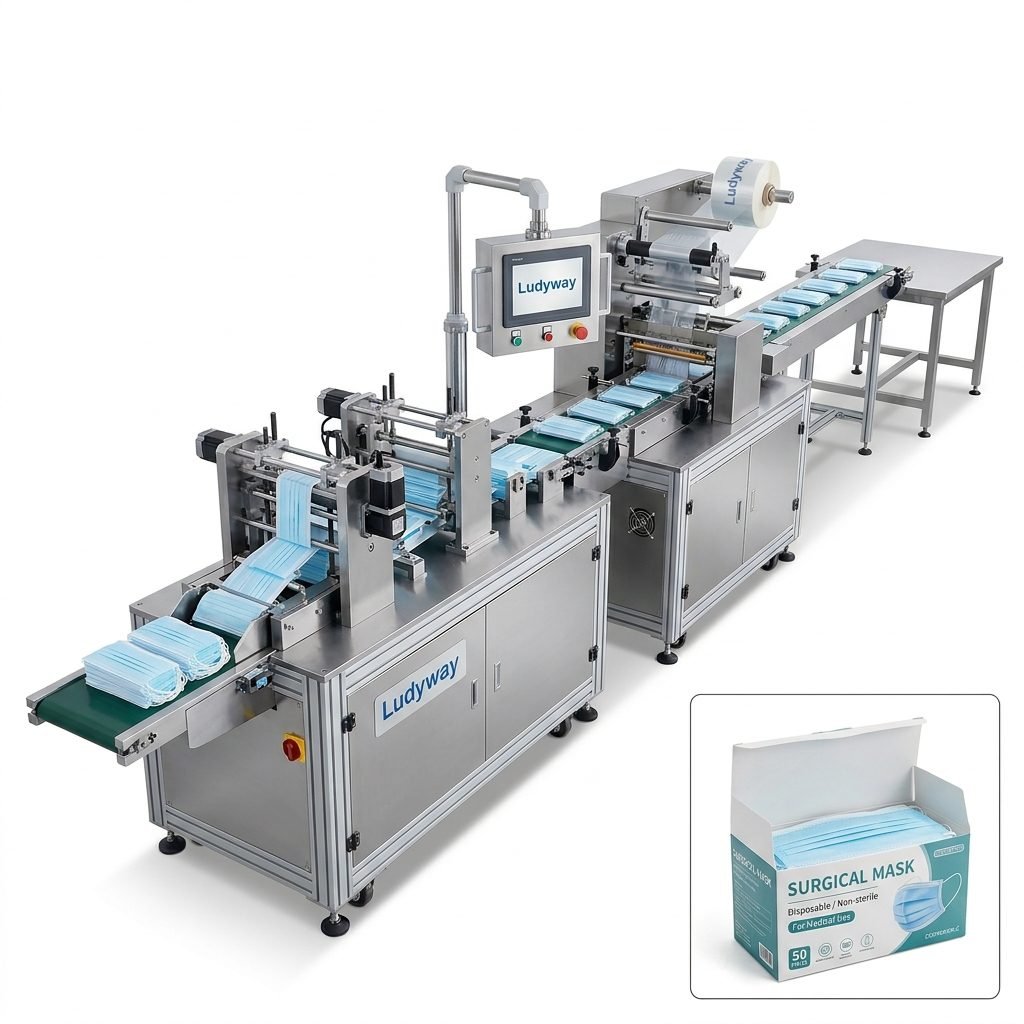
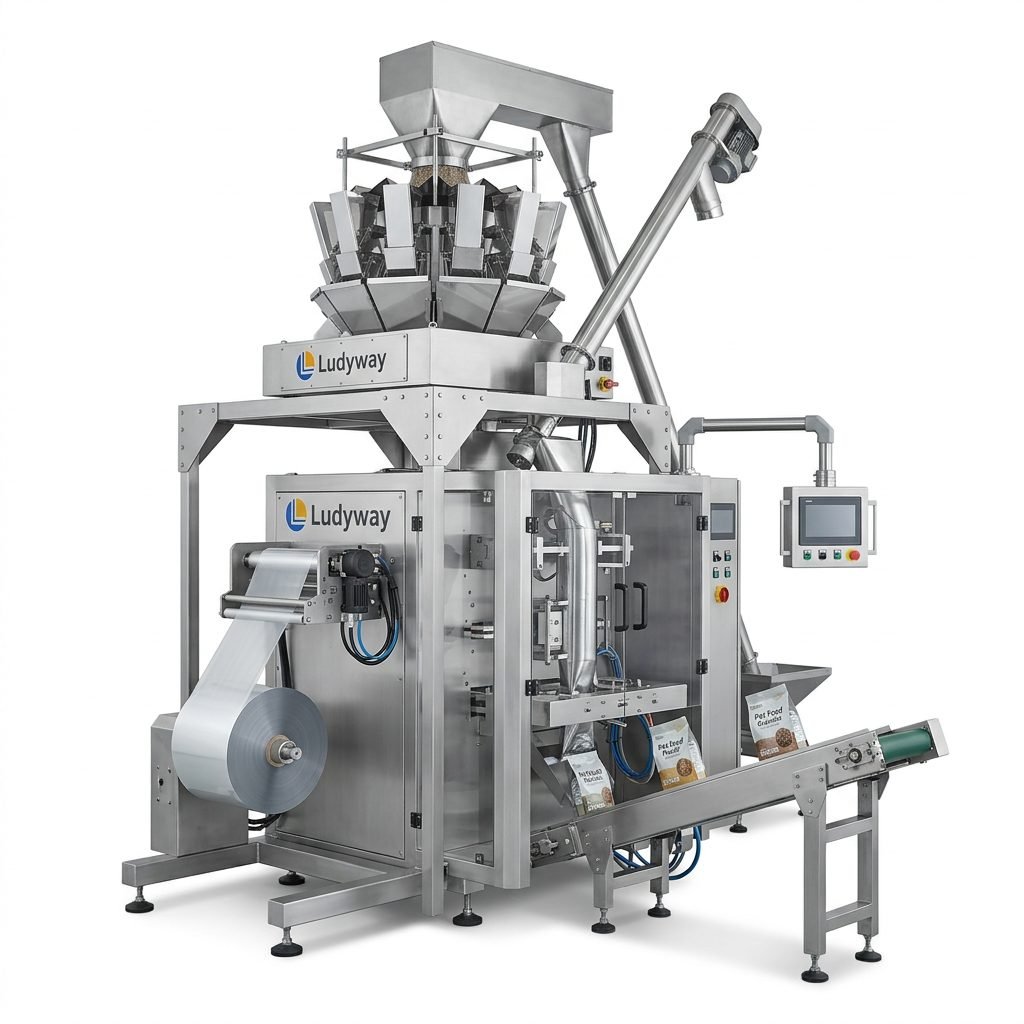
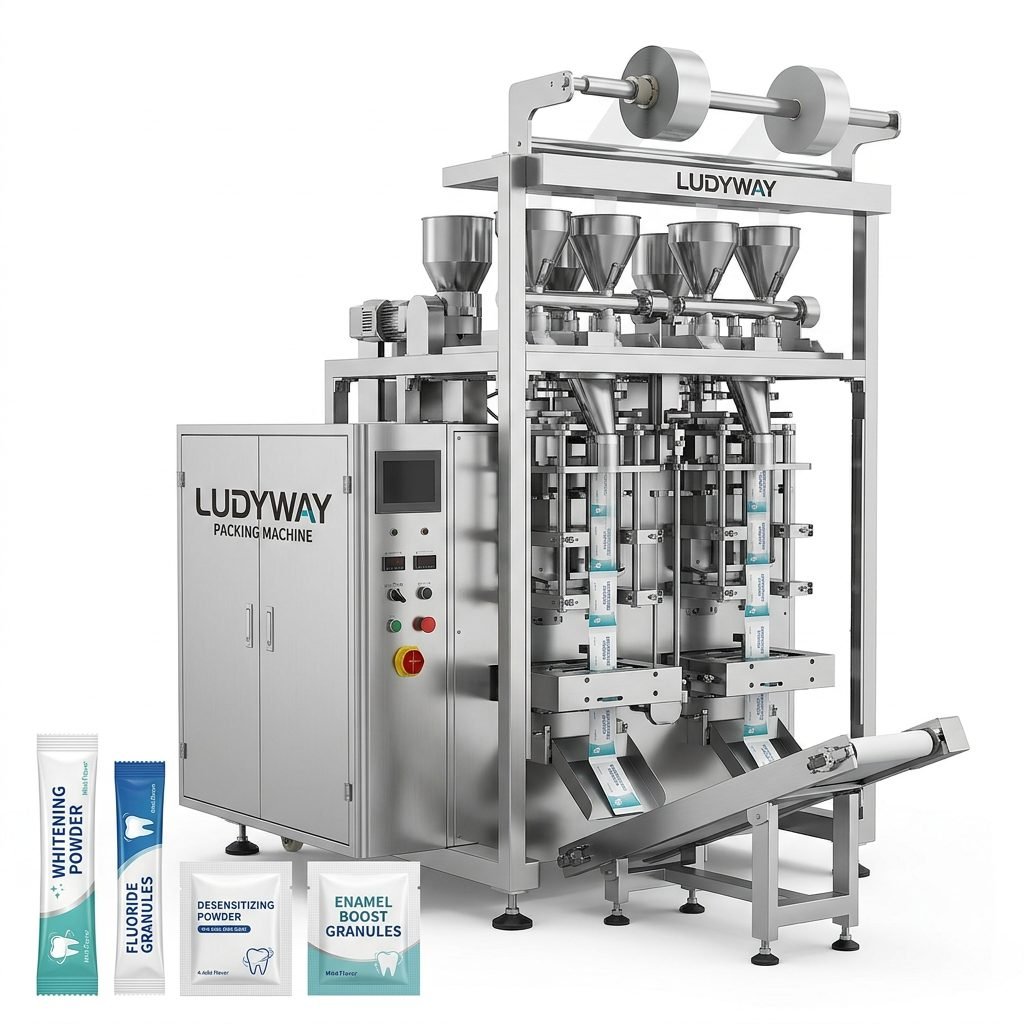
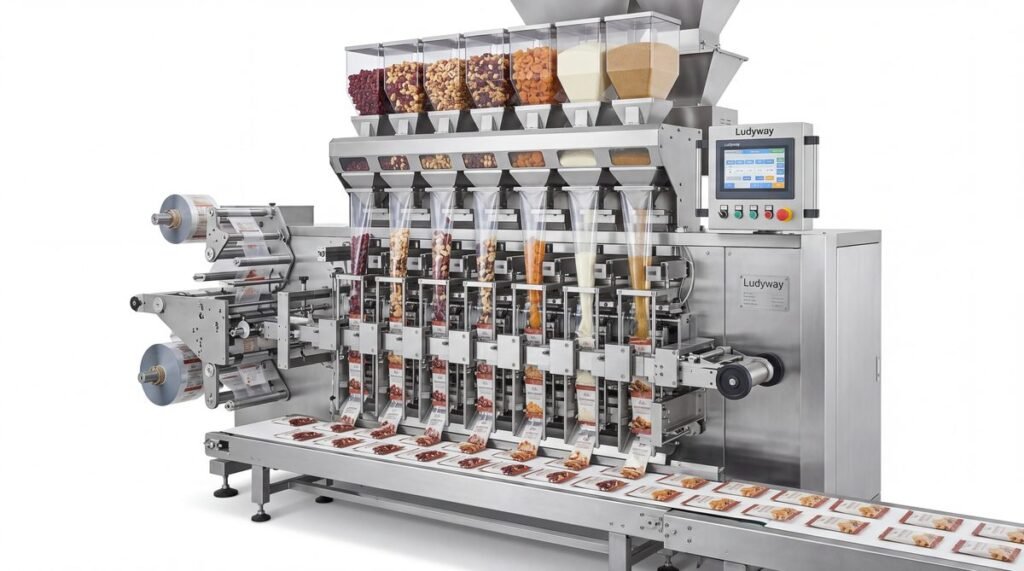
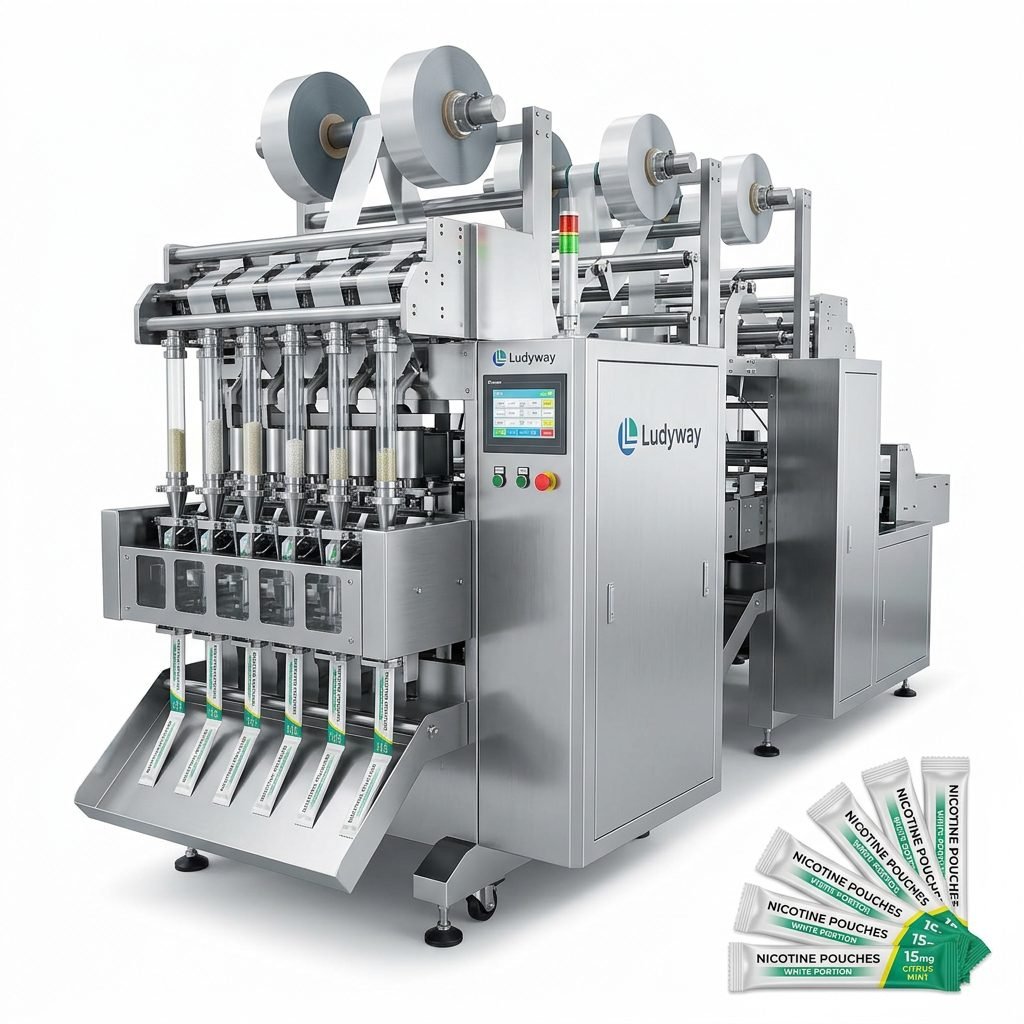
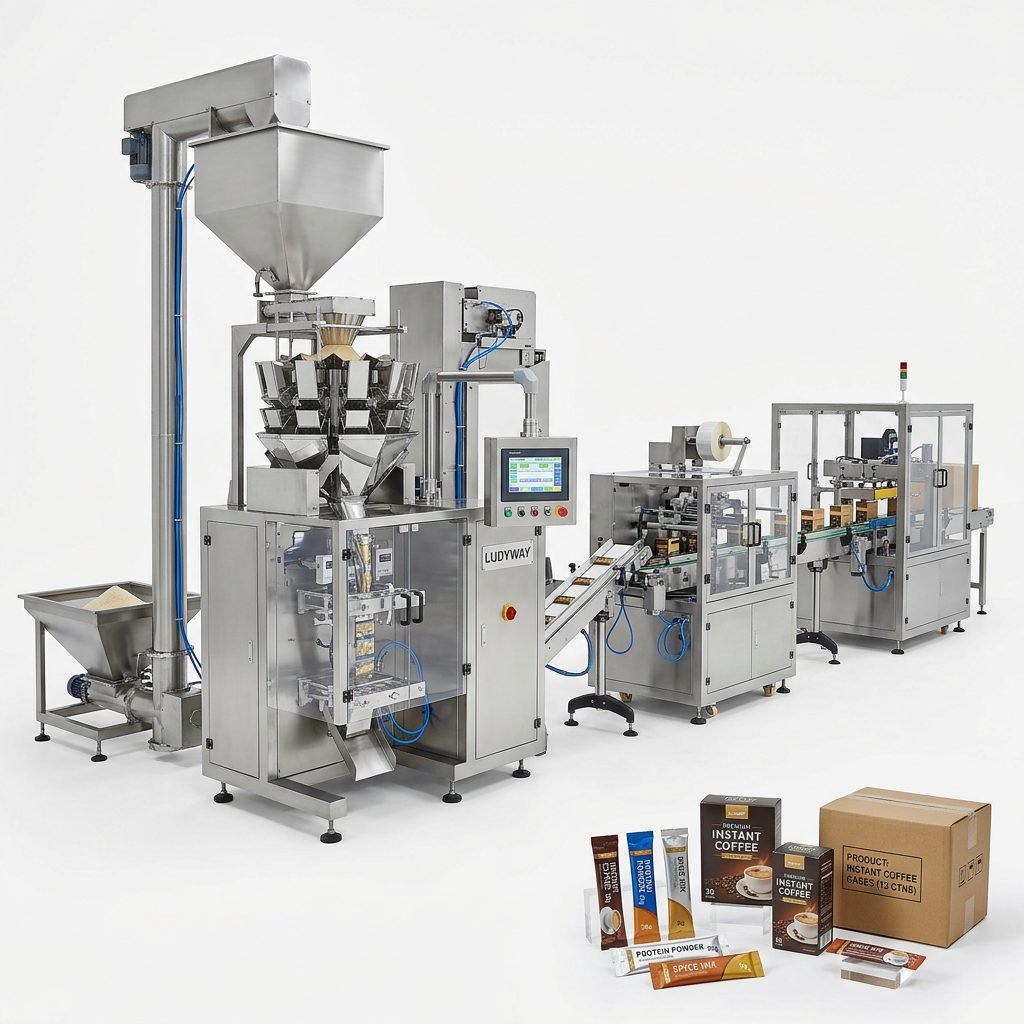
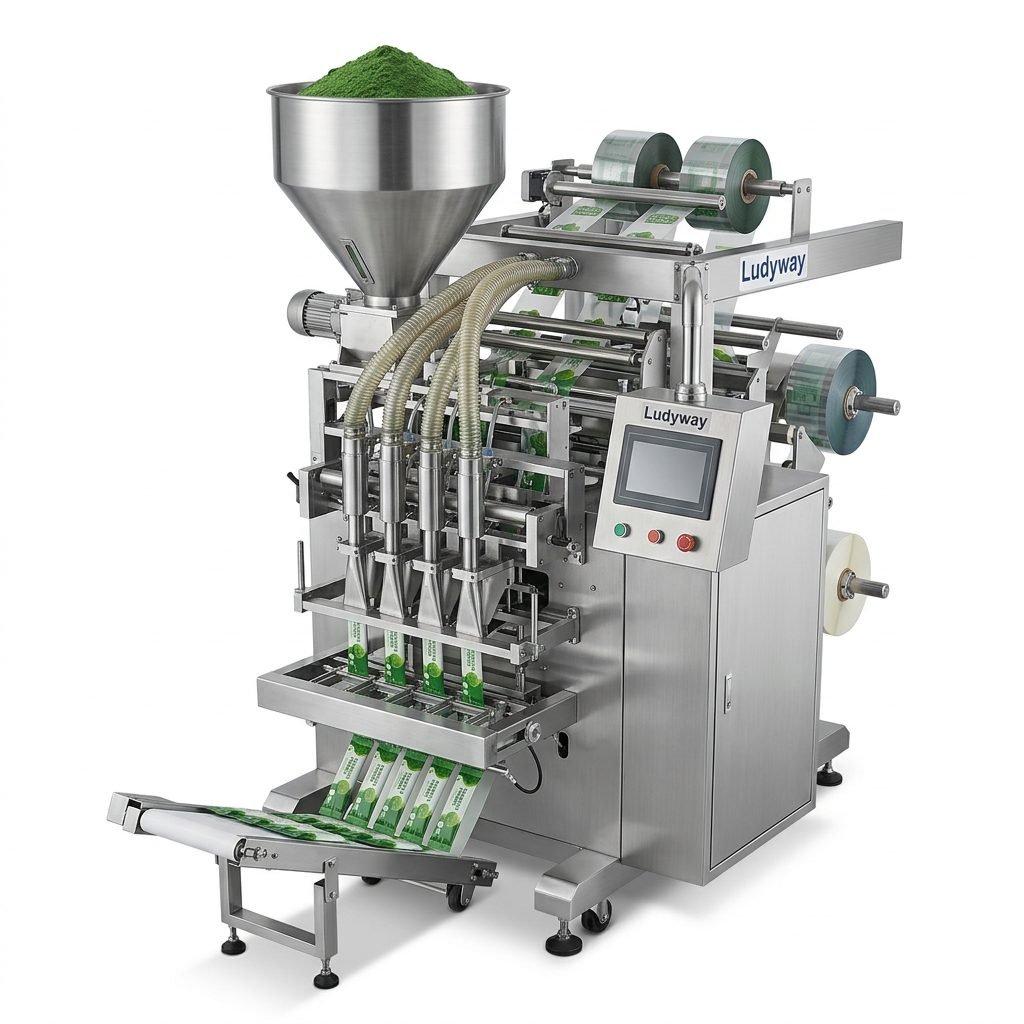
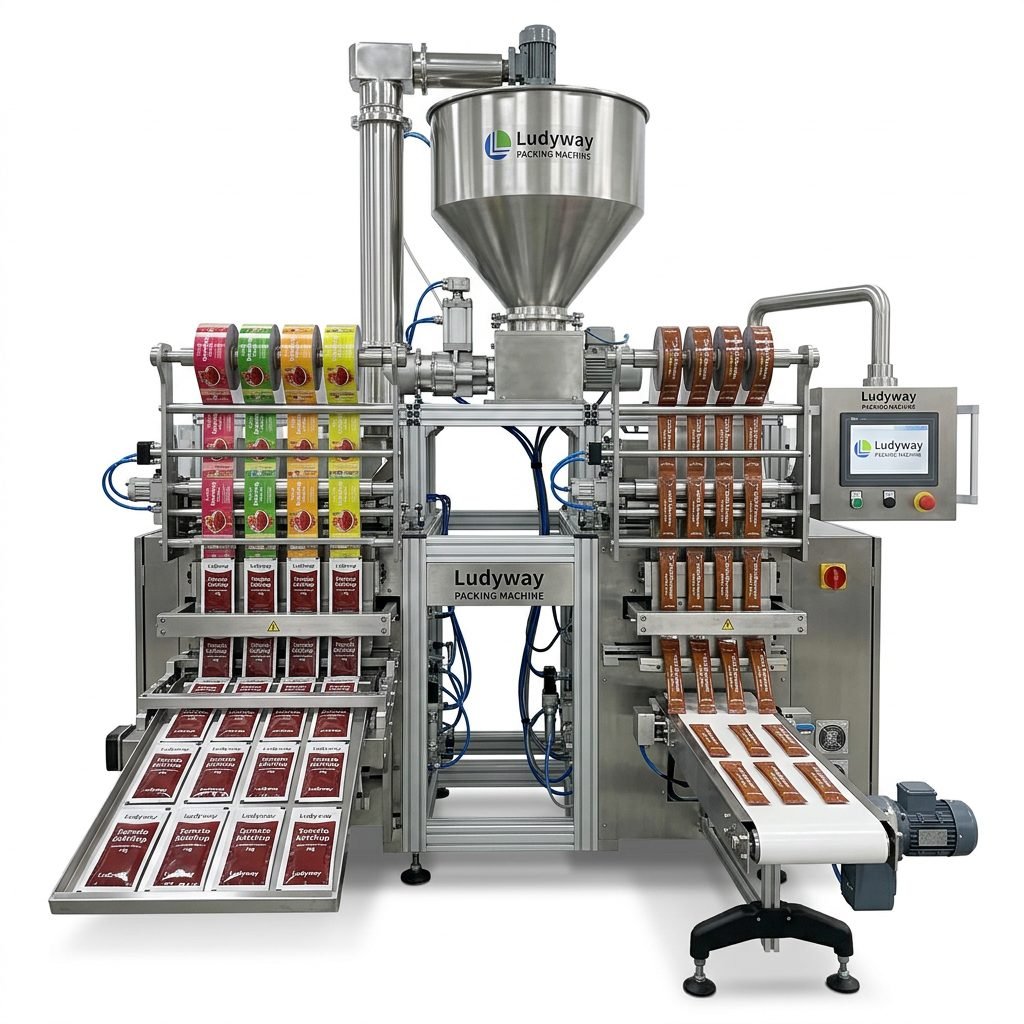
Polyvinyl chloride (PVC) packaging machines are workhorses in industries ranging from food and pharmaceuticals to chemicals and cosmetics. These systems handle high-volume production cycles, often running multiple shifts daily. Without a structured maintenance plan, residue buildup, seal wear, and mechanical misalignment can degrade performance, compromise pack integrity, and lead to costly downtime. Implementing a disciplined cleaning and maintenance routine protects your investment, extends equipment lifespan, and ensures consistent output quality.
Daily Cleaning Procedures for PVC Packaging Machines
End-of-shift cleaning should be non-negotiable. PVC film generates static electricity that attracts dust, while product spillage—especially powders and granules—accumulates in forming tubes, sealing jaws, and cutting stations. Follow these steps:
- Power down and lock out the machine completely before any cleaning activity begins.
- Remove residual film fragments and product debris from the forming shoulder and filling tube areas using a soft brush or vacuum.
- Wipe down sealing surfaces with a lint-free cloth dampened with isopropyl alcohol to remove polymer residue without scratching critical components.
- Clean photoelectric sensors and optical detection lenses with a dry microfiber cloth to maintain accurate film registration.
- Inspect and empty the scrap collection bin; accumulated waste can interfere with film tracking sensors.

Weekly Deep-Cleaning and Component Inspection
Beyond daily wipe-downs, a weekly deep-cleaning session prevents long-term degradation. Focus on areas where product ingress is most likely:
- Sealing jaw assemblies: Remove jaws if the design permits and clean behind them. Check for uneven wear patterns that indicate misalignment or incorrect temperature settings.
- Film unwinding mechanisms: Clean tension rollers and dancer arms. Verify that film unwind tension remains consistent; fluctuations cause misregistration and wrinkled seals.
- Chain drives and timing belts: Remove dust and debris, then inspect for elongation or cracking. A snapped belt during production can cause hours of lost output.
- Electrical cabinets: Use compressed air to blow out dust from control panels while keeping a safe distance to avoid moisture introduction.
Lubrication: The Cornerstone of Mechanical Longevity
PVC packaging machines rely on synchronized mechanical movements. Friction at bearing points, cam followers, and linear guides accelerates wear and increases energy consumption. A structured lubrication schedule yields measurable returns. Key lubrication points include:
- Sealing jaw pivot pins and actuating linkages
- Film feed roller bearings and tensioner assemblies
- Cutting knife mechanisms and cross-seal stations
- Cam-driven filling unit components (for volumetric or auger systems)
Always use food-grade lubricants where product contact is possible, and follow manufacturer specifications for viscosity and reapplication intervals. Over-lubrication attracts contaminants; apply sparingly and wipe excess.

Preventive Maintenance Schedule
Adhering to a documented preventive maintenance schedule reduces unplanned stoppages. Use the table below as a baseline framework and adapt it to your production environment. For detailed guidance aligned with packaging machinery best practices, consult equipment-specific documentation.
| Frequency | Task | Responsible Team |
|---|---|---|
| Daily | Clean forming area, inspect seals, check sensor functionality | Operators |
| Weekly | Deep-clean jaw assemblies, check belt tensions, lubricate pivot points | Maintenance Technicians |
| Monthly | Inspect electrical connections, verify temperature calibration, replace worn brushes | Electrical & Mechanical Teams |
| Quarterly | Replace sealing elements, inspect drive chains, recalibrate filling accuracy | Senior Maintenance Engineers |
| Annually | Full overhaul—replace bearings, timing belts, heating elements, and worn guides | Manufacturer or Certified Service |
Troubleshooting Common PVC Packaging Machine Issues
Even with diligent maintenance, issues arise. Rapid diagnosis minimizes downtime. Below are frequent problems and their typical root causes:
- Inconsistent seal strength: Check temperature controller calibration, verify jaw pressure uniformity, and inspect for residue on sealing surfaces.
- Film misalignment or wandering: Clean tracking rollers, confirm film unwind tension is balanced, and inspect the forming shoulder for damage or debris.
- Excessive product dust inside the machine: Evaluate the filling nozzle design; consider adding dust extraction at the fill point to prevent accumulation on sensors and moving parts.
- Intermittent machine stoppages: Diagnose sensor signal integrity, check for loose wiring connections, and inspect emergency stop circuit continuity.
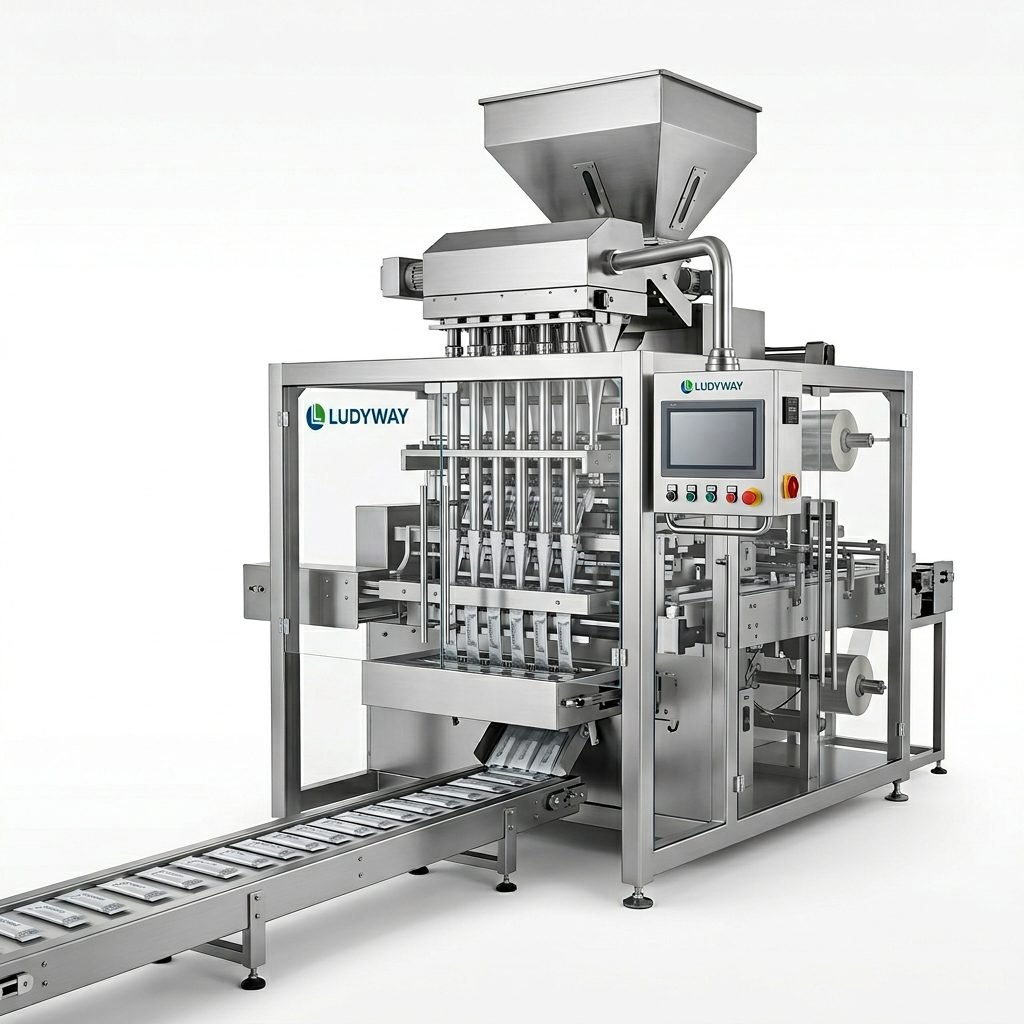
Operator Training and Documentation
No maintenance program succeeds without trained personnel. Operators who understand machine behavior detect anomalies before they escalate. Implement a standardized logbook system where every cleaning session, lubrication application, and component adjustment is recorded. This data reveals wear patterns and helps predict component replacement intervals. Align your procedures with packaging industry standards to ensure compliance and operational excellence.
Spare Parts Inventory Management
Maintain an on-site inventory of critical wear components to avoid extended lead-time delays. Essential spares for PVC packaging machines include:
- Sealing jaw sets and Teflon-coated heating elements
- Film feed belts and timing belts
- Bearing kits for main drive and sealing cam assemblies
- Sensor units (photoelectric and temperature probes)
- Cutting knives and blade holders
Partnering with experienced packaging machine manufacturers like Ludyway ensures genuine spare parts availability and technical support when you need it most. With over 30 years of industry expertise and a modern 20,000㎡ manufacturing facility, reliable after-sales support becomes part of your maintenance strategy.
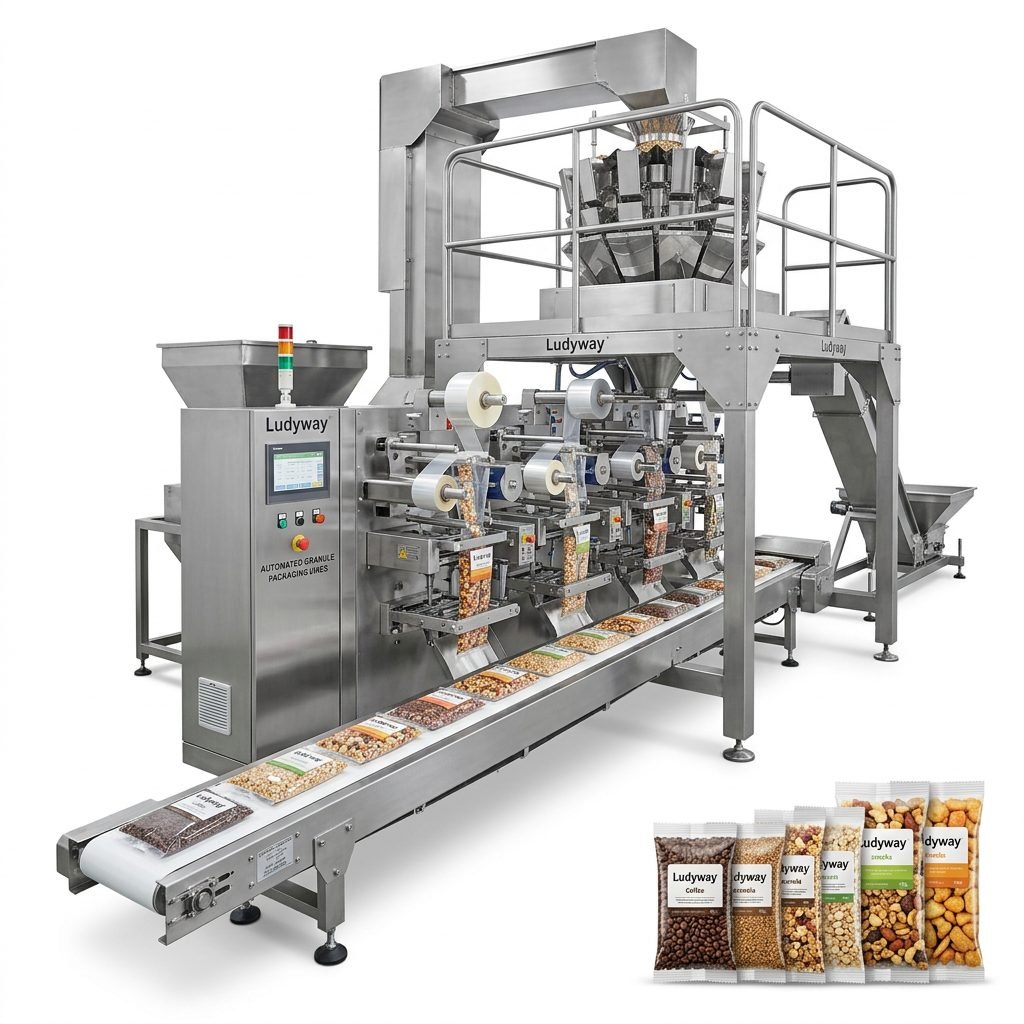
Conclusion: Building a Maintenance-First Culture
A PVC packaging machine represents significant capital investment. Treating maintenance as a strategic function rather than a reactive task transforms operational reliability. Daily cleaning rituals, structured lubrication, timely component replacement, and thorough documentation create a virtuous cycle of performance improvement. When every operator and technician embraces ownership of equipment care, production efficiency rises, product quality stabilizes, and the total cost of ownership decreases measurably. Start with the fundamentals outlined above, adapt them to your specific machine configuration, and build a maintenance culture that keeps your packaging line running at peak capacity.