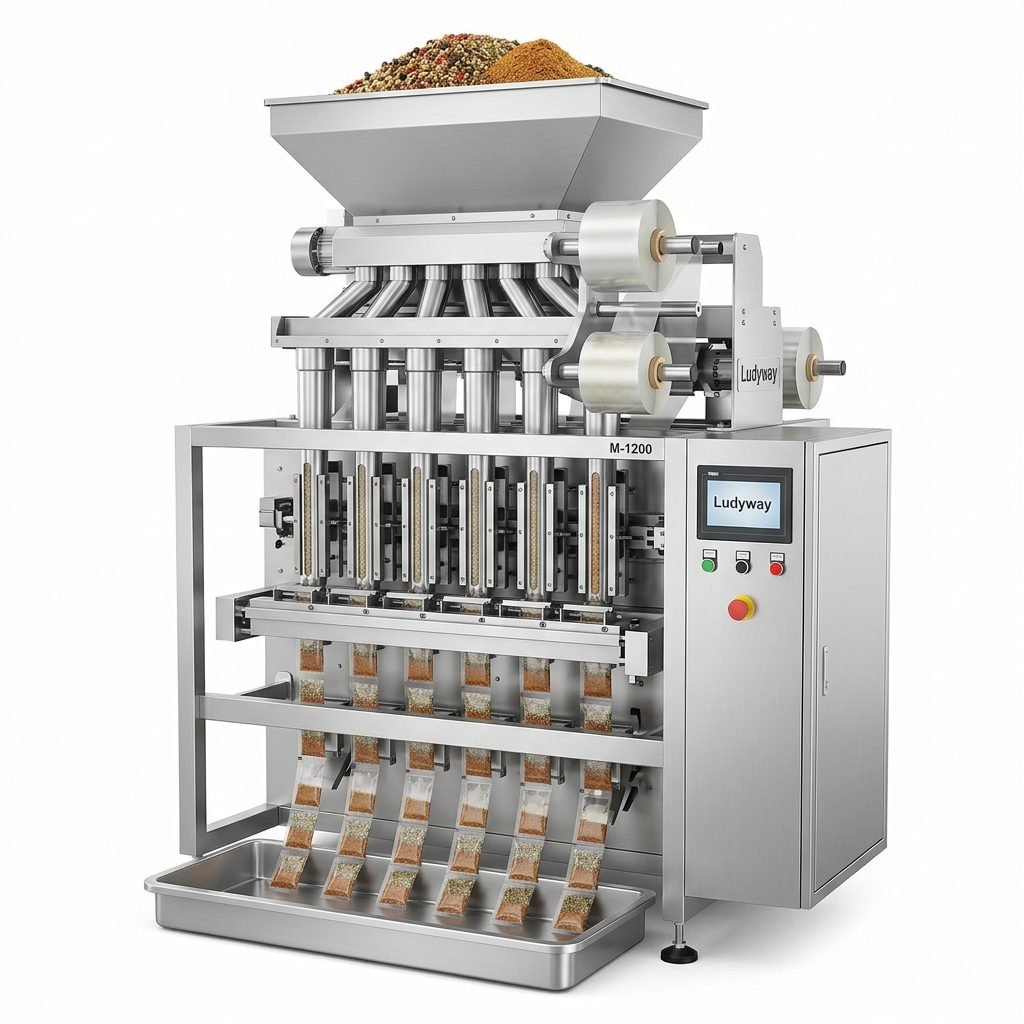
Proper maintenance of an elaichi packing machine is essential for ensuring consistent performance, minimizing downtime, and extending the lifespan of your equipment. Whether you are packaging whole elaichi pods or ground cardamom powder, a well-maintained machine delivers precise fills, tight seals, and reliable output. This guide covers essential cleaning procedures, routine inspection tasks, and preventive maintenance practices that every operator and maintenance team should follow.
Why Routine Maintenance Matters
Neglecting regular upkeep can lead to inaccurate filling, poor seal integrity, and unexpected breakdowns. For elaichi products, which are often high-value spices, any wastage caused by malfunctioning equipment directly impacts your bottom line. A structured maintenance program helps you:
- Reduce product loss and packaging material waste
- Maintain consistent seal quality and portion accuracy
- Prevent costly emergency repairs and production stoppages
- Extend the operational life of critical components
- Comply with food safety and hygiene standards
Daily Cleaning Procedures
After each production run, operators should perform a thorough cleaning of all product-contact surfaces. Residual elaichi powder and dust can accumulate quickly, affecting both machine performance and product quality.
- Power down and disconnect the machine completely before any cleaning activity.
- Remove all residual product from the hopper, feeding system, and discharge chute using a soft brush or vacuum cleaner designed for food-grade applications.
- Wipe down all surfaces with a dry, lint-free cloth. For sticky residues, use a slightly damp cloth with a mild, food-safe cleaning solution.
- Clean the sealing jaws and cutting blades carefully, removing any built-up film residue or product particles that could compromise seal integrity.
- Inspect and clean the forming tube and shoulders to prevent film tracking issues.
- Allow all components to dry completely before reassembling or restarting the machine.
Weekly Maintenance Checklist
The following table outlines the key inspection points that should be addressed on a weekly basis. Consistent attention to these areas significantly reduces the risk of unplanned downtime.
| Component | Inspection Task | Action Required |
|---|---|---|
| Sealing Jaws | Check for wear, residue buildup, and alignment | Clean thoroughly; replace if damaged |
| Forming Tube | Inspect for scratches, dents, or film drag marks | Polish or replace as needed |
| Filling Auger / Weighing System | Verify calibration and check for obstructions | Recalibrate if fill weight deviates |
| Film Unwind & Tracking | Check tension, alignment, and roller condition | Adjust tension; clean rollers |
| Sensors & Photocells | Clean lenses and verify registration accuracy | Wipe with a dry cloth; recalibrate |
| Conveyor Belts | Check for fraying, misalignment, or slipping | Tighten or replace belts |
Lubrication and Mechanical Care
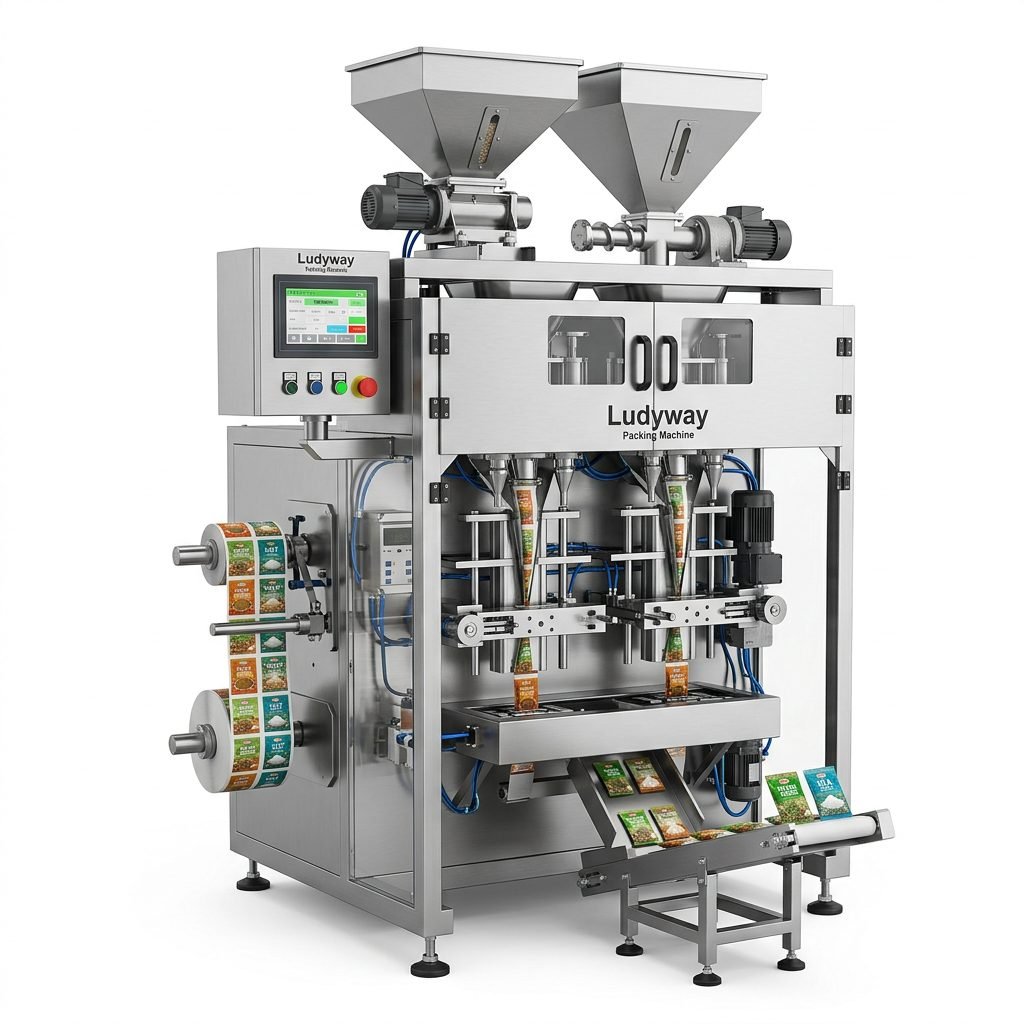
Proper lubrication is one of the most overlooked aspects of packaging machine maintenance. Moving parts that are not adequately lubricated wear out faster and can cause misalignment issues that affect packaging quality.
- Use food-grade lubricants for all components that may come into contact with the product zone.
- Lubricate bearings, chains, gears, and cam mechanisms according to the manufacturer’s recommended schedule.
- Check pneumatic cylinders and air lines for leaks. Drain moisture traps daily to prevent corrosion.
- Inspect drive belts for tension and signs of cracking. Replace worn belts immediately.
- Keep a maintenance log to track lubrication intervals and part replacements.
For detailed guidance on packaging machinery best practices, refer to resources from the PMMI – Association for Packaging and Processing Technologies.
Common Issues and Troubleshooting
Even with regular maintenance, occasional issues can arise. Below are some common problems encountered with elaichi packing machines and their typical solutions.
- Inconsistent fill weight: Check the feeding system for blockages, recalibrate the weighing mechanism, and ensure uniform product density in the hopper.
- Poor seal integrity: Inspect sealing jaw temperature settings, clean jaw surfaces, and verify that the correct film type is being used for the product.
- Film tracking issues: Realign the film roll, clean all guide rollers, and check for uneven tension across the web width.
- Excessive product dust: Install or clean dust extraction systems to prevent fine elaichi powder from settling on sensors and moving parts.
- Machine vibration: Check for loose mounting bolts, worn bearings, or unbalanced rotating components.
Preventive Maintenance Schedule
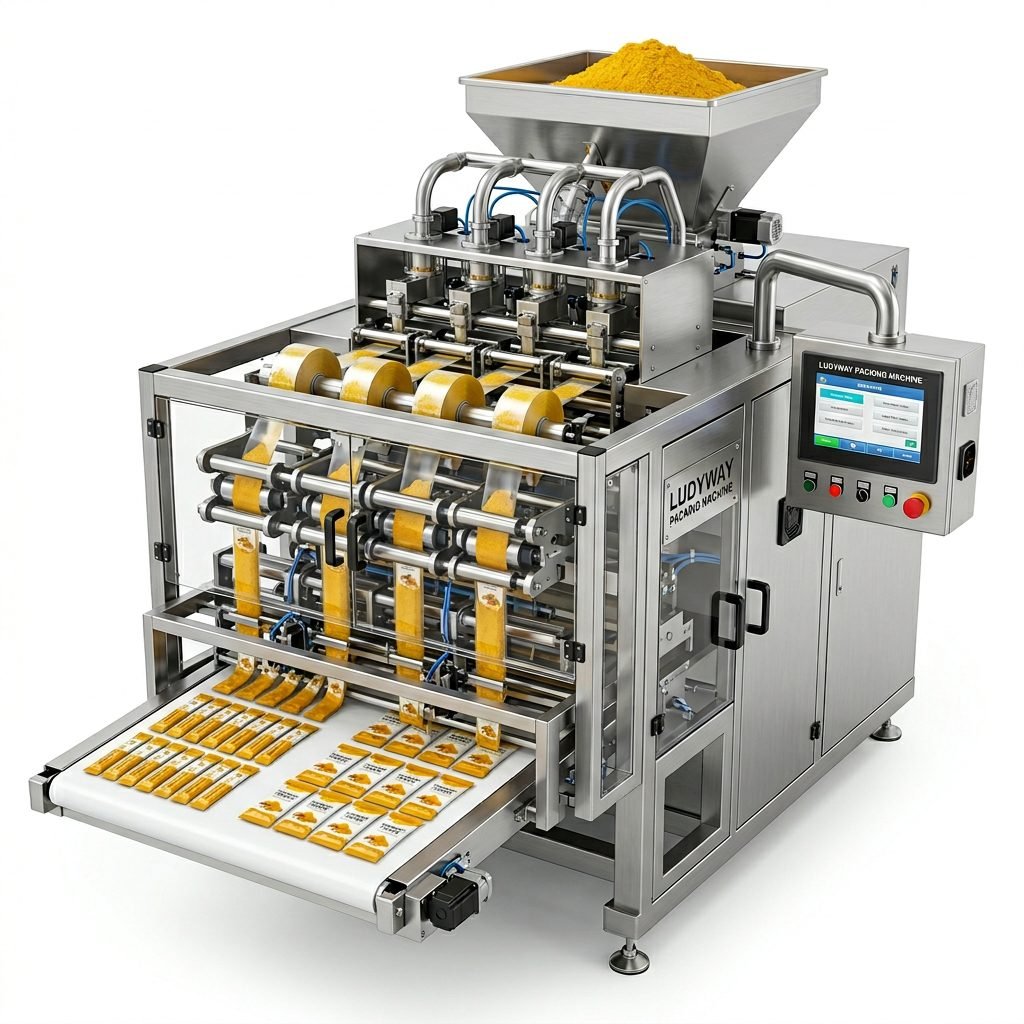
Implementing a structured preventive maintenance schedule helps you stay ahead of potential failures. The table below provides a recommended timeline for key maintenance activities.
| Frequency | Maintenance Activity | Responsible Party |
|---|---|---|
| Daily | Clean product-contact surfaces, inspect seals | Machine Operator |
| Weekly | Lubricate moving parts, check sensors and belts | Maintenance Technician |
| Monthly | Inspect electrical connections, calibrate weighing system, deep clean all zones | Maintenance Supervisor |
| Quarterly | Replace worn wear parts, check pneumatic systems, update firmware | Senior Technician |
| Annually | Comprehensive machine overhaul, drive system inspection, full recalibration | Manufacturer Service Team |
Electrical and Control System Checks
The electrical and control systems are the nerve center of your packaging machine. Regularly inspecting these components prevents erratic behavior and ensures consistent operation.
- Inspect all wiring harnesses for signs of wear, heat damage, or loose connections.
- Clean control panels and HMI screens with anti-static cleaners. Avoid moisture ingress into electronic enclosures.
- Verify that emergency stop buttons and safety interlocks are functioning correctly.
- Check grounding continuity to prevent static buildup, which can be a significant issue when packaging fine elaichi powder.
- Keep backup copies of PLC programs and machine parameters in a secure location.
Spare Parts Management
Having critical spare parts readily available minimizes downtime when replacements are needed. We recommend maintaining an inventory of high-wear components including sealing jaws, cutting blades, forming tubes, drive belts, sensors, and heating elements. Consult your machine’s operation manual for a complete list of recommended spare parts. Additional resources on packaging equipment standards can be found through the ISO Packaging Standards.
Professional Maintenance and Support
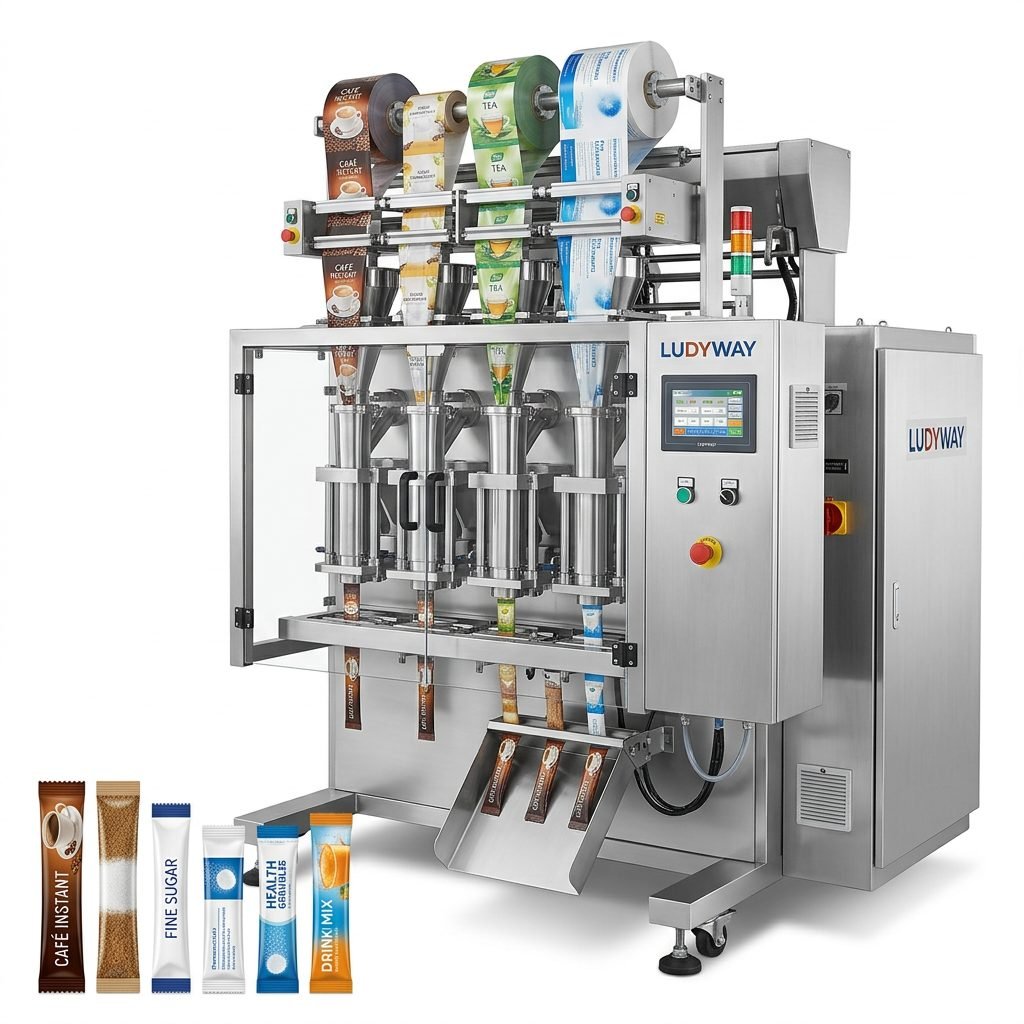
While daily and weekly maintenance can be handled by trained in-house staff, annual overhauls and complex repairs should be entrusted to qualified professionals. For businesses seeking reliable maintenance support and high-performance packaging machines, Ludyway is one of the largest packaging machine manufacturers in China, offering comprehensive after-sales service, spare parts supply, and technical guidance to customers in over 100 countries. Their engineering team can assist with troubleshooting, machine optimization, and preventive maintenance planning tailored to your specific elaichi packaging requirements.
Training Your Operators for Better Maintenance
Well-trained operators are your first line of defense against machine issues. Invest in regular training sessions that cover:
- Proper machine startup and shutdown procedures
- Recognition of early warning signs such as unusual noises or vibrations
- Correct cleaning techniques that do not damage sensitive components
- Basic troubleshooting steps for common packaging problems
- Accurate record-keeping and maintenance documentation practices
Industry organizations like the Flexible Packaging Association offer valuable resources and training materials that can supplement your internal programs.
Key Takeaways for Long-Term Machine Reliability
Maintaining an elaichi packing machine does not have to be overwhelming. By following a consistent routine of daily cleaning, weekly inspections, and scheduled preventive maintenance, you can significantly extend the life of your equipment and maintain high production standards. Remember to keep detailed maintenance logs, stock essential spare parts, and partner with a trusted equipment manufacturer for annual servicing and technical support. A proactive approach to maintenance is always more cost-effective than reactive repairs.