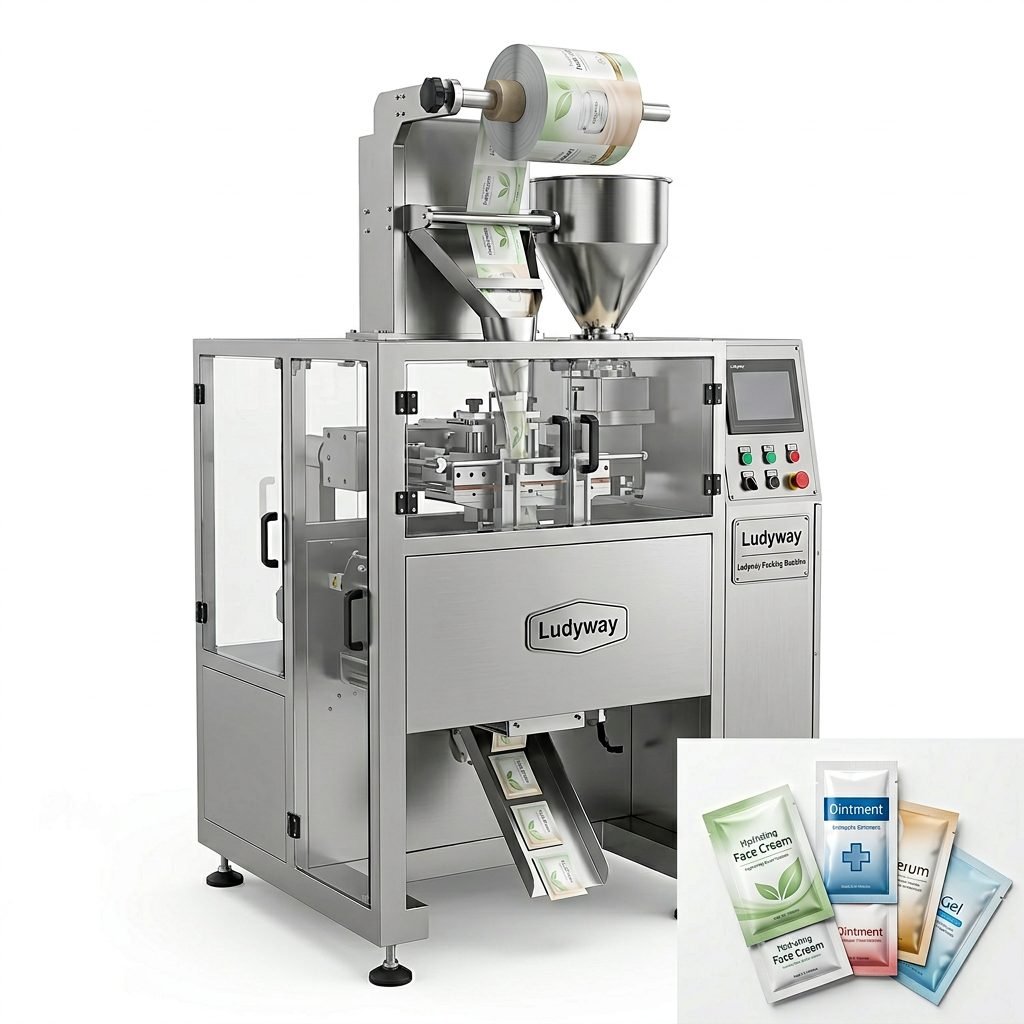
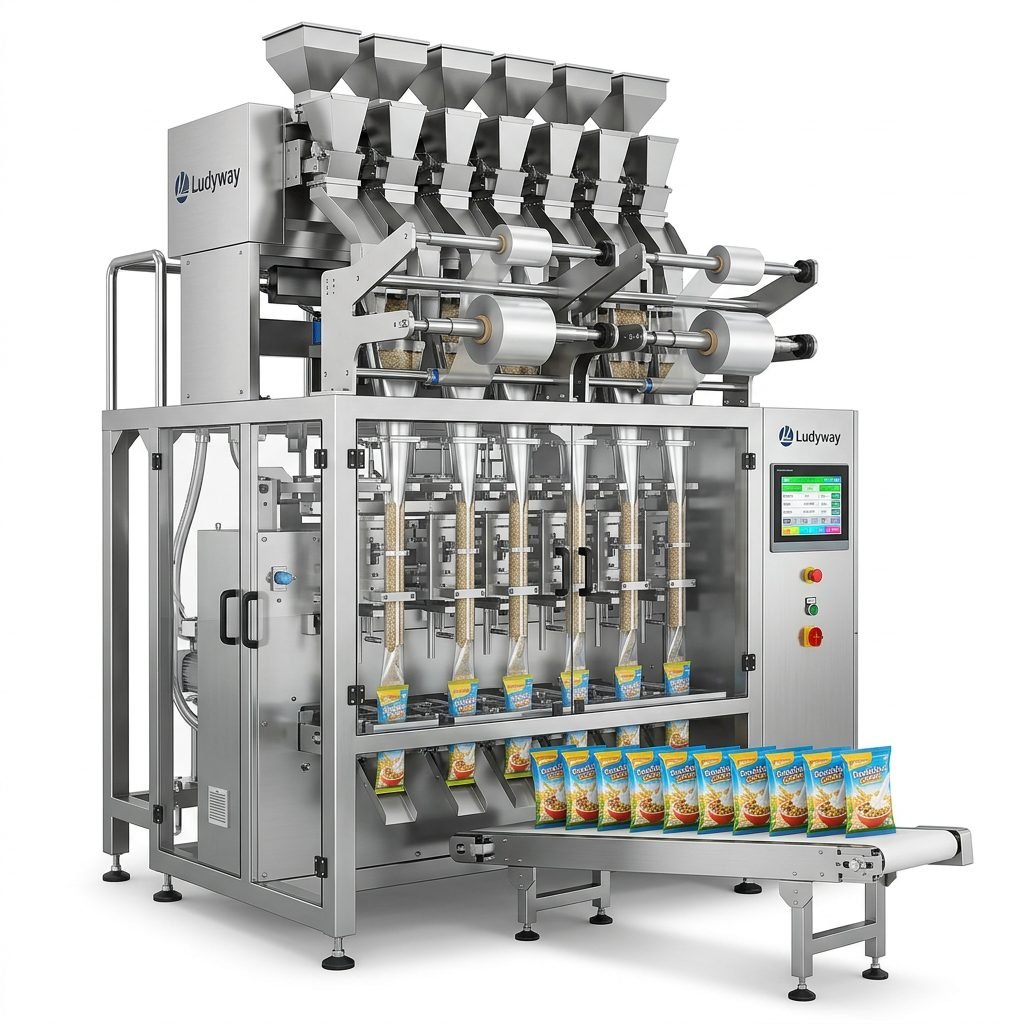
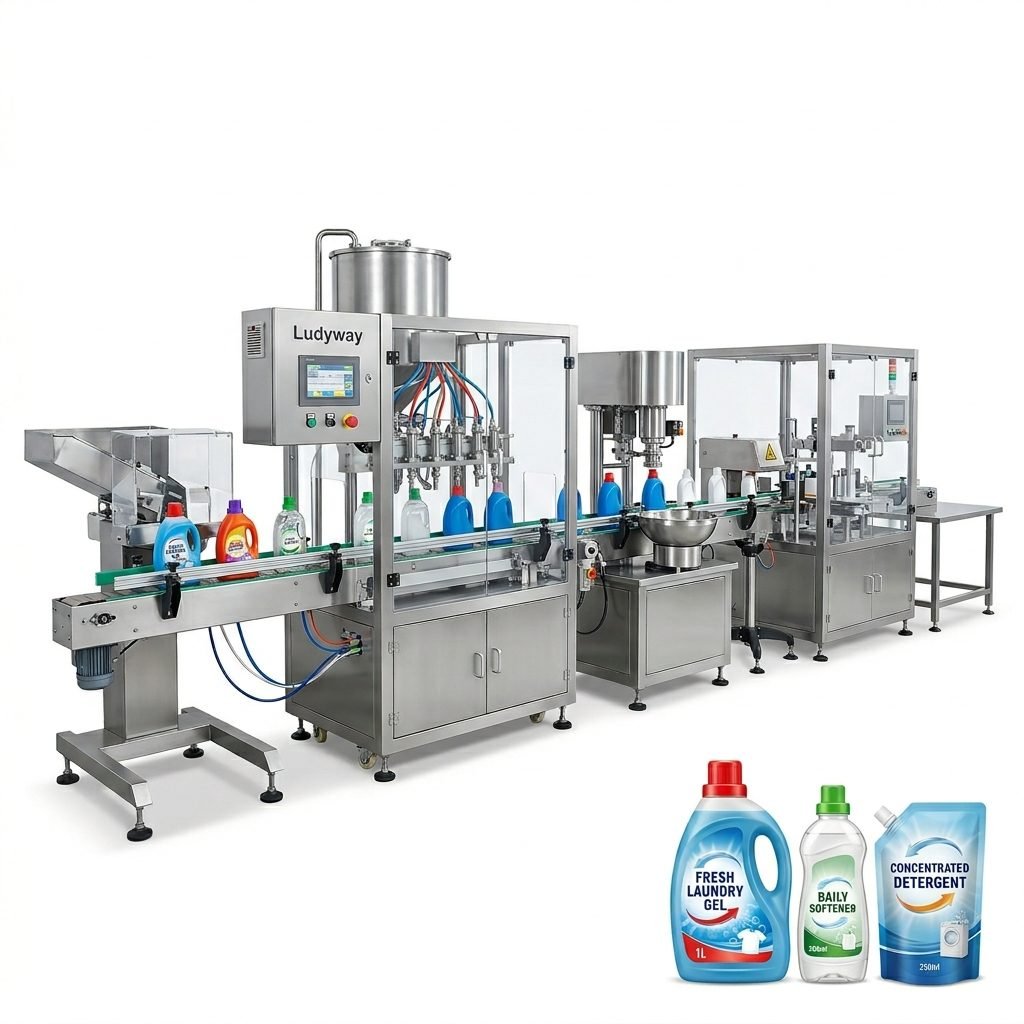
The Ukrainian food processing sector is undergoing a period of rapid transformation. As local manufacturers pivot to meet both domestic demand and expanding export opportunities, the need for efficient, reliable, and compliant packaging machinery has never been greater. Selecting the right equipment is not merely a procurement decision; it is a strategic move that dictates production capacity, product shelf life, and ultimately, market competitiveness.

Understanding the Shifting Demands of the Ukrainian Food Market
Before investing in an automatic packaging machine, it is critical to analyze the specific pressures facing the Ukrainian industry. The market currently demands flexibility. While sunflower oil, grains, and confectionery remain staples, there is a significant surge in processed foods, ready-to-eat meals, and portion-controlled packaging. This shift requires machinery that can handle multiple formats without extensive downtime.
Furthermore, the supply chain dynamics influence machine specifications. With a focus on reducing dependency on imports, local production is ramping up. Packaging lines in Kyiv, Lviv, and Dnipro are being retooled not just for high volume, but for longevity and easy maintenance under challenging conditions. Equipment that offers modular parts and remote diagnostics provides a distinct advantage here, ensuring continuous operation even when on-site technical support is limited.
Key Product Categories Driving Machine Requirements
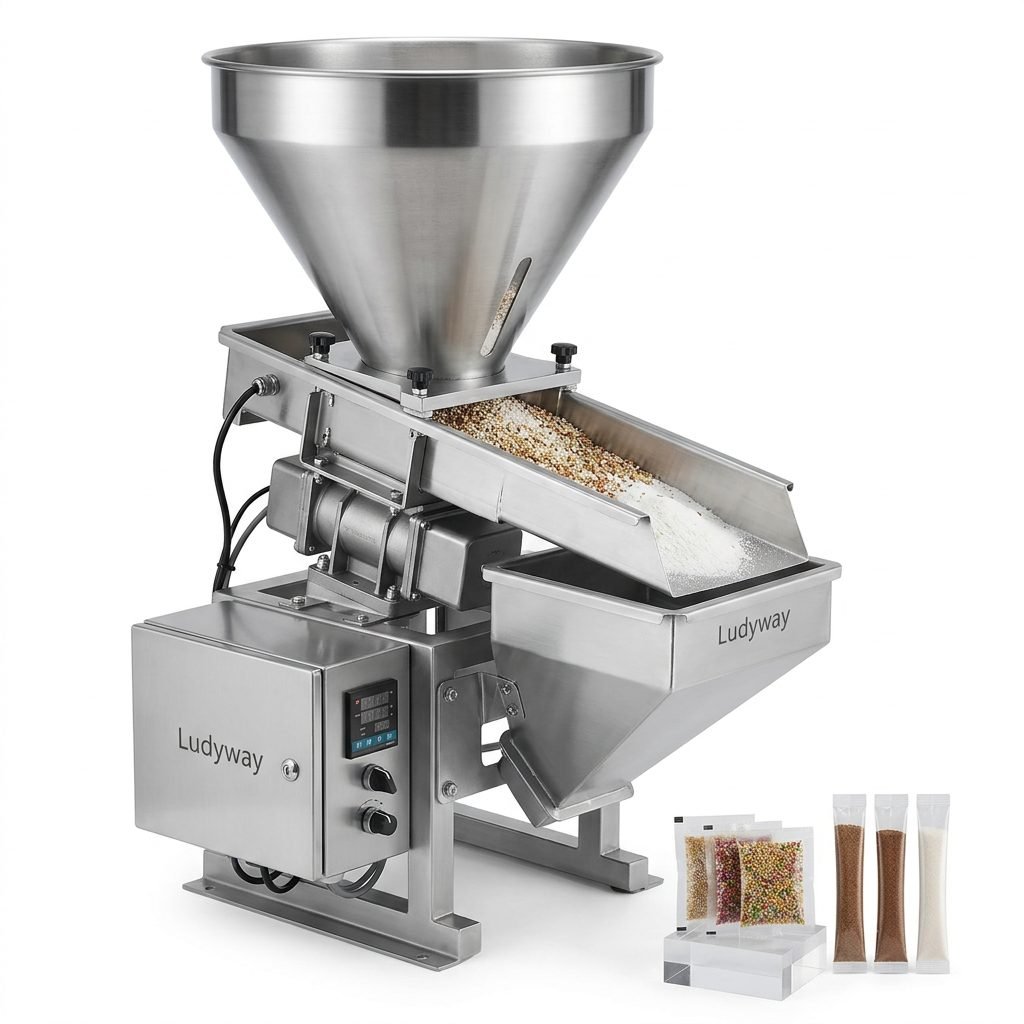
- Grains and Cereals: Requiring robust granule packaging machines with precision weighing to minimize product loss.
- Dairy and Liquid Products: Demanding hygienic liquid filling and sealing lines that comply with strict sanitation protocols.
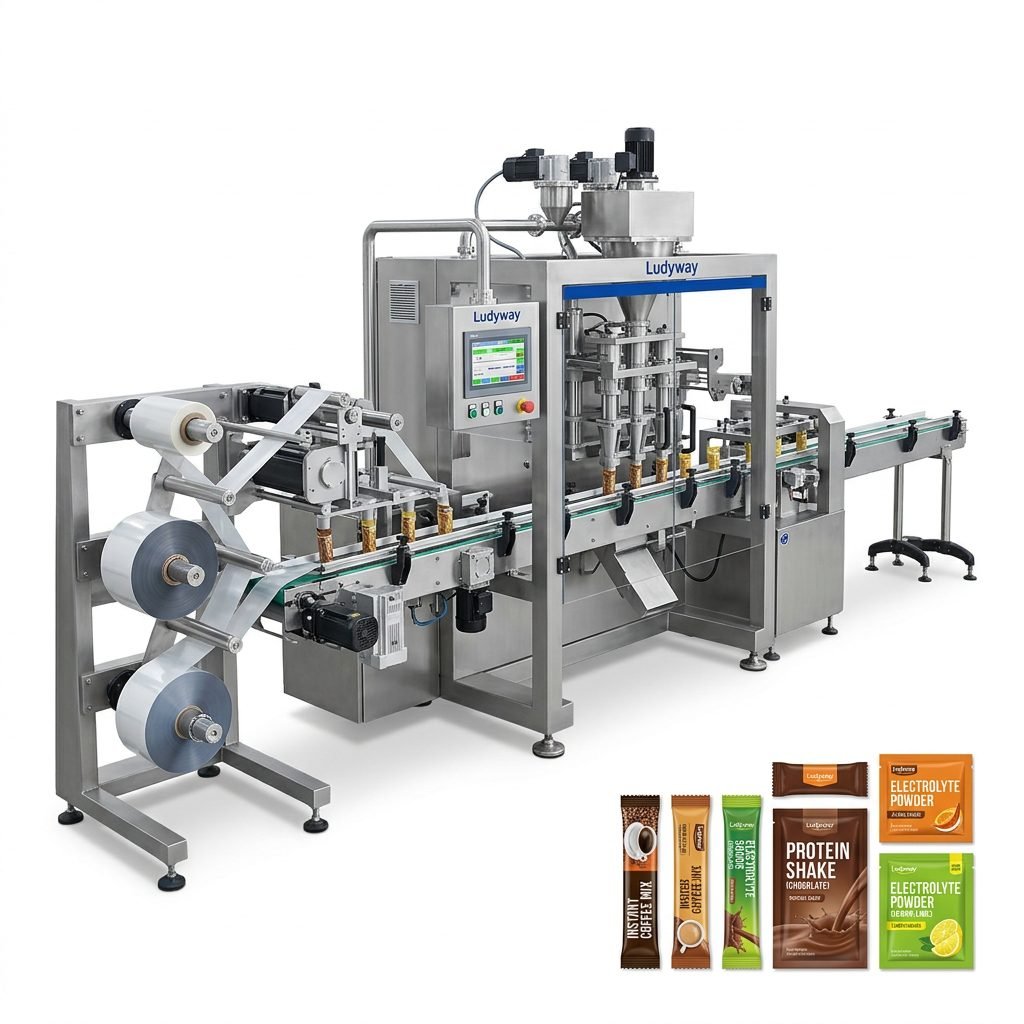
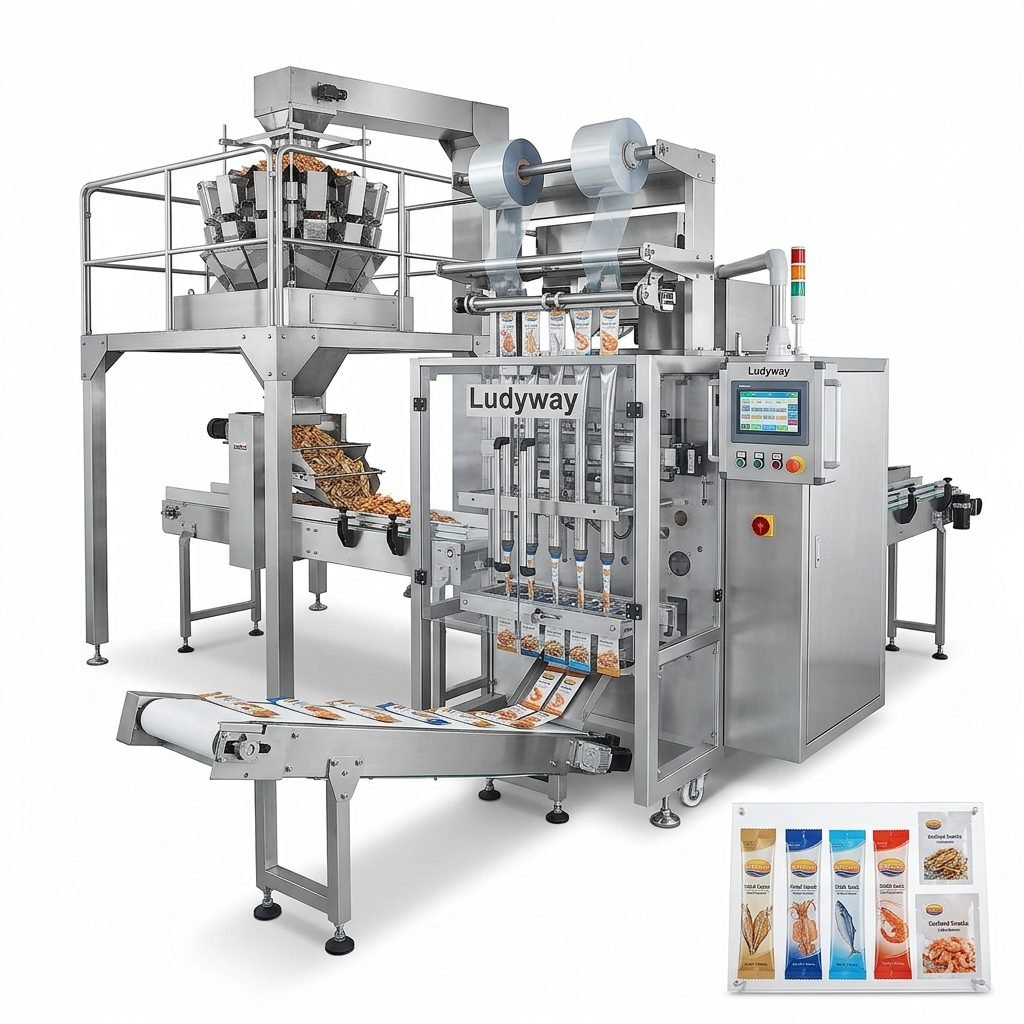
- Confectionery and Snacks: Increasingly moving toward multi-lane stick pack and sachet systems for portion control and shelf appeal.
- Pharmaceutical and Nutraceutical Additions: Many food producers are expanding into health supplements, pushing the boundary for powder dosing accuracy.

Technical Specifications to Prioritize for the Ukrainian Context
When evaluating equipment, Ukrainian manufacturers often face a dual challenge: Western quality standards and local budgetary constraints. The goal is finding a balance that does not compromise on core technology. Pay close attention to material construction. Given the often-unstable power supply in certain regions, machines with memory retention during power outages and wide voltage fluctuation tolerance are not optional; they are essential.
Automation level is another critical factor. While full turnkey lines offer the highest efficiency, semi-automatic solutions with upgrade paths often suit medium-sized enterprises looking to scale gradually. The integration of industrial vision inspection systems and checkweighers should also be considered early to meet the stringent quality requirements of the European market, which Ukraine is increasingly supplying.
Machine Type Selection Comparison
The table below outlines the typical applications for different machine formats popular in the current Ukrainian industrial climate:
| Machine Type | Ideal Product | Key Advantage for Ukraine |
|---|---|---|
| Multi-Lane Stick Pack | Coffee, Sugar, Instant Drinks | Maximum output for low-value, high-volume export goods |
| Premade Pouch Rotary Line | Sunflower Seeds, Cereals, Frozen Berries | Superior seal integrity for extended shelf life in transit |
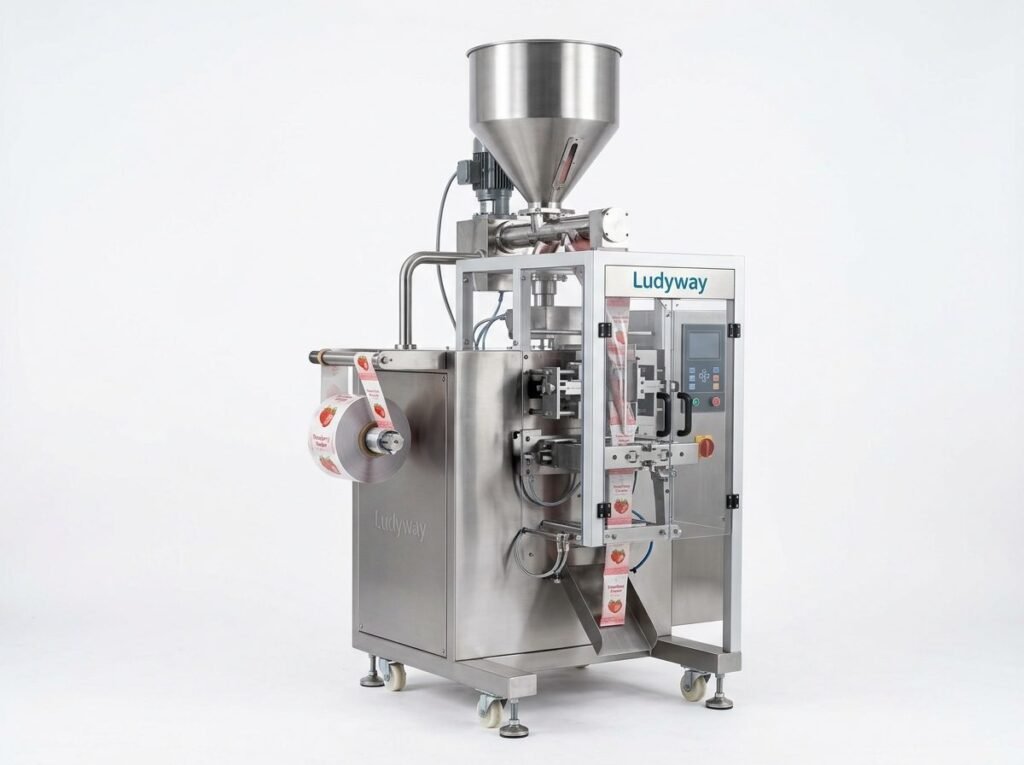
| VFFS (Vertical Form Fill Seal) | Flour, Powdered Milk, Granules | Versatile and cost-effective for basic dry goods packaging |
| Liquid Sachet Machine | Mayonnaise, Ketchup, Oil, Shampoo | Perfect for single-serve portions serving the HORECA sector |
Compliance and Certification: The Gateway to Europe
For Ukrainian businesses eyeing the European Union market, safety certifications are paramount. The packaging process must support food contact substance regulations. Machines should be designed to facilitate cleaning and eliminate cross-contamination risks. Key certifications to look for in the equipment include CE declaration and compliance with ISO 11607 standards where applicable.
It is not just about the physical machine but the traceability it offers. Modern thermal transfer printers and laser marking systems integrated into the packaging line allow for batch codes, barcodes, and QR codes essential for tracking. This is a non-negotiable requirement for defense against counterfeit goods, a known issue in the region, and for forging trust with international distributors. For further reading on packaging standards, refer to resources like the PMMI Business Intelligence Library or the ISO Packaging Standards overview.
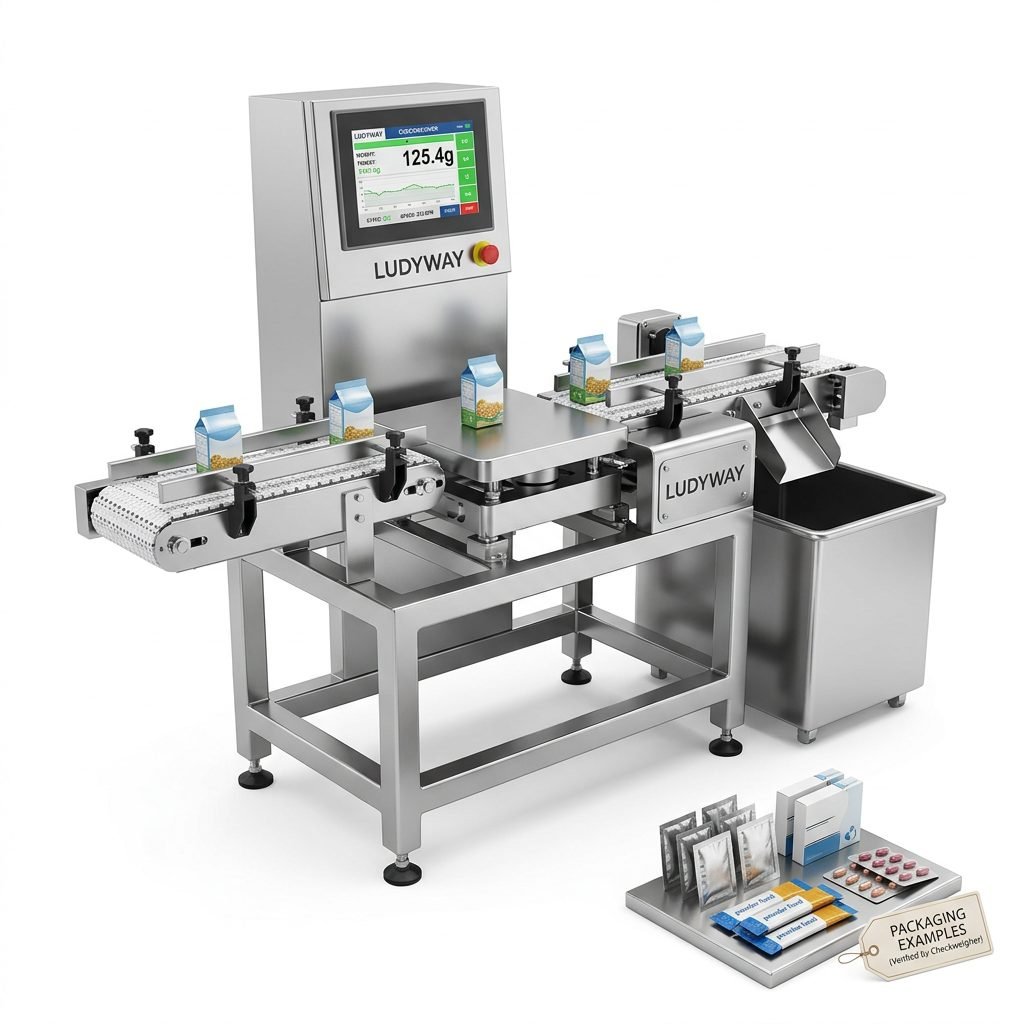
Considerations for Turnkey Integration
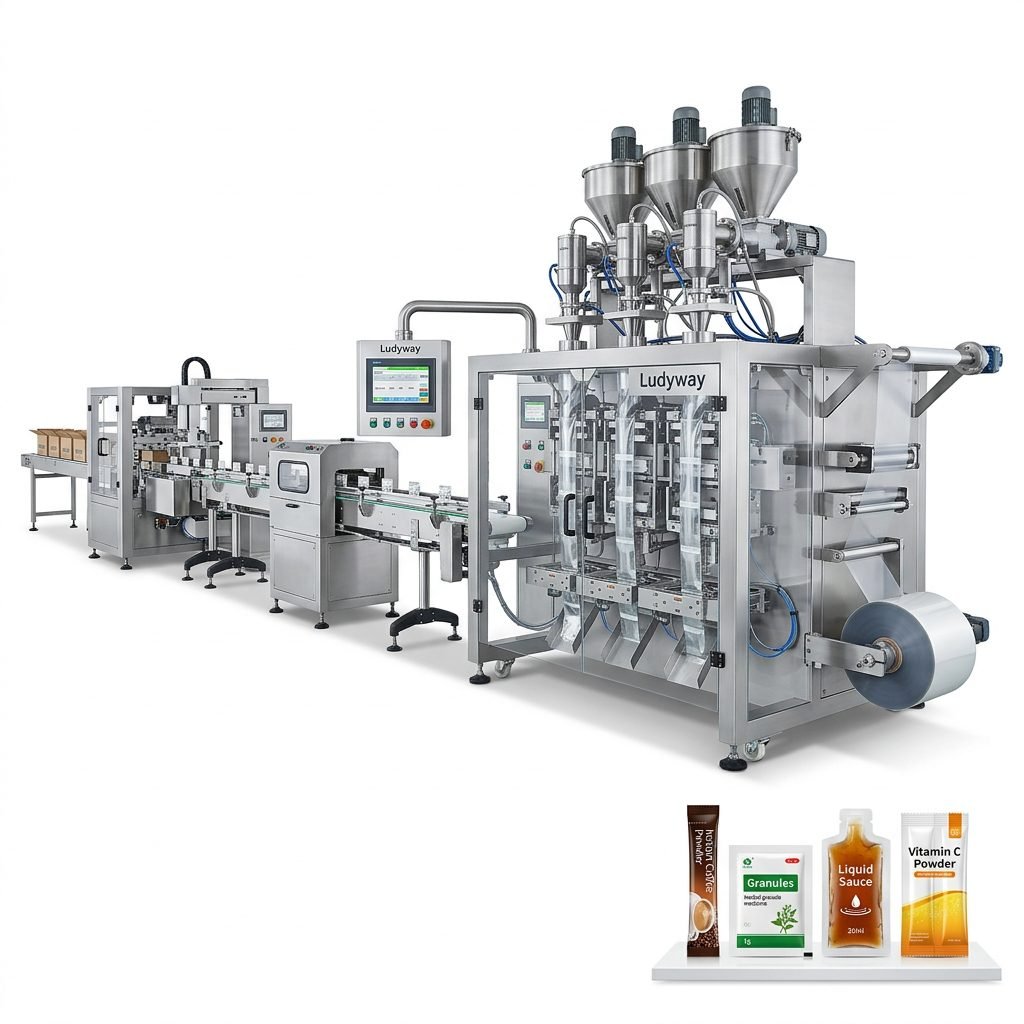
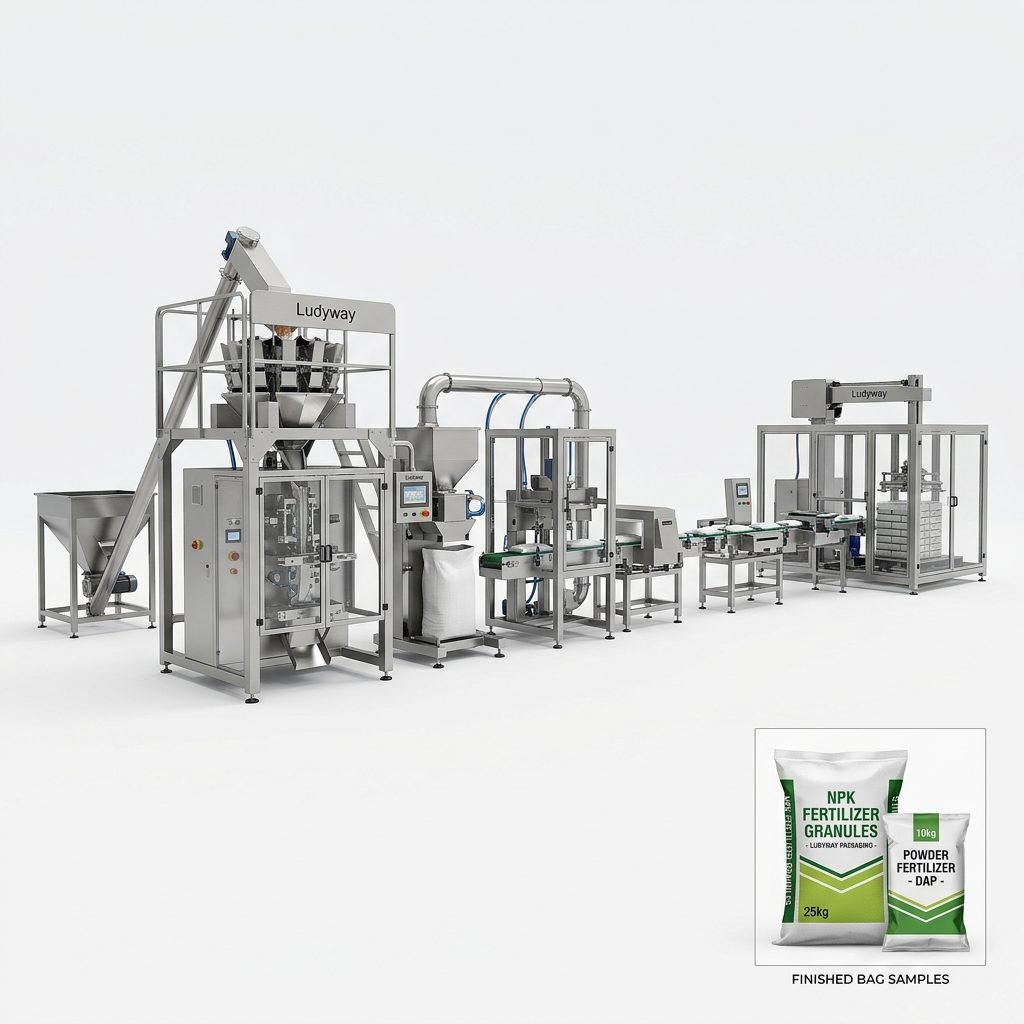
Rather than purchasing disparate units, many Ukrainian factories are moving towards integrated turnkey solutions. These systems combine feeding, dosing, filling, sealing, and case packing into a single synchronized operation. The benefit for the Ukrainian market is reduced reliance on manual labor—a wise strategy given the ongoing demographic challenges—and a drastic reduction in the risk of human error during the packaging phase.
Such systems demand a supplier capable of understanding the full production lifecycle. Companies considering these high-capacity lines should evaluate whether the supplier offers comprehensive automated packaging line integration services, including conveyor systems and robotic palletizing cells. This ensures the delicate handling of products like frozen berries or biscuits without degradation of quality, maintaining the structural integrity right up to the export container.
Assessing Machine Durability and After-Sales Support
The operational environment in Ukraine necessitates a robust build quality. Machines built with heavy-duty frames and premium electrical components (like Siemens or Schneider) offer superior resilience against dust, temperature variations, and intensive duty cycles. When selecting a food packaging machine, inquire specifically about the availability of spare parts in Eastern Europe and the feasibility of remote support or VR-assisted maintenance.
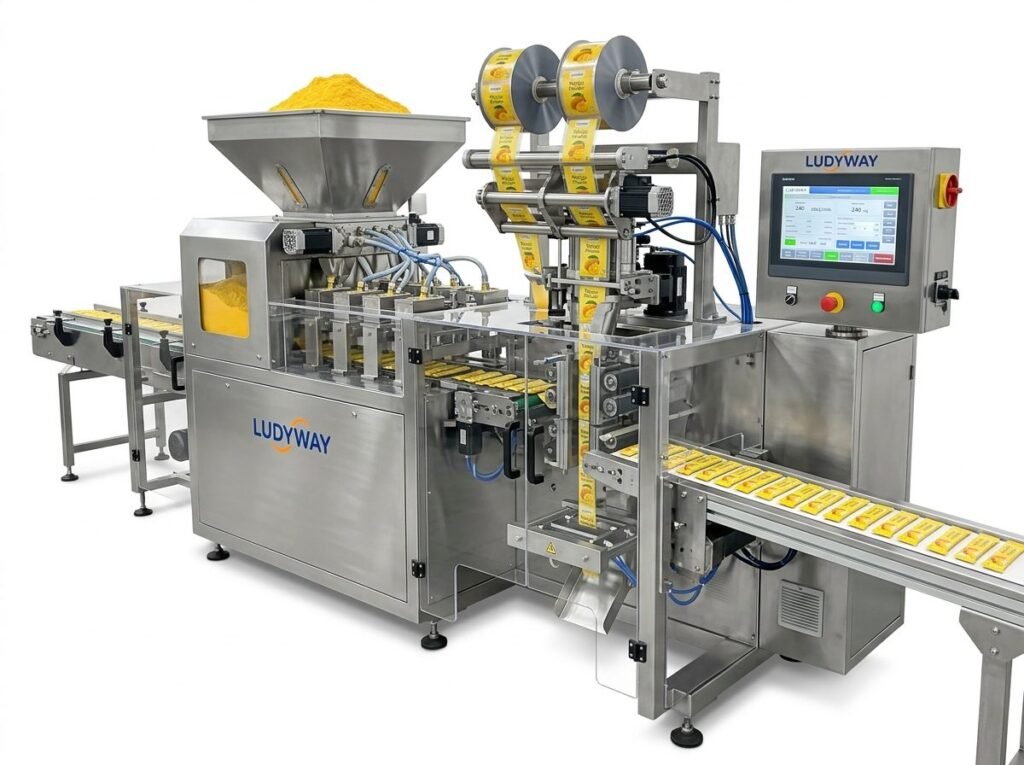
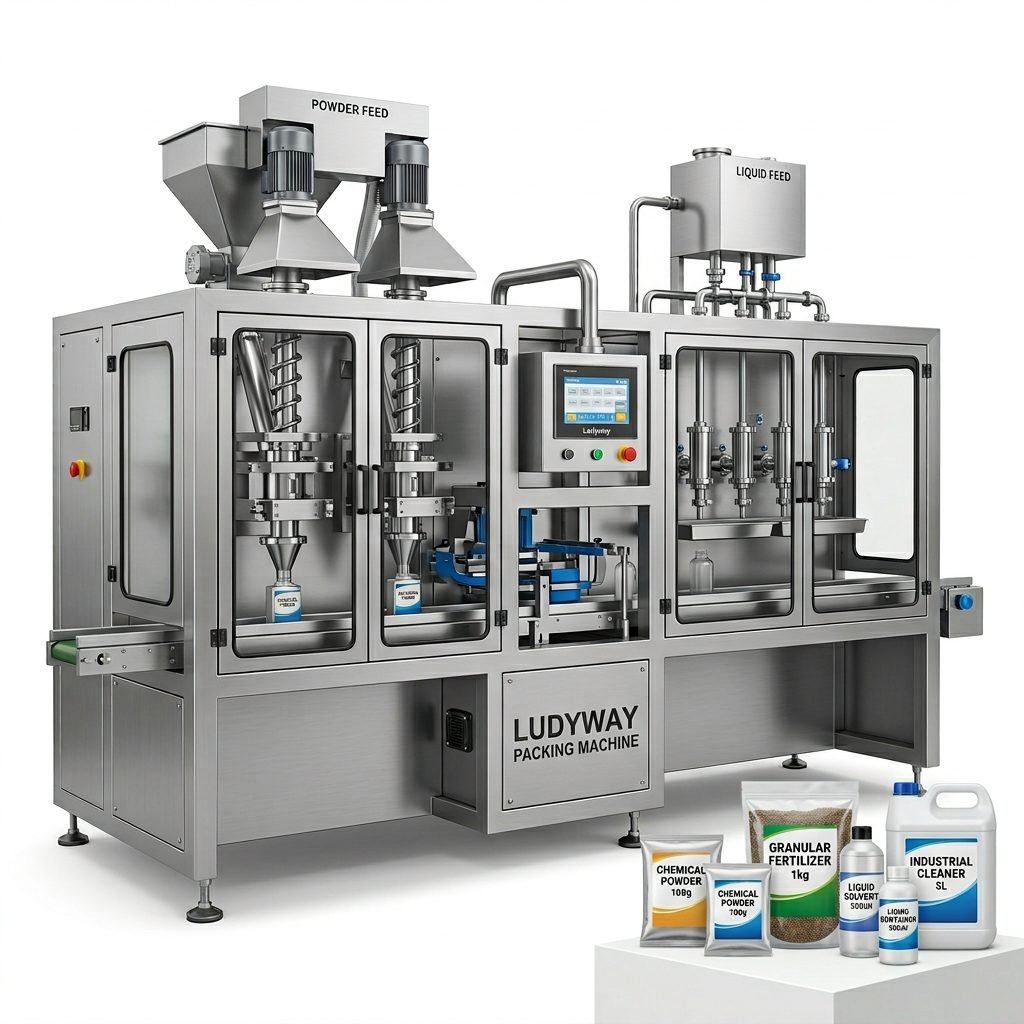
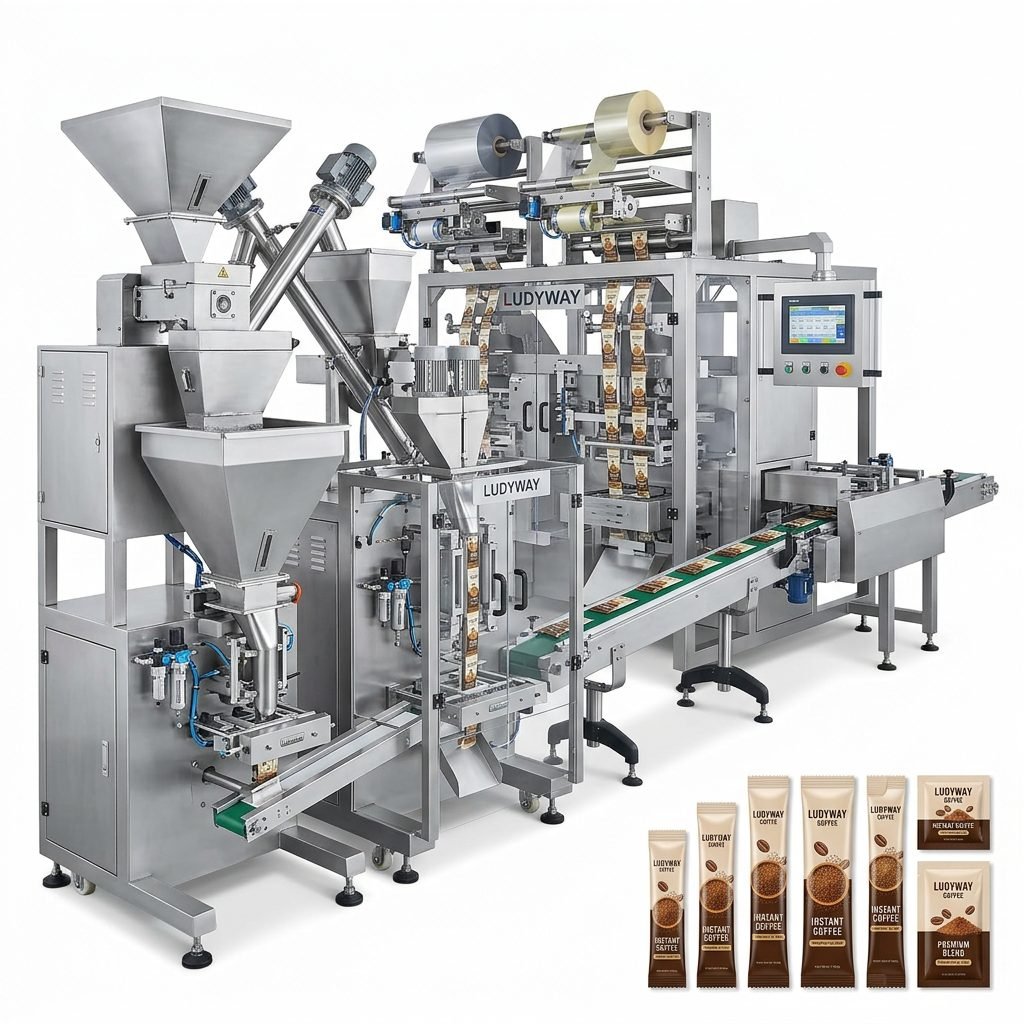
One of the leading manufacturers supporting this infrastructure need is Ludyway, which specializes in providing reliable packaging solutions for granule, powder, and liquid applications. With a large-scale modern manufacturing facility and a global outlook, firms offering similar capacities ensure that machinery operates consistently, featuring designed safety protections and easy-change parts that allow operators to switch between bag sizes and film types within minutes. This rapid changeover is crucial for Ukrainian co-packers who run multiple clients on the same production floor.
Bulletproofing Your Investment Checklist
- Sealing Technology: Opt for servo-driven jaws capable of precise temperature control for multi-layer films used in export packaging.
- Changeover Speed: Given the diverse product range in Ukrainian factories, tool-less changeover is a massive efficiency booster.
- Gas Flushing: For oxygen-sensitive products like dairy powder or coffee, nitrogen flushing systems are essential to preserve freshness without preservatives.
- Factory Acceptance Testing: Insist on detailed factory acceptance testing (FAT) protocols before shipment.
For additional industry data, manufacturers can consult the Flexible Packaging Association for market trends or the FDA Food Packaging and Food Contact Substances page for export compliance clarity.
Future-Proofing Through Flexibility
The road ahead for Ukraine involves deeper integration into the European food chain. Machines that can handle recyclable mono-materials are becoming non-negotiable as the EU’s Packaging and Packaging Waste Directive tightens. Investing in machinery capable of processing thinner, heat-sensitive green films will position your business ahead of the regulatory curve.
Ultimately, the right packaging machine is one that grows with your ambition. Whether you are installing a multi-lane sachet packaging line today or a full turnkey facility next year, the focus must remain on precision, adaptability, and robust engineering that thrives in the local climate and regulatory landscape.