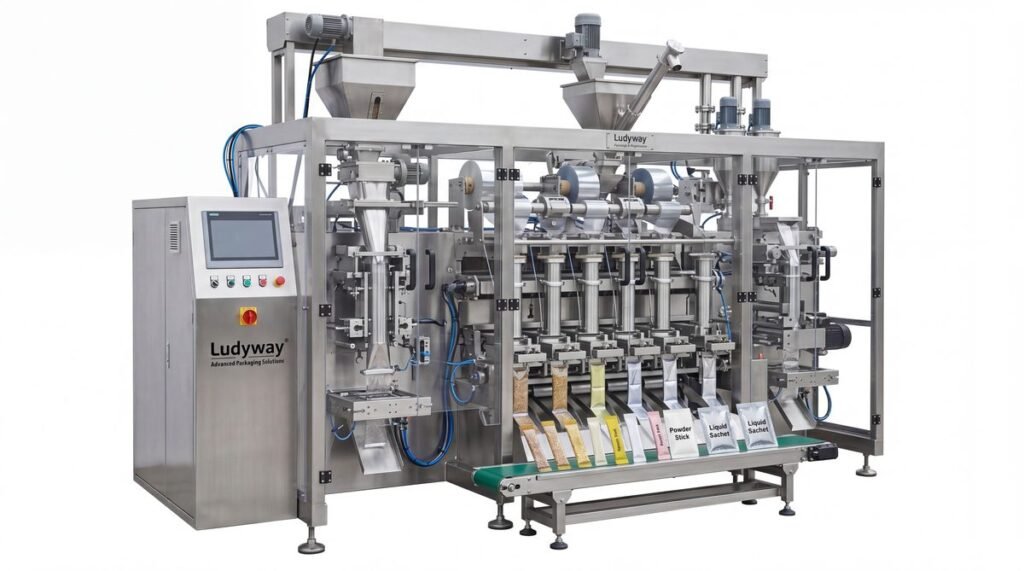
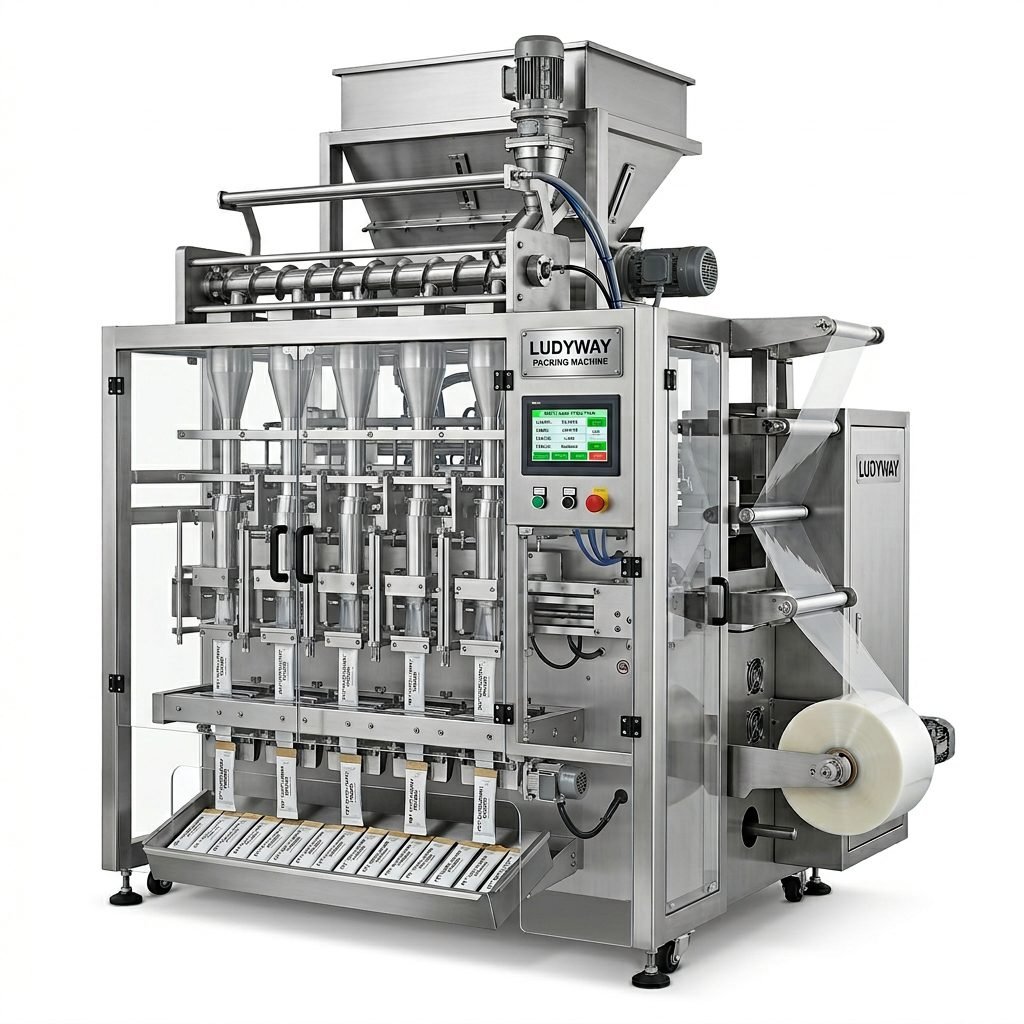
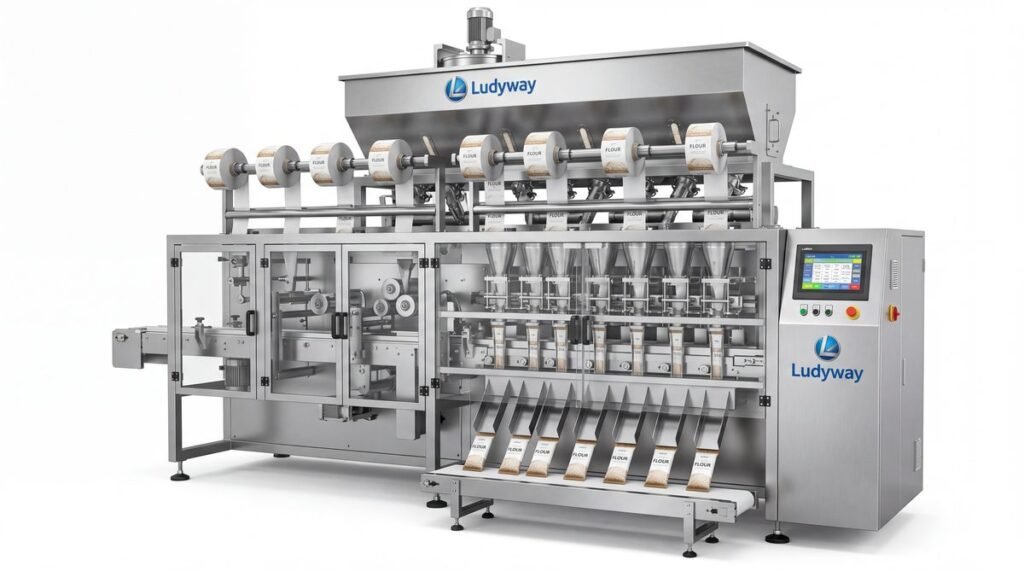
A sugar granule packing machine is a significant investment in your production line. To ensure optimal return on investment, reduce downtime, and extend the equipment’s lifespan, a rigorous maintenance routine is essential. Sugar, by its nature, is hygroscopic (attracts moisture) and can be abrasive, creating unique challenges such as clogging, corrosion, and seal integrity issues. This guide outlines a comprehensive maintenance strategy to keep your machine running at peak efficiency for years.
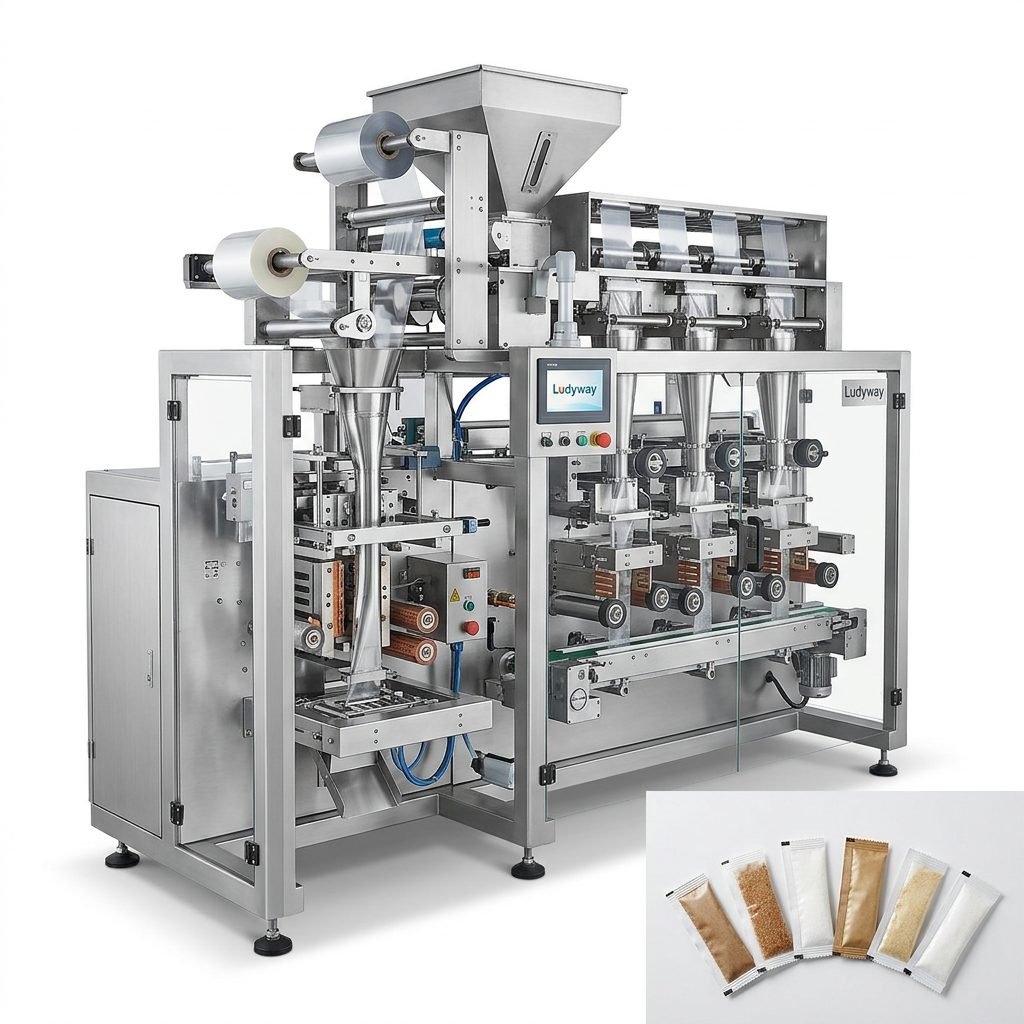
1. Daily Cleaning Procedures: Preventing Contamination and Build-Up
Daily sanitation is the first line of defense against mechanical wear and product contamination. Never use water directly on electrical components or sensitive weighing sensors; instead, use dry, food-grade cleaning tools.
- Air Purge: Use clean, dry compressed air to blow sugar dust off the sealing jaws, forming tubes, and filling augers. Accumulated sugar dust attracts moisture and becomes sticky.
- Hopper Inspection: Empty and wipe down the main hopper to prevent bridging and caking of sugar granules.
- Sealing Surface Care: Inspect the heat seal bands for carbonized sugar residues that can cause weak seals. Gently scrape off debris using a soft brass brush while the jaws are slightly warm (with power locked out).
- Floor Level Check: Sweep or vacuum around the machine base. Spilled sugar is a slip hazard and attracts pests.
2. Weekly and Monthly Component Inspection
Go beyond surface cleaning with targeted inspections to catch minor issues before they become major failures. Lubrication points often get overlooked but are critical for high-speed packaging machinery performance.
Mechanical Components
- Weighing Systems: Verify the calibration of the multi-head weigher or linear weigher with test weights. Inaccurate fills result in costly product giveaway.
- Drive Belts & Chains: Check tension and alignment. Loose belts slip, causing timing errors in film pull and sealing. Look for signs of fraying.
- Lubrication: Grease bearings, cam followers, and slide rails using food-grade lubricant. Follow the specific schedule in your OEM manual.
- Pneumatic System: Drain moisture from air filters. Trapped water damages solenoid valves and cylinders.
Electrical & Control Systems
- Inspect wiring harnesses for loose connections caused by machine vibration.
- Check photoelectric sensor lenses and clean them with a lint-free cloth. Dirty sensors trigger false jam alerts.
- Verify the grounding of the control panel to prevent static electricity from affecting the logic controller.
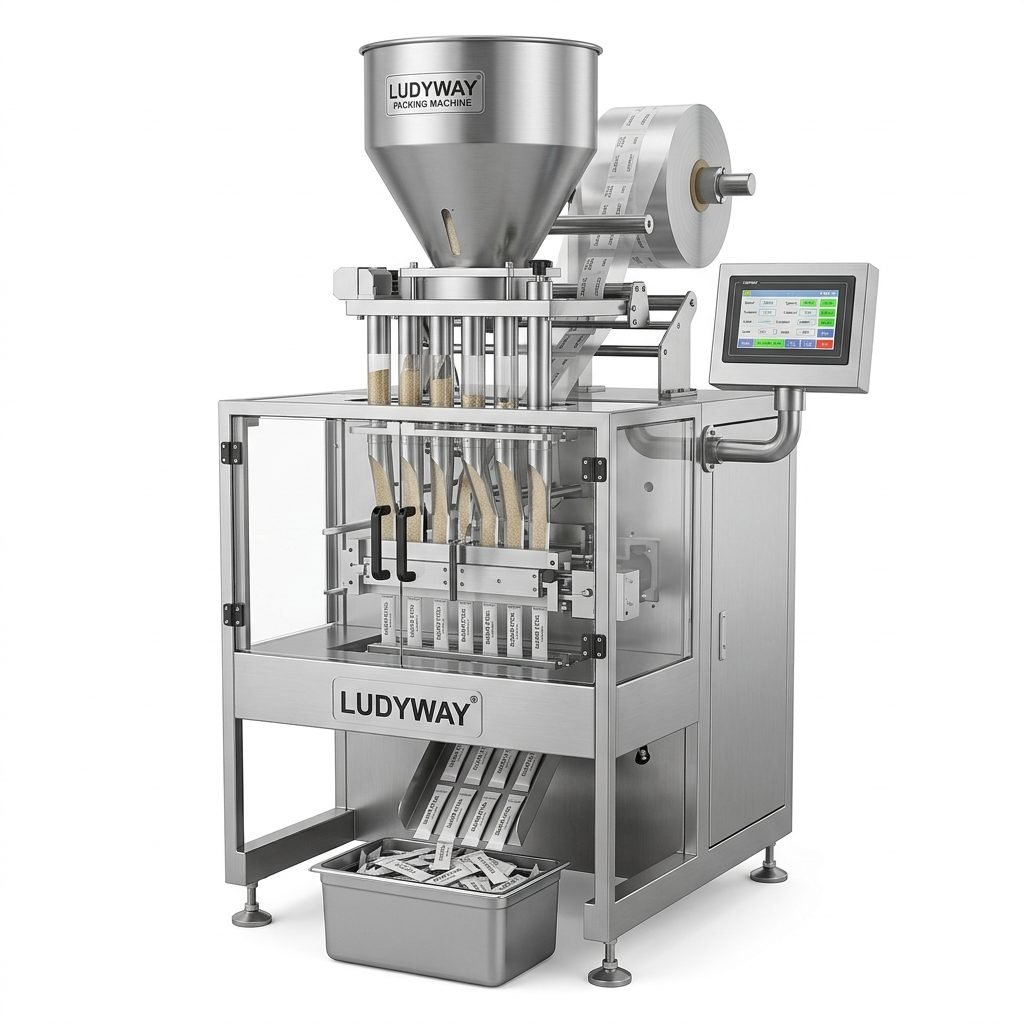
3. Proactive Maintenance Schedule
A structured schedule prevents reactive rush repairs. Below is a recommended matrix. Adjust frequencies based on your specific production volumes and the granule size of your sugar product.
| Task | Frequency | Key Focus Area |
|---|---|---|
| Overall Machine Cleaning | Daily / End of Shift | Dust removal, seal jaw residue |
| Weigh Cell Calibration | Weekly | Accuracy verification (target weight) |
| Mechanical Lubrication | Monthly | Bearings, linear guides, chain |
| Belt/Chain Tensioning | Monthly | Wear and alignment check |
| Film Feed Roller Alignment | Quarterly | Parallelism, uniform unwinding |
| Heater Cartridge & Thermocouple | Quarterly | Resistance test, temp accuracy |
| Electrical Cabinet Deep Clean | Semi-Annually | Filter fans replacement, dust extraction |
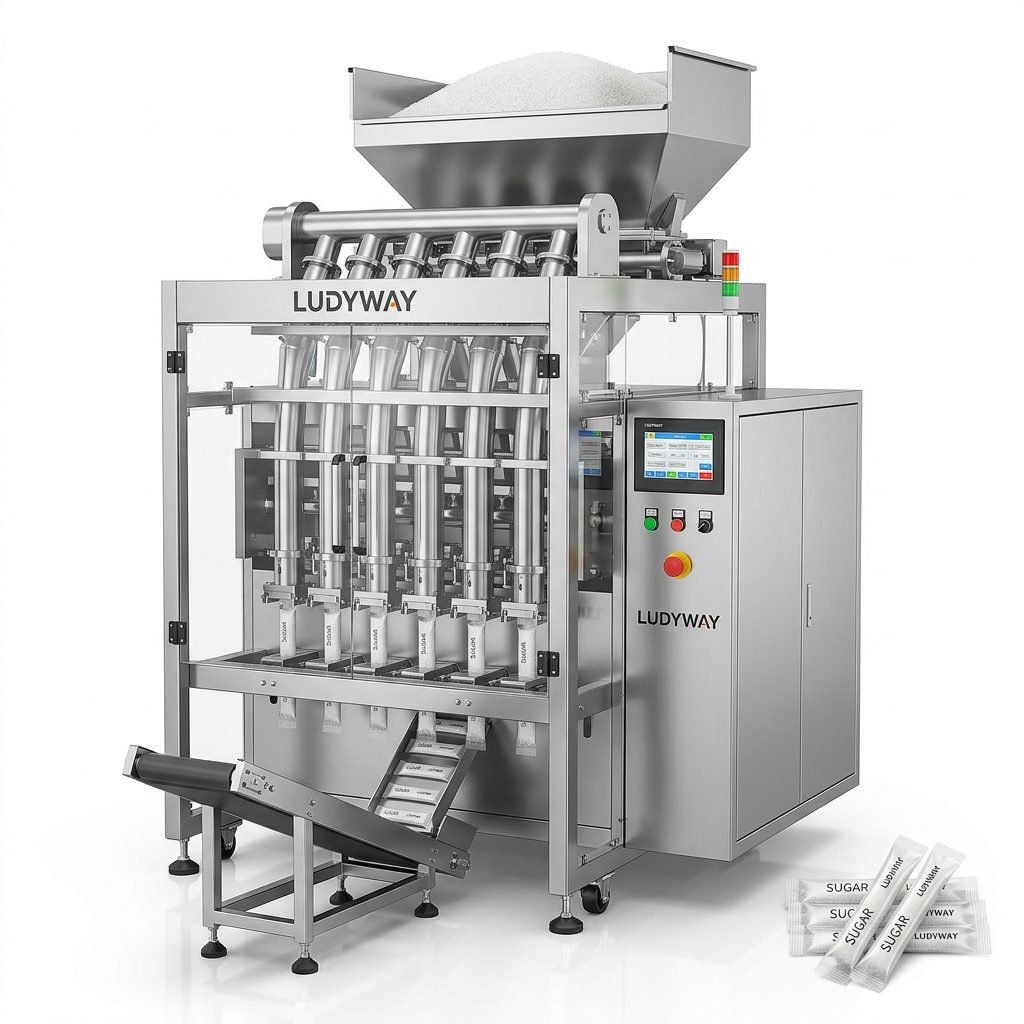
4. Fine-Tuning for Stick Pack and Sachet Formats
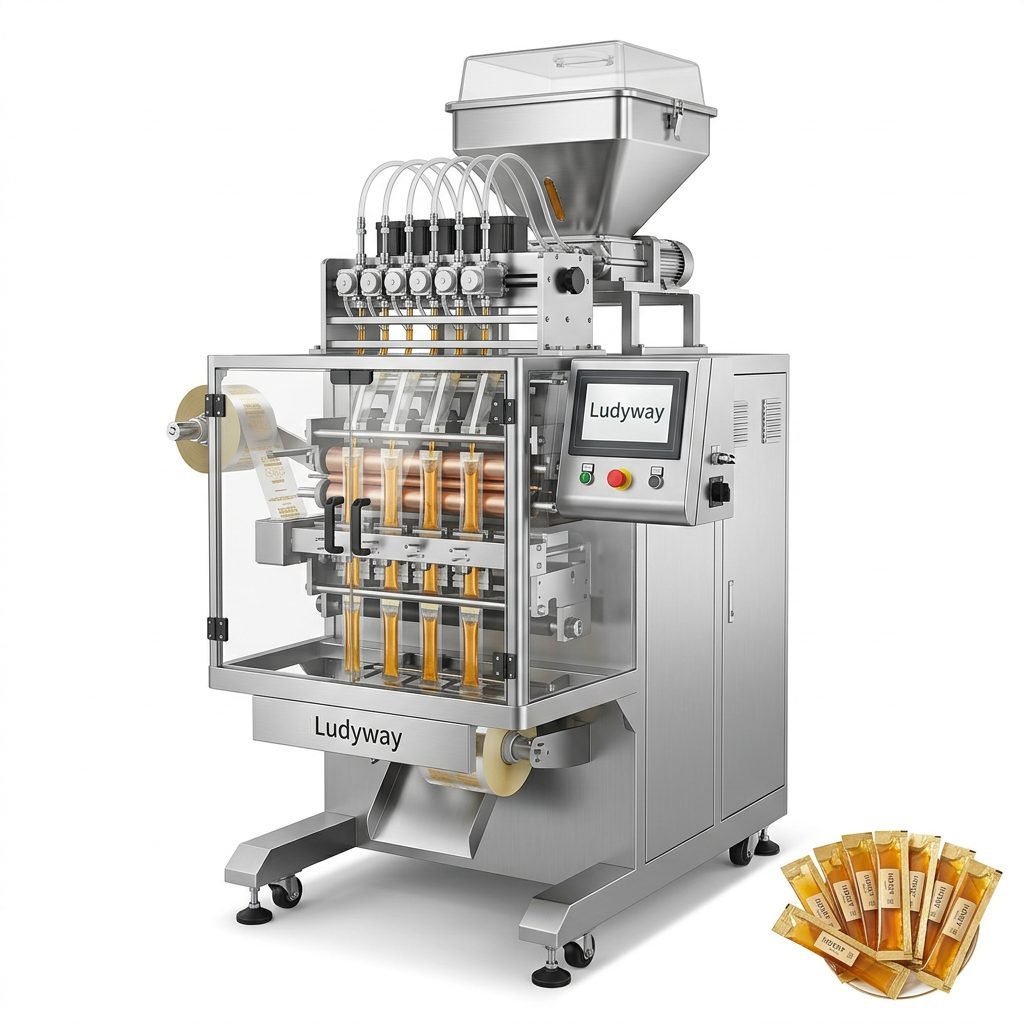
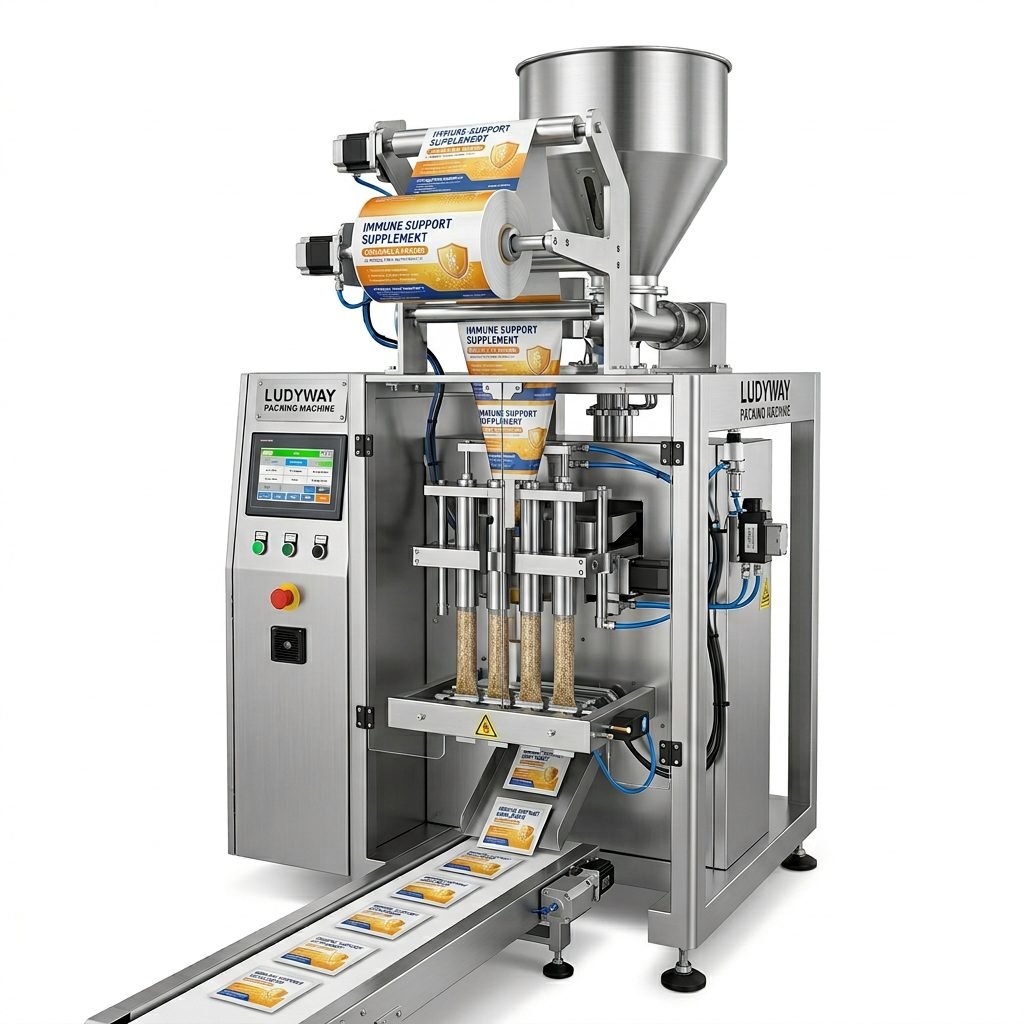
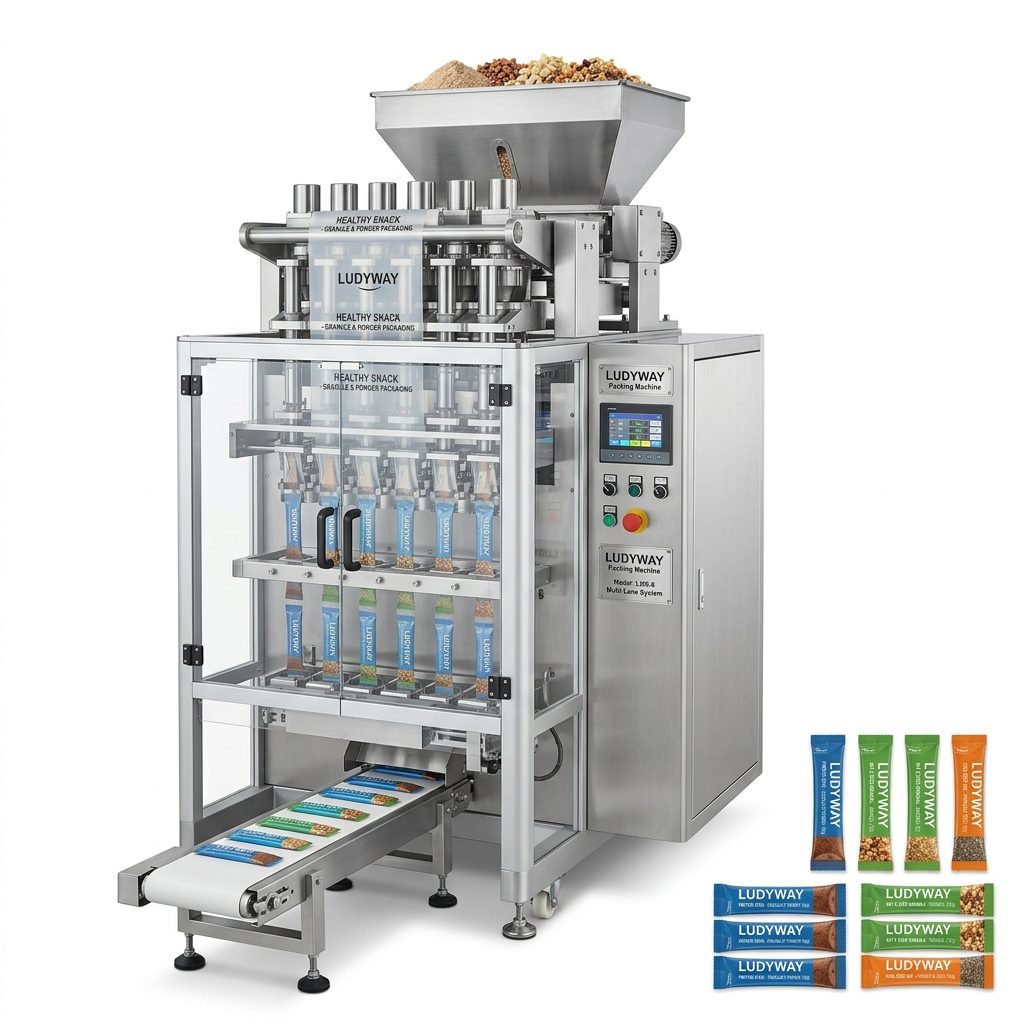
Granule packaging machines running stick pack or sachet formats require specific adjustments. Vibration during high-speed filling is a common problem that impacts seal integrity.
- Film Alignment: Ensure the packaging film is centered on the forming collar. Wrinkled film leads to leaking longitudinal seals.
- Temperature Optimization: Sugar granules trapped in the seal area require precise heat control. Use a temperature profiling tool to ensure the heat is consistent across the entire sealing jaw length. Overheating burns the film; underheating causes leakers.
- Static Elimination: Install or maintain ionizing bars. Static electricity causes sugar granules to cling to the inside of the film, contaminating the seal area.
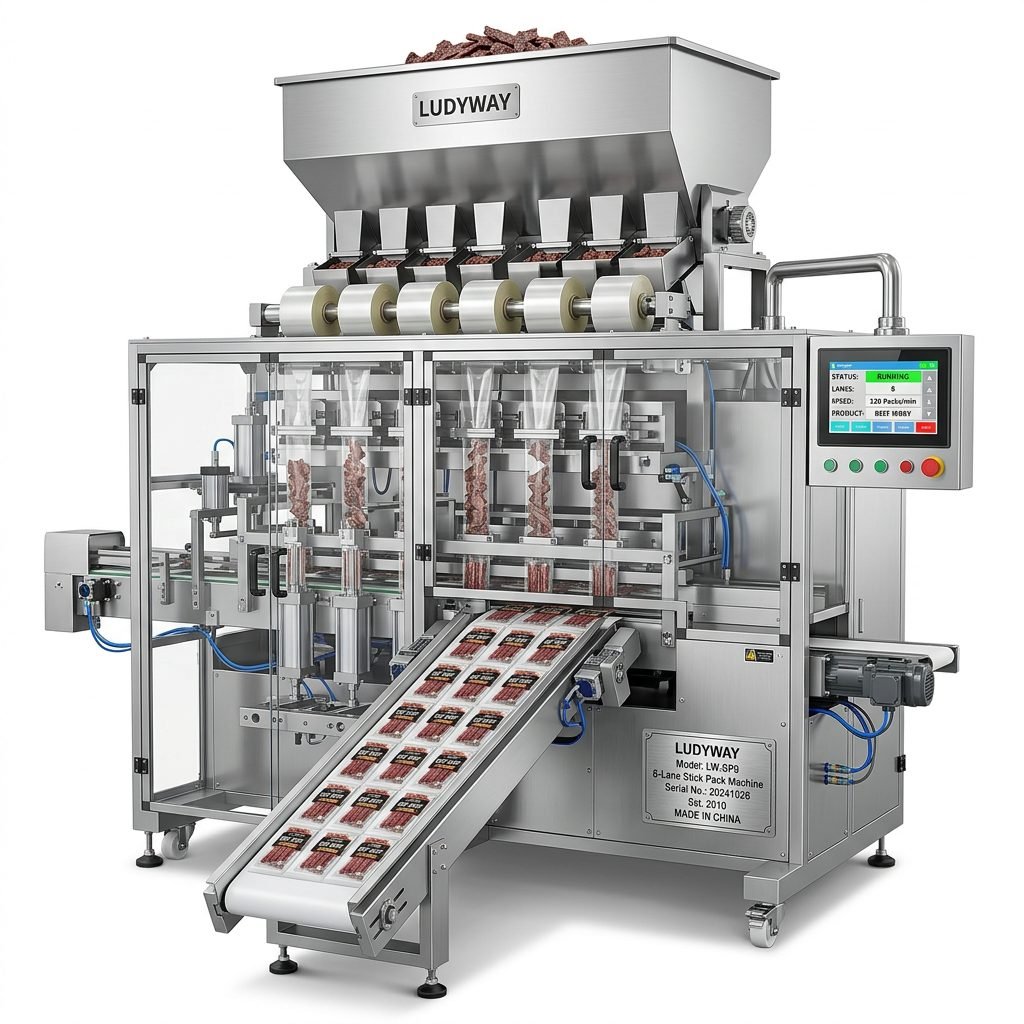
- Indexing Accuracy: For multi-lane stick pack machines, verify that the film pull length is identical across all lanes to ensure cut-off is aligned with registration marks.
5. Critical Wear Parts Inventory Management
Downtime is often extended while waiting for spare parts. Stocking the correct consumables ensures quick turnaround. Based on industry standards, keep these parts on hand:
- Sealing Jaws / Heating Elements: Subject to thermal cycling and mechanical pressure.
- Cutting Blades/Knives: Dull blades crush stick packs instead of cutting them cleanly.
- Brushes for Auger Fillers: Essential for wiping sticky sugar dust from dosing wheels.
- Forming Tubes/Shoulders: Pre-shaped for specific bag widths; can suffer surface damage.
- O-Rings and Gaskets: For pneumatic connections and dust-proof housings.
- Sensor Cables: Often damaged during cleaning.
6. Operator Training and Documentation
The best maintenance plan fails without skilled execution.
- Visual Standards: Place a laminated “Gold Standard” photo of a properly formed and sealed stick pack near the workstation. Operators should visually compare every few minutes.
- Logbooks: Maintain a machine history file. Note every adjustment, replacement, and anomaly. This data predicts future failures.
- Lock-Out/Tag-Out (LOTO): Strictly enforce LOTO procedures during any maintenance activity inside the guard doors, even simple cleaning of the cross-seal area.
7. Common Troubleshooting Quick Reference
| Problem | Possible Cause | Quick Fix |
|---|---|---|
| Excessive weight variation | Clogged auger / vibration issues | Clean filler, check ground vibrations |
| Film tracking to one side | Forming collar misalignment | Realign film path, check dancer roller |
| Cross seal wrinkles | Sugar in seal / wrong temperature | Adjust stripper bars, reduce fill volume slightly |
| Bag not pulled properly | Worn rubber rollers / low air pressure | Clean/replace rollers, check air supply |
8. When to Call a Professional Service Team
While daily upkeep can be handled in-house, complex issues require professional intervention. If you notice a persistent decline in Overall Equipment Effectiveness (OEE), unusual mechanical noise, or controller faults, it is time to call the experts. Ludyway specializes in advanced packaging equipment and offers comprehensive maintenance training and rapid-response support. Our engineering team provides turnkey solutions that help maintain high productivity and extend the service life of your granule packing machinery.
For more industry standards, refer to the packaging guidelines provided by PMMI Resources and the regulatory expectations for food contact surfaces from the FDA Food Packaging Division. Understanding the global framework for packaging safety, such as the standards published by ISO Packaging Standards, will help solidify your preventive maintenance strategy.