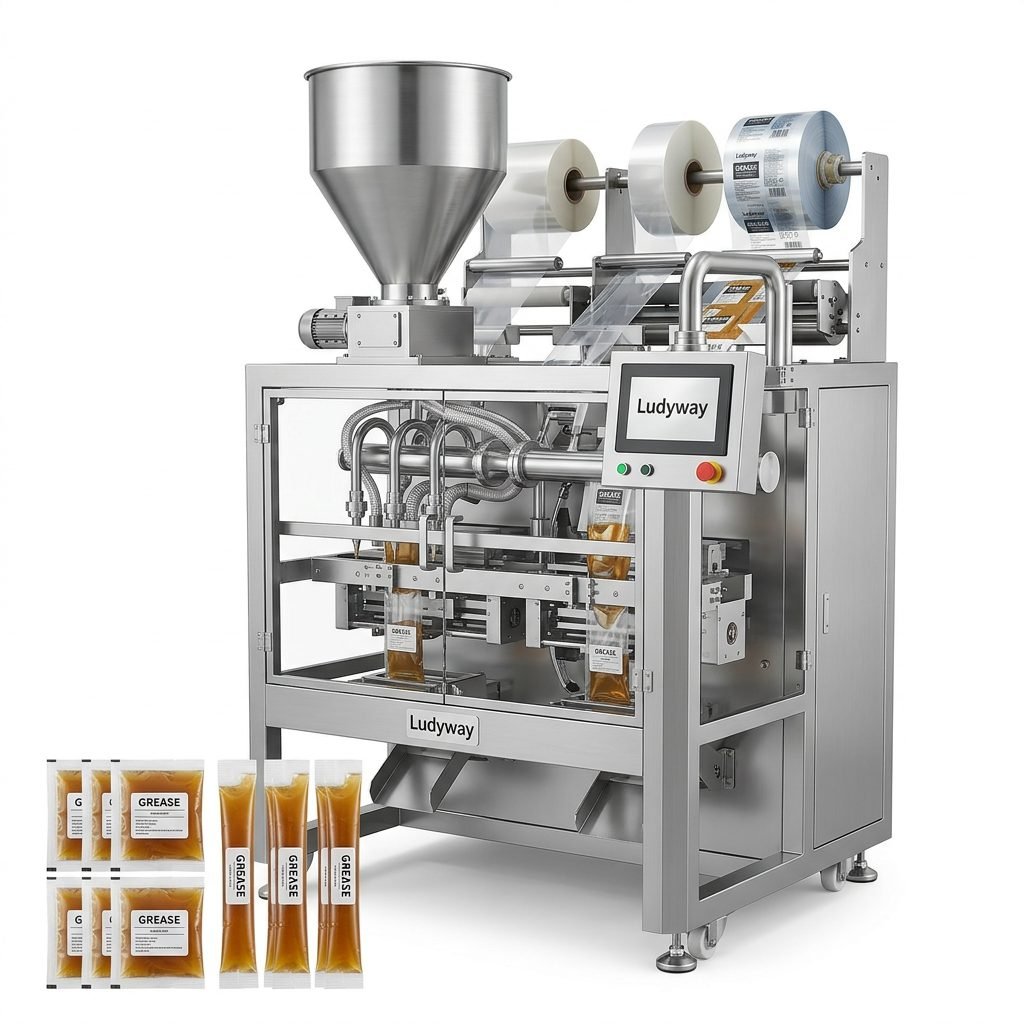
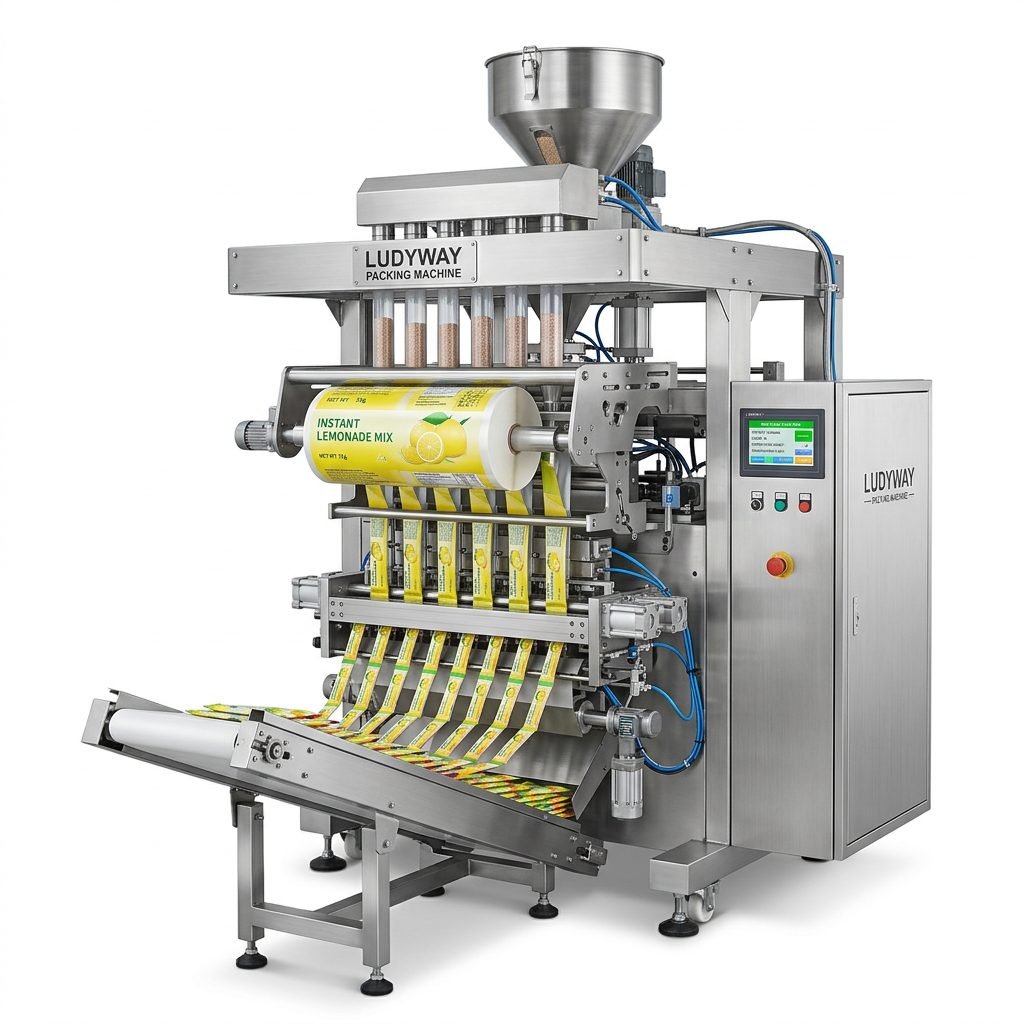
In the fast-paced world of product manufacturing, efficient and reliable packaging is a cornerstone of success. Among the various technologies available, the horizontal flow wrap packaging machine stands out for its versatility and speed. This guide delves into the intricacies of these machines, exploring their different types, wide-ranging applications, and providing a clear framework for making the right selection for your production line.
Understanding Horizontal Flow Wrap Technology
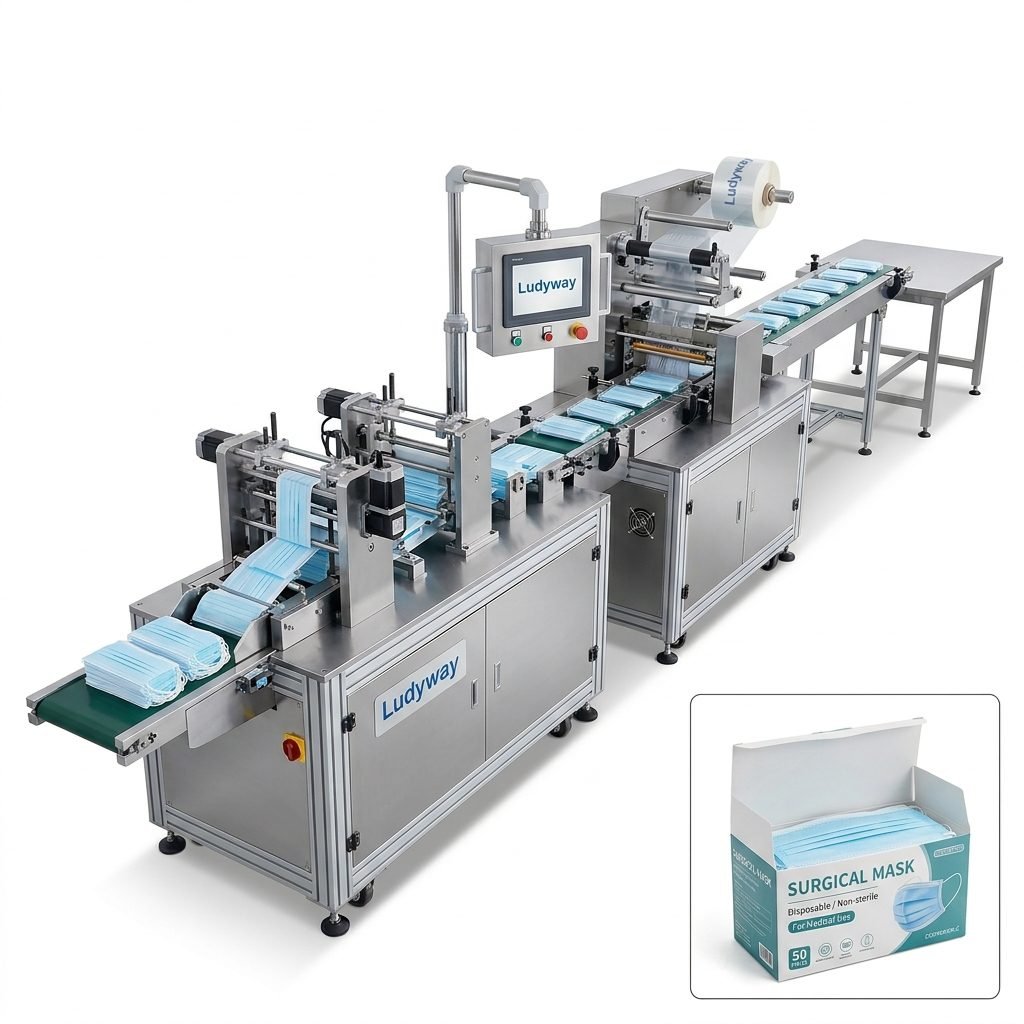
At its core, a horizontal flow wrapper is a continuous-motion packaging machine. Products are fed horizontally into the machine, where a single web of flexible packaging film is formed around them. The film is then sealed longitudinally (along the length of the product) and transversely (at the ends between products), creating individual, pillow-style pouches. This process is renowned for its high speed and efficiency, making it ideal for medium to high-volume production.
Key Advantage: The primary strength of horizontal flow wrapping is its ability to handle a diverse range of product shapes—from rectangular and round to irregular—with a simple changeover, all while maintaining exceptional output rates.
Core Components of a Flow Wrapper
A standard horizontal flow wrap machine consists of several key components working in harmony:
- Film Unwind & Tension System: Controls the feeding of the packaging film roll, ensuring consistent tension for a smooth, wrinkle-free wrap.
- Product Infeed: This can be a manual placement station, a vibratory feeder for small items, or an integrated conveyor from upstream equipment.
- Film Forming Shoulder: A critical mechanical component that shapes the flat film into a tube around the product as it moves forward.
- Longitudinal Sealer: Creates the continuous back-seam seal of the film tube. This is often a hot-knife or impulse sealer.
- End Crimp & Cut-Off System: Rotary sealing jaws simultaneously create the end seals for the trailing product and the leading seal for the next, then cut the film to separate the individual packages.
- Control System: The machine’s brain, typically a PLC with an HMI touchscreen, allowing for parameter setting, recipe storage, and diagnostics.
Types of Horizontal Flow Wrap Machines
Not all flow wrappers are created equal. The choice depends heavily on your product characteristics and production goals.
1. Standard Single-Tube Wrappers
The most common configuration, designed to wrap a single file of products. They are highly efficient for uniform products like candy bars, biscuits, or single-piece baked goods. Their simplicity makes them robust and easier to maintain.
2. Multi-Lane Wrappers
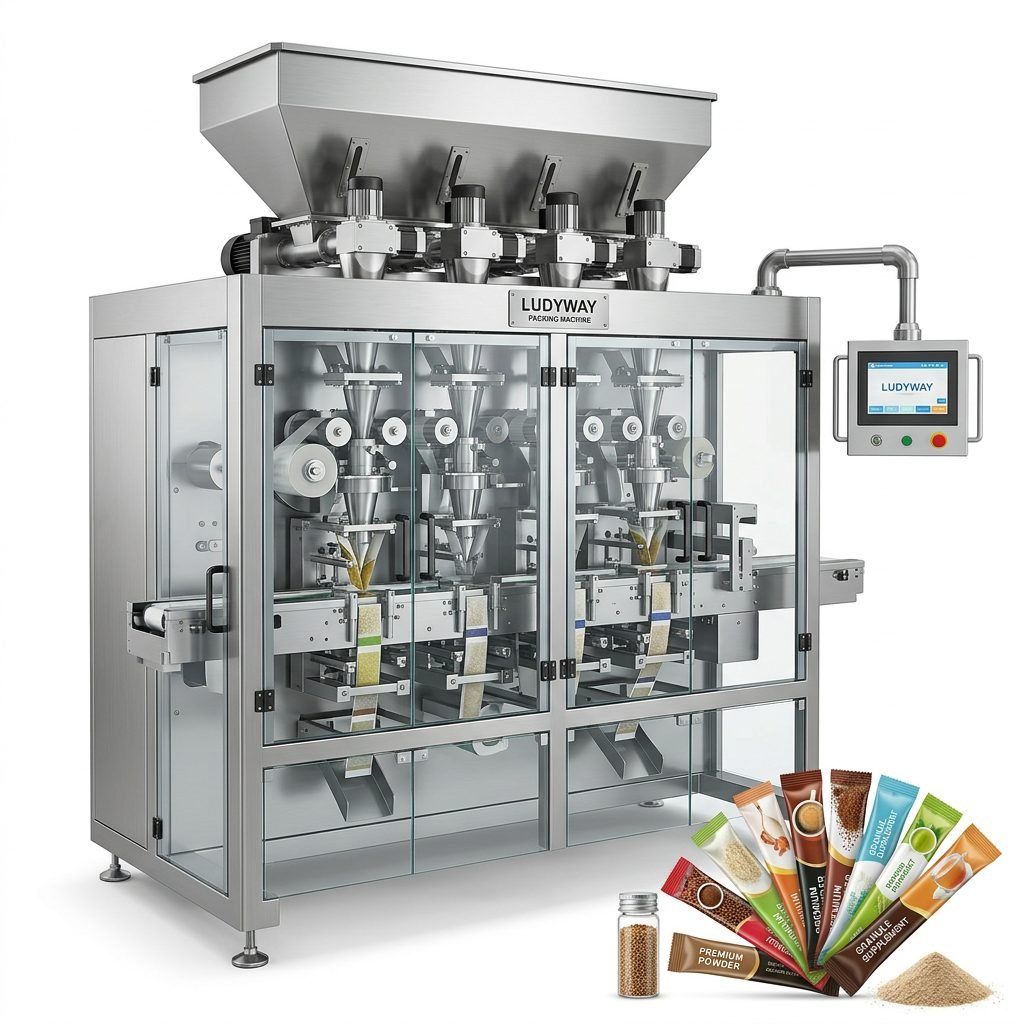
For small items like chewing gum sticks, mints, or pharmaceutical tablets, multi-lane wrappers significantly boost productivity. They can combine several product lanes (e.g., 2, 3, 4, or more) into a single film tube before sealing and cutting, creating multi-pack arrangements in one cycle. Explore multi-lane packaging solutions to understand their capacity benefits.
3. High-Speed Servo-Driven Wrappers
These represent the pinnacle of flow wrap technology. Replacing mechanical drives with digital servo motors on the film feed and sealing jaws allows for unparalleled precision, flexibility, and reduced film waste. They excel at handling delicate products and enable quick, tool-less changeovers via saved recipes.
4. Specialized Wrappers
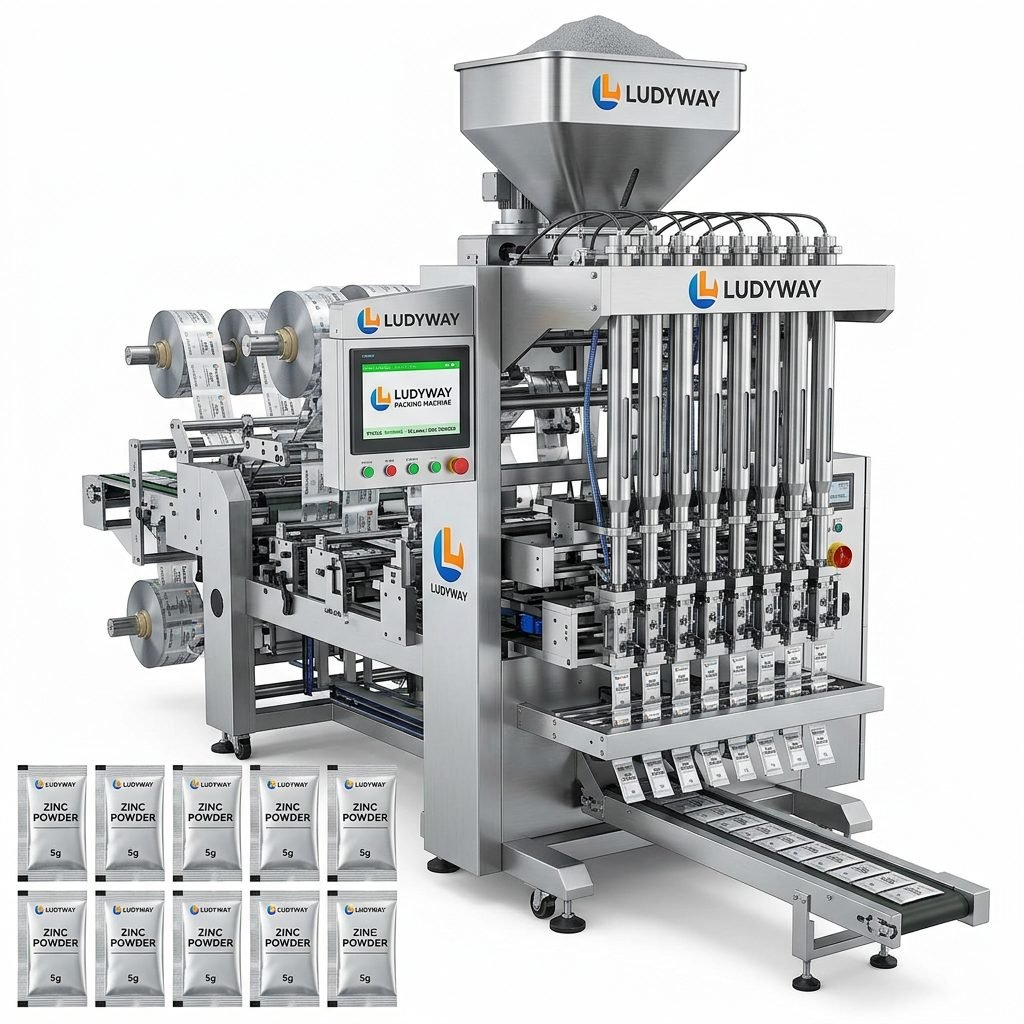
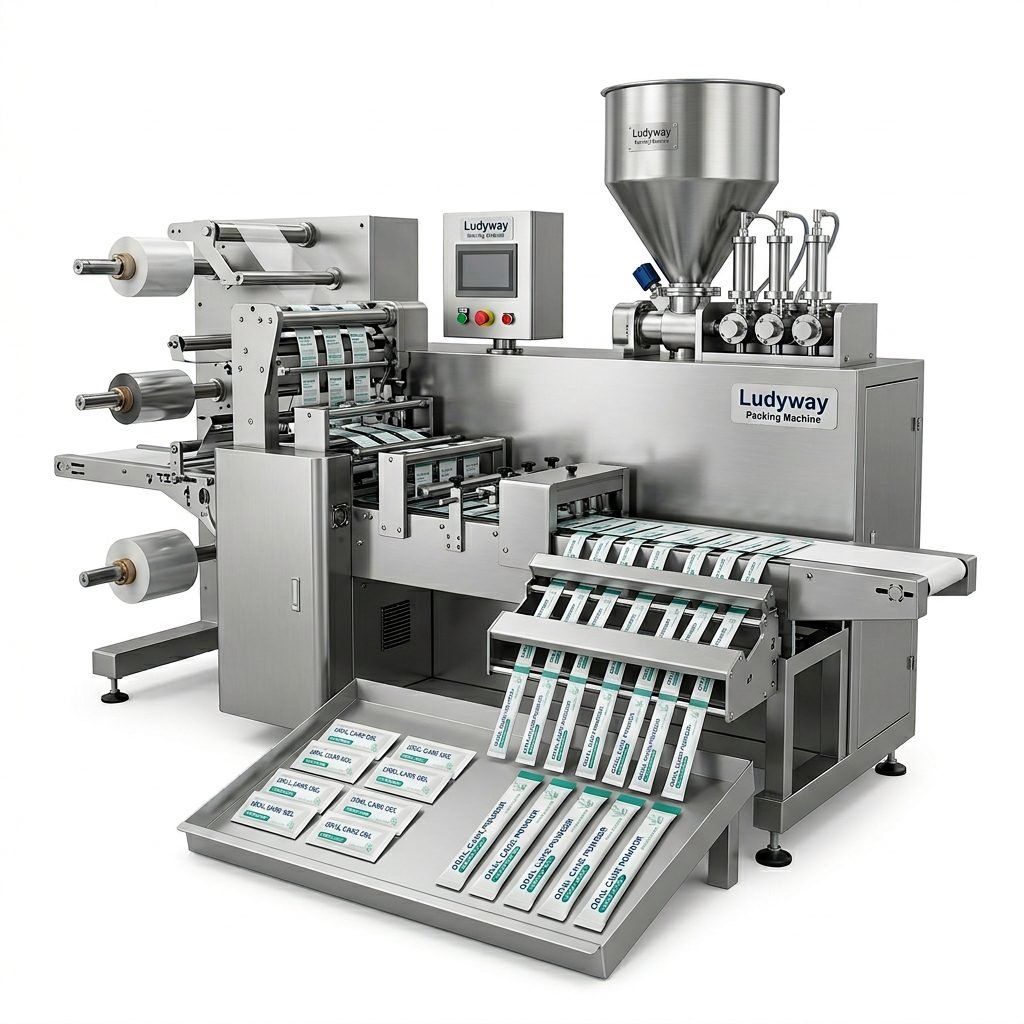
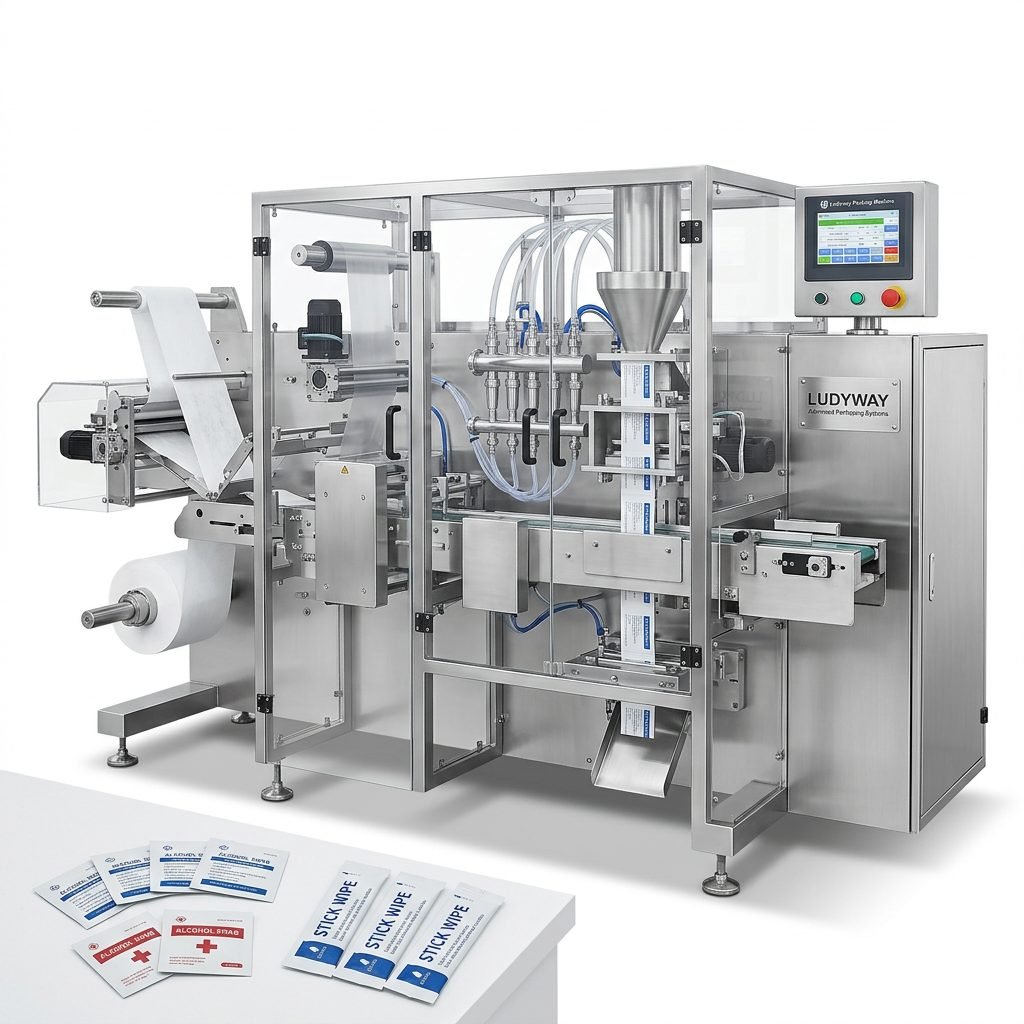
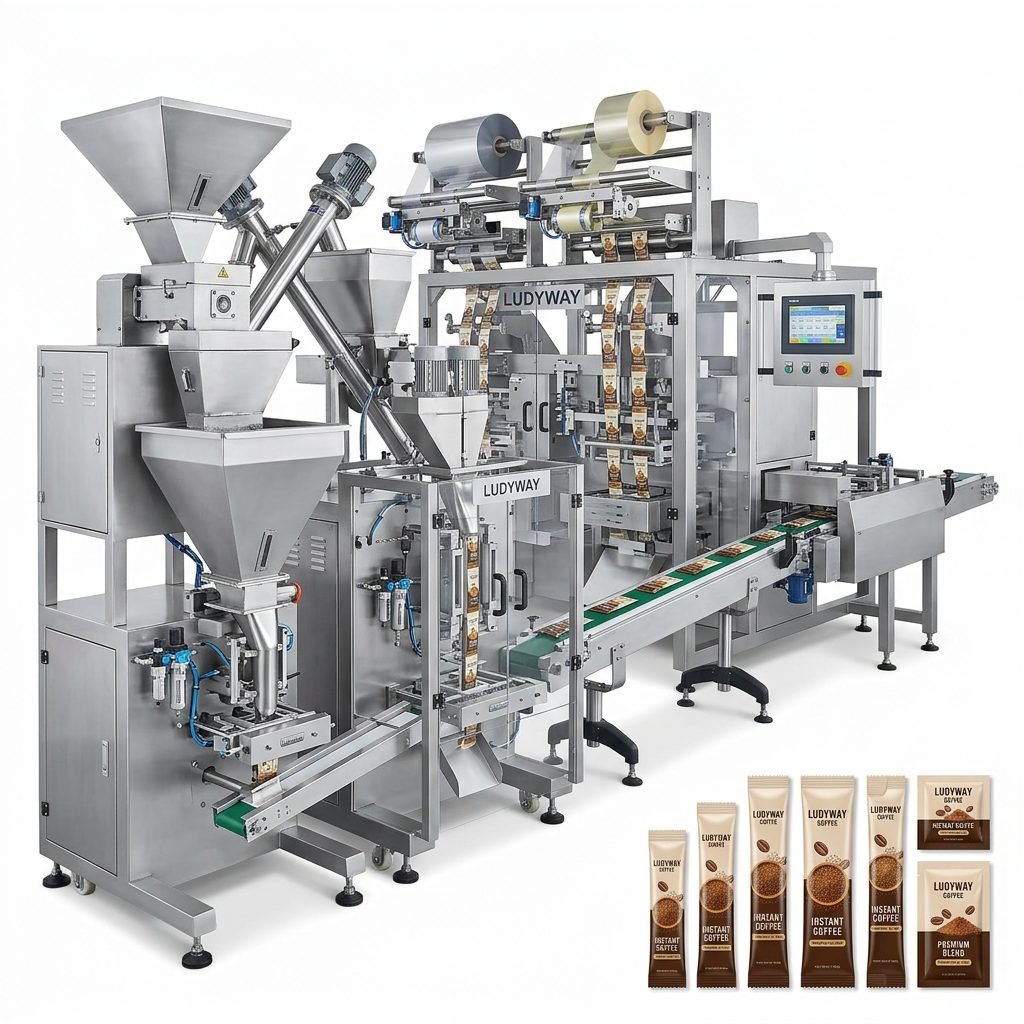
This category includes machines with added functionalities, such as integrated gas flushing for Modified Atmosphere Packaging (MAP) to extend shelf life, or stick pack machines that create long, narrow sachets for powders or liquids.
Primary Applications Across Industries
The adaptability of horizontal flow wrapping makes it a favorite across numerous sectors.
- Food & Confectionery: The largest application area. Used for chocolate bars, granola bars, biscuits, cookies, sliced bread, frozen foods, snacks, and individually wrapped candies.
- Pharmaceutical & Healthcare: Ideal for unit-dose packaging of tablets, capsules, lozenges, and medical devices. Provides a hygienic, tamper-evident barrier.
- Personal Care & Cosmetics: Wrapping soap bars, bath bombs, sample sachets of shampoo/cream, and disposable razors.
- Stationery & Hardware: Packaging for pens, pencils, erasers, small tools, and batteries.
💡 Pro Tip: When considering a machine for pharmaceutical applications, compliance with stricter hygiene and documentation standards (like cGMP) is crucial. Look for models with easy-clean designs and validated performance.
How to Choose the Right Machine: A Step-by-Step Guide
Selecting the optimal horizontal flow wrapper requires a detailed analysis of your needs.
Step 1: Define Your Product & Packaging Specs
Start with the fundamentals. What are the exact dimensions (LxWxH) and weight of your product? Is it fragile, oily, or prone to crushing? Determine your desired packaging material (e.g., laminates, polypropylene, foil) and its thickness. The machine must be compatible with this film.
Step 2: Determine Required Output Speed
Calculate your required production rate in packs per minute (PPM). Factor in not just current needs but future growth. A standard machine may run 80-150 PPM, while high-speed servo models can exceed 400 PPM. Remember, the actual speed can be limited by your upstream feeding system.
Step 3: Assess Changeover Frequency
Will you run the same product for weeks, or do you need to switch between different products multiple times a day? For frequent changeovers, a servo-driven machine with recipe memory and tool-less adjustments will drastically reduce downtime and increase overall equipment effectiveness (OEE).
Step 4: Consider Integration & Upstream/Downstream Needs
Is the wrapper a standalone unit, or must it integrate with existing conveyors, cartoners, or checkweighers? Ensure the machine’s infeed and discharge heights are compatible. For automated lines, communication protocols (like Ethernet/IP) are important. Learn about integrated turnkey lines.
Step 5: Evaluate Supplier Credentials & Support
The machine is only as good as the company behind it. Look for a supplier with proven experience, like Ludyway Machinery, which brings over a decade of specialization in packaging solutions. Key factors include:
• Availability of spare parts and technical documentation.
• Quality of after-sales service and training.
• Ability to provide factory acceptance tests (FAT) and site installation support.
Step 6: Analyze Total Cost of Ownership (TCO)
Look beyond the initial purchase price. Consider long-term costs like energy consumption, film waste (a servo-drive can reduce this), maintenance requirements, and potential future upgrades. A slightly higher initial investment in a more efficient, reliable machine often leads to lower TCO.
Frequently Asked Questions (FAQs)
Q1: What is the main difference between a horizontal flow wrapper and a vertical form-fill-seal (VFFS) machine?
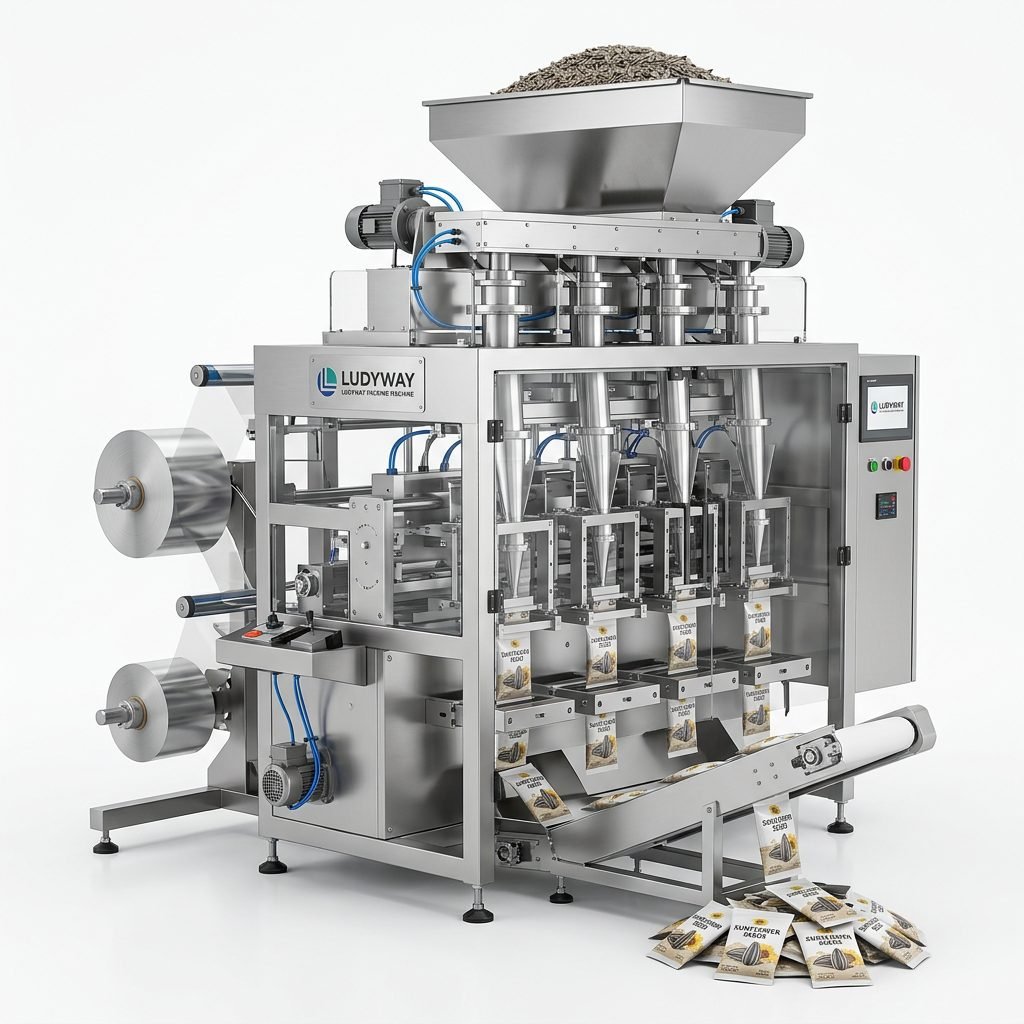
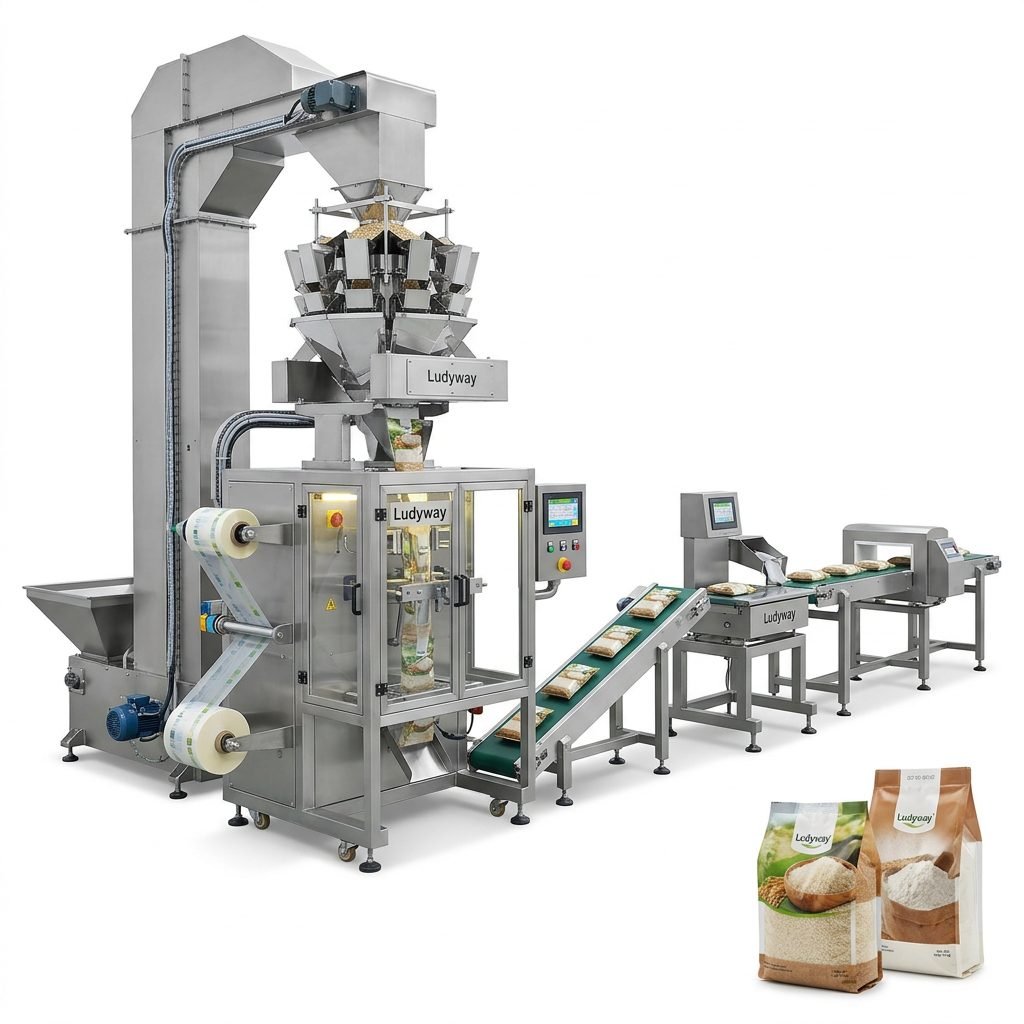
A: The key difference is product orientation and feeding. Horizontal flow wrappers wrap pre-formed, solid items fed horizontally. VFFS machines typically form a bag from film vertically, then fill it with loose product (like granules, powders, or liquids) from above, before sealing.
Q2: Can a horizontal flow wrapper handle products that are not perfectly rectangular?
A: Yes, absolutely. One of the greatest advantages of flow wrapping is its ability to handle a variety of shapes—round, oval, trapezoidal, etc. The film forming shoulder and sealing jaws can be adjusted or customized to accommodate different profiles without crushing the product.
Q3: How difficult is it to change the packaging film on these machines?
A: The process is generally straightforward. Most modern machines feature a cantilevered or pivoting unwind arm, allowing for quick roll loading. The key is proper threading of the film through the guides and tensioners, which operators learn during training. Servo-driven film feed systems often include automatic threading aids.
Q4: What kind of maintenance do horizontal flow wrappers require?
A: Regular preventive maintenance is essential for longevity. Daily tasks include cleaning of sealing jaws and product contact areas. Weekly or monthly tasks involve checking and lubricating moving parts, inspecting seals and bearings, and verifying the alignment of the film forming system. Always follow the manufacturer’s maintenance schedule.
Q5: Is it possible to get a machine that can create tear-notches or perforations in the film?
A: Yes, this is a common optional feature. Perforation or easy-tear notches can be integrated into the cutting mechanism or added as a separate station. This is highly desirable for consumer convenience in food and pharmaceutical packaging.