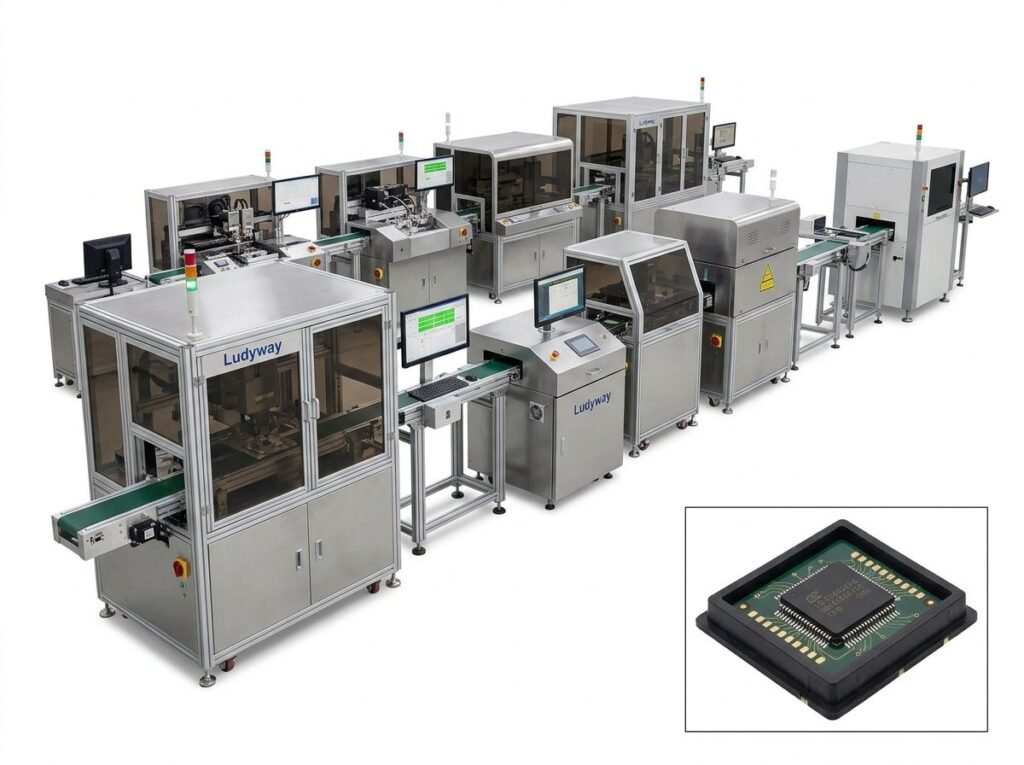
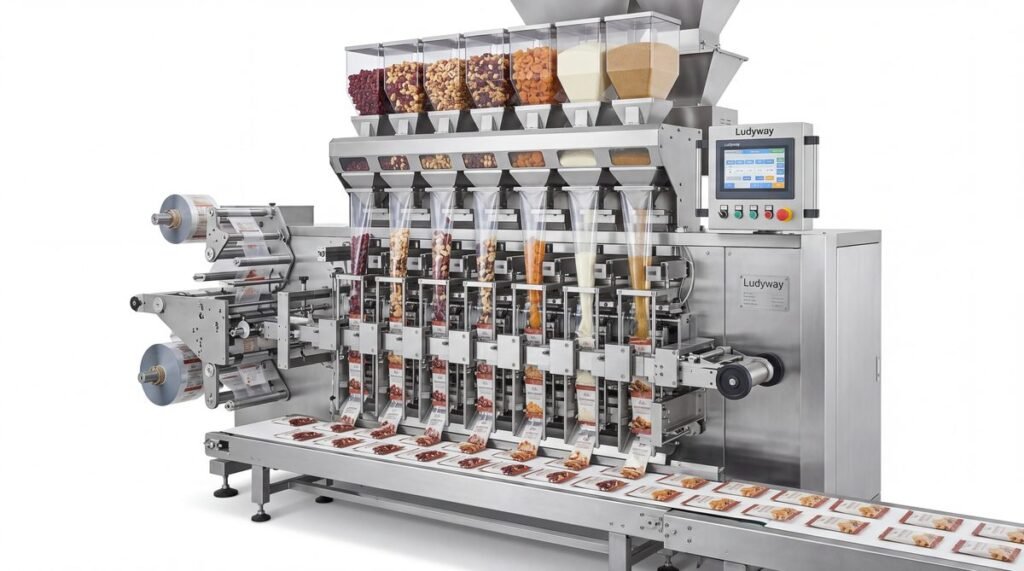
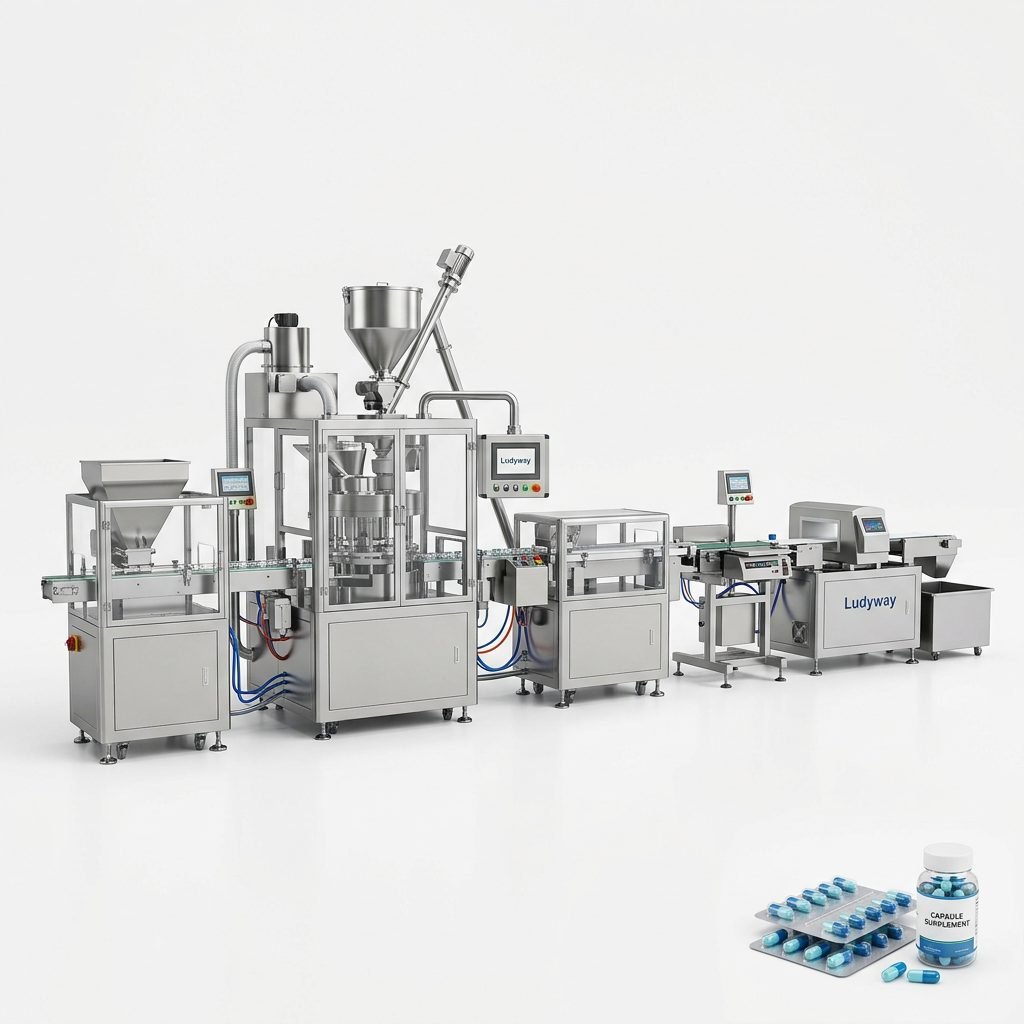
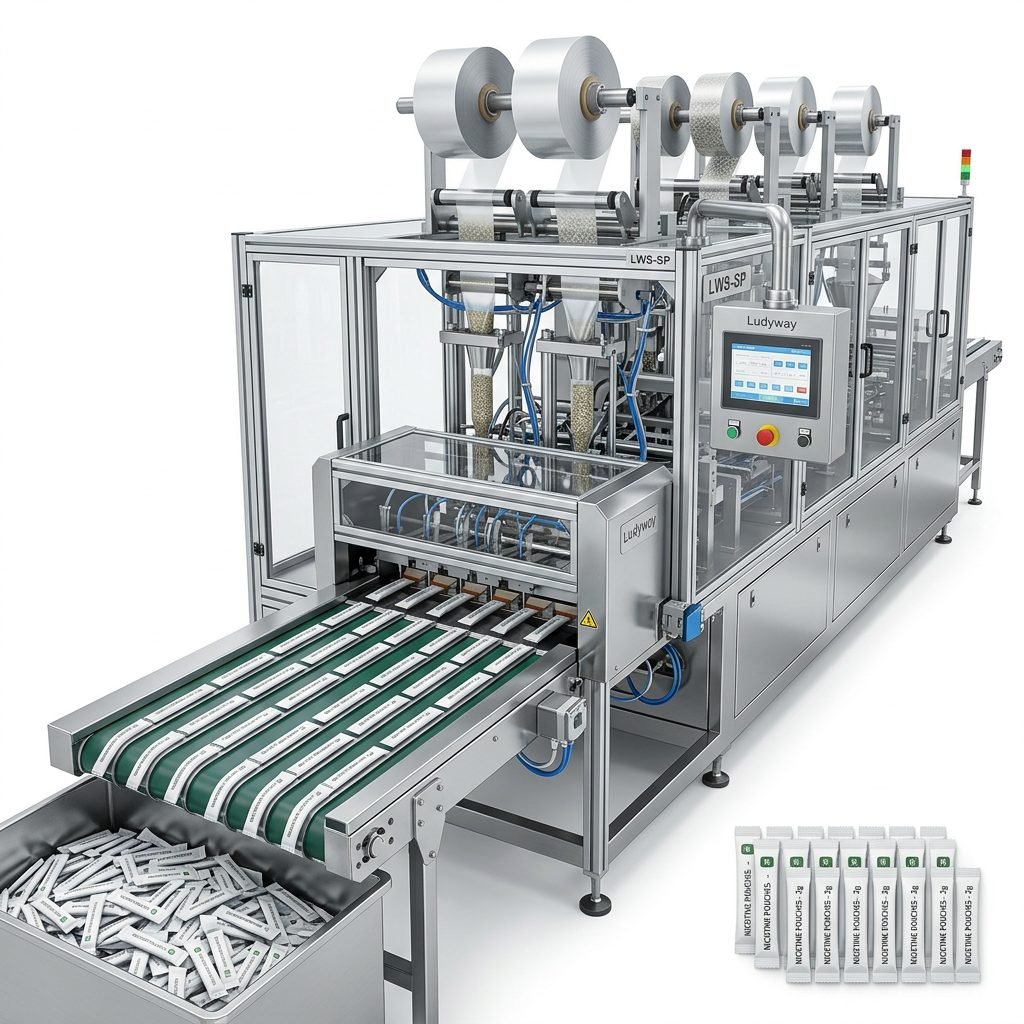
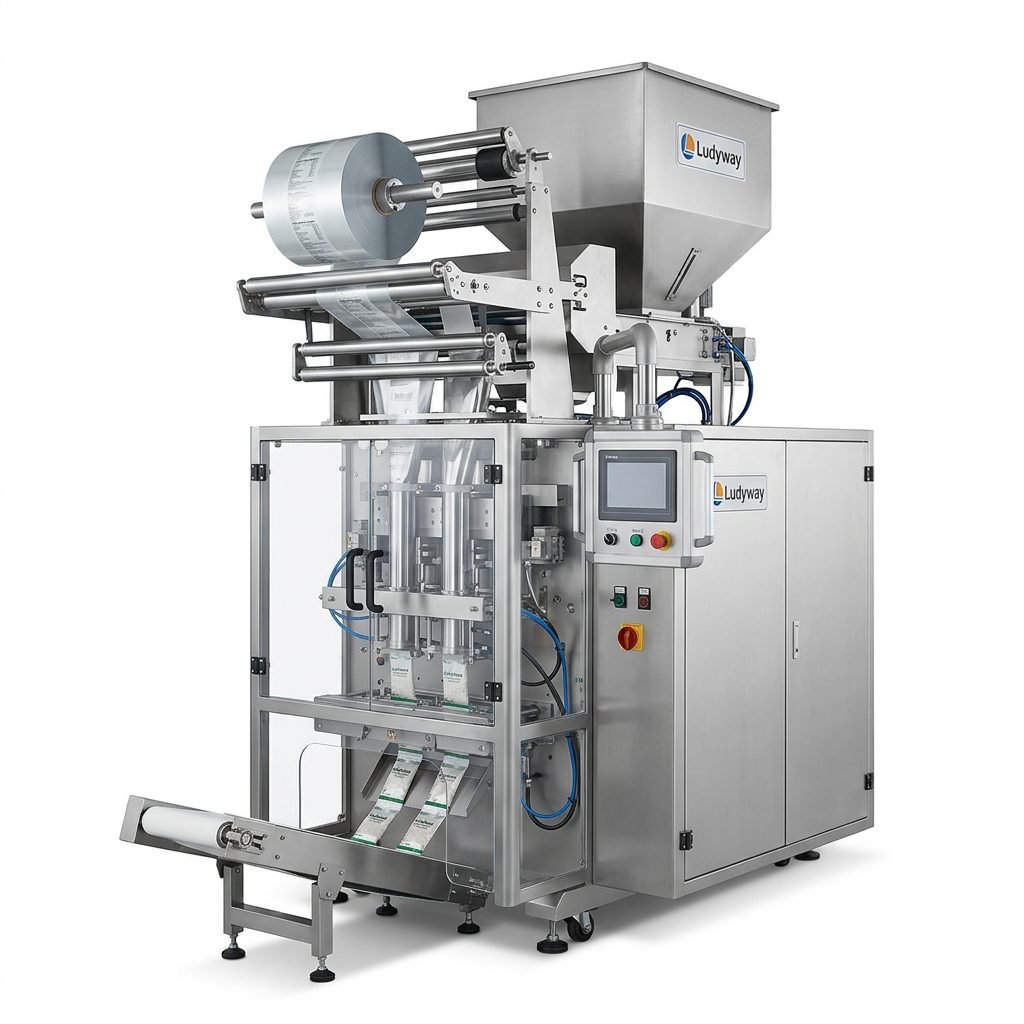
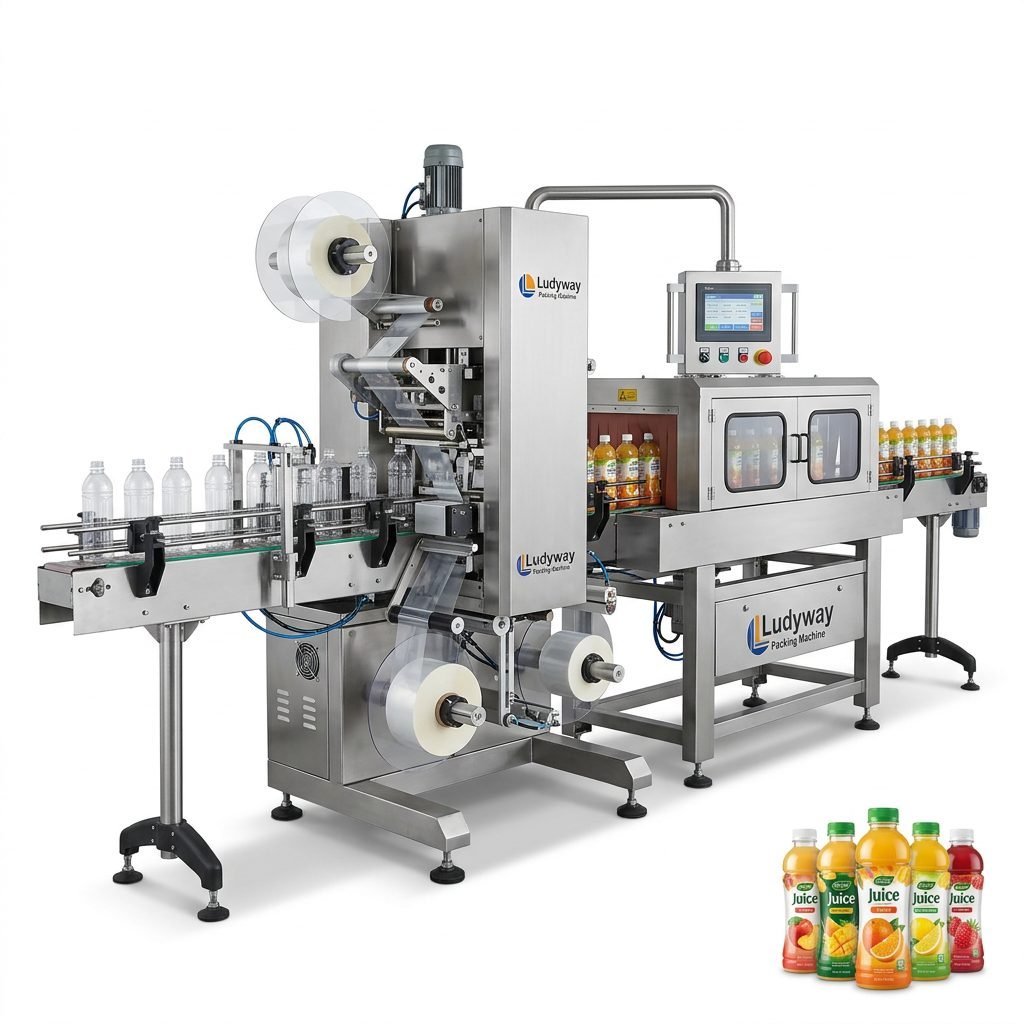
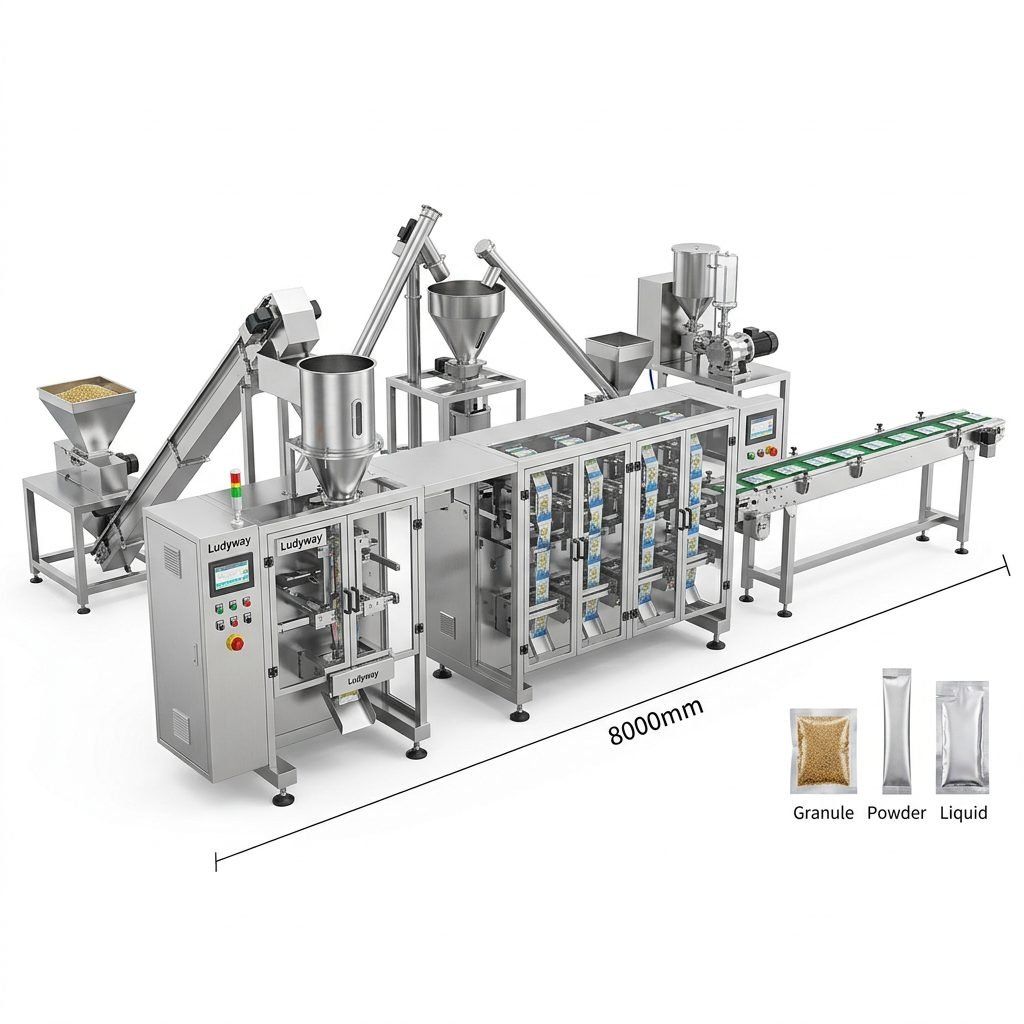
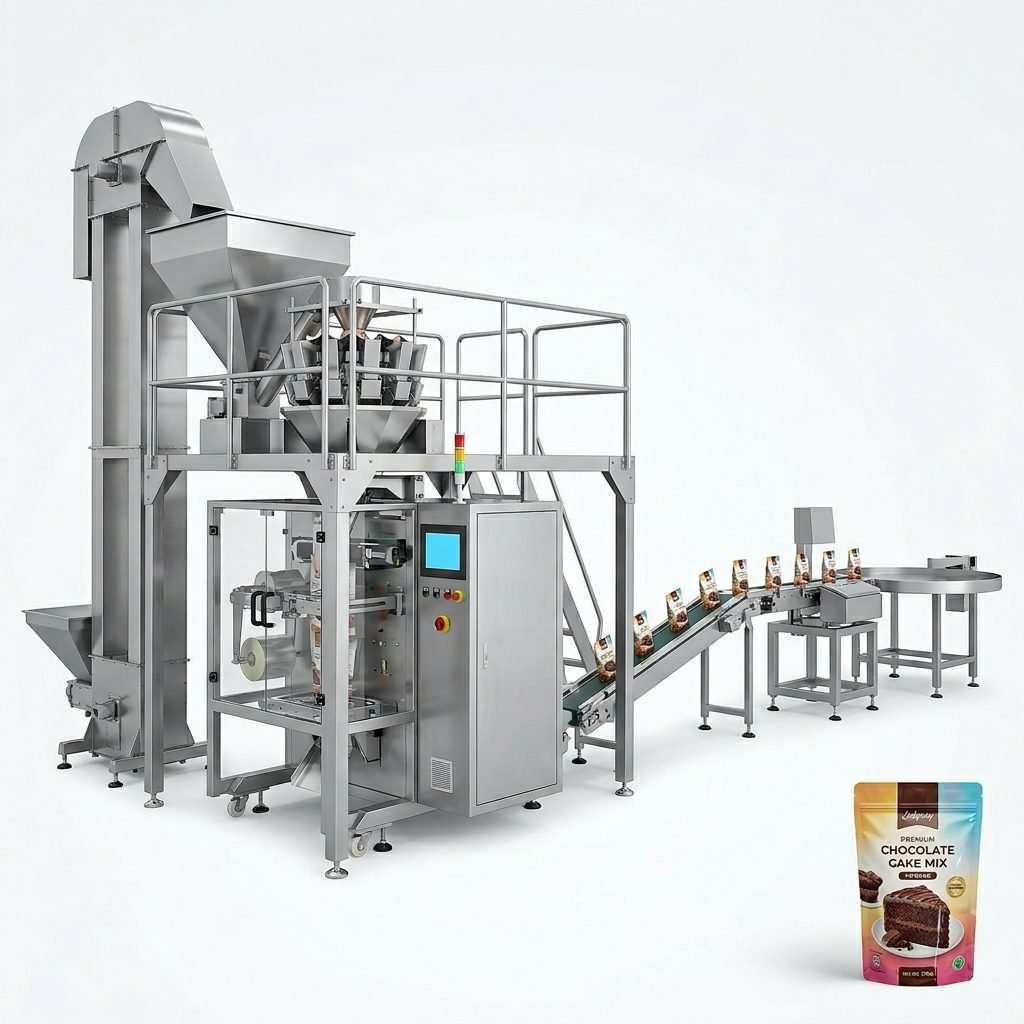
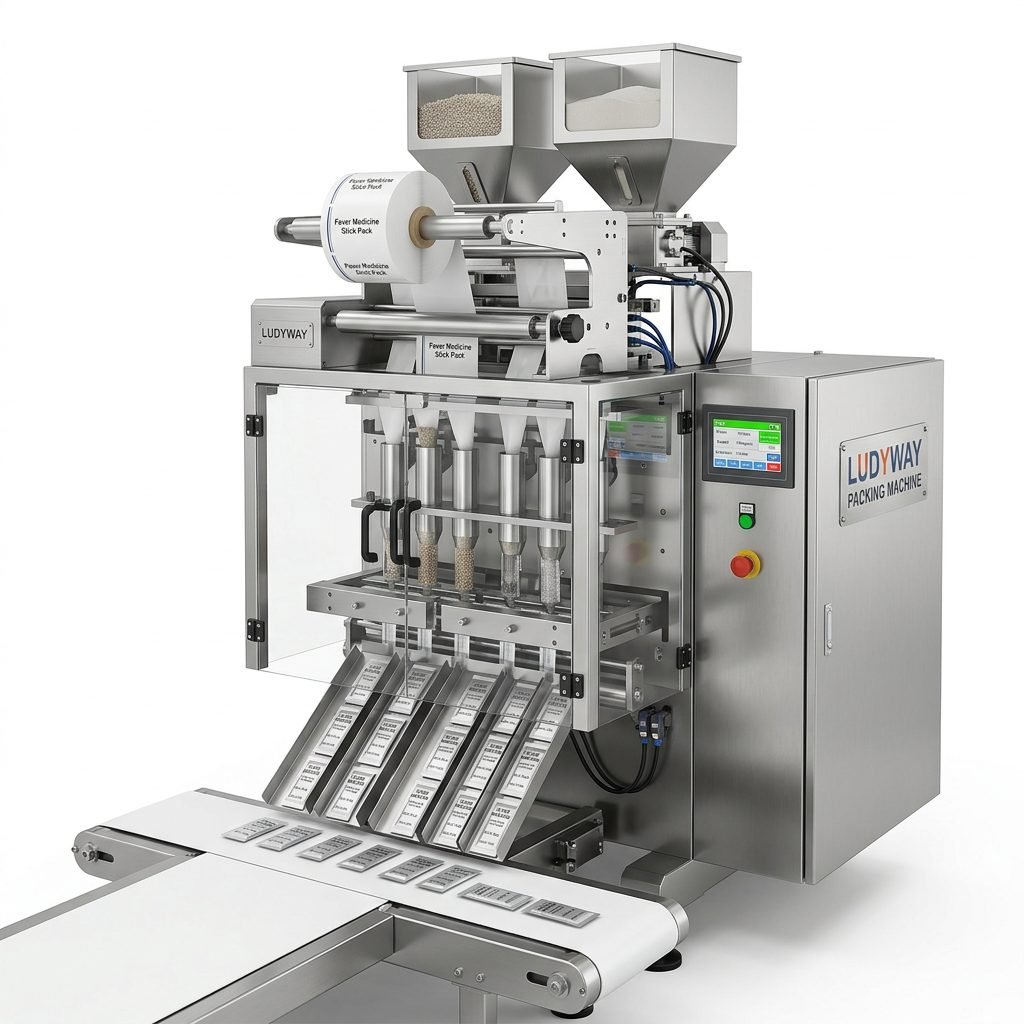
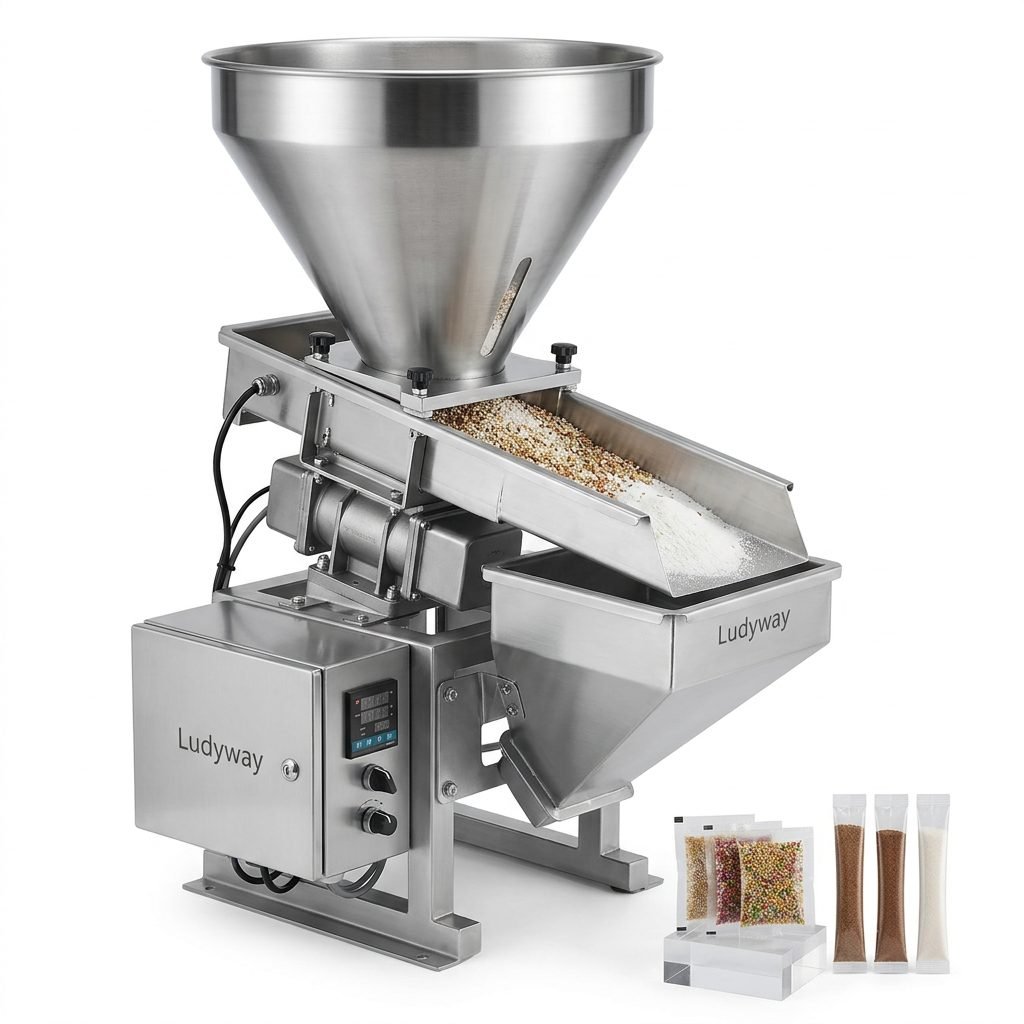
A food parcel packing machine is a critical asset in any food processing or logistics operation. Proper maintenance not only extends the lifespan of your equipment but also ensures food safety standards are met and costly downtime is avoided. Without a consistent cleaning and maintenance routine, food residue, dust, and wear can compromise seal integrity, weighing accuracy, and overall machine performance.
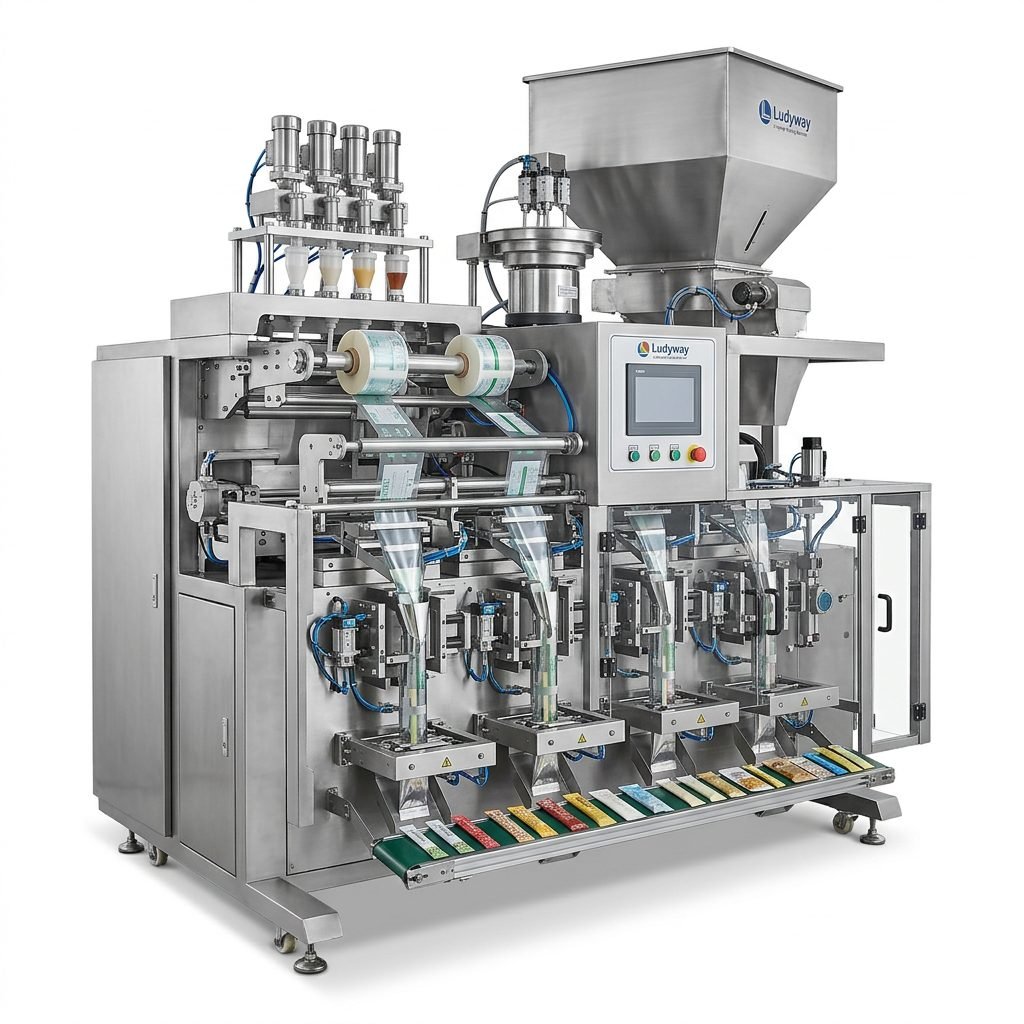
Why Consistent Cleaning is Non-Negotiable
In the food packaging industry, hygiene is paramount. Cross-contamination between different food products can lead to spoilage, allergen risks, and regulatory failures. A clean machine operates more efficiently, with fewer mechanical issues caused by sticky residues or abrasive particles.
Key areas that require daily attention include:
- Product contact surfaces: Hoppers, filling nozzles, and forming tubes must be free of build-up.
- Sealing jaws: Heated sealing components accumulate melted film residue, causing weak seals.
- Film transport paths: Rollers and guides can collect dust and adhesive debris from packaging film.
- Electrical cabinets: Food dust can infiltrate control panels, causing short circuits.
Daily Cleaning Checklist for Operators
Implementing a daily cleaning protocol between shifts or product changeovers dramatically reduces long-term wear. The table below outlines the core tasks that should be performed without fail.
| Component | Cleaning Action | Frequency |
|---|---|---|
| Filling Nozzles / Augers | Disassemble and wash with food-safe detergent; dry completely. | End of Each Batch |
| Sealing Jaws / Heaters | Use a soft brass brush to remove melted polymer residue; avoid damaging Teflon coating. | Every 8 Hours |
| Film Rollers & Tensioners | Wipe down with a dry lint-free cloth; inspect for sticky build-up. | Daily |
| Drip Trays & Floor Surround | Empty and sanitize; sweep debris to prevent pest attraction. | Daily |
Deep Cleaning Procedures
While daily wipe-downs are essential, a thorough deep clean is required weekly or monthly depending on the product type—especially with sticky, oily, or hygroscopic powders. During a deep clean, safety guards are removed to access internal mechanisms.
- Pneumatic systems: Drain air filters and check for moisture in compressed air lines.
- Forming shoulders: Polish the metal surfaces to ensure smooth film flow and prevent wrinkles.
- Zippers and chains: Clean and re-lubricate drive chains, ensuring no food residue is baked onto the links.
Critical Mechanical Maintenance Tasks
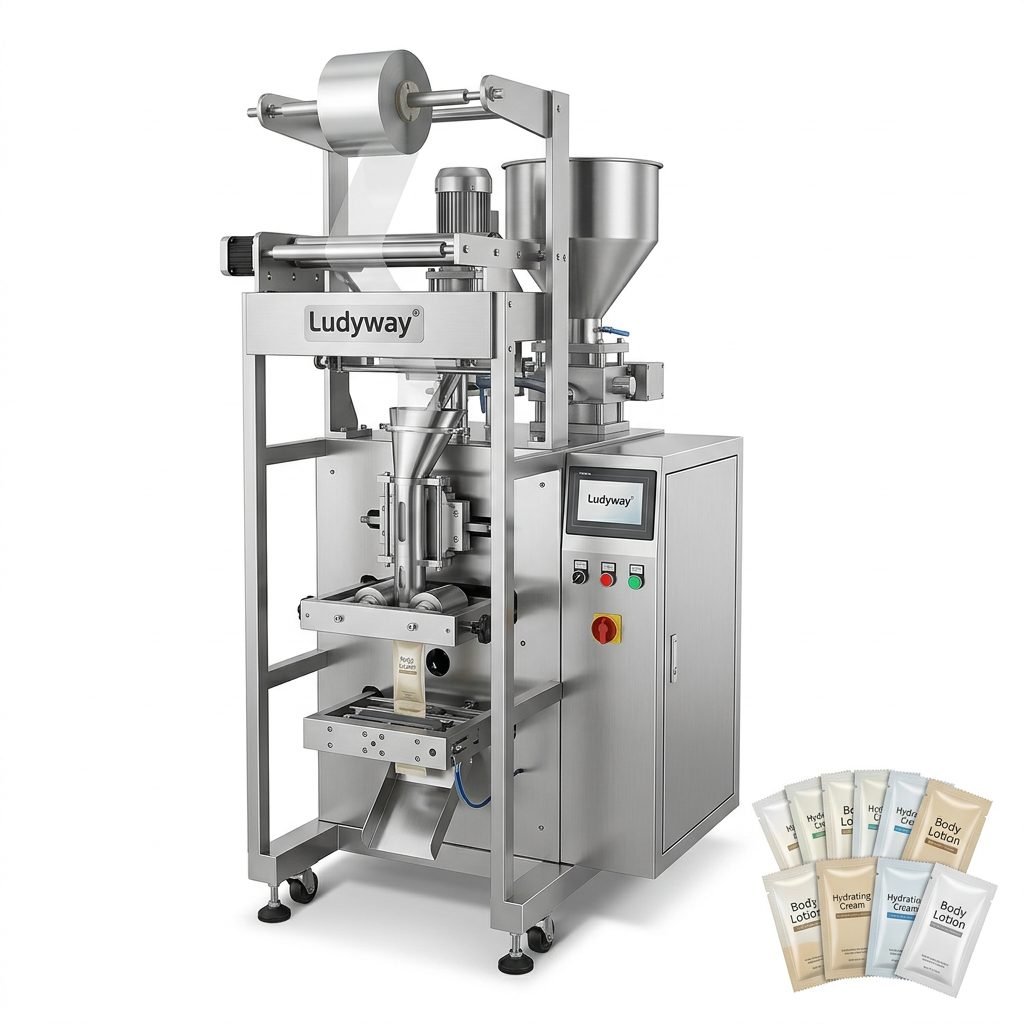
Beyond cleaning, preventive mechanical maintenance ensures your food parcel packing machine operates at peak speed and accuracy. Ignoring these tasks often results in seal failures, product giveaways, and emergency repair costs.
1. Lubrication Management
Over-greasing is just as harmful as under-greasing. Excess lubricant traps food dust, creating an abrasive paste that grinds down bearings and bushings. Use food-grade H1 lubricants for any points that might incidentally contact product. Mark all grease nipples with color-coded tags and keep a strict logbook of lubrication intervals.
2. Seal Integrity and Temperature Calibration
The primary function of a parcel packing machine is creating airtight, durable seals. Seal quality depends on three variables: temperature, pressure, and dwell time. Test seal strength every shift using a seal integrity tester or a simple peel test. If seals appear wrinkled, charred, or loose, recalibrate the temperature controller immediately. A thermocouple check should be part of monthly maintenance to verify actual jaw temperature matches the display.
3. Film Tracking and Alignment
Misaligned film causes crooked seals, jams, and excessive waste. Check the photoelectric sensor (eye mark sensor) for dust accumulation. The sensor registers registration marks on the film; if dirty, the machine will cut in the wrong spot. Also, inspect rubber pull belts for cracks—once they lose grip, film slippage leads to inconsistent bag lengths.
Electrical and Sensor Maintenance
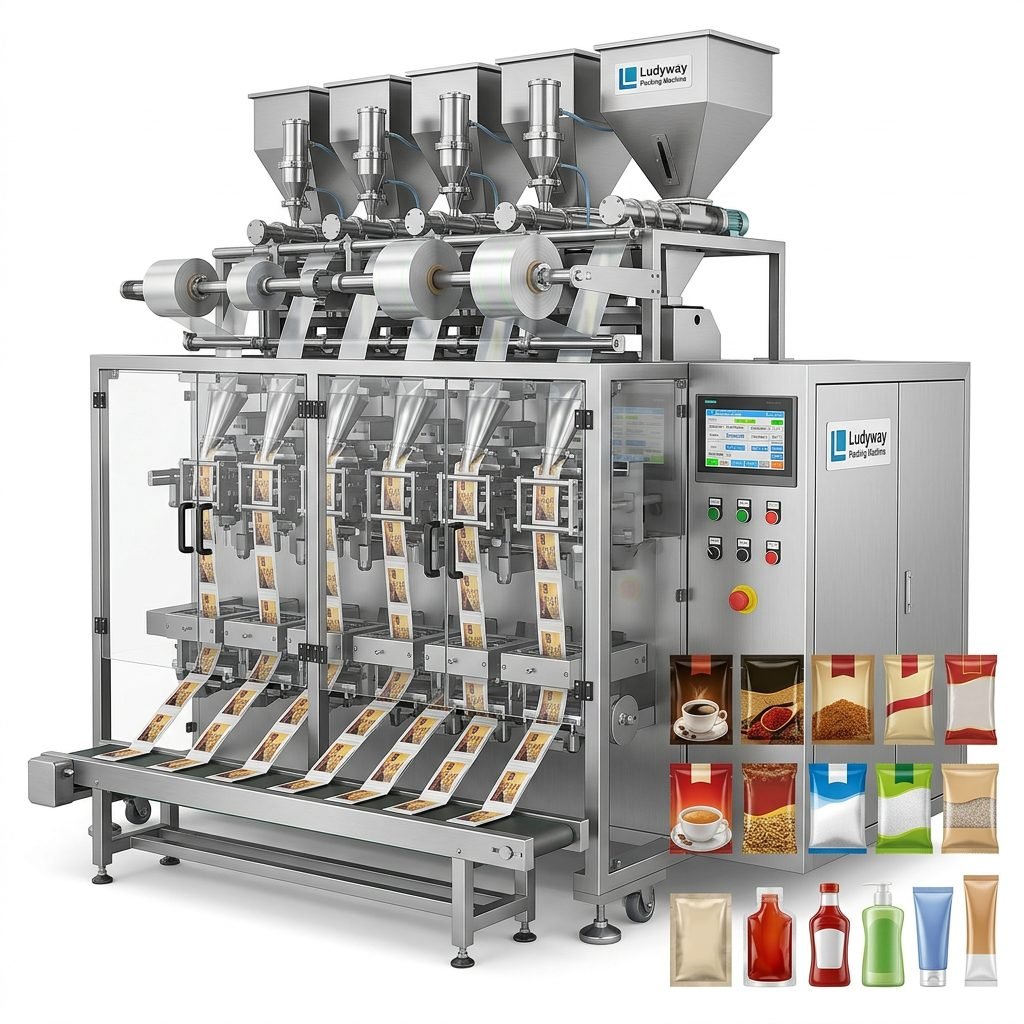
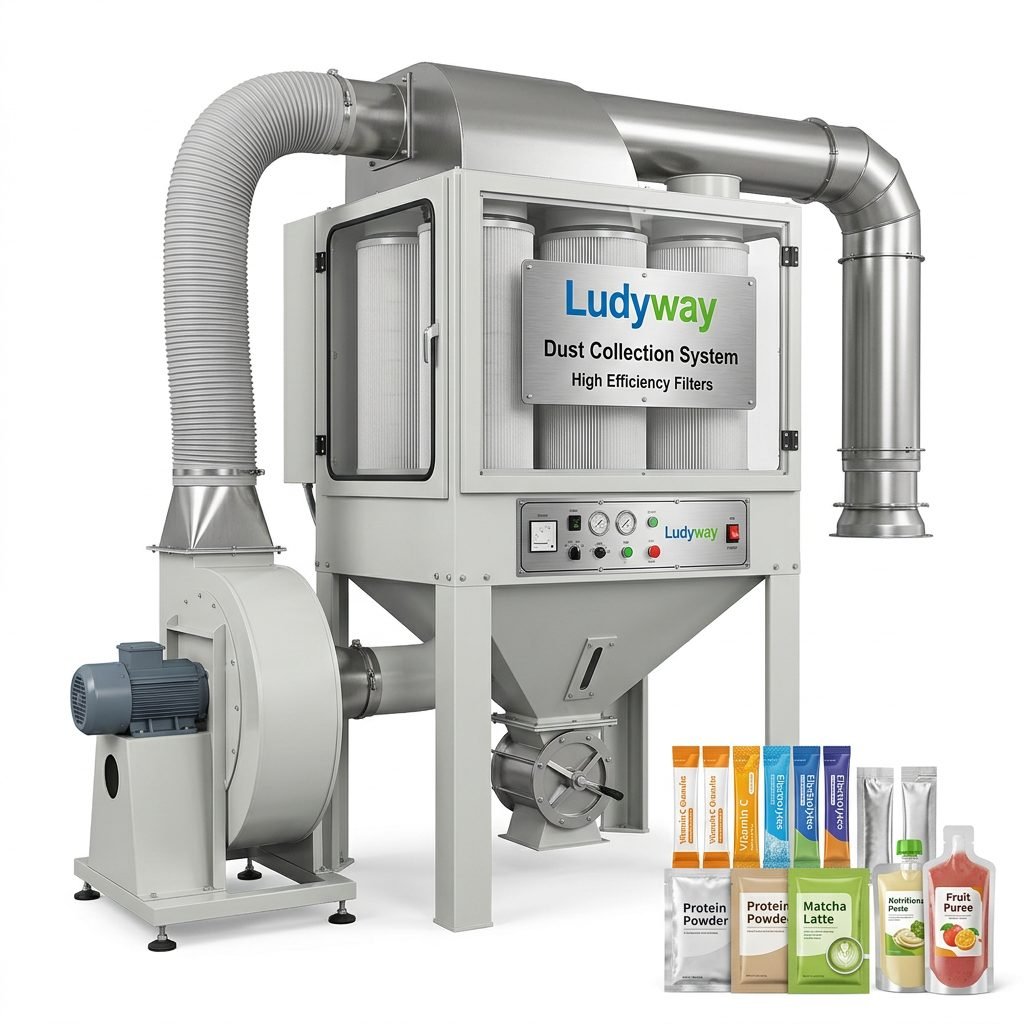
Modern food parcel packing machines rely on an intricate network of sensors, actuators, and PLC controllers. Dust penetration is the number one enemy of electronic reliability.
- Control panel hygiene: Keep cabinet doors sealed; check gaskets for cracks. Use positive-pressure purge systems if available to keep dust out.
- Proximity sensors: Wipe inductive and capacitive sensors regularly. Metallic dust accumulation can cause false triggers, interrupting the packaging cycle.
- Emergency stops and interlocks: Test all safety circuits weekly. A malfunctioning interlock can stop production and pose operator risk.
Spare Parts Inventory Strategy
Waiting for a replacement part to ship during a breakdown can cost thousands in idle labor and missed orders. A lean but smart spare parts inventory keeps your food parcel packing machine running. We recommend stocking the following critical items:
| Part Category | Specific Items | Reason |
|---|---|---|
| Sealing Components | Heater cartridges, thermocouples, Teflon tape/cover, sealing jaw set | High wear items; essential for seal integrity |
| Sensors | Eye mark sensor, proximity switch, temperature probe | Directly affect registration and cycle accuracy |
| Pneumatics | Cylinder seals, solenoid valves, air hose connectors | Pneumatic fatigue is common in high-cycle machines |
| Drive Belts | Timing belts, film pull belts, conveyor belts | Stretching and cracking cause drift and slippage |
Common Problems and Troubleshooting
Even with rigorous maintenance, issues occasionally arise. Understanding root causes helps operators resolve problems without escalating to engineering.
Seal Wrinkles or Leaks
This is often misdiagnosed solely as a temperature issue. First, check film alignment. If the film enters the forming collar at an angle, excess material gathers on one side, preventing a flat seal. Second, confirm the sealing jaw pressure is even. Uneven pressure—whether from a misaligned jaw or worn springs—produces weak spots. Third, verify the Teflon cover is intact. A torn Teflon sheet allows product to stick directly to the hot metal, tearing the film.
Inconsistent Fill Weights
For volumetric cup fillers, worn-out cup edges or buildup inside the cup cavity reduces actual fill volume. Clean the cups and recalibrate the weight per drop. For auger fillers, inspect the auger flight for wear—ground-down augers lose conveyance efficiency, leading to gradual weight drift. Also, ensure the hopper level is maintained within the optimal range; a nearly empty hopper produces irregular fill density.
Film Registration Errors
If the machine cuts mid-print or shifts gradually, first clean the eye mark sensor lens with isopropyl alcohol. Then check that the film path has no sharp edges or burs that interrupt smooth feeding. If the problem persists, the sensor’s sensitivity may need adjustment, or the film’s printed registration mark may not contrast sharply enough with the background.
Weekly and Monthly Maintenance Schedule
A structured schedule prevents tasks from being overlooked. Below is a practical breakdown that balances operational demands and machine care.
Weekly Tasks
- Inspect and clean all air filters on electrical cabinets.
- Check vacuum pump oil levels (if applicable) and top up or replace as needed.
- Run a complete machine cycle with test film to verify all interlocks and alarms function.
- Tighten all accessible fasteners—vibration loosens bolts on guards, brackets, and sealing stations.
- Inspect knife blades for sharpness; dull knives cause stringy or incomplete bag separation.
Monthly Tasks
- Calibrate load cells on checkweighers and multi-head weighers with certified test weights.
- Inspect drive belts for tension and cracks; replace worn belts proactively.
- Check chain tension and alignment; lubricate with food-grade chain oil.
- Verify that all safety guard switches stop the machine instantly when opened.
- Back up PLC parameters and recipe settings to external storage.
The Role of Professional Support and Turnkey Solutions
While in-house maintenance covers daily operations, partnering with a reliable equipment manufacturer ensures access to genuine parts, firmware updates, and expert troubleshooting. Companies like Ludyway provide not only advanced food packaging machinery but also comprehensive after-sales support, including operator training and preventative maintenance guidance. With a modern manufacturing facility and over 30 years of industry experience, Ludyway is one of the largest packaging machine manufacturers in China, specializing in turnkey production solutions that integrate seamlessly with robust maintenance protocols. When evaluating new equipment, consider how the machine design—such as tool-less disassembly for cleaning, sealed bearings, and dust-resistant electronics—impacts your long-term maintenance workload.
For further reading on packaging machinery standards and industry best practices, refer to resources from the PMMI – Packaging Industry Resources and Flexible Packaging Association – Industry Resources.
Documentation and Record Keeping
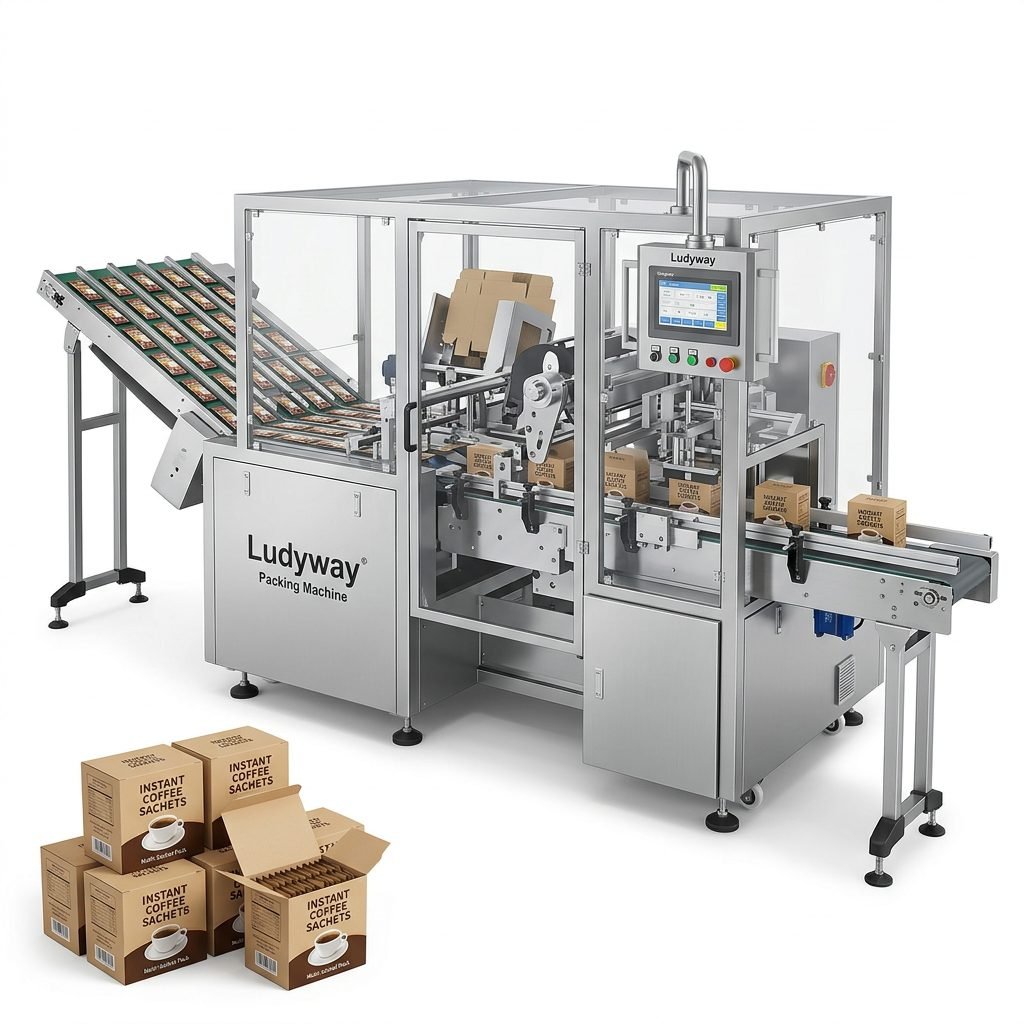
Every maintenance action—whether a simple cleaning or a major part replacement—should be logged in a maintenance management system. These records provide valuable data for predicting failure patterns, planning capital expenditure, and demonstrating compliance during food safety audits. Track the following data points:
- Date and time of each intervention.
- Component serviced and action taken.
- Parts replaced with serial and lot numbers.
- Downtime duration (planned vs. unplanned).
- Sign-off by technician and production supervisor.
Final Recommendations for Optimal Performance
A well-maintained food parcel packing machine pays for itself through reduced waste, higher throughput, and consistent quality. The combination of daily operator cleaning, scheduled preventive maintenance, calibrated sealing parameters, and a stocked spare parts inventory forms the backbone of reliability. Always prioritize food safety by using appropriate food-grade cleaners and lubricants, and never bypass safety interlocks to speed up cleaning. By embedding these essential cleaning and maintenance tips into your standard operating procedures, you safeguard product quality, protect brand reputation, and maximize return on your packaging equipment investment.