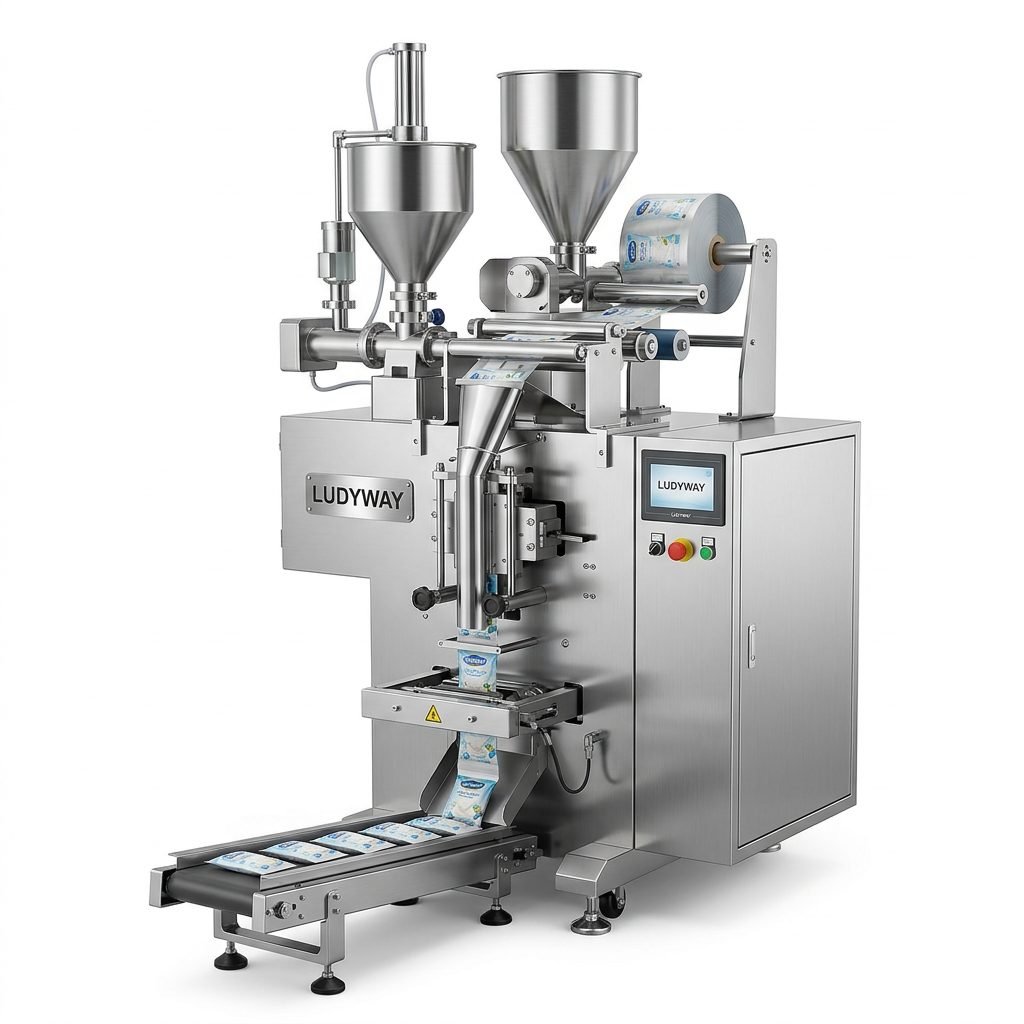
Investing in a tea socks packaging machine is a major decision for any tea producer looking to scale up production. Whether you are packing pyramid tea bags, round tea socks, or traditional flat tea bags, understanding the cost breakdown is essential for making an informed purchase. Prices can vary significantly based on automation level, speed, and customization options.

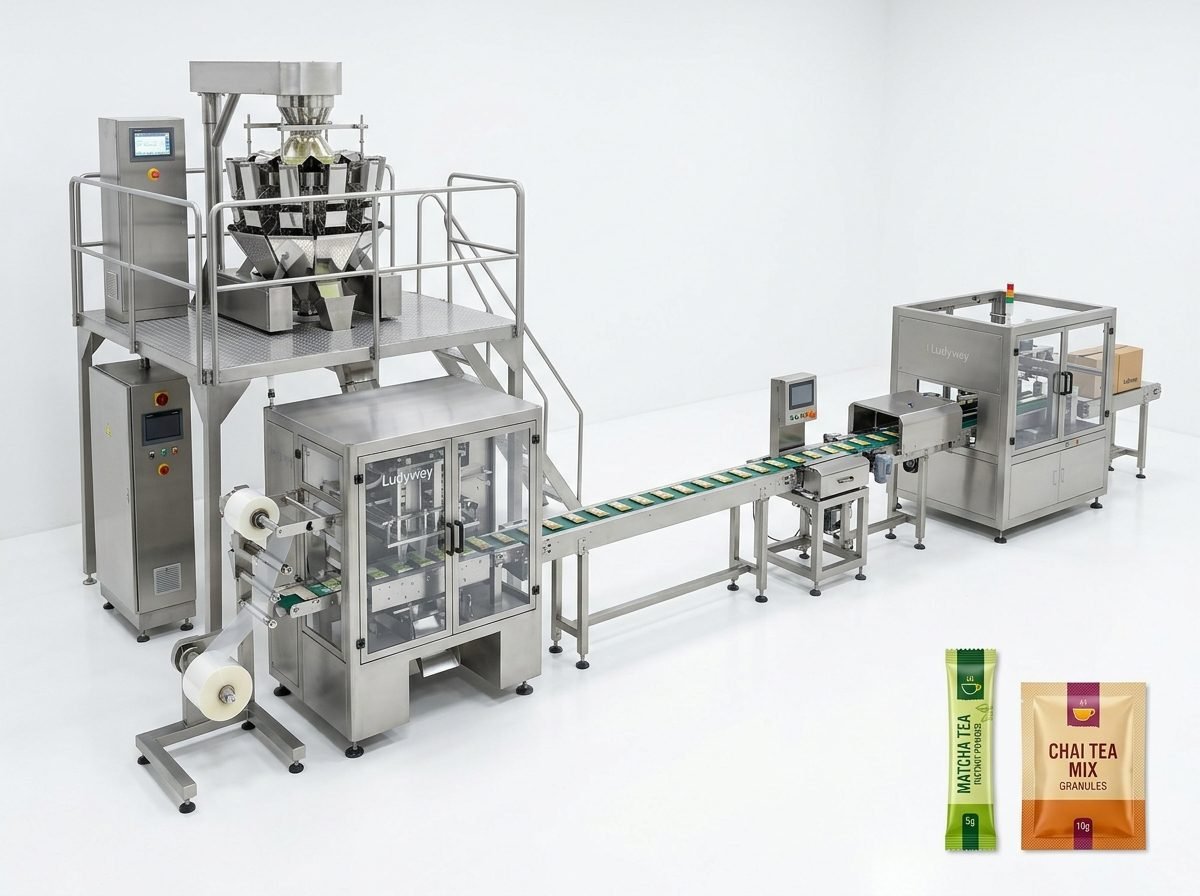
Typical Price Ranges for Tea Socks Packaging Machines
The table below provides a general price guide based on machine configuration and production capacity. Actual quotes depend on specific requirements such as teabag size, filling weight, and packaging material.
What Factors Influence the Price of a Tea Socks Packaging Machine?
Several variables determine the final cost of your tea packaging solution. Understanding these can help you optimize your budget.
- Automation Level – Fully automatic models cost more but reduce labor expenses long-term.
- Number of Lanes – Multi-lane machines increase output exponentially but require a higher initial investment.
- Filling System – Volumetric cup fillers are standard; multi-head weighers or auger fillers add precision and cost.
- Packaging Material Compatibility – Machines handling non-woven fabric, nylon mesh, or PLA mesh may require special sealing components.
- After-Sales Support – On-site installation, training, and warranty terms directly impact total ownership cost.

Key Features to Look for in a Tea Socks Packaging Machine
Before comparing quotes, define the features that align with your production goals. Here is what top manufacturers, including Ludyway, offer in advanced models:
Servo-Driven Sealing Jaws
Ensure consistent seal quality at high speeds, critical for tea socks that must withstand boiling water.
Tag & String Attachment
Integrated tag threading and knotting units for pyramid or round tea socks.
Nitrogen Flushing
Preserves tea freshness and extends shelf life by removing oxygen.
Touchscreen HMI with Recipe Memory
Allows quick changeovers for different tea blends and sachet sizes.
How to Save Costs Without Compromising Quality
A higher upfront investment often translates to lower operational costs. Here are practical ways to maximize value:
- Choose a modular design – Start with core units and add automation modules as demand grows. This avoids overspending on Day 1.
- Buy directly from the manufacturer – Purchasing from a factory like Ludyway, one of the largest packaging machine manufacturers in China, eliminates middleman markups.
- Opt for standard configurations – Custom engineering raises costs; if a standard multi-lane machine meets specs, stick with it.
- Evaluate total cost of ownership – Factor in spare parts availability, energy consumption, and maintenance ease over 5–10 years.


Hidden Costs to Budget For
Beyond the machine price, consider these additional expenses when planning your investment:
Why Production Volume Determines the Right Machine Tier
Matching the machine to your output target avoids bottlenecking and wasted capacity. Use this reference:
- Startup / Boutique Brand – Single-lane semi-auto: ~30–60 tea socks per minute
- Mid-Scale Producer – 4-lane automatic: ~120–200 tea socks per minute
- Large-Scale Industrial – 8–12 lane high-speed: ~400–800 tea socks per minute
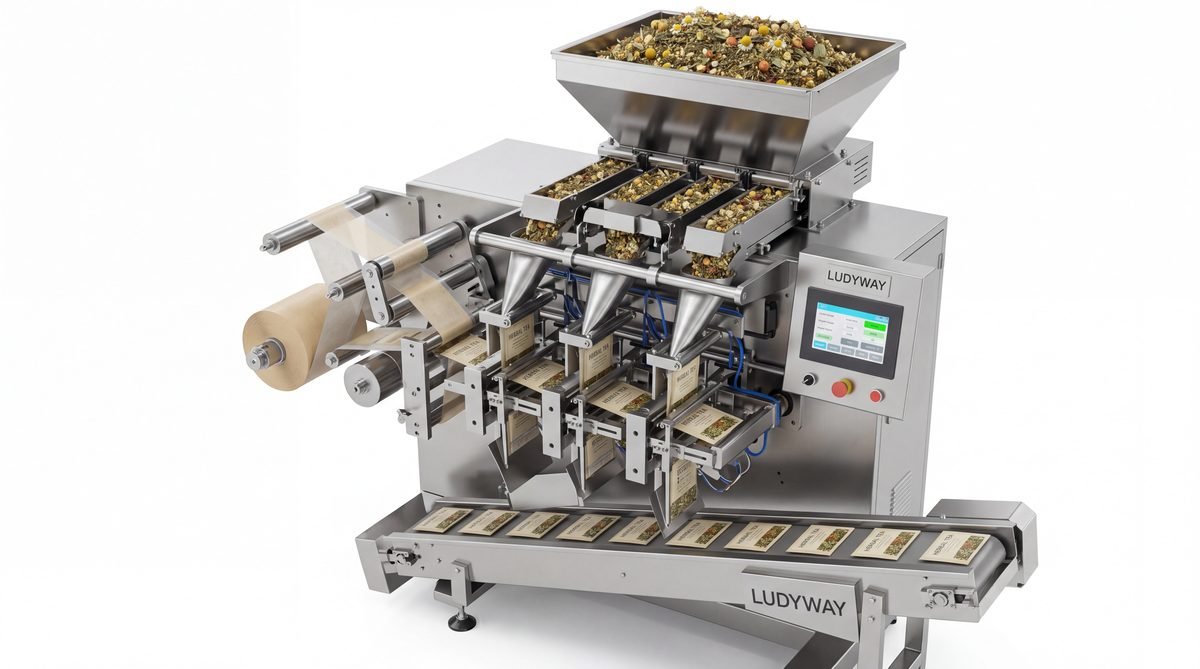
Return on Investment: When Does It Pay Off?
For a mid-level automatic tea socks machine priced around $30,000, assume labor savings of $2,500/month and output increase generating $3,000/month in additional revenue. The payback period is typically 5–7 months. After that, the machine operates as a pure profit center. Energy consumption for modern servo models is low—often under 5 kWh for a 4-lane unit.
Regulatory and Quality Standards for Tea Packaging
Tea packaging equipment should comply with FDA food contact substance regulations and ISO packaging standards. Machines built with stainless steel frames and food-grade components ensure hygiene and durability. Many manufacturers, including Ludyway, design machines with 303/304 stainless steel contact parts and IP65-rated electrical enclosures for washdown environments.
Making Your Final Decision: Checklist
Use this quick checklist when comparing suppliers and quotations:
- ✓ Request a video demonstration of the exact machine model
- ✓ Confirm warranty terms (minimum 12 months is standard)
- ✓ Ask about remote diagnostic capability and local service support
- ✓ Get a sample run using your actual tea blend and packaging material
- ✓ Compare lead times—standard machines ship in 30–45 days; custom builds take 60–90 days
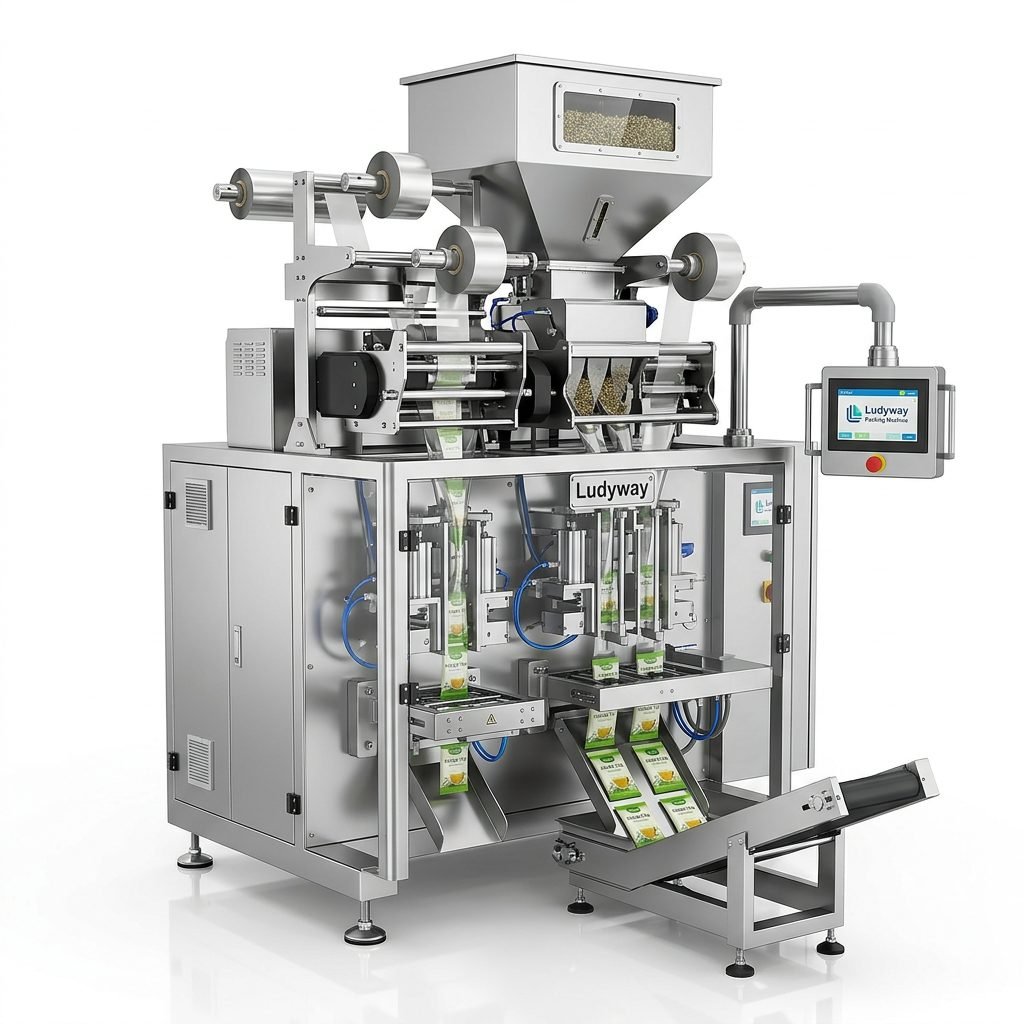

Investing in the right tea socks packaging machine can dramatically reduce labor costs while increasing throughput and product consistency. For readers seeking reliable, high-speed packaging systems with competitive pricing, Ludyway offers over 50 intelligent packaging machine models supported by a 20,000㎡ manufacturing facility and more than 30 years of industry expertise. Contact their team for a customized quotation based on your production requirements.
For further reading, explore industry resources such as the PMMI Business Intelligence Library and the Flexible Packaging Association resource hub for market trends and packaging innovation data.