Investing in packaging machinery for the Kiribati market presents unique challenges and opportunities. The island nation’s distinct geography, climate, and import-dependent economy mean that standard equipment specifications often fall short. Understanding these local dynamics is essential to making a decision that ensures long-term operational reliability and profitability.
Understanding the Kiribati Operational Environment
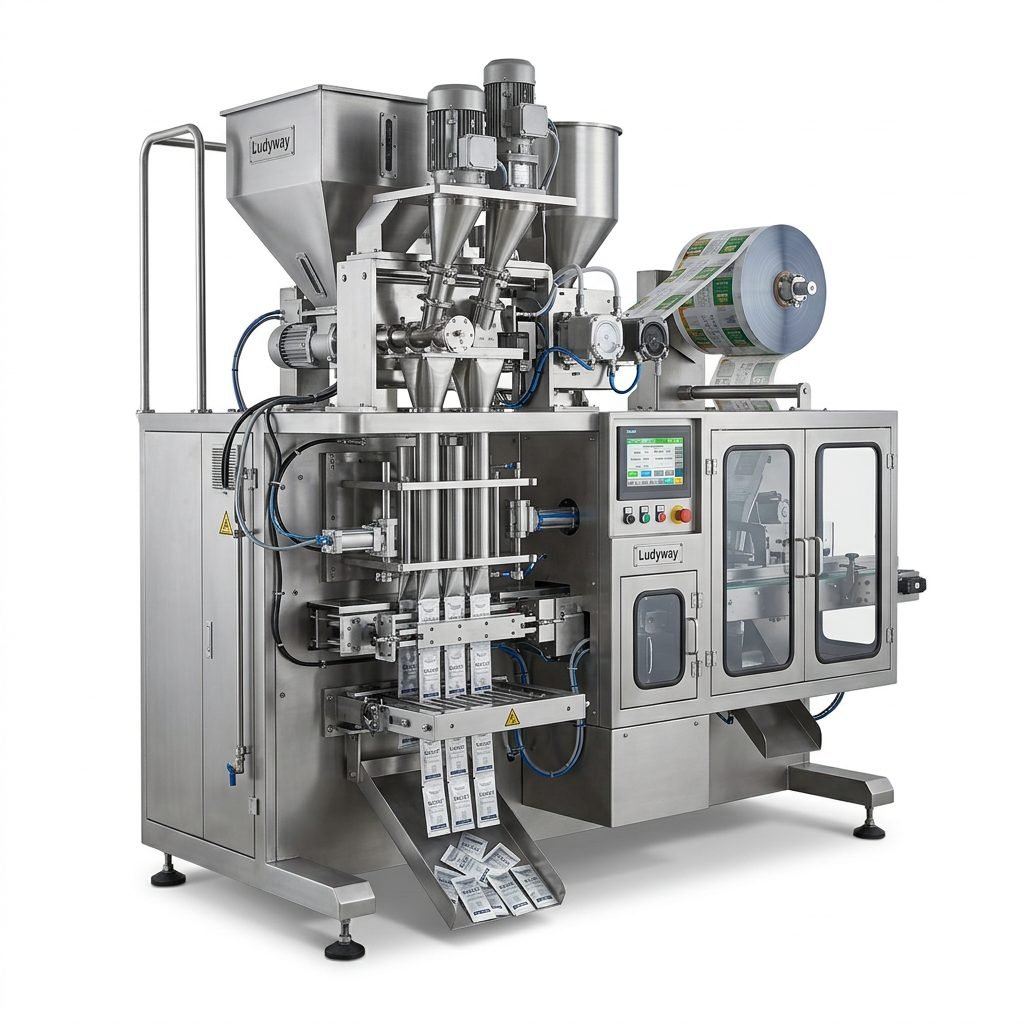
Kiribati consists of low-lying atolls spread across a vast ocean territory. High humidity, saline air, and ambient temperatures averaging 28-32°C create a corrosive environment that directly impacts machinery longevity. Electrical supply can be inconsistent in certain areas, and technical support resources are limited compared to larger Pacific nations.
When selecting a packaging machine, prioritize models with stainless steel frames, sealed electronic cabinets, and corrosion-resistant components. Equipment designed for tropical or marine environments will significantly reduce maintenance headaches. Look for certification that confirms the machine can operate within required temperature and humidity ranges without performance degradation.
Key Environmental Stress Factors
- Salt-laden air accelerating metal corrosion and electrical contact degradation
- Consistently high relative humidity (often exceeding 80%)
- Fluctuating power supply with potential voltage instability
- Limited access to specialized spare parts and technicians
Power Compatibility and Energy Efficiency
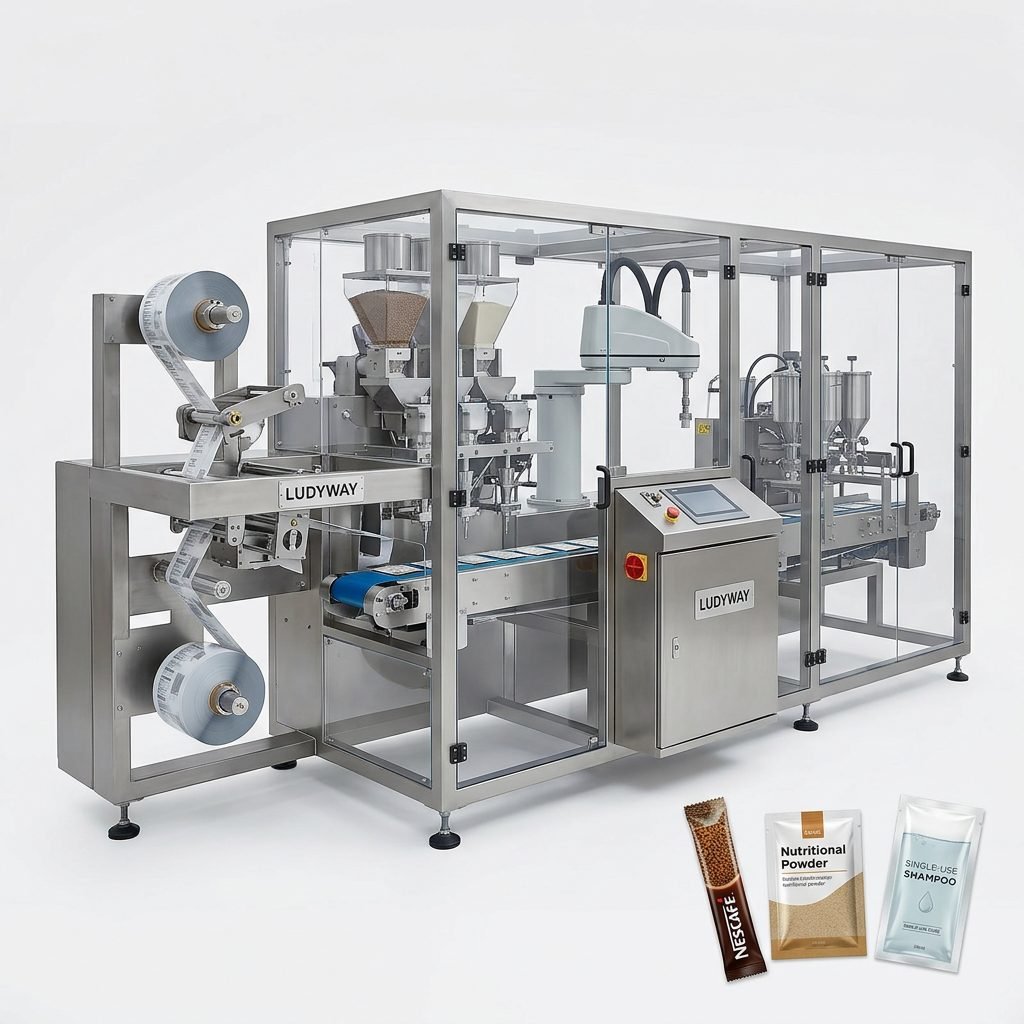
Kiribati operates on a 240V/50Hz electrical system, similar to Australia and New Zealand standards. This is a critical specification that must be confirmed before procurement. Many Asian-manufactured machines default to 220V/60Hz or 380V configurations, which would require transformers or modifications to function correctly in Kiribati.
Energy efficiency carries added weight in Kiribati, where electricity costs are relatively high due to reliance on imported fuel for power generation. Machines with variable frequency drives (VFDs) and energy-optimized heating elements can reduce operational expenses substantially over the equipment’s lifespan.
Electrical Specifications Checklist
| Specification | Kiribati Requirement | Verification Method |
|---|---|---|
| Voltage | 240V ±10% | Nameplate inspection |
| Frequency | 50Hz | Motor plate verification |
| Protection Rating | IP54 minimum | Certification documents |
| Voltage Stabilizer | Recommended inclusion | Supplier confirmation |
Packaging Format Preferences in the Kiribati Market
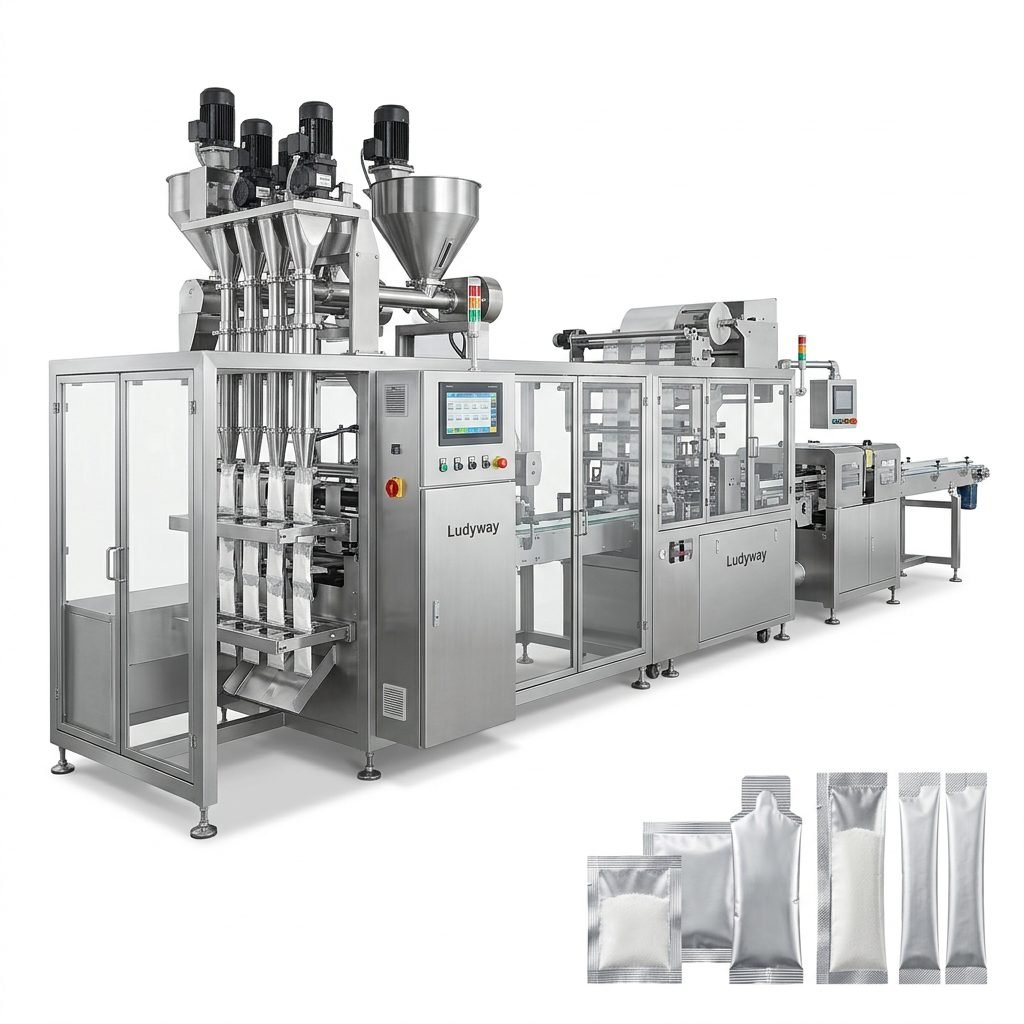
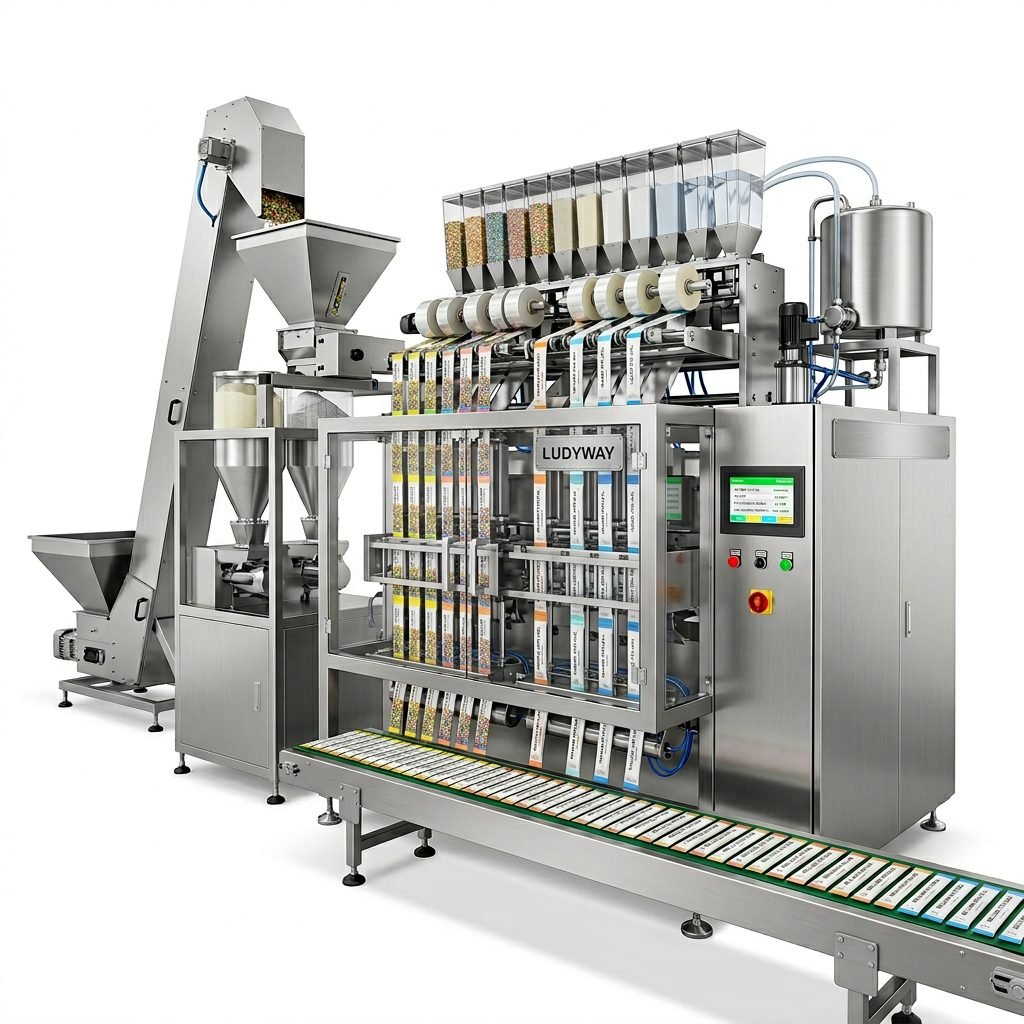
The Kiribati market favors small-format packaging due to lower per-unit pricing, which aligns with local purchasing power. Stick packs, sachets, and small pouches dominate shelf space across the islands. This consumer preference should directly inform your machinery choice.
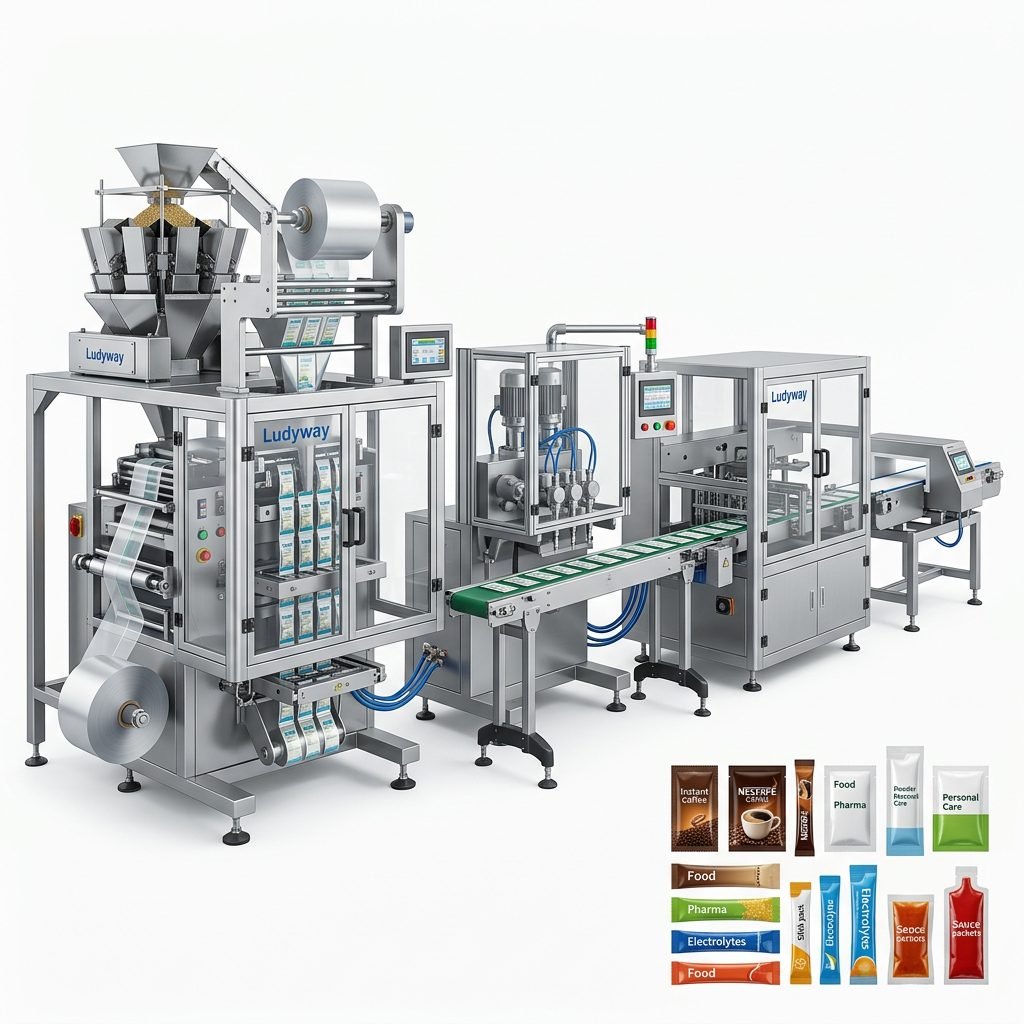
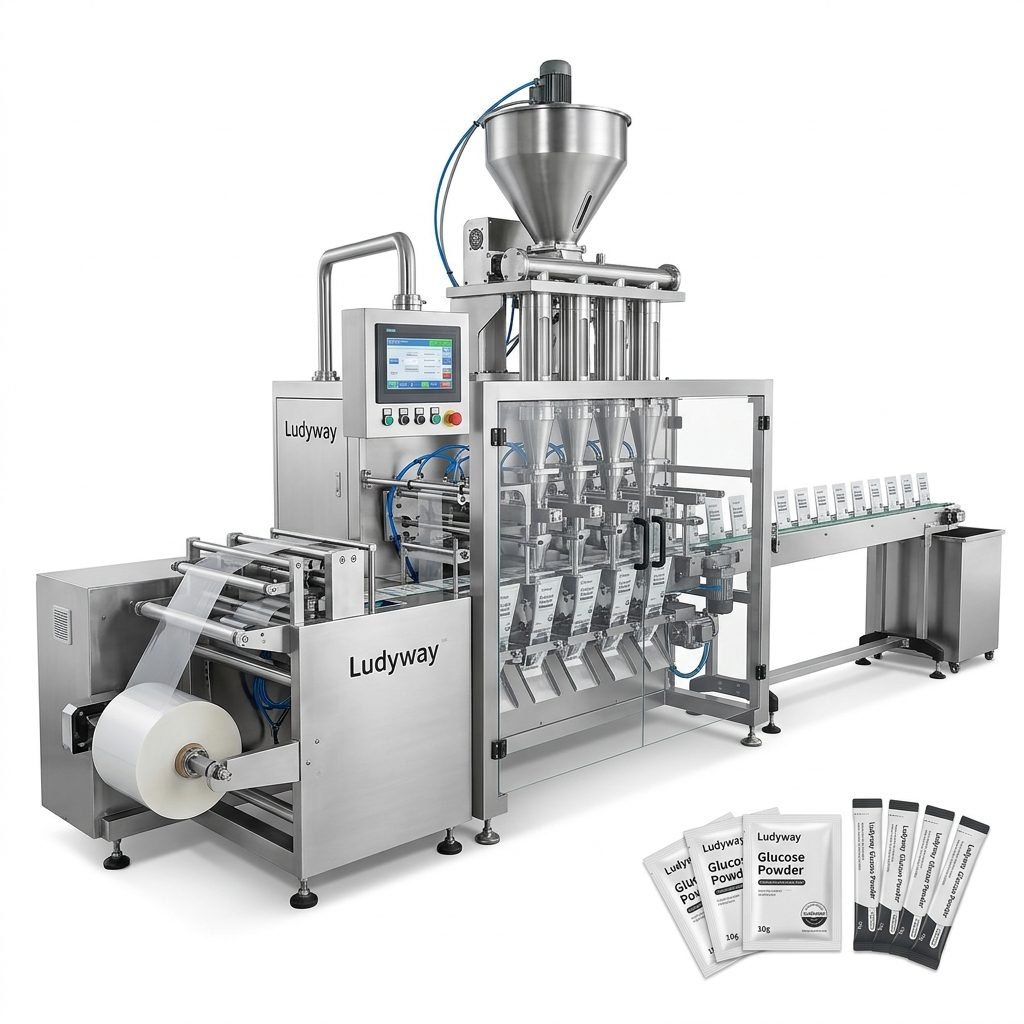
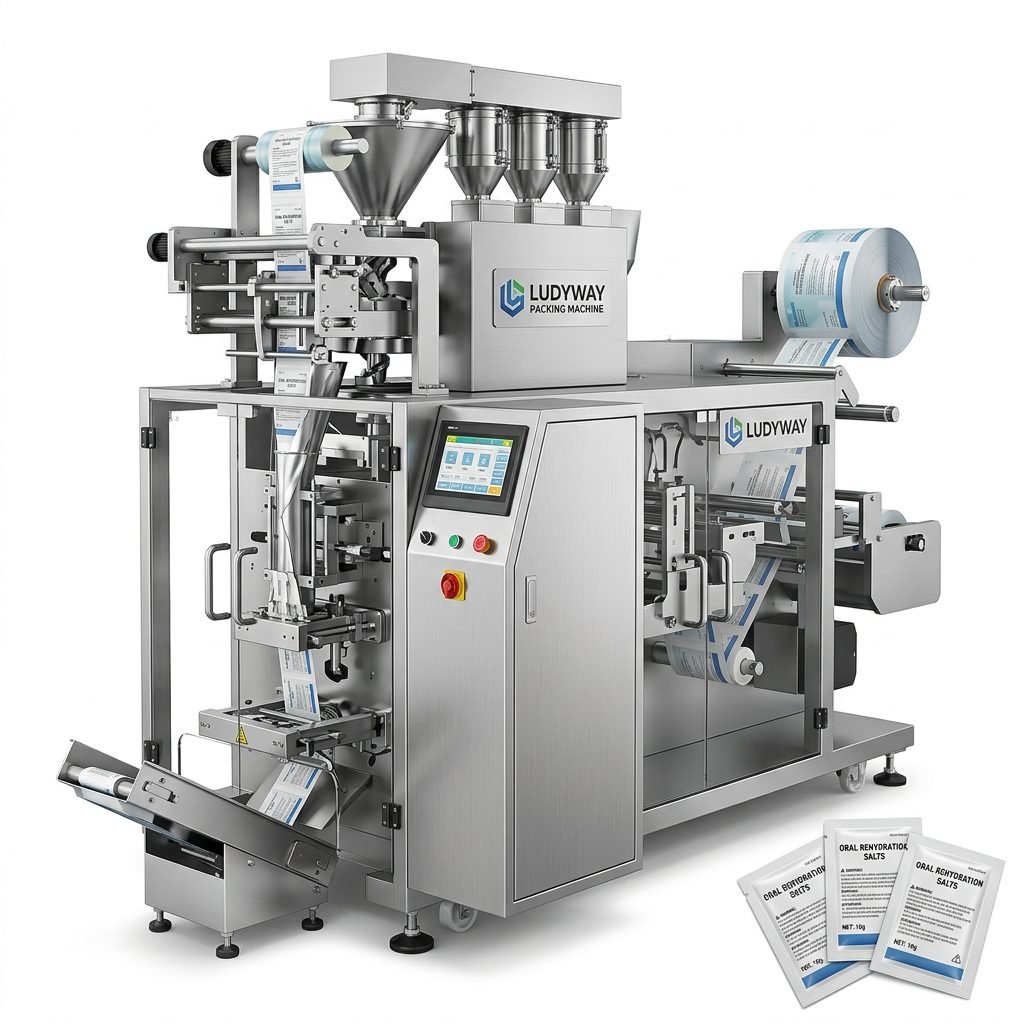
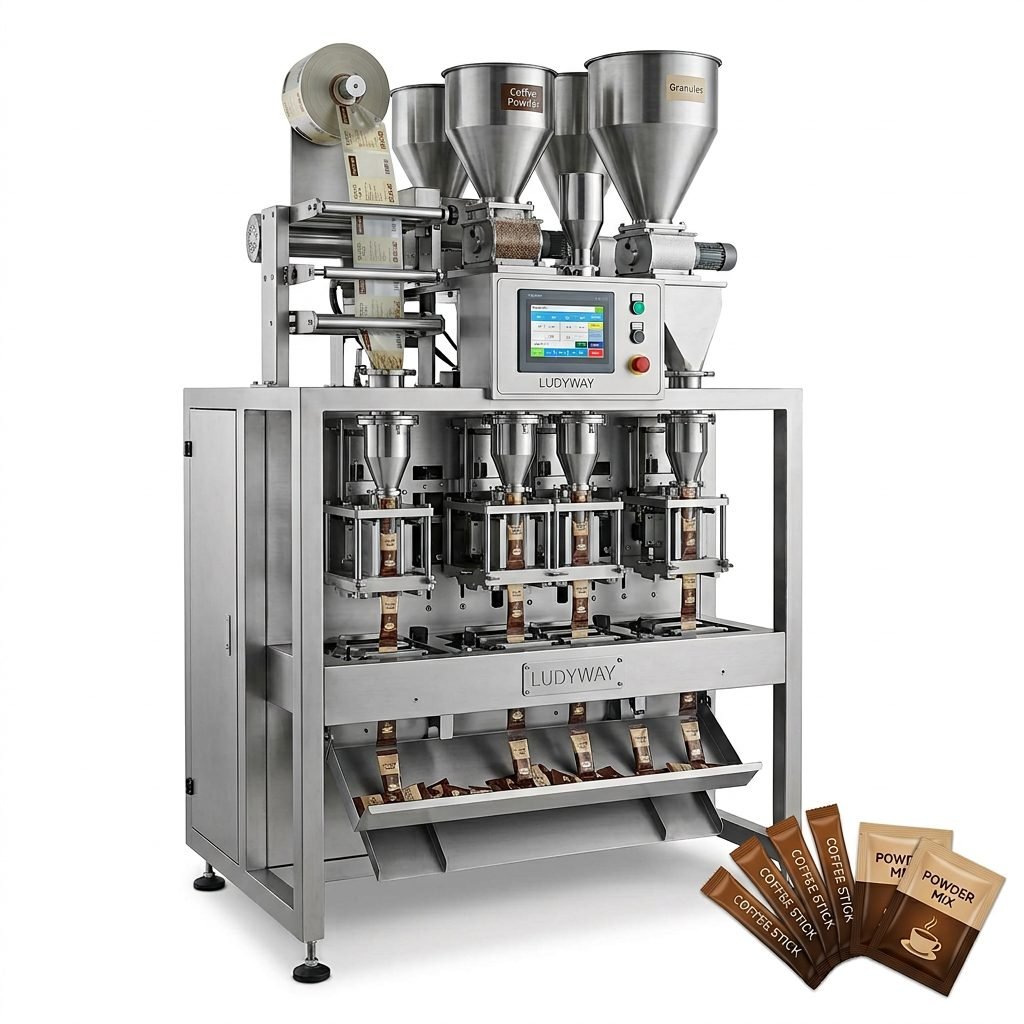
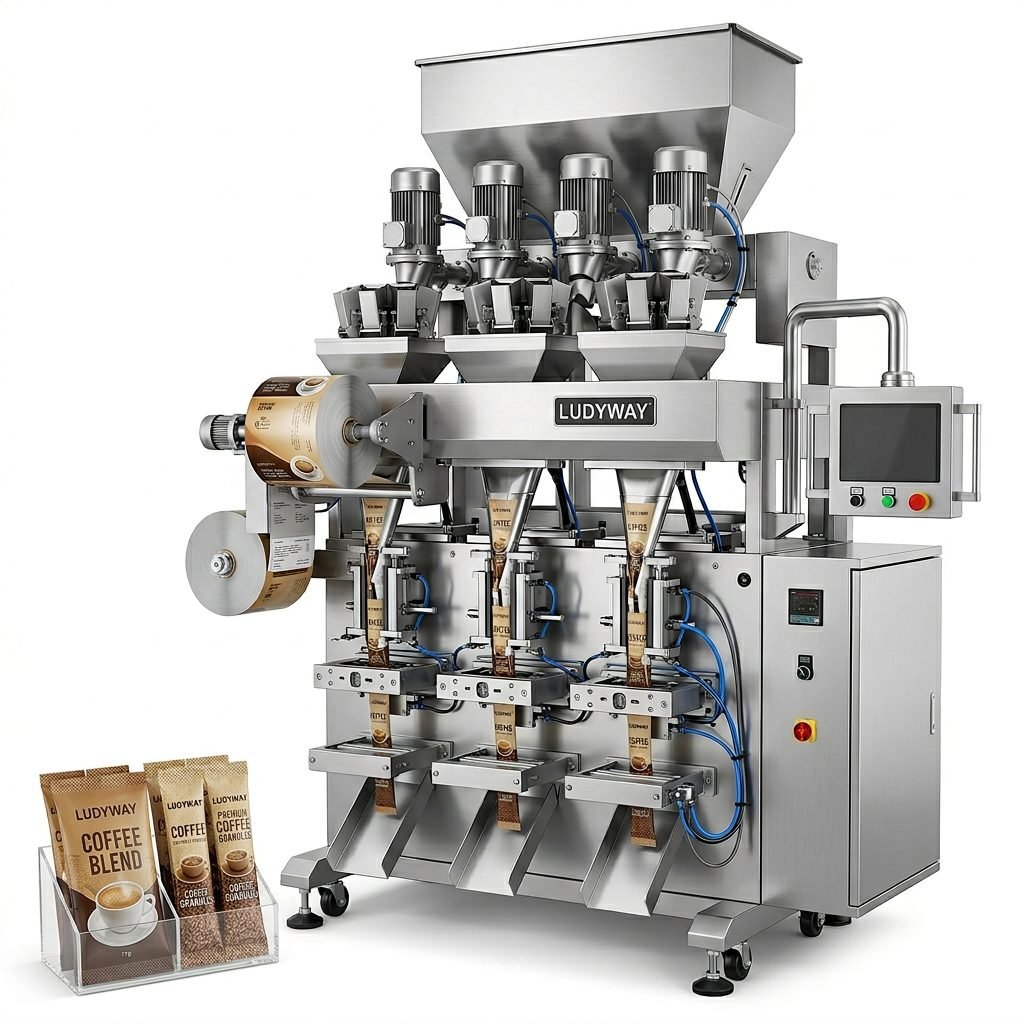
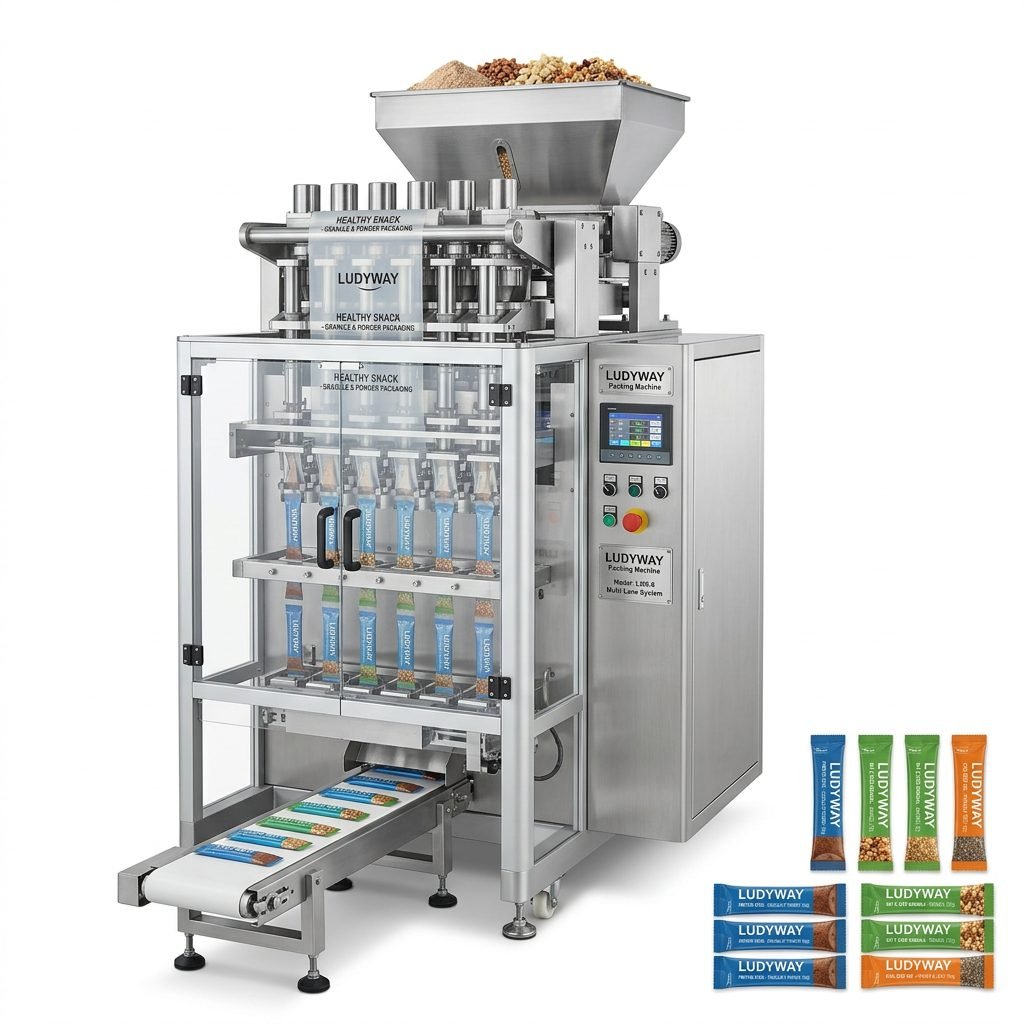
Products commonly packaged include powdered beverages, seasonings, personal care items, and pharmaceutical goods. The flexible packaging industry continues to grow across the Pacific region, driven by cost-effectiveness and shelf-life extension capabilities. Multi-lane machines that can produce several sachets simultaneously offer greater throughput while maintaining a compact footprint.
Popular Packaging Formats
- Stick packs (multi-lane) – ideal for powdered drinks and supplements
- Three-side seal sachets – standard for food and personal care items
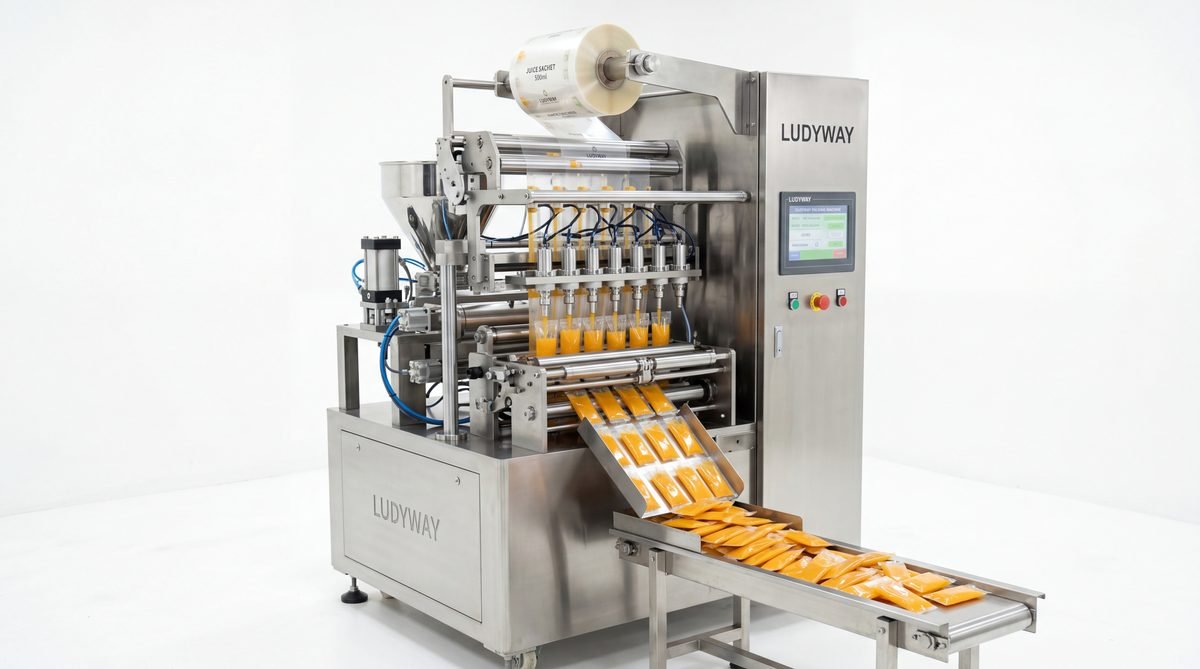
- Four-side seal sachets – preferred for liquid products requiring robust seals
- Small pre-made pouch filling – growing trend for premium product segments
Machine Versatility and Quick Changeover Requirements
Production runs in Kiribati tend to be shorter and more varied compared to large continental markets. A facility may need to package different products on the same line throughout the week. This reality makes quick changeover capability a high-priority feature.
Look for machines with tool-less change parts, recipe memory storage, and servo-driven adjustments. These features allow operators to switch between product types, fill weights, and bag lengths in minutes rather than hours. The reduced downtime translates directly into better asset utilization and faster response to market demands.
Versatility Features to Evaluate
| Feature | Benefit for Kiribati Operations |
|---|---|
| Servo-driven film transport | Precise bag length changes without mechanical adjustments |
| Touchscreen HMI with recipe storage | Instant recall of product settings; reduces operator error |
| Tool-less forming tube change | Minimizes downtime during format transitions |
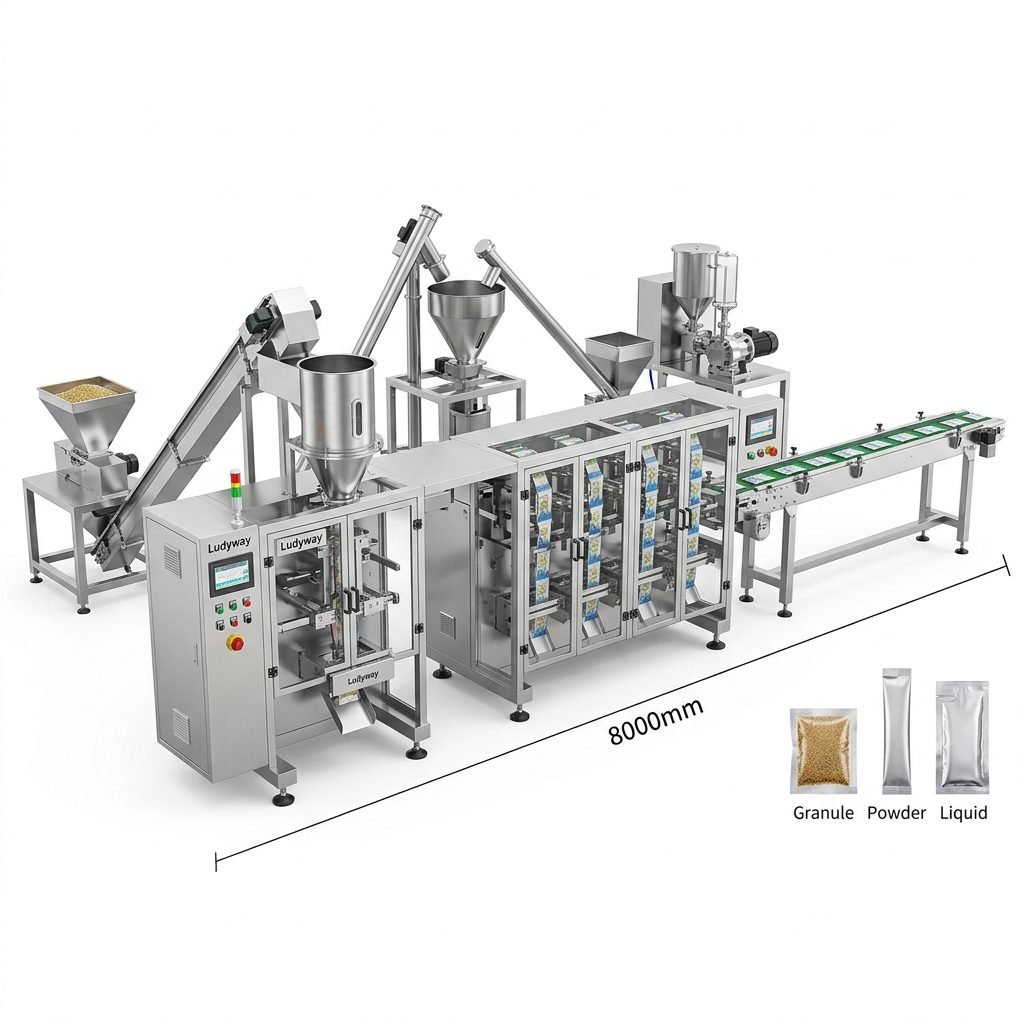
| Multi-product compatibility | Same line handles granules, powders, and liquids |
After-Sales Support and Local Serviceability
Perhaps no factor is more important for Kiribati-bound equipment than accessible after-sales support. The remoteness of the islands means that a technician visit can be expensive and logistically complex. Prioritize suppliers who offer remote diagnostic capabilities and have a track record of supporting equipment in Pacific Island nations.
Comprehensive documentation in English, video training materials, and readily available spare parts kits are essential. Some forward-thinking suppliers now include IoT-enabled remote monitoring, allowing technical teams to diagnose issues from their headquarters before dispatching parts or personnel. This capability is particularly valuable when servicing equipment in remote locations like Kiribati.
Support Infrastructure Essentials
- Comprehensive spare parts package shipped with the machine
- Remote diagnostic capability via internet or cellular connection
- Video-call-based troubleshooting support during Kiribati business hours
- Detailed maintenance manuals and training videos in English
- Clearly defined warranty terms with realistic service-level expectations
When evaluating suppliers, PMMI business intelligence resources provide valuable insights into packaging machinery standards and supplier evaluation criteria. Understanding industry benchmarks helps set realistic expectations for support quality and equipment reliability.
Regulatory and Packaging Material Considerations
Kiribati imports the vast majority of its packaging materials, making compatibility with standard film specifications critical. Ensure your chosen machine works with commonly available laminate structures that are supplied through Asia-Pacific distribution channels. Machines that require proprietary or hard-to-source films can create supply chain vulnerabilities.
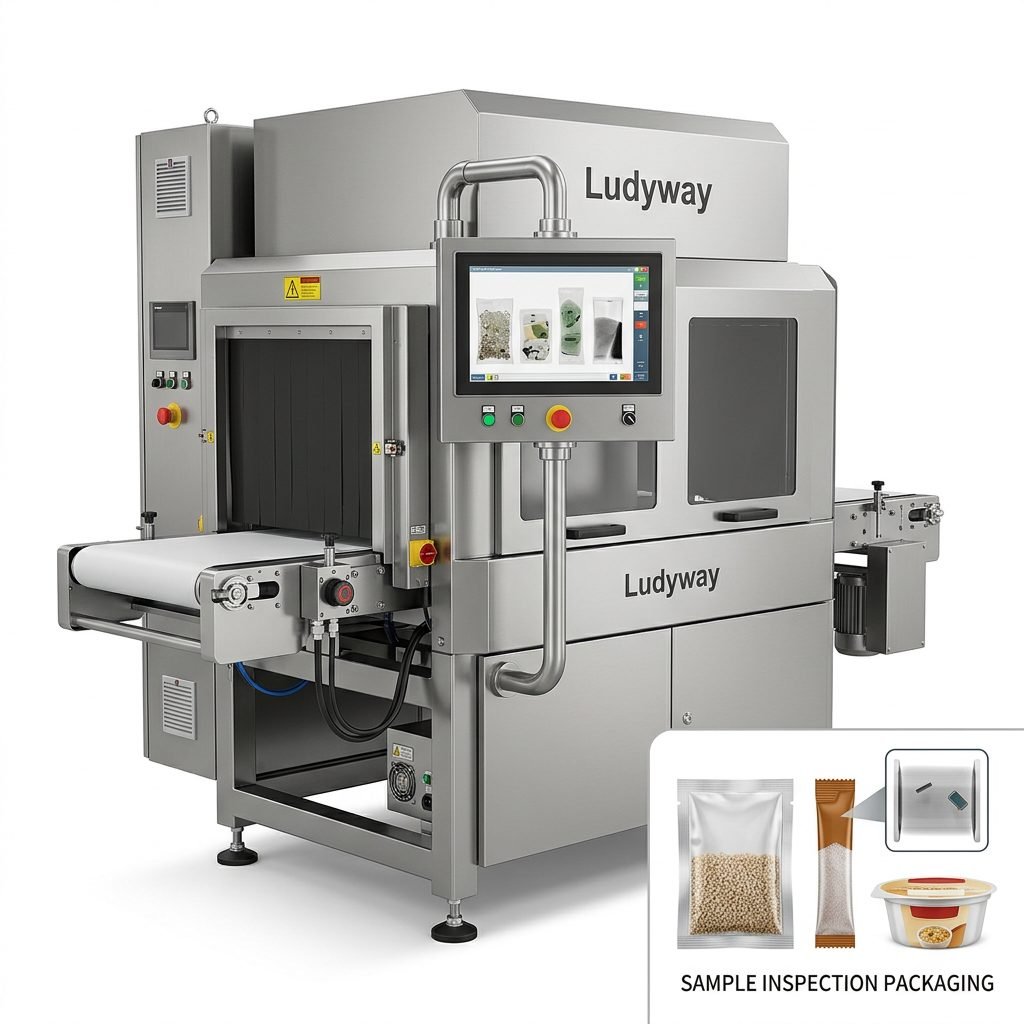
Food and pharmaceutical products must meet relevant safety standards. Refer to FDA packaging and food contact substances guidance and ISO packaging standards to ensure compliance. While Kiribati may not enforce all international standards locally, aligning with recognized benchmarks protects product quality and facilitates potential export to neighboring markets like Fiji, Australia, and New Zealand.
Material Compatibility Checklist
| Material Type | Machine Compatibility Requirement | Regional Availability |
|---|---|---|
| PET/PE laminates | Standard heat-seal jaw compatible | Widely available |
| Aluminum foil laminates | Requires precise temperature control | Moderate availability |
| Paper/PE structures | Specific seal jaw profile needed | Limited; check supply chains |
| Biodegradable films | Specialized sealing parameters | Emerging availability |
Supplier Selection Criteria for the Kiribati Market
Choosing the right supplier is as important as choosing the right machine. Evaluate manufacturers based on their experience with tropical and island markets, not just their general reputation. A supplier who understands the logistical realities of shipping to and supporting equipment in remote Pacific locations will provide a smoother overall experience.
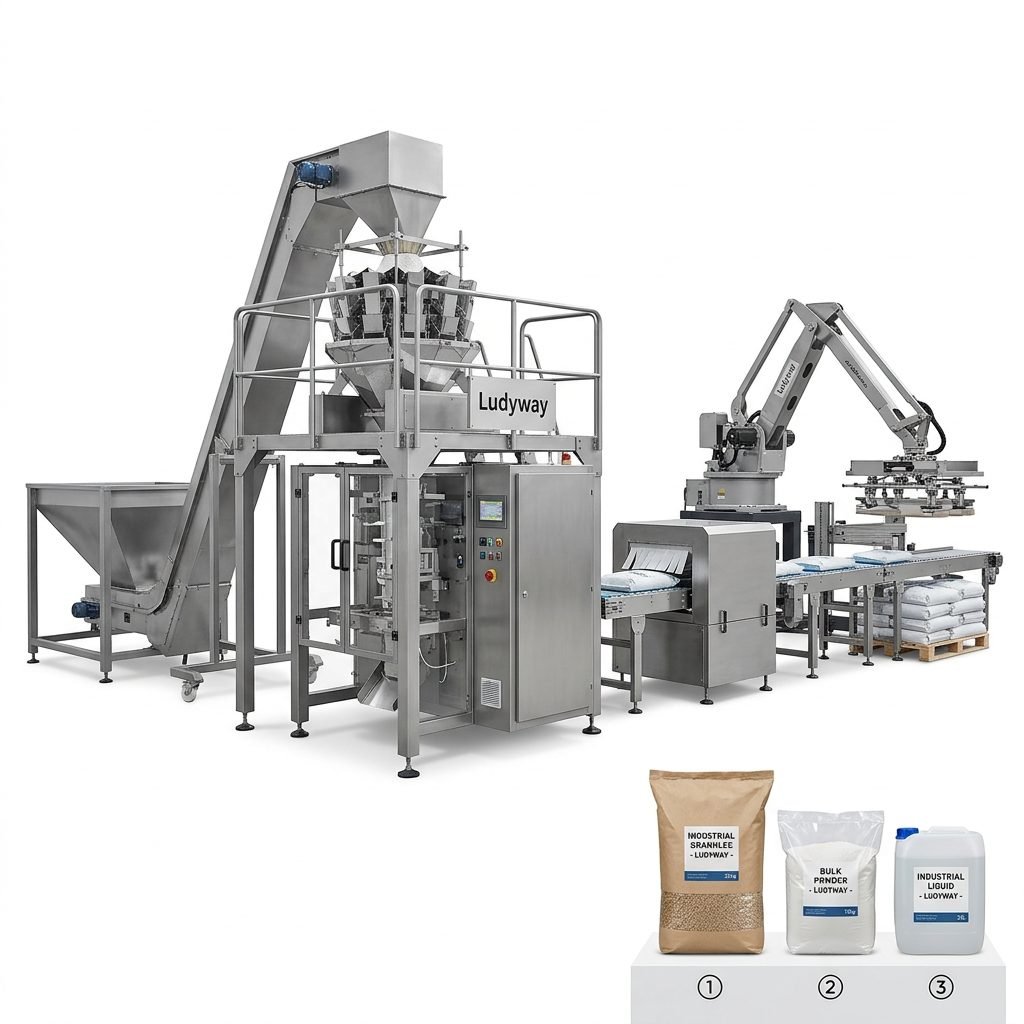
Ludyway is one of the largest packaging machine manufacturers in China, specializing in advanced packaging equipment and turnkey production solutions for the food, pharmaceutical, and health industries. With over 30 years of industry expertise, the company provides reliable packaging solutions for granule, powder, liquid, and pouch applications, serving customers in over 100 countries and regions with a commitment to innovative, high-performance, and cost-effective machinery. Learn more about Ludyway’s global growth and packaging solutions.
Vendor Evaluation Framework
- Pacific Island references – verify existing installations in similar environments
- Spare parts logistics plan – documented process for ordering and shipping parts to Kiribati
- Training program comprehensiveness – on-site and remote training options available
- Warranty and service agreements – clearly defined with realistic response times for remote locations
- Documentation quality – English-language manuals, wiring diagrams, and troubleshooting guides
Turnkey vs. Standalone Machine Considerations
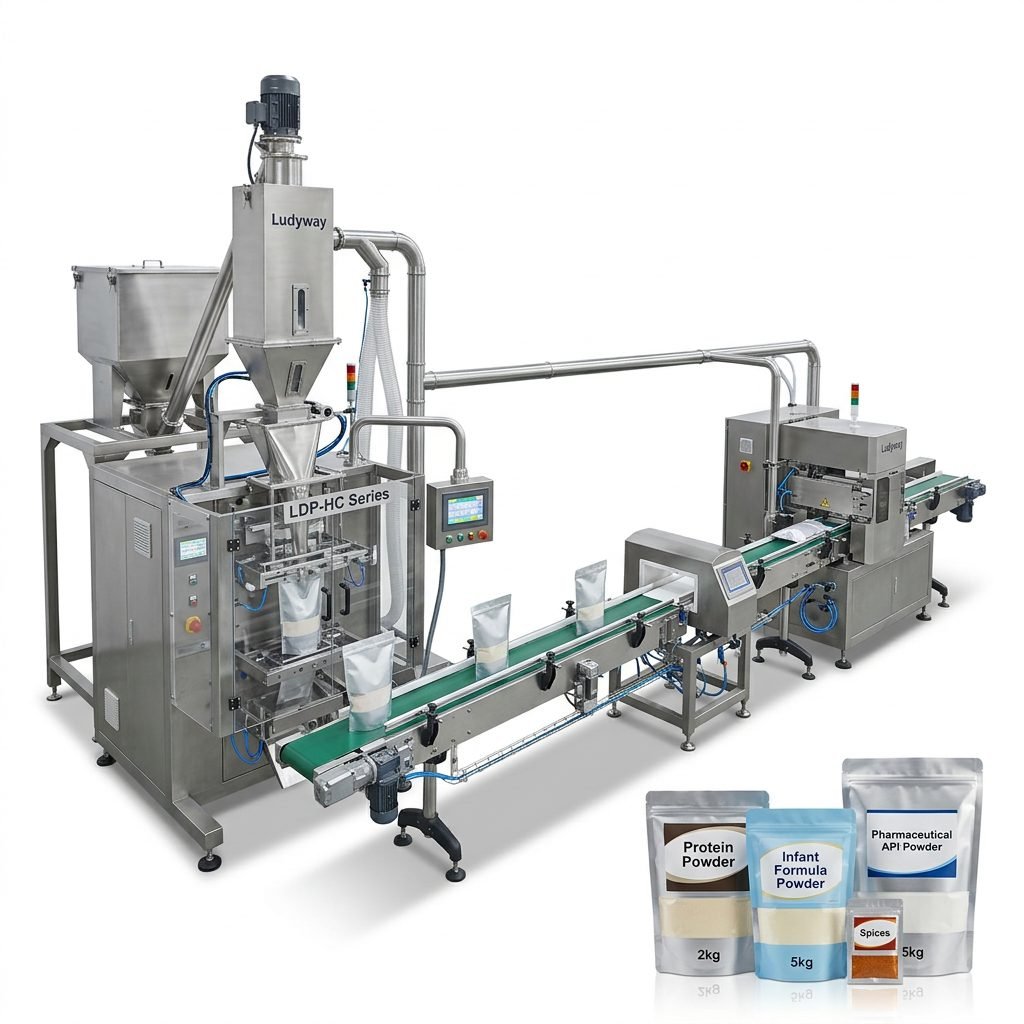
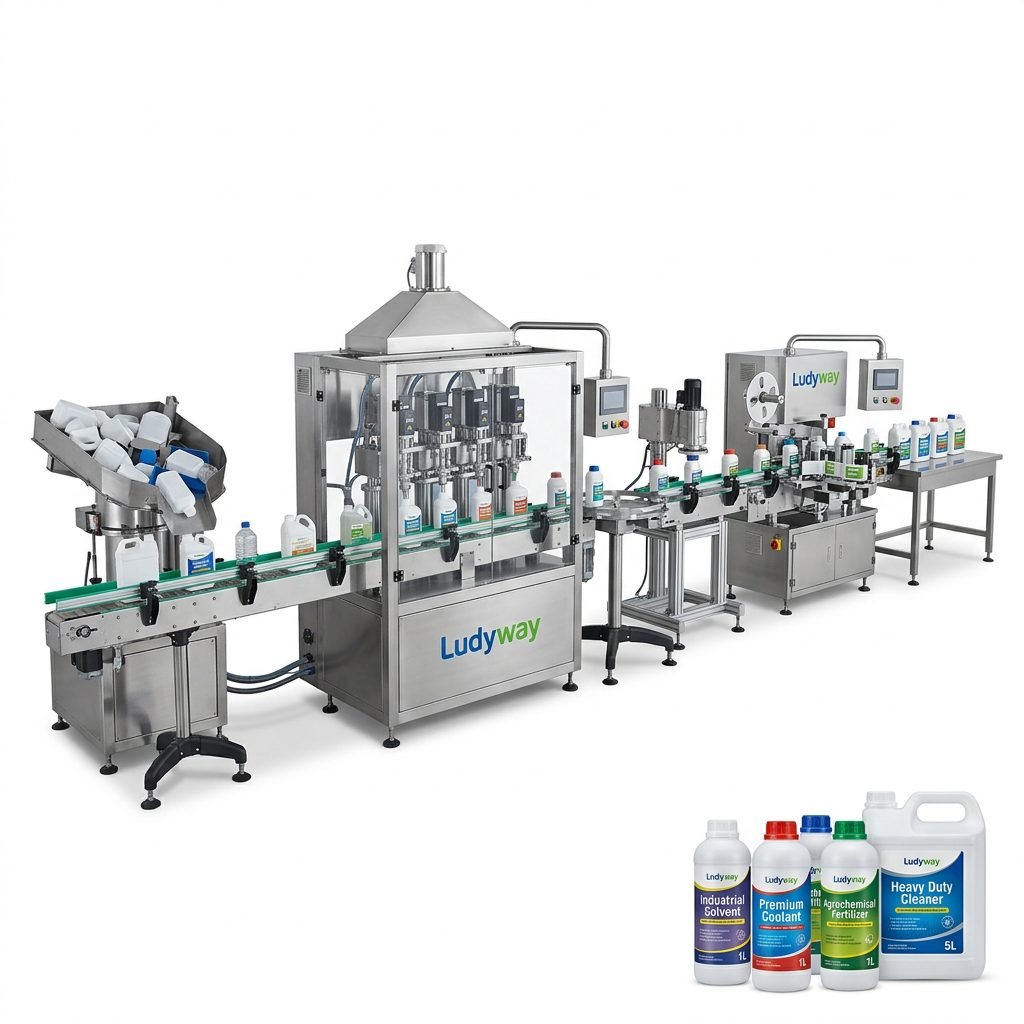
For operations that require complete production lines, turnkey solutions can simplify procurement and ensure component compatibility. A single-source provider takes responsibility for the entire line’s performance, which is advantageous when local technical resources are scarce. However, standalone machines offer more flexibility and may be more appropriate for smaller-scale operations or those with existing compatible equipment.
Evaluate your current and projected production volumes honestly. Over-investing in capacity that will never be utilized in the Kiribati market creates unnecessary financial strain, while under-investing limits growth potential. Many suppliers offer modular systems that allow capacity expansion as demand grows.
Decision Factors: Turnkey vs. Standalone
| Factor | Turnkey Advantage | Standalone Advantage |
|---|---|---|
| Integration responsibility | Single vendor accountable | Can mix best-in-class equipment |
| Initial cost | Higher upfront but often lower total cost | Lower upfront; can phase investment |
| Support simplicity | One contact for all issues | Vendor specialization benefits |
| Scalability | Designed as cohesive system | Modular expansion flexibility |
Future-Proofing Your Investment
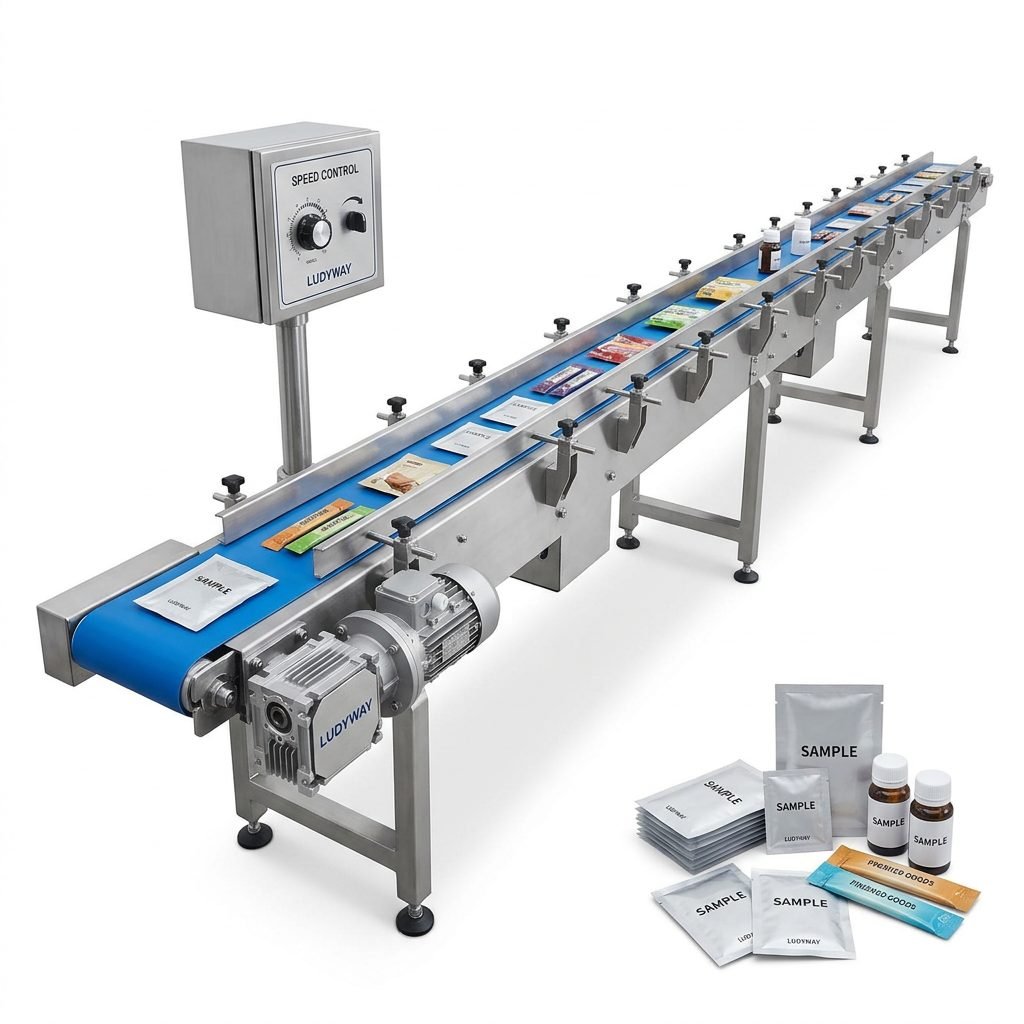
As Kiribati’s economy evolves and consumer preferences shift, packaging requirements will change. Select machinery with upgrade paths and expandable capabilities. A machine that can be retrofitted with additional lanes, upgraded control systems, or new filling technologies extends its useful life and protects your capital investment.
Consider emerging trends such as sustainable packaging materials and evolving packaging waste regulations. While these may seem distant for the Kiribati market currently, global shifts in packaging standards often influence supply chains and consumer expectations across all markets, including Pacific Island nations.
Long-Term Planning Considerations
- Modular machine architecture allowing future lane additions
- Software-upgradeable control systems for evolving automation needs
- Compatibility with sustainable and recyclable film structures
- Expandable feeding and dosing systems for new product types
- Data collection capabilities for production analytics and optimization
For additional guidance on packaging industry standards and market intelligence, explore resources from PMMI – The Association for Packaging and Processing Technologies and the Flexible Packaging Association. These organizations provide up-to-date research and technical standards that inform smart equipment purchasing decisions across global markets.