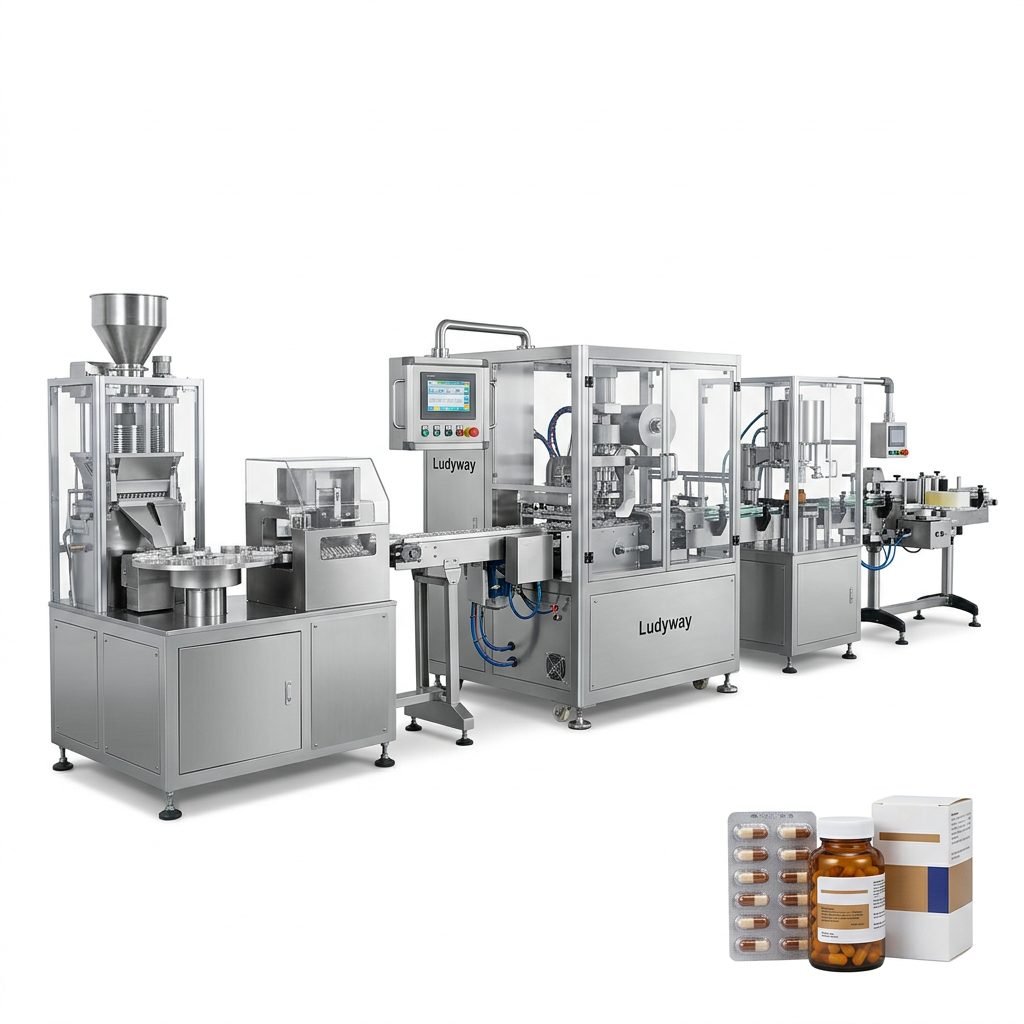
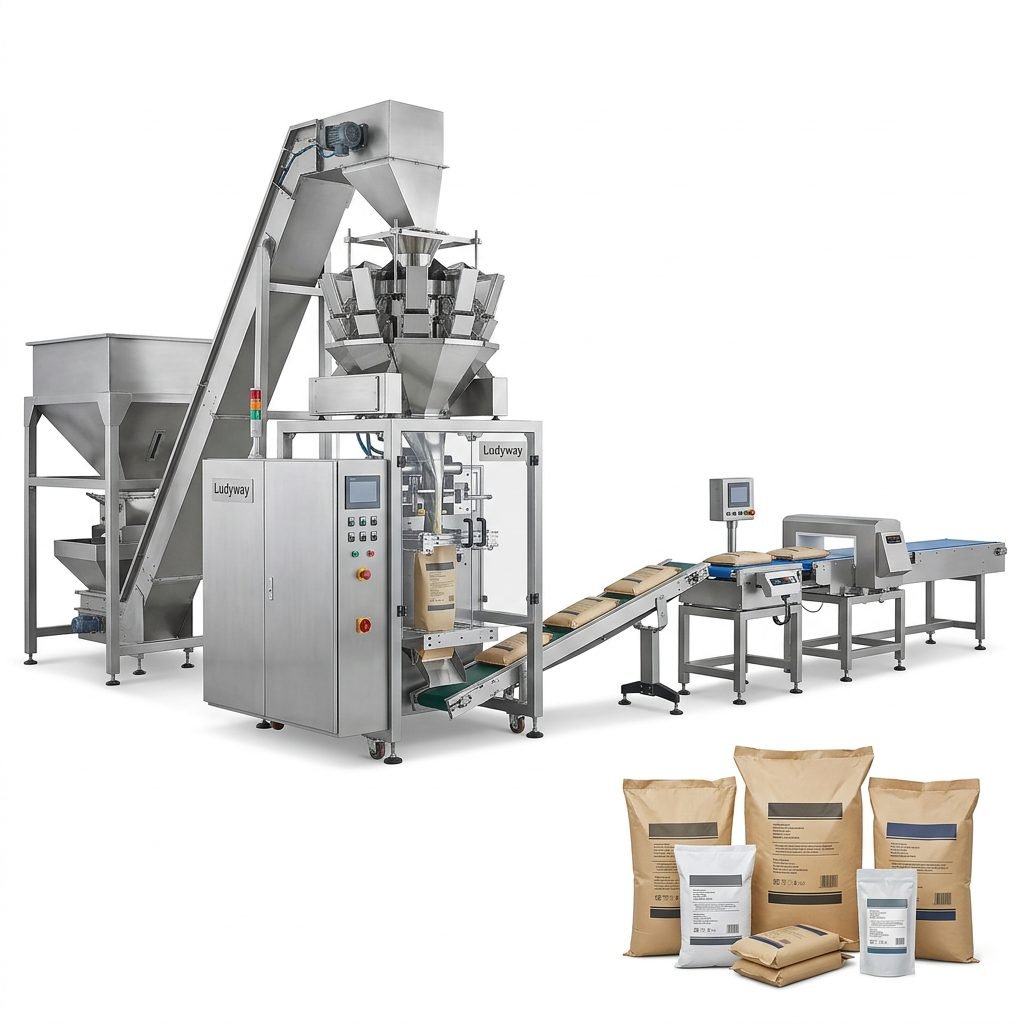
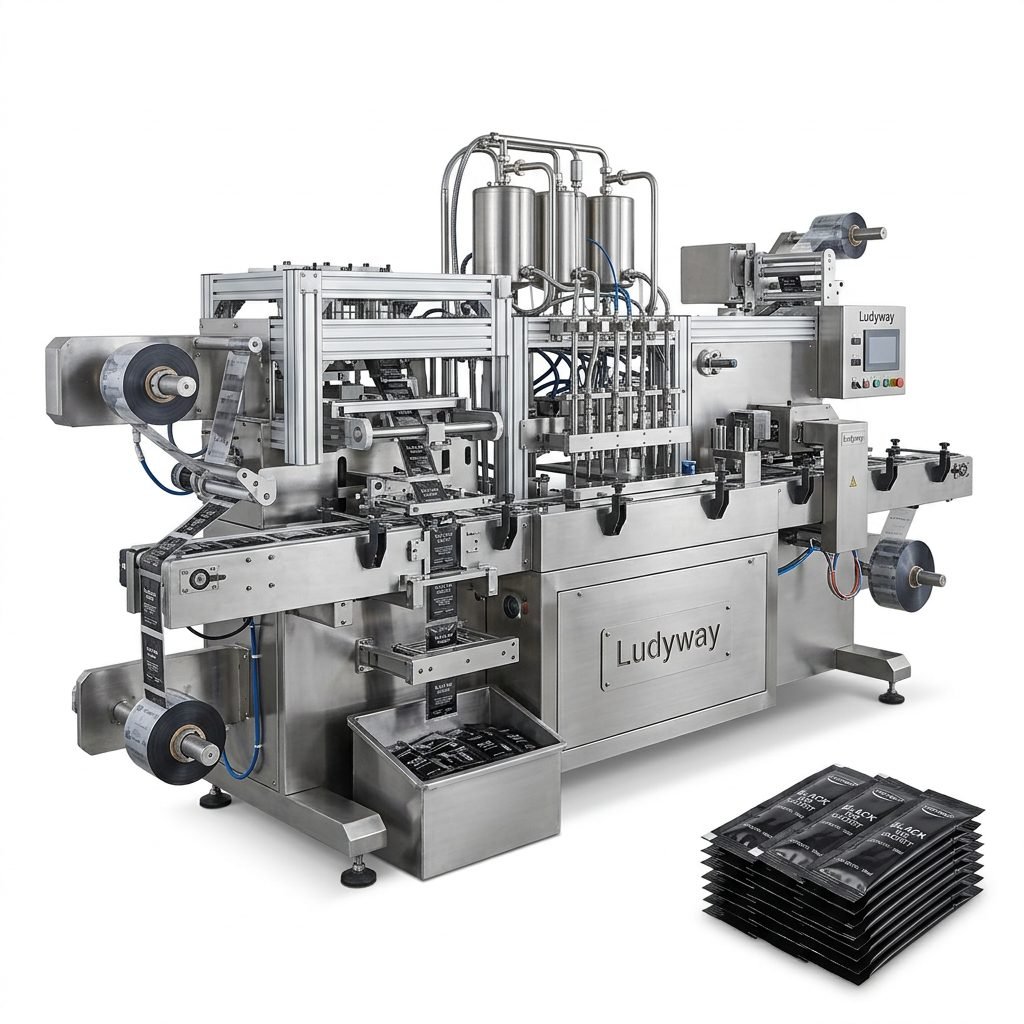
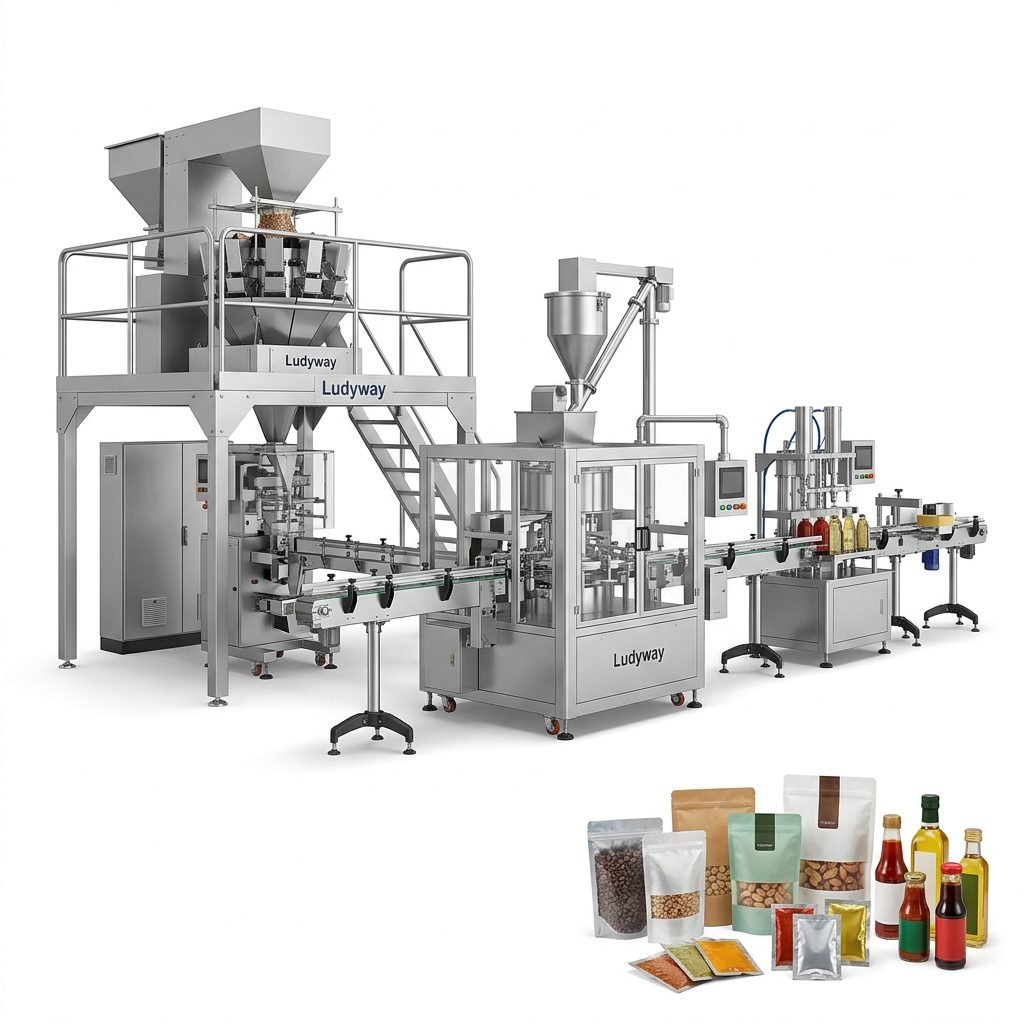
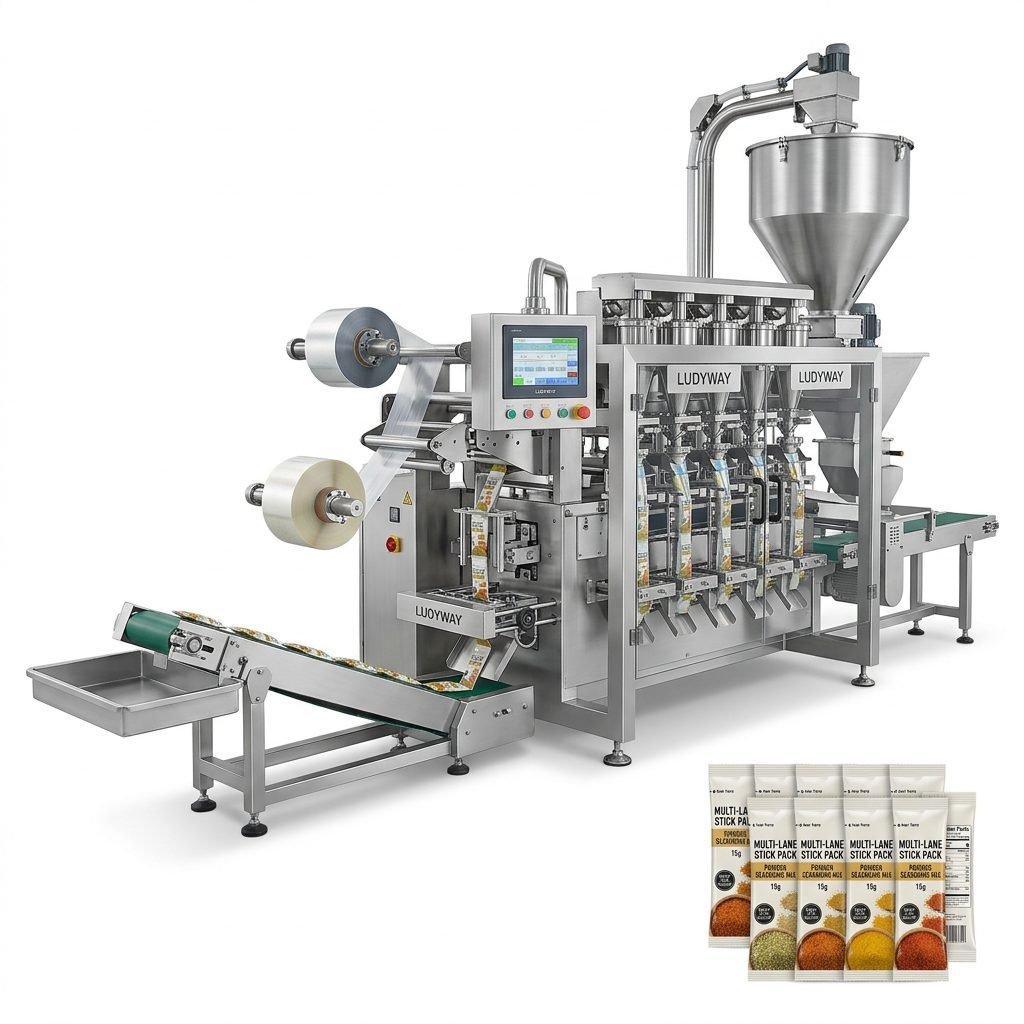
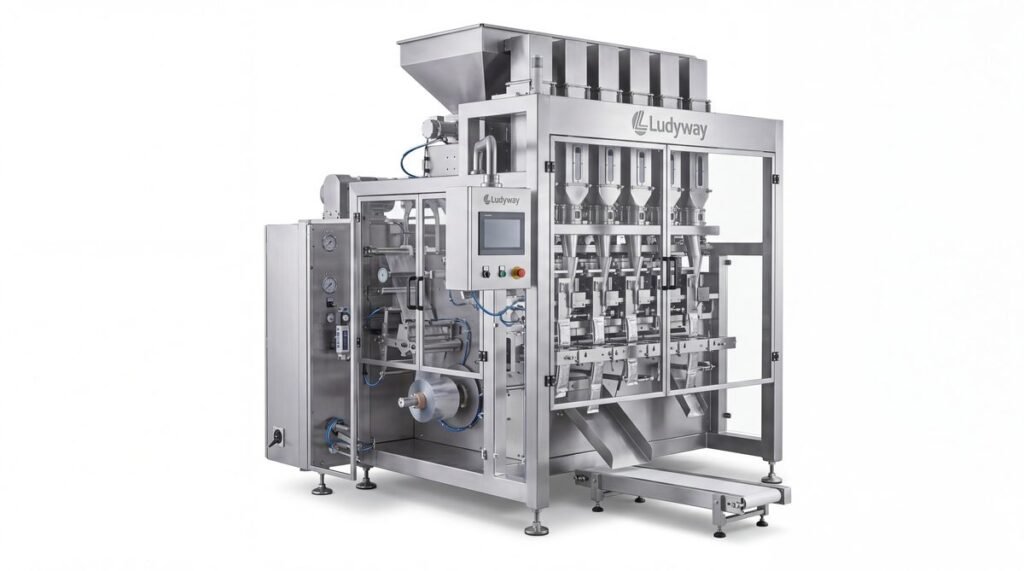
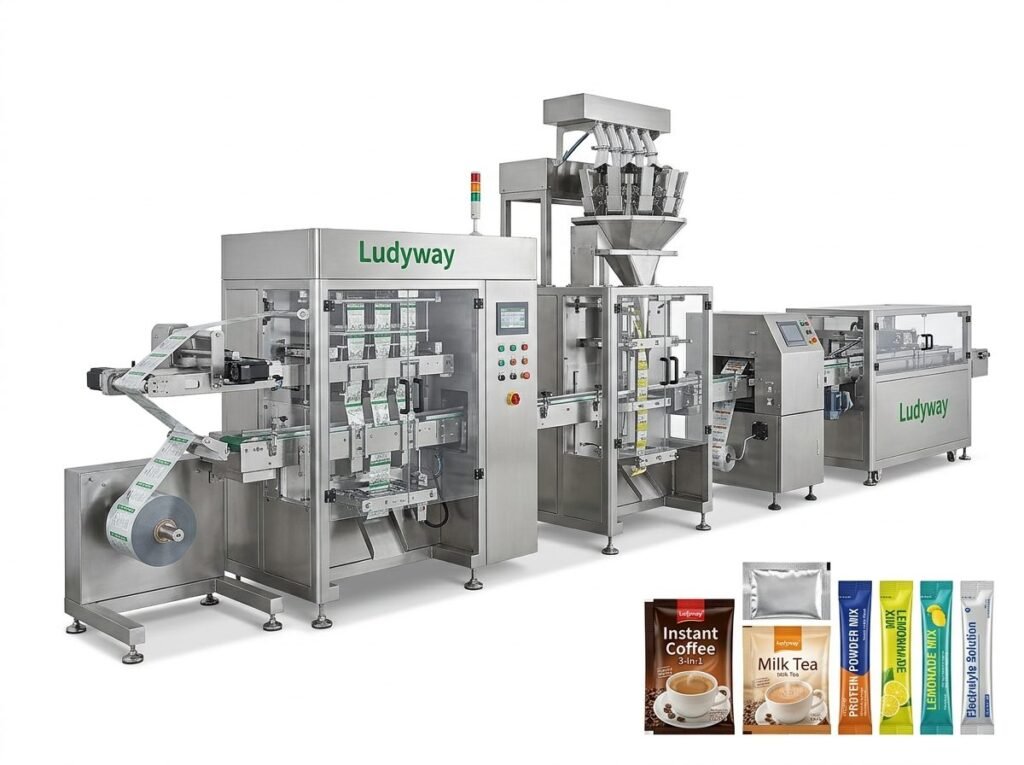
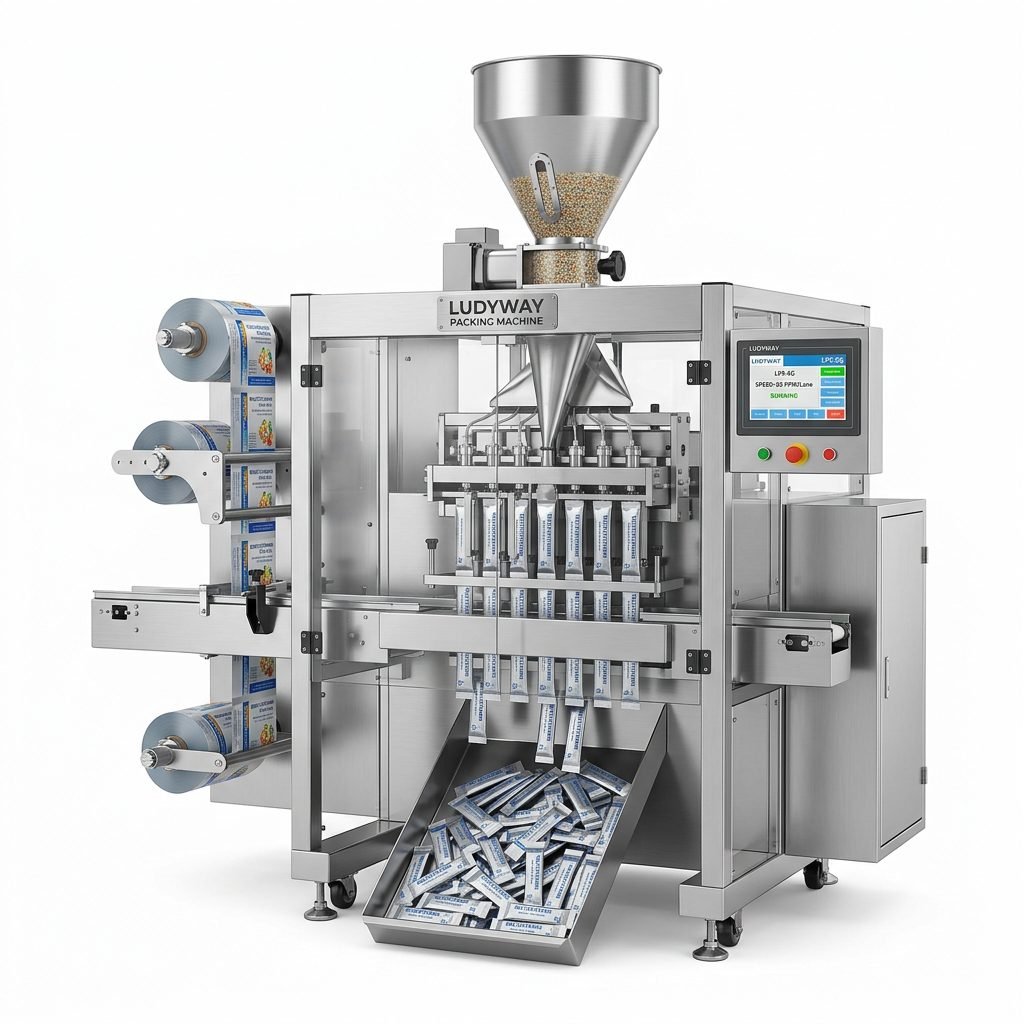
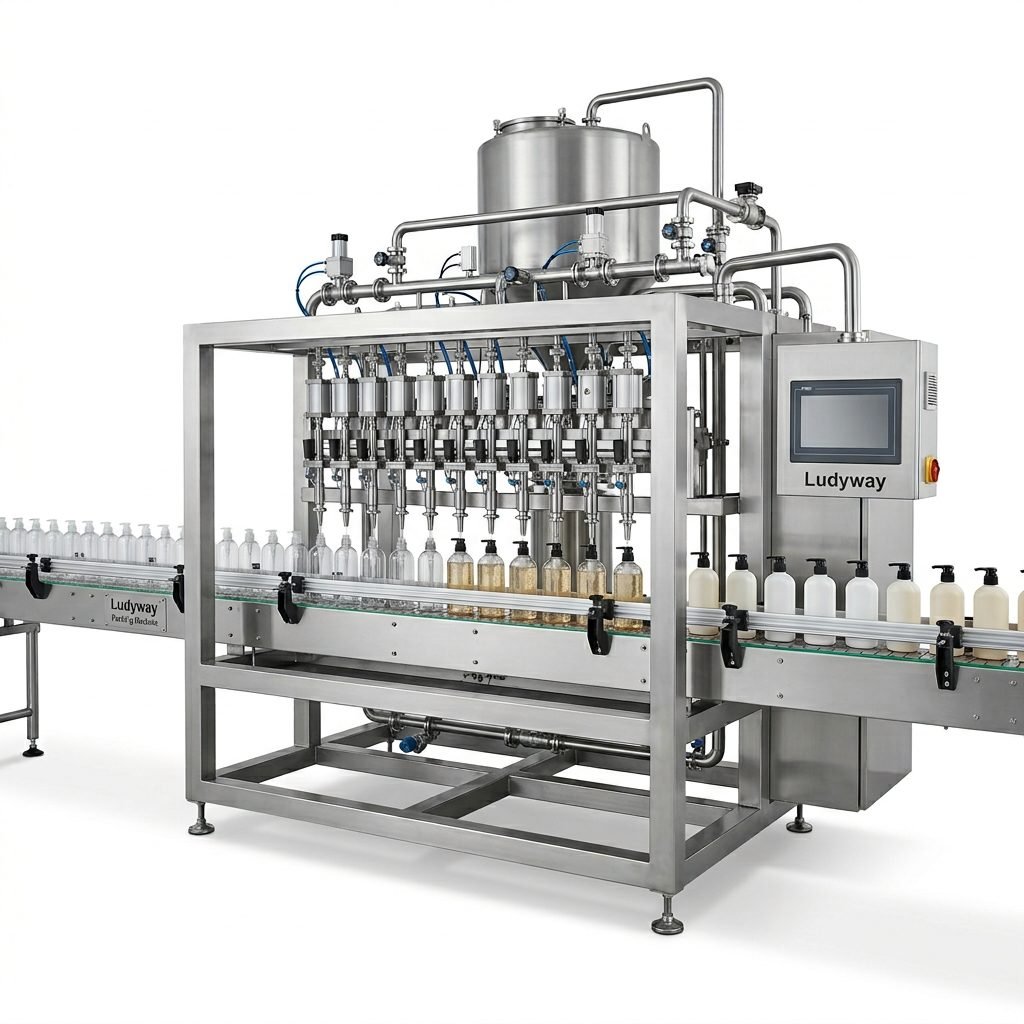
A skin packaging machine is widely used to create tight, tamper-evident, retail-ready packs that hold products firmly in place while presenting them clearly to buyers. For brands in food, hardware, medical supplies, consumer goods, and industrial accessories, this packaging method helps reduce movement, improve shelf appearance, and support safer transport.
If your business is looking for dependable automated packaging equipment, Ludyway skin packaging machine solutions can be part of a broader packaging automation strategy, especially for manufacturers that need stable output, customization, and integrated line support.
What Is Skin Packaging?
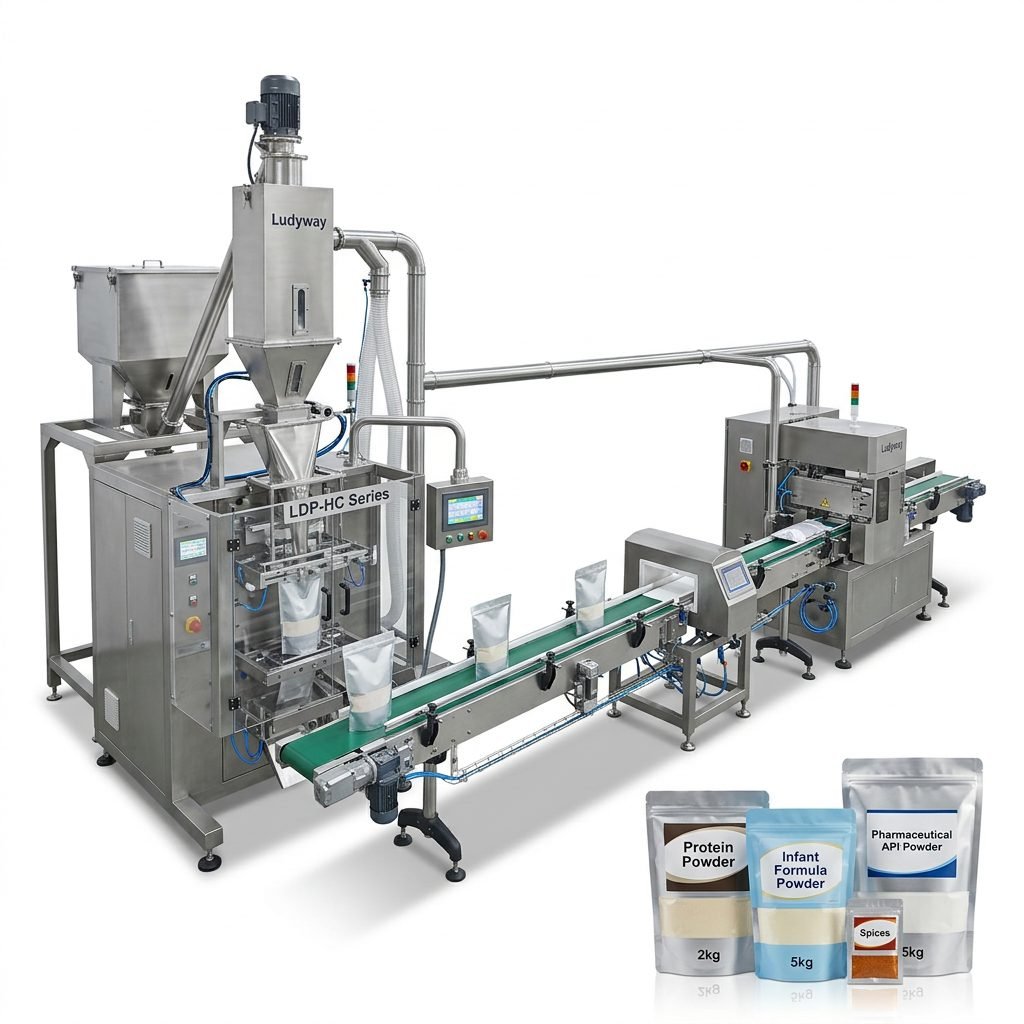
Skin packaging is a process in which a heated plastic film is drawn tightly over a product and attached to a backing material, usually cardboard or a specialty substrate. The film conforms closely to the contours of the product, creating a “second-skin” effect. This style of packaging combines visual presentation with product restraint, making it ideal for items that must remain fixed during storage, shipping, and retail display.
Why manufacturers choose skin packaging
- Strong product visibility for retail merchandising
- Secure holding performance for irregularly shaped items
- Reduced product shifting during transit
- Professional and clean shelf presentation
- Good compatibility with hanging display formats
- Improved tamper evidence for certain applications
How a Skin Packaging Machine Works
A typical skin packaging machine follows a simple but highly controlled sequence. First, the product is positioned on the backing board. Then the film is heated until it becomes flexible. Vacuum pressure draws the film tightly around the product and onto the board surface. Finally, the package is sealed and trimmed for a neat, consistent finish.
Core working steps
- Place the product on the backing card or substrate
- Load the film into the machine
- Heat the film to the proper forming temperature
- Apply vacuum to contour the film around the product
- Seal the film to the backing material
- Trim and discharge the finished package
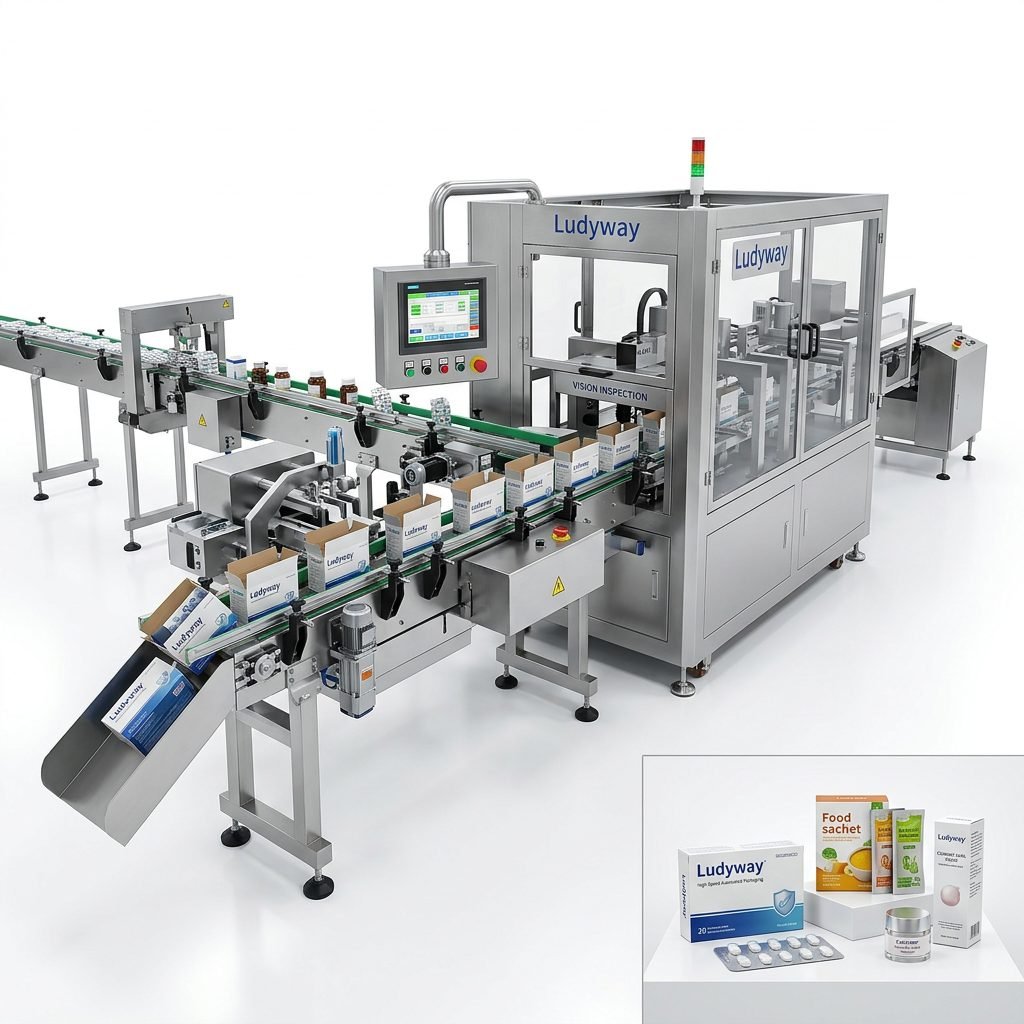
Advanced systems can include temperature control, vacuum regulation, conveyor automation, automatic feeding, coding, inspection, and downstream cartoning or case packing. These features help ensure consistent package quality across long production runs.
Main Benefits of a Skin Packaging Machine
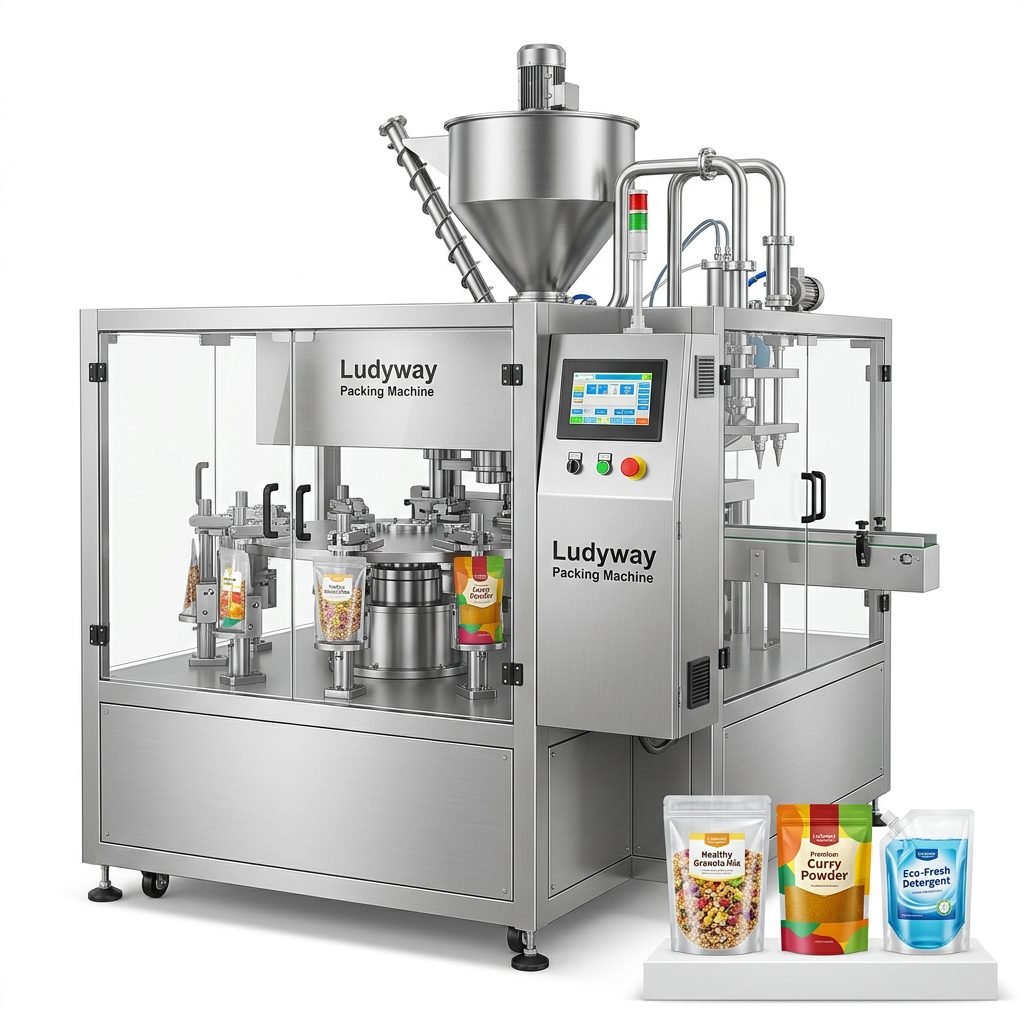
Investing in the right machine does more than automate sealing. It supports production efficiency, product protection, and brand value.
| Benefit | Business Value |
|---|---|
| Secure product holding | Helps prevent movement, scratches, and presentation damage |
| Professional appearance | Improves shelf impact and customer trust |
| Packaging efficiency | Reduces manual labor and increases throughput |
| Versatile application | Suitable for hardware, tools, parts, medical items, and retail products |
| Consistent sealing quality | Supports standardized packaging and fewer rejects |
Industries That Use Skin Packaging Machines
Skin packaging is valued across many sectors because it can securely display products with different sizes, weights, and shapes.
Common application sectors
- Hardware and tools such as drill bits, screws, fittings, and hand tools
- Automotive parts including small replacement components and accessories
- Medical and healthcare supplies that require neat and visible presentation
- Consumer goods such as batteries, stationery, accessories, and home-use items
- Food applications in specific cases where display and fixation are important
- Industrial spare parts for organized retail or warehouse distribution
Key Features to Look for in a Skin Packaging Machine
Not all machines are equal. Choosing the right system depends on your products, packaging material, output target, and future expansion plans.
Important evaluation points
| Feature | Why It Matters |
|---|---|
| Stable heating system | Maintains even film forming and better seal quality |
| Reliable vacuum performance | Ensures close contouring around the product |
| Material compatibility | Supports different films and backing boards |
| Fast changeover | Improves flexibility for multiple product formats |
| User-friendly controls | Reduces training time and operator errors |
| Integration capability | Works with feeding, coding, inspection, and end-of-line systems |
Manual, Semi-Automatic, or Automatic?
The best machine type depends on your production scale:
Manual systems
Suitable for low-volume operations, sample packaging, or small workshops. Lower investment, but more labor dependent.
Semi-automatic systems
A practical option for growing businesses that want improved consistency and moderate output without a fully automated line.
Automatic systems
Best for medium to high-volume manufacturing environments where speed, repeatability, and lower unit labor cost are priorities.
How to Choose the Right Skin Packaging Machine
A good buying decision starts with a clear review of your packaging goals. Focus on total process fit rather than only machine price.
Questions to ask before buying
- What product sizes and shapes will be packed?
- What output per hour is required now and in the next 2–3 years?
- Which film and backing materials will be used?
- Do you need retail display packaging, transport security, or both?
- Will the machine be standalone or integrated into a larger line?
- How important are traceability, date coding, and quality inspection?
- What level of technical support and spare parts availability do you need?
Packaging Efficiency and Production Quality
A well-configured skin packaging machine can improve more than speed. It can also help standardize output quality, reduce damaged packaging, and simplify downstream handling. In competitive markets, this matters because product appearance directly affects retailer confidence and end-customer perception.
For manufacturers aiming to scale, automated packaging systems often contribute to:
- Lower packaging waste
- Better product fixation and appearance
- Improved packaging consistency
- Reduced labor intensity
- Higher line efficiency
- More reliable delivery schedules
Why Turnkey Packaging Capability Matters
Many buyers no longer want just a single machine. They want an equipment partner that understands upstream feeding, packaging, inspection, coding, cartoning, and end-of-line handling. This is especially important for businesses that expect production growth or multiple SKU formats.
A supplier with broad engineering and line integration experience can help reduce compatibility issues and shorten project implementation time. This becomes even more valuable when your packaging process must meet strict output, hygiene, or traceability requirements.
Maintenance Tips for Long-Term Performance
Routine maintenance is essential to keep a skin packaging machine operating at peak efficiency. Preventive care also helps avoid unnecessary downtime.
Basic maintenance checklist
- Clean heating and sealing areas regularly
- Inspect vacuum components and lines for leaks
- Check film feeding alignment and tension
- Verify sealing consistency on sample packs
- Lubricate mechanical parts as recommended
- Replace worn consumables before they affect production
- Train operators on standard setup and troubleshooting procedures
Who Should Invest in a Skin Packaging Machine?
This type of machine is a smart choice for companies that need secure, professional product packaging with strong visual appeal. It is especially suitable for manufacturers, contract packers, and brand owners that sell through retail, wholesale, e-commerce support channels, or industrial distribution networks.
Best-fit users include:
- Businesses packaging small to medium retail items
- Factories seeking more automation in packaging operations
- Brands improving shelf presence and package security
- Producers needing consistent, repeatable pack quality
- Companies planning future line expansion and integration
Final Considerations for Buyers
When comparing skin packaging machine options, focus on overall reliability, application suitability, after-sales support, and the supplier’s ability to provide scalable solutions. A machine that fits your current output but cannot adapt to future demand may create limitations later.
The right equipment should help you protect products, enhance visual presentation, support efficient production, and maintain a professional packaging standard across every batch. For businesses that value secure display packaging and automation-ready production, a modern skin packaging machine is a practical and strategic investment.