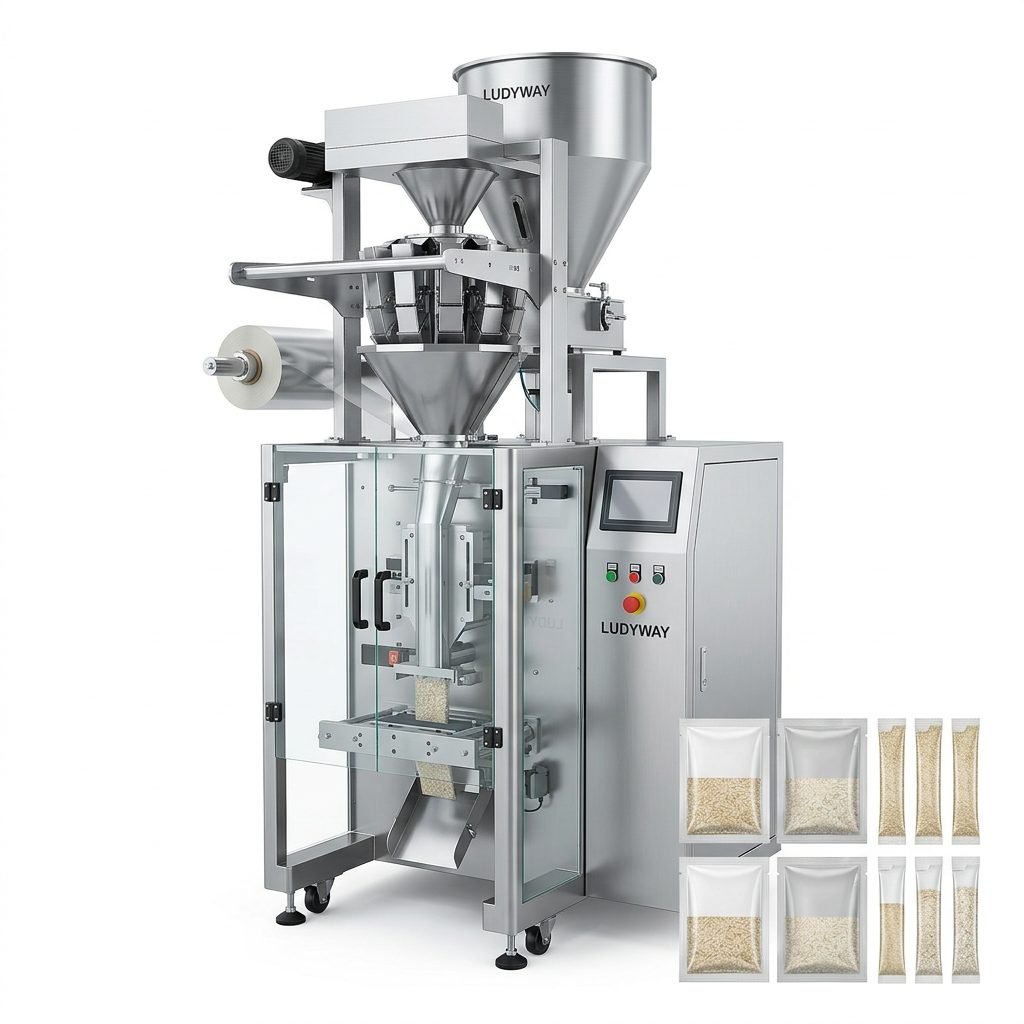
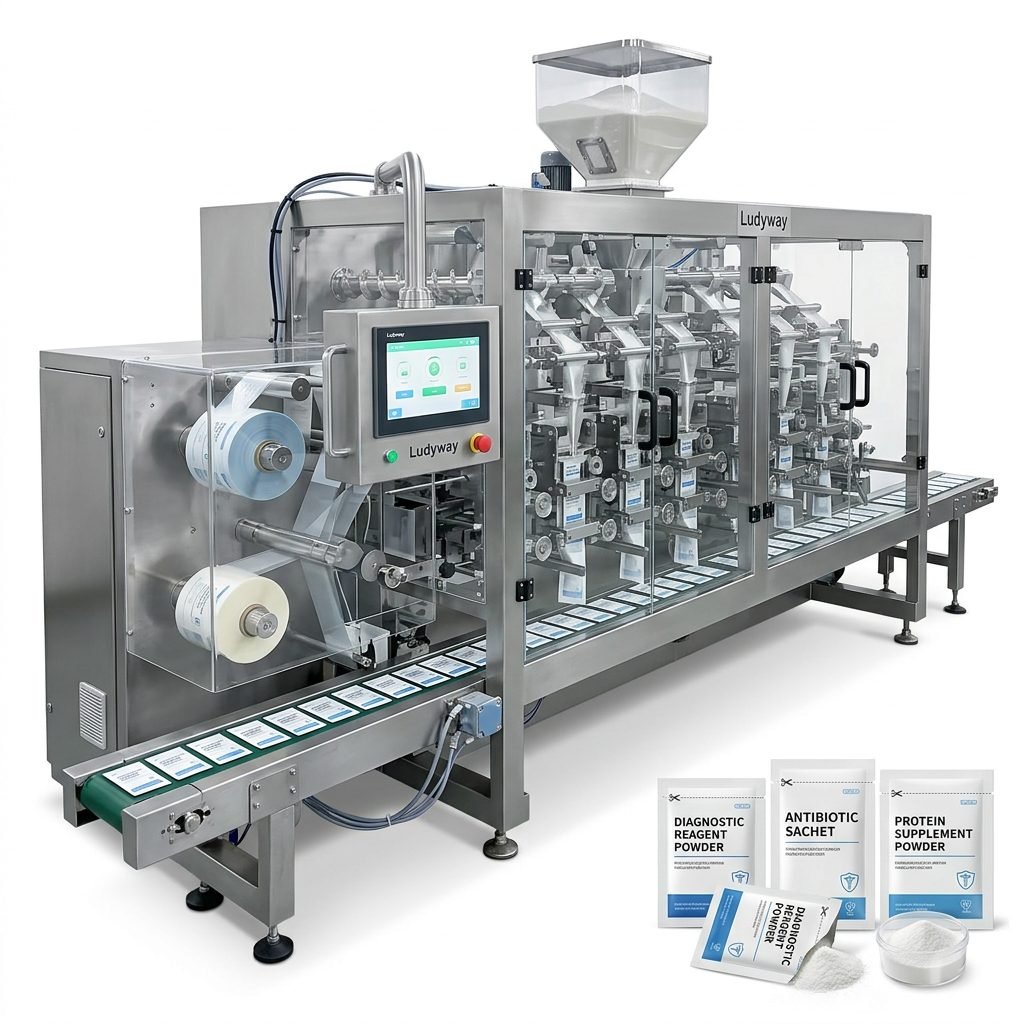
Investing in a battery packing machine is a strategic decision that directly impacts your production efficiency, product safety, and bottom line. Whether you’re packaging alkaline, lithium-ion, or button cells, the right automated system ensures precision, reduces labor costs, and maintains the integrity of every single unit. This guide walks you through the essential factors to consider before making a purchase.
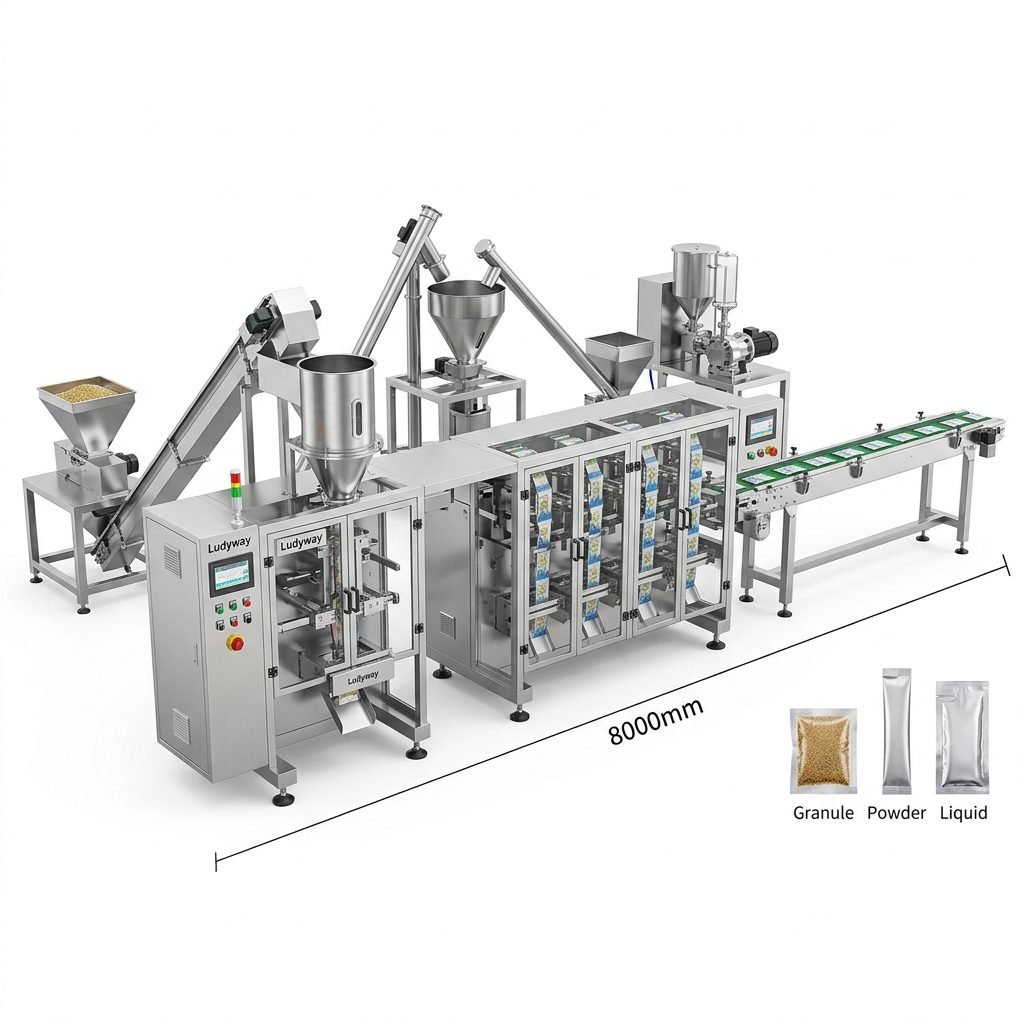
Understanding Battery Packaging Machine Types
Not all battery packing machines are created equal. The technology varies significantly based on the battery form factor and packaging material. Below is a breakdown of the most common configurations available in the market today.
| Machine Type | Best Suited For | Key Benefit |
|---|---|---|
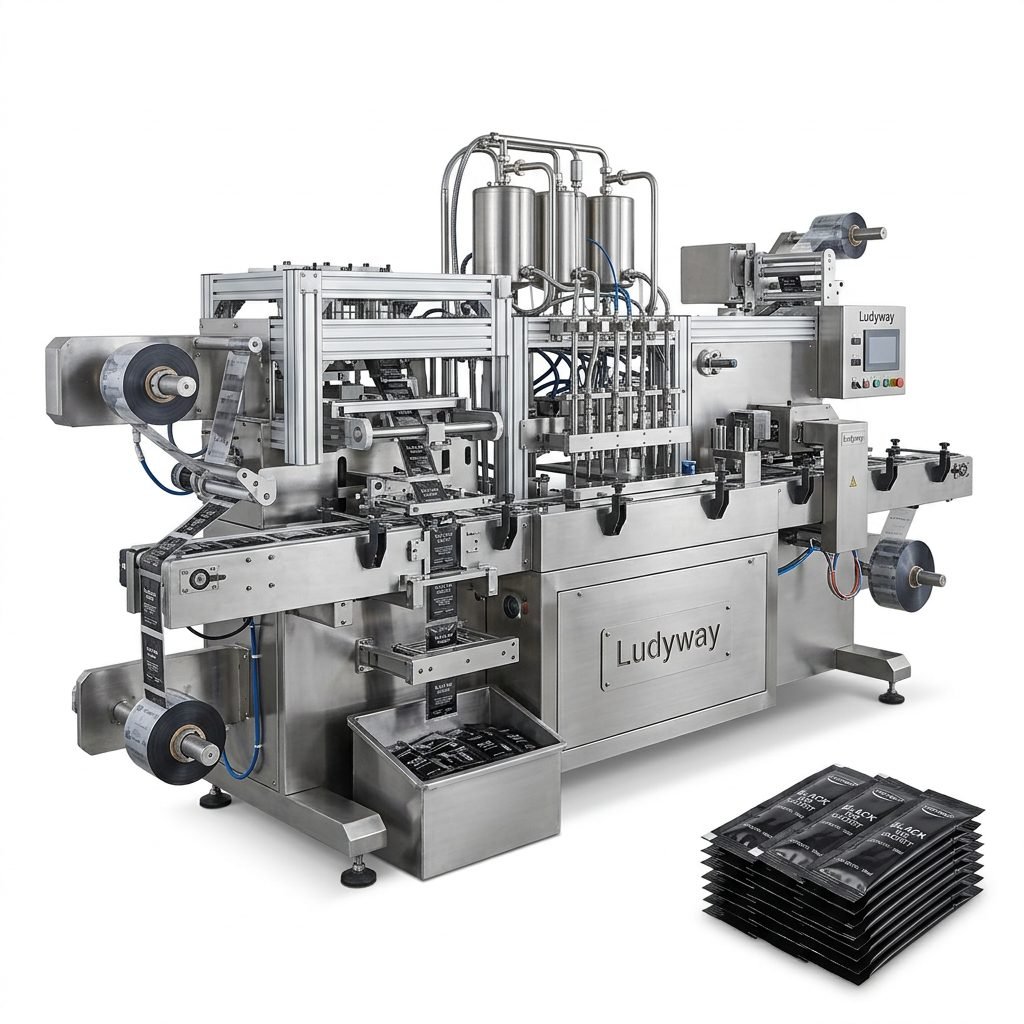
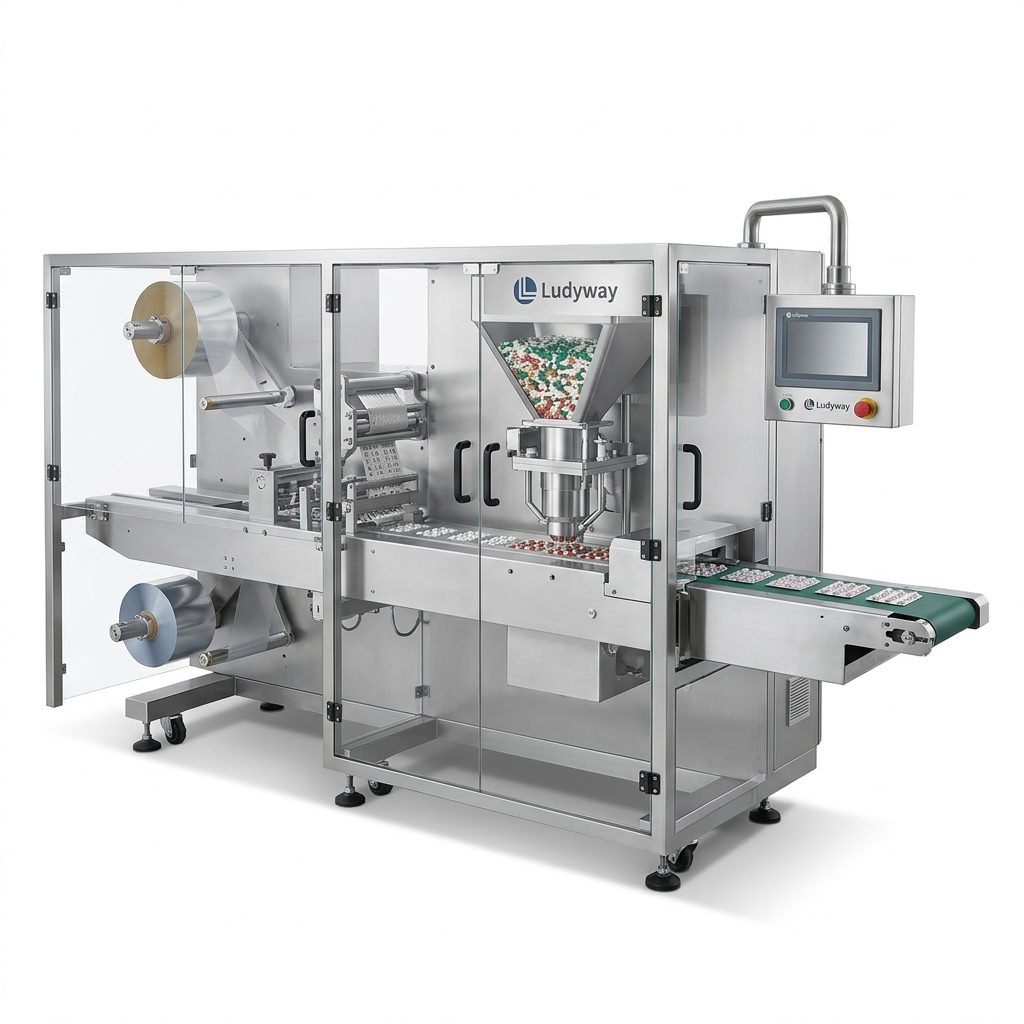
| Blister Packing Machines | Button cells, AA, AAA consumer packs | High visibility and retail-ready presentation |
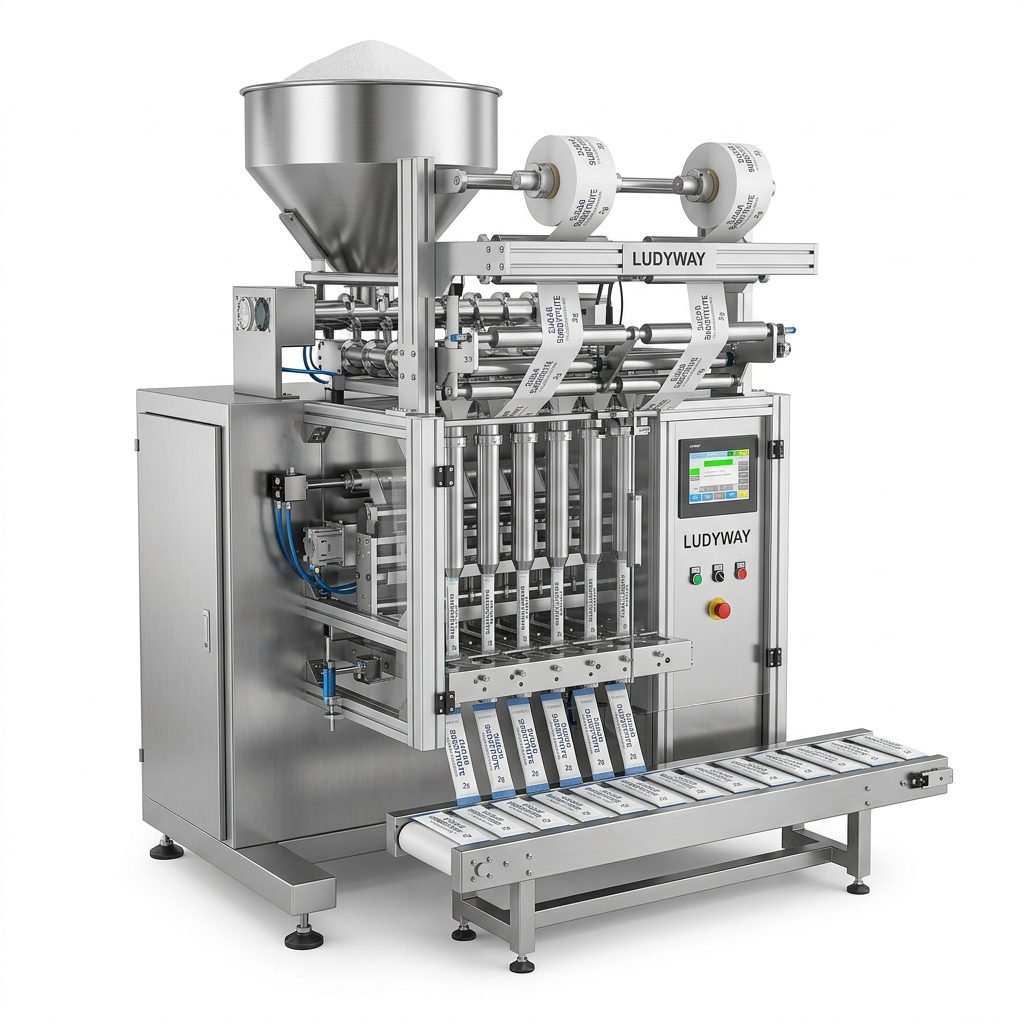
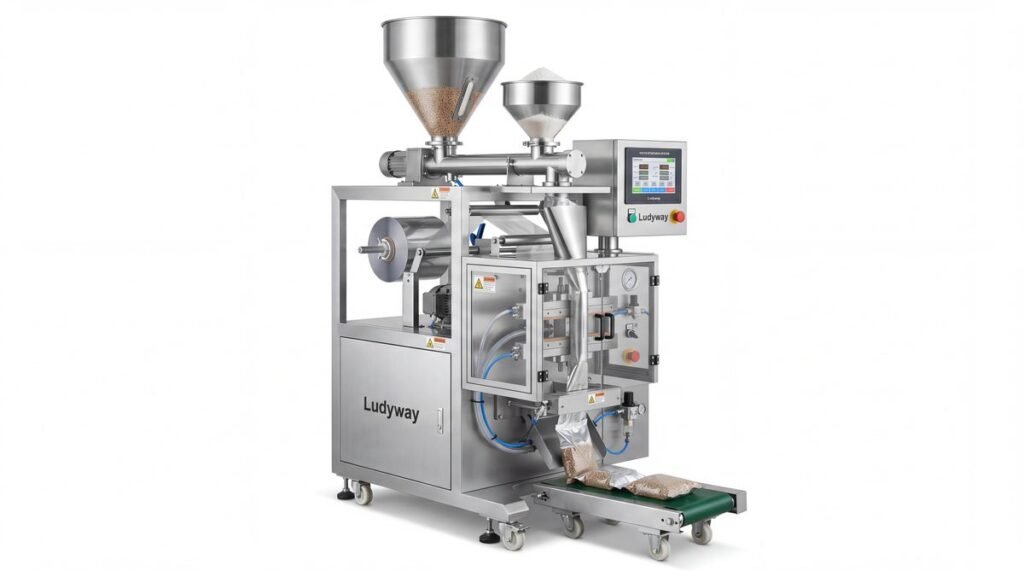
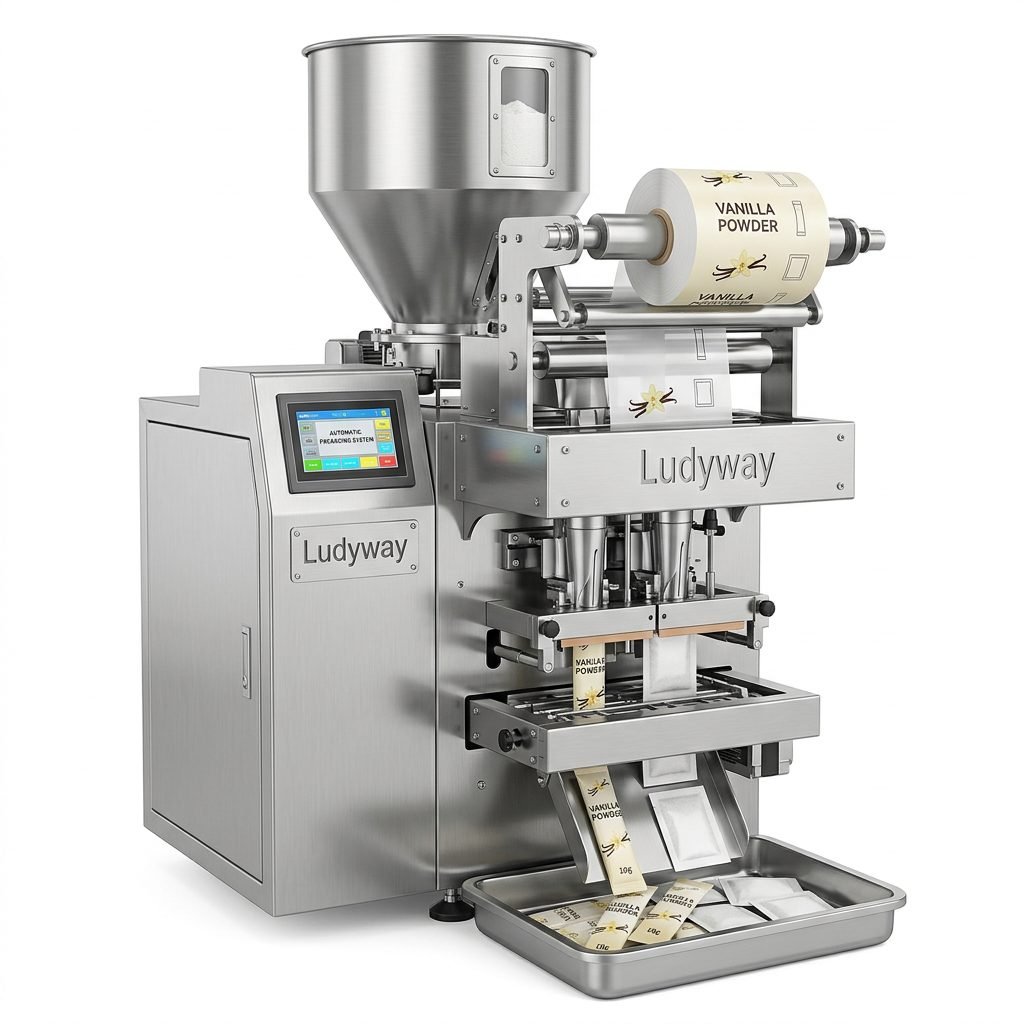
| Multi-Lane Stick Pack Machines | Loose cylindrical cells, small component kits | Ultra-high speed output with minimal film waste |
| Horizontal Flow Wrappers | Bulk battery packs, shrink-wrapped trays | Versatile for varied product sizes with quick changeover |
| Thermoforming Machines | Custom clamshell packs for premium lithium batteries | Superior protection and tamper resistance |
Selecting the right configuration begins with a clear understanding of your product dimensions and the packaging experience you want your customers to have. Partnering with a manufacturer that offers customized turnkey packaging solutions ensures the machine aligns perfectly with your operational needs.
Key Factors to Evaluate Before Buying
Before you compare models or request quotes, establish your non-negotiable requirements. The following criteria will help you filter options and avoid costly oversights.
1. Battery Type and Product Characteristics
An alkaline AA battery has fundamentally different handling requirements than a fragile lithium pouch cell or a heavy lead-acid unit. Your machine must accommodate the exact weight, dimensions, and surface sensitivity of your product. Consider whether the machine’s feeding system can handle the shape without jamming or causing cosmetic damage. For instance, cylindrical batteries require specialized orienting mechanisms, while flat cells demand gentle pick-and-place robotics.
2. Production Speed and Output Capacity
Throughput is measured in packs per minute (PPM), but your evaluation should go deeper. A machine rated for 200 PPM might achieve that only under ideal conditions with a specific film type. Ask for documented performance data with your actual materials. High-speed lines benefit from multi-lane configurations that multiply output without proportionally increasing floor space. Factor in future growth—selecting a platform that can be upgraded or scaled protects your investment as demand increases.
3. Packaging Material Compatibility
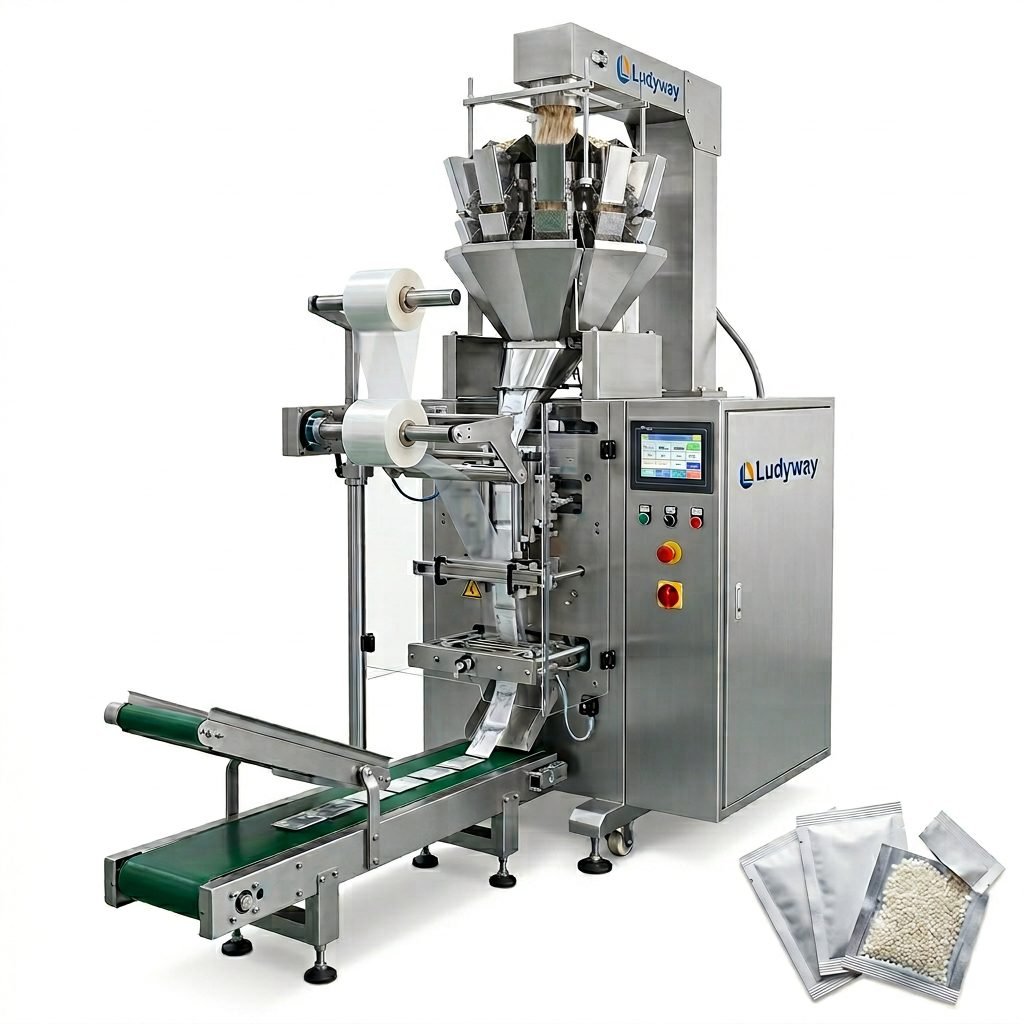
The sealing system must be precisely matched to your chosen packaging film—whether PVC, PET, polypropylene, or aluminum-laminated composites. Temperature control accuracy is critical: too low and seals fail; too high and material warps or burns. Advanced machines offer programmable temperature profiles and dwell time adjustments for different material recipes, reducing setup time during changeovers.
4. Automation and Integration Level
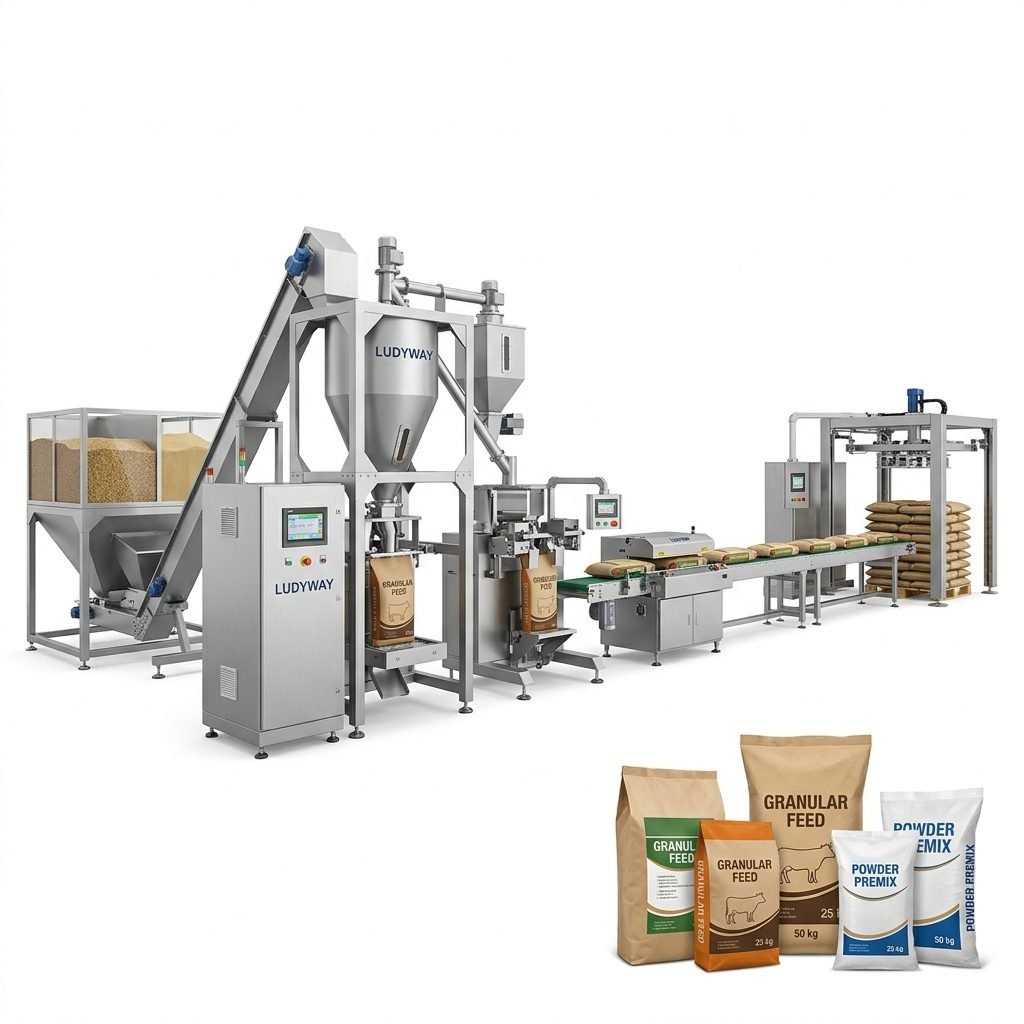
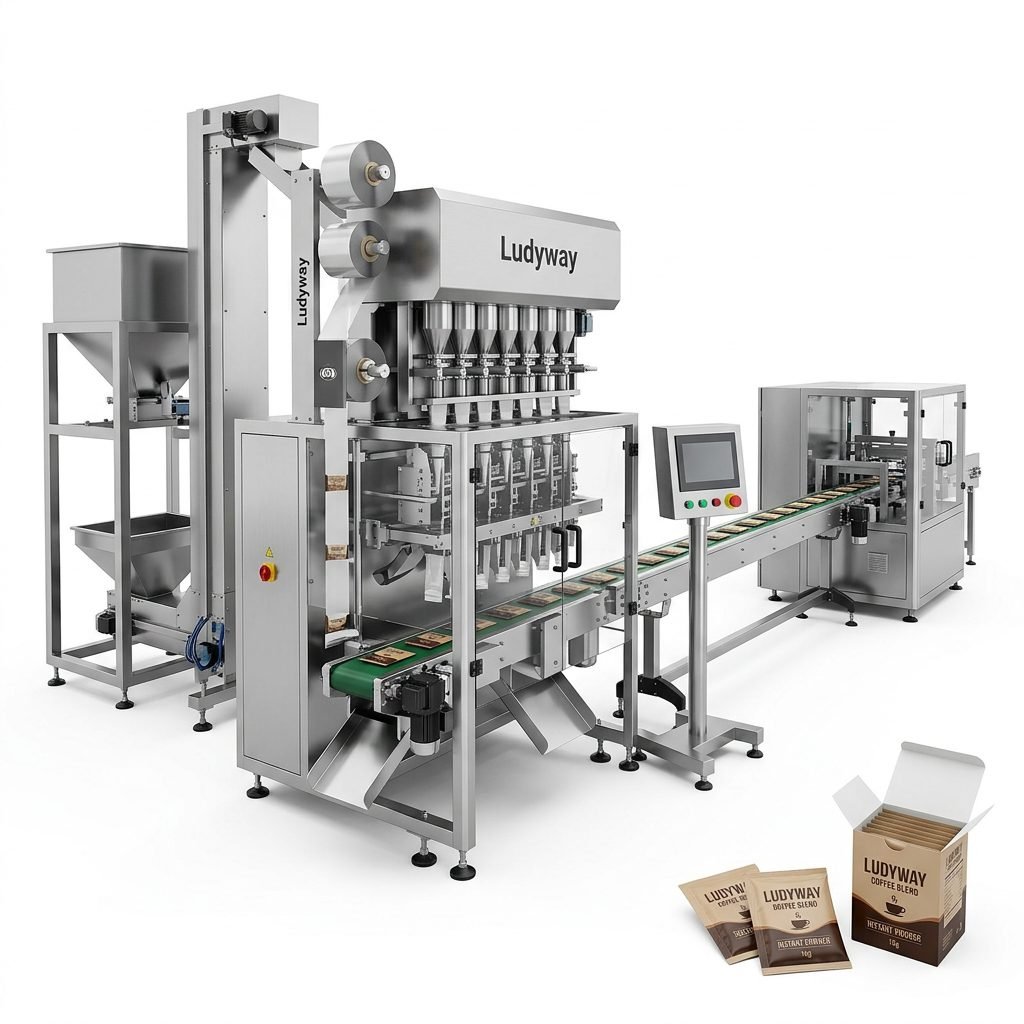
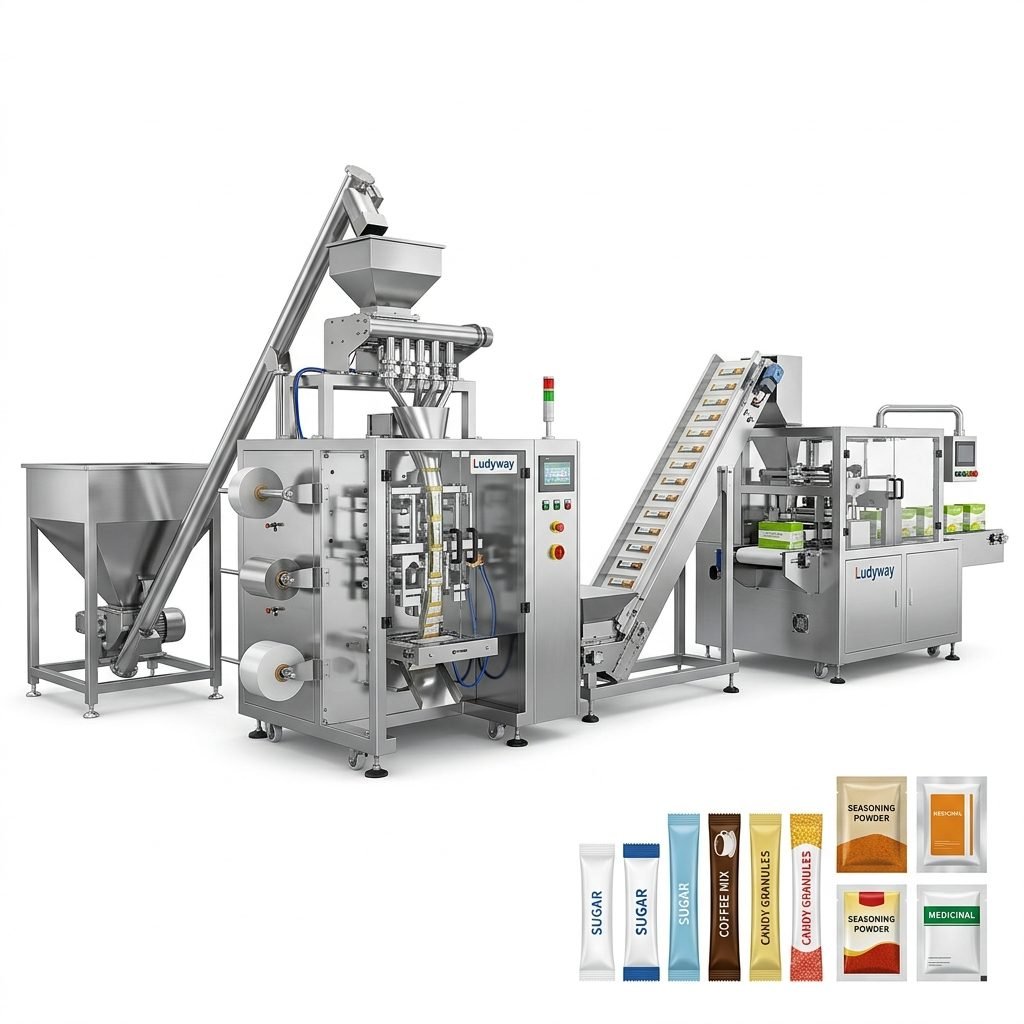
A standalone machine might suffice for a small operation, but mid-to-large manufacturers benefit from an integrated line. Consider whether you need automatic feeding, counting, printing, labeling, and cartoning in one seamless flow. Moving to a fully integrated system minimizes manual touchpoints, improves traceability, and helps you meet tightening regulatory standards. According to industry trends highlighted by PMMI’s business intelligence resources, automation adoption in packaging continues to accelerate as labor availability challenges persist.
Safety, Standards, and Regulatory Compliance
Battery packaging carries unique safety responsibilities—especially for lithium-based chemistries. A responsible machine builder designs equipment with these concerns at the forefront.
- Explosion Prevention: Is the electrical system rated for environments where flammable electrolytes may be present? Look for ATEX or NFPA compliance where applicable.
- Short Circuit Protection: Conveyor designs must prevent terminal-to-terminal contact during accumulation and transfer. Insulated guide rails and compartmentalized feeding systems are standard best practices.
- Operator Safety: Full safety guarding, light curtains, and emergency stops integrated into a safety PLC are mandatory, especially on high-speed lines.
- International Standards: Machines destined for export markets should meet CE, UL, or other applicable certifications. The ISO packaging standards provide a framework for ensuring machine safety and performance consistency.
Evaluating Machine Build Quality and Supplier Support
A battery packing machine is a long-term capital investment. Build quality directly affects uptime, maintenance costs, and service life. During your evaluation, examine the following:
Critical Construction Features
- Frame and Chassis Rigidity: A heavy-gauge steel frame with precision machining reduces vibration at high speeds, directly improving seal consistency and cutting accuracy.
- Pneumatic and Electrical Components: Insist on globally recognized brands for PLCs, sensors, cylinders, and drives. This ensures spare parts availability and simplifies troubleshooting worldwide.
- Accessible Design: Tool-free access panels, quick-release conveyors, and color-coded wiring dramatically reduce mean time to repair (MTTR).
After-Sales Technical Support
Your relationship with the manufacturer does not end at delivery. Clarify what support is included: remote diagnostics, on-site commissioning, operator training, and spare parts availability. A manufacturer with a global service network and a large installed base offers peace of mind, especially for operations running multiple shifts daily.
Custom Engineering vs. Standard Models
While standard machines offer faster delivery and lower upfront cost, they may limit your packaging design flexibility. If your product has an unusual shape, requires specific infeed integration, or demands a unique multi-pack configuration, custom engineering becomes essential. Customized solutions allow you to specify the exact lane count, sealing station layout, and automation modules needed for your line. The additional investment often pays for itself through higher efficiency and reduced manual handling.
Cost Considerations and ROI Calculation
Price is naturally a major factor, but it should be evaluated against total cost of ownership (TCO). A cheaper machine that requires frequent film changes, produces inconsistent seals, and lacks local support can cost far more over five years than a premium, well-supported system. When calculating ROI, include:
- Labor cost reduction through automation
- Material waste reduction from precise film handling
- Increased throughput and production capacity
- Reduced rework and quality-related returns
Working with an experienced packaging machinery partner that provides transparent testing, sample runs, and engineering consultation helps you build a realistic cost model before committing.
As the industry evolves, companies like Ludyway Machinery, a China-based packaging machinery manufacturer with over 30 years of experience, offer comprehensive equipment portfolios spanning powder, granule, liquid, and solid-object packaging. With a 20,000-square-meter manufacturing facility and more than 130 professionals, Ludyway provides integrated packaging systems and turnkey production line solutions. The company is expected to achieve export revenue of more than RMB 500 million (approximately US$69 million) in 2025, and plans to surpass RMB 1 billion (approximately US$138 million) in export revenue in 2026, reflecting its growing role as a global packaging machinery supplier. For further insights into packaging market dynamics, resources from the Flexible Packaging Association provide additional context on material and technology trends.
Choosing the right battery packing machine requires a methodical evaluation of your product, production goals, safety requirements, and supplier capabilities. Prioritize build quality, proven performance with your materials, and a partner that will support your growth over years of operation.