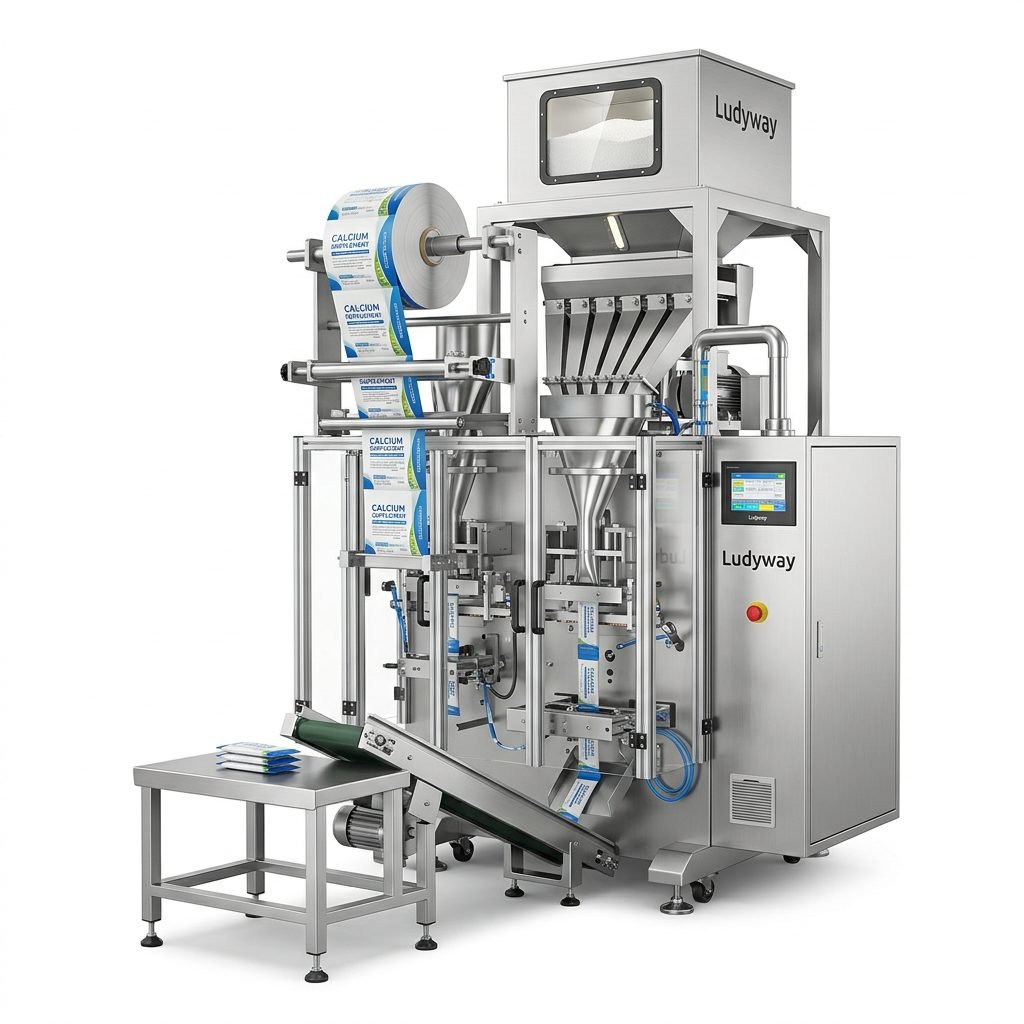
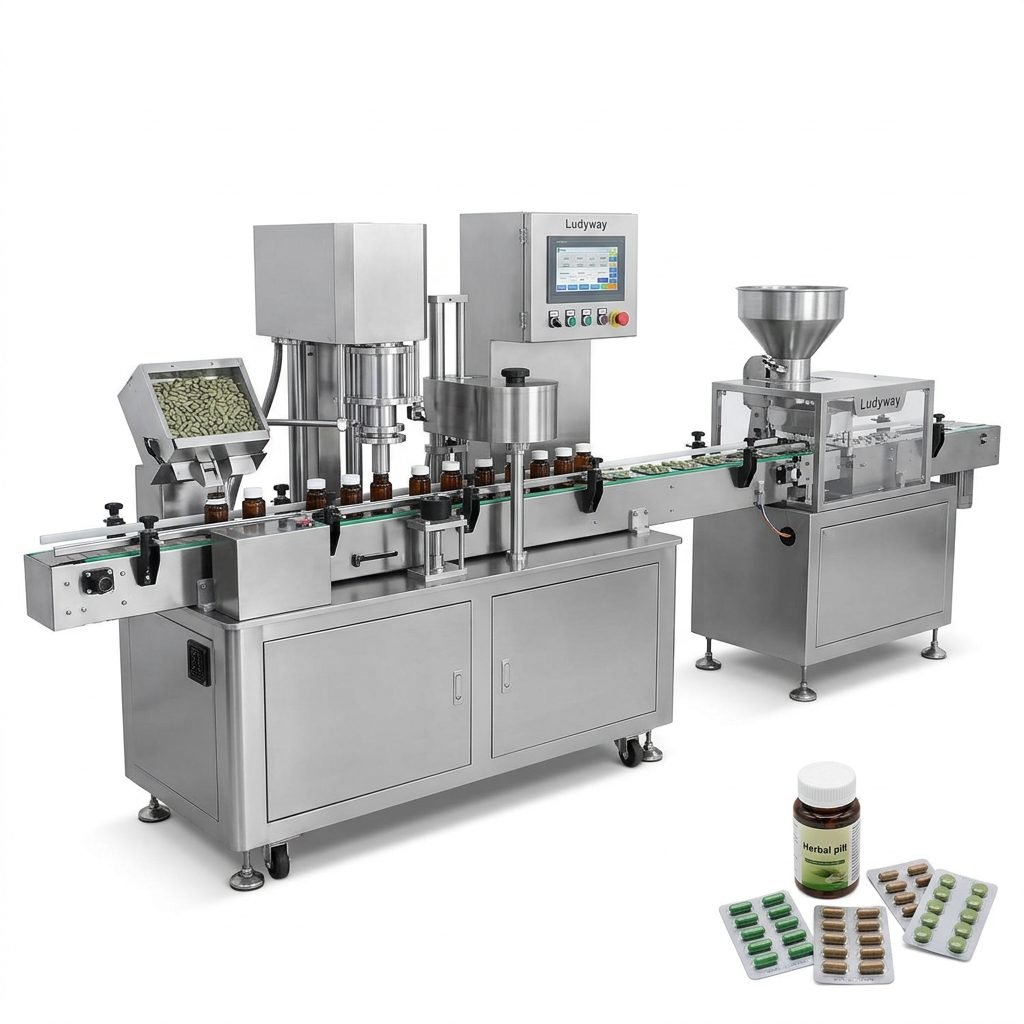
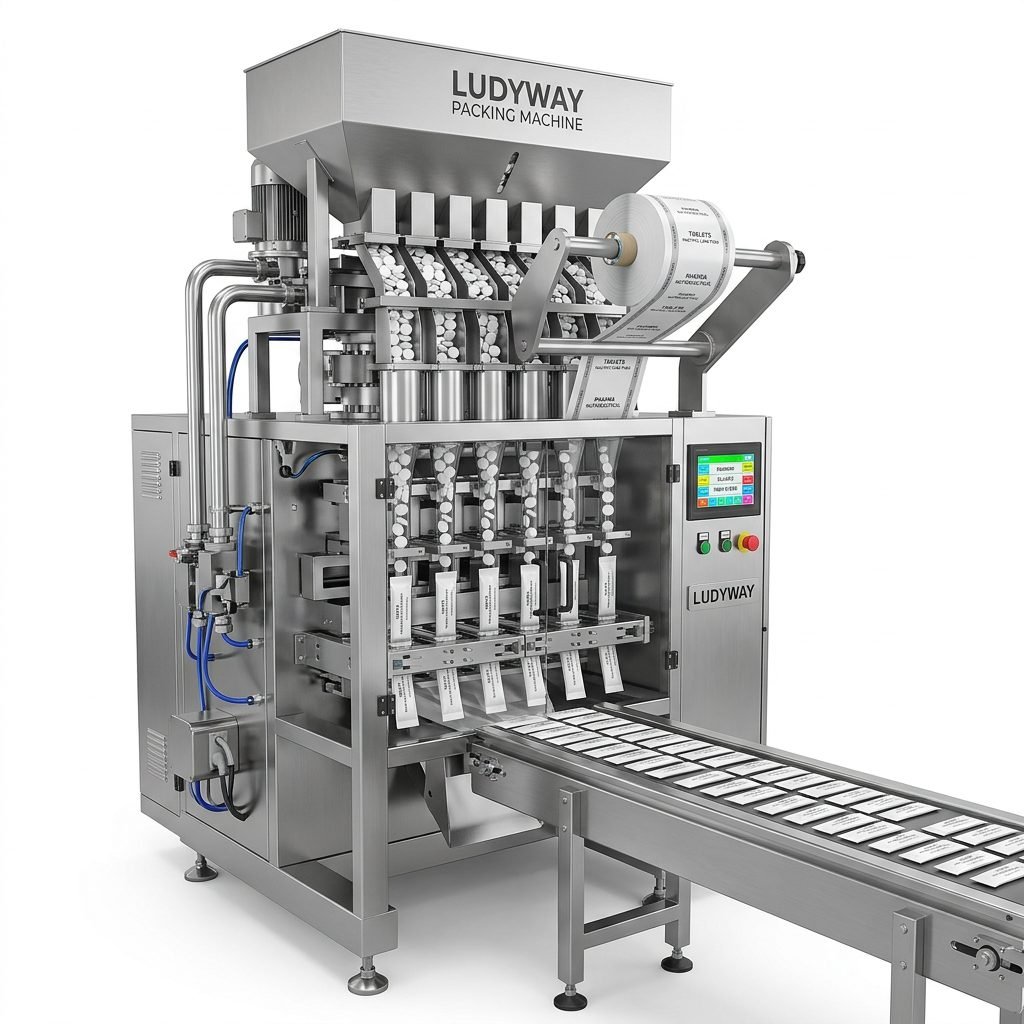
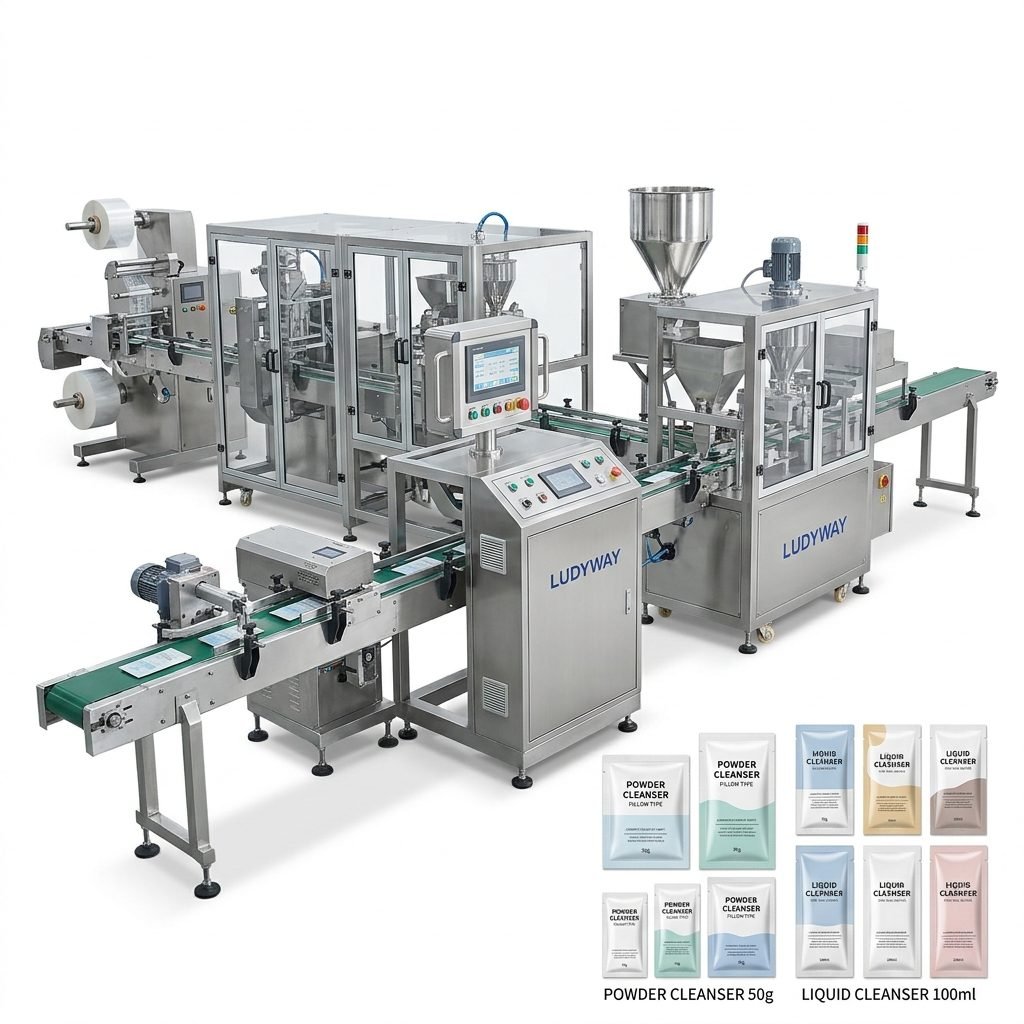
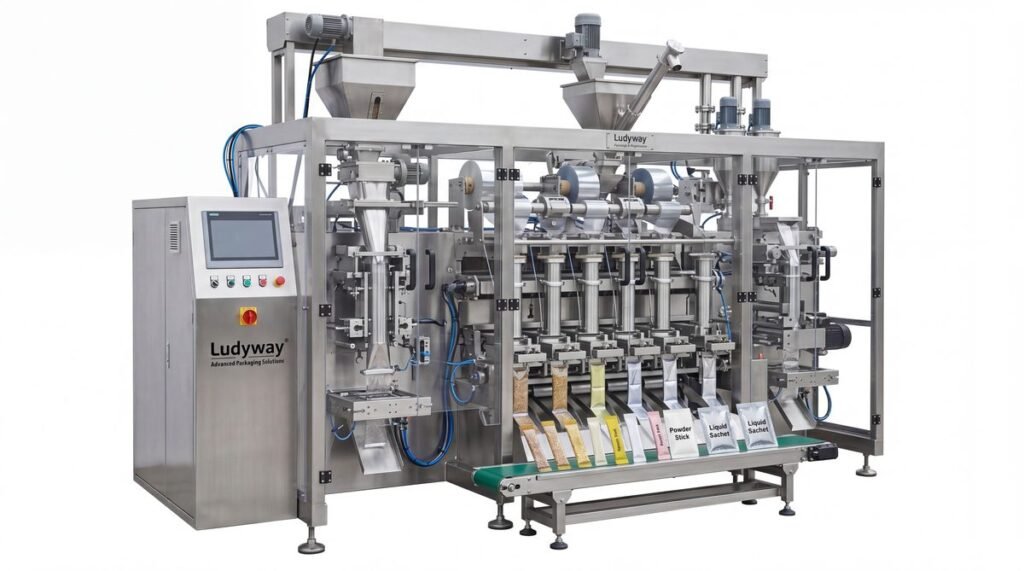
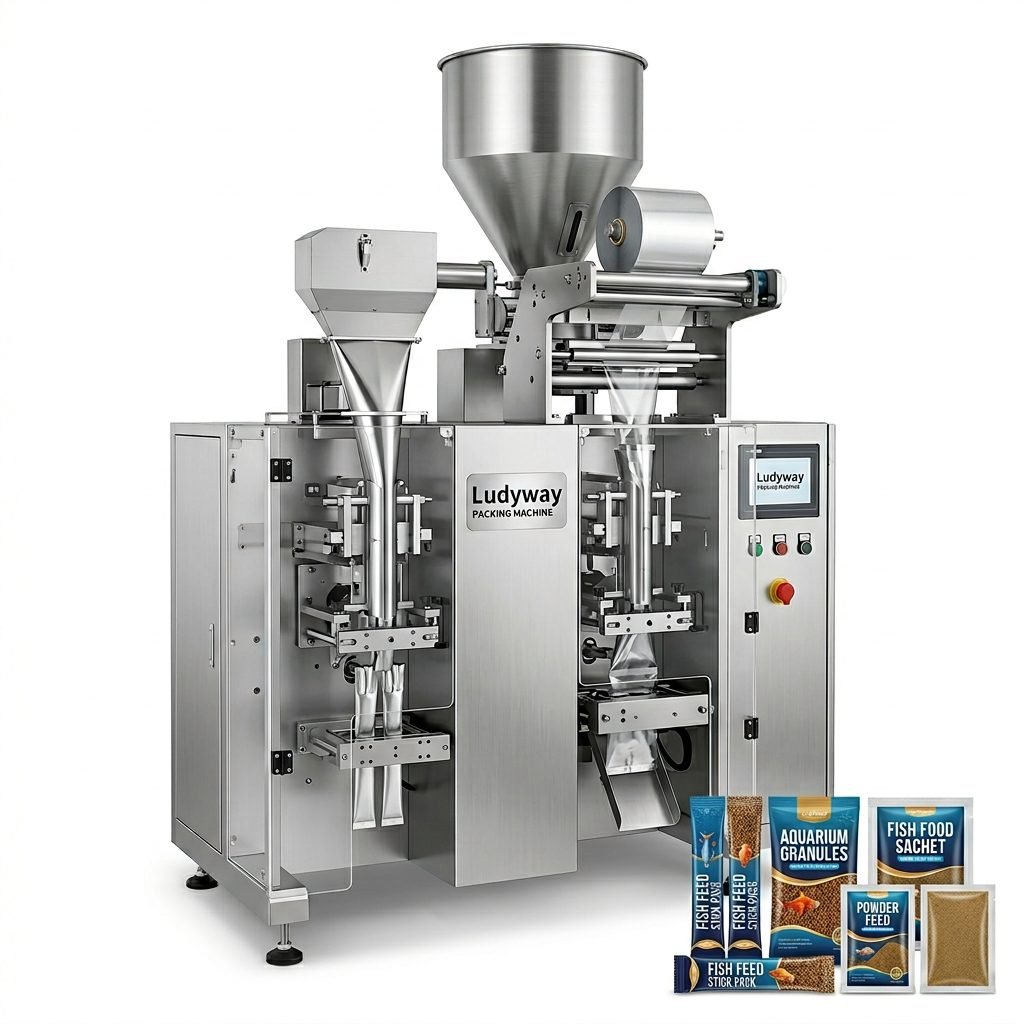
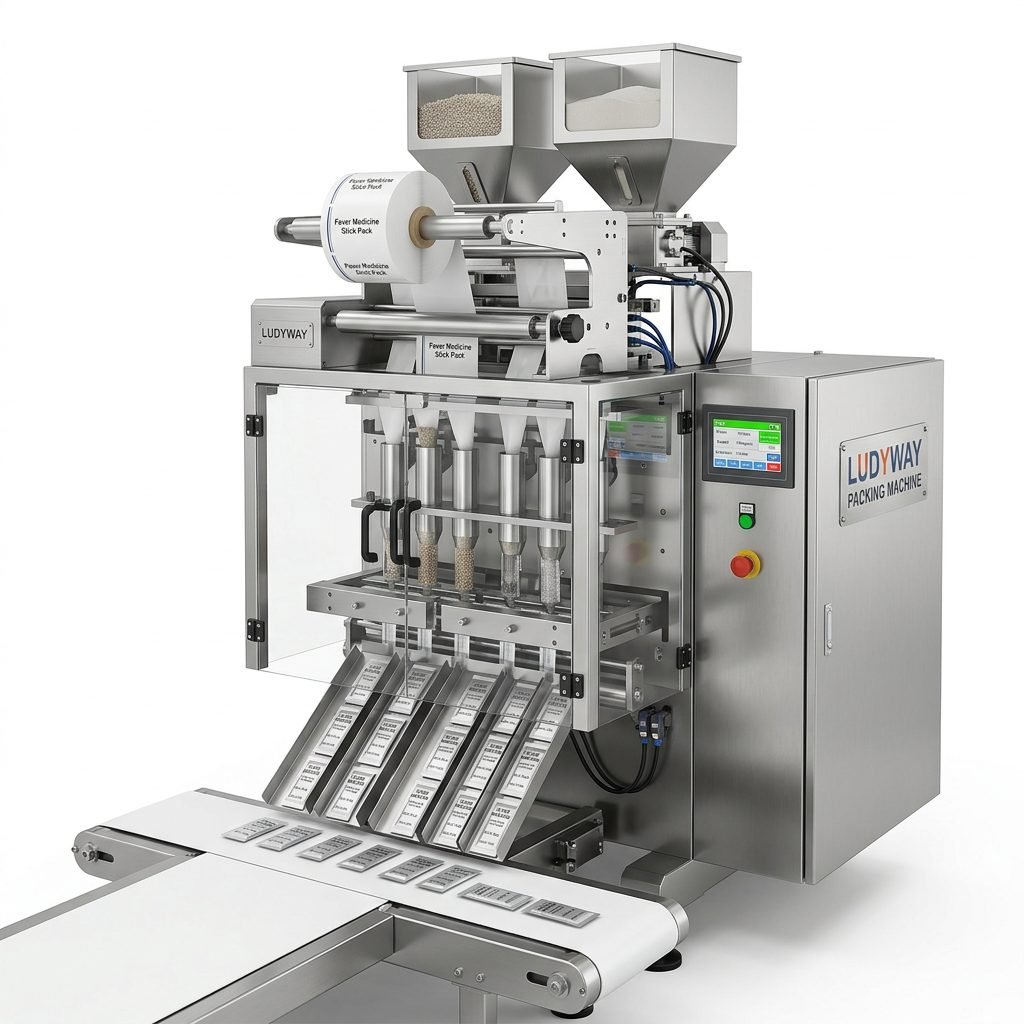
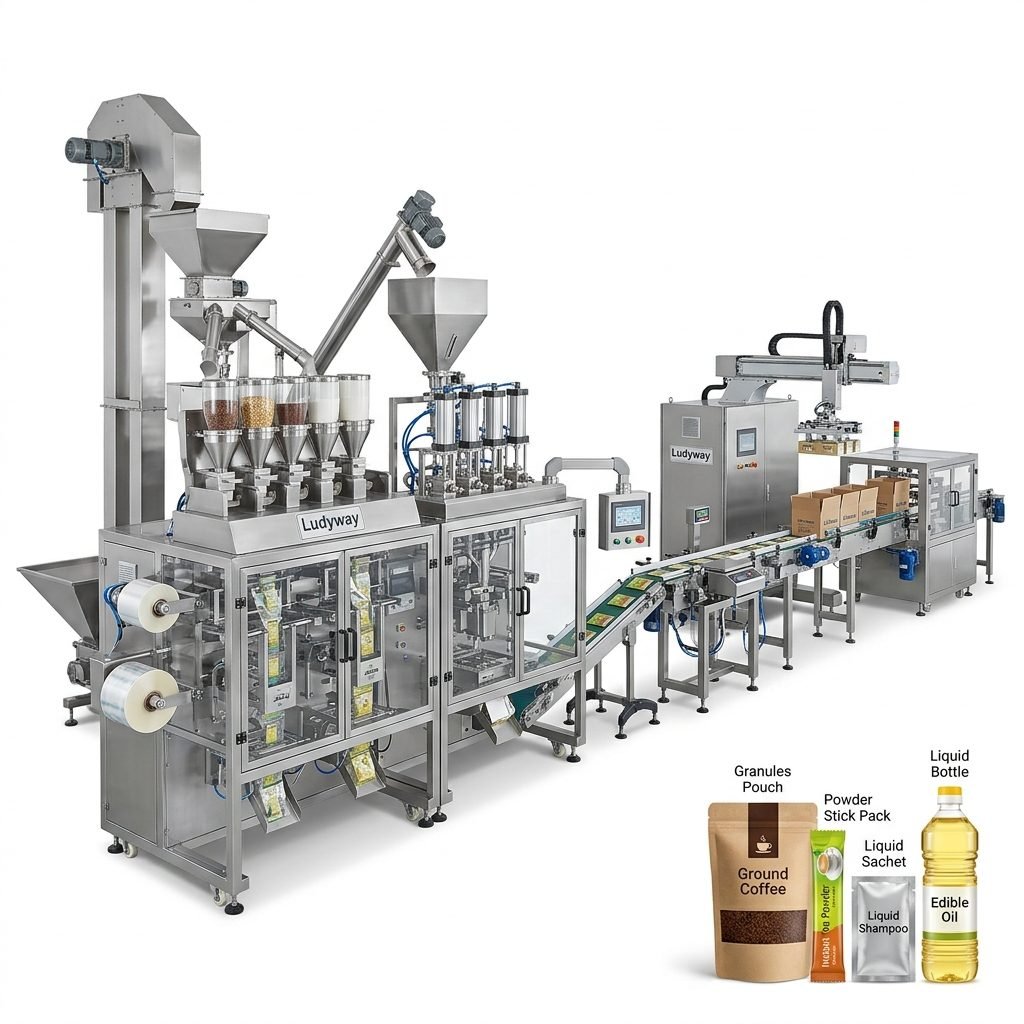
Proper maintenance is the key to maximizing the lifespan, efficiency, and return on investment of your packing machine. For sellers and operators alike, a proactive approach to equipment care prevents unplanned downtime, ensures consistent product quality, and protects your bottom line. Understanding the specific needs of modern automated packaging lines, from multi-lane stick pack systems to granule and powder fillers, is essential in today’s fast-paced manufacturing environments.

The Importance of a Preventive Maintenance Schedule
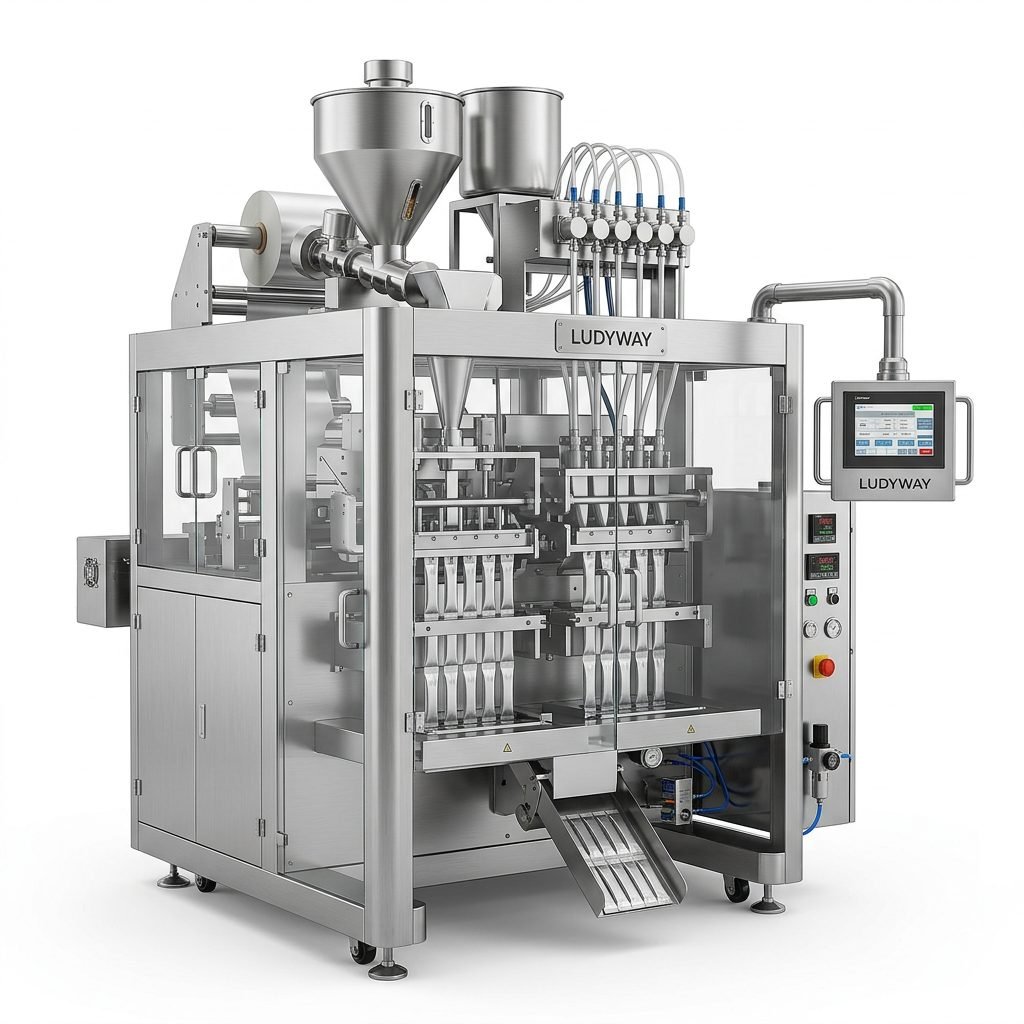
Reactive repairs are costly. A structured preventive maintenance schedule shifts your strategy from fixing breakdowns to preventing them entirely. Sellers should provide a clear maintenance roadmap to operators, highlighting daily, weekly, and monthly tasks. This is particularly critical for high-speed equipment like multi-lane stick pack machines, where even a minor misalignment can result in thousands of defective pouches per hour. Operators trained on routine checklists can identify early signs of wear on sealing jaws, cutting blades, and tension rollers before they escalate into major failures.
Daily Cleaning and Inspection Protocols
Daily care is the frontline defense against contamination and mechanical drift. At the end of every shift, operators should perform a thorough cleaning routine. Product residue, especially from powders and sticky liquids, acts as an abrasive and accelerates component wear. Key daily actions include:
- Removing residual product from hoppers, filling augers, and forming tubes.
- Inspecting sealing jaws for carbon buildup or polymer residue that can compromise seal integrity.
- Wiping down photoelectric sensors and optical registration marks to ensure accurate film tracking.
- Checking the air pressure in the pneumatic system to ensure it matches the manufacturer’s specifications.
- Draining moisture traps and filters from the compressed air line.
Weekly and Monthly Maintenance Tasks
Moving beyond surface cleaning requires a deeper mechanical check. Weekly tasks should focus on lubrication and tension. Monthly inspections dive into the heart of the machine’s drive train and electrical systems. Consistent execution of these tasks prevents the silent killers of packaging machinery: friction, heat, and vibration.
Critical Weekly Checklist
| Component | Action |
|---|---|
| Film Unwind Assembly | Check brake tension and alignment; clean dust from the dancer arm. |
| Sealing Surface | Polish Teflon-coated surfaces with a soft brush; replace damaged non-stick covers. |
| Cutting Knives | Test cut quality on scrap film; sharpen or replace dull serrated or guillotine knives. |
| Chain Drives & Gears | Apply food-grade lubricant sparingly; remove excess to avoid attracting dust. |
Monthly Deep-Dive Maintenance
- Electrical Cabinet: Power down the machine, lock out energy, and vacuum the interior of control panels. Check for loose terminal connections and signs of overheating on contactors.
- Wear Parts Inventory: Inspect stock levels of critical spares like heaters, thermocouples, and belts. Sellers often provide recommended spare parts lists for the first year of operation.
- Calibration: Verify the accuracy of the multi-head weigher or volumetric filler. Drift in weight readings signals a need for recalibration or cleaning of load cells.
Annual Overhaul and Component Replacement
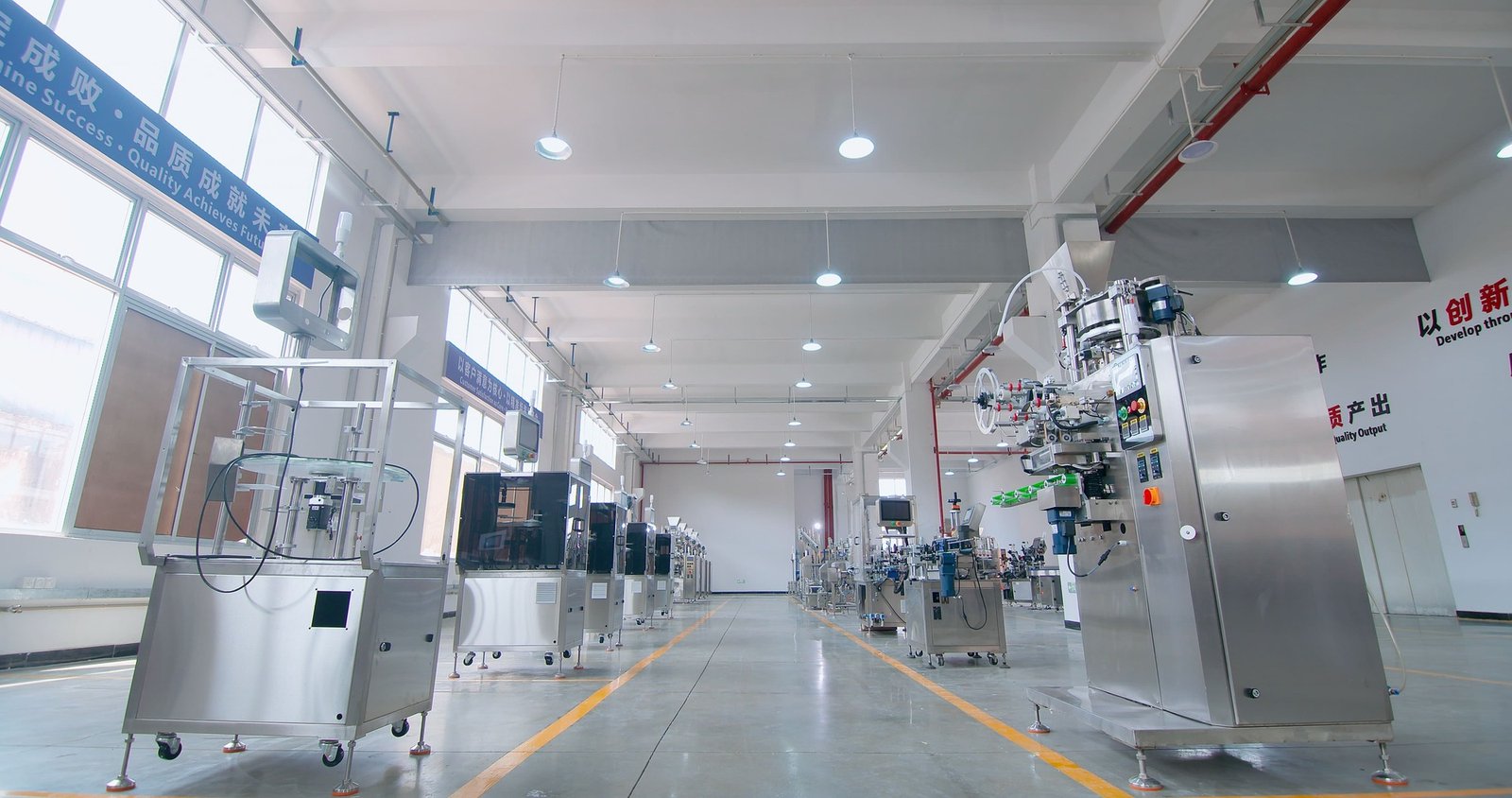
An annual comprehensive overhaul is non-negotiable for high-speed packaging machinery. This involves replacing wear parts regardless of their current condition, as fatigue failures are difficult to predict. Focus areas during an annual shutdown should include:
Scheduled replacement of timing belts, drive belts, and vacuum belts. These elastomer components degrade over time due to ambient heat and ozone exposure. Similarly, replace all pneumatic seals and wipers in cylinders to restore efficiency. The annual service is also the ideal time to inspect and re-grease gearboxes and replace vibratory feeder springs in powder packaging machines. Performing these tasks proactively eliminates phantom stoppages that lower Overall Equipment Effectiveness (OEE).
Operator Training: The Human Element of Machine Health
The most advanced granule packaging machines will fail prematurely without knowledgeable operators. Sellers must prioritize comprehensive on-site training during installation. Operators need to distinguish between normal operational sounds and warning signs like grinding, squealing, or irregular clicking. Empowering staff to stop the line immediately when an abnormal sound occurs prevents catastrophic secondary damage. A well-trained operator also understands that forcing a mechanical adjustment often masks a deeper problem; a hallmark of a good maintenance culture is the confidence to report issues, not hide them.

Managing Spare Parts Inventory
Downtime is often extended simply waiting for a replacement part to ship. A smart spares strategy includes critical consumables and long-lead items. Work with the equipment manufacturer to define a recommended spares package for startup and ongoing production.
- Sealing Elements: Cartridge heaters, thermocouples, Teflon tape, and silicone rubber pads.
- Cutting Tools: Spare sets of serrated blade assemblies and stationary counter-knives.
- Filtration: Compressed air filters and dust collector bags for powder environments.
- Sensors: Spare registration photo-eyes and proximity switches specific to the machine’s configuration.
Common Troubleshooting Areas
When issues arise, a systematic approach to troubleshooting saves time. Avoid randomly adjusting parameters. Instead, focus on proven root causes. Below are frequent symptoms mapped to likely causes across general packaging equipment:
| Symptom | Potential Root Cause |
|---|---|
| Leaking Seals | Dirty or misaligned sealing jaws, incorrect temperature setting, or worn non-stick coating. |
| Film Wrinkling | Improper tracking roller alignment, incorrect roll tension, or static electricity buildup causing film to cling. |
| Inconsistent Fill Weights | Clogged dust filters, worn auger tooling, or inconsistent product bulk density upstream. |
| Intermittent Stops | False signals from misaligned sensors or loose wiring connections affected by vibration. |
Working with Professional Maintenance Services
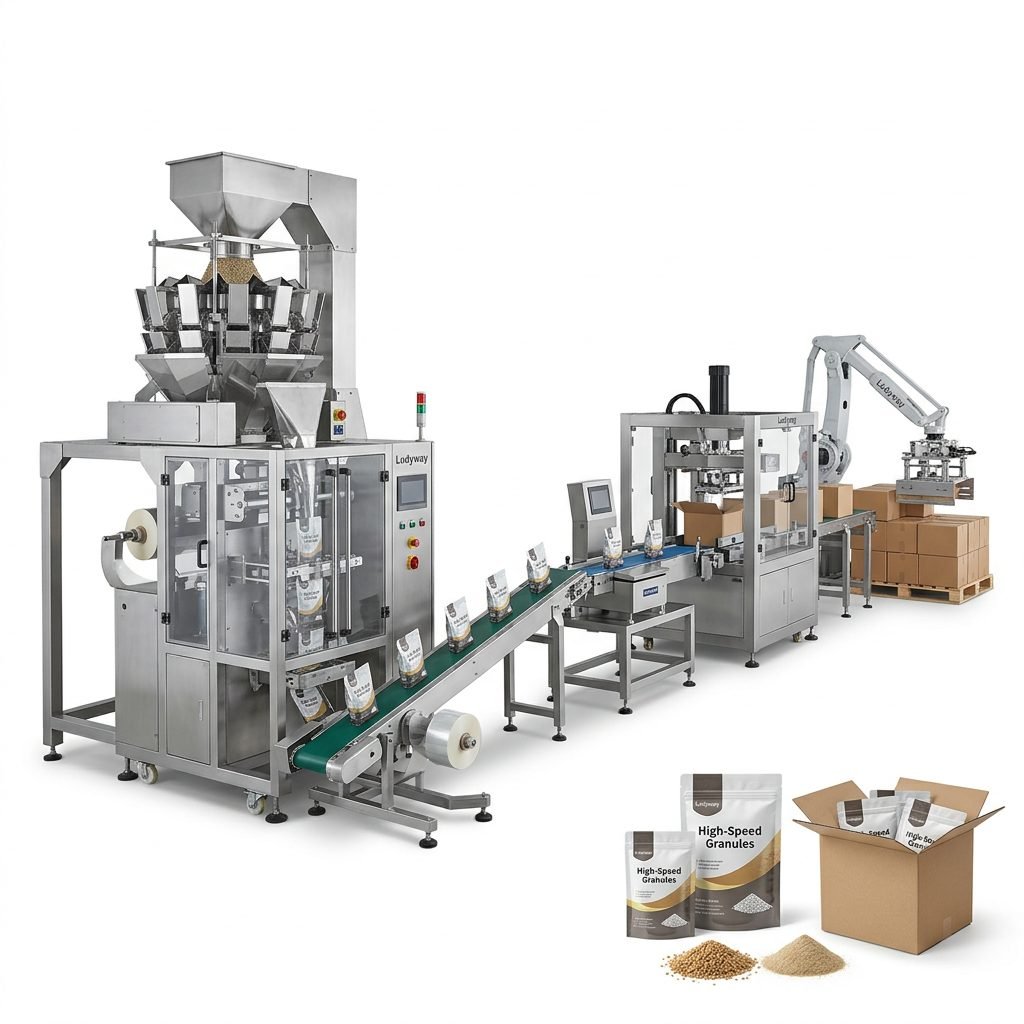
For complex turnkey production lines, internal maintenance teams may need external support during major interventions. Partnering with the original equipment manufacturer or authorized service providers ensures access to proprietary diagnostic software, factory-trained engineers, and genuine spare parts. With over 30 years of industry expertise, Ludyway provides reliable packaging solutions and supports customers with professional technical guidance to keep intelligent packaging systems running at peak performance across food, pharmaceutical, and health applications globally.
Documenting Maintenance History
The final pillar of machine longevity is documentation. Every intervention, calibration, and parts replacement should be logged in a computerized maintenance management system (CMMS) or a physical logbook. This history reveals trends, such as a seal heater burning out every three months, indicating an underlying voltage problem rather than a component defect. Data-driven decisions reduce costs and transform maintenance from a variable expense into a predictable investment.
Final Reminder: Always follow the lockout/tagout procedures and safety protocols detailed in your machine’s manual before performing any maintenance activity.