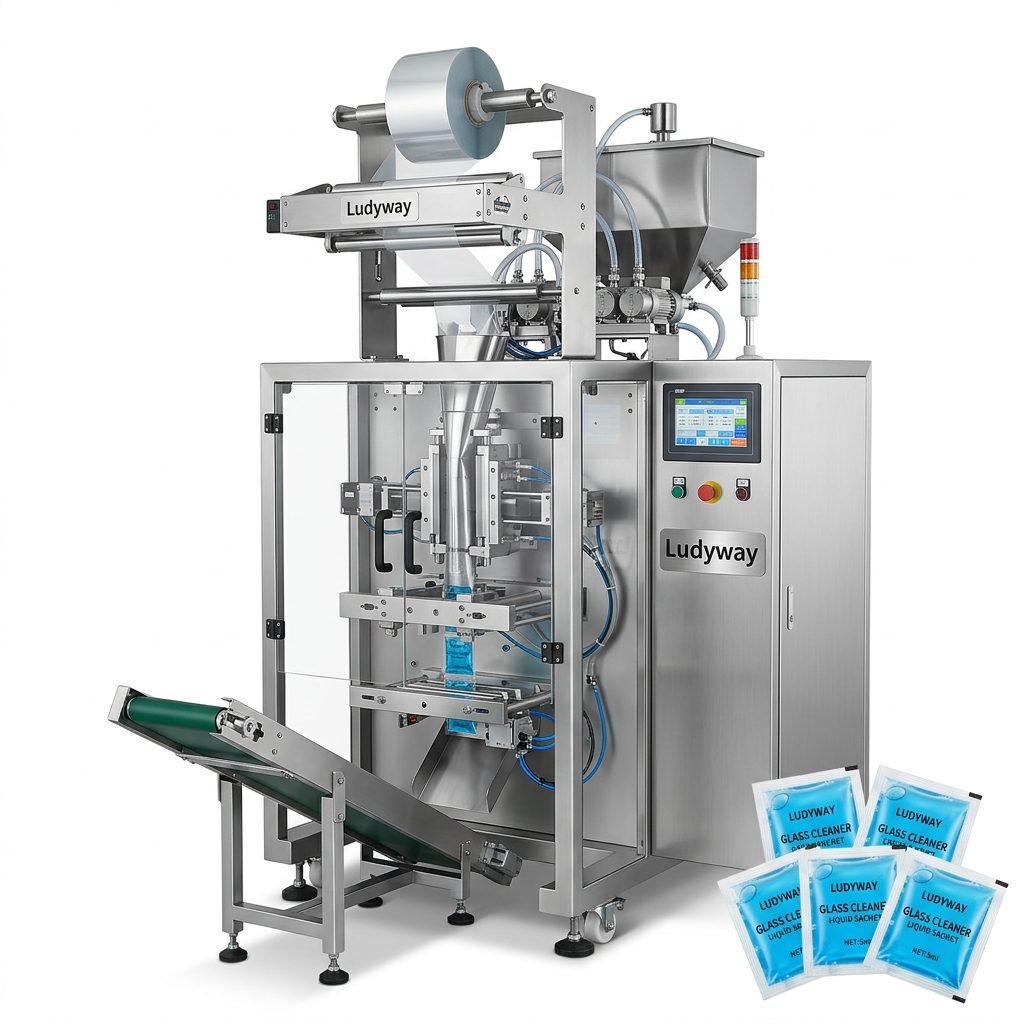
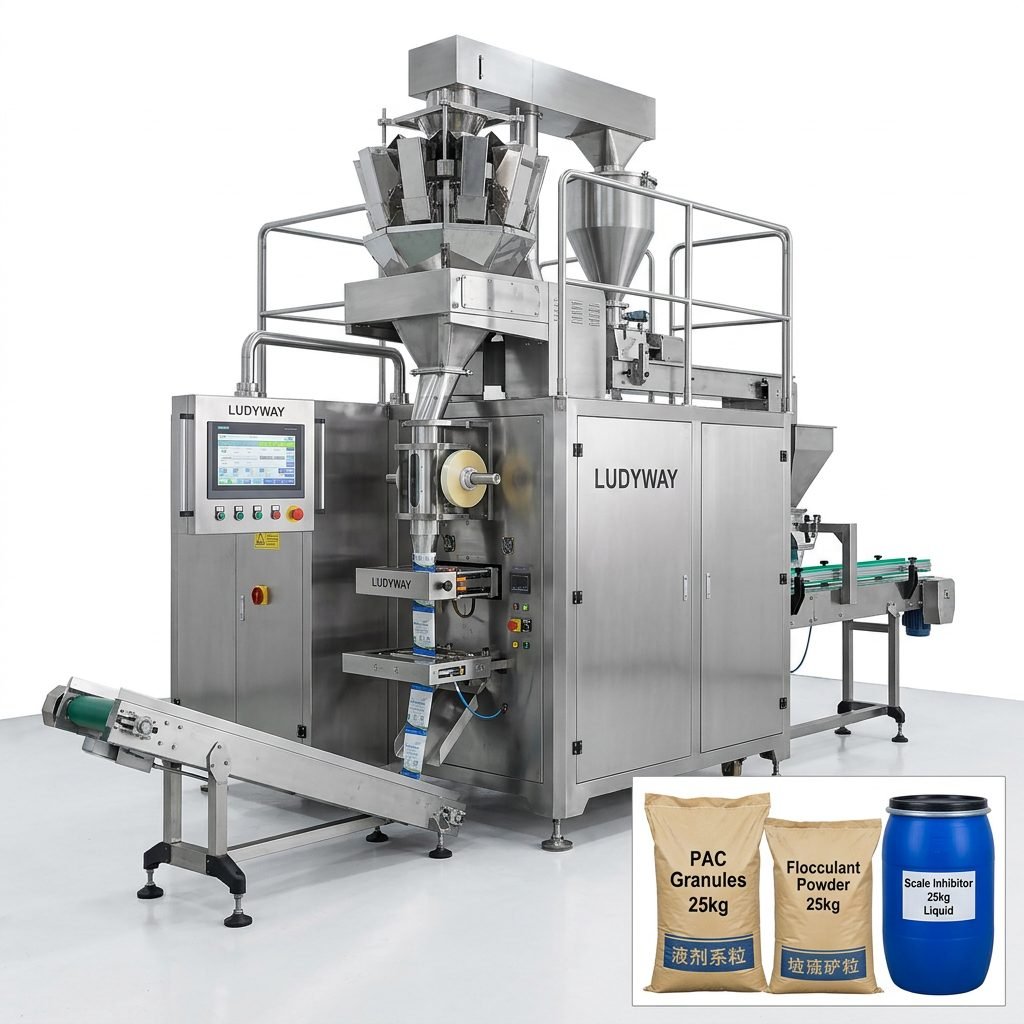
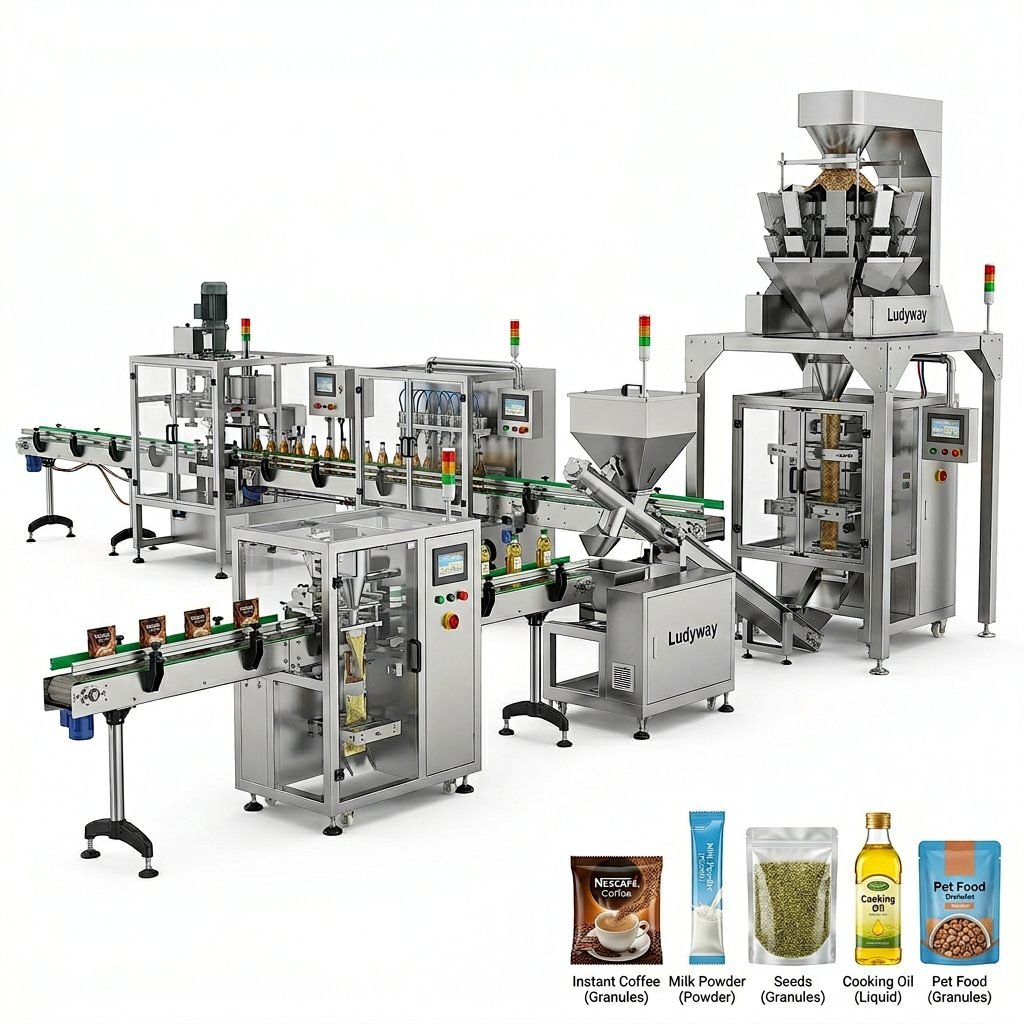
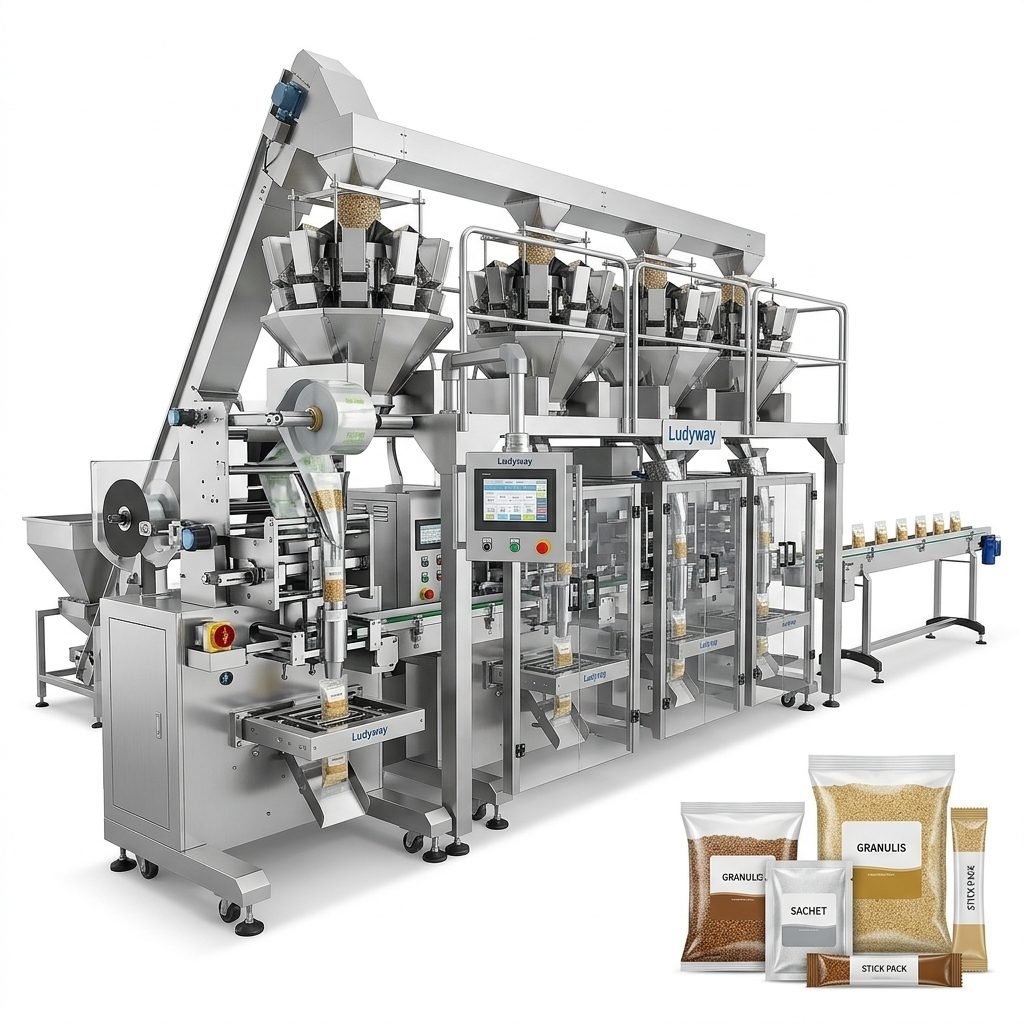
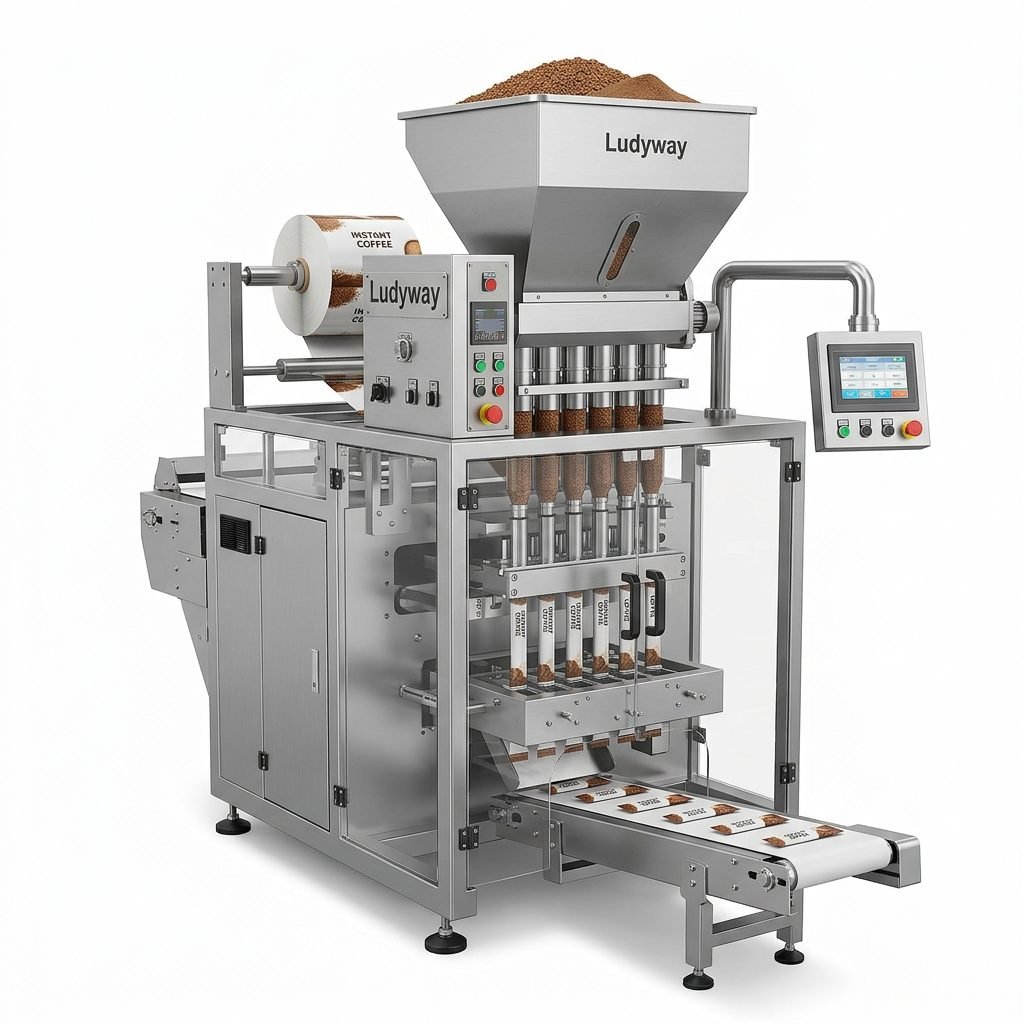
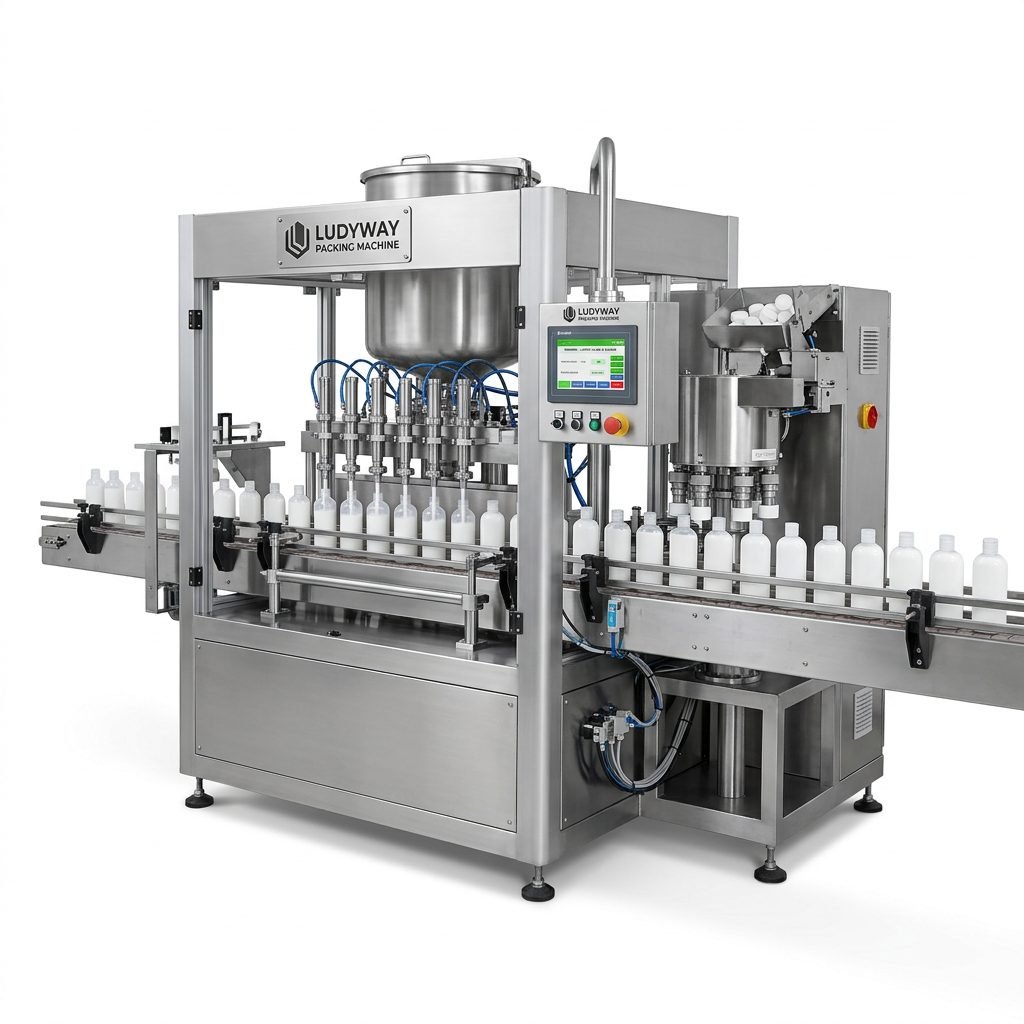
Finding an affordable mineral water packing machine price is one of the most important steps for startups, local bottling plants, and growing beverage brands that want to enter the water packaging market without overspending. A cost-effective machine does more than simply fill bottles or sachets—it helps reduce labor, improve hygiene, increase output, and create a more stable packaging process for long-term business growth.
For businesses looking for practical, low-cost water packaging solutions, the right choice depends on production capacity, packaging format, automation level, maintenance needs, and supplier support. Investing smartly at the beginning can significantly improve profitability later.
Why Price Matters in Mineral Water Packaging Projects
Many buyers focus only on the initial equipment cost, but the real value of a mineral water packaging machine comes from the balance between purchase price, operating cost, production efficiency, and equipment reliability. A low upfront price may look attractive, but if the machine causes leakage, unstable filling, or frequent downtime, the total cost can quickly become much higher.
When evaluating machine price, businesses should consider:
- Daily production target
- Packaging type such as bottles, pouches, or sachets
- Available factory space
- Labor costs in the local market
- Water treatment and sanitation requirements
- Future expansion plans
What Affects the Price of a Mineral Water Packing Machine?
The cost of water packaging equipment can vary widely because different configurations serve different production needs. In most cases, the following factors have the biggest impact on pricing:
1. Machine Type
- Manual or semi-automatic machines are usually lower in price and suitable for small businesses.
- Fully automatic machines cost more but deliver better speed, accuracy, and labor savings.
- Complete turnkey lines including rinsing, filling, capping, labeling, and packing naturally require a larger investment.
2. Packaging Format
Mineral water can be packed in PET bottles, cups, pouches, or sachets. Bottle lines often include more stations, while pouch or sachet systems may be compact and budget-friendly for certain markets.
3. Output Capacity
A machine producing 1,000 bottles per hour will cost much less than a system running at 8,000 or 12,000 bottles per hour. Higher speed usually means stronger components, better control systems, and higher automation.
4. Material and Build Quality
Machines built with food-grade stainless steel, stable electrical components, and precise filling systems generally offer better hygiene and service life. They may cost more initially but reduce risk over time.
5. Customization
If your water packaging project requires special bottle sizes, cap formats, labeling positions, or integration with conveyors and coding systems, customized solutions can affect the final quotation.
Typical Price Ranges for Low-Cost Water Packaging Solutions
Below is a general reference for different machine levels. Actual pricing depends on specifications, output, and optional features.
| Machine Category | Suitable For | Estimated Price Range |
|---|---|---|
| Semi-automatic water filling machine | Startups and small workshops | Low budget entry level |
| Small automatic bottle filling line | Small to medium production | Moderate investment |
| Automatic bottled mineral water line | Commercial bottling plants | Mid-range to higher budget |
| Turnkey water packaging solution | Integrated factory projects | Project-based quotation |
Tip: Requesting a customized quotation based on bottle volume, hourly output, and automation level is the best way to compare real machine prices accurately.
Best Low-Cost Packaging Options for Mineral Water Businesses
If your goal is to control budget while maintaining product quality, these packaging solutions are often the most practical:
Small PET Bottle Filling Lines
These are popular for local drinking water brands because they offer a professional retail appearance and are easy to distribute. Small automatic lines can keep investment manageable while still improving production efficiency.
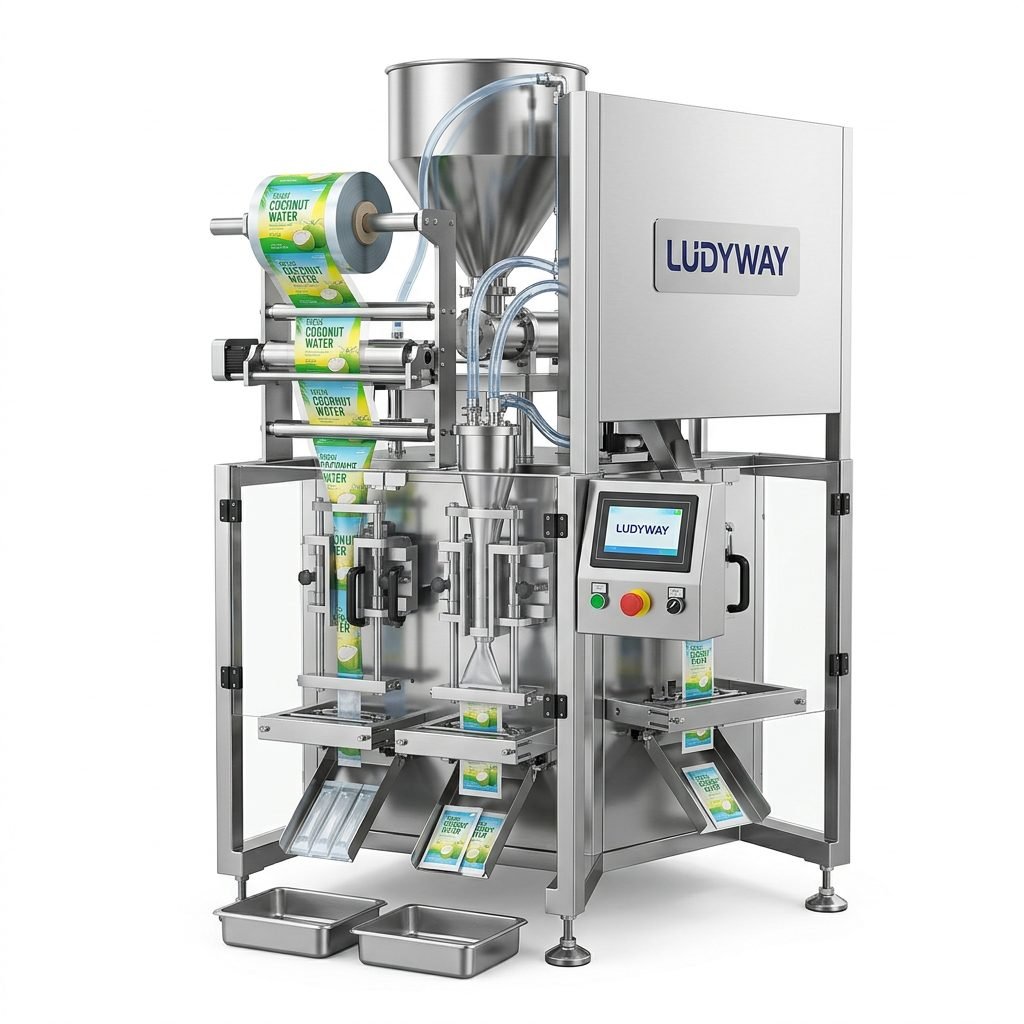
Sachet Water Packaging Machines
In many price-sensitive markets, sachet water remains a highly economical option. It reduces packaging material cost and can be ideal for high-demand, low-unit-price sales channels.
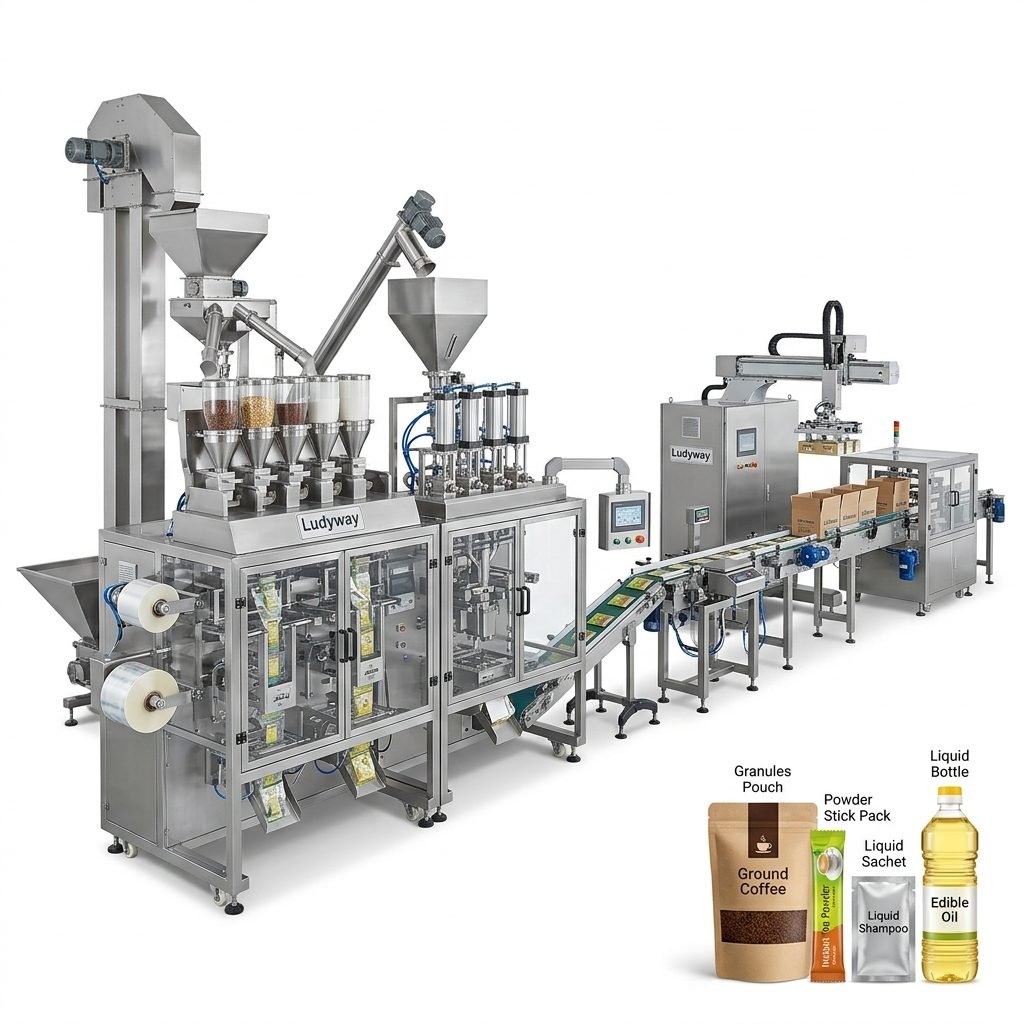
Compact Turnkey Systems
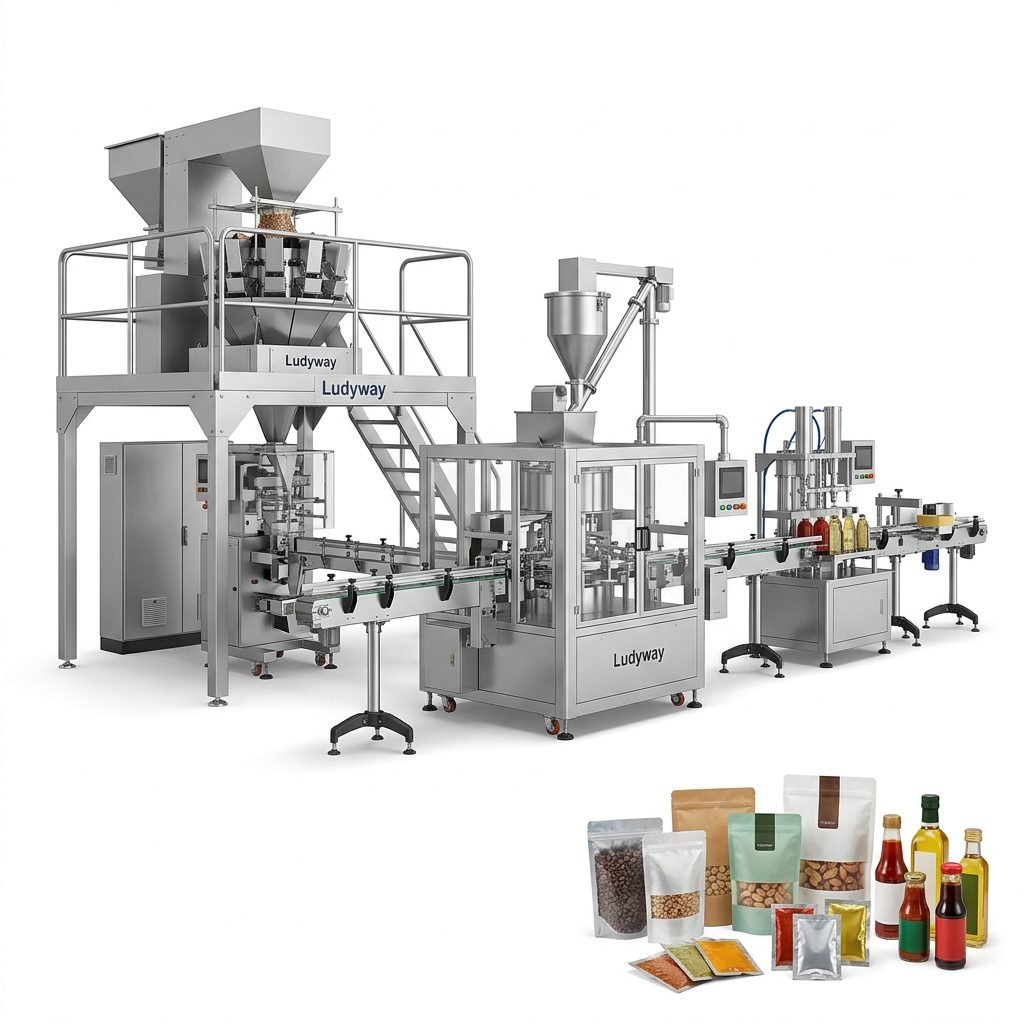
For businesses planning steady growth, a compact integrated line can combine washing, filling, sealing, coding, and secondary packing in a streamlined layout. This helps save space and labor.
How to Choose the Right Machine Without Overspending
Smart buyers do not simply ask for the cheapest machine. Instead, they compare the total business fit. Here is a practical checklist:
- Define your packaging format before asking for quotations.
- Estimate actual demand for the next 12 to 24 months.
- Avoid oversized equipment if your sales volume is still small.
- Check component quality and food-grade contact parts.
- Ask about spare parts availability and after-sales support.
- Confirm changeover flexibility if you plan different bottle sizes.
- Review energy and labor requirements to control operating costs.
Common Mistakes Buyers Make When Comparing Prices
Some low quotations may seem attractive at first, but they can hide important limitations. Watch out for these issues:
- Price excludes installation or commissioning
- Machine speed does not match actual stable output
- Low-grade stainless steel or weak electrical parts
- No support for future upgrades
- Missing auxiliary equipment like conveyors, date coders, or air compressors
- Insufficient sanitation design for drinking water applications
Always ask suppliers for detailed configuration lists, machine videos, and sample project references before making a final decision.
Benefits of Investing in an Affordable but Reliable Water Packing Machine
| Benefit | Business Impact |
|---|---|
| Lower labor dependence | Reduces operating costs and improves consistency |
| Better filling accuracy | Minimizes product waste and improves packaging quality |
| Improved hygiene | Supports safe mineral water production standards |
| Scalable production | Makes future expansion easier |
| Professional packaging appearance | Helps strengthen brand image and market trust |
Why Turnkey Solutions Can Save More in the Long Run
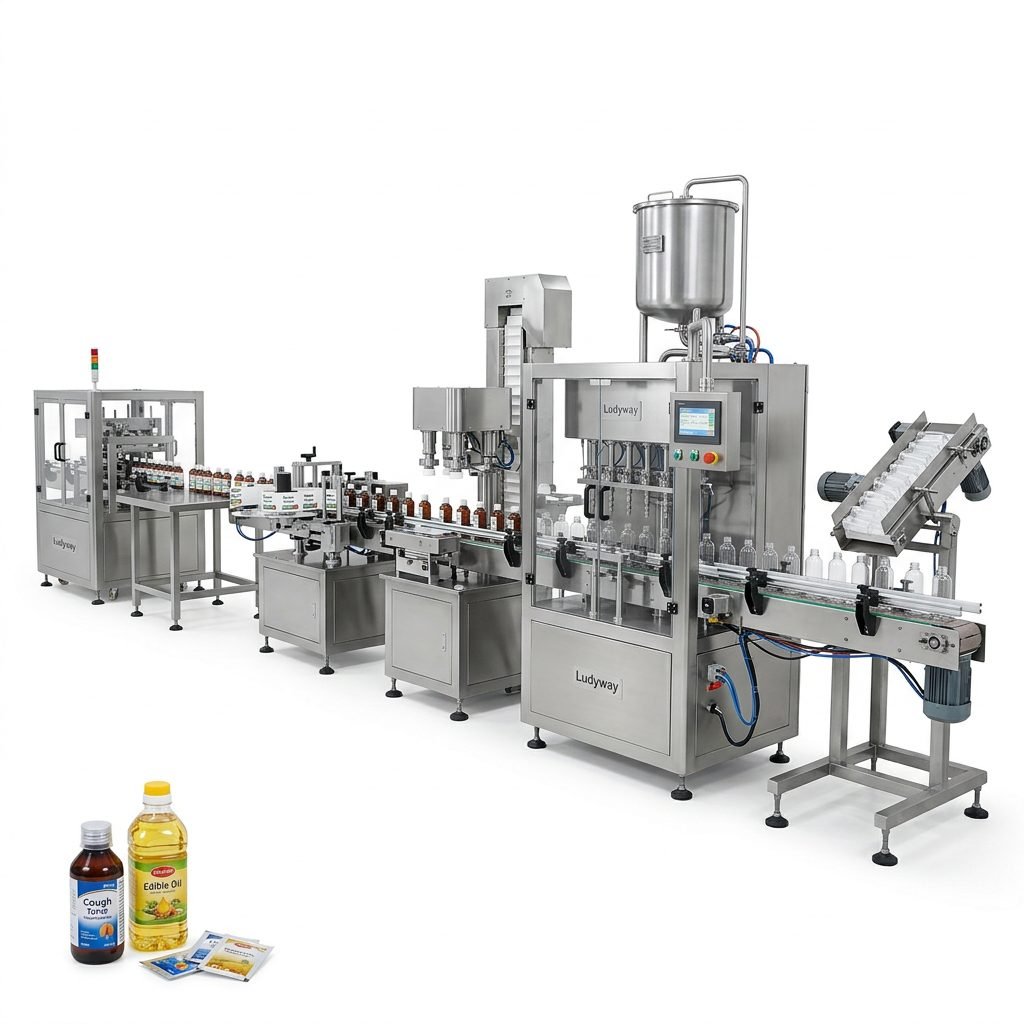
A complete packaging line may require a larger upfront investment than a single standalone filler, but it often delivers stronger long-term value. When bottle rinsing, liquid filling, capping, labeling, coding, packing, and conveying are designed to work together, production becomes more stable and efficient.
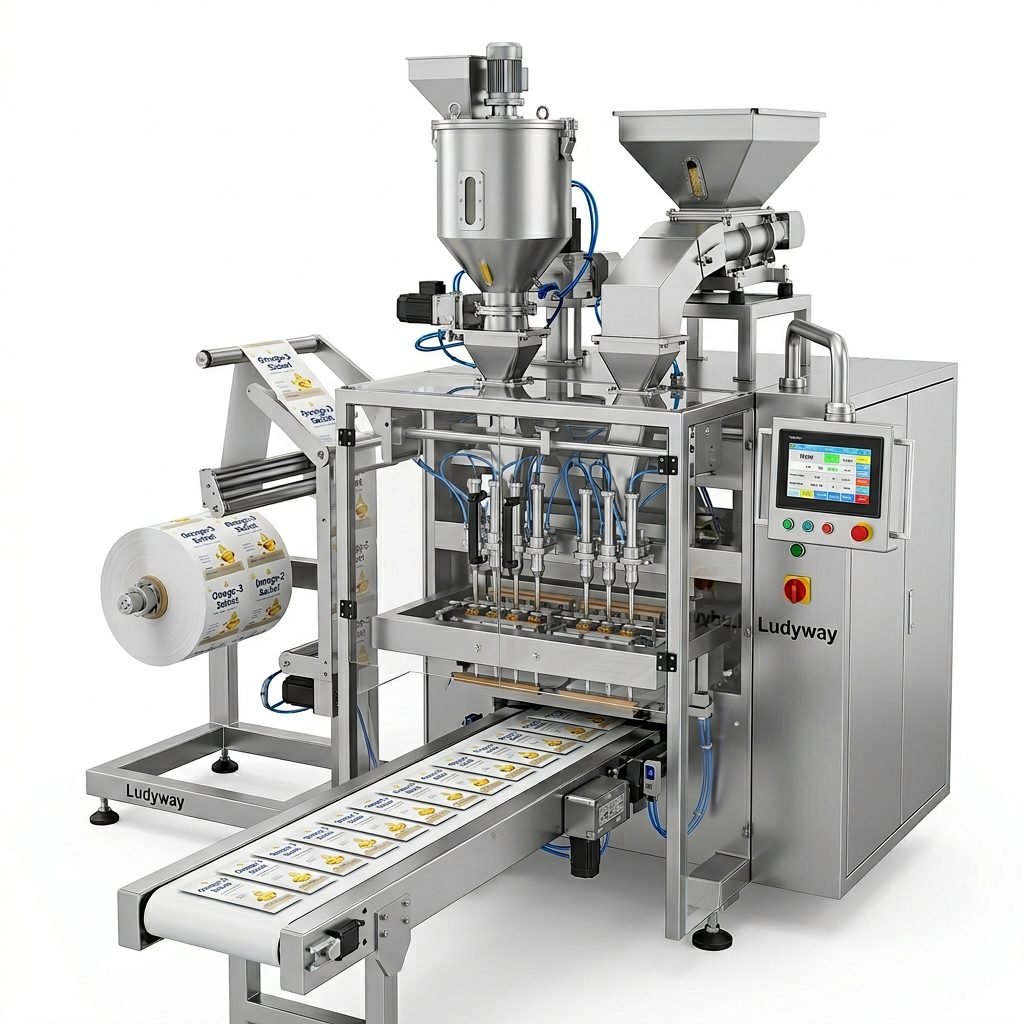
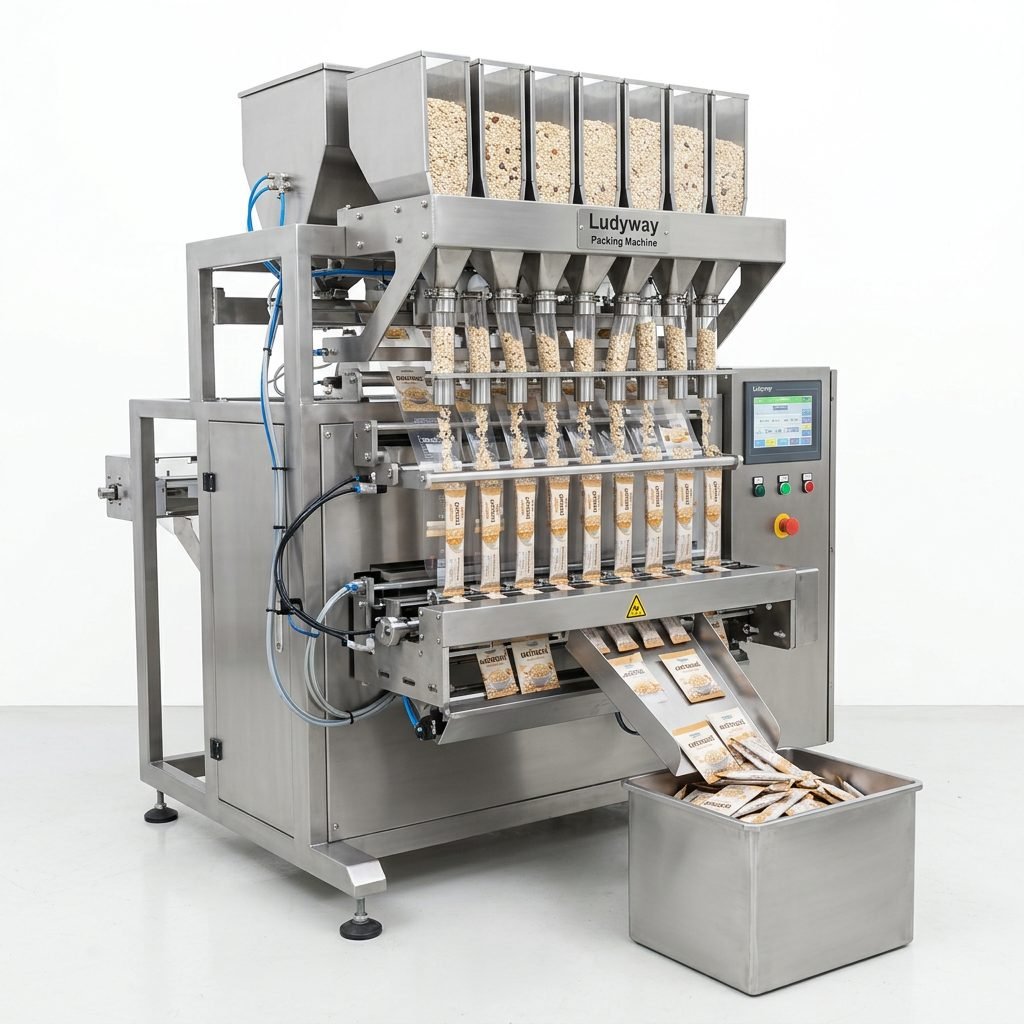
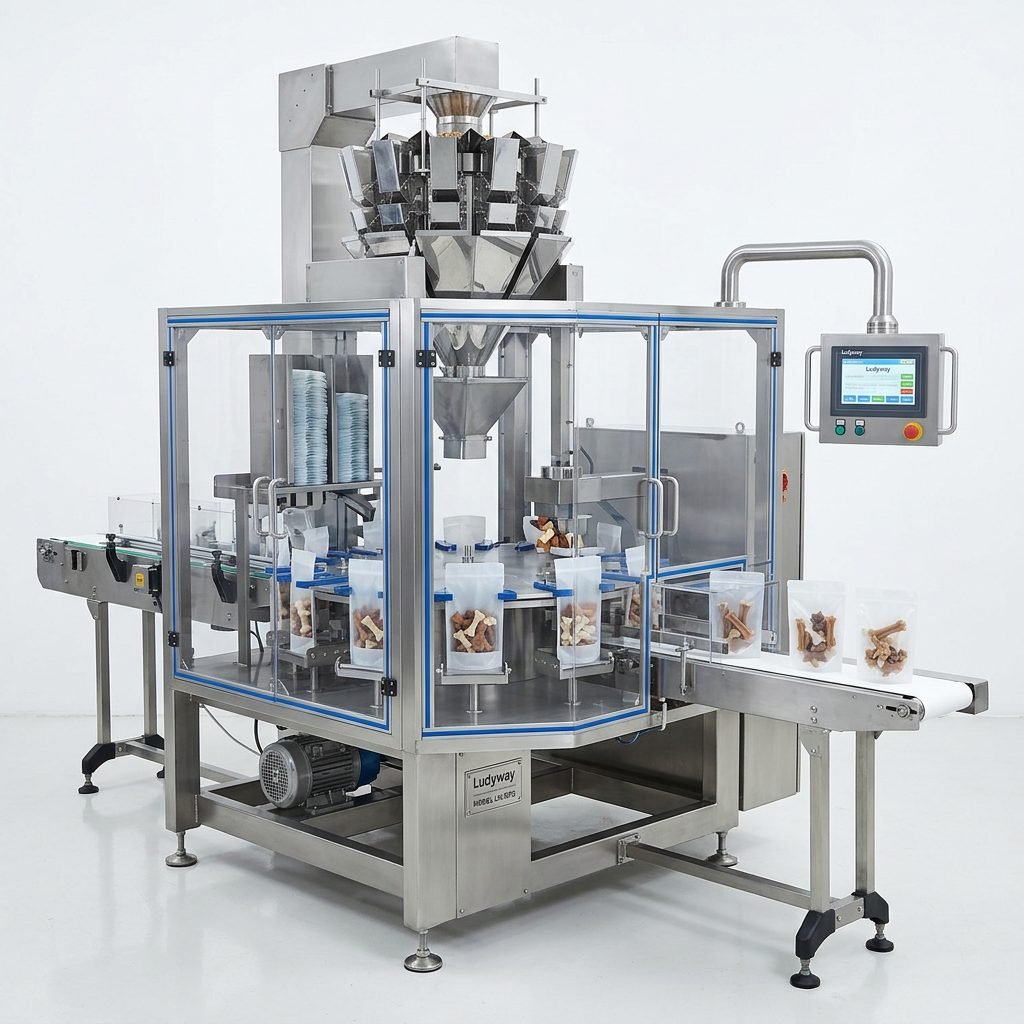
For many buyers, partnering with an experienced supplier such as Ludyway mineral water packing machine manufacturer can help simplify project planning, machine matching, and future expansion. With more than 30 years of packaging machinery experience and broad turnkey integration capabilities, the company is often considered by international buyers looking for practical and scalable packaging solutions.
Questions to Ask Before Requesting a Quotation
To receive a more accurate price for your water packing project, prepare the following details:
- What packaging format do you need: bottle, pouch, or sachet?
- What is the bottle or pack volume?
- What hourly or daily output do you expect?
- Do you need labeling, coding, shrink wrapping, or cartoning?
- What power supply and factory layout do you have?
- Do you need a standalone machine or a complete turnkey line?
Final Buying Insight for Budget-Conscious Water Brands
An affordable mineral water packing machine price should never mean sacrificing production safety, filling precision, or long-term reliability. The best low-cost water packaging solution is one that fits your current production needs while leaving room for future business growth.
By comparing machine type, automation level, packaging format, and after-sales support, buyers can find a solution that keeps investment under control and still supports strong operational performance. The smartest purchase is not the cheapest machine—it is the machine that delivers the best value per bottle packed.