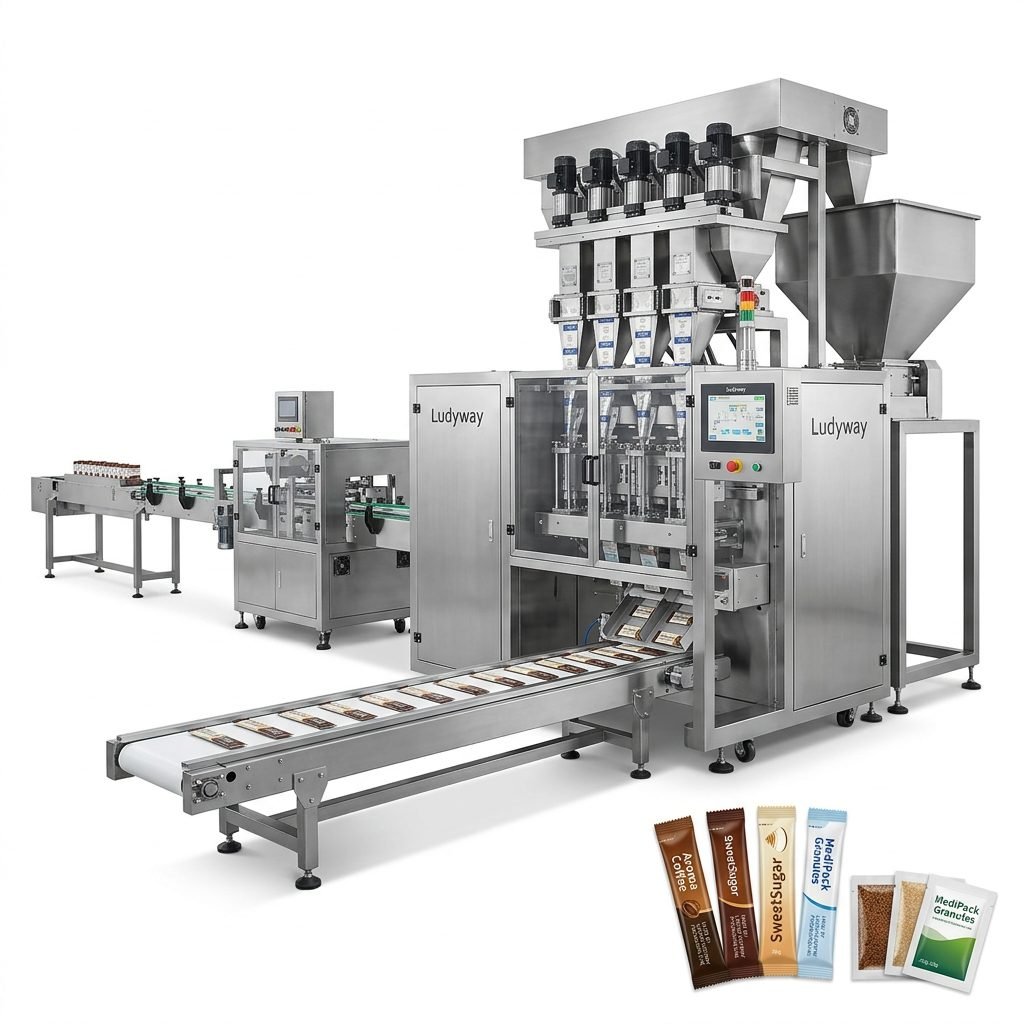
Investing in a grain packaging machine is a significant decision for any agricultural business, food processor, or industrial manufacturer. The right equipment can dramatically improve production efficiency, reduce labor costs, and ensure consistent product quality. However, with so many options available on the market, selecting the ideal machine requires careful evaluation of your specific needs, production goals, and operational constraints. This comprehensive guide will walk you through the essential factors to consider when choosing grain packaging equipment.
Understanding Your Grain Packaging Requirements
Before exploring specific machine types, you need to define your production requirements clearly. Grain products vary widely in size, density, flow characteristics, and packaging formats. Whether you are packaging rice, wheat, corn, oats, barley, or specialty grains, each material presents unique handling challenges. Key questions to ask include: What is your target output per hour? What bag or pouch format do you need? Are you packaging for retail, wholesale, or bulk distribution? Answering these questions will help narrow down your equipment choices significantly.
Types of Grain Packaging Machines
The grain packaging industry offers several distinct machine categories, each suited to different production scales and packaging formats. Understanding the differences between these types is critical to making an informed purchasing decision.
Vertical Form Fill Seal (VFFS) Machines
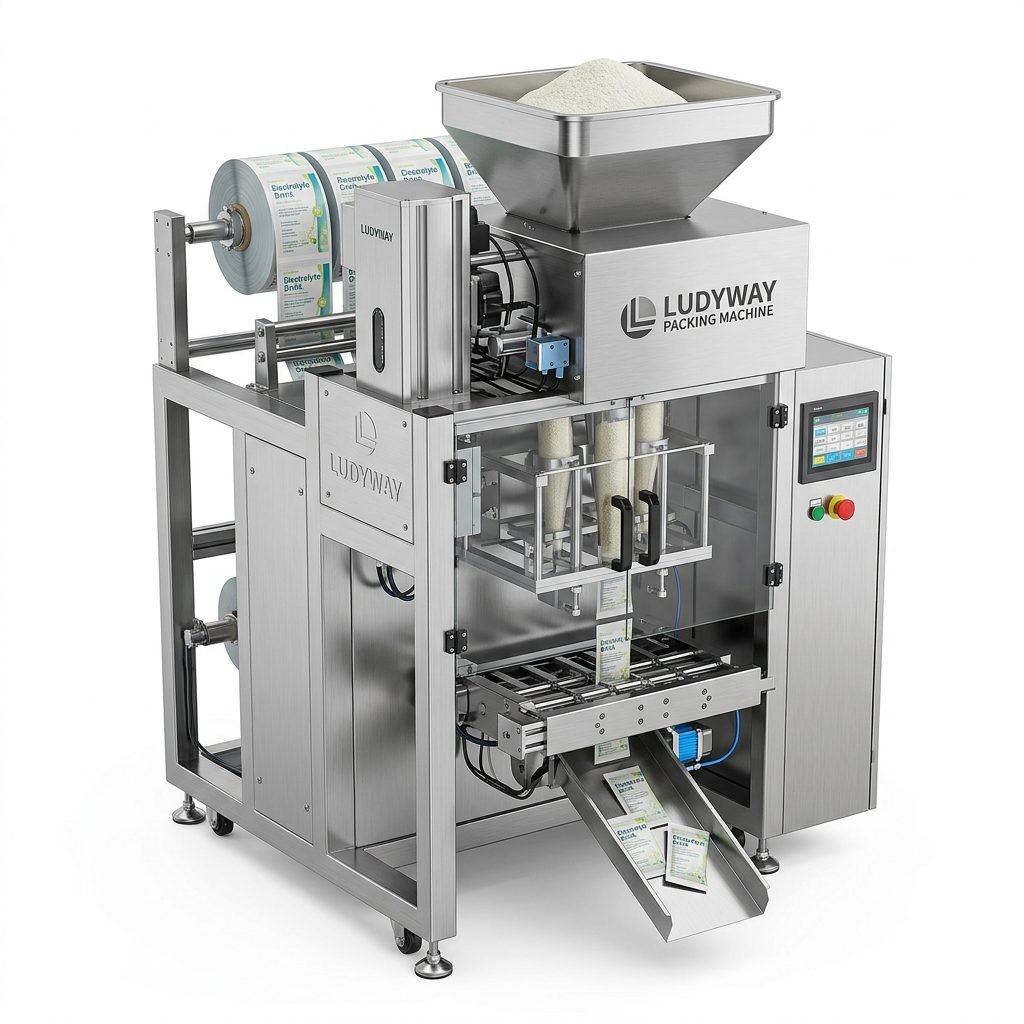
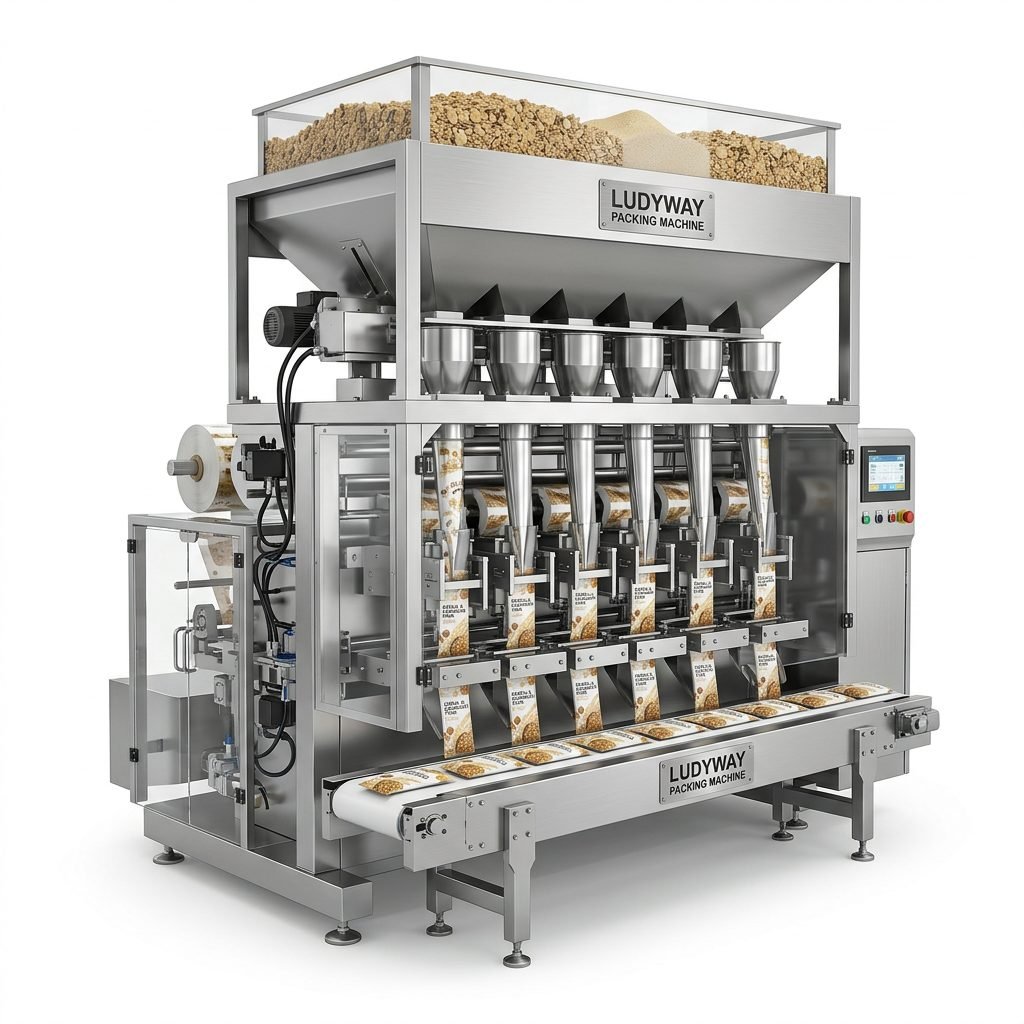
VFFS machines are among the most widely used equipment for grain packaging. They form bags from a flat roll of film, fill them with product, and seal them in a continuous vertical motion. These machines are ideal for high-speed operations and can handle a variety of bag styles, including pillow bags, gusseted bags, and quad-seal bags. Modern VFFS systems offer excellent accuracy and can process up to 80-150 bags per minute depending on the model and product characteristics.
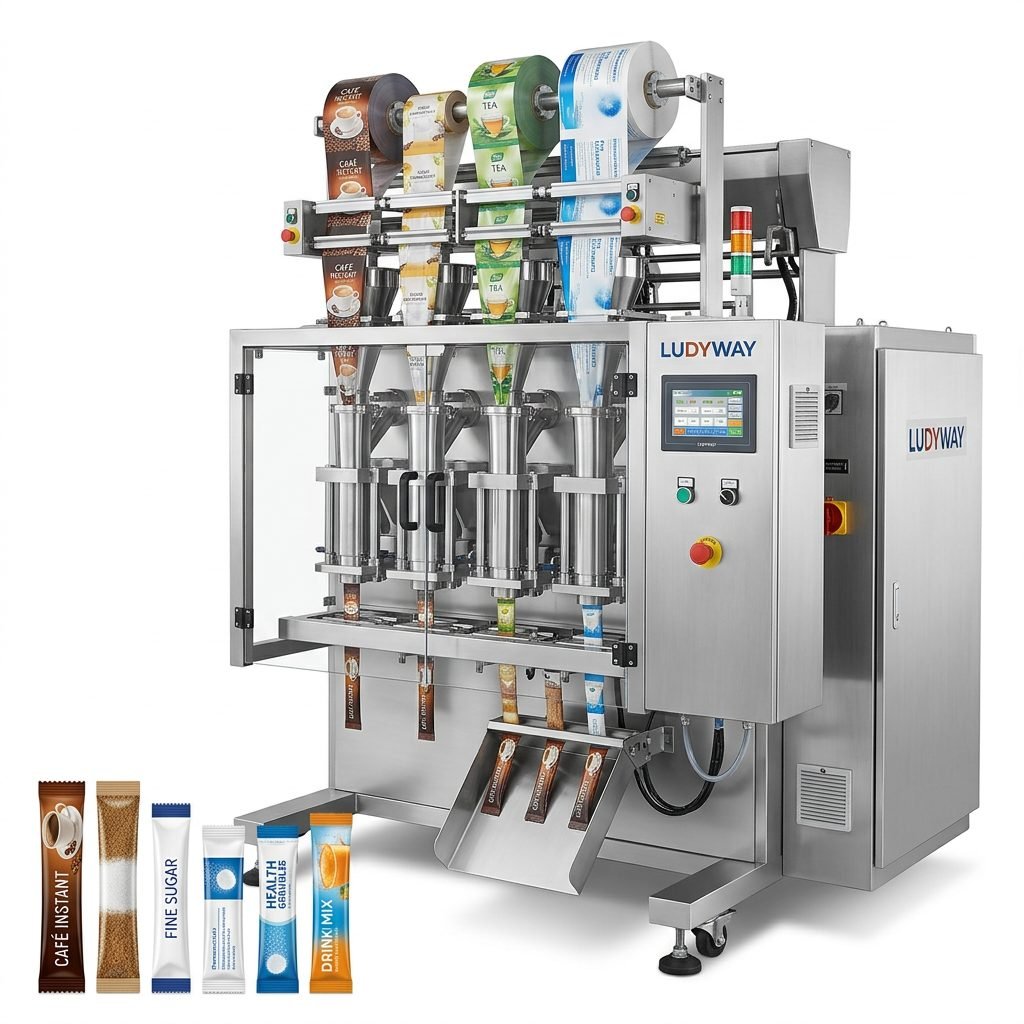
Multi-Lane Stick Pack and Sachet Machines
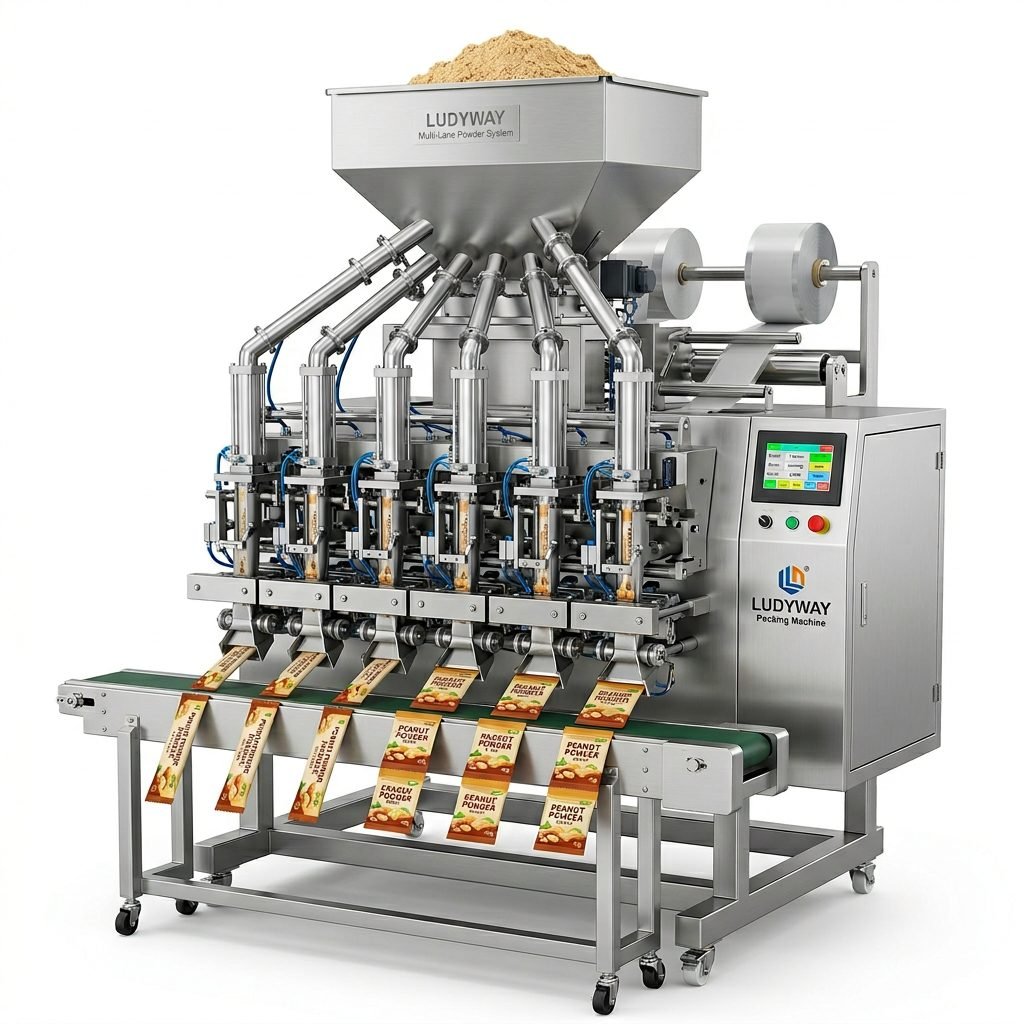
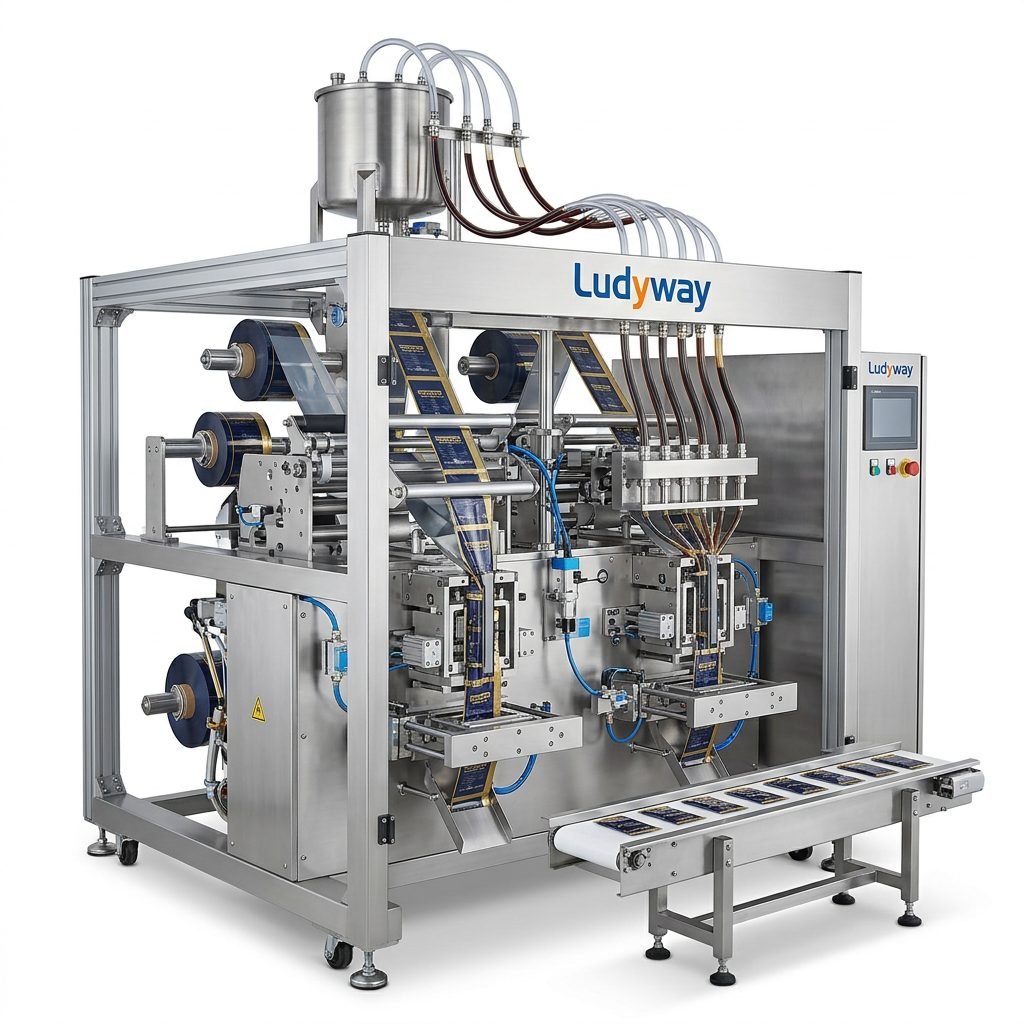
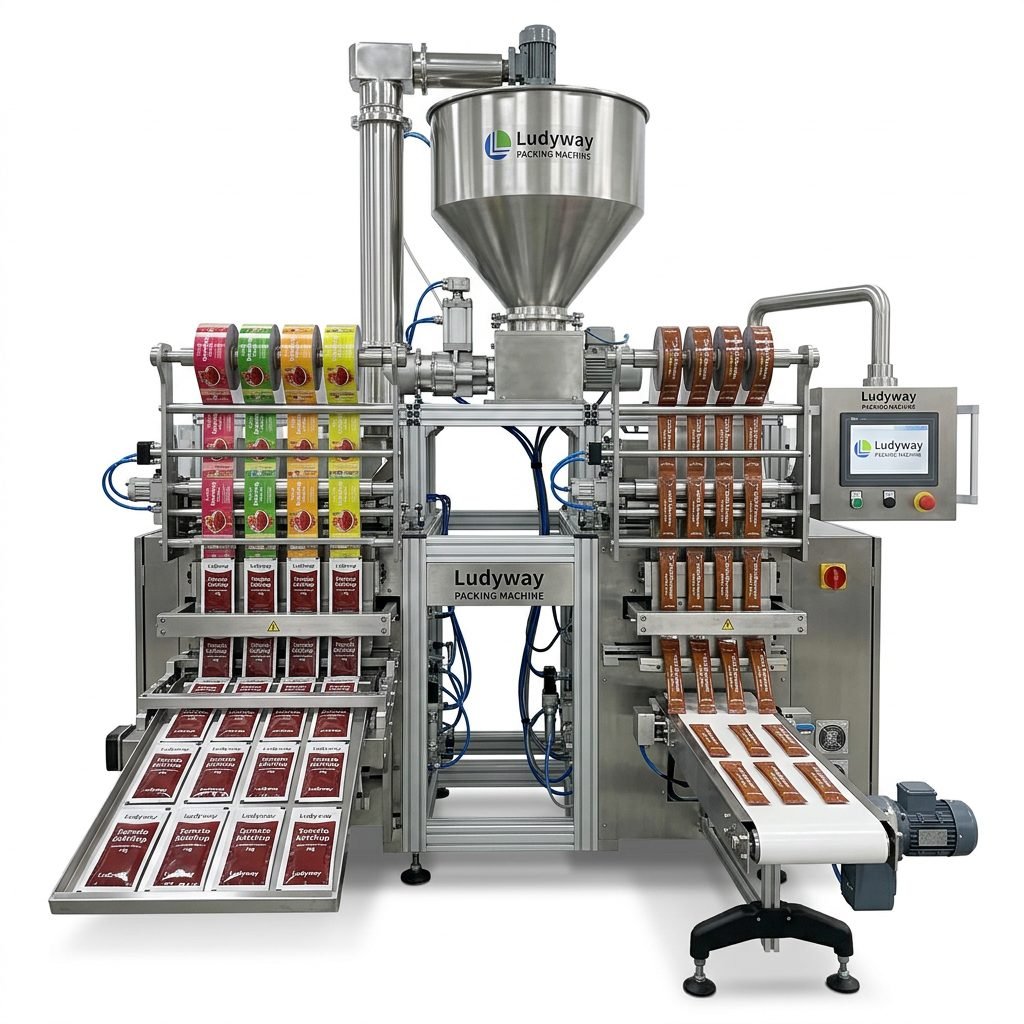
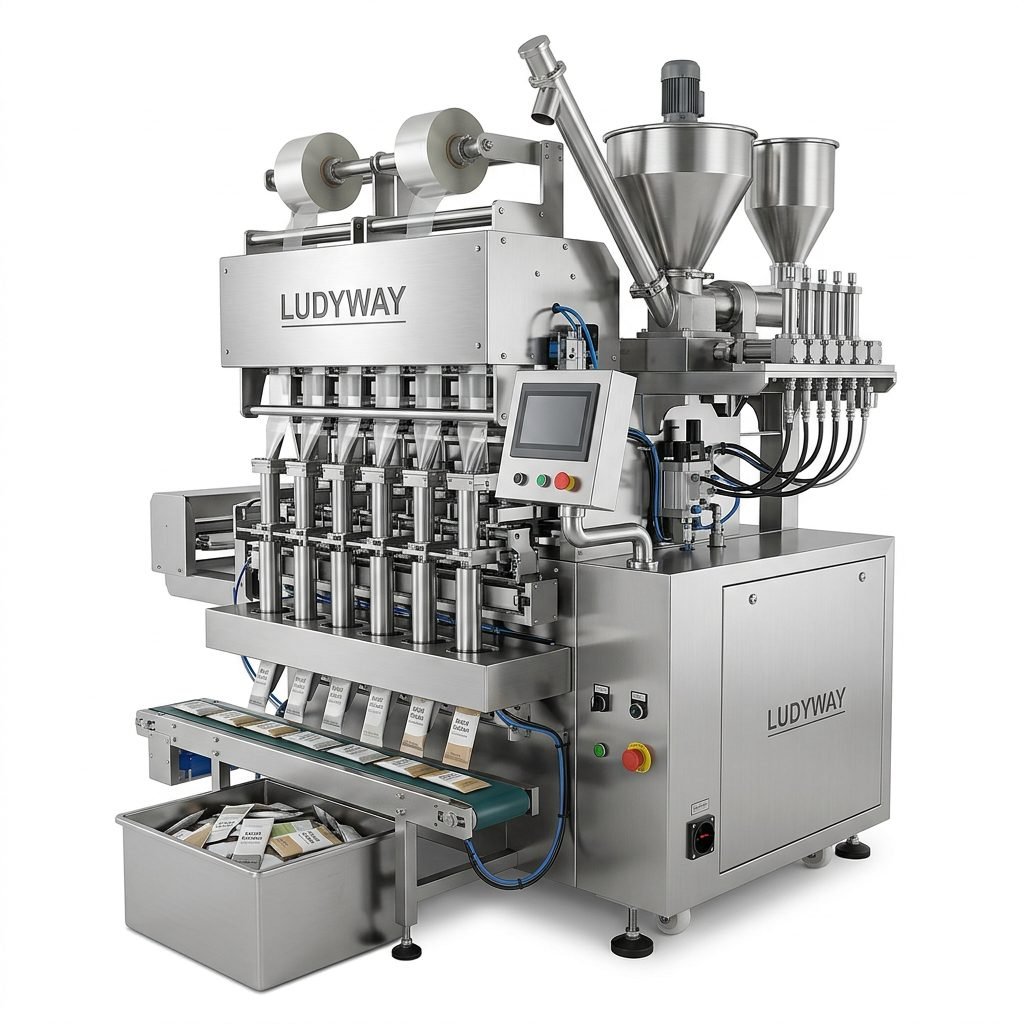
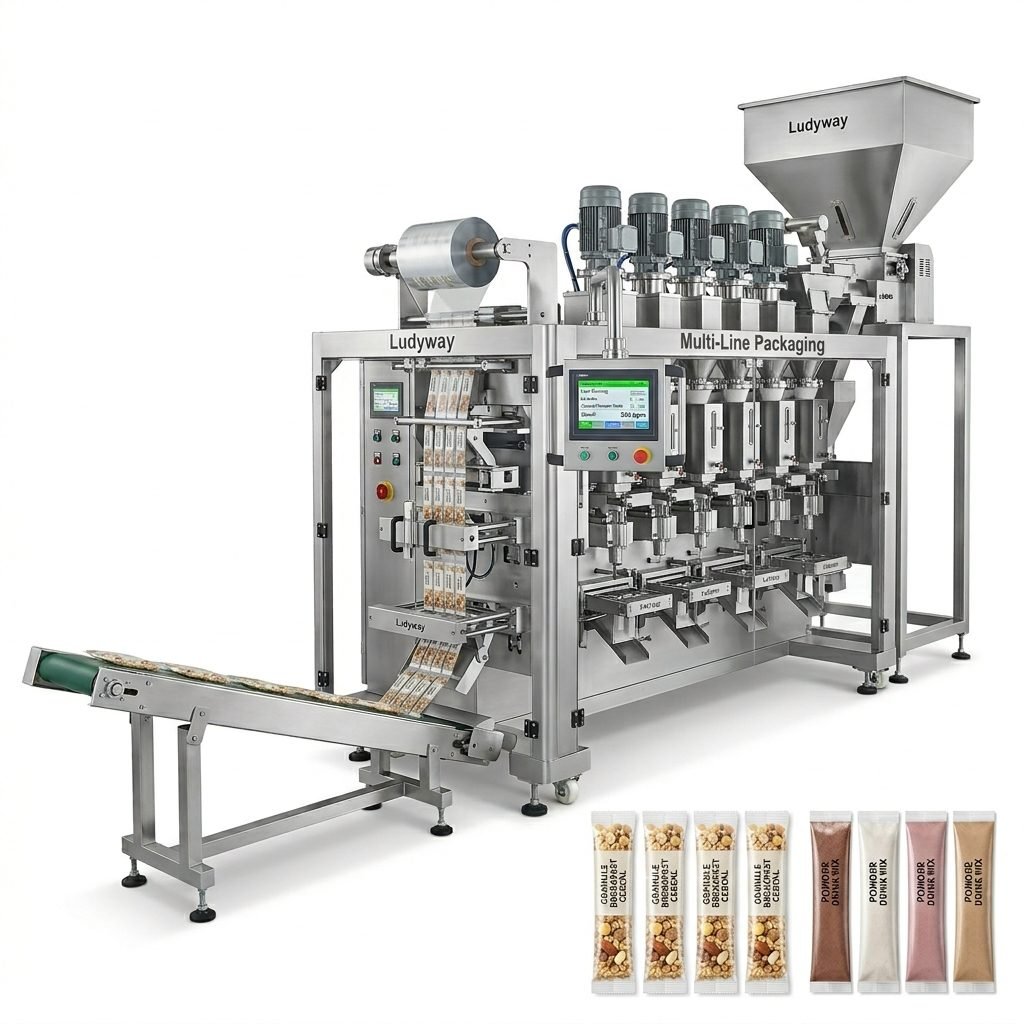
For smaller portion packaging, multi-lane stick pack and sachet machines deliver exceptional throughput. These systems typically run 4 to 16 lanes simultaneously, allowing for extremely high output in compact footprints. They are particularly popular for single-serve grain products, instant oatmeal portions, and convenience food applications. The ability to run multiple lanes at once dramatically reduces per-unit packaging costs.
Premade Pouch Packaging Machines
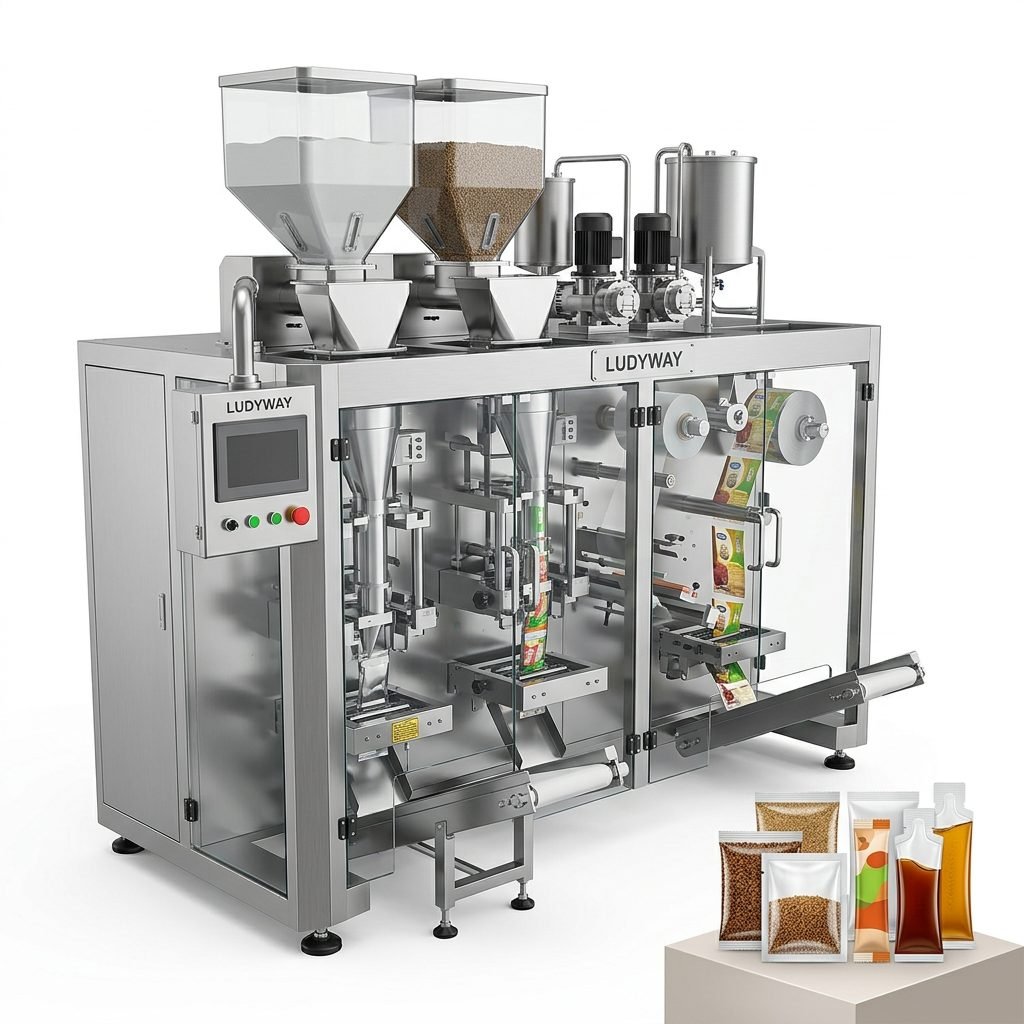
Premade pouch machines use ready-made bags and automate the filling and sealing process. These systems are favored for their flexibility and superior seal quality. They can handle stand-up pouches, zipper bags, spouted pouches, and other premium packaging formats that appeal to retail consumers. While generally slower than VFFS systems, premade pouch machines offer greater versatility for brands looking to differentiate their products on store shelves.
Bulk Bag and Weighing Systems
For industrial and wholesale applications, bulk bag filling systems handle larger quantities ranging from 5 kg to 50 kg or more. These machines often integrate advanced weighing technologies to ensure precise fill weights and minimize product giveaway. They are commonly used for commodity grains, animal feed, and export packaging operations where throughput and accuracy are equally important.
Key Features Comparison
| Machine Type | Speed Range | Bag Formats | Best For |
|---|---|---|---|
| VFFS Machines | 80-150 bags/min | Pillow, Gusseted, Quad-seal | High-volume grain packaging |
| Multi-Lane Stick Pack | 200-600 packs/min | Stick packs, Sachets | Single-serve portions |
| Premade Pouch Machines | 30-60 pouches/min | Stand-up, Zipper, Spouted pouches | Premium retail packaging |
| Bulk Bag Systems | 5-20 bags/min | 5-50 kg bags | Wholesale and industrial use |
Critical Factors to Evaluate When Buying
Beyond machine type, several operational and technical factors should influence your purchasing decision. Taking the time to evaluate these elements will help you avoid costly mistakes and ensure long-term satisfaction with your investment.
Filling Accuracy and Weighing Technology
For grain products where product giveaway directly impacts profitability, weighing accuracy is paramount. Modern machines employ multi-head weighers, linear weighers, or volumetric fillers depending on the application. Multi-head weighers typically offer the highest accuracy, achieving deviations as low as ±0.1% to ±1% of target weight. For high-value grains and specialty products, this level of precision can deliver substantial cost savings over time.
Packaging Material Compatibility
Different grains require different packaging materials to maintain freshness and prevent contamination. Your machine must be compatible with the flexible packaging materials you intend to use, whether that is laminated films, polyethylene, polypropylene, paper-based laminates, or biodegradable alternatives. Consider factors such as film thickness range, seal temperature requirements, and the machine’s ability to handle various material structures without wrinkling or misalignment.
Automation and Integration Capabilities
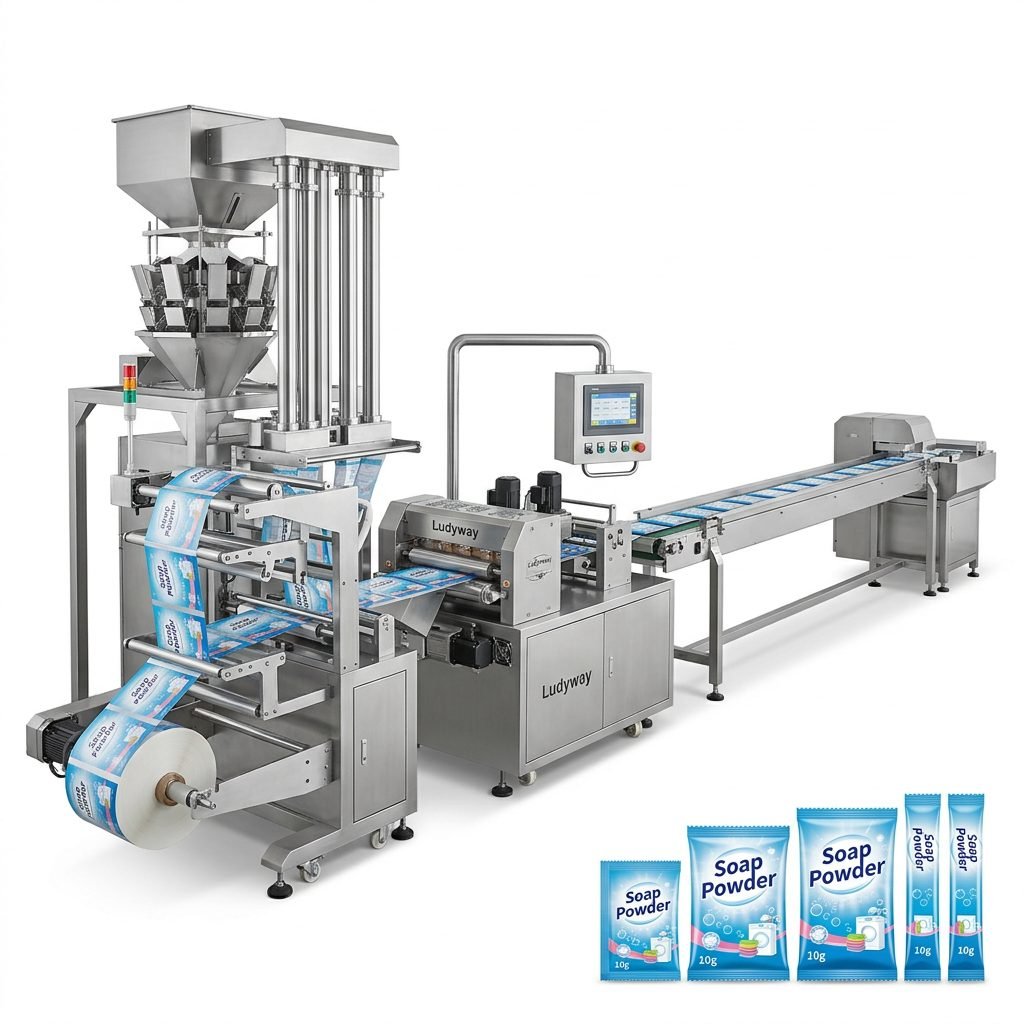
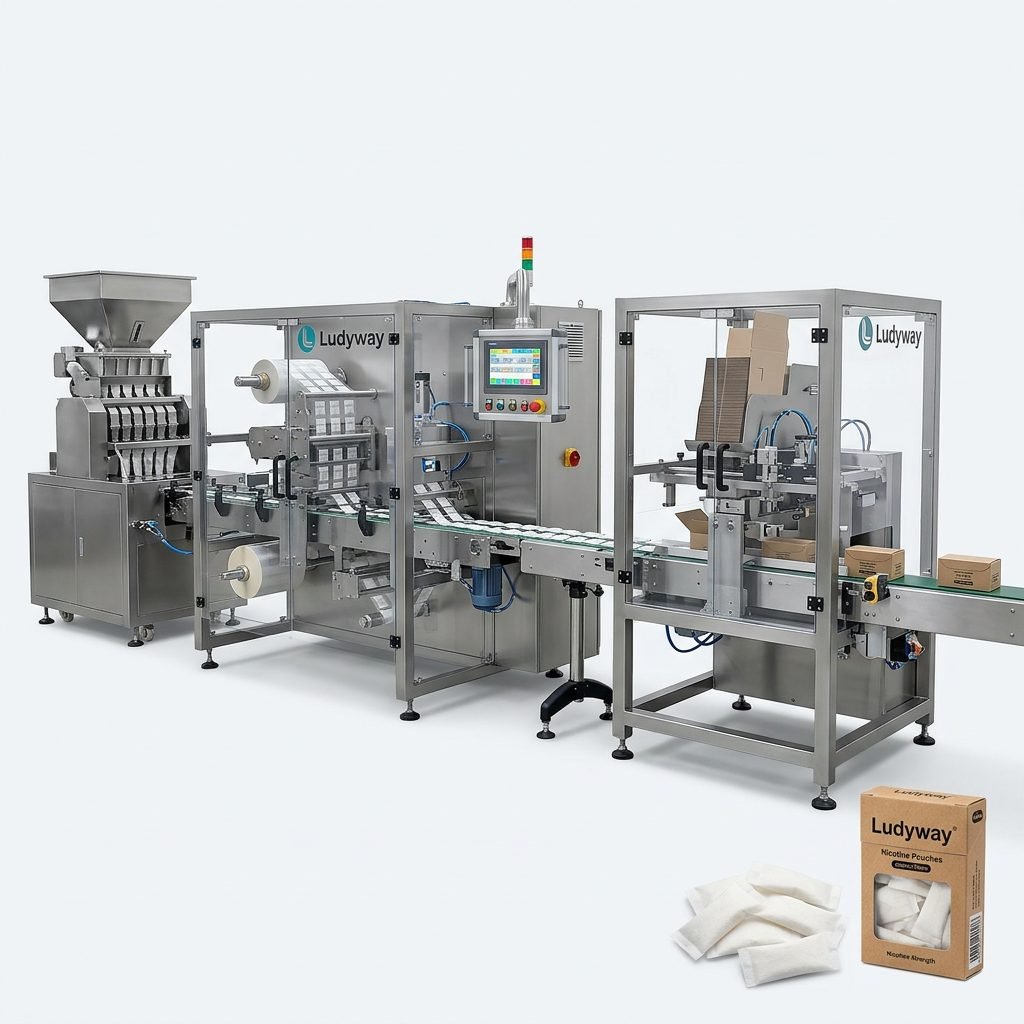
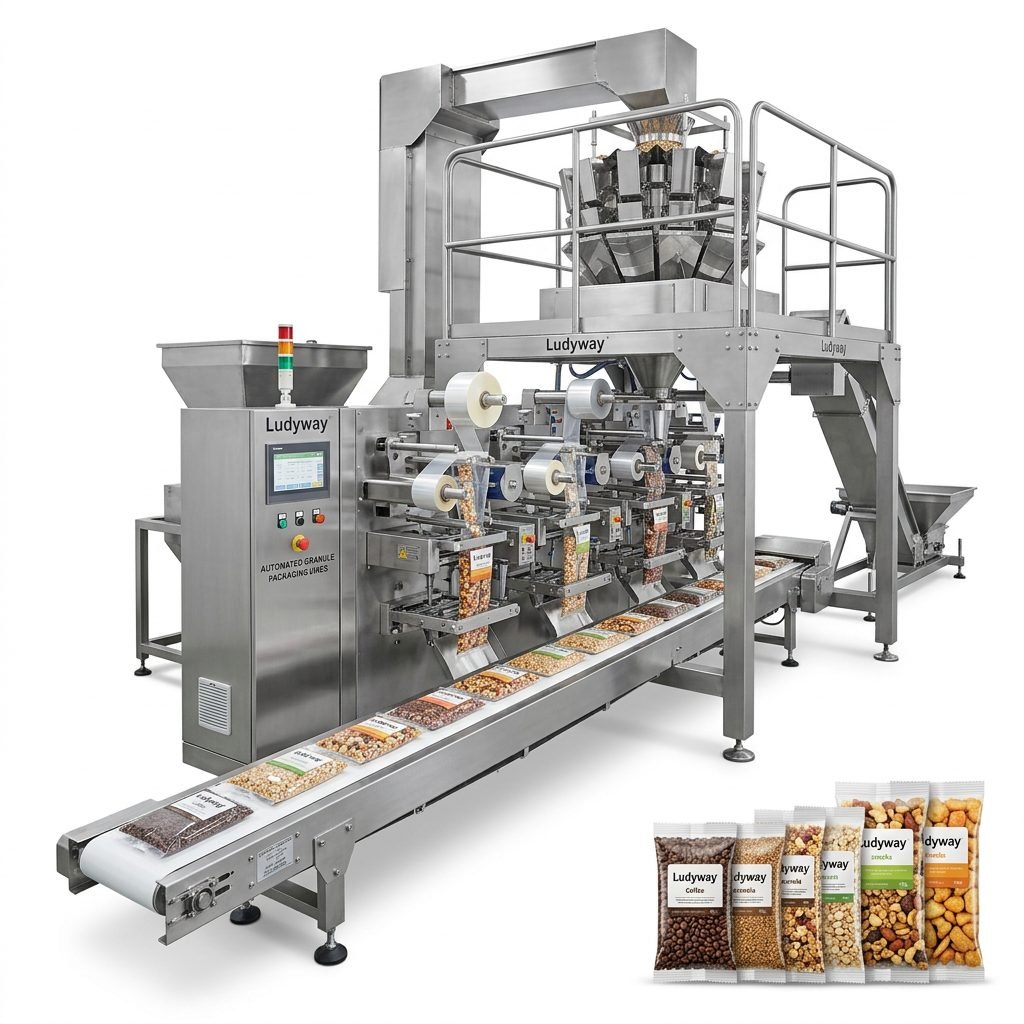
In today’s competitive manufacturing environment, automation is no longer optional. Look for machines that can integrate seamlessly with upstream and downstream equipment, including conveyors, checkweighers, metal detectors, cartoners, case packers, and palletizing systems. A fully integrated packaging line reduces manual handling, minimizes contamination risks, and provides end-to-end traceability. Many manufacturers now offer turnkey packaging solutions that include complete line design and integration services.
Ease of Cleaning and Maintenance
Grain dust can be abrasive and, in some cases, combustible. Choosing equipment with good accessibility for cleaning and routine maintenance is essential for safety and longevity. Features such as tool-less changeover, quick-release components, and centralized lubrication points reduce downtime and make operator training easier. Also consider the availability of spare parts and the responsiveness of the manufacturer’s after-sales support team.
Compliance with Food Safety Standards
If you are packaging grains for human consumption, your equipment must comply with relevant food safety regulations and standards. Look for machines constructed with food-grade stainless steel, designed with sanitary principles such as sloped surfaces and minimal crevices, and capable of meeting requirements for HACCP, GMP, and FDA compliance. Equipment that meets ISO packaging standards provides additional assurance of quality and reliability.
Budget Considerations and ROI Analysis
The purchase price of a grain packaging machine is just one component of the total cost of ownership. When evaluating your budget, consider the following factors:
- Initial equipment cost — including installation, commissioning, and training
- Operating costs — electricity, compressed air, and consumables such as packaging film
- Maintenance expenses — routine servicing, spare parts, and potential repair costs
- Labor savings — automated systems can often replace multiple manual workers
- Product giveaway reduction — improved accuracy pays for itself over time
- Increased throughput — faster packaging means higher revenue potential
A thorough ROI analysis should account for all these elements over a 5-10 year period to provide a realistic picture of long-term value.
Questions to Ask Potential Suppliers
Before finalizing your purchase, engage with potential equipment suppliers and ask detailed questions about their products and services. A reputable supplier should be transparent and willing to provide comprehensive answers. Key questions include:
- What is the expected lifespan of the machine under normal operating conditions?
- Can you provide references from customers with similar applications?
- What warranty coverage is included, and what are the terms for extended service agreements?
- How quickly can spare parts be shipped to our location?
- Do you offer remote diagnostic support and on-site technical assistance?
- What training programs do you provide for operators and maintenance staff?
- Can the machine be upgraded or modified as our production needs evolve?
Common Mistakes to Avoid
Many buyers make preventable errors when selecting packaging equipment. Being aware of these common pitfalls can save you time, money, and frustration:
- Underestimating future capacity needs — choose a machine that can grow with your business
- Overlooking packaging material costs — some machines require proprietary films that increase operating expenses
- Ignoring facility constraints — verify ceiling height, floor space, power supply, and compressed air availability
- Focusing solely on price — the cheapest option often leads to higher long-term costs
- Neglecting operator training — even the best machine underperforms without proper operation

Final Recommendations
Selecting the right grain packaging machine is a strategic decision that impacts your operational efficiency, product quality, and bottom line. Begin by thoroughly assessing your current and future production requirements, then match those needs to the appropriate machine type. Prioritize accuracy, reliability, and after-sales support over the lowest purchase price. Whenever possible, conduct product trials with your actual grain materials to verify machine performance before committing to a purchase. Working with an experienced packaging equipment manufacturer can also simplify the process — companies like Ludyway offer extensive expertise across a wide range of packaging applications and can provide tailored solutions for grain packaging projects of any scale. For more information on packaging industry standards and trends, resources from PMMI’s business intelligence reports and the Flexible Packaging Association provide valuable insights to support your decision-making process.