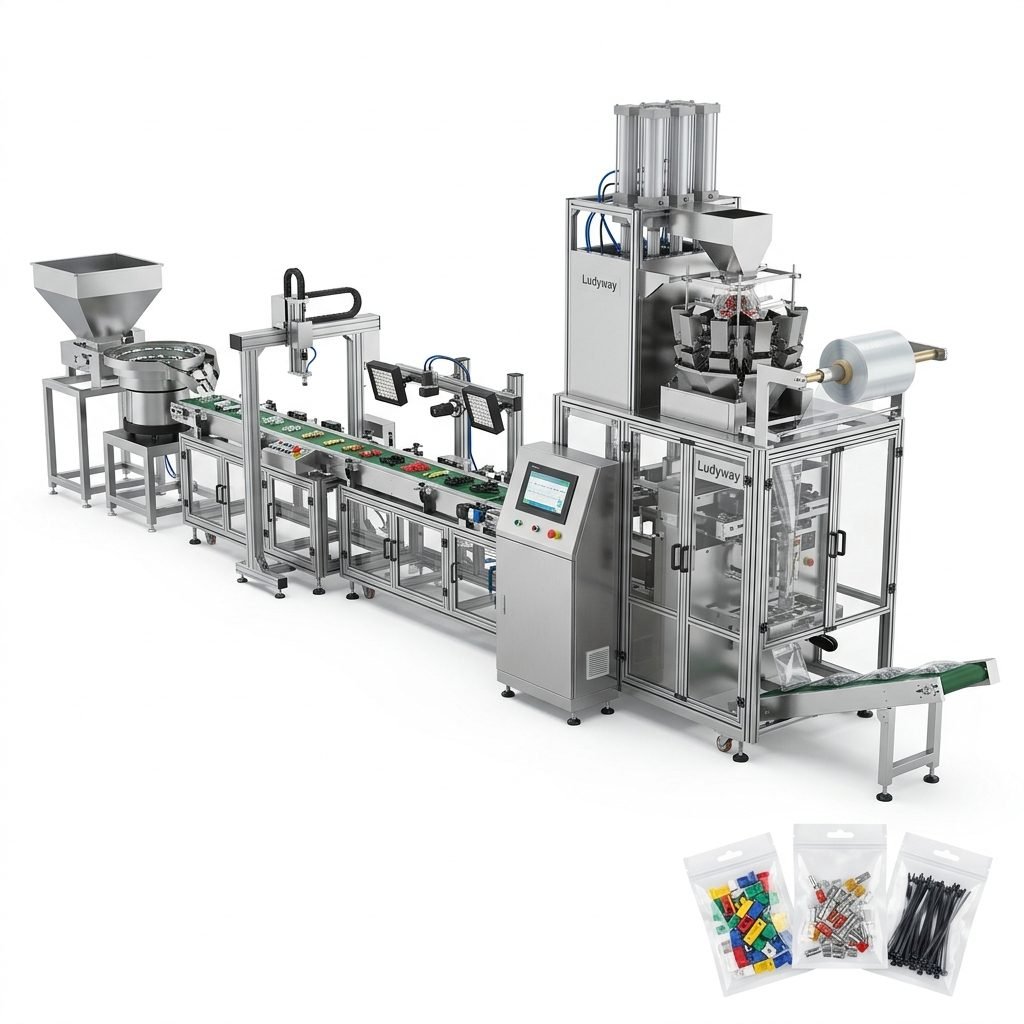
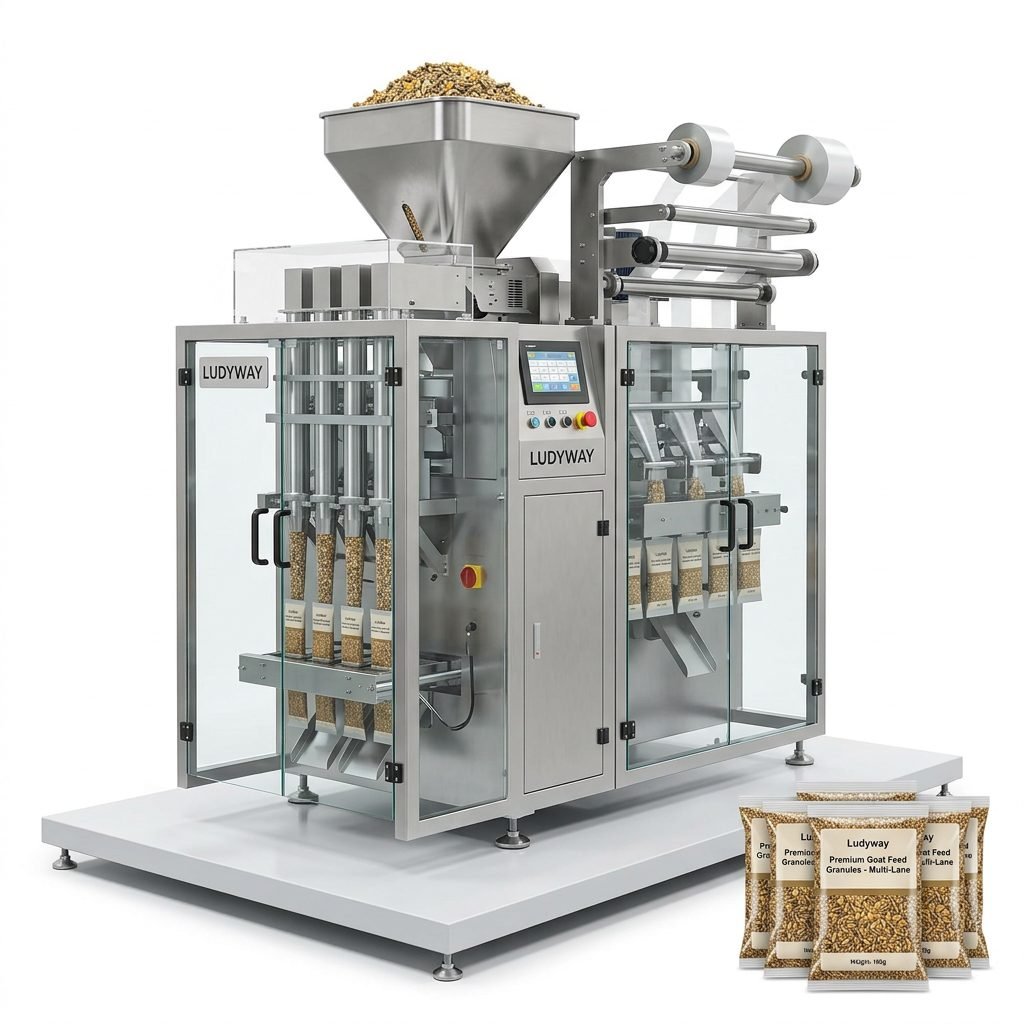
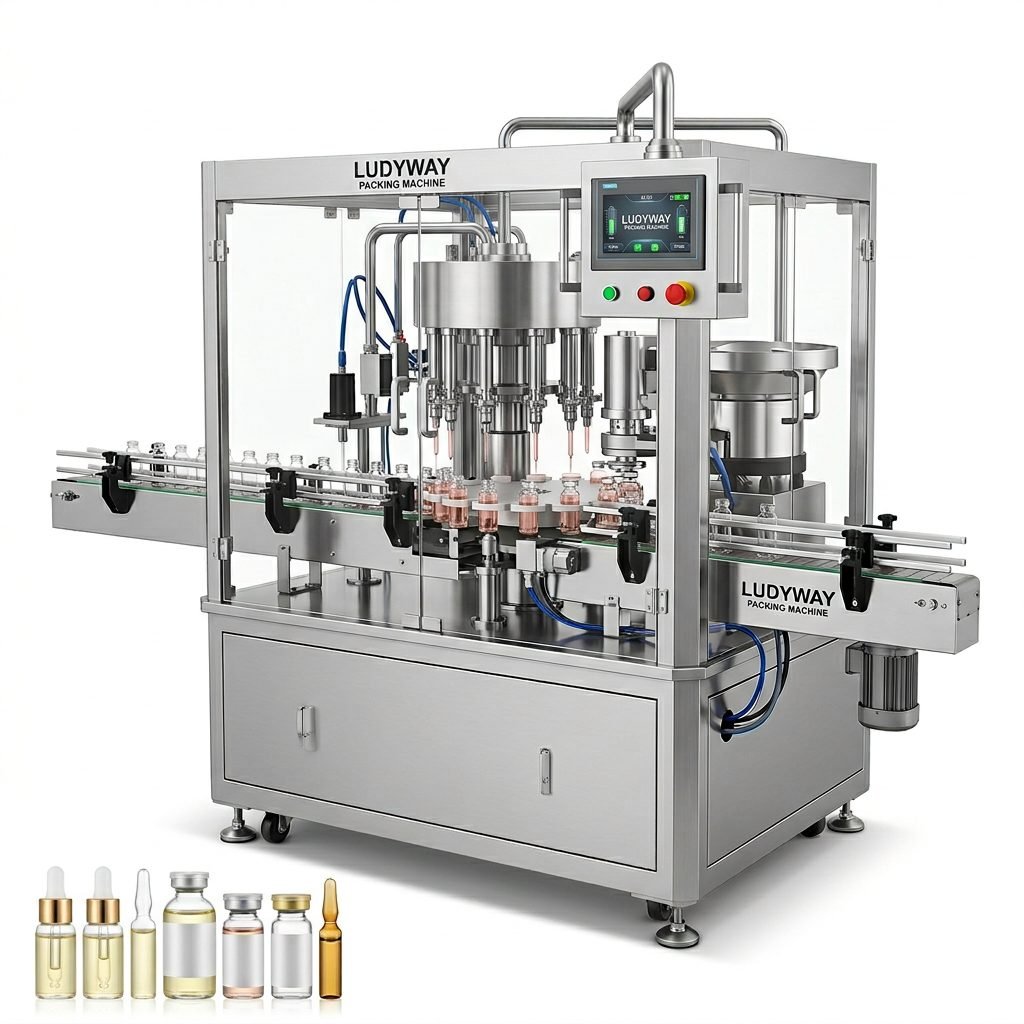
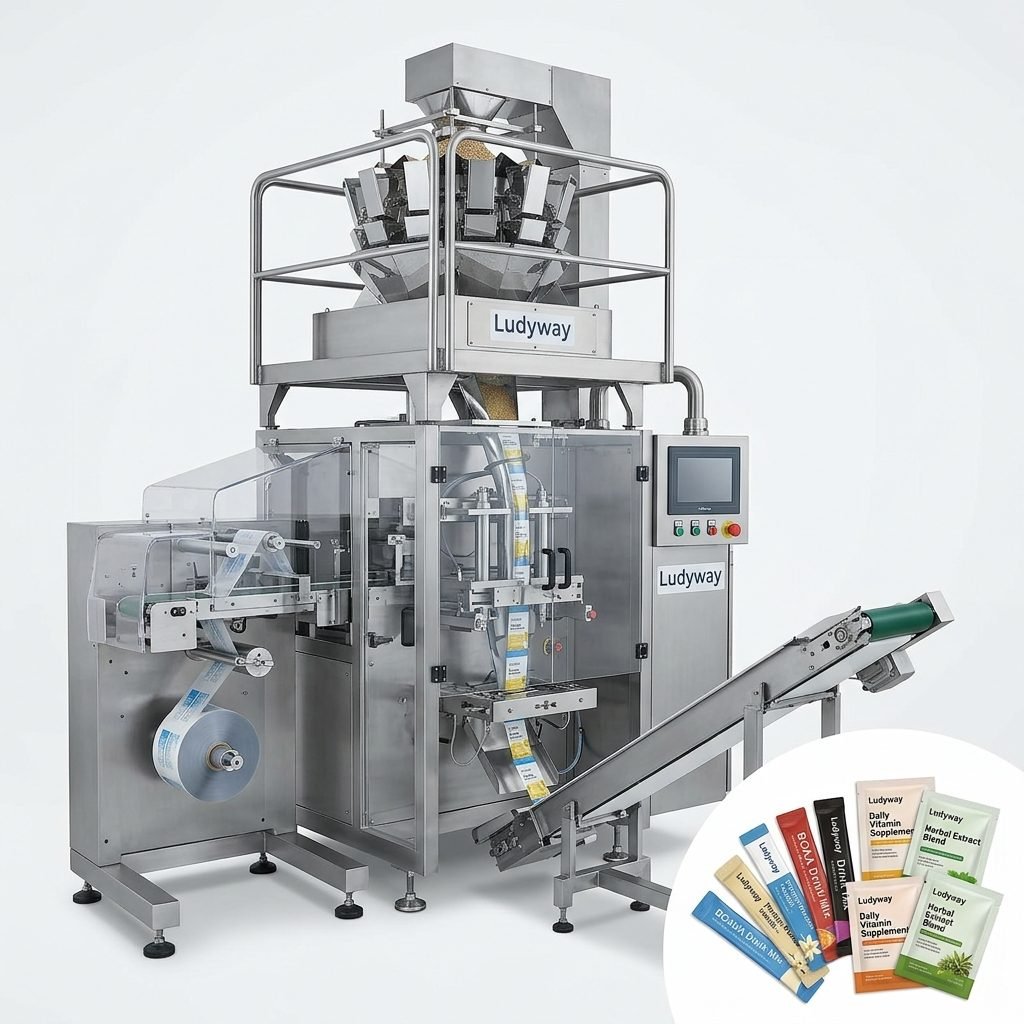
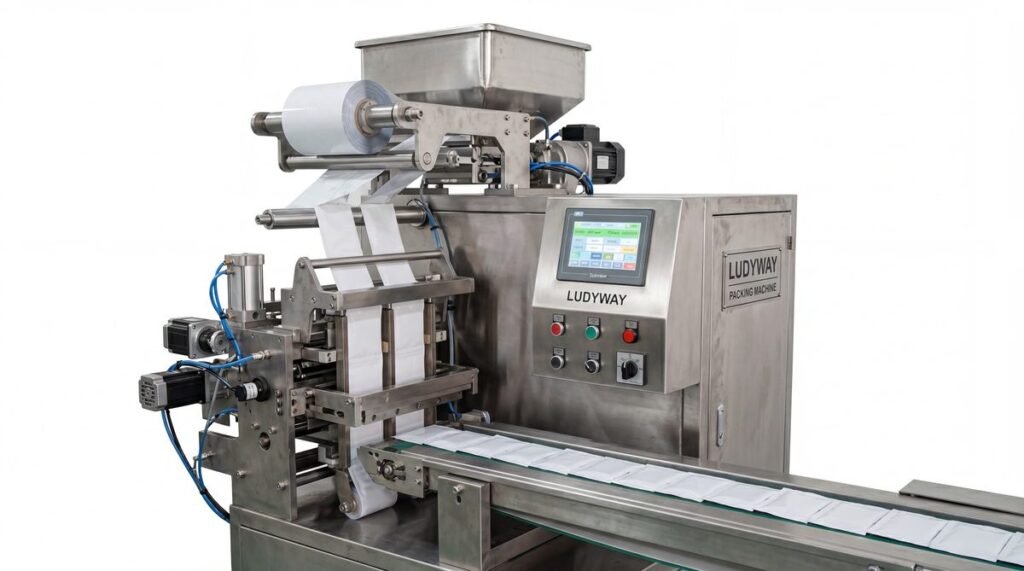
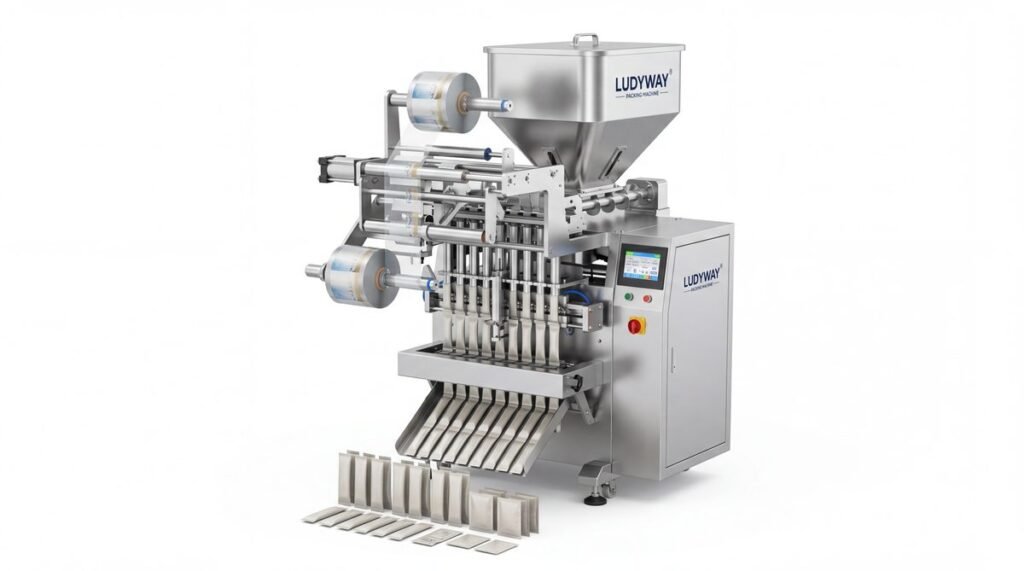
Investing in a Konark tea pouch packing machine is a strategic decision for tea manufacturers aiming to scale production, ensure freshness, and meet market demands. The price of these machines varies significantly based on configuration, speed, and automation level. Whether you are a startup packing artisan blends or a large-scale operation producing thousands of pouches per minute, understanding the cost breakdown is crucial.
Generally, a standard automatic tea pouch packing machine can range from $5,000 to $50,000. Entry-level models with basic weighing systems sit at the lower end, while high-speed multi-lane systems with integrated nitrogen flushing and gas detection naturally command premium prices. The final invoice depends heavily on the material of construction (typically SS304 or SS316 for food-grade safety), the type of weighing mechanism (volumetric cup vs. multi-head weigher), and the overall throughput capacity measured in pouches per minute (PPM).

Key Factors Influencing the Cost of Tea Pouch Packing Machinery
Before requesting a quotation, it is essential to analyze the technical specifications that directly impact the return on investment (ROI). An average small-to-medium enterprise might opt for a 4-lane machine, while industrial giants often require 10-lane or 12-lane configurations. Below is a detailed pricing structure based on industry standards and manufacturing tiers.
1. Automation Level and Speed
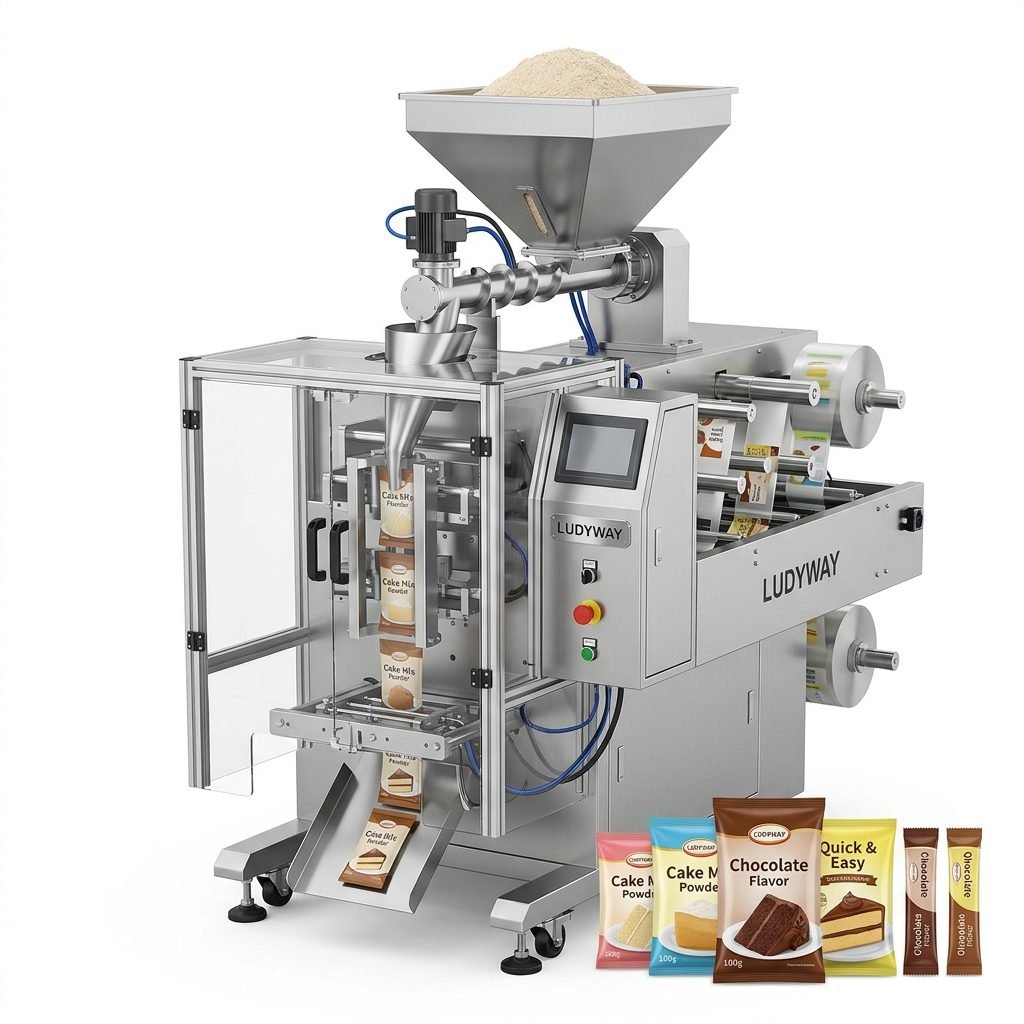
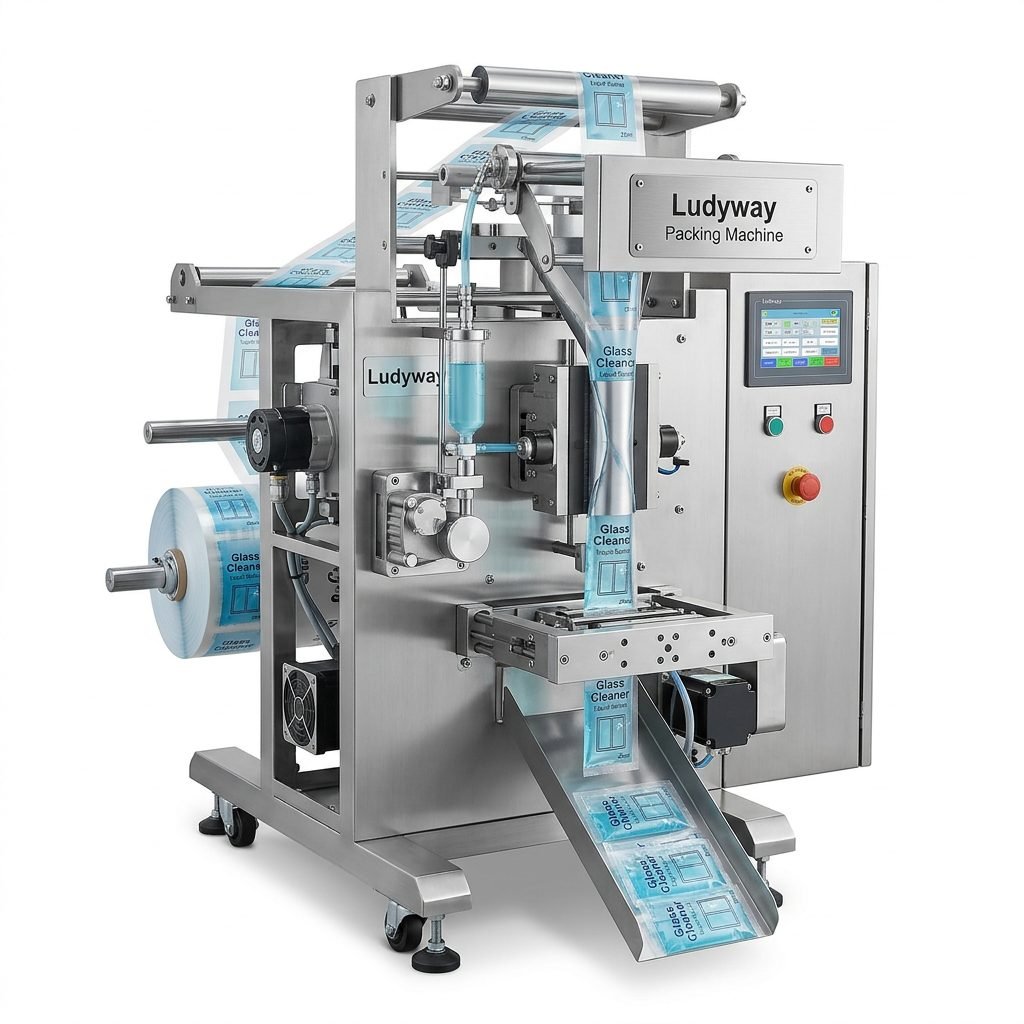
The core driver of cost is automation. A semi-automatic machine requires manual intervention for feeding and pouch handling, making it cheaper (approx. $4,000 – $8,000). In contrast, a fully automatic vertical form fill seal (VFFS) machine with servo-driven controls represents a different price bracket. These high-precision systems ensure consistent heat sealing and exact fill weights, typically ranging from $15,000 to $45,000 depending on the lane count. Intelligent sensor integration and PLC touch screen controls add to the upfront cost but dramatically reduce labor and material waste.
2. Weighing and Filling Systems
The precision of the dosing unit is non-negotiable in the tea industry. A standard volumetric cup filler is cost-effective but less suitable for premium long-leaf teas that require gentle handling. Multi-head weighers, although more expensive, guarantee accuracy for delicate tea blends and powders. A tea pouch packing machine equipped with a high-performance 10-head weigher can easily increase the base price by $8,000 – $12,000 compared to a cup filler. For products requiring dust extraction or special agitation, the engineering complexity rises correspondingly.
Price Range Breakdown by Machine Configuration
To give you a clearer perspective, here is a comparative table illustrating how specifications influence the final cost. These figures are estimates for reference within the global machinery market.
| Machine Specification | Estimated Output (Pouch/Min) | Approximate Price Range (USD) |
|---|---|---|
| Single Lane (Semi-Auto) | 30 – 50 | $4,200 – $8,500 |
| 4-Lane Automatic Stick Pack | 120 – 200 | $22,000 – $35,000 |
| 8-Lane High-Speed Granule System | 300 – 450 | $38,000 – $52,000 |
| 10-Lane with Multi-Head Weigher | 400 – 600 | $55,000 – $78,000 |
Additional Features That Impact the Final Quote
Modern tea packaging requires more than just filling. To compete internationally, producers need enhanced capabilities. The following add-ons are often integrated into the packaging line:
- Nitrogen Flushing System: Essential for extending the shelf life of green tea and flavored teas. This gas preservation setup can add $2,500 – $5,000 to the total cost.
- Notch and Tear Features: Laser or mechanical perforation for easy-open consumer pouches requires specialized tooling.
- Outer Cartoning: Some manufacturers prefer an integrated line that packs the finished pouches into cartons automatically, reducing end-of-line labor.
- Stainless Steel Grade: SS304 is standard, but upgrading to full SS316L for high-corrosion environments (common in some herbal tea processes) increases the material cost by approximately 15-20%.
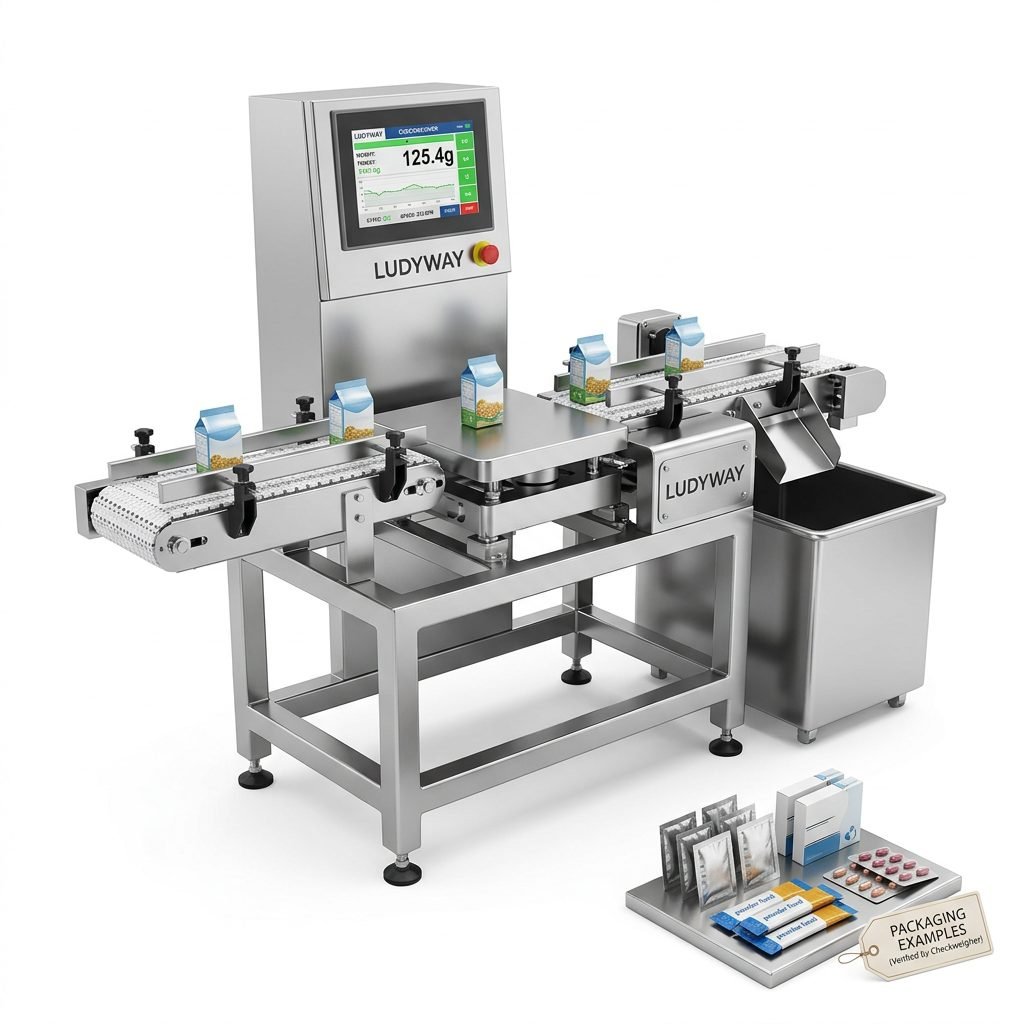
- Date Coding & Inspection: Integrated thermal inkjet printers and check-weighing systems ensure quality compliance.

3. Manufacturer and After-Sales Support
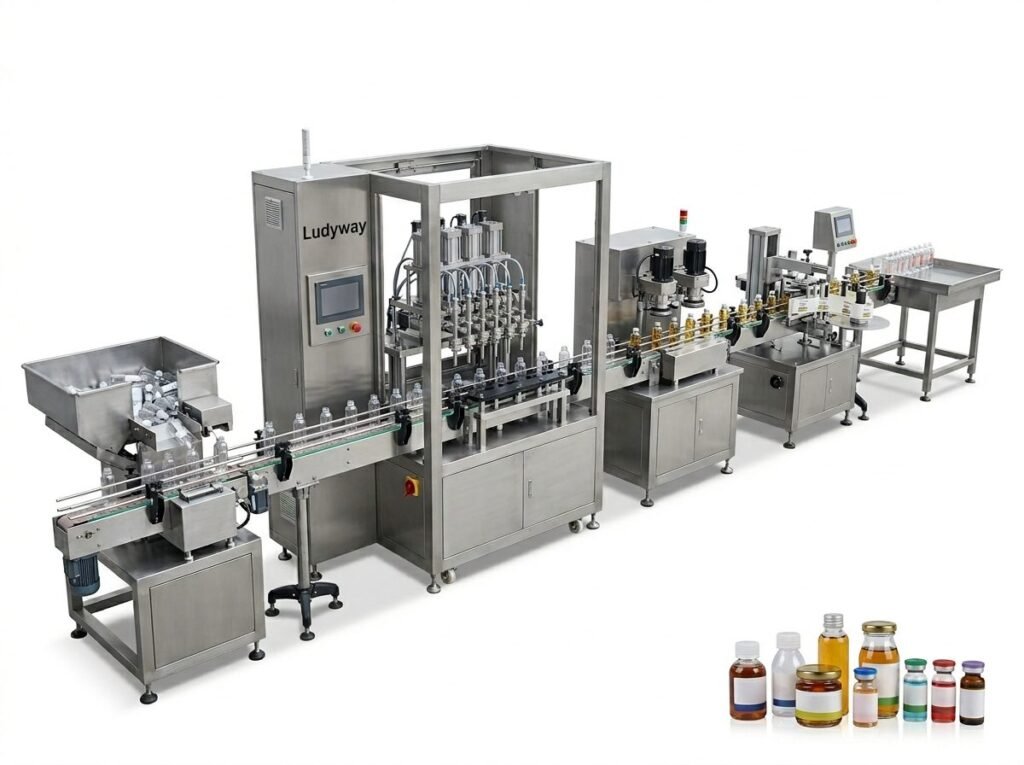
The origin of the machine plays a significant role in pricing. Equipment produced in regions with a mature industrial supply chain often delivers a superior price-to-performance ratio. For instance, Ludyway, one of the largest packaging machine manufacturers in China, provides advanced packaging equipment backed by a modern 20,000㎡ manufacturing facility. Sourcing from a specialized group that offers turnkey solutions frequently reduces total investment by 20-30% compared to European equivalents, without compromising on engineering quality. Their turnkey packaging solutions extend beyond pouches to encompass the entire production line, ensuring seamless integration. When evaluating cost, always factor in the availability of remote support, warranty periods, and the accessibility of spare parts.
Concealed Costs and Long-Term Investment Value
While the initial purchase price is vital, operational expenditure matters equally. A lower-cost, mechanically intensive machine might consume more electricity and generate higher film waste. Modern servo-driven machines, particularly those utilizing precise film unwinding systems, optimize the use of laminate material. Look for metrics evaluating mean time between failures (MTBF). Investing an additional $5,000 – $10,000 upfront in a robust machine often saves over $20,000 in downtime and repairs over a three-year period.
Customization and Turnkey Integration
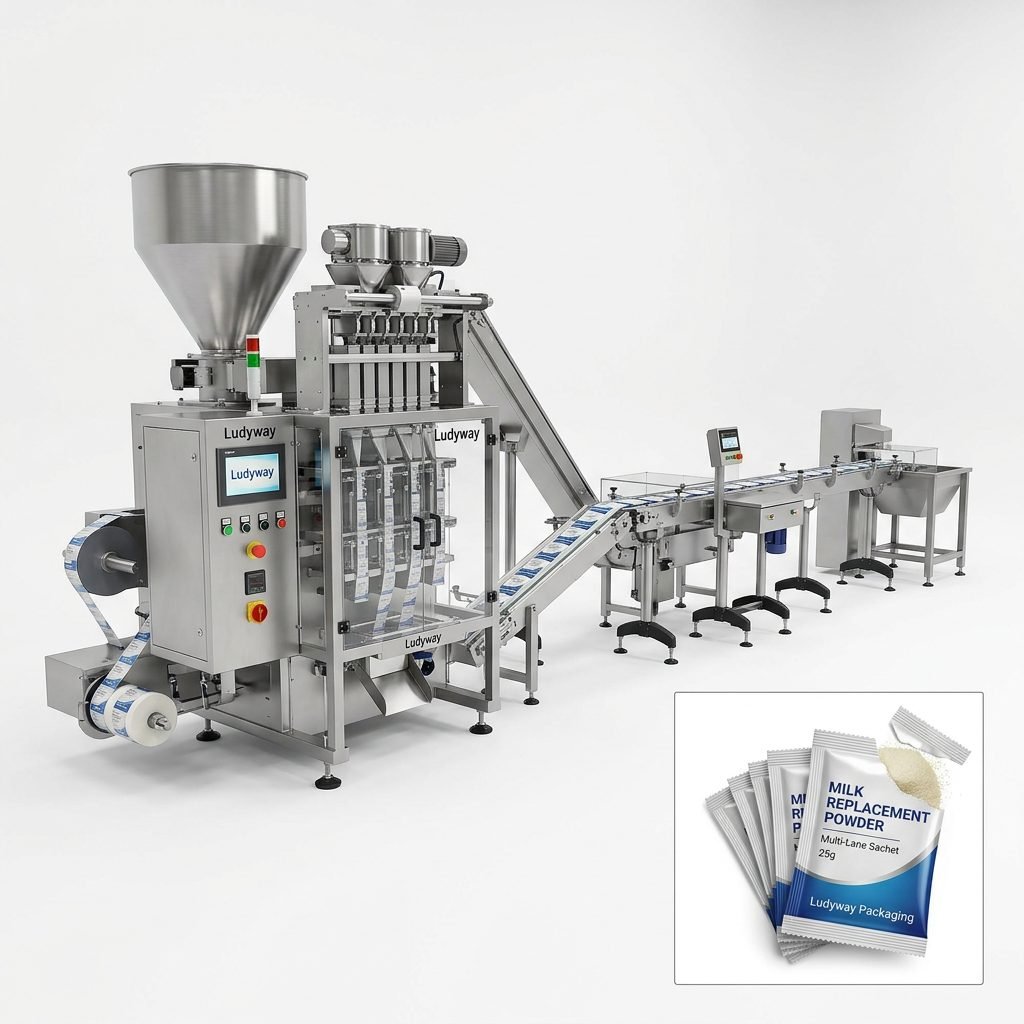
Tea powders, granules, and long leaves all require different engineering. A machine built for granular green tea will fail catastrophically if used for sticky, sugar-based instant tea mixes. Custom hoppers, agitators, and sealers are part of the customization package. The demand for custom coding, special tear notches, and pouch shapes (such as pyramid or three-side seal) requires precision tooling that contributes to the final bill. Turnkey automated lines that connect straight from a tea processing machine into a pouch packing machine significantly enhance efficiency but represent a larger capital outlay.
Helpful Industry Resources
To further research packaging industry standards before purchasing, you can visit the following resources:
- PMMI – The Association for Packaging and Processing Technologies
- Flexible Packaging Association – Industry Data
- ISO Standards for Packaging Machinery
- FDA Guidelines on Food Packaging
Final Verdict: Budgeting for Your Konark Tea Pouch Machine
A realistic budget for a reliable, mid-range, 4-lane tea stick pack machine suitable for commercial production lies between $25,000 and $40,000. For smaller businesses, it is often more strategic to acquire a versatile supplier model that supports multiple pouch formats. Instead of buying an unbranded machine with zero legacy, consider leveraging the expertise of established groups with over 30 years of industry experience, such as the team at Ludyway, who specialize in advanced packaging equipment for granule, powder, and liquid applications. A thorough cost-benefit analysis that includes film savings, labor reduction, and production speed will reveal that the right machine pays for itself far sooner than expected.