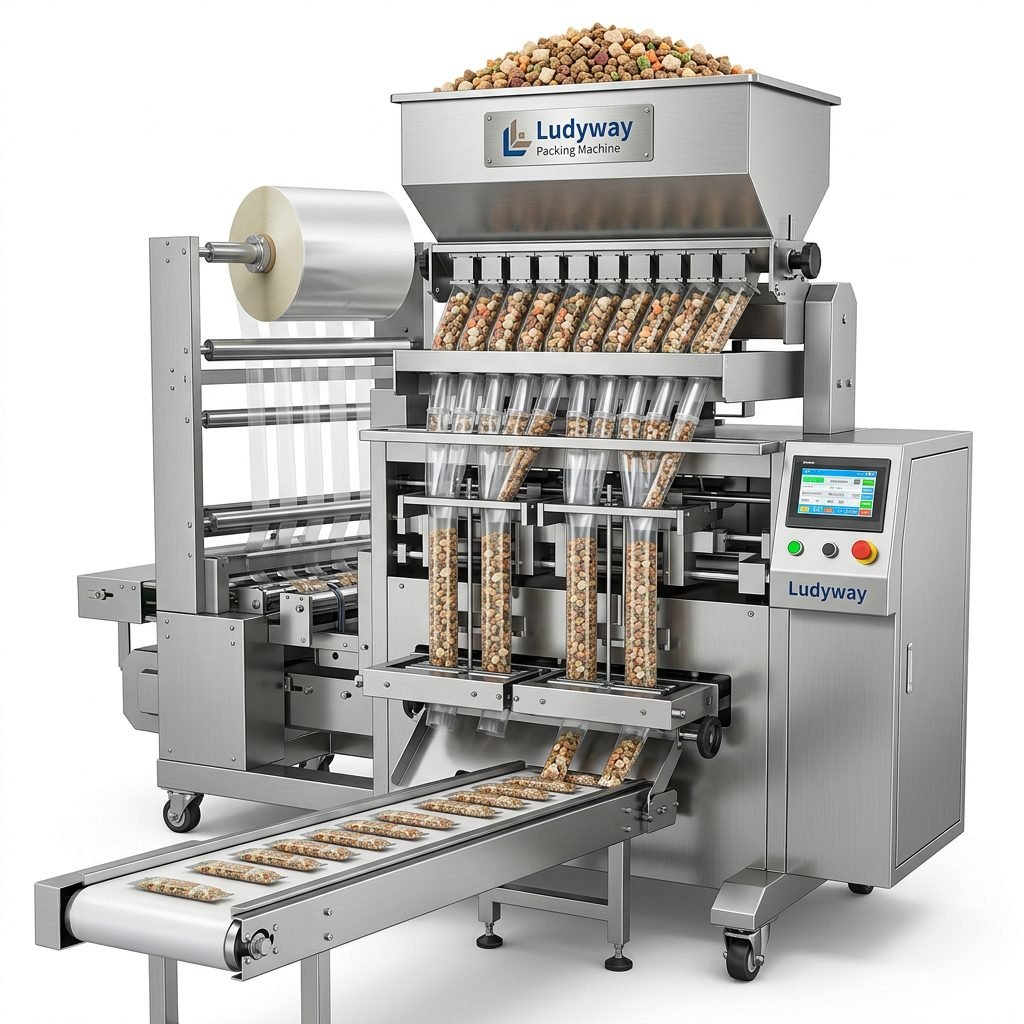
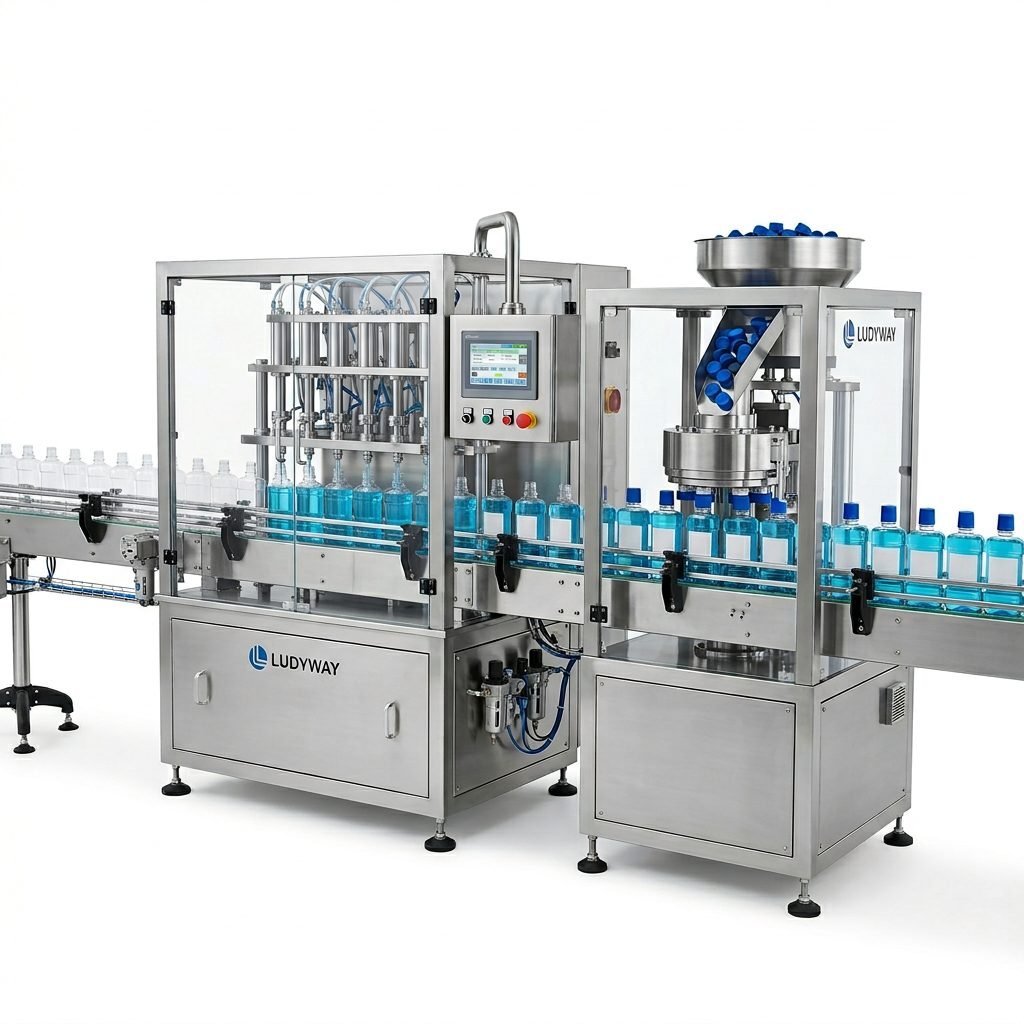
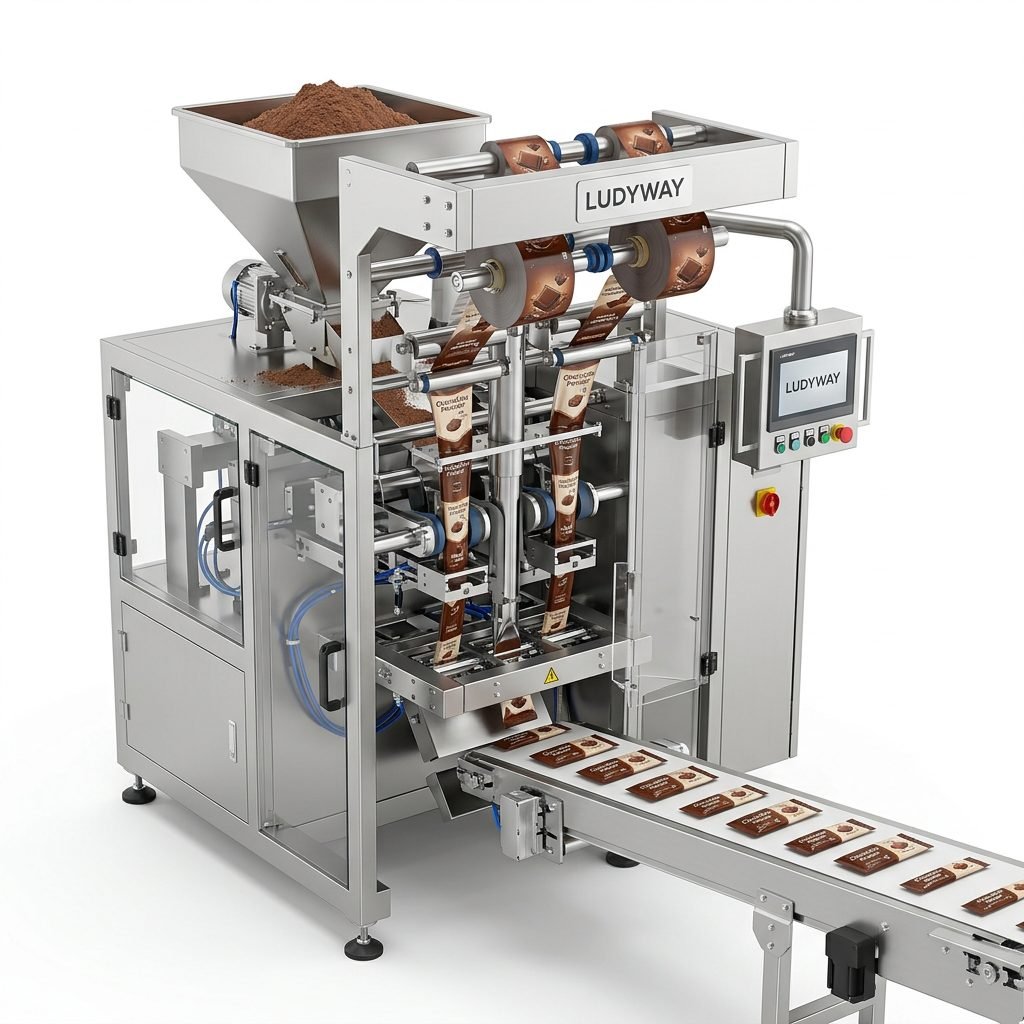
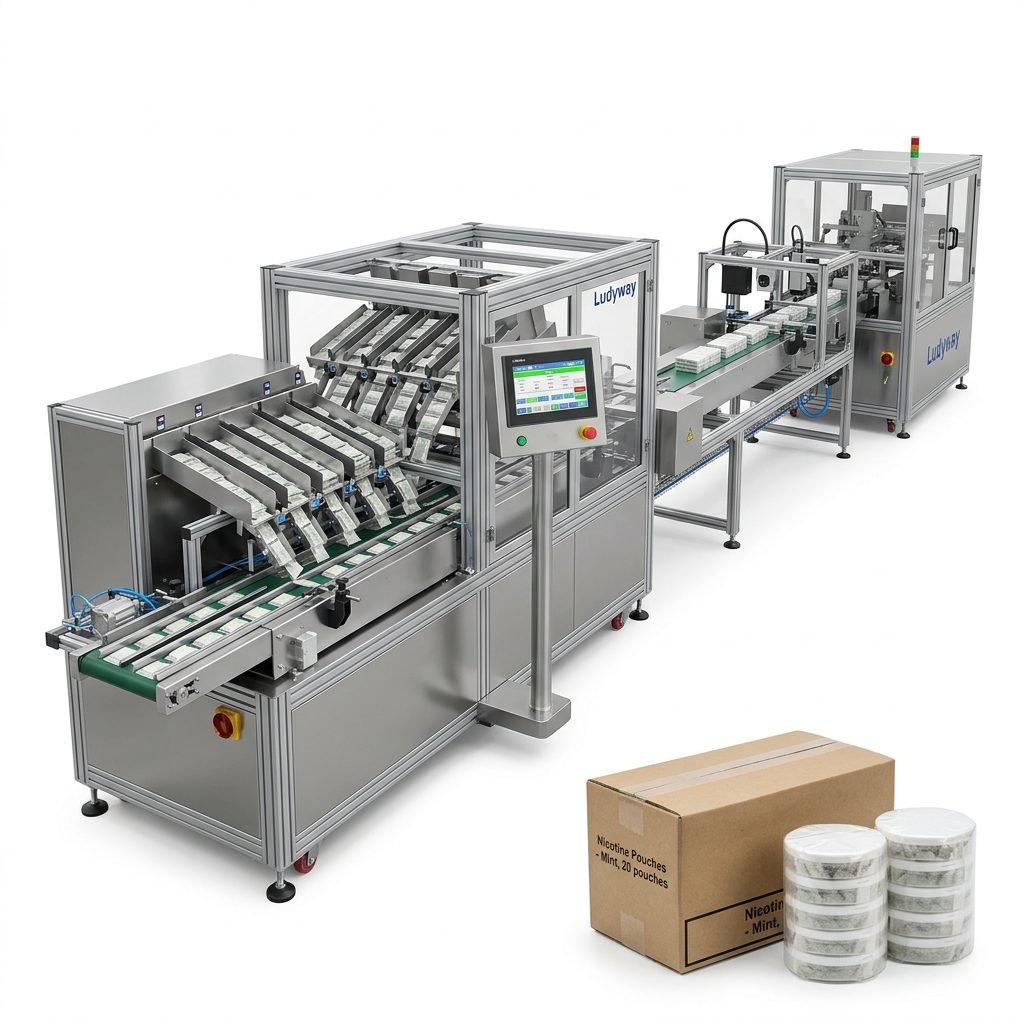
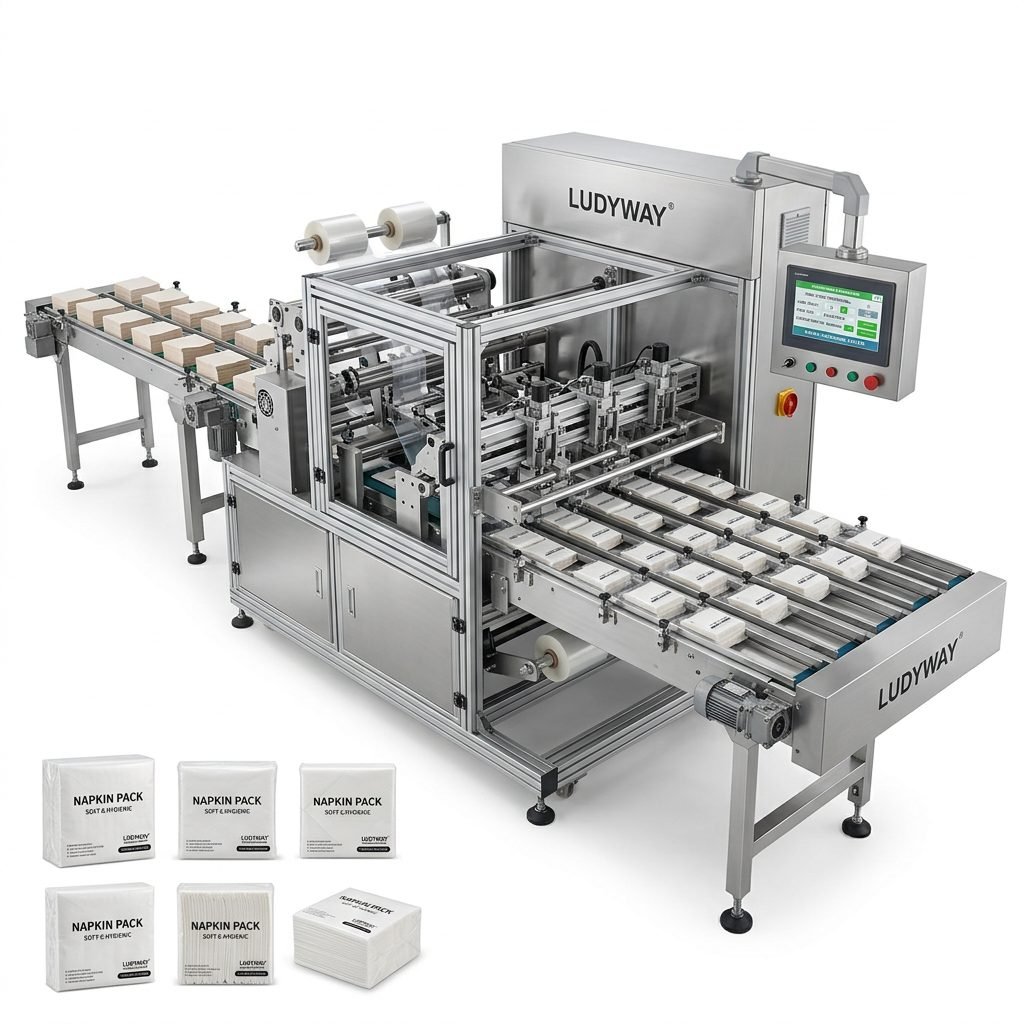
In modern beverage production, an automatic water packing machine plays a critical role in improving output, consistency, and hygiene. For bottled water manufacturers, contract packers, and growing beverage brands, the right system can transform a labor-intensive operation into a streamlined, scalable production process.
From water bottle filling to capping, labeling, wrapping, and final case packing, a fully integrated line helps businesses reduce downtime, control product quality, and meet rising market demand. Whether you run a startup bottling plant or a high-volume factory, choosing the right packaging solution directly affects productivity and profitability.
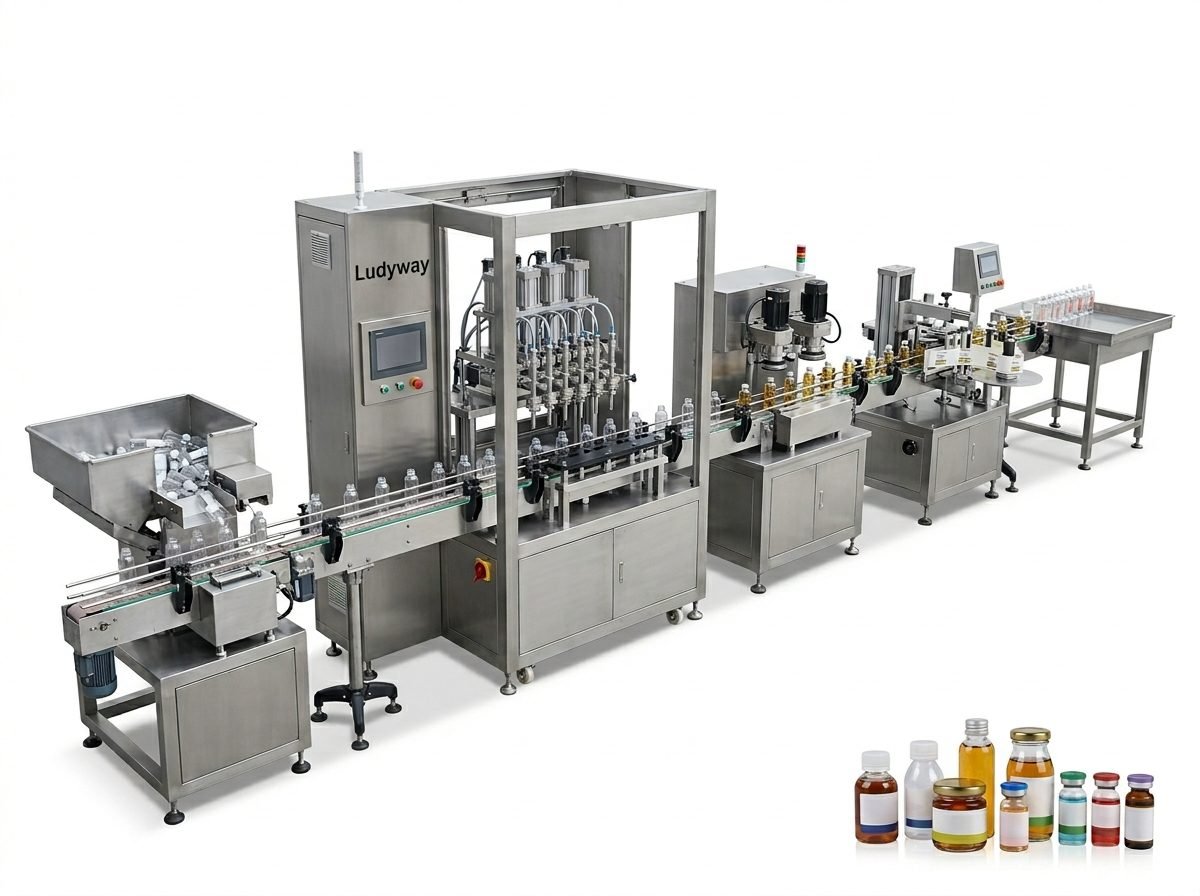
What Is an Automatic Water Packing Machine?
An automatic water packing machine is a packaging system designed to fill and pack purified water, mineral water, drinking water, or flavored water into bottles or other containers with minimal manual intervention. In a complete line, the machine can include:
- Bottle rinsing or air cleaning
- Automatic bottle feeding and positioning
- Precise volumetric or flowmeter filling
- Cap sorting and capping
- Labeling and date coding
- Shrink wrapping, cartoning, or secondary packaging
These systems are widely used by bottled water factories, beverage producers, private-label brands, and companies entering the FMCG packaging sector.
Why Automation Matters in Bottle Filling and Packaging
Manual filling is slow, inconsistent, and difficult to scale. An automated line solves these issues by ensuring repeatable performance at every stage of production. For businesses targeting retail, hospitality, or export markets, automation also helps maintain stricter packaging standards.
| Benefit | How It Helps Water Producers |
|---|---|
| Higher efficiency | Increases bottles filled per hour and reduces idle time |
| Stable filling accuracy | Helps maintain consistent volume and lowers product giveaway |
| Lower labor dependence | Reduces manual handling and operator fatigue |
| Improved hygiene | Supports clean production and minimizes contamination risk |
| Better scalability | Makes it easier to expand from small to large batch production |
Key Components of a Complete Water Bottle Packaging Line
1. Bottle Unscrambling and Feeding
Before filling begins, bottles must be oriented and transferred smoothly into the production line. An automatic bottle feeder ensures continuous flow and reduces handling errors.
2. Rinsing or Cleaning Unit
This section removes dust or particles from bottles before filling. For drinking water production, this stage supports a cleaner and more reliable packaging process.
3. Filling System
The filling station is the core of the machine. Depending on line configuration, it may use gravity filling, pressure filling, or flowmeter-based filling technology. A good system offers high precision, fast response, and stable bottle handling.
4. Capping Machine
Automatic cap feeding and capping ensure every bottle is sealed securely. Proper torque control helps prevent leakage during storage, transport, and retail display.
5. Labeling and Coding
Bottles can be equipped with sleeve labels, self-adhesive labels, or wrap-around labels. Date coding and batch printing also support traceability and compliance.
6. Secondary Packaging
Once individual bottles are filled and sealed, they may be grouped into shrink-wrapped packs or cartons for shipping. This stage improves warehousing efficiency and protects products in transit.
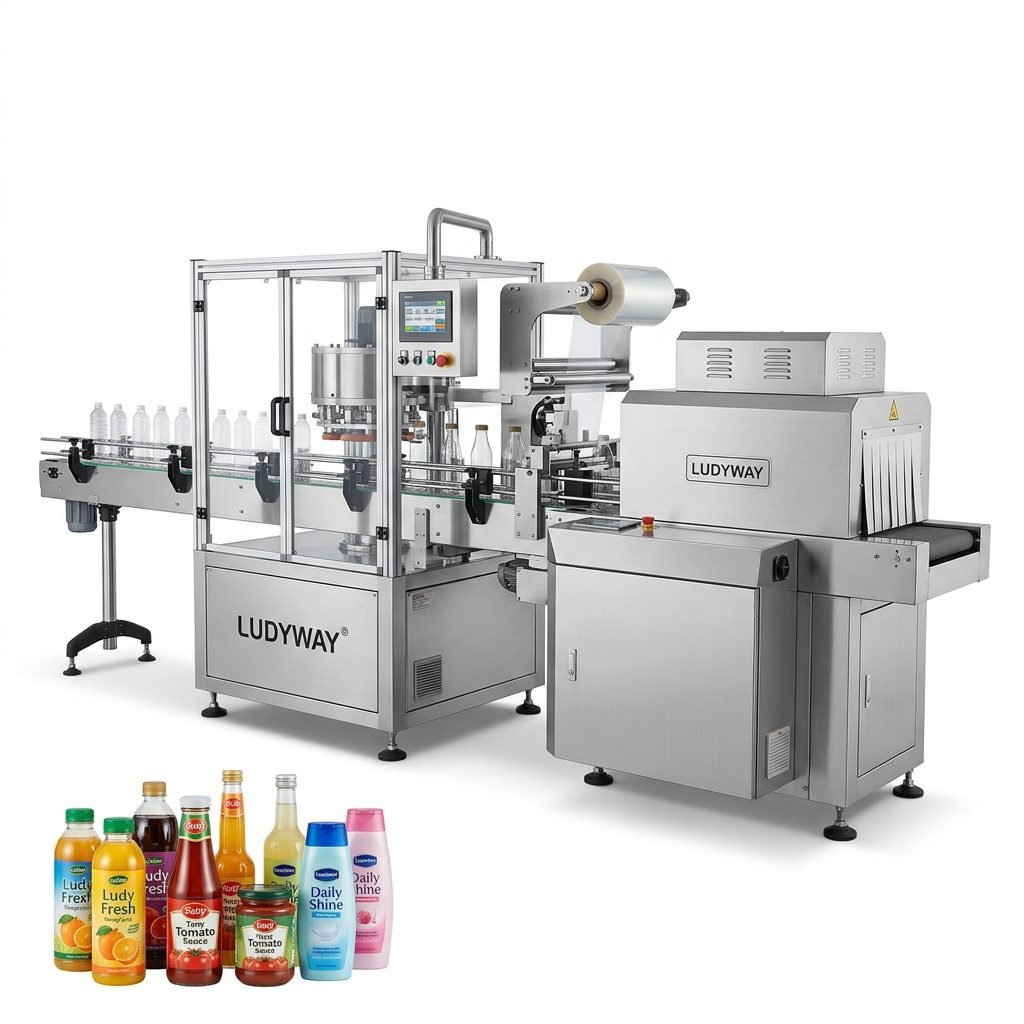
Common Bottle Types and Packaging Formats
A flexible automatic water packing machine can handle different packaging specifications to meet market demand. Typical formats include:
- Small PET bottles for retail sale
- Medium-size bottles for family consumption
- Large-capacity water containers
- Shrink-wrapped multipacks
- Cartoned bottle packs for wholesale distribution
The best machines allow fast changeovers, making it easier for manufacturers to serve multiple SKUs on one line.
Industries and Businesses That Use Water Packing Machines
Although bottled drinking water is the main application, similar filling and packaging technologies are also used for:
- Purified water brands
- Mineral water producers
- Functional water and vitamin drinks
- Spring water bottling plants
- OEM and private-label beverage factories
- Hospitality and institutional water suppliers
Features to Look for When Choosing a Water Packing Machine
Not all systems are built the same. To achieve long-term value, buyers should evaluate technical performance, operational ease, and after-sales support.
| Feature | Why It Matters |
|---|---|
| Filling accuracy | Reduces waste and improves product consistency |
| Production speed | Matches your target output and expansion plans |
| Material quality | Supports durability and hygienic contact with water |
| Automation level | Determines labor savings and line integration capability |
| Changeover flexibility | Allows multiple bottle sizes and cap types |
| Maintenance accessibility | Improves uptime and simplifies daily operation |
How an Efficient Packaging Line Improves Business Performance
A modern bottle filling and packaging solution is not just a machine purchase; it is an operational upgrade. With the right line configuration, manufacturers can:
- Increase daily production capacity without proportionally increasing labor.
- Improve packaging uniformity for stronger shelf presentation.
- Reduce product loss from inaccurate filling or cap failure.
- Support export and private-label opportunities with more professional packaging.
- Create a foundation for future automation upgrades.
This is especially important for companies facing seasonal spikes, expanding distribution channels, or stricter retailer requirements.
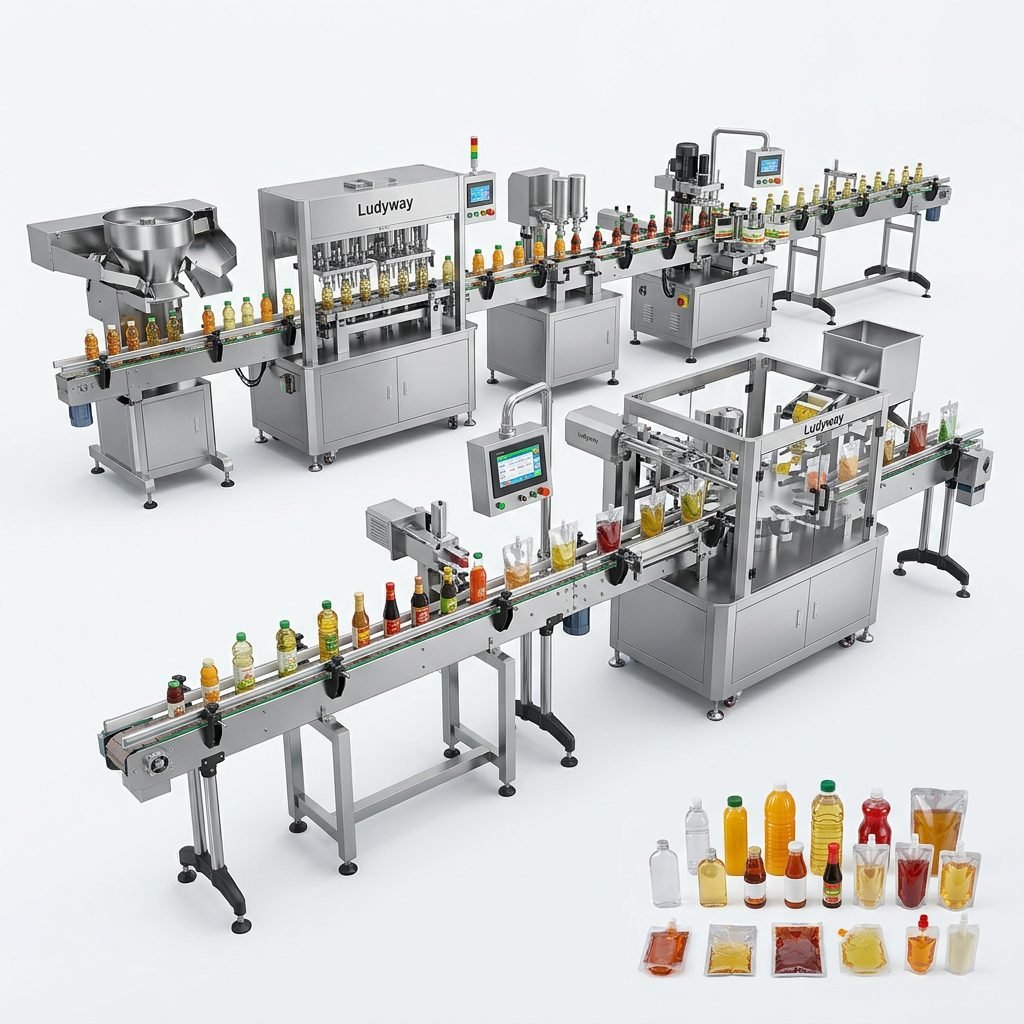
Turnkey Solutions for Water Filling and Packaging
Many buyers now prefer turnkey systems instead of purchasing individual machines separately. A turnkey water bottling and packaging line can include upstream and downstream equipment, system integration, installation guidance, and technical support.
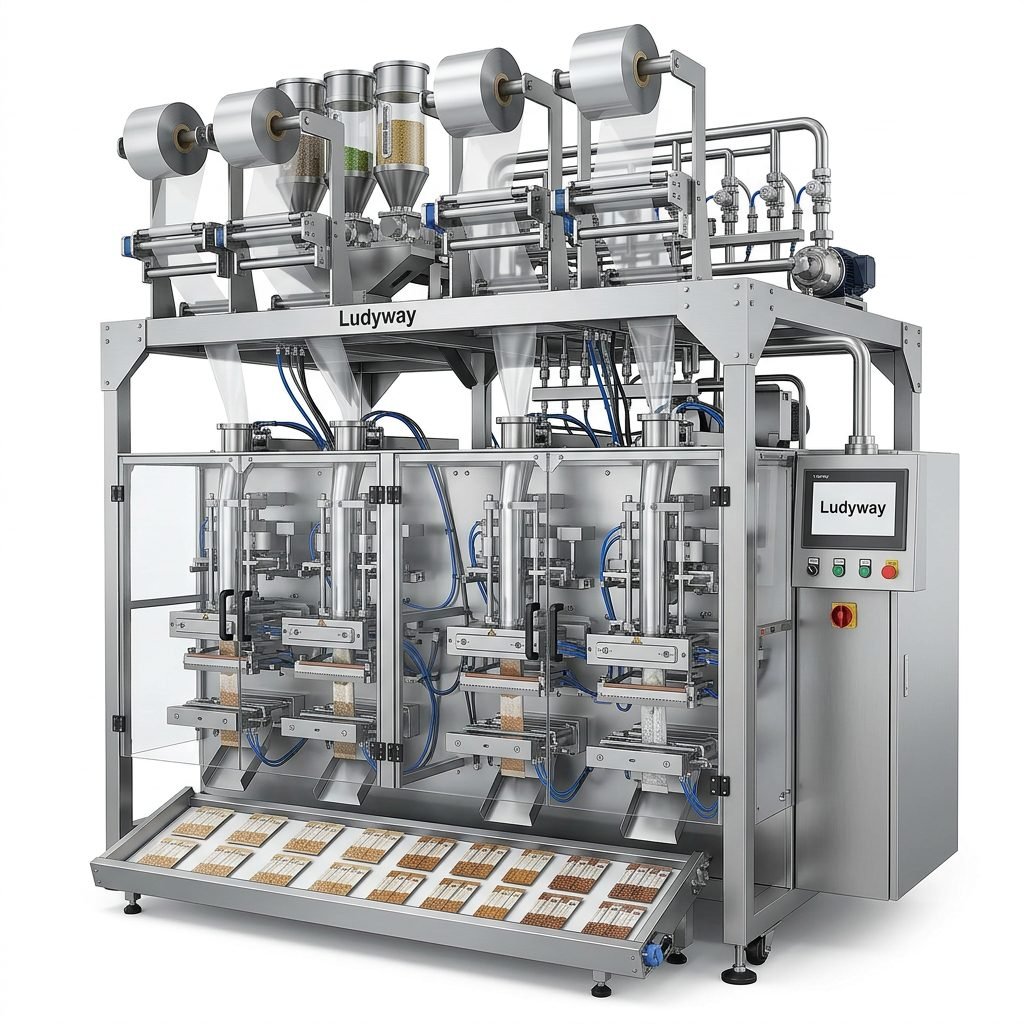
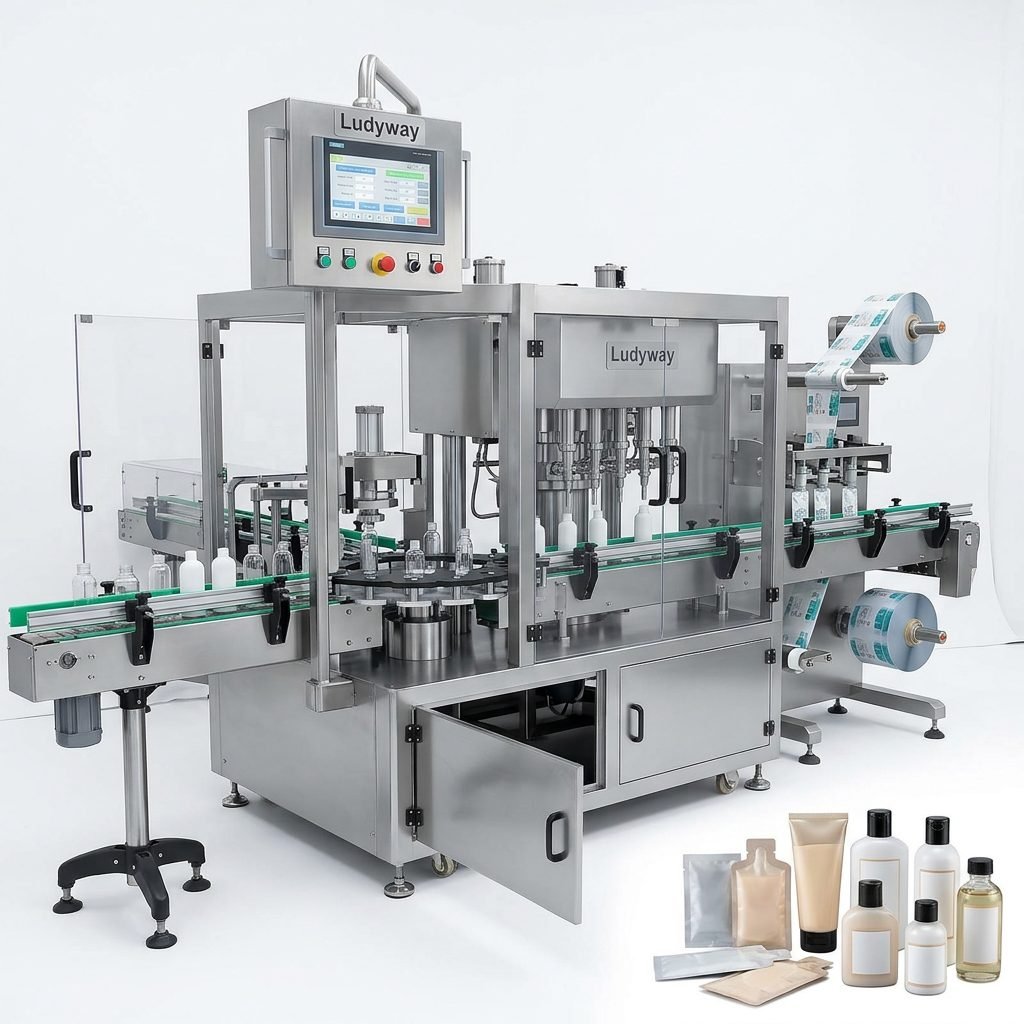
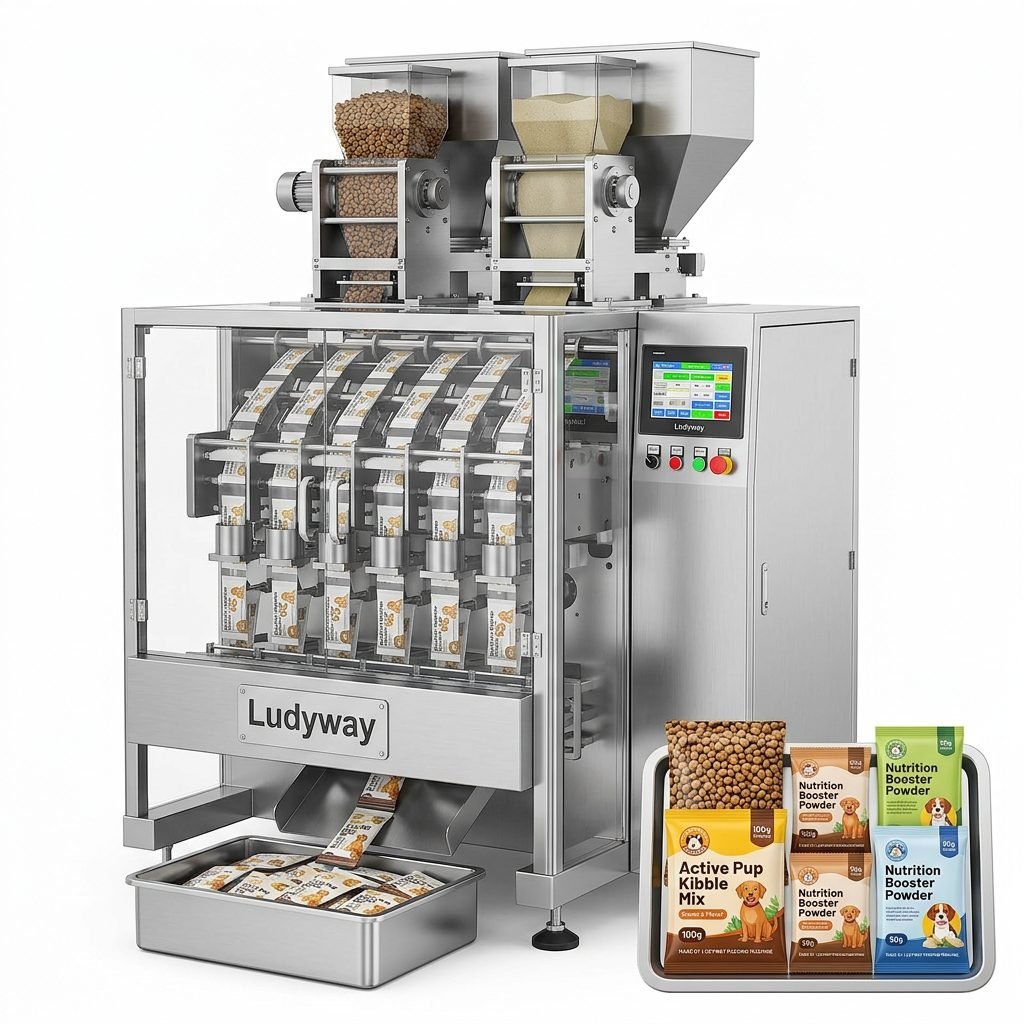
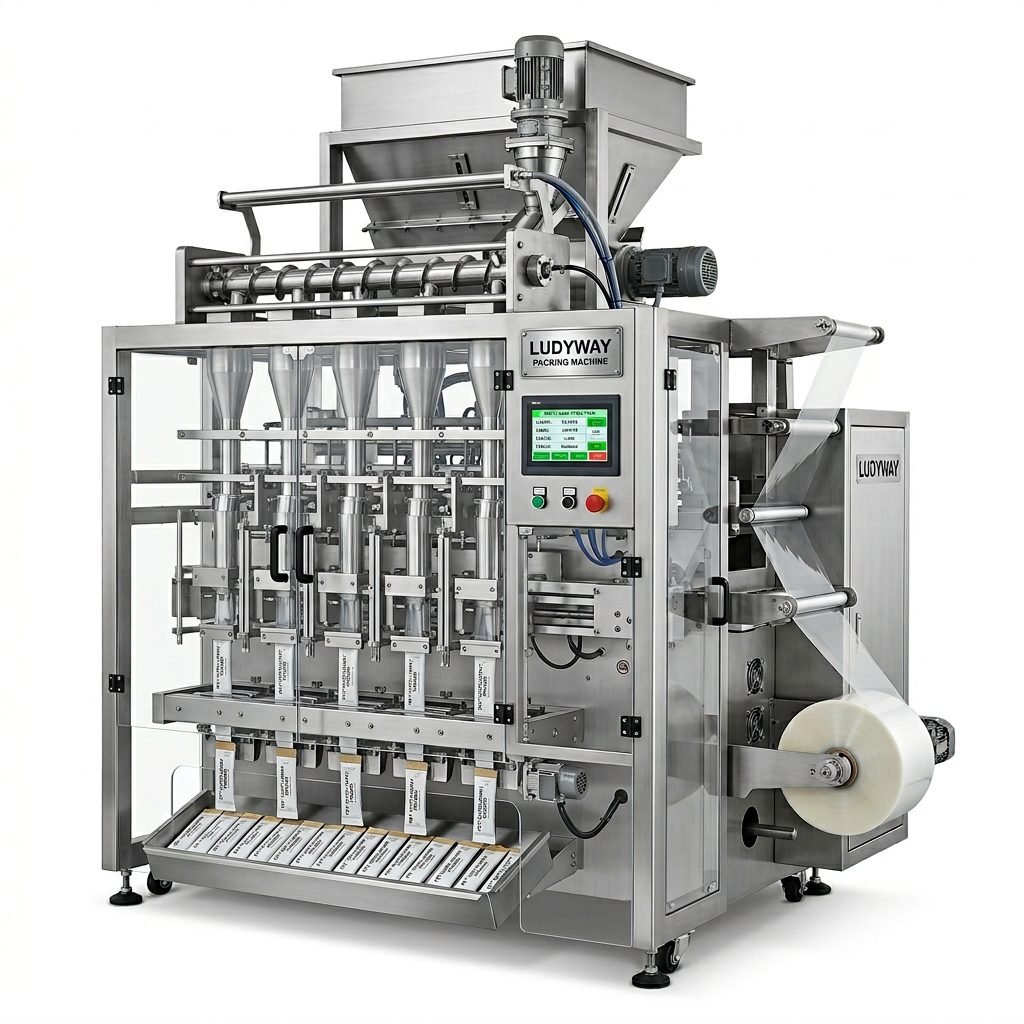
For businesses seeking a reliable equipment partner, automatic packaging machine manufacturer Ludyway offers broad experience in packaging machinery and turnkey packaging line solutions. With more than 30 years in the industry, a factory covering over 20,000 square meters, and customers in more than 100 countries and regions, the company is recognized for supplying scalable automation systems across food, pharmaceutical, health supplement, and related sectors.
How to Select the Right Model for Your Production Line
Before investing, manufacturers should assess their project requirements carefully. Key questions include:
- What bottle sizes will be packed?
- What output per hour is required?
- Do you need integrated labeling and shrink wrapping?
- Will the line handle one SKU or multiple bottle formats?
- What level of hygiene and automation is needed?
- Do you need future expansion capacity?
Clear answers to these questions help ensure the machine matches your real production needs rather than only your current short-term budget.
Maintenance Tips for Long-Term Performance
To keep a water packing machine running efficiently, regular maintenance is essential. Good maintenance practice helps reduce unexpected downtime and extends service life.
- Inspect filling valves and sealing components regularly
- Clean contact parts according to hygiene protocols
- Check conveyor alignment and bottle transfer stability
- Monitor capping torque and cap feed performance
- Replace wear parts before failure affects production
- Train operators on routine troubleshooting procedures
Final Buying Insight for Water Bottling Businesses
An automatic water packing machine is a strategic investment for any company focused on efficient bottle filling and professional packaging. The right system helps improve speed, reduce labor costs, maintain filling accuracy, and support long-term brand growth.
Whether you need a standalone water bottle filling machine or a complete packaging line with labeling and secondary packing, prioritizing stability, hygiene, flexibility, and supplier capability will lead to better operational results and a stronger return on investment.