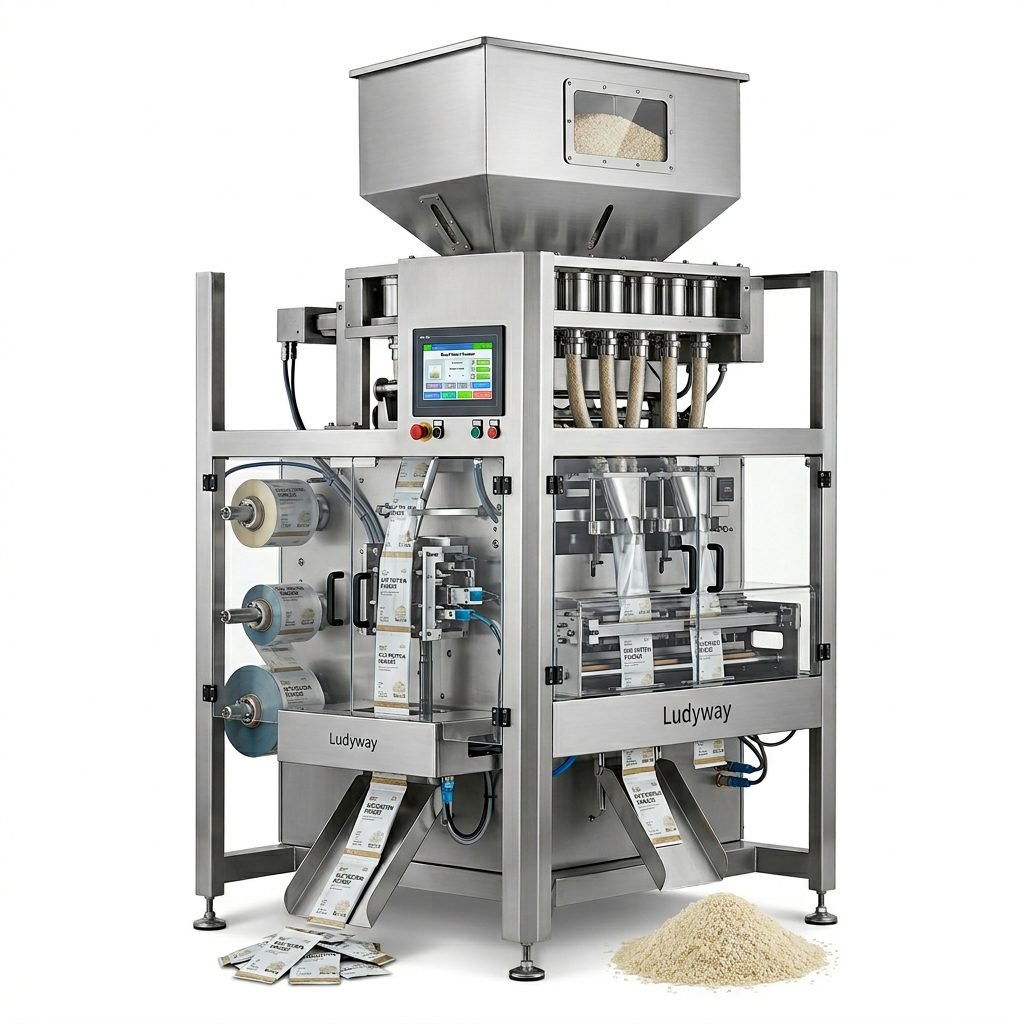
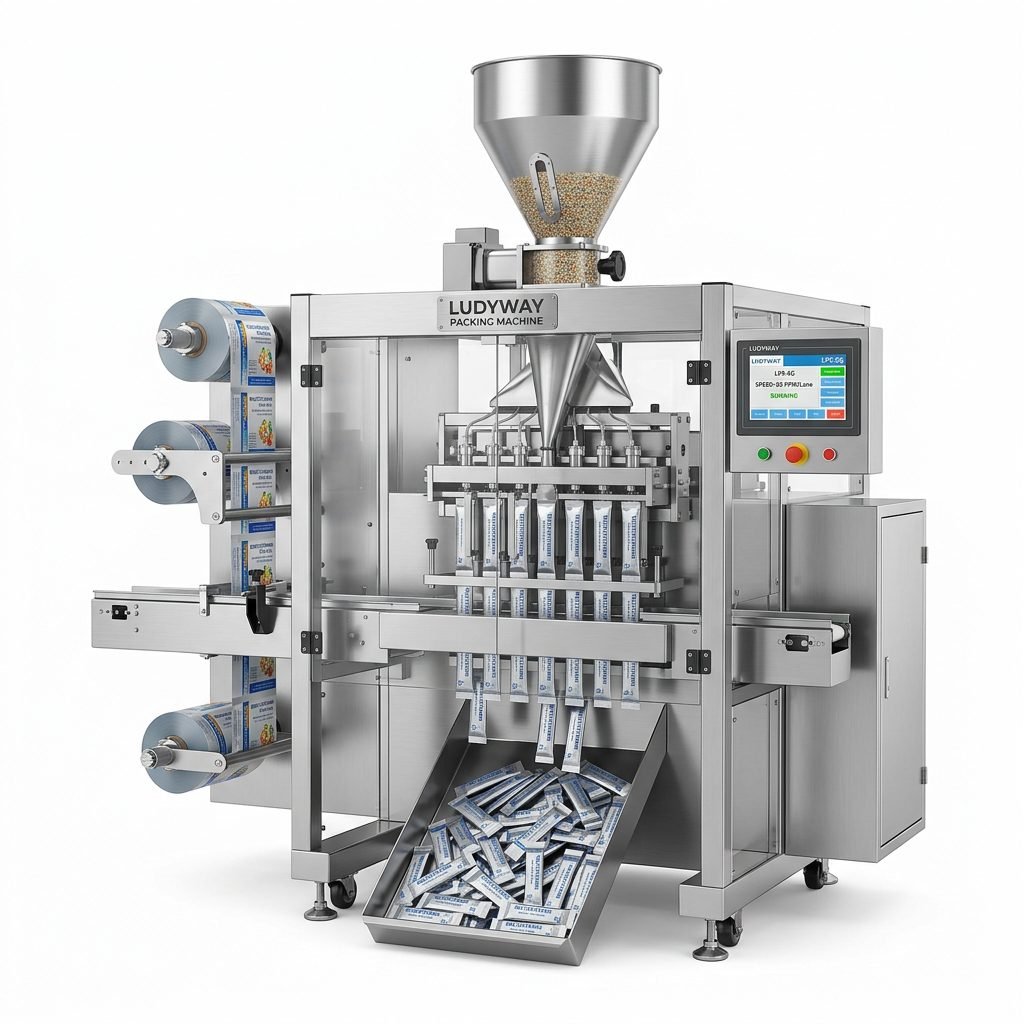
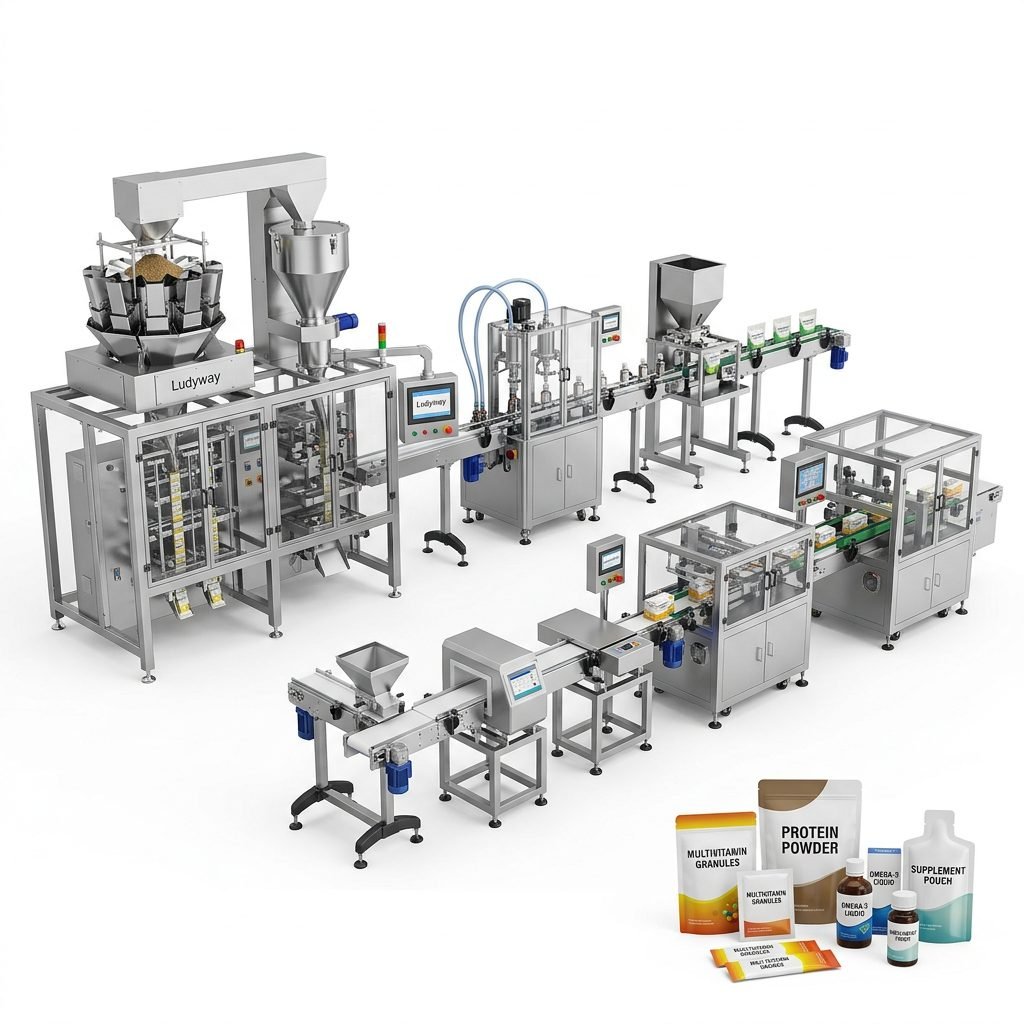
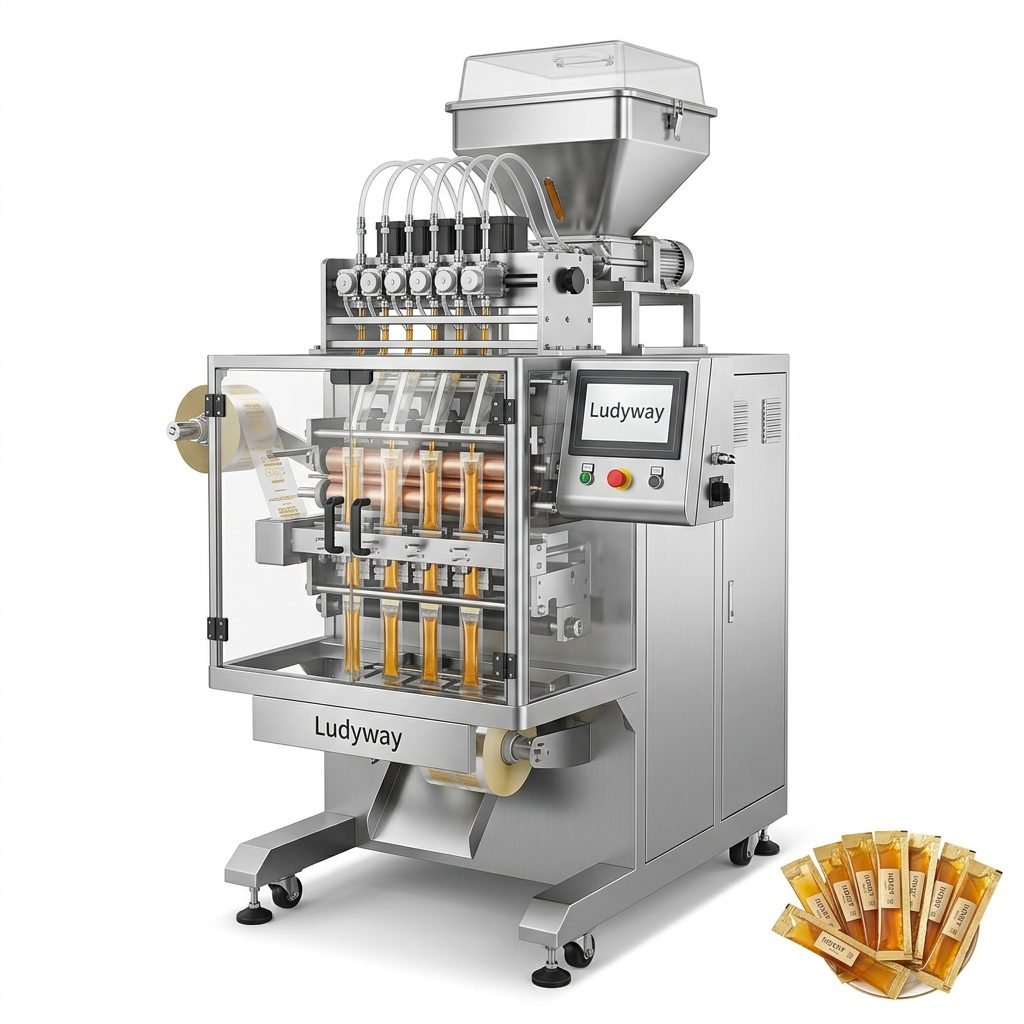
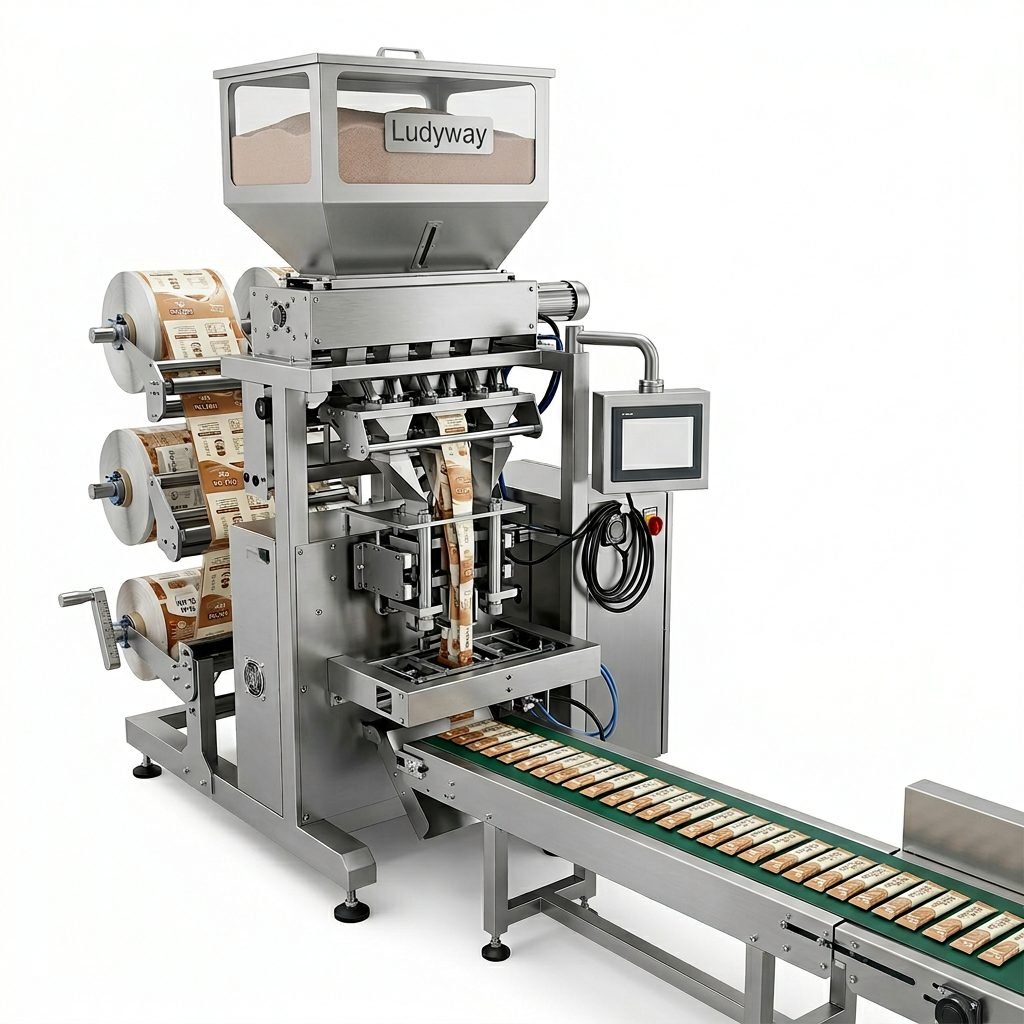
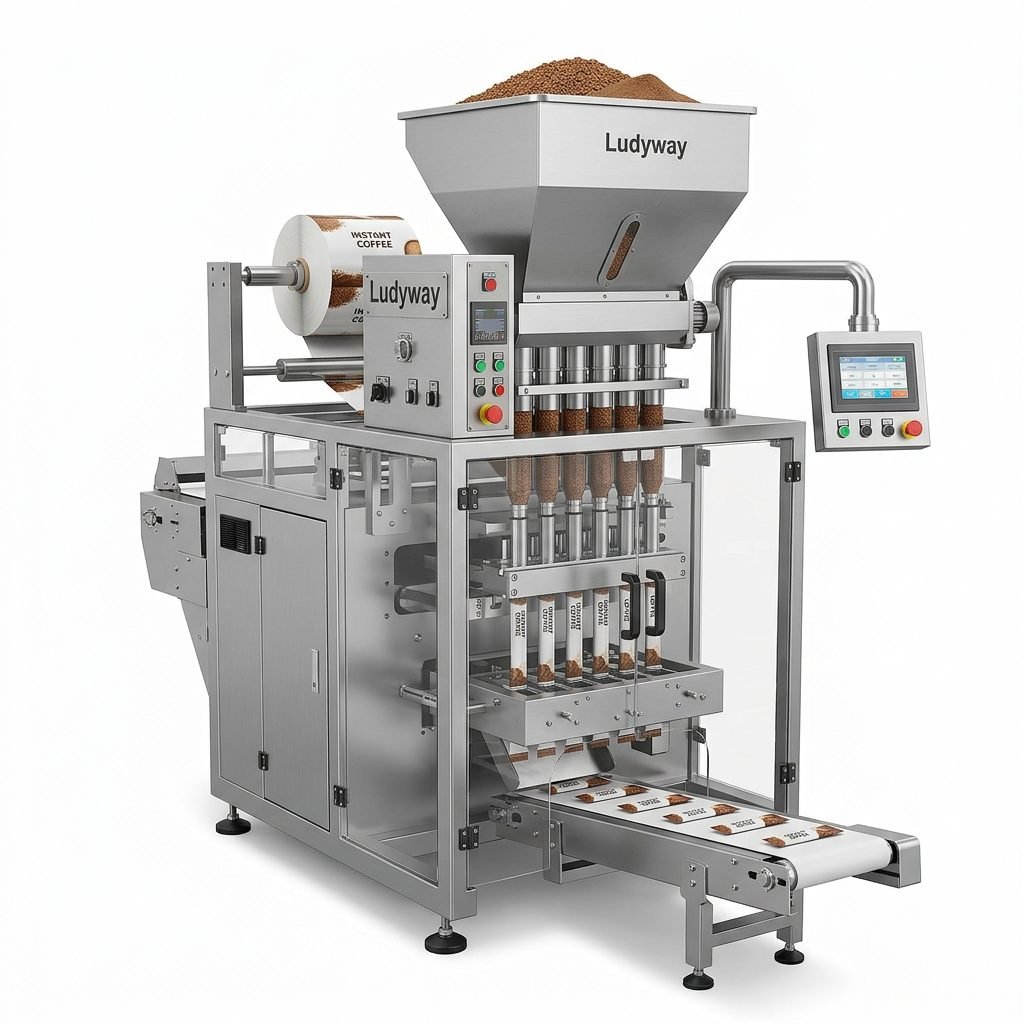
Selecting the right packaging machine for your North American production line is a strategic decision that directly impacts operational efficiency, product quality, and regulatory compliance. Whether you are packaging granules, powders, liquids, or solid products, understanding the key technical, commercial, and regional requirements is essential. This guide walks you through the most critical factors to evaluate before investing in automated packaging equipment.
1. Understand Your Product Characteristics
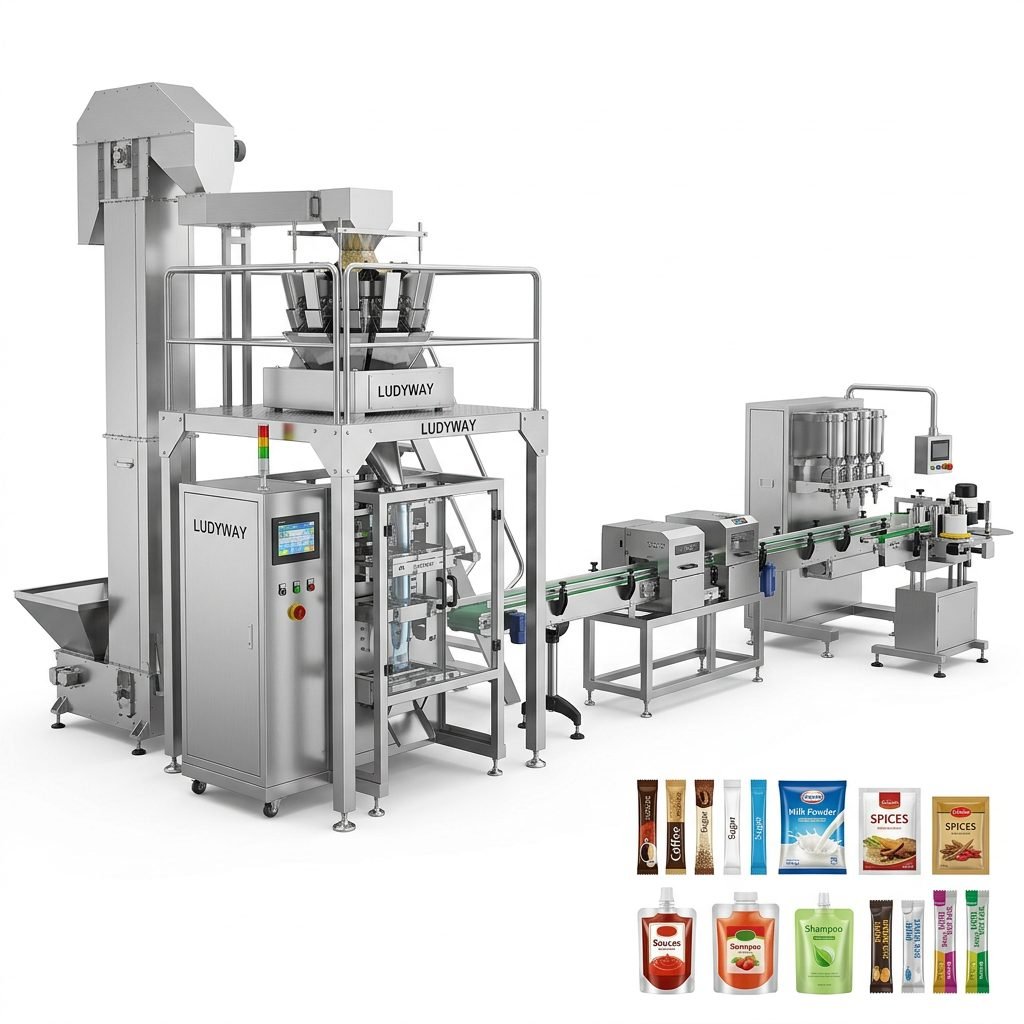
The physical and chemical properties of your product determine the type of packaging machine you need. Key considerations include:
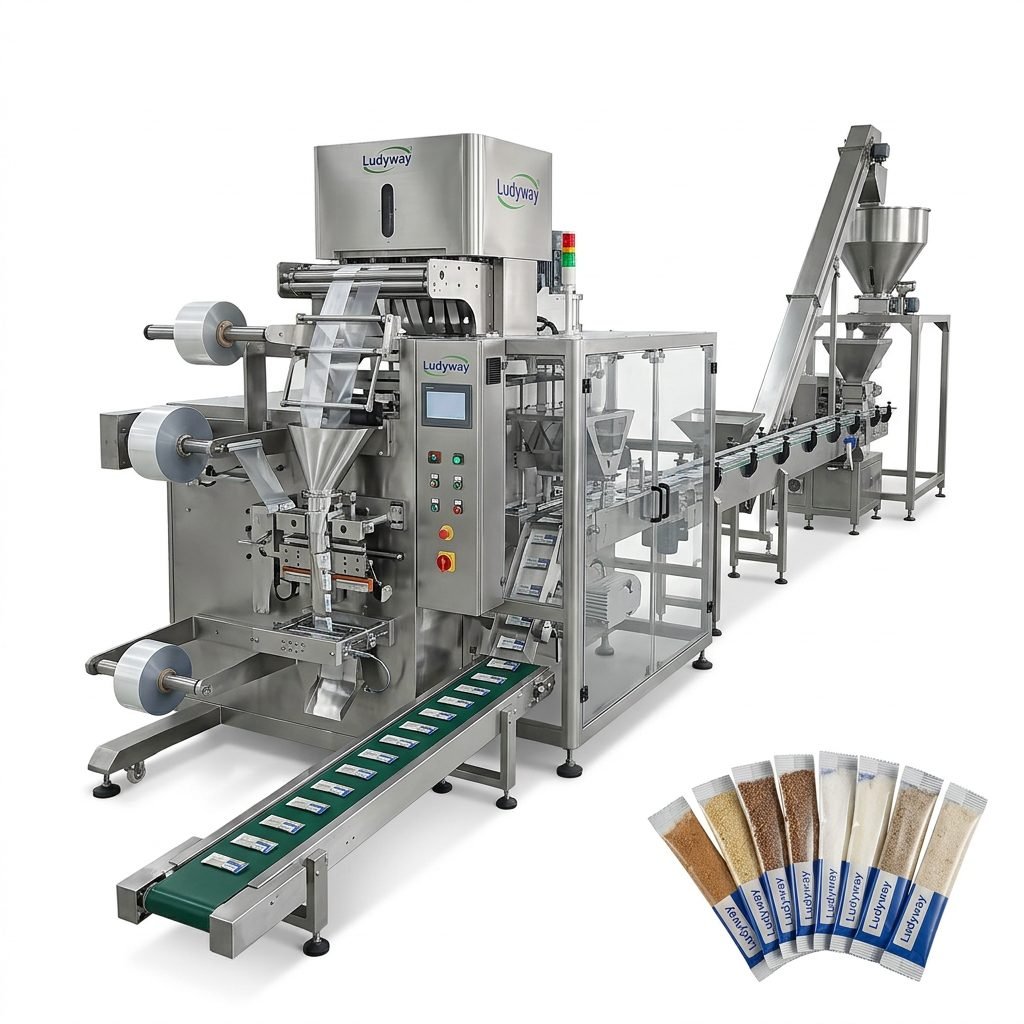
- Form: Is your product a granule, powder, liquid, paste, or solid item? Multi-lane stick pack and sachet machines excel for free-flowing granules and powders, while liquid filling systems require precision volumetric or piston fillers.
- Flowability and Density: Products with poor flow characteristics or varying bulk densities may need specialized feeding systems, such as vibratory feeders or auger fillers, to maintain accuracy.
- Hygroscopic or Fragile Nature: Moisture-sensitive or fragile products demand controlled environments and gentle handling mechanisms to prevent degradation.
2. Define Your Packaging Format and Material
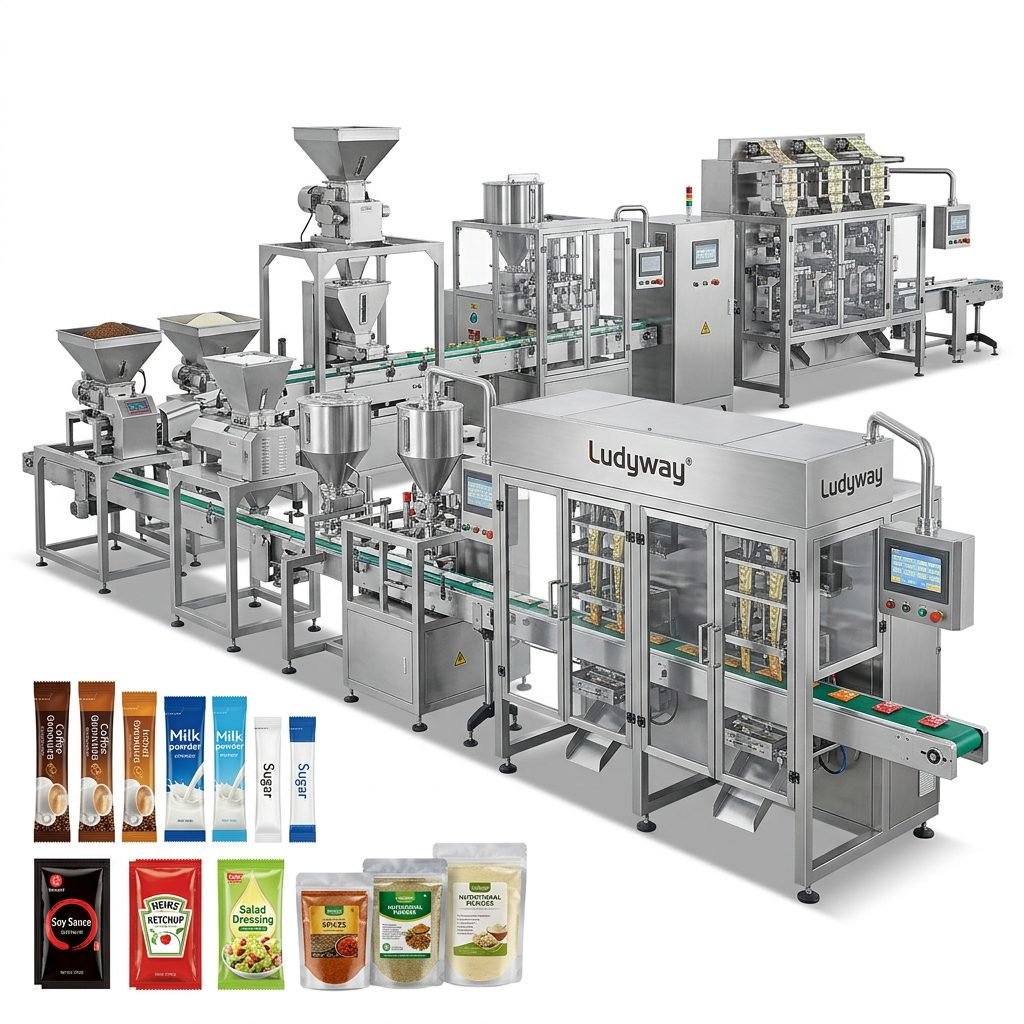
North American markets utilize a variety of packaging formats. Choosing the correct configuration influences machine selection significantly. Common formats include flexible packaging options like stick packs, sachets, pouches, and larger bags. Evaluate whether you need multi-lane sachet packaging machines for high-volume single-serve products or premade pouch filling systems for premium presentation. Material compatibility is equally vital; ensure the machine handles laminated films, aluminum foil, or biodegradable substrates without compromising seal integrity.
3. Assess Production Speed and Capacity Requirements
Your target output per minute or hour directly dictates the machine category. High-speed multi-lane stick pack machines can produce hundreds or thousands of packs per minute, making them ideal for the food and pharmaceutical sectors. For moderate production, single-lane or duplex models offer flexibility. Planning for future growth is wise; investing in a slightly higher capacity automated packaging line now can prevent costly upgrades later. Refer to PMMI industry reports for benchmarks on production efficiency.
| Machine Type | Typical Speed Range | Best For |
|---|---|---|
| Multi-Lane Stick Pack | 400 – 1000+ packs/min | Powders, granules, instant beverages |
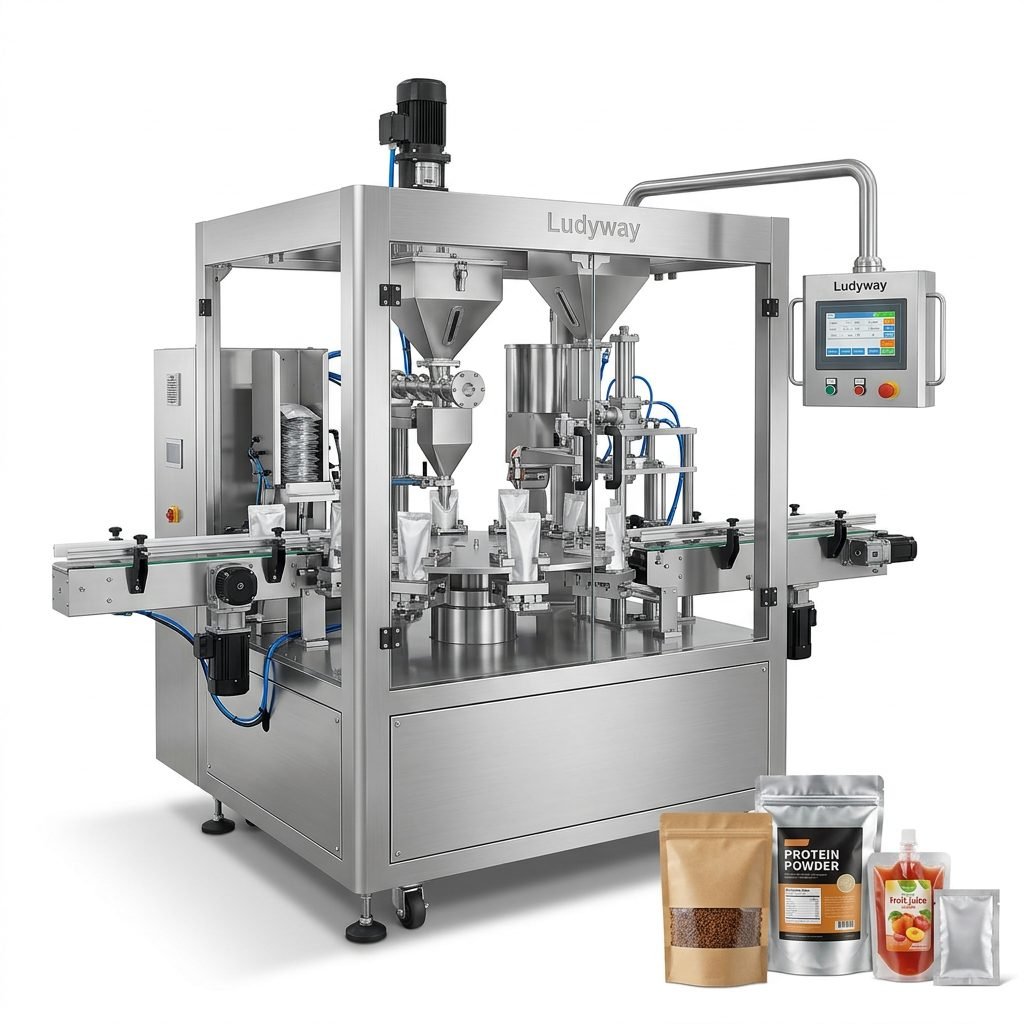
| Rotary Sachet Machine | 200 – 600 packs/min | Liquids, sauces, creams |
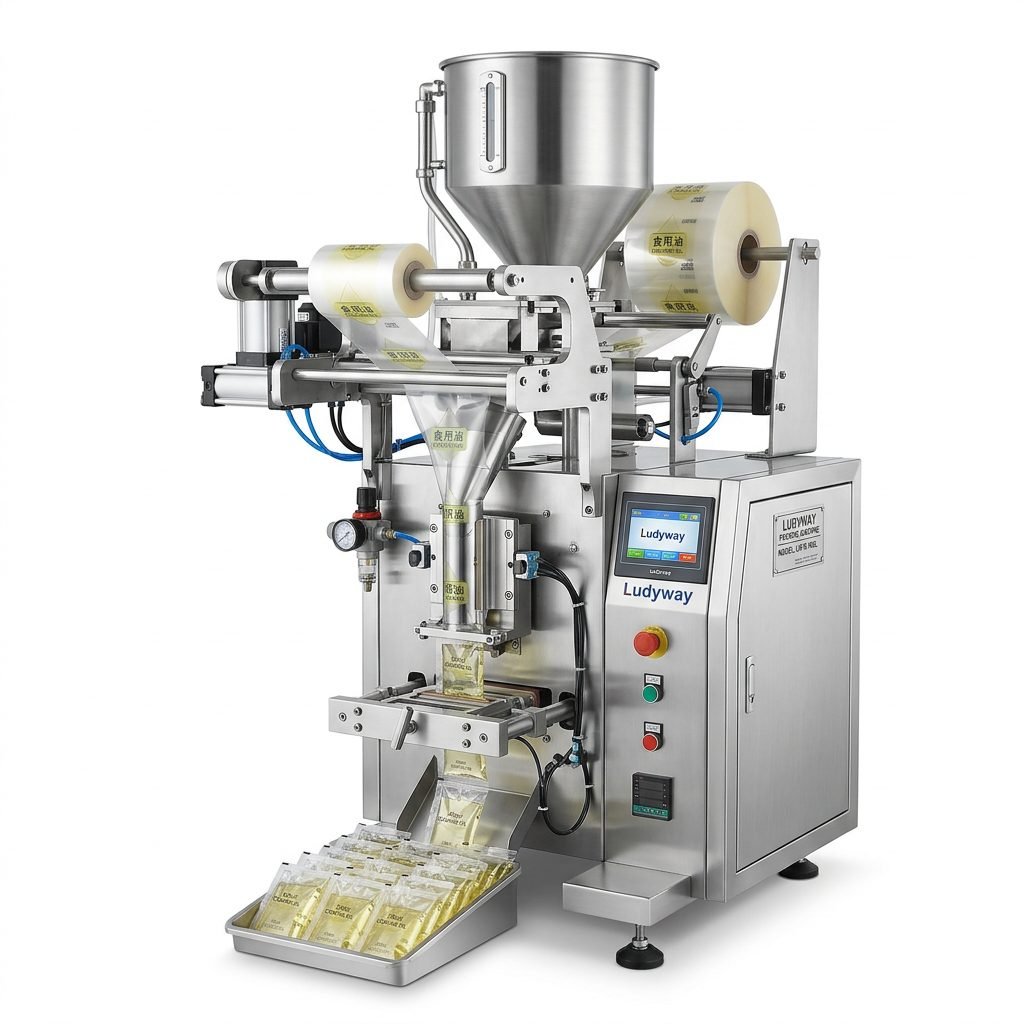
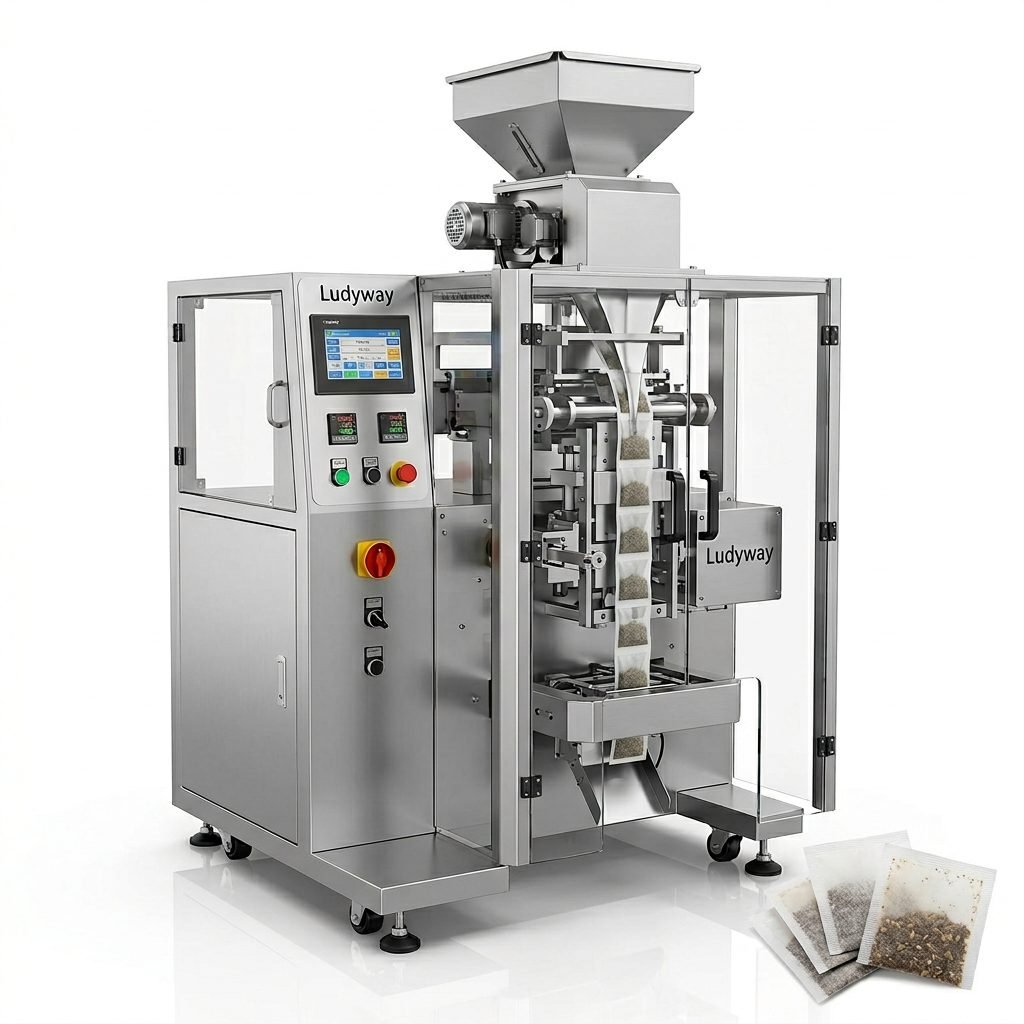
| Vertical Form Fill Seal (VFFS) | 30 – 120 bags/min | Bulk granules, snacks, pet food |
| Pre-Made Pouch Filler | 20 – 60 pouches/min | Premium retail packaging, large formats |

4. Ensure North American Regulatory Compliance
Equipment installed in the United States and Canada must adhere to strict safety and sanitary standards. FDA compliance is non-negotiable for food and pharmaceutical applications. Look for machines constructed with 304 or 316 stainless steel, featuring sanitary welds and easy-clean designs. Electrical systems should meet UL or CSA certification requirements. For pharmaceutical packaging, understanding ISO 11607 standards for terminally sterilized medical devices is critical. Engaging a manufacturer with global certification experience prevents project delays at customs or during local installation.
5. Evaluate Integration and Automation Levels
Modern packaging lines in North America rarely operate in isolation. They often integrate with upstream feeding, counting, and weighing systems and downstream cartoning, case packing, and palletizing equipment. A turnkey packaging line provider can supply fully synchronized solutions, minimizing interface risks. Features like vision inspection systems, automatic reject stations, and nitrogen flushing capabilities enhance product quality and safety. Check if the control system supports Ethernet/IP or Modbus TCP protocols for seamless connectivity with your plant network.
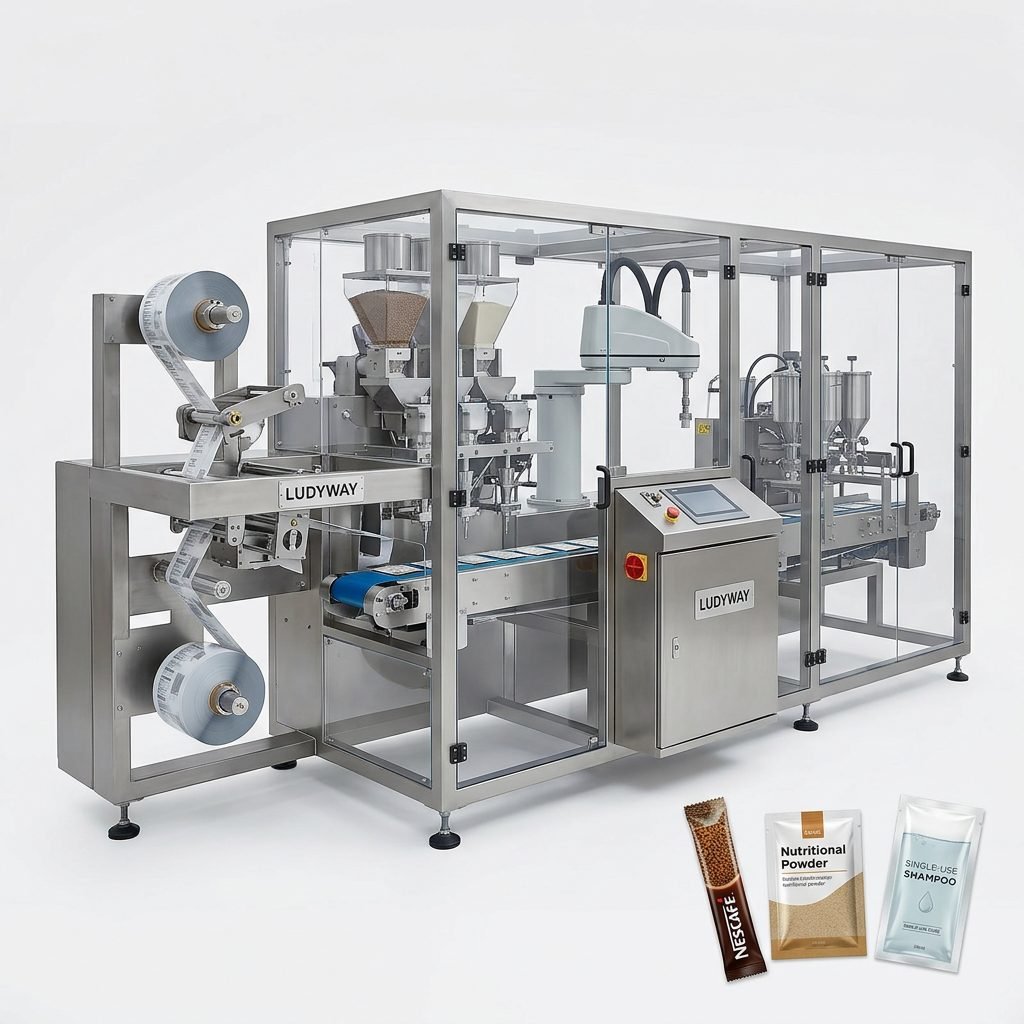
Key Automation Components to Consider
- Servo-driven motors for precise filling and sealing control
- HMI touch screens with recipe management for quick changeovers
- Automatic film tension and tracking systems for consistent pouch quality
- Integrated coding and labeling systems for traceability
- Remote diagnostic and support capabilities
6. Consider Total Cost of Ownership and Local Support
While the initial capital expenditure is important, the total cost of ownership (TCO) over the machine’s lifespan matters more. Durable construction reduces maintenance expenses. Standardized, globally sourced components simplify spare parts procurement in North America. Crucially, your supplier should offer local technical support and field service. Ludyway is one of the largest packaging machine manufacturers in China, serving customers in over 100 countries with reliable and efficient packaging solutions. A partner with international project experience ensures smooth installation and rapid troubleshooting. For more insights on packaging machinery standards, consult PMMI resources.
7. Review Factory Acceptance and After-Sales Service
Before shipment, insist on a Factory Acceptance Test (FAT) using your actual product and packaging materials. This validates performance metrics like speed, fill accuracy, and seal strength. Comprehensive after-sales service, including installation supervision, operator training, and preventive maintenance programs, ensures long-term productivity. Clarify warranty terms and the availability of remote support or on-site engineers.
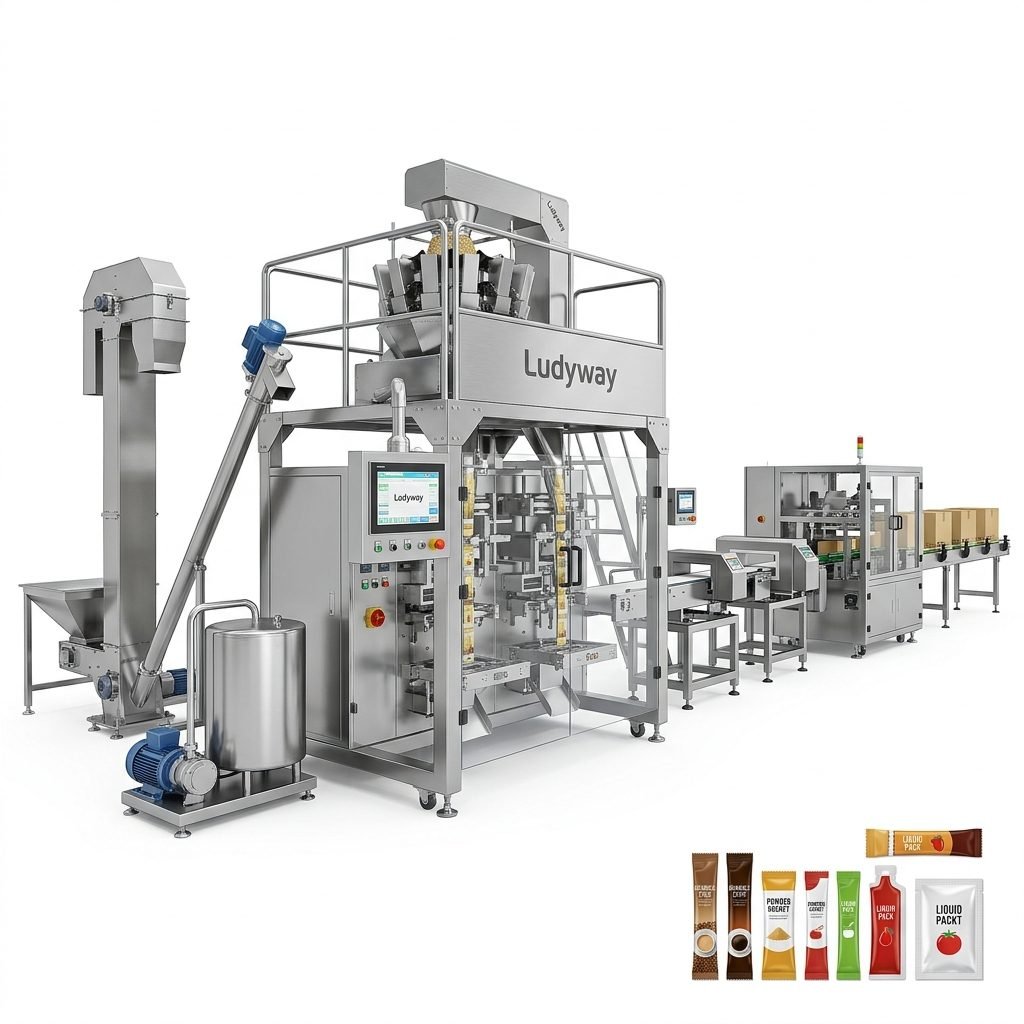
Quick Checklist for Equipment Evaluation
- Product compatibility (form, viscosity, particle size)
- Target packaging speed and efficiency
- Material specifications and seal integrity requirements
- FDA/UL/CSA compliance documentation
- Integration readiness with existing line components
- Local spare parts inventory and service response time
- Supplier track record and client references
Making an informed decision requires balancing technical specifications with practical business considerations. Whether you are expanding a co-packing operation or launching a new product in North America, selecting a robust and compliant packaging machine is foundational to your success. Engaging with engineering teams early in the project helps align equipment capability with production goals, ensuring a smooth path from purchase to profitable operation.