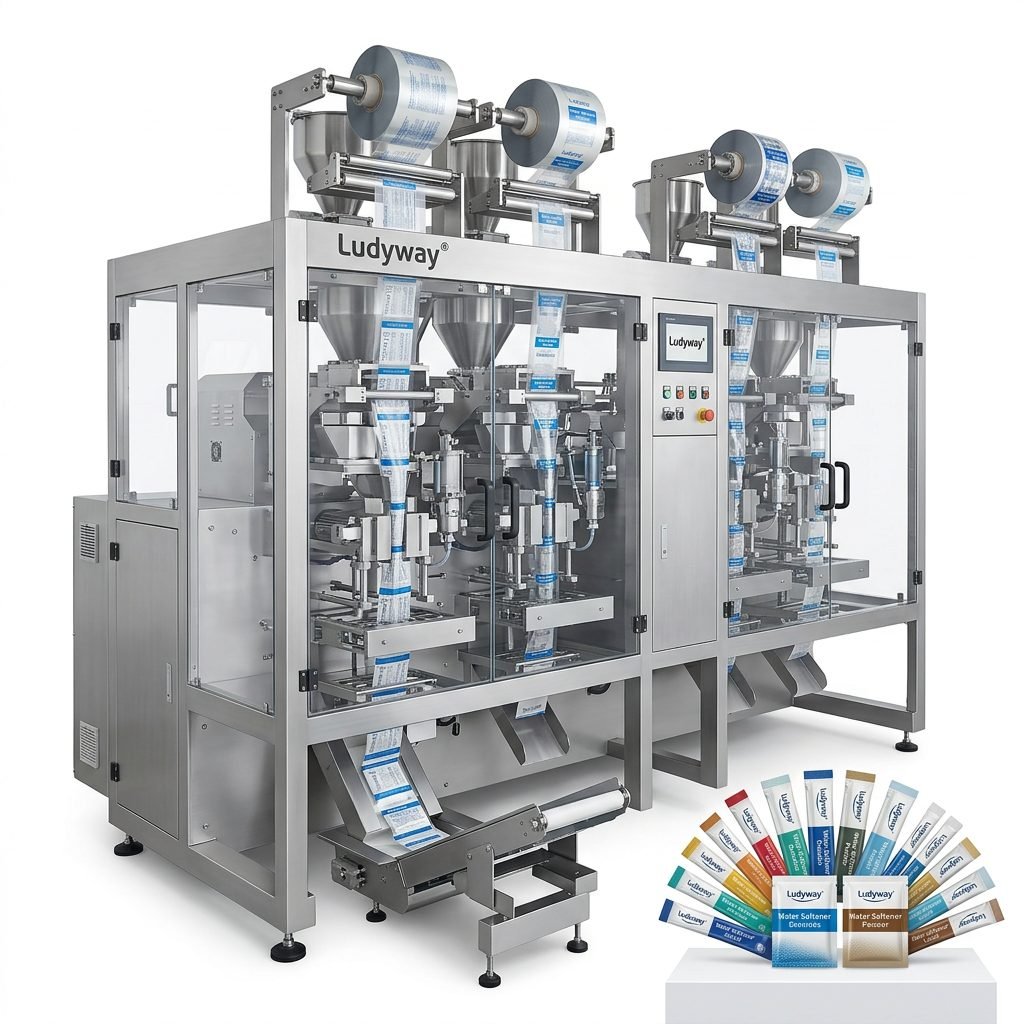
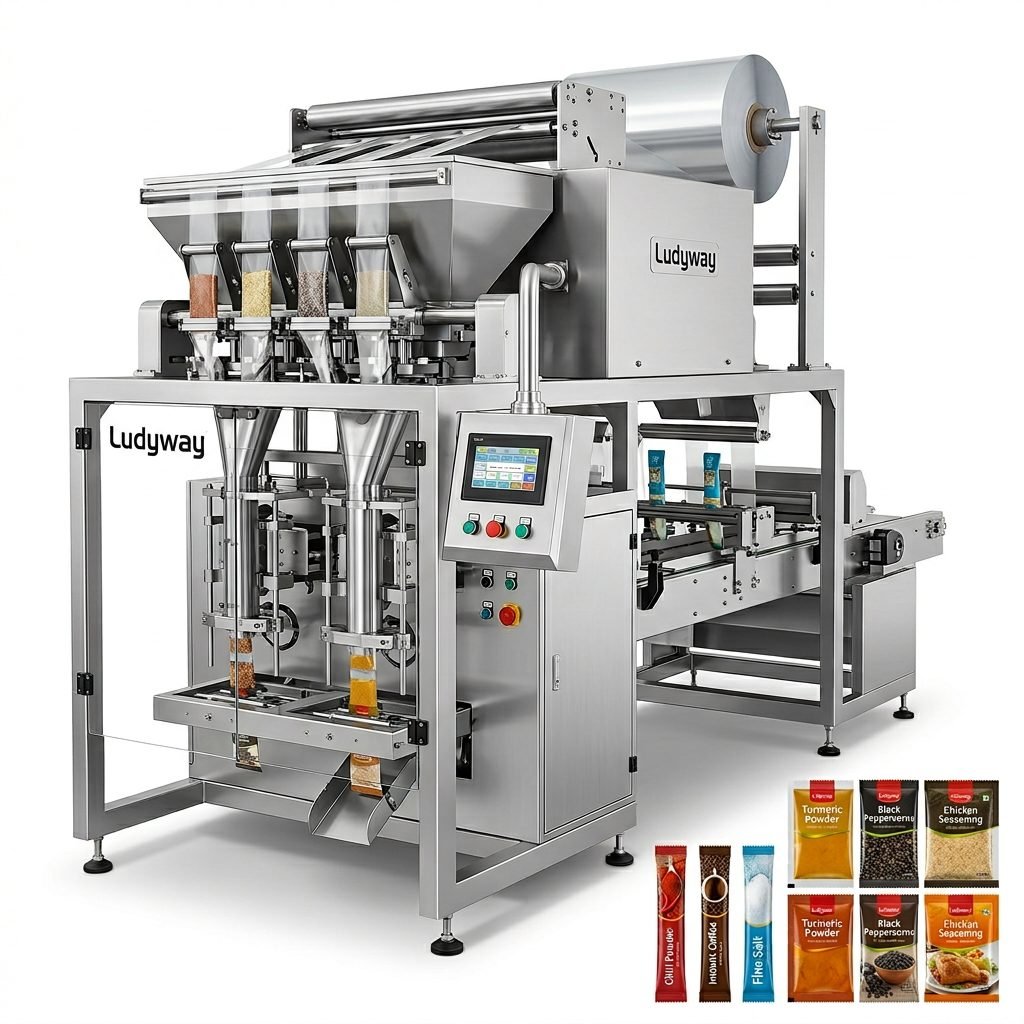
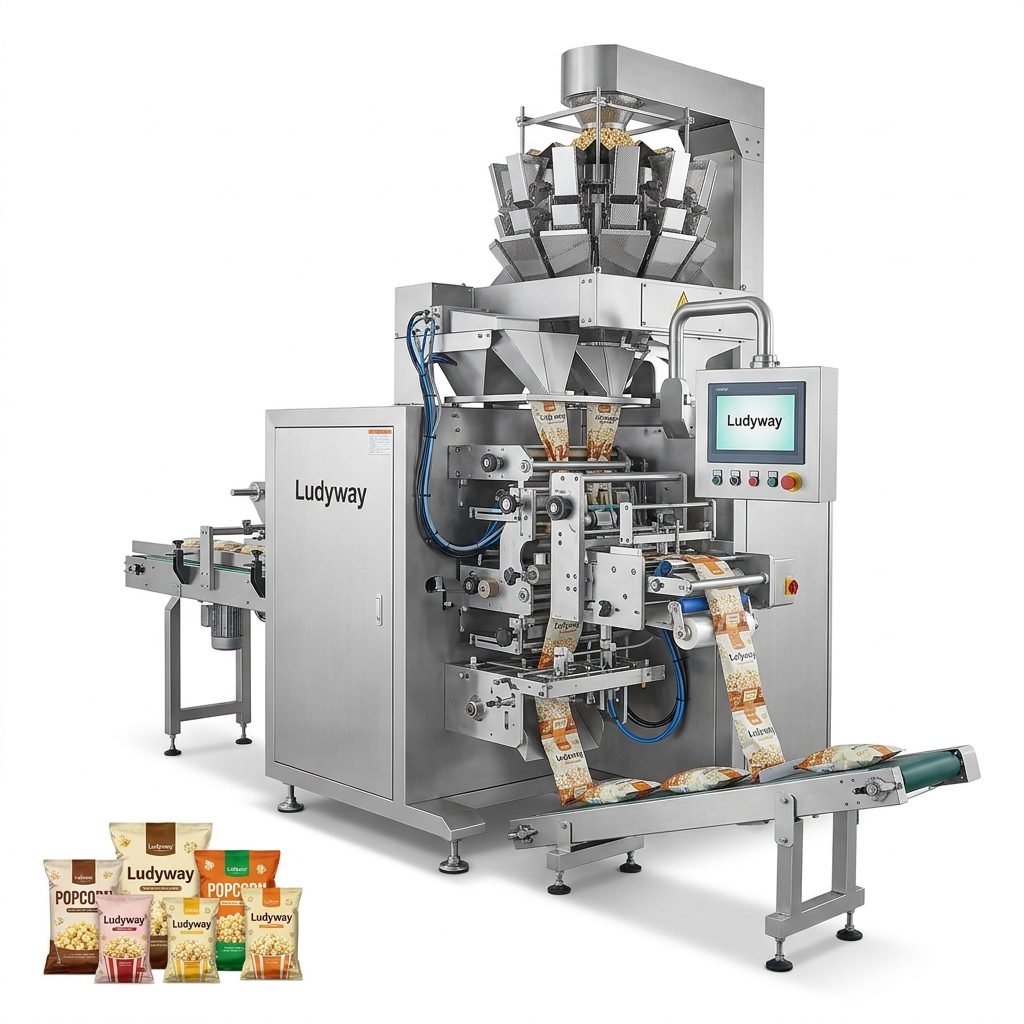
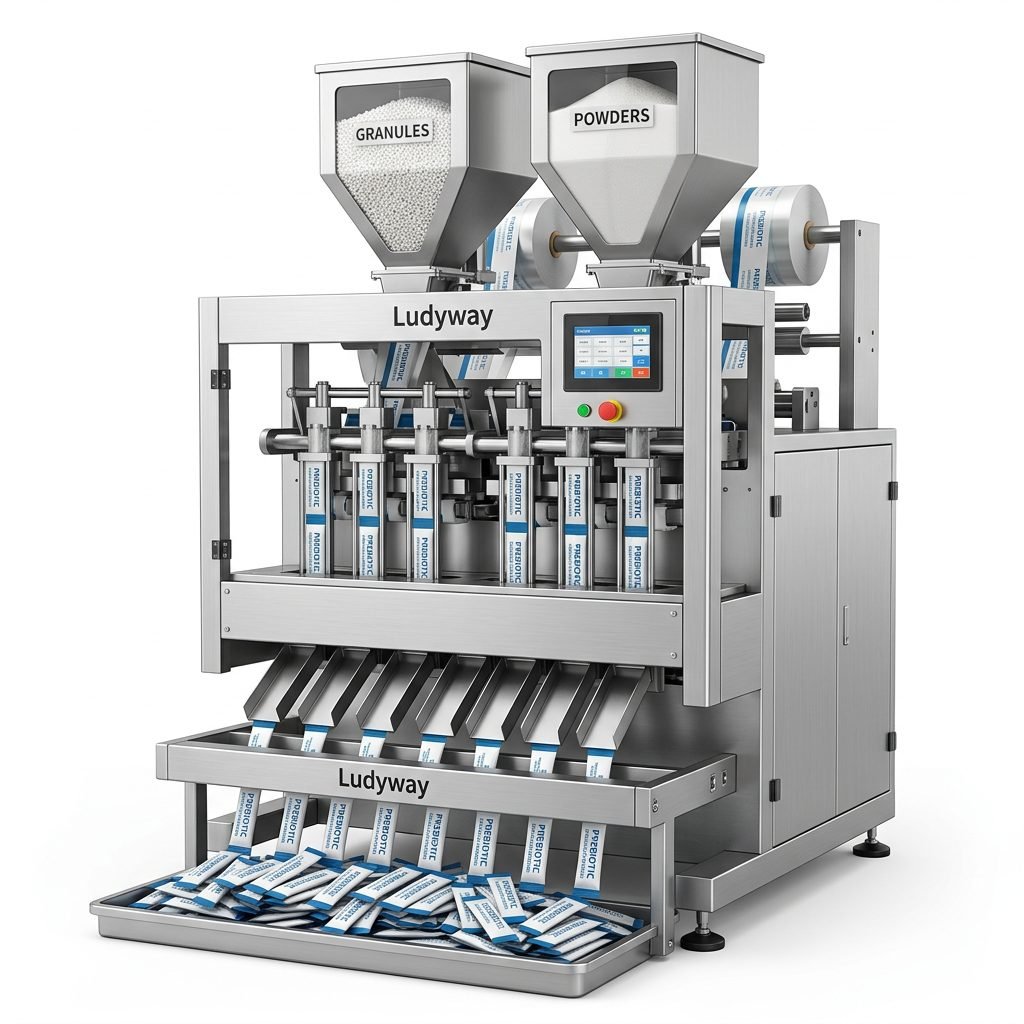
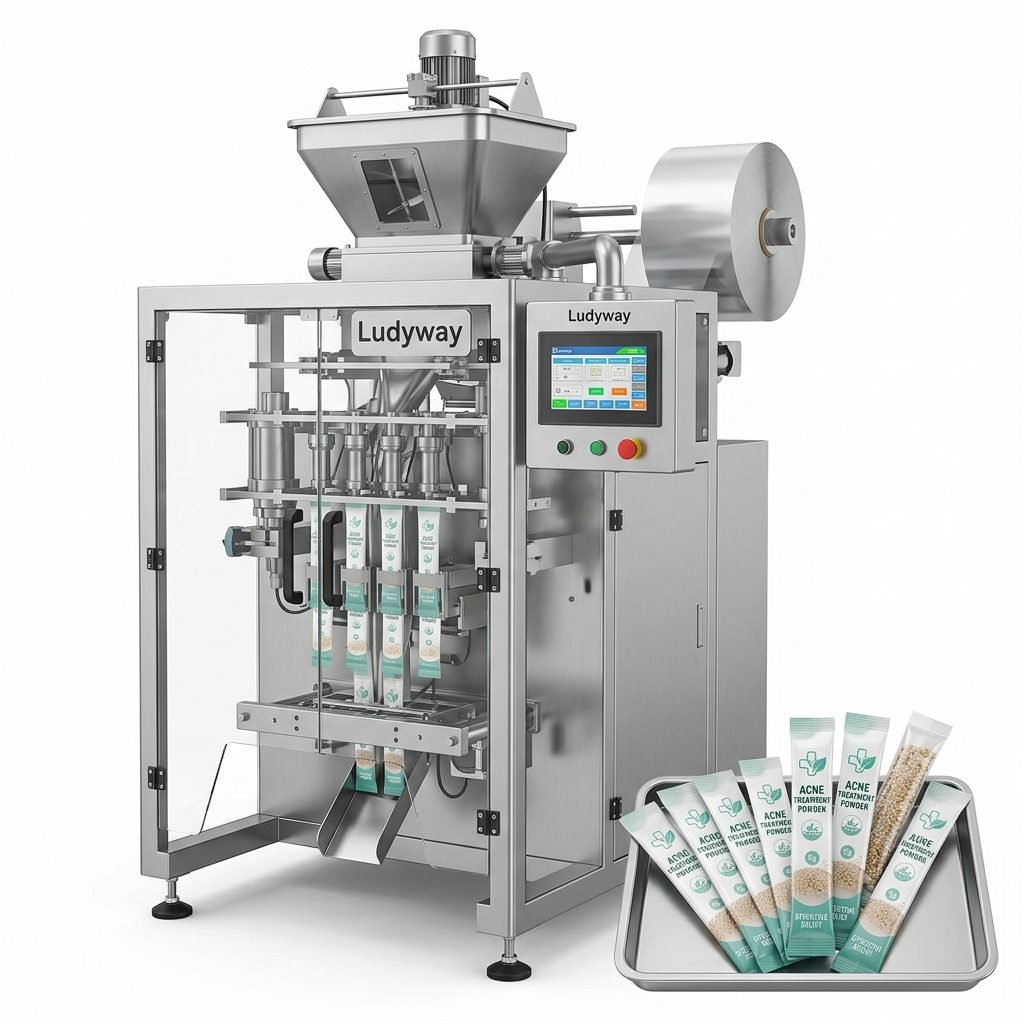
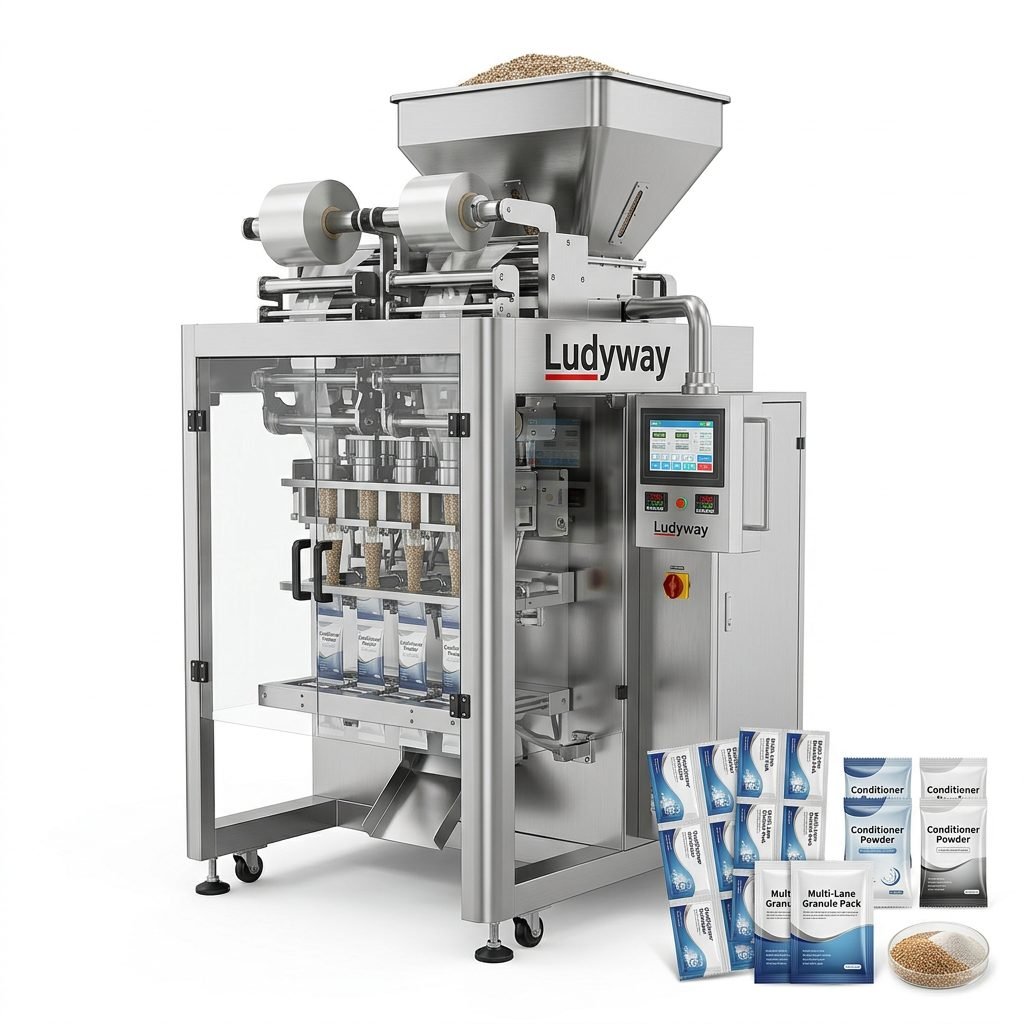
A well-maintained packing machine is the backbone of any efficient production line. Without a consistent maintenance routine, even the most advanced packaging equipment can experience downtime, inconsistent seal quality, and premature component failure. Implementing a structured maintenance plan protects your investment, reduces operational costs, and extends the service life of your machinery.

Why Regular Maintenance Matters
Regular maintenance of your packaging machinery is not just about avoiding breakdowns—it’s about ensuring consistent product quality and operational efficiency. According to industry standards from PMMI – The Association for Packaging and Processing Technologies, preventive maintenance can reduce unplanned downtime by up to 45%. Key benefits include:
- Extended equipment lifespan — components last longer when properly lubricated and inspected
- Consistent seal integrity — critical for food and pharmaceutical applications
- Reduced energy consumption — clean, well-adjusted machines run more efficiently
- Fewer emergency repairs — catching issues early prevents costly breakdowns
- Compliance with safety standards — regular checks ensure operator safety
Daily Maintenance Checklist
Daily inspections are the first line of defense against unexpected failures. Operators should perform these checks at the start of each shift to keep the automatic packaging machine running at peak performance:
- Clean all contact surfaces — remove product residue, dust, and debris from filling areas, sealing jaws, and conveyors
- Inspect sealing elements — check temperature settings and look for wear on heat-sealing bars or ultrasonic components
- Verify sensor alignment — ensure photoelectric sensors, proximity switches, and registration sensors are clean and properly positioned
- Check pneumatic systems — drain moisture from air filters and verify air pressure levels
- Listen for unusual noise — grinding, squeaking, or rattling sounds often indicate developing problems
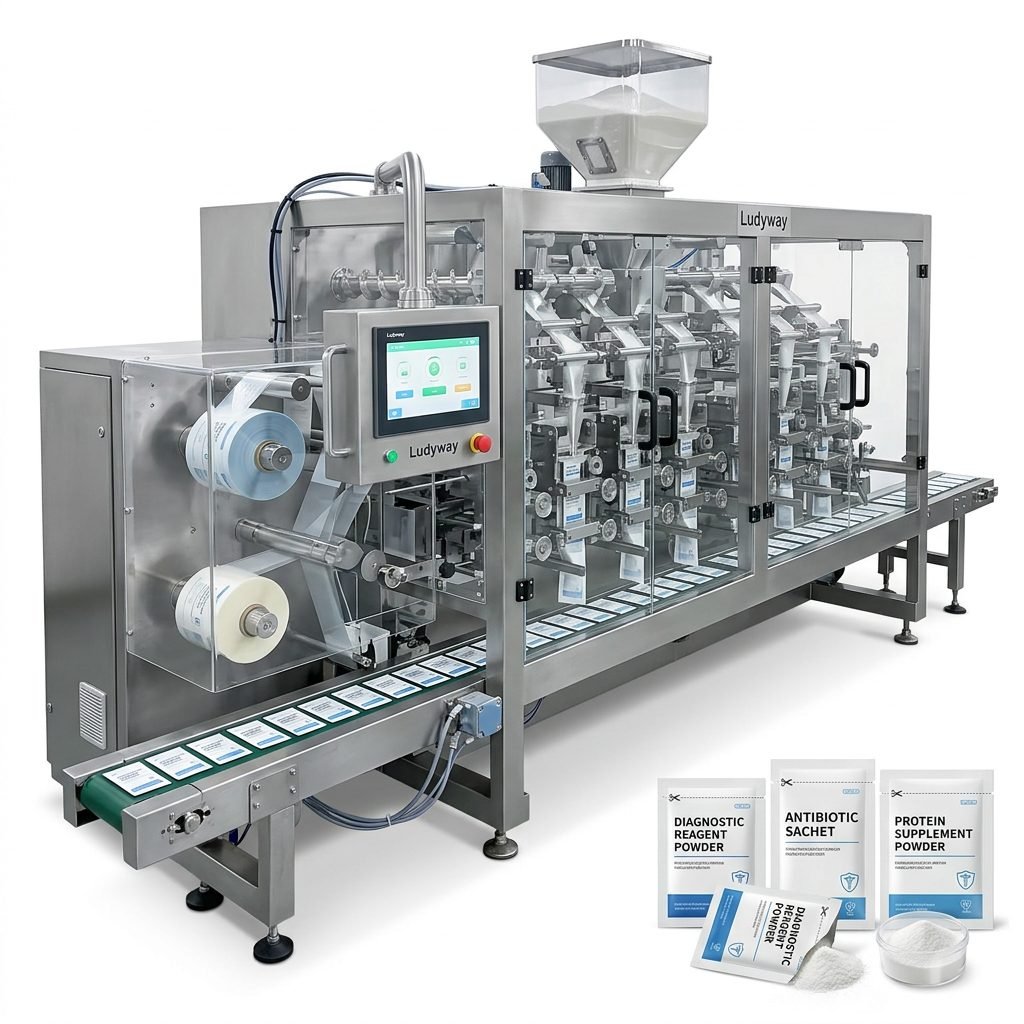
Weekly and Monthly Maintenance Tasks
Beyond daily routines, a deeper level of maintenance should be scheduled weekly and monthly. The table below outlines essential tasks organized by frequency:
| Frequency | Maintenance Task | Key Focus Areas |
|---|---|---|
| Weekly | Lubricate moving parts | Bearings, chains, cam followers, guide rails |
| Weekly | Inspect belts and chains | Tension, alignment, wear patterns |
| Weekly | Clean electrical cabinets | Dust removal, ventilation check, connection tightness |
| Monthly | Replace worn components | Sealing gaskets, cutting blades, filters, O-rings |
| Monthly | Calibrate sensors and controls | Temperature controllers, fill volume accuracy, timing |
| Monthly | Test safety features | Emergency stops, interlocks, guarding systems |
| Quarterly | Comprehensive system audit | All mechanical, electrical, and pneumatic systems |
Common Maintenance Mistakes to Avoid
Even experienced operators can make errors that compromise packing machine performance. Avoiding these common mistakes is essential for maximizing uptime and minimizing repair costs:
- Using incorrect lubricants — always follow manufacturer specifications for grease and oil types
- Ignoring small leaks — air or product leaks often indicate wear that will worsen over time
- Neglecting documentation — a proper maintenance log helps identify recurring issues and predict component life
- Over-tightening fasteners — this can strip threads or distort components, leading to misalignment
- Delaying belt replacement — worn belts affect timing accuracy and can damage pulleys

Lubrication Best Practices
Proper lubrication is one of the most critical aspects of packaging equipment maintenance. Insufficient lubrication accelerates wear, while over-lubrication attracts contaminants. Follow these guidelines:
- Use food-grade lubricants for machines handling edible products, as recommended by FDA food packaging regulations
- Follow the manufacturer’s lubrication schedule rather than guessing
- Clean fittings before applying grease to avoid introducing dirt into bearings
- Monitor lubricant condition — darkened or gritty lubricant indicates internal wear
Sealing System Maintenance
The sealing system is the heart of any sachet packaging machine or stick pack machine. Poor seal quality leads to product leakage, contamination, and customer complaints. Pay special attention to:
- Temperature calibration — verify actual jaw temperature against setpoint values weekly
- Jaw alignment — misaligned sealing jaws cause uneven pressure and weak seals
- Surface condition — clean residue from Teflon-coated surfaces; replace if coating is damaged
- Cooling system check — ensure adequate cooling water flow if water-cooled seals are used
Electrical System Inspection
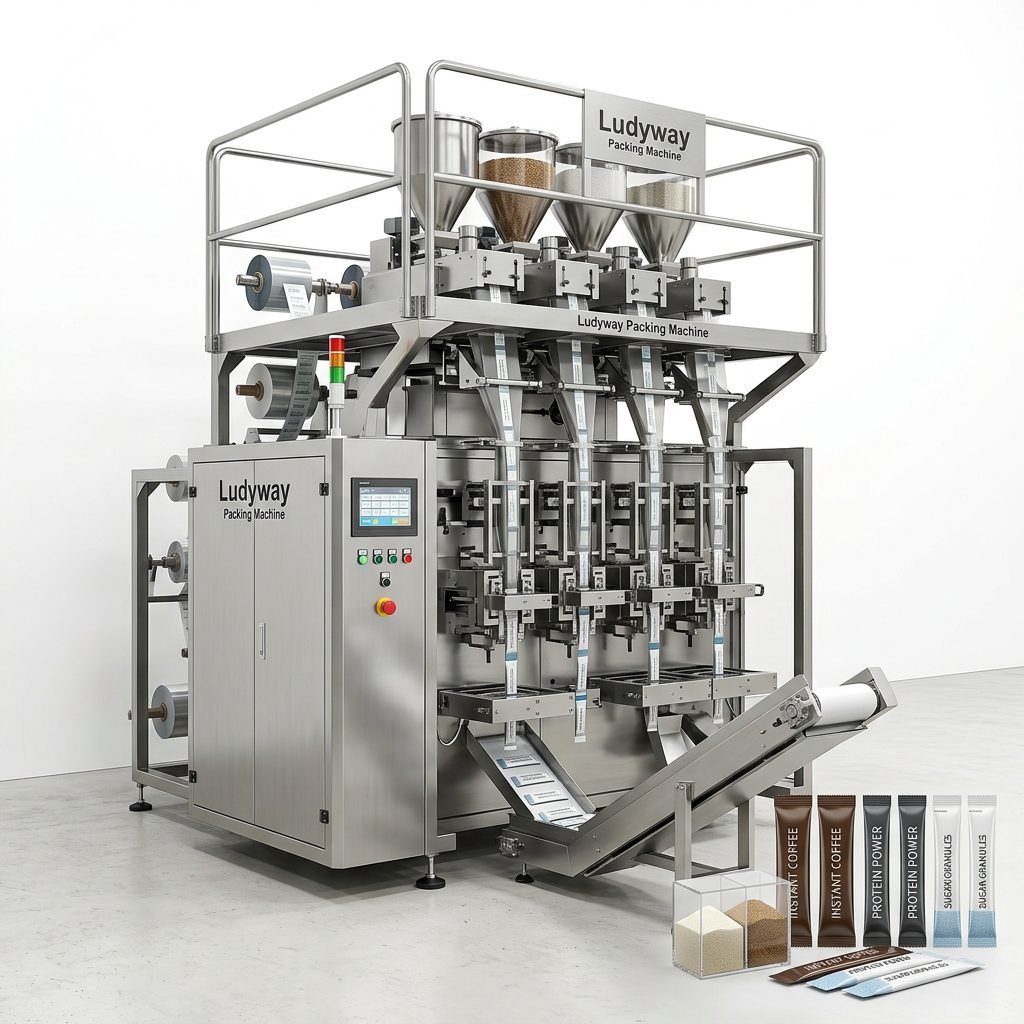
Electrical failures are among the most disruptive issues in automated packaging lines. Regular inspection helps prevent unexpected shutdowns:
- Inspect all cable connections for tightness and signs of overheating
- Clean dust from PLC cabinets and ensure ventilation fans are functional
- Check grounding connections to prevent electrical noise issues
- Test backup batteries in controllers and replace them according to the schedule
Spare Parts Management
Having critical spare parts on hand minimizes downtime when repairs are necessary. For any packaging production line, maintain inventory of:
- Sealing jaws and heating elements
- Belts, chains, and drive components
- Filters and seals for pneumatic systems
- Sensor modules and relays
- Feeding system wear parts specific to your product type
Refer to resources from PMMI – Packaging Industry Resources for best practices in spare parts planning and inventory management tailored to packaging operations.
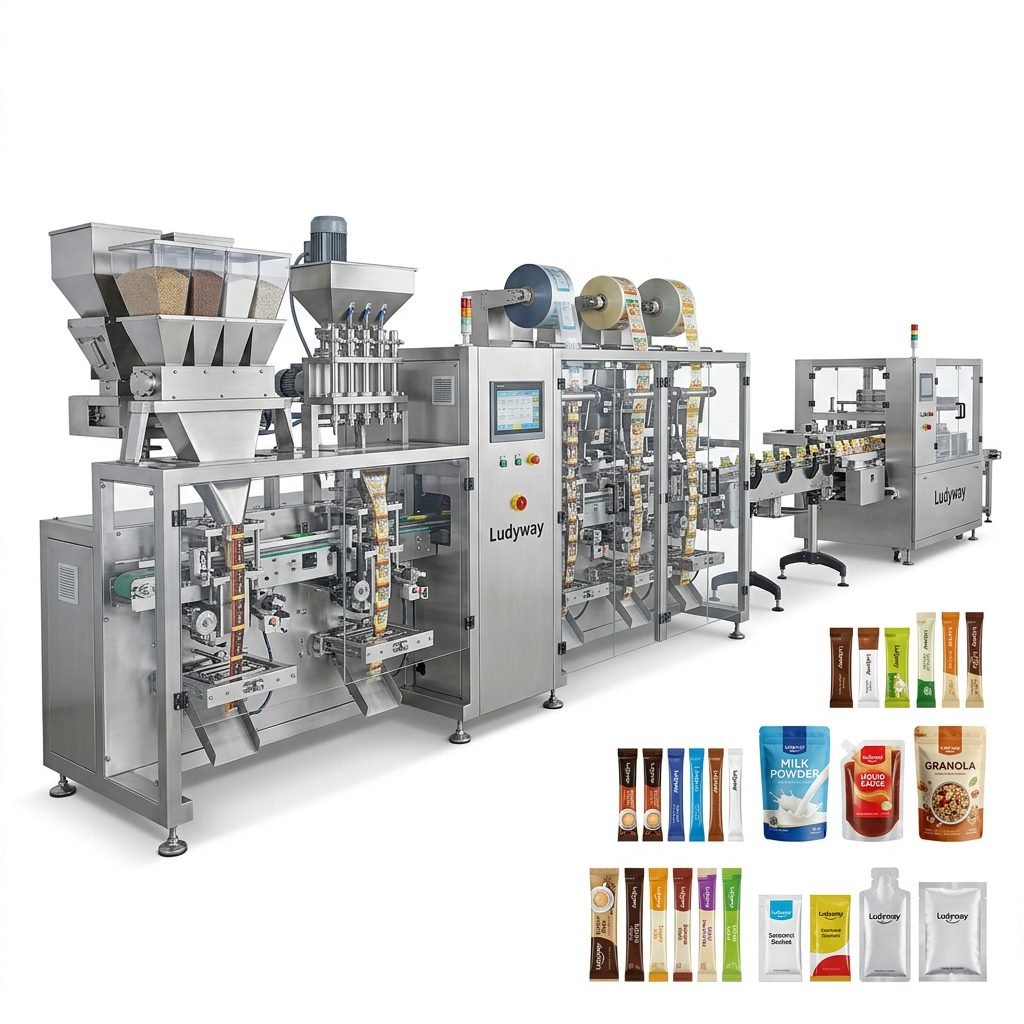
Professional Maintenance and Support
While in-house maintenance teams handle day-to-day care, periodic professional servicing ensures your packing machine remains in optimal condition. Ludyway, as one of the leading packaging machine manufacturers with over 30 years of industry expertise, recommends scheduling comprehensive inspections at least annually. Professional technicians can identify issues that routine checks might miss, such as frame alignment, servo motor performance degradation, and software updates for control systems.
Staying informed about evolving requirements is also essential. The PMMI State of the Industry Reports provide valuable insights into packaging machinery trends, while ISO packaging standards offer guidance on compliance and quality requirements for packaging equipment operation.
Operator Training Matters
Well-trained operators are your first line of defense against machinery issues. Invest in regular training to ensure staff can:
- Recognize early warning signs of component failure
- Perform basic troubleshooting without escalating every issue
- Understand proper cleaning procedures for sensitive components
- Document observations accurately for maintenance records
Conclusion
A consistent packing machine maintenance program is one of the most cost-effective ways to protect your production investment. By implementing daily inspections, scheduled preventive maintenance, proper lubrication, and timely parts replacement, you can significantly extend equipment life, maintain product quality, and reduce costly downtime. For more information on advanced packaging solutions and professional support, consult the Flexible Packaging Association – Industry Resources or explore regulatory guidance from the European Commission – Packaging and Packaging Waste regulations to stay current with industry standards and sustainability requirements.