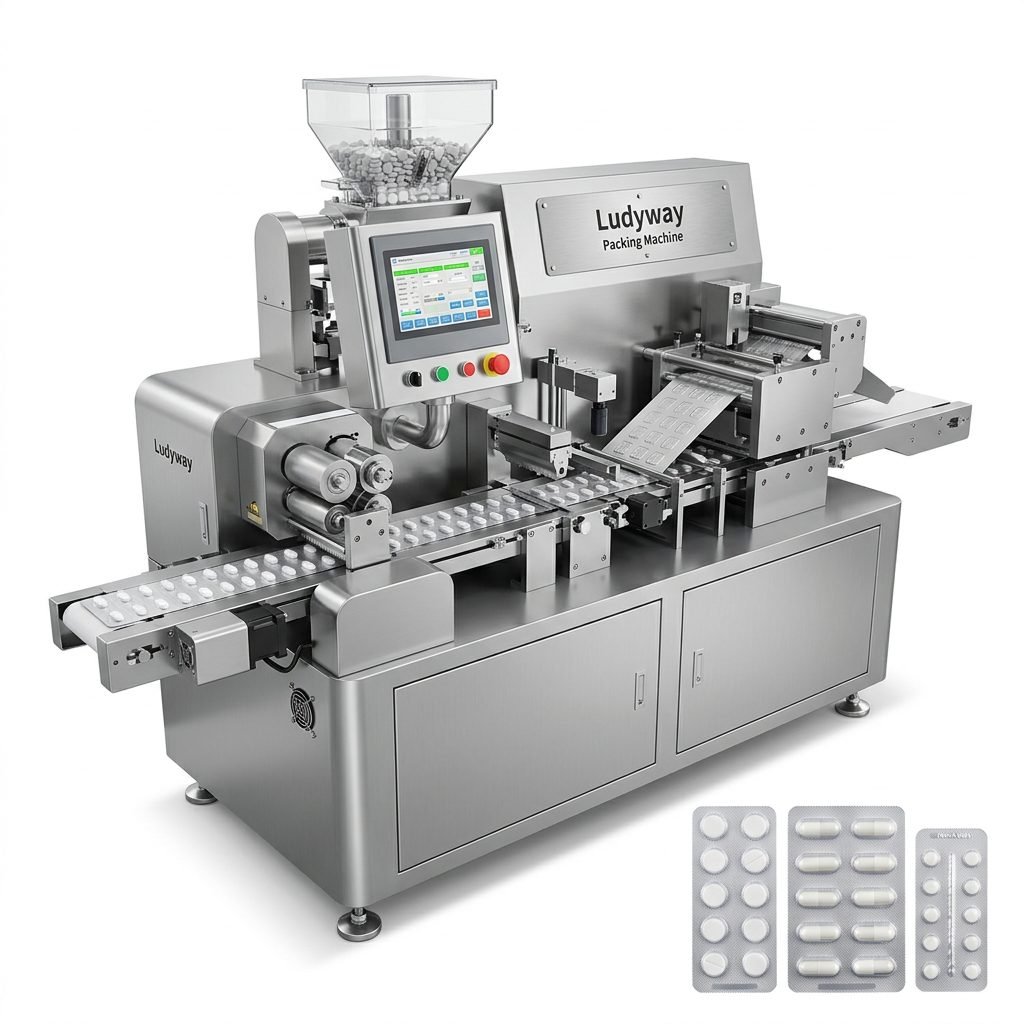
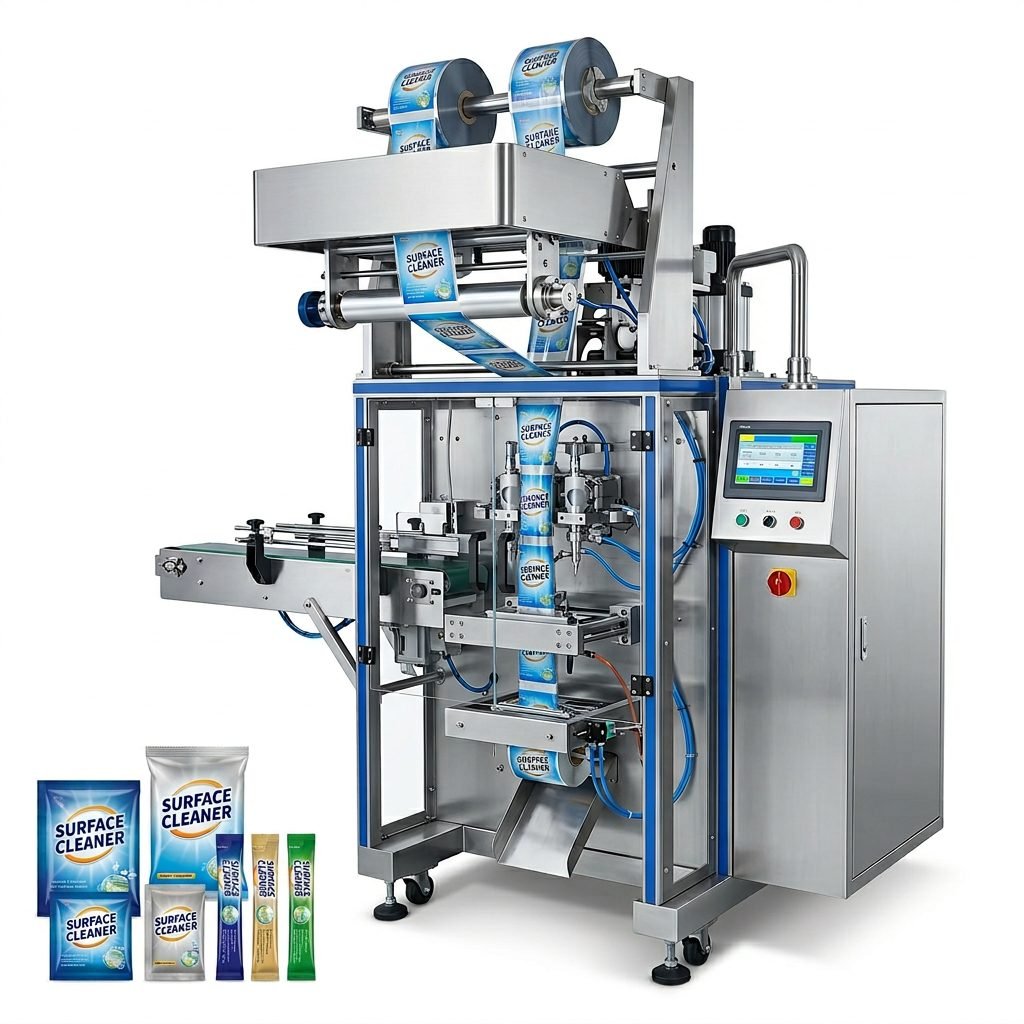
In the spice industry, packaging is not just the final production step—it directly affects product freshness, filling accuracy, shelf appeal, hygiene standards, and operating cost. For businesses handling masala, chili powder, cumin powder, turmeric, coriander blends, seasoning granules, or mixed spice sachets, an automatic masala packing machine can significantly improve daily output while reducing manual errors.
Whether you run a growing spice brand, a contract packing facility, or a large food processing factory, choosing the right automatic solution helps you package masala products faster, cleaner, and more consistently across different bag types and production volumes.
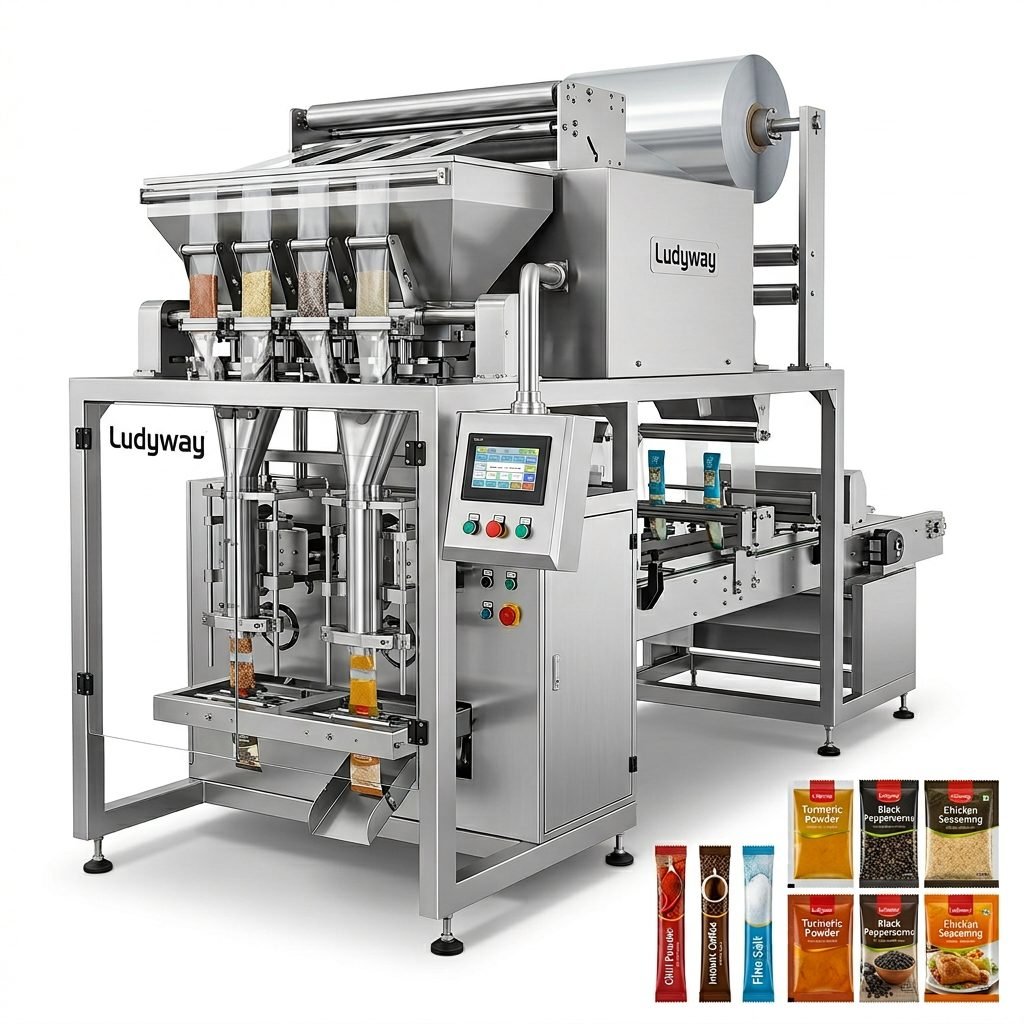
Why Automatic Masala Packing Machines Matter
Masala products are sensitive to moisture, air exposure, contamination, and dosage inconsistency. Manual packing often leads to uneven pack weights, powder leakage, messy working conditions, and slower order fulfillment. An automatic machine solves these problems through integrated weighing, filling, sealing, coding, and pouch forming functions.
- Higher productivity for medium and large batch orders
- Better sealing quality to protect aroma and flavor
- Stable pack weight control for retail and export compliance
- Improved hygiene with less manual handling
- Lower labor dependence and easier line management
- Flexible packaging formats for sachets, stick packs, pouches, and pillow bags
Common Masala Products That Can Be Packed Automatically
Modern spice packaging systems are designed for a wide range of free-flowing and non-free-flowing powder or granule products. Depending on the dosing system, an automatic masala packing machine can handle:
| Product Type | Typical Packaging Format | Suitable Filling Method |
|---|---|---|
| Turmeric powder | Sachets, pouches, pillow bags | Auger filler |
| Chili powder | Single-use sachets, stand-up pouches | Dust-controlled auger filling |
| Garam masala | Retail sachets, composite film packs | Precision auger filler |
| Cumin powder | Small pouches, stick packs | Auger filling |
| Mixed spice granules | Sachets, small bags | Volumetric cup or multi-head weighing |
| Seasoning blends | Foodservice packs, family pouches | Customized filling system |
Key Features to Look For
Not all spice packaging machines are built the same. Masala powders can be sticky, dusty, or highly aromatic, so machine selection should be based on both product characteristics and commercial goals.
1. Accurate Dosing System
For fine spice powders, an auger filling system is often the preferred option because it delivers accurate, repeatable doses. This is especially important when packaging premium masala in small retail sachets where weight variation directly affects cost and customer trust.
2. Strong Sealing Performance
Masala loses value when aroma escapes or moisture enters the package. A machine should provide reliable heat sealing for laminated films, ensuring better shelf life and transport protection.
3. Dust Control Design
Spice powder can create airborne dust during filling. A good automatic masala packing machine includes dust extraction compatibility, enclosed filling zones, and clean machine surfaces for easier maintenance.
4. Flexible Pack Sizes
Many businesses need to produce multiple SKUs, from 5g sample sachets to 500g consumer pouches. A flexible machine allows faster changeovers between bag lengths, filling volumes, and packaging materials.
5. User-Friendly Control System
Touchscreen control, recipe storage, alarm prompts, and production data display make operation easier for factory teams and reduce setup mistakes.
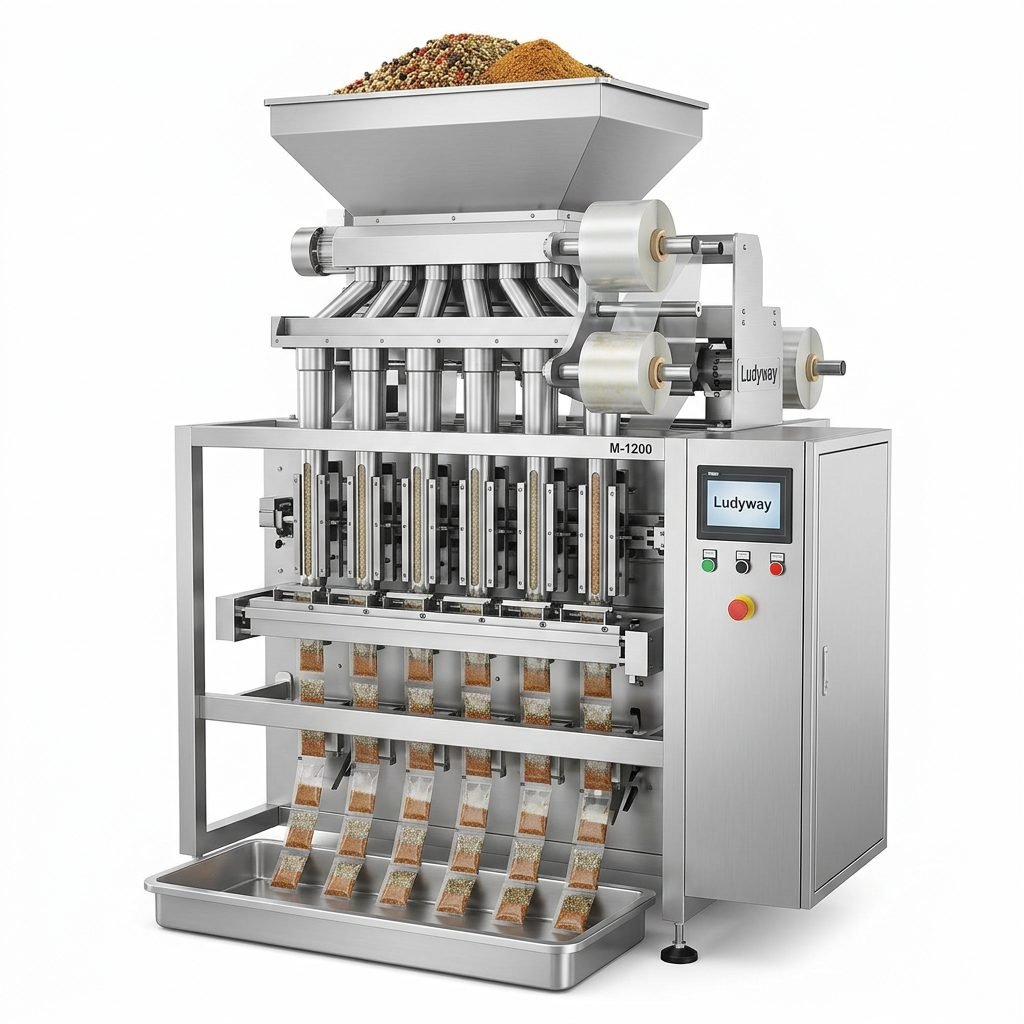
Types of Automatic Masala Packing Machines
Different factories require different machine structures. The right choice depends on pack format, target speed, available floor space, and expansion plans.
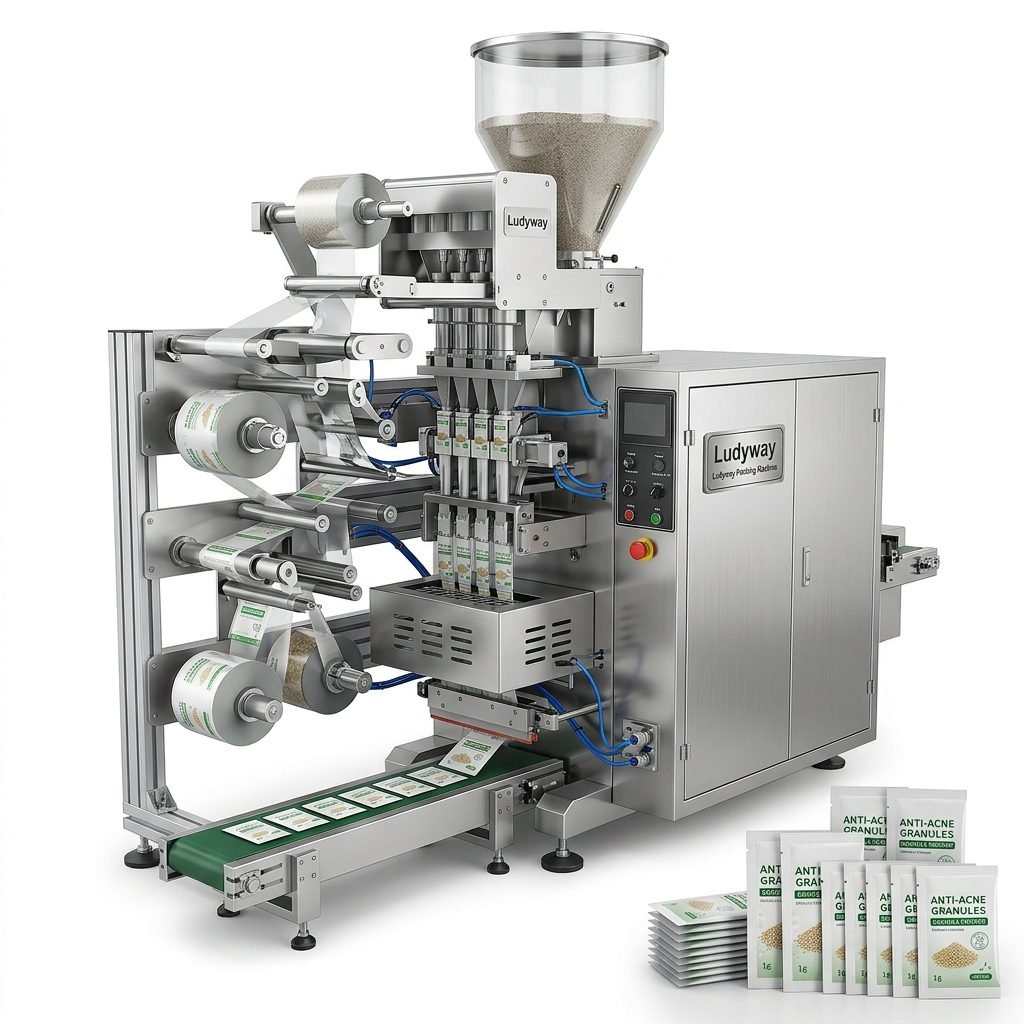
Vertical Form Fill Seal Machines
These systems form bags from roll film, fill the product, and seal the package automatically. They are suitable for pillow bags, back-seal bags, and some gusseted bag formats. They are popular for medium to high-volume spice packing operations.
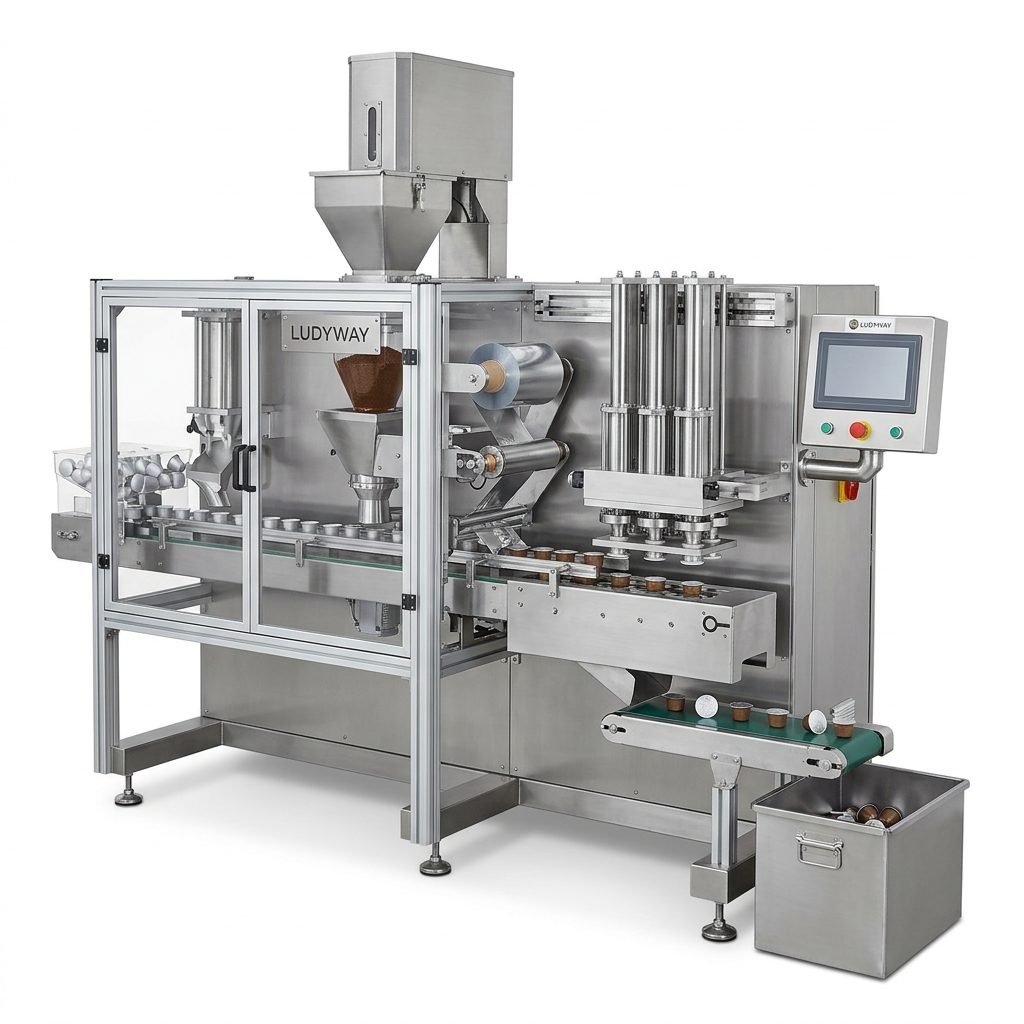
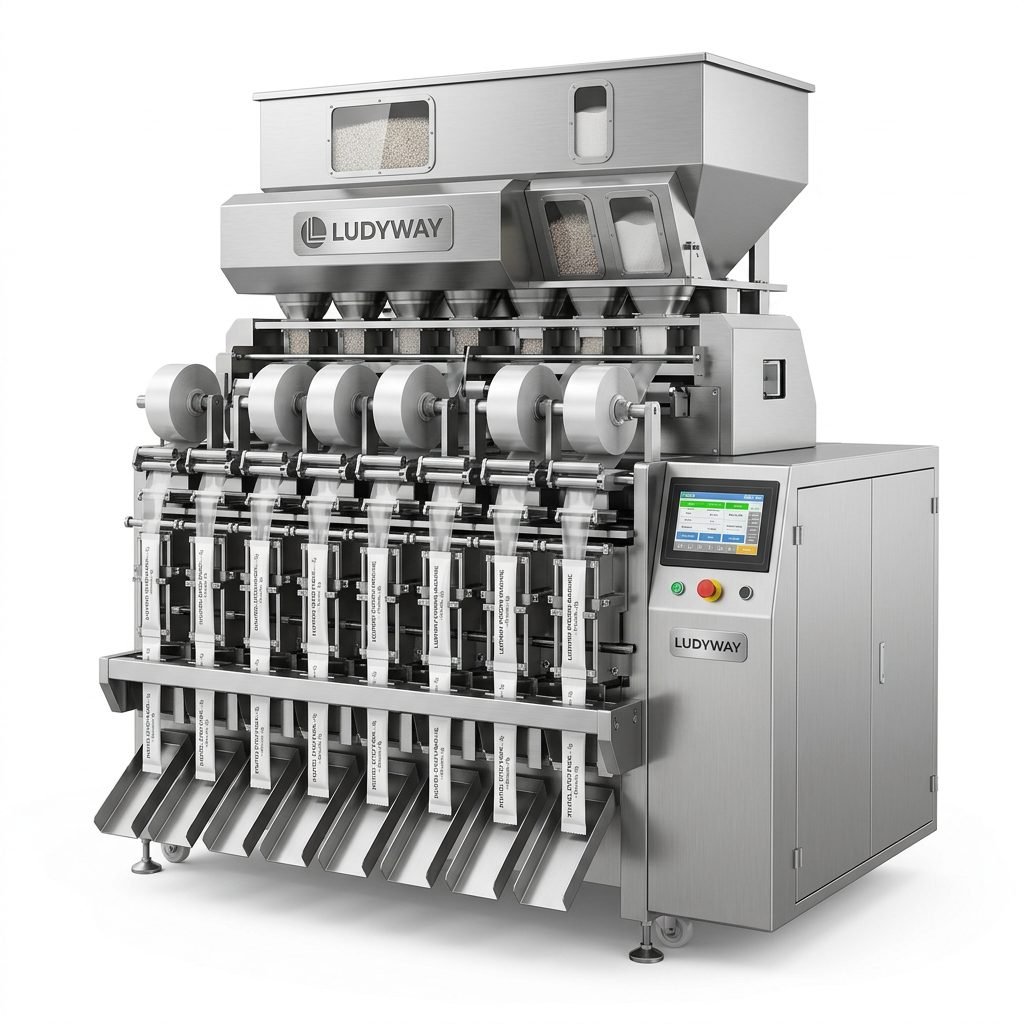
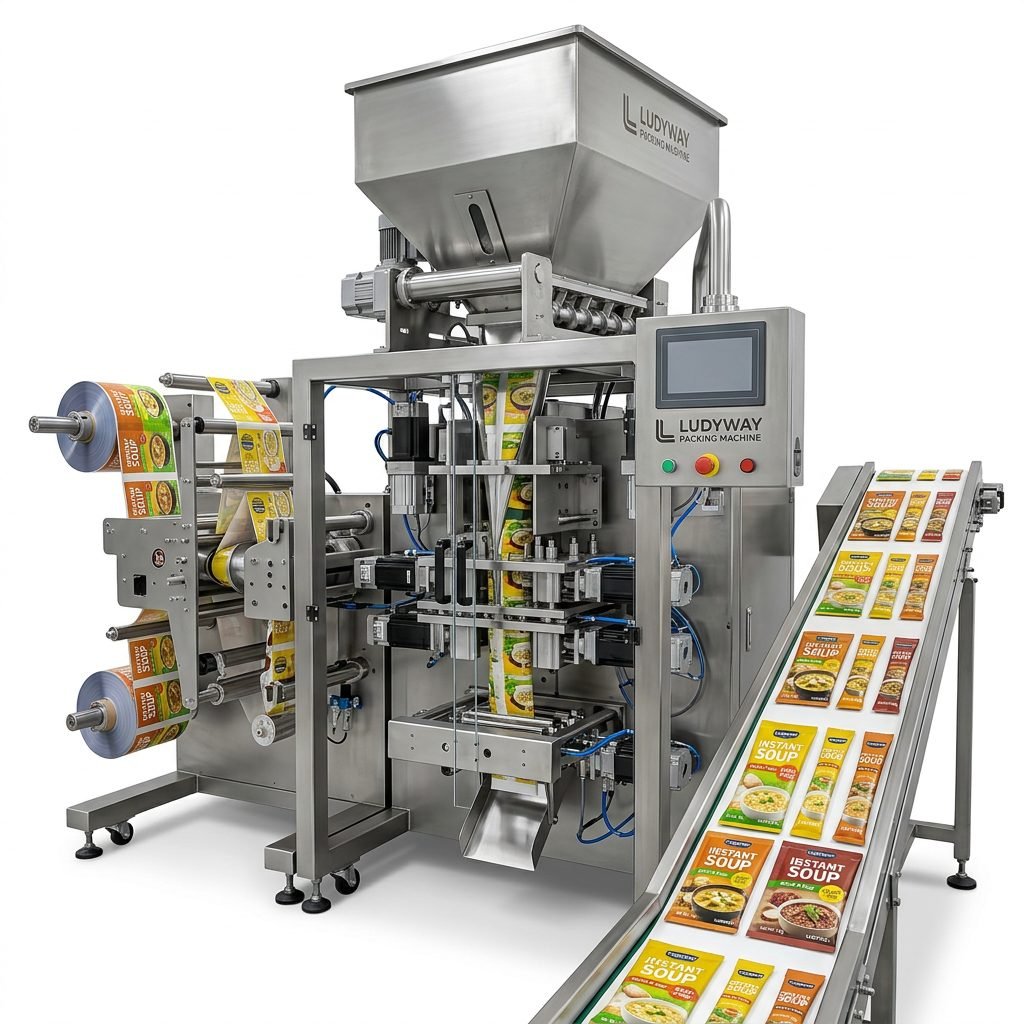
Multi-Lane Sachet Packing Machines
If your business focuses on small masala sachets for retail, hospitality, foodservice, or export, multi-lane machines can produce several sachets in one cycle. This offers high output with compact production logic.
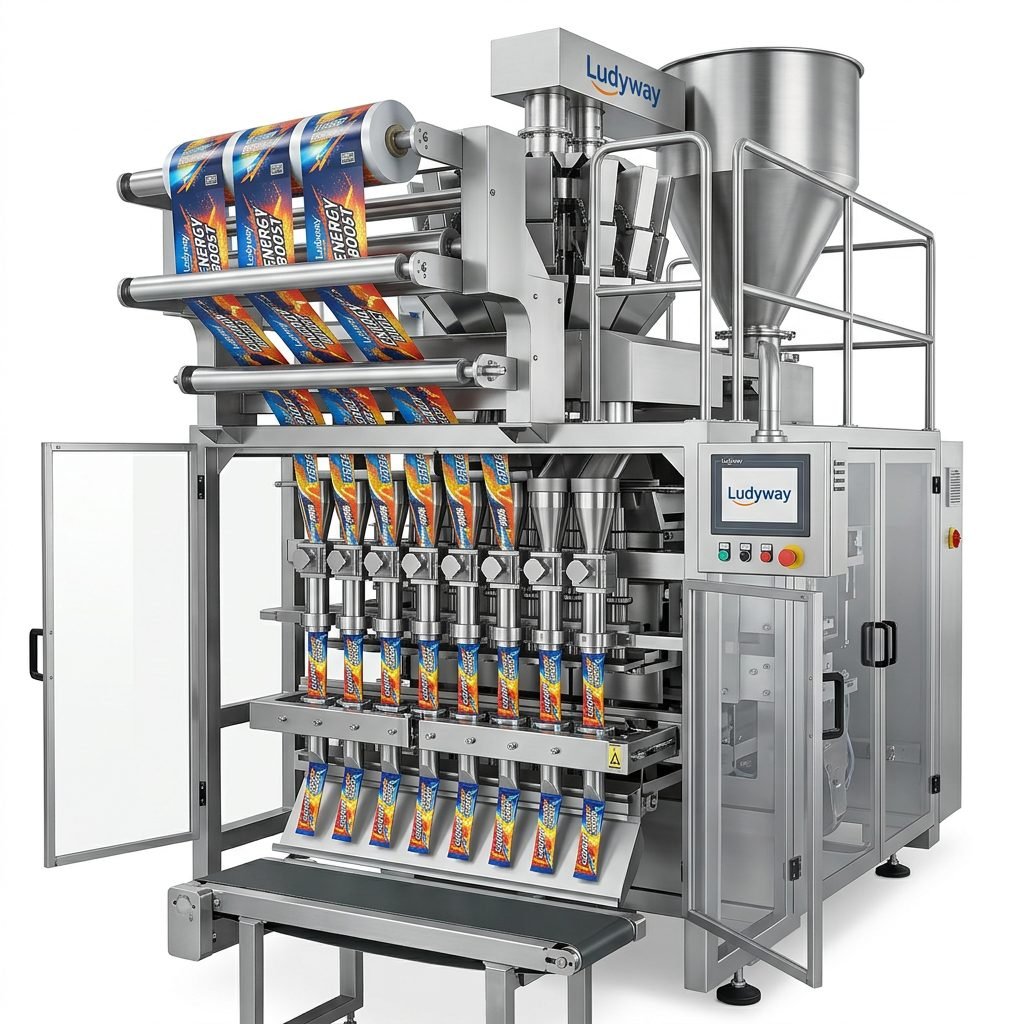
Stick Pack Machines
Stick packs are increasingly used for portion-controlled spice blends and instant seasoning products. They are attractive, easy to carry, and suitable for modern consumer markets.
Premade Pouch Filling Machines
For brands using stand-up pouches, zipper pouches, or premium retail packaging, premade pouch machines provide better shelf presentation and branding flexibility.
Benefits for Spice Brands and Manufacturers
Investing in automation delivers more than faster filling speeds. It can improve the entire packaging workflow from material handling to final carton packing.
- Reduce product giveaway caused by overfilling
- Achieve more consistent pack appearance across batches
- Lower contamination risk in food processing environments
- Support larger distributor and supermarket orders
- Increase production planning efficiency
- Enhance brand perception through neat, sealed, professional packaging
How to Choose the Right Machine for Your Business
Before buying an automatic masala packing machine, review your real production requirements instead of focusing only on speed claims. The best machine is the one that fits your product, packaging material, and business growth model.
| Selection Factor | Why It Matters |
|---|---|
| Powder flowability | Affects filler type, anti-bridging design, and dosing accuracy |
| Pack size range | Determines machine flexibility and forming system design |
| Required output | Helps decide between single-lane and multi-lane models |
| Packaging style | Sachet, stick pack, pouch, or pillow bag each needs a different solution |
| Factory space | Impacts machine footprint and line layout planning |
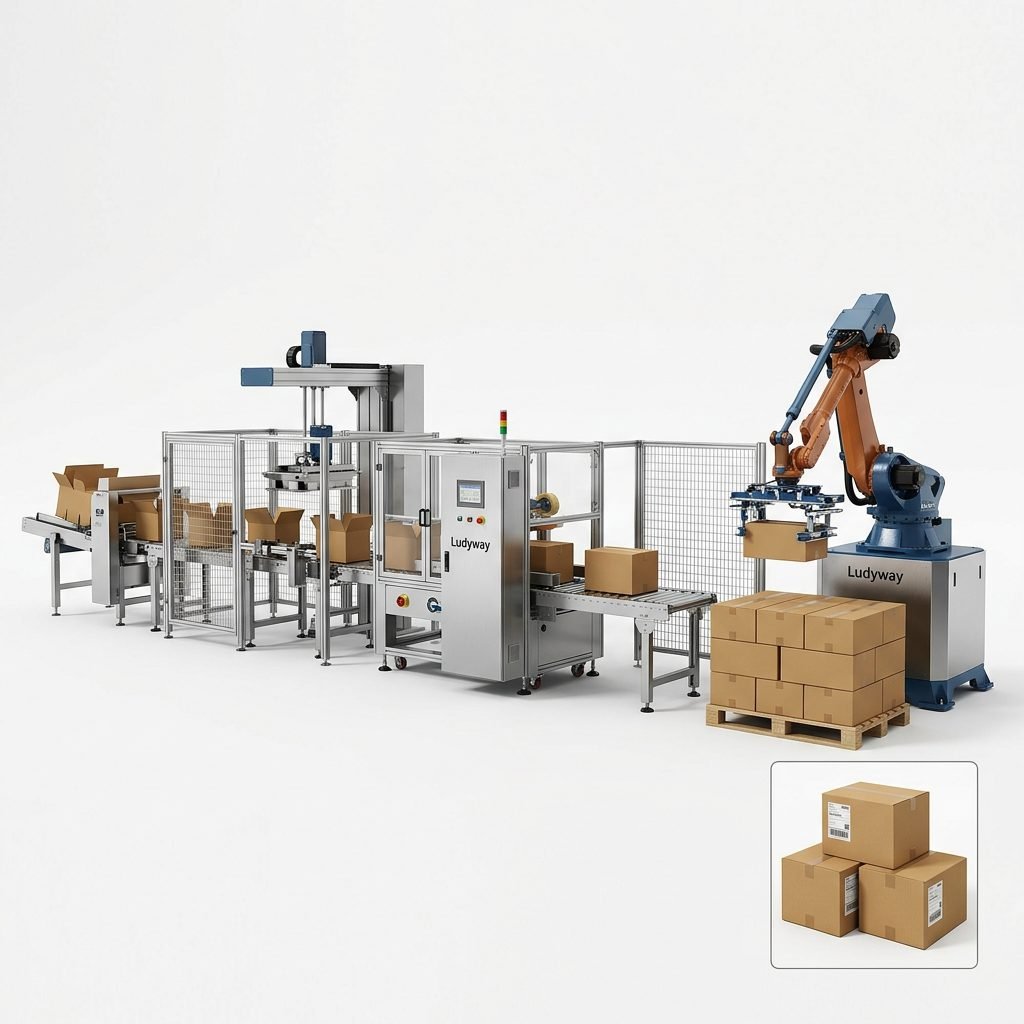
| Future expansion | Important if you plan to add cartoning, checkweighing, coding, or palletizing later |
Ideal Applications Across the Spice Industry
Automatic masala packing machines are used in many segments of the food sector:
- Retail spice sachet production
- Export-ready seasoning packaging
- Private label spice contract packing
- Hotel, restaurant, and catering portion packs
- Instant food seasoning mix lines
- Bulk spice repacking operations
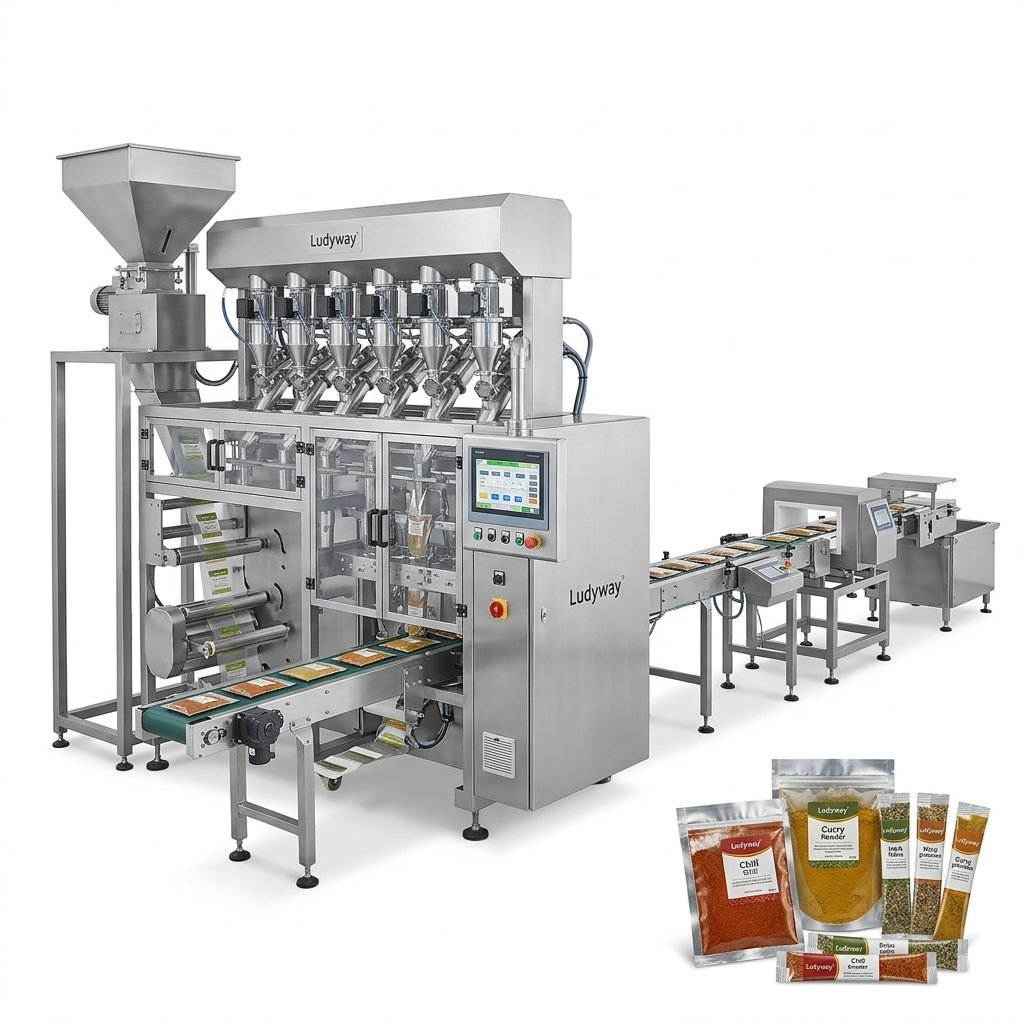
Why Turnkey Integration Can Be a Smarter Investment
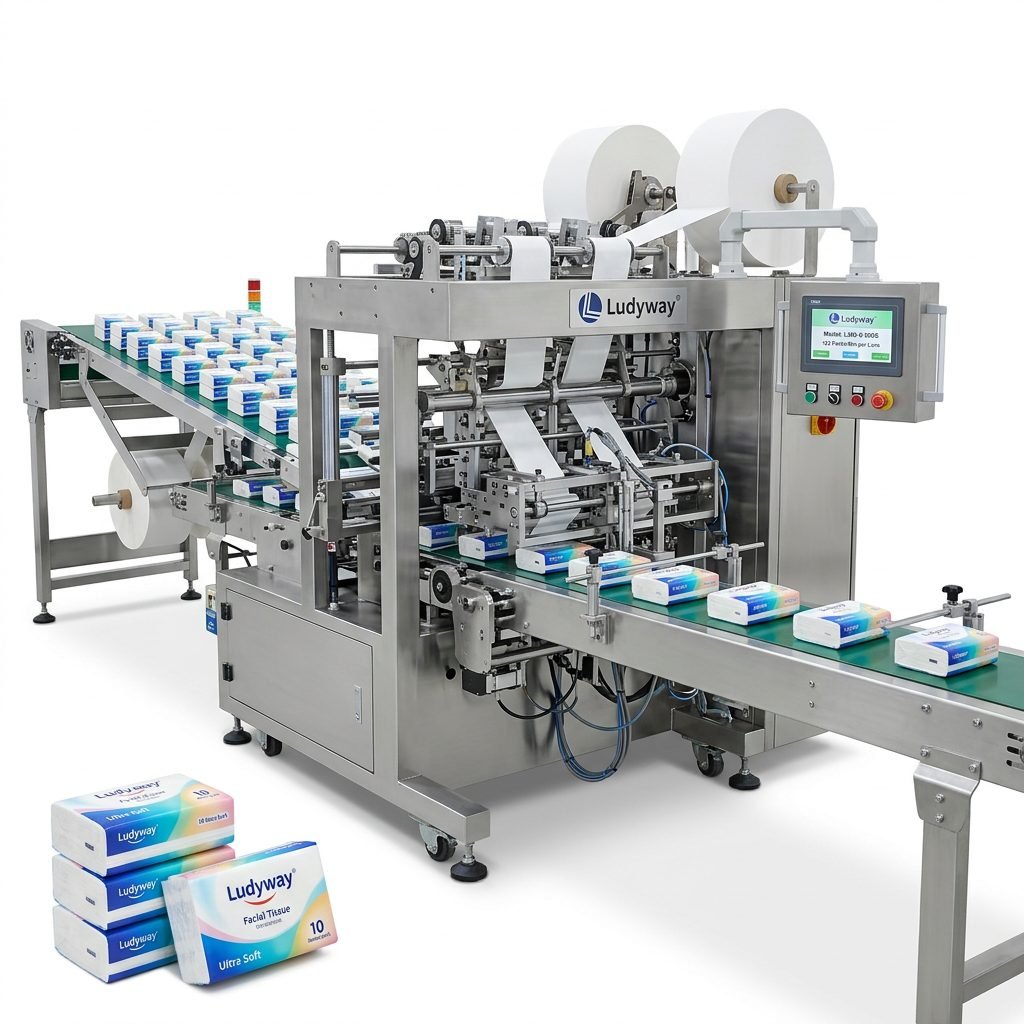
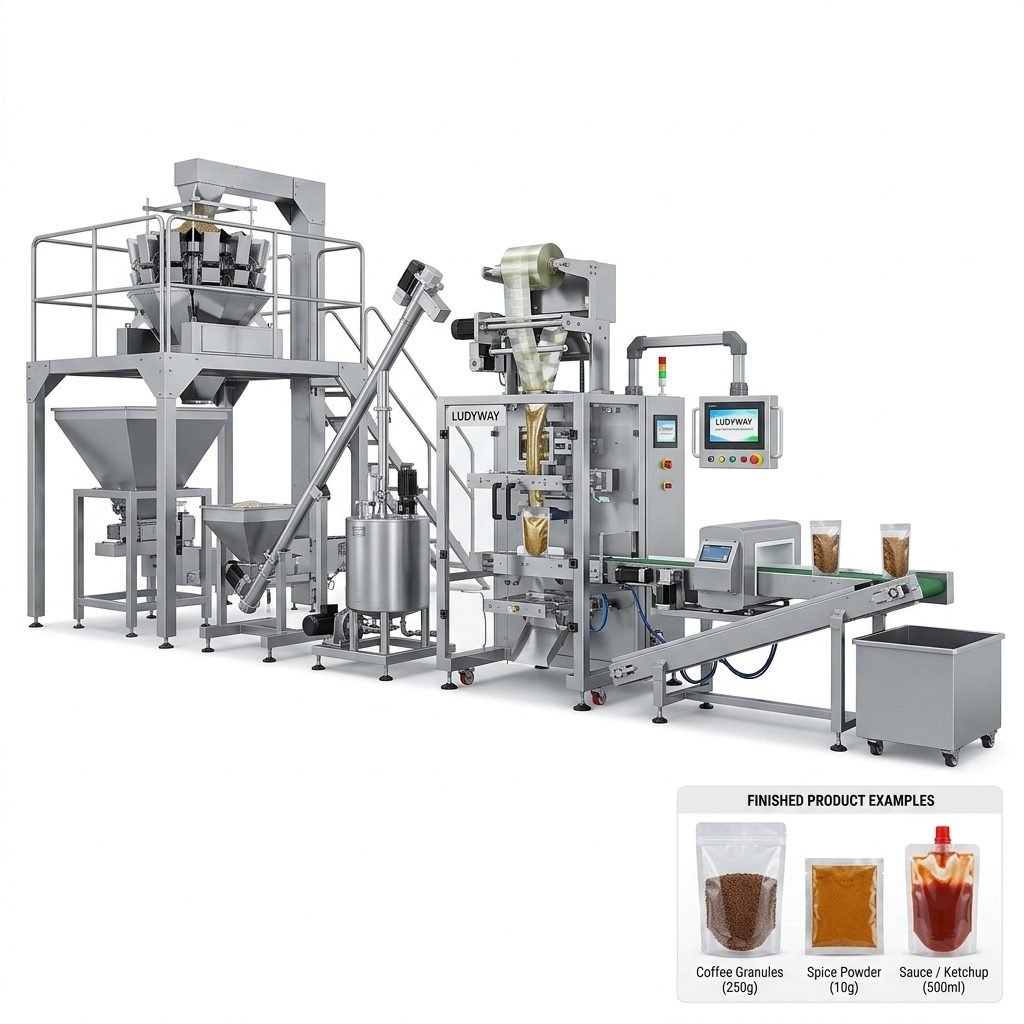
For businesses aiming at long-term efficiency, a standalone packing machine may only solve part of the challenge. A complete line can include feeding, conveying, filling, sealing, date coding, inspection, cartoning, and end-of-line handling. This reduces bottlenecks between upstream blending and downstream secondary packaging.
Companies looking for scalable automation often work with experienced suppliers such as Ludyway automatic masala packing machine solutions, especially when they need customized equipment, multiple packaging formats, or full turnkey line planning for food and seasoning products.
Questions to Ask Before You Buy
To avoid costly mistakes, ask suppliers detailed questions before making a final decision:
- What spice products has the machine already packed successfully?
- What filling accuracy can be achieved at my target weight?
- Can the machine handle dusty or low-flow masala powder?
- How long does format changeover take?
- Are spare parts and technical support available for export markets?
- Can the system be upgraded into a complete packaging line later?
Final Buying Insight
An automatic masala packing machine is a practical investment for spice businesses that want to improve speed, consistency, and packaging quality. The right machine helps preserve spice freshness, supports stronger brand presentation, and creates a more efficient production environment. For growing manufacturers, the best results usually come from choosing a machine that matches both current production needs and future expansion goals.
If your business packs masala powder, seasoning blends, or spice sachets in large volumes, automation is no longer just an upgrade—it is a competitive advantage.