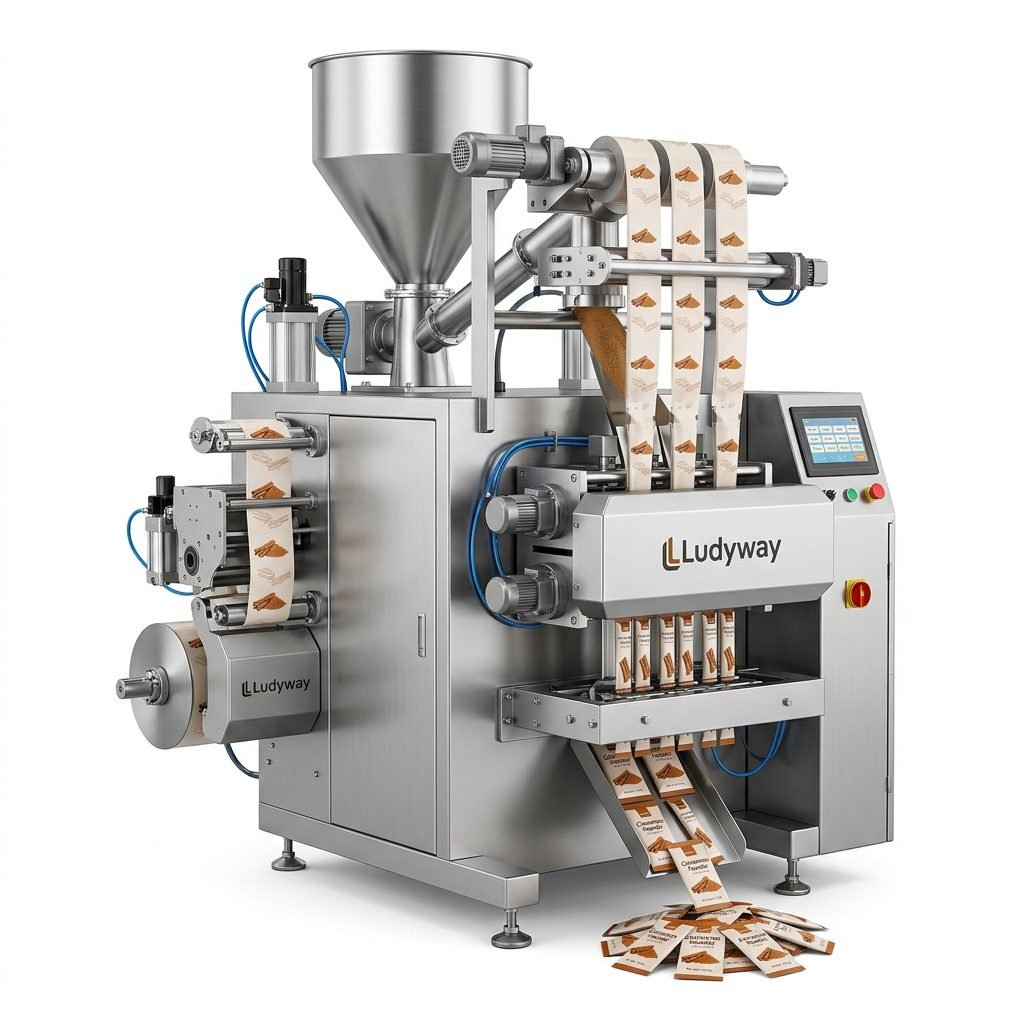
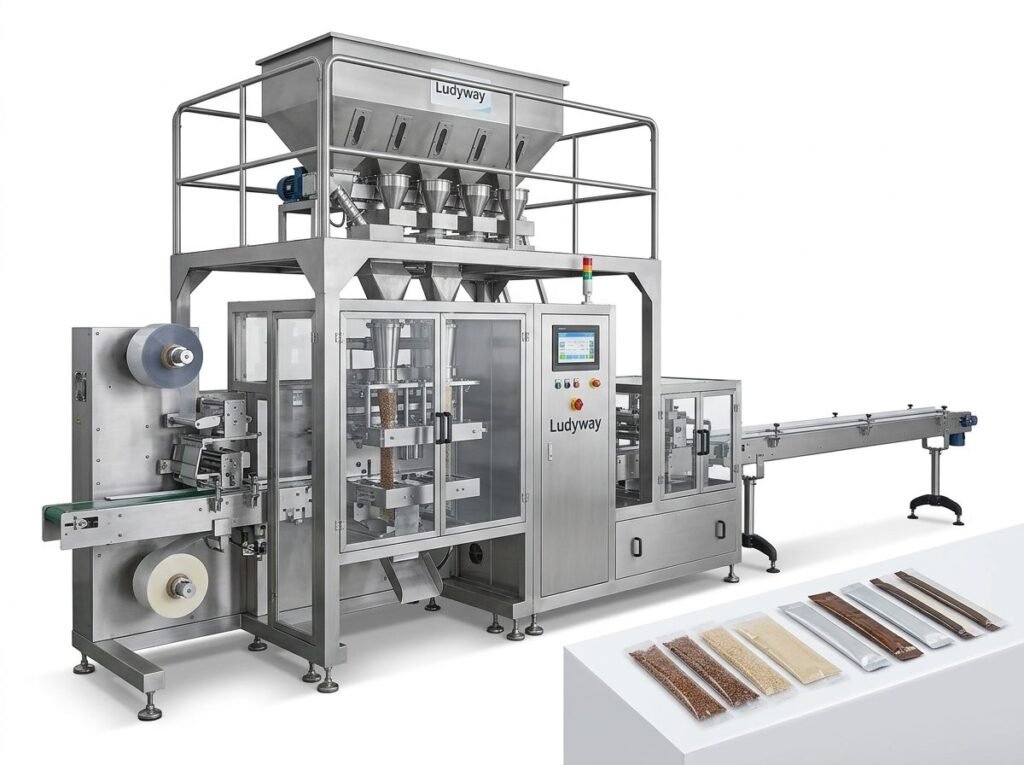
Ensuring your pill packaging machine operates at peak performance is not just about buying the best equipment; it’s about implementing a rigorous and consistent maintenance schedule. A proactive approach to maintenance prevents unexpected downtime, ensures product quality, and extends the lifespan of your packaging machinery. This guide provides essential, actionable tips to keep your pharmaceutical packaging line running reliably.
1. Daily Cleaning: The First Line of Defense
Pharmaceutical production environments demand the highest levels of cleanliness. A daily cleaning routine is non-negotiable for your pill packaging machine.
- Power Down and Lockout/Tagout: Before any cleaning, always disconnect the main power supply and follow strict lockout/tagout procedures to ensure operator safety.
- Remove Residue: Use a vacuum cleaner with a HEPA filter and soft brushes to carefully remove pill dust, powder, and granule residue from all surfaces, especially around the forming, filling, and sealing stations. Accumulated powder can cause sealing issues and mechanical wear.
- Wipe Down Surfaces: Wipe all accessible machine parts with lint-free cloths dampened with a pharmaceutical-grade cleaning agent. Pay close attention to product contact parts to prevent cross-contamination.
- Inspect for Wear and Tear: While cleaning, visually inspect for any loose bolts, cracked forming dies, or frayed wires. Early detection is key.
2. Scheduled Lubrication: Reducing Friction and Wear
Proper lubrication minimizes friction on moving components, which is critical for high-speed operations like those found in automatic pill packaging machines. A lack of lubrication is a primary cause of premature bearing and chain failure.
- Follow the Manual: Adhere strictly to the manufacturer’s lubrication chart. Use only the recommended types and grades of food-grade or pharmaceutical-approved lubricants.
- Key Lubrication Points: Focus on chains, sprockets, cam followers, bearings, and linear guide rails. Over-lubrication can be as harmful as under-lubrication, attracting dust and creating a grinding paste.
- Sealing Station Maintenance: The heat-sealing jaws and their moving mechanisms require special attention. Ensure guides are clean and lightly lubricated to prevent sticking and ensure consistent seal quality.
3. Routine Inspection and Calibration: Ensuring Precision
A pill packaging machine is a precision instrument. Consistent pouches and accurate counts are vital for regulatory compliance and consumer trust.
- Forming and Sealing Parts: Regularly check the knurling on sealing jaws and the condition of forming tubes. Worn parts lead to weak or leaking seals, potentially causing drug stability issues.
- Sensor Functionality: Test all sensors, including registration mark sensors and product flow sensors. Incorrect sensor readings can lead to misaligned cuts or empty packages.
- Dosing System Accuracy: Periodically verify the accuracy of your counting or weighing system. Use a calibrated scale to check random samples of filled pouches to ensure the correct pill count is maintained.
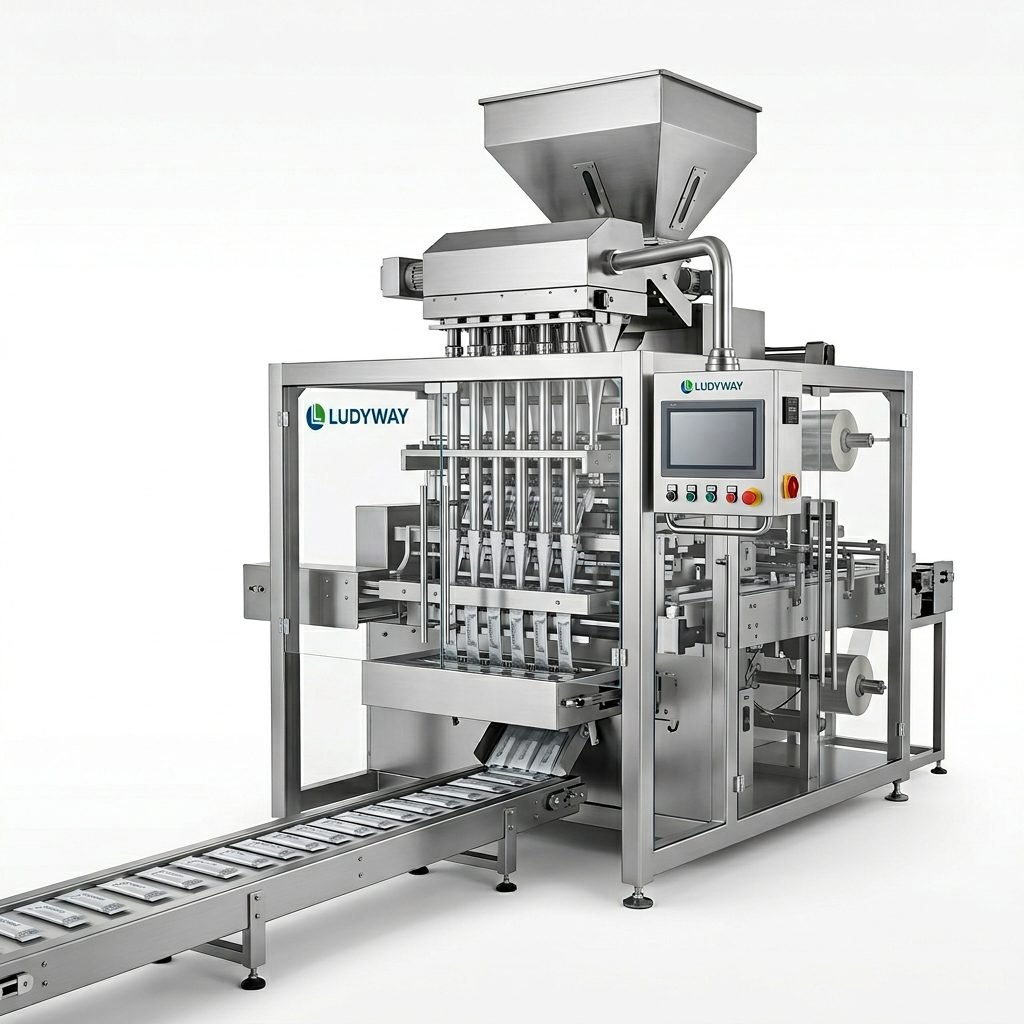
4. Critical Component Maintenance Schedule
Understanding the lifespan of critical parts and proactively replacing them can prevent catastrophic failures and unplanned production stops. The table below outlines a general maintenance schedule for a standard pill packaging machine.
| Component | Maintenance Task | Recommended Frequency |
|---|---|---|
| Sealing Jaws & Heaters | Inspect for wear, alignment, and Teflon coating condition. | Weekly |
| Cutting Blades | Check for sharpness and adjust/replace if cutting is rough. | Monthly |
| Pneumatic System | Drain air filter, check for leaks in lines and fittings. | Weekly |
| Bearings & Drive Chains | Lubricate and inspect for noise, vibration, or stretch. | Monthly |
| Electrical Connections | Tighten terminals in control panels and inspect cable integrity. | Quarterly |
| Registration Sensors | Clean lenses and verify film tracking accuracy. | Daily/Weekly |
5. Long-Term Sealing Integrity and Performance
For a pill packaging machine, the seal is its final quality check. Maintaining this function ensures product shelf life and patient safety. Consider these practices:
- Parameter Logging: Keep a daily log of temperature, pressure, and dwell time for your sealing station. A sudden need to increase temperature might indicate a failing heater cartridge or controller.
- Regular Seal Strength Tests: Perform daily dye penetration tests and peel tests on sealed pouches to catch a developing problem before it becomes a batch rejection.
- Film Handling System: Misaligned or sticky rollers can cause film tension issues, leading to wrinkled seals or misprinted batch codes. Clean and inspect all film path rollers weekly.
6. Troubleshooting Common Issues
Even with perfect maintenance, issues can arise. A structured troubleshooting approach is essential. Here are a few common scenarios and their likely starting points:

- Problem: Inconsistent or Weak Seals. Likely Cause: Incorrect temperature setting, dirty or worn sealing jaws, or inconsistent film quality.
- Problem: Misaligned Cutting or Print. Likely Cause: Faulty registration sensor, incorrect film tension, or slipping film feed rollers.
- Problem: Product Crushing or Bridging in Funnel. Likely Cause: Vibratory feeder amplitude is set too high, or a static charge is building up in the product hopper.
7. The Operator’s Role: The Human Sensor
The machine operator is your most valuable maintenance asset. A well-trained operator can detect subtle changes in sound, vibration, or output quality that automated sensors might miss. Empower them to stop the line if they suspect a problem. Regular training on safe operation, basic cleaning, and changeover procedures is a critical investment that pays for itself many times over through increased productivity and reduced scrap.
For complex pharmaceutical packaging challenges, partnering with an experienced machinery supplier is crucial. As one of the largest packaging machine manufacturers in China, Ludyway provides advanced equipment and turnkey production solutions designed with maintenance accessibility in mind. Our expert support ensures your operations remain efficient and compliant.
8. Smart Stock of Spare Parts
Maintaining an inventory of critical spare parts is a smart strategy to minimize downtime. The last thing you want is a 48-hour production stop because a simple thermocouple for your sealing jaw failed. A well-managed spare parts list should include:
- Heating cartridges and thermocouples.
- Sealing jaw Teflon covers or complete jaw sets.
- Cutting knives and cutting stick inserts.
- Commonly used sensors and fuses.
- Drive belts and critical timing belts.

Maintaining a pill packaging machine is about building a culture of prevention rather than reaction. By integrating these maintenance tips into your standard operating procedures, you ensure reliable performance, meet stringent GMP requirements, and protect your brand’s reputation with every perfectly packaged dose.
Related Resources: