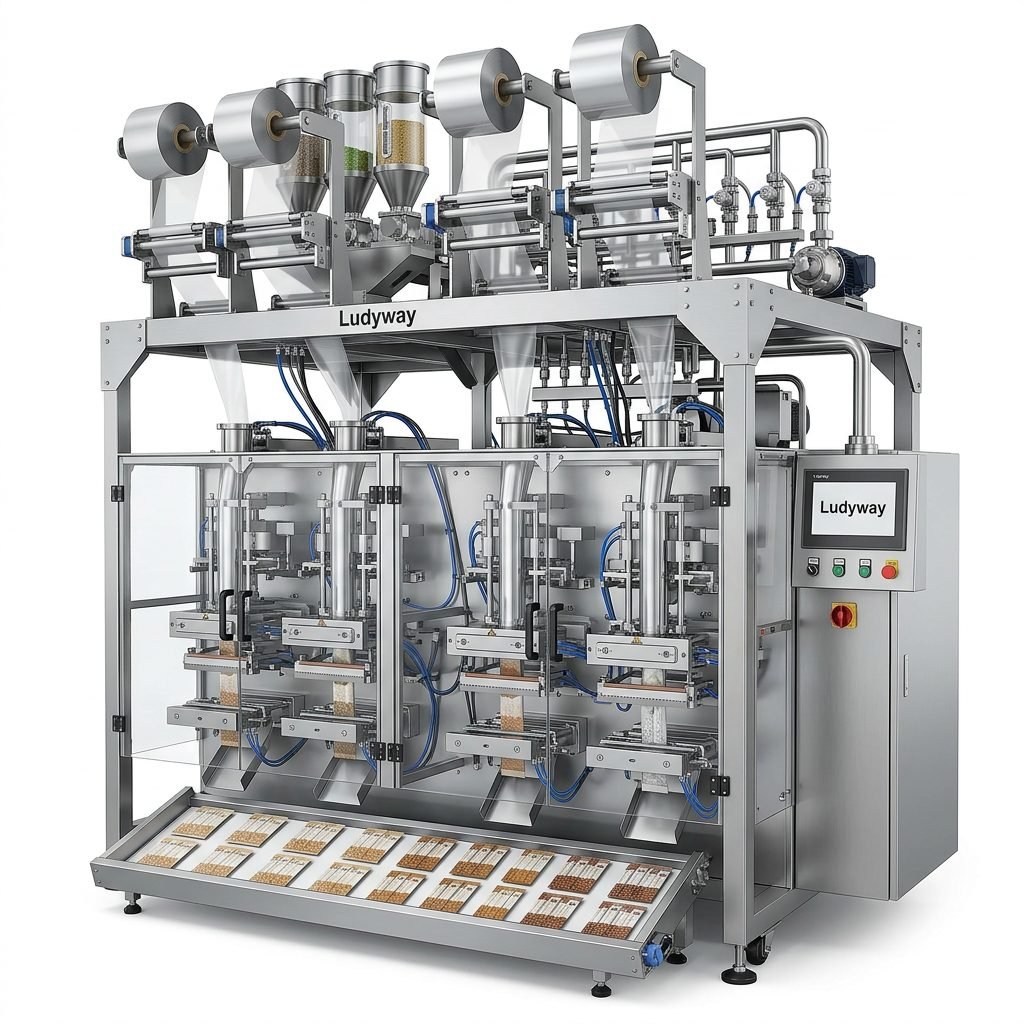
The French confectionery market is one of the largest and most sophisticated in Europe. To meet consumer demand while maintaining precise quality control, manufacturers must invest in robust automated systems. Setting up a confectionery packaging machine production line in France requires careful planning around machinery selection, regulatory compliance, and operational efficiency. In this complete guide, we walk through every step to help you launch a successful high-speed packaging operation.
Understanding the French Confectionery Packaging Landscape
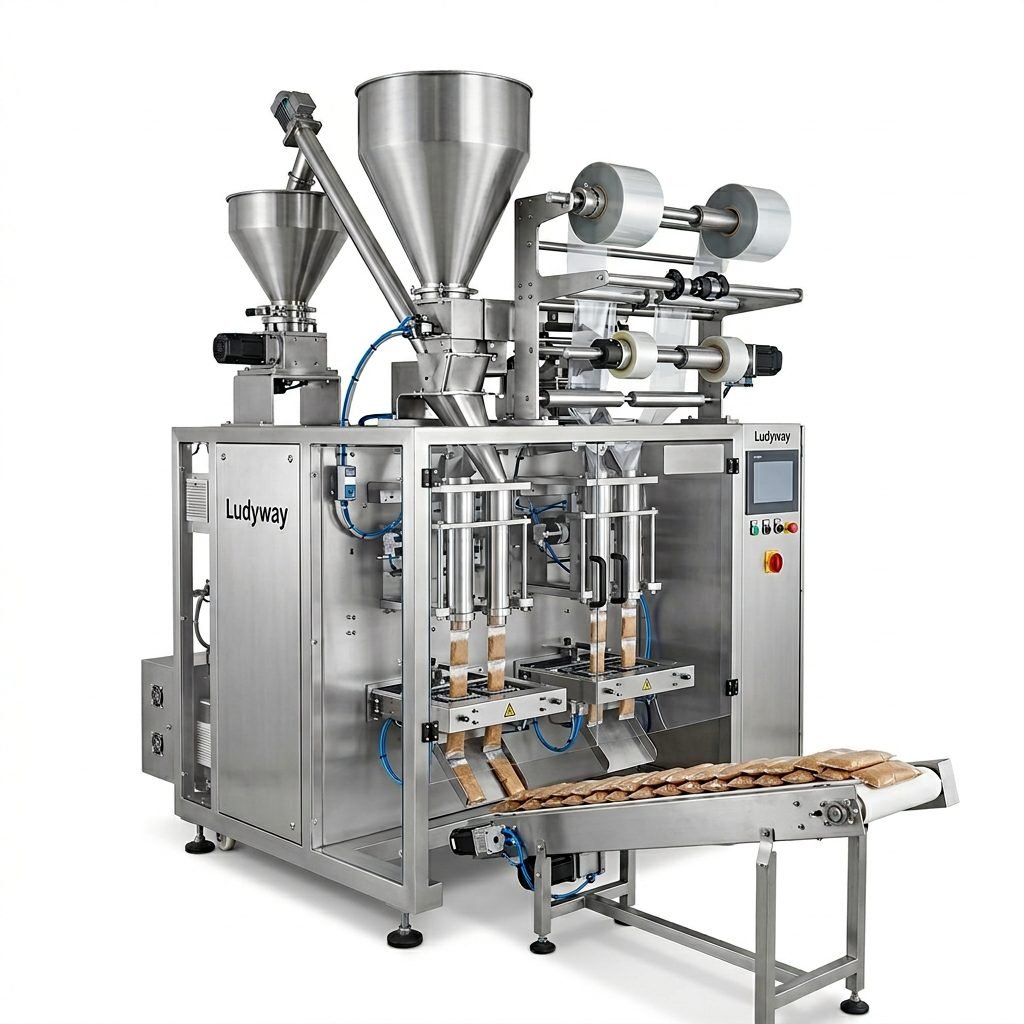
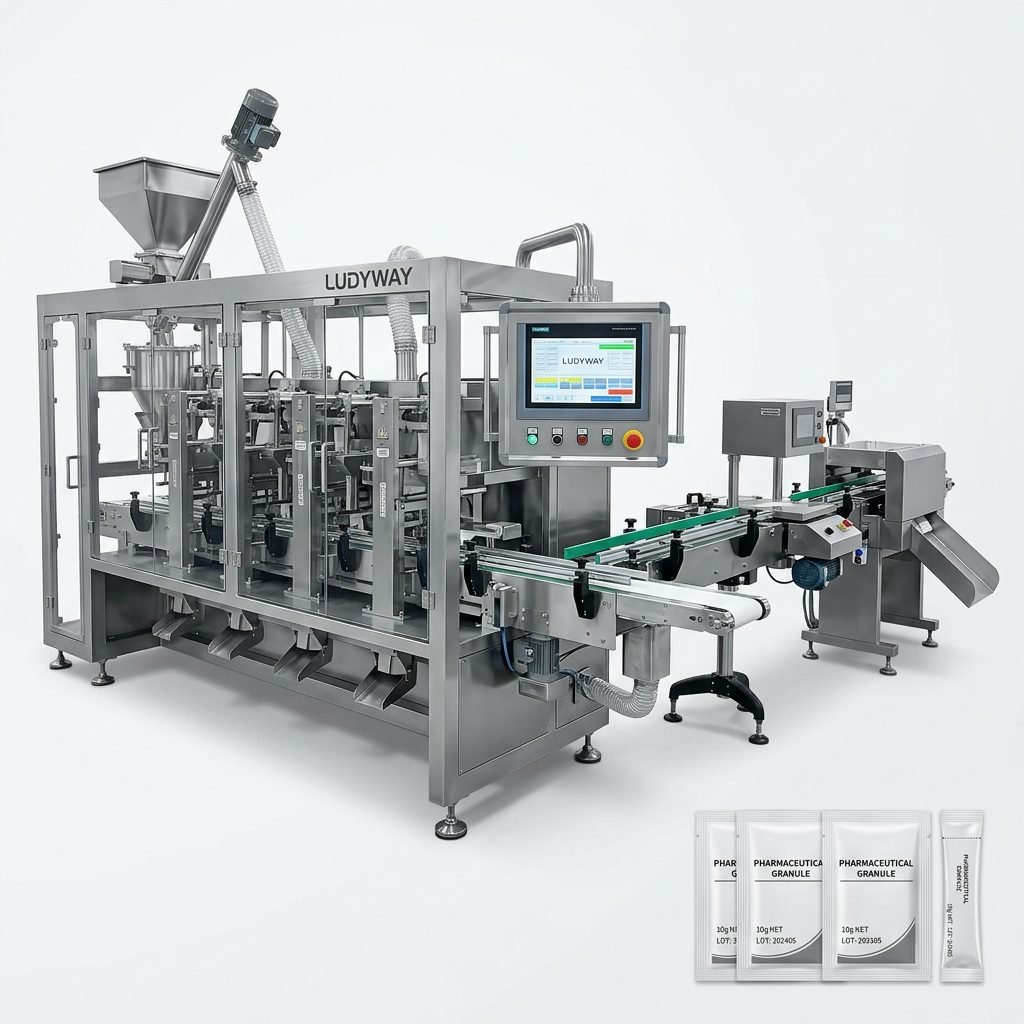
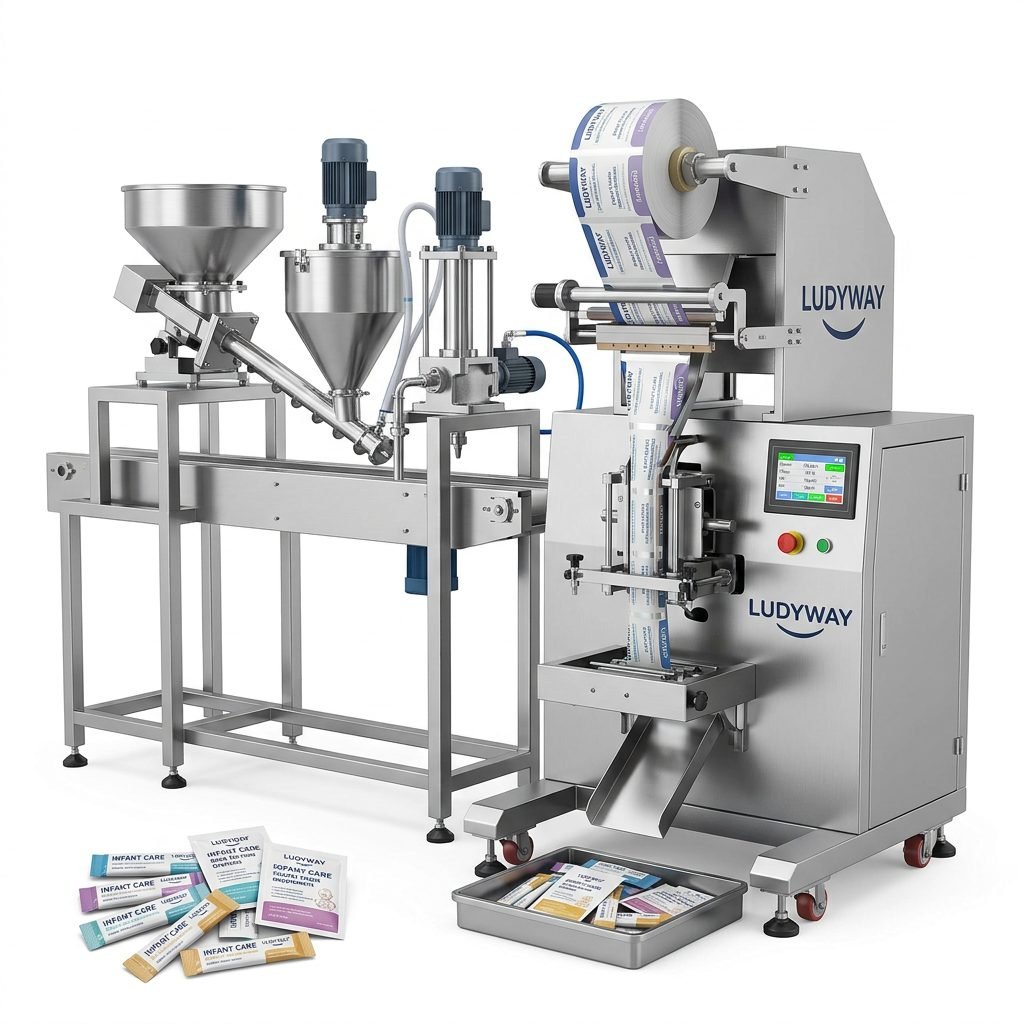
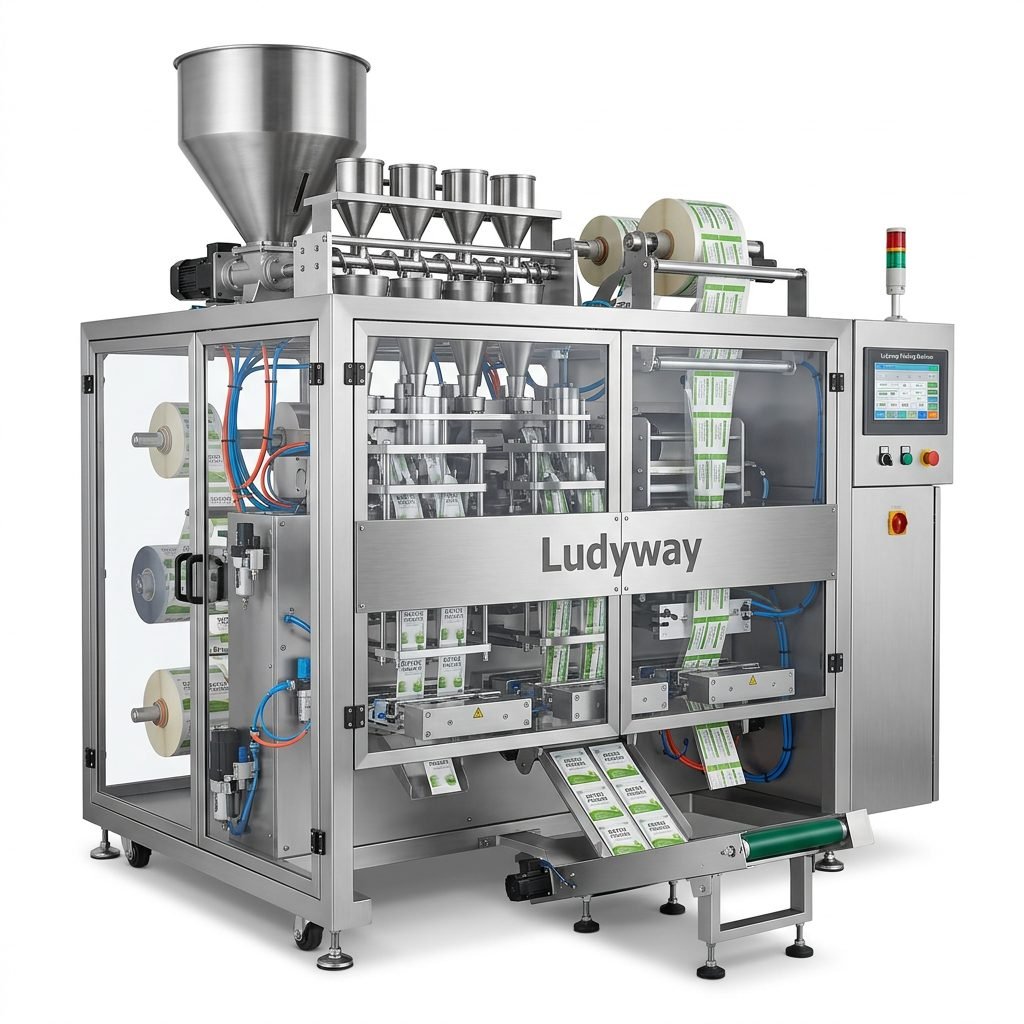
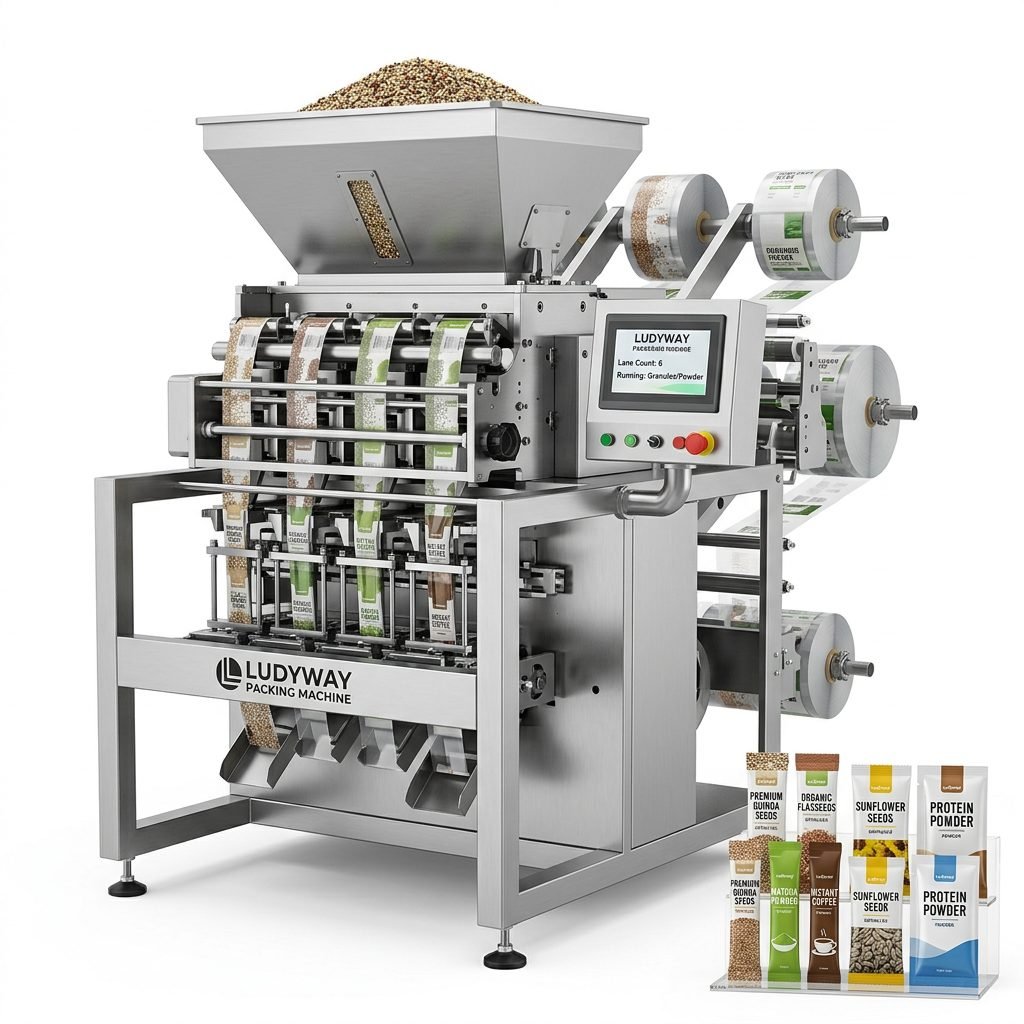
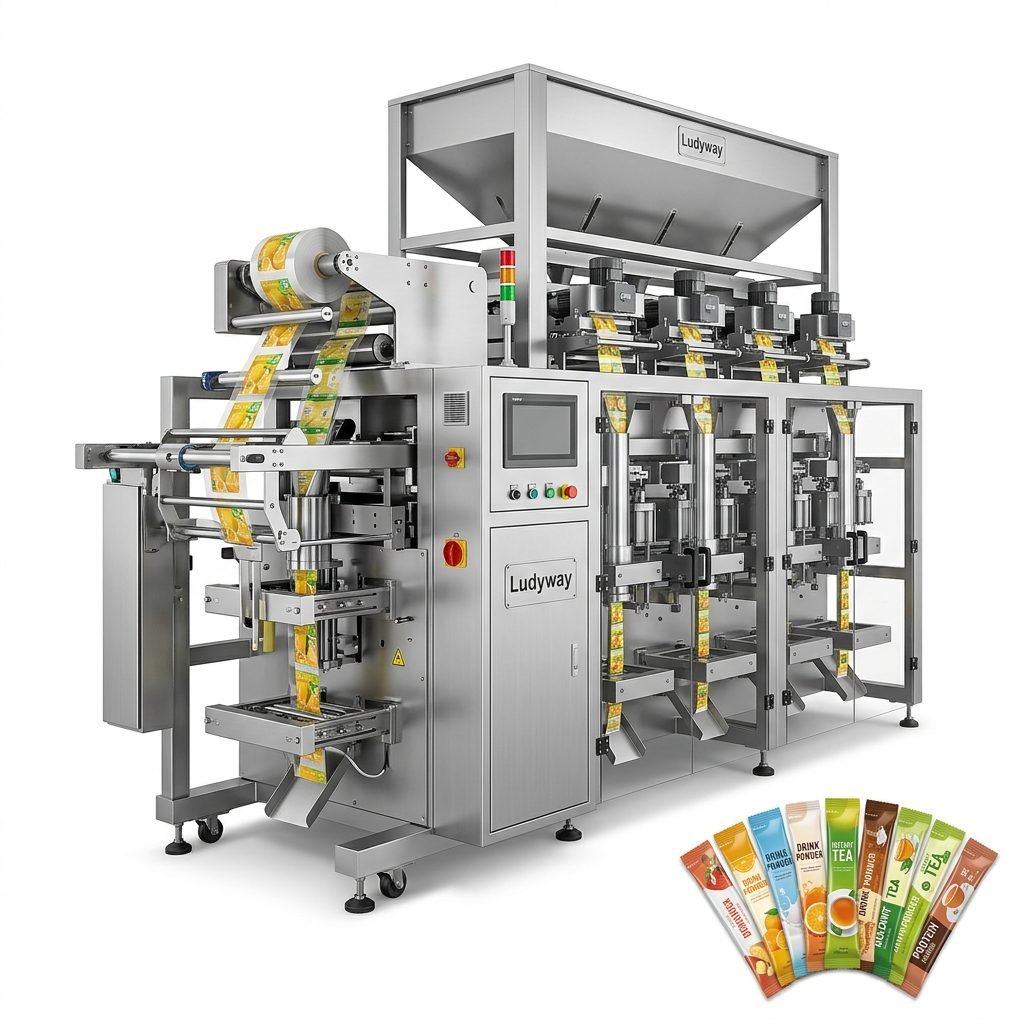
France is renowned for its chocolates, candies, and dragées. Modernizing your packaging line is no longer an option—it is a necessity. Brands demanding high-volume output with minimal labor overhead are shifting toward multi-lane stick pack and sachet systems. These machines offer unmatched speed for powdery, granular, and liquid confectionery products, from hot chocolate mixes to fruity candy powders.
Core Components of a Confectionery Production Line
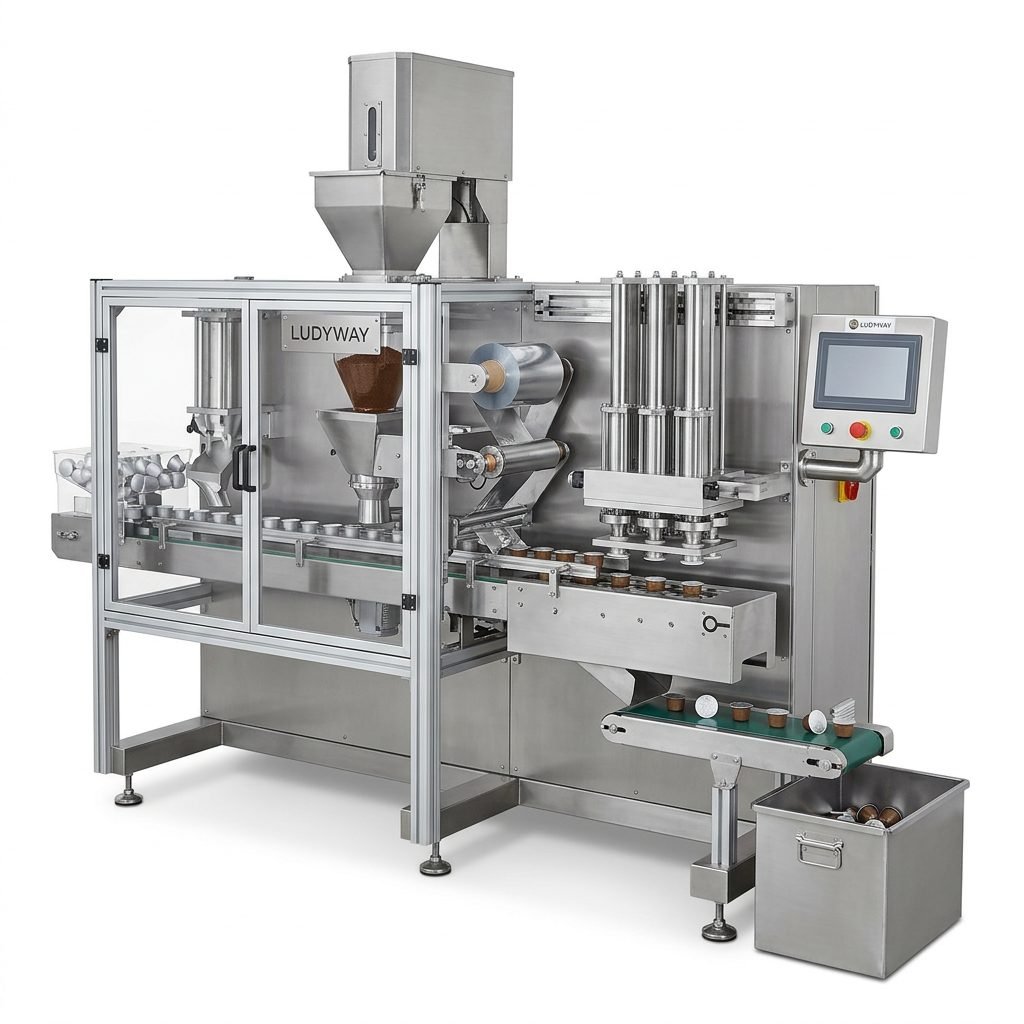
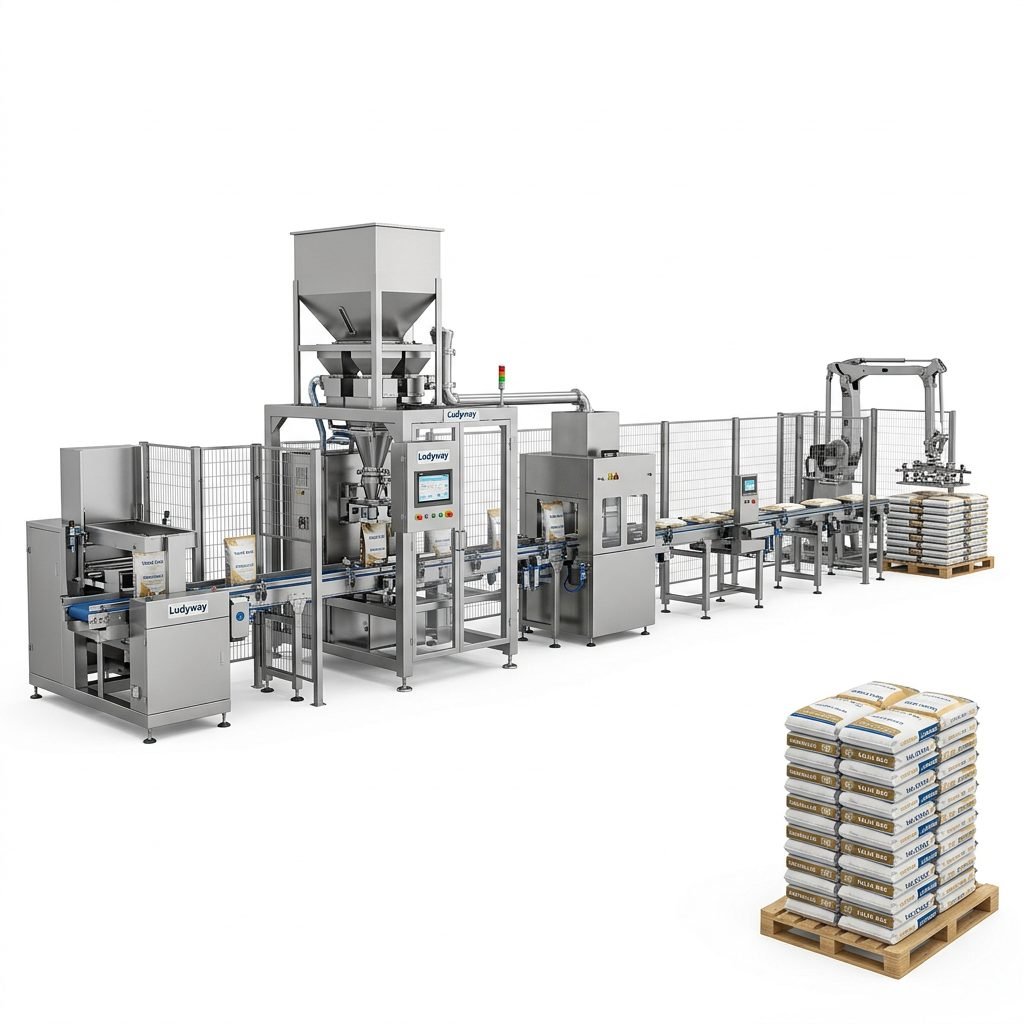
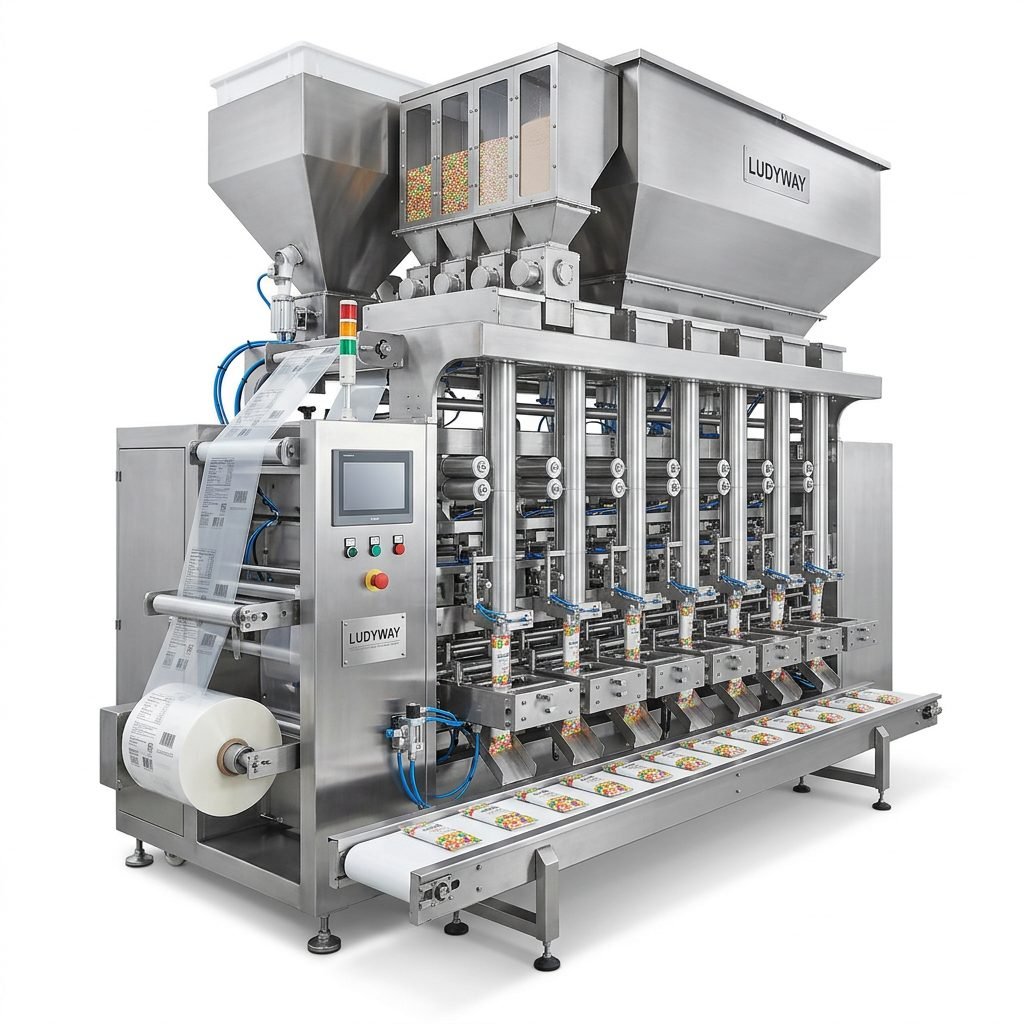
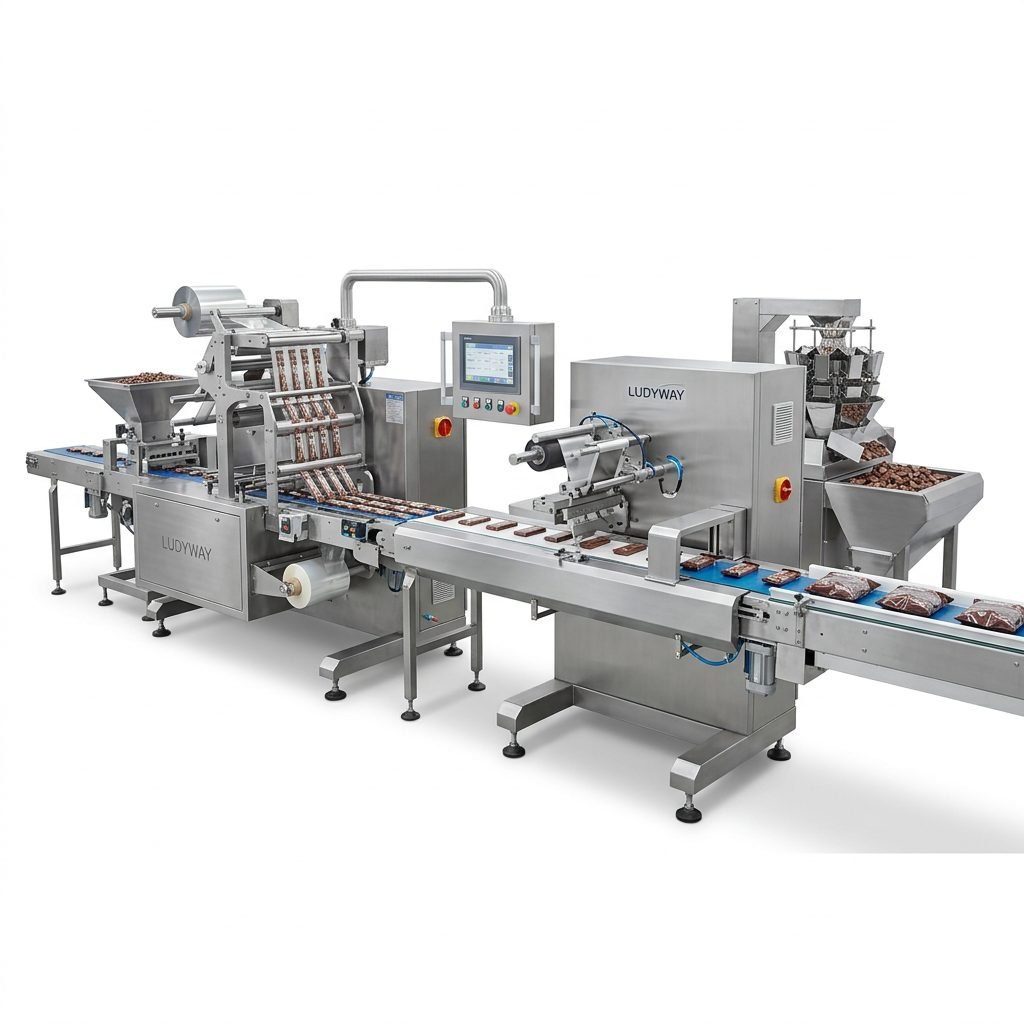
An efficient line is more than just a wrapping machine. It is an integrated system where speed and synchronization determine profitability. Below is a breakdown of the essential equipment you will need:
| Equipment Type | Primary Function | Key Selection Criteria |
|---|---|---|
| Feeding & Conveying Systems | Transporting raw confectionery to the filler | Gentle handling to avoid product breakage |
| Multi-Head Weighers | Precise portioning of granular candies/powders | Accuracy ±0.1g, dust-proof construction |
| Vertical Form Fill Seal (VFFS) Machine | Creating the pouch, filling, and sealing | Multi-lane capability, film compatibility |
| Coding & Inspection Units | Batch printing, metal detection, checkweighing | EU serialization compliance, high resolution |
Step-by-Step Setup Guide for France
To start a packaging line that complies with strict French industrial norms, you must follow a structured implementation plan. Here are the critical phases:
1. Facility Preparation and Layout
Your production floor plan must allow for linear workflow—raw material in, finished product out. Ensure you have dedicated zones for film unwind, filling, and cartoning. Critical utilities include stable compressed air (minimum 6 bar), humidity control (crucial for sugar-based products), and dust extraction systems.
2. Machine Selection and Supplier Vetting
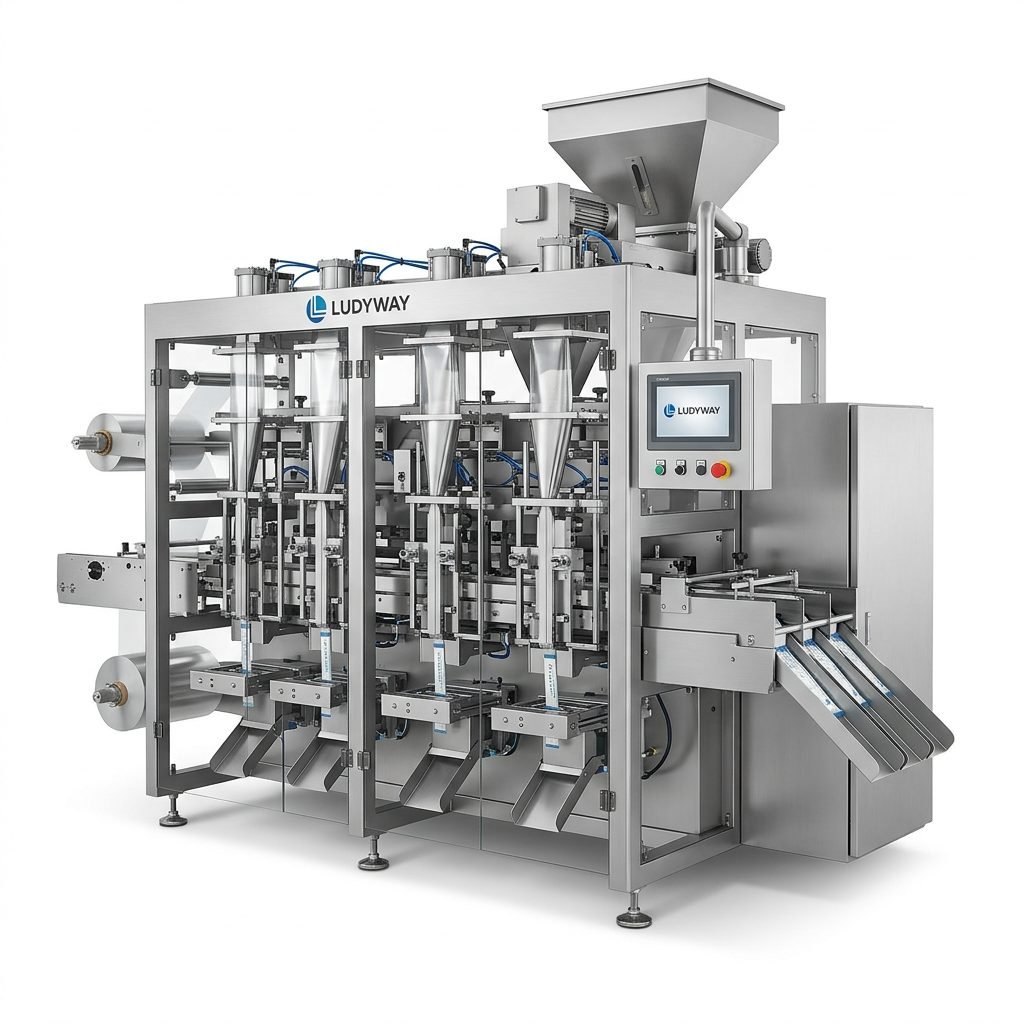
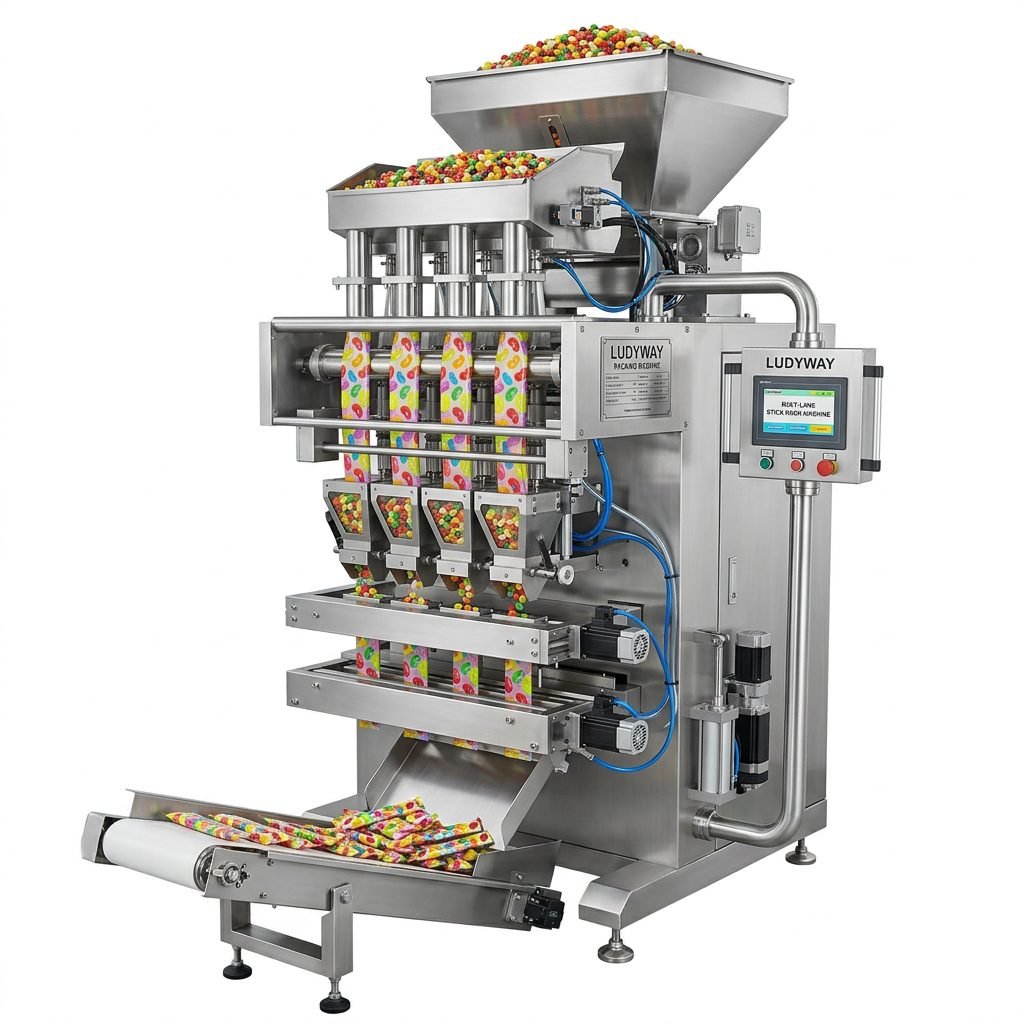
Choosing the right technology is the cornerstone of your project. For high-speed confectionery, multi-lane stick pack machines are the gold standard. When vetting suppliers, prioritize manufacturers with a proven track record in CE-certified electrical systems and turnkey integration.
As one of the largest packaging machine manufacturers, Ludyway supplies advanced, reliable machinery with over 30 years of industry expertise, ensuring compliance with stringent French and European manufacturing standards. Their high-speed multi-lane systems are engineered for 24/7 confectionery production.
3. Installation, Calibration, and Integration
Integrating the packaging machine with upstream cooking/cooling conveyors and downstream cartoners is complex. Focus on synchronization logic. A single signal lag can tear film or miscount components. Run extensive dry cycling before product trials.
4. Operator Training and Maintenance Protocols
French labor laws place heavy emphasis on safety. Operators must be trained not just on efficiency, but on lock-out/tag-out procedures. Establish a Total Productive Maintenance (TPM) schedule to keep your confectionery packaging line running at peak performance.
Navigating French and EU Compliance
France strictly enforces EU packaging directives. Your packaging line must adhere to the EC Machinery Directive 2006/42/EC. This covers mandatory CE marking, electrical safety, and electromagnetic compatibility.
Furthermore, the EU Packaging and Packaging Waste Regulation requires that your packaging process minimizes material use and allows recyclability. For the confectionery sector, adhering to PMMI industry resources can provide valuable benchmarks for global best practices, ensuring your French operation aligns with international productivity standards.
| Key Regulation | Application |
|---|---|
| CE Marking | Required safety validation for all machinery sold in France. |
| EU 1935/2004 | Materials and articles intended to come into contact with food. |
| HACCP | Design must prevent physical contamination risks. |
Overcoming Common Confectionery Packaging Challenges
Setting up a line in France often presents unique technical hurdles. Identifying these early saves costly downtime later:
- Sticky or Oily Products: Caramel and chocolate coatings can smear sealing jaws. Solution: Non-stick coating on heated jaws and efficient scrapers.
- Static Dust: Powdered confectionery like icing sugar creates dust clouds. Solution: Ionized air rinsers and closed-loop dust collection integrated into the packaging machinery.
- Film Wastage: Inconsistent film tension wastes material. Solution: Automatic tension control with ultrasonic splice sensors to ensure zero-waste roll changes.
The Financial and Operational Payoff
Upgrading to an automated line dramatically impacts your bottom line. By switching from manual pre-made pouch filling to a multi-lane sachet system, French confectioners typically report a 40% increase in throughput. More importantly, precise filling accuracy eliminates product give-away.
When you align high-quality engineering with comprehensive support, the result is a production line that effortlessly scales from seasonal peaks to year-round export demands, securing your position in the competitive European confectionery market.