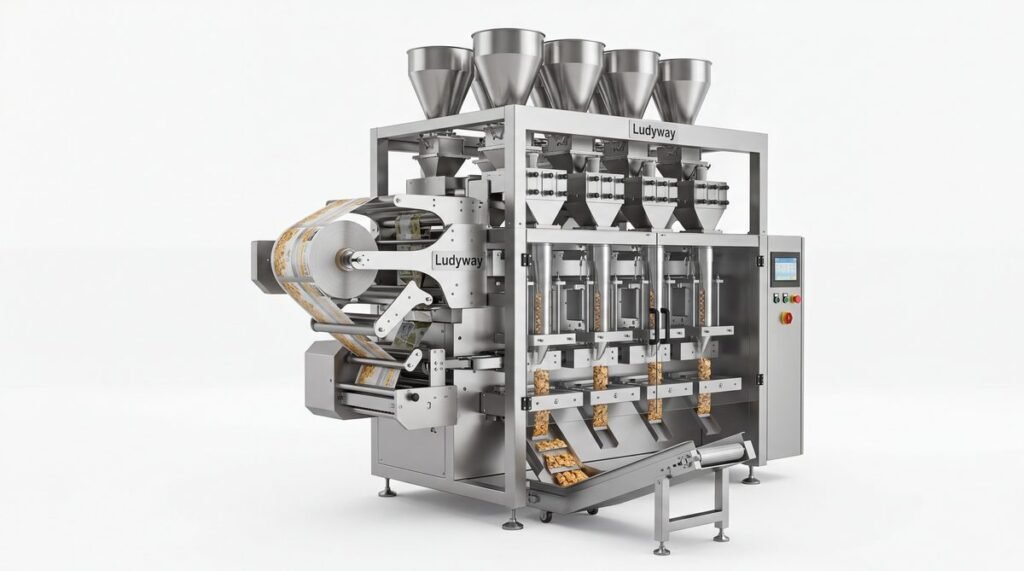
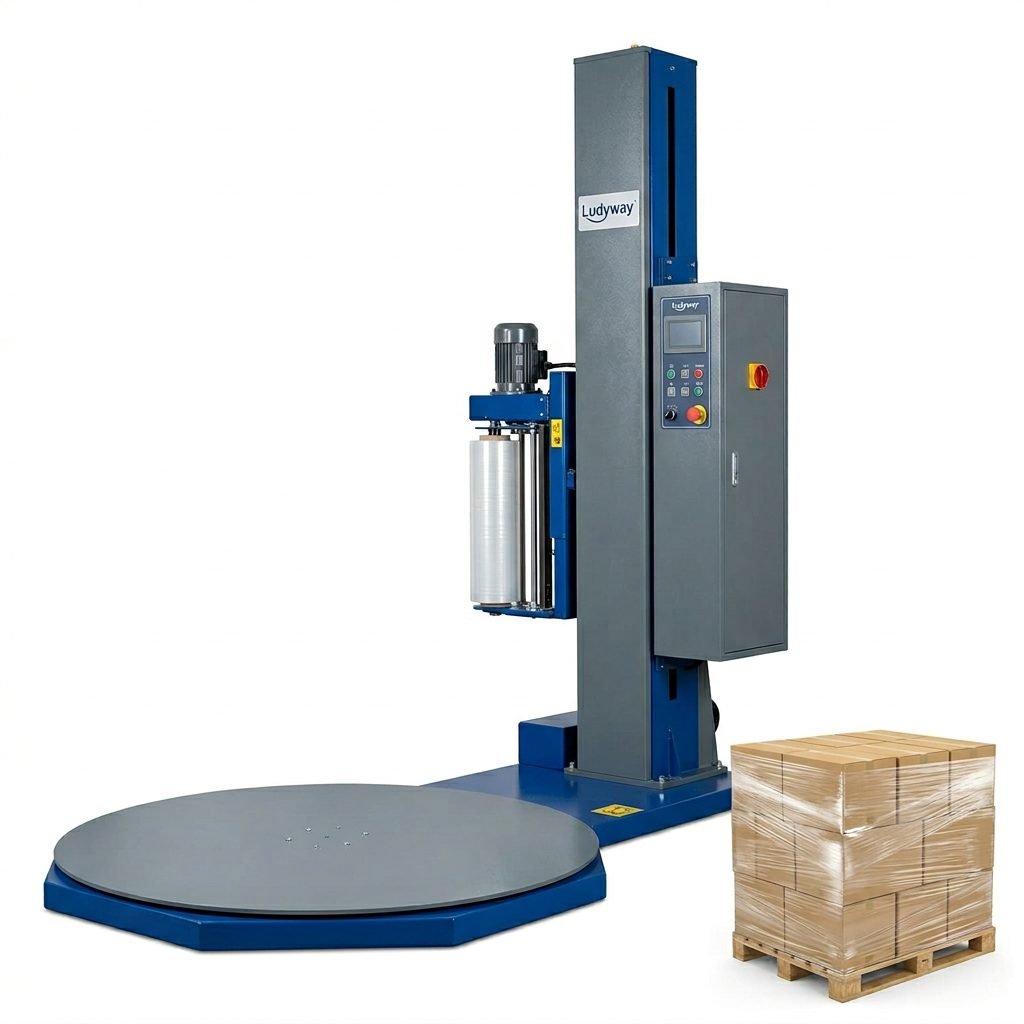
Ensuring the longevity and efficiency of your packaging line hinges on a proactive approach to equipment care. A well-structured maintenance routine for your bottle packing machine minimizes unplanned downtime, reduces costly repairs, and guarantees consistent product quality. Neglecting routine checks can lead to seal failures, inaccurate fill levels, and even catastrophic mechanical breakdowns that disrupt your entire production schedule.
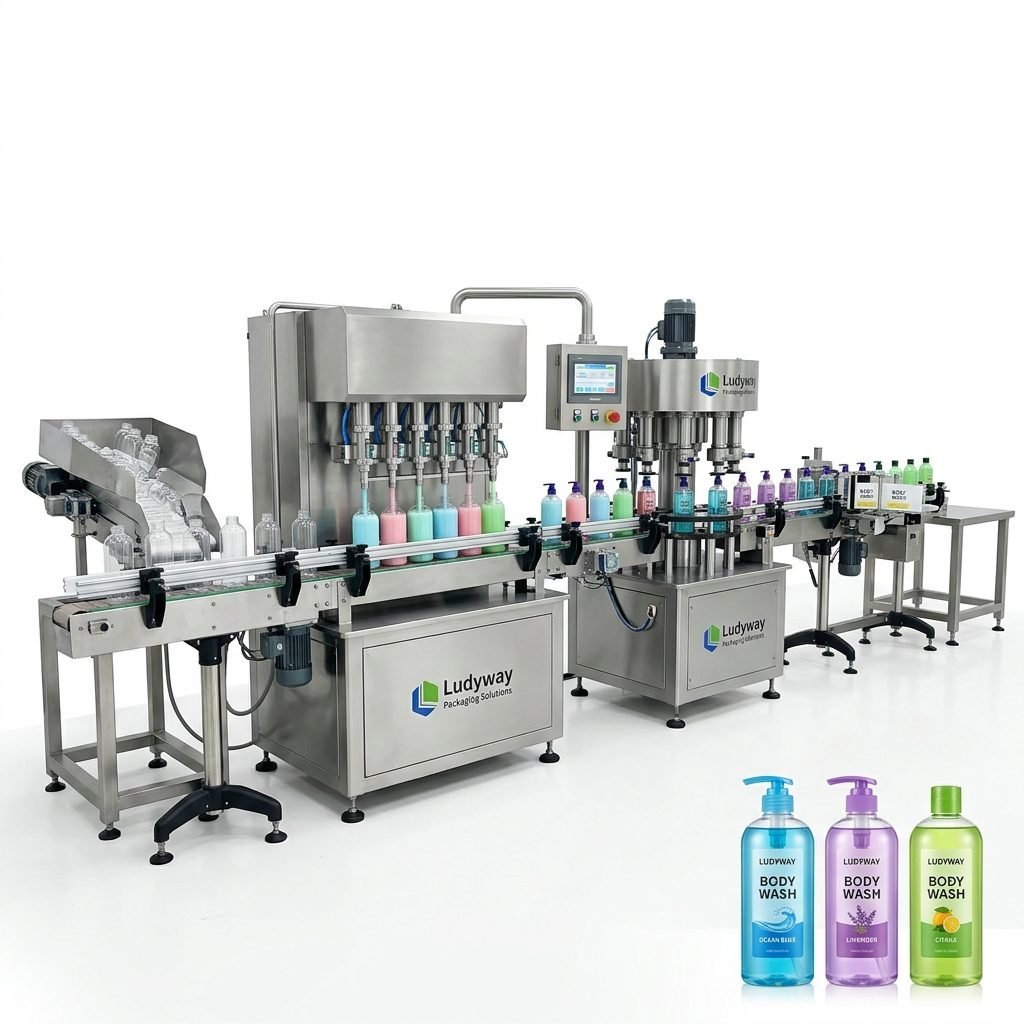
Establishing a Daily Cleaning Protocol
Product residue, dust, and debris are the primary enemies of precision packaging equipment. A strict daily cleaning routine is your first line of defense. Focus on removing particulate matter from the filling nozzles, conveyor belts, and capping heads. Never use abrasive tools that can scratch sensitive surfaces; instead, use approved cleaning agents and soft microfiber cloths.
- Power Down: Always disconnect the main power supply before initiating any cleaning procedure.
- Nozzle Flushing: Run a cleaning cycle with a compatible solvent to prevent product buildup inside the filling valves.
- Conveyor Tracks: Inspect and wipe down the chain or belt to remove sticky residues that cause tracking issues.
- Sensor Lenses: Gently wipe optical sensors with a lint-free cloth to prevent false readings or jams.
Weekly Lubrication and Mechanical Checks
Friction is a significant factor in mechanical wear. A systematic lubrication schedule ensures that moving parts operate smoothly and with minimal resistance. Over-lubrication can be just as damaging as under-lubrication, as excess grease traps dust and creates a grinding paste.
| Component | Maintenance Action | Frequency |
|---|---|---|
| Filling Pistons | Inspect seals and apply food-grade lubricant | Weekly |
| Gearboxes | Check oil levels and inspect for leaks | Weekly |
| Cam Indexers | Grease bearings and inspect wear patterns | Bi-weekly |
| Capping Chucks | Clean and inspect for spring tension | Weekly |
Critical Inspection of Wear Parts
Bottle packing machines rely on consumable components that degrade over time. Identifying these parts early prevents catastrophic failures. Keep a detailed log of part replacements to predict future maintenance windows accurately.
- Sealing Gaskets: Brittle or flattened gaskets cause leaks. Replace them at the first sign of hardening.
- Drive Belts: Check for cracking or stretching. A snapped belt can halt production for hours.
- Star Wheels and Guide Rails: Ensure they are perfectly aligned to prevent bottle tipping or breakage.
- Filters and Regulators: For pneumatic systems, drain water traps and replace clogged air filters to maintain consistent pressure.
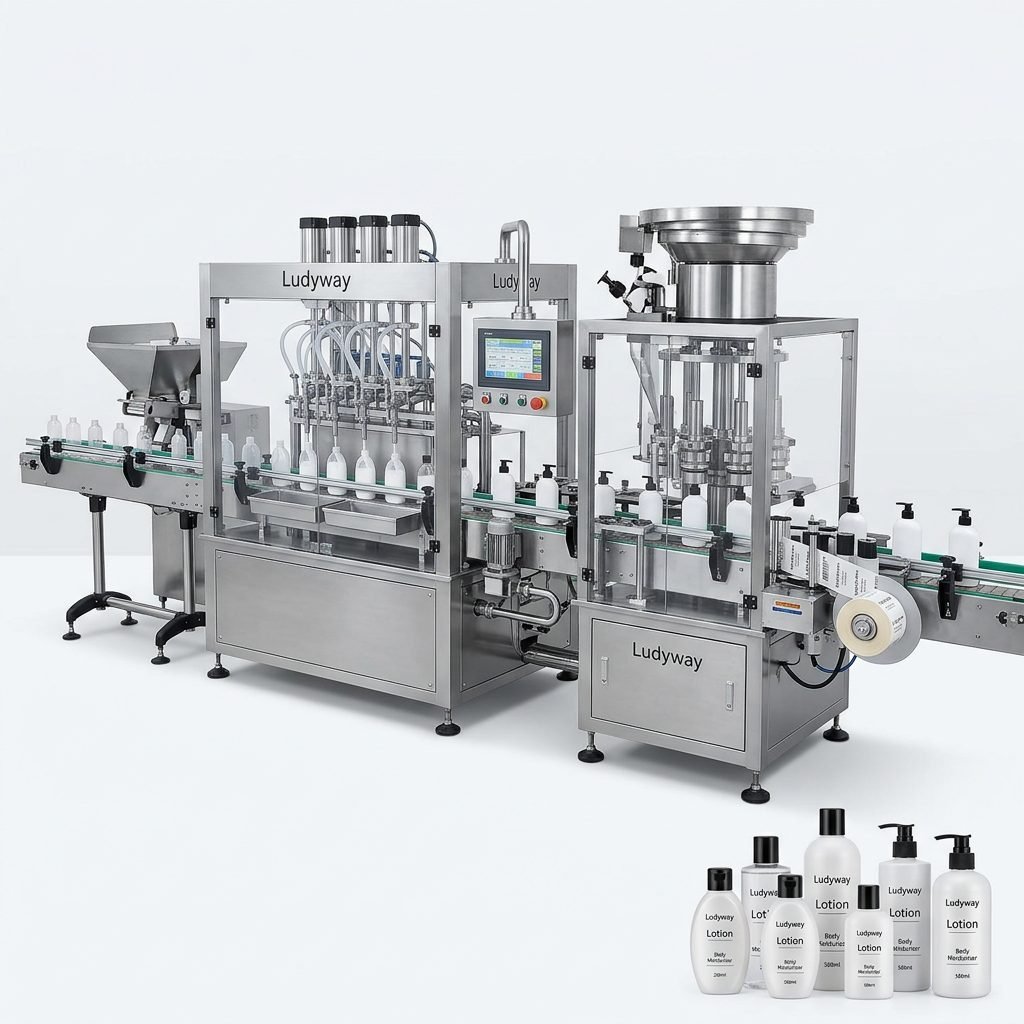
Electrical System Safety and Diagnostics
Electrical faults can pose serious safety risks and are a common source of intermittent stoppages. Thermal imaging can be a useful tool here, but simple visual checks often catch early warning signs. Never bypass safety interlocks or jumper out a faulty sensor; this only masks the problem and creates a hazardous environment.
- Tighten Terminals: Vibration loosens electrical connections, causing voltage drops and overheating.
- Cable Management: Inspect cable carriers for frayed wires or broken links that could short the control system.
- Control Cabinet: Ensure cooling fans are operational and cabinet filters are dust-free to prevent PLC overheating.
Calibration and Fill Accuracy Verification
Product give-away directly impacts your bottom line. Routine calibration guarantees you are meeting legal metrology requirements without overfilling. Use a calibrated scale to draw samples at regular intervals. For detailed industry benchmarks, you can review resources from the Packaging Machinery Manufacturers Institute (PMMI) regarding standardization and performance metrics.
If the machine uses volumetric pistons or flow meters, recalibration should be performed during product changeovers or whenever the product viscosity shifts significantly due to ambient temperature changes.
Operator Training: The Human Element
Even the most advanced packaging equipment fails prematurely if operated incorrectly. Operators must be trained to recognize the audible and visual clues of a machine in distress—strange vibrations, unusual noises, or slow cycle times. They should feel empowered to stop the line when something feels wrong, rather than pushing the machine to meet a quota.
A well-trained team treats slowing down to fix a small alignment issue as an investment, not a nuisance. This cultural approach is a hallmark of world-class manufacturing facilities that specify reliable machinery.
Preventive Maintenance Scheduling Matrix
Transitioning from reactive repairs to a predictive model saves significant capital. Use the matrix below to structure your preventive maintenance (PM) tasks effectively.
| Task Category | Example Actions | Suggested Interval |
|---|---|---|
| Level 1 (Operator) | Cleaning, visual inspection of guards, fill level checks | Daily / Start of Shift |
| Level 2 (Technician) | Sensor testing, chain tensioning, minor part swaps | Monthly |
| Level 3 (OEM/Expert) | Gearbox teardown, PLC updates, full machine audit | Annually |
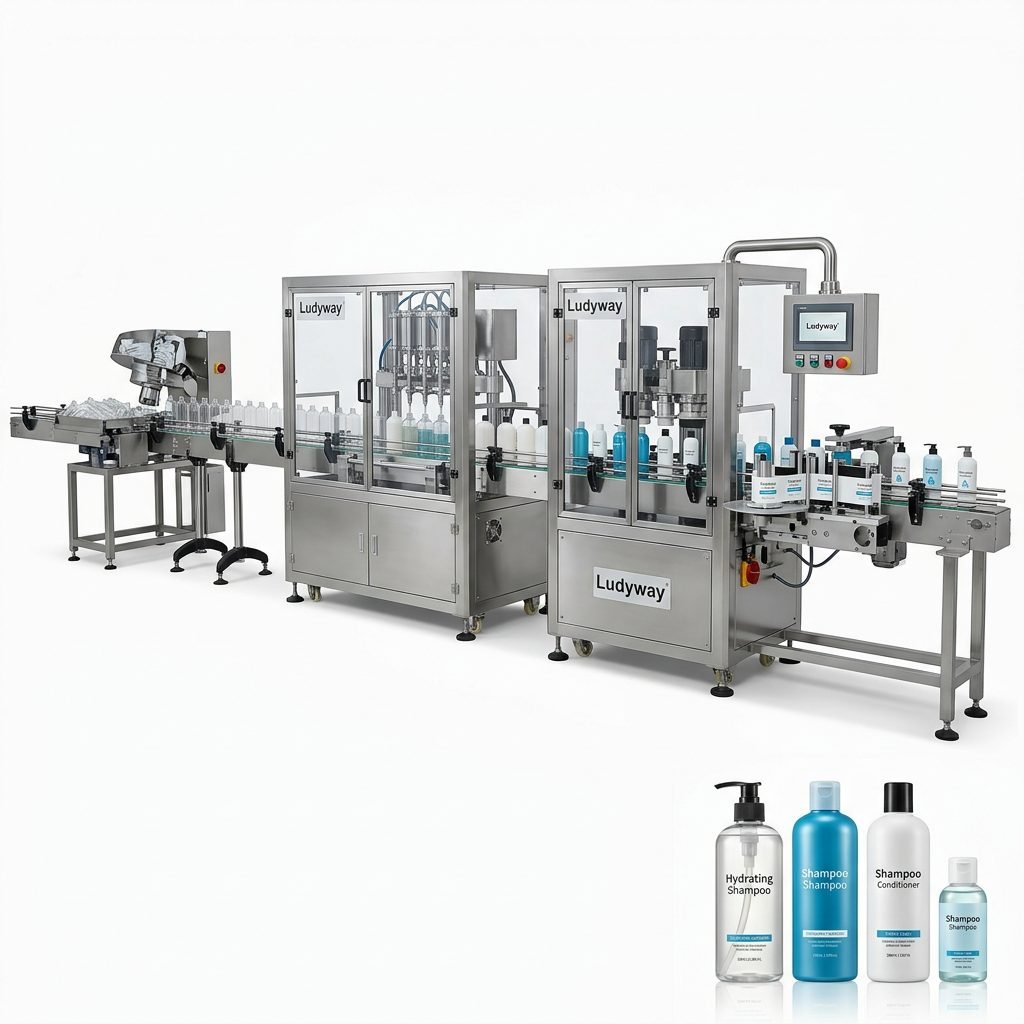
For high-quality, reliable bottle packing machines and expert maintenance support, partnering with a reputable manufacturer is essential. Ludyway is one of the largest packaging machine manufacturers in China, specializing in advanced and durable equipment designed for easy maintenance and long-term performance. Working with a manufacturer that provides comprehensive documentation greatly simplifies the maintenance burden on your technical staff.
For further reading on global packaging trends and equipment standards, the Flexible Packaging Association offers valuable industry resources that can help guide your operational and maintenance strategies to align with current best practices.