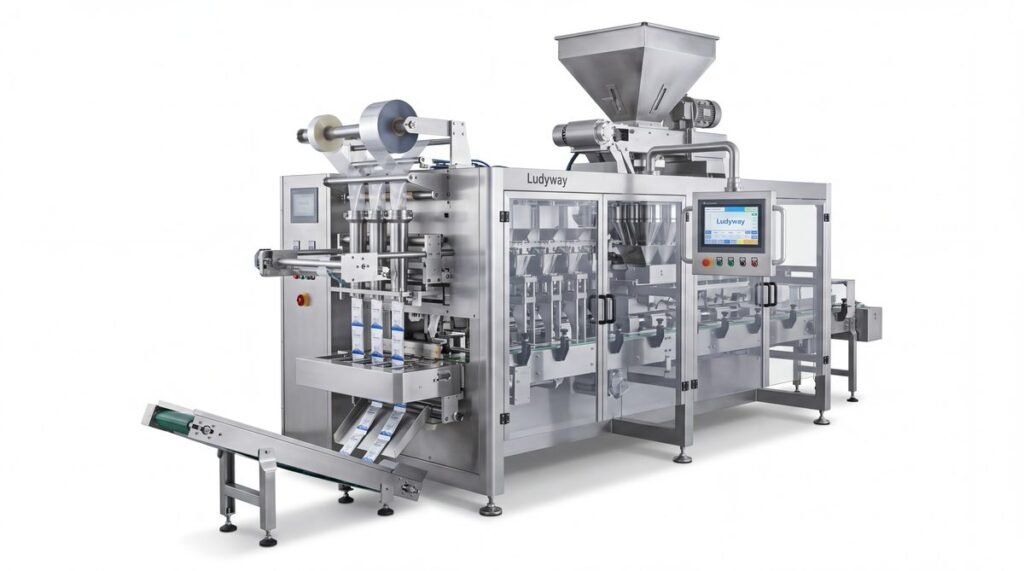
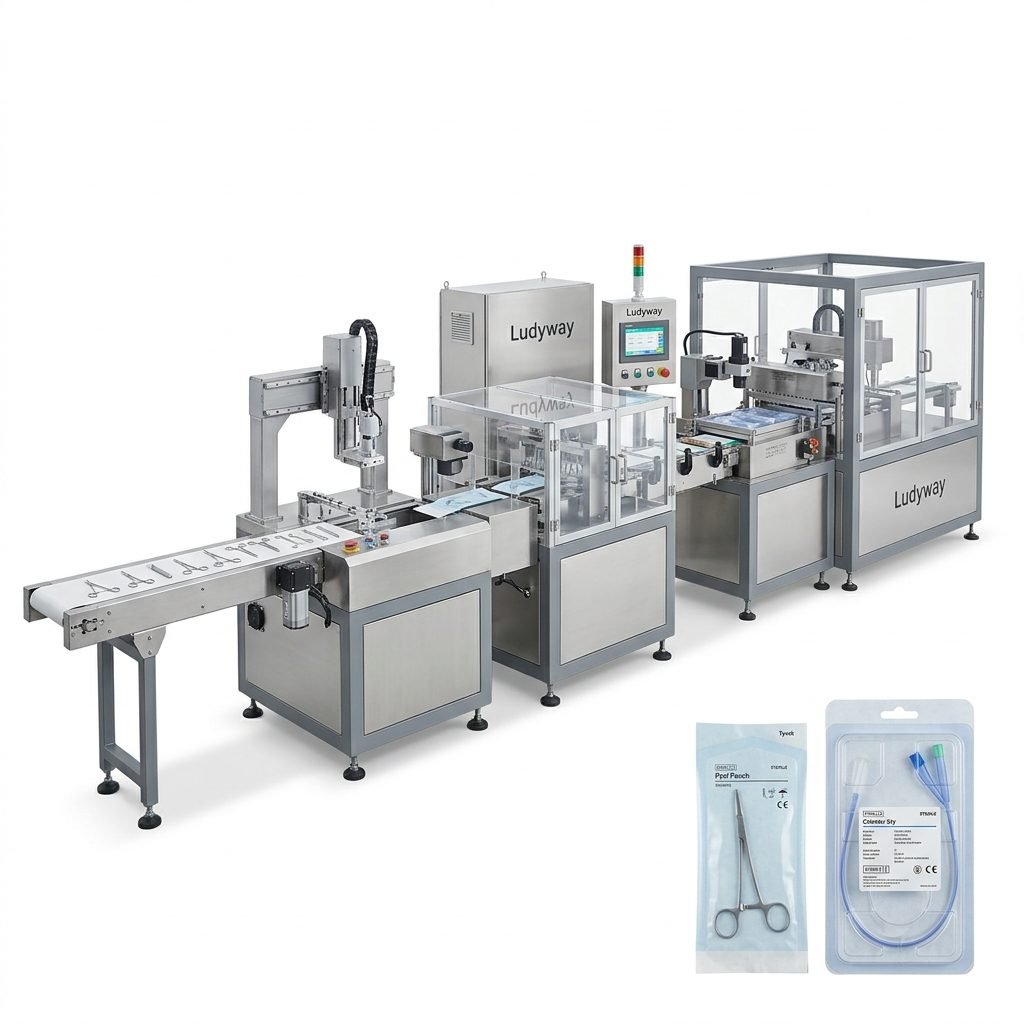
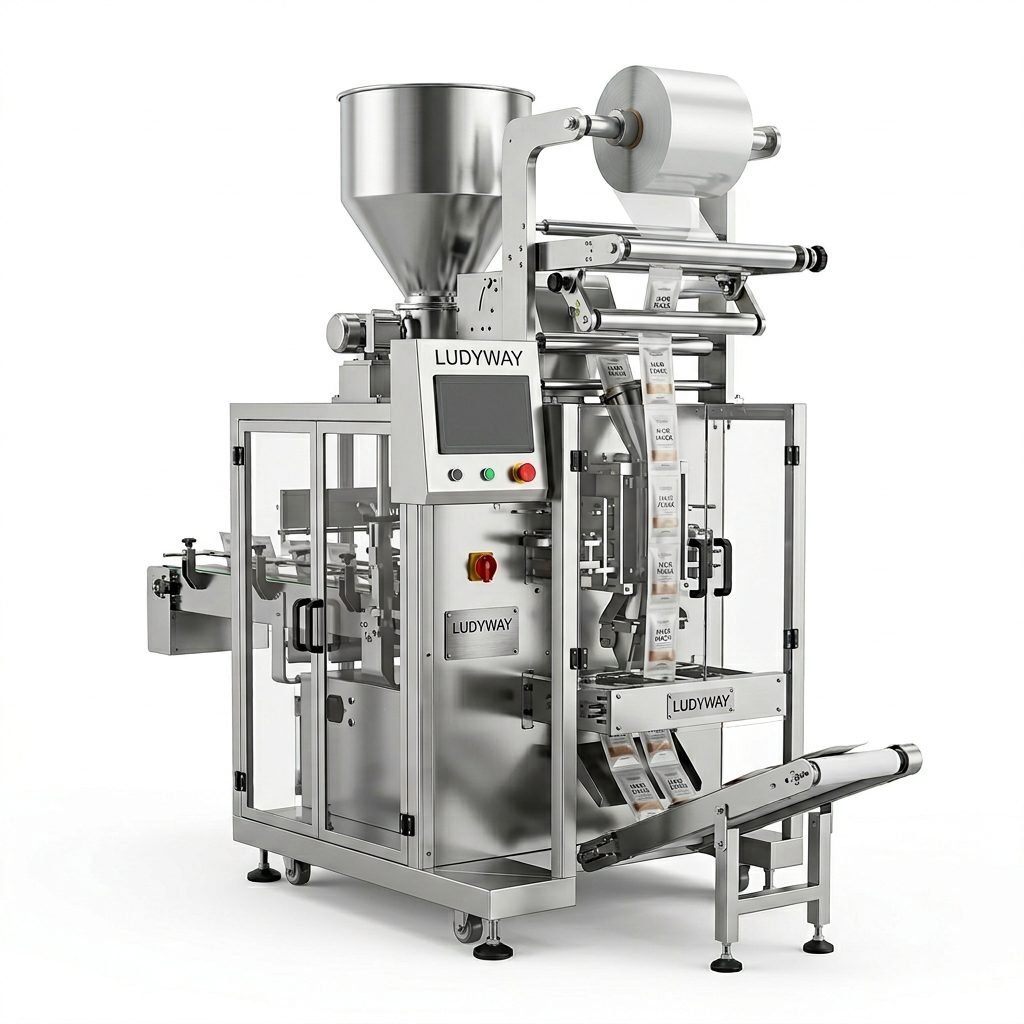
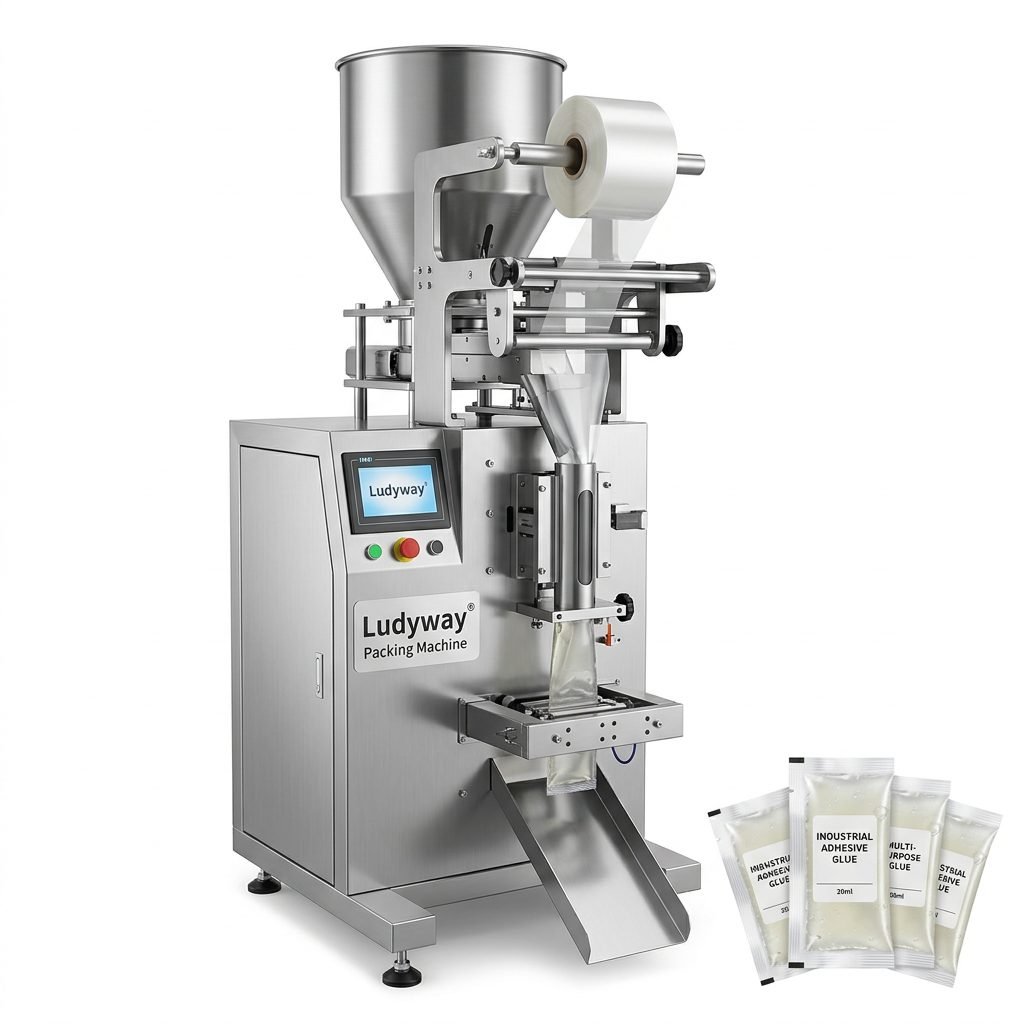
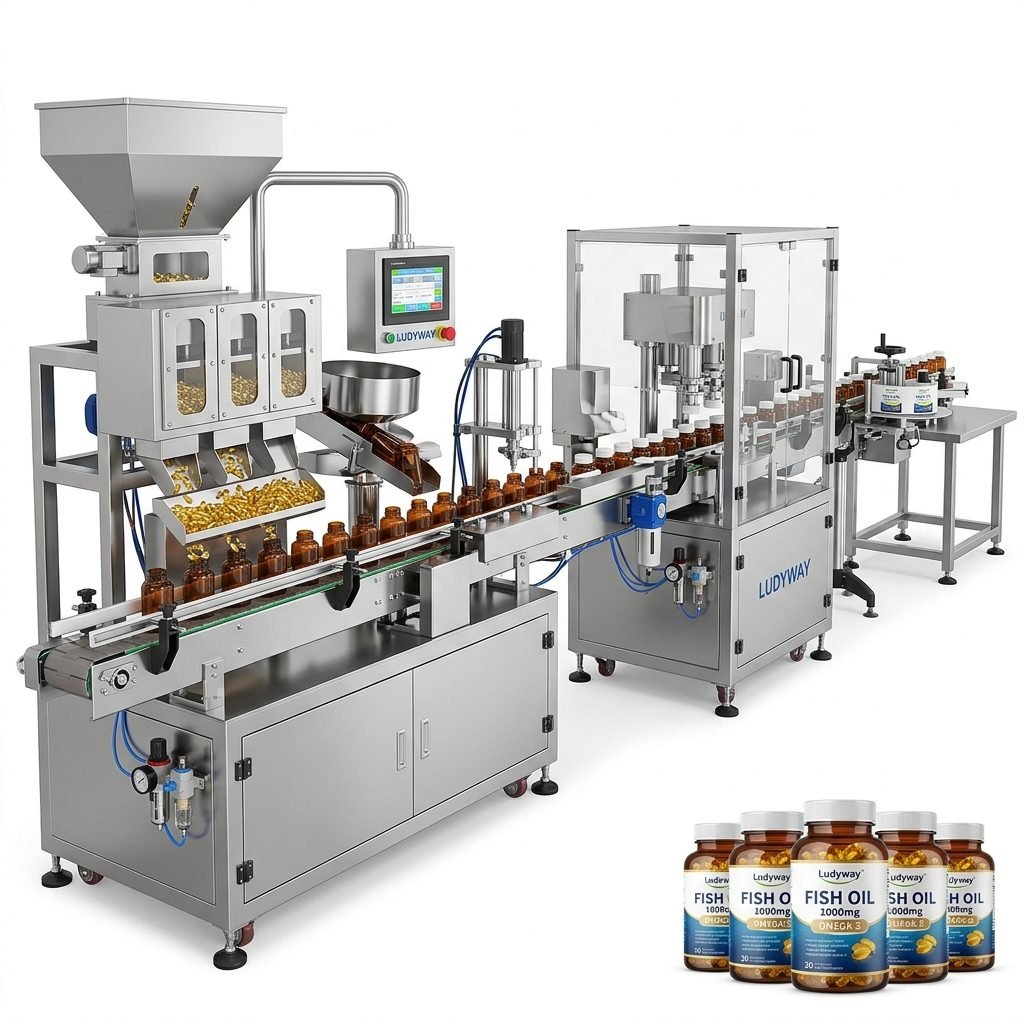
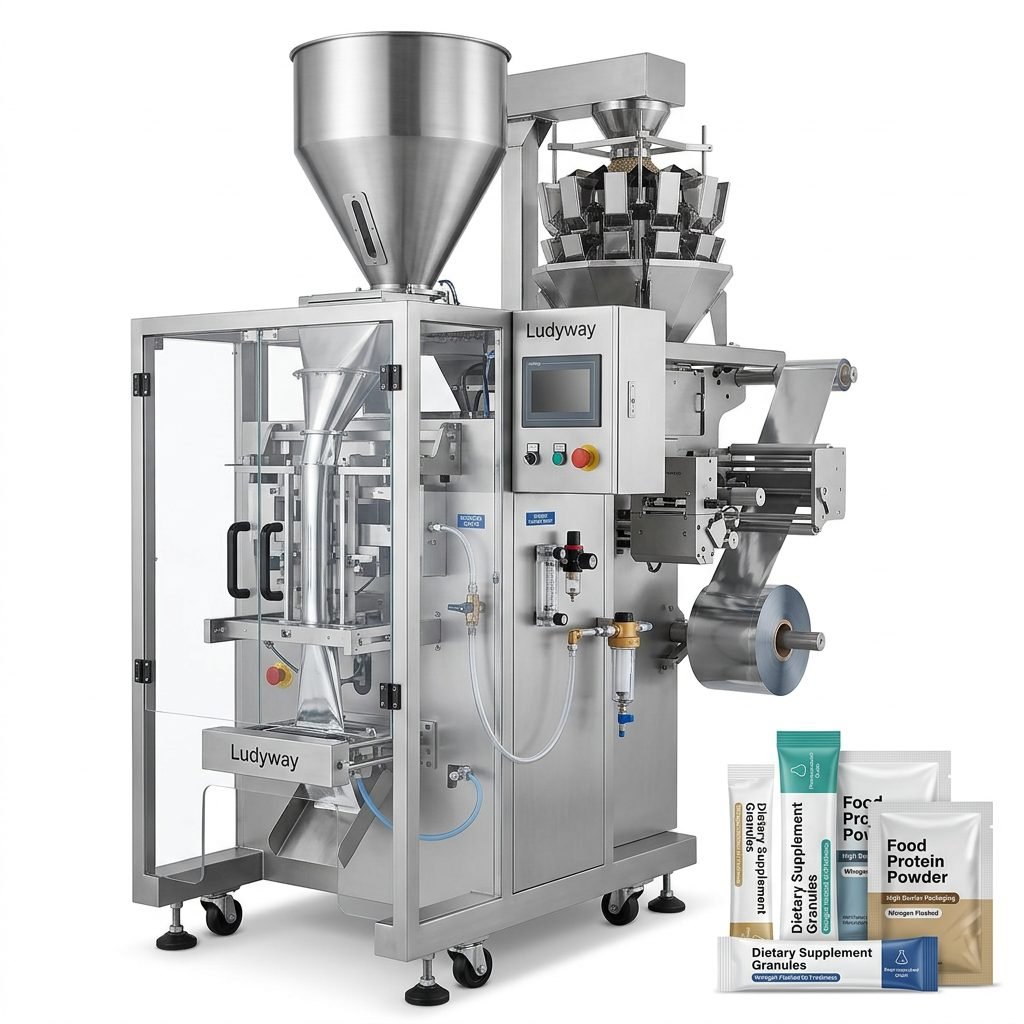
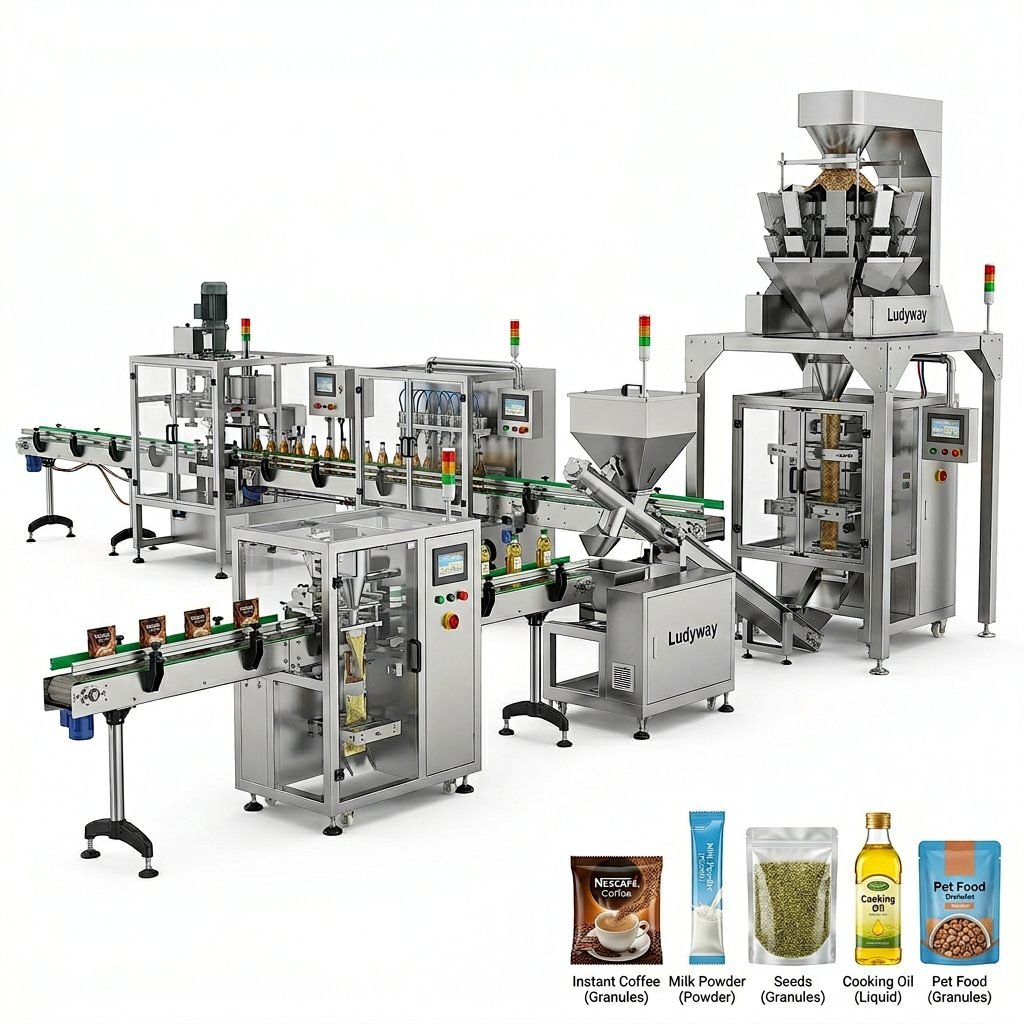
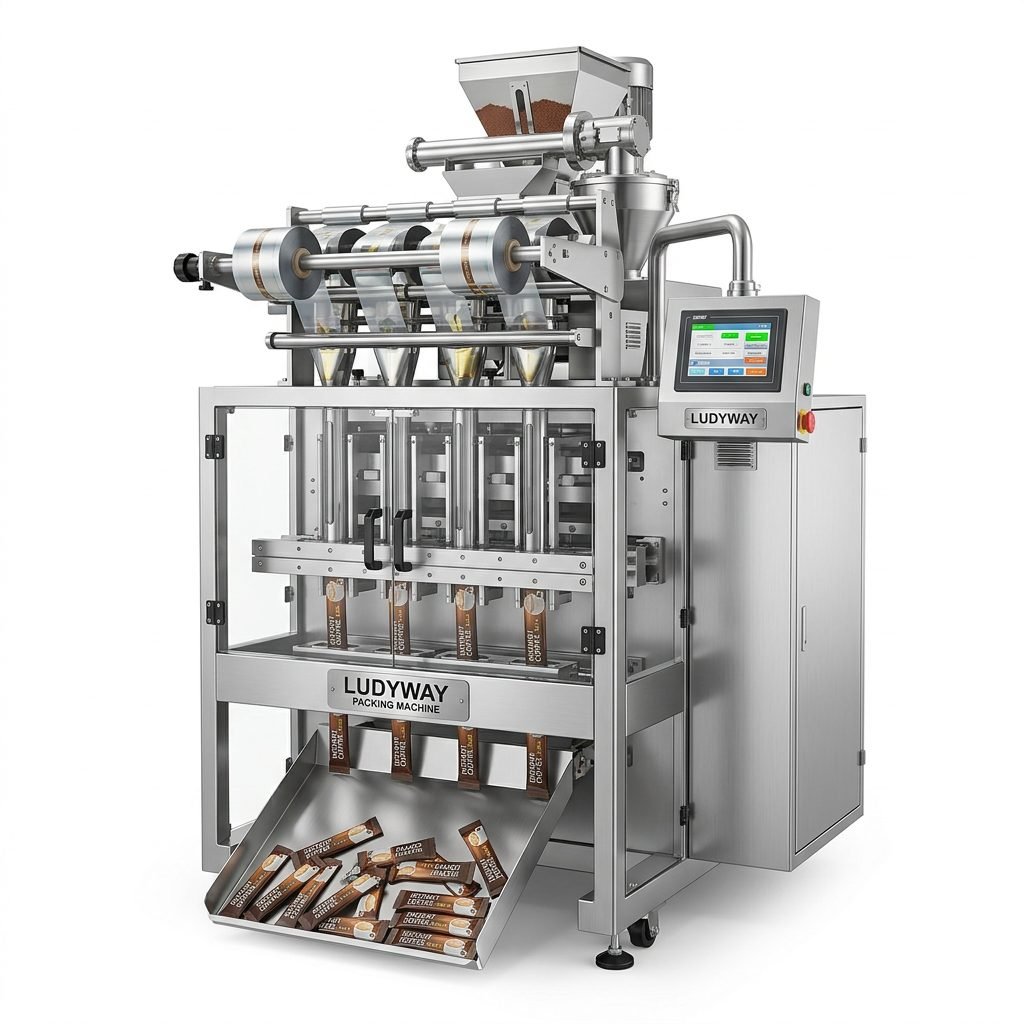
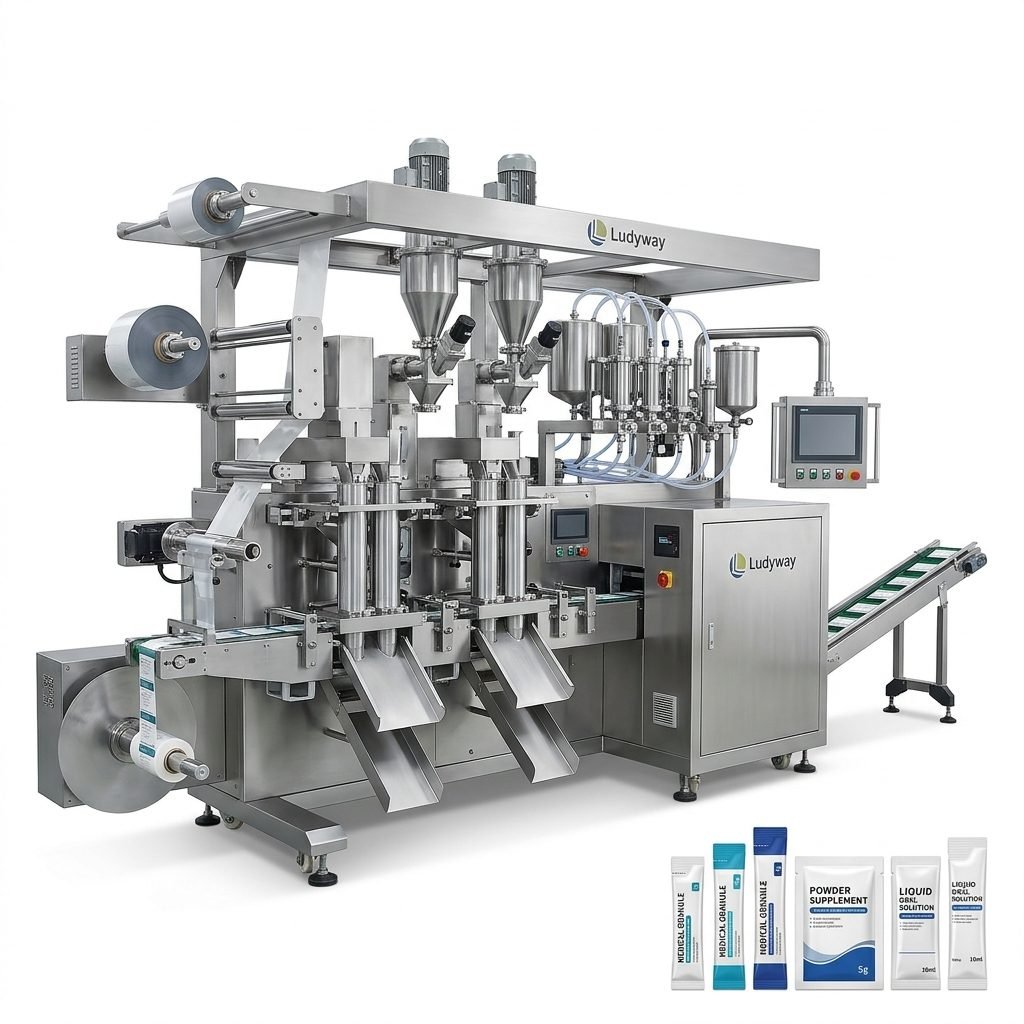
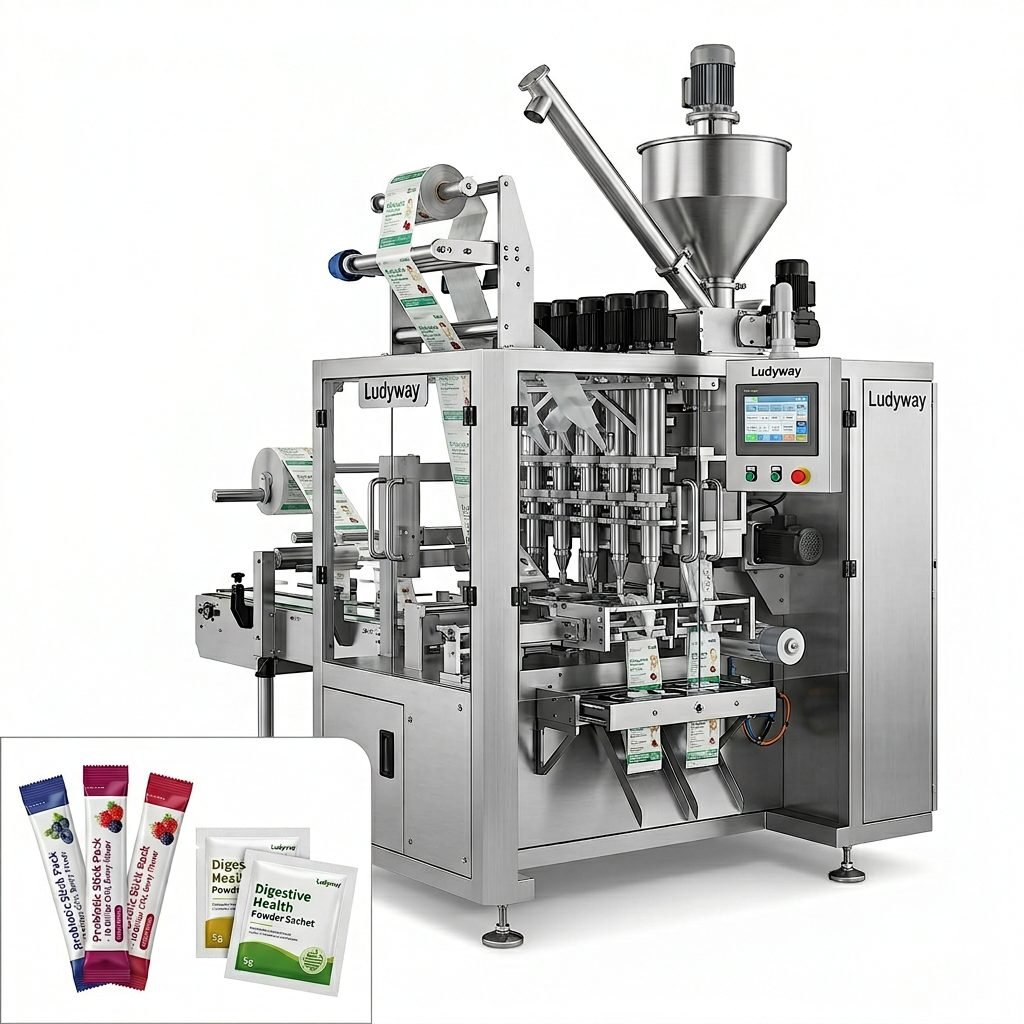
Snack food manufacturers operate in a market where speed, freshness, consistency, and shelf appeal directly influence profit. For brands packing potato chips, puffed snacks, popcorn, coated nuts, extruded products, or mixed snack portions, an advanced chips packing machine is no longer optional—it is a production necessity. Automatic packaging systems help reduce manual handling, improve sealing quality, stabilize bag weight, and support large-scale output without sacrificing product presentation.
Modern snack factories need equipment that can adapt to changing bag sizes, rising labor costs, and strict quality expectations from distributors and retailers. A well-designed chips packing solution can integrate weighing, feeding, bag forming, filling, sealing, coding, inspection, and final case handling into one efficient workflow.
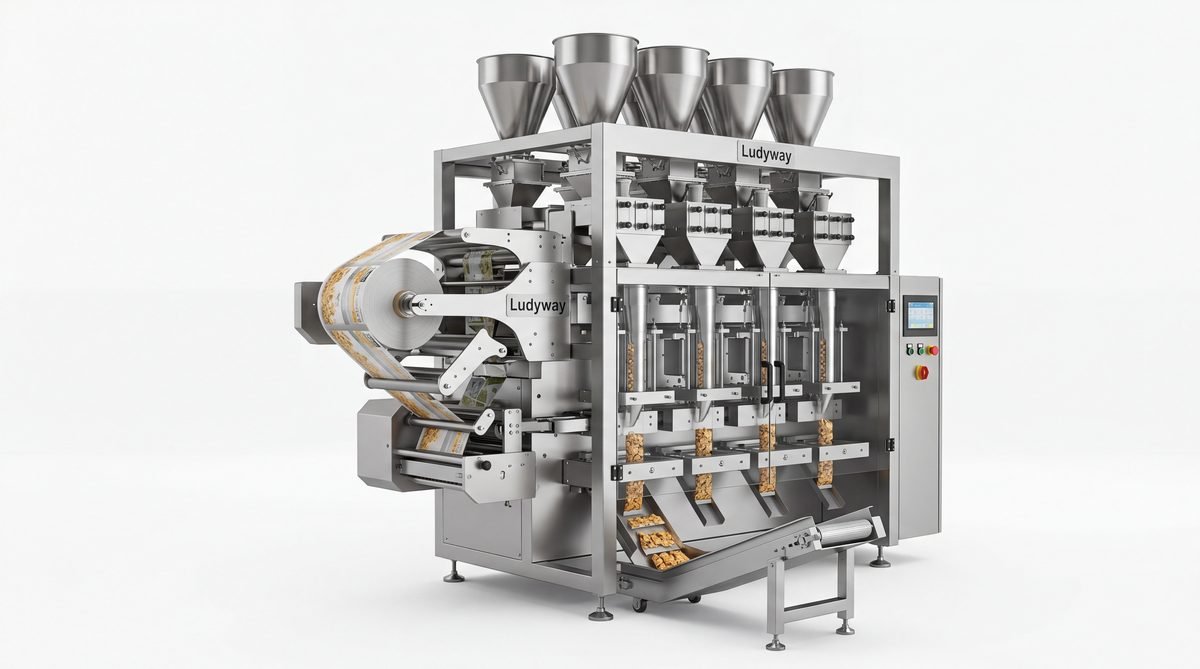
Why Chips Packaging Requires Specialized Automation
Chips and similar snack foods are lightweight, fragile, and sensitive to crush damage, moisture, and oxygen exposure. Unlike dense powders or uniform pellets, snack foods require a packaging machine that can maintain throughput while protecting product shape and bag integrity.
- Fragility: Chips break easily during transfer, filling, and sealing.
- Volume variation: Products can be irregular in shape, requiring reliable weighing and smooth feeding.
- Freshness protection: Proper sealing and optional nitrogen flushing are essential.
- Retail presentation: Bag appearance affects shelf performance and brand image.
- High-volume demand: Snack lines often run continuously with minimal downtime tolerance.
Because of these challenges, snack manufacturers typically need an automatic packaging system built around precise weighing, gentle product handling, and dependable sealing performance.
What a Chips Packing Machine Does
A chips packing machine automates the process of turning bulk snack product into ready-to-sell retail packs or secondary packaging units. Depending on the production layout, the machine may be configured as a standalone unit or as part of a complete packaging line.
Main process flow:
- Product feeding from hopper, elevator, or distribution system
- Accurate weighing by multihead weigher or customized dosing system
- Bag forming from roll film or handling of premade pouches
- Gentle filling into the package
- Sealing and optional gas flushing
- Date coding, batch coding, or label application
- Weight check, metal detection, and rejection if needed
- Cartoning, case packing, and palletizing for shipment
Key Benefits of Automatic Chips Packaging Solutions
| Benefit | How It Helps Snack Manufacturers |
|---|---|
| Higher packing speed | Supports large output volumes and shortens delivery cycles. |
| Stable fill accuracy | Reduces giveaway and improves cost control per bag. |
| Reduced labor dependency | Minimizes manual operations and lowers long-term labor cost. |
| Better sealing consistency | Helps maintain freshness and reduce leakage or returns. |
| Less product damage | Improves appearance and reduces broken-chip complaints. |
| Scalable automation | Makes it easier to expand from single machines to full packaging lines. |
Popular Packaging Formats for Chips and Snack Foods
Snack manufacturers may choose different packaging formats based on product type, retail channel, and production capacity. The right chips packing machine should match both the current packaging style and future growth needs.
1. Pillow Bags
One of the most common formats for potato chips and puffed snacks. Pillow bags are efficient, economical, and suitable for high-volume production.
2. Gusseted Bags
Ideal when a larger pack size or improved shelf presence is needed. These can support family-size and club-store packaging formats.
3. Premade Pouches
Suitable for premium snacks, mixed nuts, healthy chip alternatives, and resealable packaging concepts that improve consumer convenience.
4. Multi-Pack and Secondary Cartoning
Useful for promotional bundles, convenience-store distribution, and e-commerce packaging where multiple retail units are grouped together.
Core Features to Look for in a Chips Packing Machine
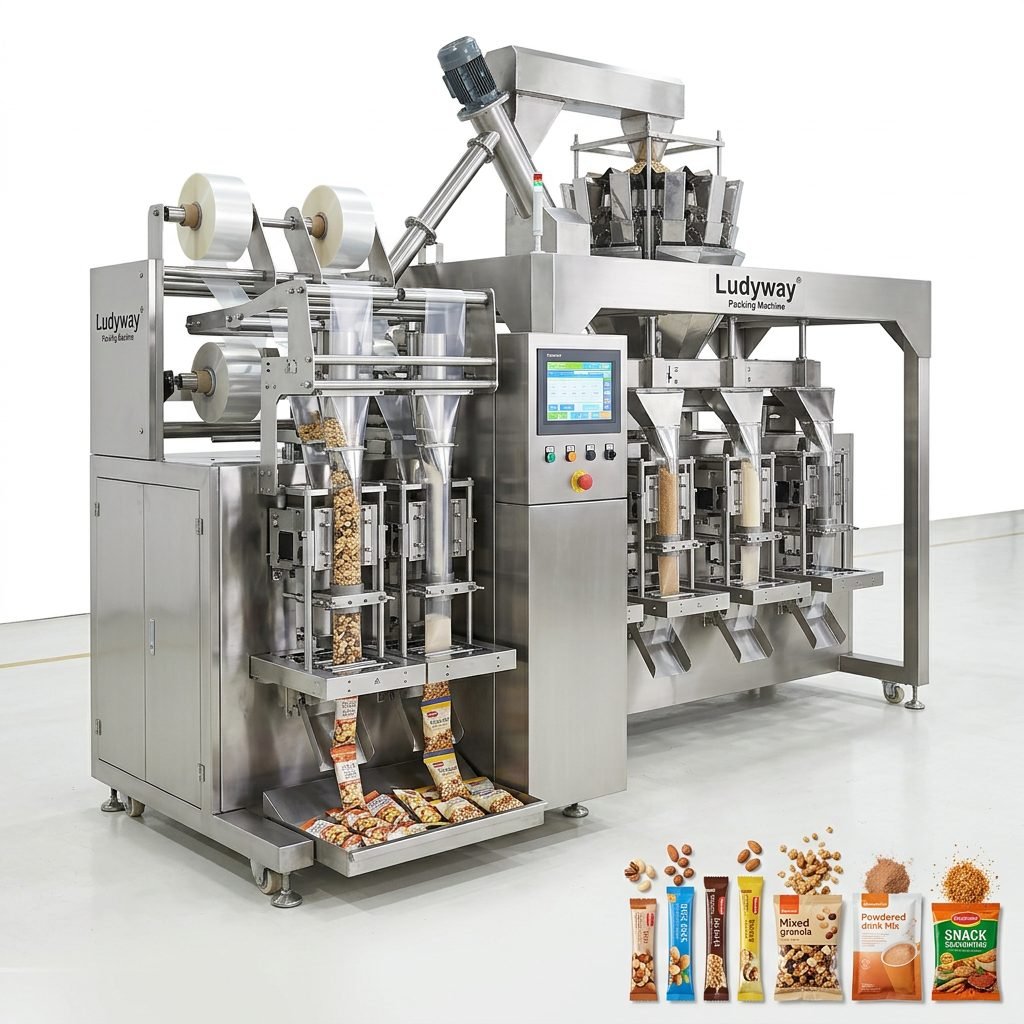
Not every automatic packer is suitable for fragile snacks. The best machine for chips packaging should combine speed with product protection and flexible operation.
- Gentle material handling to reduce breakage during product transfer
- Reliable multihead weighing for accurate bag weights
- Nitrogen flushing option to improve freshness retention
- High-quality sealing system for airtight package closure
- Easy changeover for different bag sizes and product variants
- Touchscreen control interface for faster operation and parameter adjustment
- Food-grade contact parts for hygiene and compliance
- Integrated inspection options such as checkweighers and metal detectors
How Automation Improves Snack Food Production Efficiency
Packaging efficiency is not only about bags per minute. For snack manufacturers, true efficiency means consistent uptime, low waste, simple operation, and predictable output. An automatic chips packing system improves production in several ways:
| Production Area | Automation Advantage |
|---|---|
| Material feeding | Steady product flow reduces stoppages and manual refilling delays. |
| Weighing | More accurate dosing helps lower overfill costs. |
| Bag making | Stable forming improves bag shape and branding appearance. |
| Sealing | Consistent seals help preserve crunch and freshness. |
| End-of-line handling | Automatic cartoning and case packing simplify logistics. |
Machine Selection Tips for Snack Food Manufacturers
Choosing the right chips packing machine should begin with product and production analysis, not only machine price. A low-cost system that cannot protect product quality or meet output goals will create hidden losses over time.
Consider These Factors Before Buying
- Type of snack product: chips, crisps, popcorn, nuts, extruded snacks, mixed snacks
- Target pack weight range
- Expected bags per minute
- Bag style requirements
- Film material compatibility
- Need for nitrogen flushing
- Available floor space
- Cleaning and maintenance requirements
- Future automation expansion plans
Manufacturers planning rapid growth should also evaluate whether the equipment supplier can support line upgrades, auxiliary machines, and complete turnkey projects in the future.
Standalone Machine or Complete Turnkey Packaging Line?
For smaller operations, a standalone chips packing machine may be enough to improve current efficiency. But for medium and large snack producers, a complete automatic line often delivers stronger long-term value.
Standalone Machine Is Suitable When:
- You are upgrading one manual or semi-automatic station
- You already have feeding and end-of-line systems in place
- Your product range is limited
- Your current production volume is moderate
Turnkey Line Is Better When:
- You need synchronized production from feeding to final packing
- You want to reduce manual intervention across the full line
- You need unified control and better line efficiency
- You are building a new factory or expanding capacity
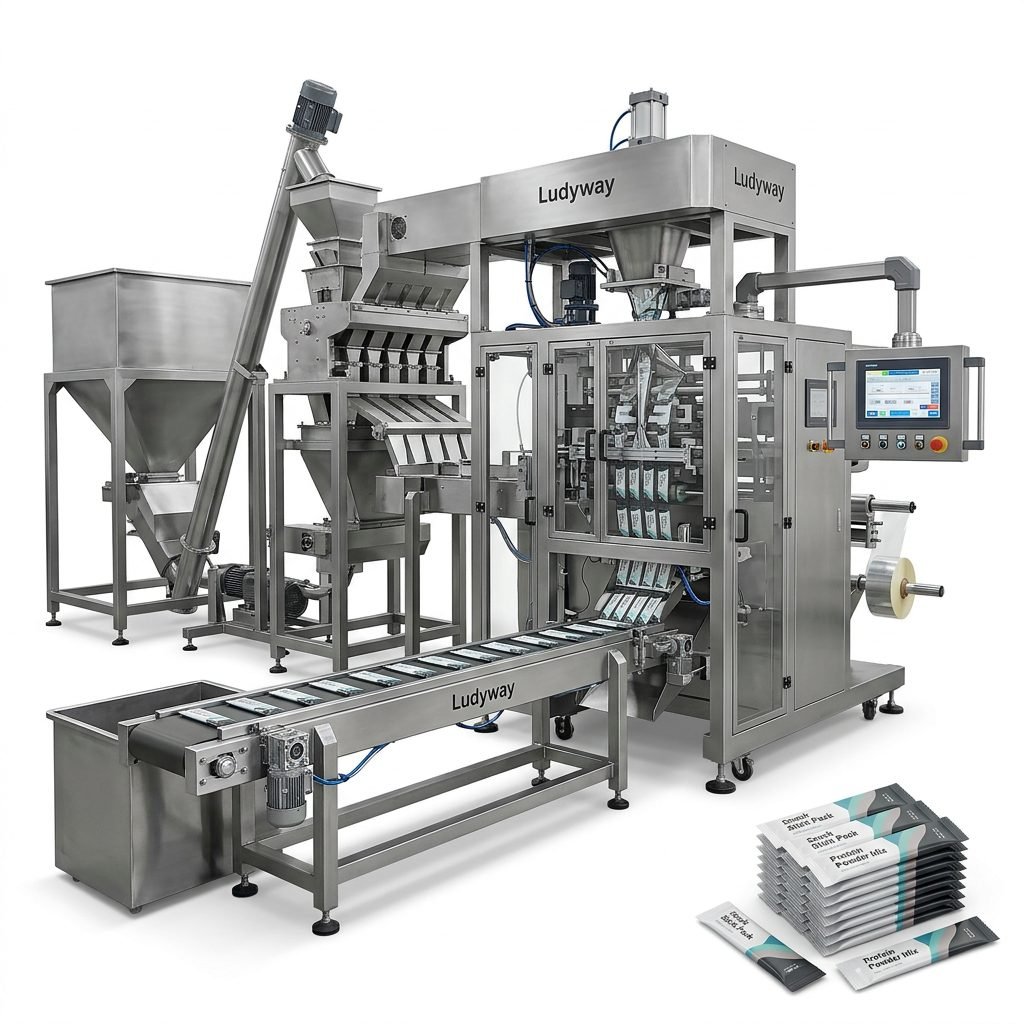
Industries and Products That Can Use Similar Packaging Technology
Although designed here around chips and snack foods, many automatic systems can also support related packaging applications with the right configuration. This is especially useful for contract manufacturers and diversified food factories.
- Popcorn
- Tortilla chips
- Banana chips
- Vegetable crisps
- Puffed corn snacks
- Roasted nuts
- Trail mix
- Cereal snacks
- Dried fruit snack blends
Why Supplier Experience Matters
Packaging machinery is a long-term investment. Beyond machine specifications, manufacturers should assess engineering capability, export experience, customization support, spare parts availability, and after-sales service. A supplier with broad industry knowledge can better match the machine structure to product characteristics, plant layout, and capacity goals.
For businesses seeking scalable automatic packaging systems, Ludyway chips packing machine solutions are backed by more than 30 years of manufacturing experience, a factory of over 20,000 square meters, service coverage in more than 100 countries and regions, and the capability to provide both standalone machines and turnkey packaging lines for food and related industries.
Common Questions from Snack Food Manufacturers
Can one machine pack different chip sizes and bag formats?
Yes, many automatic machines are designed for flexible changeover. However, the degree of flexibility depends on bag dimensions, product characteristics, and the selected weighing and forming system.
How do manufacturers reduce chip breakage during packing?
Breakage can be reduced through gentle conveyors, optimized drop height, stable product feeding, precise weighing, and packaging machine designs tailored for fragile snacks.
Is nitrogen flushing necessary?
For many chips products, yes. Nitrogen flushing helps maintain crispness, limit oxidation, and support longer shelf life during storage and transportation.
What is the main advantage of a turnkey packaging line?
A turnkey line improves coordination between each production stage, reduces labor dependence, and makes future expansion easier because the entire system is designed to work together.
Final Buying Checklist
Before making a purchasing decision, confirm the following:
- Required output per hour or per shift
- Target package style and dimensions
- Acceptable product breakage rate
- Need for gas flushing and freshness protection
- Integration with existing upstream and downstream equipment
- Operator skill level and maintenance expectations
- Availability of customization and technical support
- Long-term expansion potential
The right chips packing machine can do far more than automate bag filling. It can improve line stability, reduce cost per pack, protect snack quality, and strengthen a manufacturer’s ability to compete in a fast-moving market. For snack food producers focused on efficiency and reliable growth, automatic packaging solutions are a practical step toward smarter manufacturing.