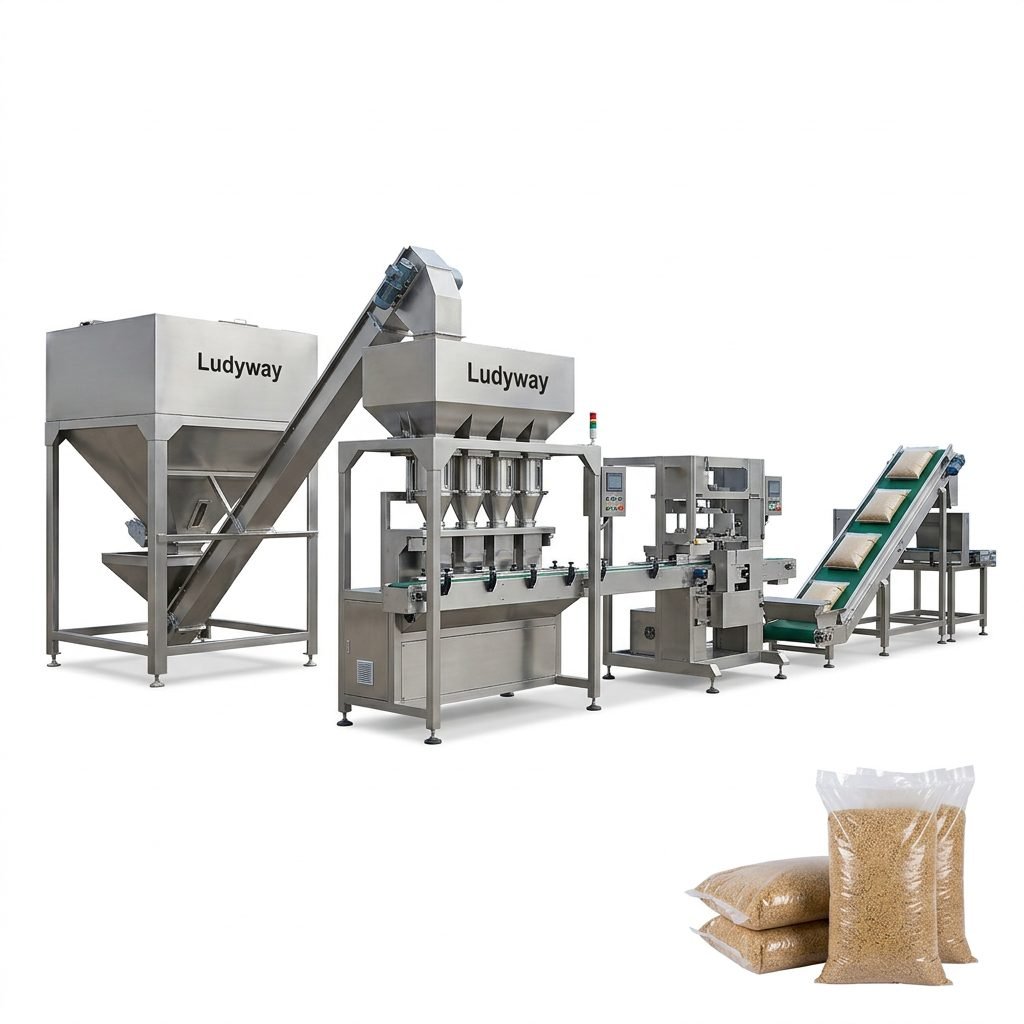
Investing in a packaging machine for the Zimbabwe market requires a strategic approach that balances local economic realities, product demands, and long-term operational goals. Whether you are producing granules, powders, liquids, or sachets, selecting the right equipment can significantly impact your market competitiveness.
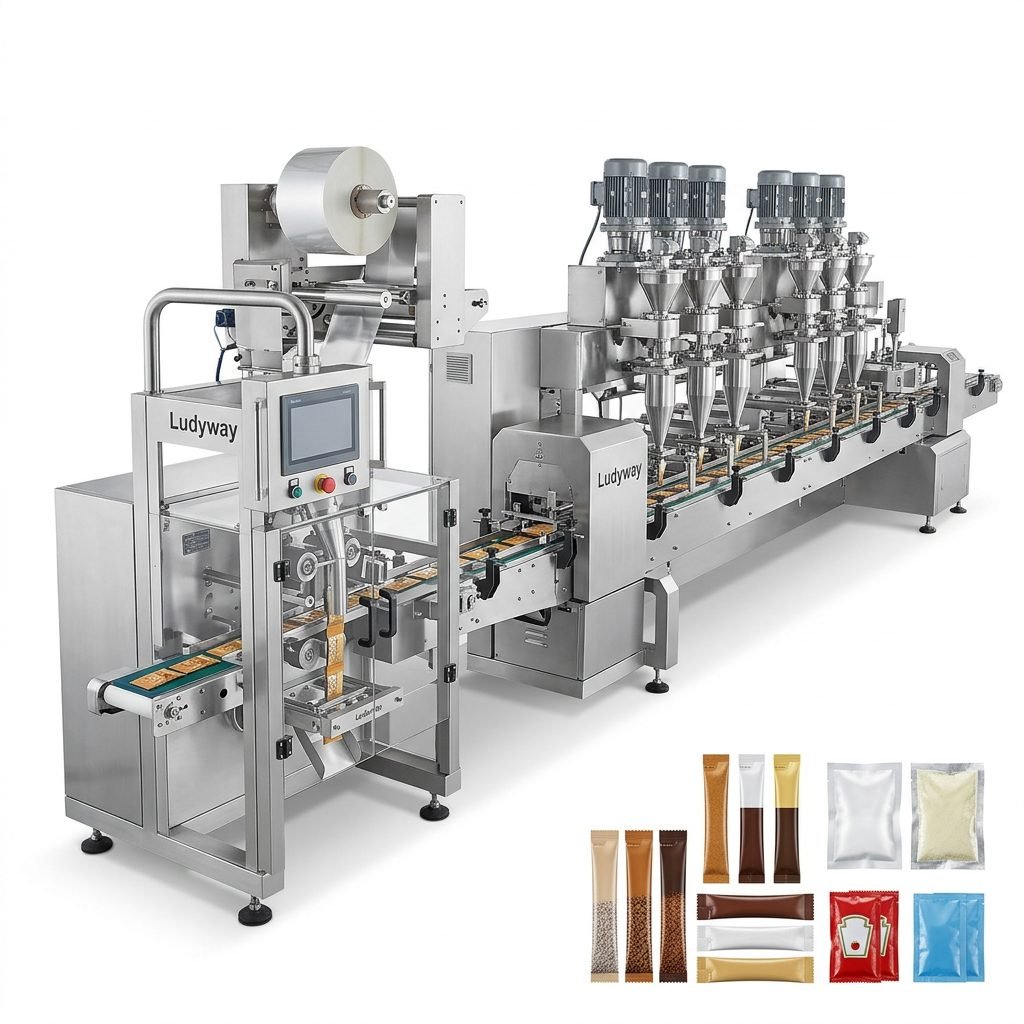
Understanding the Zimbabwean Packaging Landscape
Zimbabwe’s manufacturing sector is steadily growing, with increased demand in food processing, pharmaceuticals, agriculture, and fast-moving consumer goods (FMCG). Local businesses often seek cost-effective, durable, and versatile packaging solutions that can handle intermittent power supply and variable production volumes. The shift towards flexible packaging and portion-sized sachets is particularly notable, driven by consumer affordability.
Key Factors to Consider When Choosing a Packaging Machine
Selecting a machine for the Zimbabwe market goes beyond the initial purchase price. You must evaluate the total cost of ownership, technical support, and machine adaptability to local conditions. Below are the critical factors:
1. Product Compatibility and Material Type
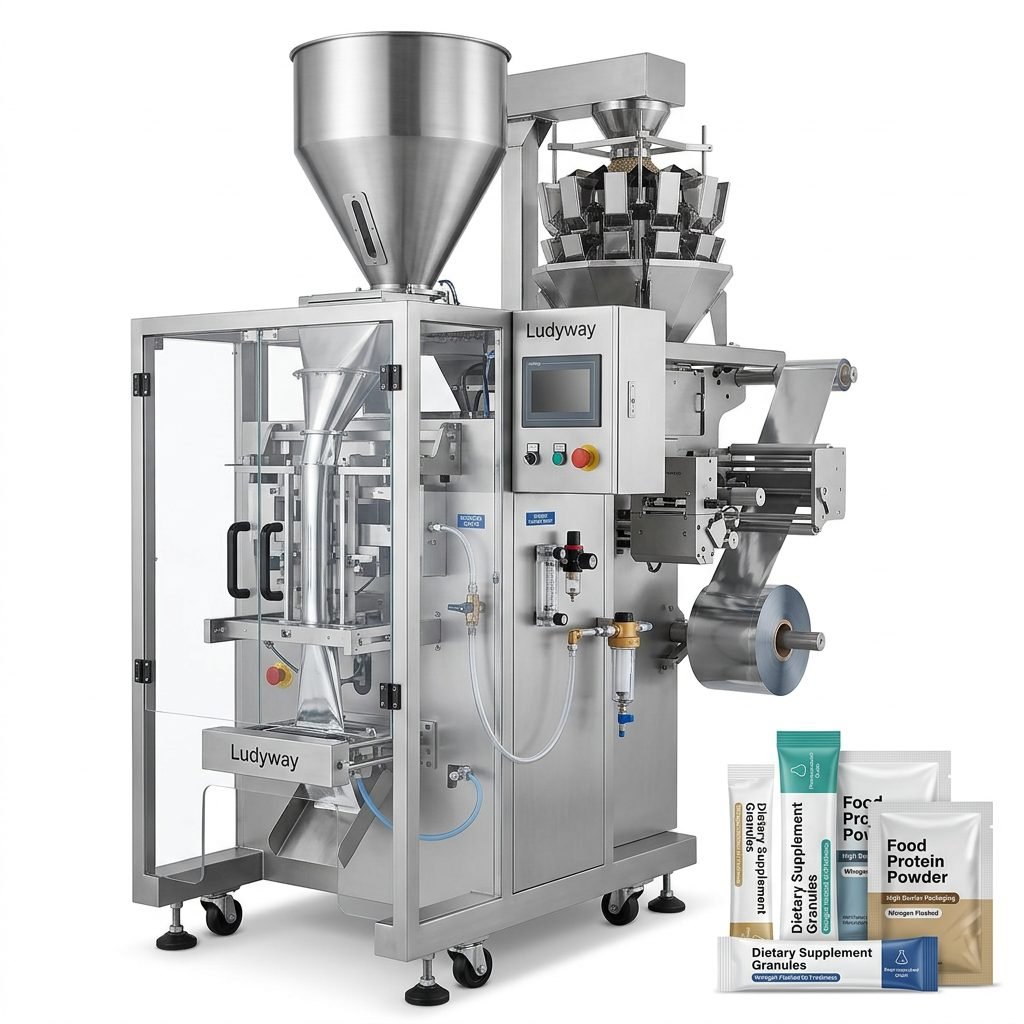
The physical properties of your product determine the right filling technology. Granule, powder, liquid, and paste products require specific dosing systems such as auger fillers, volumetric cup fillers, or piston pumps. Ensuring the machine can handle local packaging film qualities is also essential. For industries handling food contact substances, hygiene standards are non-negotiable.
- Granules: Multi-head weigher or volumetric systems for rice, seeds, or snacks.
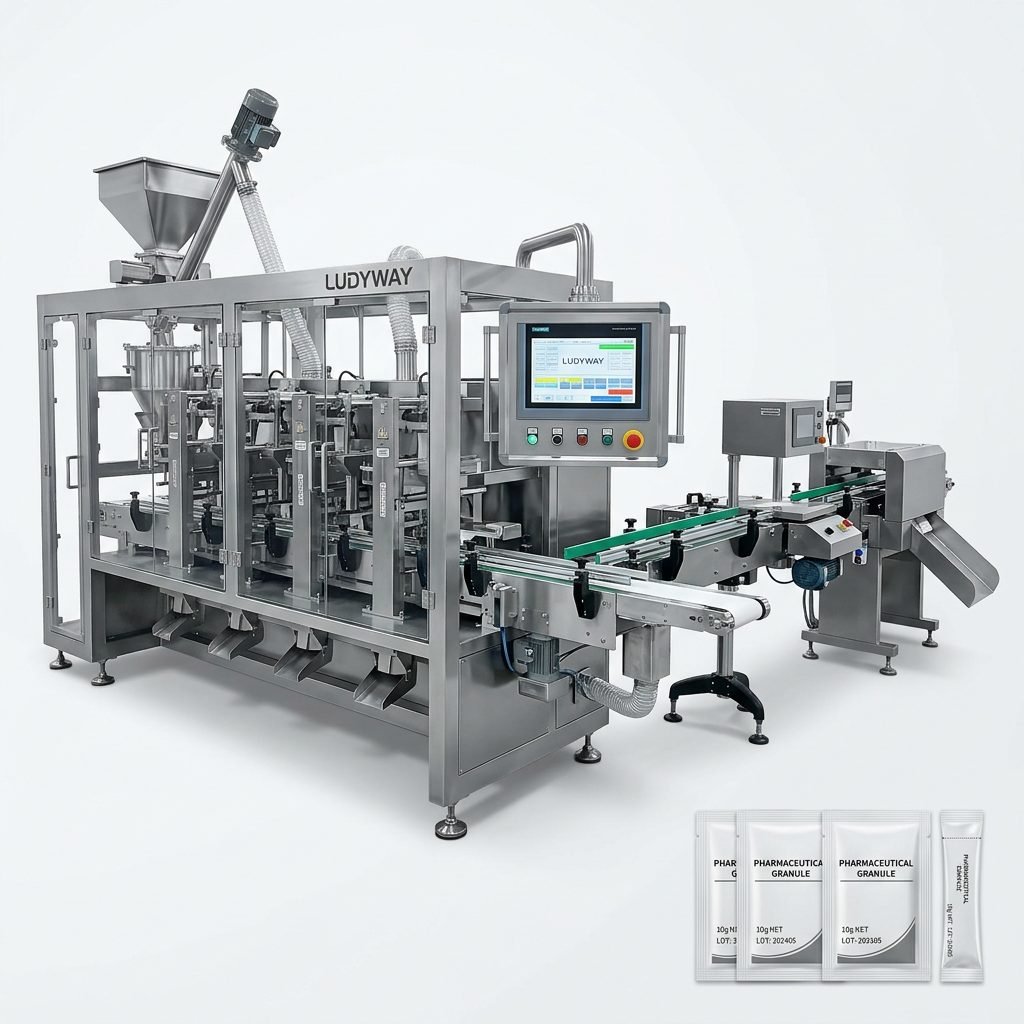
- Powders: Auger fillers for milk powder, spices, or detergents to minimize dust.
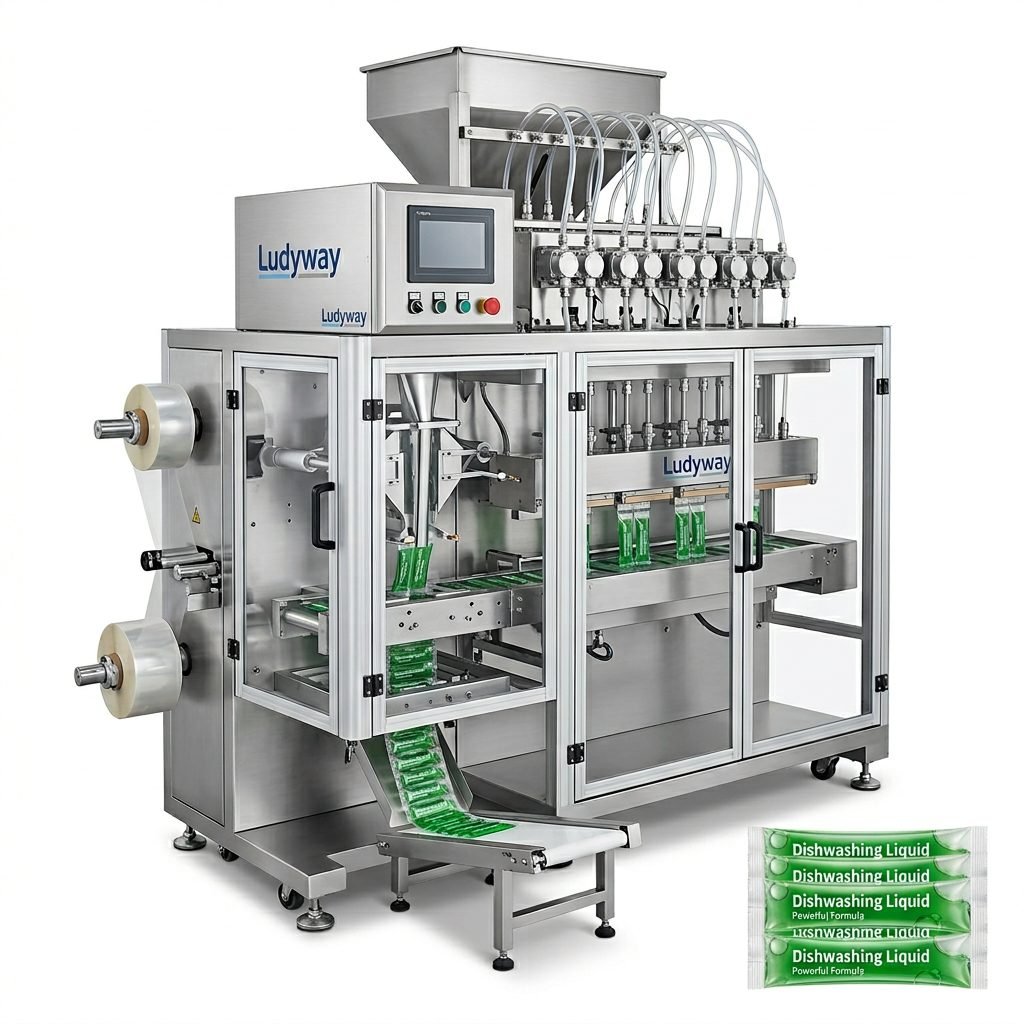
- Liquids: Piston or pump fillers for juices, sauces, or cleaning chemicals.
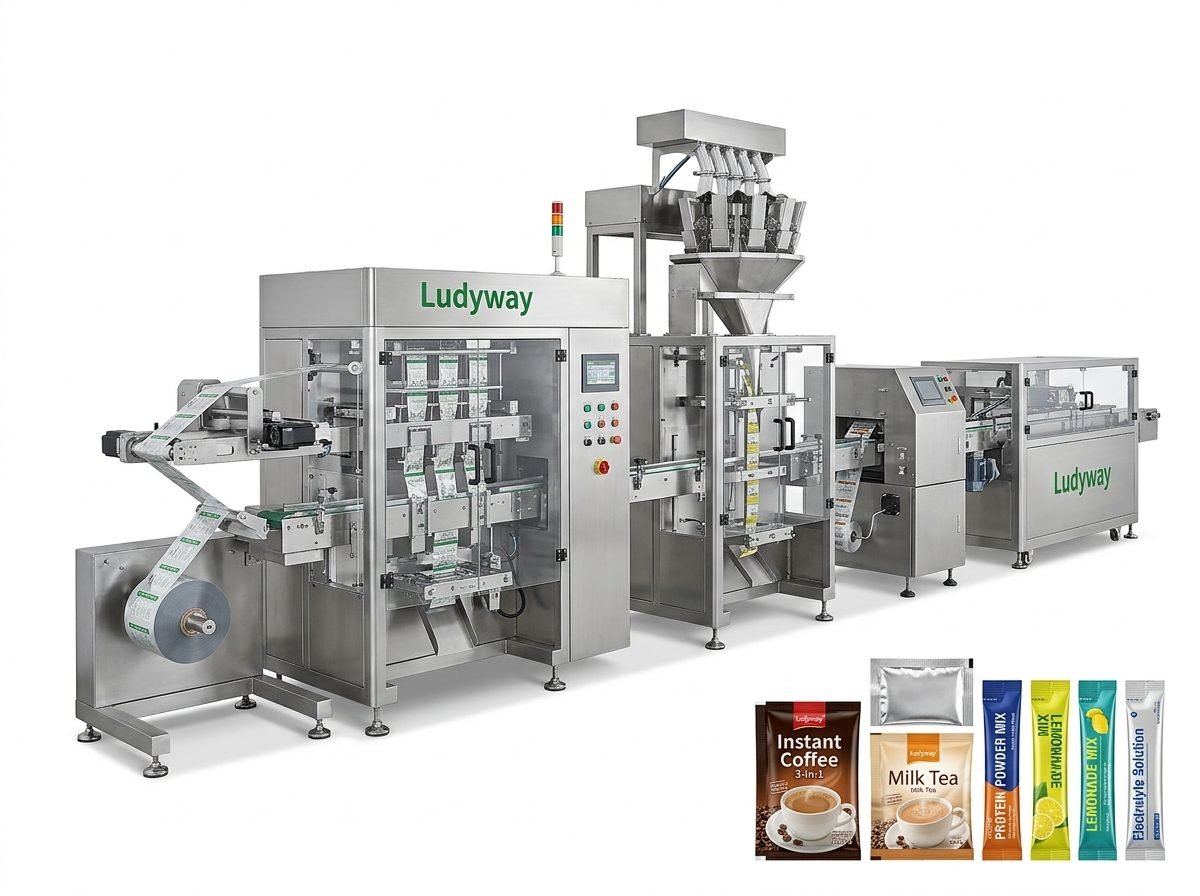
2. Machine Format: Sachet vs. Stick Pack vs. Pouch
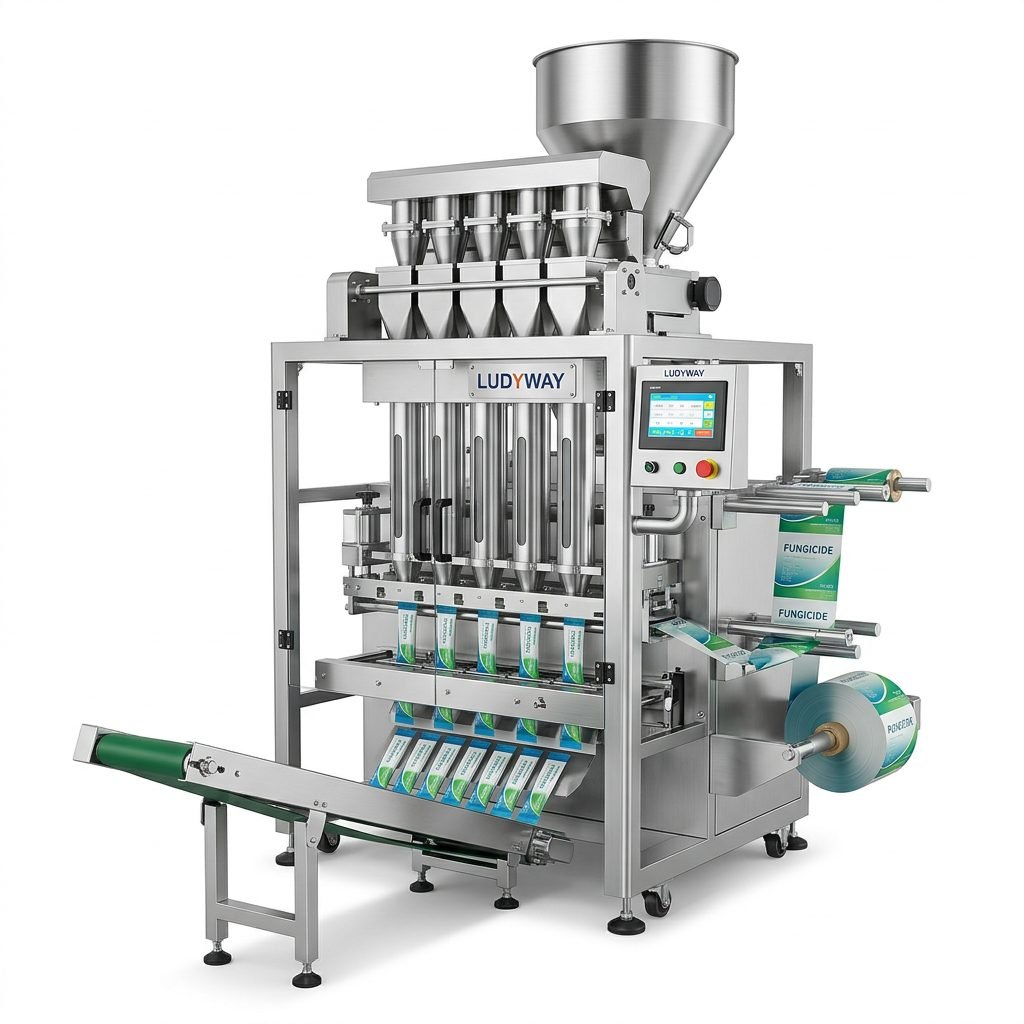
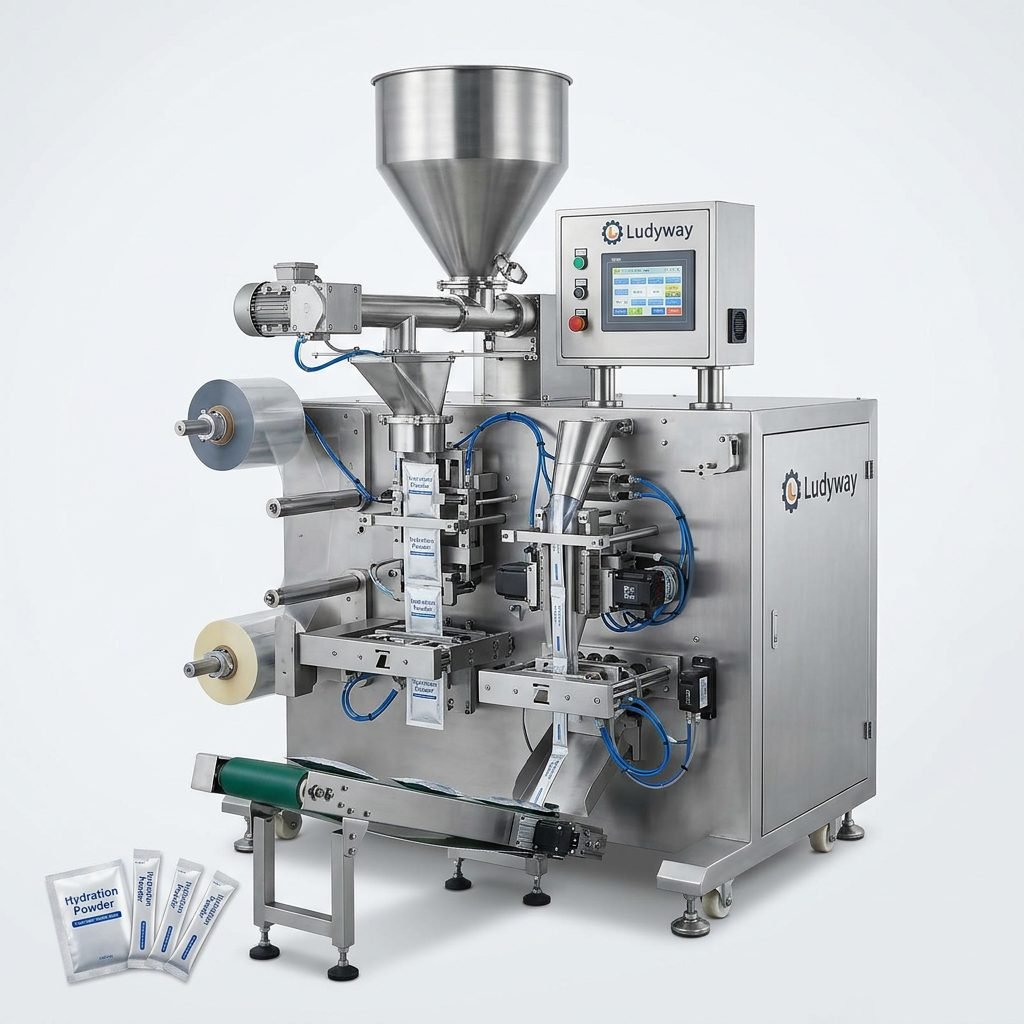
Consumer buying power in Zimbabwe influences the preferred packaging format. Sachets and stick packs are popular for single-use products due to their affordability. The table below compares common formats suitable for varying production scales:
| Packaging Format | Best Applications | Key Advantage for Zimbabwe |
|---|---|---|
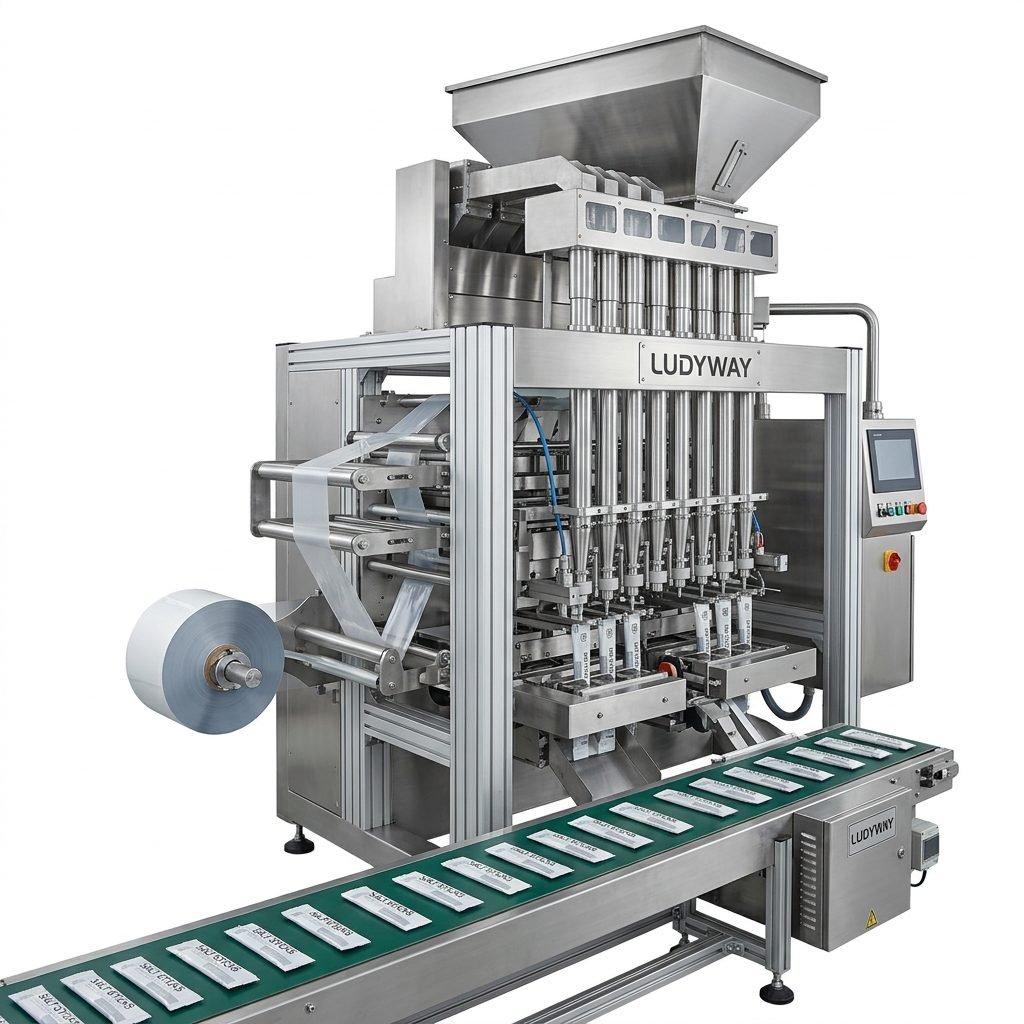
| Multi-lane Sachet | Spices, sugar, salt, condiments | High volume, low per-unit cost, suits mass market |
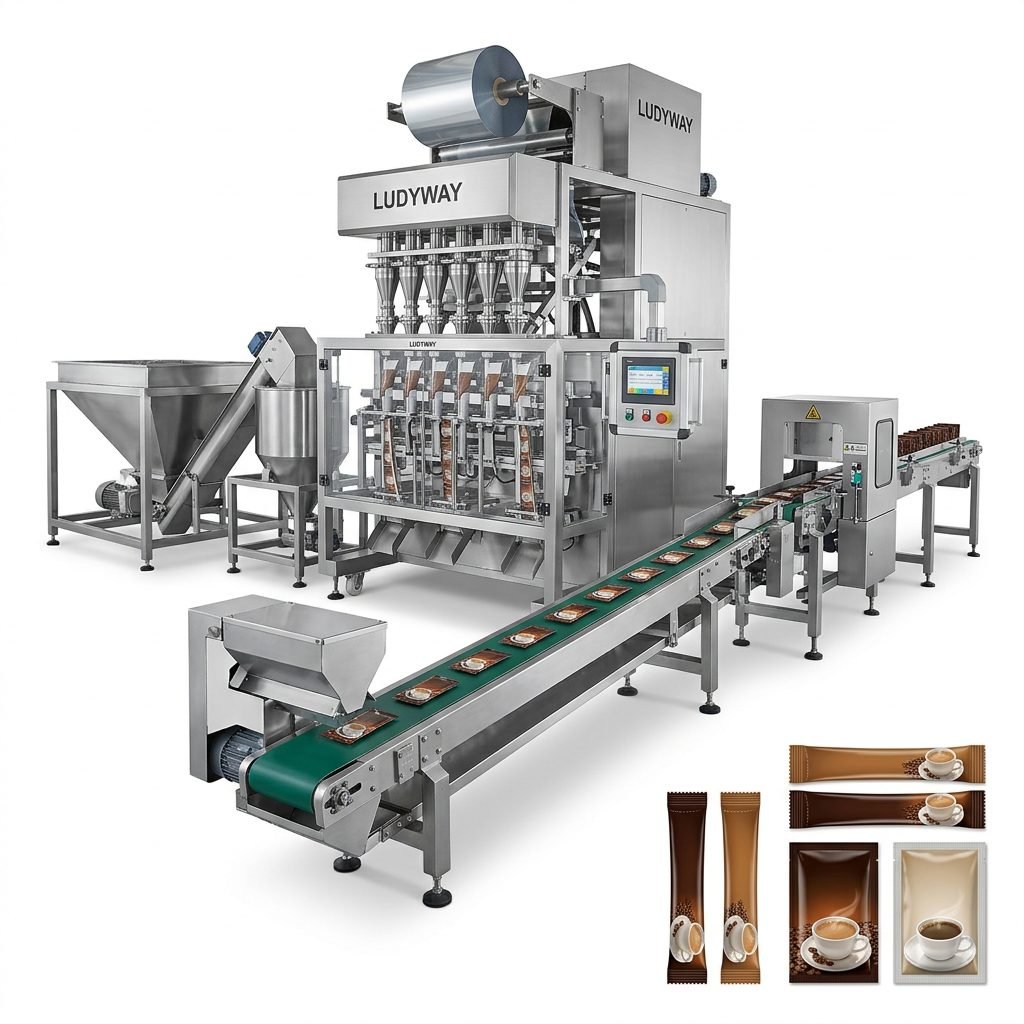
| Stick Pack | Instant coffee, milk powder, energy drinks | Portability, modern appeal, premium small portions |
| Pre-made Pouch | Maize meal, snacks, frozen foods | Durability, resealability, larger quantities |
3. Automation Level and Power Stability
Given the operational environment, semi-automatic or robust automatic machines with surge protection are often recommended. Fully automated lines offer speed and labor savings, but they require a stable power supply. It is crucial to choose a machine with manual overrides or backup operational capabilities to avoid downtime during load shedding. A packaging machine manufacturer with experience in emerging markets can advise on appropriate automation levels.
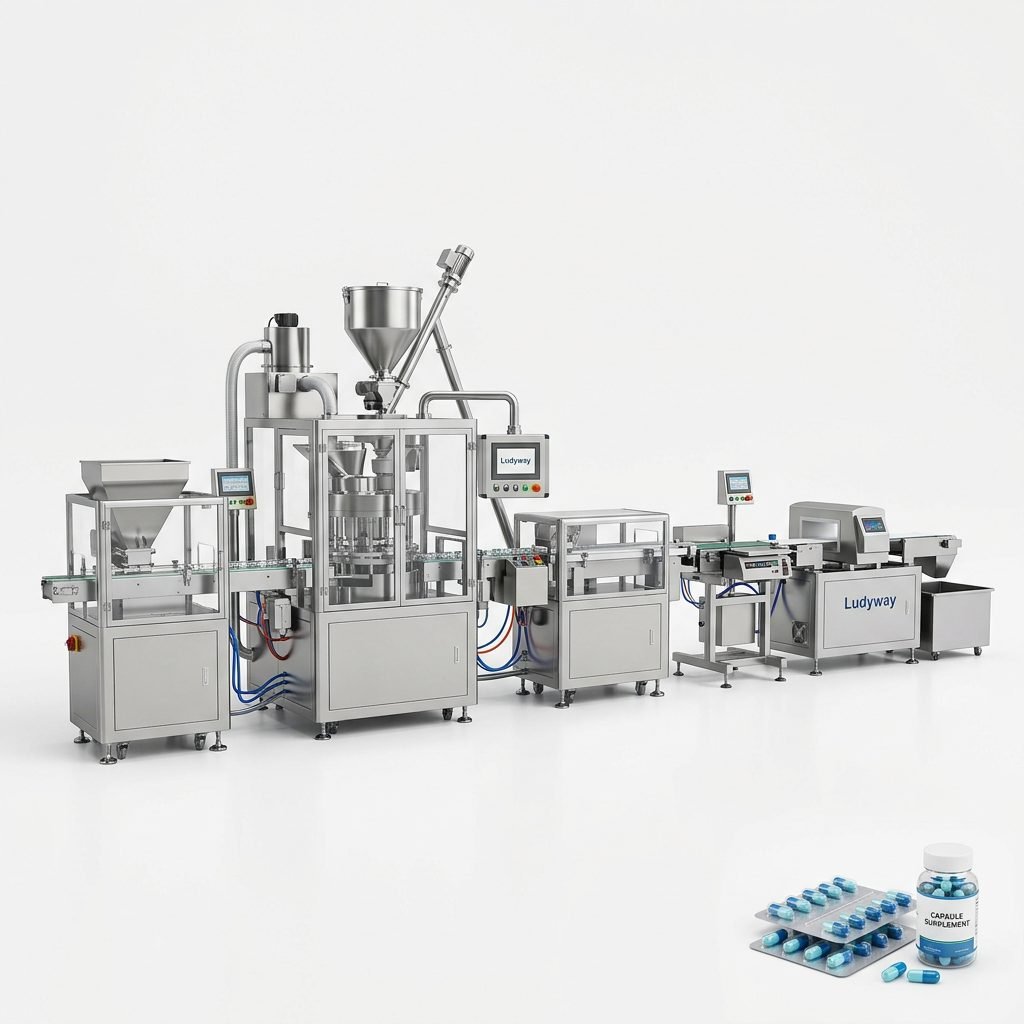
4. After-Sales Support and Spare Parts Accessibility
Local technical support is often a deciding factor. Before purchasing, investigate the availability of spare parts in Southern Africa and the manufacturer’s remote diagnostic capabilities. Downtime can be costly, so prioritizing machines with simple mechanics and accessible components is a smart move. Look for suppliers offering video training, detailed manuals, and quick-response communication via WhatsApp or email.
5. Compliance with International Standards
Even for local markets, aligning with ISO packaging standards and good manufacturing practices (GMP) adds value, especially if you plan to export regionally. Machines should be built with food-grade stainless steel (typically 304 or 316 SS) to prevent corrosion and contamination, adhering to guidelines set by bodies like the FDA for food contact substances.
Cost-Effectiveness and Investment Returns
While Chinese manufacturers often provide competitive pricing, focus on the lifetime value of the equipment. High-efficiency motors, reliable PLC control systems, and precise servo drives may have a higher upfront cost but lower maintenance and waste rates. Factor in the cost of packaging film loss during setup; a machine with high-precision tension control and photoelectric tracking pays for itself quickly.
Why Machine Build Quality Matters
Dusty environments and varying humidity levels in Zimbabwe demand rugged construction. Look for heavy-duty frame welding, quality sealing jaws, and protected electronics. The heating elements should maintain consistent temperatures to ensure hermetic seals, especially for food and pharmaceutical products. A reliable supplier like Ludyway, which operates a modern 20,000㎡ manufacturing facility with over 30 years of industry expertise, focuses on robust engineering that meets these challenging conditions.
Key Technical Specifications to Evaluate
- Filling Accuracy: ±0.5 – 1% depending on the product viscosity and granule size.
- Sealing Type: 3-side seal, 4-side seal, or center seal bags.
- Capacity: Machines ranging from 30-80 packs per minute per lane.
- Material Thickness: Compatibility with various composite films and laminates.
Navigating Logistics and Installation
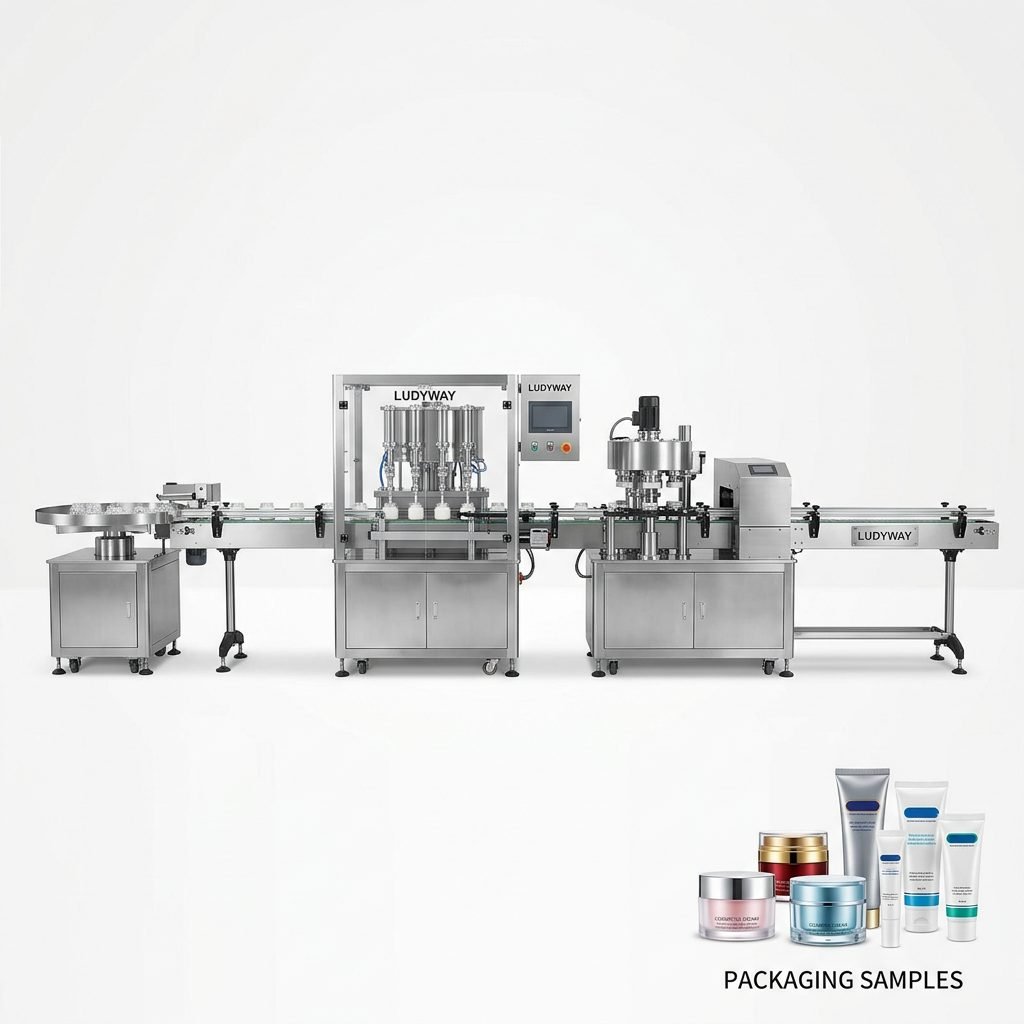
Shipping to Zimbabwe involves specific import duties and port handling via Durban or Beira. Ensure your supplier provides thorough export packaging with vacuum-sealed components to prevent sea moisture damage. It is beneficial if the supplier offers turnkey solutions, covering the entire line from feeding to cartoning, which minimizes coordination stress.
Reference Resources for Industry Standards
Stay updated by consulting key industry bodies:
- PMMI – Packaging Industry Resources
- Flexible Packaging Association – Official Website
- PMMI – 2025 State of the Industry Report
- ISO 11607 Packaging for Sterilized Medical Devices
Selecting the right packaging machine for the Zimbabwe market requires a partner who understands both the technical specifications and the economic environment. By prioritizing durable build quality, accurate filling, and reliable support, your business can achieve sustained growth and operational efficiency in the competitive Southern African market.