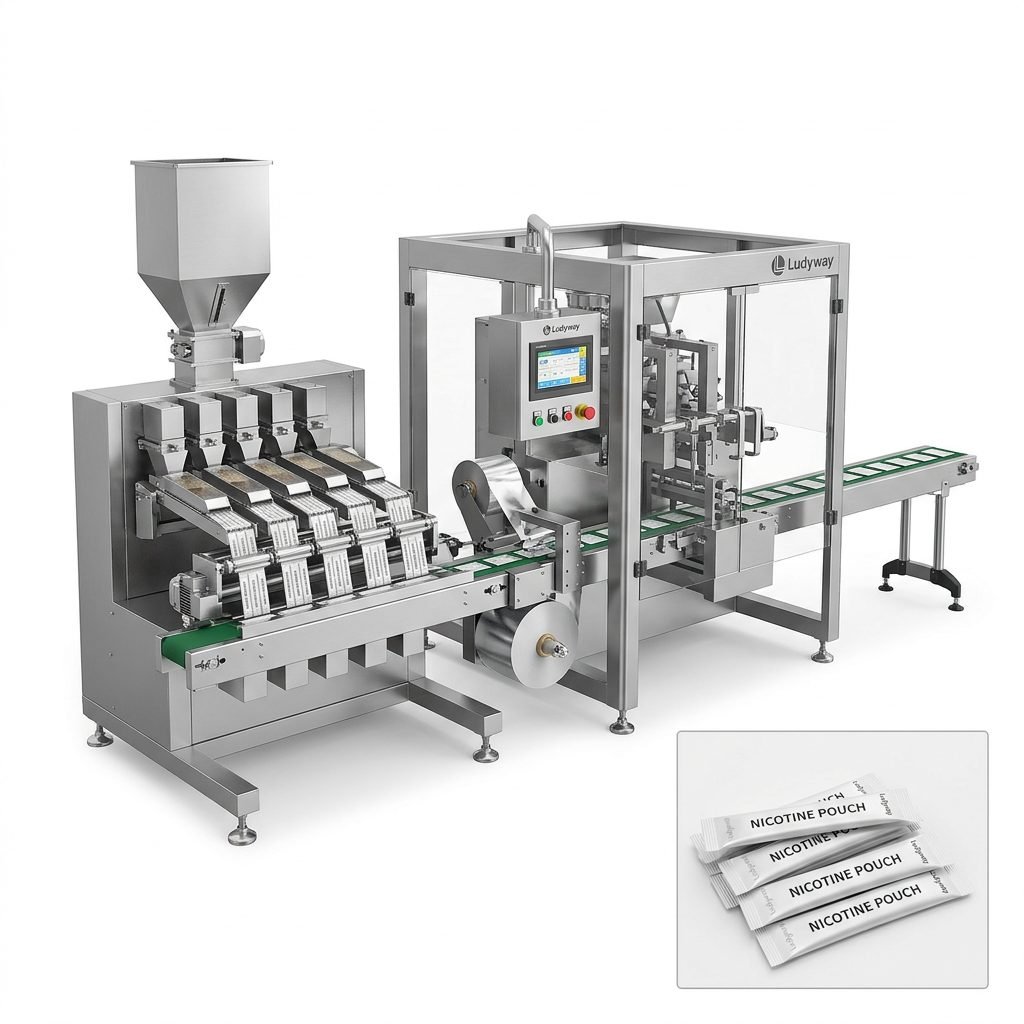
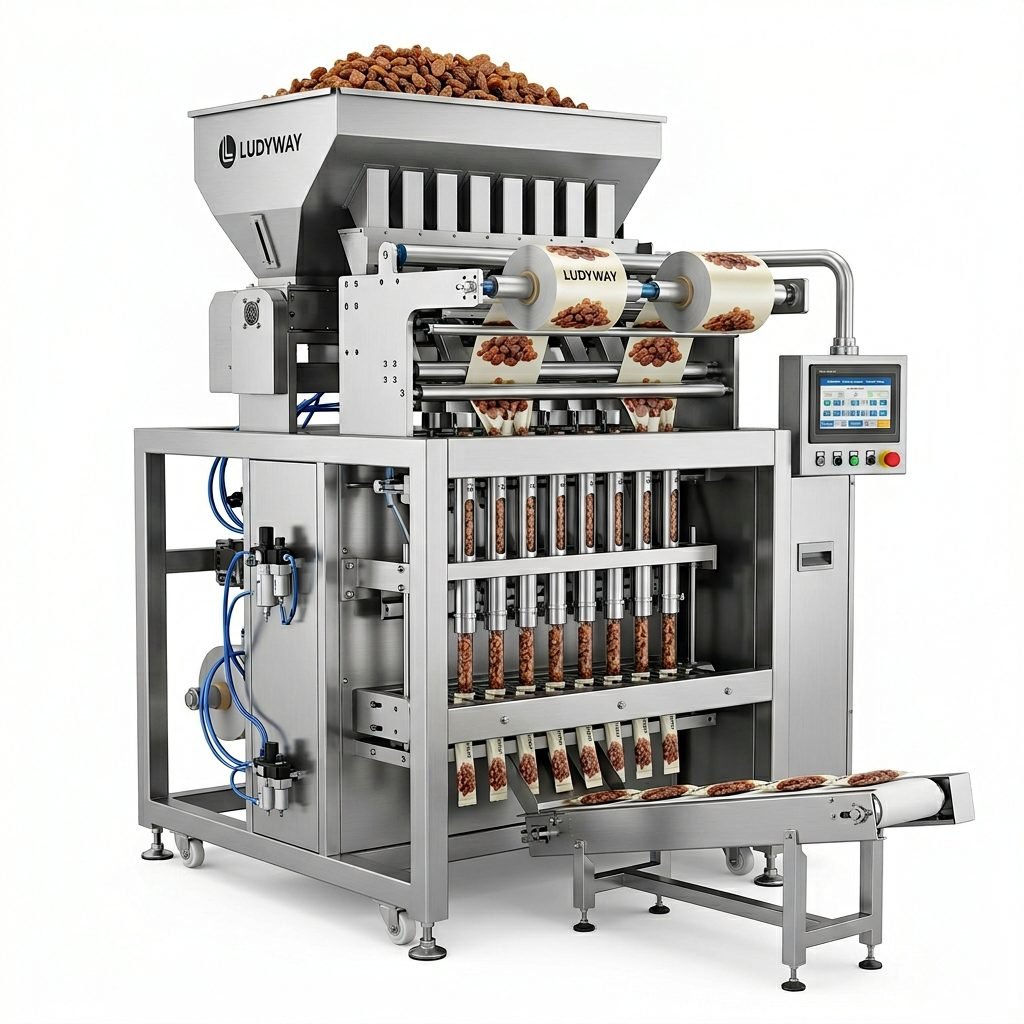
Choosing the right granule packaging machine is not only about speed. It is about finding a packaging solution that matches your product characteristics, output goals, pouch style, dosing accuracy requirements, labor plan, and future expansion strategy. For manufacturers in food, pharmaceutical, health supplement, chemical, seed, and feed industries, the right machine can significantly improve efficiency, consistency, and operating cost control.
Granule products can vary widely, from sugar, salt, coffee, seeds, snacks, pet food, and fertilizer granules to pharmaceutical pellets and nutraceutical blends. Because of this variety, there is no one-size-fits-all answer. The best packaging solution is the one that fits your product flow behavior, package format, production scale, and automation expectations.
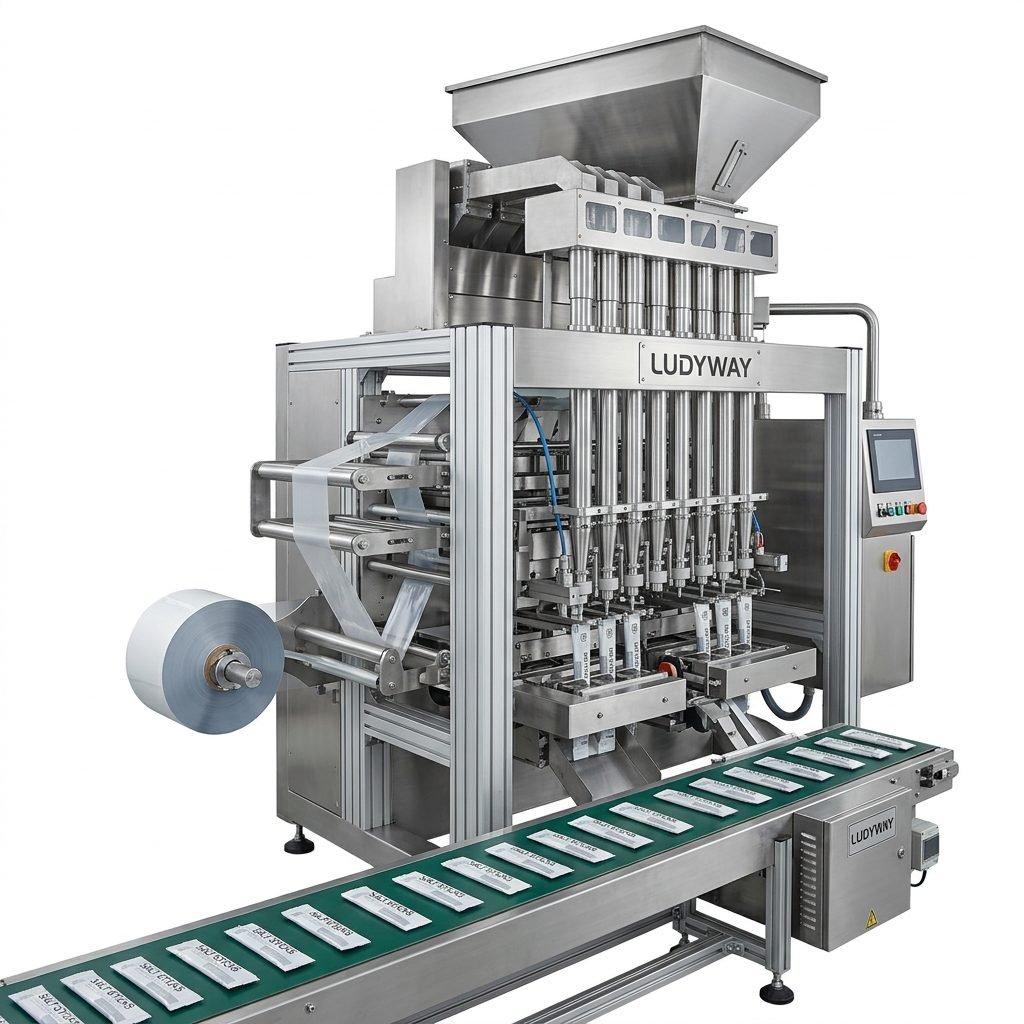
Why the Right Granule Packaging Machine Matters
A poorly matched machine can lead to underfilling, product breakage, material waste, unstable sealing, frequent downtime, and high maintenance costs. On the other hand, a properly selected machine supports stable output, repeatable pack quality, easy cleaning, and long-term scalability.
- Higher packaging speed without sacrificing fill accuracy
- Better seal integrity and shelf presentation
- Reduced manual intervention and labor dependency
- Lower product giveaway and packaging material waste
- Improved traceability and production standardization
- More flexibility for multiple SKU sizes and formats
Start with Your Product Characteristics
Before comparing machine models, first analyze the granule product itself. This step is essential because flow behavior determines the ideal feeding, weighing, and filling method.
Key product questions to evaluate
- Are the granules free-flowing or irregular?
- Is the product fragile and easy to break?
- Are there dust issues during feeding and filling?
- Is the density consistent or variable?
- Does the product absorb moisture easily?
- Does it require hygienic or pharmaceutical-grade design?
- Do different particle sizes mix unevenly during vibration or transport?
For example, salt and sugar typically flow well and suit high-speed systems, while mixed snacks, seeds, or coated granules may require more careful handling and a more suitable dosing configuration. Pharmaceutical granules and nutraceutical products usually require higher precision, cleaner construction, and more reliable validation support.
Choose the Right Packaging Format
The target package style has a direct impact on machine structure. Different applications call for different packaging technologies.
| Packaging Format | Typical Applications | Recommended Machine Type |
|---|---|---|
| Stick packs | Salt, sugar, drink mix, supplements | Multi-lane stick pack machine |
| Sachets | Seasonings, granules, pharmaceutical doses | Multi-lane sachet packing machine |
| Pouches | Snacks, seeds, pet food, larger volumes | Vertical form fill seal or premade pouch machine |
| Large bags | Feed, fertilizer, rice, bulk chemicals | Open-mouth bagging or bulk weighing line |
If your brand sells retail single-dose products, stick pack or sachet systems are often ideal. If you pack larger consumer or industrial volumes, pouch or bagging systems may be more cost-effective.
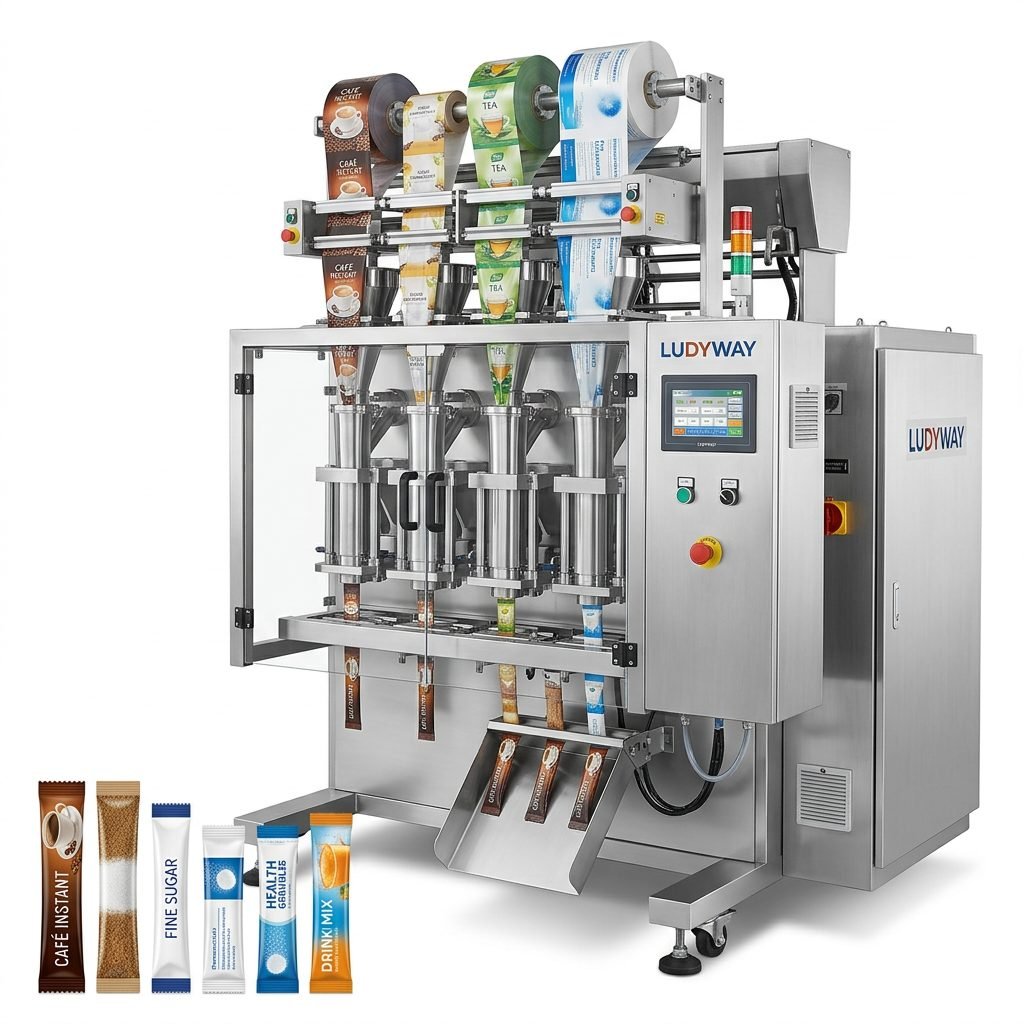
Understand the Main Granule Packaging Machine Types
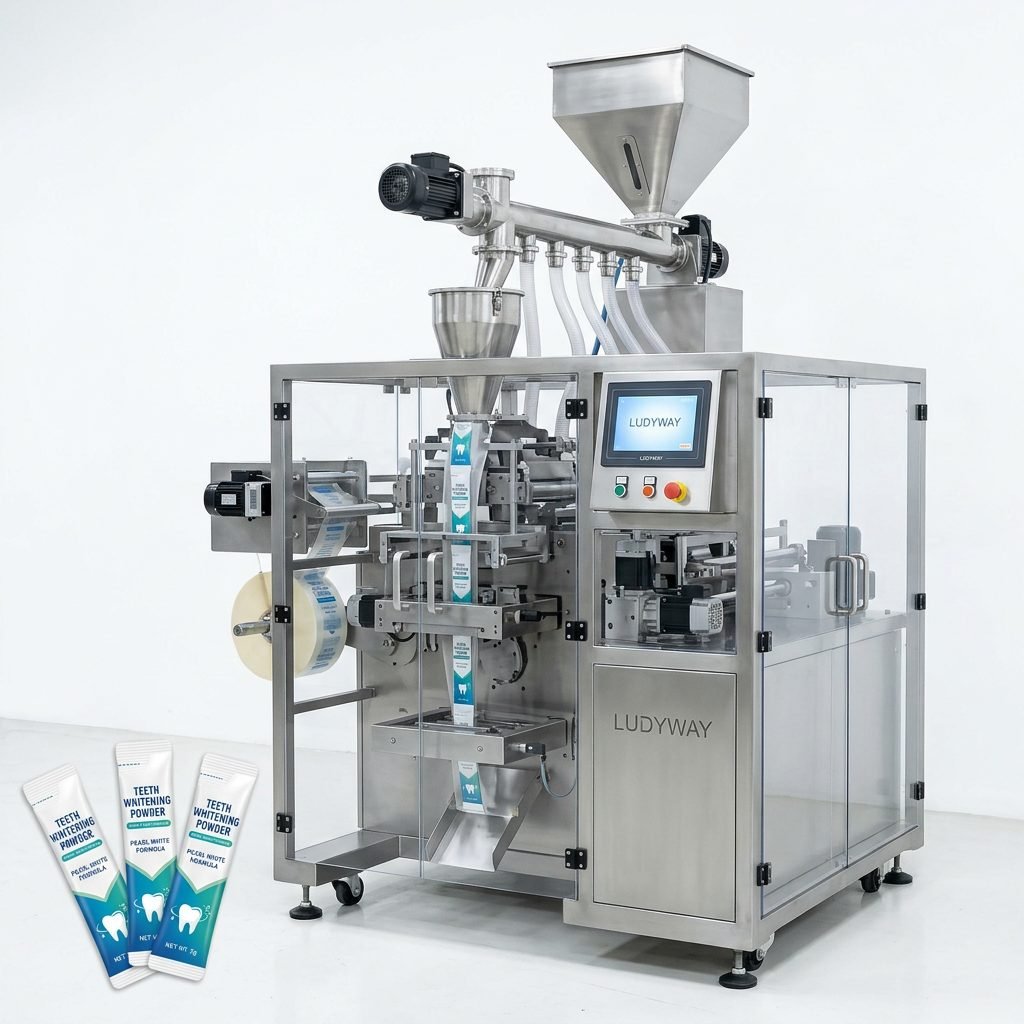
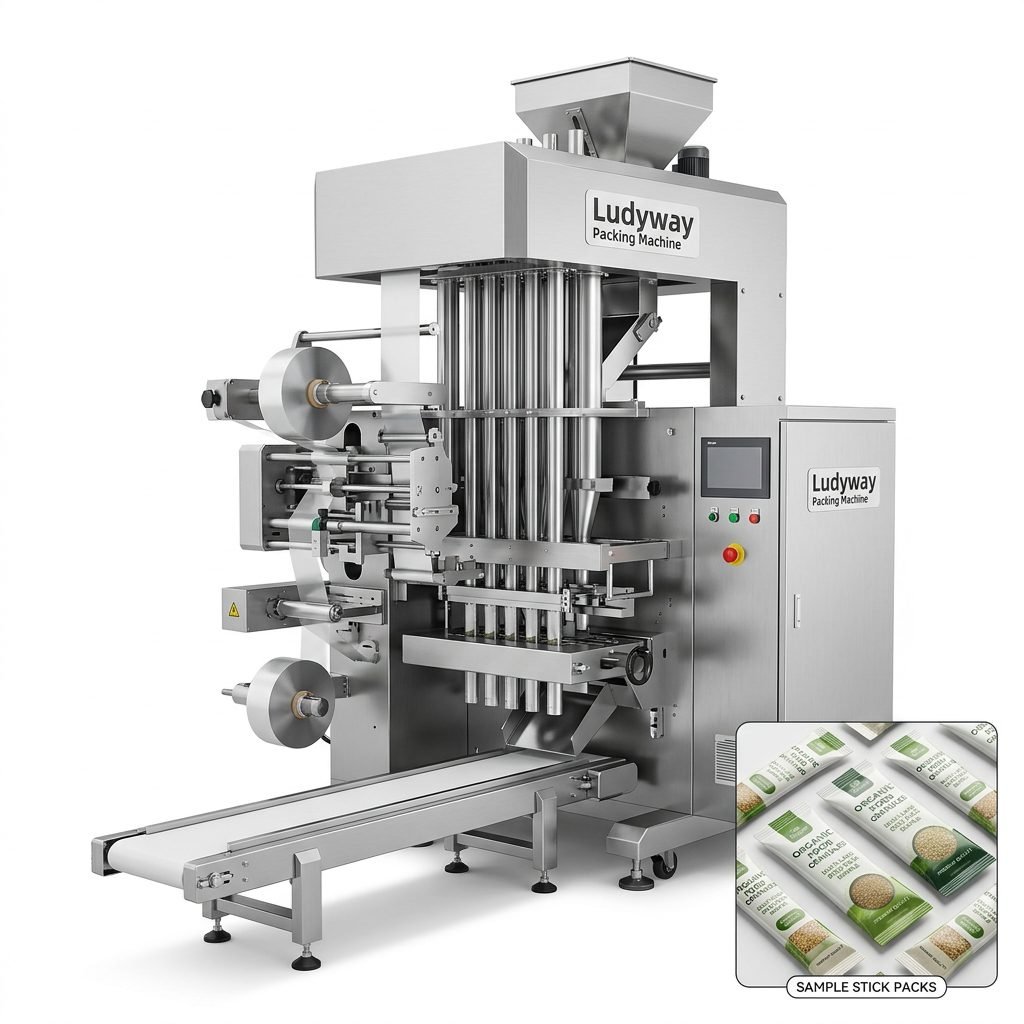
1. Multi-lane stick pack machines
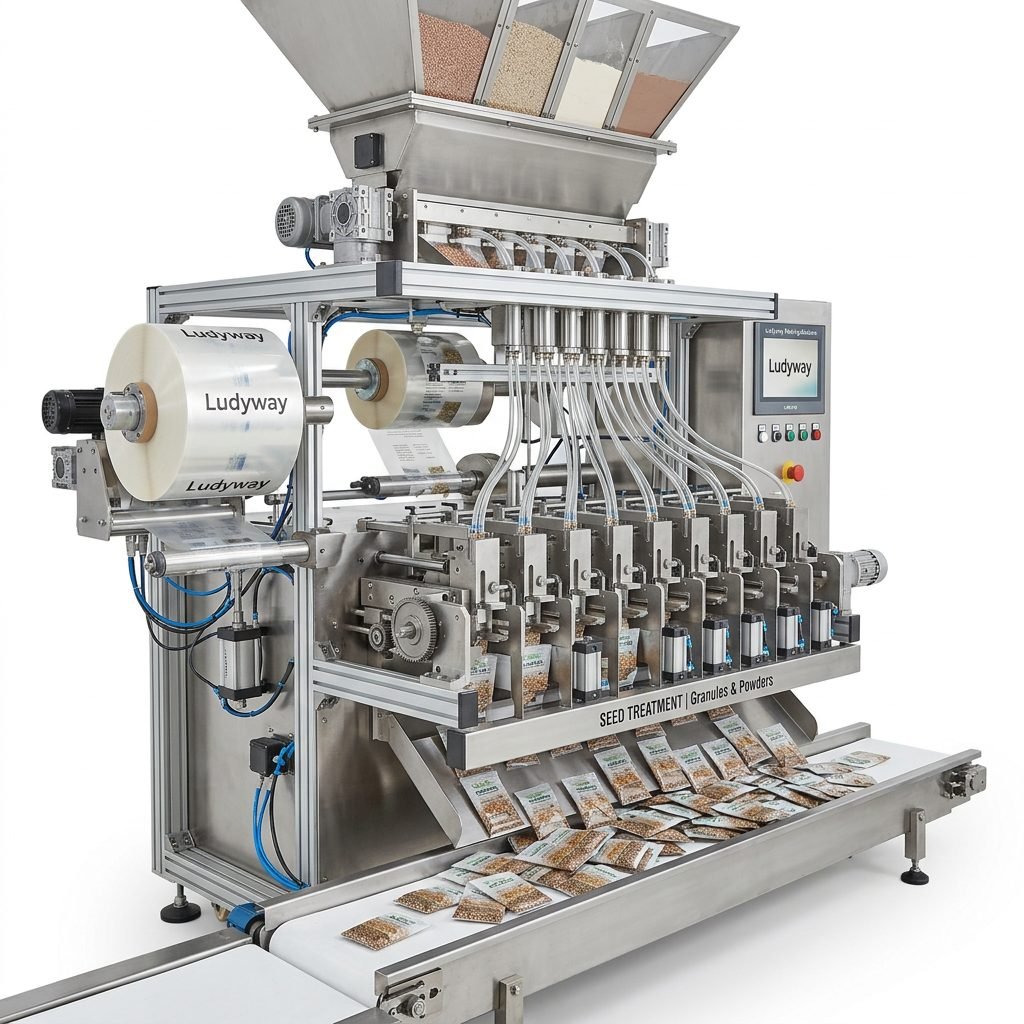
These are designed for high-output, small-dose packaging. They are widely used for coffee, sugar, electrolyte powders with granules, health supplements, and pharmaceutical granules. Multi-lane designs allow multiple packs to be formed, filled, and sealed simultaneously.
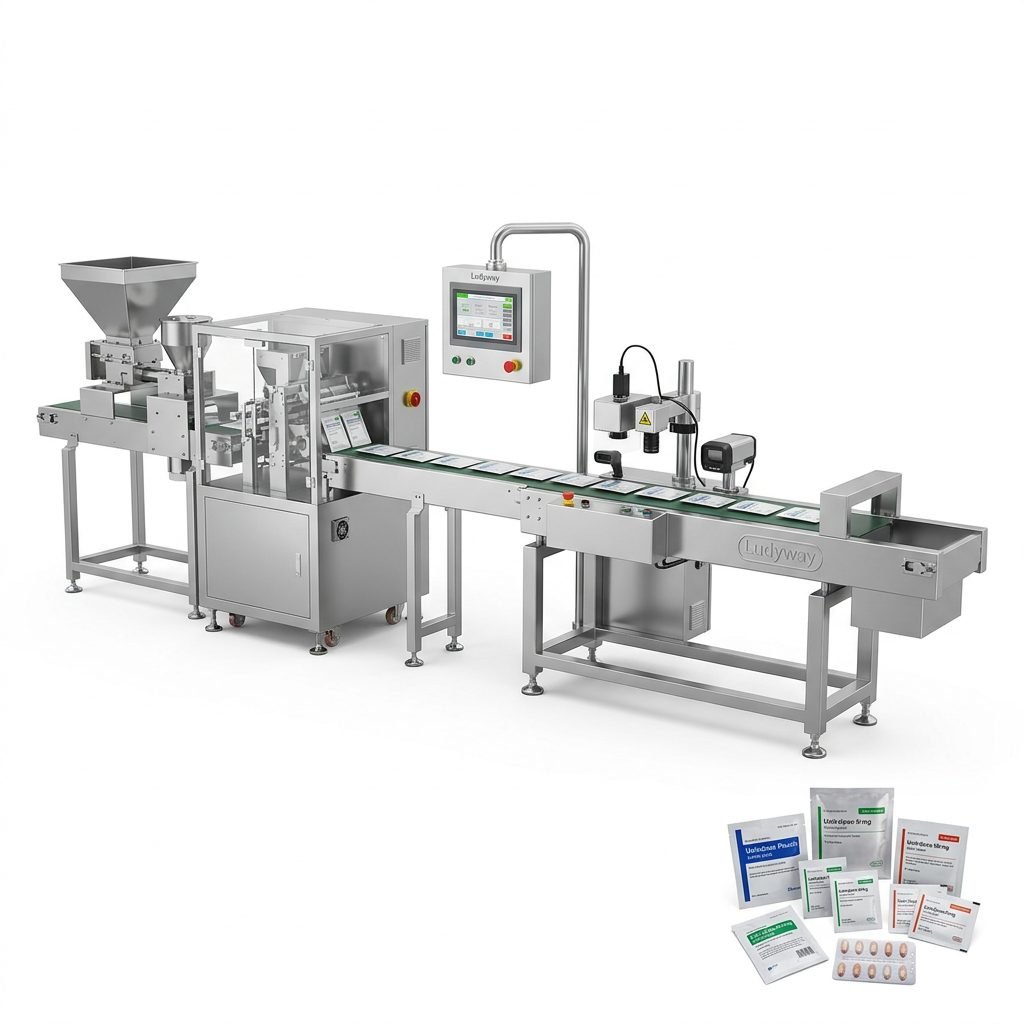
2. Multi-lane sachet packing machines
Sachet machines suit rectangular packet formats and are often chosen for food condiments, health products, and pharmaceutical applications. They are practical when a wider pack face is preferred for branding or labeling.
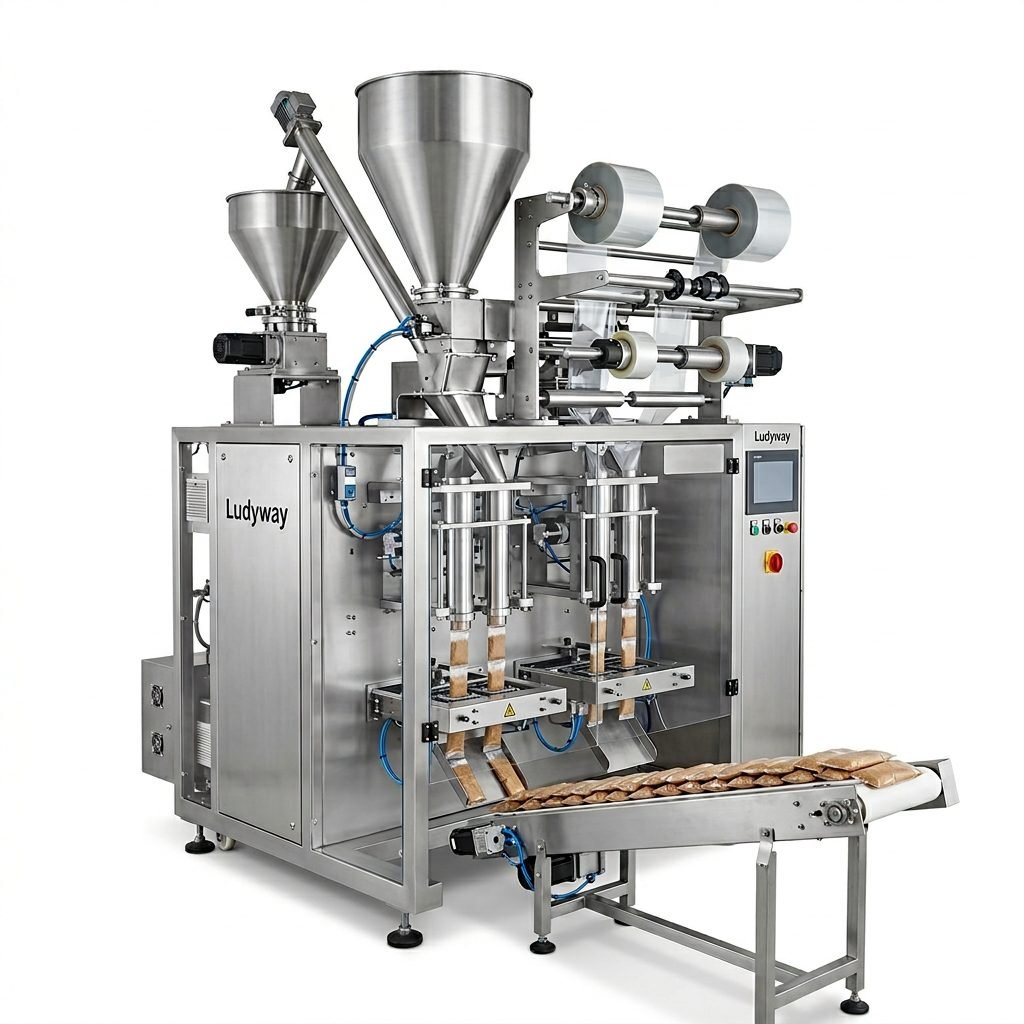
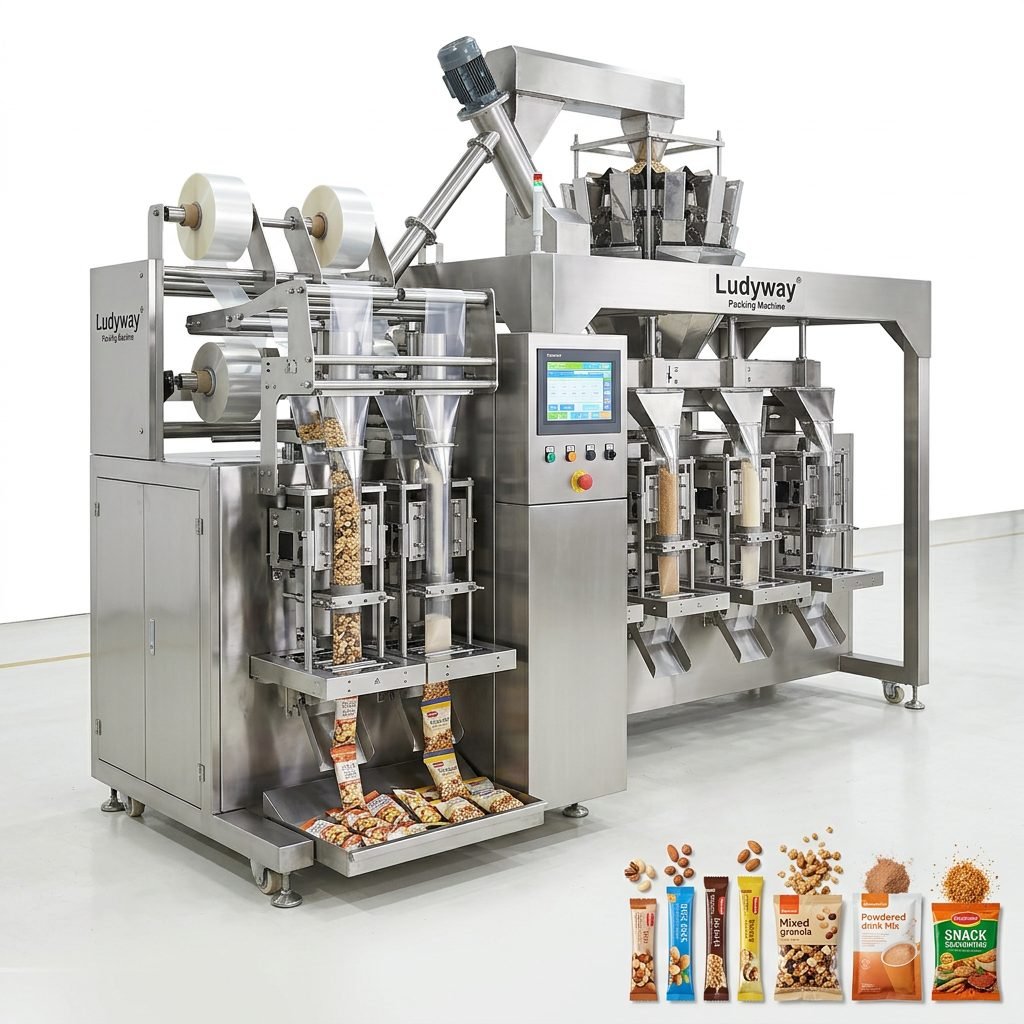
3. Vertical form fill seal machines
VFFS systems are suitable for pillow bags, gusset bags, and larger pouches. They are common in snack foods, seeds, grains, pet food, and agricultural products. They offer flexibility across a broad filling range.
4. Premade pouch packaging machines
These are ideal when packaging appearance is important or when using stand-up pouches, zipper pouches, or special pouch shapes. They are often used for premium foods, specialty supplements, and consumer products.
5. Bulk weighing and bagging systems
For 10kg, 25kg, or 50kg granule packaging, integrated weighing, conveying, filling, sealing, and palletizing systems are more suitable than small-format machines.
Match the Dosing System to the Product
Dosing accuracy is one of the most important technical factors. The filling system should be selected based on granule size, target weight, and speed requirements.
| Dosing Method | Best For | Main Advantage |
|---|---|---|
| Volumetric cup filler | Uniform free-flowing granules | Simple, fast, cost-effective |
| Linear weigher | Regular granules with moderate accuracy demand | Reliable and flexible |
| Multihead weigher | Snacks, mixed products, larger granules | High speed and strong accuracy |
| Auger with adapted design | Granule-powder blends | Handles mixed-flow materials |
If your granules are highly uniform, volumetric filling may be enough. If you need precise weight control and low giveaway, weighing systems are usually the better investment.
Define Your Real Production Capacity
Many buyers over-focus on maximum machine speed. In practice, the right question is: what stable output do you need per shift, per day, and per SKU? A machine running consistently at an optimized speed is often more valuable than a machine with a very high theoretical speed but frequent stoppages.
Capacity planning checklist
- Current hourly production target
- Expected order growth in the next 2 to 5 years
- Number of SKUs and changeover frequency
- Available labor and shift pattern
- Required OEE target
- Downtime tolerance and maintenance schedule
A business with one high-volume SKU may prefer a dedicated high-speed machine. A manufacturer with frequent specification changes may benefit more from a flexible system with easier adjustment and faster cleaning.
Do Not Ignore Feeding and Upstream Handling
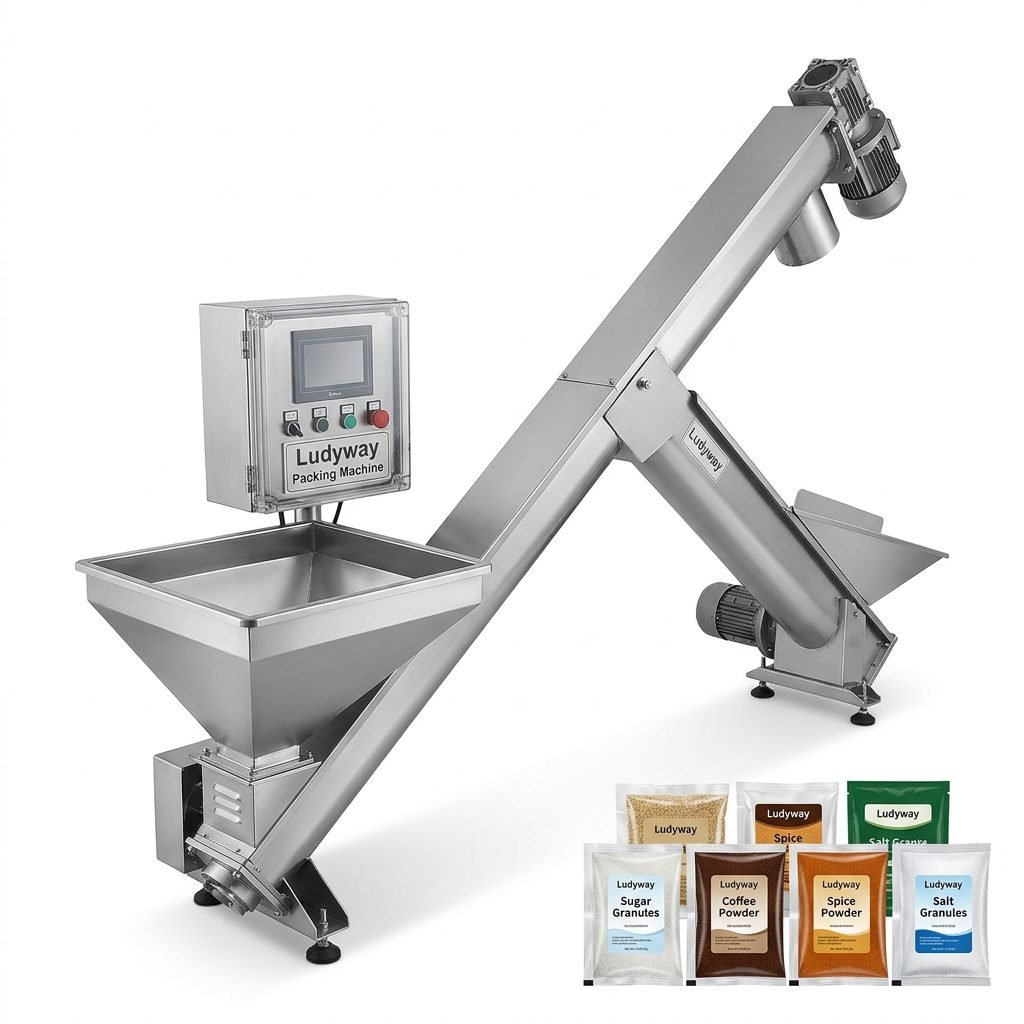
The packaging machine itself is only part of the solution. Stable feeding has a major impact on packaging accuracy and speed. Depending on the product, you may need a bucket elevator, vacuum feeder, screw conveyor, vibration feeder, hopper, or buffering system.
In many projects, packaging performance problems are actually feeding problems. Poorly controlled material supply can cause inconsistent weights, product bridging, or machine stops. That is why many buyers prefer complete or semi-integrated solutions rather than a standalone machine only.
Evaluate Material Compatibility and Hygiene Design
Food, pharma, and health supplement applications often require stainless steel contact parts, easy-clean structures, dust control, and contamination prevention. If your product is sensitive, hygroscopic, or regulated, machine design becomes even more important.
Look for features such as:
- 304 or 316 stainless steel contact parts
- Tool-free disassembly for cleaning
- Dust collection or sealed transfer points
- Servo-driven film pulling and sealing stability
- Precise temperature control
- HMI recipe storage for repeatable operation
- Compliance-oriented structure for regulated industries
Consider Packaging Material and Seal Performance
A granule packaging solution must also match the film structure and sealing requirement. Some products need moisture barrier protection, oxygen barrier properties, or nitrogen flushing. Others require easy-tear packs, shaped seals, or coding integration.
If the package leaks, all filling accuracy becomes meaningless. That is why strong sealing performance, stable film tracking, and compatible packaging film specifications should be confirmed early in the selection process.
Automation Level: Standalone Machine or Turnkey Line?
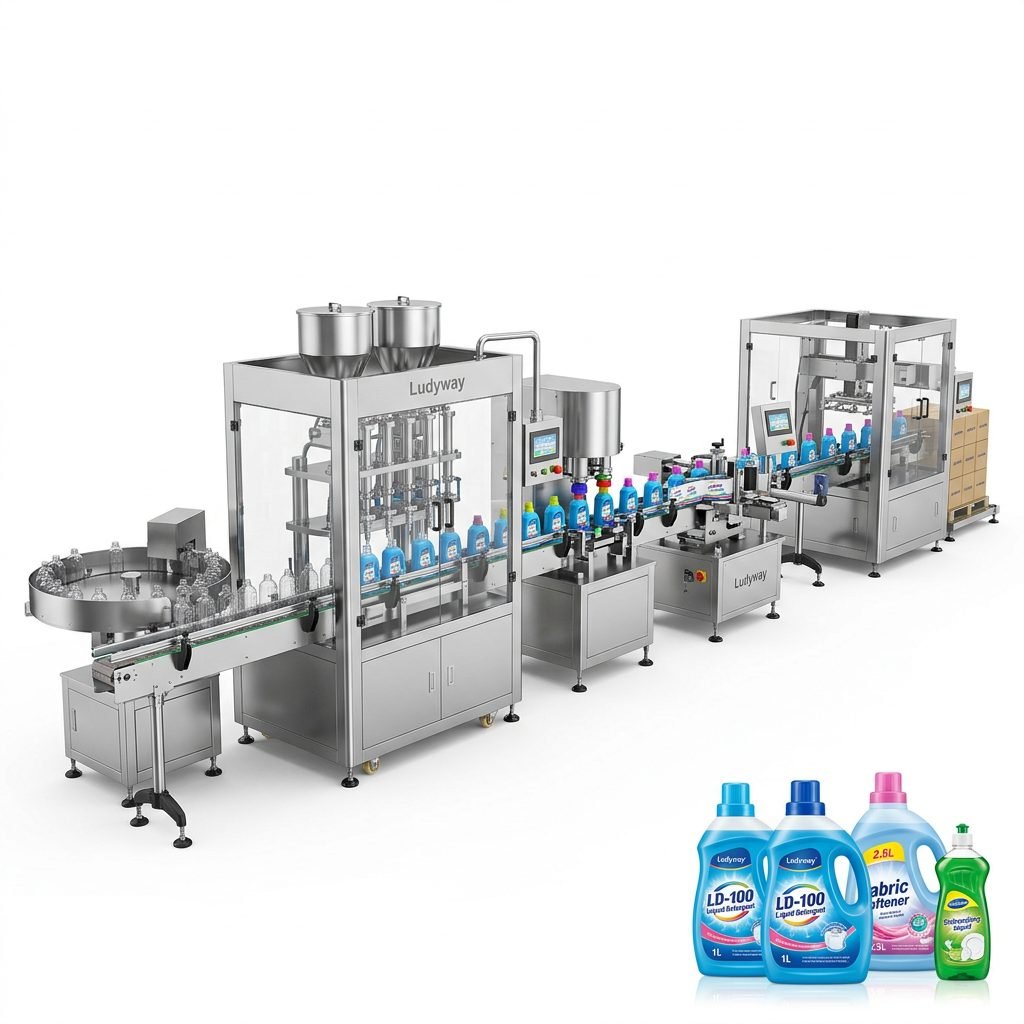
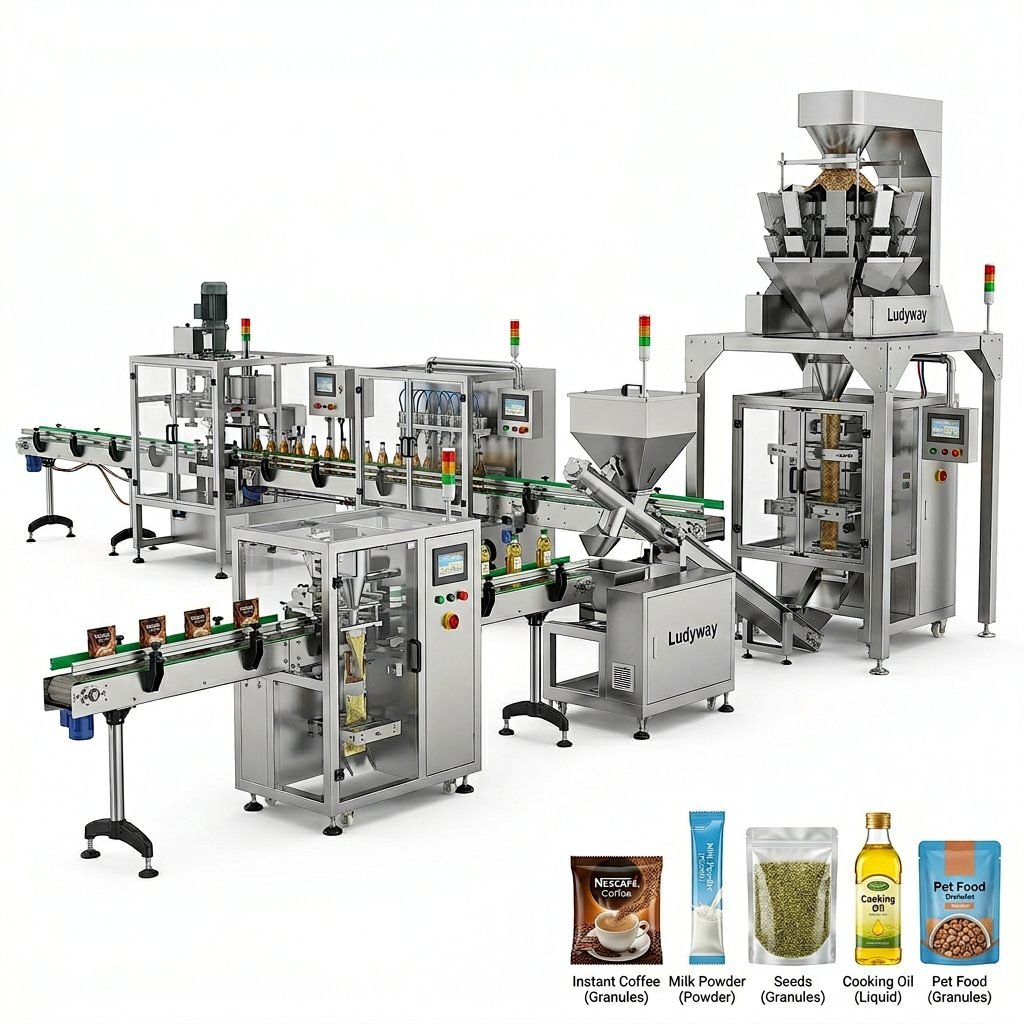
When choosing a granule packaging machine, think beyond the filler and sealer. Do you need only one packaging unit, or do you need a complete line with feeding, weighing, metal detection, checkweighing, coding, cartoning, case packing, and palletizing?
For growing manufacturers, turnkey solutions often provide better long-term value because they improve line coordination, reduce integration risk, and simplify after-sales support. Companies looking for scalable automation often work with experienced suppliers such as Ludyway granule packaging machine solutions to evaluate both standalone equipment and complete packaging lines.
Questions to Ask a Granule Packaging Machine Supplier
- What products has this machine packed successfully before?
- Can the supplier run a sample test with my material?
- What filling accuracy can be achieved in real production?
- How many bag formats and sizes can the machine handle?
- How long does changeover take?
- What spare parts and technical support are available?
- Can the machine connect with upstream and downstream equipment?
- What languages, electrical standards, and certifications are supported?
- Is remote support available for export markets?
- Can the design be customized for special products or factory layouts?
Common Mistakes Buyers Should Avoid
| Mistake | Why It Causes Problems |
|---|---|
| Choosing by price only | Low initial cost can lead to lower reliability and higher lifetime expense |
| Ignoring product testing | Flow issues may appear only during actual trials |
| Overestimating speed needs | Can increase complexity and investment without real ROI |
| Ignoring future expansion | Limits flexibility when demand grows or SKUs expand |
| Buying a standalone unit for a line-based need | Creates bottlenecks and integration challenges later |
Best Granule Packaging Solution by Industry
Food industry
Products like sugar, salt, coffee, seasonings, cereals, snacks, seeds, nuts, and instant beverages often prioritize speed, seal quality, and attractive retail packaging. Multi-lane stick pack, sachet, VFFS, and pouch systems are commonly used.
Pharmaceutical industry
Pharmaceutical granules and pellets require higher dosing precision, stronger quality control, cleaner structure, and dependable documentation. Sachet and stick pack systems are common for single-dose applications.
Health supplements
Collagen, probiotics, electrolyte products, meal replacement granules, and dietary supplements need both attractive packaging and accurate filling. Multi-lane systems are especially effective for growing wellness brands.
Chemical and agricultural sectors
Fertilizer granules, additives, seeds, and industrial materials often require durable machine construction, dust management, and more robust conveying and weighing systems. Larger bagging systems may also be required.
How to Make the Final Decision
The most efficient way to choose is to compare solutions based on product fit, package fit, output fit, and future fit. Ask suppliers for real sample testing, machine videos, configuration lists, utility requirements, and case references from similar industries.
- Define the product and pack format clearly
- Confirm target speed and accuracy
- Choose the correct dosing and feeding method
- Review cleaning, sealing, and material compatibility
- Decide between standalone equipment and a full line
- Verify support, customization, and expansion capability
The right granule packaging machine is not simply the fastest machine on paper. It is the solution that delivers stable daily output, reliable pack quality, low waste, practical maintenance, and room for business growth.
Conclusion
A successful granule packaging investment starts with understanding your product, then matching it with the right machine type, dosing system, automation level, and packaging format. Whether you package food granules, pharmaceutical products, supplements, seeds, or industrial materials, choosing the right solution can improve productivity and strengthen long-term competitiveness.
If you take time to evaluate actual production needs rather than only comparing quotations, you will be far more likely to select a packaging system that performs efficiently today and continues to support your factory tomorrow.