Entering the Czech Republic’s food sector requires more than just a quality product; it demands packaging that meets rigorous European standards, appeals to discerning consumers, and optimizes production efficiency. Selecting the right packaging machine is a strategic decision that impacts your brand’s shelf presence, operational costs, and regulatory compliance. This guide outlines the critical factors for choosing food packaging equipment tailored to the Czech market.
1. Understanding Czech and EU Regulatory Compliance
Compliance with European Union directives is non-negotiable for any food packaging operation in the Czech Republic. Machinery must adhere to stringent safety, hygiene, and environmental regulations. Before investing, verify that the equipment meets the following standards.
- CE Marking: Essential for all machinery sold and operated within the EU, confirming conformity with health, safety, and environmental protection standards.
- Food Contact Materials: All packaging components that touch food must comply with EC Regulation 1935/2004. This includes films, laminates, and sealing materials used by the machine. Ensure your supplier provides detailed material certifications.
- Hygienic Design: Equipment must be designed for easy cleaning and sanitation to prevent contamination, aligning with principles of hygienic engineering. Look for stainless steel construction, sloped surfaces, and minimal crevices.
- Packaging Waste Directive: The EU’s evolving regulations on packaging and packaging waste (94/62/EC and its revisions) increasingly emphasize sustainability. Machines capable of handling mono-materials or recyclable films offer a significant advantage.
2. Defining Your Packaging Format and Machine Type
Czech consumers are accustomed to a wide variety of packaging formats, from single-serve sachets to family-sized pouches. Your choice of machine will fundamentally depend on the product characteristics and target market segment. The table below compares common formats relevant to the Czech food industry.
| Packaging Format | Ideal Product Type | Key Machine Consideration |
|---|---|---|
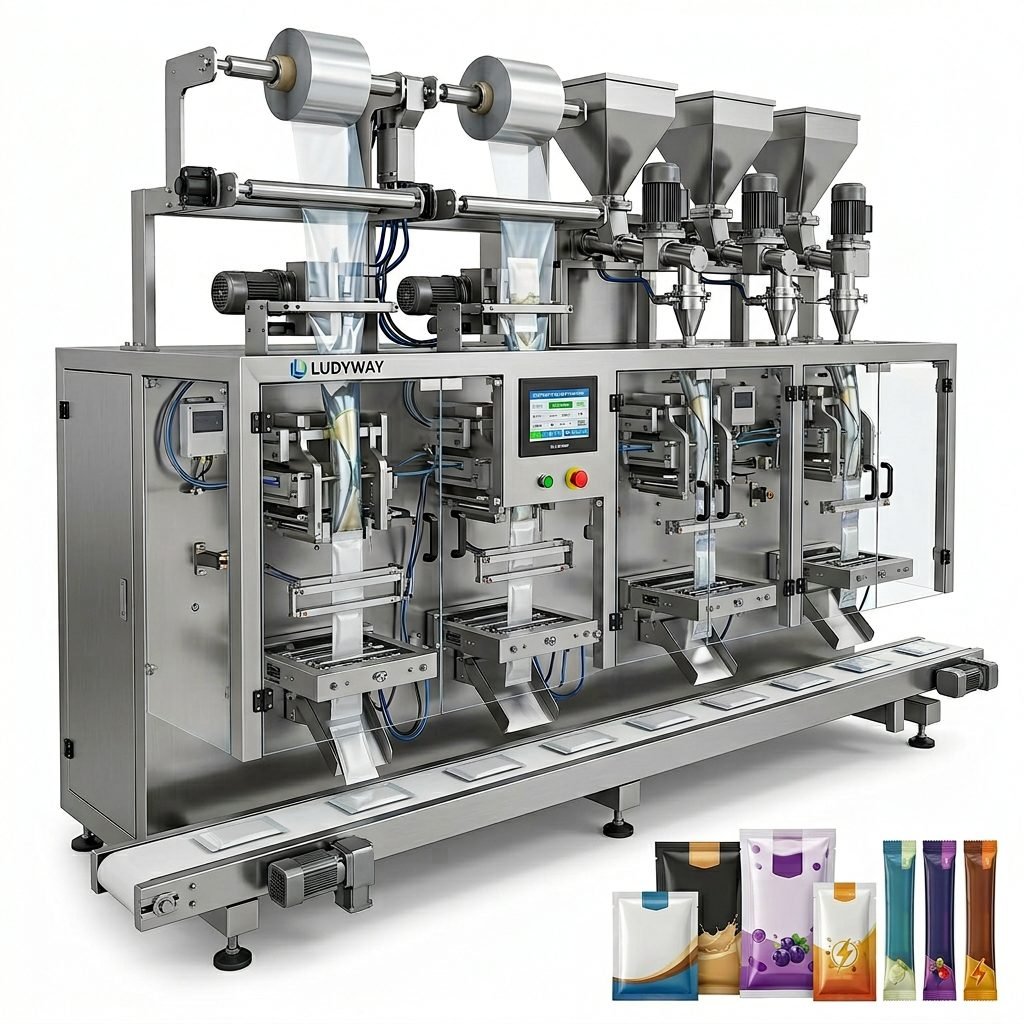
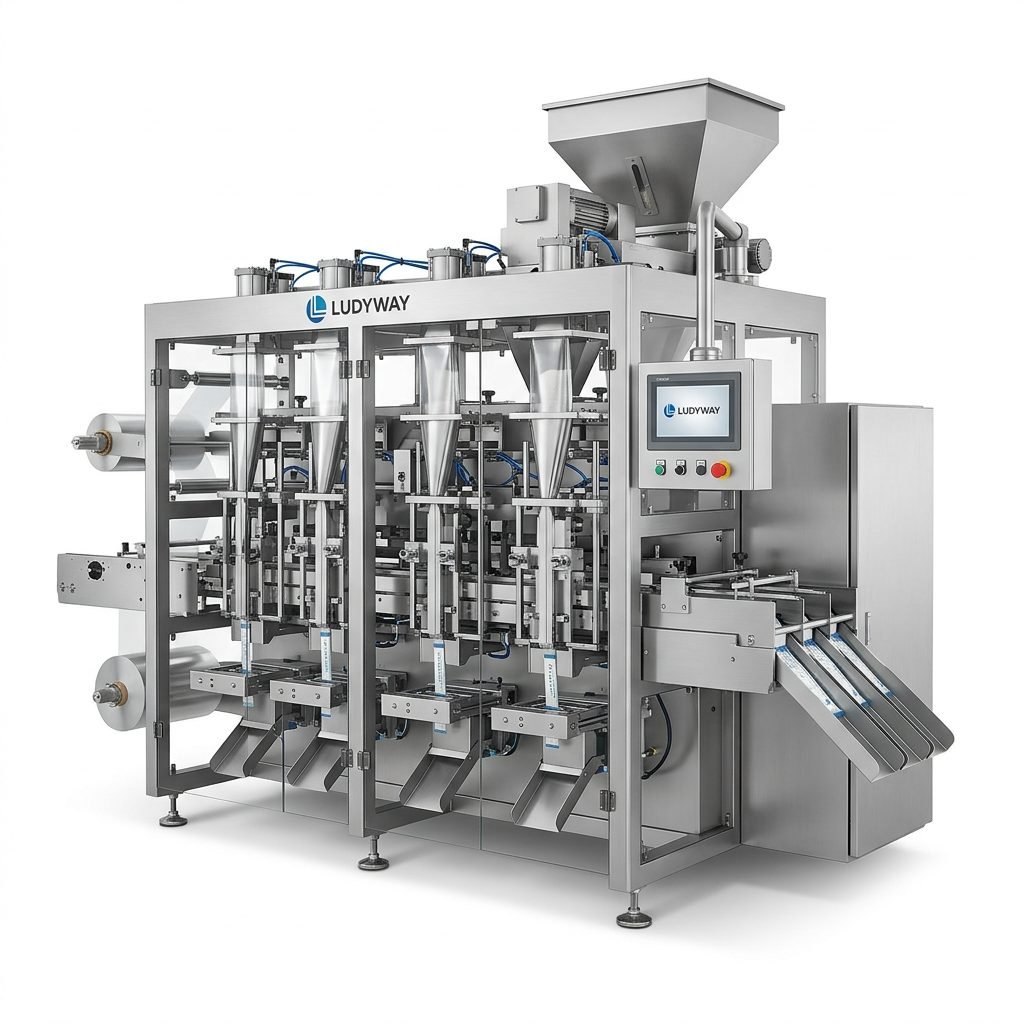
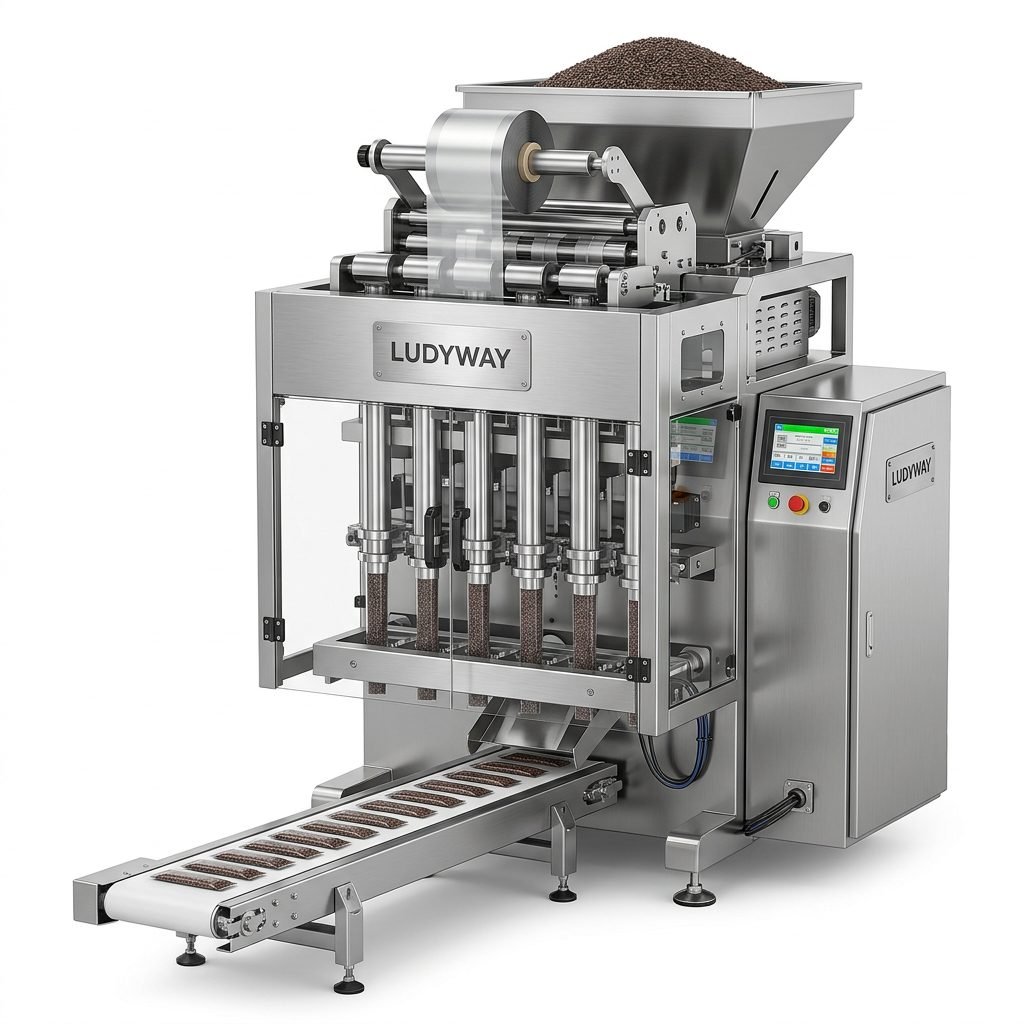
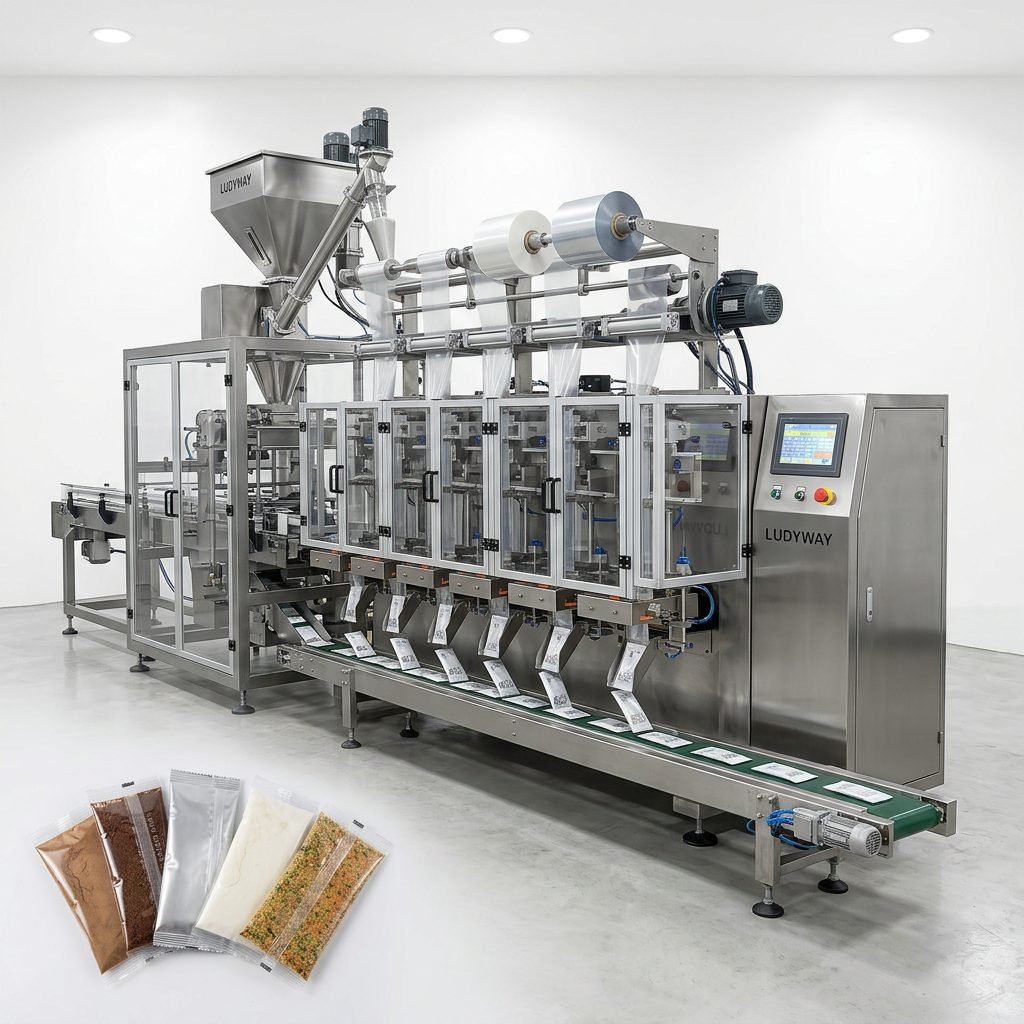
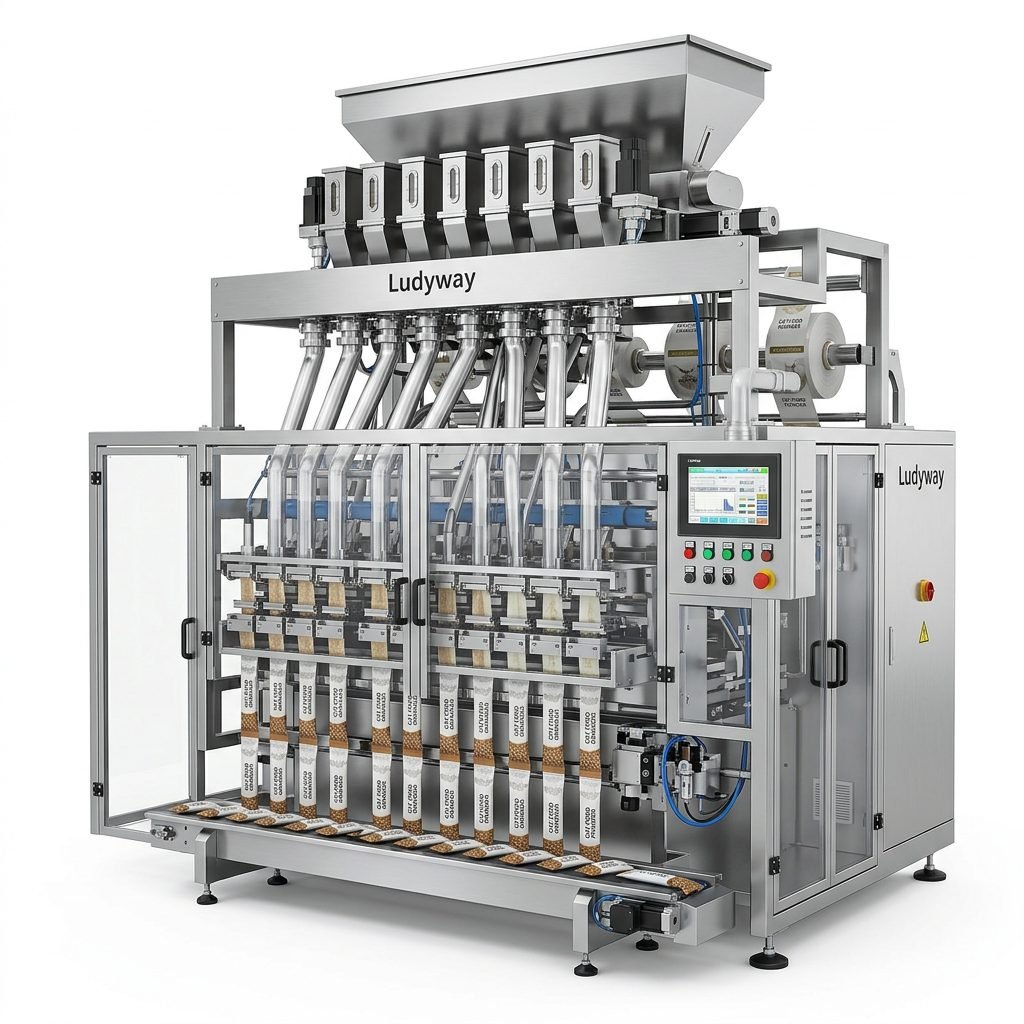
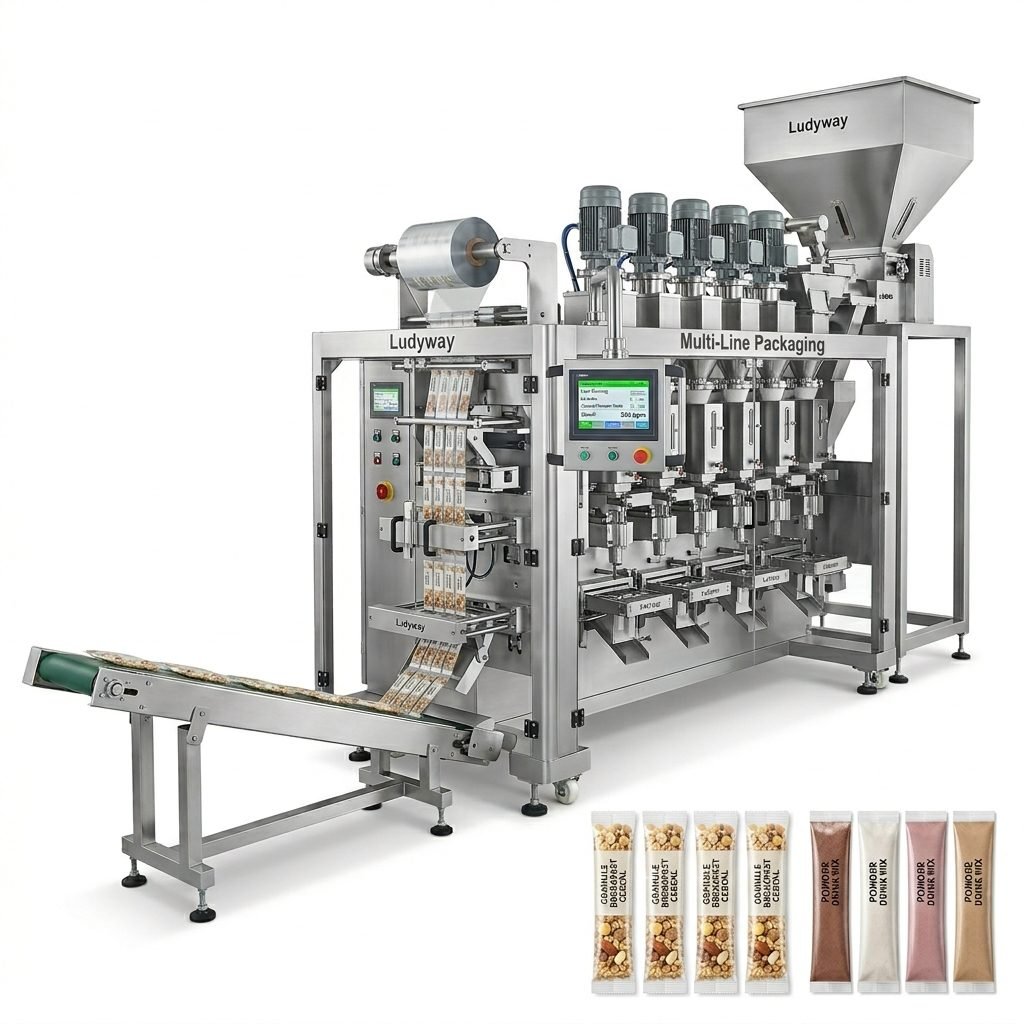
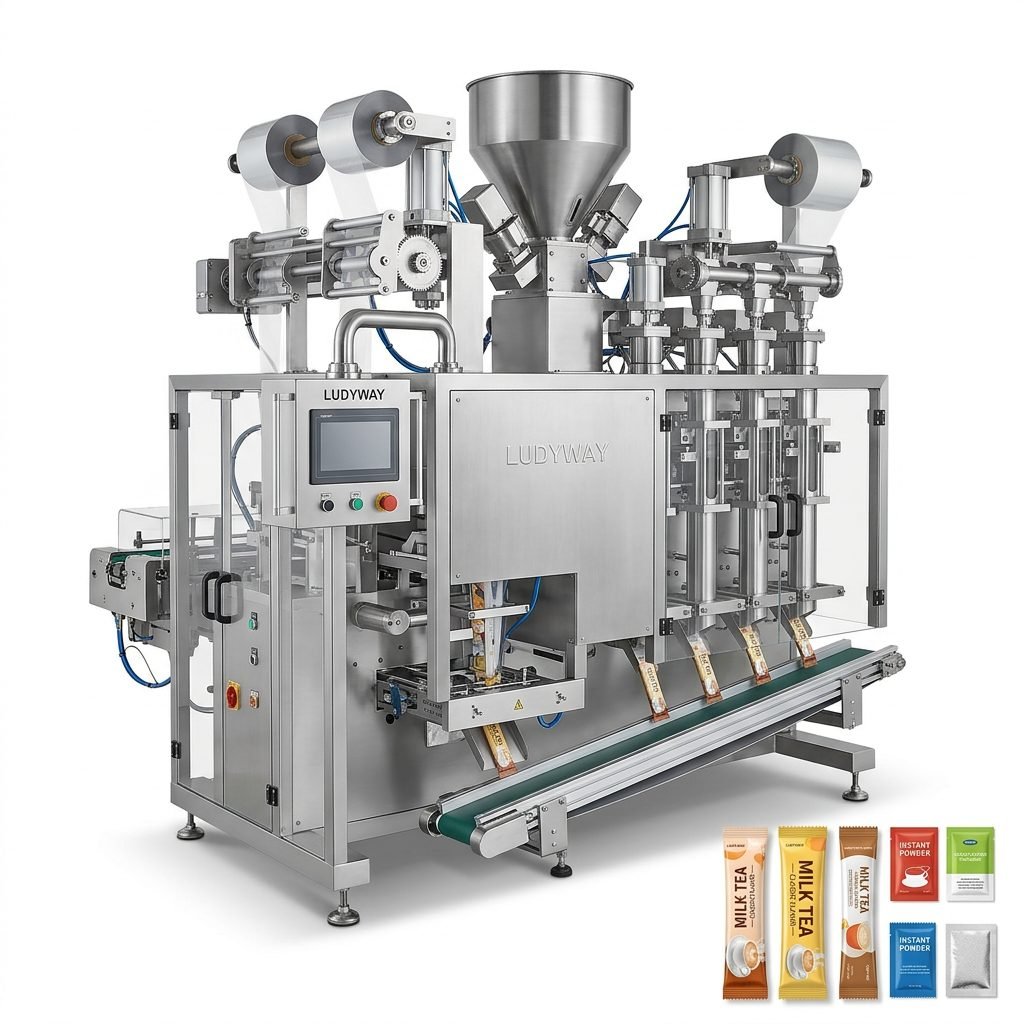
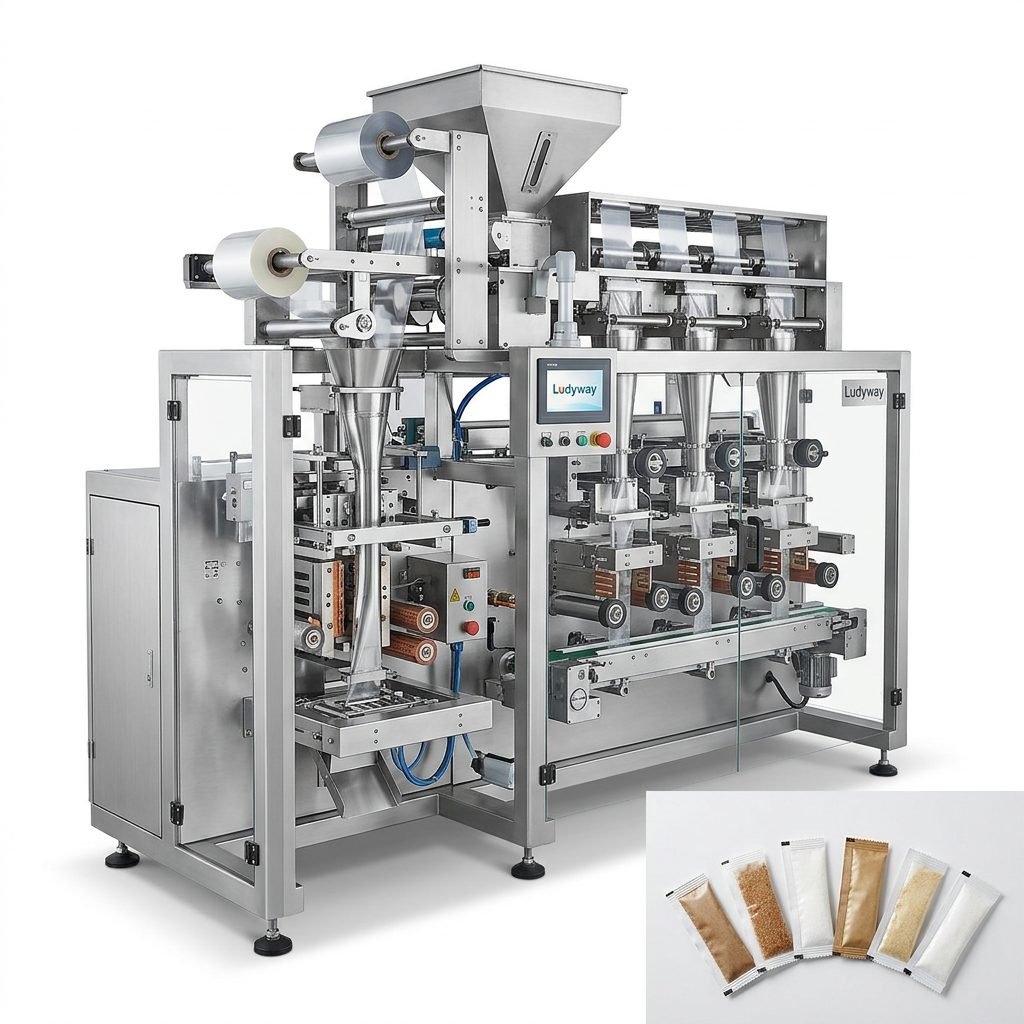
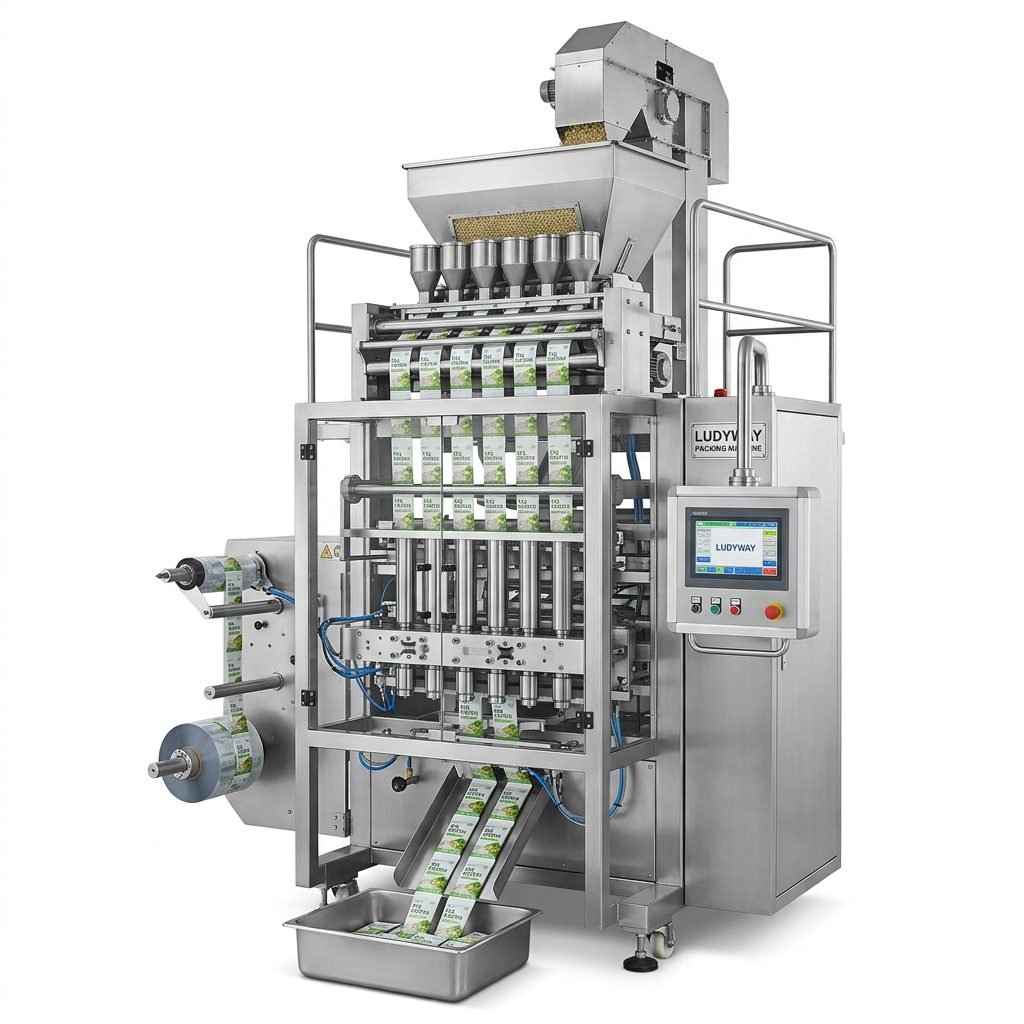
| Stick Packs | Instant coffee, sugar, supplements, drink mixes | High-speed, multi-lane systems for maximum output |
| Sachets (3-side/4-side seal) | Sauces, condiments, single-serve snacks, powders | Versatility in shapes and materials; suitable for liquids and solids |
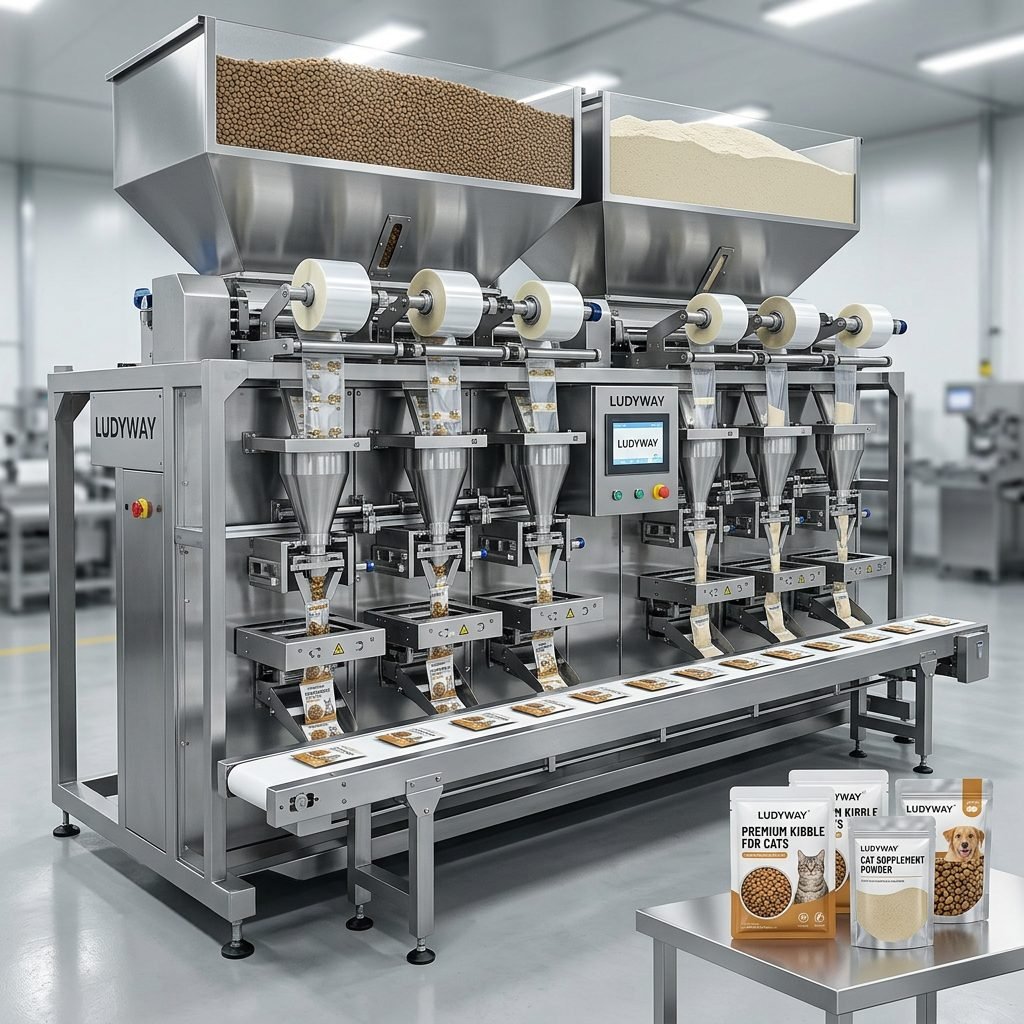
| Doypack / Stand-up Pouches | Muesli, dried fruit, coffee, pet food | Requires pouch making or premade pouch filling systems; excellent shelf appeal |
| Premade Pouch Filling | Larger portions, liquids, fragile products like snacks or tea | Flexibility for short runs and varied pouch styles; robust zipper application options |
3. Critical Technical Specifications and Features
Beyond the basic type, the machine’s technical capabilities will dictate its long-term value. Focus on these key performance indicators to ensure your investment meets current and future production demands in a competitive market.
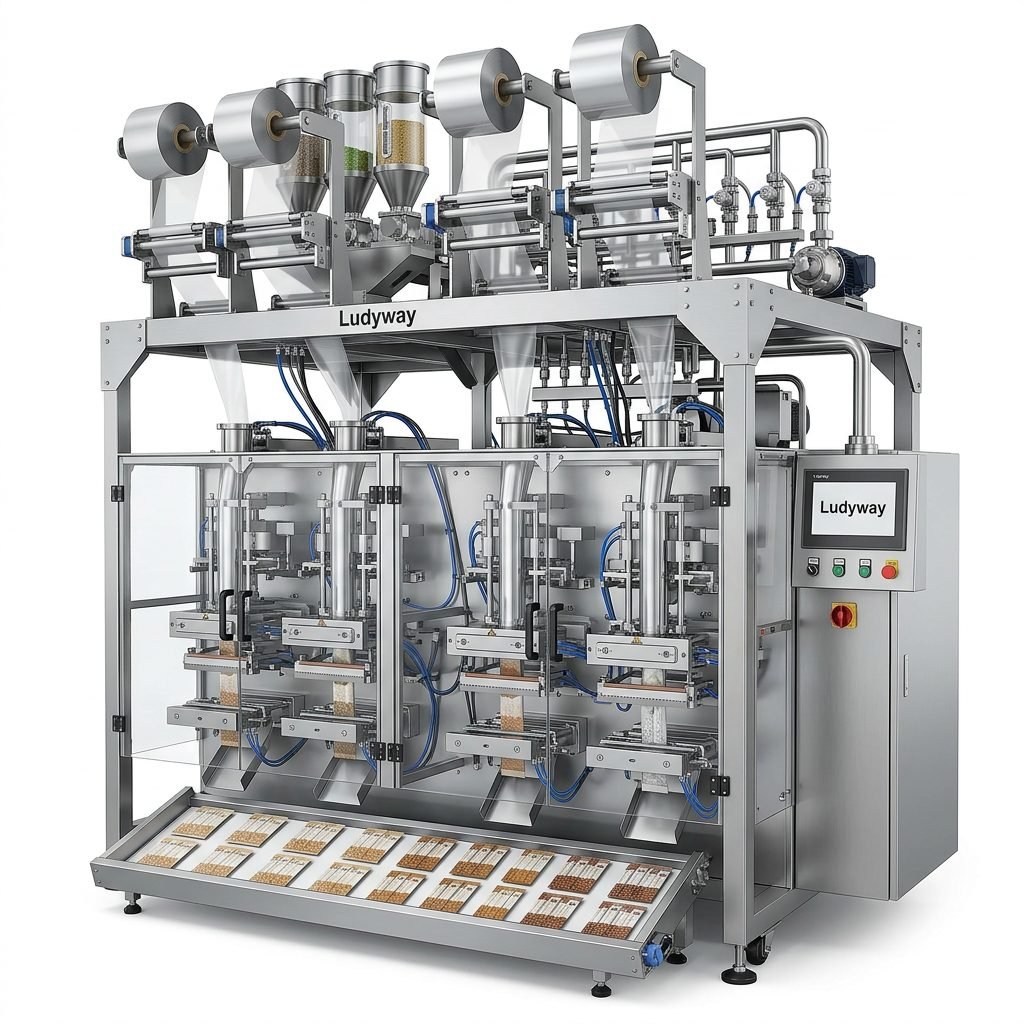
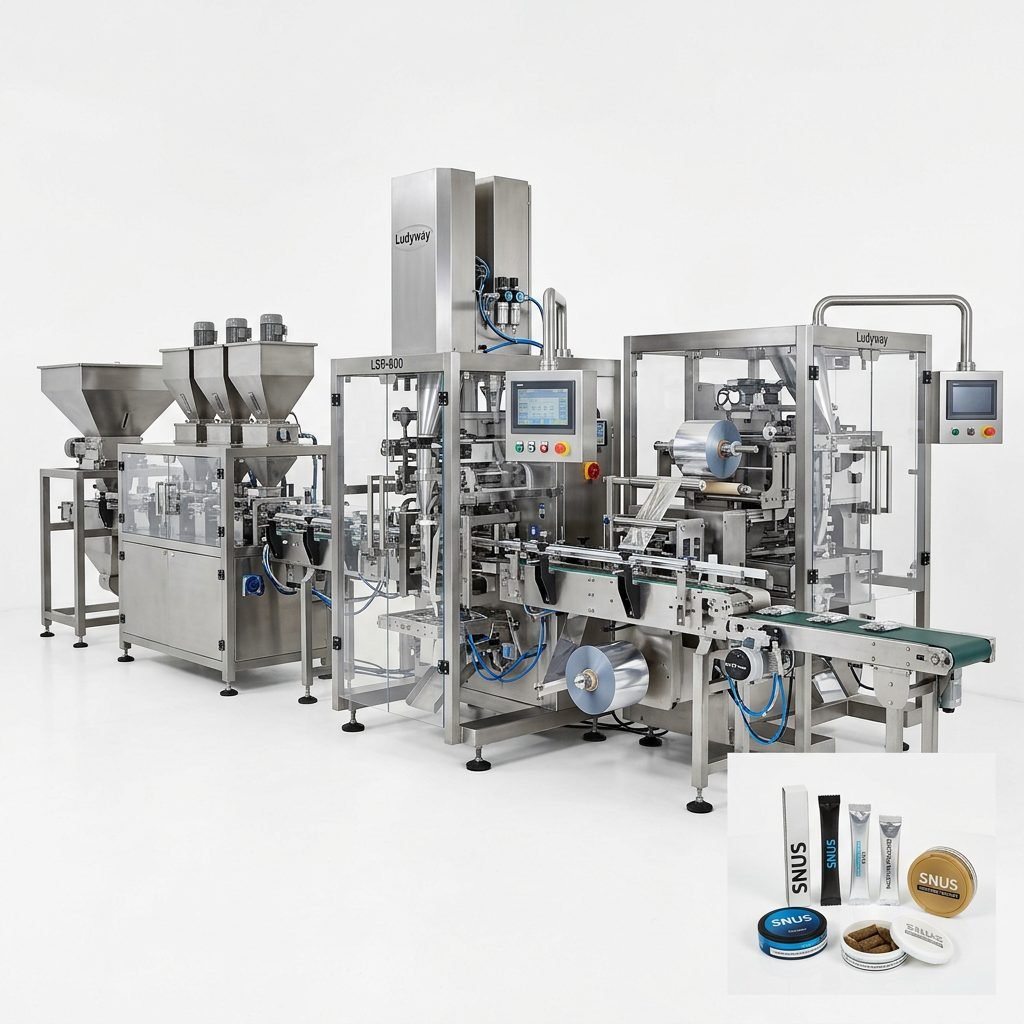
- Automation Level: From semi-automatic to fully automated lines, assess the level of integration needed. A fully integrated turnkey packaging line—including feeding, weighing, filling, sealing, coding, and cartoning—can drastically reduce labor costs and improve consistency, a key concern in the Czech labor market.
- Speed and Output: Measured in packs per minute (ppm), the machine’s speed must align with your production targets. For high-demand products like sugar or instant coffee, a multi-lane stick pack machine can be essential for achieving economies of scale.
- Precision and Accuracy: Accurate weighing and dosing reduce product give-away and ensure consistent portion control, directly impacting profitability. Look for servo-driven auger fillers for powders or multi-head weighers for granules and larger pieces.
- Flexibility and Changeover: In a market with diverse product ranges, the ability to quickly switch between different bag sizes, film types, and product formulations is crucial. A machine with minimal changeover time provides a distinct operational advantage.
4. Assessing Product Compatibility: Granule, Powder, and Liquid Handling
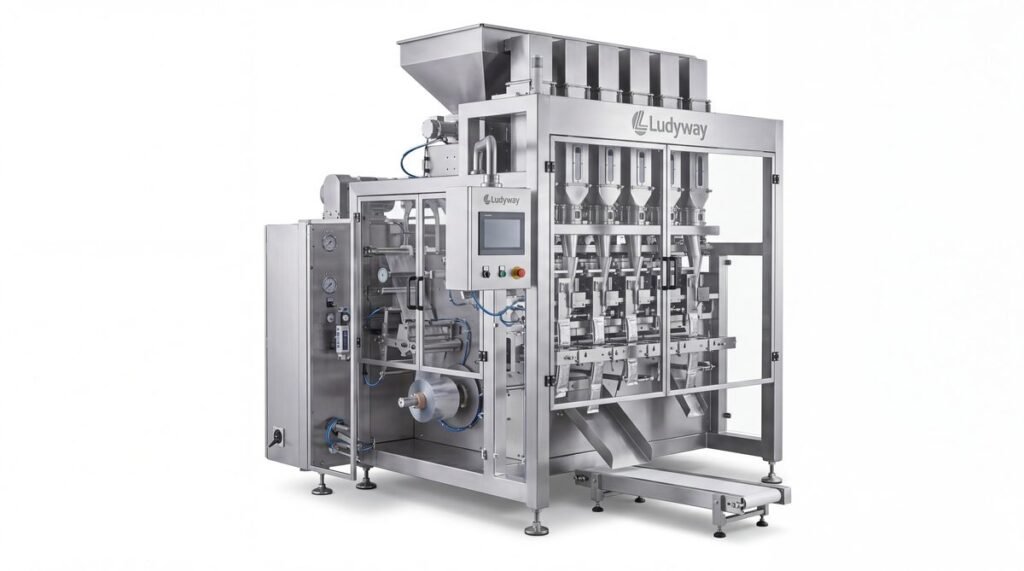
The physical properties of your food product are the primary drivers of machine configuration. A system designed for free-flowing granules will not effectively handle cohesive powders or viscous liquids. Suppliers with expertise across various states of matter, such as Ludyway, which engineers solutions for granule, powder, and liquid packaging, are valuable partners. Consider these points:
- Granules: (e.g., coffee beans, muesli, pet food) typically require volumetric cups or multi-head weighers for gentle, accurate filling.
- Powders: (e.g., flour, protein powder, spices) demand specialized auger fillers with dust extraction systems to ensure clean and precise filling, and proper sealing to prevent contamination in the seal area.
- Liquids and Pastes: (e.g., sauces, soups, jams) need piston pumps or gear pumps with laminar flow control to prevent splashing, foaming, and product waste.
5. The Importance of Local After-Sales Service and Support
Purchasing a food packaging machine is a long-term partnership. In the Czech Republic, responsive technical support, spare parts availability, and preventive maintenance services are critical for minimizing costly downtime. Before finalizing a purchase, thoroughly investigate the following:
- Local Representation: Does the manufacturer have a local distributor, technical team, or service partner in or near the Czech Republic? This is essential for rapid response times.
- Spare Parts Inventory: A local stock of critical wear parts and electronic components ensures that repairs can be completed quickly without transcontinental shipping delays.
- Technical Documentation: Complete, multilingual (including Czech or at minimum, English) documentation, schematics, and troubleshooting guides are vital for operator training and maintenance staff.
6. Total Cost of Ownership and ROI Analysis
While the initial price is a significant factor, a thorough investment analysis requires evaluating the Total Cost of Ownership (TCO). A lower-priced machine can become a financial burden if it suffers from high film waste, excessive energy consumption, frequent downtime, or poor fill accuracy. A robust packaging system is an investment in operational reliability.
- Energy Efficiency: Servo-driven motors and intelligent power management systems consume significantly less electricity than older pneumatic or continuously running counterparts.
- Film Waste: Precision in film feeding and sealing reduces material waste, one of the largest ongoing operational costs.
- Labor Reduction: An automated automated packaging system can reallocate staff to higher-value tasks, addressing labor shortages and improving overall productivity.
- Durability and Longevity: Industrial-grade components, robust stainless steel construction, and a proven track record ensure the machine maintains high performance for many years, providing a stronger return on your investment.
7. Navigating Supplier Evaluation and Partnership
Selecting the right packaging equipment manufacturer is paramount. A reliable partner will guide you through the complexities of machine selection, installation, and ongoing operation. Your evaluation should include a review of the supplier’s global footprint, engineering expertise, and client testimonials. A provider with extensive international experience, particularly within the EU market, will understand the nuances of local business practices and regulatory expectations.
For instance, an established supplier with over 30 years of industry expertise and a modern 20,000㎡ manufacturing facility, such as Ludyway, demonstrates the scale and capability to deliver consistent quality and support for complex projects. When assessing partners, prioritize those who offer comprehensive turnkey packaging solutions—from initial consultation and line design to manufacturing, installation, and lifelong technical support.
Evaluating a machine’s performance through factory acceptance tests (FAT), preferably with your own product and packaging materials, is a non-negotiable step before shipment. This practical validation ensures the equipment meets all specified parameters for your unique application.
Selecting a food packaging machine for the Czech Republic market demands a meticulous, detail-oriented approach that balances technical performance with regulatory adherence and long-term serviceability. By carefully analyzing these key factors—from EU compliance and packaging format to supplier reliability and total cost of ownership—you can make a confident, informed decision that strengthens your competitive position and drives sustainable growth in the Central European market.