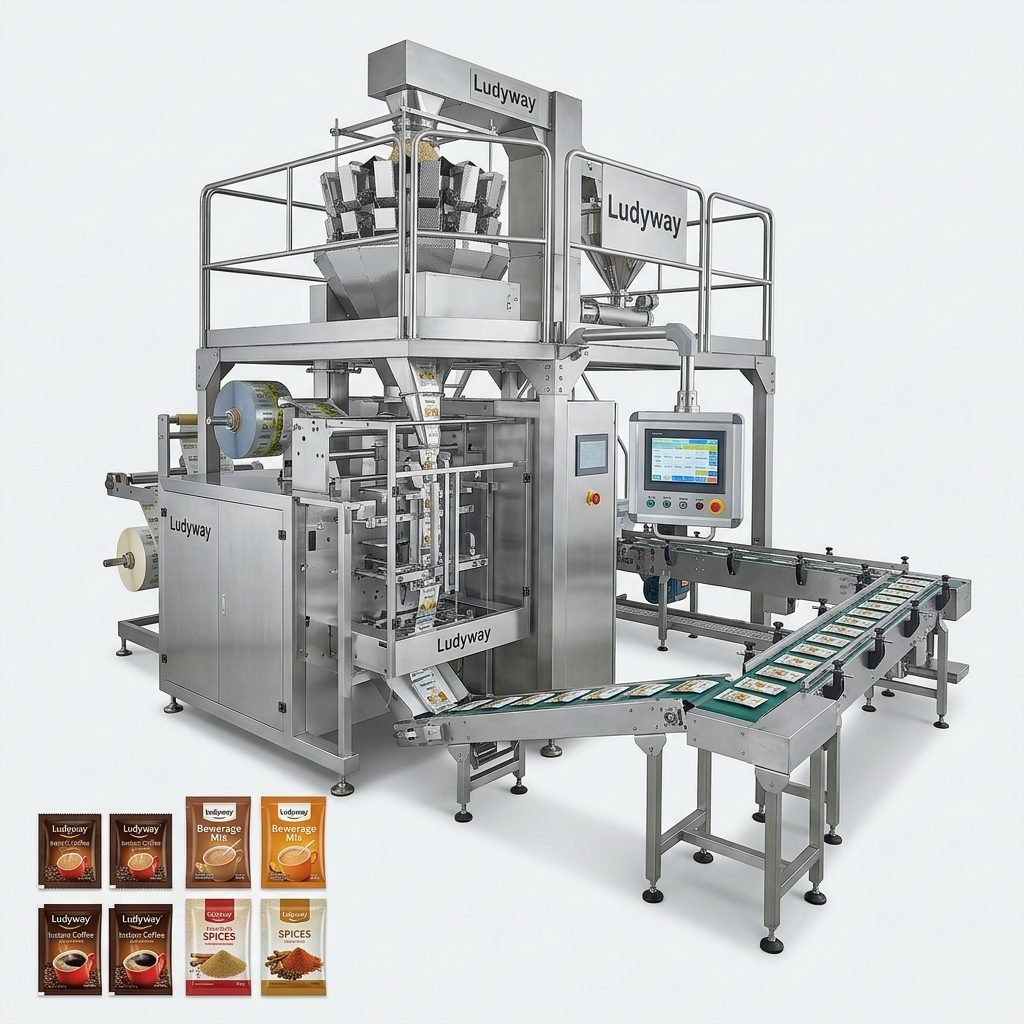
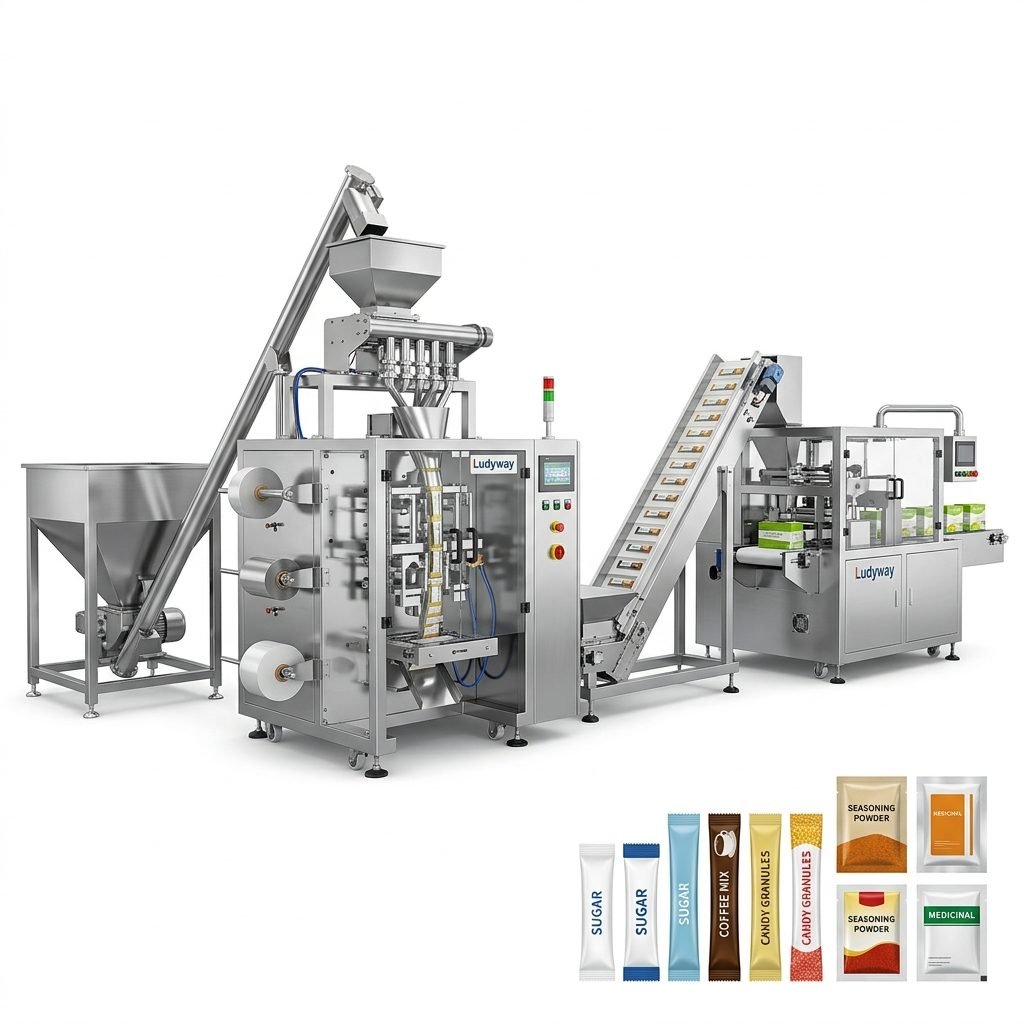
Regular maintenance of a small vacuum packing machine is essential to ensure consistent sealing quality, extend equipment lifespan, and avoid costly downtime. Whether you use it daily in a commercial kitchen, laboratory, or small-scale production environment, adopting a systematic cleaning and maintenance routine will keep your machine running at peak performance. Below are practical, easy-to-follow steps that anyone can implement.

Why Routine Maintenance Matters
Vacuum packing machines rely on precise sealing bars, gaskets, and vacuum pumps that can degrade over time if not properly cared for. Food particles, dust, and moisture are the most common culprits behind seal failures and reduced vacuum efficiency. A well-maintained machine not only produces better results but also reduces energy consumption and prevents unexpected breakdowns. According to PMMI packaging industry data, preventive maintenance can cut equipment-related downtime by up to 45%.
Daily Cleaning Routine
After each day of operation, perform these quick but vital tasks:
- Unplug the machine from the power source before any cleaning activity to ensure safety.
- Remove the sealing bar cover and wipe it with a soft, lint-free cloth dampened with warm water. Avoid abrasive cleaners that can scratch the surface.
- Inspect the sealing gasket for food residue or debris. Use a small, soft brush to gently clean the groove area where the gasket sits.
- Wipe down the vacuum chamber with a dry or slightly damp microfiber cloth. Ensure no moisture remains before reassembling.
- Check the vacuum oil level (if your model uses an oil pump) and top up if necessary. Cloudy or dark oil indicates it’s time for a change.
Weekly Maintenance Checks
Set aside time each week to go beyond surface cleaning and inspect critical components. These steps will help you catch early signs of wear before they become major issues.

- Examine the sealing wire or tape for any signs of burning, pitting, or uneven wear. Replace if the surface appears damaged or if seals are inconsistent.
- Clean the vacuum pump inlet filter. A clogged filter restricts airflow and forces the pump to work harder, reducing its lifespan.
- Lubricate moving parts such as hinges and lid mechanisms with food-grade silicone lubricant if recommended by the manufacturer.
- Run a test cycle with an empty bag to confirm that the vacuum gauge reaches the expected pressure level and the seal holds firmly.
- Inspect electrical cords and connections for any fraying or loose contacts.
Monthly Deep Cleaning and Component Inspection
A monthly deep clean addresses areas that daily wiping cannot reach. This routine is especially important for machines used with powders, liquids, or oily products. Refer to Flexible Packaging Association resources for additional guidance on material compatibility and best practices.
- Deep clean the vacuum chamber using a mild, non-corrosive cleaning solution. Pay special attention to corners and crevices where bacteria can accumulate.
- Remove and clean the sealing bar assembly thoroughly. Check for any warping or uneven surfaces that could affect heat distribution.
- Change the vacuum pump oil if applicable. Old oil loses its lubricating properties and can contain contaminants that damage internal pump components.
- Inspect all hoses and fittings for cracks, looseness, or blockages. Replace any compromised parts immediately.
- Calibrate the digital control panel if your machine has one, following the manufacturer’s instructions to maintain accurate temperature and vacuum settings.

Maintenance Schedule at a Glance
| Task | Frequency | Notes |
|---|---|---|
| Wipe sealing bar and gasket | Daily | Use lint-free cloth, avoid abrasives |
| Clean vacuum chamber | Daily | Ensure completely dry before use |
| Check sealing wire condition | Weekly | Replace if worn or pitted |
| Clean pump inlet filter | Weekly | Improves vacuum efficiency |
| Lubricate moving parts | Weekly | Use food-grade lubricant only |
| Deep clean all components | Monthly | Use mild cleaning solution |
| Change vacuum pump oil | Monthly | Or as indicated by oil condition |
| Inspect hoses and fittings | Monthly | Replace cracked or loose parts |
Common Issues and Quick Troubleshooting
Even with diligent maintenance, occasional issues may arise. Knowing how to quickly diagnose and resolve them saves time and money. Check the PMMI packaging industry resources for more detailed technical standards and troubleshooting guides.
- Weak or incomplete seal: This usually indicates a dirty or worn sealing wire. Clean the wire first; if the problem persists, replace it. Also check that the sealing bar is pressing evenly across the entire bag width.
- Slow vacuum cycle: A clogged filter, low oil level, or leaky gasket can cause this. Inspect each in order, starting with the easiest to check — the gasket seal around the lid.
- Excessive noise: Grinding or rattling sounds from the pump often point to contaminated oil or internal wear. Change the oil immediately and monitor for improvement.
- Machine not powering on: Verify the power cord and outlet, then check the fuse if your model has one. Overheating protection may have been triggered; allow the machine to cool before retrying.
Best Practices for Long-Term Reliability
Adopting the following habits will significantly extend the life of your vacuum packing machine and maintain its resale value should you ever decide to upgrade.
- Always allow the machine to cool for at least 15-20 minutes after extended use before cleaning or storing.
- Store the machine in a clean, dry environment away from direct sunlight and humidity, which can degrade rubber gaskets and electronic components.
- Use only manufacturer-recommended replacement parts and vacuum bags. Inferior bags can leave residue on the sealing bar and compromise vacuum performance.
- Keep a maintenance log to track oil changes, part replacements, and cleaning dates. This makes troubleshooting easier and helps schedule preventive interventions.
- Schedule a professional service inspection annually, especially for machines used in demanding applications such as liquid or powder packaging.

When to Seek Professional Support
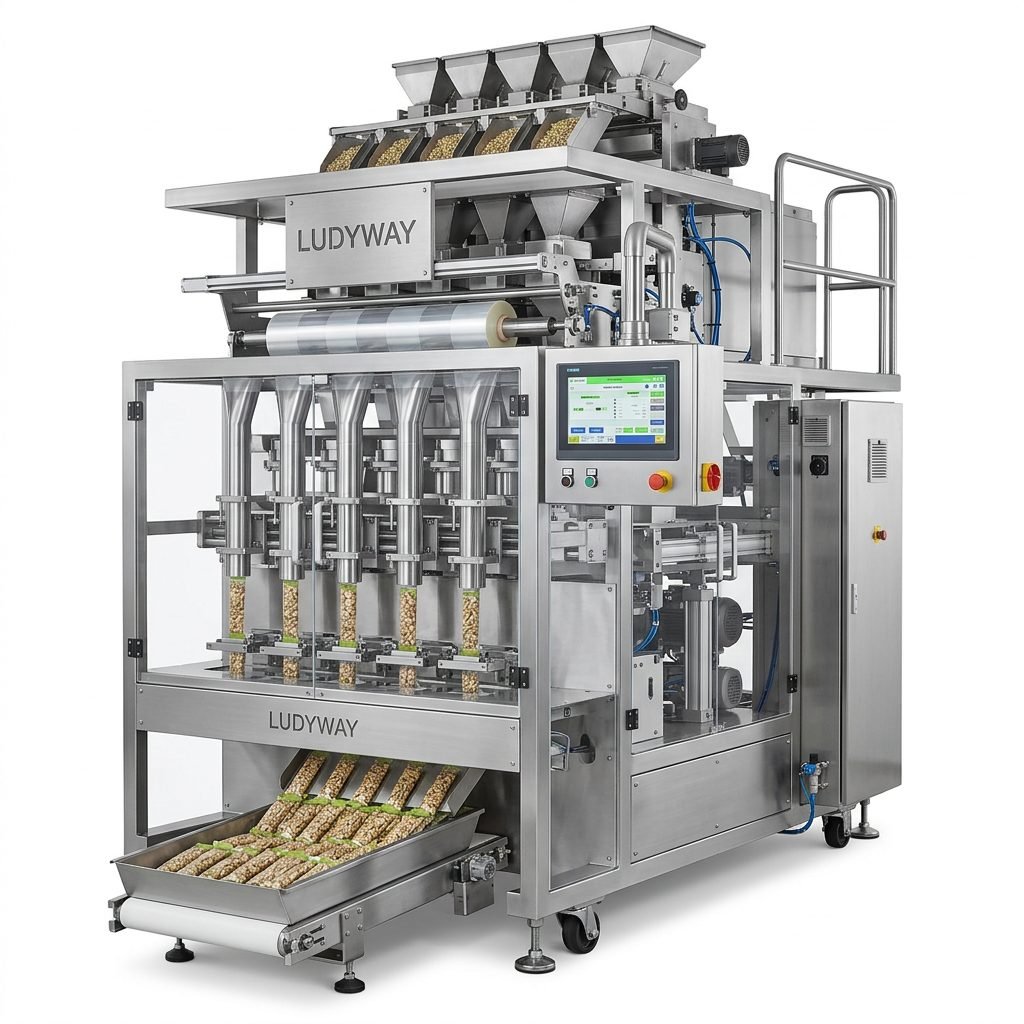
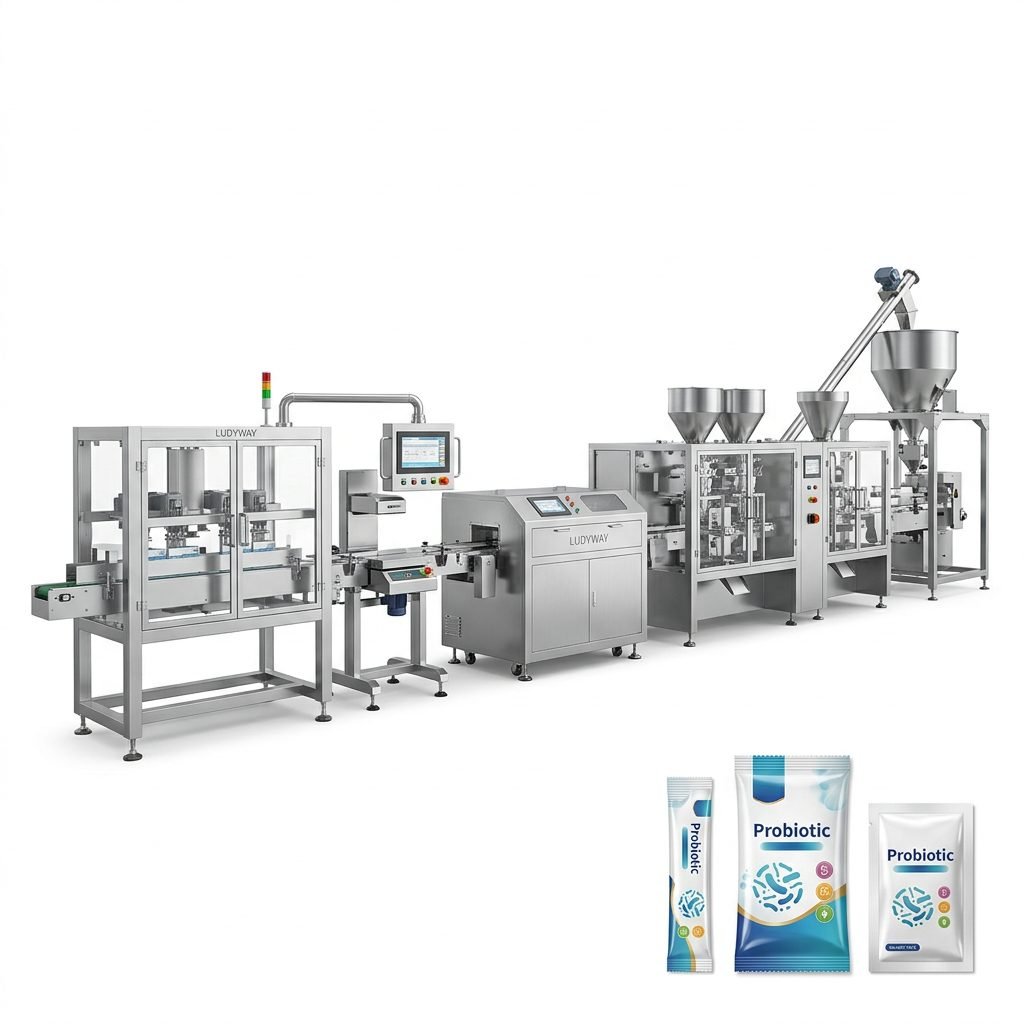
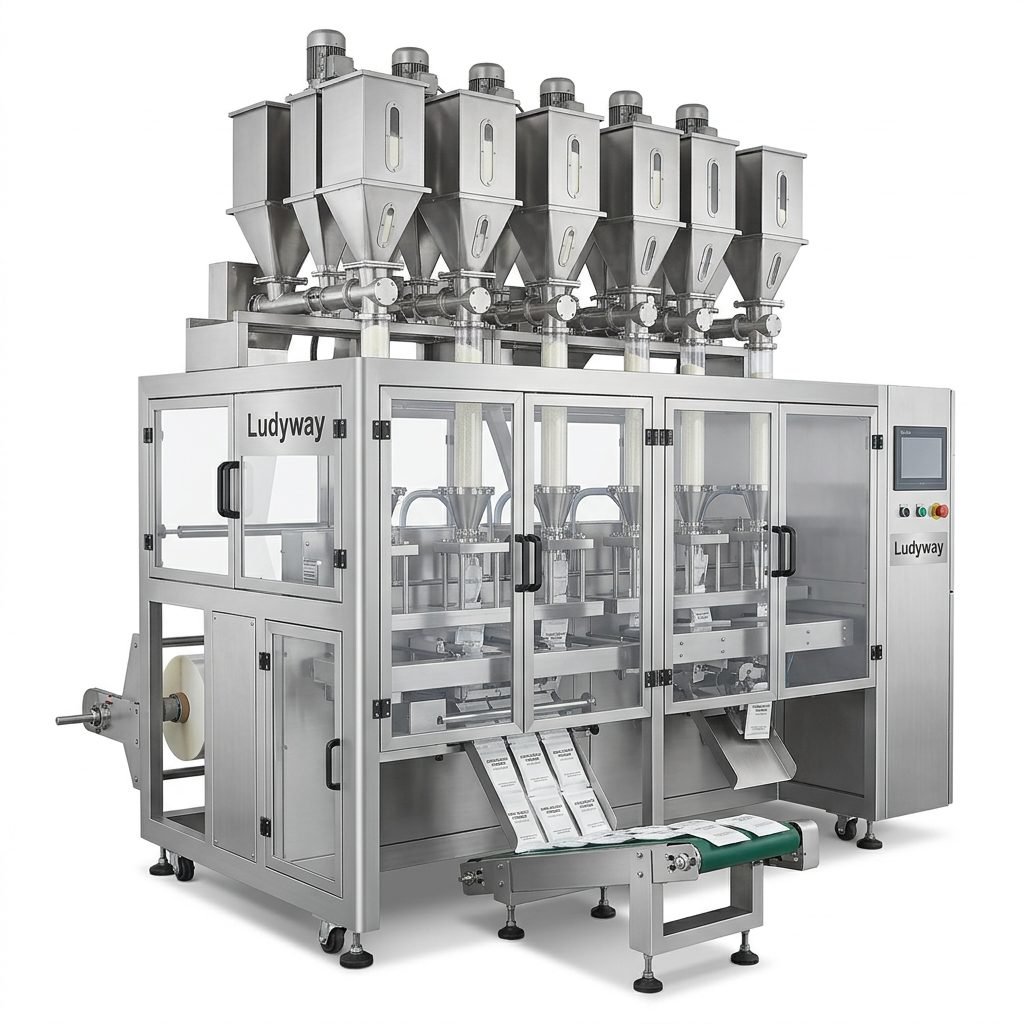
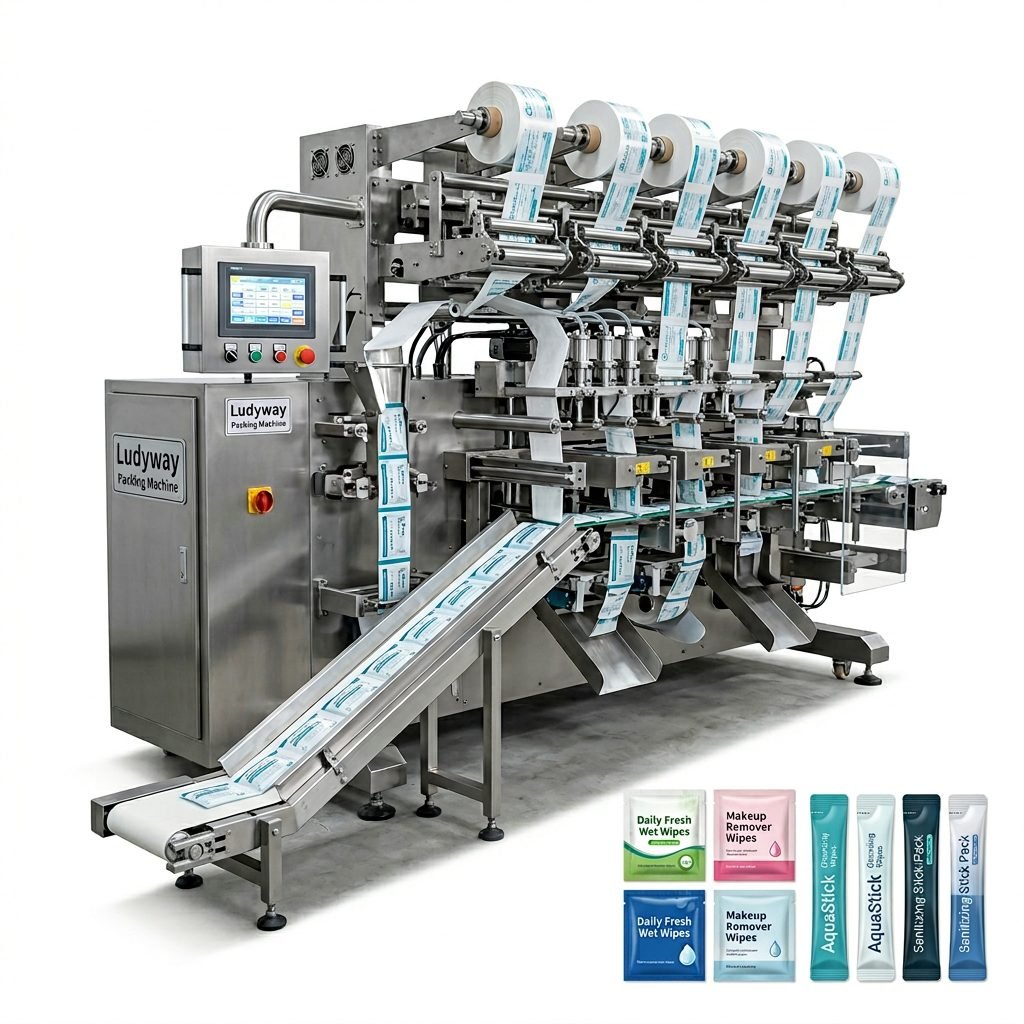
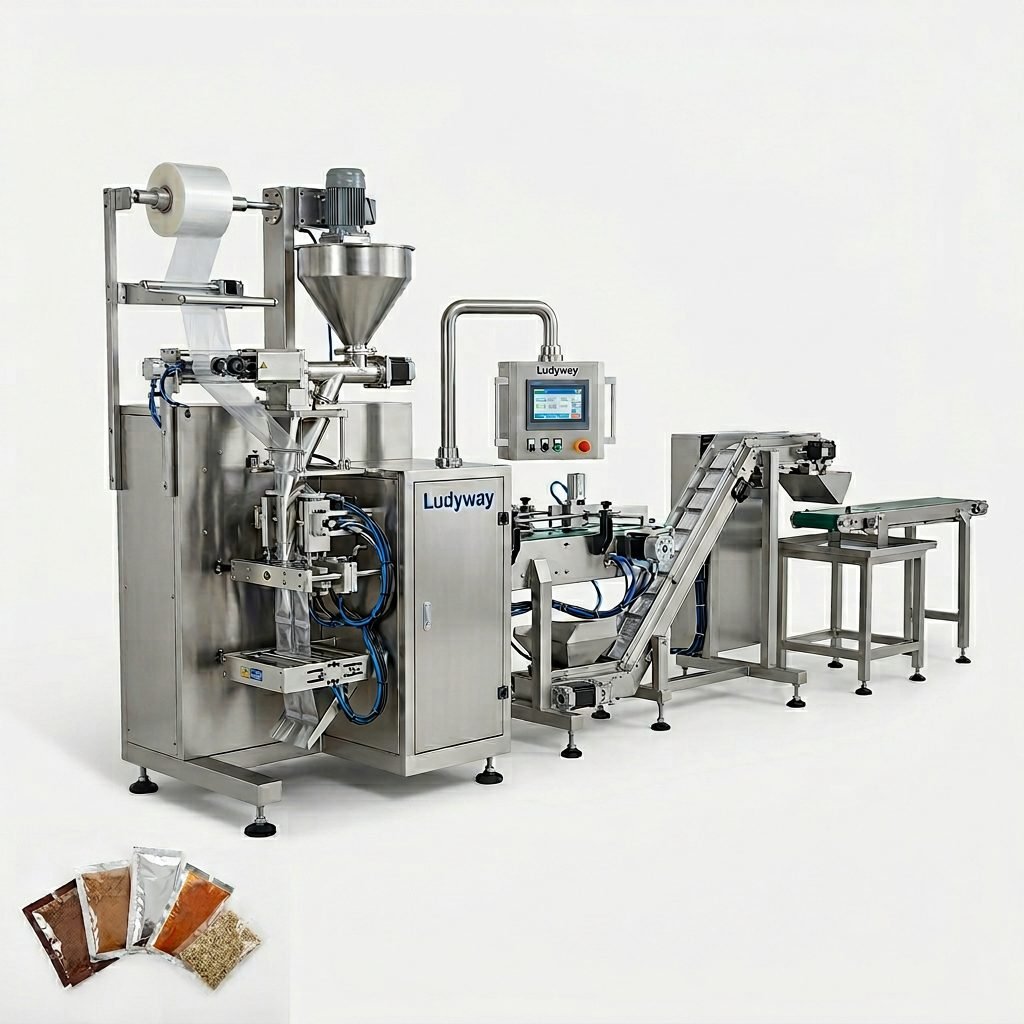
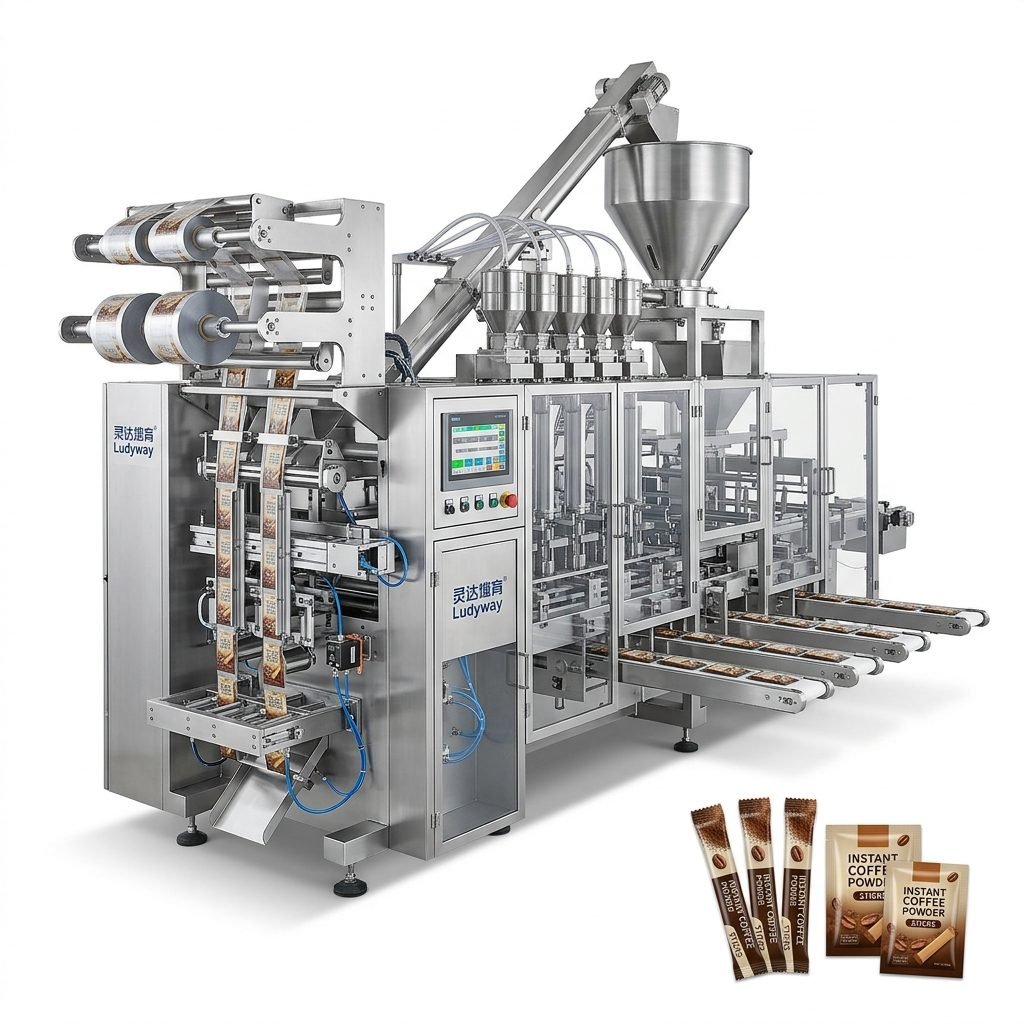
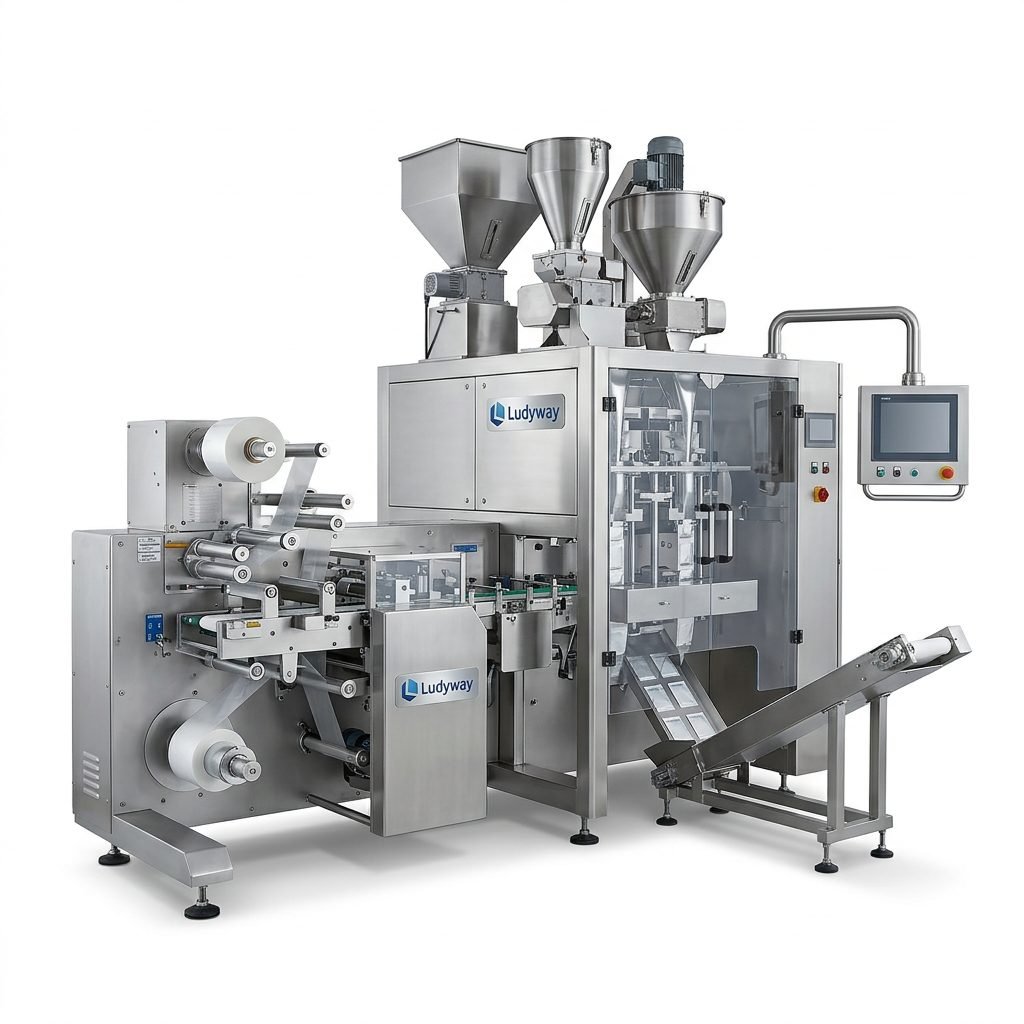
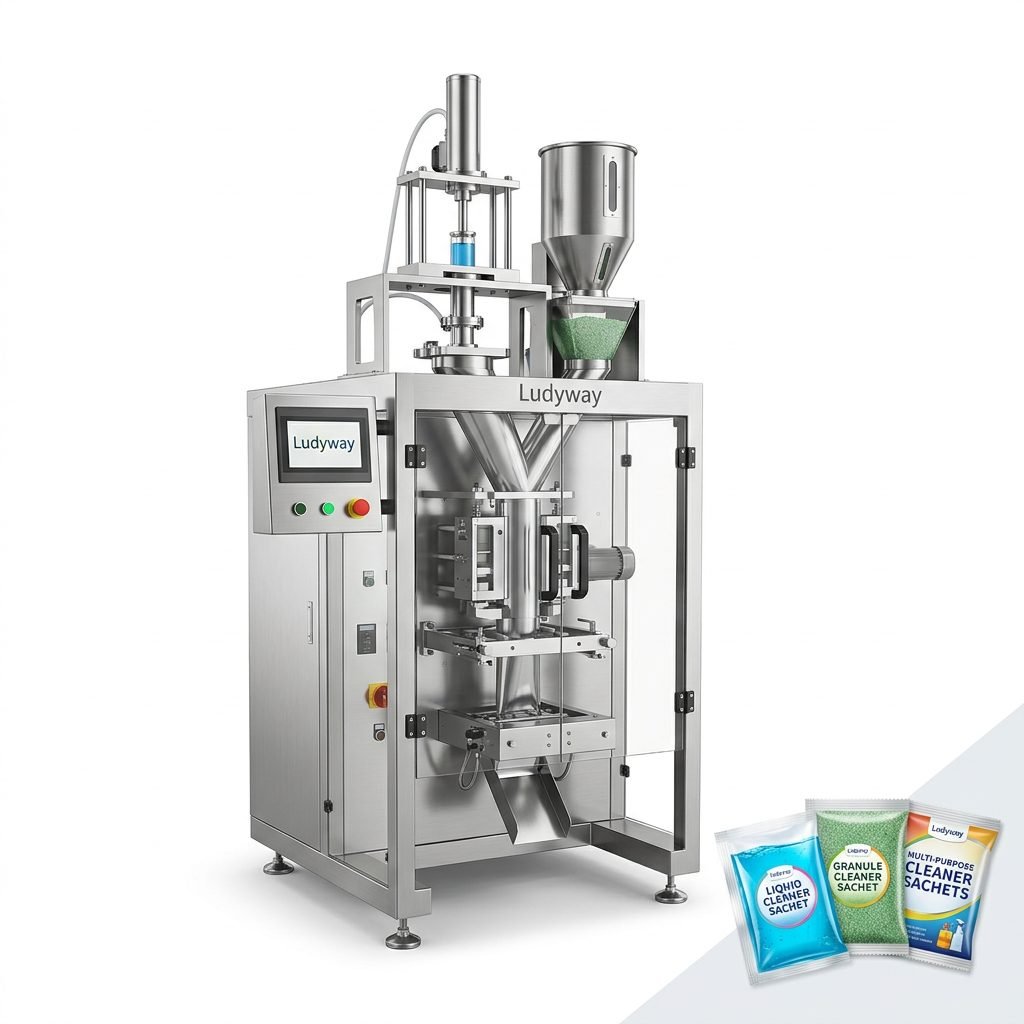
If you encounter persistent vacuum leaks, unusual vibrations, or electrical faults that cannot be resolved with basic troubleshooting, it is time to contact a qualified technician. Ludyway, one of the largest packaging machine manufacturers in China with over 30 years of industry experience, provides professional technical support and genuine spare parts for a wide range of packaging equipment, including small vacuum packing machines. Their engineering team can assist with remote diagnostics, on-site repairs, and customized maintenance plans tailored to your specific production needs.
Consistent care is the most cost-effective strategy for keeping your equipment in top condition. By integrating these cleaning and maintenance tips into your routine, you will protect your investment and ensure reliable, high-quality packaging results for years to come.