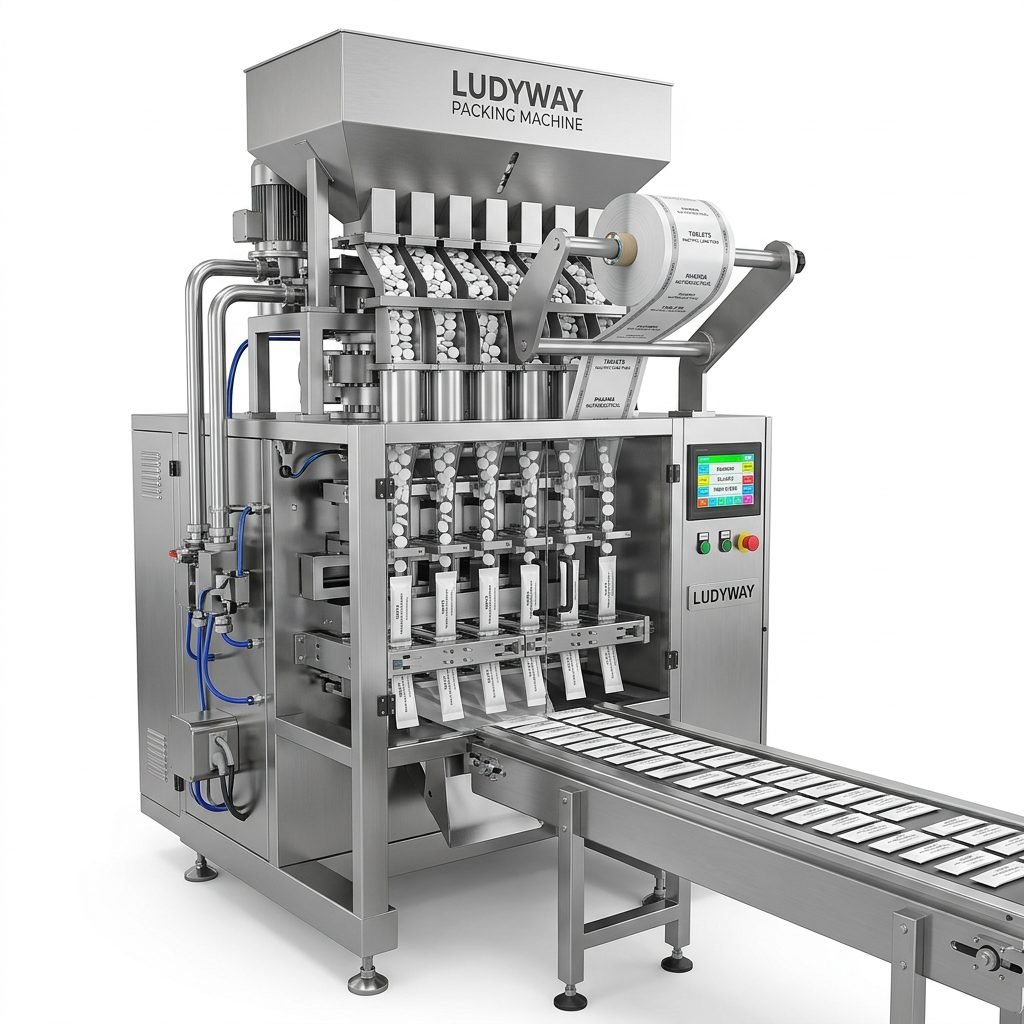
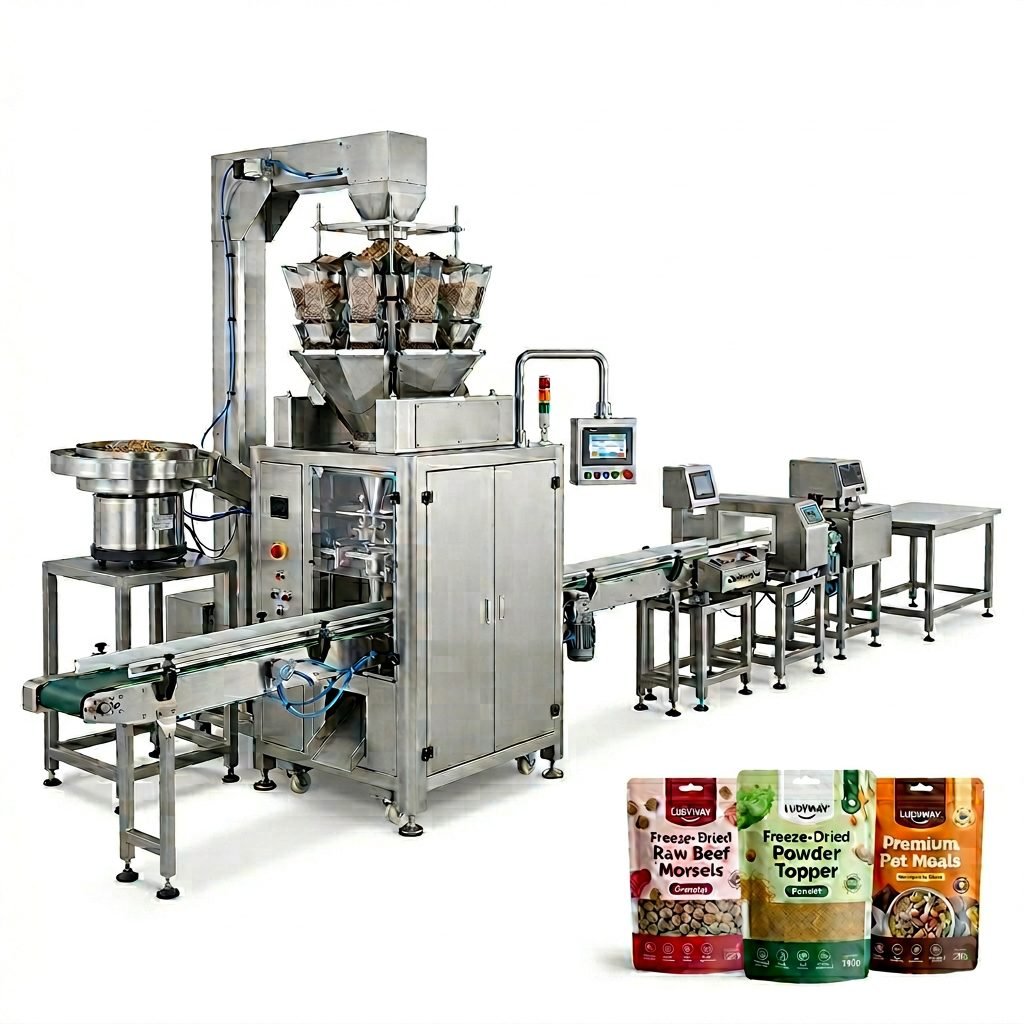
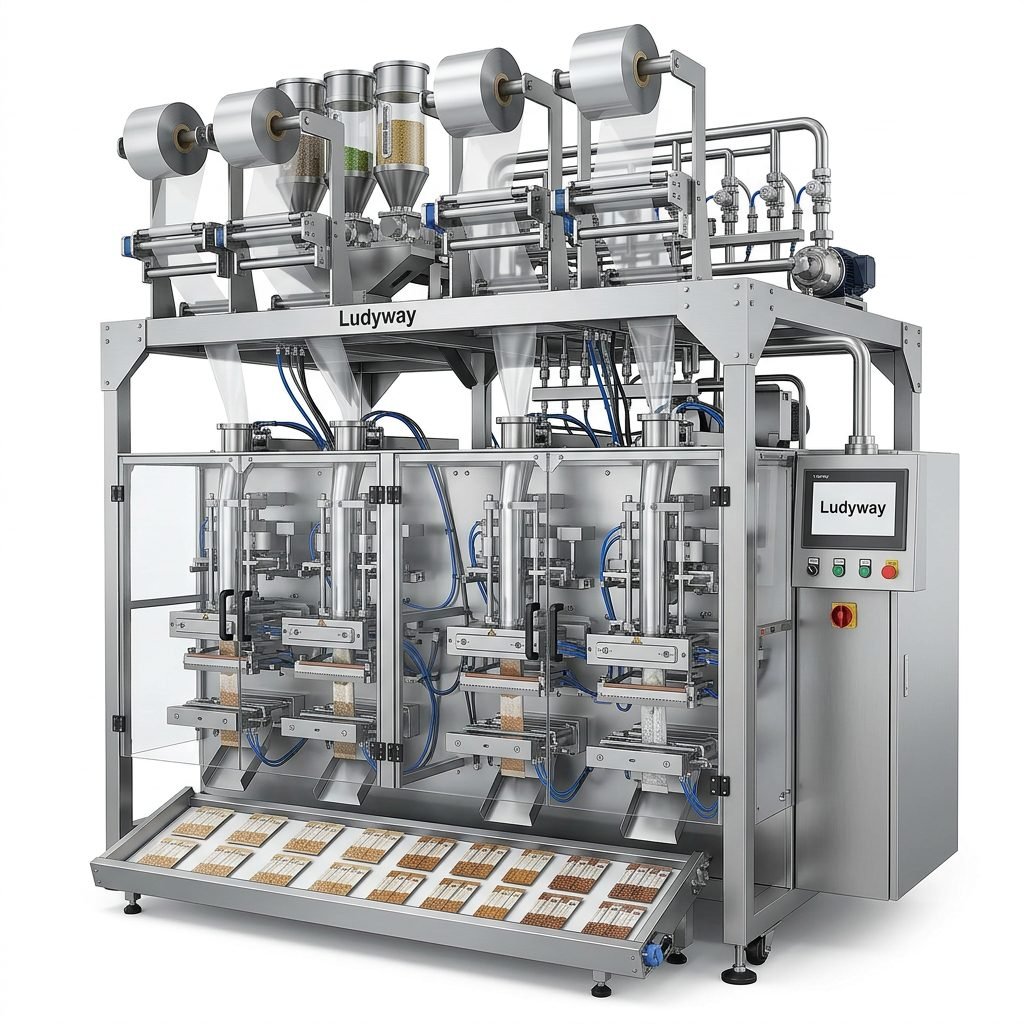
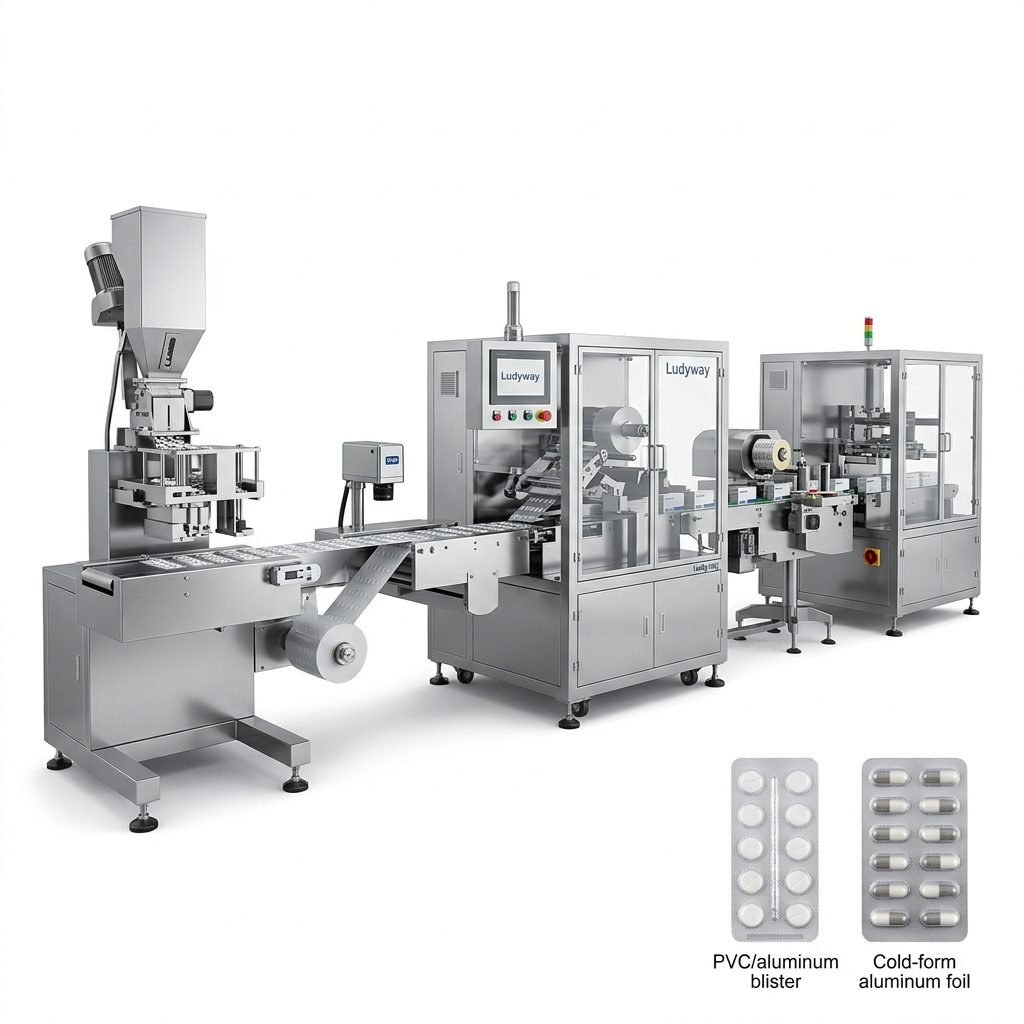
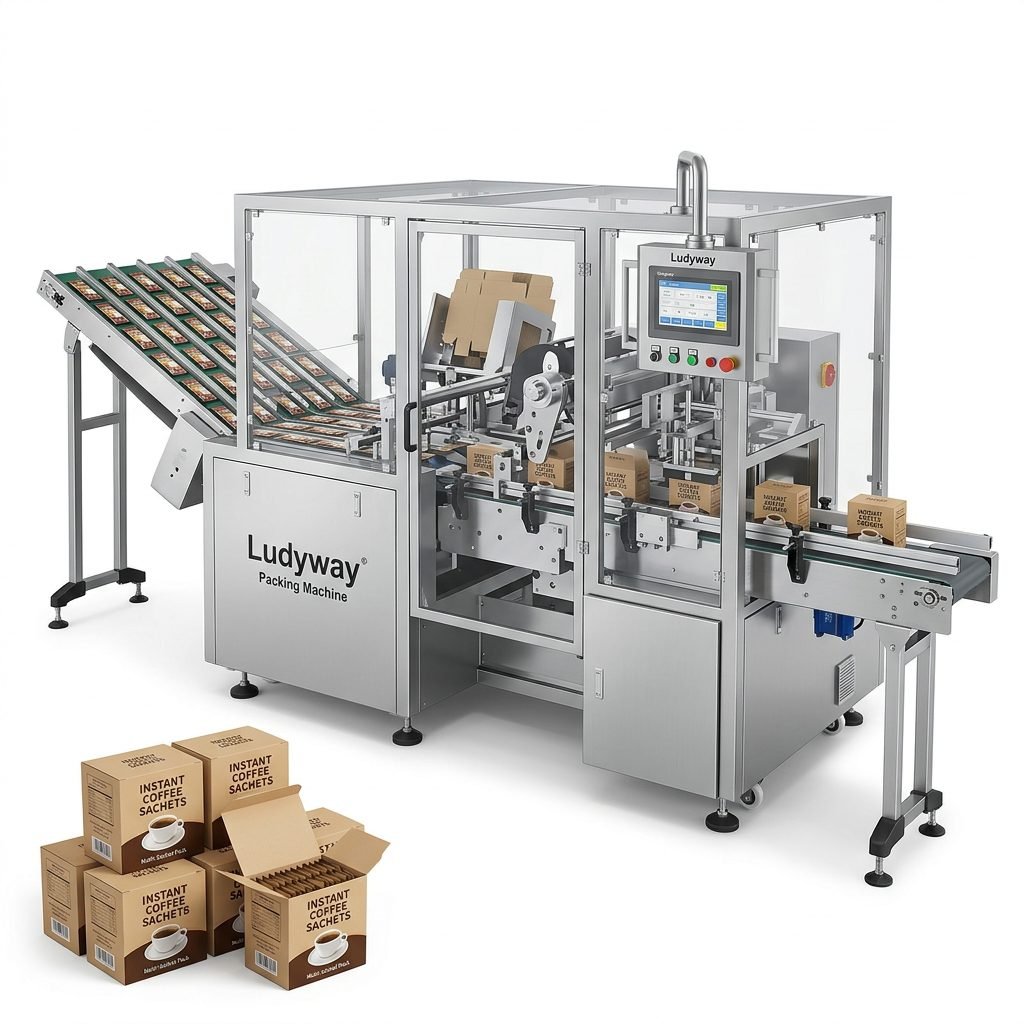
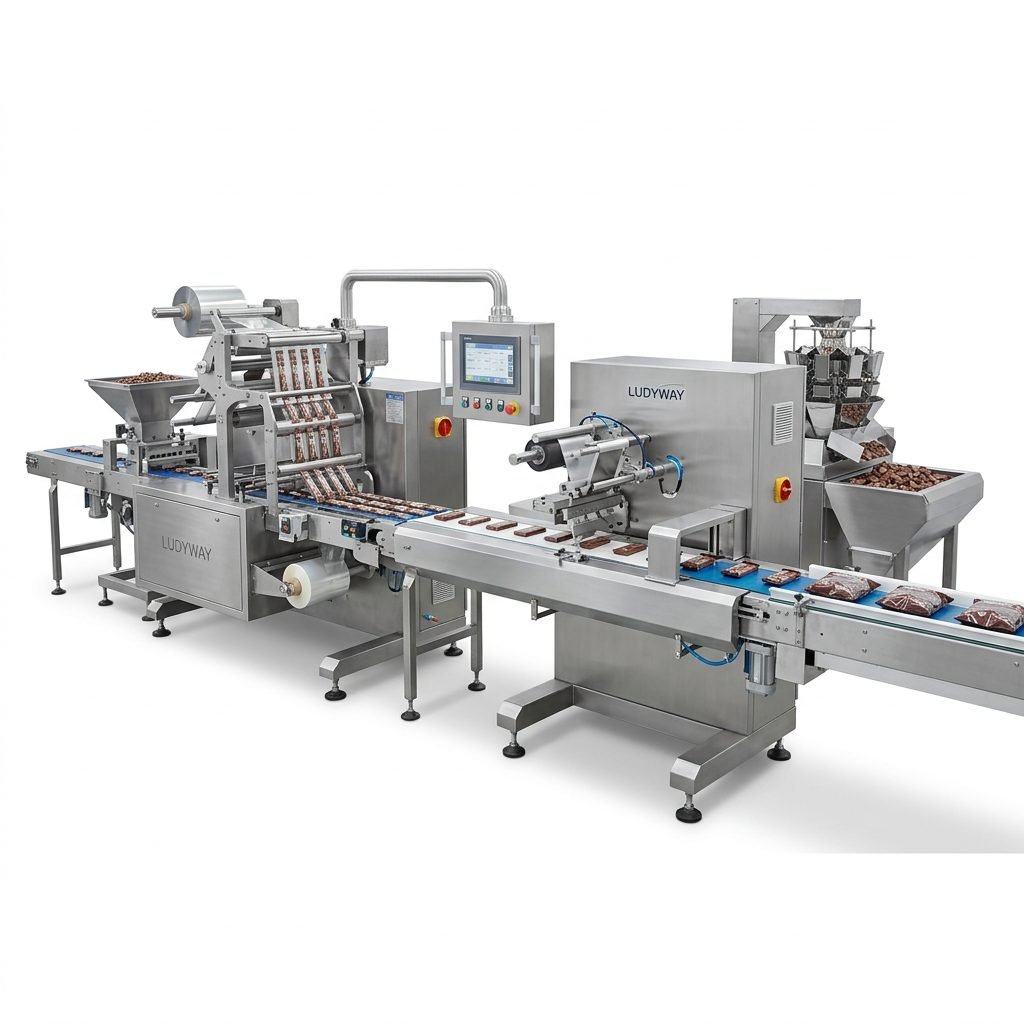
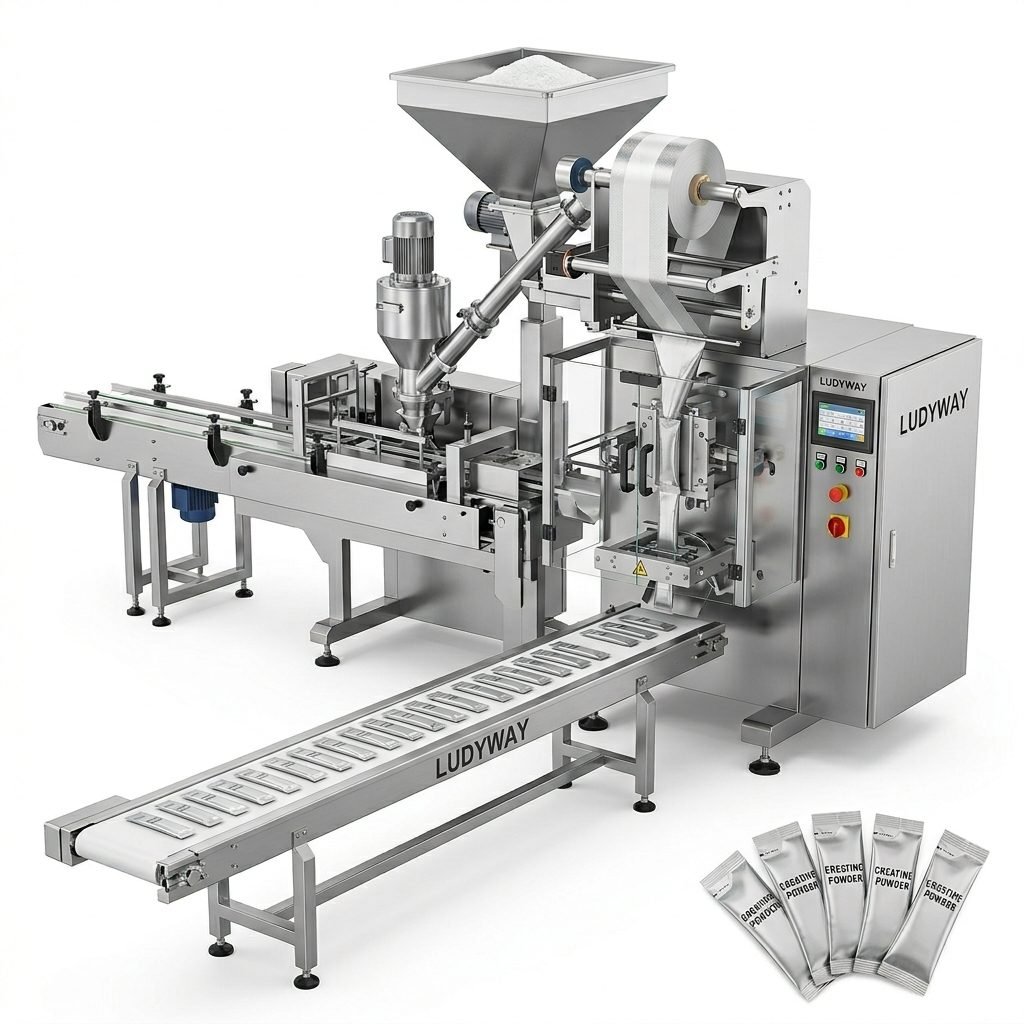
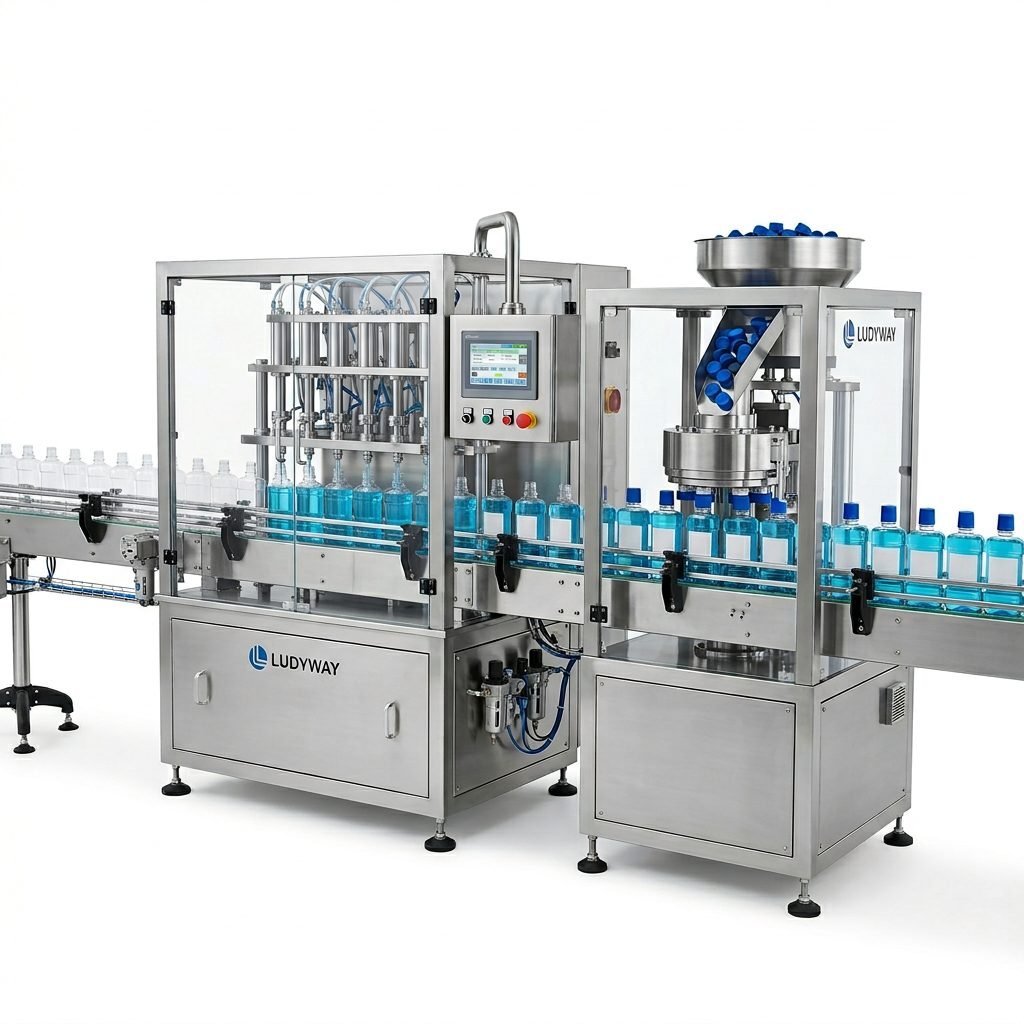
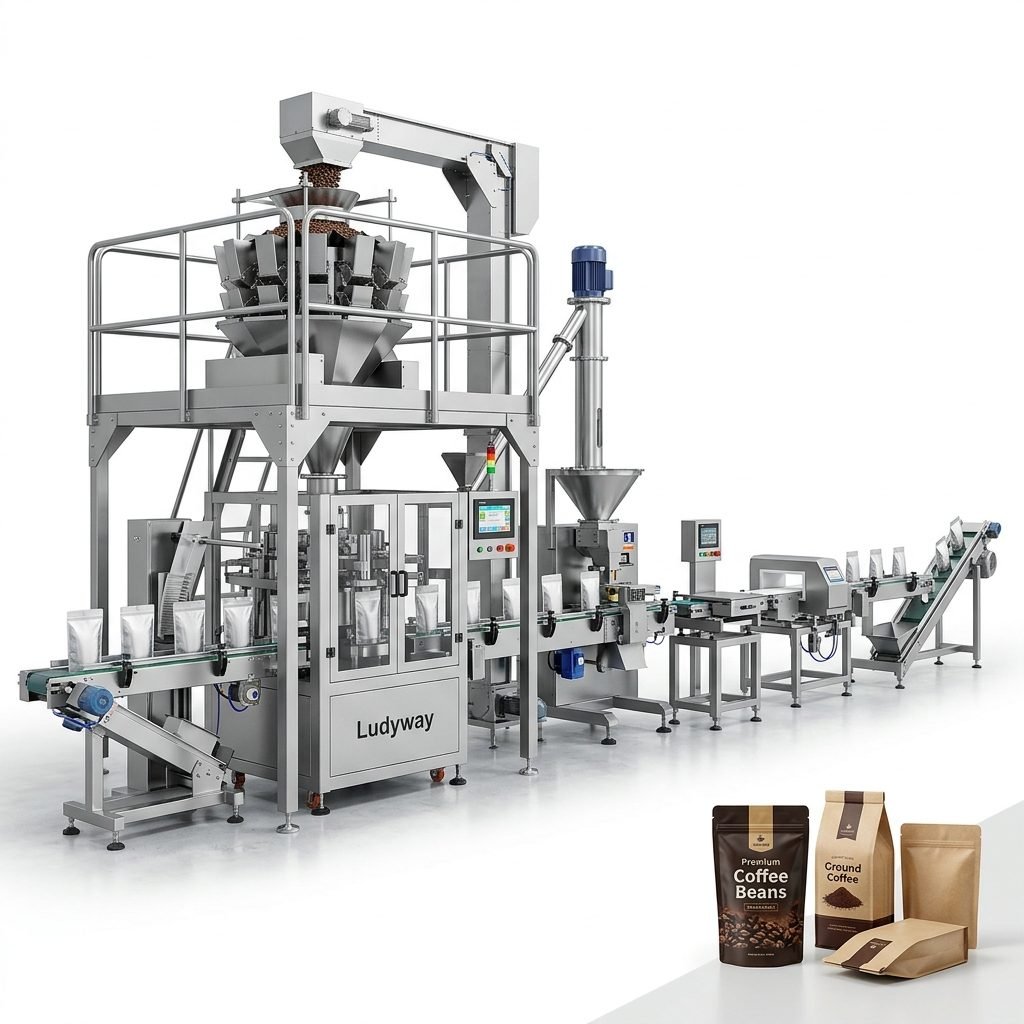
Regular maintenance is the cornerstone of ensuring your bean packaging machine operates at peak efficiency. Without a consistent upkeep routine, even the most robust packaging equipment can experience unexpected downtime, compromising production schedules and product quality. This guide outlines essential maintenance practices to maximize the lifespan and performance of your investment.
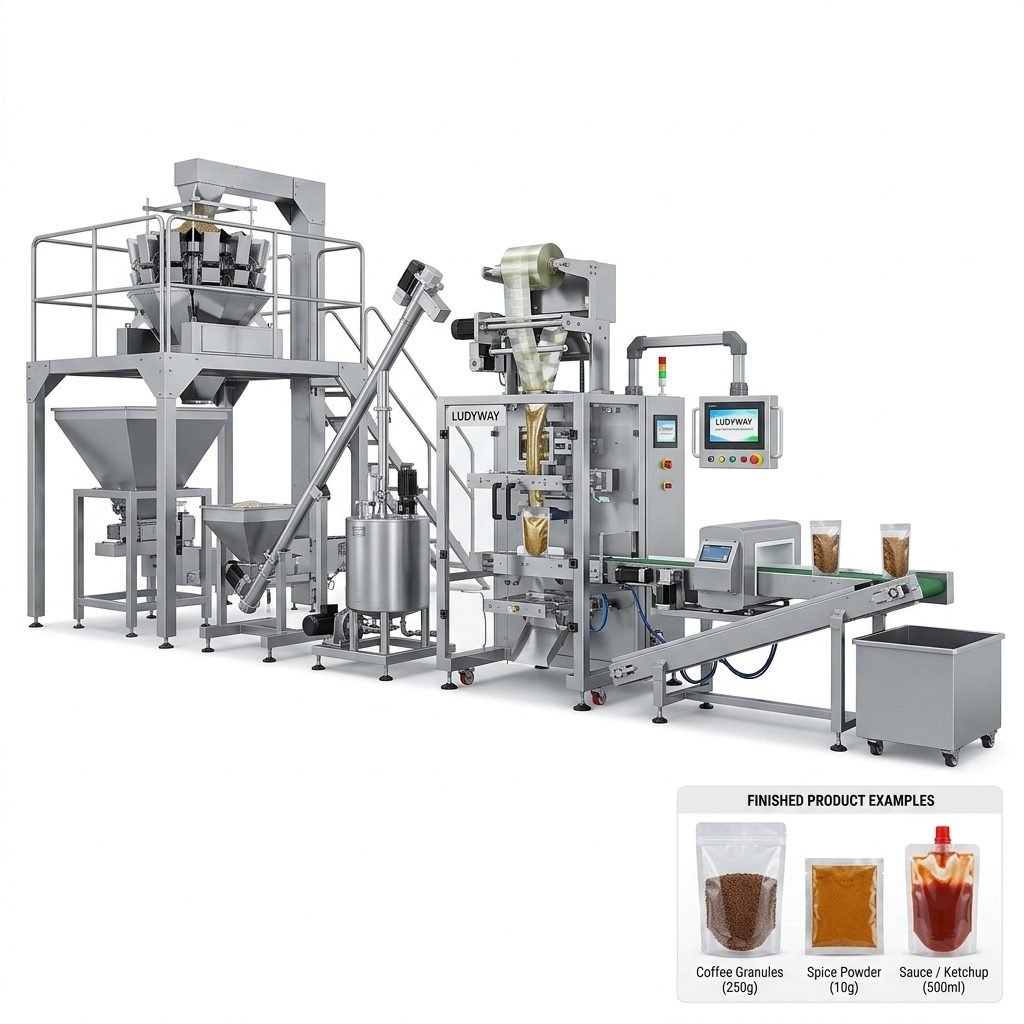
Daily Cleaning: The First Line of Defense
Dust, product residue, and debris are the primary culprits behind mechanical wear in bean packaging machinery. A strict daily cleaning protocol should be non-negotiable for every operator. Focus on the following areas:
- Weighing and filling stations: Remove all bean dust and loose particles to prevent sensor malfunctions and inaccurate fills.
- Sealing jaws and heating elements: Residue buildup on sealing surfaces can lead to weak or inconsistent seals. Use a soft brush and approved cleaning solutions.
- Conveyor belts and chutes: Clear blockages and wipe down surfaces to ensure smooth product flow.
- Film rollers and tensioners: Clean accumulated adhesive or dust that can affect film tracking and tension control.
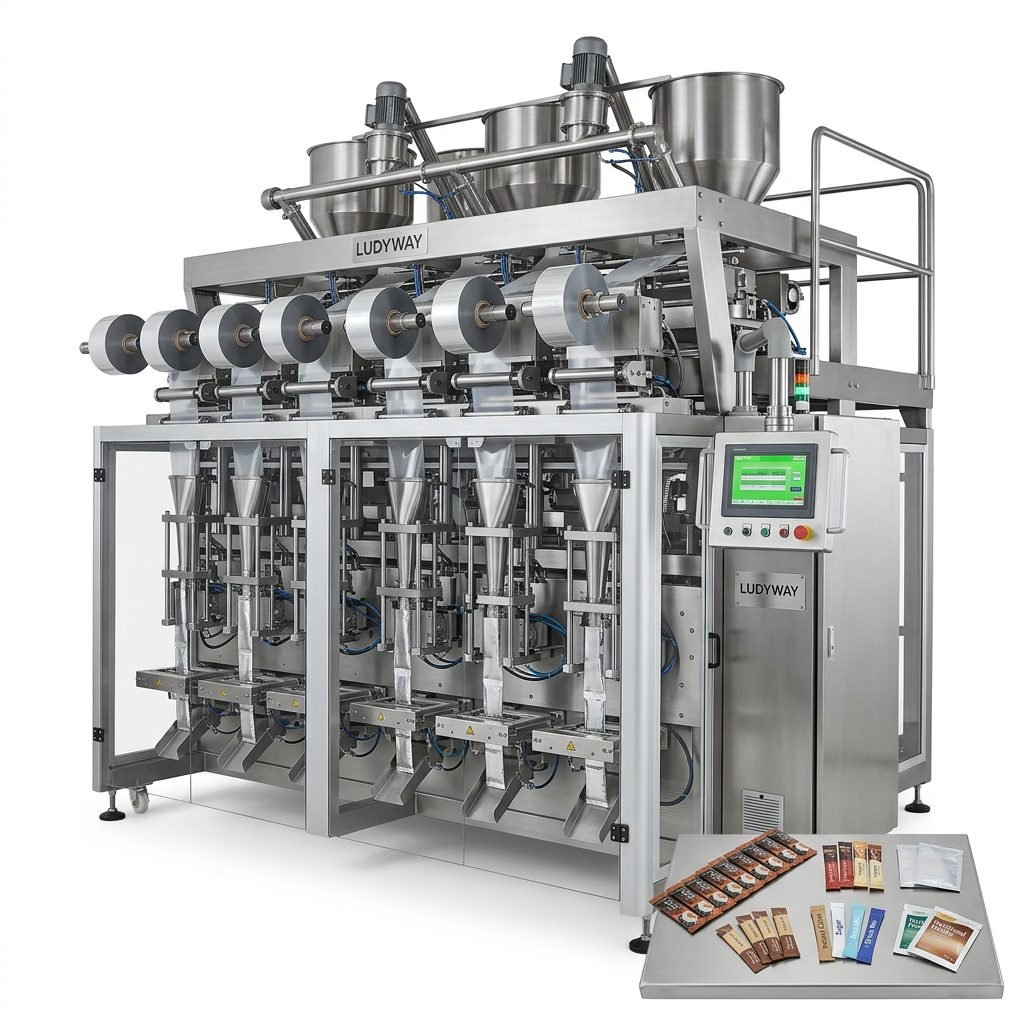
Lubrication: Reducing Friction and Wear
Proper lubrication is critical for the moving components of any packaging system. Insufficient lubrication accelerates wear on bearings, chains, gears, and linear guides, leading to premature failure. Establish a lubrication schedule based on the manufacturer’s recommendations and operating conditions.
- Use only food-grade lubricants approved for incidental food contact when required by your application.
- Inspect grease fittings and oil levels on a weekly basis.
- Pay special attention to high-cycle components such as the film pull belts and cross-sealing mechanisms.
Inspection and Replacement of Wear Components
Every automatic packaging machine contains consumable parts that degrade over time. Proactive replacement prevents unexpected breakdowns. Key wear items include:
- Sealing bands and heating cartridges: These experience thermal cycling stress and should be inspected monthly.
- Cutting blades and knives: Dull blades create jagged edges and improper bag separation.
- Rubber rollers and vacuum pads: Loss of grip affects film handling accuracy.
- Filters and screens: Clogged air filters reduce pneumatic system efficiency.
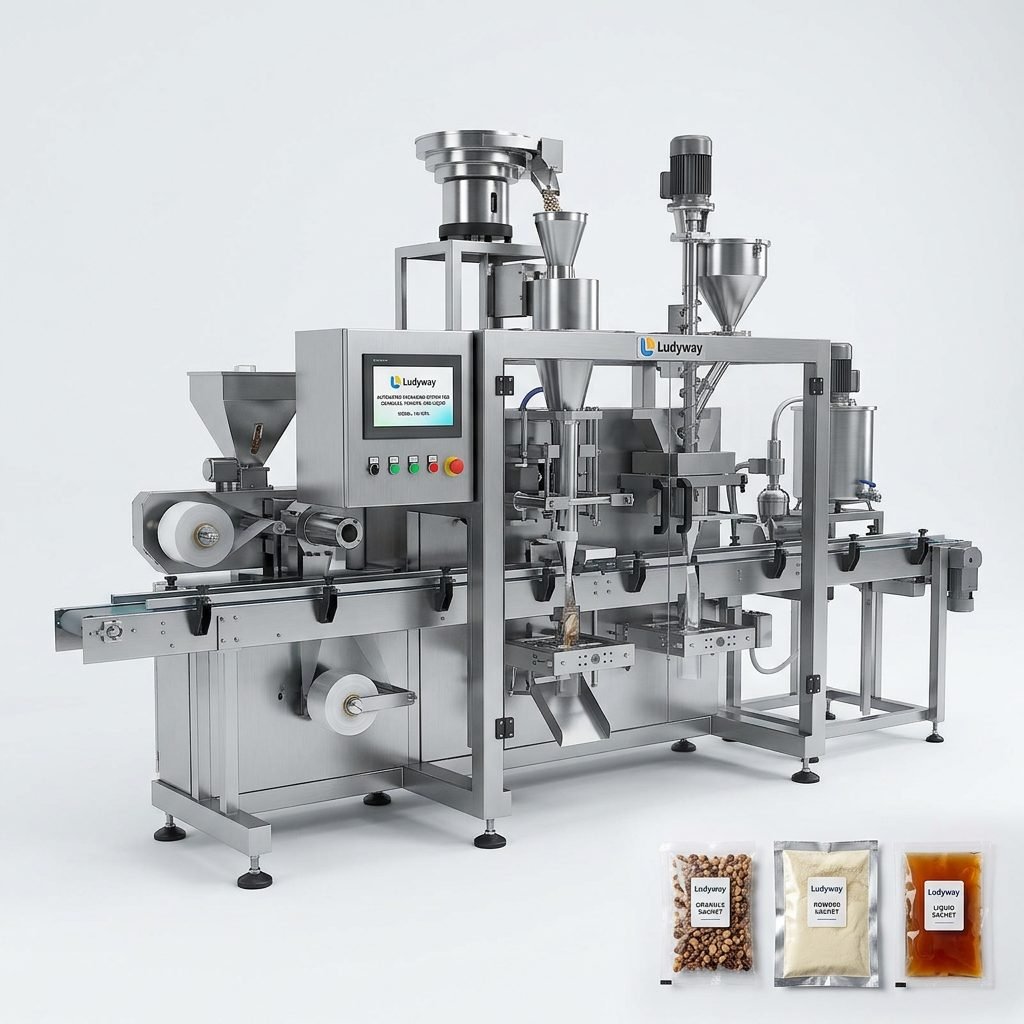
Electrical and Sensor System Checks
Modern bean packaging machines rely heavily on sensors, PLCs, and servo drives. Electrical maintenance is just as important as mechanical upkeep.
- Photoelectric sensors: Clean lenses regularly to prevent false readings caused by dust accumulation.
- Wiring and connections: Inspect for loose terminals, frayed cables, or signs of overheating.
- Control panels: Keep enclosures sealed and free from moisture. Verify cooling fans are operational.
- Emergency stop circuits: Test all safety interlocks and E-stop buttons during each shift start-up.
Preventive Maintenance Schedule Overview
A well-structured preventive maintenance (PM) program is the most effective way to avoid costly repairs. The table below outlines a recommended maintenance frequency for critical tasks:
| Maintenance Task | Frequency | Responsible Party |
|---|---|---|
| General cleaning and debris removal | Daily / End of each shift | Machine Operator |
| Lubrication of moving parts | Weekly | Maintenance Technician |
| Sealing jaw and thermocouple inspection | Monthly | Maintenance Technician |
| Sensor calibration and verification | Monthly | QA / Maintenance Team |
| Full mechanical and electrical audit | Quarterly | Senior Technician |
| Comprehensive overhaul and wear-part replacement | Annually | Manufacturer / Specialist |
Troubleshooting Common Issues
Even with diligent maintenance, occasional issues may arise. Knowing how to quickly diagnose and resolve common problems minimizes downtime:
- Inconsistent seal strength: Check temperature settings, verify sealing jaw alignment, and inspect for residue buildup. Refer to packaging standards for quality benchmarks.
- Film tracking or wrinkling: Adjust tension controls, inspect rollers for wear, and confirm the film path is unobstructed.
- Weighing inaccuracies: Recalibrate load cells, clean weigh buckets, and verify consistent product flow from the feeding system.
- Unexpected machine stoppages: Review PLC error logs, check all sensor inputs, and inspect safety circuit integrity.
Operator Training and Documentation
Well-trained operators are your first line of defense against preventable failures. Every team member working with the vertical form fill seal machine should understand basic troubleshooting, proper cleaning techniques, and how to identify early warning signs of component wear. Maintain detailed maintenance logs to track recurring issues and optimize PM intervals over time.
When to Seek Professional Service
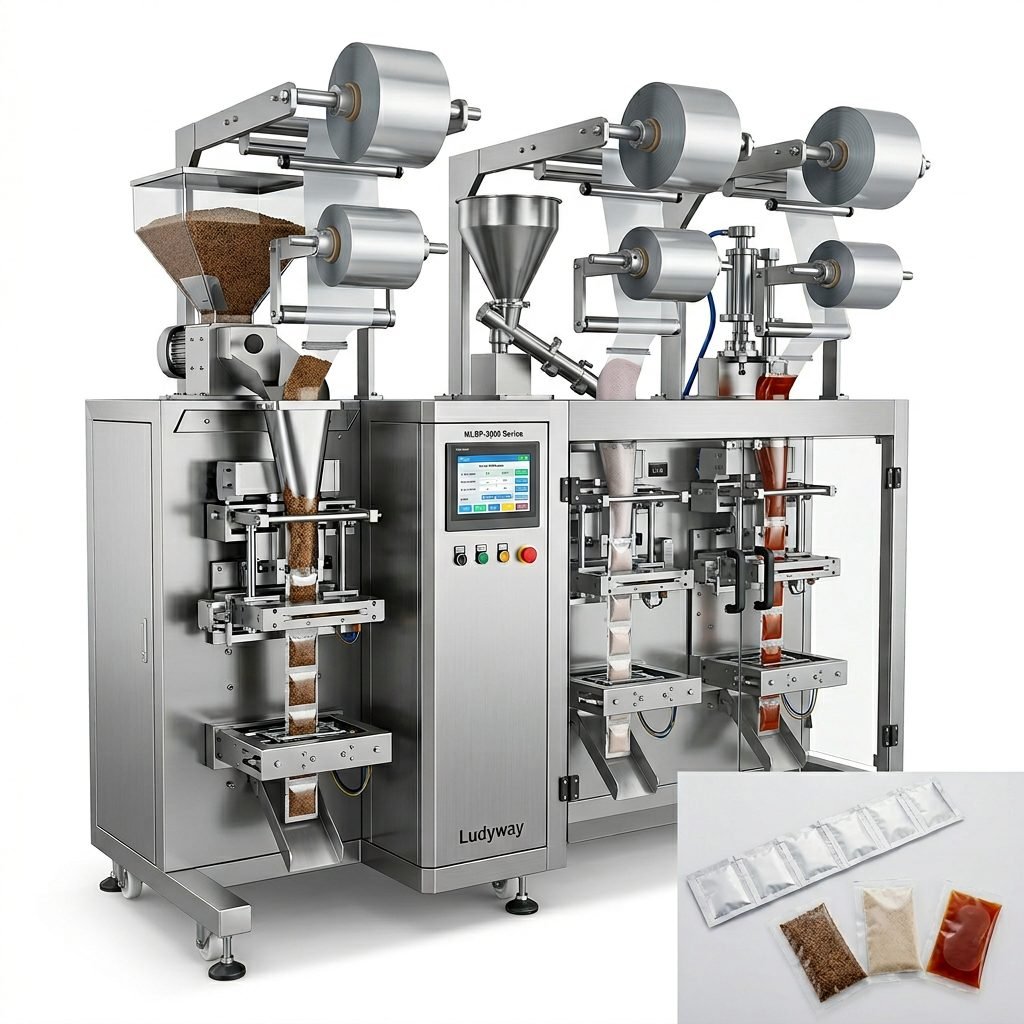
While routine maintenance can be handled in-house, certain situations call for expert intervention. Complex repairs involving servo drive tuning, PLC reprogramming, or major mechanical overhauls should be entrusted to qualified professionals. As one of the largest packaging machine manufacturers in China, Ludyway provides comprehensive after-sales support, technical training, and genuine spare parts to keep your production lines running smoothly across food, pharmaceutical, and health industry applications.
Implementing a disciplined maintenance program protects your equipment investment, ensures consistent package quality, and ultimately supports higher throughput with fewer interruptions. A proactive approach to upkeep always outweighs the cost of emergency repairs and unscheduled downtime.