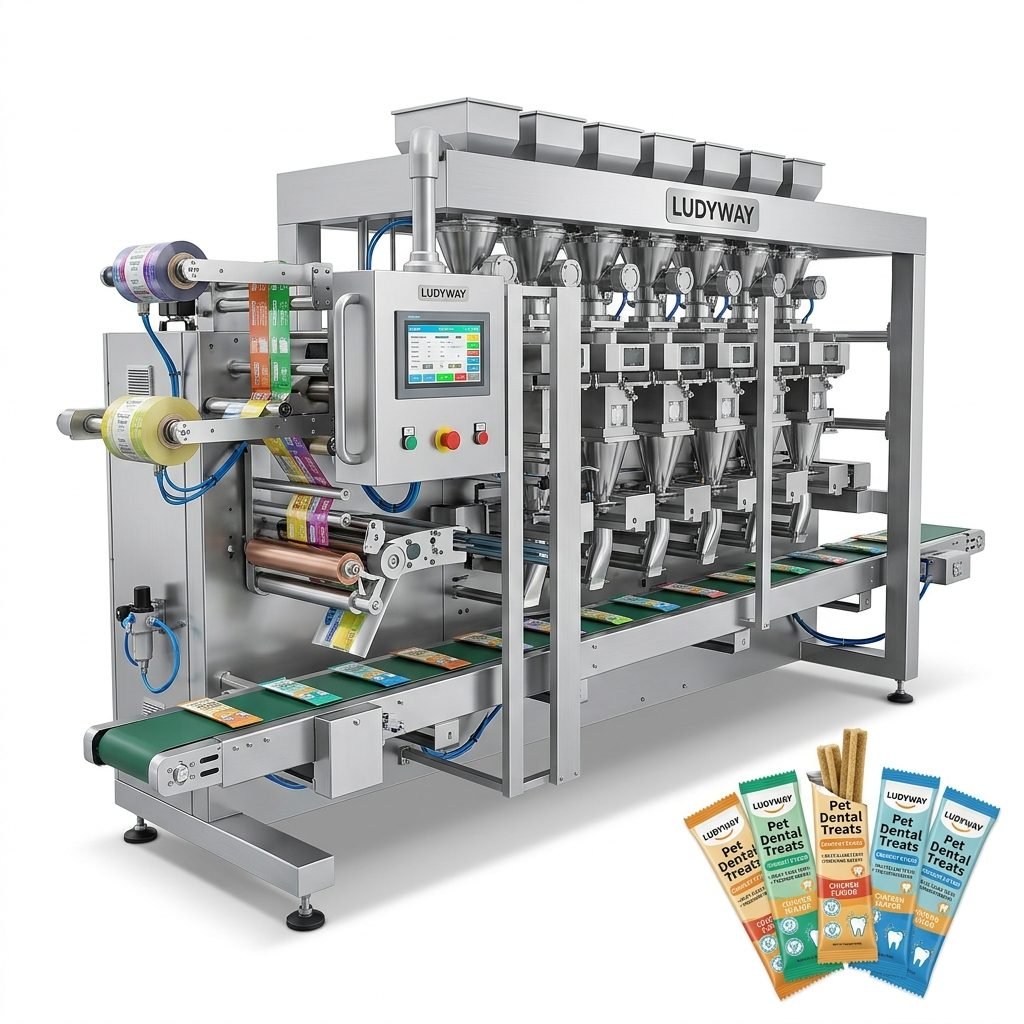
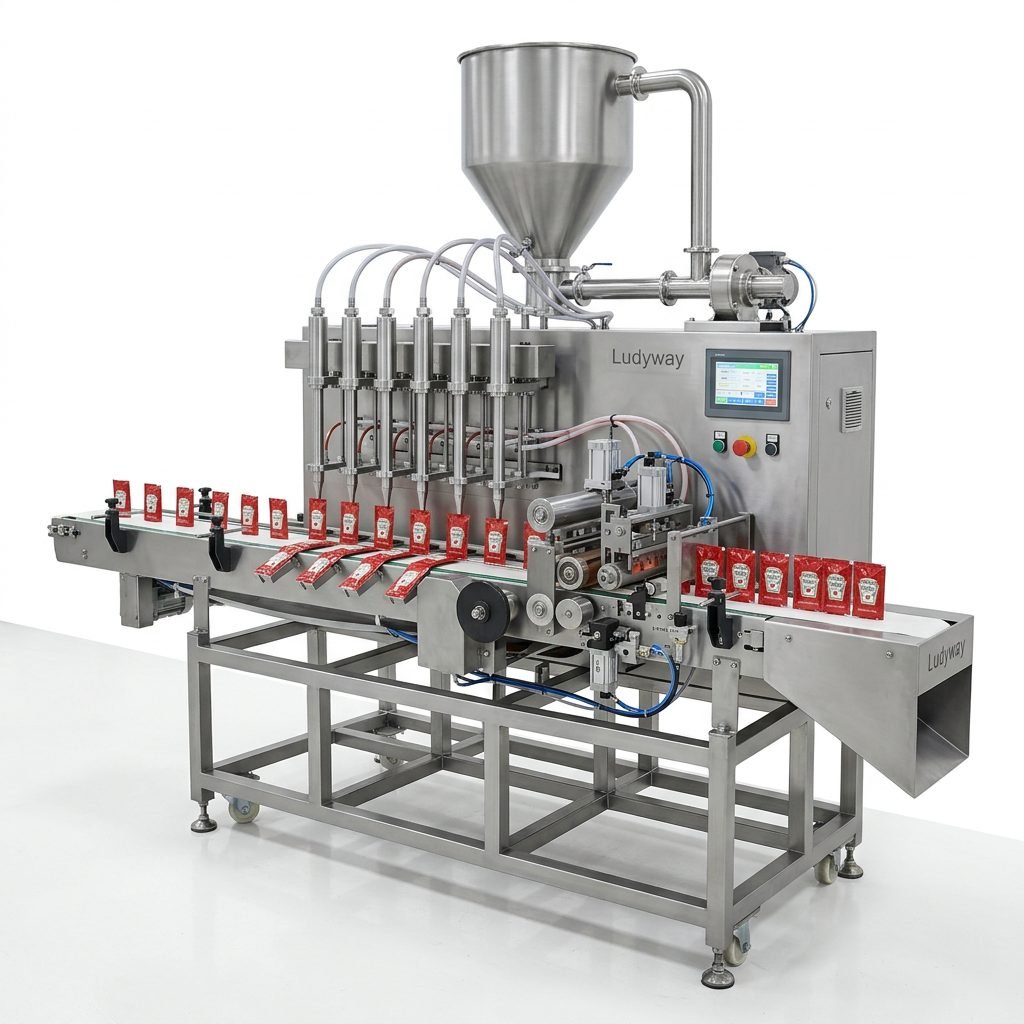
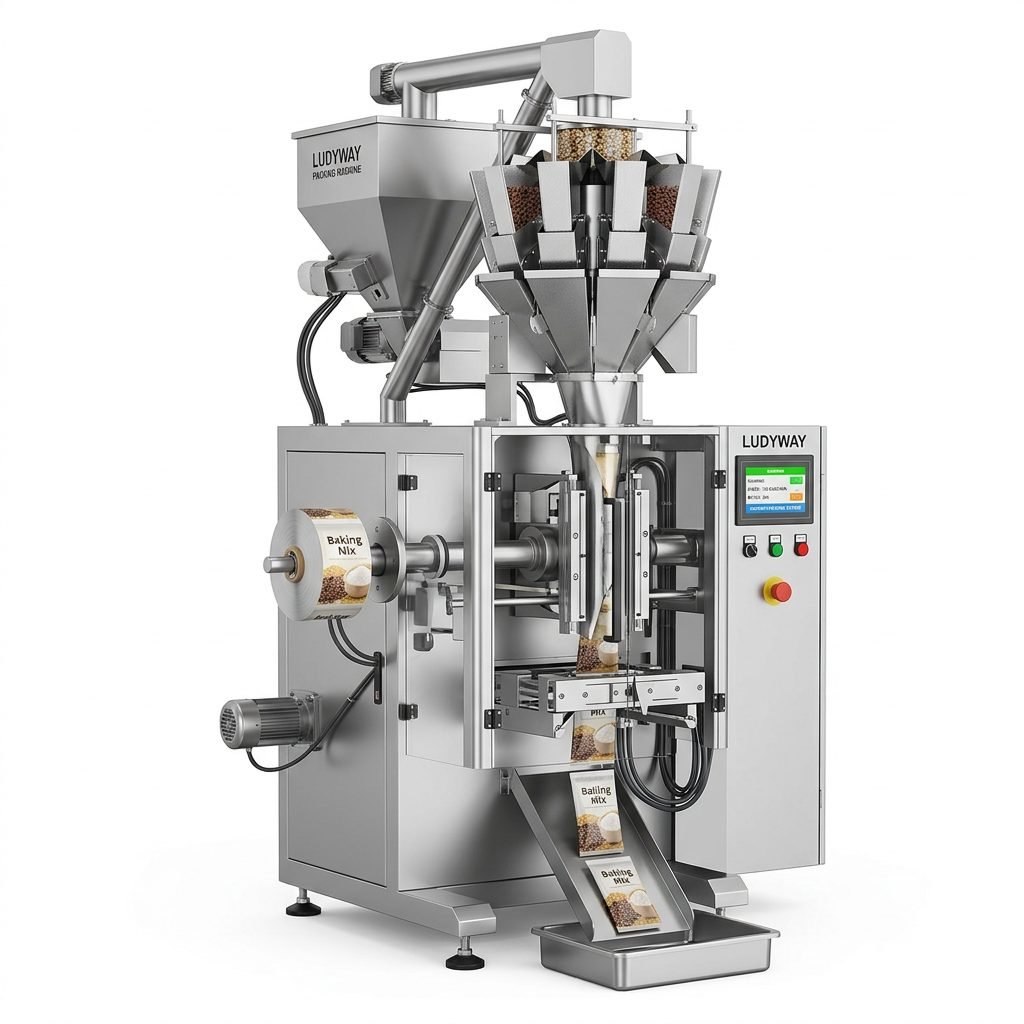
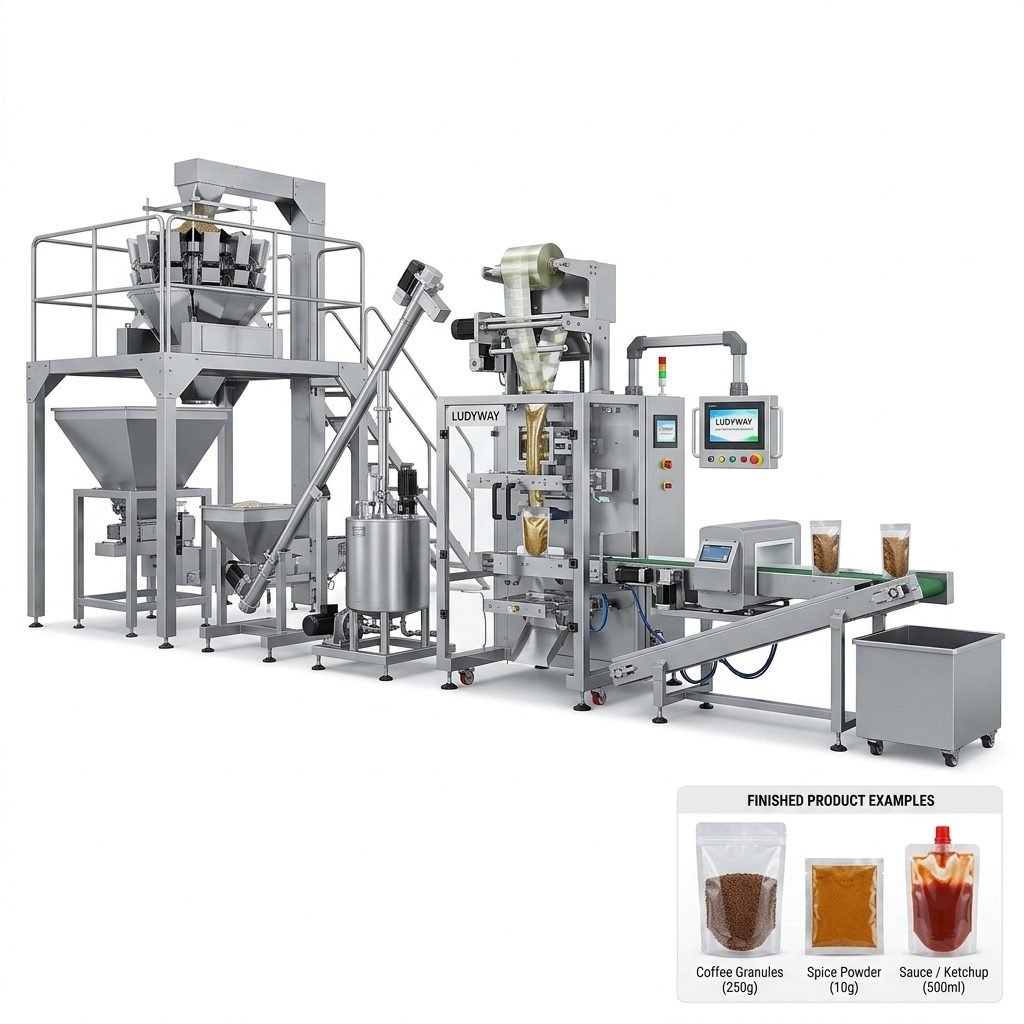
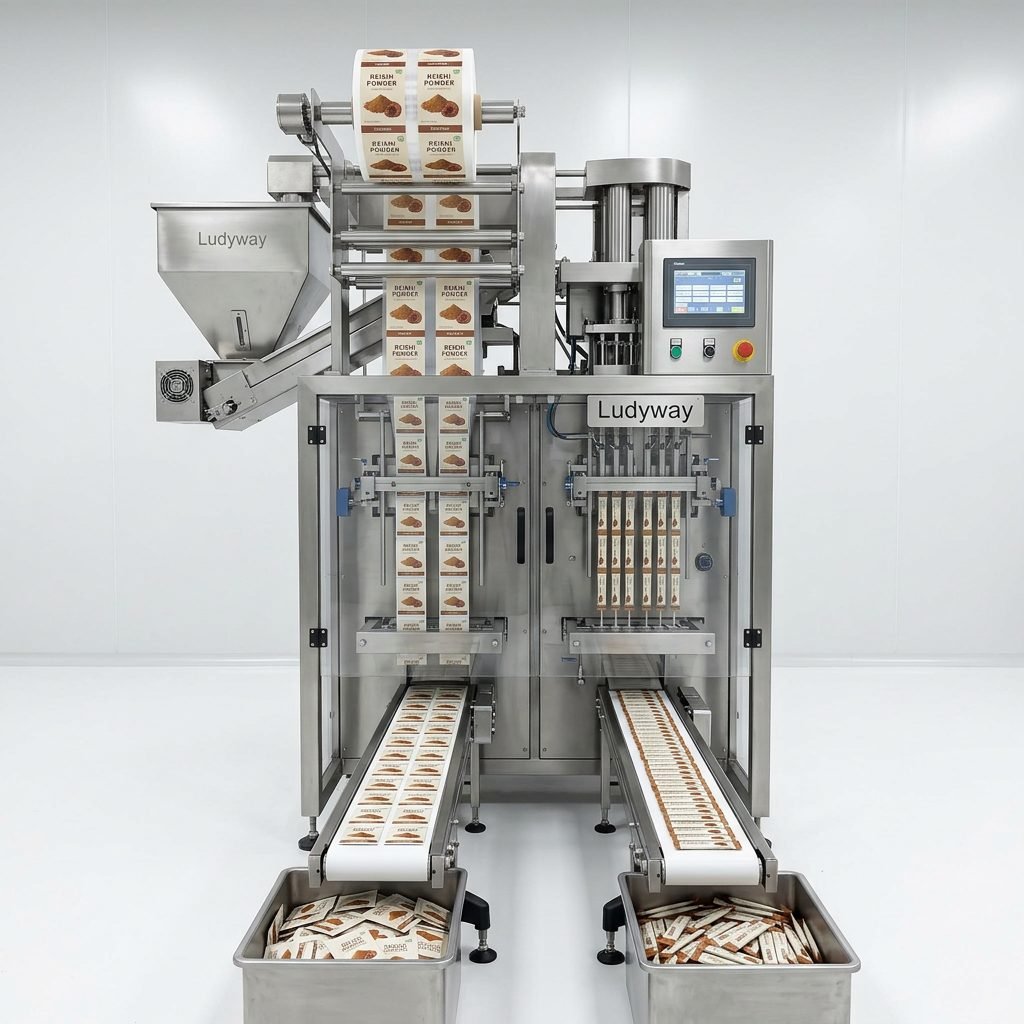
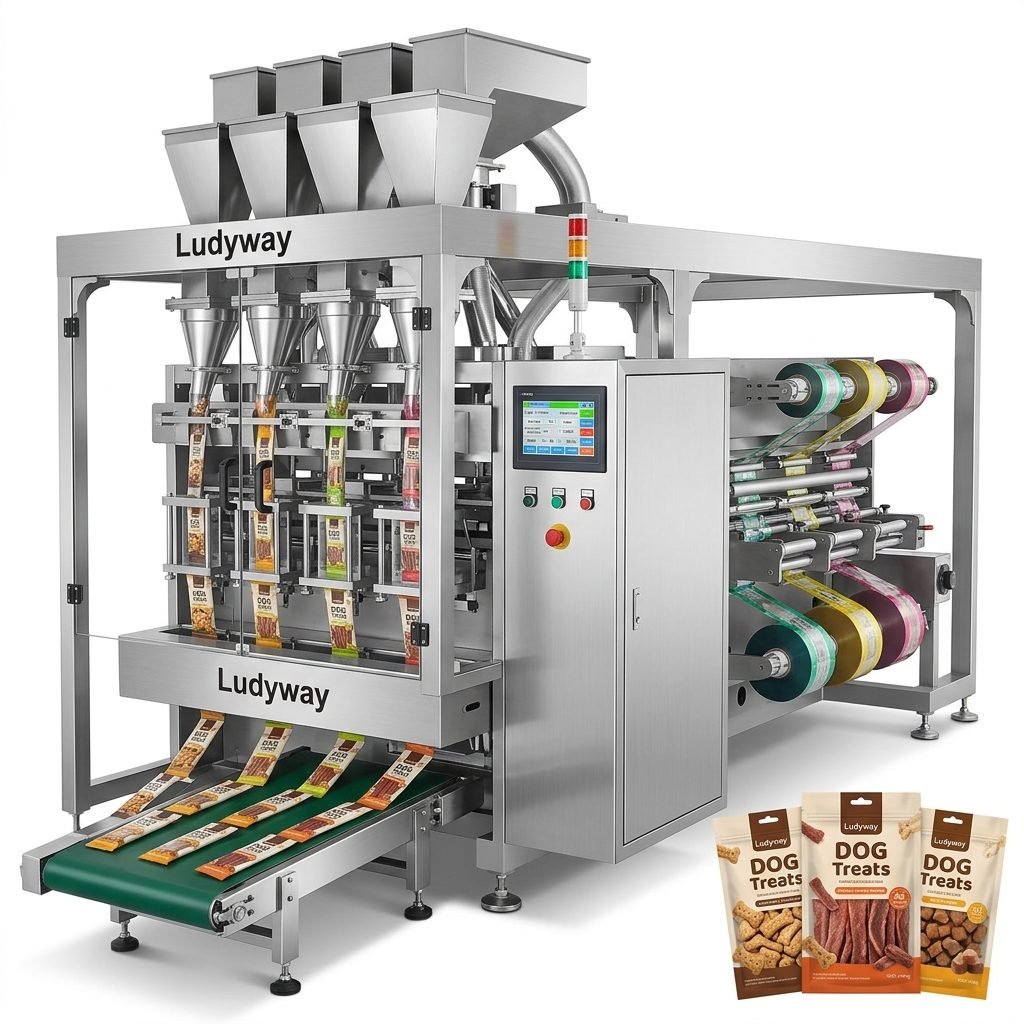
The ice cream market in Southeast Asia is experiencing explosive growth, driven by rising disposable incomes, urbanization, and a warm tropical climate that fuels year-round demand. For manufacturers looking to scale production, choosing the right ice cream packaging machine is a critical investment that directly impacts product quality, shelf life, and operational efficiency.
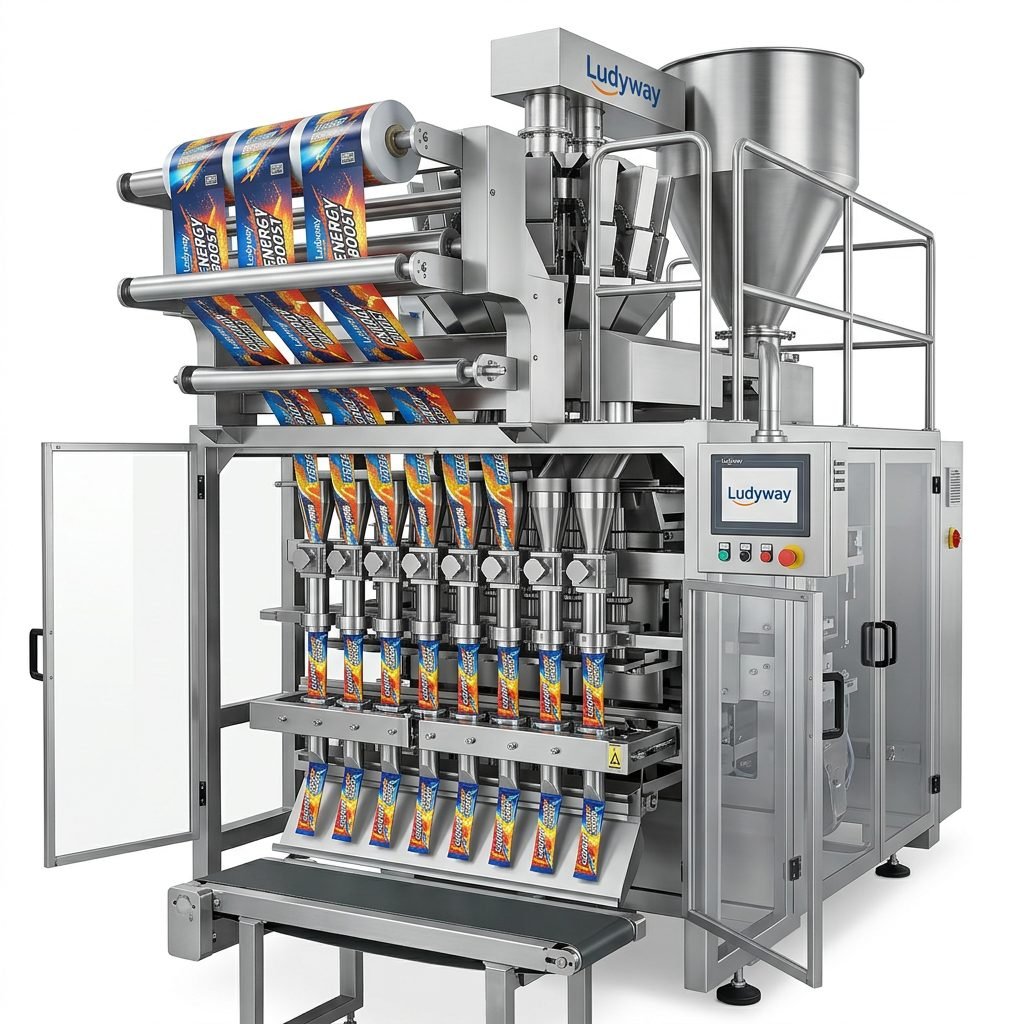
Understanding the Southeast Asian Ice Cream Market
Countries like Indonesia, Thailand, Vietnam, and the Philippines are witnessing a surge in both industrial and artisanal ice cream production. The region’s unique logistical challenges—including high ambient temperatures and humidity—mean that packaging integrity and cold chain compatibility are non-negotiable. From single-serve stick packs to family-sized tubs and squeeze pouches, the diversity of formats in this region demands versatile packaging solutions.
Before selecting equipment, manufacturers must evaluate their target product format. Are you producing impulse-buy stick novelties for street vendors, or premium gelato in tamper-evident containers for supermarkets? This decision dictates whether you need a multi-lane packaging system for high-speed sticks or a rotary filling machine for cups and tubs.
Key Packaging Formats Popular in ASEAN Countries
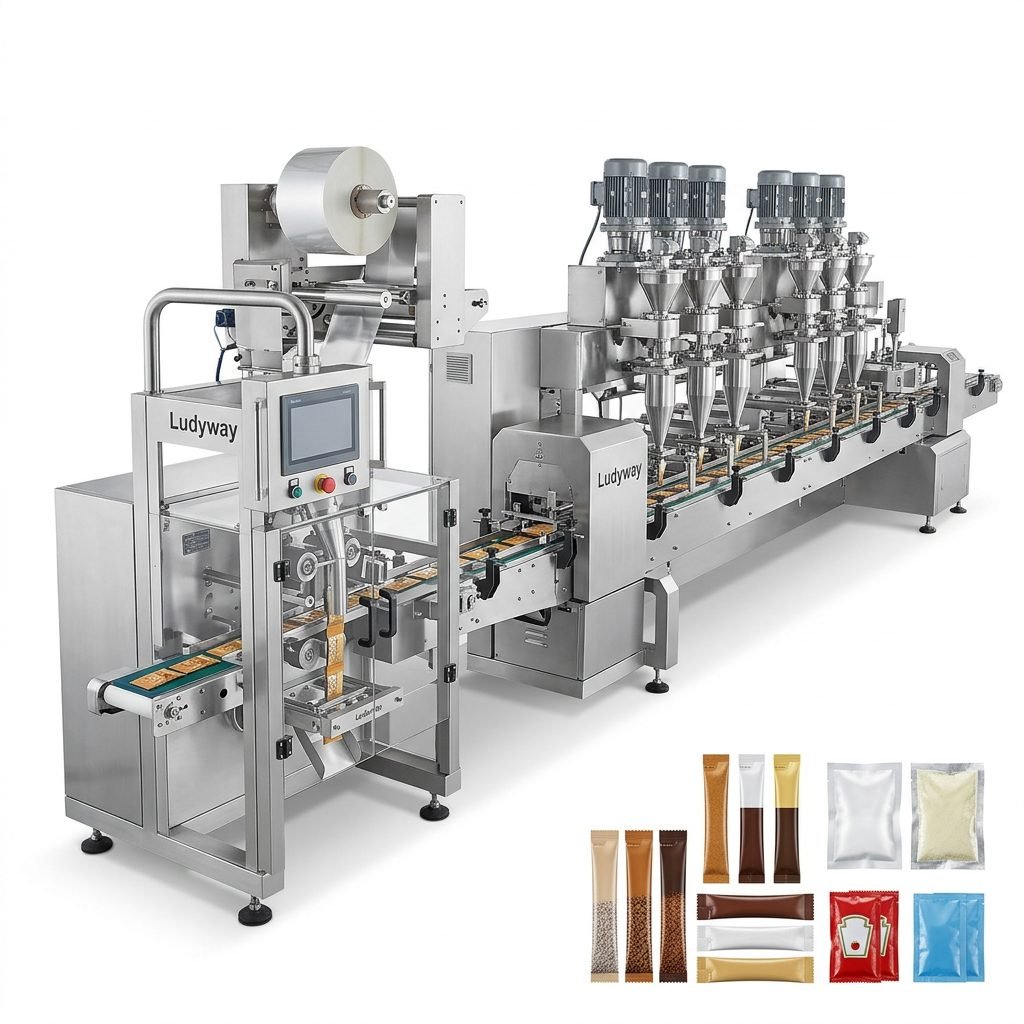
- Stick Packs & Sachets: Ideal for frozen novelties, water ice tubes, and budget-friendly single portions. These require high-speed vertical form-fill-seal (VFFS) technology.
- Cones and Cups: Dominant in the retail and food service sector. Machines here need precision dosing for both ice cream and toppings, along with lid application systems.
- Bulk Tubs and Pails: Used extensively by commercial kitchens and ice cream parlors. Filling systems must handle viscous products at low temperatures.
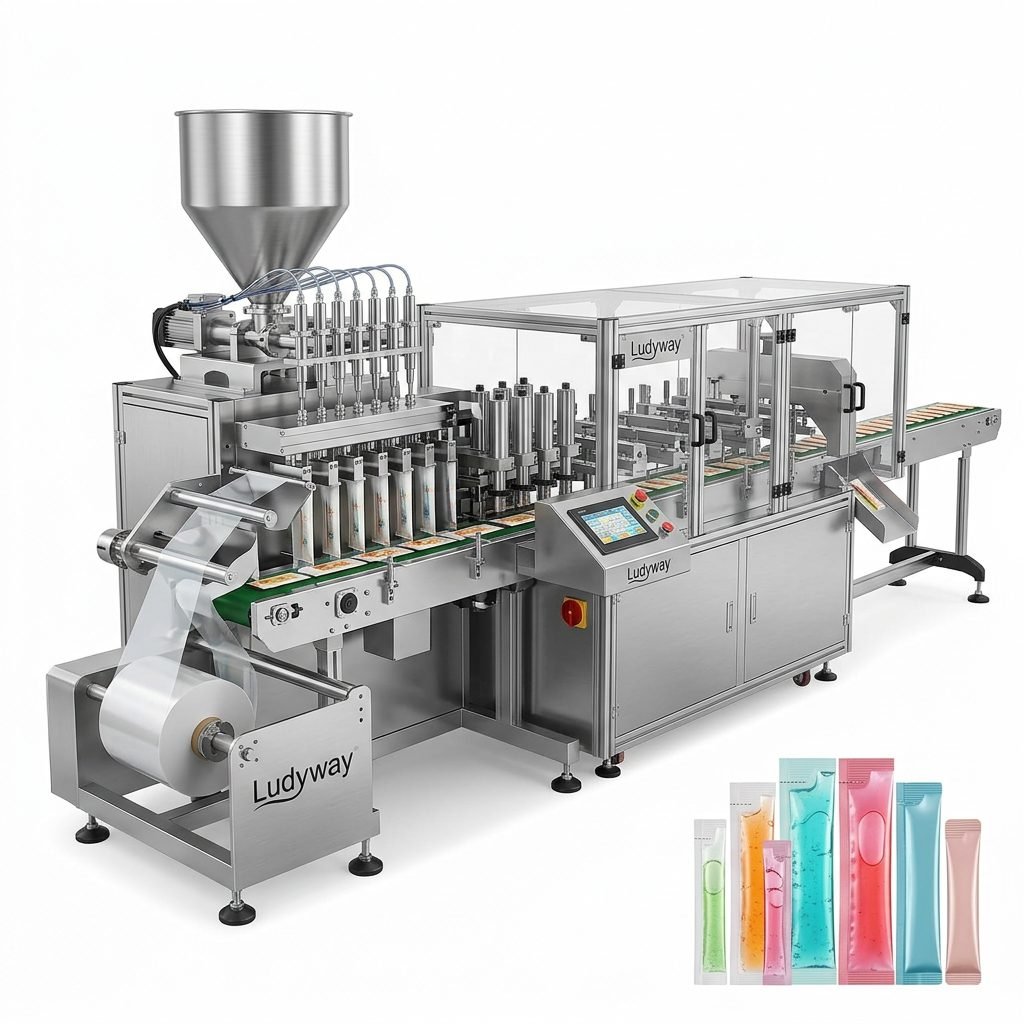
- Squeeze-Up Tubes: An emerging trend in the region. This format requires specialized liquid filling and sealing machine technologies to ensure no leakage during thawing.
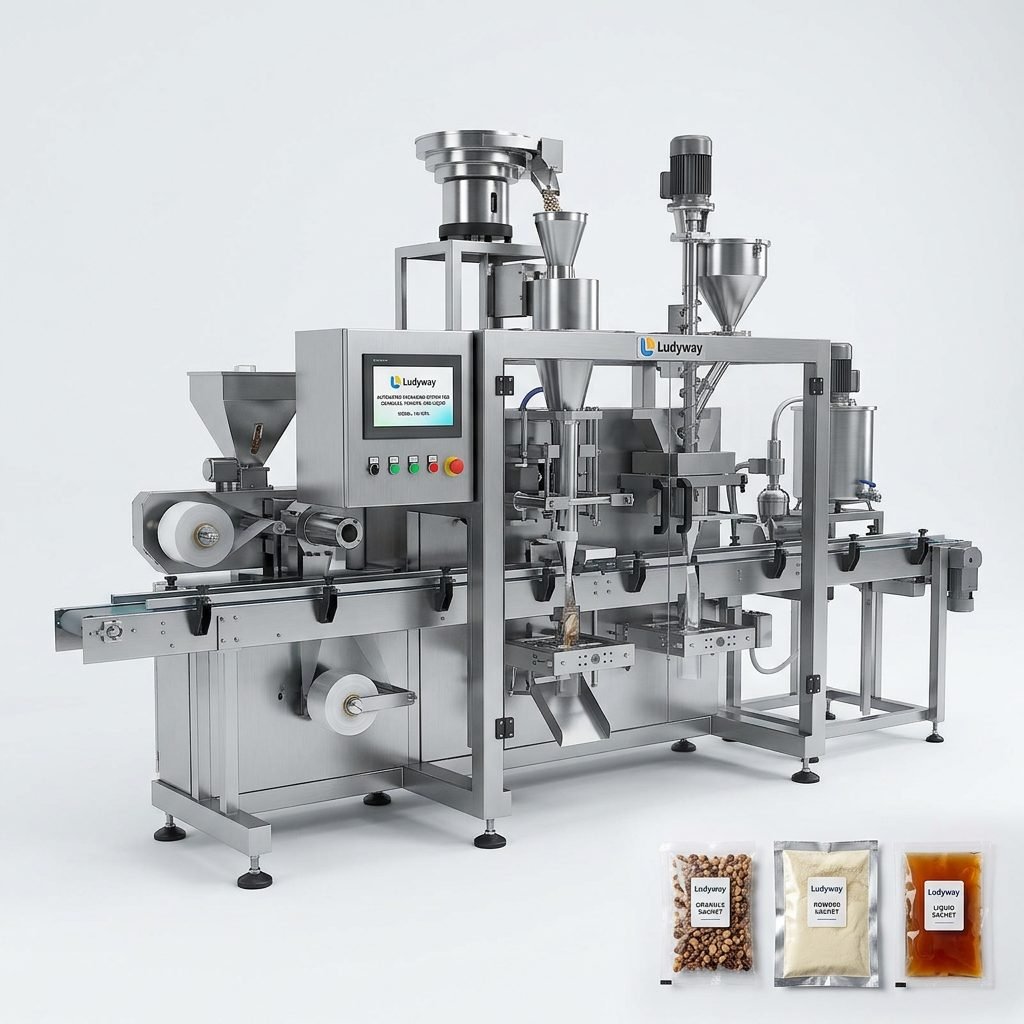
Critical Features to Look for in an Ice Cream Packaging Machine
Investing in packaging machinery for the Southeast Asian market requires a specific set of features to combat local environmental factors. Hygiene, durability against humidity, and after-sales support are paramount. Below is a technical breakdown of the criteria your machine must meet.
1. Stainless Steel Construction and Washdown Compliance
Due to dairy’s sensitivity, the entire machine frame and contact parts must be 304 or 316 stainless steel. Look for IP65 or IP66 rated electrical enclosures. In humid environments like Ho Chi Minh City or Jakarta, non-stainless components will corrode rapidly, leading to contamination risks and unplanned downtime. A fully washdown-ready design ensures compliance with FDA food packaging regulations.
2. Accurate Temperature Control on the Fill Line
Ice cream varies drastically in viscosity based on overrun and temperature. A high-quality machine should feature pre-cooled hoppers and temperature-stabilized filling nozzles. Without this, you risk melting the product structure during the filling cycle, resulting in poor texture and weight inaccuracies. This is particularly critical for extruded stick products popular in tourist hotspots.
3. Quick Changeover for Multi-Format Production
Southeast Asian factories often produce private labels for multiple retailers simultaneously. The ability to switch between a 60ml cup and a 100ml cup in under 15 minutes without tools is essential. Modern servo-driven machines allow operators to simply recall a pre-set recipe from the HMI screen, adjusting fill volumes and seal temperatures automatically.
| Machine Type | Best For | Speed Range | Key Advantage |
|---|---|---|---|
| Rotary Cup Filler | Retail cups, tubs, pails | 50 – 400 CPM | Precision dosing, easy CIP cleaning |
| Multi-Lane Stick Pack | Water ice, ice candy, narrow sticks | 200 – 1000 PPM | Extremely high output, low film waste |
| In-Line Extrusion System | Premium novelty bars, ripples | 80 – 200 PPM | Complex shapes, flavor co-extrusion |
| Preformed Pouch Filler | Retail squeeze pouches, large packs | 30 – 80 PPM | Flexibility for various pouch styles |
Automation Levels for ASEAN Factory Setups
The labor cost advantage in parts of Southeast Asia is shrinking. Consequently, manufacturers are leapfrogging from manual processes directly to high-level automation. When selecting your ice cream packaging line, consider these integration levels based on your throughput goals.
A basic stand-alone filler might suit a local startup, but a mid-sized factory exporting to Australia or the Middle East should look for integrated systems. These connect the freezer, filling, lidding, date coding, checkweighing, and cartoning into one seamless line. The use of robotic pick-and-place systems for loading cones or sticks significantly reduces freeze-thaw risks in the hot ambient air of the factory floor.
According to industry data from the PMMI Business Intelligence Library, the push toward flexible packaging lines is the dominant trend. Ensure any machine you buy can interface with upstream freezers and downstream wrapping machines. Check for compatibility with IIoT sensors that monitor motor temperatures and seal integrity in real-time, a crucial feature for remote management across the archipelago.
Understanding Local Utility Requirements
Southeast Asia suffers from voltage instability in certain industrial zones. When procuring machinery, specify wide-voltage tolerance motors and phase-protection relays. A machine designed for a stable European grid might fail prematurely in a factory in Myanmar or provincial Philippines. Additionally, if your facility lacks a central chilled water system, you will need a packaging machine with an integrated, self-contained cooling unit to maintain product integrity between the freezer and the filler.
Budgeting and Total Cost of Ownership (TCO)
The sticker price of an ice cream packaging machine is just the beginning. A thorough TCO analysis must include spare parts availability, energy consumption, and film material waste rates. A cheaper machine that wastes 3% of your premium packaging film will cost you millions in the long run. The table below illustrates a typical TCO breakdown over a 5-year period for a mid-speed cup line in Thailand.
| Cost Factor | Initial Purchase | 5-Year Operational Cost | % of TCO |
|---|---|---|---|
| Machine Purchase | $45,000 | $0 | 20% |
| Spare Parts & Service | $0 | $15,000 | 7% |
| Film & Lid Material | $0 | $120,000 | 55% |
| Energy & Air Consumption | $0 | $22,000 | 10% |
| Labor (Operation) | $0 | $18,000 | 8% |
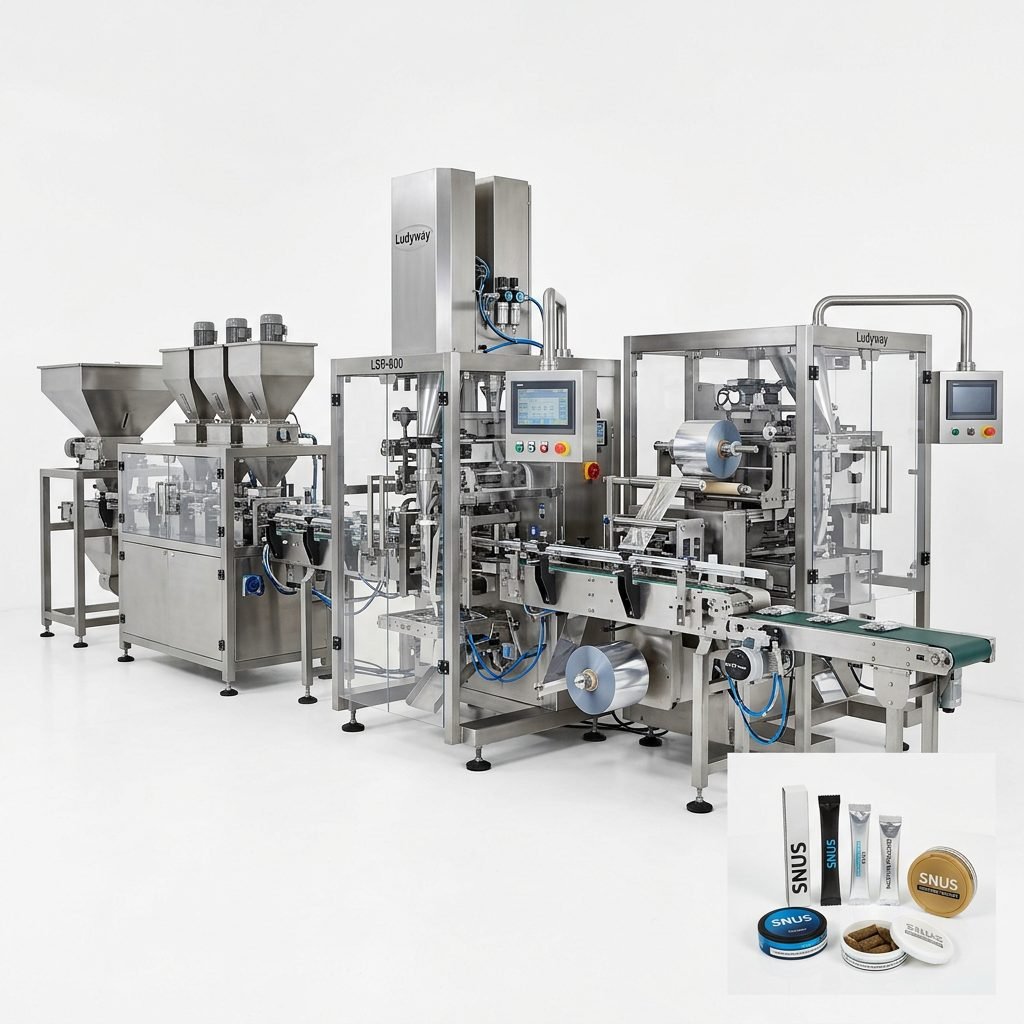
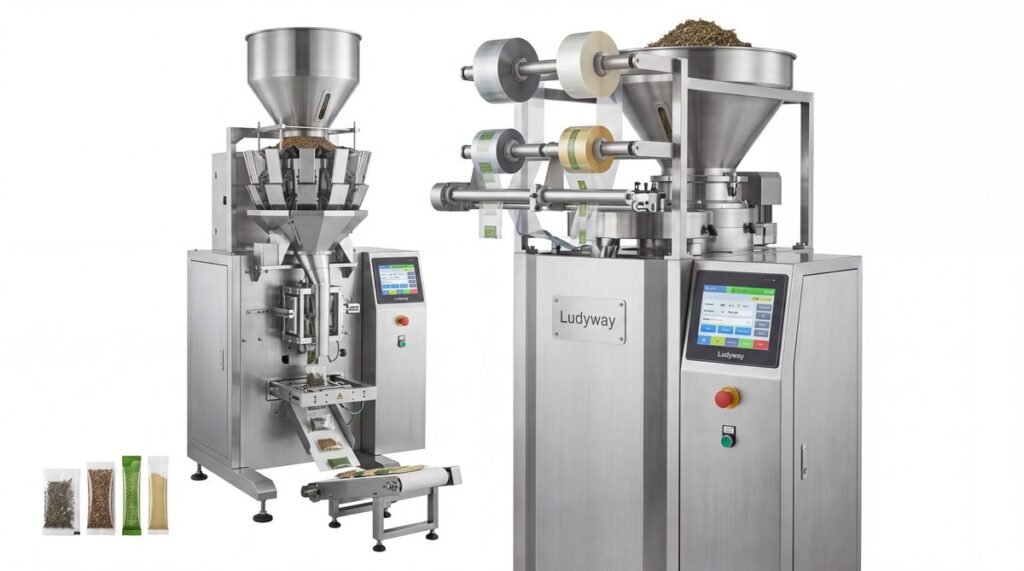
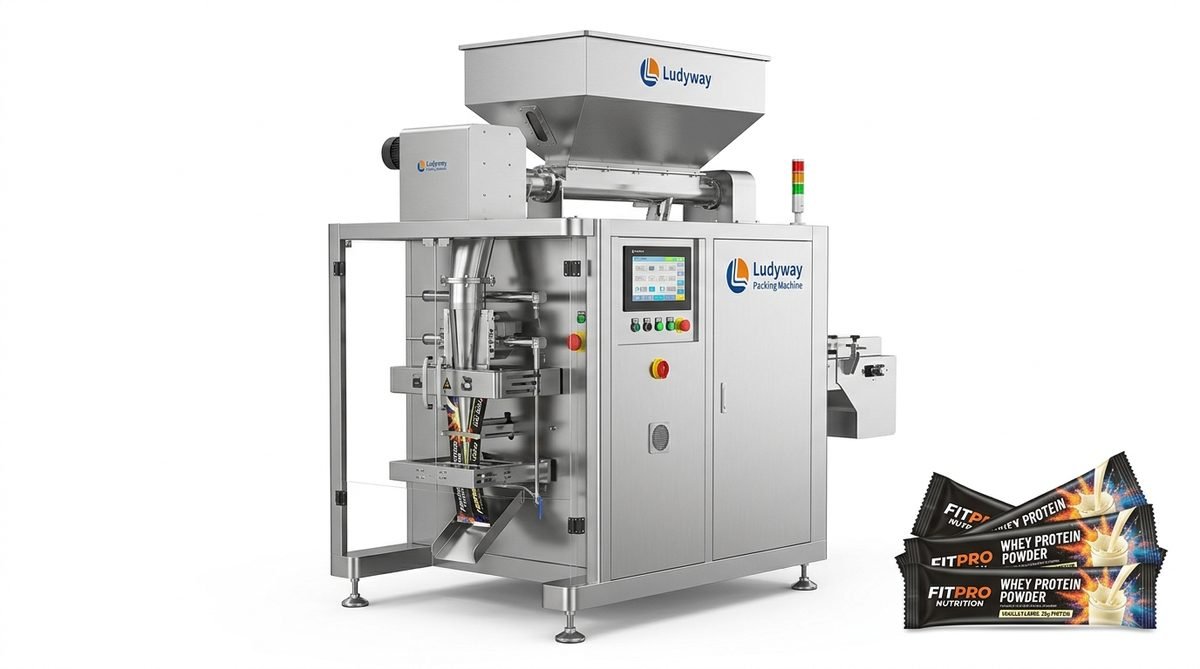
Notice that packaging material consumption dominates the TCO. This is why experienced Southeast Asian buyers prioritize machines from reputable sources known for precise sealing and tension control. A reliable partner like Ludyway packaging machinery, with over 30 years of industry expertise, ensures that the machine geometry and servo programming minimize scrap rates, directly boosting your bottom line.
Navigating Import Regulations and Standards
When importing packaging machinery into ASEAN countries, ensure the electrical design meets ISO and local SIRIM (Malaysia) or SNI (Indonesia) standards. The machine should feature Category 3 safety guards according to ISO 13849. Furthermore, if you plan to export the finished ice cream to the EU, your packaging line must be capable of meeting the European Commission Packaging and Packaging Waste Regulation regarding the recyclability of the used films.
It is also vital to confirm that the supplier can provide the necessary documentation for the certificate of origin (Form E or Form D) to take advantage of the ASEAN Free Trade Area (AFTA) tariff benefits. This can significantly reduce the landed cost of your capital equipment.
Supplier Location and After-Sales Support
Proximity is key. While European brands are highly regarded, the lead time for a critical servo drive replacement can shut down production for weeks. Chinese manufacturers have invested heavily in direct flight logistics and localized agent networks across the region. Ensure your chosen supplier guarantees remote video support and has a dedicated engineer available for dispatch to Southeast Asia within 72 hours. Given the tropical heat, a stock of critical cooling spares must be kept locally.
Future-Proofing Your Production Line
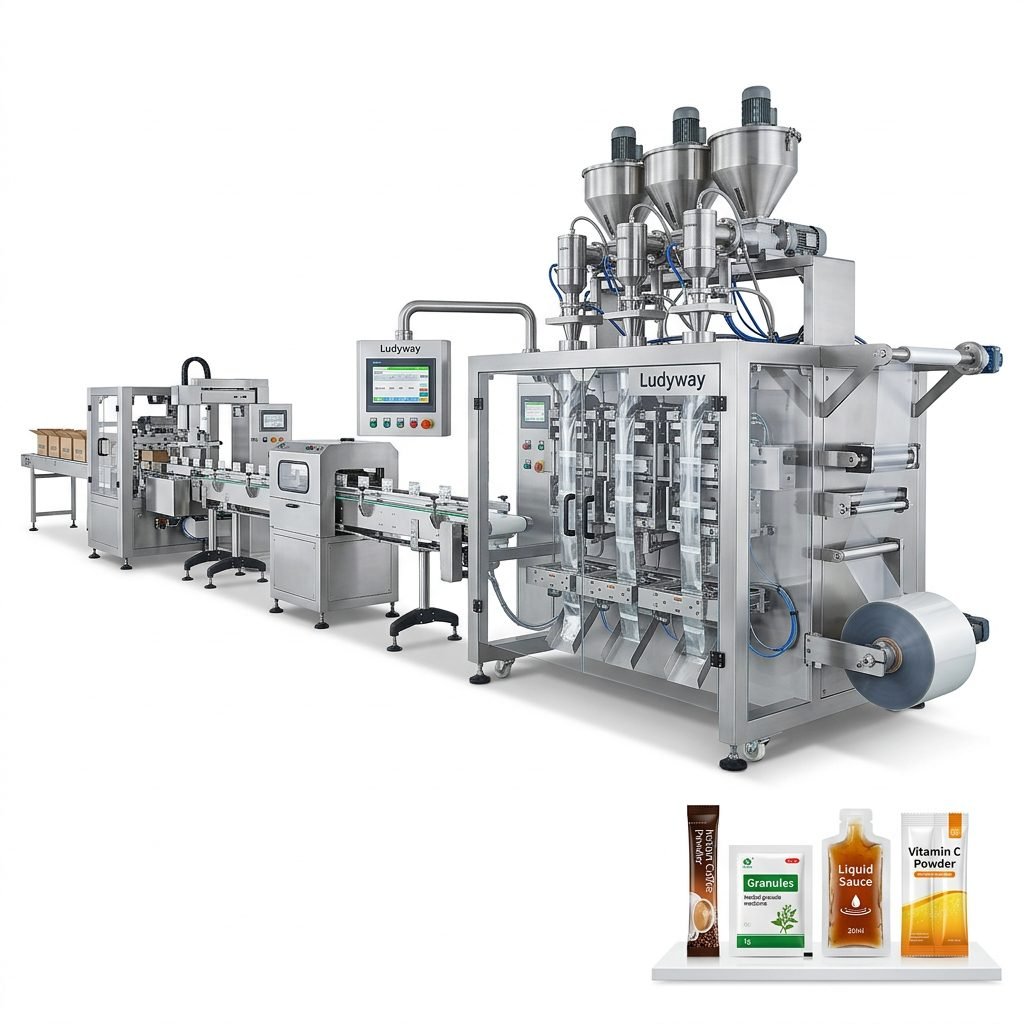
The Southeast Asian consumer is rapidly digitizing, and demands for QR codes, traceability, and sustainable packaging are accelerating. Your machine selection must anticipate these shifts. Look for unified control architectures that allow third-party integration. Modularity is another key factor; a basic cup filler should be field-upgradable to include date coding, tamper-evident banding, or even automated case packing as your distribution expands to modern retail chains.
The Trend Toward Sustainable Films
Bio-based and mono-material PE laminates are the future, but they behave differently under heat sealing compared to traditional multi-layer films. Your packaging machine must be equipped with precise PID temperature controllers capable of handling the narrow sealing window of eco-friendly materials. Test your chosen machine extensively with the exact local film you intend to use, as ambient humidity in Bangkok or Manila affects the slip properties of the film web.
To explore advanced, fully-integrated turnkey solutions that handle everything from filling to palletizing, review the complete portfolio on the official website. Whether you need a compact tabletop unit for a startup or a fully automated 1000-pack-per-minute line, automatic packaging solutions are available to bring your ice cream products to market faster.