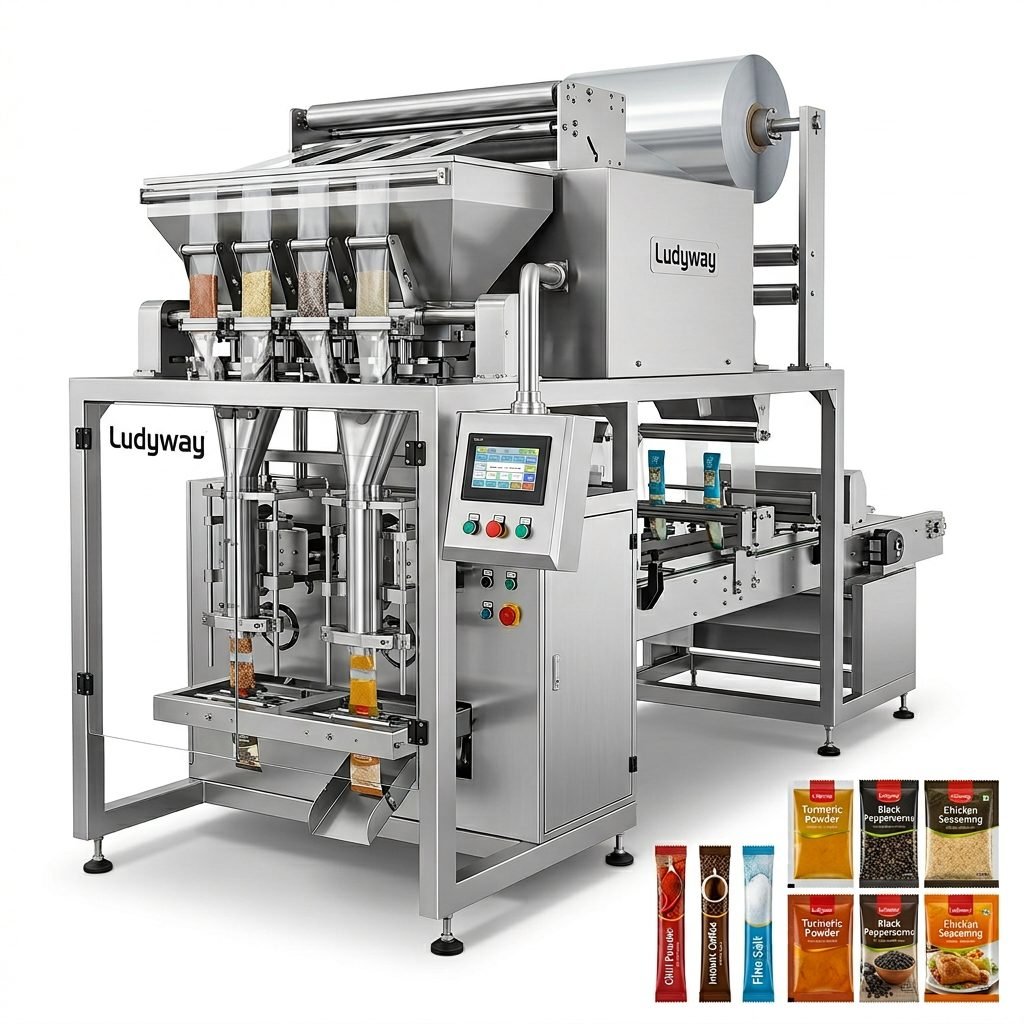
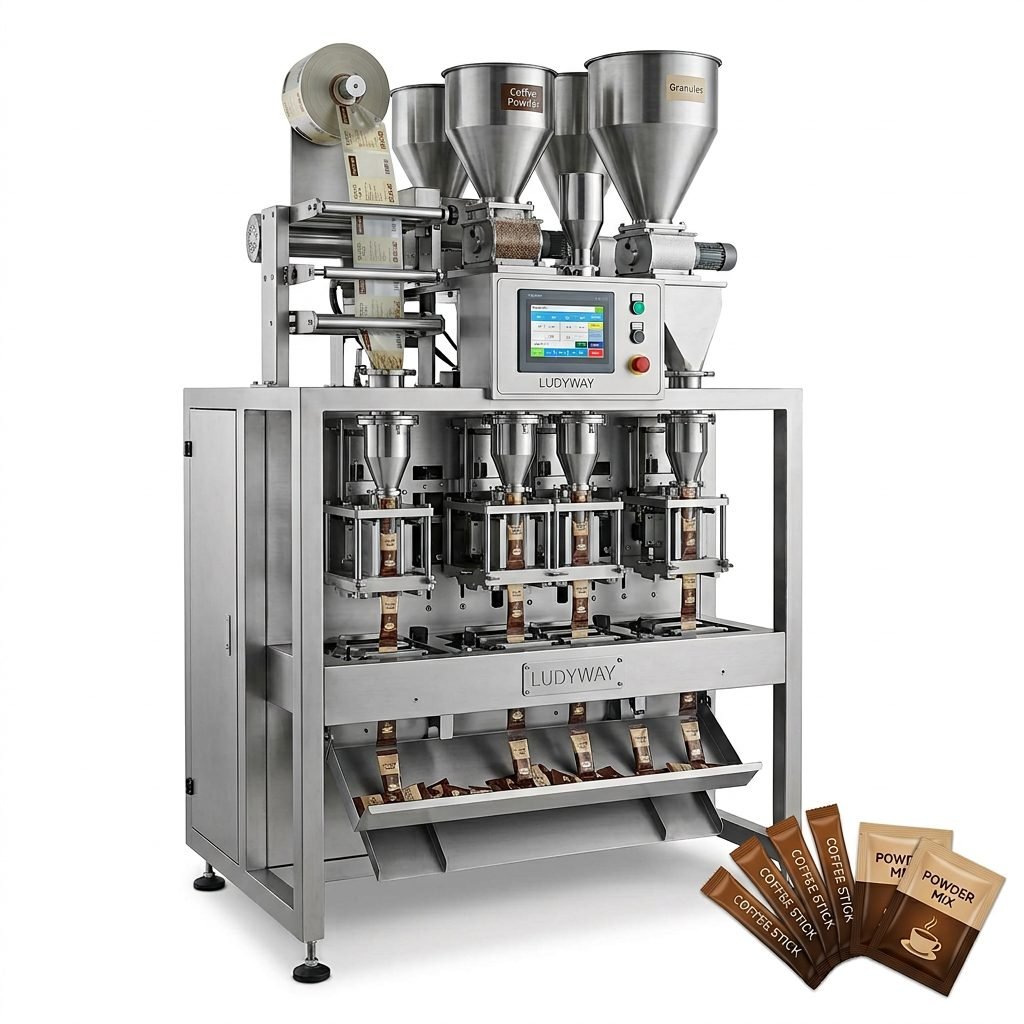
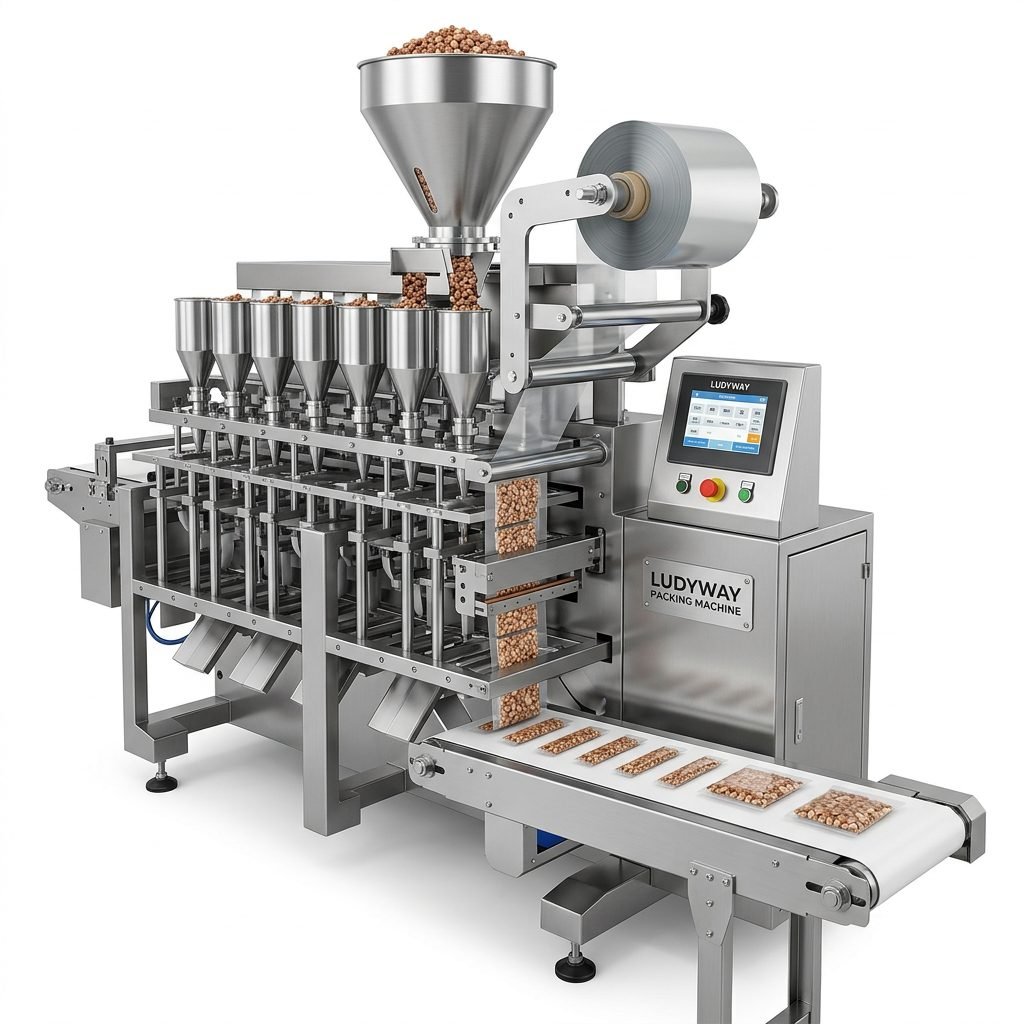
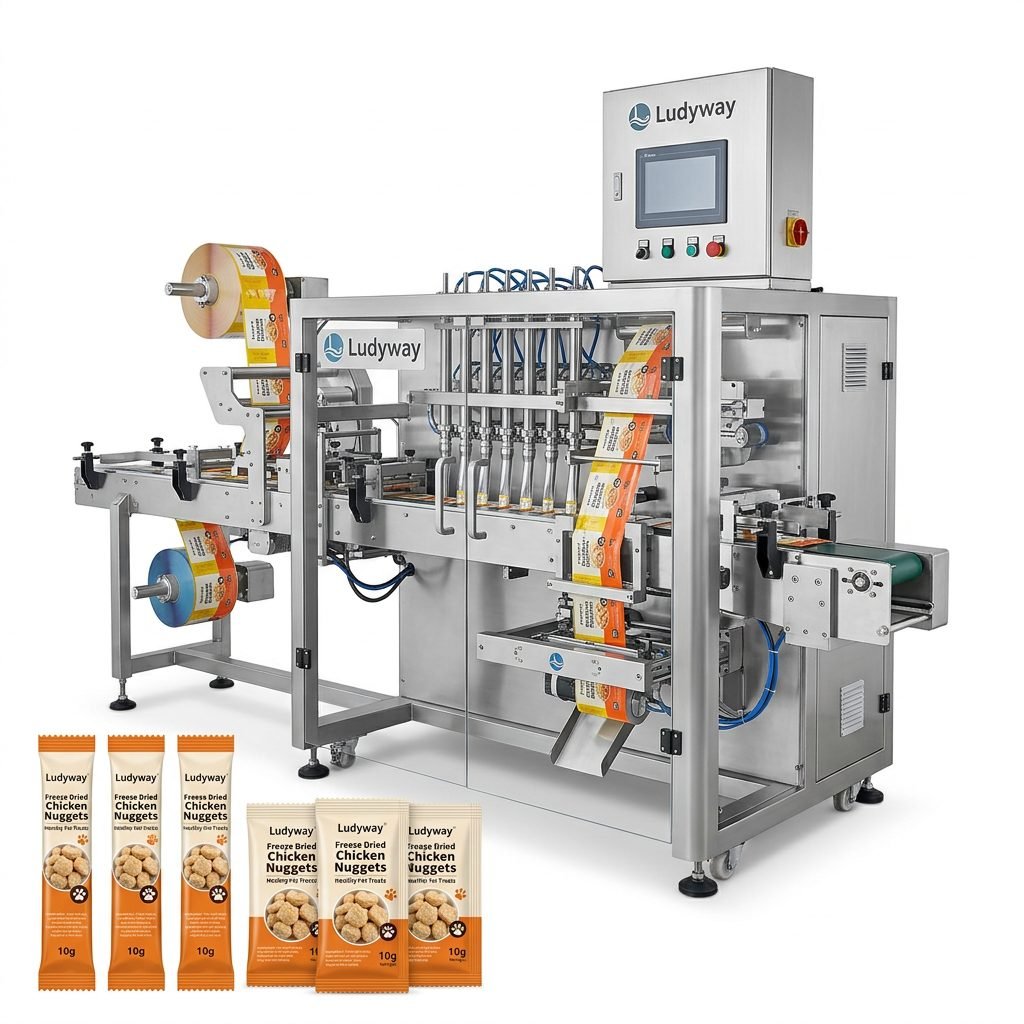
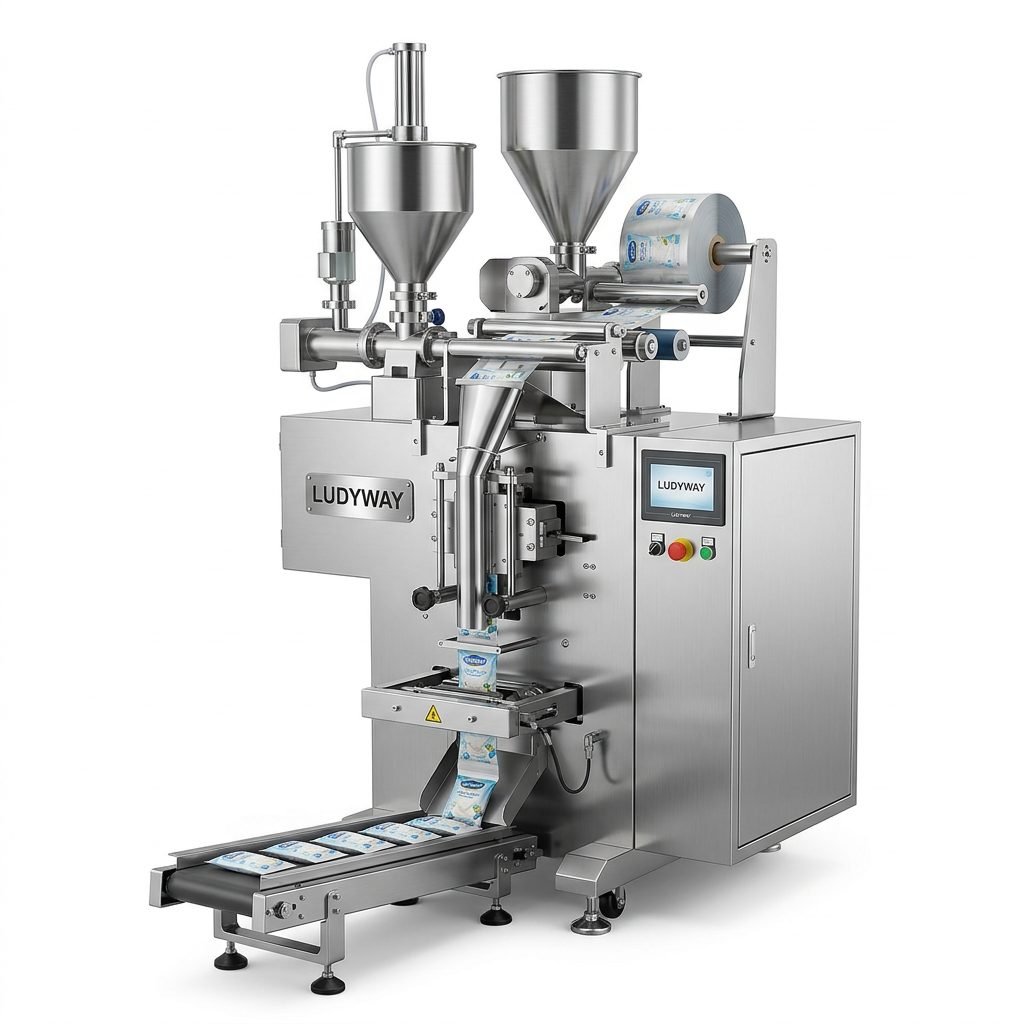
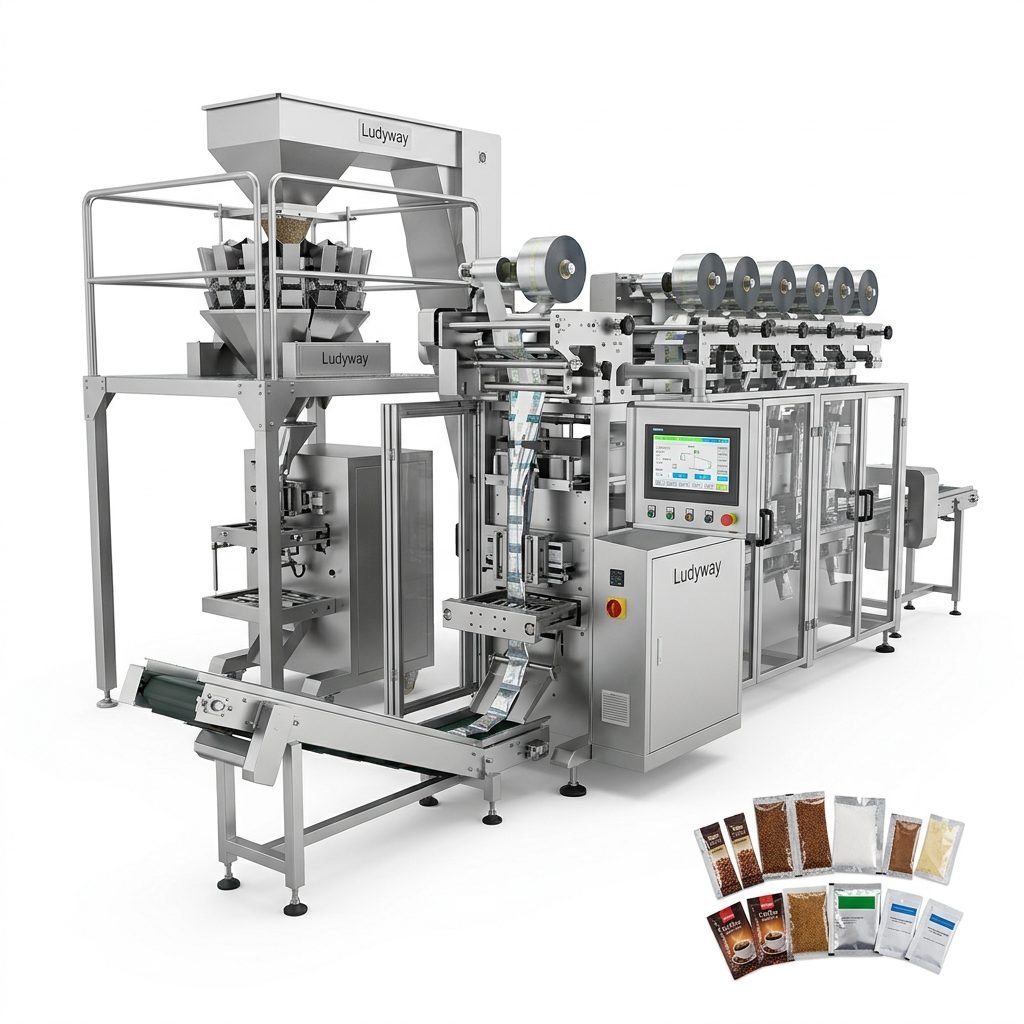
Investing in a tea meal kit packaging machine is a strategic decision for any tea brand looking to scale production, ensure product freshness, and improve shelf appeal. Whether you are packaging loose-leaf tea, matcha powder, tea concentrates, or complete meal kits with multiple components, the cost of the equipment can vary significantly. Understanding the pricing structure and the factors that influence it will help you make an informed purchasing decision.
The market for automatic tea packaging solutions has expanded rapidly, driven by growing consumer demand for convenient, portion-controlled tea products. From single-serve stick packs to multi-compartment sachet kits, the right machinery can transform your production efficiency. But what should you actually expect to pay? This guide breaks down the real costs, key variables, and practical tips to navigate your investment.
Key Factors That Influence Tea Meal Kit Packaging Machine Pricing
No two tea packaging projects are identical, and the cost of a tea meal kit packaging machine reflects a range of technical and operational variables. Understanding these factors will give you a clearer picture of where your budget should be allocated.
- Automation Level: Semi-automatic machines are more affordable upfront, while fully automatic, servo-driven systems with PLC controls command a premium. Higher automation reduces labor costs over time.
- Packaging Format: Stick packs, three-side-seal sachets, four-side-seal pouches, and multi-compartment kits each require different forming, filling, and sealing mechanisms. Machines capable of producing multiple formats cost more.
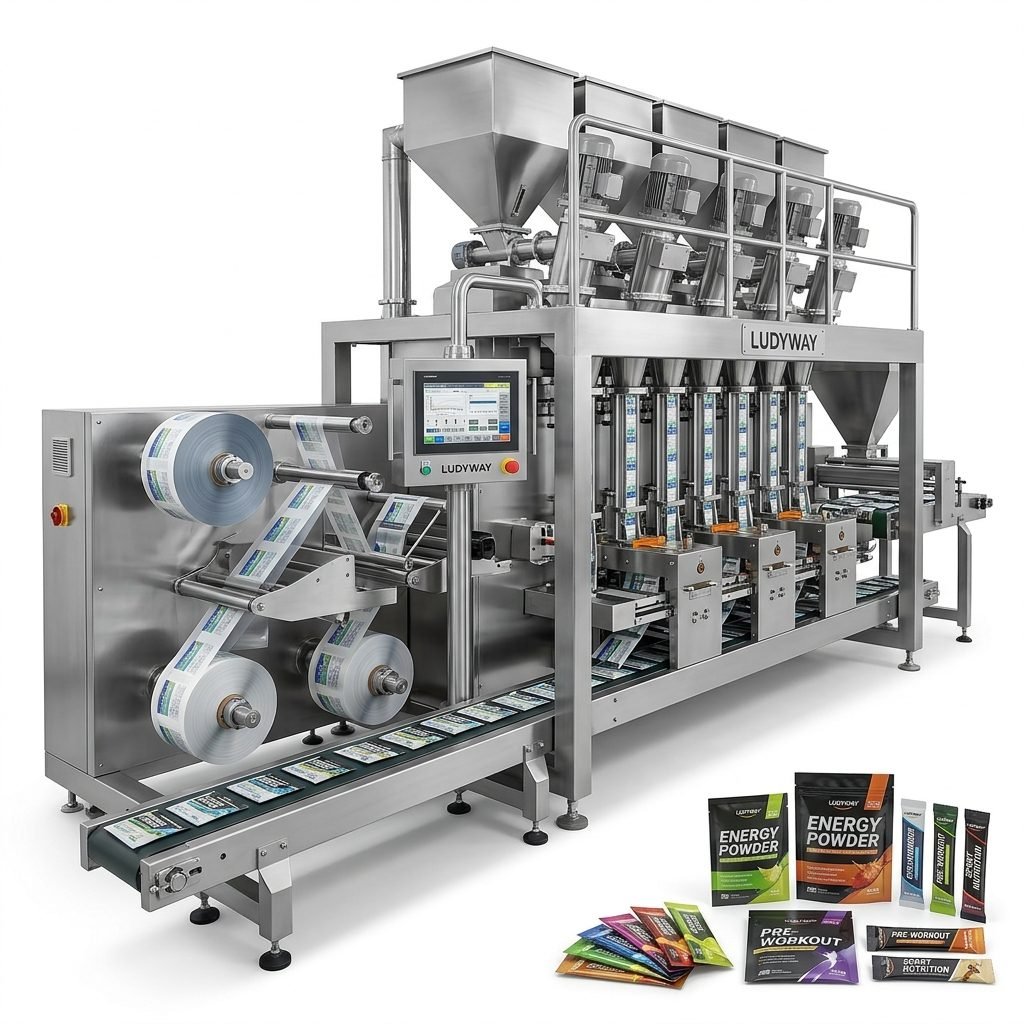
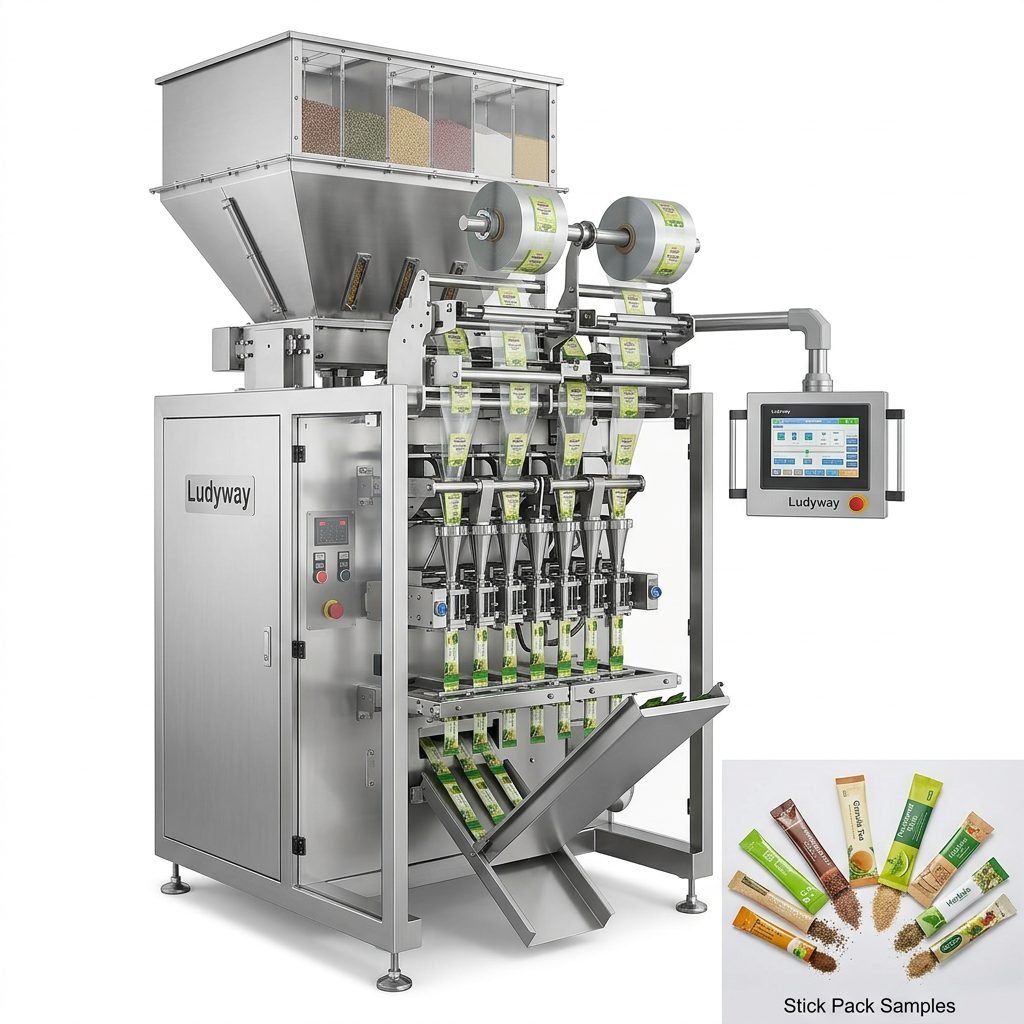
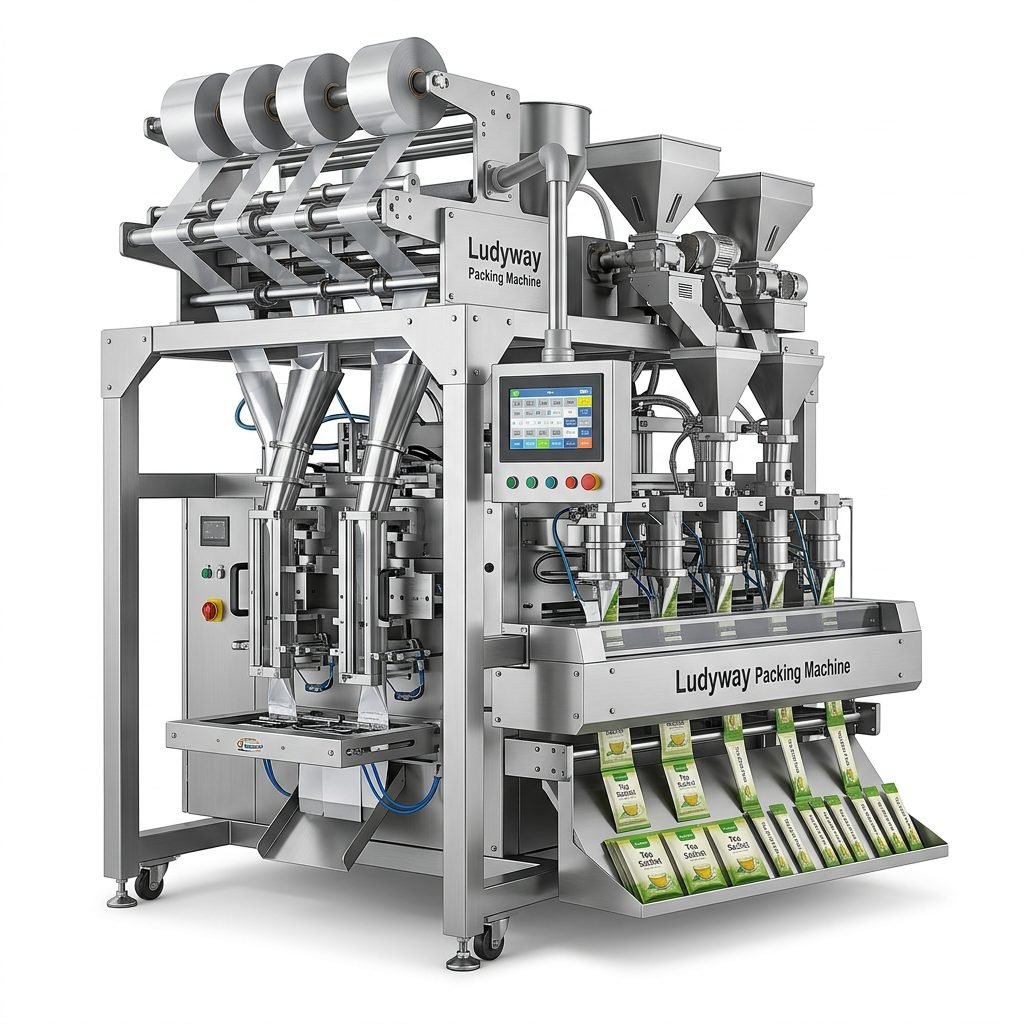
- Number of Lanes: A single-lane machine is suitable for startups, but multi-lane stick pack machines with 4, 6, 8, or even 12 lanes dramatically increase output—and the price tag.
- Filling Technology: Auger fillers for powders, volumetric cup fillers for granules, liquid piston fillers, and multi-head weighers each have different cost implications. Precision dosing systems add to the investment.
- Material Compatibility: Machines built with food-grade stainless steel (SUS304/SUS316), capable of handling nitrogen flushing for freshness, and resistant to abrasive or hygroscopic tea powders, will be priced higher.
- Additional Modules: Integrated date coders, checkweighers, metal detectors, gas flushing systems, and cartoning or case packing modules all contribute to the total line cost.
- Certifications and Compliance: Equipment meeting CE, UL, or FDA food packaging standards may carry a premium but are essential for regulated markets.
Typical Price Ranges by Machine Type
The table below provides a general estimate of what you can expect to pay for different categories of tea packaging equipment. Actual quotes will vary based on configuration, capacity, and optional features.
| Machine Category | Estimated Price Range (USD) | Best Suited For |
|---|---|---|
| Semi-Automatic Single-Lane Sachet Machine | $5,000 – $15,000 | Small-scale tea producers, startups, artisan blends |
| Automatic Single-Lane Stick Pack Machine | $15,000 – $35,000 | Growing brands, single-flavor tea powder lines |
| Multi-Lane Stick Pack Machine (4–6 Lanes) | $35,000 – $80,000 | Mid-volume production, matcha, chai latte mixes |
| High-Speed Multi-Lane System (8–12 Lanes) | $80,000 – $180,000 | Large-scale operations, co-packers, export brands |
| Complete Turnkey Tea Meal Kit Packaging Line | $150,000 – $500,000+ | Full automation with weighing, cartoning, palletizing |
Note: Prices are indicative and vary based on specifications, region, and optional add-ons.
Understanding the Cost of a Complete Tea Meal Kit Production Line
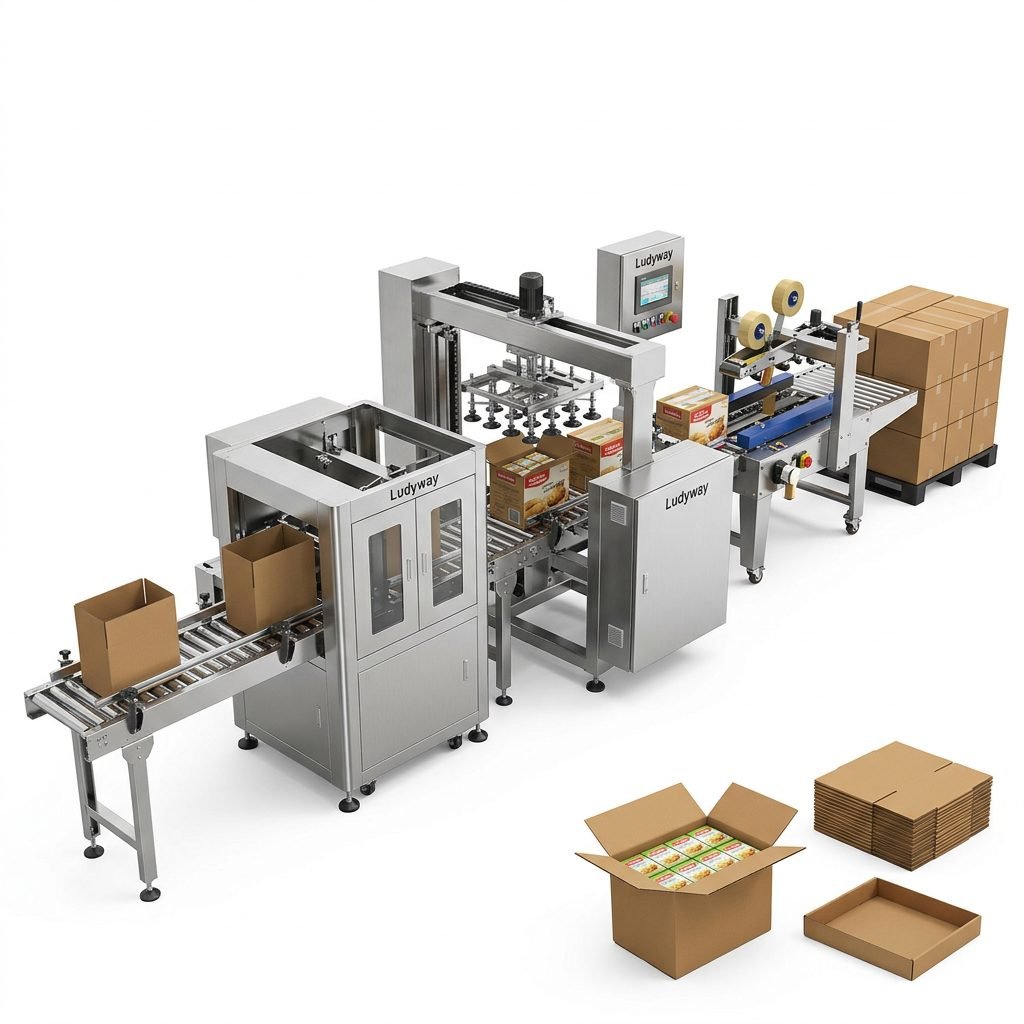
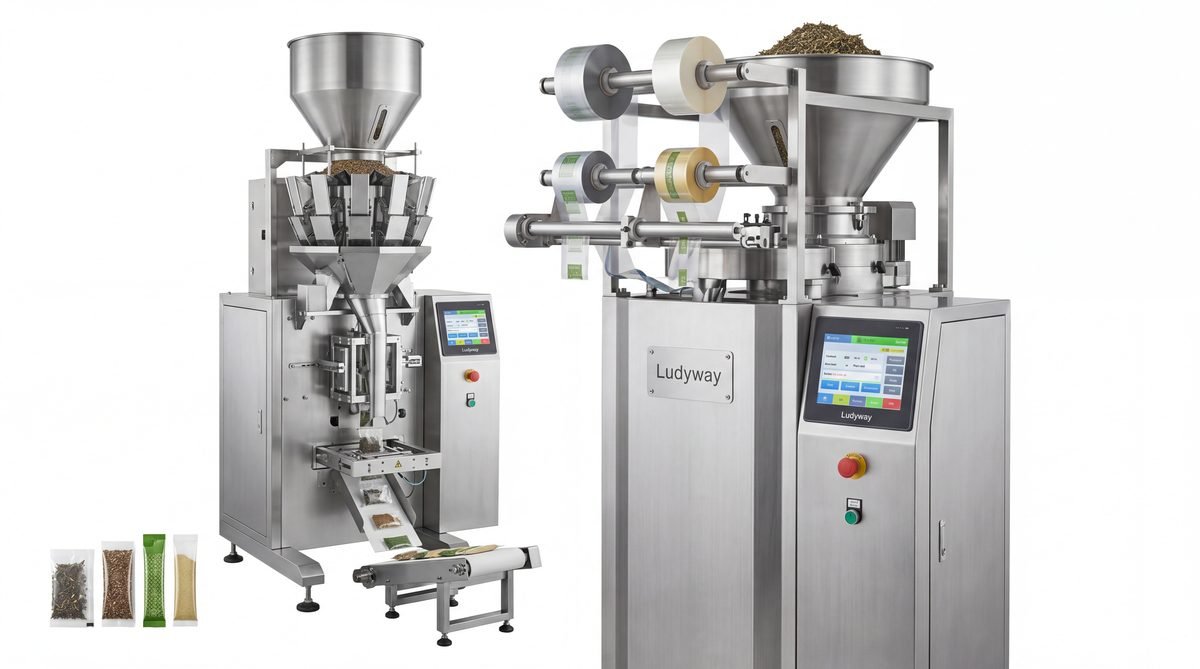
A tea meal kit often includes multiple components—such as tea bags, sweetener sachets, flavor enhancers, and disposable utensils—all packaged into a single retail-ready kit. The packaging line for such a product typically integrates several sub-systems working in synchronization.
Core Equipment in a Meal Kit Line
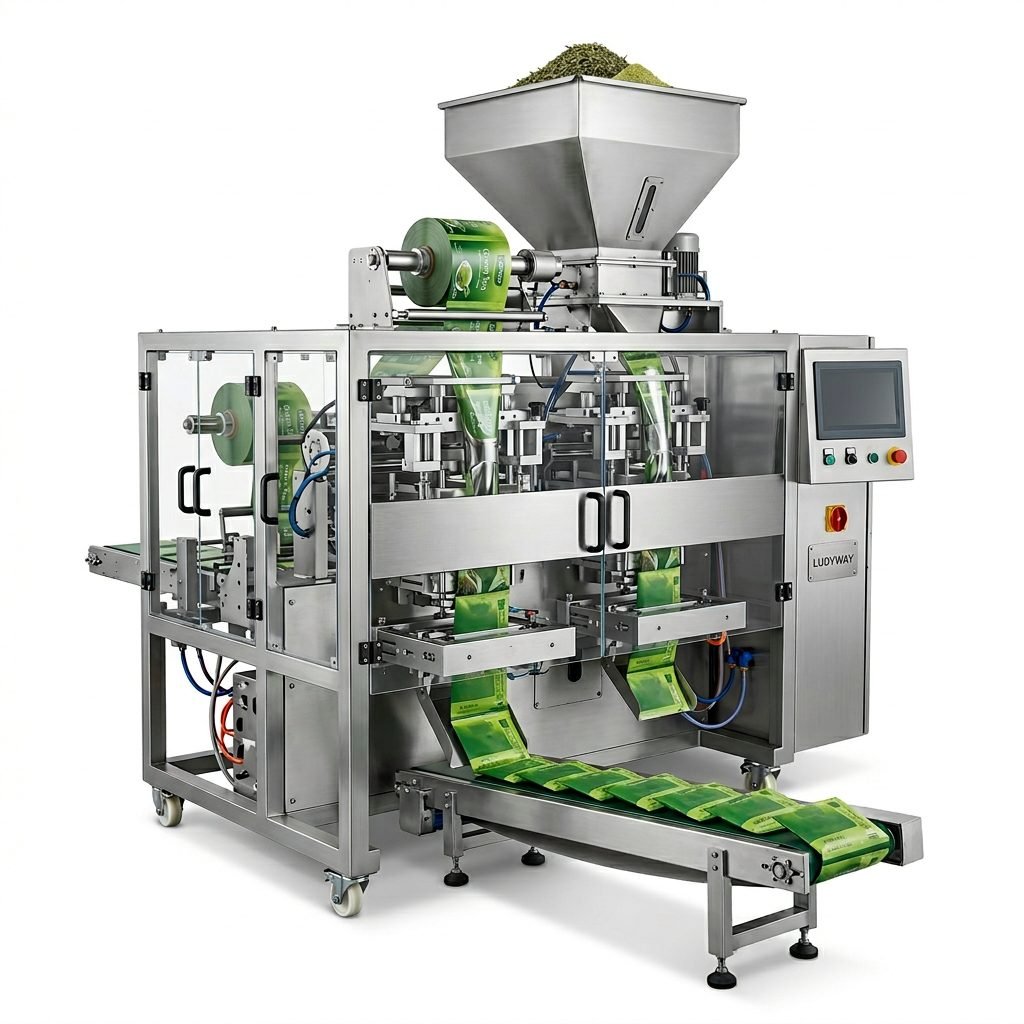
- Primary Packaging Unit: Multi-lane sachet or stick pack machine for individual tea and ingredient portions.
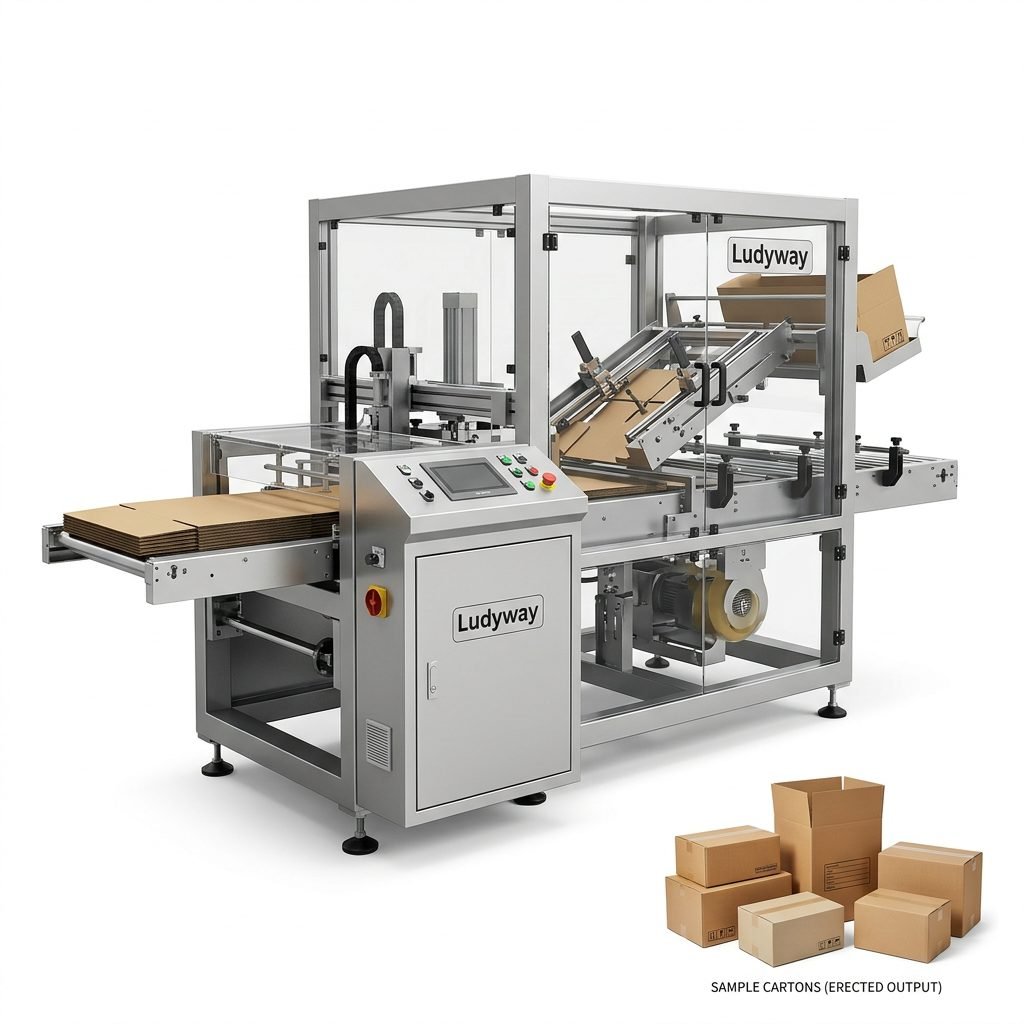
- Secondary Packaging System: A flow wrapper or cartoning machine that assembles the components into the final kit.
- Conveying and Accumulation: Automated systems to transport and buffer products between stages.
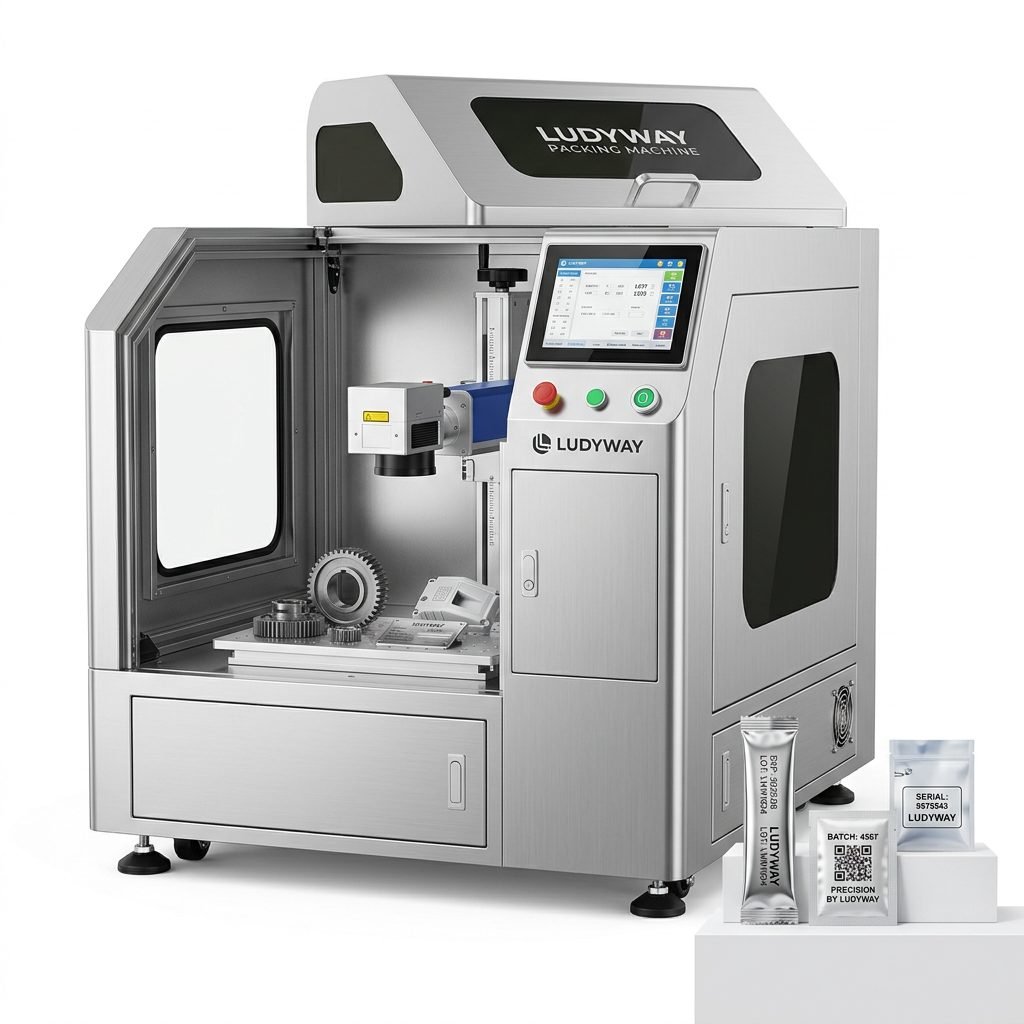
- Inspection and Coding: Checkweighers, metal detectors, and inkjet or laser coders for quality assurance and traceability.
- End-of-Line Automation: Case packers, palletizers, and stretch wrappers for distribution-ready output.
When budgeting for such an integrated system, consider that the primary machine typically represents 40–60% of the total line cost, with auxiliary equipment, installation, and training accounting for the remainder. Consulting with experienced packaging industry professionals can help you optimize the line layout and avoid costly over-specification.
Stick Pack vs. Sachet vs. Pouch: Cost Implications by Format
The packaging format you choose has a direct impact on both machine cost and ongoing material expenses. Each format offers distinct advantages for tea products.
- Stick Packs: Popular for single-serve tea powders, matcha, and instant tea lattes. Machines are generally more compact and cost-effective for high-speed production. Stick pack film costs are typically lower per unit compared to pre-made pouches.
- Flat Sachets: Ideal for tea bag over-wrapping, herbal blends, and promotional samples. Three-side-seal and four-side-seal sachet machines offer versatility at a moderate price point.
- Stand-Up Pouches: Preferred for premium tea meal kits with multiple servings or components. Pouch packaging machines or pre-made pouch fill-seal systems are generally more expensive due to the complexity of zipper application and gusset forming.
Hidden Costs to Factor Into Your Budget
Beyond the sticker price of the tea packaging machine, several additional investments can affect your total cost of ownership. Plan for these expenses to avoid unexpected financial strain.
| Cost Category | Typical Percentage of Machine Cost | Details |
|---|---|---|
| Shipping and Logistics | 5% – 12% | Ocean freight, customs duties, inland transportation |
| Installation and Commissioning | 8% – 15% | On-site setup, calibration, technician travel expenses |
| Operator Training | 2% – 5% | Comprehensive training for production and maintenance staff |
| Spare Parts Package | 3% – 7% | Critical wear parts, sealing elements, sensors |
| Facility Modifications | Variable | Compressed air, electrical upgrades, dust extraction systems |
Buying Tips: How to Get the Best Value for Your Investment
Making a wise purchasing decision involves more than comparing price tags. Follow these practical tips to maximize return on your tea meal kit packaging machine investment.
1. Define Your Production Requirements Clearly
Document your current and projected output volumes, packaging formats, tea product characteristics (powder, granule, leaf, liquid), and desired level of automation. A well-prepared specification sheet helps manufacturers quote accurately and recommend the most suitable configuration. Avoid overbuying capacity you won’t use within 3–5 years.
2. Request Detailed Quotations from Multiple Suppliers
Compare quotes not just on price but on included features, warranty terms, after-sales support, and spare parts availability. A lower upfront cost may result in higher long-term operational expenses if reliability or support is inadequate. Ask for references from existing customers in the tea industry.
3. Evaluate Machine Build Quality and Materials
For tea products, food-grade stainless steel construction is non-negotiable. Inspect the quality of key components such as sealing jaws, filling units, and control systems. Request material certificates and verify that the machine meets relevant ISO packaging standards applicable to your target markets.
4. Consider Total Cost of Ownership (TCO)
An energy-efficient servo-driven machine may cost more initially but will save significantly on electricity and film waste over its lifetime. Calculate the total cost of ownership over 5–7 years, including consumables, maintenance labor, and expected downtime. A machine with quick changeover capabilities can also reduce labor costs when switching between tea varieties.
5. Prioritize After-Sales Support and Service
Reliable technical support is critical for minimizing production disruptions. Before purchasing, confirm the availability of remote diagnostics, on-site service engineers, and a responsive spare parts supply chain. Manufacturers with established global service networks, such as Ludyway, often provide more dependable long-term support for international customers.
Financing and Leasing Options
If the upfront capital expenditure for a tea packaging line is a concern, explore financing or leasing arrangements. Many equipment manufacturers and third-party financial institutions offer structured payment plans that convert a large one-time purchase into manageable monthly installments. Leasing can be particularly attractive for businesses that anticipate upgrading their equipment within a few years, as it preserves cash flow and may offer tax advantages. Always review the terms carefully, including interest rates, residual values, and early buyout options.
Common Mistakes to Avoid When Buying a Tea Packaging Machine
- Underestimating Film and Material Costs: The packaging film represents a significant ongoing expense. Ensure your machine is compatible with cost-effective and sustainable film options. Test different materials before committing to a specific machine configuration.
- Ignoring Future Scalability: A machine that meets today’s production needs may become a bottleneck in 18 months. Look for modular designs that allow for lane additions or speed upgrades without replacing the entire system.
- Overlooking Regulatory Requirements: Tea products sold in international markets must comply with specific packaging regulatory affairs guidelines. Verify that your equipment can handle compliant labeling, coding, and tamper-evident sealing.
- Skipping Factory Acceptance Testing (FAT): Always conduct a thorough FAT at the manufacturer’s facility before shipping. Run the machine with your actual tea products and packaging materials to identify any issues early.
- Neglecting Operator Skill Development: Even the most advanced machine will underperform if operators are not properly trained. Budget for comprehensive training during installation and plan for ongoing skill development.
Return on Investment: When Does a Tea Meal Kit Machine Pay for Itself?
The payback period for a tea meal kit packaging machine depends on your production scale, labor savings, and market pricing strategy. For a mid-range multi-lane stick pack machine priced around $50,000 to $70,000, a typical small-to-medium tea producer can expect a return on investment within 12 to 24 months, assuming the following conditions:
- Production volume of at least 500,000 to 1,000,000 stick packs per month
- Labor reduction of 2–4 workers per shift through automation
- Film waste reduction of 3–5% compared to older or manual equipment
- Premium pricing enabled by improved package quality and consistency
Larger, fully integrated turnkey lines with higher upfront costs can achieve payback within 18 to 36 months when deployed for high-volume contract packaging or export-oriented production.
Industry Resources for Further Research
Staying informed about packaging technology trends and standards is essential for making a sound investment. The following resources provide valuable data and guidance:
- PMMI State of the Industry Report 2026 – Comprehensive packaging machinery market data and forecasts
- Flexible Packaging Association Industry Resources – Insights on flexible packaging materials and sustainability
- PACK EXPO International – Leading trade show for packaging and processing technologies
- ISO Packaging Standards – International standards for packaging machinery and materials
- EU Packaging and Packaging Waste Regulation – Regulatory framework for packaging in European markets
Final Thoughts on Pricing and Selection
The cost of a tea meal kit packaging machine is influenced by a wide array of factors, from automation level and lane count to integrated auxiliary systems and regulatory compliance. A clear understanding of your production goals, combined with diligent supplier evaluation and total cost analysis, will guide you toward the most valuable investment for your tea business. Take the time to test your products on prospective machines, consult multiple manufacturers, and prioritize long-term reliability over the lowest initial price. With the right equipment in place, your tea brand can achieve consistent quality, higher throughput, and a stronger competitive position in the growing tea market.