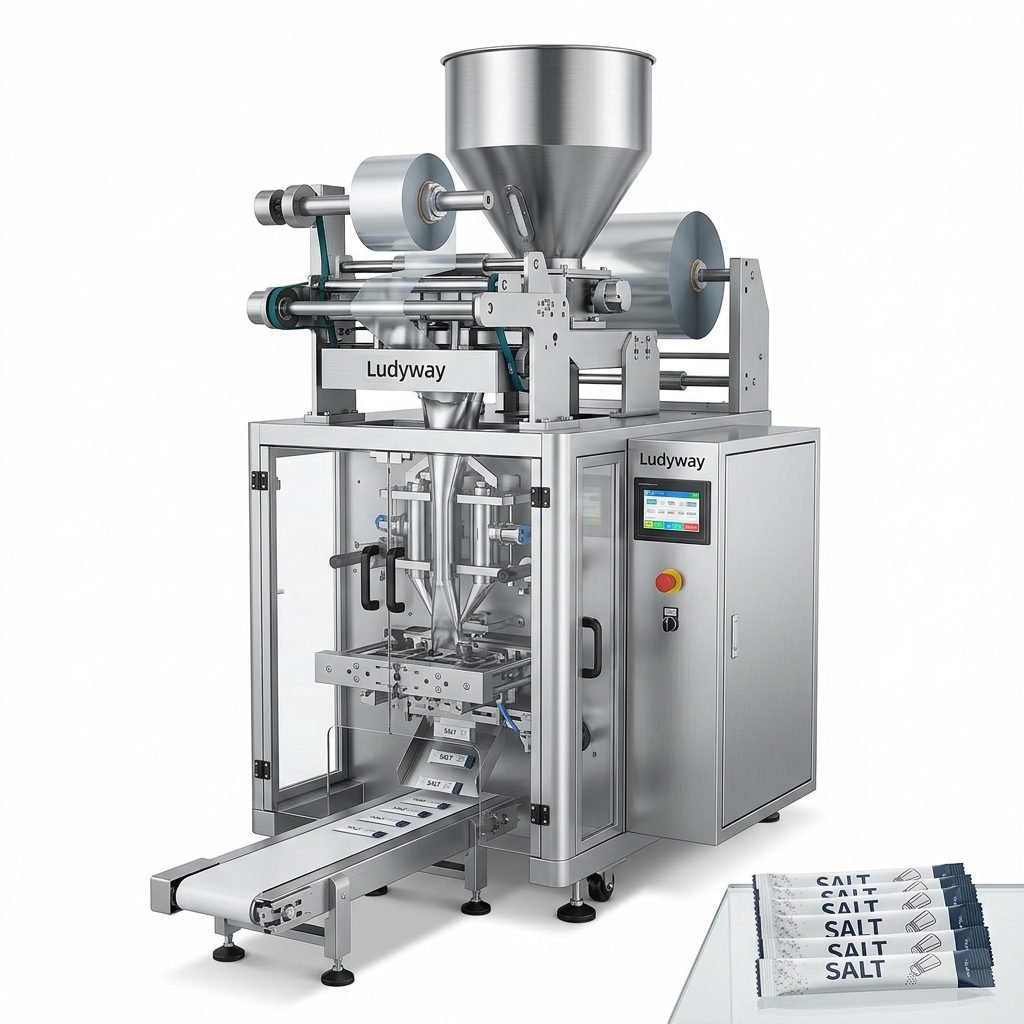
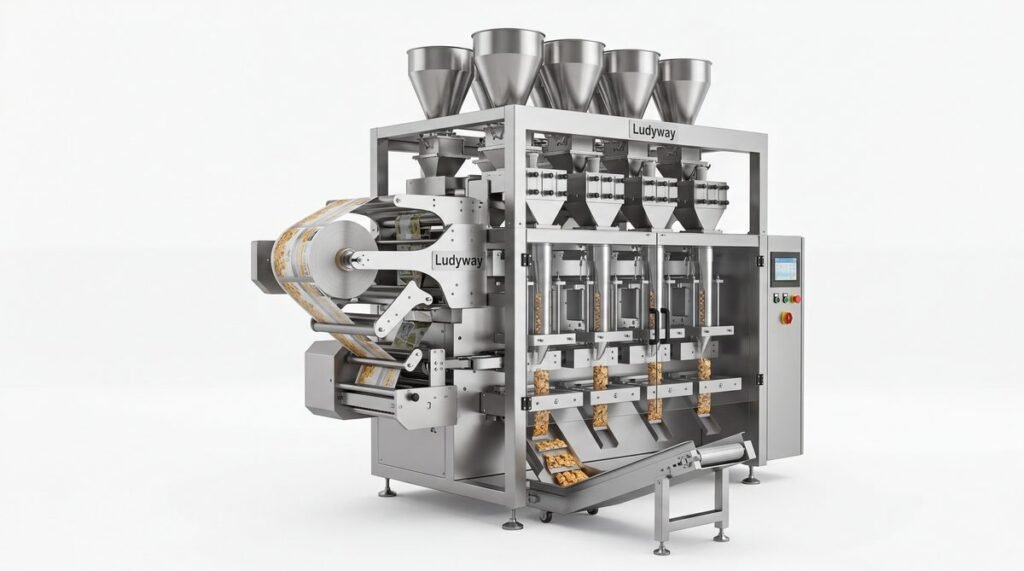
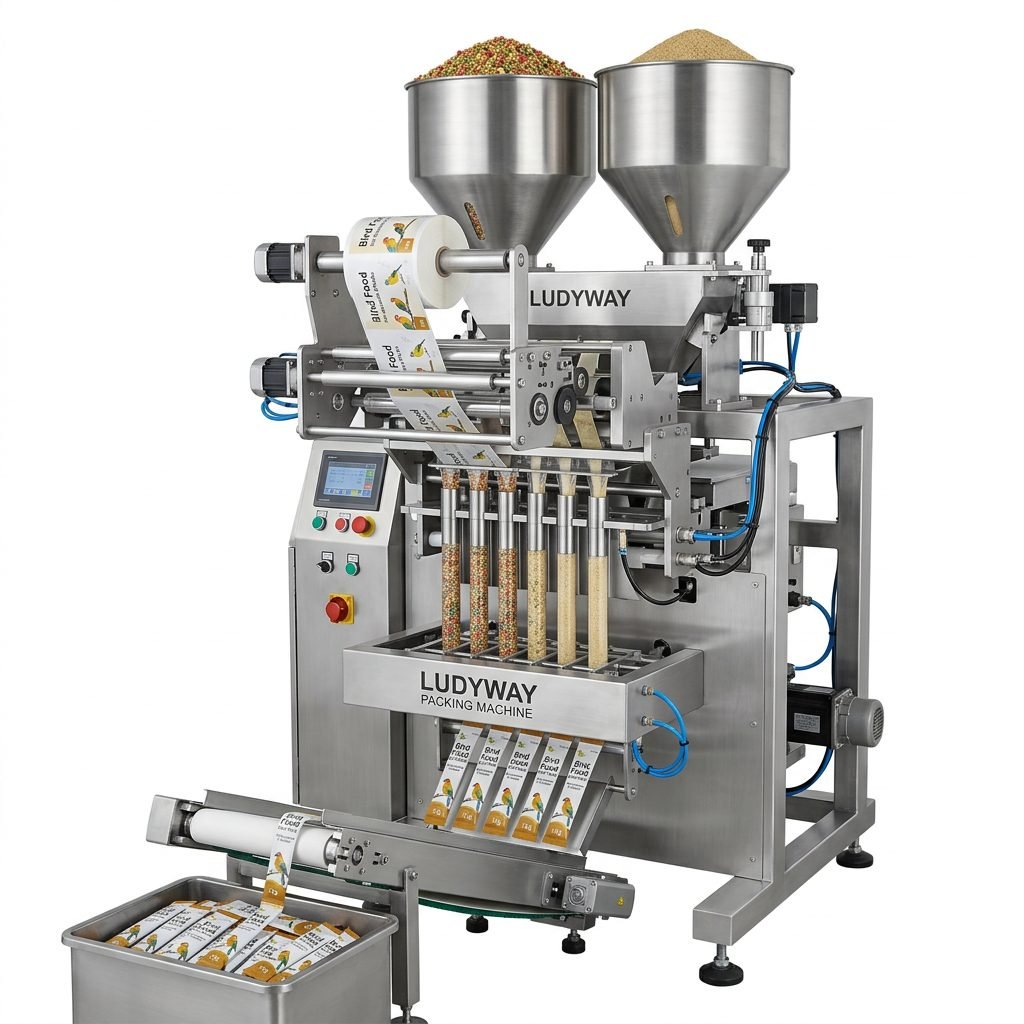
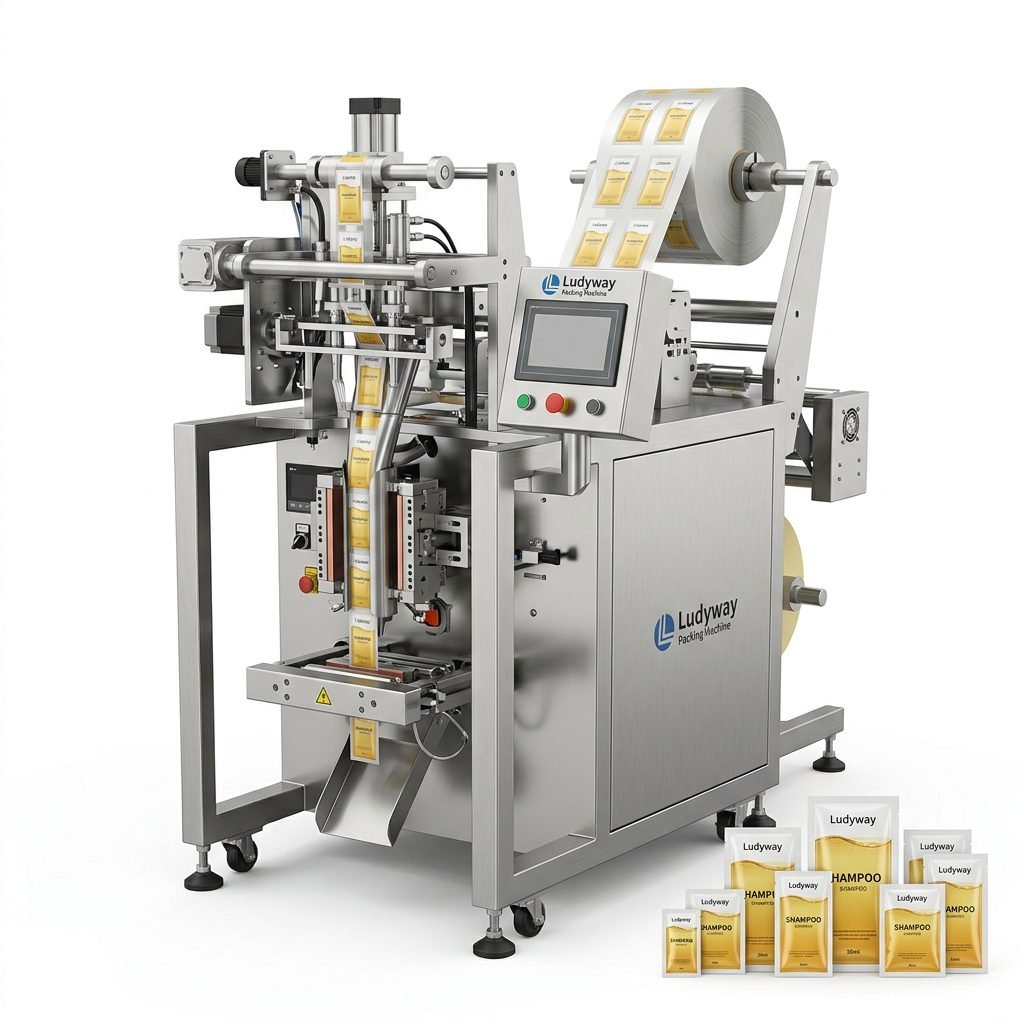
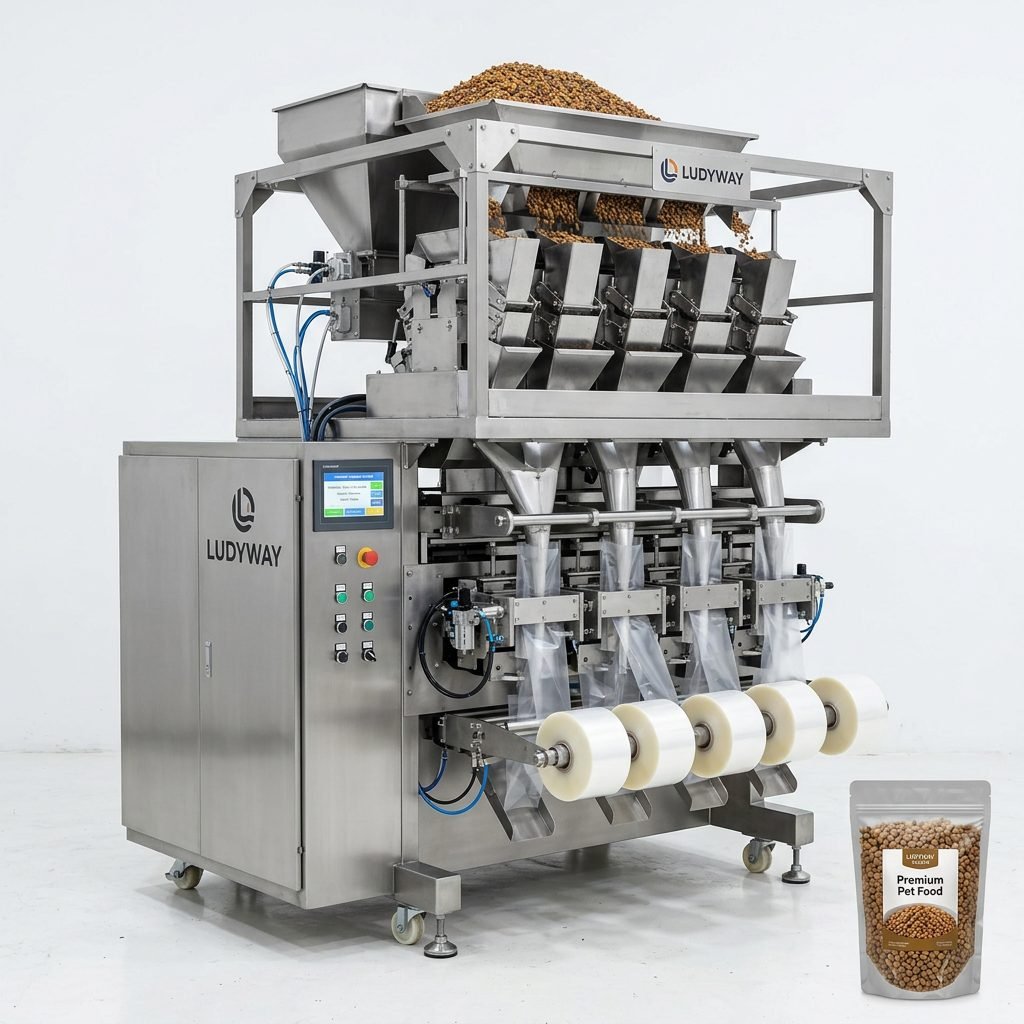
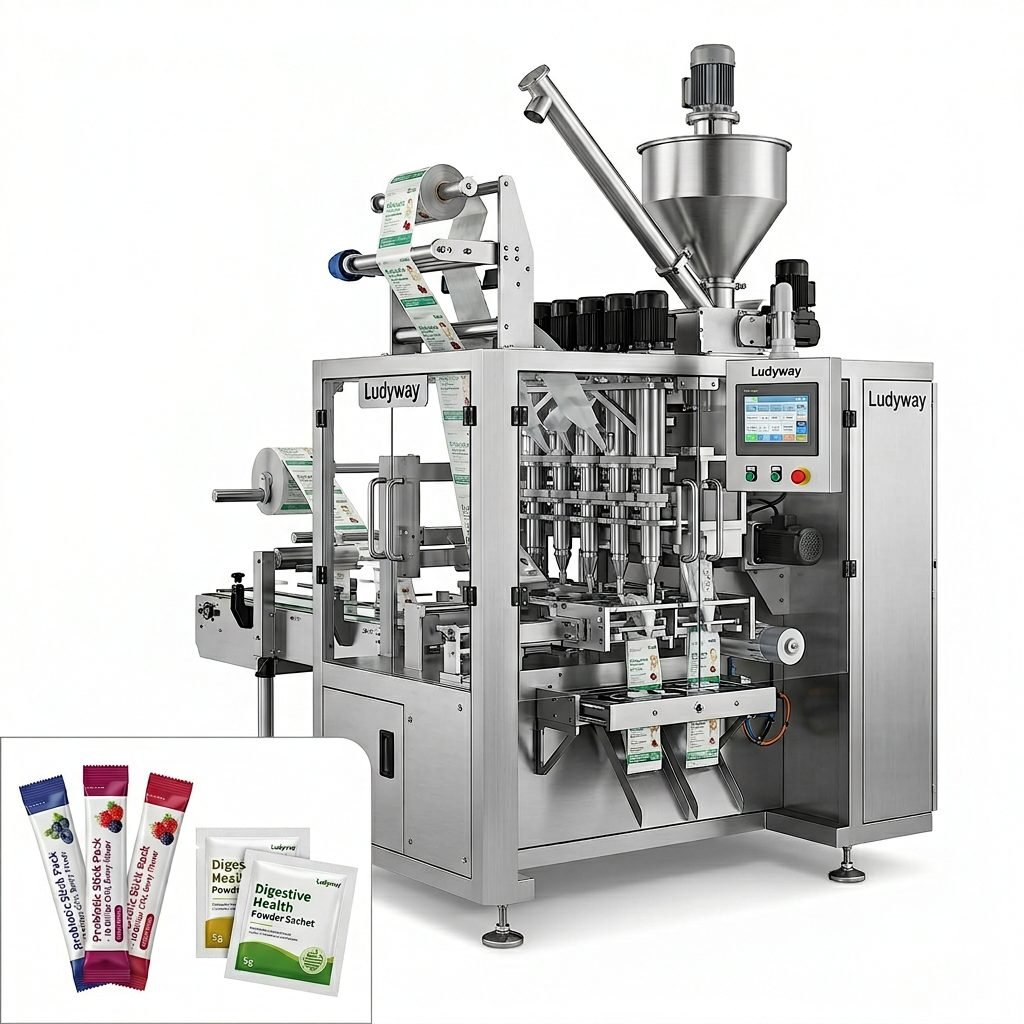
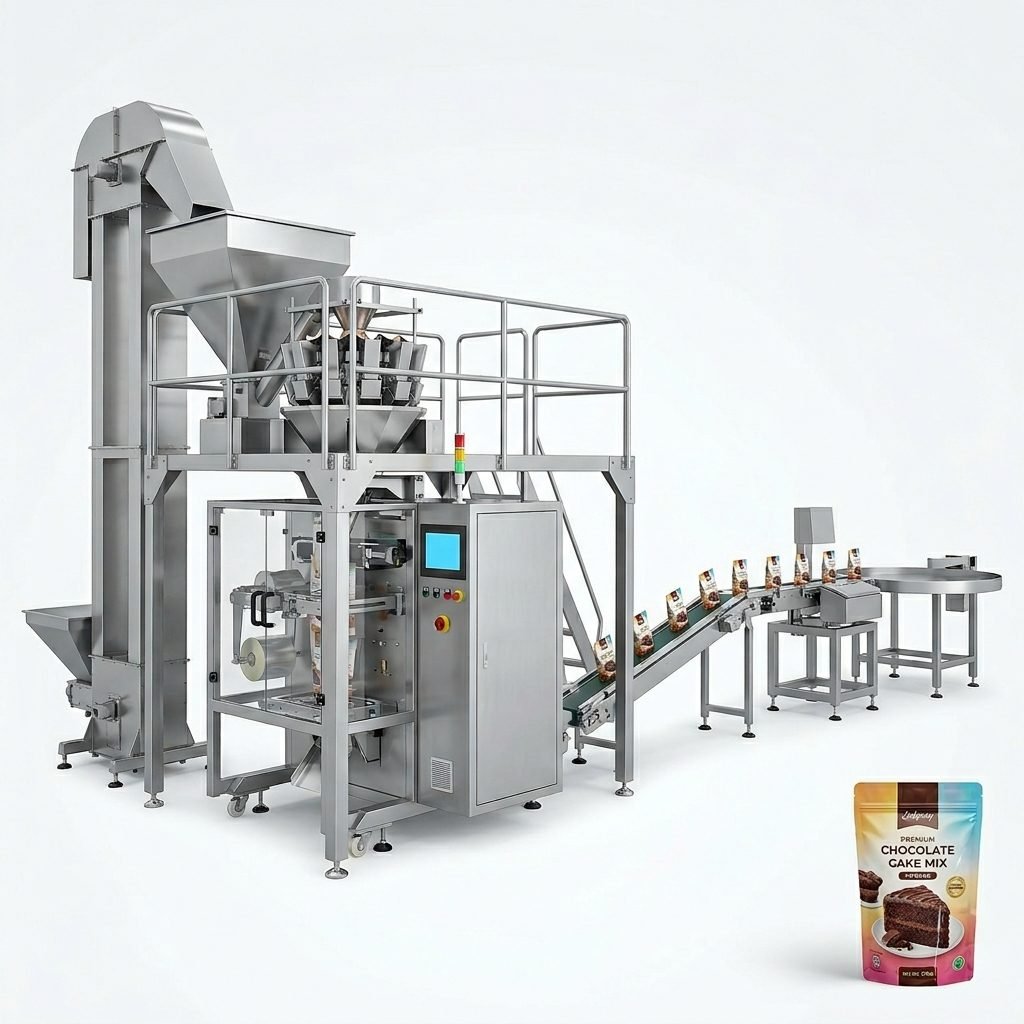
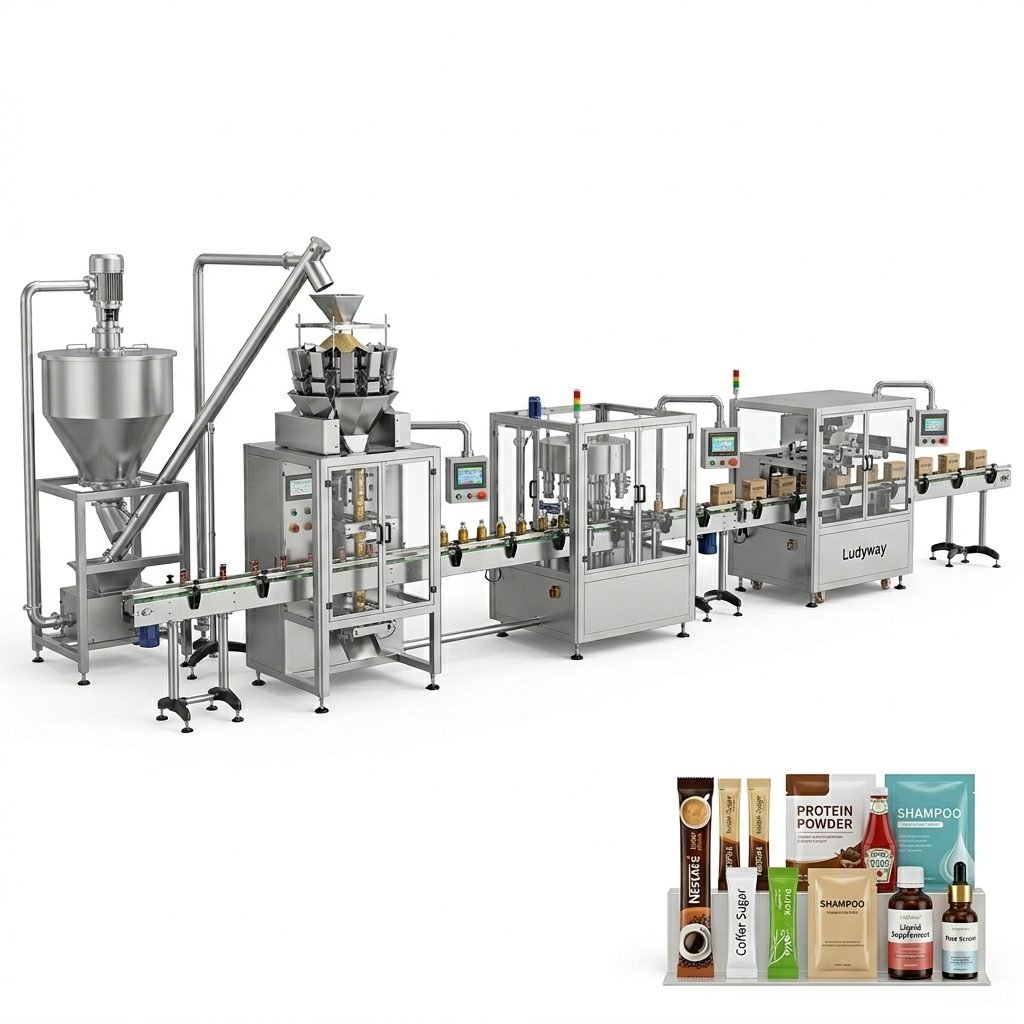
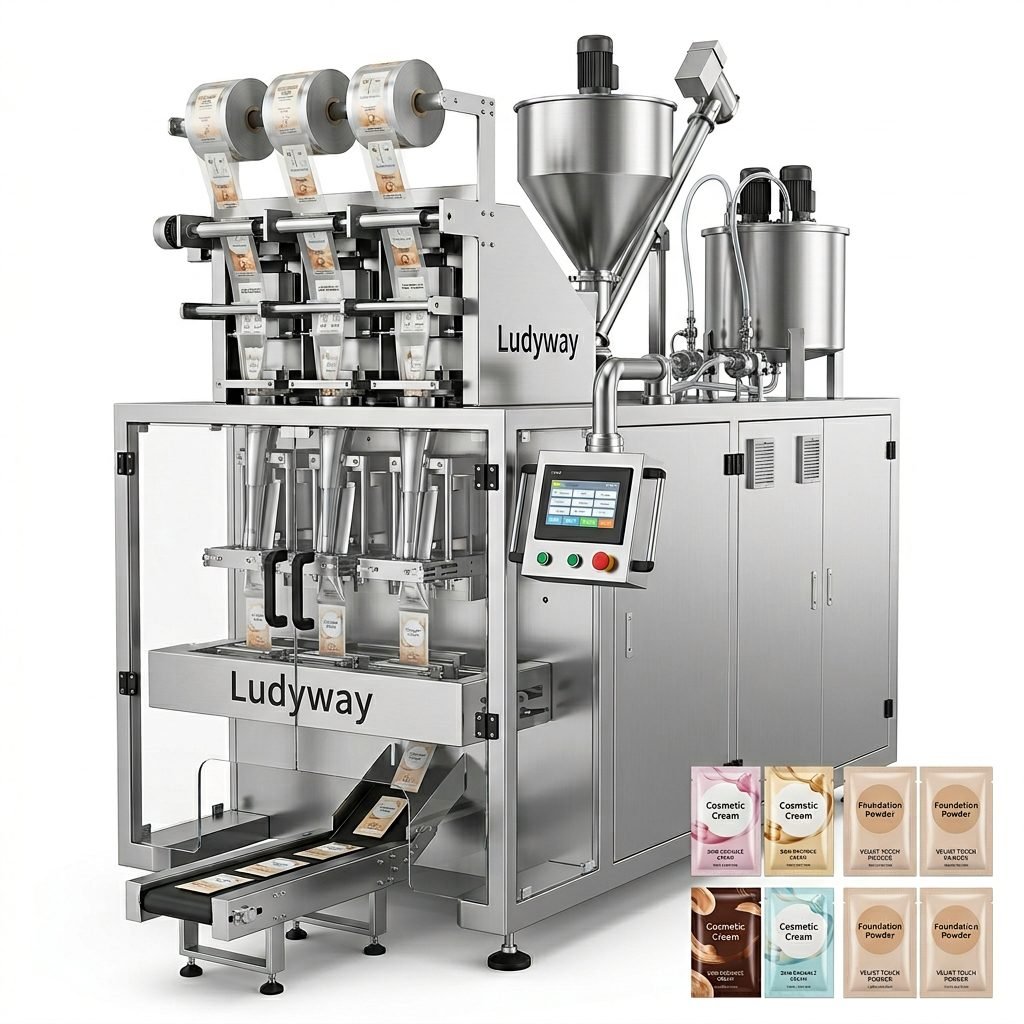
Investing in a sauce packaging machine is a critical decision for food manufacturers, condiment producers, and co-packers. The right equipment directly impacts production efficiency, product shelf life, fill accuracy, and ultimately your bottom line. However, with so many machine types, configurations, and technical specifications available, the selection process can feel overwhelming. This comprehensive buyer’s guide walks you through every key factor to consider when choosing a sauce packaging machine for your operation.
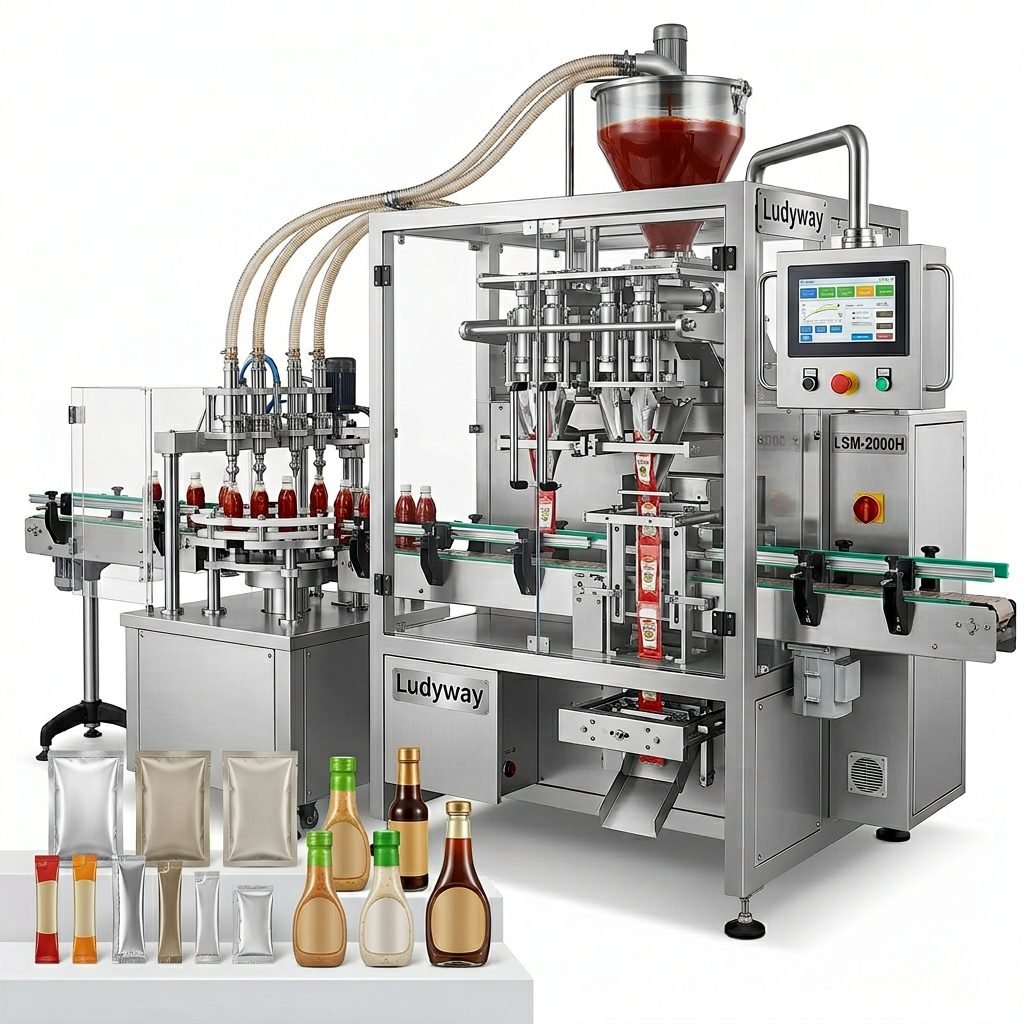
Understanding Your Sauce: Viscosity, Particles, and Flow Characteristics
Before evaluating any equipment, you must thoroughly understand your product’s physical properties. Sauces vary dramatically in their behavior during filling:
- Low-viscosity sauces: Soy sauce, fish sauce, vinegar-based dressings, and thin hot sauces flow like water and require precision liquid packaging machine nozzles to prevent dripping and splashing.
- Medium-viscosity sauces: Ketchup, BBQ sauce, mayonnaise, and creamy dressings exhibit shear-thinning behavior — they flow more easily under pressure but hold their shape at rest.
- High-viscosity sauces: Tomato paste, chili paste, pesto, and thick cooking sauces require positive displacement filling systems capable of handling dense, slow-moving products.
- Particulate sauces: Chunky salsa, marinara with vegetable pieces, fruit-based sauces, and relish contain solid particles that demand special filling valves and larger nozzle diameters to prevent clogging.
According to industry data from the PMMI packaging machinery market research, liquid and viscous product packaging represents one of the fastest-growing segments in the food packaging equipment sector. Understanding your sauce’s rheological properties is the foundation of selecting the right filling technology.
Packaging Format Selection: Sachet, Stick Pack, Pouch, or Bottle
Modern sauce packaging machines accommodate diverse packaging formats. Your choice depends on your target market, distribution channels, and portion size requirements:
| Packaging Format | Typical Volume Range | Best Suited For | Key Advantages |
|---|---|---|---|
| Sachet | 3ml – 80ml | Single-serve condiments, sampling programs, food service | Low cost per unit, lightweight, high shelf appeal in multi-packs |
| Stick Pack | 5ml – 50ml | Portion-control sauces, travel packs, instant meal kits | Excellent portability, easy tear opening, modern packaging appeal |
| Premade Pouch | 50ml – 500ml+ | Retail cooking sauces, family-size condiments, premium products | Stand-up capability, resealable options, large branding surface |
| Bottle Filling | 100ml – 1L+ | Retail hot sauce, soy sauce, cooking wine, premium condiments | Reusable packaging, traditional consumer preference, wide compatibility |
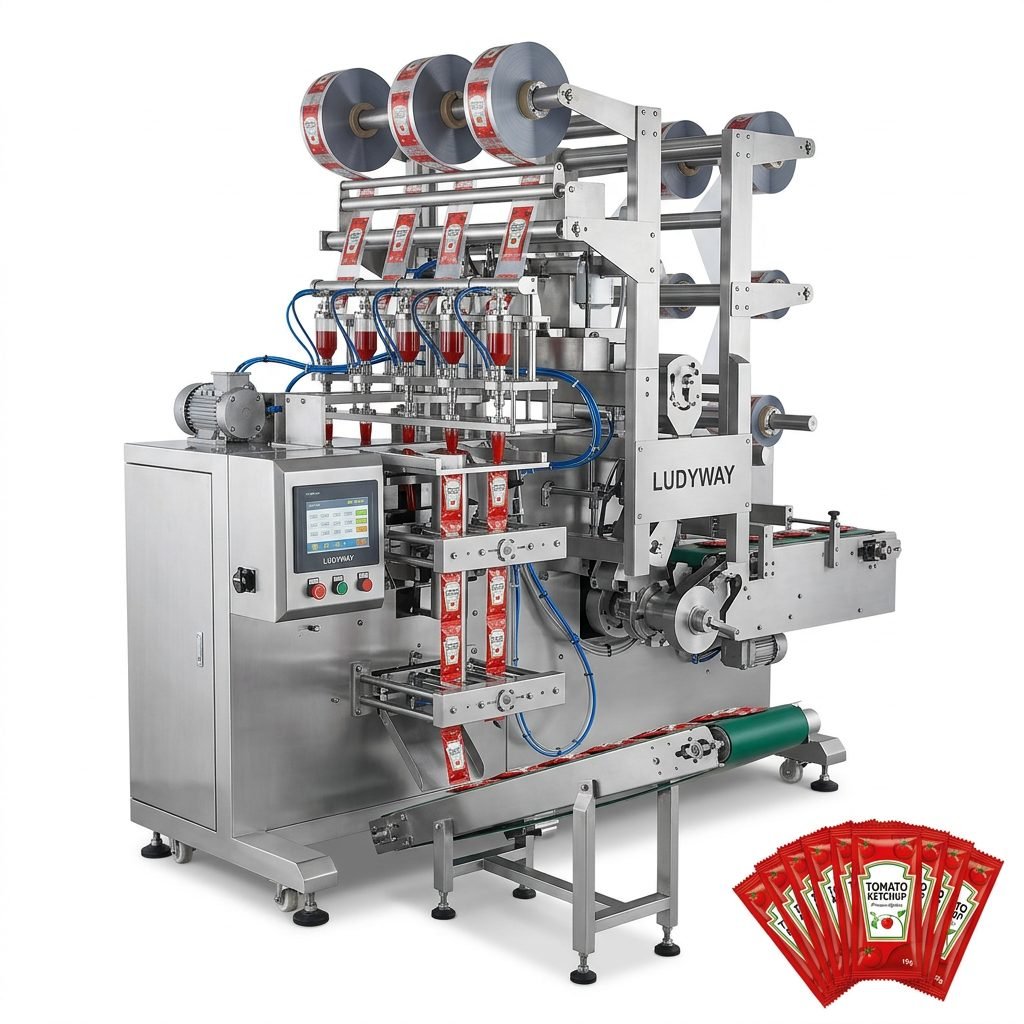
Many manufacturers today are shifting toward sachet packaging machines and stick pack machines due to growing demand for single-serve and portion-controlled packaging, especially in emerging markets and food service channels.
Machine Types: Comparing Filling Technologies
Different sauce types require different filling mechanisms. The Flexible Packaging Association highlights that matching filling technology to product characteristics is essential for achieving consistent fill accuracy and minimizing waste. Here are the primary filling systems used in sauce packaging:
Piston Fillers
Piston filling systems use a reciprocating piston within a cylinder to draw in and dispense product. They excel with medium to high-viscosity sauces like ketchup, mayonnaise, and thick dressings. Piston fillers offer excellent volumetric accuracy (±0.5% or better) and can handle particulates when configured with appropriate valve designs. They are widely used in both small-scale and high-speed production environments.
Gravity Fillers
Gravity-based systems rely on the product’s own weight to flow into containers. These are ideal for low-viscosity, free-flowing sauces such as soy sauce, vinegar, and thin dressings. Gravity fillers are simpler in design, easier to clean, and generally more cost-effective than piston or pump systems — but they are not suitable for thick or chunky products.
Pump Fillers (Gear, Lobe, Peristaltic)
Pump-based filling systems handle a broad viscosity range and are especially effective for shear-sensitive sauces that should not be overworked. Gear pumps provide precise volumetric displacement for medium-viscosity products, while lobe pumps handle chunky sauces with minimal product damage. Peristaltic pumps offer excellent sanitation since the product only contacts the tubing, making them popular for pharmaceutical and high-hygiene food applications.
Overflow Fillers
Overflow filling systems fill to a consistent level rather than a consistent volume, making them ideal for transparent bottles where visual fill-level consistency matters. They are commonly used for bottled sauces sold in clear glass or PET containers.
Key Technical Specifications to Evaluate
When comparing different sauce packaging machines, pay close attention to these critical specifications:
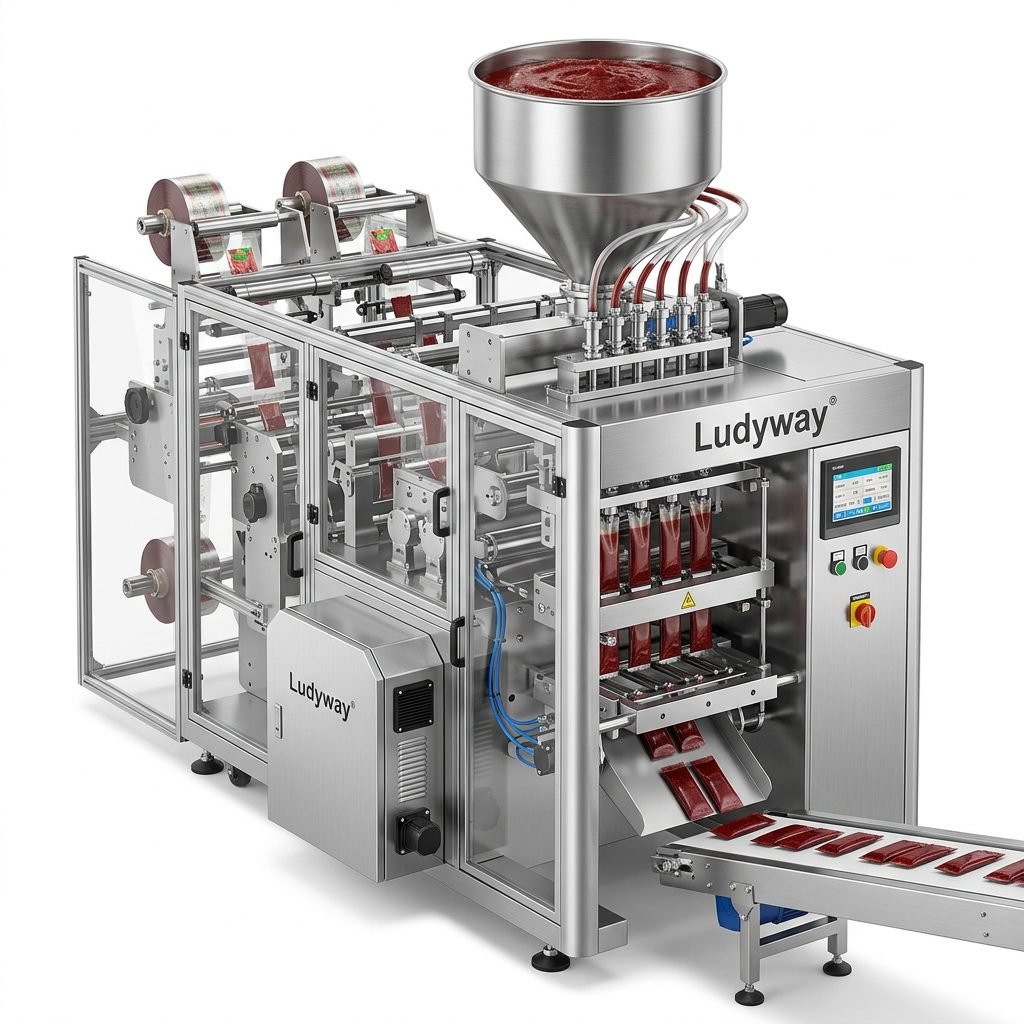
- Filling Speed: Measured in packs per minute (ppm) or bottles per minute (bpm). Multi-lane packaging machines can achieve speeds of 200–600+ ppm for sachet and stick pack formats, while single-lane systems typically produce 30–80 ppm. Match speed to your current and projected production needs.
- Fill Volume Range: Ensure the machine accommodates your entire product line’s volume requirements. Some machines offer quick-change adjustments for different fill volumes.
- Fill Accuracy: Precise filling minimizes product giveaway and ensures regulatory compliance. Look for accuracy specifications of ±0.5% to ±1.0% for volumetric systems.
- Nozzle Configuration: The number of filling heads directly impacts throughput. Multi-nozzle systems allow simultaneous filling of multiple packages.
- Sealing Technology: Heat sealing, ultrasonic sealing, or induction sealing — each has advantages depending on your packaging material and product sensitivity.
- Machine Footprint: Consider your available floor space and integration with existing production lines.
Material Compatibility and Seal Integrity
Sauce packaging demands excellent seal integrity to prevent leakage, contamination, and spoilage. The machine you select must be compatible with your chosen packaging materials. Common flexible packaging materials for sauces include:
| Material Structure | Barrier Properties | Common Applications |
|---|---|---|
| PET/AL/PE | Excellent oxygen and moisture barrier | Shelf-stable sauces, ketchup sachets, soy sauce packs |
| PET/PE | Good clarity, moderate barrier | Short shelf-life sauces, refrigerated products |
| PET/VMPET/PE | High barrier with metallic appearance | Premium sauce sachets, food service condiments |
| Paper/AL/PE | Good barrier with paper feel | Stick packs, portion packs, eco-conscious brands |
The sealing system must be precisely calibrated for your specific material structure. Heat sealing remains the most common method, but parameters such as temperature, pressure, and dwell time must be optimized for each film structure. For sauces containing oils or fats that can contaminate seal areas, ultrasonic sealing may offer superior reliability.
Hygiene, Cleanability, and Compliance
Food safety regulations demand packaging equipment that supports rigorous sanitation protocols. When evaluating sauce packaging machines, assess the following hygiene-related features:
- CIP (Clean-in-Place) Compatibility: Machines with CIP systems allow cleaning without disassembly, reducing downtime between product changeovers.
- SIP (Sterilize-in-Place) Capability: For aseptic or extended shelf-life sauce packaging, SIP systems use steam or chemicals to sterilize product-contact surfaces.
- Stainless Steel Construction: All product-contact parts should be 304 or 316L stainless steel to resist corrosion from acidic sauces and cleaning chemicals.
- Sanitary Design Principles: Sloped surfaces, minimal crevices, hygienic welds, and easy-access panels all contribute to effective sanitation.
- Regulatory Compliance: Depending on your market, the machine should meet relevant standards from the FDA food packaging regulations, EU directives, or other applicable food safety frameworks.
Automation Level and Production Line Integration
Modern sauce packaging machines range from semi-automatic systems suitable for small-batch production to fully automated turnkey packaging lines that integrate multiple stages of the packaging process. Consider where your operation falls on this spectrum:
- Semi-Automatic: Requires manual loading of packaging materials or containers. Suitable for startups, limited production runs, and products with frequent changeovers. Lower initial investment but higher labor costs per unit.
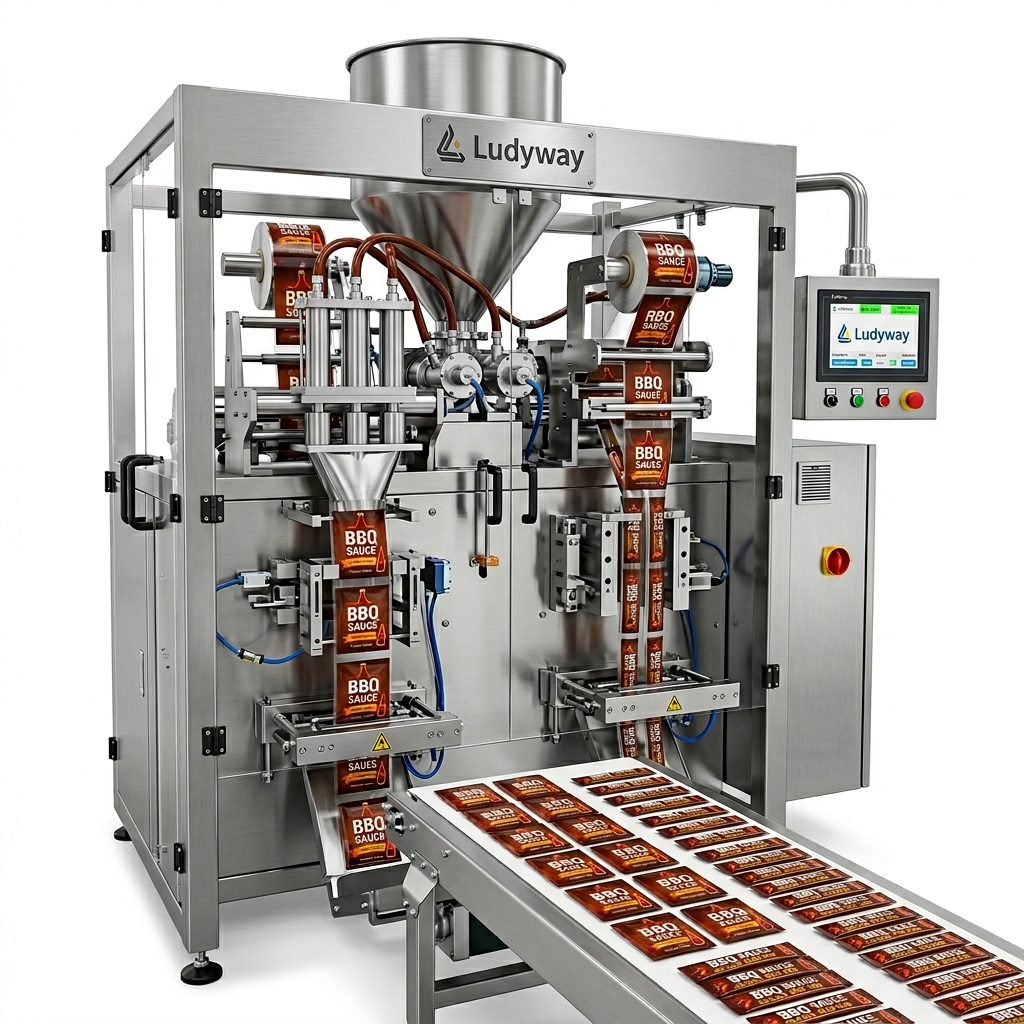
- Fully Automatic: Handles material feeding, filling, sealing, coding, and discharge without operator intervention. Higher throughput, consistent quality, and lower labor dependency. Justified for medium to high-volume production.
- Integrated Turnkey Lines: Combine multiple machines — filling, sealing, labeling, cartoning, case packing, and palletizing — into a cohesive system. These solutions are designed for manufacturers seeking a single-source packaging machinery partner for end-to-end automation, as recommended by industry best practices for packaging industry state-of-the-industry reports.
Total Cost of Ownership: Beyond the Purchase Price
The sticker price of a sauce packaging machine tells only part of the story. A thorough financial evaluation should account for the total cost of ownership (TCO) over the equipment’s service life:
| Cost Factor | Considerations |
|---|---|
| Initial Equipment Cost | Base machine price plus any customization, tooling, and installation |
| Packaging Material Costs | Material waste rates, film utilization efficiency, changeover scrap |
| Labor Requirements | Operators needed per shift, skill level requirements, training investment |
| Maintenance and Spare Parts | Preventive maintenance schedules, spare parts availability, service contracts |
| Energy Consumption | Electrical, compressed air, and heating system energy usage |
| Downtime and Productivity Loss | Machine reliability, changeover time between SKUs, technical support responsiveness |
A machine with a higher upfront cost but superior efficiency, lower waste, and minimal downtime often delivers a lower total cost per package over its operational lifetime. Request detailed TCO projections from potential suppliers before making a final decision.
Supplier Evaluation: What to Look for in a Packaging Machinery Partner
Choosing the right equipment supplier is as important as choosing the right machine. Consider these factors when evaluating potential partners:
- Industry Experience: How long has the manufacturer been building sauce packaging equipment? Do they understand the specific challenges of your product category?
- Technical Support and After-Sales Service: What support is available during installation, commissioning, and ongoing operation? Is remote technical assistance available? How quickly can spare parts be delivered to your location?
- Customization Capabilities: Can the supplier modify standard designs to accommodate your unique product, packaging format, or production environment requirements?
- References and Track Record: Request case studies or references from manufacturers with similar sauce products and production volumes.
- Certifications and Standards Compliance: Verify that the equipment can be configured to meet applicable international standards and regulatory requirements for your target markets.
- Global Capability: For international buyers, a supplier with experience serving customers across multiple countries and regions — and who understands varying market requirements — offers significant advantages.
Ludyway Machinery, a China-based packaging machinery manufacturer with more than 30 years of industry experience and a 20,000-square-meter manufacturing facility, provides automated packaging equipment and integrated turnkey solutions for sauce, liquid, powder, and granule products across food, pharmaceutical, cosmetic, and chemical industries. The company serves customers in more than 100 countries and regions, offering machine selection, customization, installation, commissioning, and comprehensive after-sales technical support.

Testing and Validation: Don’t Skip the Factory Acceptance Test
Before taking delivery of your sauce packaging machine, insist on a Factory Acceptance Test (FAT) using your actual product and packaging materials. The FAT provides an opportunity to:
- Verify that the machine meets all agreed-upon specifications and performance metrics
- Test filling accuracy, seal integrity, and production speed with your specific sauce formulation
- Identify any issues that require adjustment before the machine ships
- Train your operators on the equipment under the manufacturer’s supervision
- Confirm that all safety features and interlocks function correctly
Following installation, a Site Acceptance Test (SAT) should confirm that the machine performs to specification within your actual production environment. Both FAT and SAT are standard practices recommended by the PMMI packaging industry resources for ensuring successful equipment deployment.
Future-Proofing Your Investment
The sauce market continues to evolve, driven by changing consumer preferences, sustainability demands, and retail trends. When selecting your packaging machine, consider how it can adapt to future needs:
- Modular Design: Machines with modular architectures allow you to add capabilities — such as additional lanes, coding systems, or automated feeding — as your production requirements grow.
- Quick-Change Features: Tool-less changeover systems enable rapid switching between different packaging formats, fill volumes, and film types, supporting a diverse product portfolio.
- Material Flexibility: Can the machine handle both traditional multi-layer laminates and emerging recyclable mono-material films? This flexibility is increasingly important as flexible packaging sustainability initiatives gain momentum.
- Digital Connectivity: Industry 4.0 capabilities — including production monitoring, remote diagnostics, and integration with plant-wide MES/ERP systems — provide valuable data for continuous improvement and operational transparency.
- Scalable Throughput: If you anticipate significant production growth, consider whether the machine platform can be upgraded or whether you should invest in a higher-capacity system from the start.
Key Takeaways: Your Sauce Packaging Machine Selection Checklist
Use this checklist to guide your evaluation and ensure you cover all critical decision points:
- ✓ Document your sauce’s viscosity, particle content, flow behavior, and any special handling requirements
- ✓ Define your target packaging format(s) — sachet, stick pack, pouch, bottle — and desired volume range
- ✓ Determine your required production speed and number of production shifts
- ✓ Select the appropriate filling technology based on product characteristics
- ✓ Verify material compatibility and sealing system suitability for your packaging films
- ✓ Assess hygiene features, cleanability, and regulatory compliance for your target markets
- ✓ Decide on the appropriate automation level — semi-automatic, fully automatic, or integrated turnkey line
- ✓ Calculate total cost of ownership, not just the initial purchase price
- ✓ Evaluate potential suppliers based on experience, support, customization, and global capabilities
- ✓ Insist on a Factory Acceptance Test with your actual product before shipment
- ✓ Consider future flexibility, sustainability requirements, and scalability
Selecting the right sauce packaging machine is a strategic investment that will impact your production efficiency and product quality for years to come. By methodically evaluating your product requirements, packaging format preferences, technical specifications, and supplier capabilities, you can make an informed decision that supports your business goals and positions your operation for long-term success in the competitive sauce and condiment market.
For more information about packaging machinery selection, industry standards, and market trends, explore resources from the Association for Packaging and Processing Technologies (PMMI) and the Flexible Packaging Association.