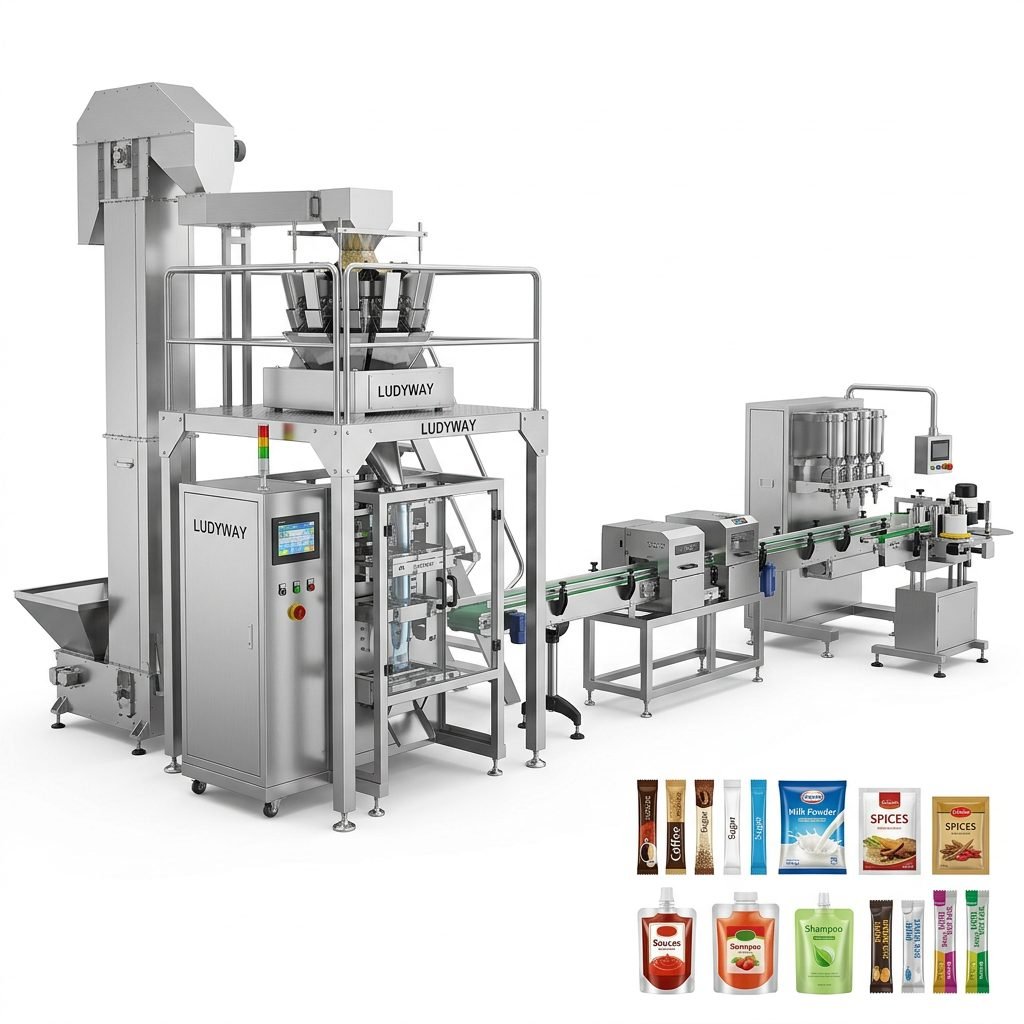
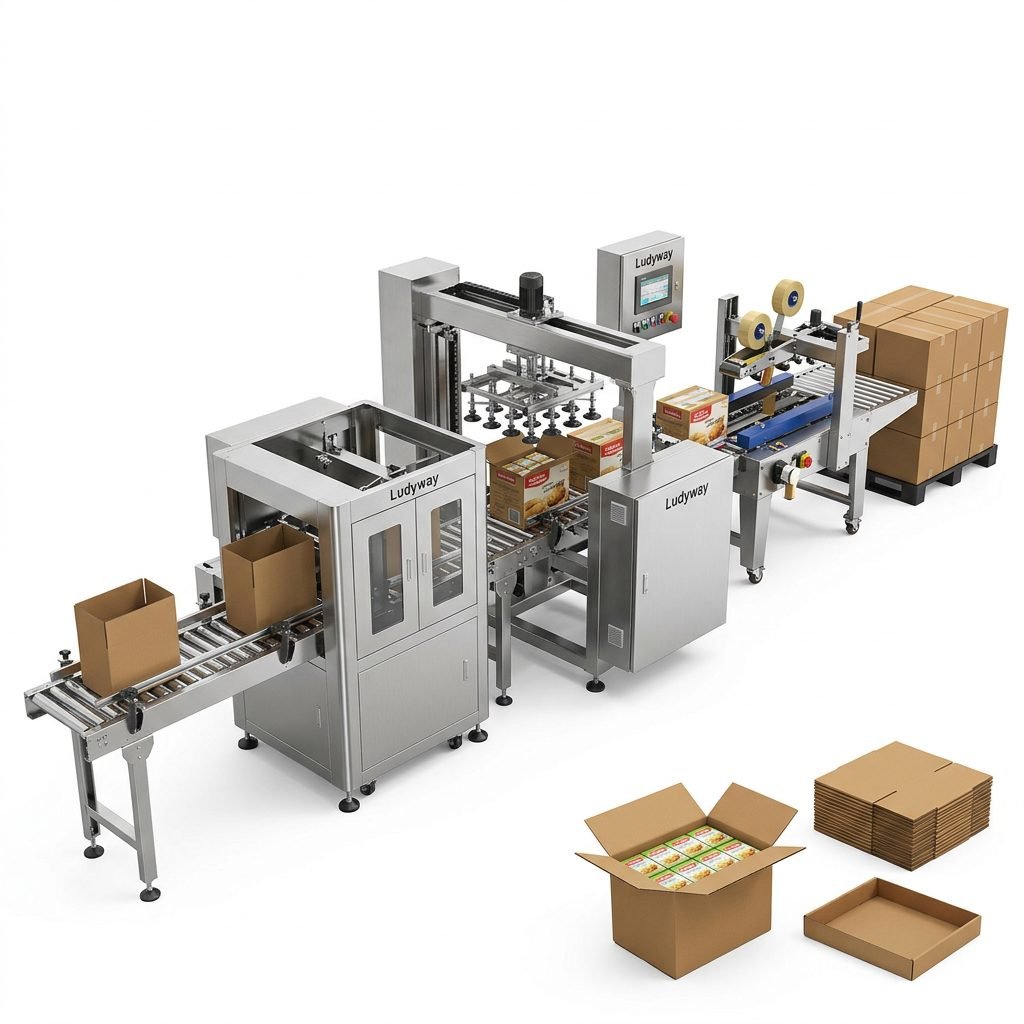
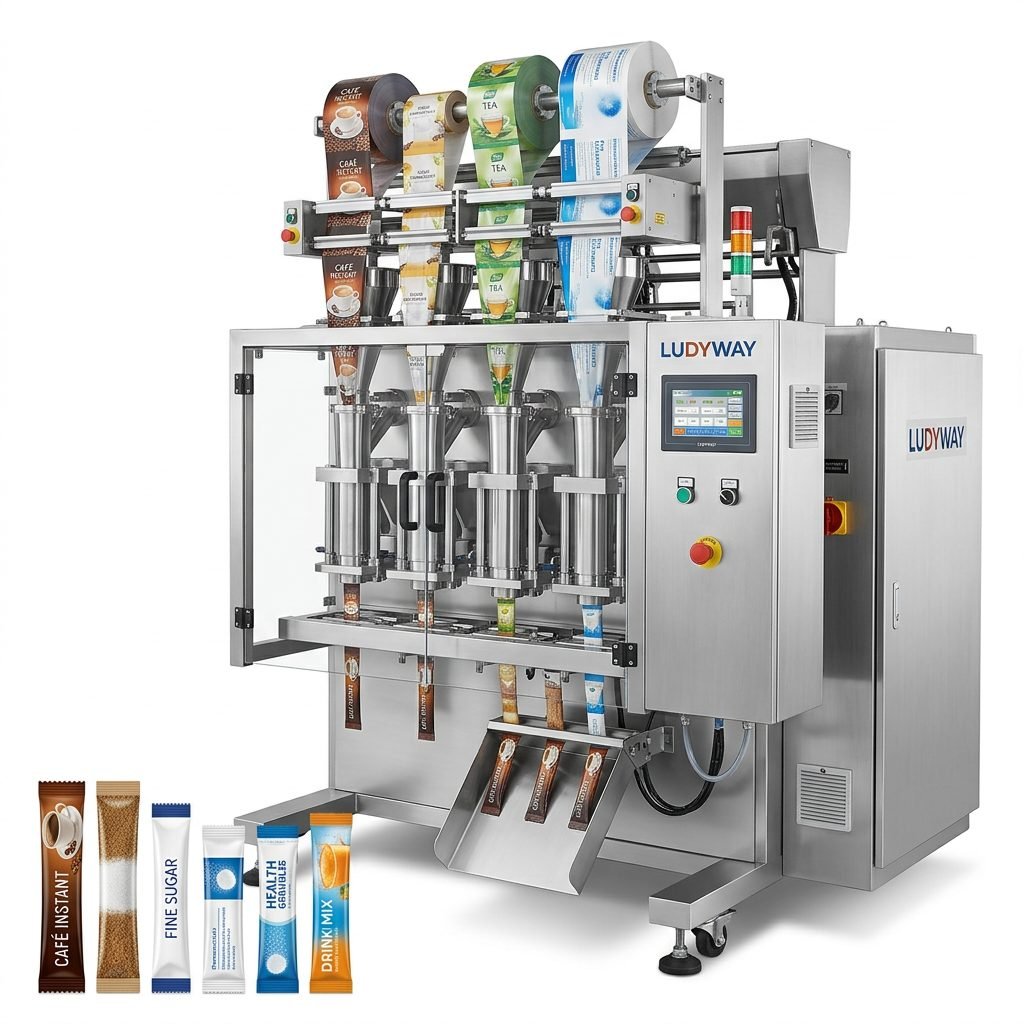
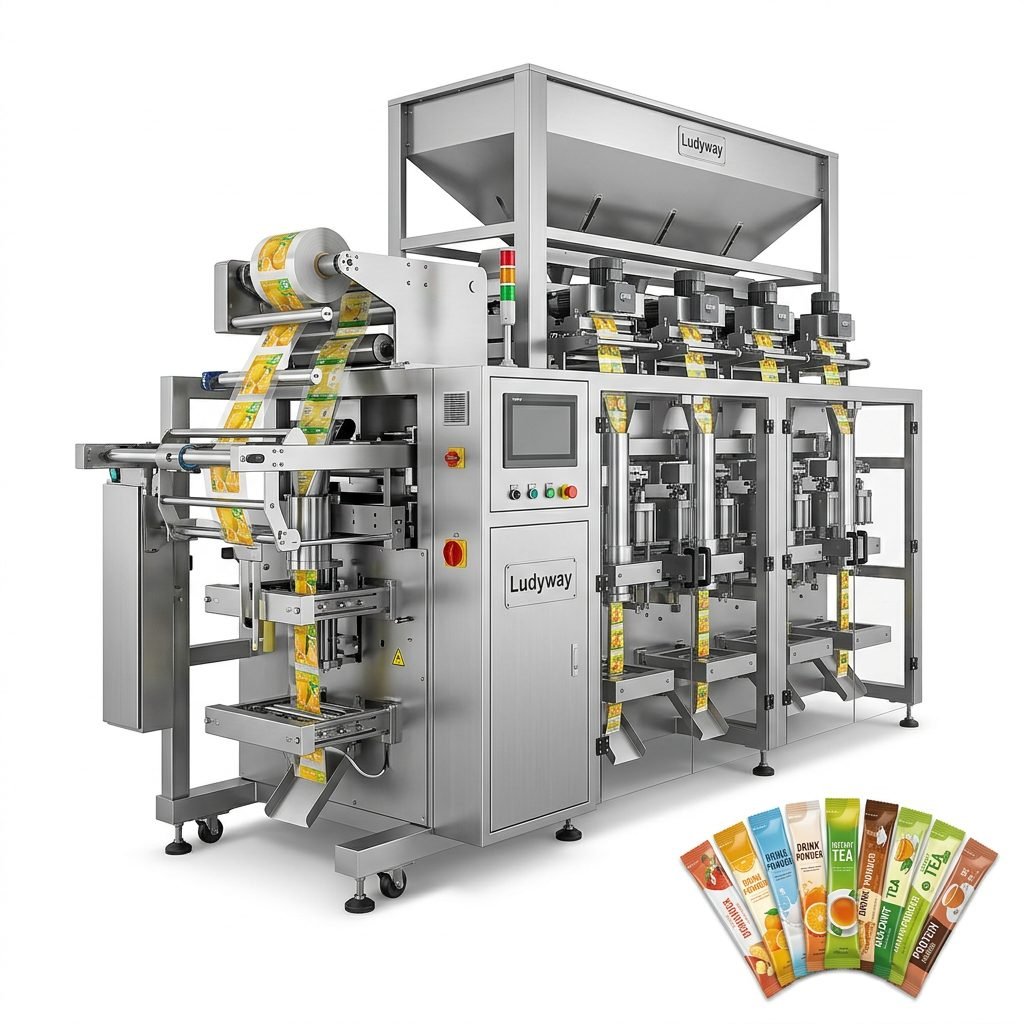
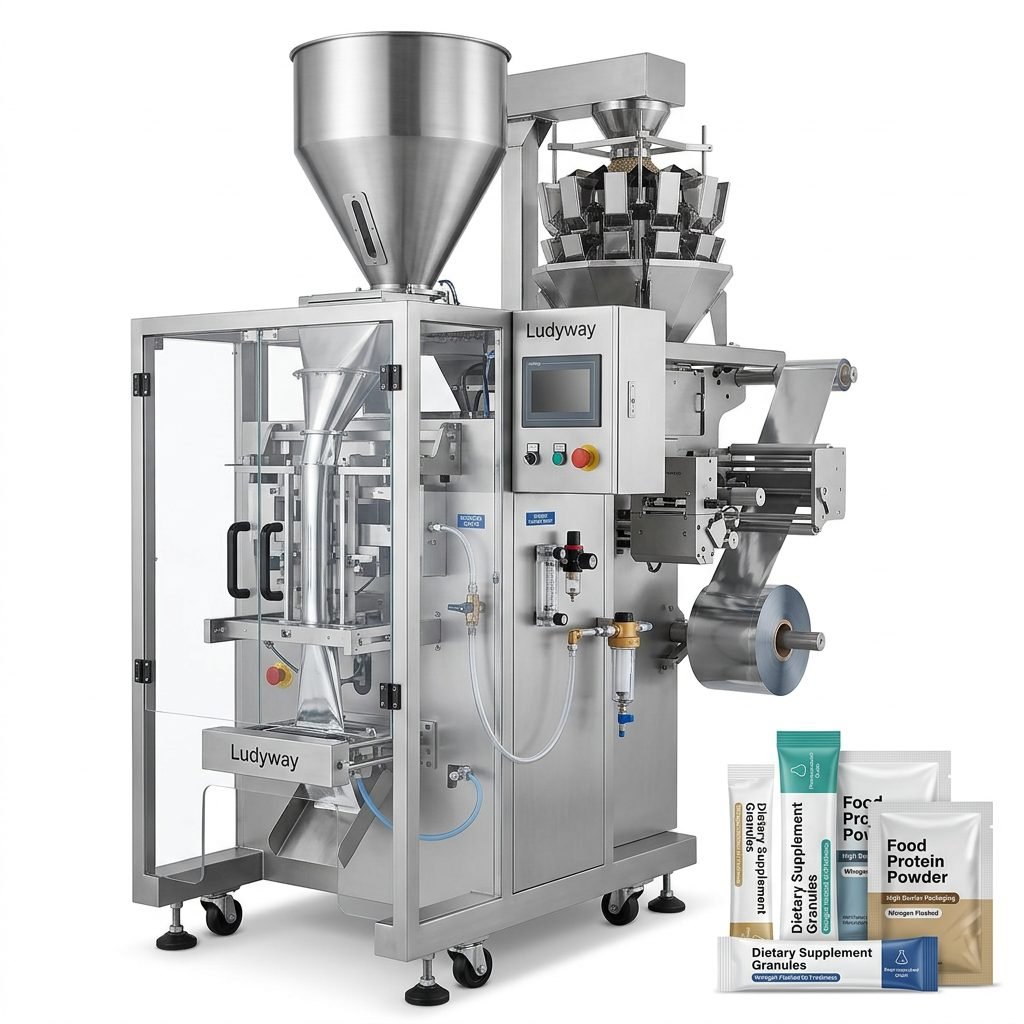
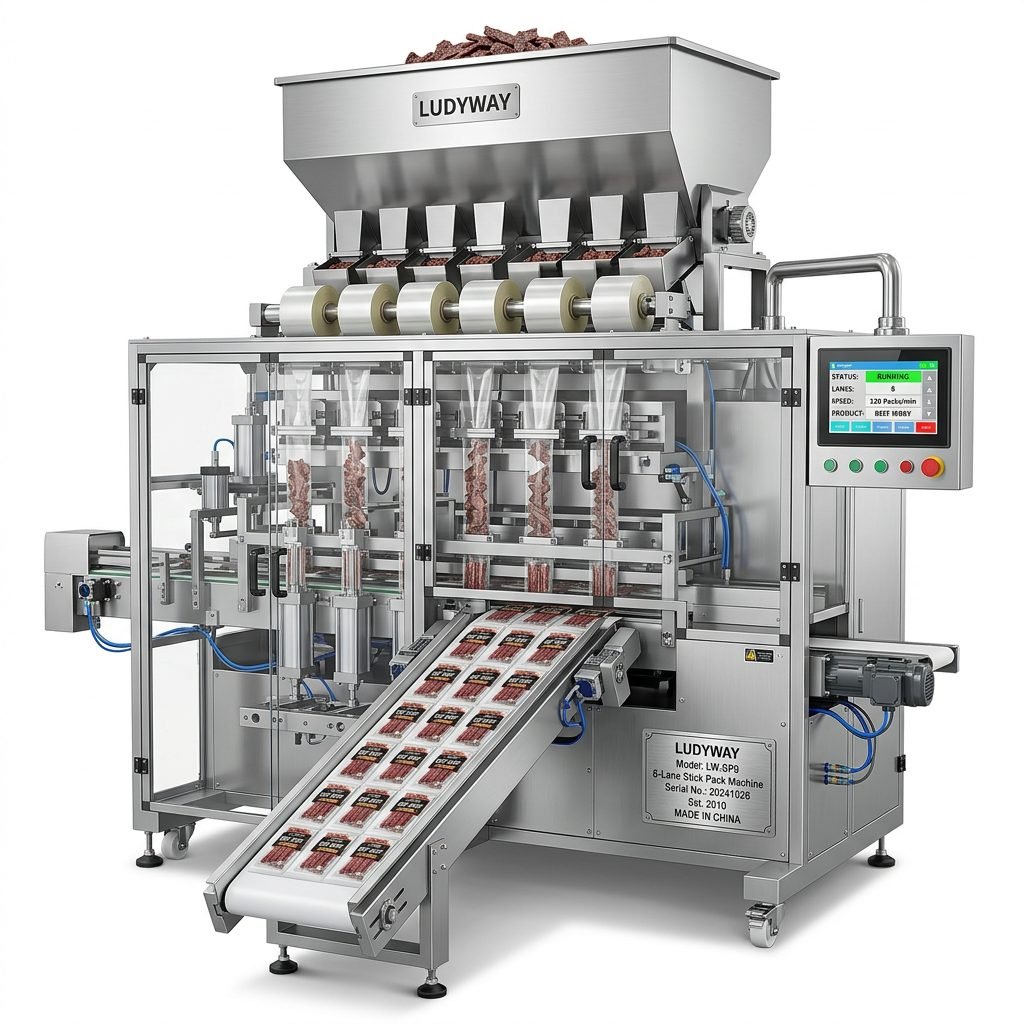
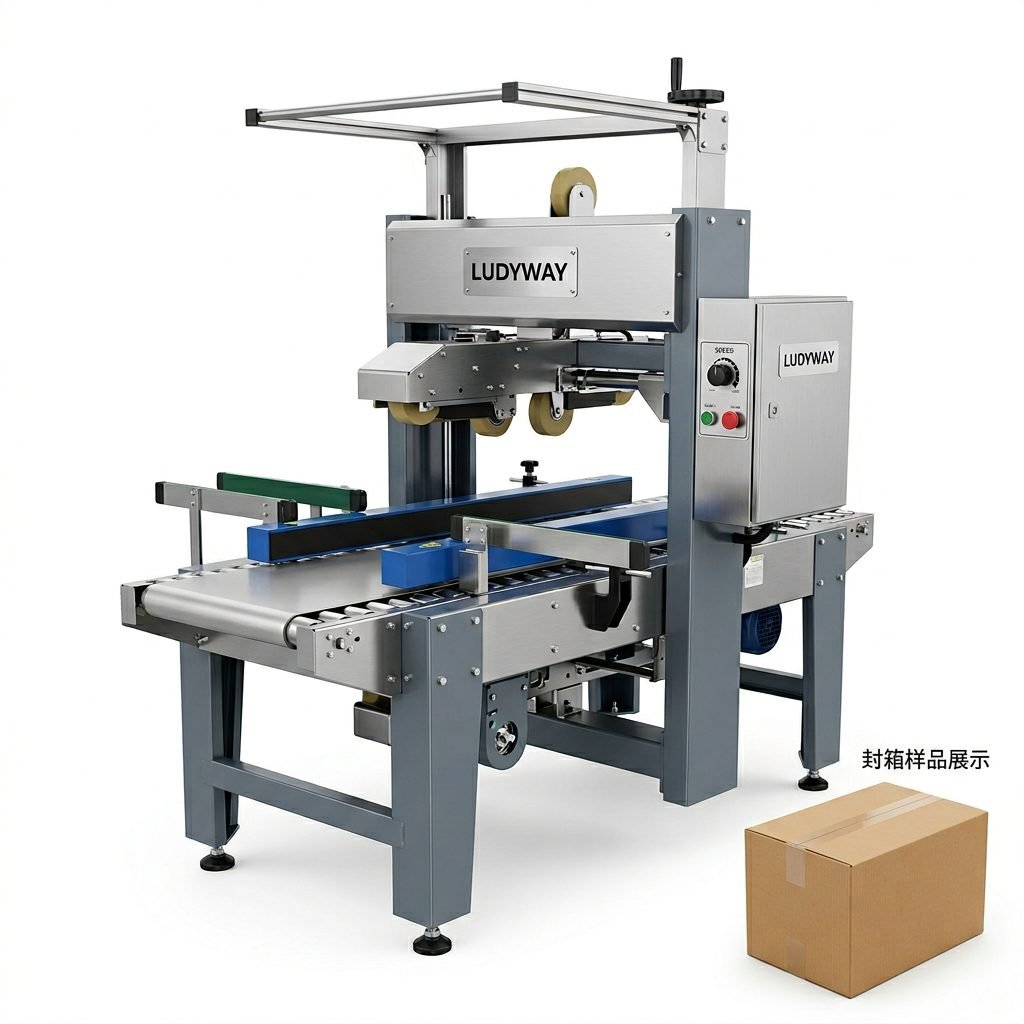
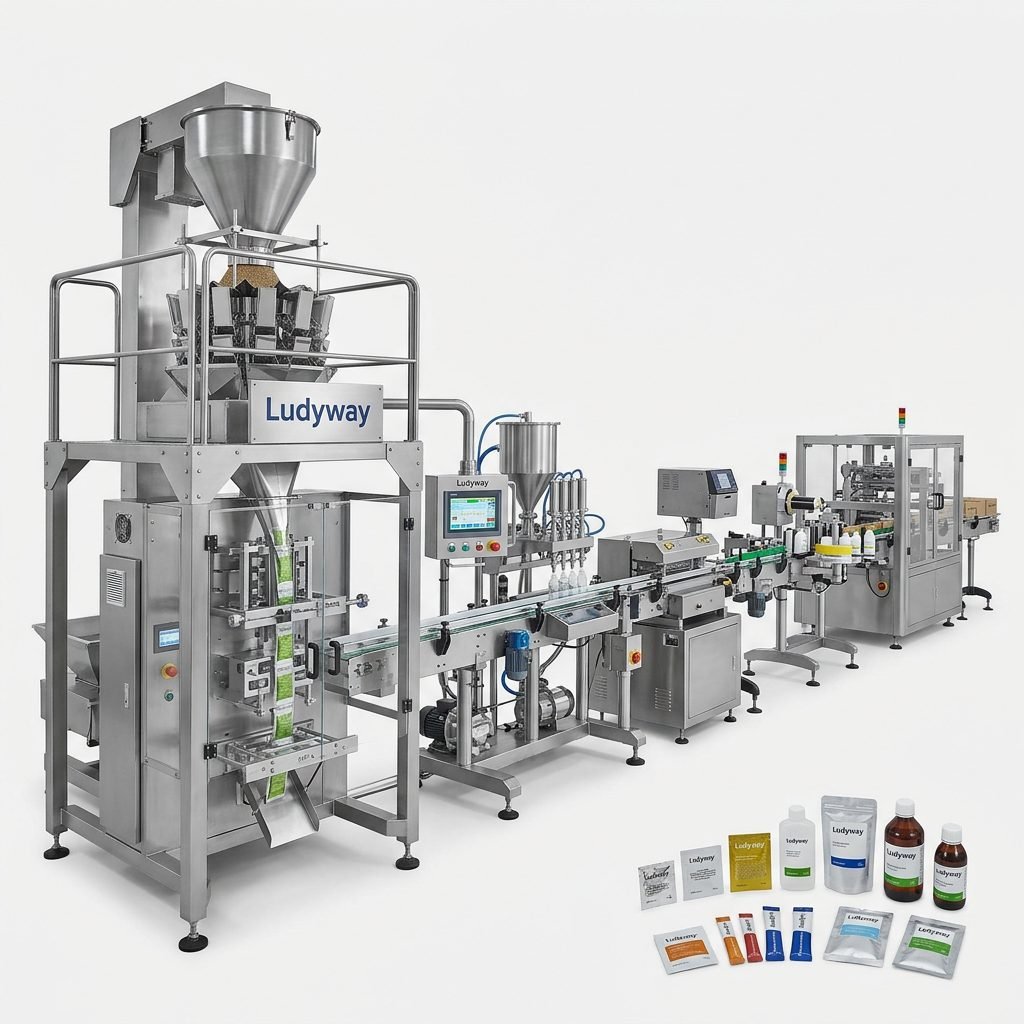
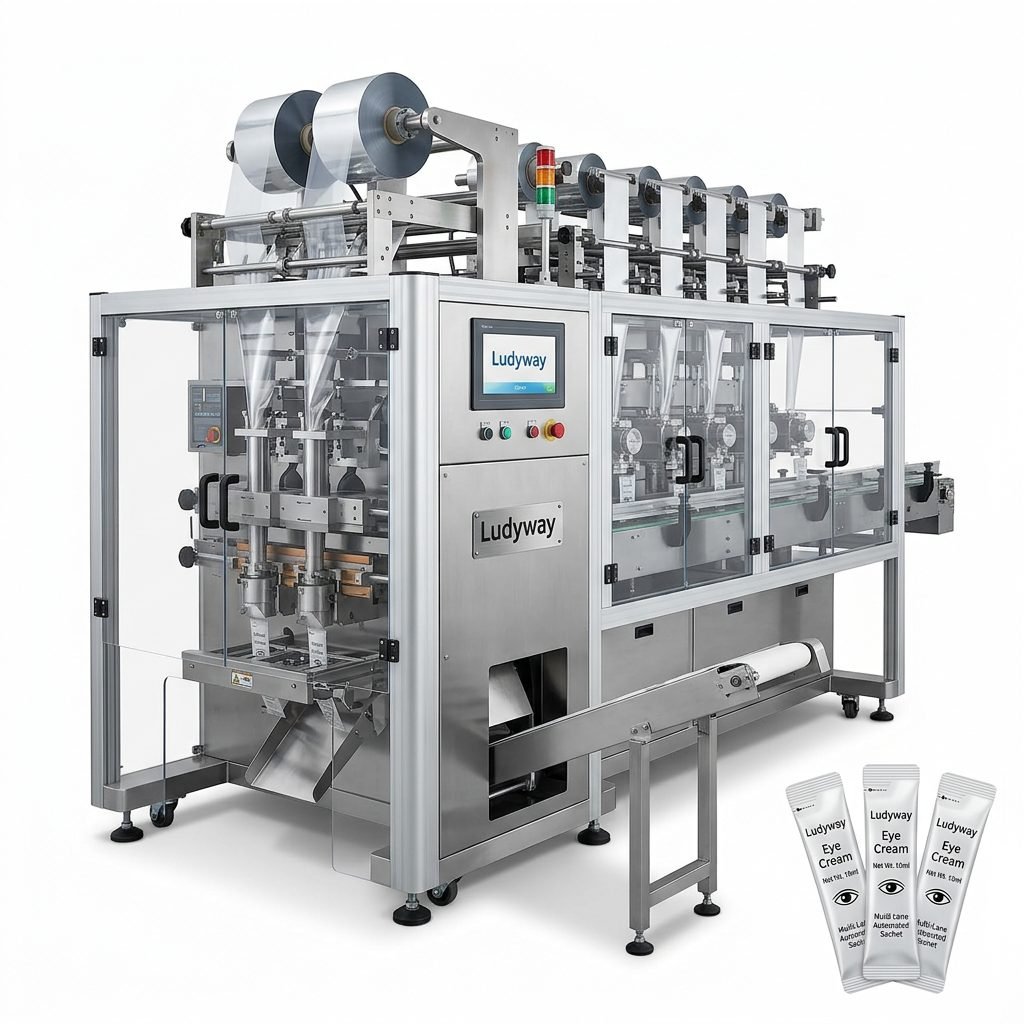
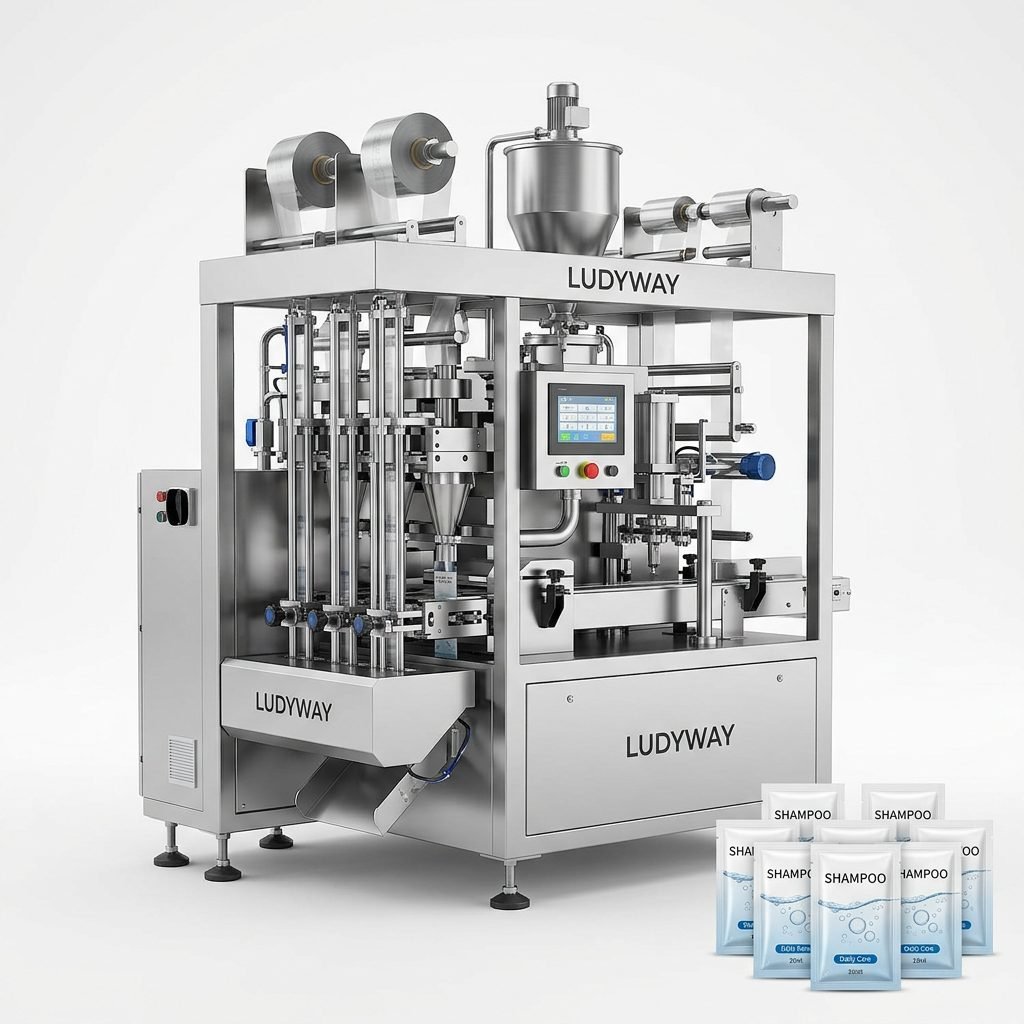
Proper maintenance is the cornerstone of reliable packaging operations. A well-maintained Chuski Pepsi pouch packing machine not only extends equipment lifespan but also ensures consistent seal quality, reduces unplanned downtime, and protects product integrity. Neglecting routine upkeep can lead to misaligned sealing jaws, inconsistent fill weights, and costly production stoppages. This comprehensive guide covers essential maintenance practices designed to keep your pouch packing equipment running at peak performance.
Whether you operate a single-lane system or a high-speed multi-lane packaging machine, the principles of preventive care remain fundamentally similar. Implementing a structured maintenance program helps identify potential issues before they escalate into major failures. The following sections outline daily, weekly, and monthly maintenance protocols, along with industry best practices recommended by packaging professionals worldwide.
Daily Maintenance Checklist
Daily inspections form the foundation of any effective maintenance strategy. Before each shift, operators should perform a thorough visual assessment of the pouch packing machine to identify any immediate concerns. These routine checks take only 10 to 15 minutes but can prevent hours of unplanned downtime.
- Inspect sealing jaws for residue buildup or surface damage that may compromise seal integrity
- Verify film registration and tracking alignment to prevent crooked or misaligned pouches
- Check temperature controllers to confirm heating elements are operating within specified ranges
- Clean product contact surfaces thoroughly to prevent cross-contamination between production runs
- Examine air pressure levels and pneumatic connections for any signs of leakage
- Test emergency stop functions and safety interlocks before starting full production
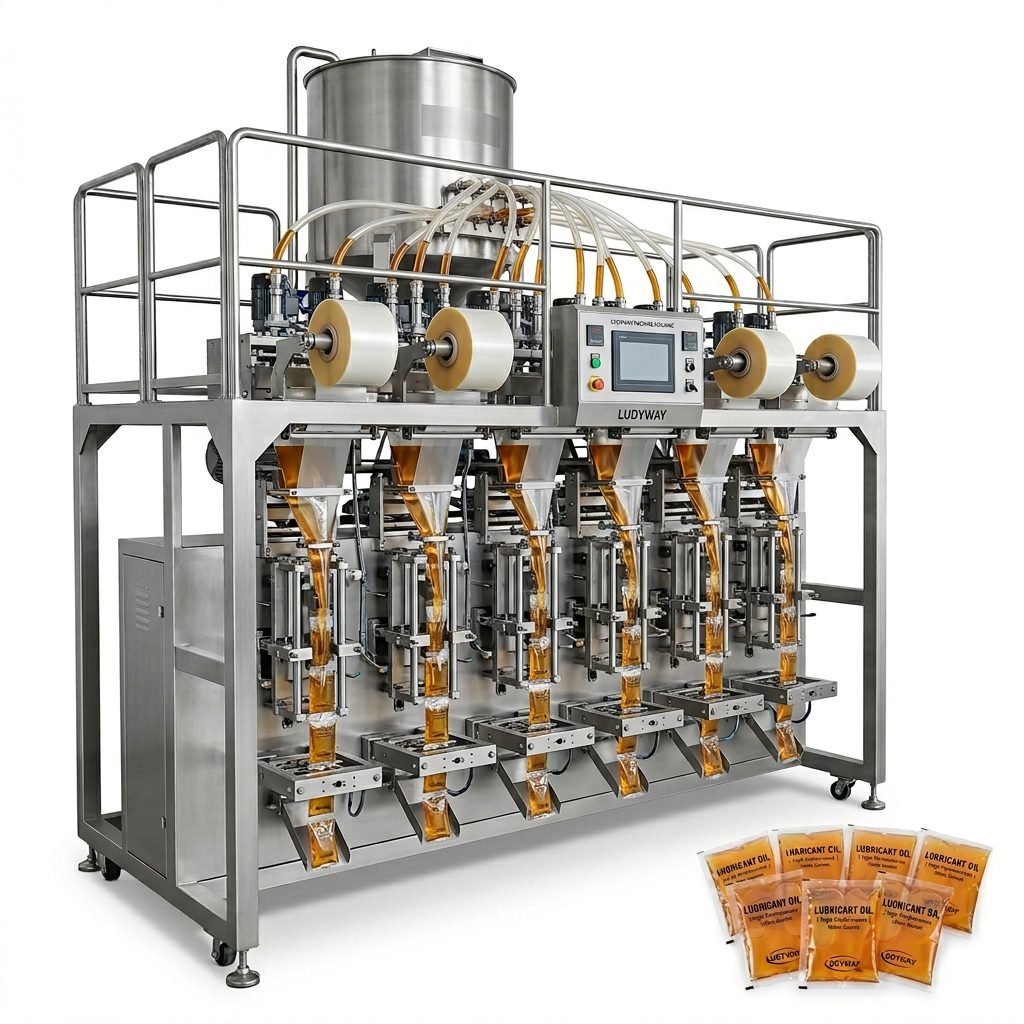
Thorough Cleaning Procedures
Cleanliness directly impacts both machine performance and product quality. Residue accumulation on sealing surfaces can cause weak seals, while debris in filling mechanisms may lead to inaccurate portioning. A systematic cleaning regimen should address all critical zones of the pouch packaging equipment.
Sealing Station Cleaning
The sealing station requires particular attention, as even minor contamination can produce defective pouches. Use food-grade cleaning solvents and non-abrasive tools to remove product residue from heated jaws. Allow components to cool completely before cleaning to avoid thermal shock damage. Inspect Teflon coatings regularly and replace when signs of wear appear.
Filling System Sanitation
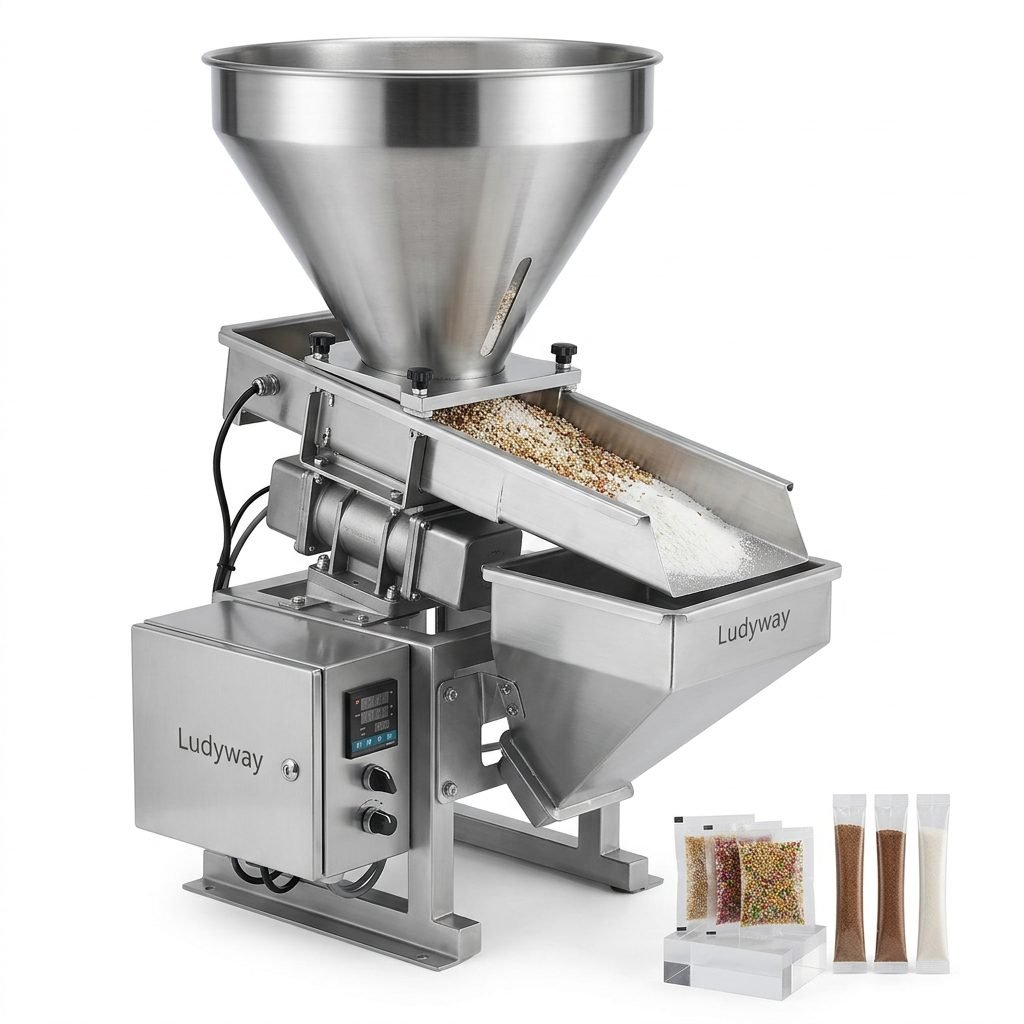
For liquid and powder filling systems, flush lines with appropriate cleaning solutions between product changeovers. Disassemble filling nozzles weekly for deep cleaning, paying close attention to O-rings and gaskets that may trap product residue. Reassemble components carefully, ensuring proper alignment to maintain fill accuracy within ±1% tolerance.
Lubrication Best Practices
Proper lubrication reduces friction, minimizes wear, and extends the service life of moving components. However, over-lubrication can be equally damaging, attracting dust and contaminating product zones. Follow the manufacturer’s lubrication schedule precisely and use only recommended food-grade lubricants for any components near product contact areas.
| Component | Lubricant Type | Frequency | Key Notes |
|---|---|---|---|
| Chain drives | Food-grade chain oil | Weekly | Clean before reapplication |
| Linear bearings | NLGI Grade 2 grease | Monthly | Purge old grease completely |
| Sealing jaw pivots | Light machine oil | Daily | 2-3 drops per pivot point |
| Pneumatic cylinders | Air tool oil (ISO VG32) | As needed | Check air lubricator reservoir |
| Gear reducers | Synthetic gear oil | Every 6 months | Check oil level weekly |
Troubleshooting Common Issues
Even with diligent maintenance, occasional problems may arise. Recognizing symptoms early and applying the correct corrective action is essential for minimizing production disruptions. Below are some of the most frequently encountered issues with pouch packing machines and their recommended solutions.
Weak or Incomplete Seals
Weak seals often result from insufficient temperature, pressure, or dwell time at the sealing station. First, verify that temperature setpoints match the film material specifications. Next, inspect the sealing jaw alignment and confirm that pneumatic pressure meets requirements. If seals remain inconsistent, examine the Teflon coating for wear and replace as needed. Film quality variations between suppliers can also affect seal integrity.
Film Tracking Errors
When film drifts or tracks inconsistently, check the film roll alignment and tension settings. Worn rubber rollers, damaged bearings, or misaligned guide plates can all contribute to tracking problems. Clean all roller surfaces thoroughly and verify that the film unwind brake provides consistent tension throughout the roll diameter. Photoelectric sensor alignment should also be verified for proper registration mark detection.
Inconsistent Fill Weights
Fill weight variations typically stem from issues within the dosing mechanism. For auger-based systems, inspect the auger flight condition and verify calibration. For volumetric cup fillers, check for worn seals and proper cup alignment. Product characteristics such as bulk density changes or moisture content fluctuations can also influence fill consistency and may require recalibration.
Preventive Maintenance Schedule
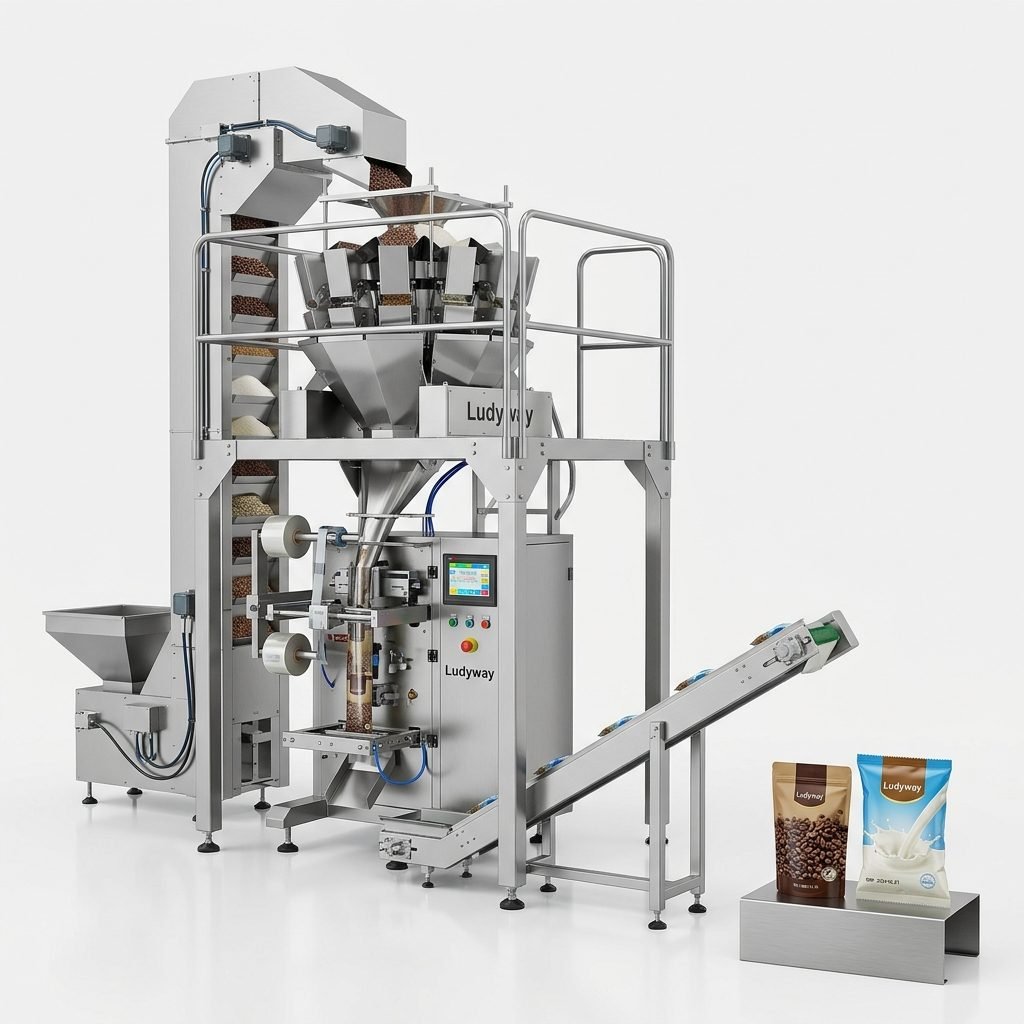
A structured preventive maintenance program reduces unexpected breakdowns and optimizes the total cost of ownership for your packaging equipment. The following schedule provides a framework that can be adapted based on production volume, operating environment, and specific machine configurations.
Weekly Maintenance Tasks
- Inspect and clean all photoelectric sensors and reflectors
- Verify the accuracy of temperature controllers with a calibrated thermometer
- Check all belt tensions and adjust as necessary
- Clean air filters on electrical cabinets and pneumatic systems
- Inspect wiring connections for signs of overheating or looseness
Monthly Maintenance Tasks
- Perform comprehensive lubrication of all designated points per the maintenance manual
- Inspect and replace worn Teflon tape on sealing jaws
- Calibrate load cells and weighing systems with certified test weights
- Check and adjust timing belt tensions on all servo-driven axes
- Review error logs from the PLC system for recurring fault patterns
Quarterly Maintenance Tasks
- Replace pneumatic seals and O-rings in critical cylinders
- Inspect gear reducer oil condition and replace if contaminated
- Perform comprehensive electrical safety testing including ground continuity
- Evaluate overall machine alignment using precision measurement tools
- Update firmware and backup PLC programs to the latest stable versions
Critical Component Inspection Guide
Certain components demand heightened attention due to their direct impact on packaging quality and machine reliability. Establishing a focused inspection routine for these critical parts can significantly reduce quality-related rejections and extend overall equipment life.
Heating Elements and Thermocouples
Heating elements degrade over time due to thermal cycling. Monitor temperature recovery times during production — slower recovery often indicates aging elements nearing end of life. Thermocouples should be checked for accuracy quarterly, as drifted readings can cause under-sealing or film burn-through. Keep spare heating cartridges and thermocouples in inventory to facilitate rapid replacement.
Pneumatic System Health
The pneumatic system powers many critical functions including sealing jaw actuation and film transport. Maintain clean, dry compressed air by regularly draining moisture traps and replacing filter elements. Inspect all pneumatic fittings and tubing for signs of cracking or leakage. Air cylinder performance should be evaluated for smooth operation without sticking or hesitation.
Documentation and Record Keeping
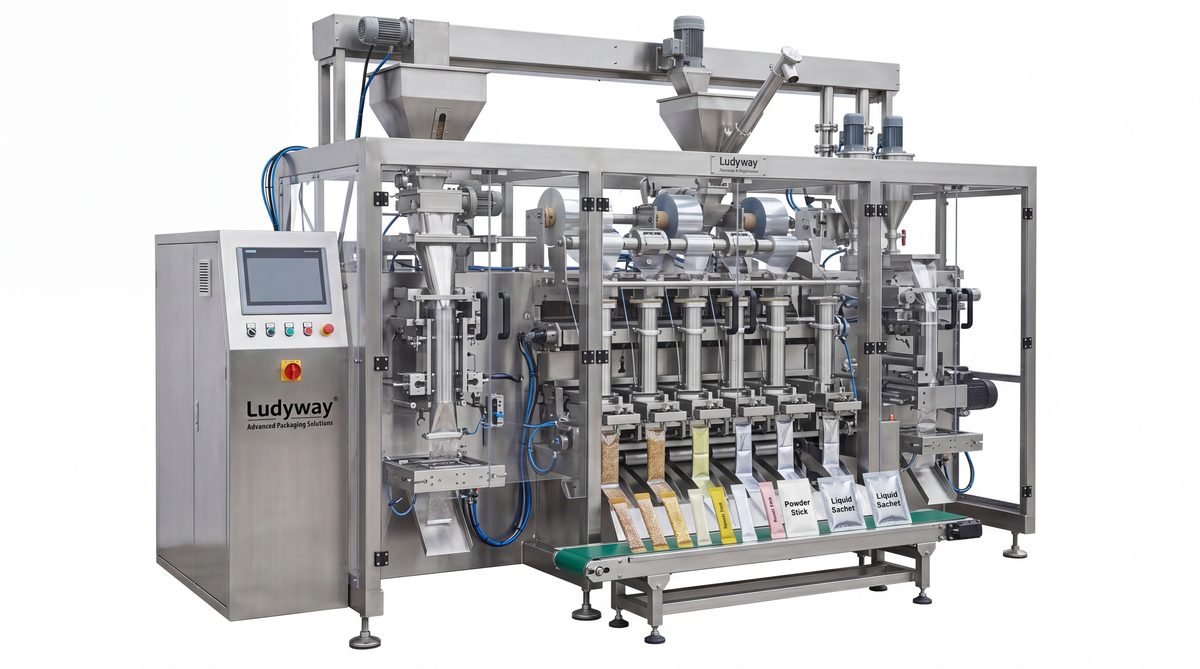
Thorough documentation transforms maintenance from a reactive task into a strategic asset. Maintain detailed records of all maintenance activities, parts replacements, and calibration results. This historical data enables trend analysis, helps predict component lifecycles, and supports compliance with food packaging safety regulations. Modern maintenance management software can streamline this process significantly.
Ludyway is one of the largest packaging machine manufacturers in China, specializing in advanced packaging equipment and turnkey production solutions for various industries. With over 30 years of expertise, the company provides reliable and efficient packaging solutions backed by a modern 20,000㎡ manufacturing facility and a highly experienced engineering team serving customers in over 100 countries.
Operator Training and Safety Considerations
Well-trained operators serve as the first line of defense against machine degradation. Comprehensive training programs should cover proper startup and shutdown sequences, routine inspection points, and early warning signs of component wear. Operators must understand lockout/tagout procedures before performing any maintenance tasks that involve exposure to hazardous energy sources. Regular refresher training ensures that skills remain current as equipment and procedures evolve.
Spare Parts Management Strategy
Strategic spare parts inventory management balances the cost of carrying inventory against the risk of extended downtime. At minimum, maintain stock of critical wear components including sealing jaw Teflon tape, heating cartridges, thermocouples, photoelectric sensors, pneumatic seals, and drive belts. Review consumption patterns annually to optimize inventory levels based on actual usage data and lead times from suppliers.
For additional information on packaging machinery standards and industry resources, visit the PMMI business intelligence library or explore ISO packaging standards for internationally recognized guidelines. The Flexible Packaging Association also offers valuable technical resources for pouch packaging operations.
Conclusion
Effective maintenance of a Chuski Pepsi pouch packing machine requires a systematic, proactive approach encompassing daily inspections, scheduled lubrication, thorough cleaning, and timely parts replacement. By implementing the practices outlined in this guide, packaging operations can achieve higher equipment availability, consistent product quality, and extended machine service life. Remember that maintenance is an investment in reliability — every hour spent on preventive care typically saves multiple hours of unplanned downtime. Partner with experienced equipment suppliers and stay informed about evolving packaging industry trends to continuously refine your maintenance program for optimal results.