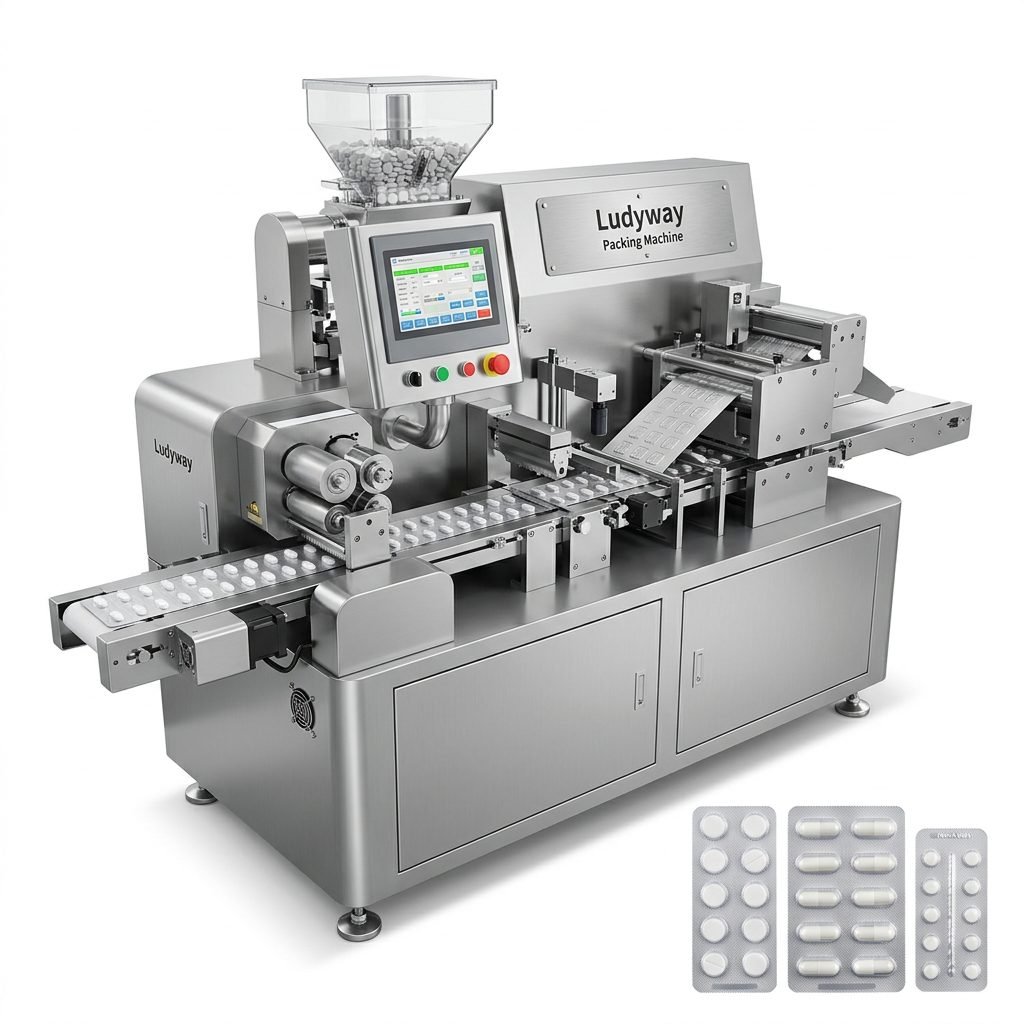
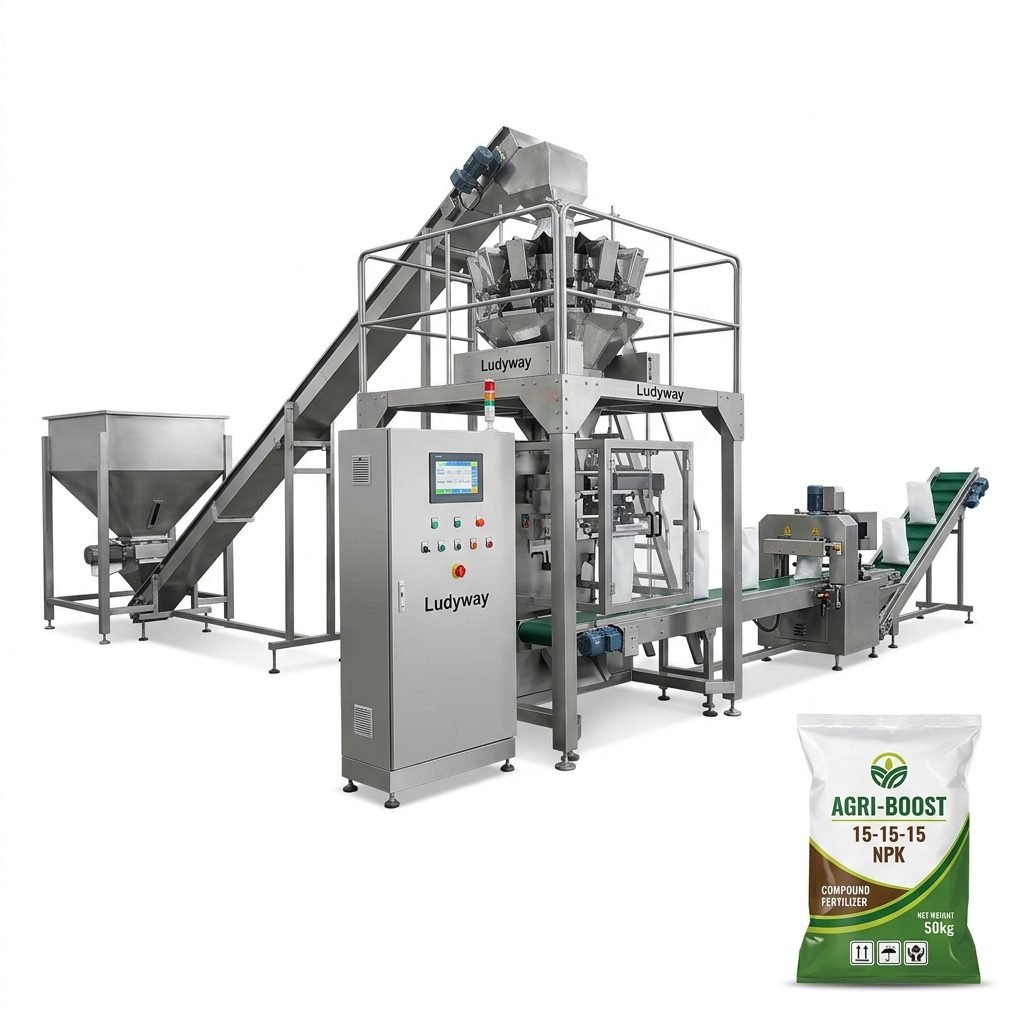
Nitrogen flushing is widely used in pouch packaging because it helps protect product quality, extend shelf life, and improve package appearance. By replacing oxygen inside the pouch with nitrogen gas, manufacturers reduce oxidation, moisture-related degradation, and product breakage during storage and transport.
This method is especially common in food, pharmaceutical, nutraceutical, and nicotine pouch applications where freshness, stability, and product safety directly affect customer satisfaction and brand performance.
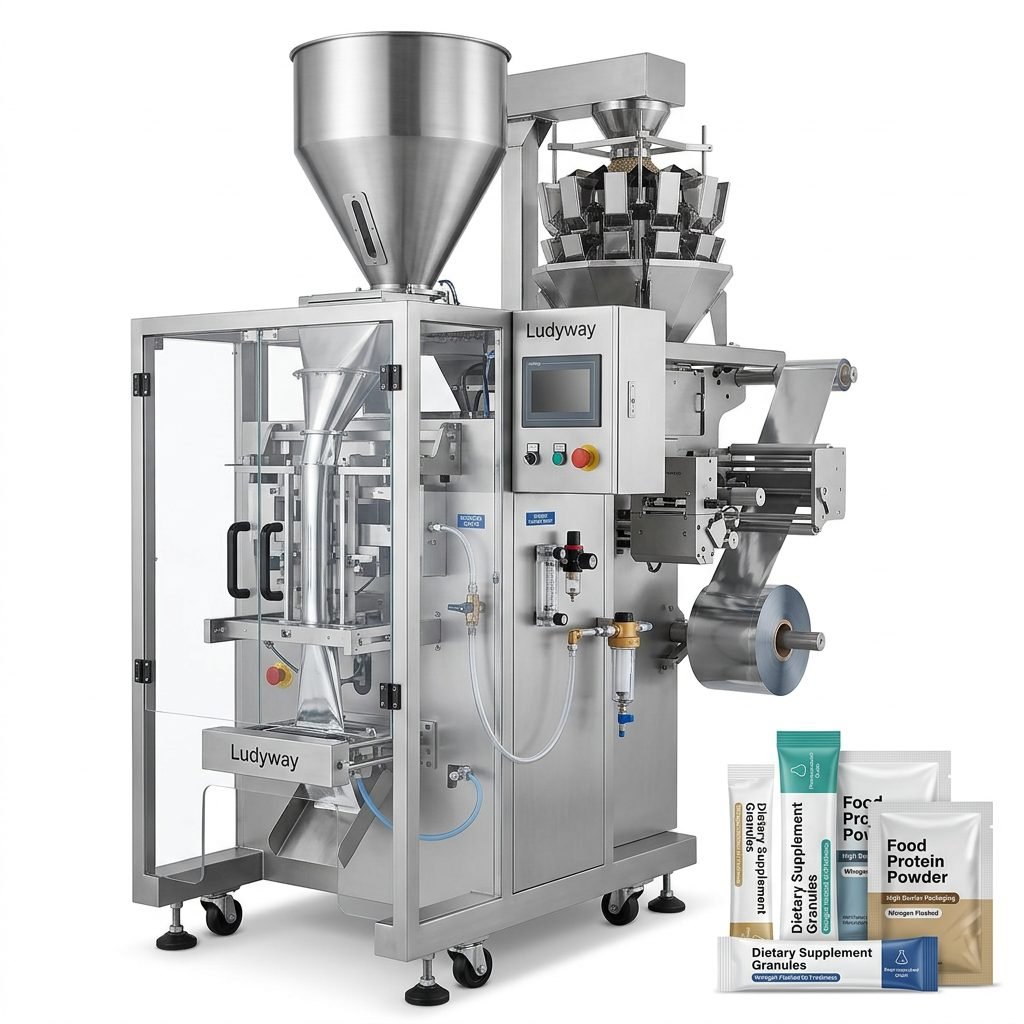
What Is Nitrogen Flushing in Pouch Packaging?
Nitrogen flushing is a packaging process in which air inside a pouch is displaced by nitrogen before the pouch is sealed. Since normal air contains about 21% oxygen, leaving that air inside the package can cause many products to deteriorate faster. Nitrogen, by contrast, is an inert gas, meaning it does not easily react with the product.
In practical terms, the packaging machine introduces nitrogen into the pouch during filling or just before final sealing. The result is a lower-oxygen internal environment that helps preserve taste, aroma, texture, color, and active ingredients.
Why Oxygen Is a Problem Inside Pouches
Oxygen may seem harmless, but in packaging it can create several major product-quality issues. For many brands, oxygen control is one of the most important parts of shelf-life management.
- Oxidation of fats and oils can cause rancidity in snacks, nuts, coffee, and powders.
- Loss of aroma and flavor can reduce freshness in tea, coffee, spices, and supplements.
- Color changes may occur in sensitive food and health products.
- Nutrient degradation can affect vitamins, probiotics, and active pharmaceutical ingredients.
- Microbial growth risk can increase when packaging conditions are not controlled.
- Physical damage may happen if delicate products lack a protective gas cushion.
Main Benefits of Nitrogen Flushing in Pouch Packaging
1. Extends Shelf Life
One of the biggest benefits is longer shelf life. By reducing oxygen exposure, nitrogen flushing slows down chemical reactions that degrade the product. This is especially valuable for products sold through long distribution chains or exported internationally.
2. Protects Freshness and Flavor
For foods like coffee, chips, nuts, dried fruit, seasoning powders, and instant beverages, freshness is a key selling point. Nitrogen flushing helps maintain the original taste and aroma for a longer period after packaging.
3. Reduces Product Oxidation
Products containing oils, active ingredients, or sensitive compounds are particularly vulnerable to oxidation. A low-oxygen pouch environment helps preserve product integrity and supports better consistency from production to end use.
4. Improves Package Cushioning
In some pouch applications, nitrogen also creates a slight cushioning effect. This helps fragile products such as chips or crispy snacks resist crushing during logistics and shelf handling.
5. Supports Better Product Stability
Nitrogen flushing is useful for powdered and granule products that need stable storage conditions. In pharmaceuticals and supplements, this can help support potency, appearance, and dosing reliability.
6. Enhances Brand Perception
Consumers often associate well-inflated, properly sealed pouches with premium quality. A well-controlled nitrogen flush process can improve shelf appeal and reduce the risk of collapsed or damaged-looking packs.
How Nitrogen Flushing Works
Although exact machine design varies, the process usually follows a straightforward sequence.
- The pouch is formed or opened.
- The product is filled into the pouch.
- Nitrogen gas is injected into the remaining headspace.
- Oxygen-rich air is displaced from the pouch interior.
- The pouch is sealed immediately to retain the protective atmosphere.
In advanced pouch packaging systems, oxygen levels, gas flow, sealing temperature, and dwell time may all be controlled automatically to deliver stable results at high speed.
Products Commonly Packed with Nitrogen Flushing
Nitrogen flushing is used across many industries, especially where oxygen-sensitive or fragile products are involved.
| Industry | Typical Products | Why Nitrogen Helps |
|---|---|---|
| Food | Chips, nuts, coffee, tea, spices, snack foods, milk powder | Prevents oxidation, preserves flavor, reduces breakage |
| Pharmaceutical | Granules, powders, oral sachets, sensitive medical products | Protects active ingredients and stability |
| Nutraceutical | Protein powder, vitamins, probiotics, supplement sachets | Supports potency and shelf life |
| Nicotine & pouch products | Nicotine pouches, oral pouch products | Helps maintain moisture balance and product freshness |
| Chemical & specialty products | Oxygen-sensitive powders and granules | Reduces reaction risk during storage |
Nitrogen Flushing vs Vacuum Packaging
Nitrogen flushing and vacuum packaging are both used to protect products, but they serve different purposes.
| Feature | Nitrogen Flushing | Vacuum Packaging |
|---|---|---|
| Air Handling | Replaces oxygen with nitrogen | Removes most air from the pack |
| Package Shape | Can retain pillow-like pouch shape | Often tightly compressed |
| Best For | Fragile or oxygen-sensitive products | Dense products that tolerate compression |
| Physical Protection | Good cushioning effect | Limited cushioning |
When Should You Use Nitrogen Flushing?
Nitrogen flushing is a strong option if your product meets one or more of the following conditions:
- The product contains fats, oils, flavors, or active ingredients sensitive to oxygen.
- The product needs a longer retail shelf life.
- The pouch must look full and presentable on store shelves.
- The product is fragile and needs gas cushioning.
- The product is exported or distributed through long supply chains.
- The product quality must remain stable under changing storage conditions.
Key Factors That Affect Nitrogen Flushing Performance
Using nitrogen is not enough on its own. Packaging quality depends on the full system design and process control.
Pouch Material Barrier Properties
If the pouch film has poor oxygen barrier performance, outside oxygen can still gradually enter the package. High-barrier materials are often necessary for best results.
Seal Quality
Even excellent nitrogen flushing becomes ineffective if the seal leaks. Proper heat sealing parameters and pouch compatibility are essential.
Residual Oxygen Level
Manufacturers often measure residual oxygen inside the pouch after sealing. Lower residual oxygen generally means better product protection.
Gas Purity
High-purity food-grade or pharma-grade nitrogen should be used depending on the application and regulatory requirements.
Machine Timing and Speed
Gas injection must be synchronized with filling and sealing. At high speed, poor timing can reduce flushing effectiveness and create inconsistent pack quality.
Industries That Benefit Most from Nitrogen Flushed Pouches
Food Industry
Snack foods, coffee, tea, milk powder, seasoning powders, freeze-dried foods, and functional beverage mixes all benefit from better freshness retention and visual pack integrity.
Pharmaceutical Industry
For pharmaceutical sachets and pouch-packed granules or powders, nitrogen helps protect ingredients from oxidation and environmental influence, improving product stability during storage.
Health Supplement Industry
Protein powders, vitamins, collagen, probiotics, electrolytes, and nutraceutical blends often require controlled atmosphere packaging to help maintain quality and consumer confidence.
Nicotine Pouch Industry
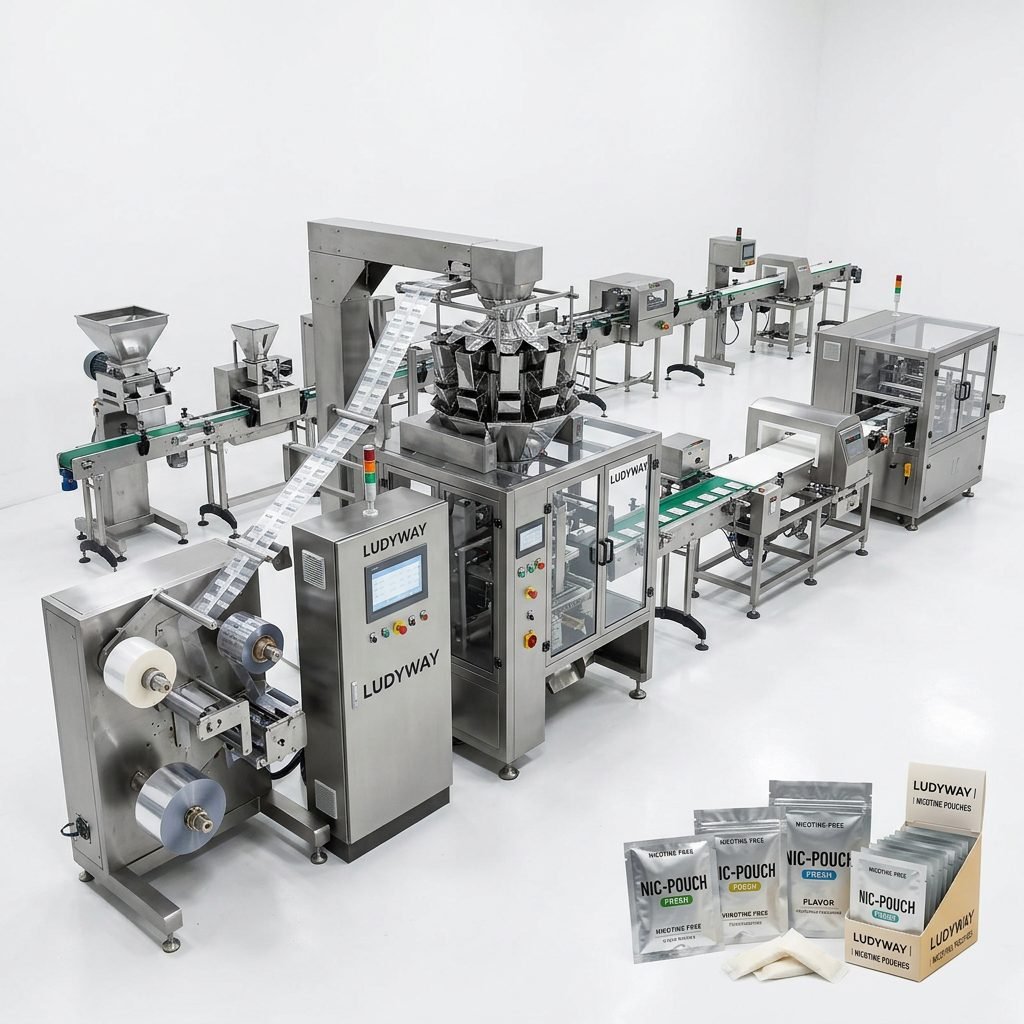
Nitrogen flushing can support freshness preservation and product consistency for nicotine pouch applications, especially when paired with well-designed multi-lane pouch packaging equipment.
Common Challenges and How to Avoid Them
- Collapsed pouches: Often caused by insufficient gas volume or poor barrier film.
- High residual oxygen: May result from poor nozzle positioning, short flush time, or sealing delays.
- Leaking seals: Usually related to contamination in the seal area or incorrect sealing temperature.
- Inconsistent pouch appearance: Can come from unstable gas pressure or production-speed mismatch.
How to Choose a Nitrogen Flushing Pouch Packaging Machine
When selecting equipment, buyers should look beyond basic filling speed and consider the full packaging performance.
- Check whether the machine supports reliable nitrogen injection and sealing integration.
- Confirm compatibility with your pouch format, product type, and production volume.
- Review oxygen control, gas consumption, and seal consistency.
- Evaluate whether the machine can work with powders, granules, liquids, or pouch-based products as needed.
- Consider automation level, maintenance support, and line expansion capability.
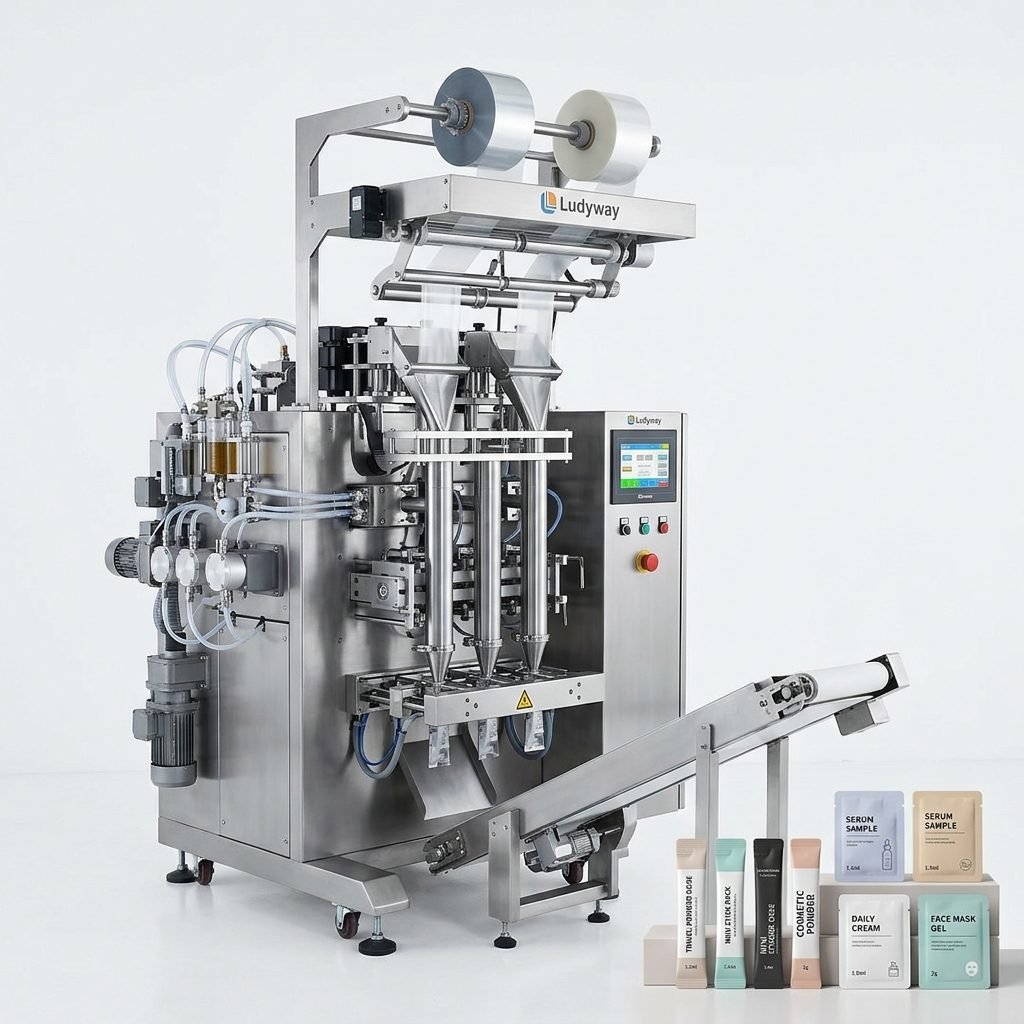
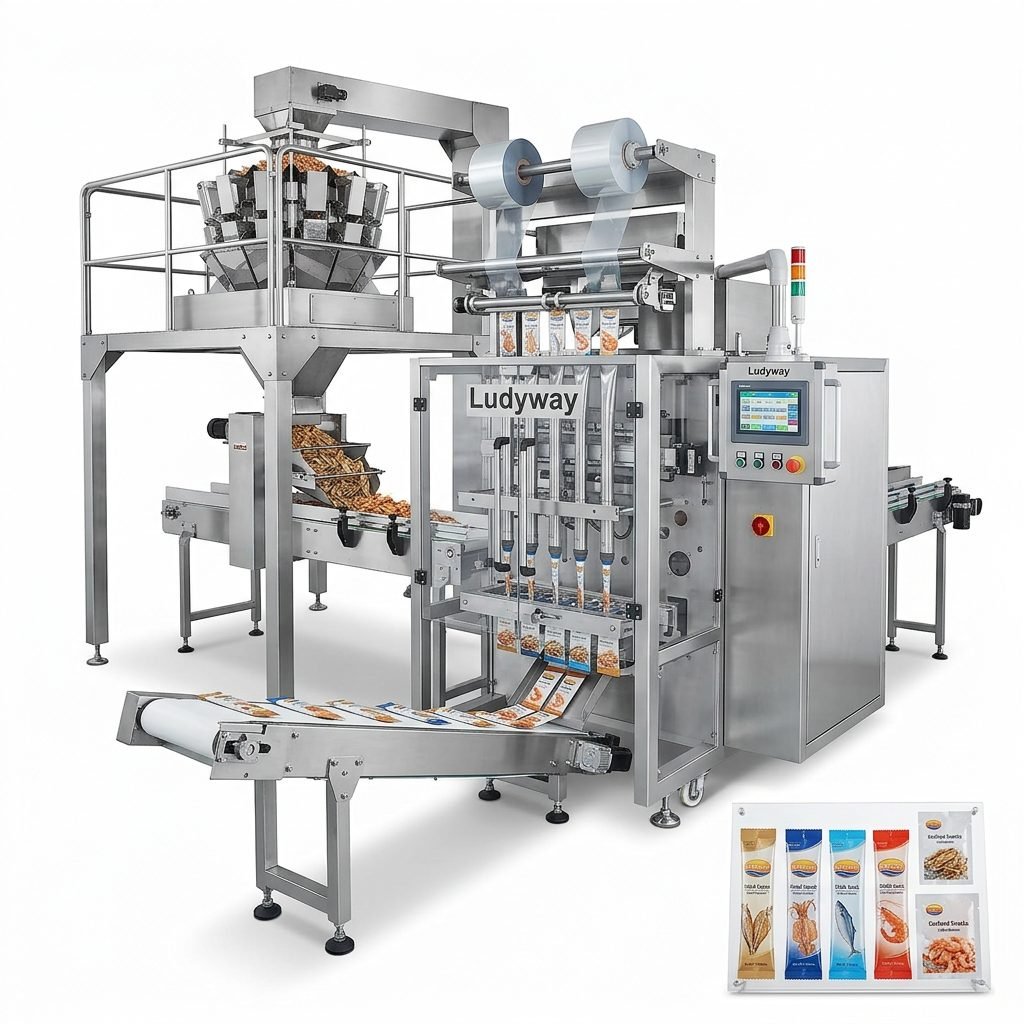
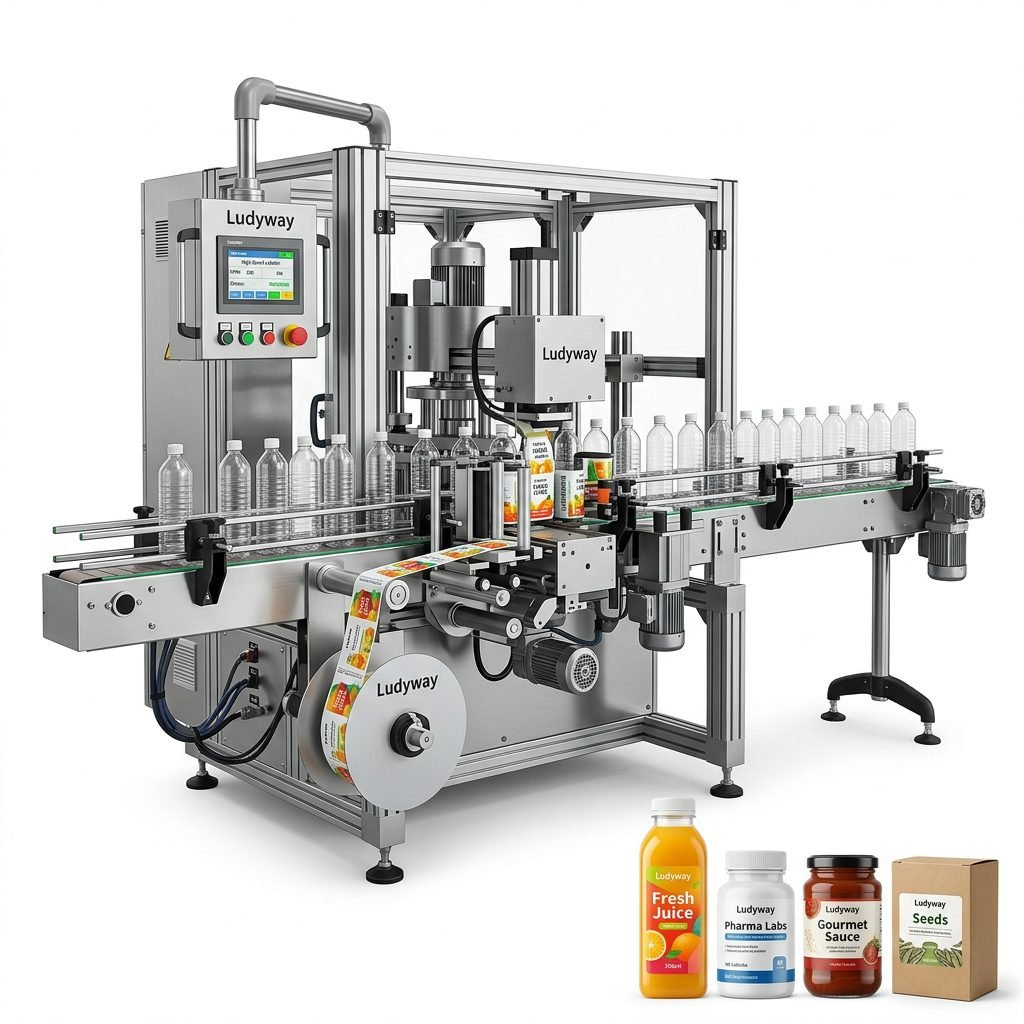
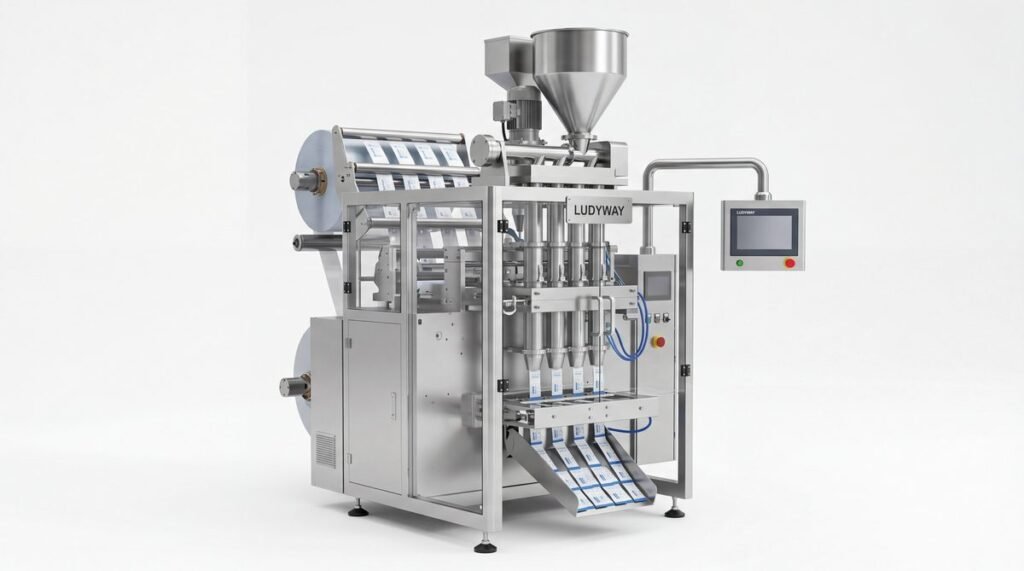
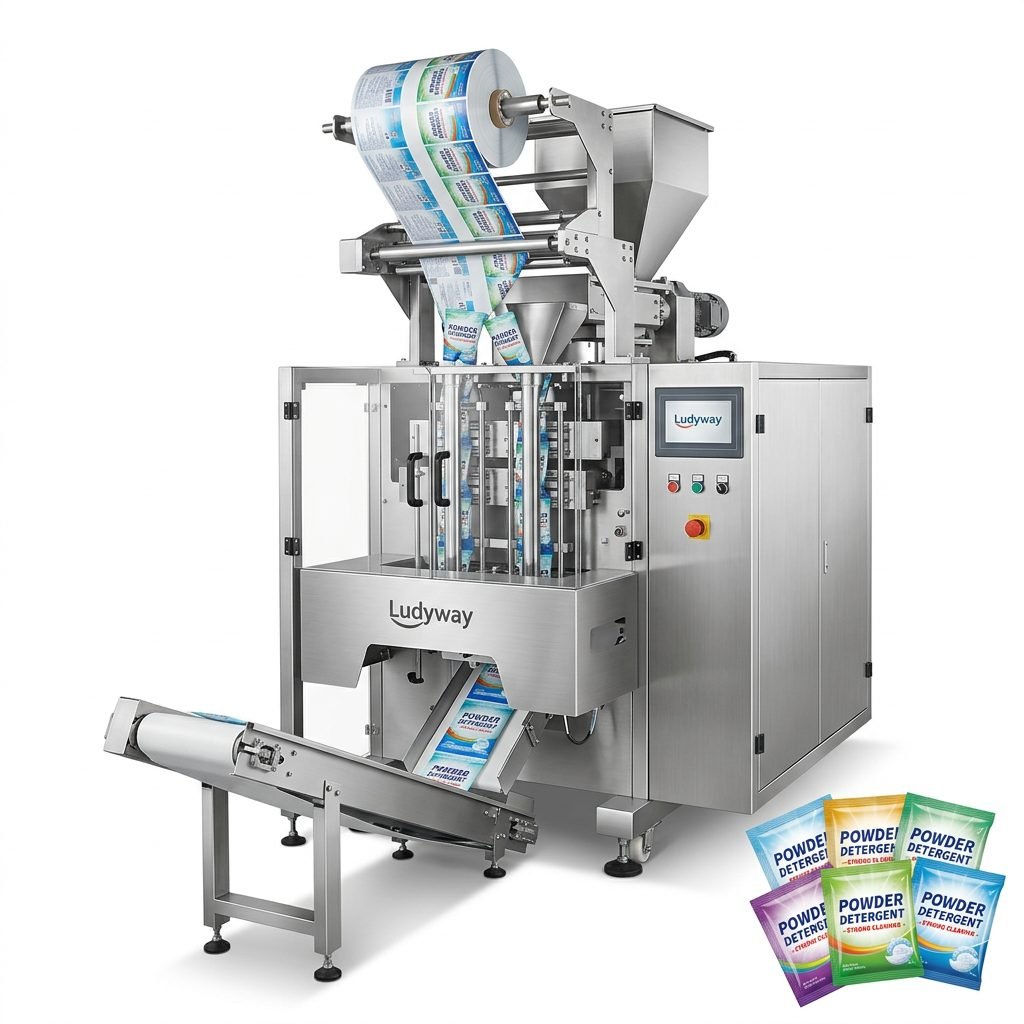
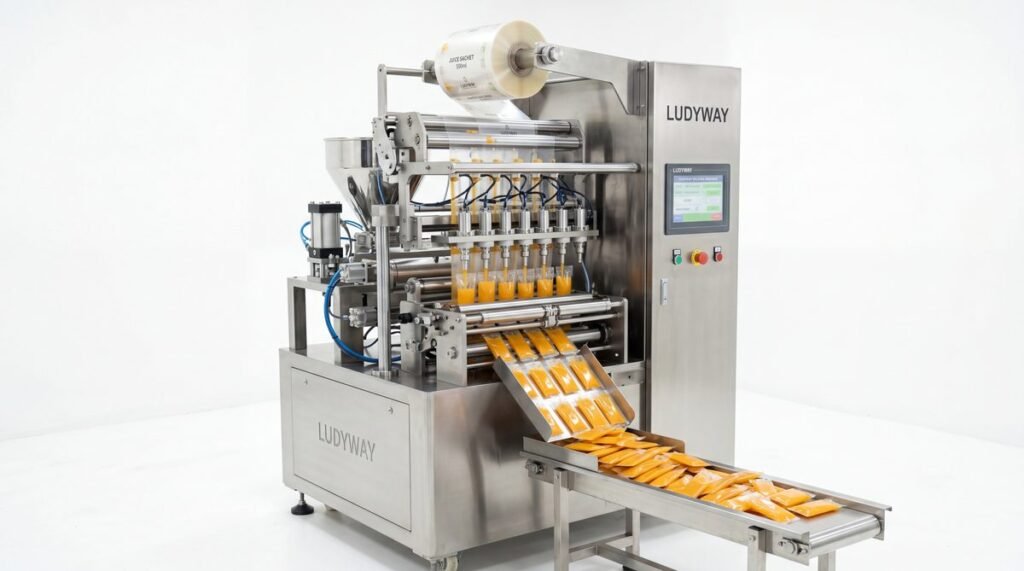
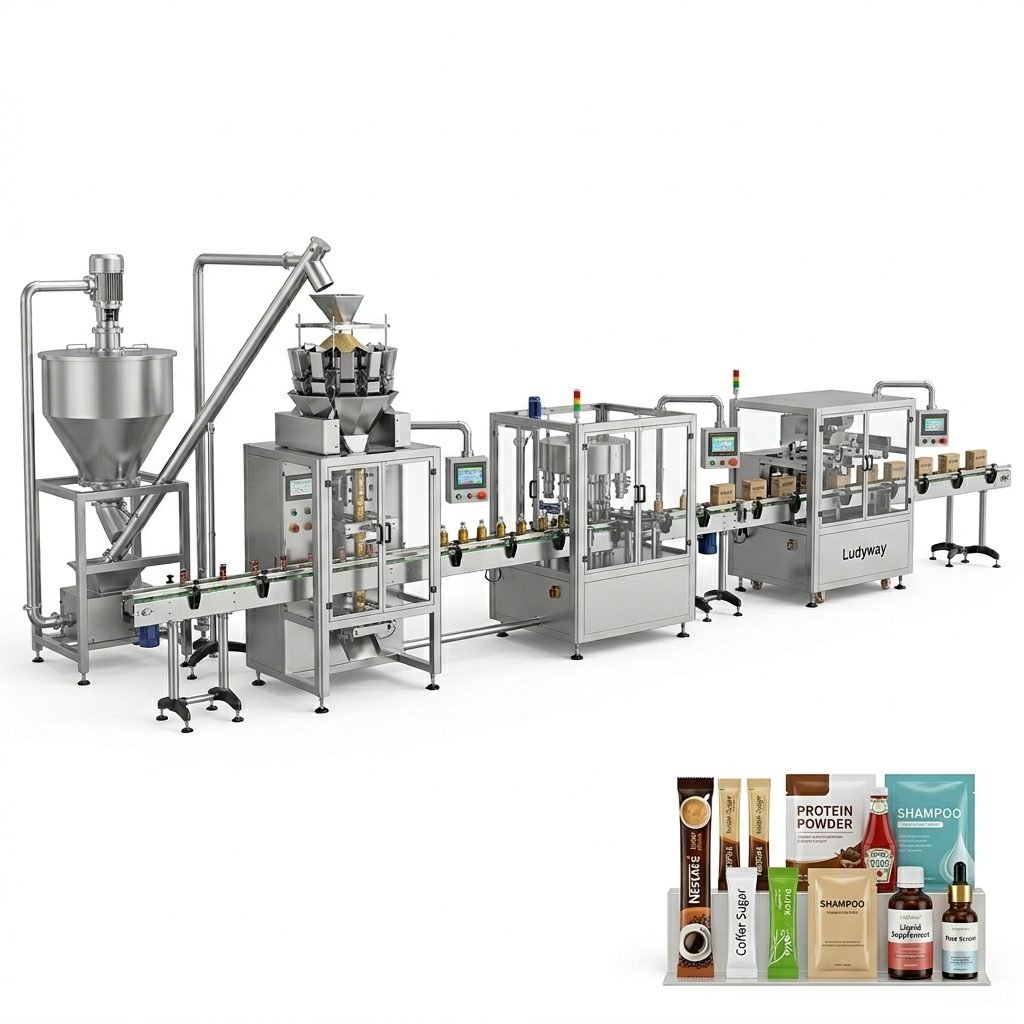
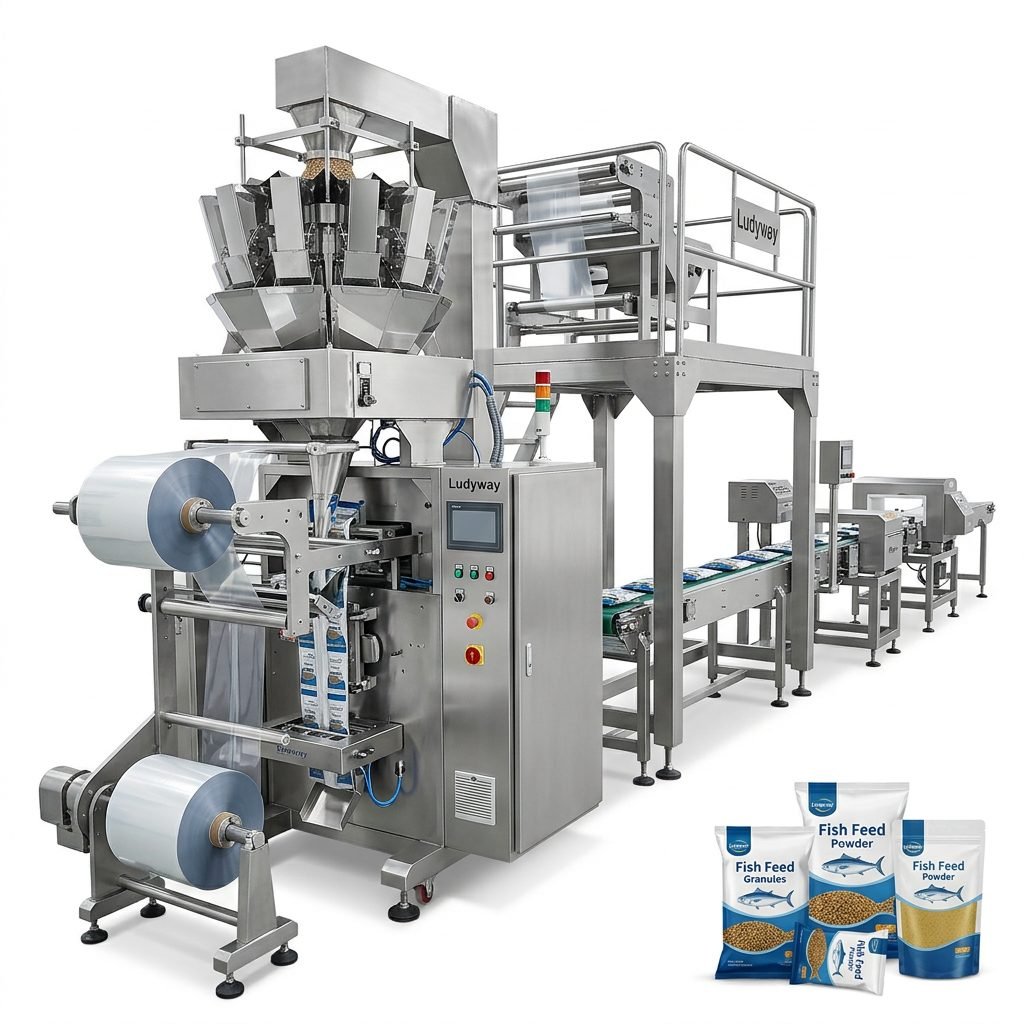
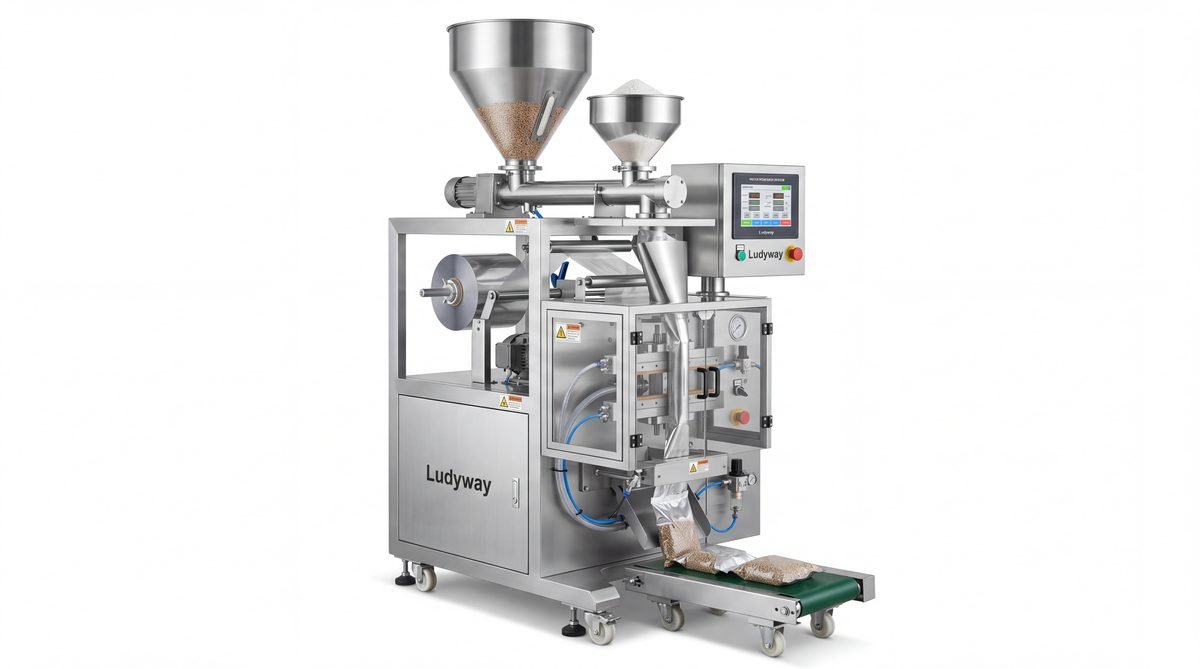
For companies planning high-speed, scalable production, working with an experienced packaging line manufacturer is often the most efficient path. Ludyway packaging machine manufacturer provides pouch packaging, sachet packing, stick pack systems, and turnkey automation solutions for food, pharmaceutical, health supplement, and related industries.
Frequently Asked Questions
Is nitrogen flushing safe for food packaging?
Yes. Food-grade nitrogen is widely used in packaging and is considered safe when applied correctly under relevant industry standards.
Does nitrogen flushing completely remove oxygen?
Not always completely, but it significantly reduces oxygen levels. The exact result depends on machine design, gas purity, pouch material, and sealing performance.
Can nitrogen flushing be used for powders?
Yes. It is commonly used for powders such as milk powder, protein powder, coffee, pharmaceuticals, and supplement blends.
Is nitrogen flushing better than vacuum packaging?
It depends on the product. Nitrogen flushing is often better for fragile products or pouches that need shape retention, while vacuum packaging may suit products that can tolerate compression.
Does nitrogen flushing increase packaging cost?
It can add some cost due to gas supply and equipment configuration, but many manufacturers find the investment worthwhile because of reduced spoilage, improved shelf life, and stronger product presentation.
Final Thoughts on Why Nitrogen Flushing Is Used in Pouch Packaging
Nitrogen flushing is used in pouch packaging because it offers a highly effective way to protect freshness, reduce oxidation, extend shelf life, and improve package performance. For many food, pharmaceutical, supplement, and pouch-based products, it is not just a packaging upgrade but a quality-control strategy.
As consumer expectations rise and distribution channels become longer and more demanding, nitrogen flushing continues to be one of the most practical and valuable technologies in modern pouch packaging.