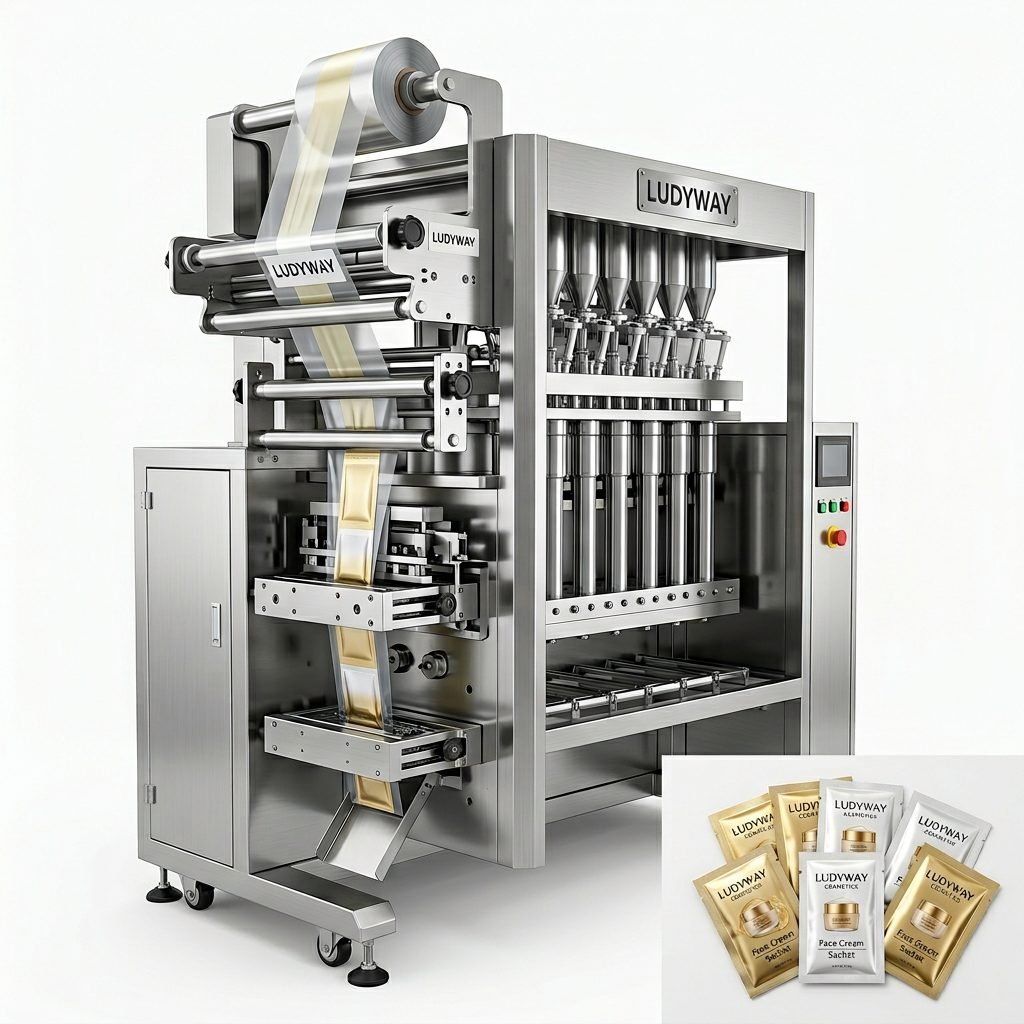
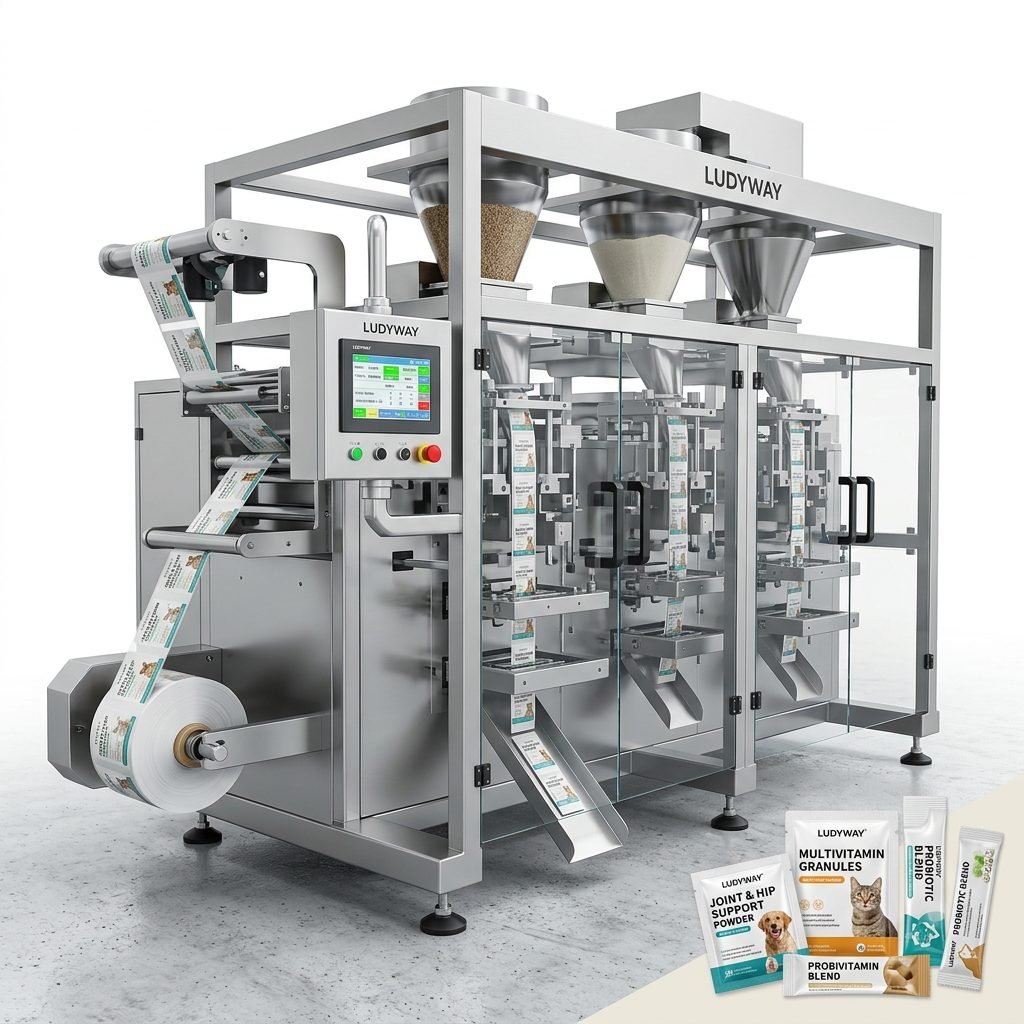
Selecting the right packaging machine for the Russian market requires careful evaluation of product characteristics, local regulations, and operational conditions. Russia’s vast geography, cold climate, and unique certification requirements make machinery selection more complex than in many other regions. Whether you are packaging granules, powders, liquids, or solid products, the equipment must comply with EAC (Eurasian Conformity) standards and GOST regulations while maintaining reliable performance in diverse environmental conditions. This guide will help you identify the most suitable packaging technology for your specific products and production goals in Russia.

Understanding Russia’s Packaging Machinery Market
Russia represents one of the largest and most dynamic packaging equipment markets in Eastern Europe and Central Asia. The demand spans across food processing, pharmaceuticals, cosmetics, chemicals, and agricultural products. According to PMMI’s State of the Industry reports, the packaging machinery sector continues to grow globally, with emerging markets like Russia showing particularly strong demand for automated solutions. Russian manufacturers and importers increasingly seek high-speed, multi-lane packaging systems that can improve production efficiency while meeting local compliance standards.
The Russian packaging landscape is characterized by several distinct trends: a growing preference for single-serve and portion-controlled packaging, increased adoption of flexible packaging formats, and rising demand for flexible packaging solutions that reduce material waste. Stick packs, sachets, and pre-made pouches are among the most popular formats for consumer goods in Russian retail channels, from supermarket chains to online marketplaces.
Key Product Categories and Matching Packaging Solutions
Different products require fundamentally different packaging approaches. Below are the primary product categories and the most effective packaging machine types for each:
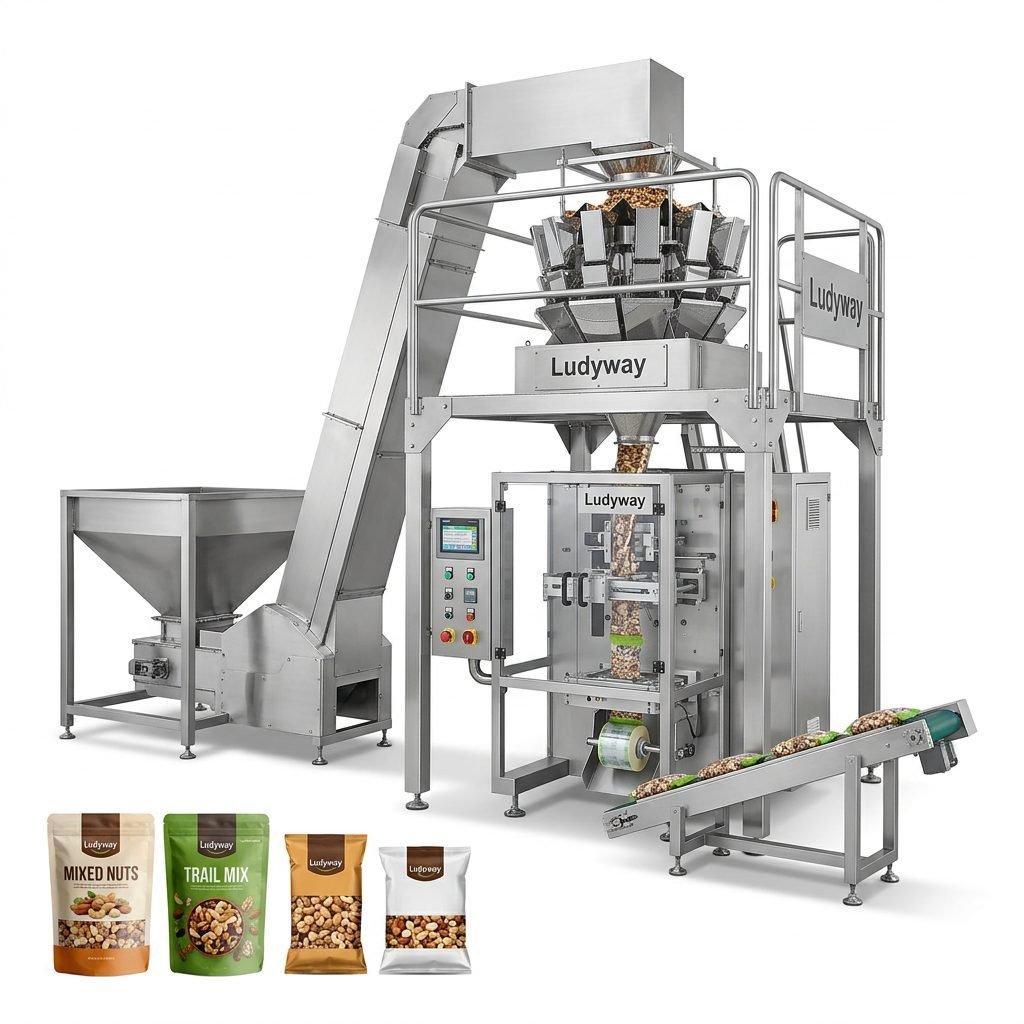
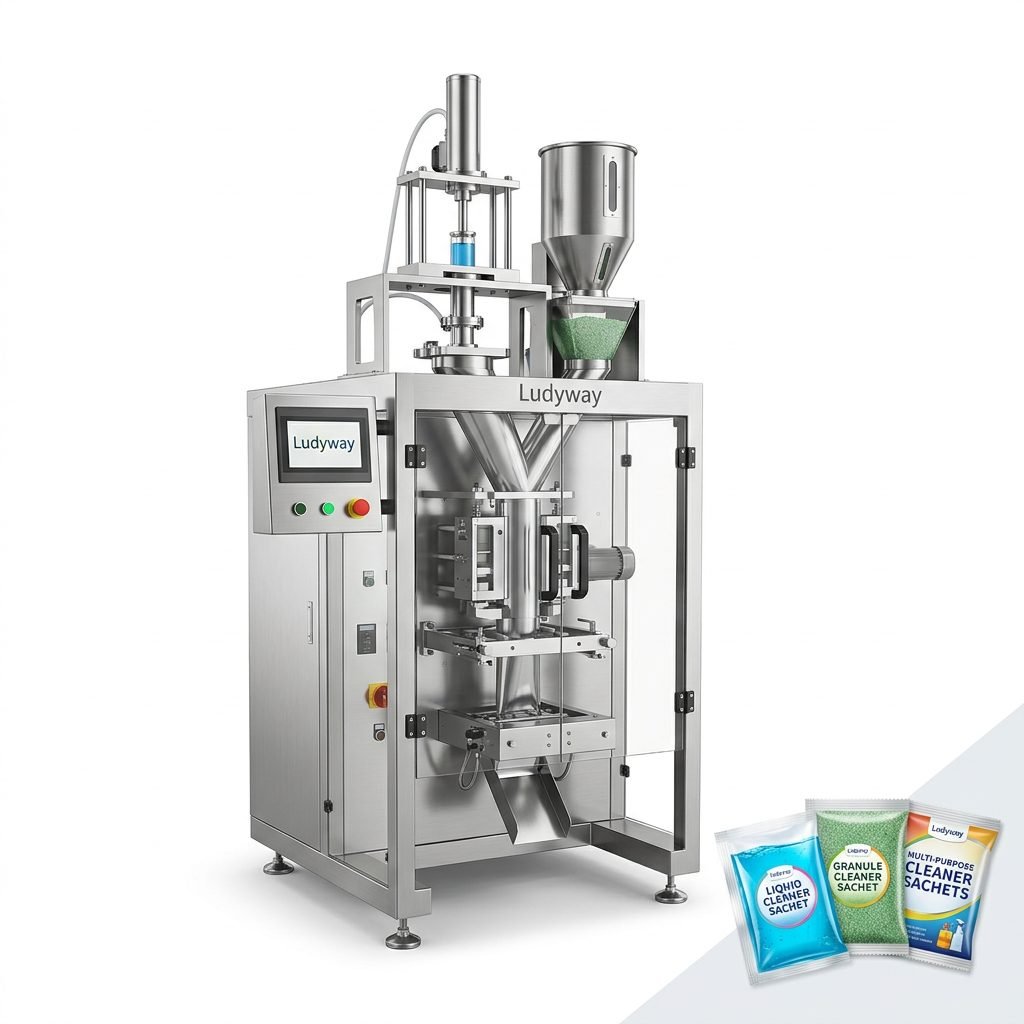
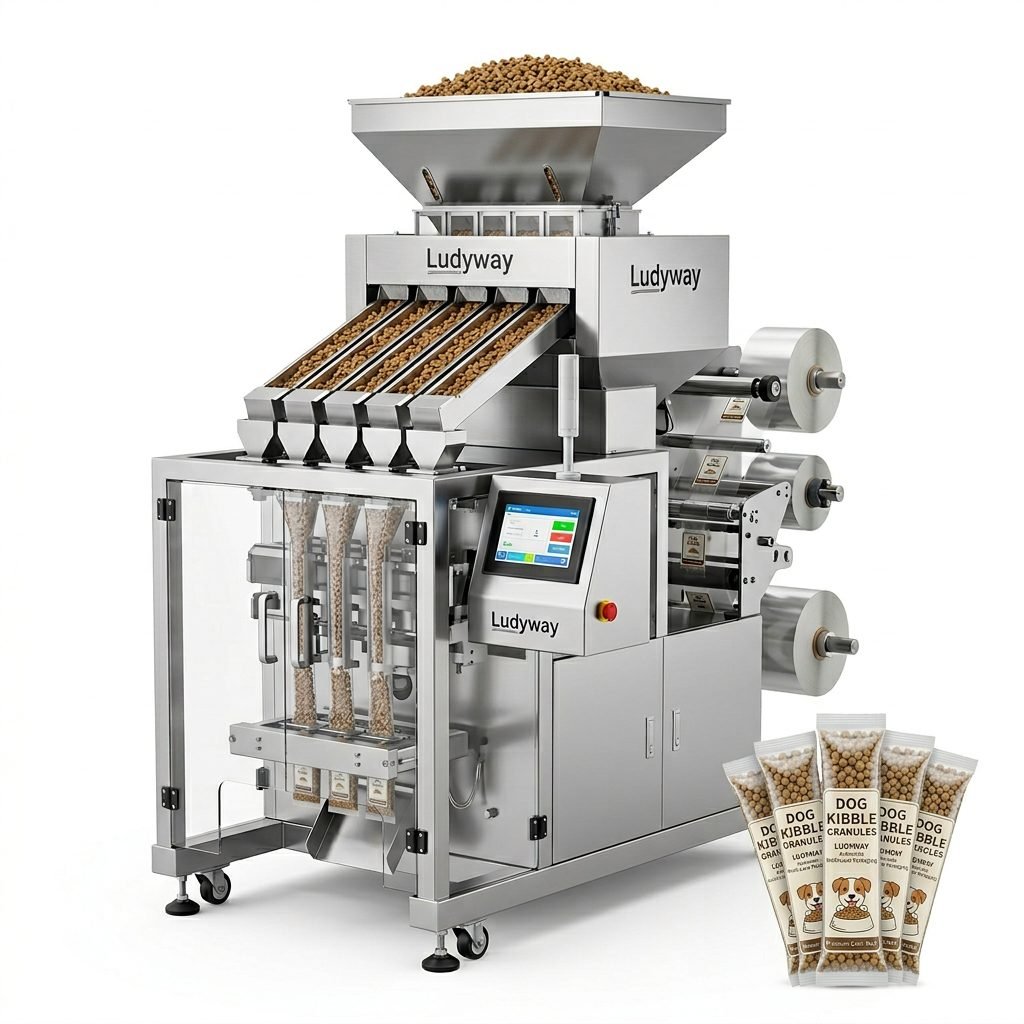
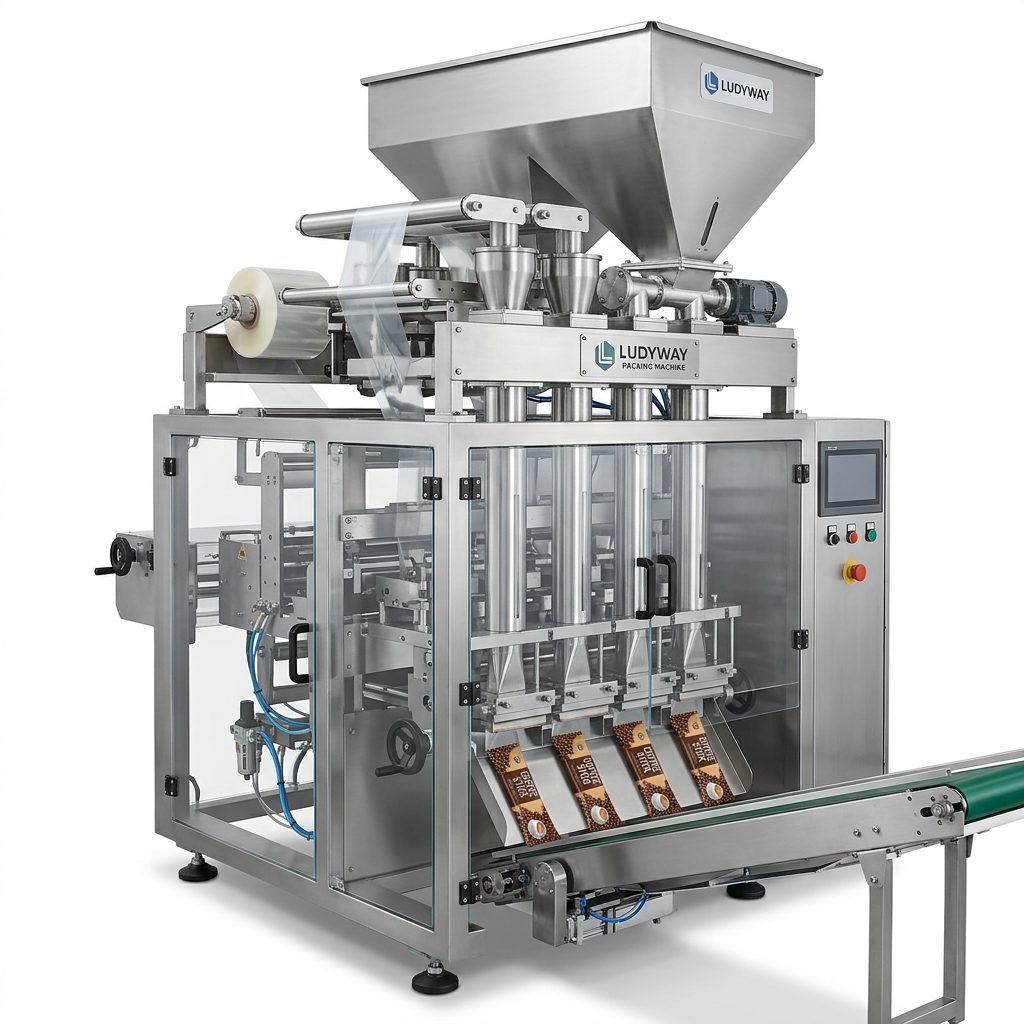
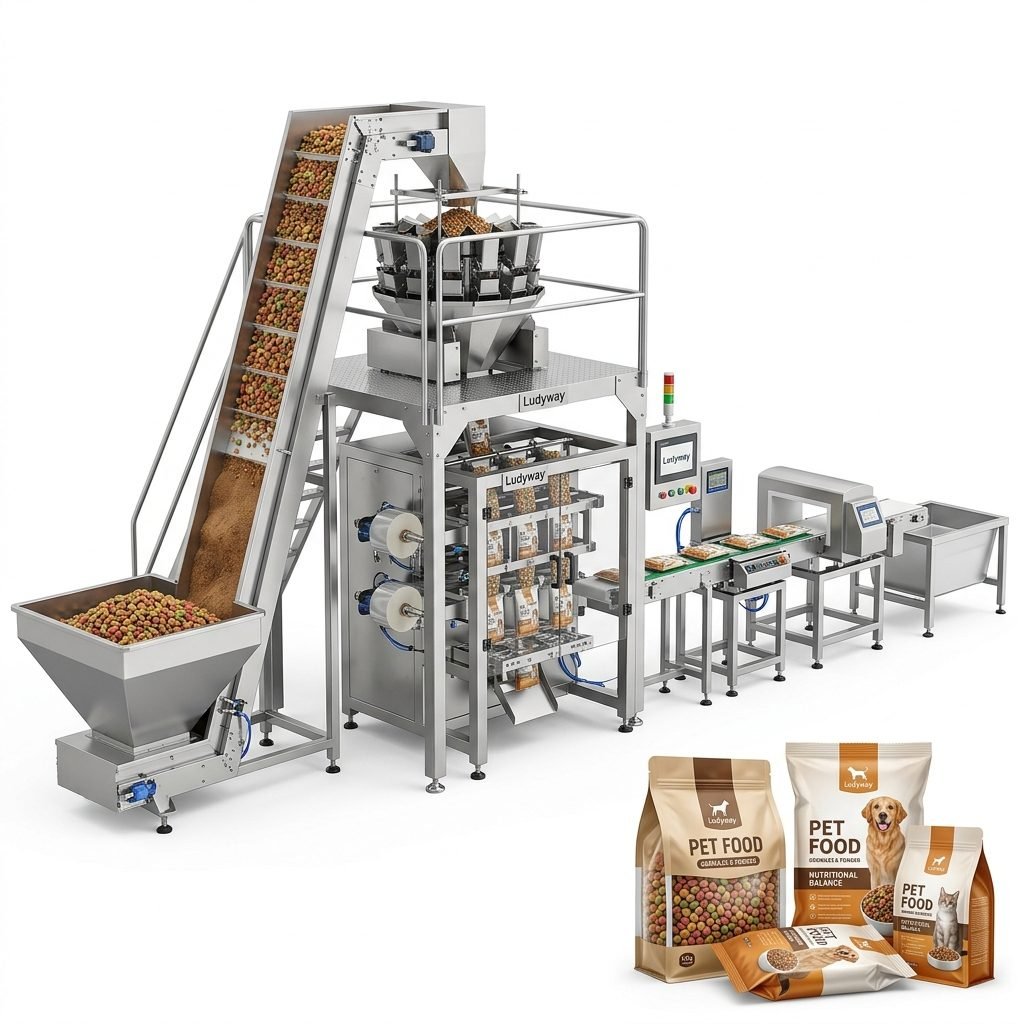
- Granule Products (seeds, grains, pet food, fertilizers, coffee beans, nuts, snacks) — Multi-lane stick pack machines and vertical form fill seal (VFFS) sachet machines offer precise weighing and high-speed filling for free-flowing granules.
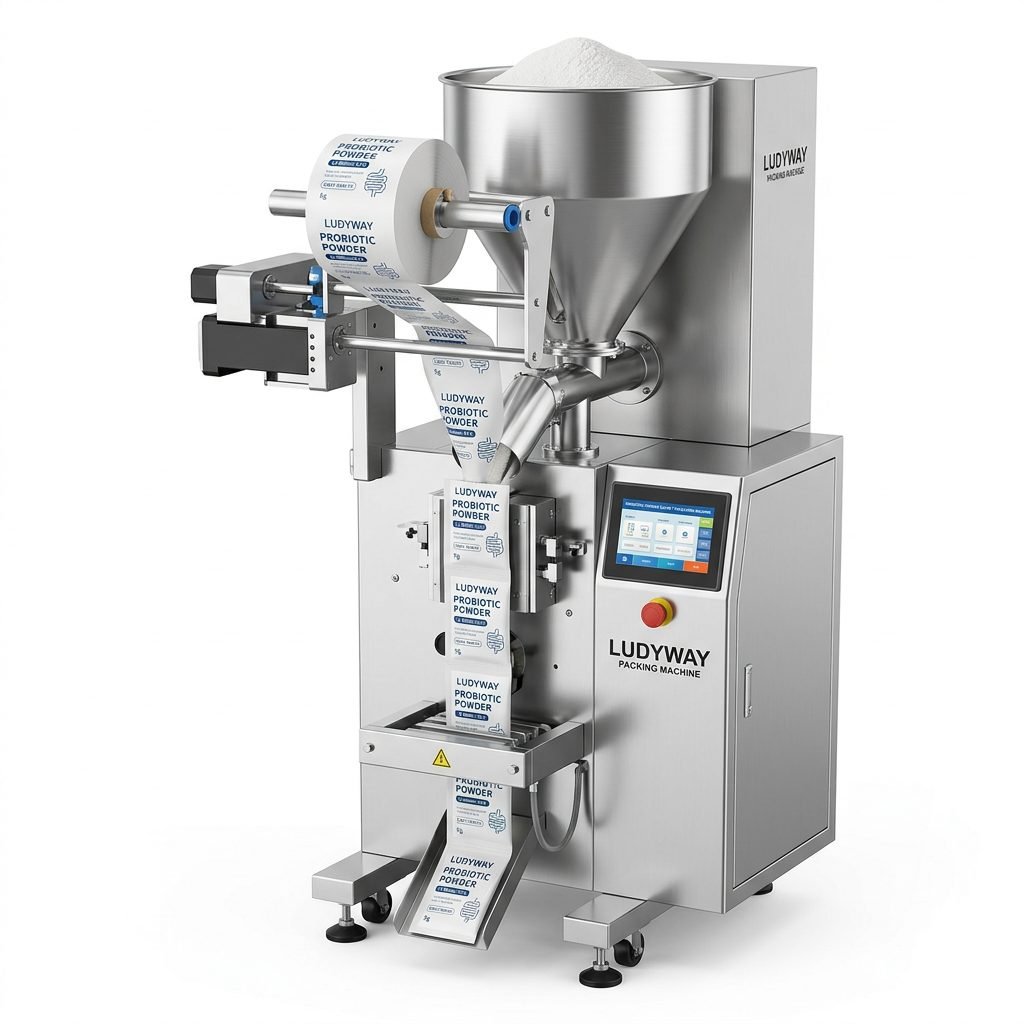
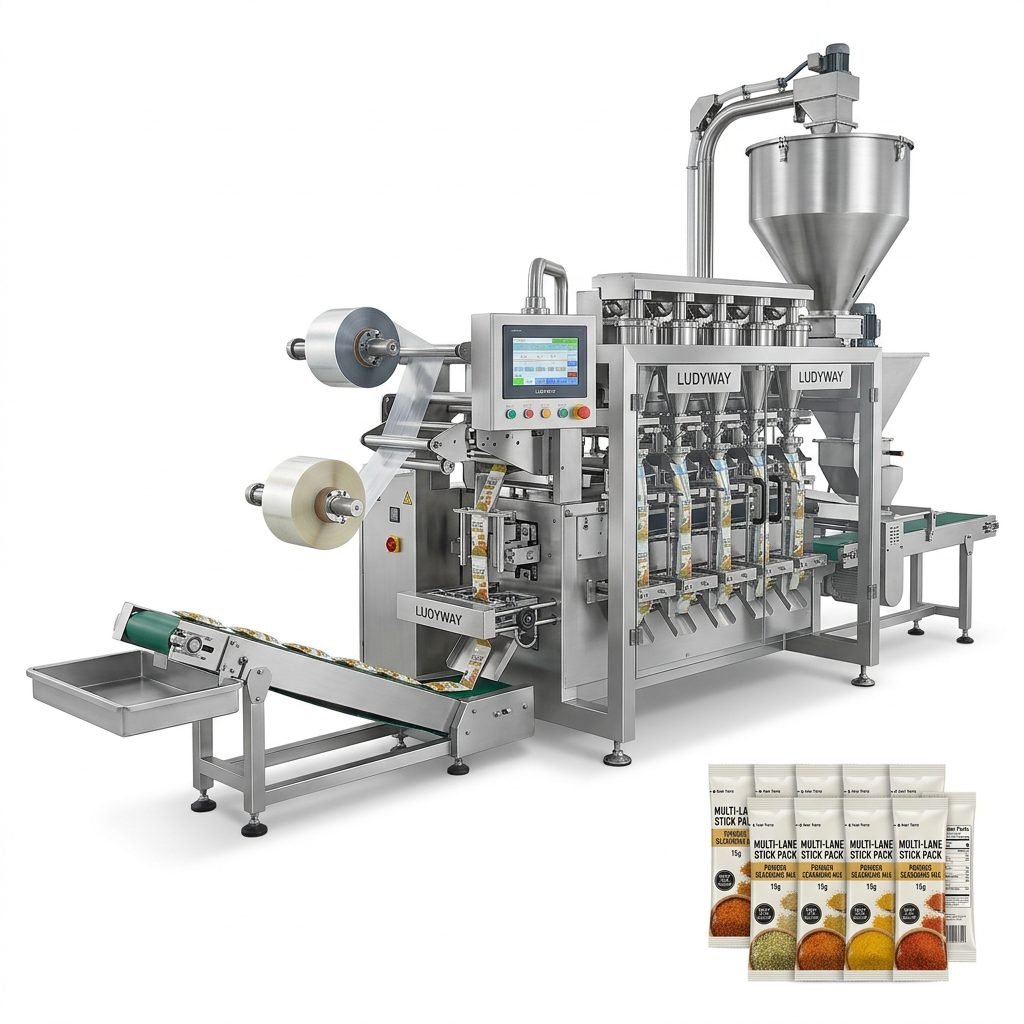
- Powder Products (spices, protein powder, milk powder, detergent, pharmaceutical powders, flour) — Auger filler sachet machines and multi-lane stick pack systems with dust-control features are essential for accurate dosing and clean operation.
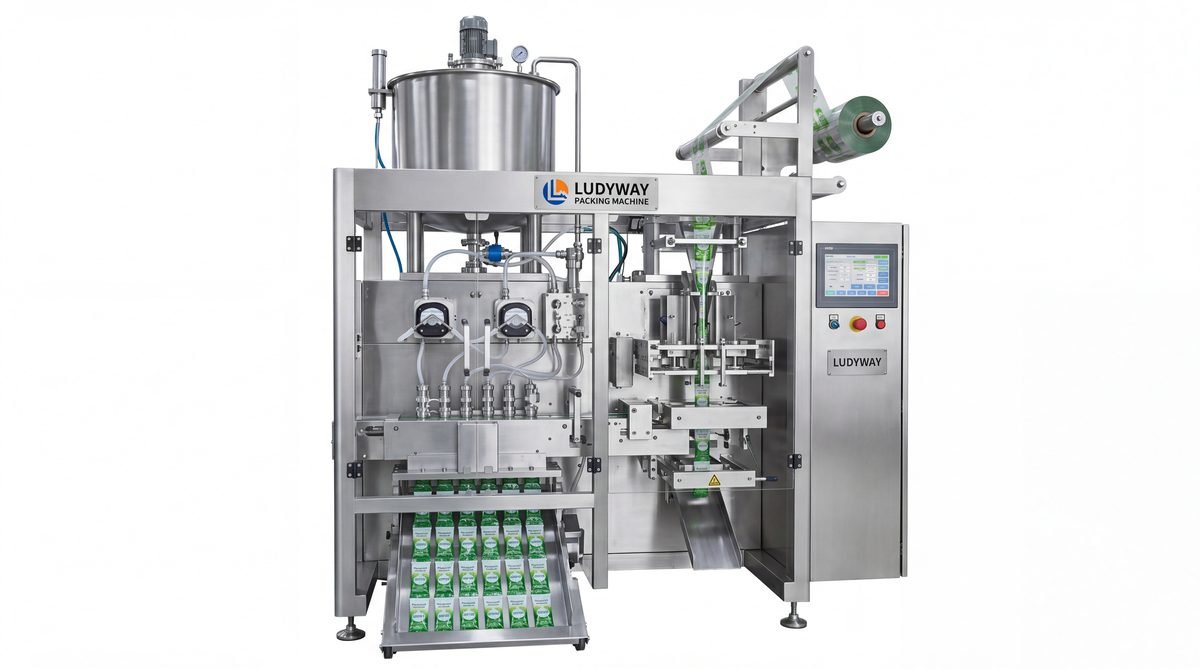
- Liquid Products (shampoo, sauces, oils, honey, liquid detergents, beverages) — Piston or peristaltic pump filling machines configured for sachet or stick pack formats ensure drip-free, hygienic filling.
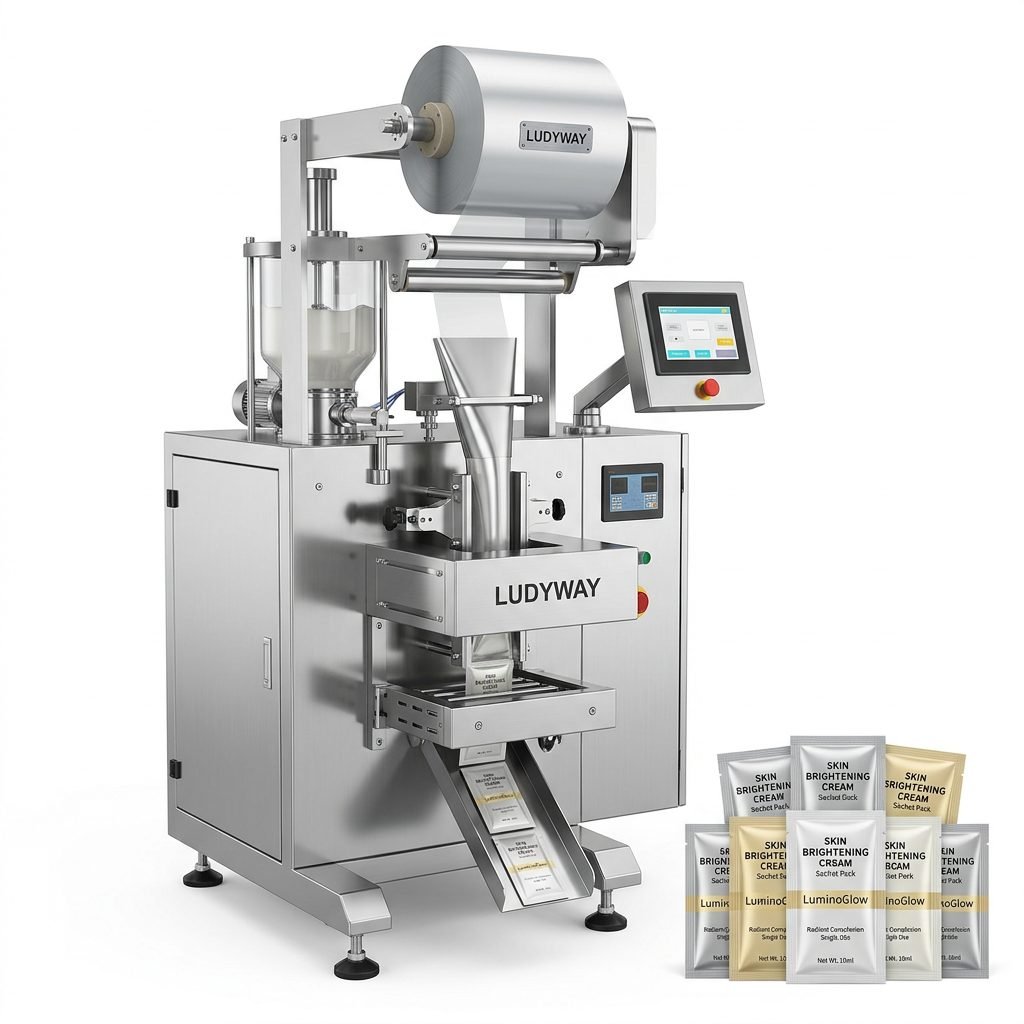
- Paste and Cream Products (cosmetic creams, toothpaste, peanut butter, ointments) — Positive displacement filling systems integrated with tube or sachet packaging machines handle high-viscosity materials effectively.
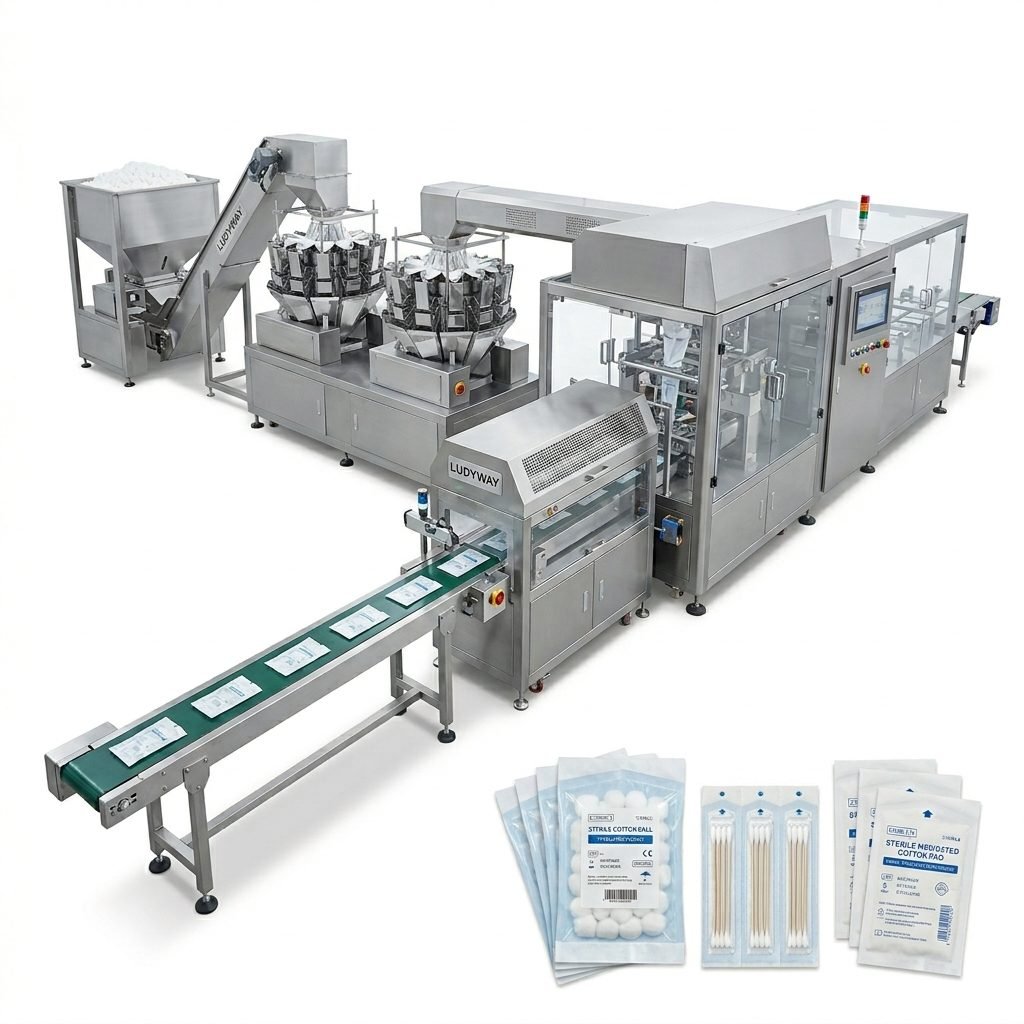
- Solid and Irregular Products (hardware parts, frozen foods, medical devices, tea bags) — Counting and weighing packaging lines with multi-head weighers or counting systems provide accurate piece-by-piece packaging.
Critical Factors for Machine Selection in Russia
When evaluating packaging machinery for the Russian market, several factors extend beyond standard machine specifications. These considerations can significantly impact operational efficiency and long-term reliability:
Climate and Operating Environment
Russia’s diverse climate zones require packaging machines capable of operating in temperatures ranging from extreme cold to moderate heat. Equipment installed in unheated warehouses or production facilities must include cold-resistant components, appropriate lubrication systems, and control electronics rated for low-temperature operation. Machine frames and structural components should be manufactured from materials that maintain integrity across temperature fluctuations.
Compliance and Certification
All packaging machinery entering the Russian market must meet EAC certification requirements under the technical regulations of the Eurasian Economic Union (EAEU). This includes compliance with safety standards, electromagnetic compatibility, and specific hygiene requirements for food and pharmaceutical applications. ISO packaging standards also play a critical role, particularly ISO 11607 for medical device packaging and various food safety standards that align with Russian GOST-R requirements.
Packaging Material Compatibility
Russian packaging material supply chains may differ from those in Western Europe or Asia. The machine must be compatible with locally available packaging films, laminates, and materials that meet food contact substance regulations. This includes heat-sealable films, aluminum laminates, and paper-based materials commonly used in the Russian packaging industry. Multi-lane machines should offer flexible sealing parameters to accommodate various material specifications.
Comparing Packaging Machine Types for the Russian Market
The following table compares the most commonly deployed packaging machine types for Russian production environments, highlighting their strengths across different applications:
| Machine Type | Best For | Packaging Format | Speed Range | Key Advantages in Russia |
|---|---|---|---|---|
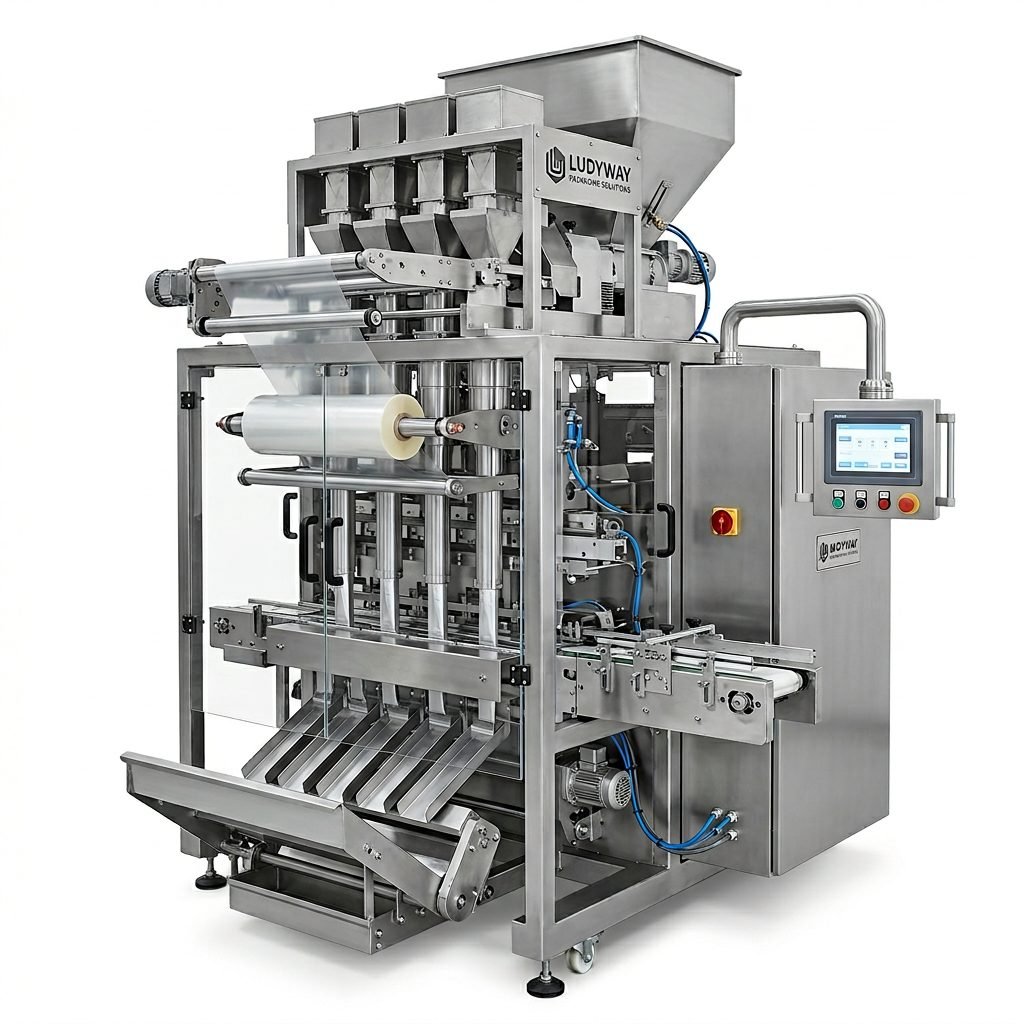
| Multi-Lane Stick Pack Machine | Powders, granules, small solids | Stick packs (4-20 lanes) | 200-800 packs/min | High output, compact footprint, ideal for single-serve portions popular in Russian retail |
| Sachet Packaging Machine | Liquids, creams, powders | 3-side or 4-side seal sachets | 60-400 sachets/min | Versatile format, cost-effective for sample and travel-size products, widely accepted in Russian cosmetics and pharma |
| Vertical Form Fill Seal (VFFS) | Granules, snacks, frozen foods | Pillow bags, gusseted bags | 30-150 bags/min | Robust construction, suitable for heavy products and bulk packaging common in Russian food industry |
| Pre-Made Pouch Machine | Premium foods, pet food, chemicals | Stand-up pouches, zipper pouches | 20-80 pouches/min | Premium shelf appeal, resealable options for larger package sizes popular in Russian supermarkets |
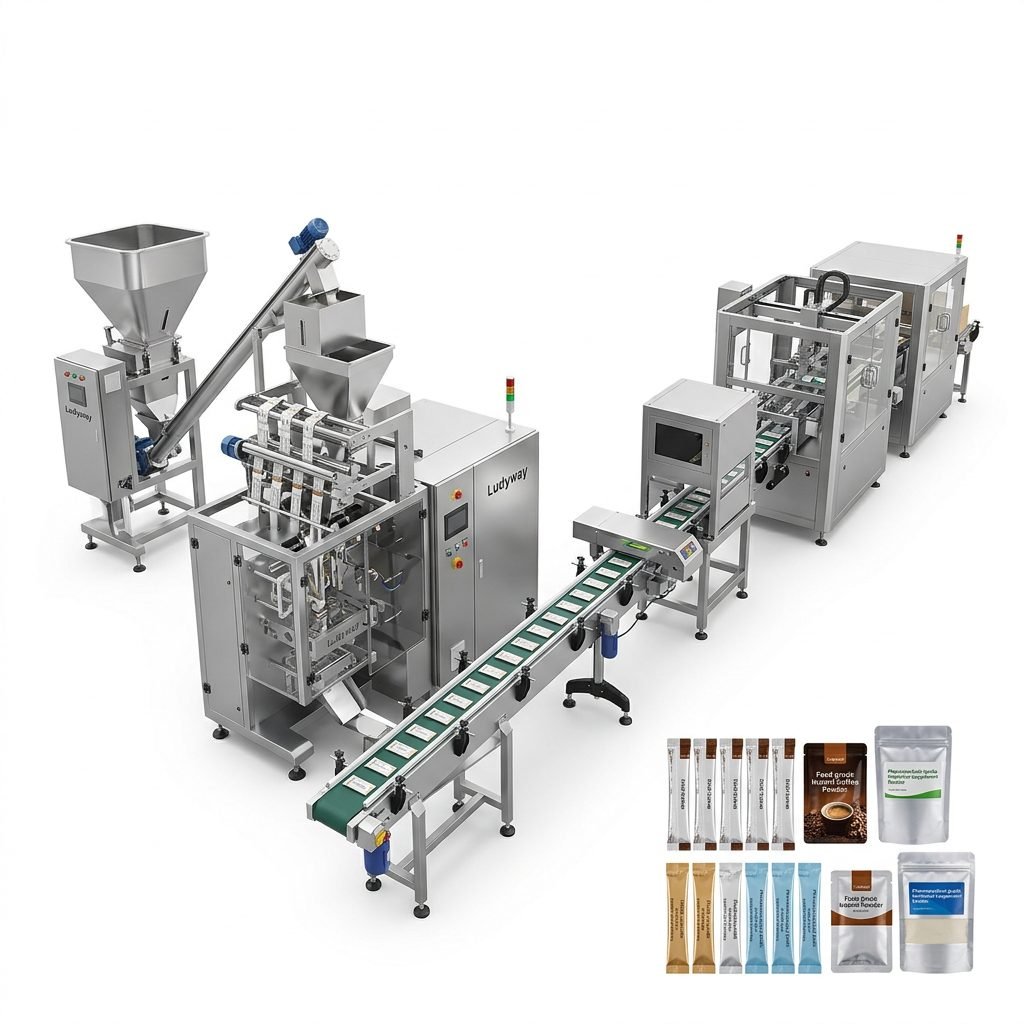
| Turnkey Packaging Line | Complete production operations | Integrated multi-format systems | Customized output | Single-source solution with local support, minimizing integration challenges in remote Russian production sites |
Automation and Integration Considerations
Russian manufacturing facilities increasingly prioritize automation and labor efficiency. Modern packaging lines in Russia often integrate multiple functions — feeding, weighing, filling, sealing, coding, inspection, and cartoning — into seamless production flows. Automated packaging lines reduce dependence on manual labor, which can be a significant advantage in regions with workforce availability challenges.
Key automation features to look for include servo-driven controls, touchscreen HMI interfaces with Russian language support, remote diagnostics capabilities, and compatibility with Industry 4.0 standards. These features not only improve operational efficiency but also simplify maintenance and training for local operator teams. According to PMMI’s business intelligence research, automation continues to be the dominant trend driving packaging machinery investment worldwide, and Russia is no exception.
Regulatory Landscape and Import Requirements
Navigating Russia’s regulatory framework is essential for successful packaging machine deployment. Beyond EAC certification, certain industries have additional requirements. Pharmaceutical packaging equipment must comply with GMP (Good Manufacturing Practice) standards as recognized by Russian health authorities. ISO 11607 for medical device packaging is widely referenced. Food packaging machinery must meet sanitary and hygienic standards outlined in Russian technical regulations, which align closely with international flexible packaging regulatory frameworks.
Import documentation should include technical passports, operation manuals in Russian, conformity declarations, and test reports from accredited laboratories. Working with suppliers who have established experience in the Russian market can streamline the certification and import process significantly. Companies like Ludyway, which serves customers in over 100 countries including extensive experience with Eurasian markets, provide packaging solutions designed to meet both international quality standards and Russian-specific compliance requirements.
Service, Support, and Spare Parts Availability
One of the most critical factors in selecting a packaging machine for Russia is long-term service and spare parts availability. Given Russia’s geographic expanse and logistical complexities, equipment downtime can be especially costly. Key considerations include:
- Local service presence or authorized service partners within Russia or neighboring EAEU countries
- Remote technical support with Russian-speaking engineers
- Readily available spare parts with expedited shipping options to major Russian cities
- Comprehensive training programs for Russian operator and maintenance teams
- Preventive maintenance contracts tailored to local operating conditions
Cost-Effectiveness and ROI Analysis
While initial purchase price is important, the total cost of ownership (TCO) should guide investment decisions for the Russian market. Factors affecting long-term ROI include energy efficiency, maintenance costs, film waste rates, changeover time between products, and expected machine lifespan. Multi-lane packaging machines often deliver superior ROI in high-volume Russian production environments due to their throughput capabilities and reduced per-unit packaging costs.
Russian companies should also consider flexibility and scalability. A machine that can handle multiple product types and packaging formats provides better protection against changing market demands. Modular designs that allow future upgrades or lane additions offer another layer of investment security in the evolving Russian consumer market.
Practical Tips for Russian Buyers
- Request factory acceptance testing (FAT) before shipment to verify machine performance under simulated Russian operating conditions
- Verify EAC certification status and ensure all documentation is prepared for smooth customs clearance
- Ask for Russian-language documentation including manuals, software interfaces, and training materials
- Plan for climate-specific modifications such as cold-rated electrical components and appropriate lubricants
- Evaluate supplier experience in the Russian and CIS markets — proven track records reduce implementation risks
- Consider turnkey solutions that include installation, commissioning, and initial production support in Russia

Choosing the right packaging machine for the Russian market involves balancing technical specifications, regulatory compliance, climatic adaptability, and long-term support considerations. By carefully evaluating your product characteristics against the machine types discussed above — and partnering with experienced suppliers who understand Russian market requirements — you can build a packaging operation that delivers consistent quality, operational efficiency, and sustainable growth in one of the world’s most significant packaging markets. For further reference on global packaging standards and industry trends, the PMMI association and Flexible Packaging Association provide valuable resources for ongoing industry insight.