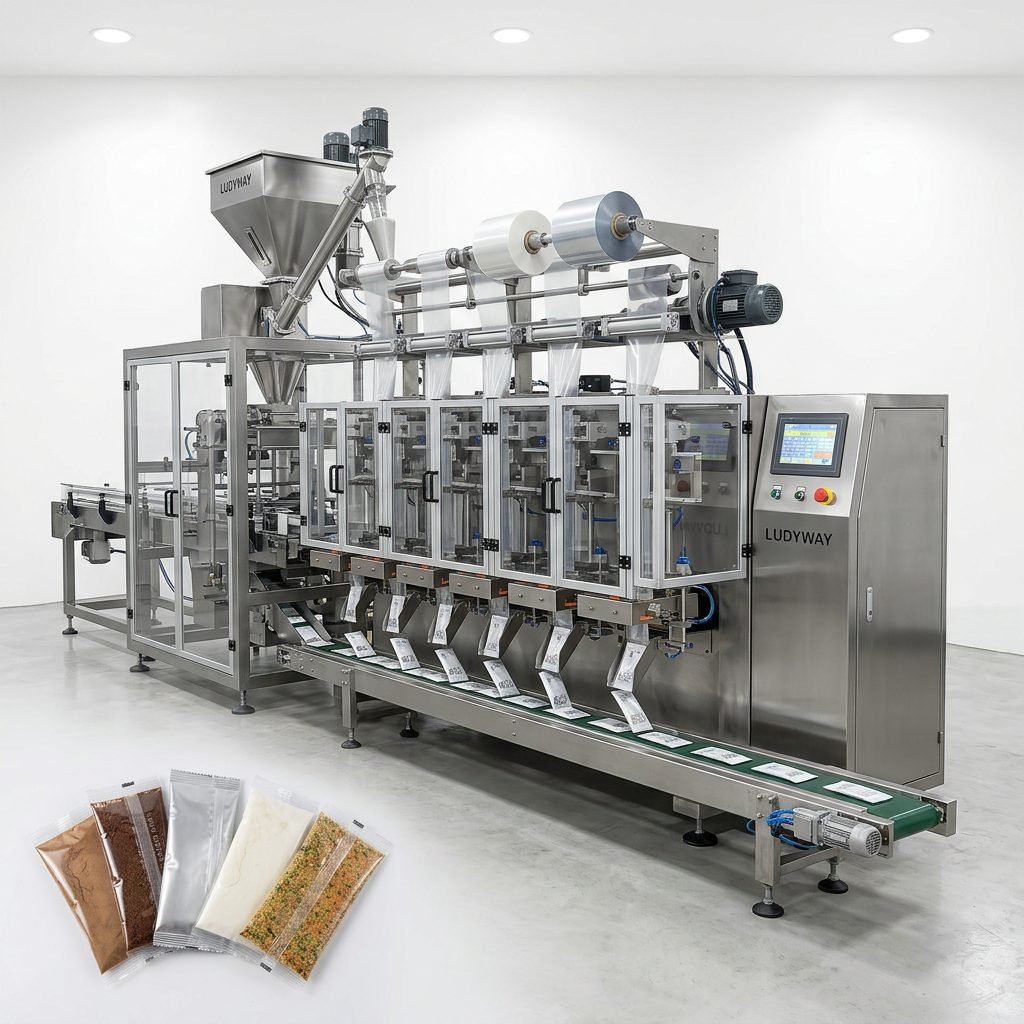
Setting up a meal packaging machine production line is a strategic undertaking that directly impacts product quality, shelf life, and operational efficiency. Whether you are launching a new food product or scaling an existing operation, a well-planned production line ensures consistent output and long-term reliability. This guide walks you through the essential steps—from initial planning to full-scale operation—tailored for global food businesses.
Planning Your Meal Packaging Production Line
Before purchasing any equipment, a thorough assessment of your production goals is essential. This phase defines the scope of your investment and helps avoid costly misconfigurations later. Consider the following factors carefully:
- Product Characteristics: Is your meal product a powder, granule, liquid, paste, or solid? Each physical form requires a specific dosing and filling mechanism.
- Target Output: Define your desired production speed in packs per minute. High-speed multi-lane systems can produce hundreds of packs per minute, while single-lane machines suit lower volumes.
- Packaging Format: Decide between stick packs, sachets, pouches, or pre-made bags based on your market positioning and consumer preferences.
- Regulatory Compliance: Food-grade materials, hygienic design, and certifications such as FDA compliance or ISO standards must be factored in, especially for export markets.
Engaging with industry resources like the PMMI State of the Industry Reports provides valuable benchmarking data on packaging trends and machinery adoption rates across global markets.
Assessing Production Capacity and Layout
Your factory floor plan directly influences the configuration of the packaging line. A linear layout works well for compact spaces, while a U-shaped or L-shaped design may improve material flow in larger facilities. Key layout considerations include:
- Clearance for raw material feeding systems and finished product conveyors
- Access points for maintenance and sanitation procedures
- Integration with upstream processing equipment and downstream cartoning or palletizing units
- Adequate space for checkweighers, metal detectors, and coding systems
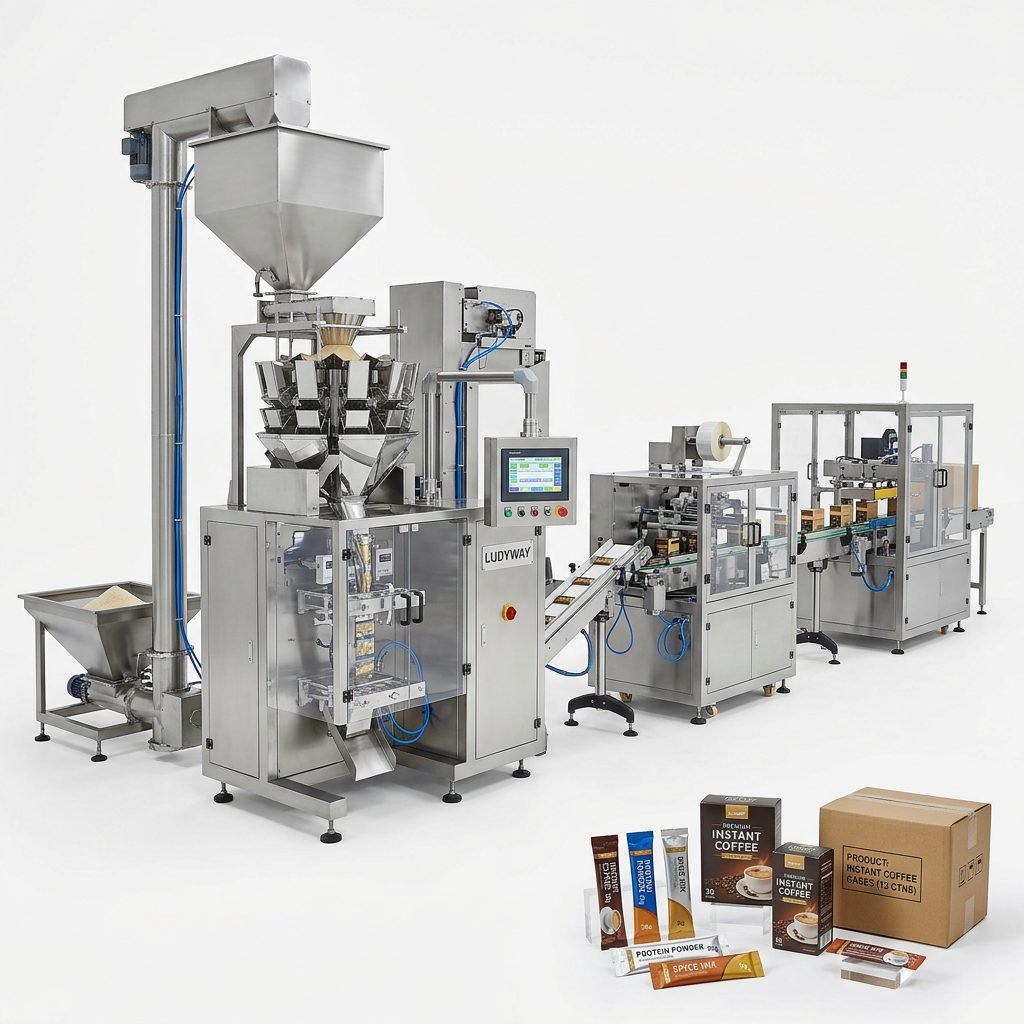
Key Equipment in a Meal Packaging Line
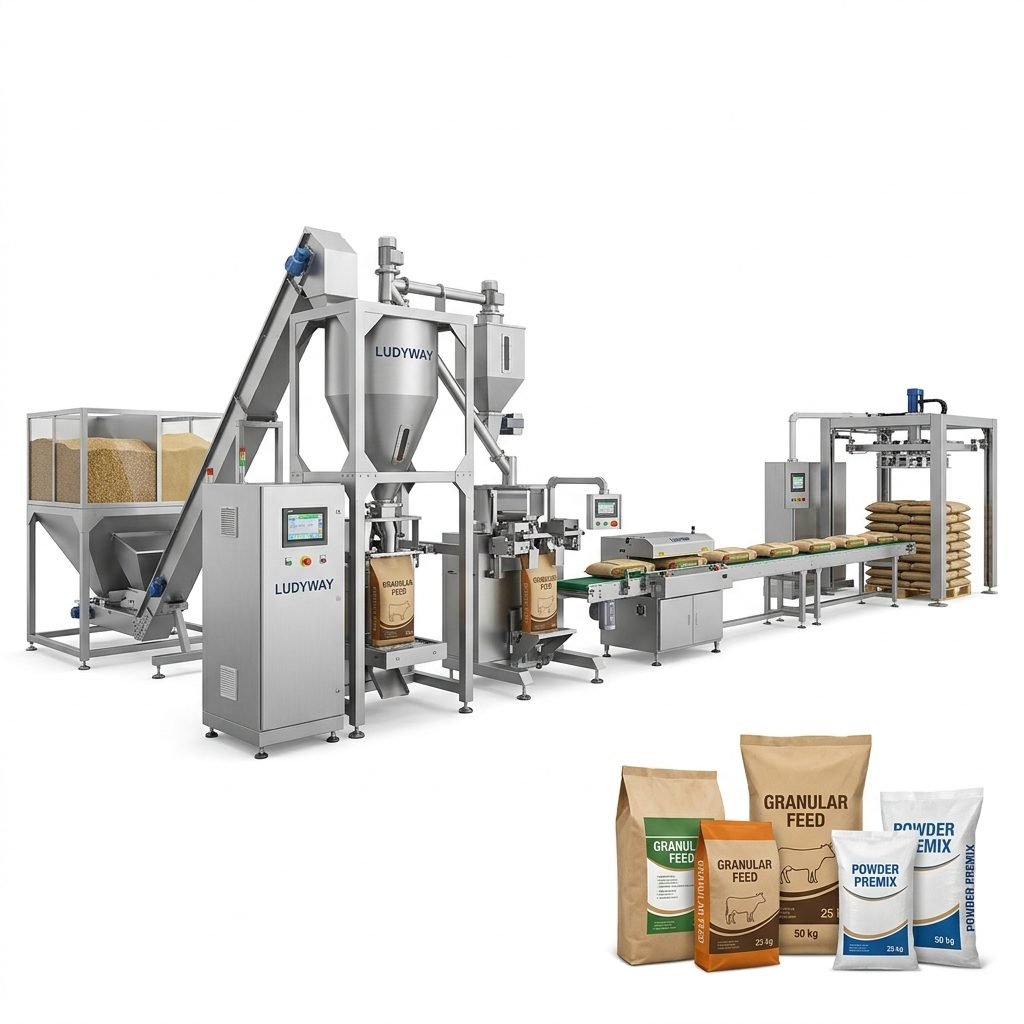
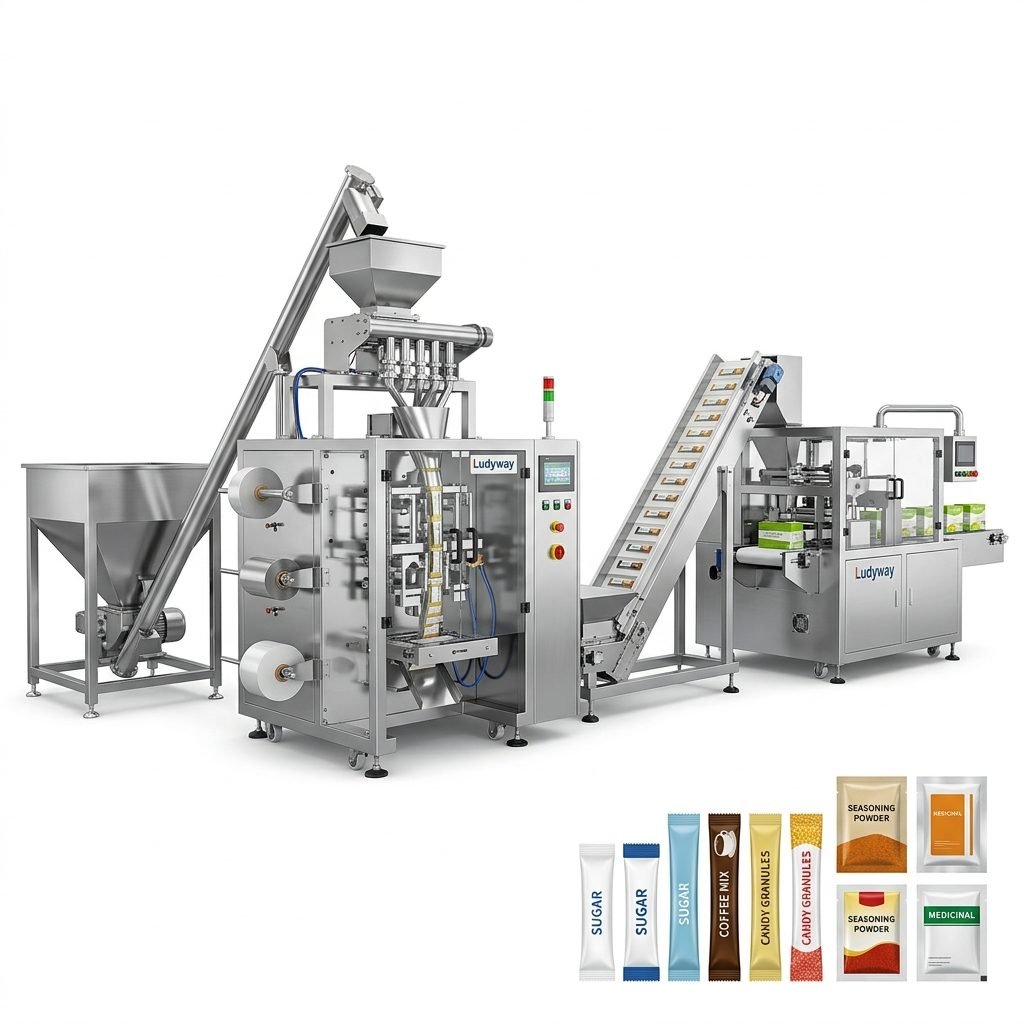
A complete meal packaging production line consists of multiple integrated components. Each piece of equipment plays a specific role in maintaining throughput and product integrity. The table below summarizes the core machinery and auxiliary systems:
| Equipment Type | Primary Function | Key Considerations |
|---|---|---|
| Feeding & Dosing System | Accurately measures and dispenses product into the packaging machine | Auger fillers for powders, volumetric cup fillers for granules, piston fillers for liquids |
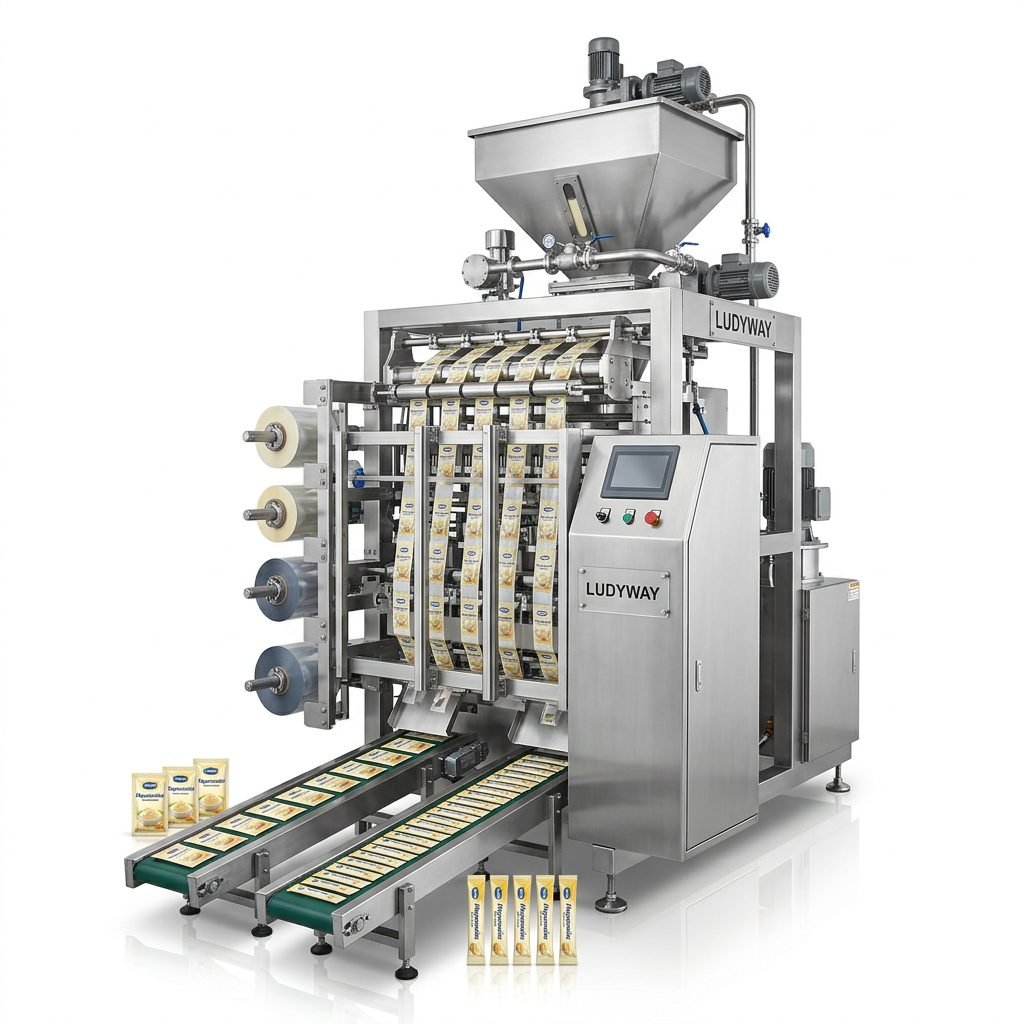
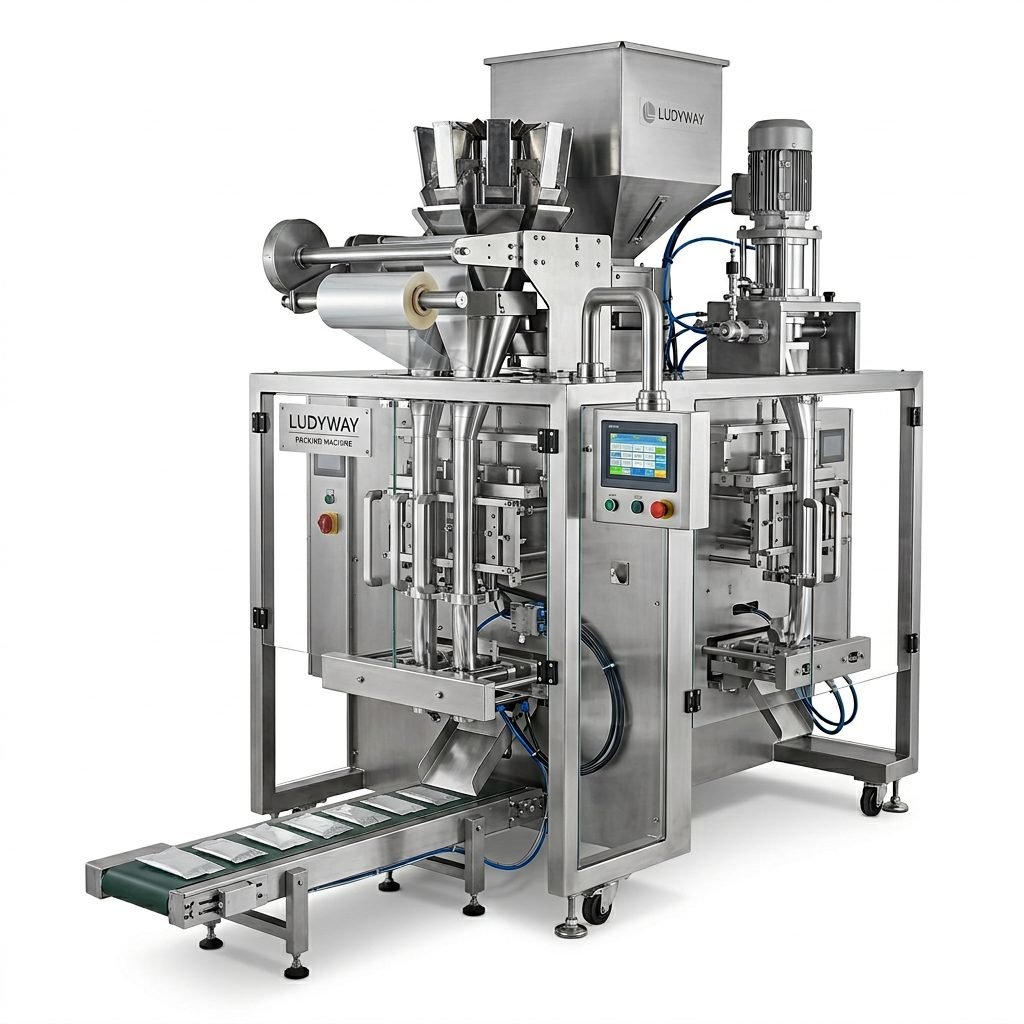
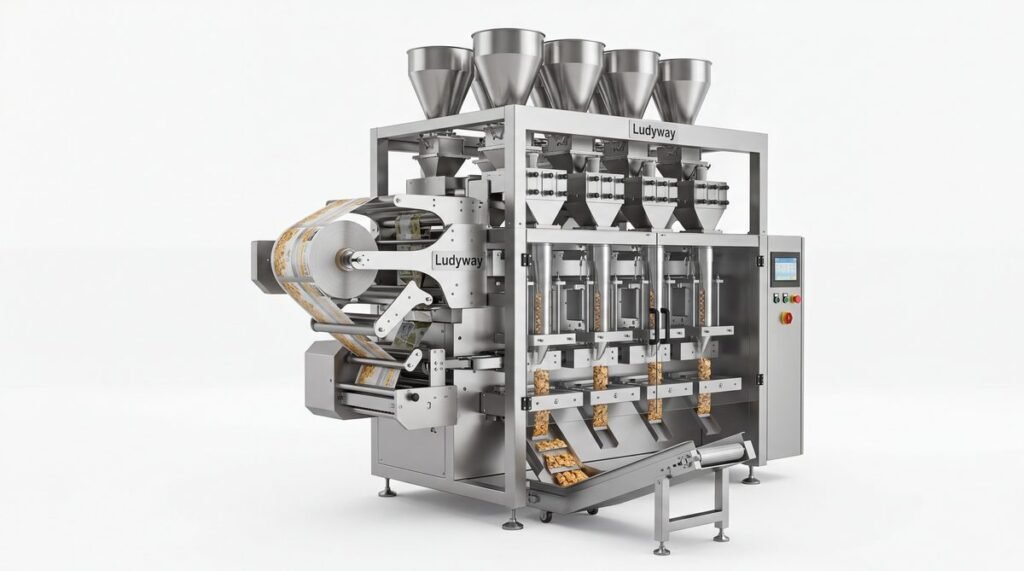
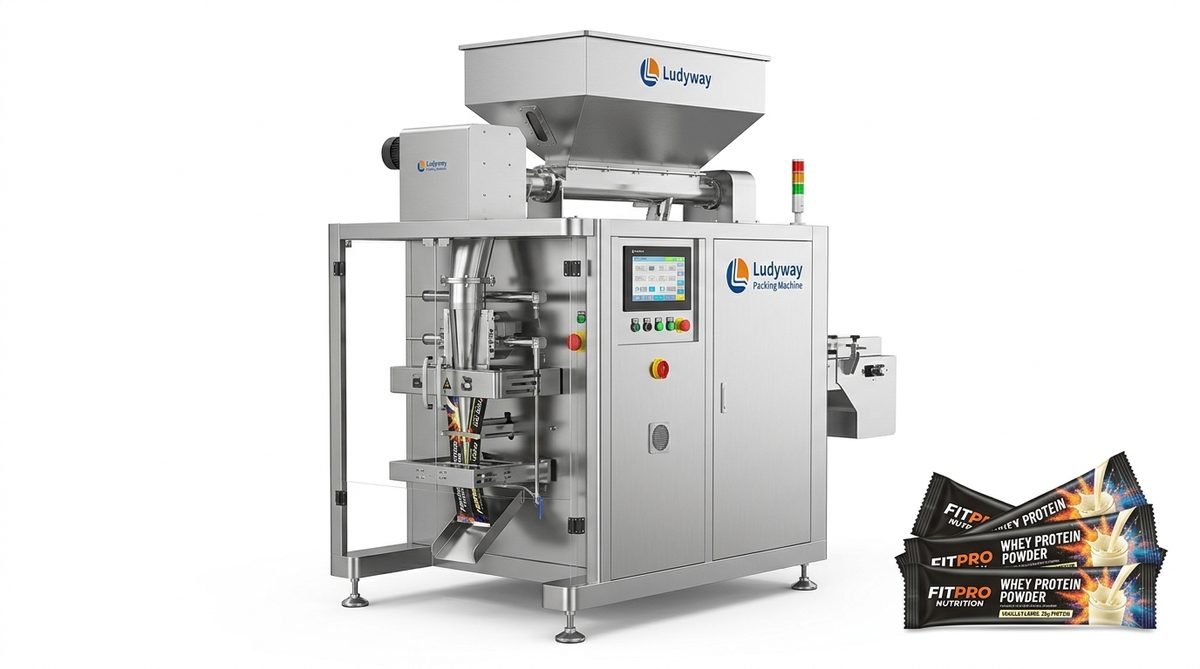
| Vertical Form Fill Seal (VFFS) Machine | Forms bags from roll stock, fills product, and seals each pack | Multi-lane capability, servo-driven sealing, compatible film materials |
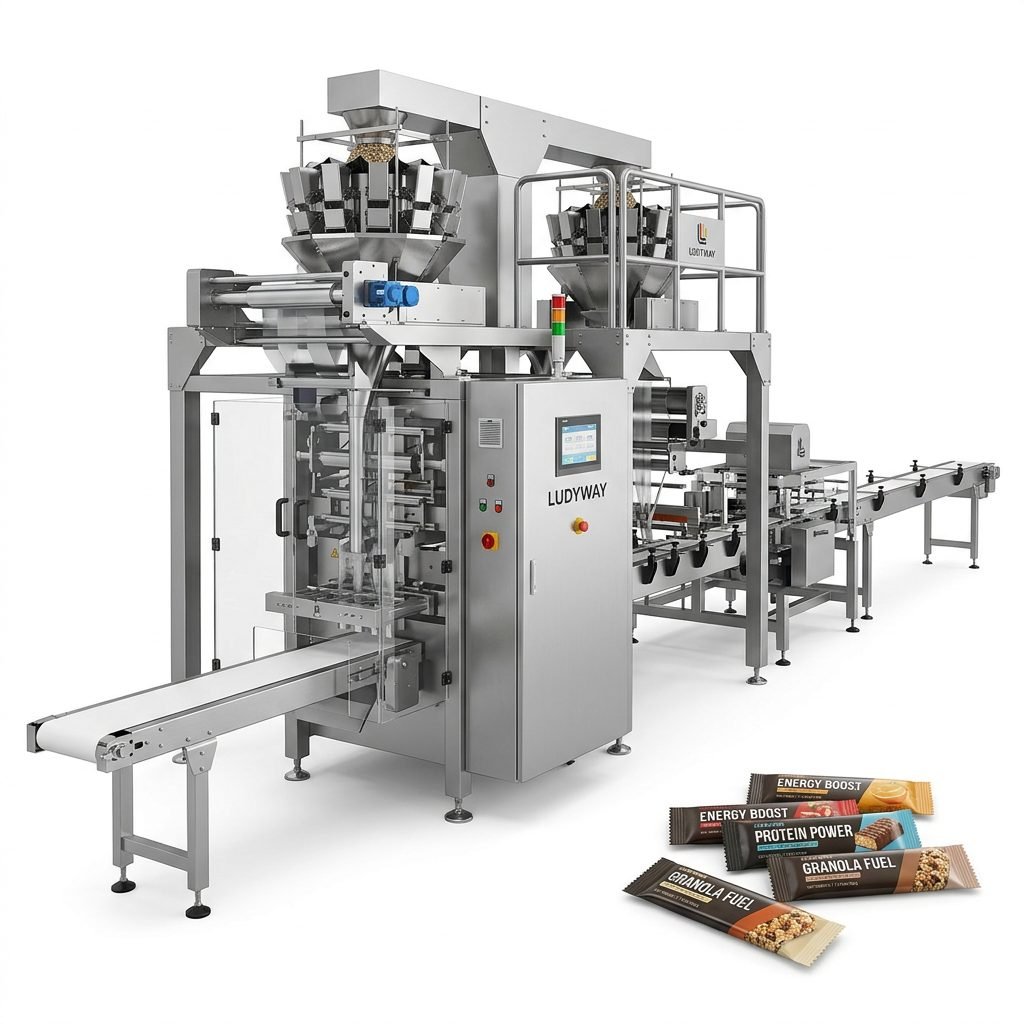
| Multi-Head Weigher | Provides high-speed, high-precision weighing for granular and solid products | Number of heads, weighing range, speed rating |
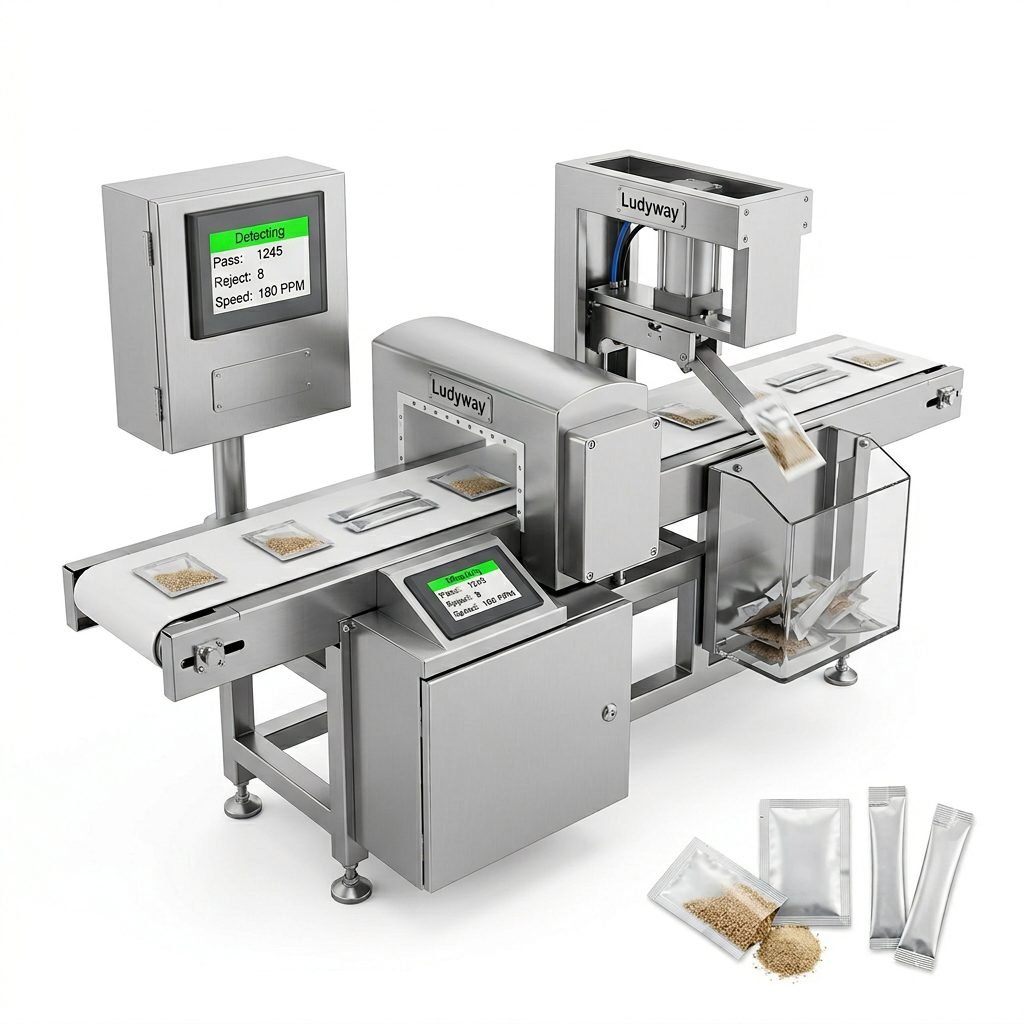
| Checkweigher & Inspection Systems | Verifies pack weight and detects contaminants | Dynamic checkweighing accuracy, metal detection sensitivity, X-ray options |
| Coding & Labeling Equipment | Applies batch codes, expiration dates, and barcodes | Thermal inkjet, laser, or thermal transfer printing technologies |
| Cartoning & End-of-Line Systems | Packs finished sachets into cartons, boxes, or cases | Automatic carton erectors, case packers, palletizers |
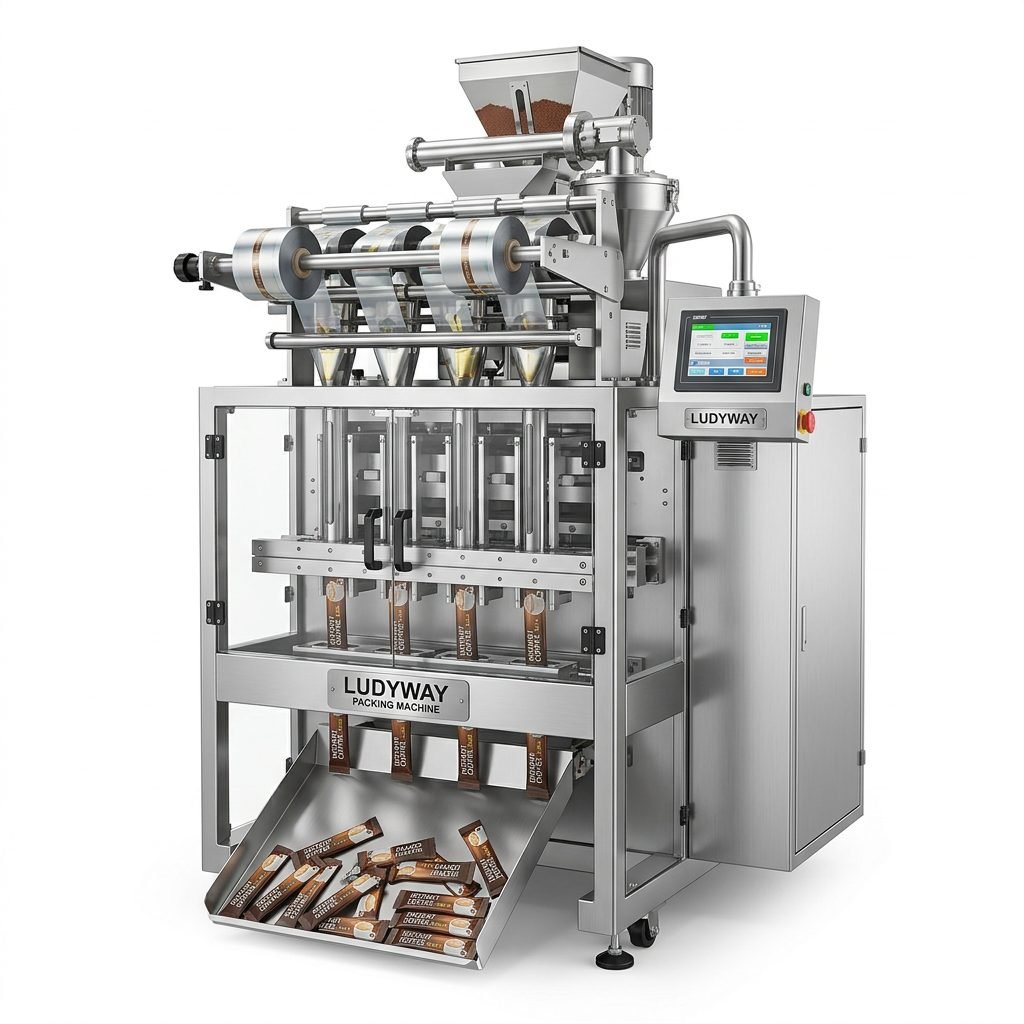
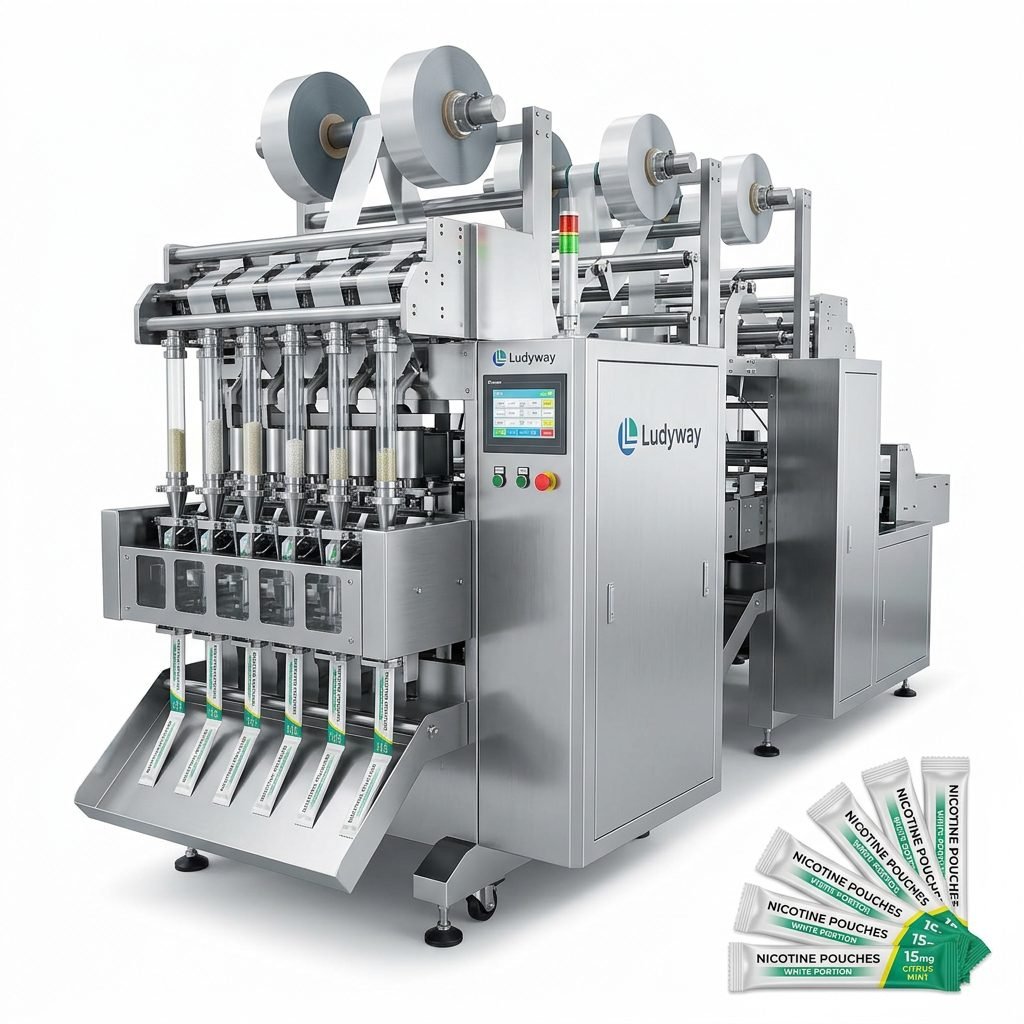
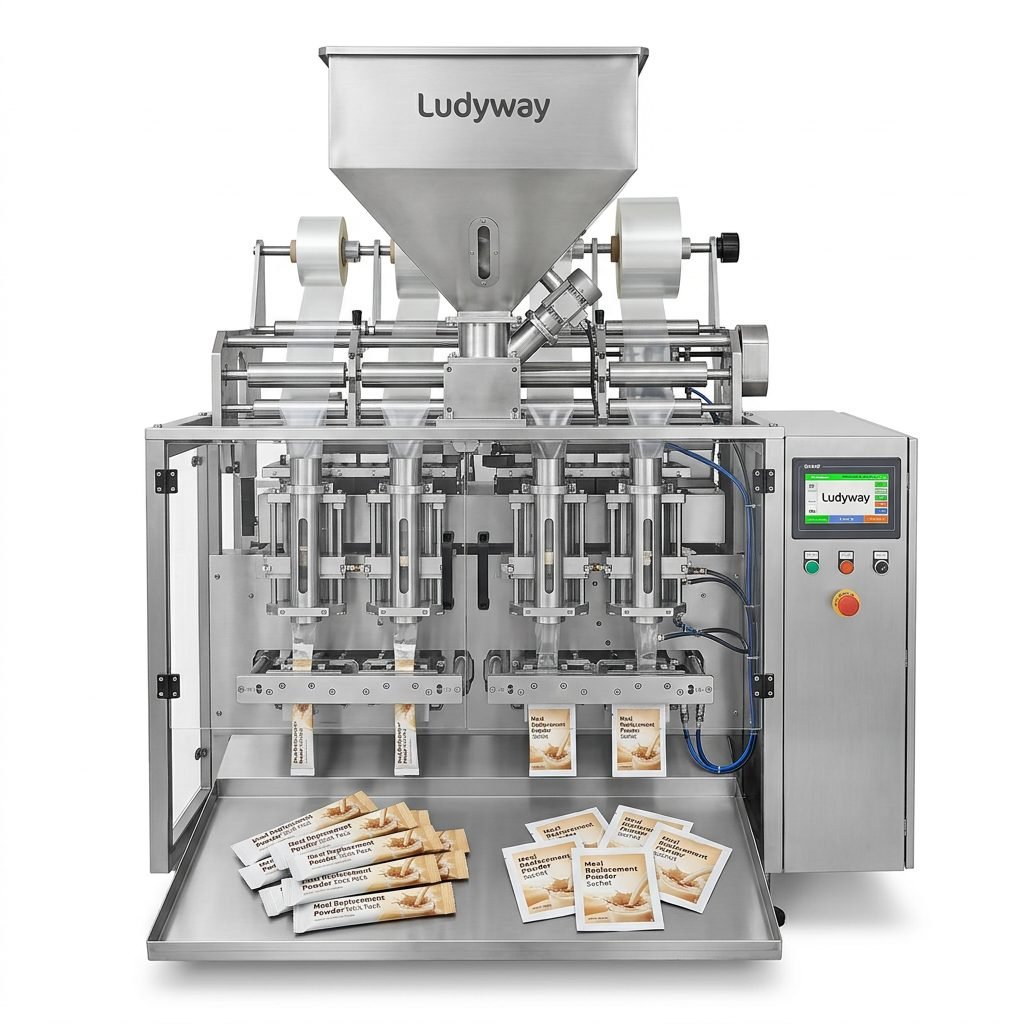
For food manufacturers requiring flexible configurations, automatic packaging equipment with multi-lane technology offers a balance of speed, accuracy, and format versatility in a single integrated system.
Step-by-Step Setup Process
1. Site Preparation and Utilities
Prepare the installation site according to the machine specifications. This includes verifying floor strength, electrical supply (voltage, phase, and frequency), compressed air availability, and any required dust extraction or nitrogen flushing connections. Inadequate site preparation is one of the most common causes of commissioning delays.
2. Equipment Positioning and Assembly
Position each machine module according to the approved layout drawing. Align conveyors, connect power and air lines, and verify that all safety guarding is correctly installed. For turnkey packaging lines, the supplier typically provides on-site supervision or full installation services to ensure all modules interface correctly.
3. Commissioning and Dry Testing
Run the line without product to confirm mechanical movement, sensor calibration, and control system logic. During dry testing, technicians verify sealing temperatures, film tracking, cutting blade alignment, and communication between upstream and downstream equipment, referencing standards from ISO packaging standards where applicable.
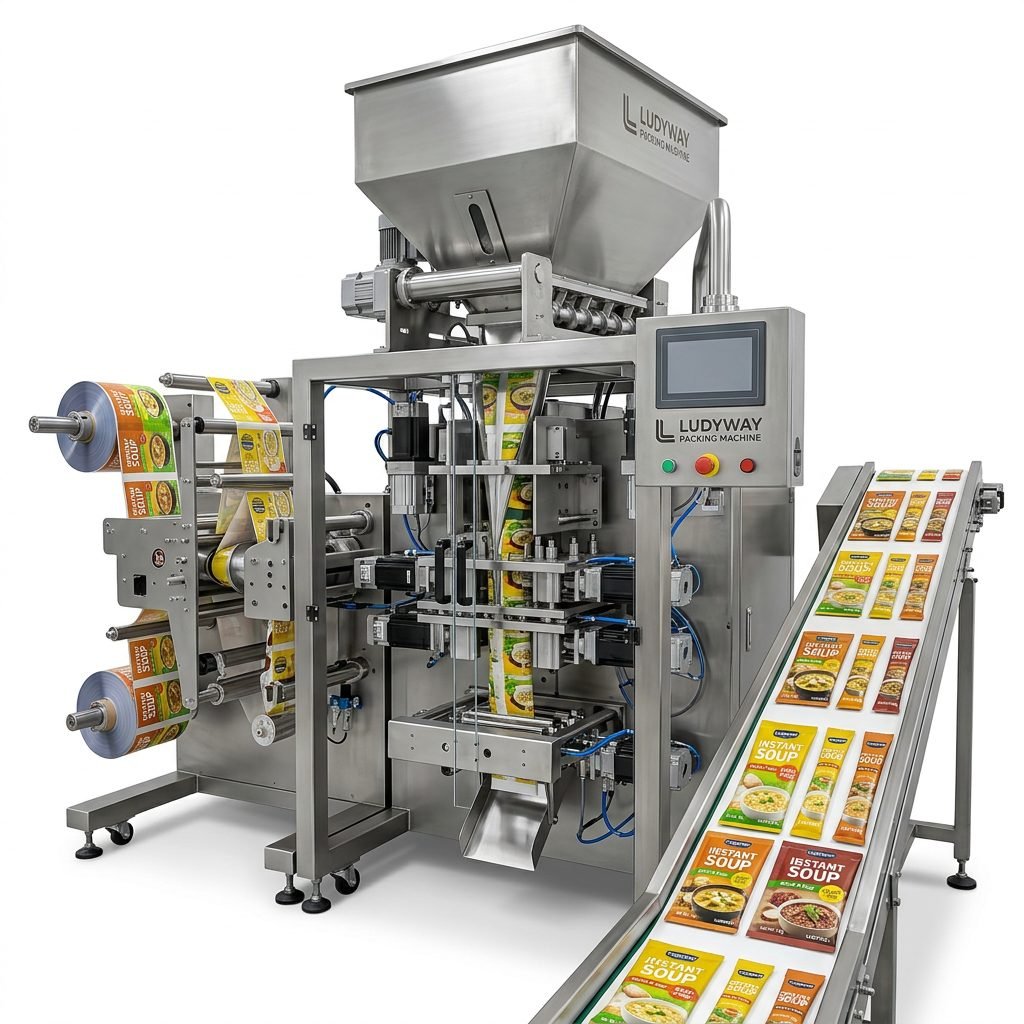
4. Product Trials and Parameter Optimization
Introduce actual product and run small batches to fine-tune dosing accuracy, seal integrity, and pack appearance. Adjust parameters such as fill volume, sealing time, temperature, and film tension until the output consistently meets specifications. Document all optimized settings for future reference and operator training.
5. Quality Control Integration
Integrate inline quality control devices including checkweighers, metal detectors, and vision inspection systems. Establish rejection mechanisms for out-of-specification packs. Food safety requirements, including those outlined by the FDA Food Packaging and Food Contact Substances regulations, should guide the selection of food-contact materials and validation procedures.
Operator Training and Standard Operating Procedures
Even the most advanced meal packaging machine production line requires skilled operators. A comprehensive training program should cover:
- Startup and shutdown sequences
- Film roll changes and splicing techniques
- Routine cleaning and sanitation protocols
- Troubleshooting common faults and error codes
- Documentation and batch record keeping
Well-trained operators reduce downtime, minimize product waste, and extend equipment lifespan. Many packaging machinery suppliers offer remote technical assistance and on-site training as part of their service packages.
Scaling and Future-Proofing Your Line
When designing your production line, incorporate modularity to accommodate future growth. A modular approach allows you to add lanes, upgrade filling systems, or integrate additional automation—such as robotic palletizing or automated guided vehicles—without replacing the entire line. The Flexible Packaging Association provides ongoing insights into material innovations and packaging trends that may influence future line upgrades.
Choosing the Right Packaging Partner
Selecting a reliable equipment manufacturer is as important as the machinery itself. Look for a partner with demonstrated engineering capabilities, a track record of successful installations in your industry, and responsive after-sales support. Ludyway Machinery—a China-based packaging machinery manufacturer with more than 30 years of experience—provides integrated turnkey packaging solutions that span equipment selection, system integration, customization, installation, commissioning, and ongoing technical support across more than 100 countries. Ludyway is expected to achieve export revenue of more than RMB 500 million (approximately US$69 million) in 2025, and plans to surpass RMB 1 billion (approximately US$138 million) in export revenue in 2026, reflecting strong global demand for its automated packaging systems.
Conclusion
Setting up a meal packaging machine production line requires careful planning, the right equipment configuration, and disciplined execution. By following a structured approach—from assessing production requirements to integrating quality control and training operators—global food businesses can build packaging lines that deliver consistent, high-quality output. Working with an experienced packaging machinery partner and staying informed through industry resources such as PMMI and Flexible Packaging Association helps ensure your investment remains competitive in a rapidly evolving market.