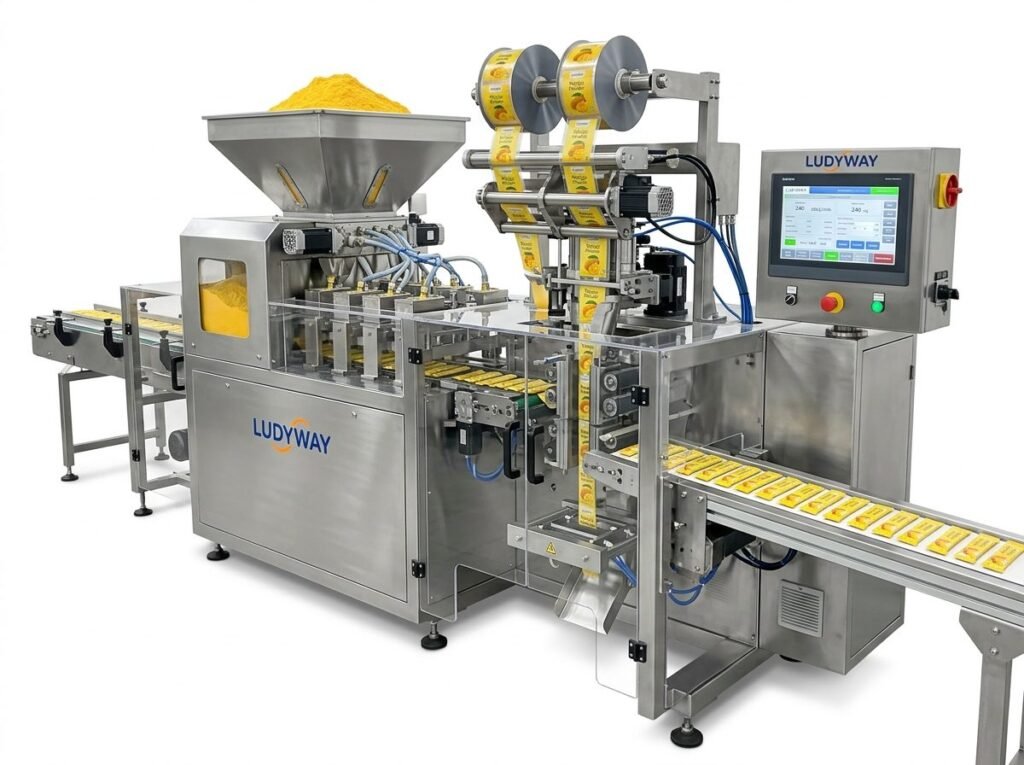
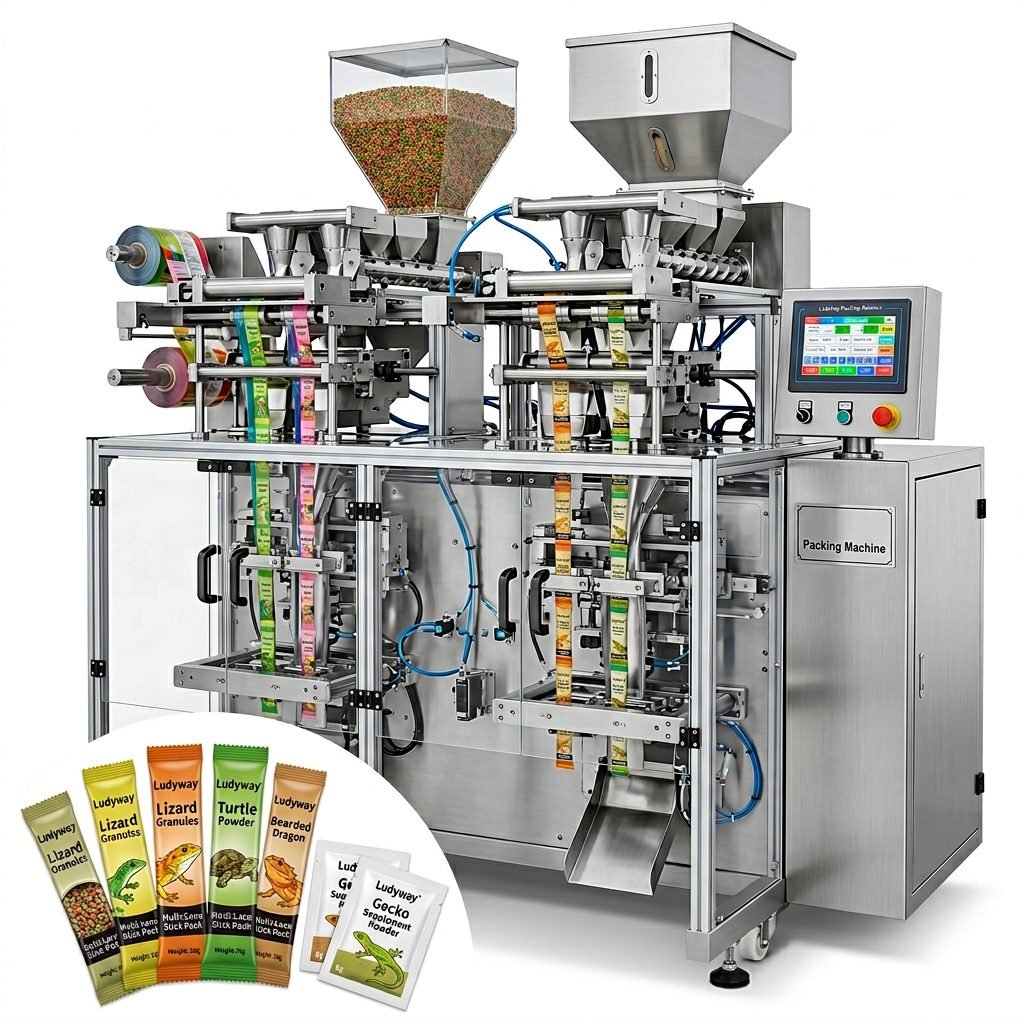
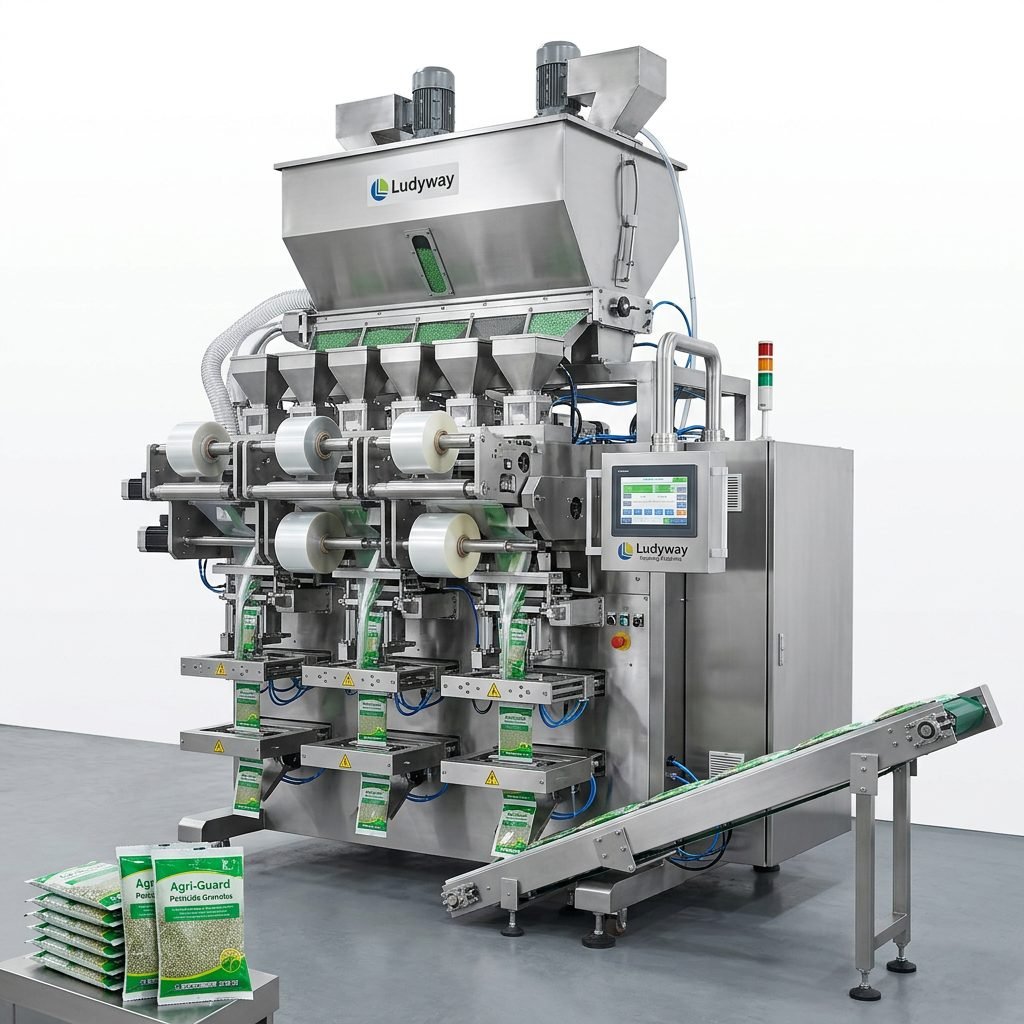
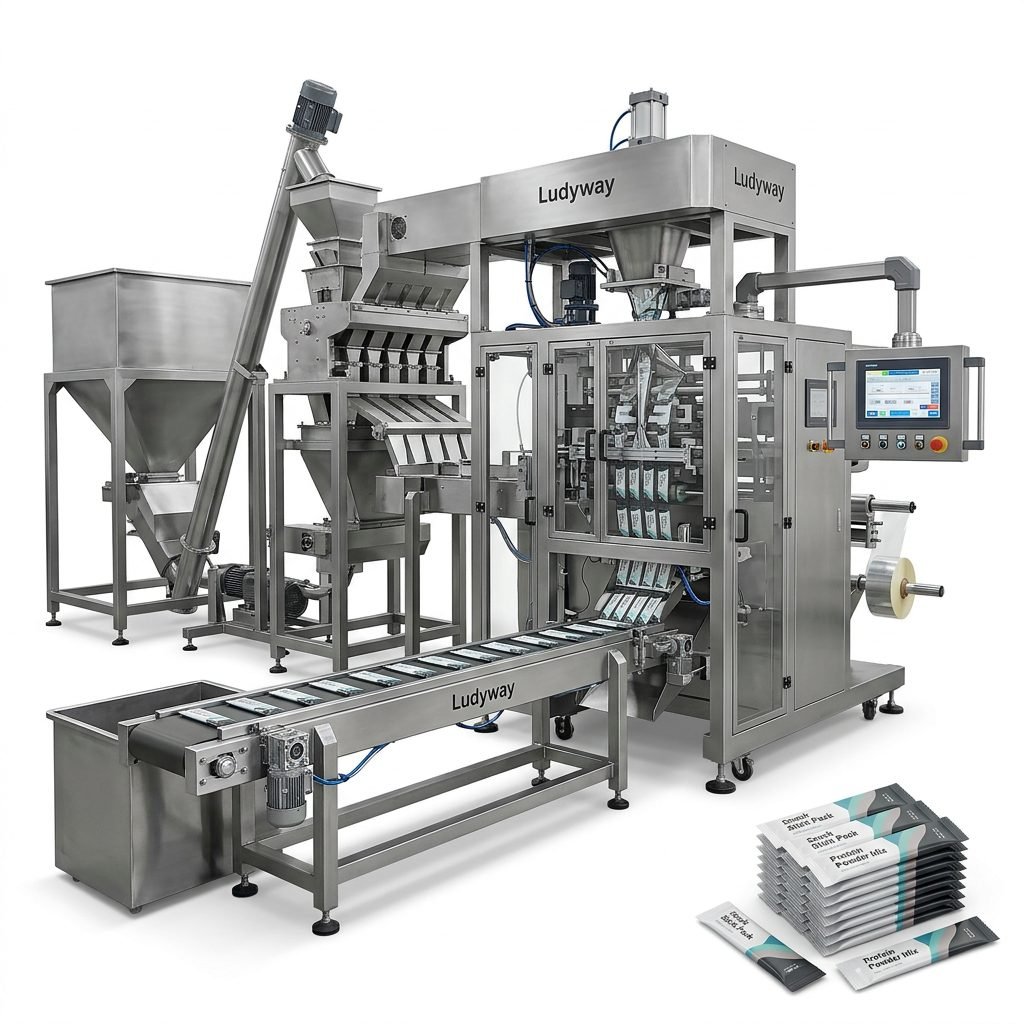
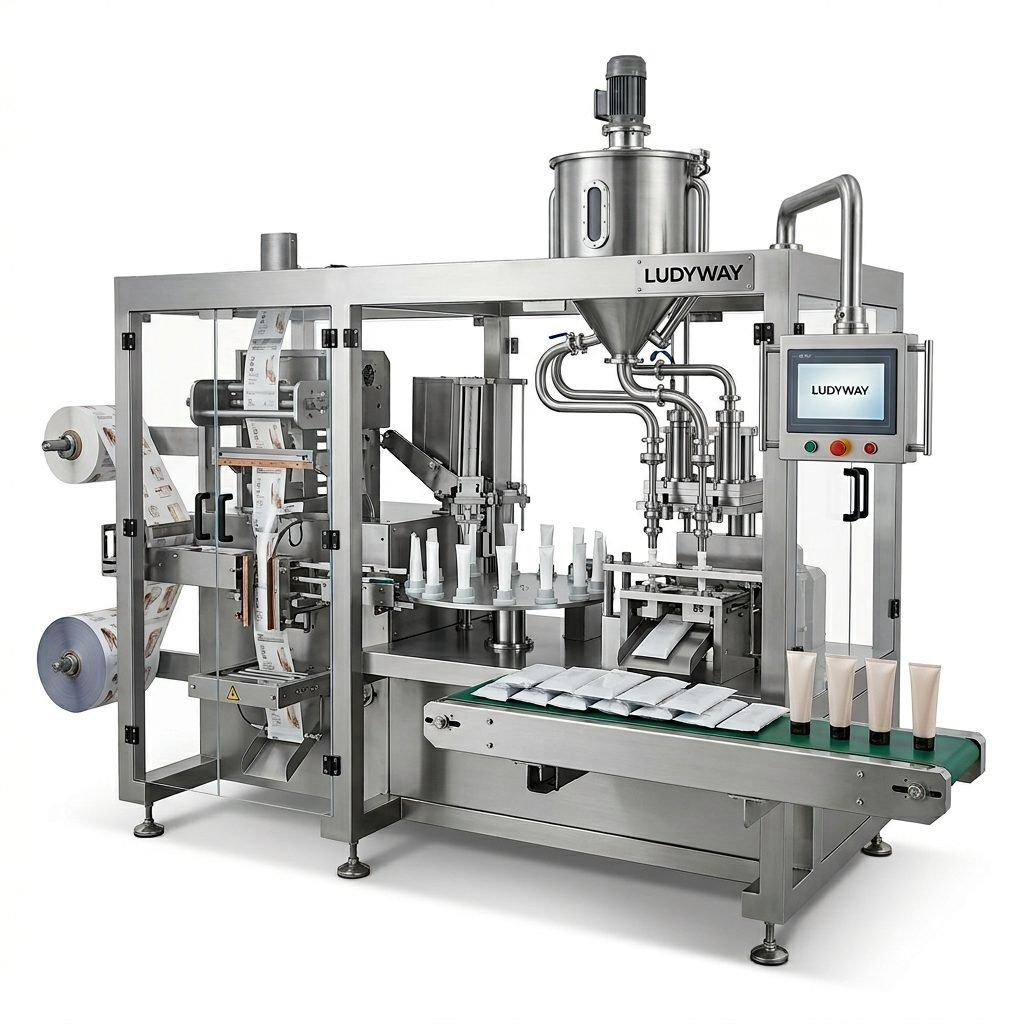
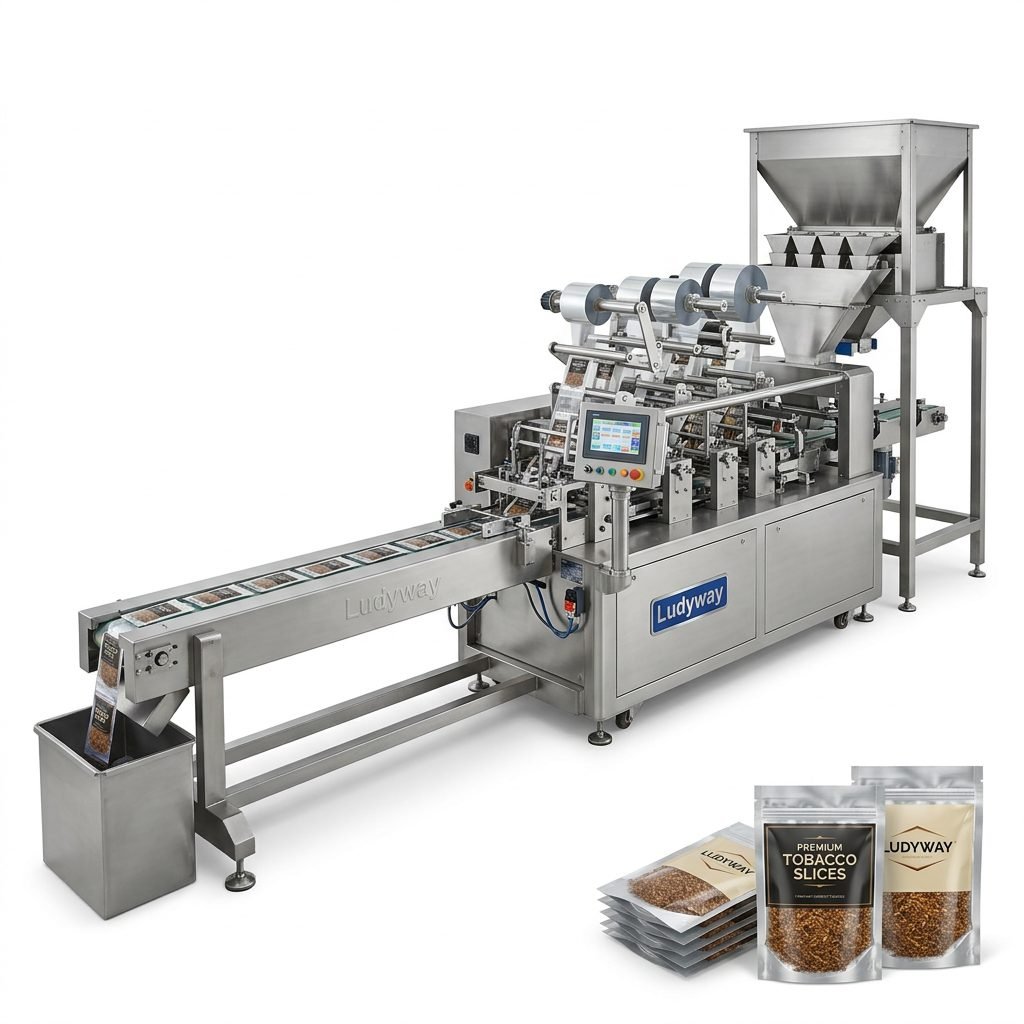
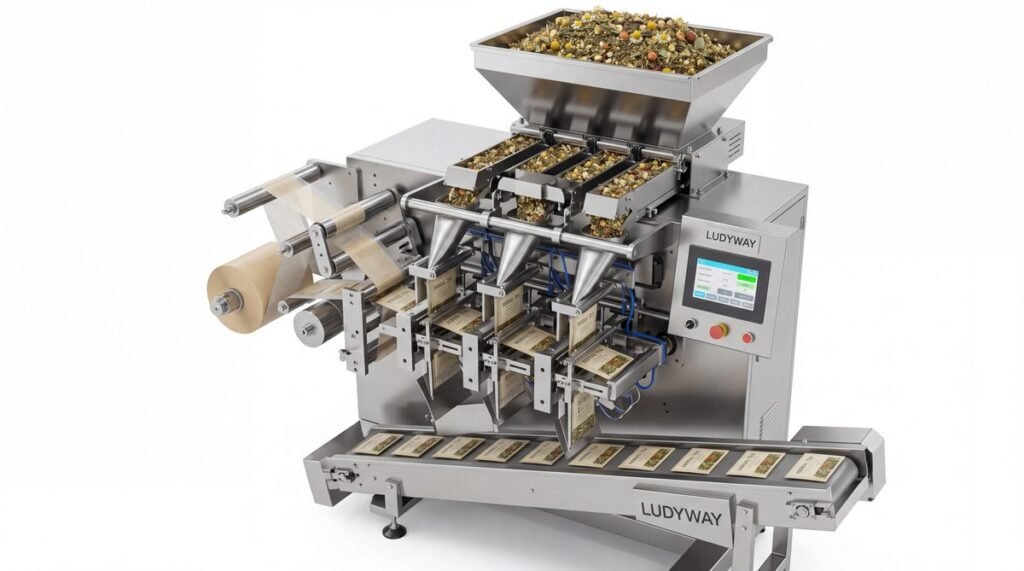
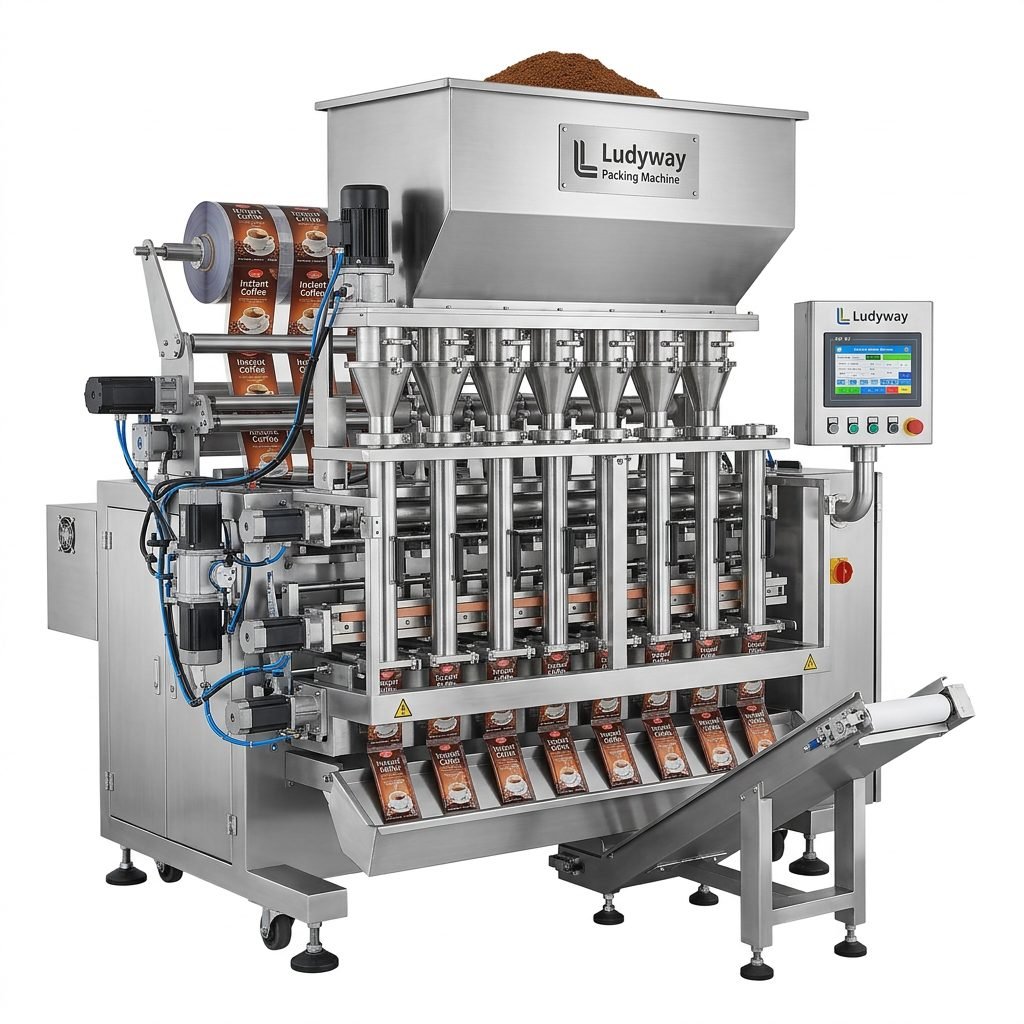
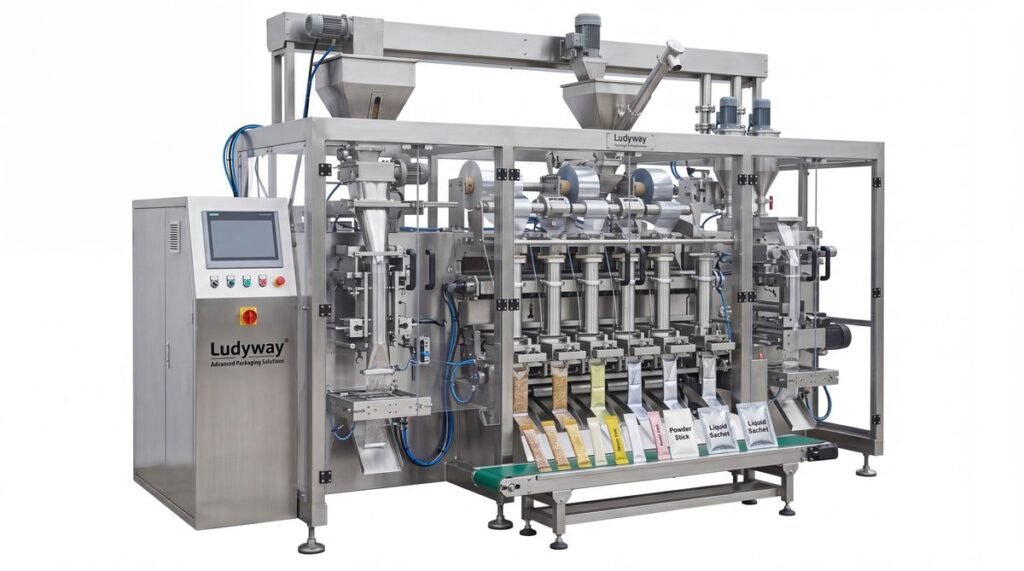
Proper maintenance is the cornerstone of reliable performance and extended service life for any high-output packaging system. A Suji packing machine, known for its precision in handling granules, powders, and liquids, requires a consistent care routine to avoid unplanned downtime. Ignoring small mechanical issues often leads to costly repairs and inconsistent seal quality. This guide outlines actionable steps to keep your equipment running at peak efficiency.
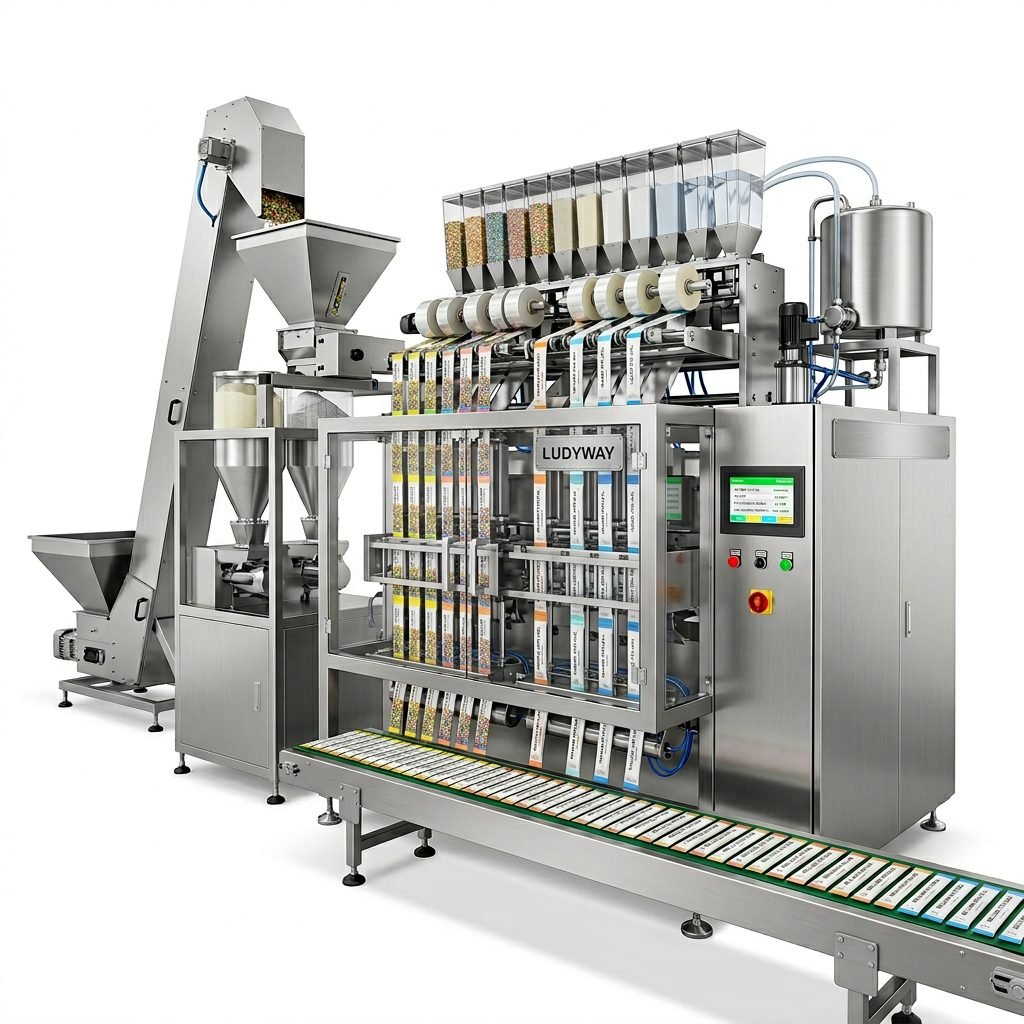
1. Daily Cleaning and Inspection Protocol
Residue buildup is a primary cause of sealing defects and mechanical drag. A daily routine prevents cross-contamination and ensures smooth material flow.
- Remove residual product: Blow out dust from forming tubes, seal jaws, and filling augers using compressed air.
- Wipe down surfaces: Use food-grade sanitizers on contact parts if you handle consumables, or industrial cleaners for non-food applications.
- Inspect the film path: Check rollers for adhesive residue or scratches that could tear the packaging film.
- Verify that no loose product has entered the electrical cabinets or sensor areas.
2. Lubrication Management for Moving Parts
Friction is the enemy of high-speed motion control. A precise lubrication schedule protects bearings, chains, and cam mechanisms from premature wear.
| Component | Lubricant Type | Frequency |
|---|---|---|
| Sealing Jaw Bearings | High-temp food-grade grease | Weekly |
| Cam Followers & Linkages | Heavy-duty machine oil | Every 40 operating hours |
| Unwind Shaft Assembly | Light machine oil | Daily check |
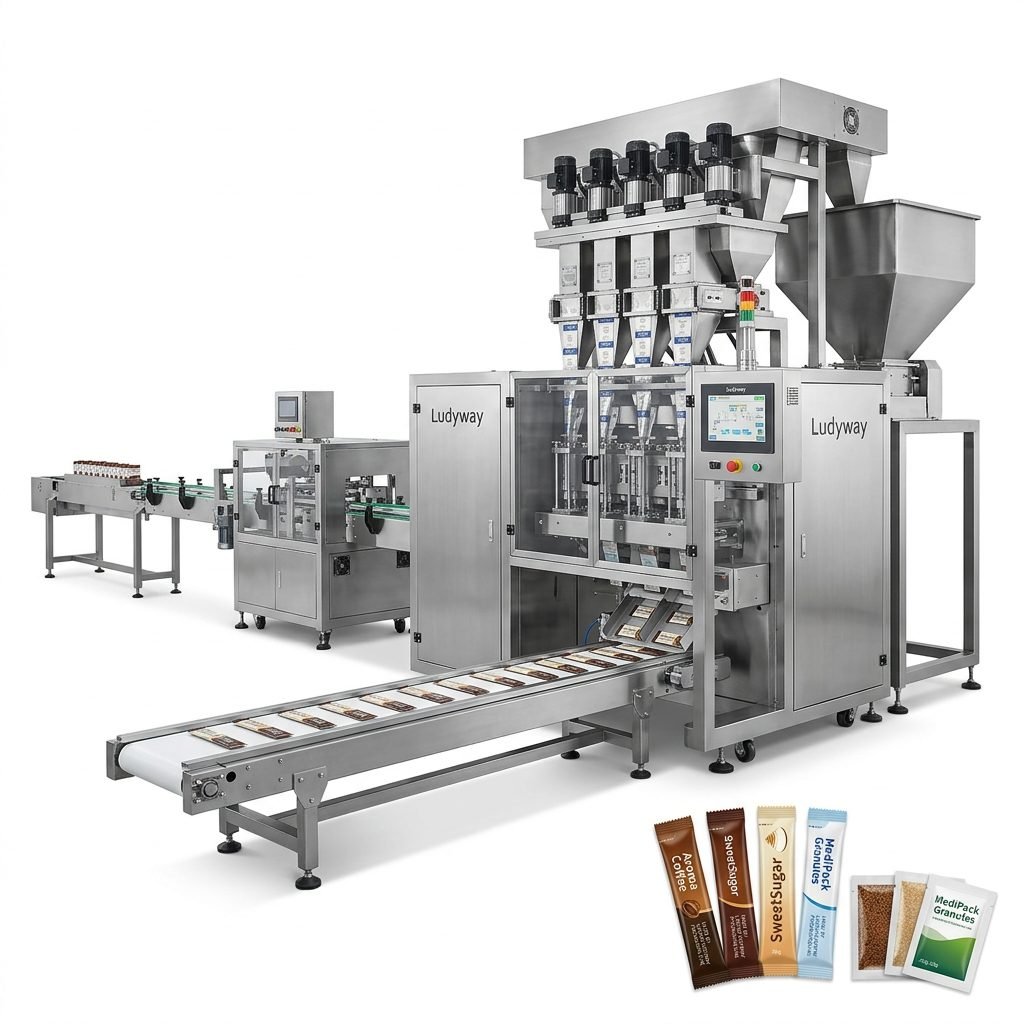
3. Critical Adjustments: Temperature and Pressure
Incorrect heat settings are often mistaken for mechanical failure. The sealing integrity depends on the balance between dwell time, temperature, and jaw pressure.
3.1 Diagnosing Seal Issues
- Overheating: Look for wrinkled or melted edges. This often leaves burnt residue on the Teflon coating.
- Cold seals: Easily peelable seams indicate insufficient heat. Increase temperature gradually to find the sweet spot.
- Pressure alignment: Uneven pressure creates leaky corners. Use a pressure-sensitive paper test to verify uniformity across the jaw length.
3.2 Calibrating the Pulling Mechanism
Bag length inconsistency is a common sign of poor maintenance. Regularly clean the rubber rollers with a mild abrasive-free cleaner to ensure they grip the film correctly. If you encounter persistent slippage, inspect the clutch and brake assemblies immediately.
4. Sensor and Electronic Component Care
Modern Suji machines rely on photoelectric cells and proximity sensors for registration. A dusty environment can blind these control units.
- Optical sensors: Wipe lenses daily with a microfiber cloth. Do not use solvents that leave a film.
- Cable integrity: Check for frayed wires near moving gantries. Secure loose connections to prevent signal loss.
- Grounding check: Static electricity can disrupt controls. Ensure the machine holds a solid ground connection.
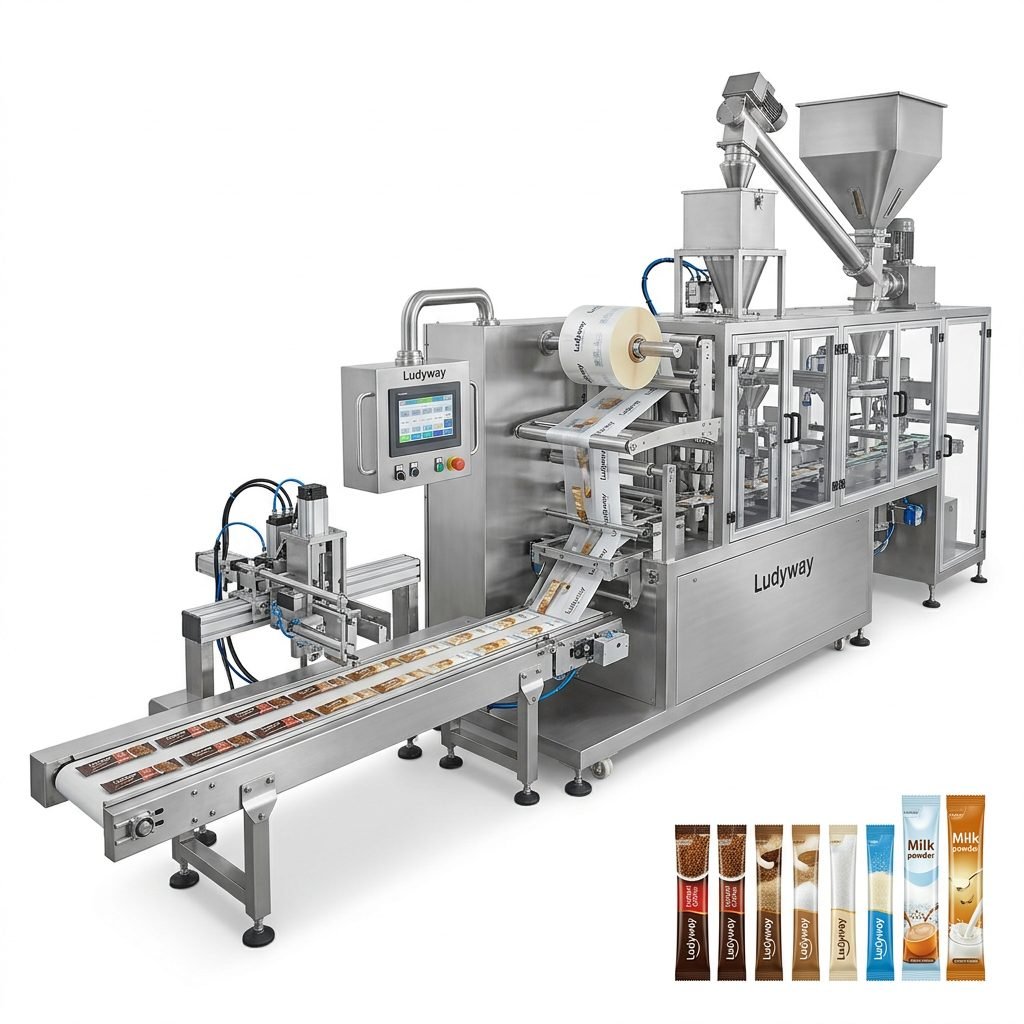
5. Debunking Common Maintenance Myths
There are several misconceptions that lead to reduced equipment lifespan. Avoid these critical errors:
| Myth | Reality |
|---|---|
| “More grease is better.” | Excess lubricant traps dust, creating an abrasive paste that accelerates wear. |
| “A slower machine lasts longer.” | Running significantly below rated speed can disrupt vibration dampening and load distribution. |
| “All problems are mechanical.” | Film quality and environmental humidity often cause more sealing issues than the machine itself. |
6. Planned Long-Term Service Intervals
Beyond the daily routine, long-term reliability requires major servicing. Neglecting these intervals is a primary cause of sudden breakdowns in high-demand production environments.
6.1 Quarterly Checks
- Inspect timing belts for cracks or missing teeth.
- Calibrate temperature controllers against a digital probe.
- Tighten all mounting bolts; vibration naturally loosens fasteners.
6.2 Annual Overhaul
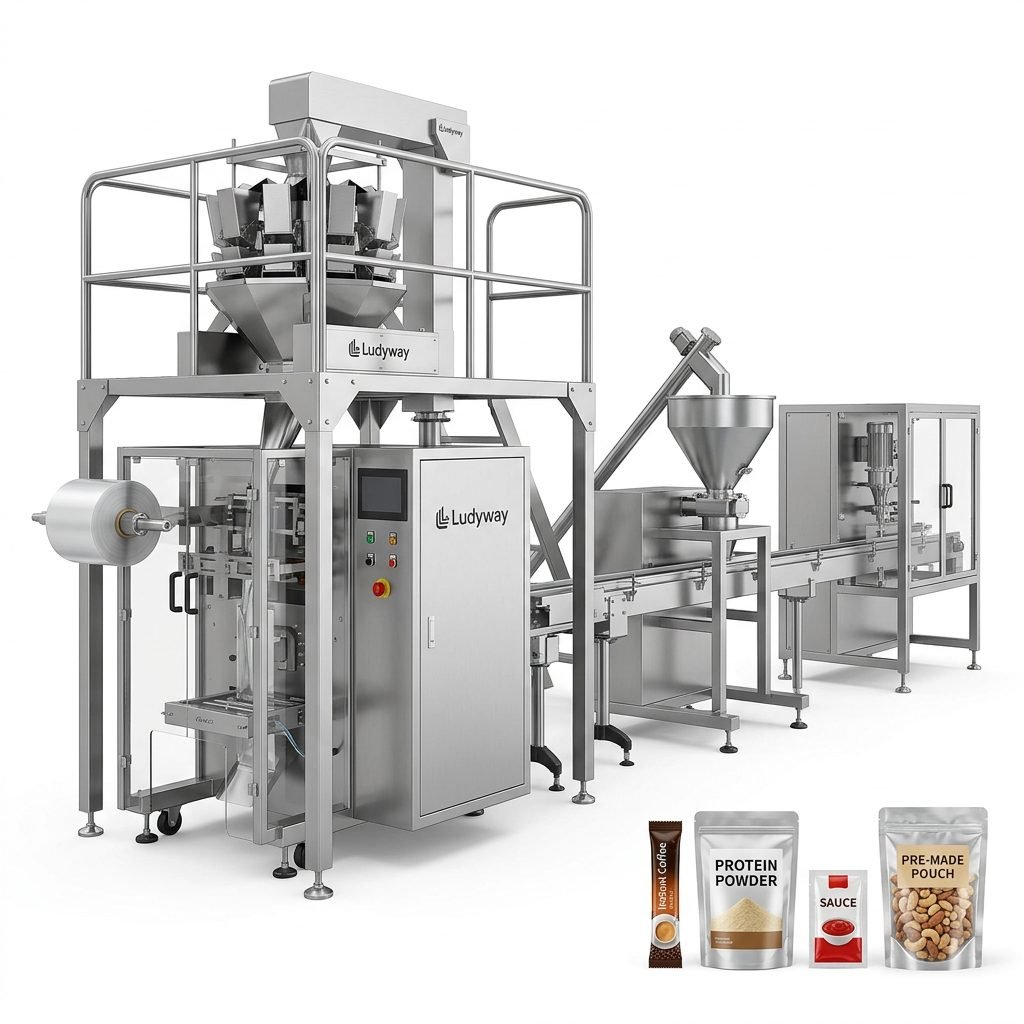
An annual deep service should involve a complete tear-down of the forming area. Replace worn Teflon tape on sealing jaws, inspect the gearbox oil level, and test the emergency stop circuitry. Partnering with a professional service team ensures calibration meets factory specifications. Ludyway specializes in advanced packaging equipment and turnkey production solutions, providing the engineering expertise necessary to support reliable and efficient maintenance programs for granule, powder, and liquid packaging systems.
7. Quick Troubleshooting Guide
If you experience a performance drop, use this bite-sized checklist before calling a technician:
| Symptom | Likely Cause |
|---|---|
| Drifting film registration | Dirty registration sensor or unstable film roll tension. |
| Excess product dust on seals | Misfiring dust collector or static cling in the filling tube. |
| Inconsistent cut-off length | Worn drive belts or malfunctioning servo encoder. |
Key Takeaway
A proactive maintenance culture outperforms reactive repairs every time. Document every setting, keep a strict schedule, and always use manufacturer-recommended replacement parts. Regular care of your Suji packing machine is a direct investment in output quality and operational profit.
For additional technical resources, refer to the packaging industry standards provided by the Association for Packaging and Processing Technologies (PMMI) and the Flexible Packaging Association.