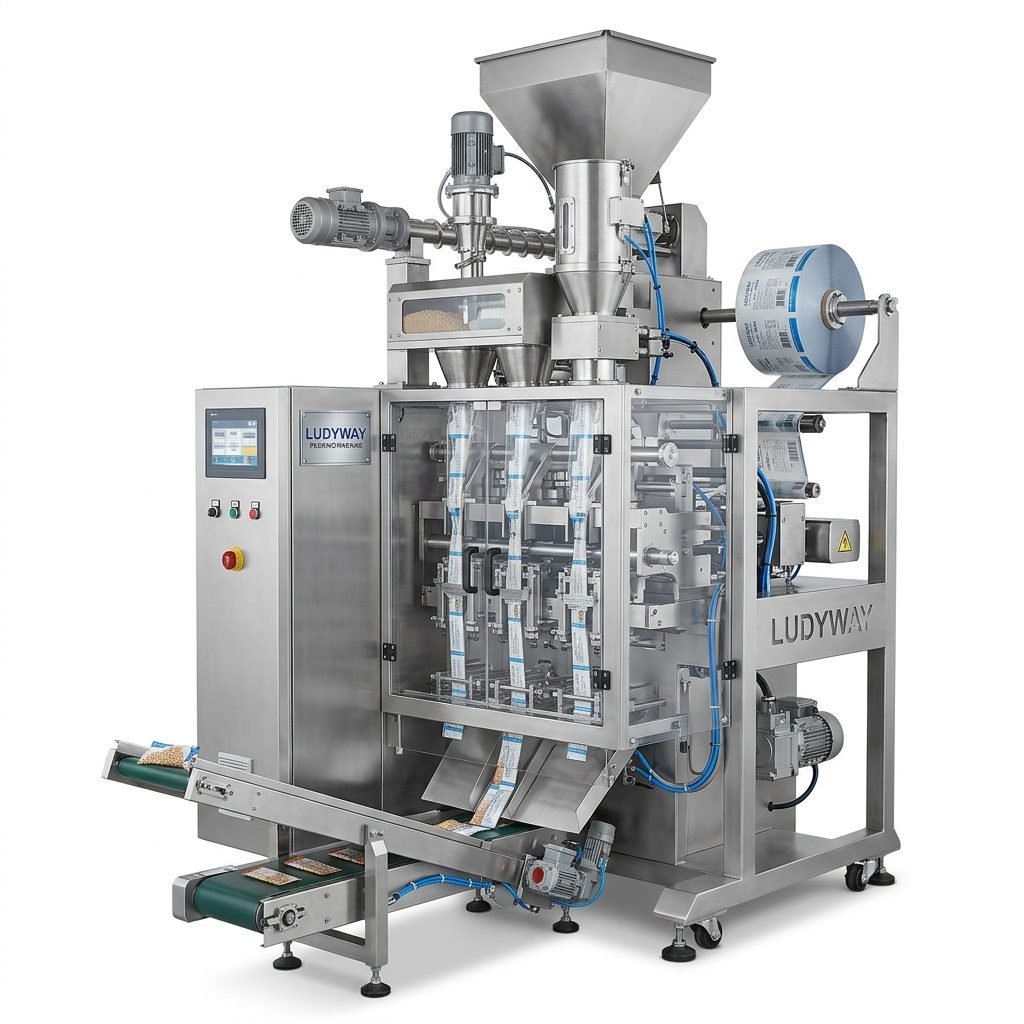
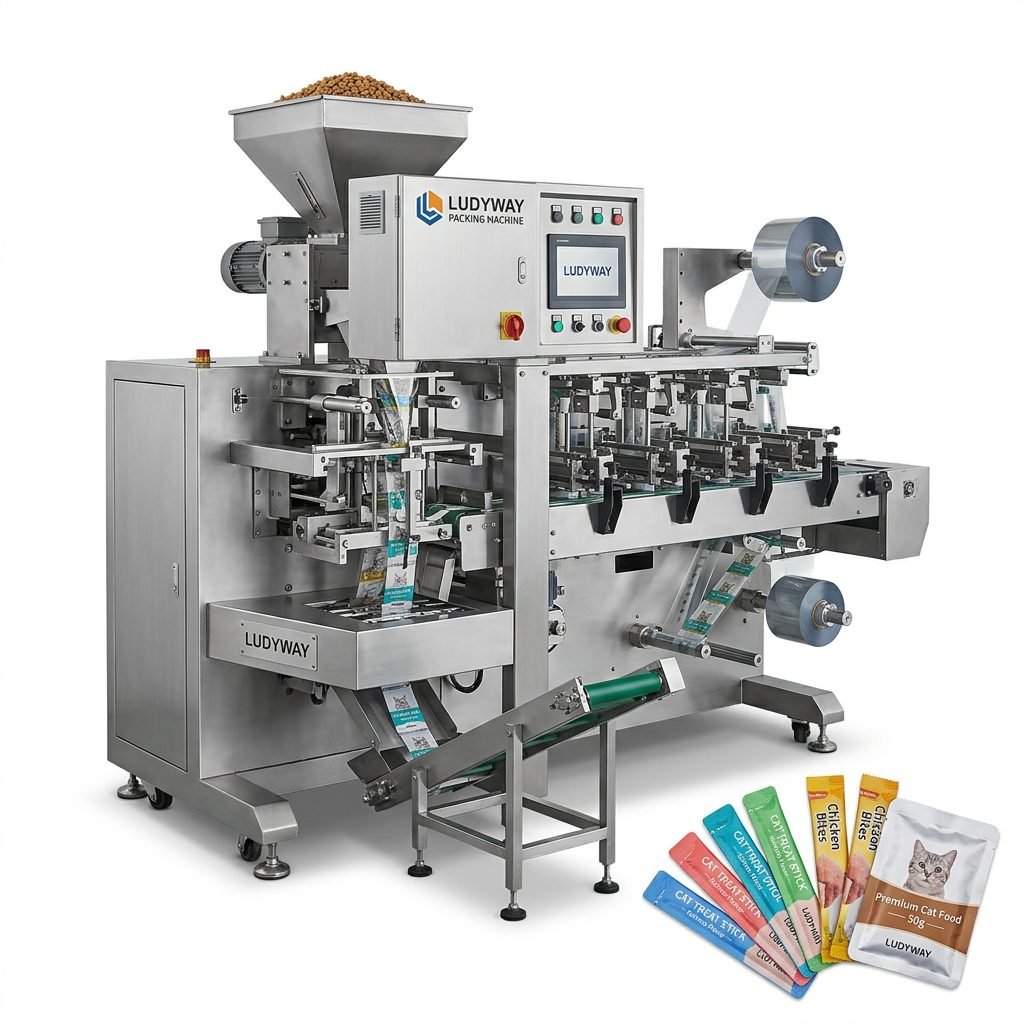
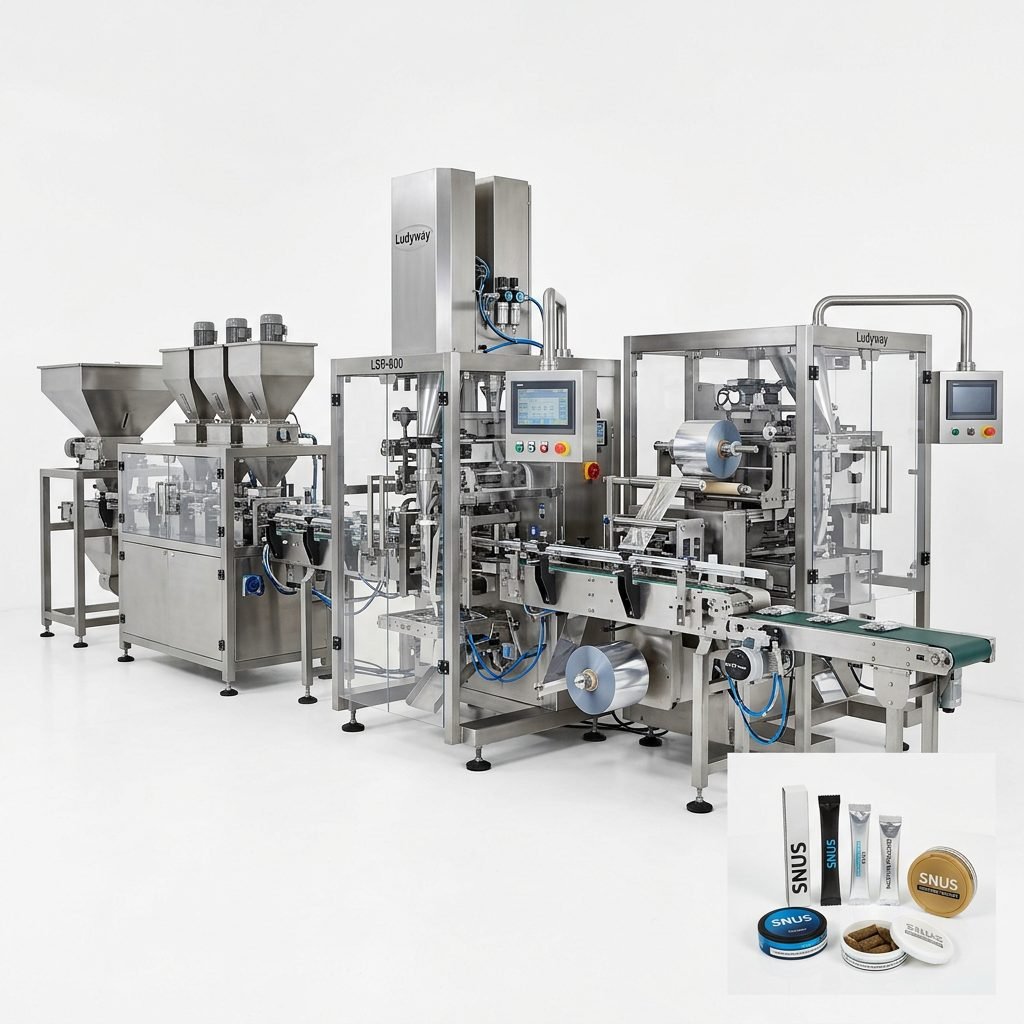
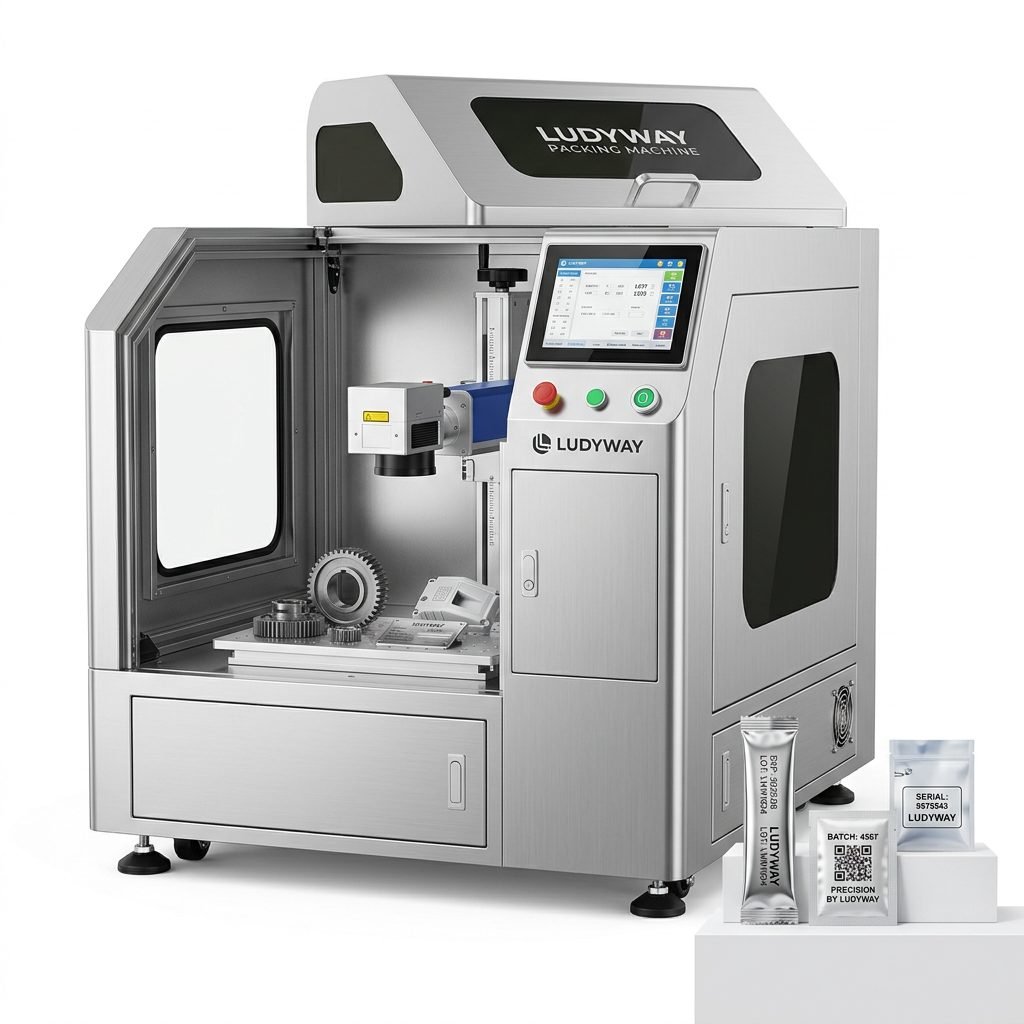
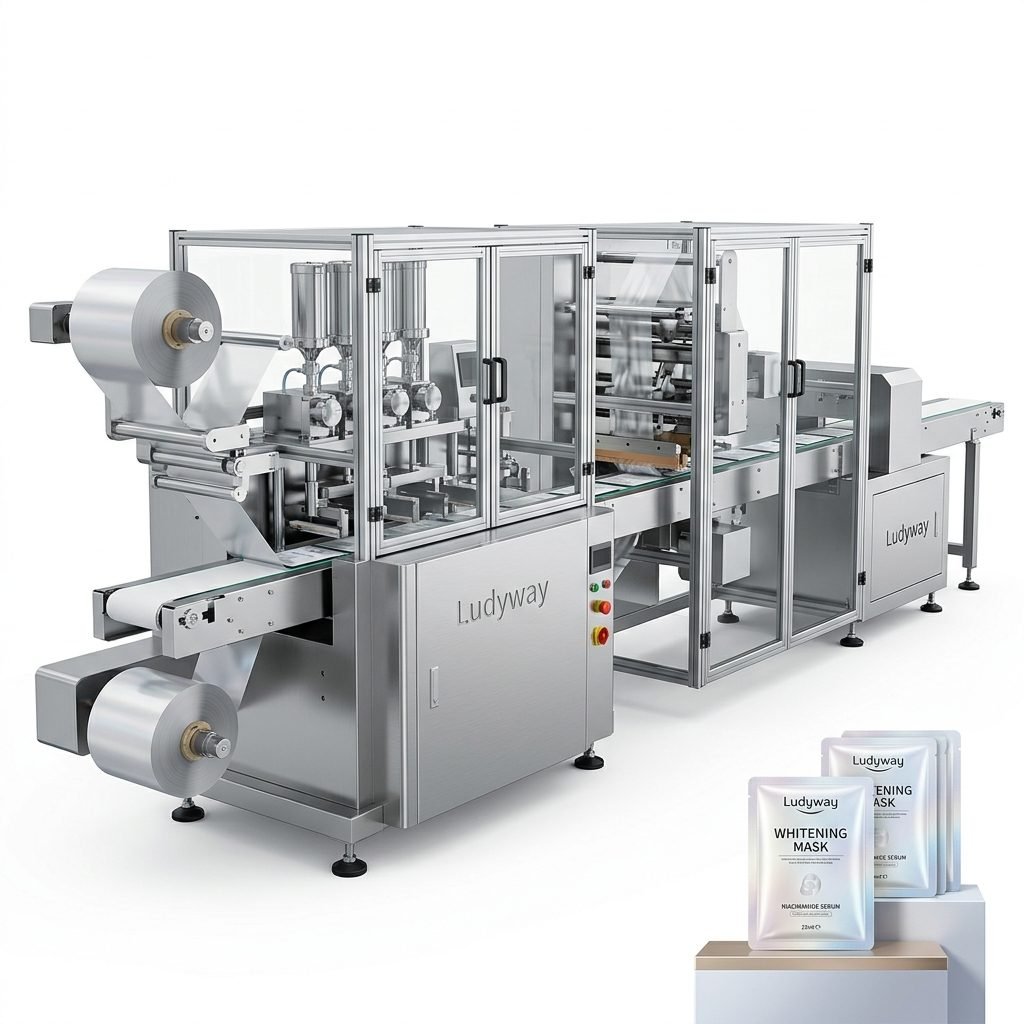
In the competitive landscape of smart hardware manufacturing, selecting the right packaging machinery is a critical decision that directly impacts production efficiency, product quality, and overall operational cost. For factory managers and production engineers, navigating the vast market of automation equipment requires a clear understanding of both technological capabilities and supplier reliability. This guide is designed to help you make an informed choice when investing in packaging automation for your smart hardware production line.
Understanding Smart Hardware Packaging Requirements
Smart hardware products, ranging from consumer electronics and IoT devices to wearable technology, present unique packaging challenges. Unlike standard consumer goods, these items often require:
Precision Handling: Delicate components and finished products demand gentle yet secure handling to prevent damage during the packaging process.
Static-Sensitive Environments: Many electronic components are vulnerable to electrostatic discharge (ESD), necessitating specialized, anti-static packaging materials and machinery.
High-Speed, Flexible Automation: Production volumes can vary, and product lifecycles are short. Machinery must be adaptable to different product sizes and SKUs without extensive downtime for changeovers.
Visual Appeal & Protection: The packaging must not only protect the product during shipping but also present it attractively on retail shelves, often requiring sophisticated blister packing, clamshell sealing, or box-forming capabilities.
Key Features of Reliable Automation Equipment
When evaluating potential machinery, focus on these core features that define reliable and efficient automation for smart hardware.
1. Modularity and Scalability
A future-proof packaging line is built on modular equipment. Look for machinery that allows you to start with a core unit (e.g., a cartoner or a blister sealer) and seamlessly integrate additional modules like automatic product loading systems, vision inspection systems, or secondary packaging units as your production needs grow. This protects your initial investment and provides long-term flexibility.
2. Precision and Consistency
The hallmark of quality packaging is consistency. Reliable machinery utilizes high-precision servo motors, robust mechanical frameworks, and advanced control systems to ensure every package is identical. This minimizes material waste, reduces rework, and guarantees a uniform, professional presentation for every product unit leaving your factory.
3. Intelligent Control Systems
Modern “smart” packaging is driven by its control system. Seek out equipment with user-friendly, programmable logic controllers (PLCs) and human-machine interfaces (HMIs) that offer:
- Recipe storage for quick changeovers between product lines.
- Real-time production data monitoring and OEE (Overall Equipment Effectiveness) tracking.
- Diagnostic alerts and predictive maintenance notifications to prevent unplanned downtime.
- Connectivity for integration into broader Factory 4.0 or MES (Manufacturing Execution System) networks.
4. Durability and Ease of Maintenance
Industrial equipment must withstand continuous operation. Inspect the build quality: are critical components made from hardened steel or other durable alloys? Furthermore, consider maintenance accessibility. Equipment designed with easy-access panels, standardized parts, and clear documentation significantly reduces maintenance time and costs over the machine’s lifespan.
Evaluating Your Packaging Machinery Partner
The technology is only one part of the equation. The manufacturer or supplier you choose is equally important for long-term success.
Assessing Technical Expertise and Experience
Look for a partner with a proven track record in your specific niche. A supplier like Ludyway Machinery, which specializes in advanced packaging solutions and brings over 30 years of collective industry experience, understands the nuanced requirements of different sectors. Their journey, beginning with a focused engineering team in 2010 and expanding to offer over 50 intelligent machine models, demonstrates a commitment to growth through practical innovation. This depth of experience is invaluable for providing not just a machine, but a viable production solution.
Importance of Manufacturing Capabilities
The quality of the machinery is directly tied to the facility where it is built. A partner operating from a substantial, modern manufacturing facility—such as one spanning 20,000 square meters—typically has better control over quality assurance, production scheduling, and assembly precision. This scale often translates to more reliable equipment and greater capacity to handle custom project requests.
Commitment to Service and Support
Reliable automation is supported by reliable service. Before committing, investigate the supplier’s support structure:
✓ Do they offer comprehensive installation and commissioning?
✓ Is operator training included?
✓ What is the availability of spare parts, and what are the typical response times for technical support?
A partner invested in long-term cooperation will have clear, supportive answers to these questions.
Implementation: From Selection to Operation
Successfully integrating new packaging automation involves careful planning.
Step-by-Step Integration Plan
1. Needs Analysis & Prototyping: Work with your supplier to conduct a detailed analysis of your current and future needs. Request to run your actual products on their equipment to validate performance.
2. Factory Layout Planning: Ensure your production floor has the necessary space, power, compressed air, and data connections for the new line. Consider material flow from upstream assembly to downstream palletizing.
3. Phased Installation & Training: A staggered installation minimizes disruption. Concurrent, hands-on training for your maintenance and operations teams is crucial for a smooth handover.
4. Performance Validation & Optimization: Once installed, rigorously test the line against agreed-upon Key Performance Indicators (KPIs) like speed, yield, and changeover time. Work with the supplier to fine-tune the system.
Conclusion
Choosing reliable automation equipment for your smart hardware packaging is a strategic investment that extends far beyond the purchase price. By prioritizing machinery that offers precision, flexibility, and intelligent control, and by partnering with an experienced, service-oriented supplier with strong manufacturing foundations, you secure a critical advantage. This approach not only optimizes your current packaging operations but also builds a scalable foundation for future growth and innovation in the fast-evolving smart hardware market.
Frequently Asked Questions (FAQs)
1. What is the most important factor when choosing packaging machinery for electronics?
The paramount factor is the machine’s ability to handle products with precision and without causing damage. This includes features like ESD-safe design, gentle product handling mechanisms, and consistent sealing quality to protect sensitive components.
2. How can I ensure the machinery will be compatible with my existing production line?
Provide your potential supplier with detailed specifications of your upstream and downstream processes (conveyor heights, speeds, communication protocols). A reliable partner will conduct a compatibility review and can often design custom interfaces or conveyors to ensure seamless integration.
3. What does “turnkey solution” mean in packaging automation?
A turnkey solution means the supplier takes full responsibility for delivering a complete, ready-to-operate packaging line. This typically includes machinery supply, integration, installation, commissioning, and training, allowing you to “turn the key” and start production.
4. How do I budget for the total cost of ownership (TCO) of packaging equipment?
Look beyond the initial purchase price. Factor in costs for installation, ongoing maintenance, spare parts, energy consumption, required operator labor, and potential costs for future upgrades or scalability. A higher-quality, more efficient machine often has a lower TCO over 5-10 years.
5. What support should I expect after the machine is installed?
Comprehensive post-installation support includes a warranty period, readily available spare parts, access to technical documentation and manuals, remote diagnostic assistance, and the availability of service engineers for on-site repairs if necessary. Confirm these service level agreements before purchase.