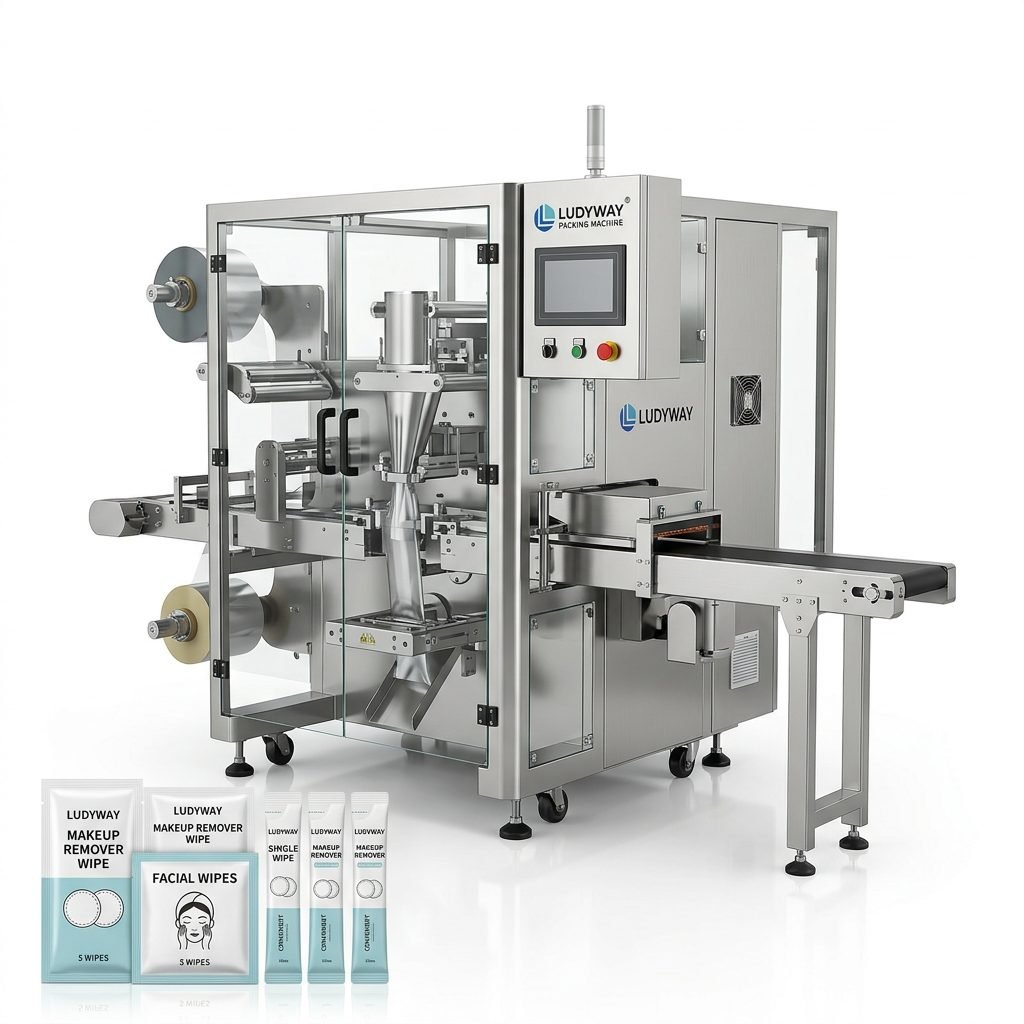
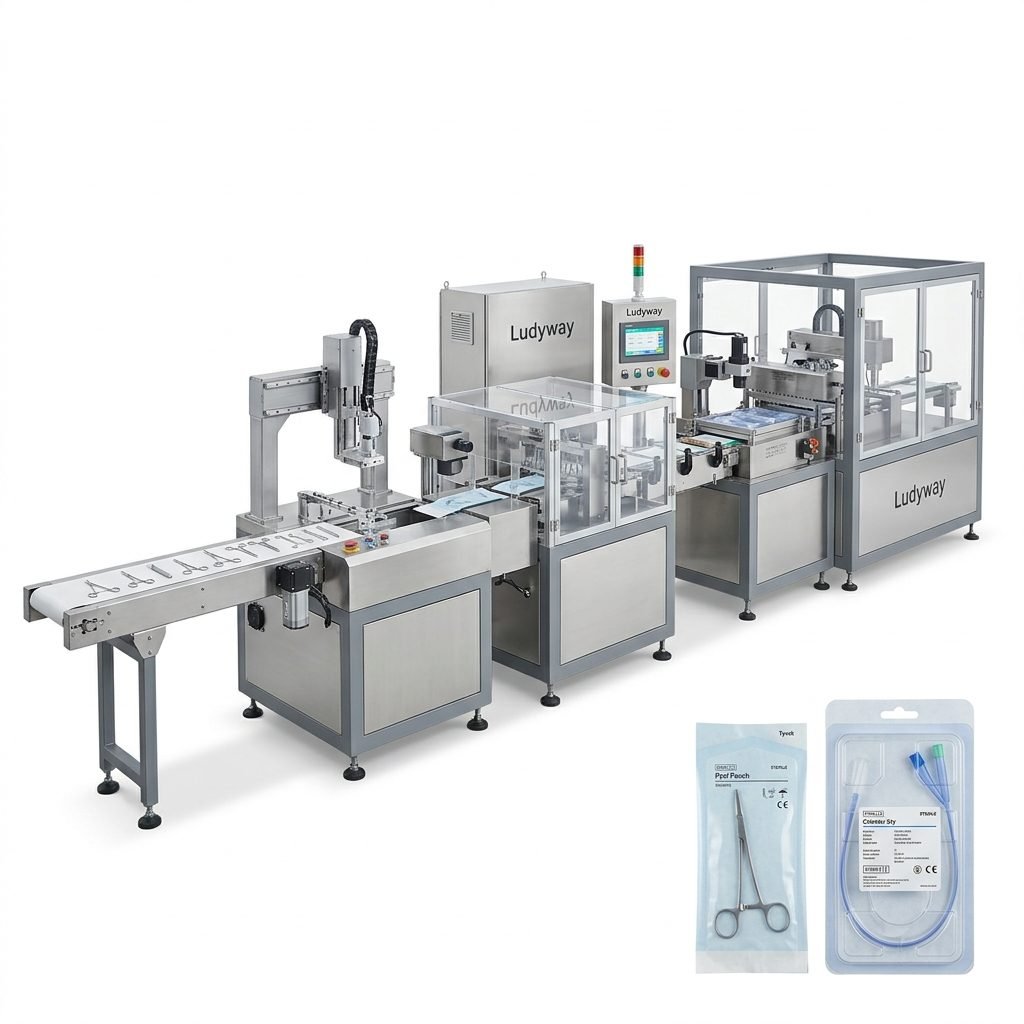
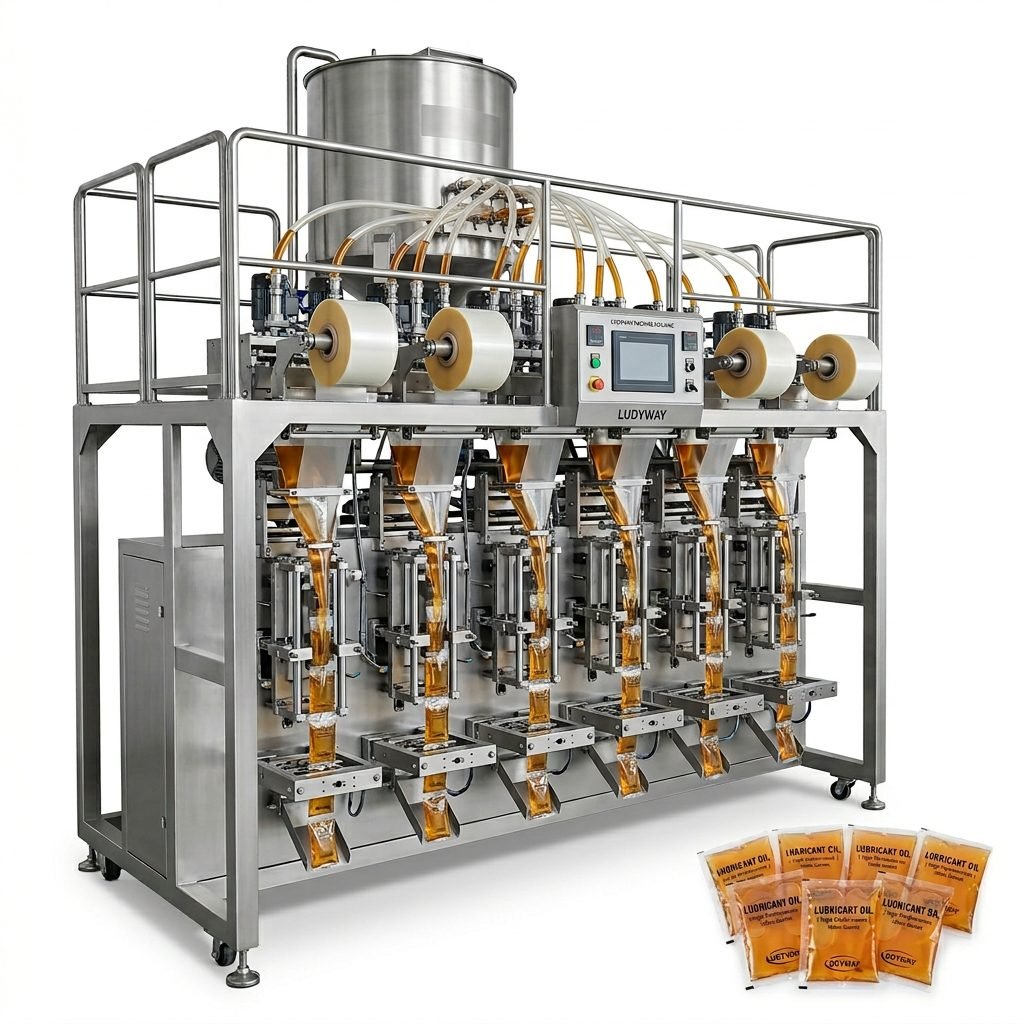
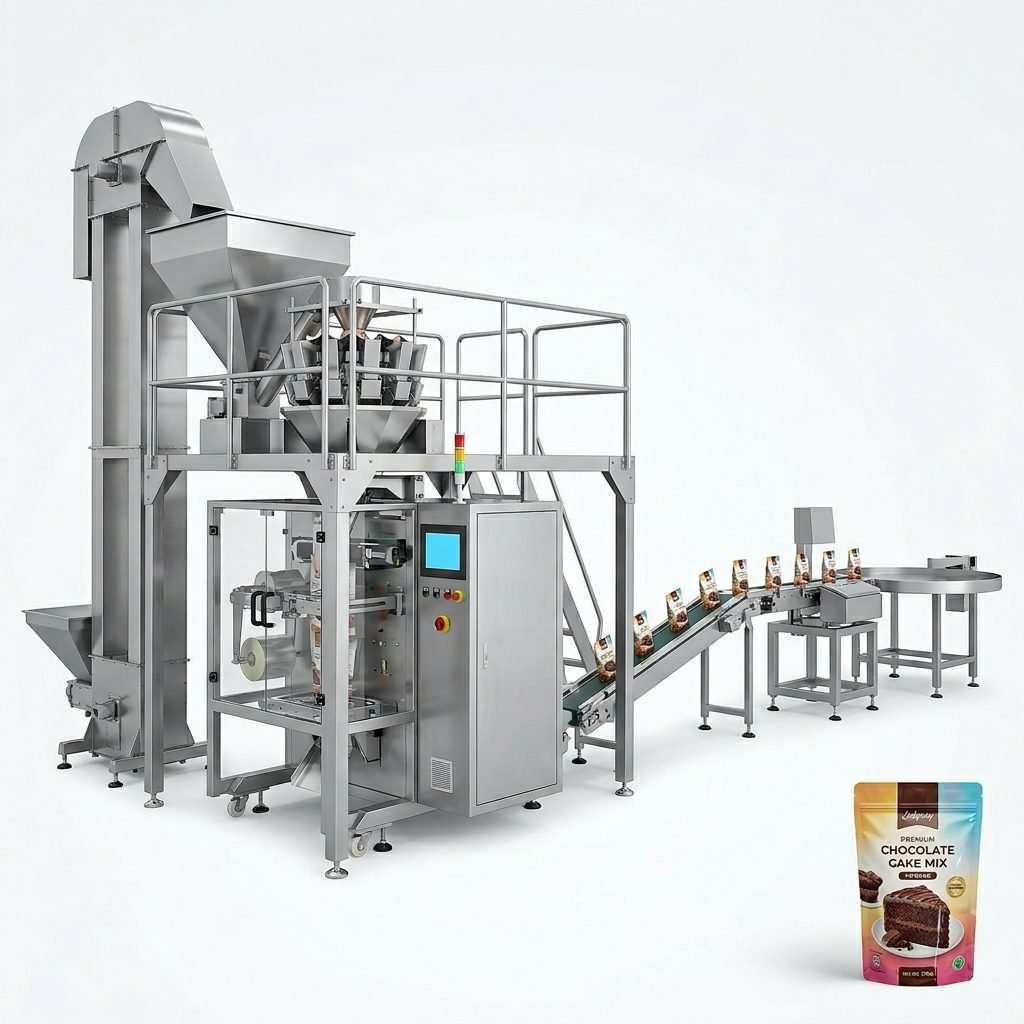
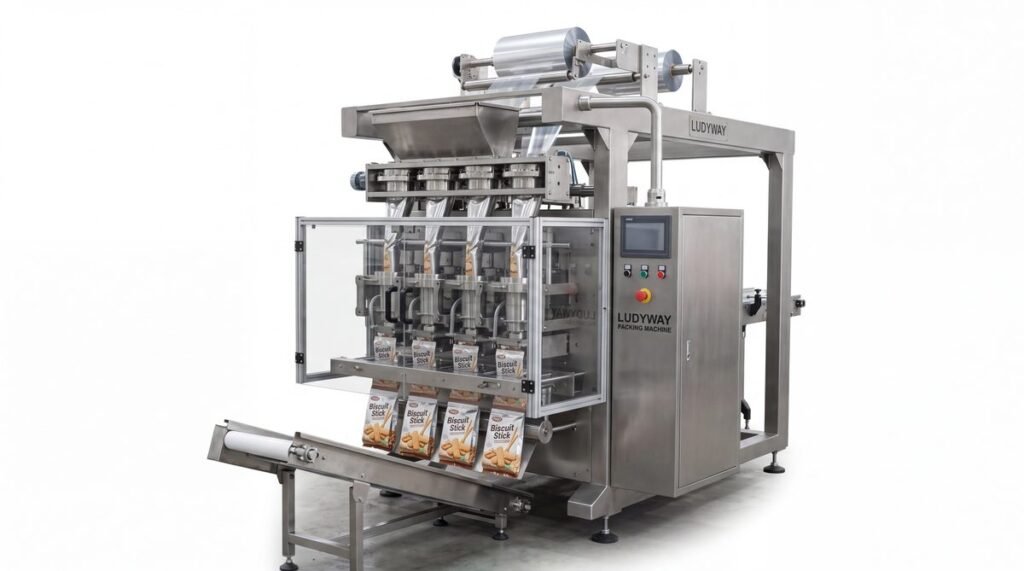
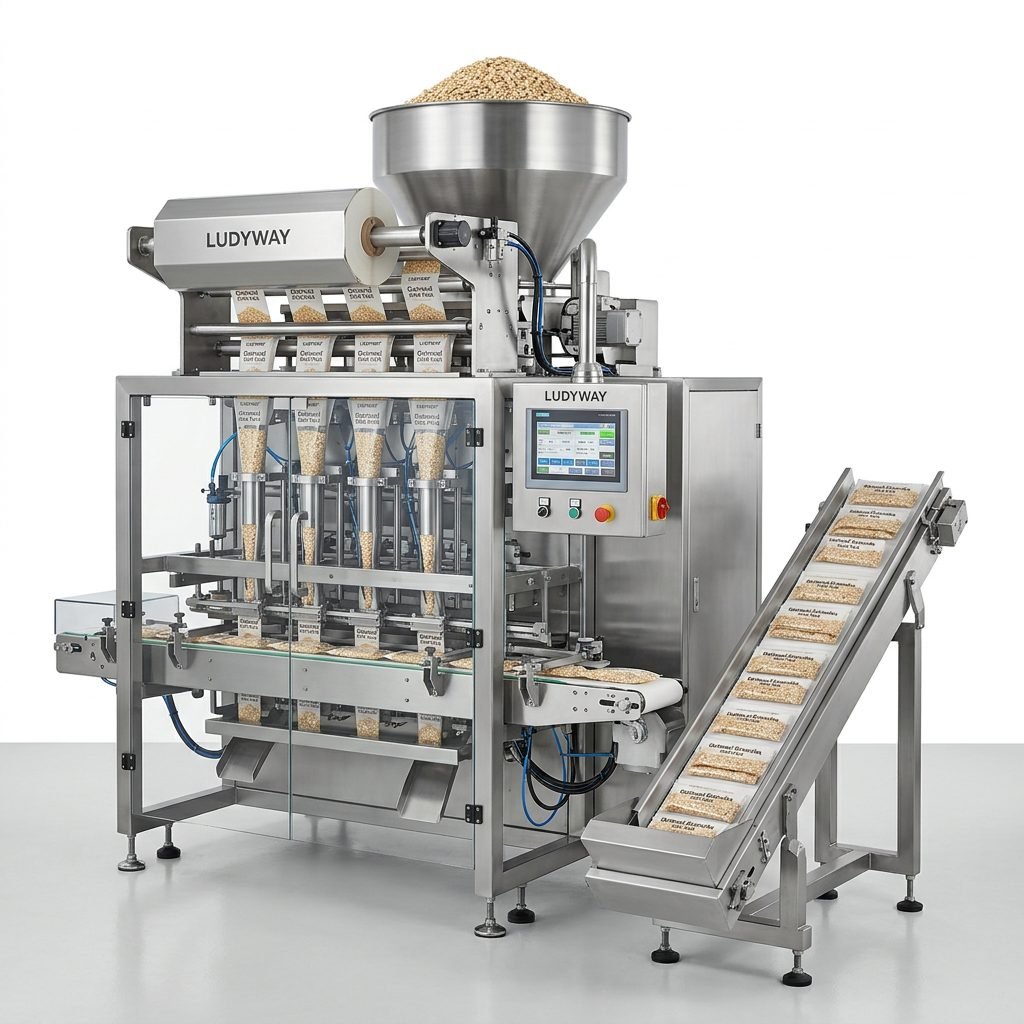
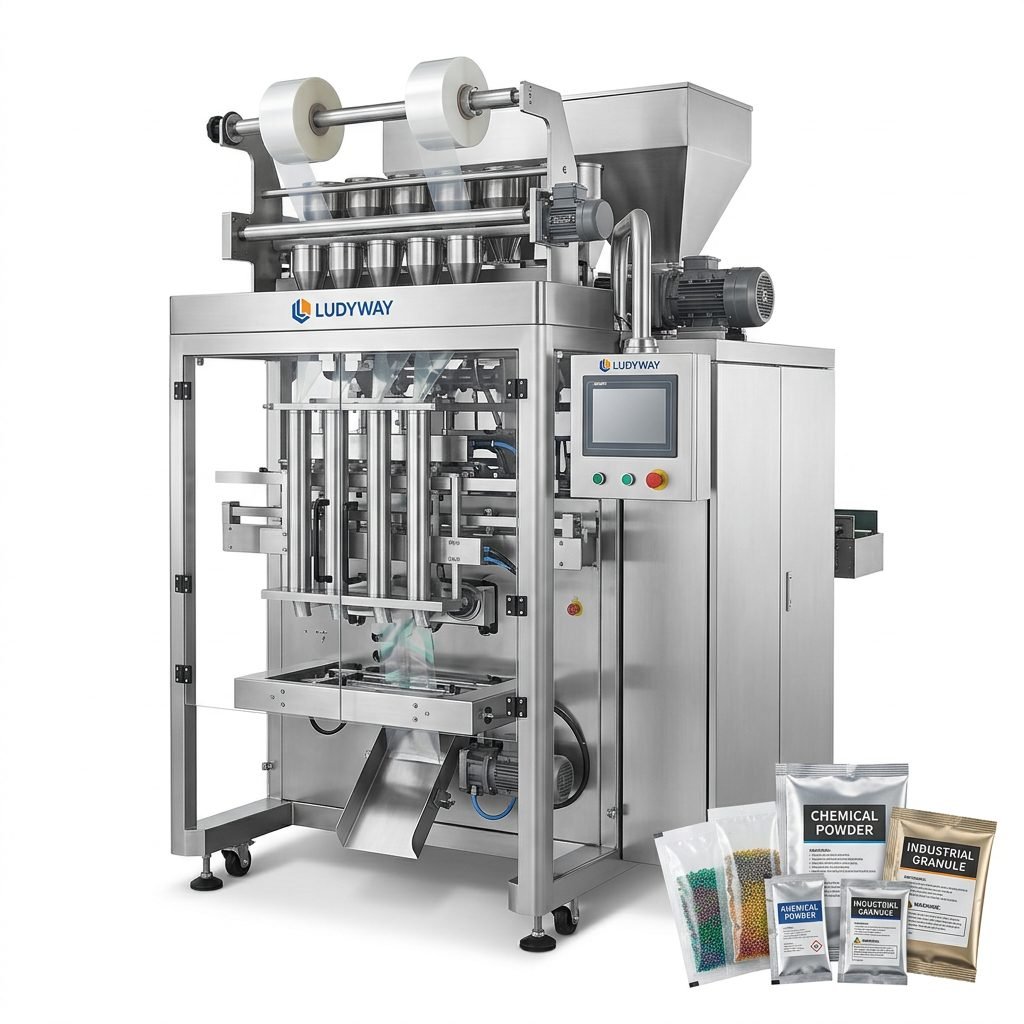
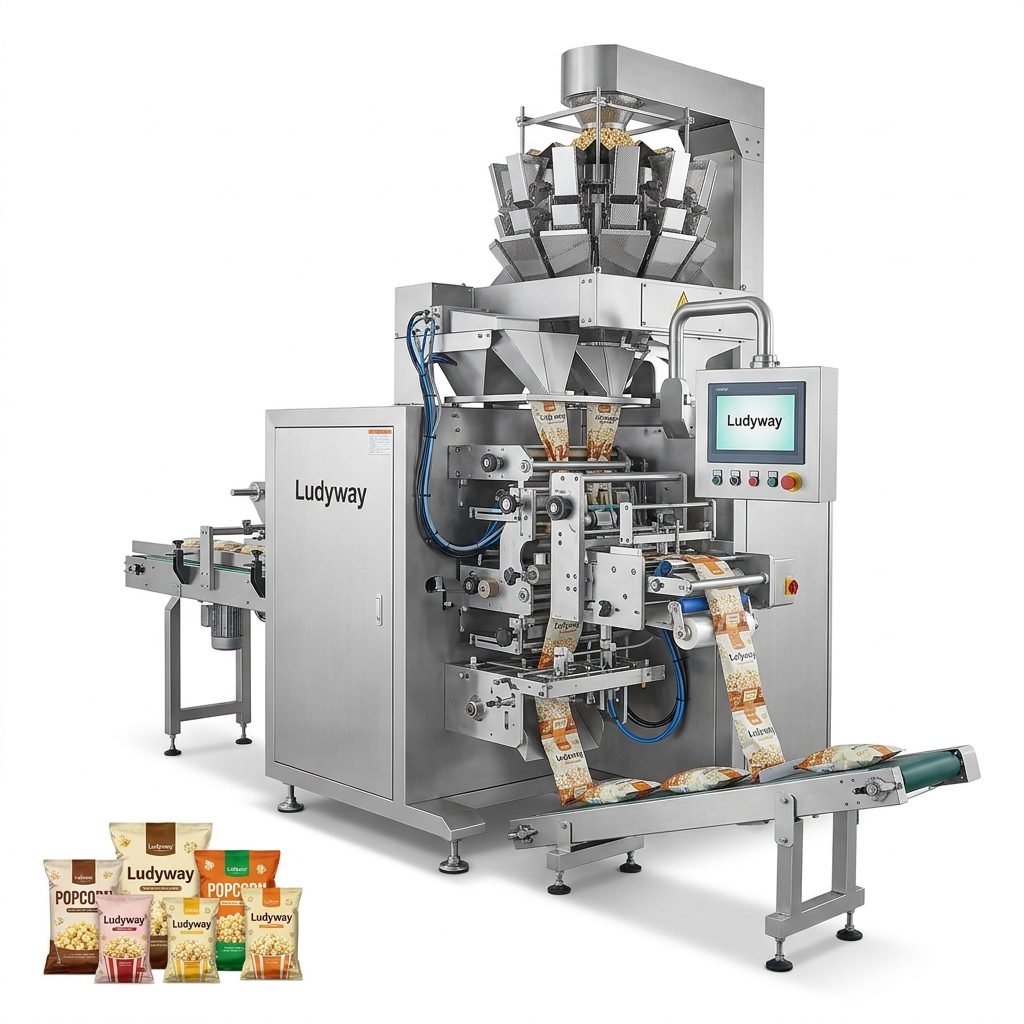
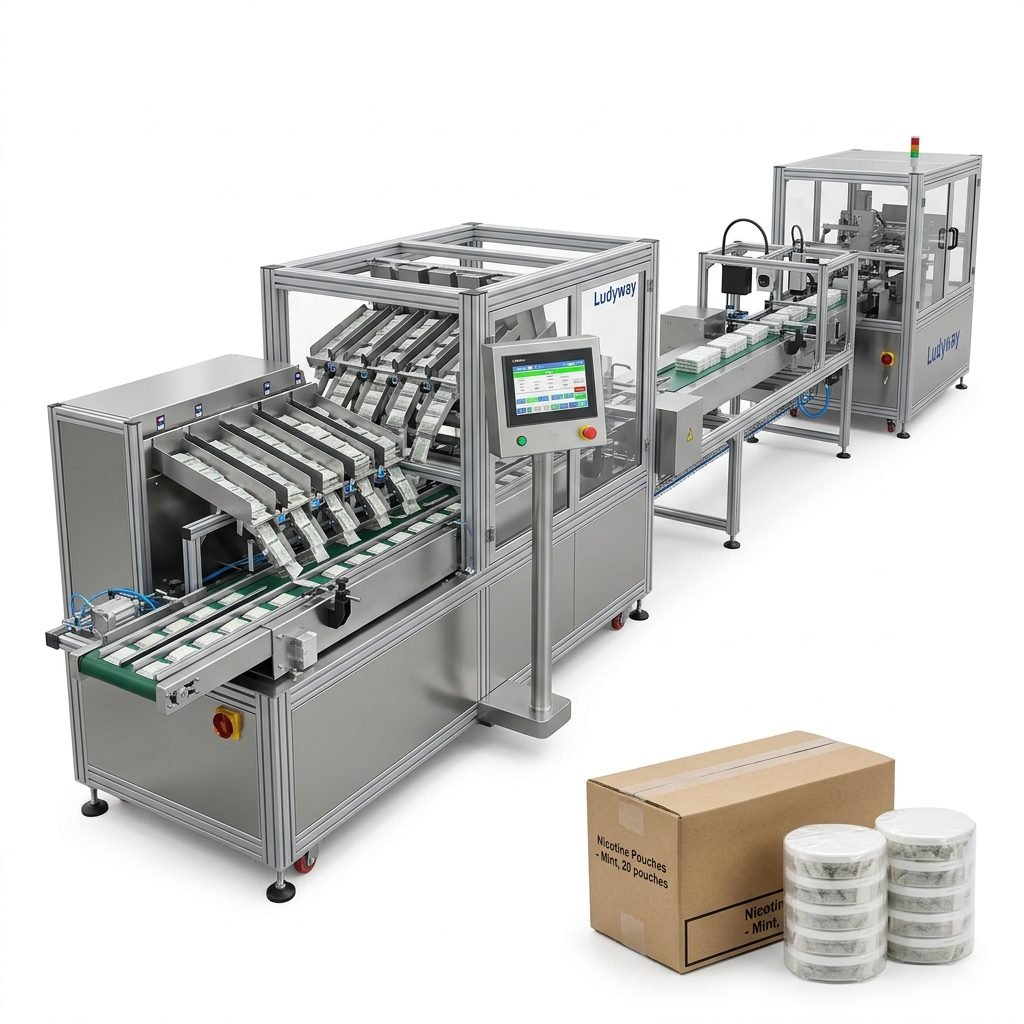
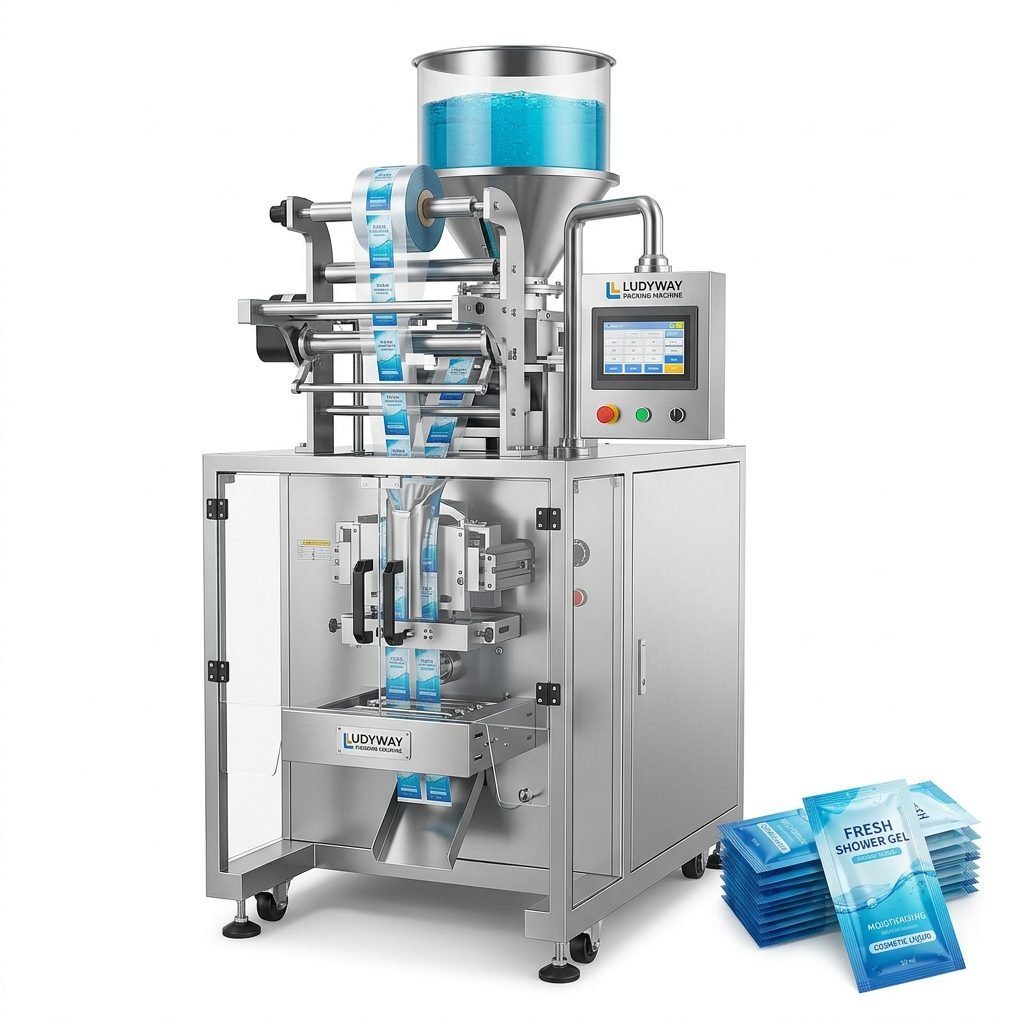
Investing in a tea vacuum food packaging machine is a critical decision for tea producers, distributors, and packaging companies looking to preserve product freshness, extend shelf life, and optimize operational efficiency. The cost of these machines varies widely based on capacity, automation level, and specific technical requirements. Understanding the pricing landscape helps you make an informed purchasing decision that aligns with your production goals and budget.

Key Factors That Determine Tea Vacuum Packaging Machine Pricing
The final price of a tea vacuum food packaging machine depends on several technical and operational variables. Before requesting a quote, it’s essential to evaluate these core components:
- Automation Level: Semi-automatic machines cost significantly less than fully automated systems with robotic arms and integrated conveyors.
- Vacuum Chamber Configuration: Single-chamber, double-chamber, and continuous band sealers have different throughput capacities and price points.
- Production Capacity: Machines rated for higher packages per minute or larger bag sizes typically command higher prices.
- Material Compatibility: Stainless steel construction, food-grade components, and resistance to tea dust and oils affect manufacturing costs.
- Additional Features: Nitrogen flushing, gas flushing (MAP), date coding, and inert gas preservation systems add to the total investment.
- Brand and Manufacturing Origin: Established manufacturers with rigorous quality control and global certifications may price their equipment at a premium.
Price Ranges by Machine Type and Capacity
The following table provides a general overview of current market pricing for different categories of tea vacuum packaging equipment. Actual quotes will vary based on customization, shipping, and installation requirements.
| Machine Type | Typical Capacity | Estimated Price Range (USD) | Best Suited For |
|---|---|---|---|
| Single Chamber Vacuum Sealer | 300-500 bags/hour | $2,000 – $8,000 | Small tea shops, specialty blends, startup brands |
| Double Chamber Vacuum Machine | 800-1,500 bags/hour | $6,000 – $20,000 | Medium-scale tea producers, co-packers |
| Continuous Band Vacuum Sealer | 2,000-5,000 bags/hour | $15,000 – $45,000 | Large tea factories, export-oriented production |
| Multi-Lane Stick Pack Vacuum System | 5,000-15,000 packs/hour | $35,000 – $100,000+ | High-volume instant tea, matcha, tea extract powder |
| Fully Automated Turnkey Vacuum Line | 10,000+ units/hour | $80,000 – $250,000+ | Industrial-scale operations, integrated tea processing |
Vacuum Technology and Its Impact on Tea Quality
Tea is hygroscopic and sensitive to oxygen, moisture, and light. Vacuum packaging removes air from the package, preventing oxidation of delicate tea leaves and preserving volatile aromatic compounds. Modern machines designed for tea applications often incorporate nitrogen back-flushing capabilities, which replaces extracted air with inert gas to cushion fragile tea leaves from crushing while maintaining an oxygen-free environment.
Why Tea Processors Prioritize Vacuum Sealing
- Prevents degradation of catechins and polyphenols in green and white teas
- Stops moisture absorption that leads to mold growth and flavor loss
- Maintains the vibrant color and texture of whole leaf teas during long-distance shipping
- Extends product shelf life from months to years without preservatives
- Reduces packaging volume, lowering storage and freight costs per unit
Customization Costs and Equipment Options
Beyond the base machine, several add-ons influence the final quote for a tea vacuum food packaging machine:
- Modified Atmosphere Packaging (MAP): Adds $2,000 – $6,000 for integrated gas mixing and flushing stations.
- Weighing and Filling Integration: Multi-head weighers synchronized with the vacuum sealer cost $10,000 – $30,000 extra.
- Stainless Steel Upgrades: Full 304 or 316L stainless construction can add 15-25% to the base price.
- Smart Sensors and IoT Connectivity: Real-time monitoring, data logging, and remote diagnostics may increase costs by $3,000 – $10,000.
- Conveyor and Collection Tables: Integrated infeed and outfeed systems start around $2,000 and scale with length and automation.
Companies like Ludyway, one of the largest packaging machine manufacturers in China, offer customized configurations that match specific tea production workflows, from loose leaf tea to finely ground matcha powder.

Cost Comparison Across Global Markets
Where you source your equipment dramatically impacts the price. Here’s how different manufacturing regions compare for comparable specifications:
| Region | Price Competitiveness | Typical Lead Time | After-Sales Support |
|---|---|---|---|
| China | Highest value-to-price ratio; 30-50% lower than European equivalents | 25-45 days | Remote video support, spare parts express shipping, international service networks |
| Europe (Germany, Italy) | Premium pricing justified by precision engineering and long service life | 45-90 days | Extensive local dealer networks, on-site technician availability |
| North America | Higher manufacturing costs; limited commodity-grade machine options | 30-60 days | Rapid domestic service response, comprehensive warranty programs |
| India/Taiwan | Competitive pricing for basic to mid-range models | 30-50 days | Regional support hubs, growing international presence |
Operational Costs and Return on Investment
The purchase price is only one component of the total cost of ownership. Smart buyers calculate long-term operational expenses when evaluating a tea vacuum food packaging machine:
- Energy Consumption: Industrial vacuum pumps draw between 1.5 kW and 5 kW; energy-efficient models may cost more upfront but save thousands annually.
- Maintenance and Spare Parts: Budget 2-5% of the machine cost annually for seals, oil, filters, and wear items.
- Film and Packaging Material: Vacuum bags with barrier properties (EVOH, aluminum foil laminates) cost $0.02-$0.15 per unit depending on size and specification.
- Labor Requirements: Fully automatic machines reduce operator count, with one technician often managing an entire continuous line.
A well-chosen vacuum packaging machine typically achieves full ROI within 12-24 months through reduced product spoilage, lower labor costs, and the ability to command premium pricing for quality-assured packaged tea.

Selecting the Right Supplier and Negotiating Price
Securing the best price involves more than finding the lowest quote. Evaluate suppliers on these criteria:
- Factory Audits and Certifications: ISO, CE, and GMP certifications indicate manufacturing discipline and quality consistency.
- Tea-Specific Experience: Suppliers familiar with tea packaging understand the nuances of leaf fragility, static electricity, and dust extraction requirements.
- Trial and Sample Runs: Reputable manufacturers offer video demonstrations or accept sample materials for test sealing before shipment.
- Warranty Terms: Standard warranties cover 12-18 months; extended warranties and service contracts may be negotiable.
- Payment Flexibility: Letters of credit, installment plans, and trade-in programs can ease capital expenditure constraints.
For operations seeking a tailored solution, exploring custom multi-lane sachet packaging lines configured for tea powder, granule, and leaf products ensures the machine aligns precisely with production targets and packaging format requirements.
Future Trends Influencing Machine Pricing
Several technological and market shifts are reshaping the cost structure of tea packaging equipment:
- Sustainable Films: Compostable and bio-based vacuum films are driving machine modifications for heat-seal compatibility and tension control.
- Digital Integration: AI-driven predictive maintenance, automated quality inspection, and cloud-based production analytics are becoming standard premium features.
- Modular Machine Design: Scalable platforms that allow tea companies to add lanes or upgrade vacuum levels without replacing the entire machine are gaining popularity.
- Export Regulations: Stricter food safety standards in the EU and North America are increasing demand for machinery with full traceability and sanitary design.
Questions to Ask Before Purchasing
Arm yourself with the right questions when engaging with equipment manufacturers:
- What is the maximum vacuum level achievable, and how is it controlled?
- Can the machine handle both granular tea powder and whole leaf tea without damage?
- Is nitrogen flushing integrated, and what is the residual oxygen level after sealing?
- What are the recommended maintenance intervals for the vacuum pump?
- Does the supplier offer remote training and installation support?
- Are wear parts and consumables readily available in my region?
Conclusion: Aligning Investment with Production Strategy
The cost of a tea vacuum food packaging machine reflects a balance of engineering quality, production throughput, automation sophistication, and after-sales support. Entry-level vacuum sealers serve artisan tea makers effectively, while fully integrated automatic packaging lines empower global exporters to scale without compromising quality. By defining your capacity requirements, preferred bag formats, and long-term expansion plans, you can target the right machine category and negotiate a price that delivers sustainable value. Request detailed quotes, demand sample demonstrations, and prioritize build quality and supplier reliability over the lowest upfront cost to protect your tea brand’s reputation and profitability.