Setting up an ice pop packaging machine production line requires careful planning, from selecting the right equipment to optimizing workflow and ensuring compliance with food safety standards. This guide walks you through every critical step, helping you build a high-efficiency, reliable packaging operation.
Understanding Ice Pop Packaging Requirements
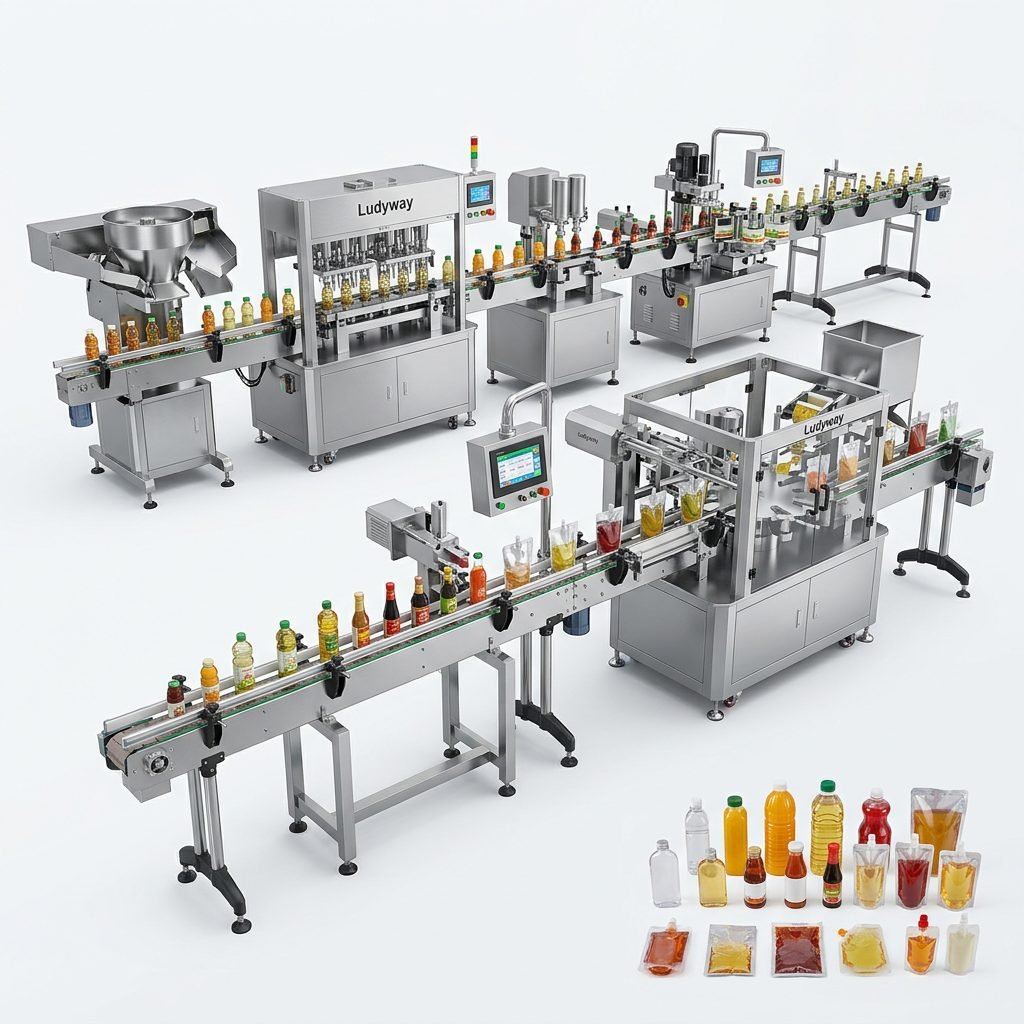
Ice pops, also known as freezer pops or ice lollies, are typically filled into flexible plastic sleeves or pre-made pouches. The packaging process must handle liquid filling, sealing, and often multi-lane production to meet high-volume demand. Key factors include:
- Product viscosity: Ice pop liquid can range from water-thin to slightly viscous juice concentrates.
- Pouch material: Typically LDPE or HDPE film with good cold resistance.
- Hygiene compliance: Food-grade stainless steel contact parts are essential.
- Line speed: Determined by lanes, filling volume, and seal cooling time.
Step 1: Define Your Production Goals
Before purchasing equipment, clarify your capacity targets and packaging format. Will you produce stick-shaped ice pops, flat pouches, or multi-flavor packs? This decision directly influences the type of filling and sealing system required.
Consider the following parameters when defining your goals:
- Target output per hour/day
- Pouch size and shape specifications
- Number of lanes for simultaneous filling
- Available floor space and facility layout
- Budget range for equipment investment
| Production Scale | Recommended Lanes | Typical Output (Pouches/Hour) |
|---|---|---|
| Small / Startup | 2 – 4 lanes | 2,000 – 8,000 |
| Medium | 6 – 10 lanes | 12,000 – 40,000 |
| High Volume | 12 – 20+ lanes | 50,000+ |
Step 2: Selecting the Right Ice Pop Packaging Machine
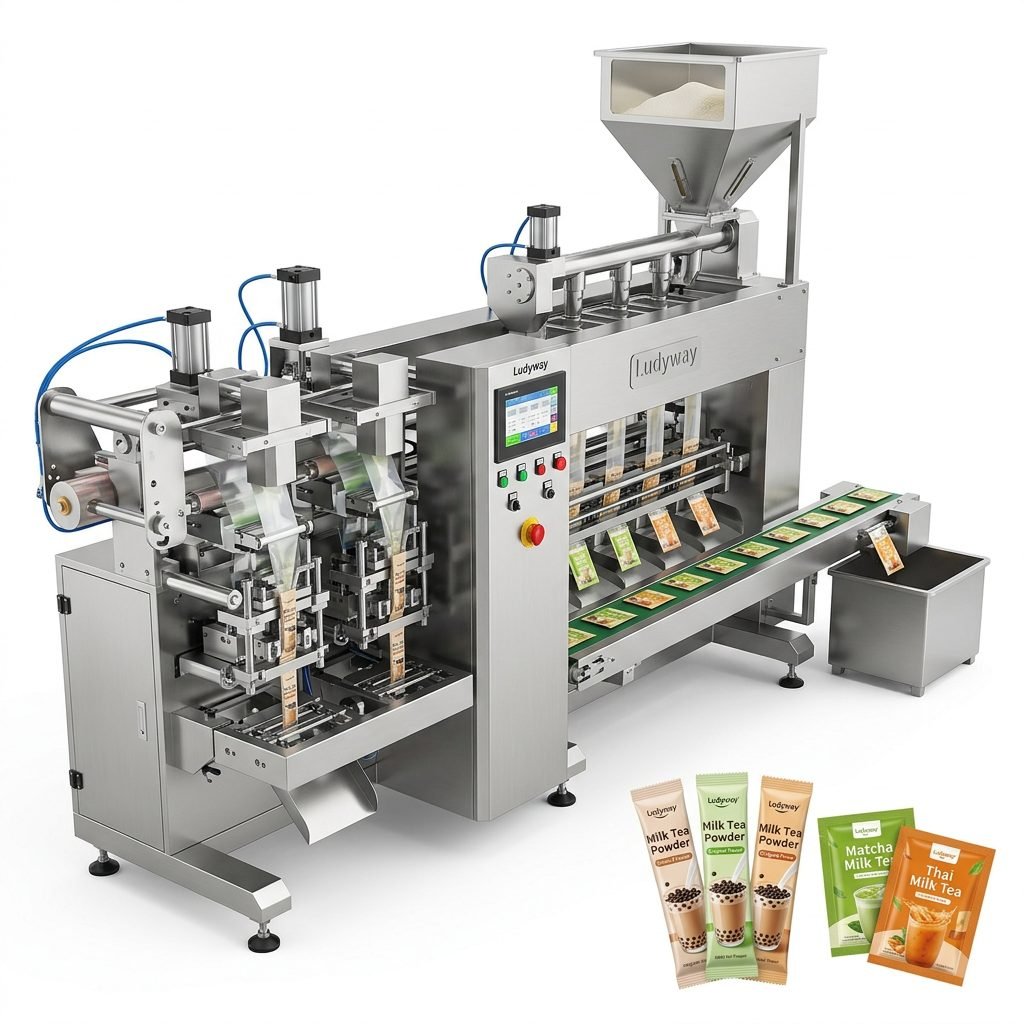
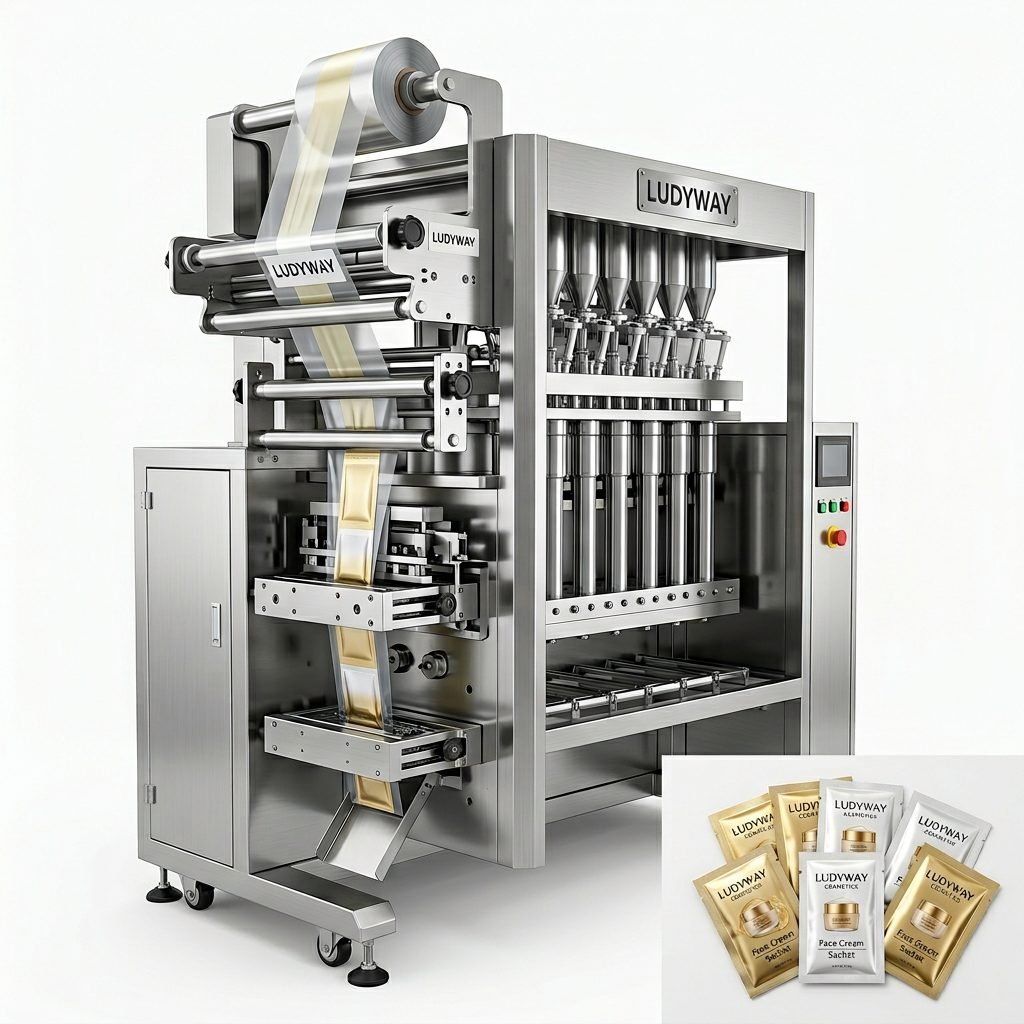
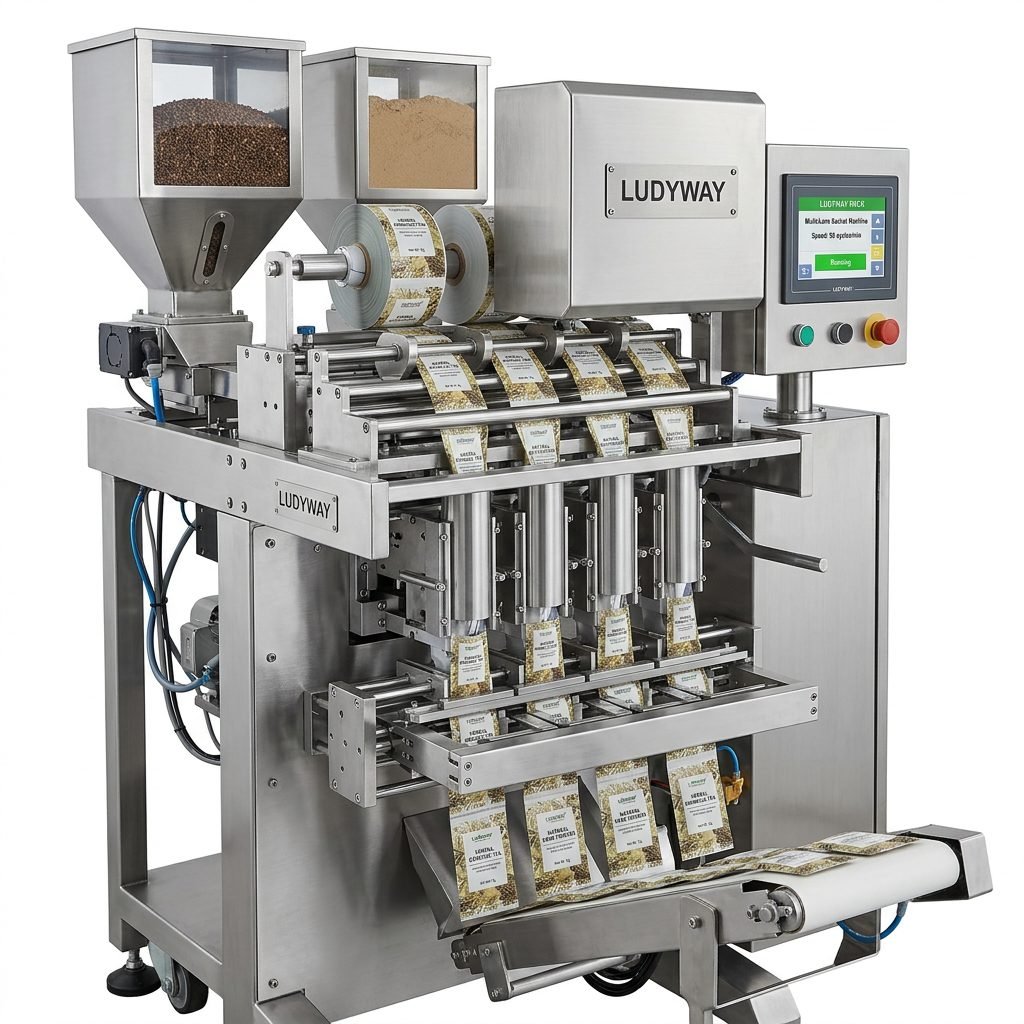
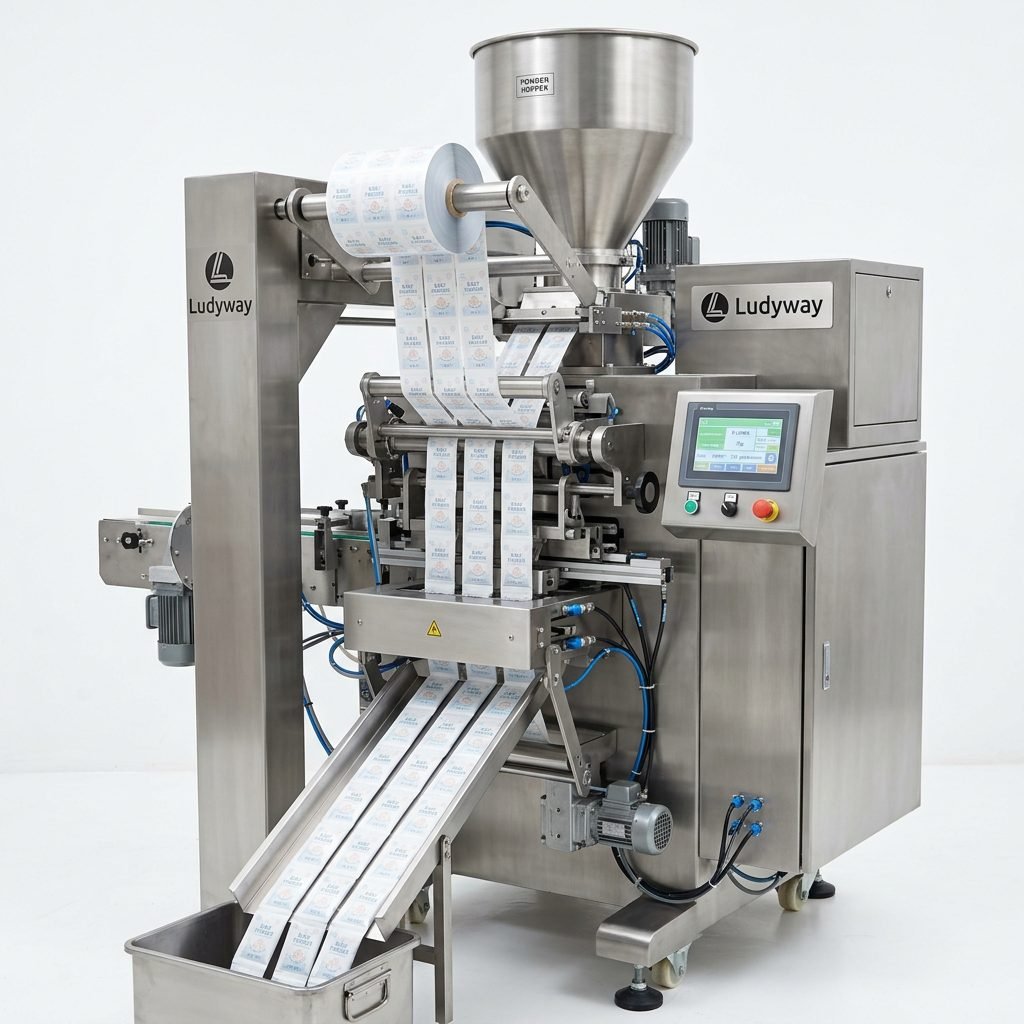
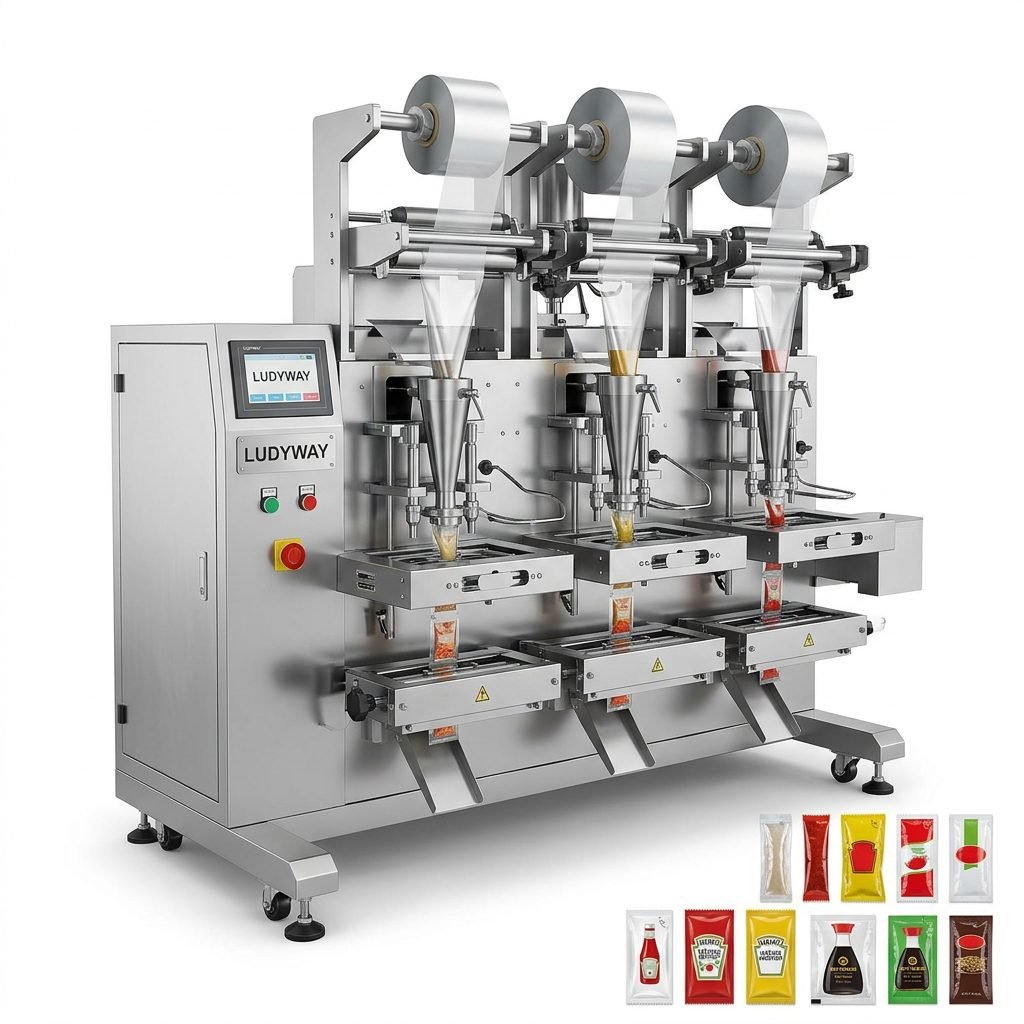
The core of your line is the automatic liquid filling and sealing machine. For ice pops, vertical form-fill-seal (VFFS) multi-lane stick pack or sachet machines are the most common choice. Liquid packaging equipment designed for food applications should feature:
- Servo-driven film pulling for precise pouch length control.
- Piston or peristaltic pumps for accurate filling volumes.
- Effective seal cooling to prevent leaks in frozen storage.
- CIP (Clean-in-Place) capable designs for hygiene.
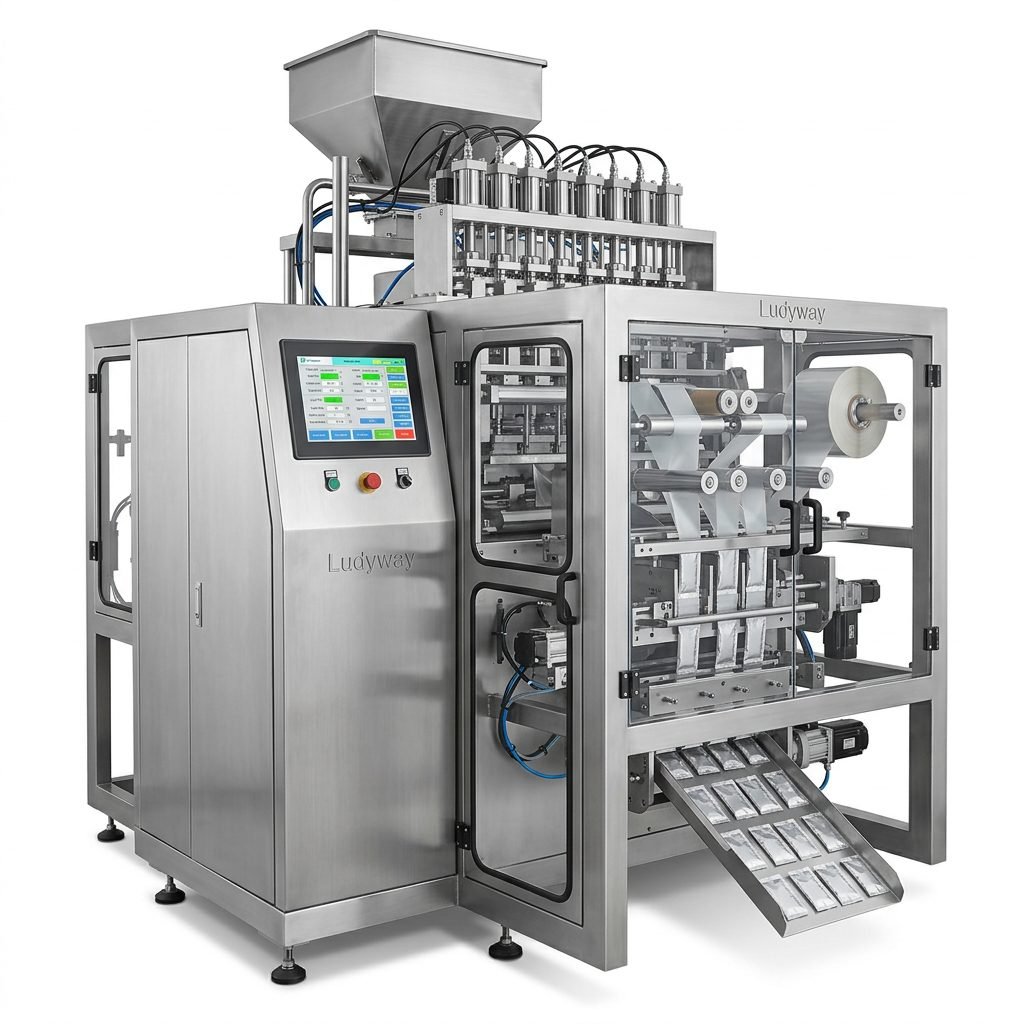
Key Machine Features to Evaluate
When comparing different liquid sachet packaging machines, look beyond the price tag. Evaluate the quality of electrical components (Siemens, Mitsubishi, or Omron PLCs), the robustness of the frame, and the availability of after-sales support. Servo motor technology provides better synchronization and reduces maintenance compared to mechanical cam systems.
Step 3: Integrating Auxiliary Equipment
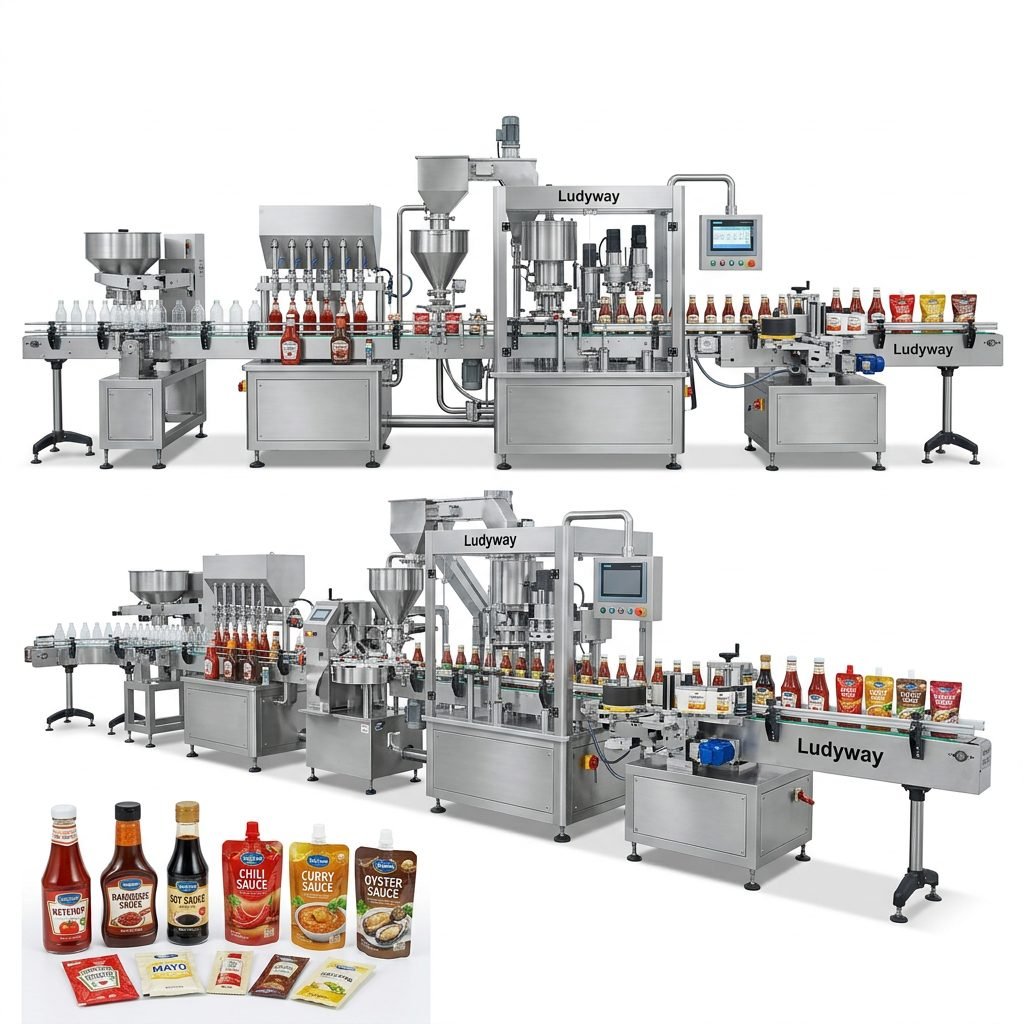
A complete production line extends beyond the primary packaging machine. Integrate these supporting systems for a seamless turnkey packaging line:
| Equipment | Function | Notes |
|---|---|---|
| Liquid Mixing Tank | Homogenize ingredients before filling | Must be food-grade stainless steel |
| Transfer Pump | Deliver liquid product to the filler hopper | Positive displacement pump recommended |
| Inline Date Coder | Print batch number and expiry date | Thermal inkjet or laser coding |
| Cartoning Machine | Pack finished pouches into cartons | Can be automated or semi-automatic |
| Checkweigher | Verify fill weight accuracy | Rejects under/overweight pouches |
Step 4: Facility Preparation and Layout
Your production floor must be ready to accommodate the new line. Temperature control is critical: the filling room should be kept cool to prevent premature product spoilage during packaging. Ensure adequate electrical supply (often 380V 3-phase for industrial machines) and compressed air connections.

Design the layout for efficient material flow: raw film storage → machine loading → filling & sealing → cooling/drying → cartoning → palletizing. Keep sufficient clearance around the machine for maintenance access and film roll changes.
Step 5: Installation and Commissioning
Professional installation by factory-trained technicians is essential for optimal performance. The commissioning phase includes:
- Mechanical alignment of all modules
- PLC program loading and parameter setting
- Dry run testing without product
- Wet testing with water or actual product
- Seal integrity testing using vacuum or dye penetration methods
Step 6: Operator Training and SOP Development
Even the most advanced machinery cannot compensate for inadequately trained personnel. Develop standard operating procedures covering startup sequences, film splicing techniques, clean-in-place protocols, and basic troubleshooting. Invest at least 40 hours of hands-on training per shift operator.
Step 7: Maintenance and Spare Parts Planning
Stock critical wear parts to minimize downtime. Common replacement items for ice pop stick pack machines include heater cartridges, thermocouples, sealing jaws, and cutting blades. Industry data from PMMI suggests that proactive maintenance reduces unplanned downtime by up to 45%.
| Maintenance Interval | Tasks | Responsible |
|---|---|---|
| Daily | Clean filler nozzles, check film alignment, inspect seals | Operator |
| Weekly | Lubricate chains, calibrate temperature controllers, tighten fasteners | Maintenance Tech |
| Monthly | Inspect belts, check pump seals, verify sensor accuracy | Maintenance Tech |
| Quarterly | Full machine inspection, replace worn heater elements, PLC backup | Engineer |
Quality Control and Regulatory Compliance
Ice pop packaging must meet FDA food packaging regulations in the US market, or equivalent standards in other regions. Implement a HACCP plan covering critical control points such as seal integrity, metal detection, and fill volume verification. Regular third-party audits help maintain certification and consumer confidence.

Choosing Your Equipment Partner
Selecting a reliable packaging machine manufacturer is as important as the machine itself. Look for suppliers with proven experience in liquid packaging applications, a global installation base, and responsive technical support. Ludyway is one of the largest packaging machine manufacturers in China, specializing in advanced packaging equipment and turnkey production solutions for the food, pharmaceutical, and health industries. With over 30 years of industry expertise, we provide reliable and efficient packaging solutions for granule, powder, liquid, and pouch packaging applications.
For more in-depth packaging industry resources, refer to the PMMI packaging association and the Flexible Packaging Association for standards, market data, and regulatory updates.