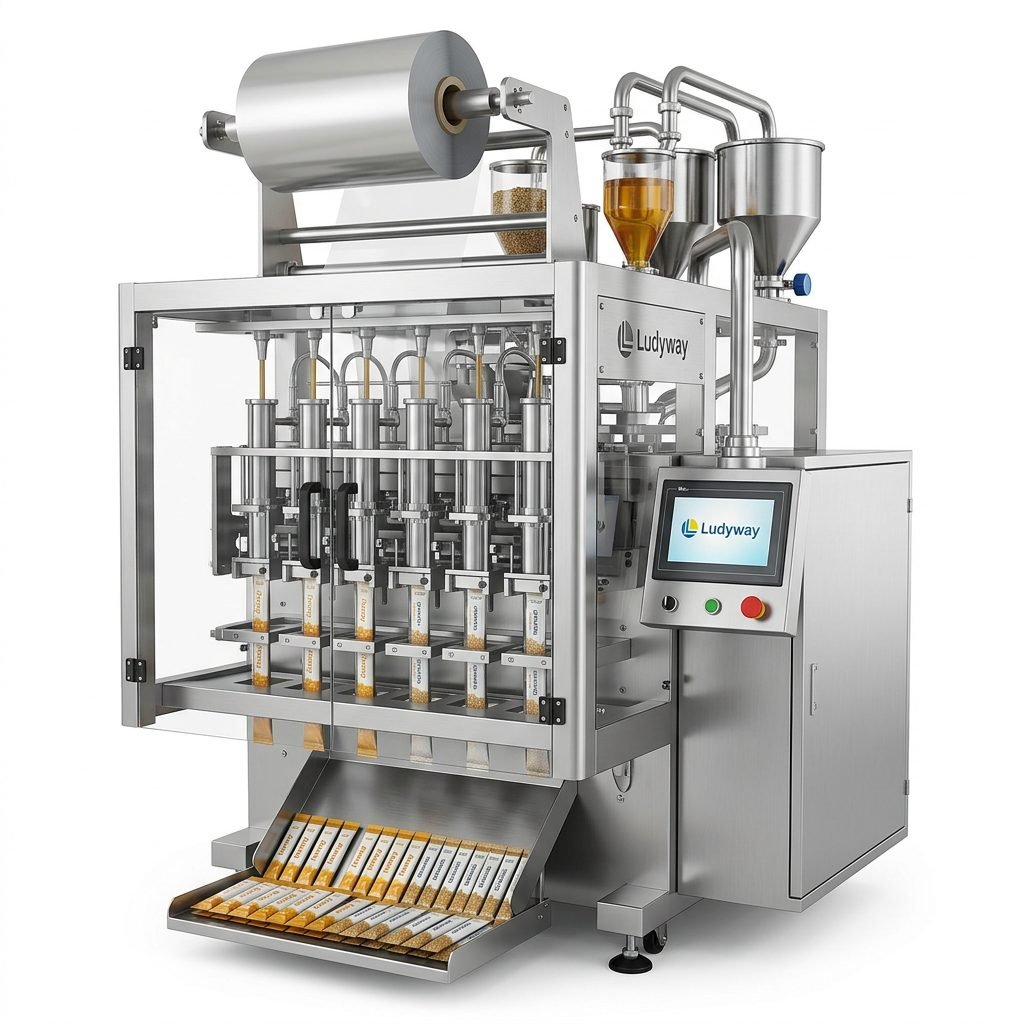
Greece’s packaging machinery market is experiencing steady growth, driven by its robust food processing, pharmaceutical, and cosmetics industries. The country’s strategic location as a gateway to Southeastern Europe and the Mediterranean makes it an attractive hub for manufacturers. However, selecting the right packaging machine for the Greek market requires a nuanced understanding of local regulations, industry demands, and operational conditions. This guide outlines the key factors buyers should evaluate before investing in packaging equipment for Greece.

Understanding Greek Market Regulations and Compliance Standards
Greece, as a member of the European Union, strictly adheres to EU machinery directives and food safety standards. Any packaging machine imported into the Greek market must carry the CE marking, confirming conformity with health, safety, and environmental protection requirements. For food and pharmaceutical applications, compliance with FDA food contact substance regulations and EU Regulation (EC) No 1935/2004 on materials intended to come into contact with food is non-negotiable.
Greek authorities also enforce strict labeling and traceability requirements. Packaging lines must integrate seamlessly with serialization and coding systems to meet both domestic and export obligations. Buyers should verify that their equipment supplier understands ISO 11607 standards for medical device packaging and ISO packaging standards relevant to their product category. Prioritizing machines with stainless steel construction and washdown-ready designs can significantly ease regulatory inspections.
Evaluating Machine Types for Greek Industry Sectors
Greece’s economy leans heavily on olive oil production, dairy processing, wine bottling, and pharmaceutical manufacturing. Each sector demands specific packaging configurations. Below is a comparative overview of common machine types and their suitability for Greek manufacturers:
| Packaging Machine Type | Best Suited For | Key Advantage in Greek Market |
|---|---|---|
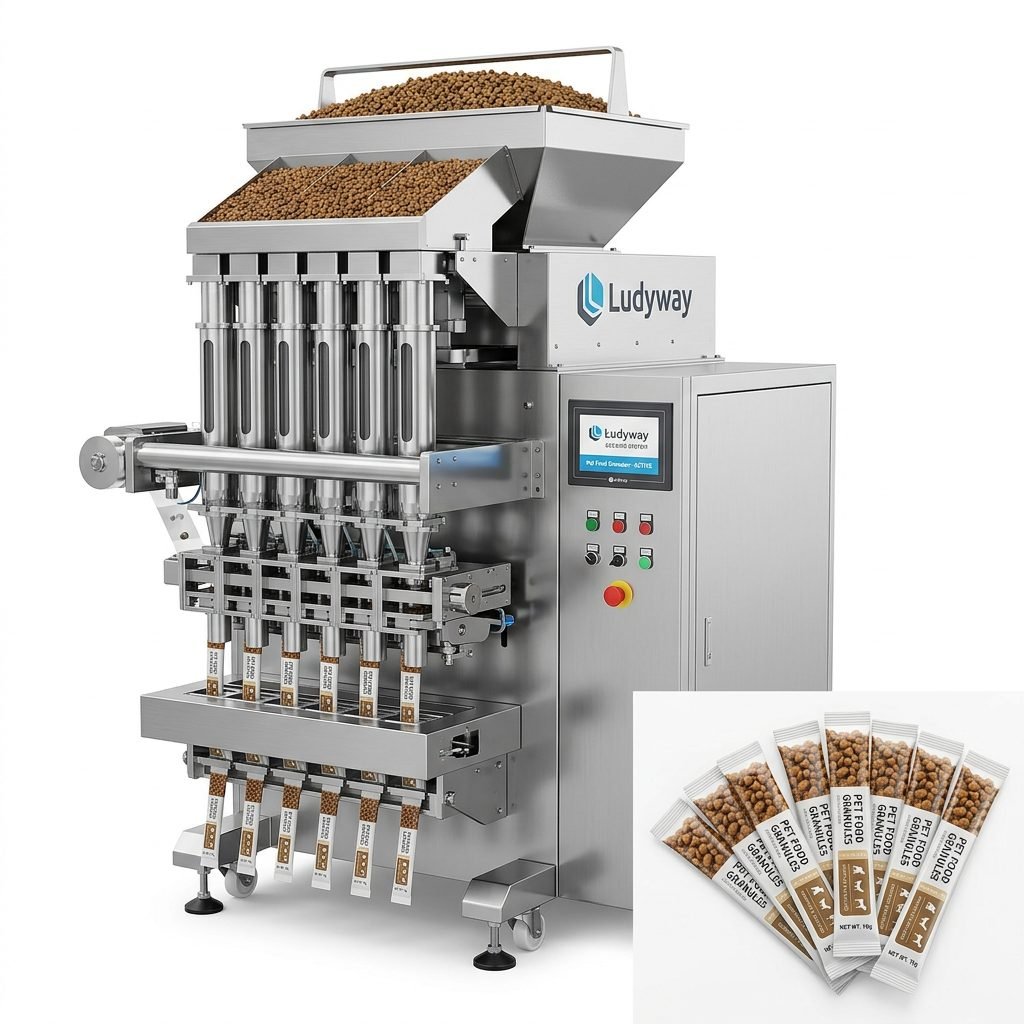
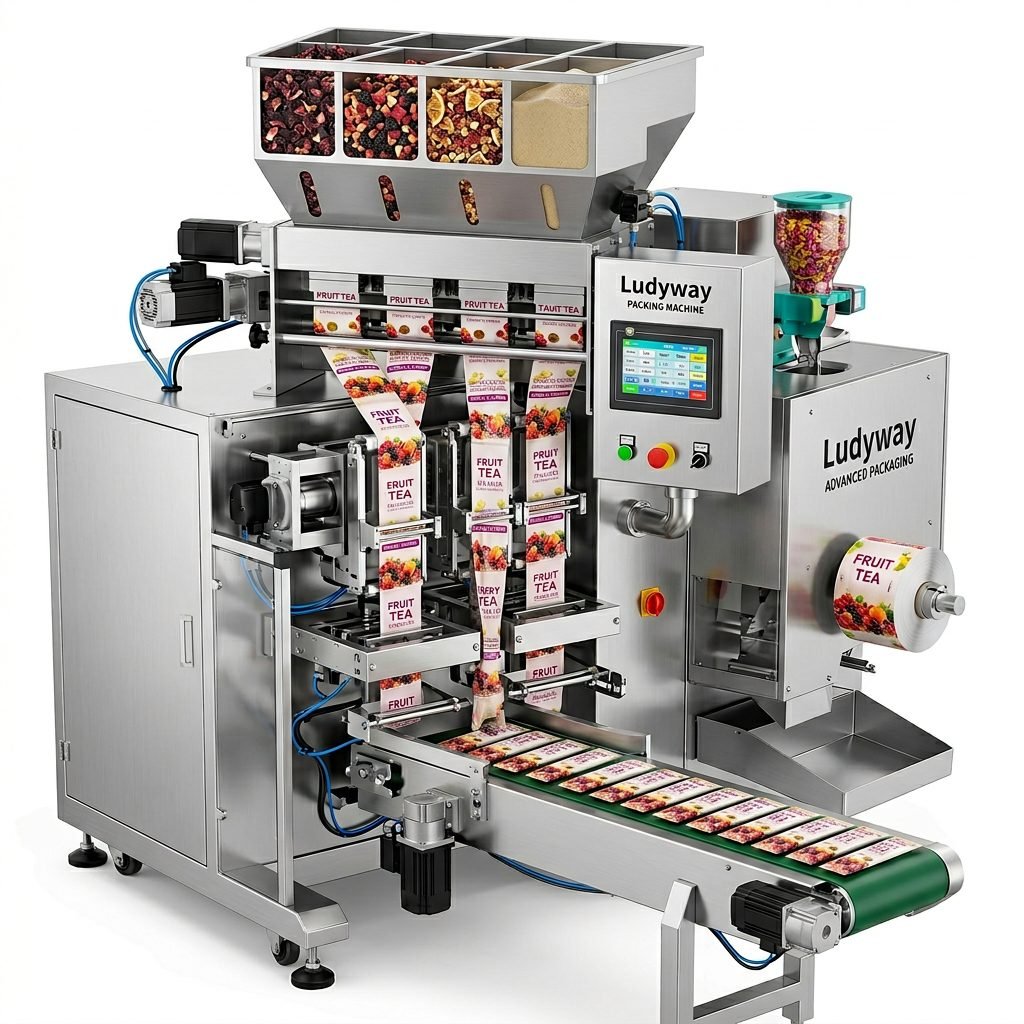
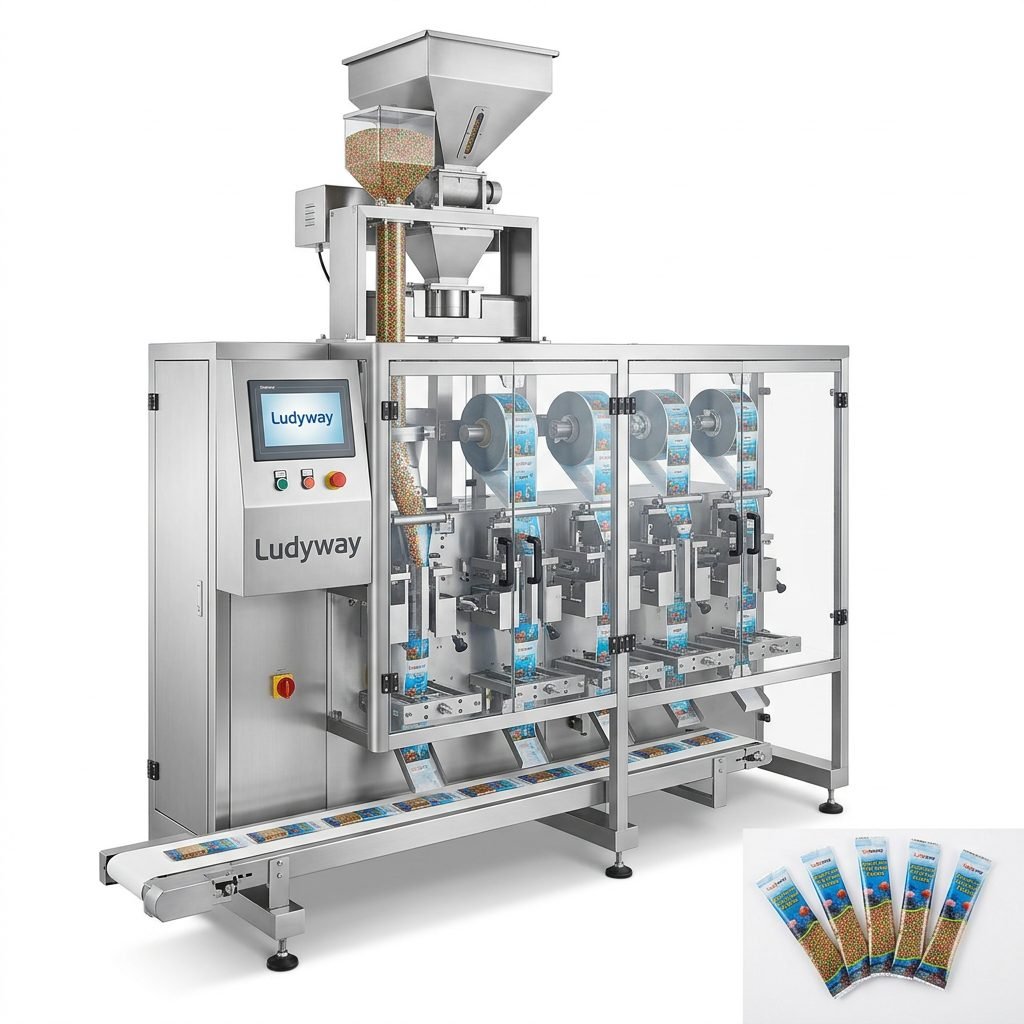
| Multi-Lane Stick Pack Machines | Sugar, coffee, salt, pharmaceutical powders | High output for tourism-driven demand |
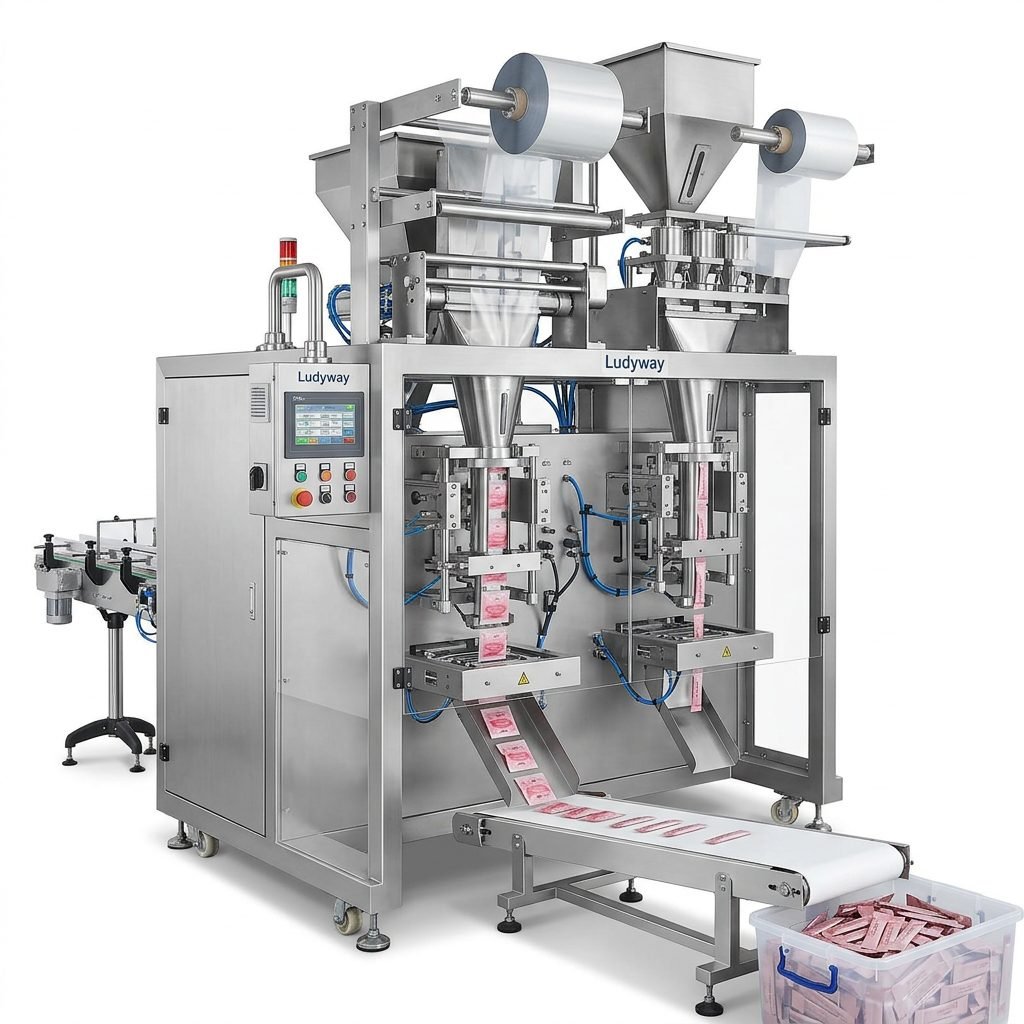
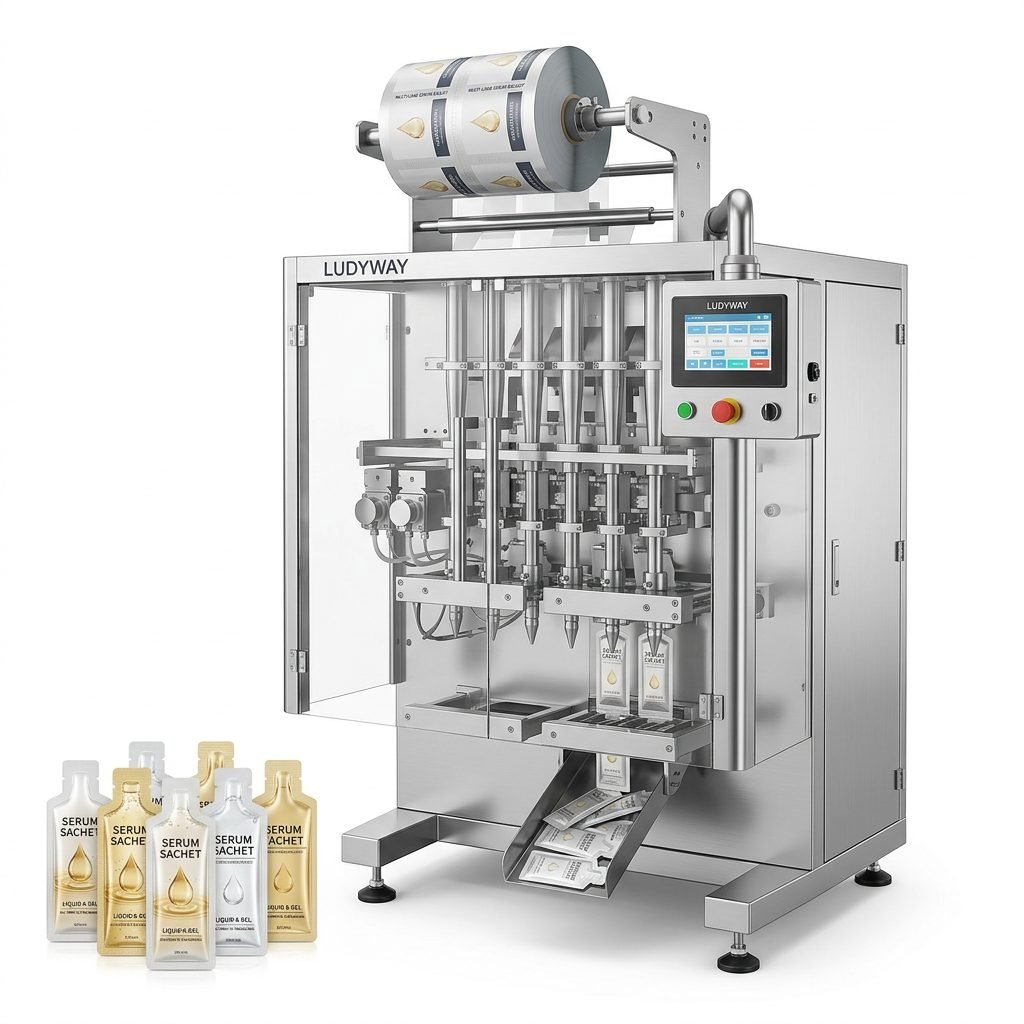
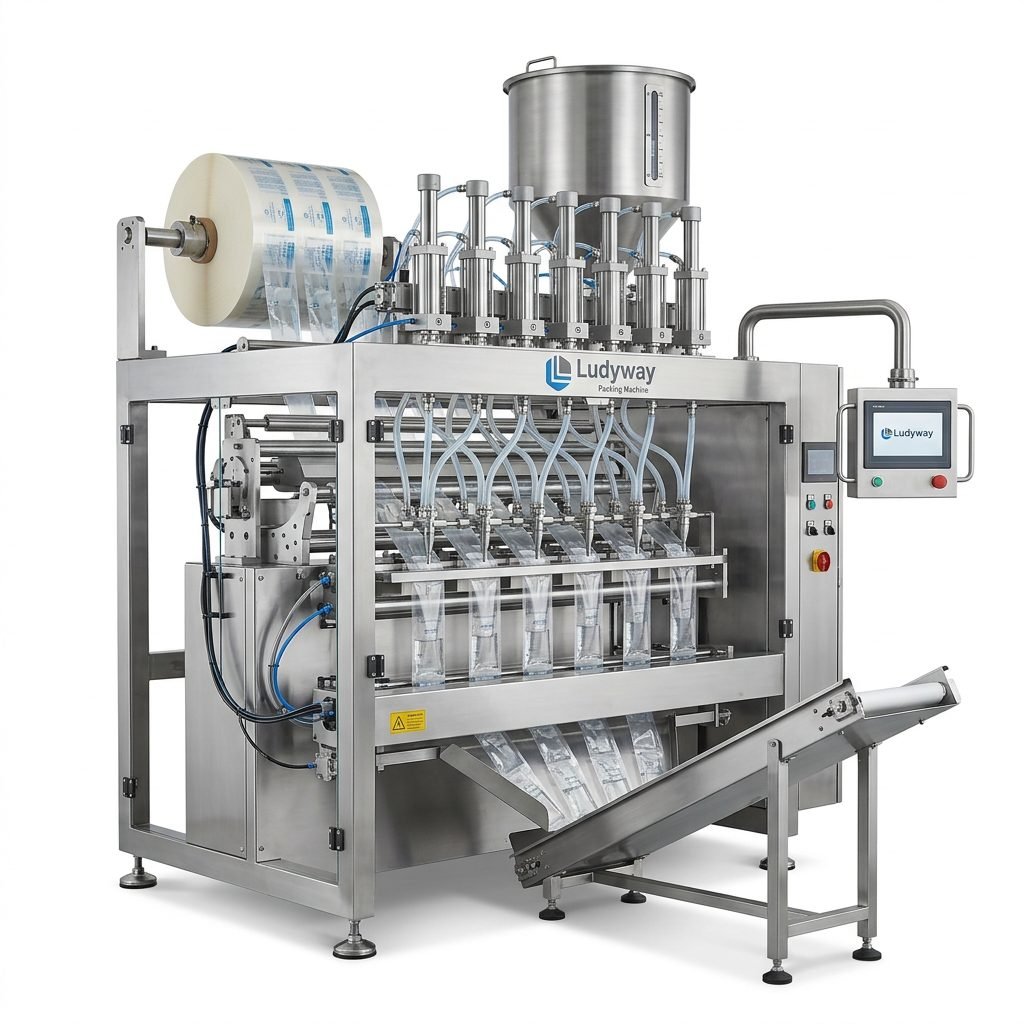
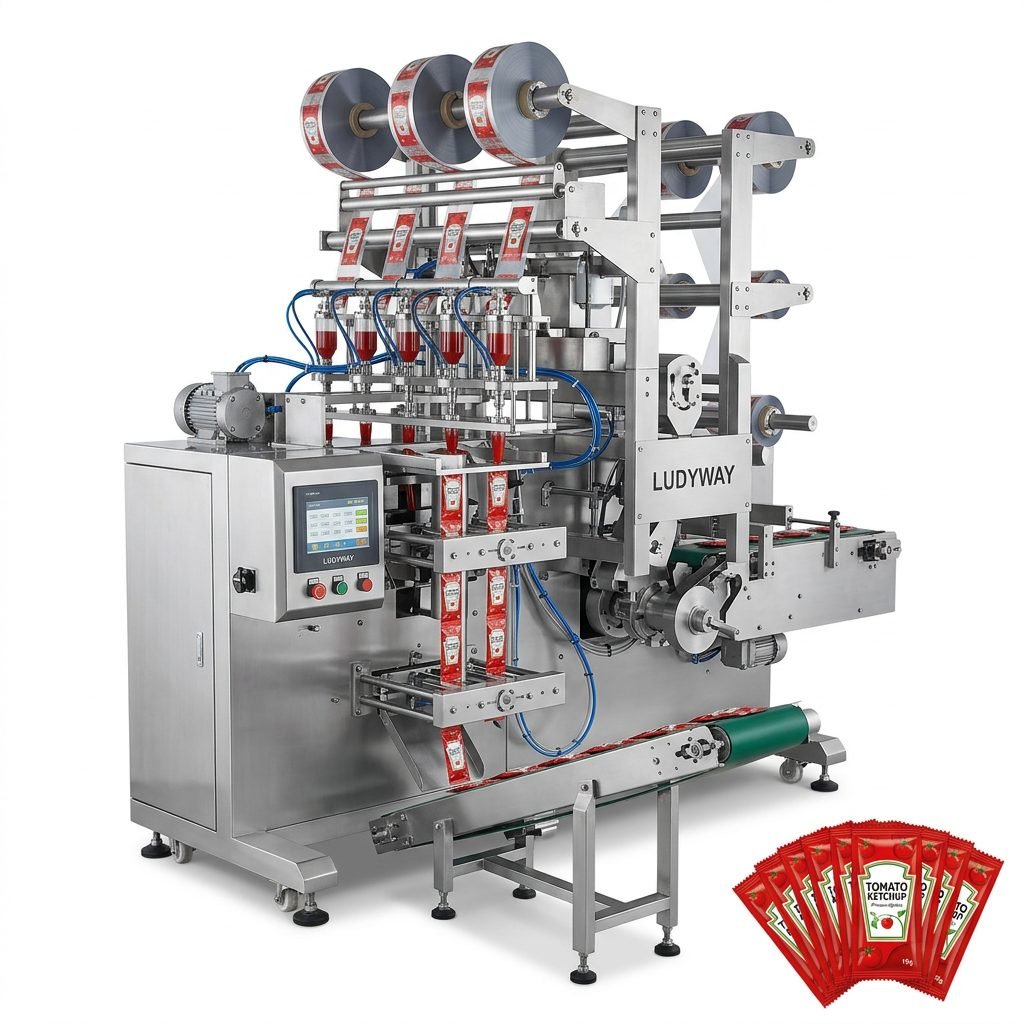
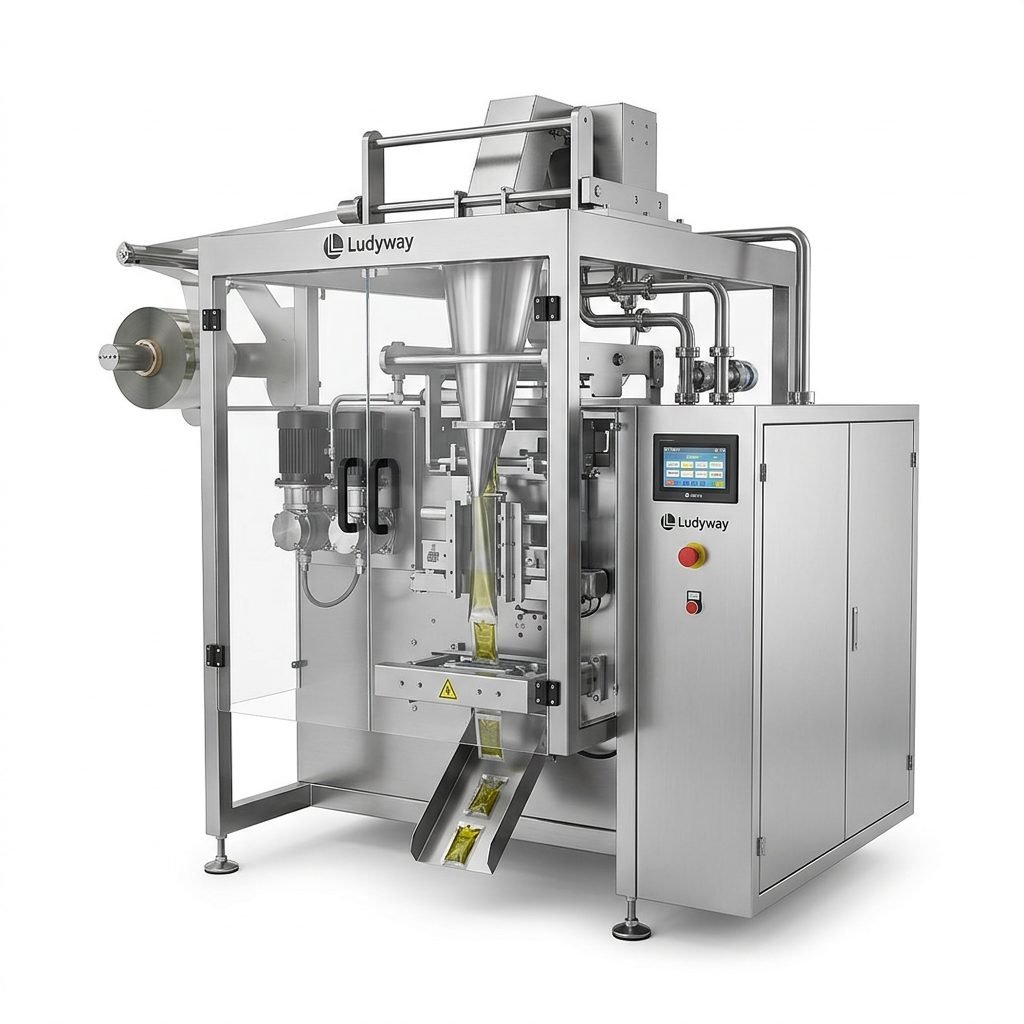
| Liquid Sachet Filling Machines | Olive oil, shampoo, sauces, honey | Aligns with Greece’s liquid product exports |
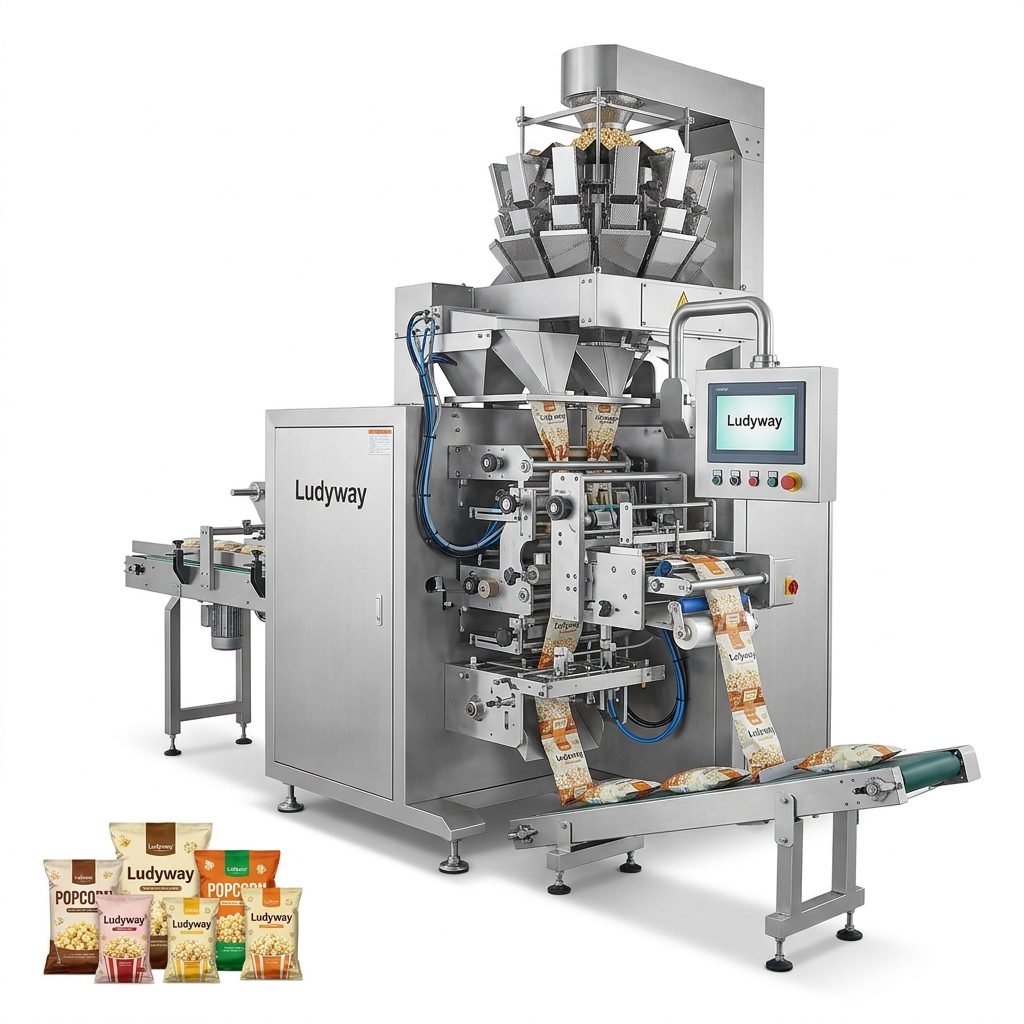
| Vertical Form Fill Seal (VFFS) | Nuts, snacks, frozen foods, pet food | Versatile for diverse Greek agri-products |
| Bottle Filling and Capping Lines | Wine, spirits, bottled water, juices | Supports Greece’s prominent beverage sector |
| Turnkey Automated Packaging Systems | Large-scale food and pharma production | Reduces labor dependency; scalable solution |
Production Capacity and Scalability Considerations
Greek manufacturers serving both domestic and export markets must balance current production needs with future growth. The tourism sector, which significantly boosts demand for single-serve and portion-controlled packaging, creates seasonal spikes that equipment must accommodate. A packaging machine with modular design and upgradeable features can adapt as business expands into new product lines or markets.
When assessing capacity, look beyond theoretical speed ratings. Real-world output depends on changeover efficiency, film splicing downtime, and operator skill levels. Multi-lane configurations offer higher throughput per square meter of factory floor—a critical factor in Greek facilities where space optimization is often a priority. Equipment that can handle multiple product types (granules, powders, liquids) on a single platform provides additional flexibility for co-packers serving diverse clients.
Technical Support, Spare Parts, and After-Sales Service in Greece
Greece’s geographical landscape, with many production facilities located on islands or in remote mainland regions, makes reliable after-sales support essential. Before finalizing a purchase, confirm the supplier’s service network coverage across Greece. Key questions to ask include:
- Does the manufacturer have certified technicians available for on-site installation and training within Greece?
- What is the typical response time for technical emergencies in Athens, Thessaloniki, or Crete?
- Are critical spare parts stocked within the EU for fast shipping, avoiding customs delays?
- Is remote diagnostic support available via video call or IoT-enabled machine monitoring?
Machines equipped with intuitive HMI interfaces and multilingual operator manuals (including Greek language options) reduce training time and minimize operational errors. As highlighted by the PMMI business intelligence reports, after-sales service quality increasingly influences purchasing decisions in European markets.

Energy Efficiency and Sustainability Requirements
Greece’s energy costs rank among the highest in the EU, making energy-efficient packaging machinery a financially sound investment. Modern servo-driven systems consume significantly less electricity than older pneumatic or mechanical designs. Additionally, the European Commission’s packaging and packaging waste regulation imposes strict sustainability targets, including increased recyclability and reduced packaging weight. Machines optimized for thin-gauge films and capable of processing recyclable mono-materials help Greek producers stay ahead of regulatory changes.
The Flexible Packaging Association’s industry resources provide valuable guidance on sustainable material trends that influence machine selection. Companies investing in eco-friendly packaging lines often benefit from positive brand perception among environmentally conscious Greek and European consumers.
Total Cost of Ownership and Return on Investment
While purchase price remains important, total cost of ownership (TCO) offers a more accurate picture. Evaluate factors such as film material consumption rates, maintenance intervals, expected service life, and energy usage. A machine that reduces film waste by even 5% annually can generate substantial savings over a 10-year operational lifespan. Greek producers, particularly in the competitive olive oil and F&B sectors, increasingly prioritize automation that reduces manual labor costs while improving packaging consistency.

Key Selection Checklist for Greek Market Buyers
- CE certification and full EU regulatory compliance documentation
- Compatibility with Greek electrical standards (230V/50Hz three-phase)
- Stainless steel construction for food-grade and pharmaceutical applications
- Multi-language HMI with Greek or English interface options
- Proven installations in Mediterranean or Southern European countries
- Local or regional service support with guaranteed response times
- Flexibility to handle multiple packaging formats (stick pack, sachet, pouch)
- Energy-efficient servo-driven technology for reduced operating costs
- Spare parts availability within the EU to minimize downtime
- Scalable design that accommodates future production growth
Why Experienced Manufacturers Matter
Partnering with an established packaging machine manufacturer can streamline the entire procurement process. Ludyway, with over 30 years of industry expertise and a 20,000㎡ modern production facility, supplies more than 50 intelligent packaging machine models to customers in over 100 countries. For Greek buyers seeking reliable, cost-effective solutions backed by comprehensive technical support, evaluating manufacturers with a proven global track record is essential. Industry data from the PMMI 2025 State of the Industry report underscores the growing demand for integrated turnkey systems that combine filling, sealing, coding, and cartoning in a single automated line.
Final Recommendations
Selecting the right packaging machinery for the Greek market demands a holistic evaluation of regulatory compliance, machine versatility, energy efficiency, and supplier reliability. Greek food and pharmaceutical producers should prioritize equipment that meets EU safety and hygiene standards, offers flexible packaging formats, and comes with dependable local support. By thoroughly assessing these factors, buyers can secure a packaging solution that enhances productivity, ensures product quality, and supports long-term business growth in Greece and beyond.

Additional Resources: