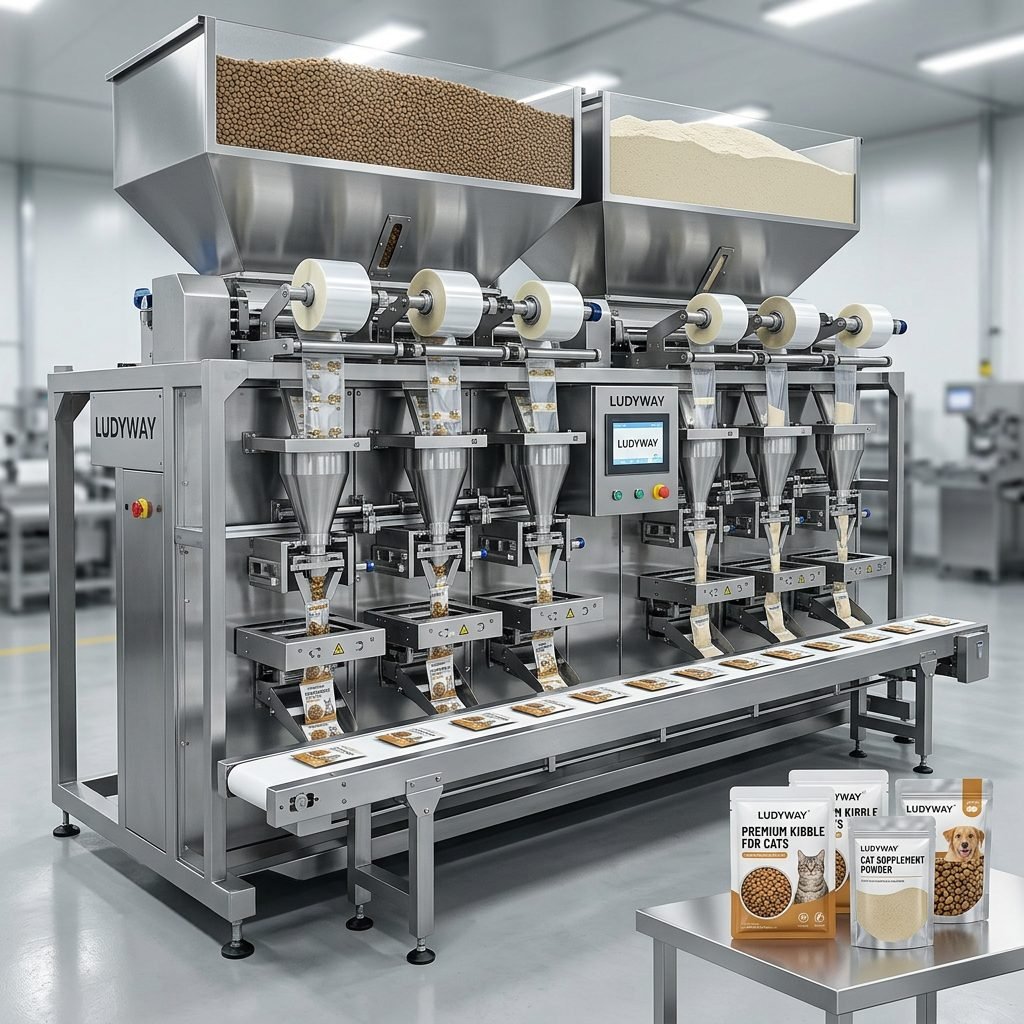
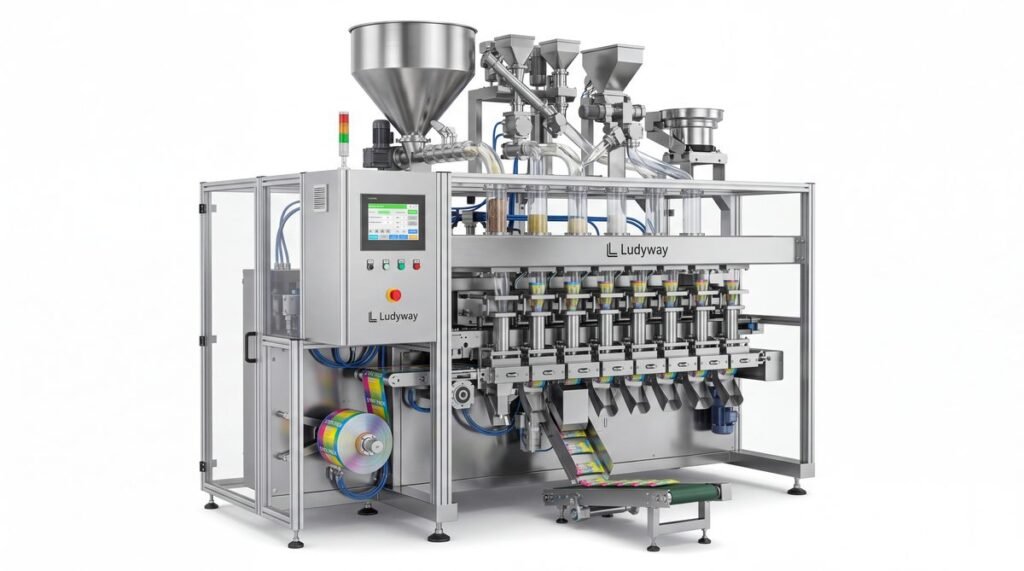
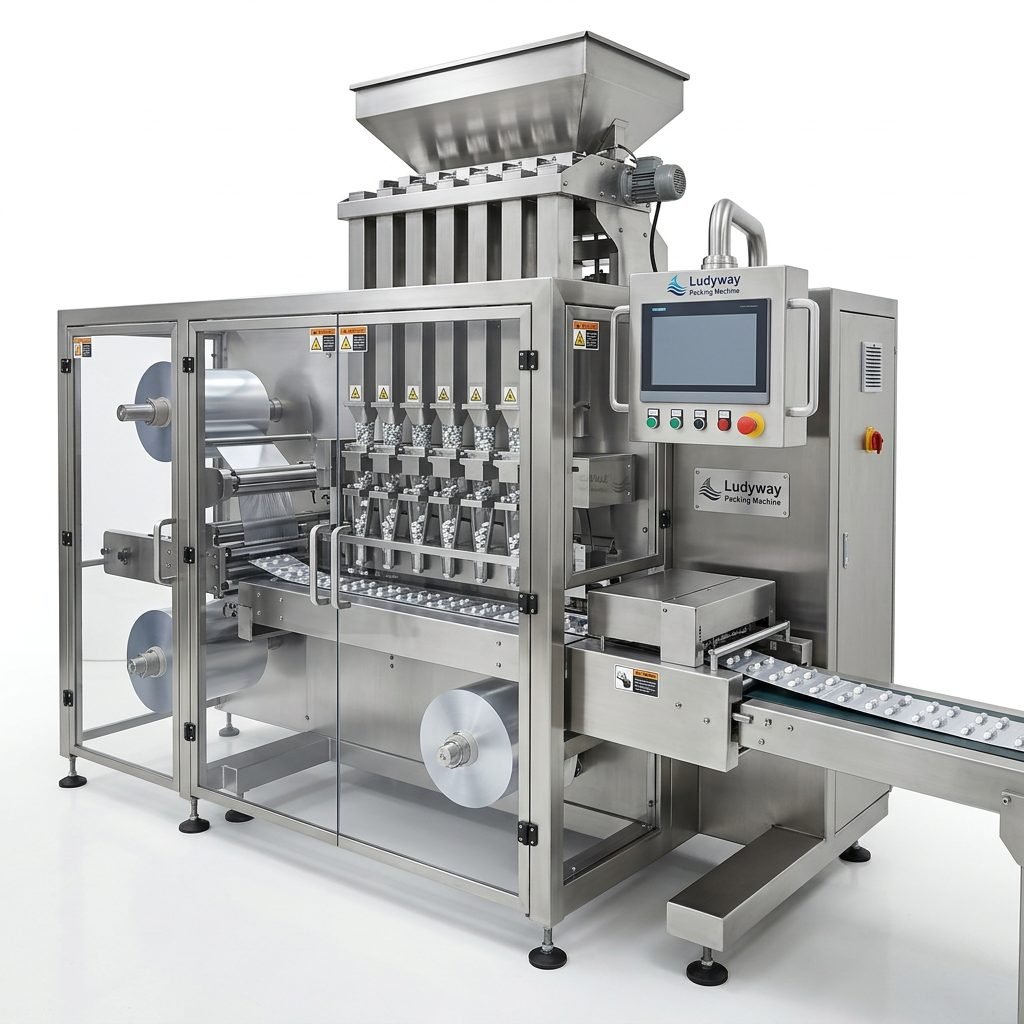
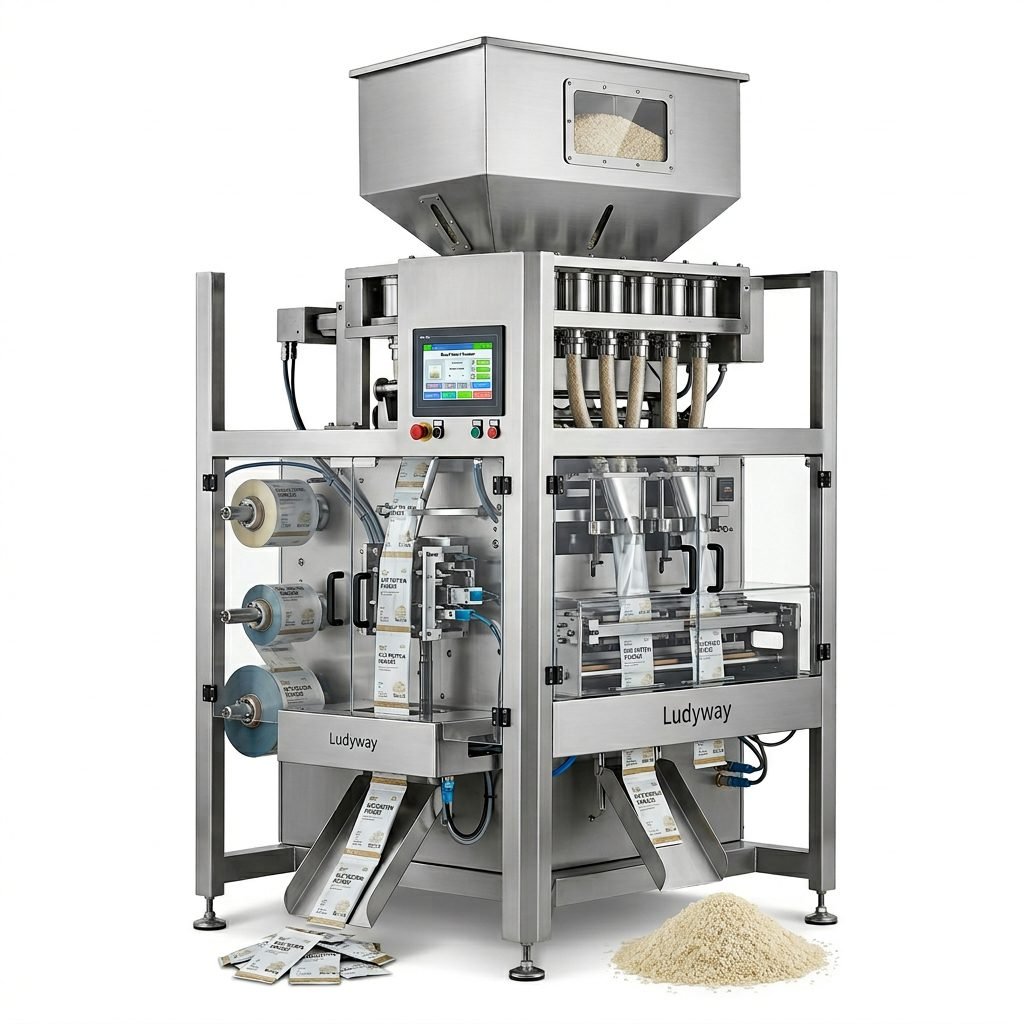
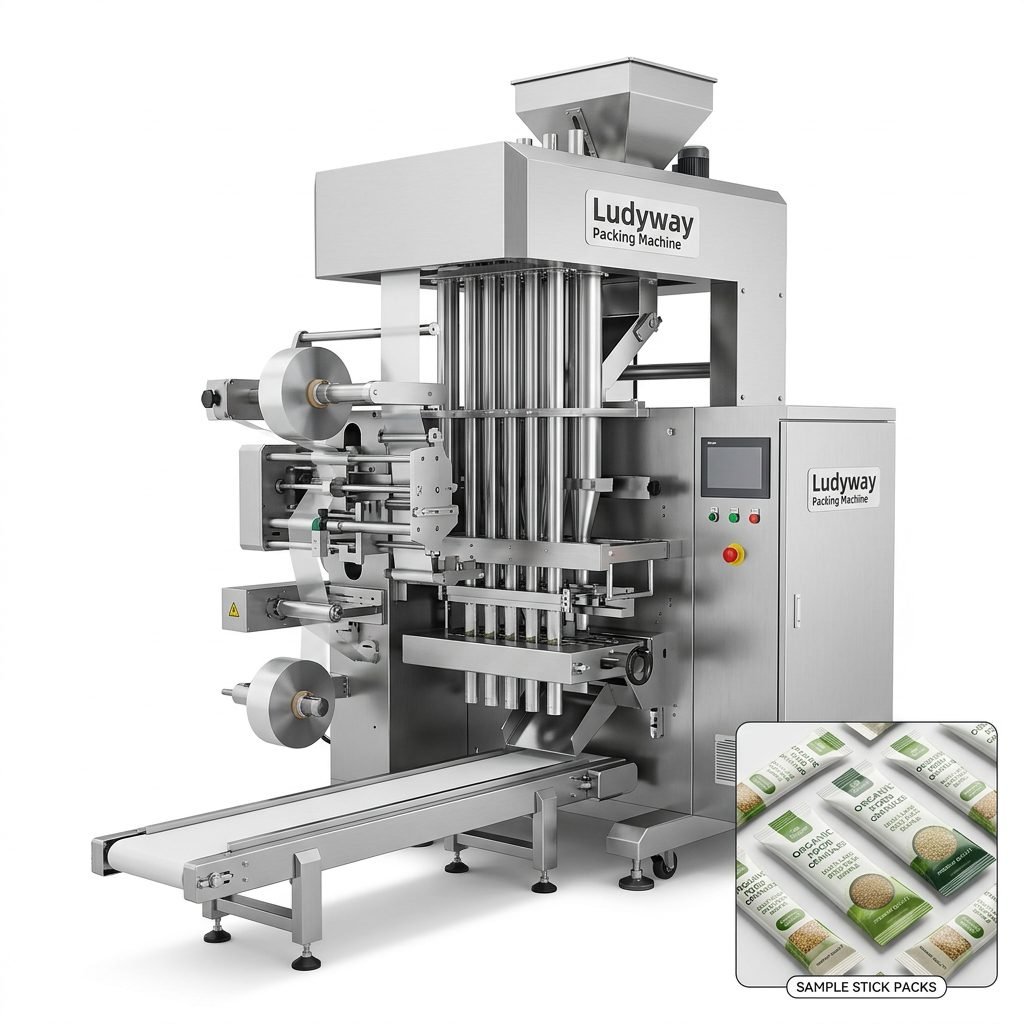
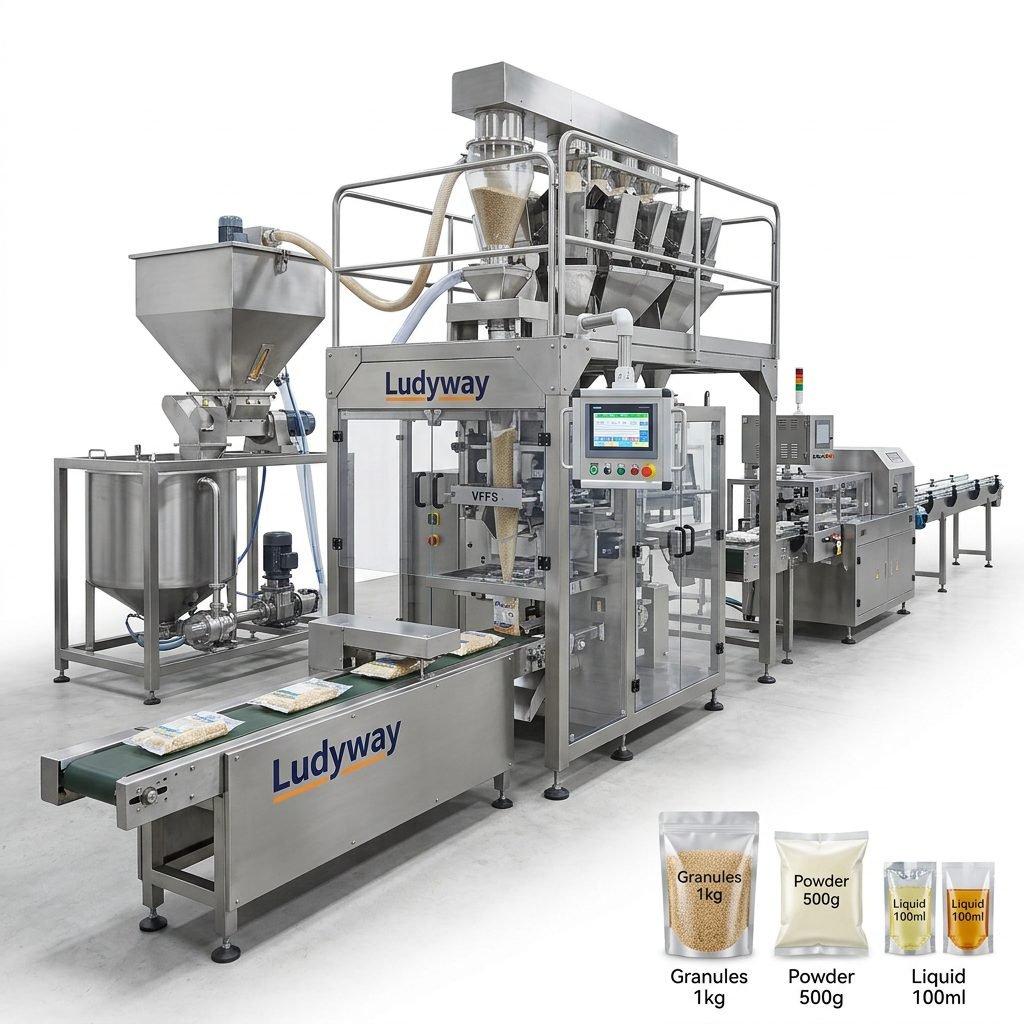
A proactive maintenance routine is the cornerstone of operational efficiency in the snack food industry. Without regular care, your chips making and packing machine is susceptible to unexpected downtime, costly repairs, and inconsistent product quality. This guide provides a structured approach to keeping your integrated production line running at peak performance.
Why Preventive Maintenance Matters
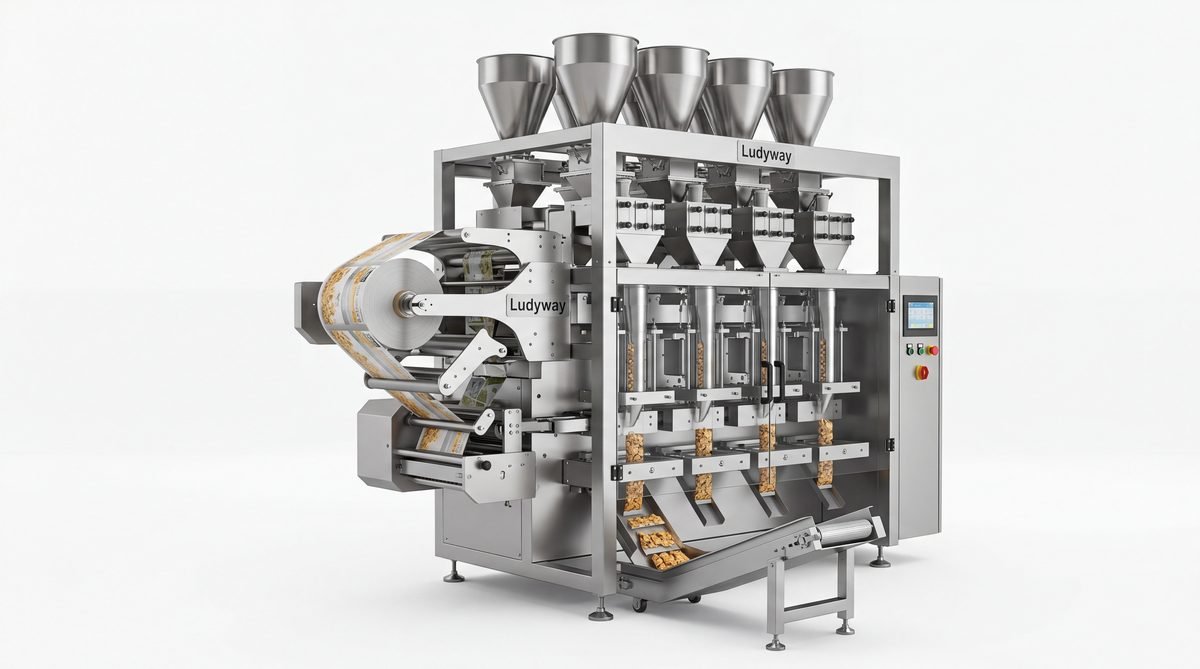
Ignoring routine checks on a chips production line frequently results in catastrophic failures. A chips making and packing machine integrates complex mechanical and electronic systems. Preventive maintenance directly influences sealing integrity, weighing accuracy, and overall throughput. By catching issues early, you avoid the oxidation of product, micro-leaks in packaging, and motor burnout.
Leading manufacturers like Ludyway design equipment with longevity in mind, but even the most robust multi-lane systems require daily attention. A disciplined schedule is not just about preserving the machine; it directly impacts food safety compliance.
Daily Cleaning and Sanitization Protocol
Food residue is the primary enemy of a chips making and packing machine. Salt and seasoning, in particular, are highly corrosive to metal components. If left to accumulate, they attract moisture and pests. Your daily protocol should focus on these critical areas:
- Seasoning Drum/Tumbler: Remove residual seasoning powder from the drum interior. Use a food-safe sanitizer to prevent flavor cross-contamination.
- Weighing Buckets: Brush out broken chips and fine particles. Static build-up can cause fragments to stick, interfering with load cell accuracy.
- Forming Tube and Shoulder: Wipe down the film-forming area with a clean, lint-free cloth. Check for oil residue from fried chips that could compromise the vertical seal.
- Sealing Jaws: Remove carbonized oil and film debris. Scorched residue prevents proper heat transfer, leading to leaking packages.
Weekly Inspection and Lubrication
Weekly tasks bridge the gap between daily cleaning and deeper mechanical intervention. Consistent lubrication is vital for the high-speed reciprocating parts found in a chips making and packing machine.
| Component | Check Point | Action |
|---|---|---|
| Jaw Drive Mechanism | Wear on bushings & bearings | Apply high-temperature food-grade grease |
| Film Unwind Assembly | Tension belt condition | Adjust tension or replace worn belts |
| Vacuum Pump (if applicable) | Oil level and filter | Refill mineral oil; clean intake filter |
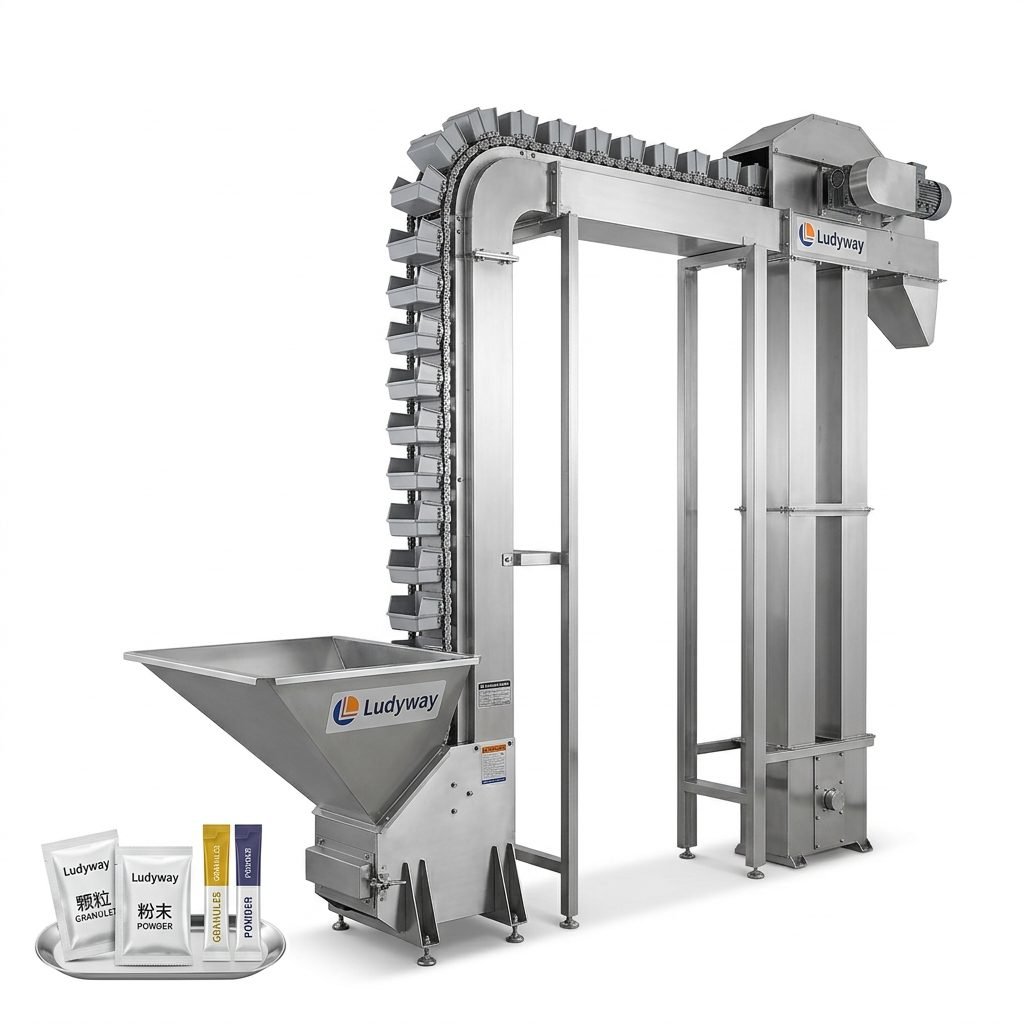
| Z-Type Bucket Elevator | Bucket alignment and chain slack | Realign buckets; tighten chain tensioner |
Pay close attention to the chain drives on bucket elevators. In a typical snack plant, these conveyors feed the weigher continuously. A snapped chain can take your chips making and packing machine offline for an entire shift.
Monthly Deep Maintenance Checklist
Monthly shutdowns should be dedicated to electrical integrity and precise calibration. Skipping these tasks on your chips making and packing machine is a primary cause of weight giveaway—where you unintentionally overfill packages, drastically cutting into profit margins.
- Multi-Head Weigher Calibration: Validate each weigh bucket with a test weight. Check the vibration amplitude of the feed pans; it must match the product density of your chips.
- Temperature Control Verification: Use an external thermocouple probe to verify that the sealing jaw temperature matches the controller reading. A 5°C drift can melt film or create unsealed edges.
- Electrical Cabinet: Blow out dust using dry compressed air. Tighten all terminal screws. Heat degradation on contactors is a common failure point during high-speed runs.
- Safety Systems Audit: Test all emergency stops and safety guards. Confirm sensors halt the machine within the required stopping distance.
Addressing Common Packing Machine Faults
When operators detect an issue with the chips making and packing machine, quick diagnostics prevent a small tripping error from becoming a full-scale breakdown. Below is a reference table for immediate action:
| Symptom | Likely Cause | Immediate Fix |
|---|---|---|
| Irregular Bag Length | Slipping film feed rollers | Clean rollers with alcohol; increase air pressure |
| Wrinkled Seals (Crimping) | Excessive jaw temperature | Decrease controller setpoint by 5°C increments |
| Product Sticking in Jaws | Static charge or chute overflow | Install static bars; adjust timing of weigher dump |
| Machine Vibration & Noise | Loose motor mounts | Tighten mounting bolts to factory torque specs |

Optimizing Long-Term Machine Life
Beyond reactive and scheduled tasks, long-term reliability depends on the operating environment. A chips making and packing machine typically has sensitive pneumatic and electronic components used in harsh factory conditions.
- Air Quality: Ensure compressed air is dry and oil-free. Contaminated air destroys solenoid valves and causes sealing jaw cylinders to stick.
- Environmental Conditions: Avoid placing the machine near cooling fans or open doors. High humidity accelerates the spoilage of chips inside open hoppers and causes powder bridging in feeders.
- Spare Parts Inventory: Keep critical spares for your chips making and packing machine on the shelf. These include heat couples, jaw springs, Teflon tape, power supply units, and PLC batteries.
Summary of Maintenance Intervals
To standardize your operations, use the following schedule as a visual reference for your team responsible for the chips making and packing machine:
- Daily: Clean product contact surfaces; check seal integrity.
- Weekly: Lubricate moving parts; inspect belts and chains.
- Monthly: Calibrate weighers; verify temperature controllers; deep clean.
- Quarterly: Replace oil in gearboxes; check PLC connections; inspect motor bearings.
Adhering to this comprehensive maintenance plan protects your investment. Equipment suppliers, such as PMMI association members, generally provide detailed manuals, but the real difference is made by the consistency of the operators on the factory floor. A well-maintained chips making and packing machine ensures consistent bag quality, minimal food waste, and sustained high throughput year after year.

Industry Resources and Further Learning
For additional technical standards and packaging machinery guidelines, please refer to these authoritative sources: