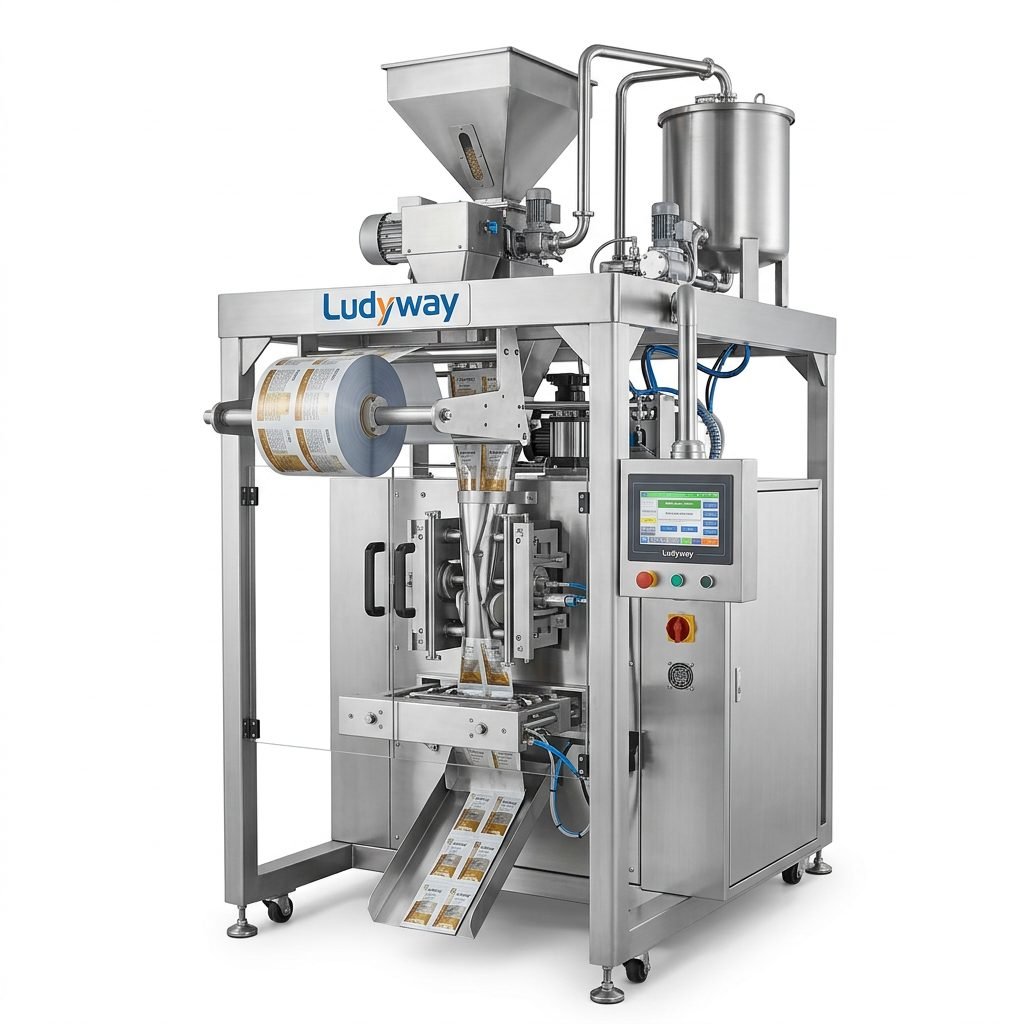
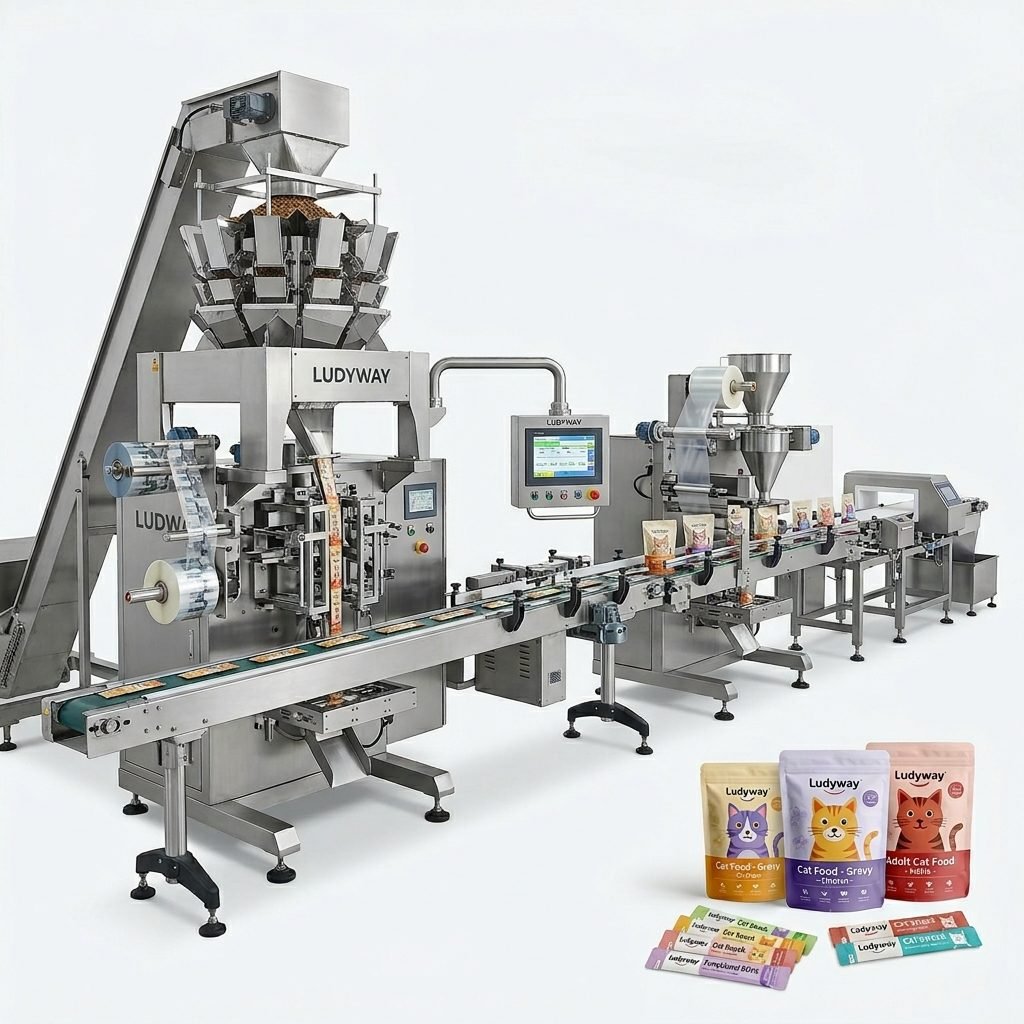
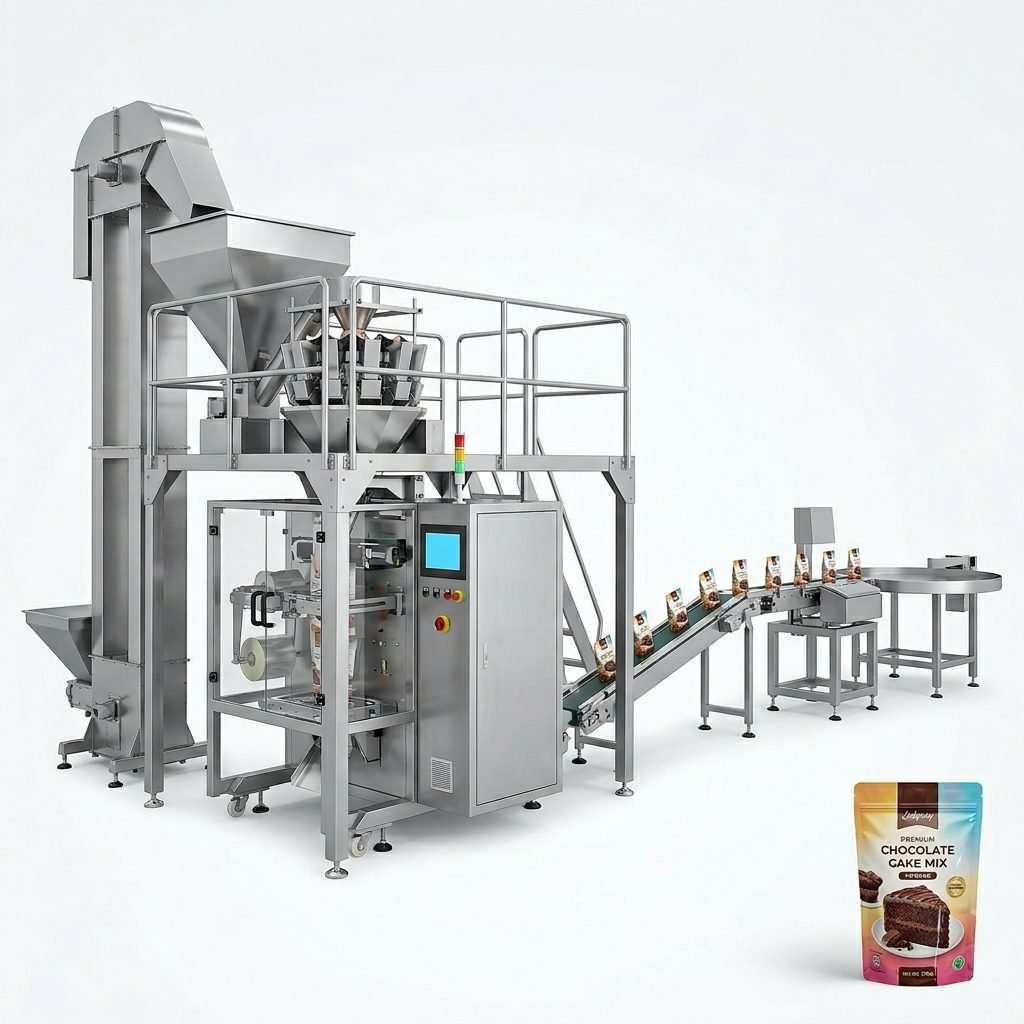
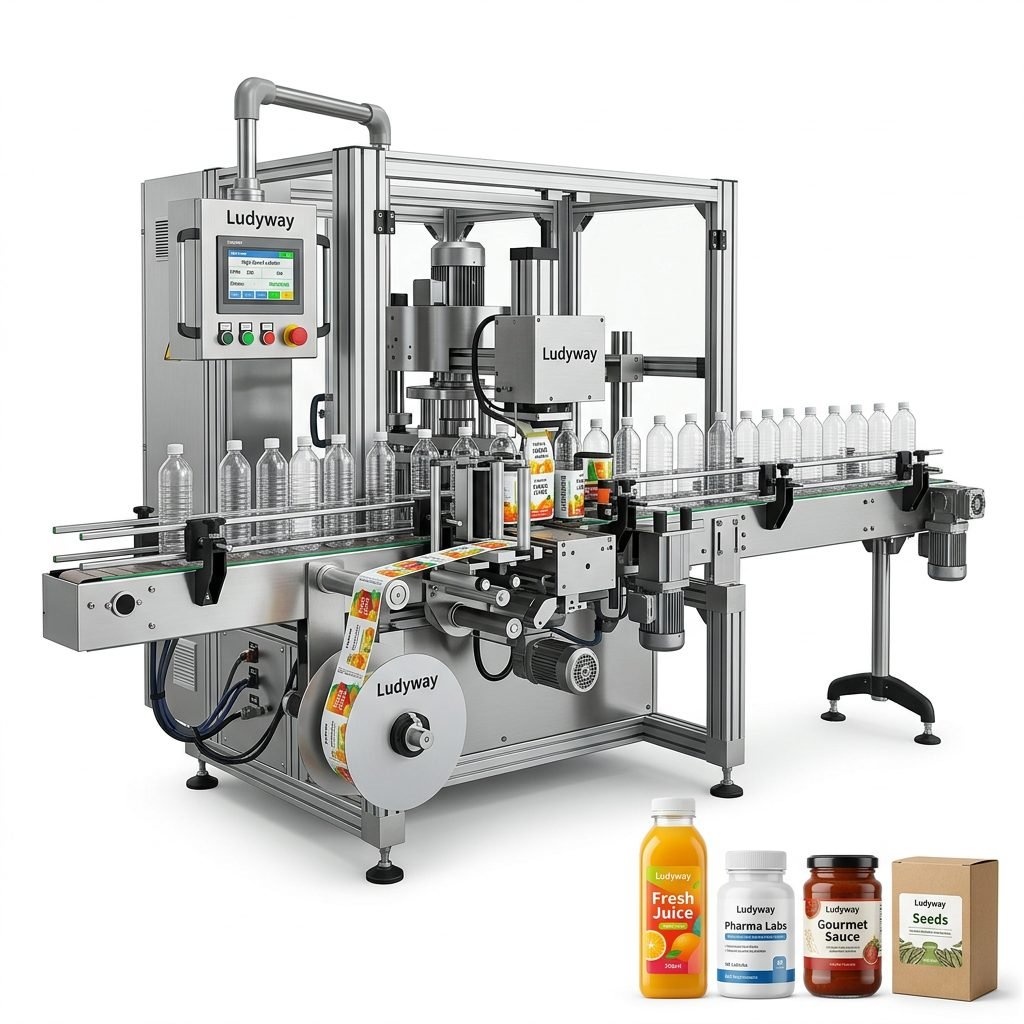
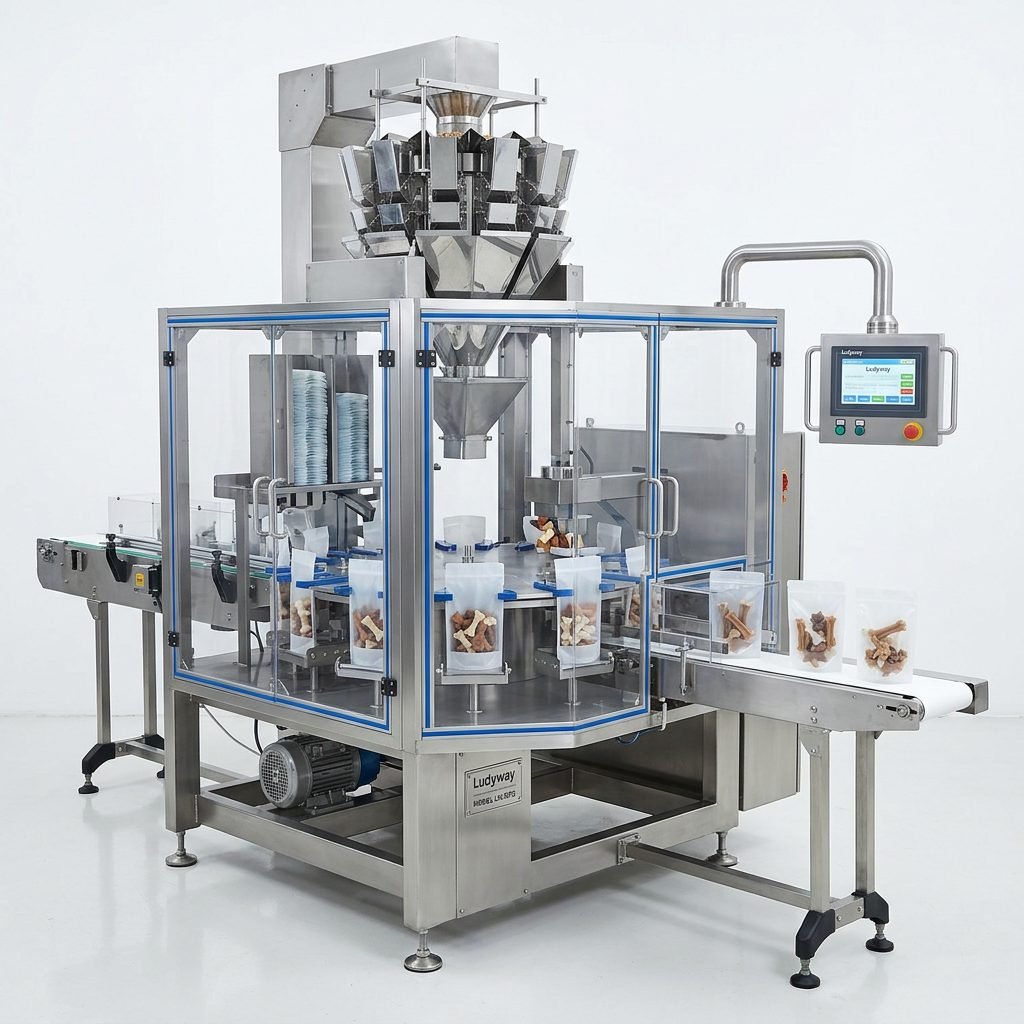
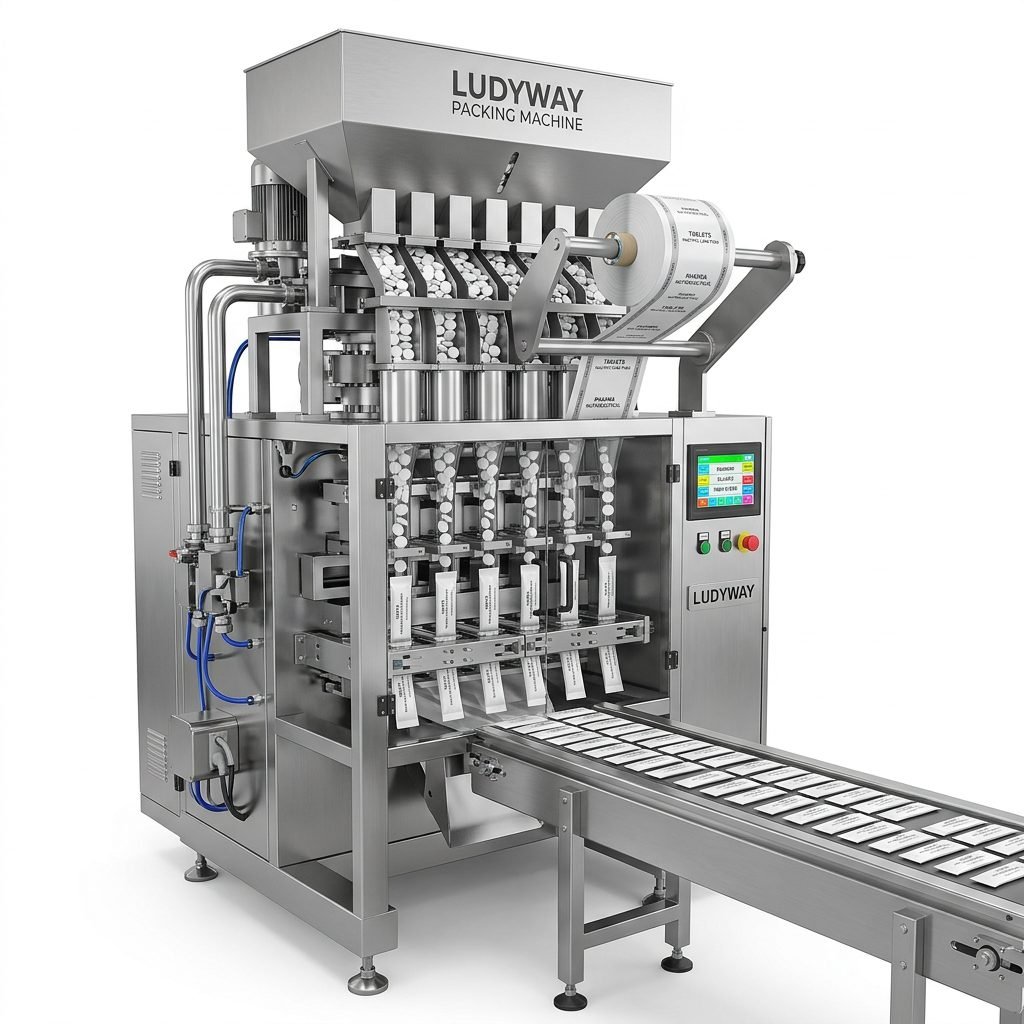
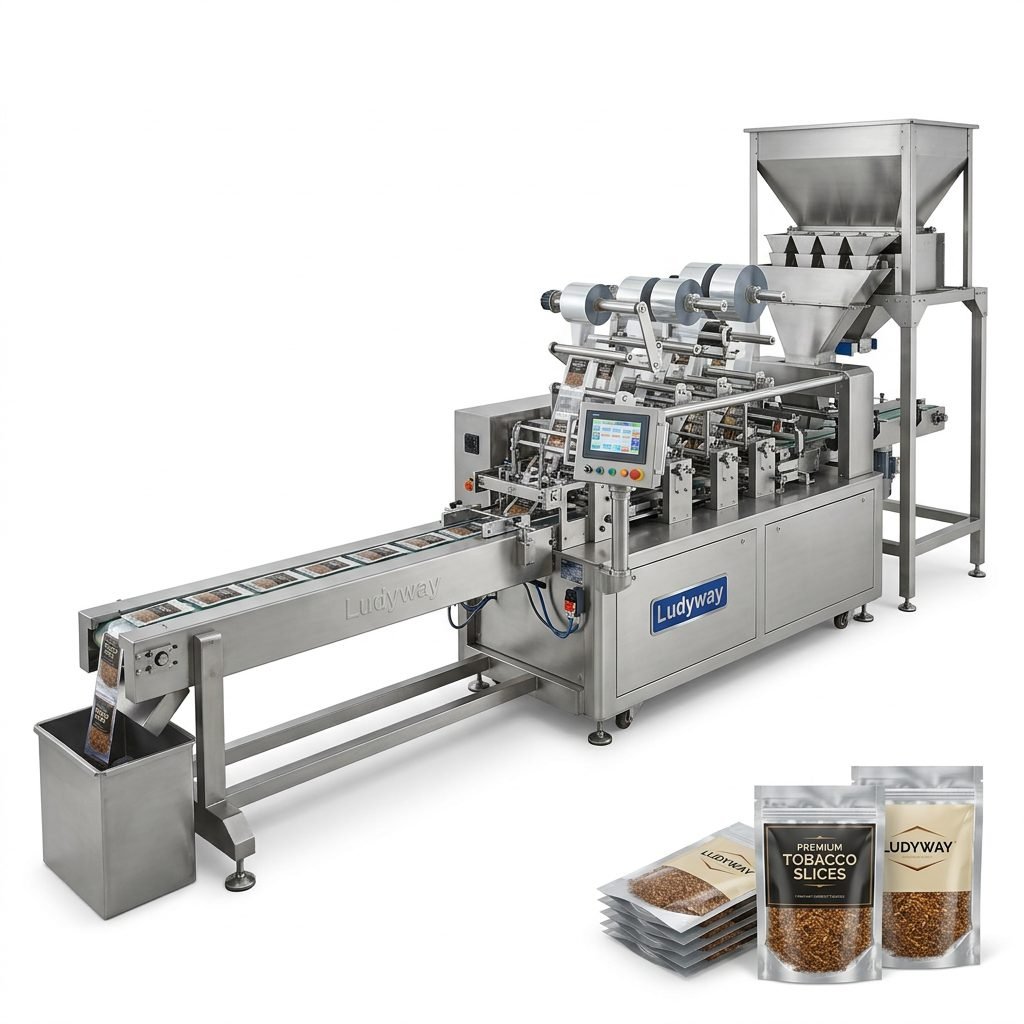
Proper maintenance of a sauce packaging machine is essential for ensuring consistent production quality, extending equipment lifespan, and minimizing costly downtime. Whether you are packaging ketchup, soy sauce, chili paste, or barbecue sauce, a well-maintained machine delivers precise filling, reliable sealing, and efficient operation. Neglecting routine care can lead to product contamination, seal failures, and expensive repairs. This guide provides practical cleaning and maintenance tips to keep your sauce packaging equipment running at peak performance.
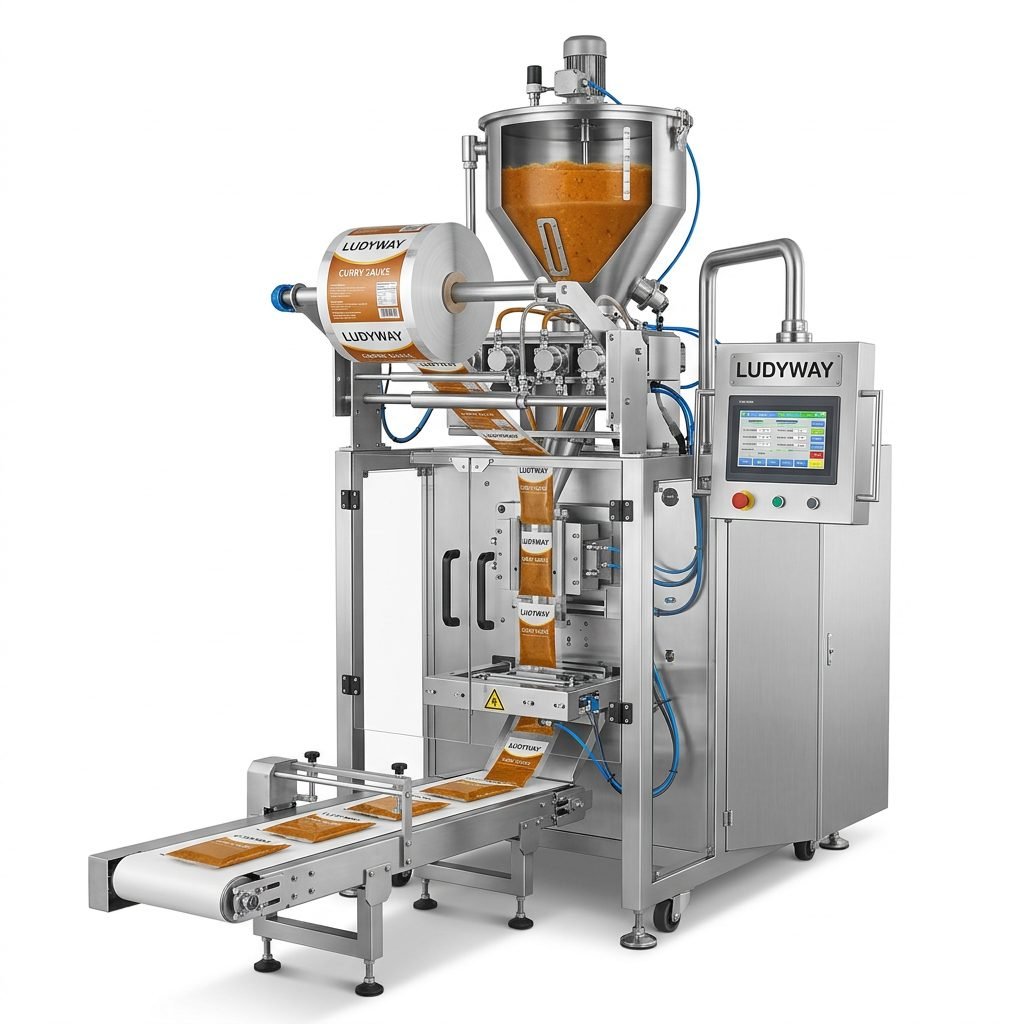
Daily Cleaning Procedures for Sauce Packaging Equipment
Daily cleaning is the most critical maintenance task for any sauce packaging machine. Sauces often contain oils, sugars, acids, and particulates that can accumulate on machine surfaces and internal components. Residue buildup not only affects filling accuracy but also creates hygiene risks.
Begin each day by performing a thorough visual inspection of the entire packaging line. Remove any visible product residue from filling nozzles, sealing jaws, and conveyor belts. Use food-grade cleaning agents approved for your specific sauce type — acidic sauces like tomato-based products may require pH-neutral cleaners to prevent corrosion, while oil-based sauces benefit from degreasing solutions.
- Filling System: Flush all product contact parts with warm water and approved sanitizing solution after each production run. Disassemble nozzles and check for blockages caused by pulp, seeds, or thickened sauce particles.
- Sealing Area: Wipe sealing jaws with a non-abrasive cloth to remove sauce splatter. Inspect Teflon coatings for wear — damaged coatings cause inconsistent seal quality and should be replaced immediately.
- Film Path: Clean all rollers, guides, and tension bars with a dry lint-free cloth. Sauce mist can settle on these surfaces and cause film tracking issues.
- Conveyor System: Remove debris from belt surfaces and check for sauce accumulation under the belt that may harbor bacteria.
Weekly Deep Cleaning and Inspection
While daily cleaning addresses surface-level contamination, a weekly deep cleaning routine targets areas that are harder to reach. Sauces containing particulate matter such as herbs, spices, or vegetable pieces present additional challenges because particles can lodge in crevices and compromise hygiene over time.
During weekly maintenance, partially disassemble the filling system to access internal chambers and seals. Inspect O-rings and gaskets for swelling or deterioration — certain sauce ingredients, particularly acidic components and essential oils, can accelerate elastomer degradation. Replace any compromised seals to prevent leaks and cross-contamination.
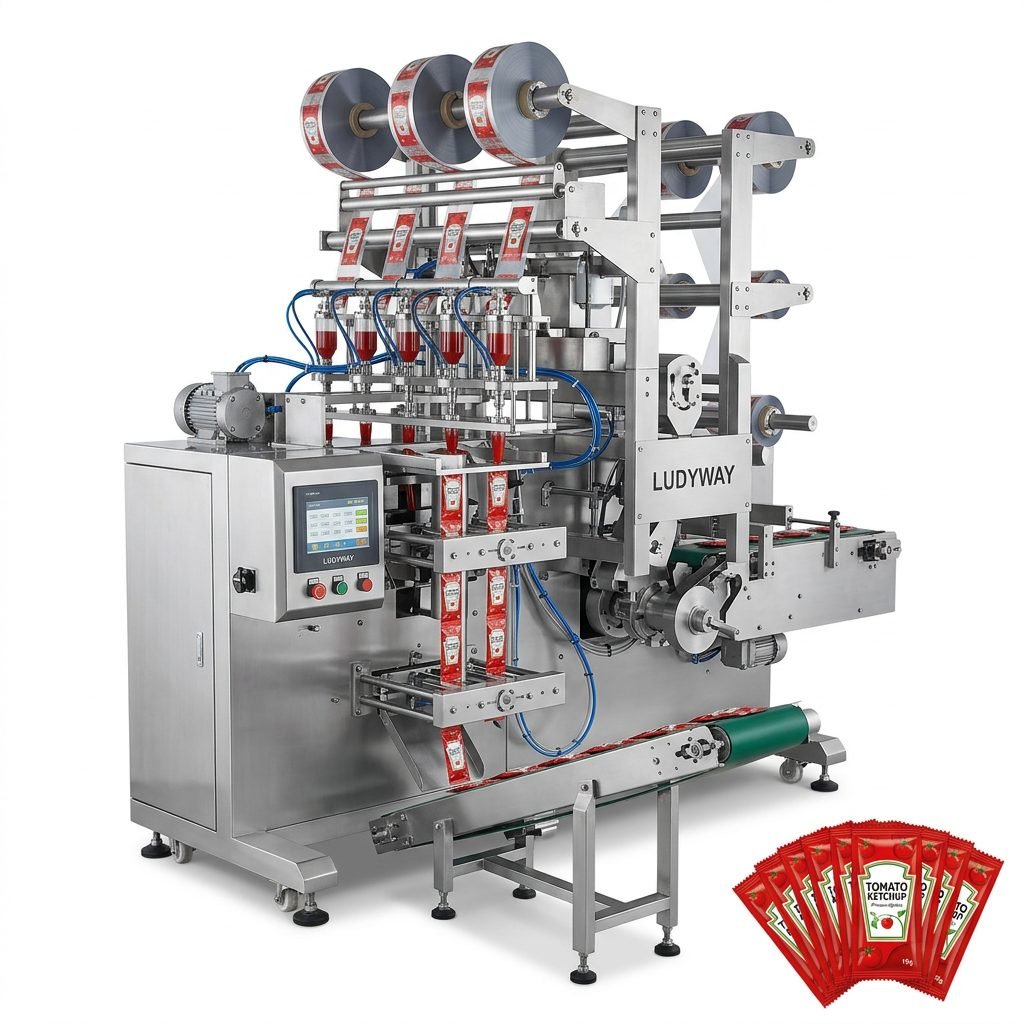
Pay special attention to the temperature control systems on sealing components. Sauce residue on thermocouples and heating elements can cause inaccurate temperature readings, leading to weak seals or burnt packaging material. Clean these sensors carefully with isopropyl alcohol and verify calibration against manufacturer specifications.
Critical Lubrication Points and Best Practices
Proper lubrication is fundamental to the longevity of a packaging machine. Sauce packaging environments present unique lubrication challenges because humidity, washdown procedures, and product spillage can wash away lubricants or introduce contaminants into bearing surfaces.
Use food-grade H1 lubricants for all points that may have incidental product contact. These lubricants are specifically formulated for food processing environments and meet FDA requirements. For non-food-contact mechanical components, use high-quality industrial greases with appropriate viscosity for your operating temperatures.
| Lubrication Point | Frequency | Lubricant Type | Key Notes |
|---|---|---|---|
| Sealing jaw pivot pins | Weekly | Food-grade H1 grease | Clean old grease before reapplication |
| Film feed roller bearings | Every 2 weeks | Light machine oil (H1) | Avoid over-lubrication to prevent film contamination |
| Filling piston seals | Monthly | Silicone-based H1 lubricant | Disassemble and clean before lubricating |
| Conveyor drive chain | Monthly | Food-grade chain oil | Inspect tension and alignment during lubrication |
| Gearbox | Quarterly | Manufacturer-specified oil | Check oil level monthly; replace annually |
Seasonal and Long-Term Maintenance Tasks
Beyond daily and weekly routines, certain maintenance tasks should be performed on a monthly, quarterly, and annual basis. These deeper maintenance procedures help identify wear patterns before they cause unexpected breakdowns.
Monthly checks should include verification of all sensor calibrations, inspection of electrical connections for signs of corrosion, and testing of emergency stop circuits. Quarterly maintenance should cover belt tension adjustments, pneumatic system inspections, and comprehensive cleaning of control cabinets. Annual overhauls should involve replacing all wear parts — including belts, seals, and bearings — even if they appear functional, as preventive replacement is far more cost-effective than reactive emergency repairs during peak production periods.
Troubleshooting Common Sauce Packaging Issues
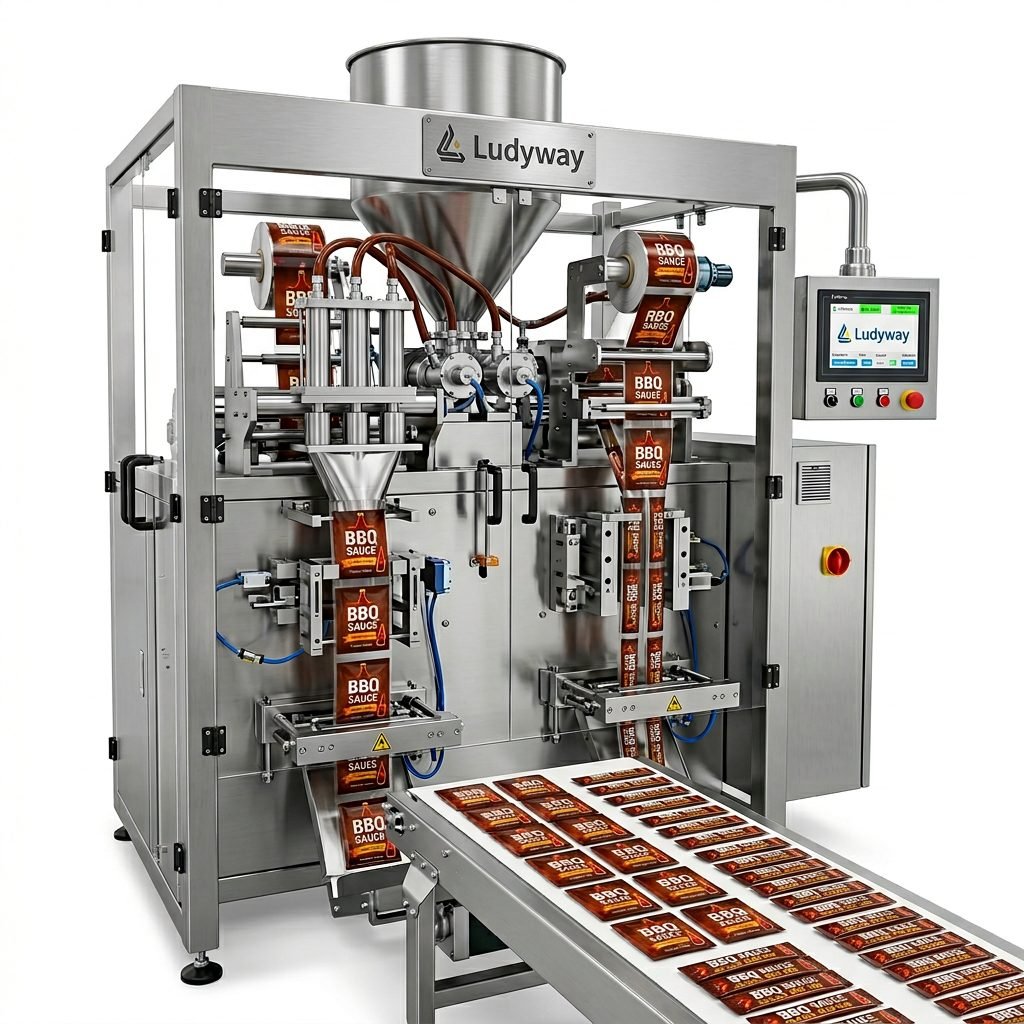
Even with diligent maintenance, sauce packaging machines may occasionally develop operational issues. Understanding common problems and their root causes enables faster resolution and minimizes production disruption.
- Inconsistent Fill Volume: Often caused by air pockets in the product feed line, worn piston seals, or partially clogged nozzles. Check for sauce viscosity changes — temperature fluctuations can alter flow characteristics significantly.
- Leaking Seals: Typically results from incorrect sealing temperature, contaminated sealing jaws, or worn Teflon coatings. Verify that film specifications match machine settings, as different film materials require different sealing parameters.
- Film Tracking Problems: Generally caused by misaligned rollers, uneven tension, or residue accumulation on guide surfaces. Inspect the entire film path and clean all contact points thoroughly.
- Product Dripping After Fill: Indicates issues with the anti-drip mechanism or nozzle design. Check that suck-back settings are properly configured and that nozzle tips are free of dried sauce deposits.
Importance of Operator Training and Documentation
Even the most thorough maintenance procedures are ineffective without properly trained operators. Every team member who interacts with the sauce packaging machine should understand basic cleaning protocols, be able to identify early warning signs of mechanical issues, and know how to properly document maintenance activities.
Maintain detailed maintenance logs that record cleaning dates, parts replaced, lubrication performed, and any anomalies observed. This documentation serves two critical purposes — it provides a historical record for troubleshooting recurring issues and demonstrates compliance with food safety audit requirements. Digital maintenance management systems can streamline this process by sending automated reminders and maintaining searchable records.
When to Call Professional Service Support
While routine maintenance can be performed by trained in-house staff, certain situations warrant professional intervention. If you encounter persistent filling accuracy issues despite thorough cleaning and calibration, experience recurring seal failures across multiple film batches, or notice unusual vibrations or noises from the drive system, it is advisable to contact qualified service technicians.
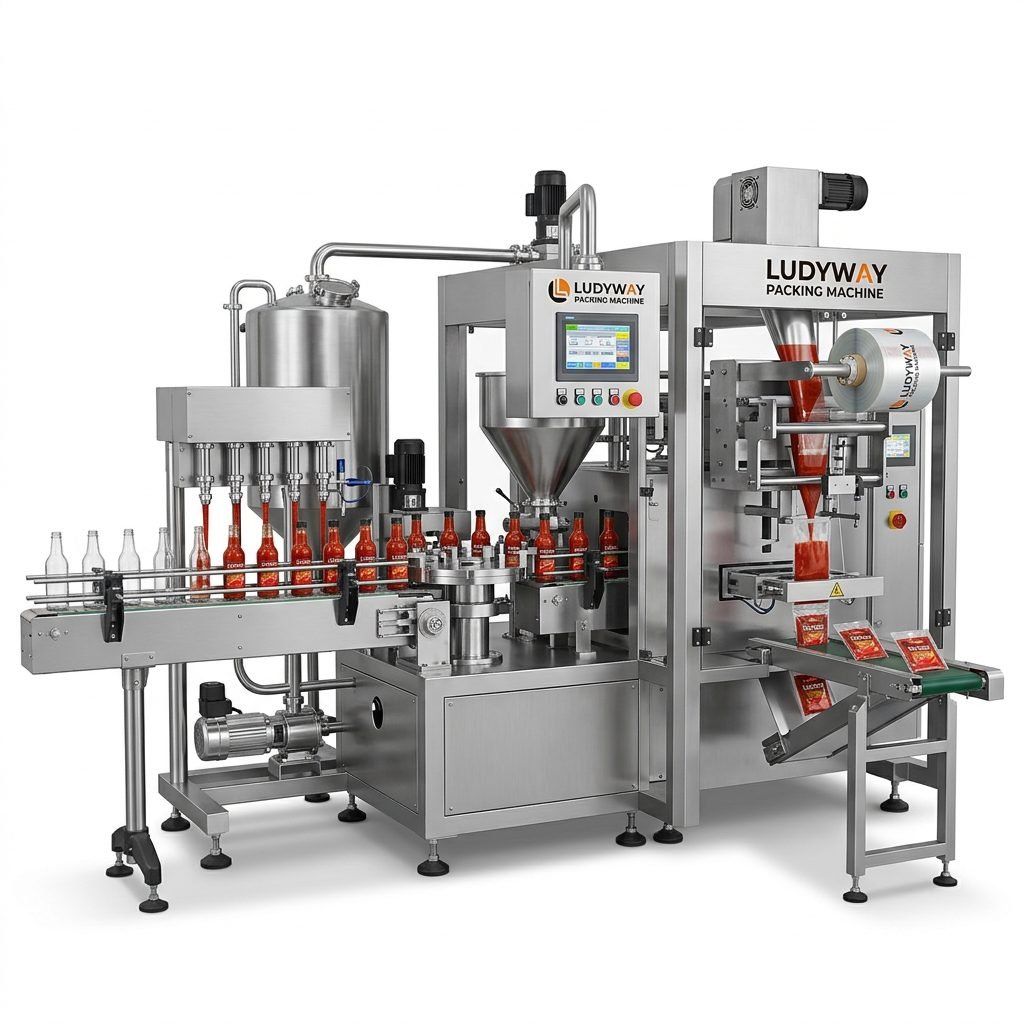
Ludyway provides comprehensive after-sales support, including remote diagnostics, on-site service, and genuine spare parts for all sauce packaging equipment. With over 30 years of industry experience, our engineering team can quickly identify and resolve complex mechanical and electrical issues, helping you maintain uninterrupted production.
Recommended Industry Resources
For additional guidance on packaging equipment maintenance and industry best practices, explore the following authoritative resources:
- PMMI – The Association for Packaging and Processing Technologies
- Flexible Packaging Association – Official Website
- FDA – Food Packaging and Food Contact Substances
- ISO – Packaging Standards
- PMMI – Packaging Machinery Market Research
Final Thoughts on Sauce Packaging Machine Care
Consistent maintenance is the foundation of reliable sauce packaging operations. By implementing structured daily cleaning routines, following proper lubrication schedules, conducting regular inspections, and training operators thoroughly, you can significantly extend equipment life, reduce total cost of ownership, and ensure that every sachet or stick pack meets quality standards. Remember that prevention is always more economical than repair — invest time in maintenance today to avoid costly downtime tomorrow.