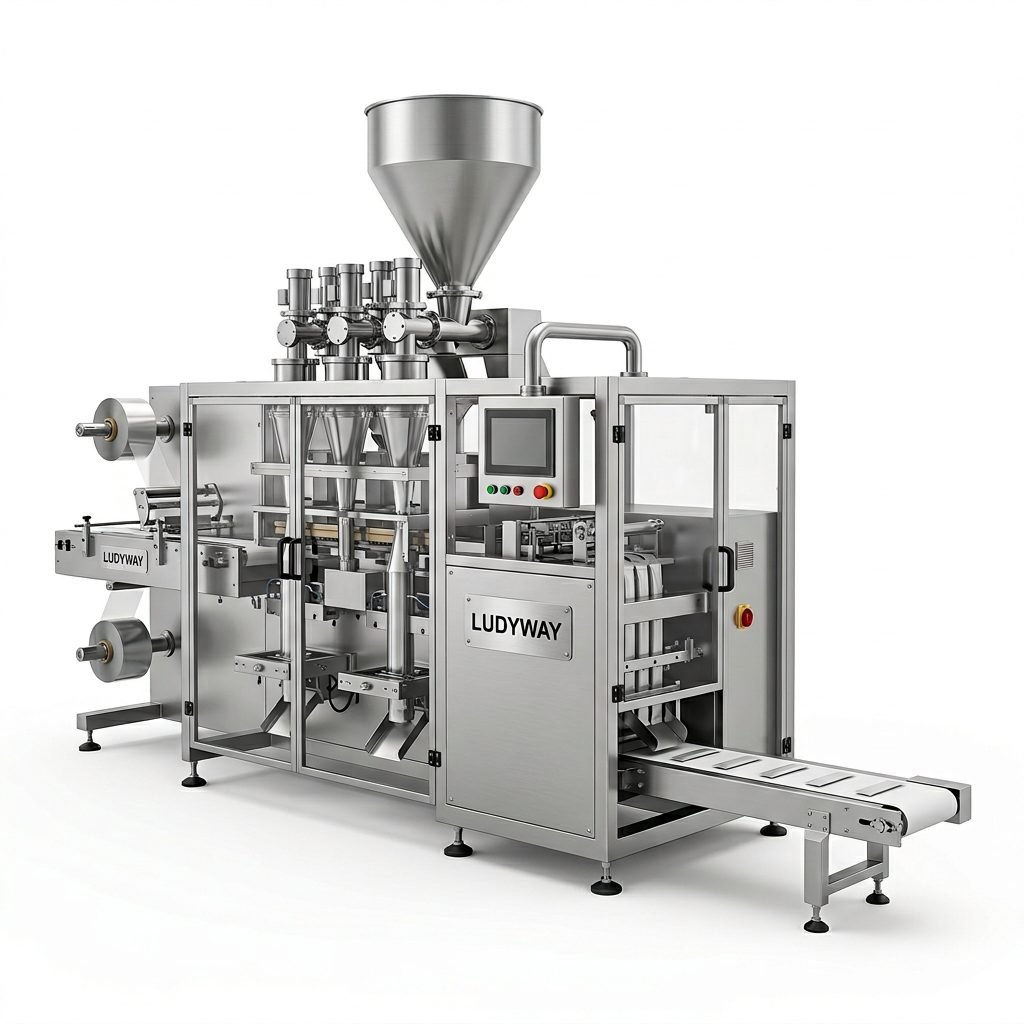
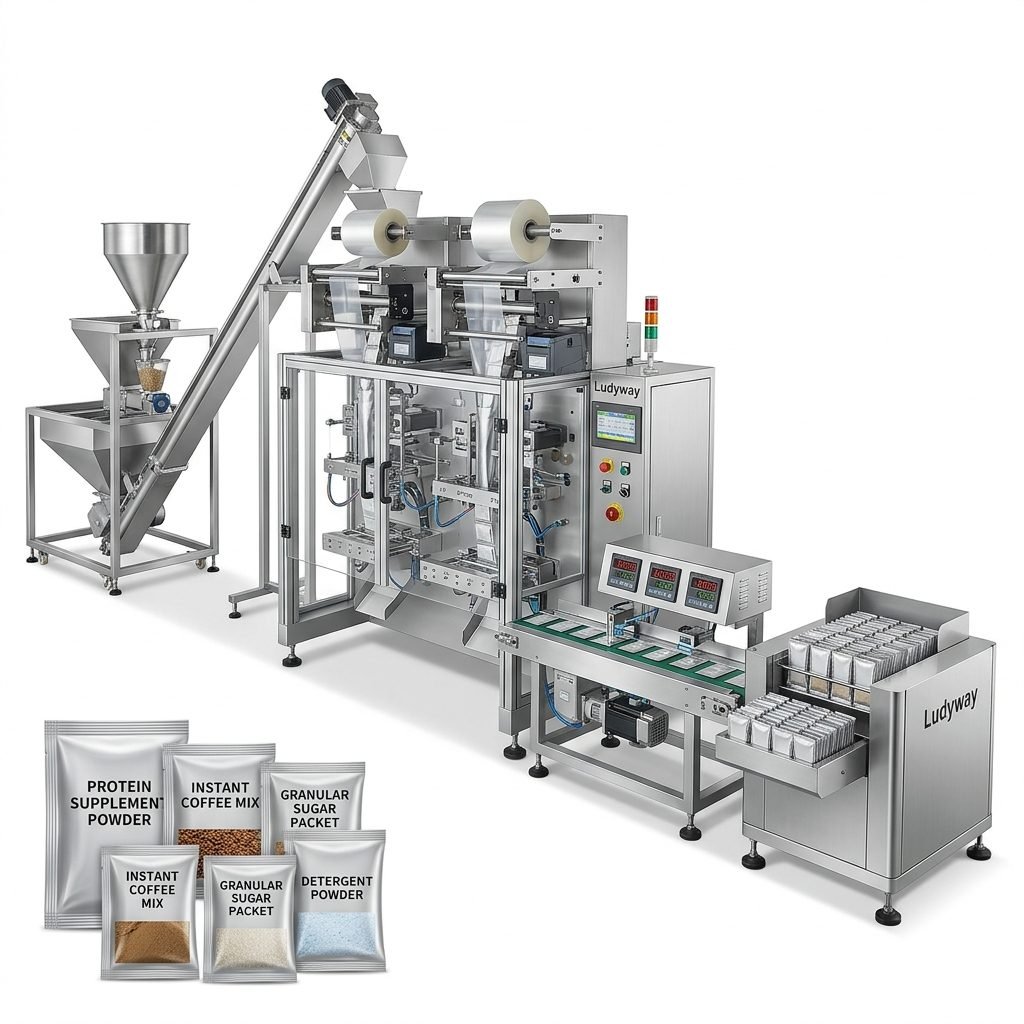
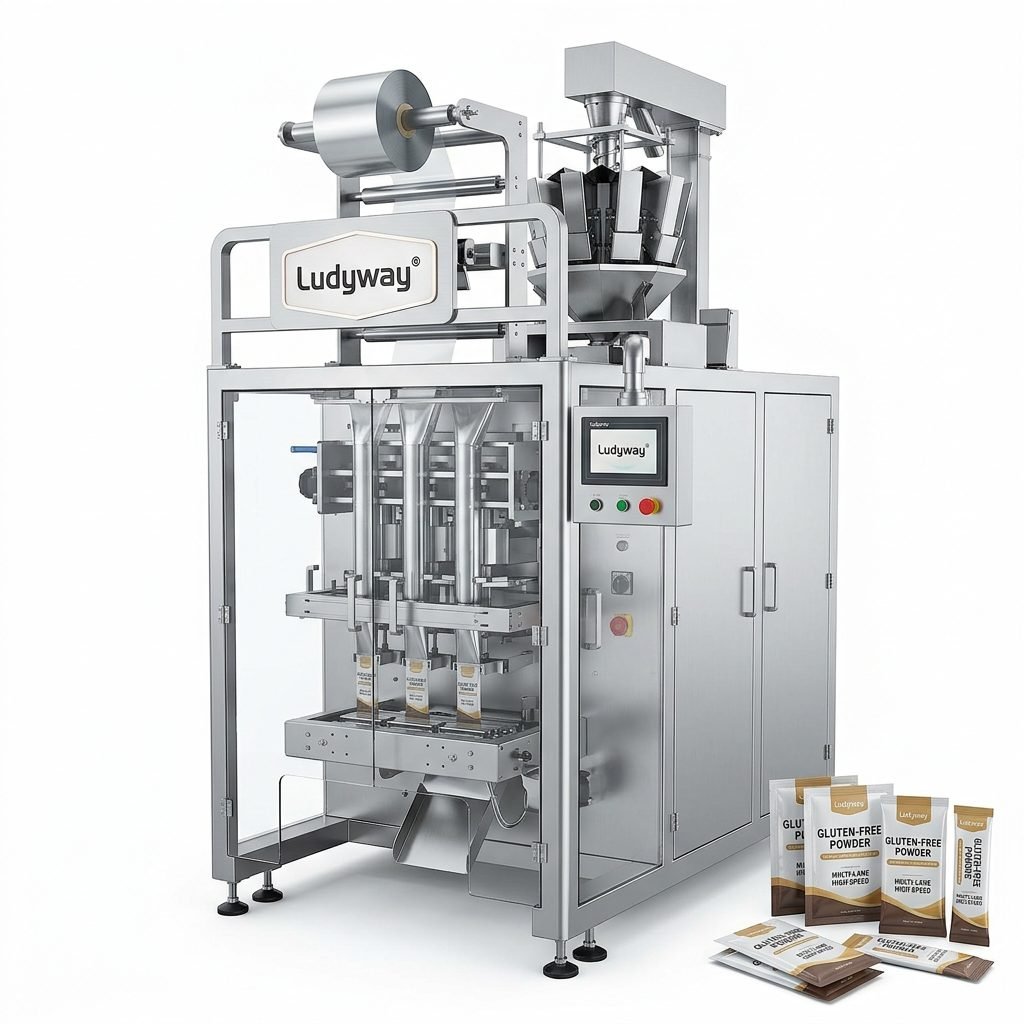
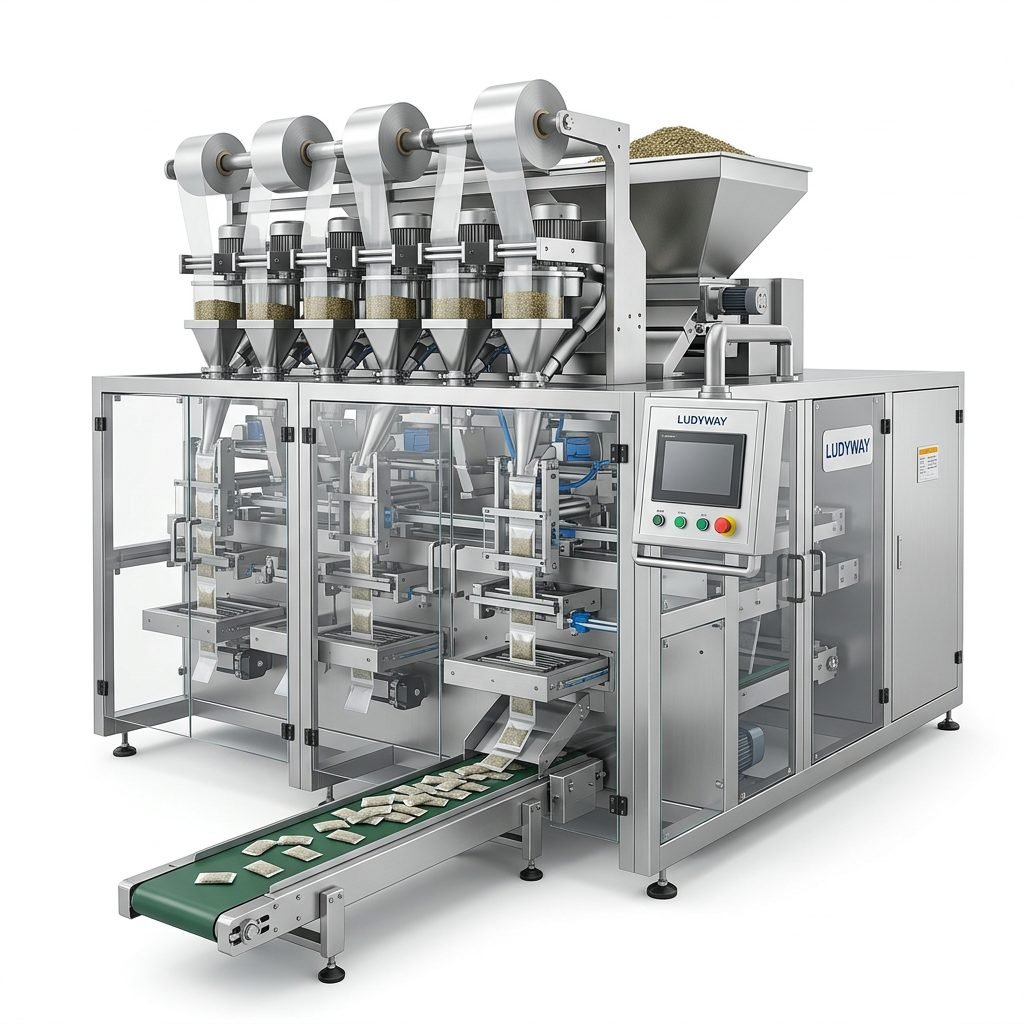
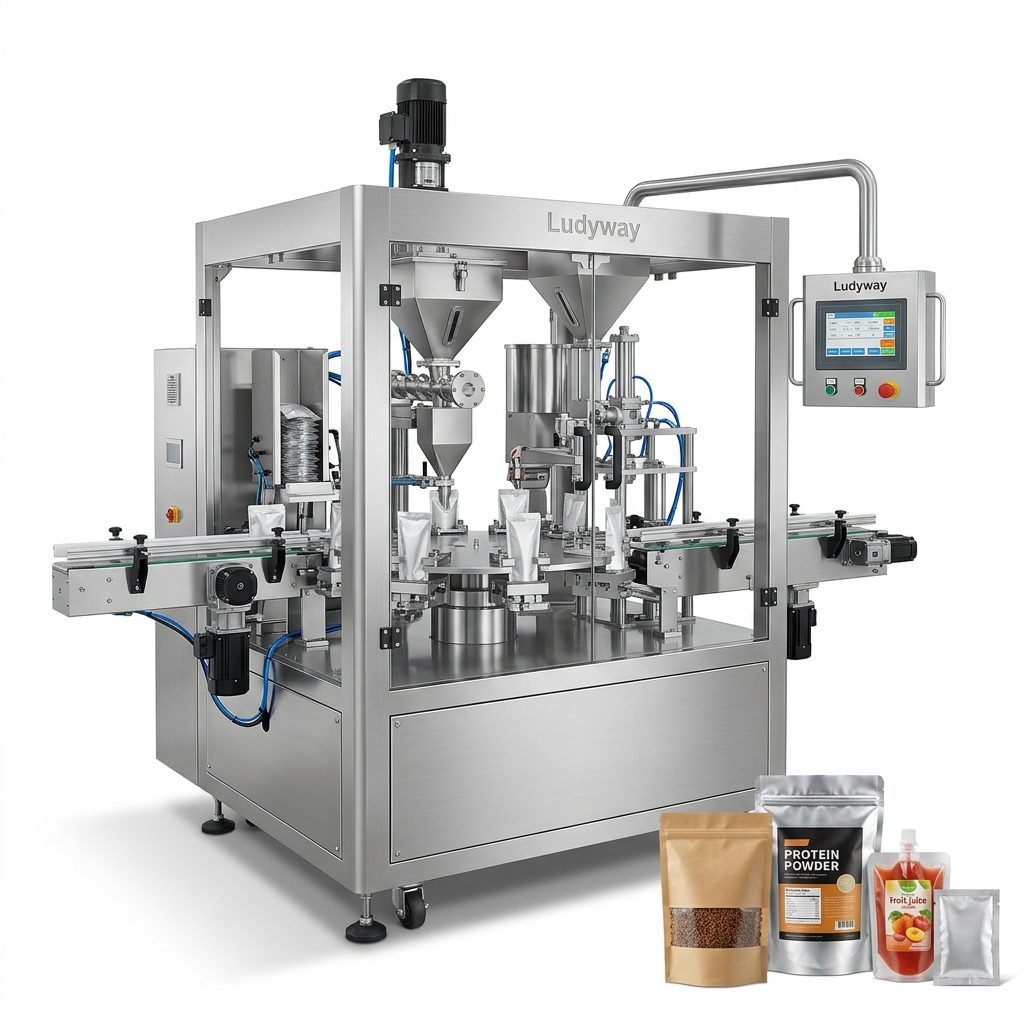
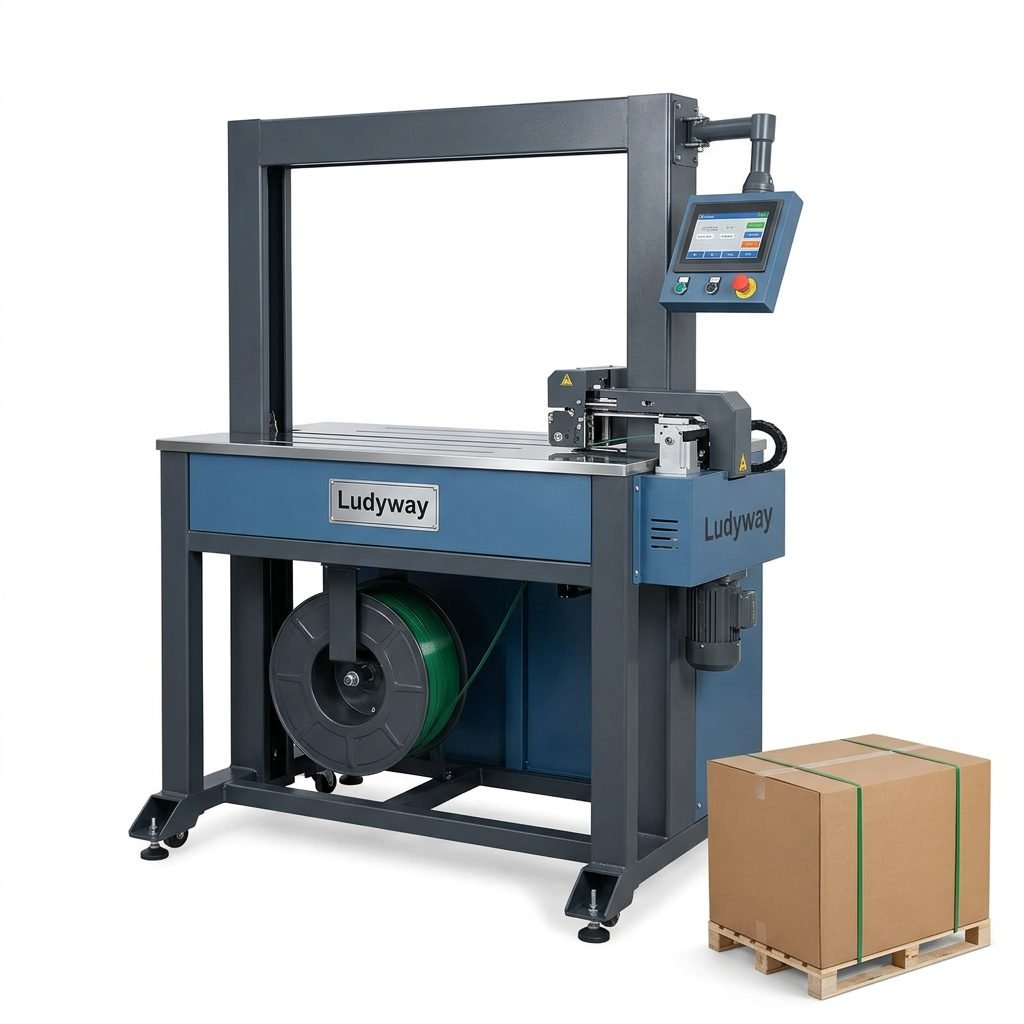
Investing in a tea tube packing machine is a strategic decision for tea producers, exporters, and co-packers aiming to elevate their brand presence and product protection. Whether you are packaging premium loose-leaf teas, herbal blends, or traditional tea granules, a dedicated tube filling and sealing system ensures precise dosing, airtight sealing, and high-speed output. Understanding the cost structure is essential before committing to a capital equipment purchase.
Entry-Level Semi-Automatic Machines
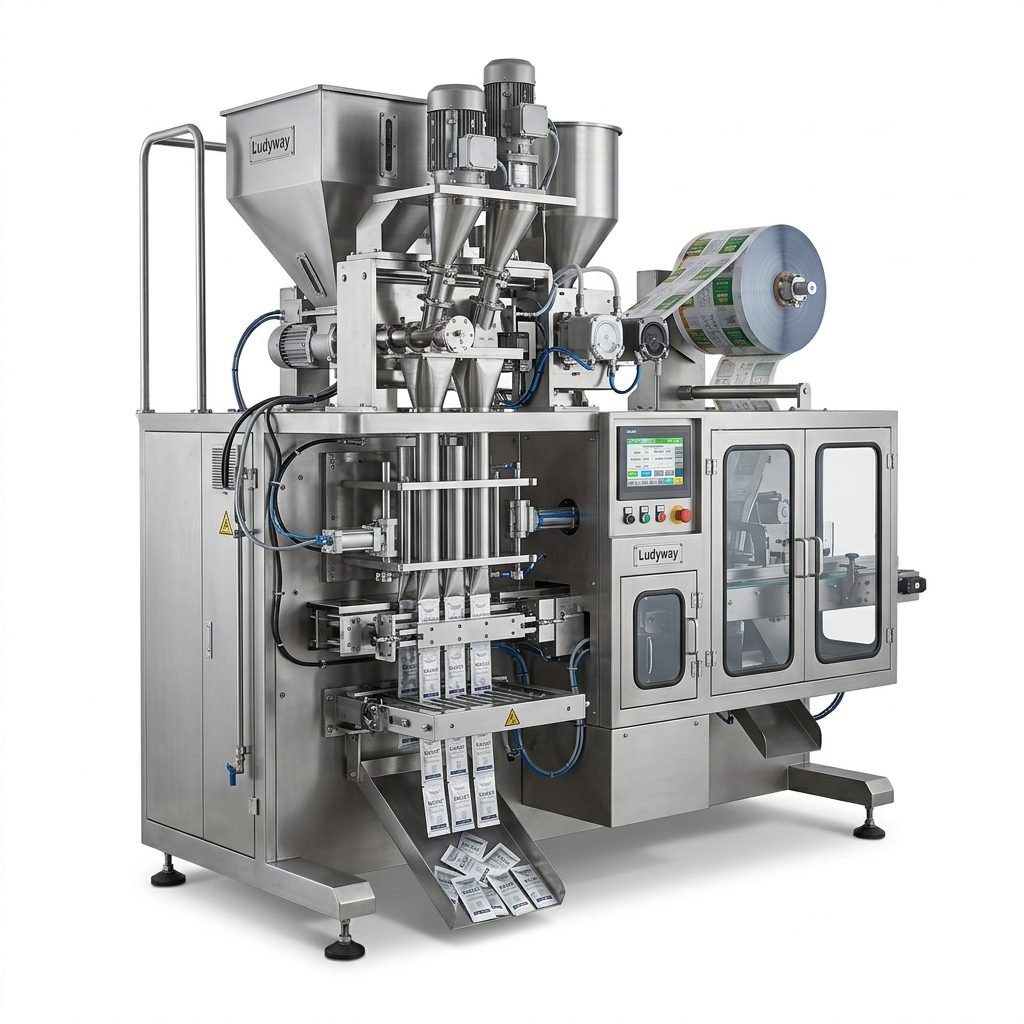
For startups or small-scale tea businesses, semi-automatic tea tube fillers present the most accessible price point. These machines typically require manual tube loading and unloading, with automated filling and sealing functions. Costs generally range from $5,000 to $20,000, depending on the filling mechanism (volumetric cup or auger filler) and the construction material (food-grade stainless steel). They are best suited for production volumes under 1,000 tubes per hour.
Mid-Range Automatic Inline Systems
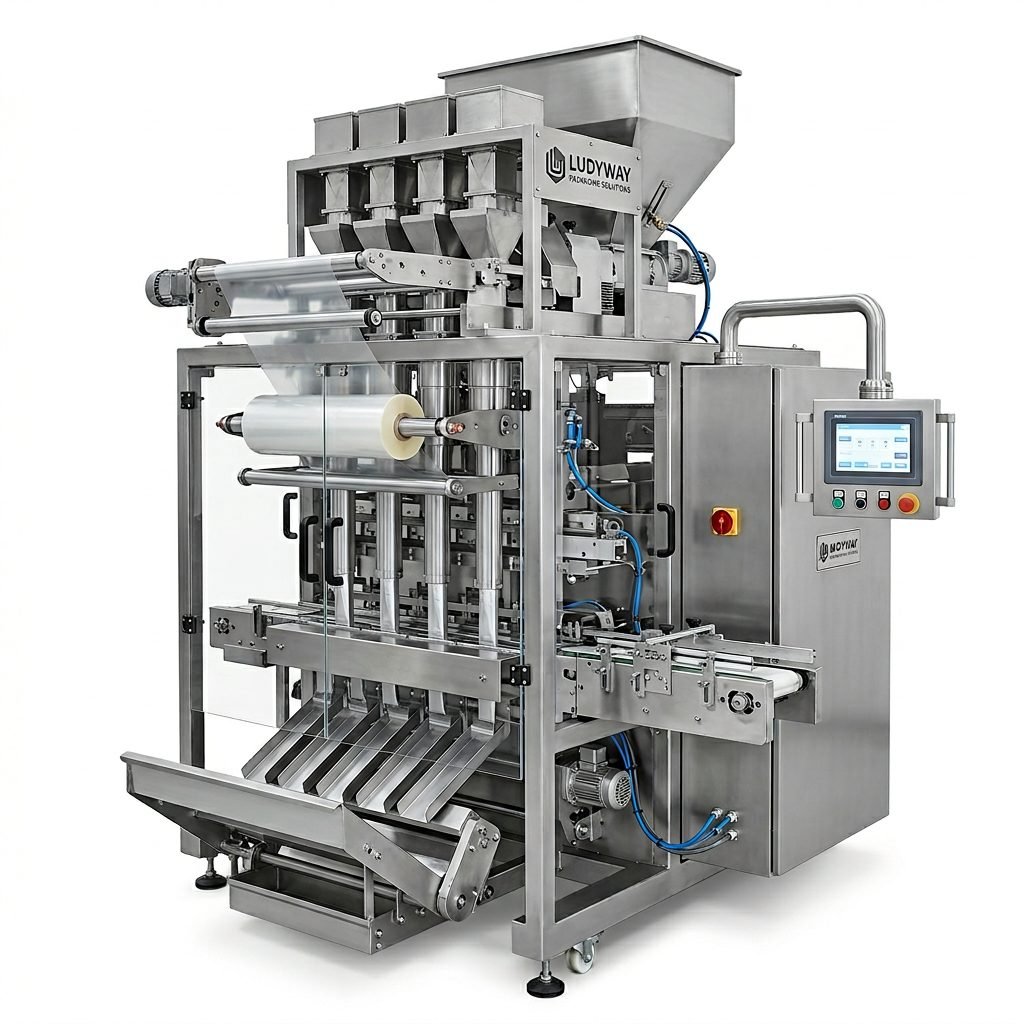
Mid-tier automatic machines integrate tube orientation, automatic loading, multi-lane filling, and capping stations. These systems significantly boost productivity and consistency. You can expect prices between $25,000 and $60,000. The cost variation often reflects the number of filling heads, inclusion of a checkweigher, and the complexity of the control system (PLC with touchscreen HMI). These are ideal for medium-sized tea brands looking to scale.
High-Speed Fully Automated Turnkey Lines
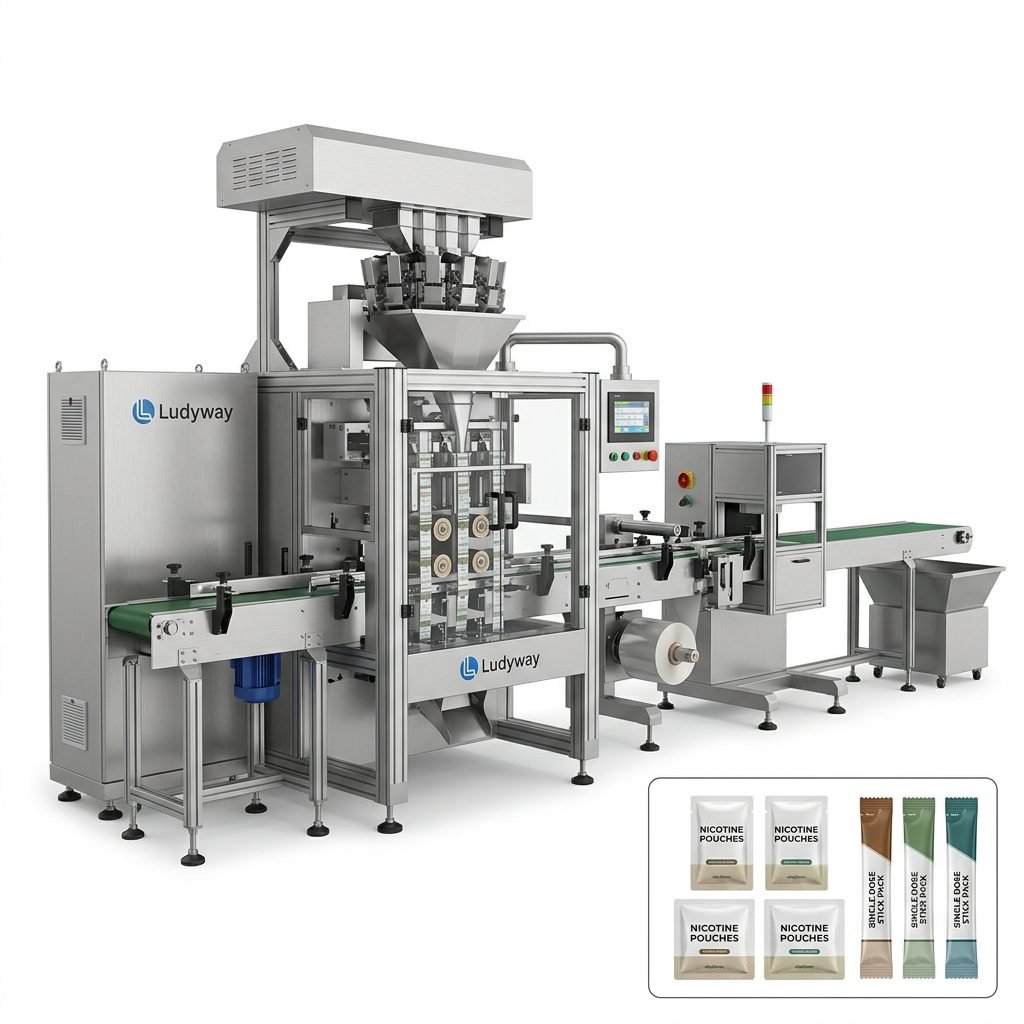
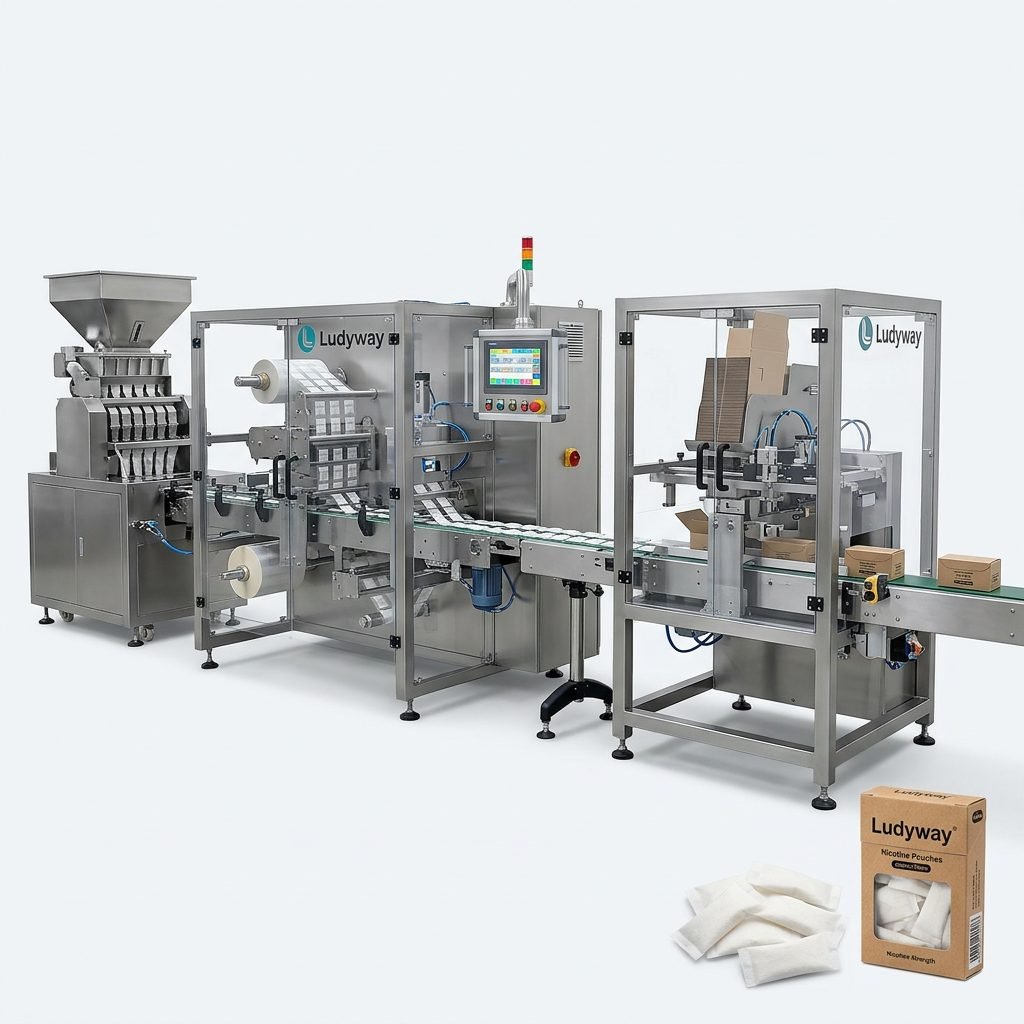
For large-scale industrial operations, fully automated rotary or inline tea tube packaging lines command substantial investment. These systems handle tube forming, filling, nitrogen flushing for extended shelf life, capping, labeling, and cartoning. Prices typically start at $80,000 and can exceed $200,000. A turnkey tea packaging solution often includes integrated conveyors, inspection systems, and robotic palletizing. The return on investment is driven by high throughput, reduced labor dependency, and minimal product waste.
Key Factors Influencing the Final Price
- Filling Technology: Volumetric cup fillers are cost-effective for free-flowing teas, while multi-head weighers or auger fillers increase accuracy but add cost.
- Tube Material Compatibility: Machines handling paper, plastic, or composite tubes may require specific sealing modifications, influencing the price of the packaging machine.
- Automation Level: Manual load/unload vs. fully automatic inline systems dramatically shifts capital expenditure.
- After-Sales Support: Warranties, remote troubleshooting, and on-site installation services contribute to the total cost of ownership.
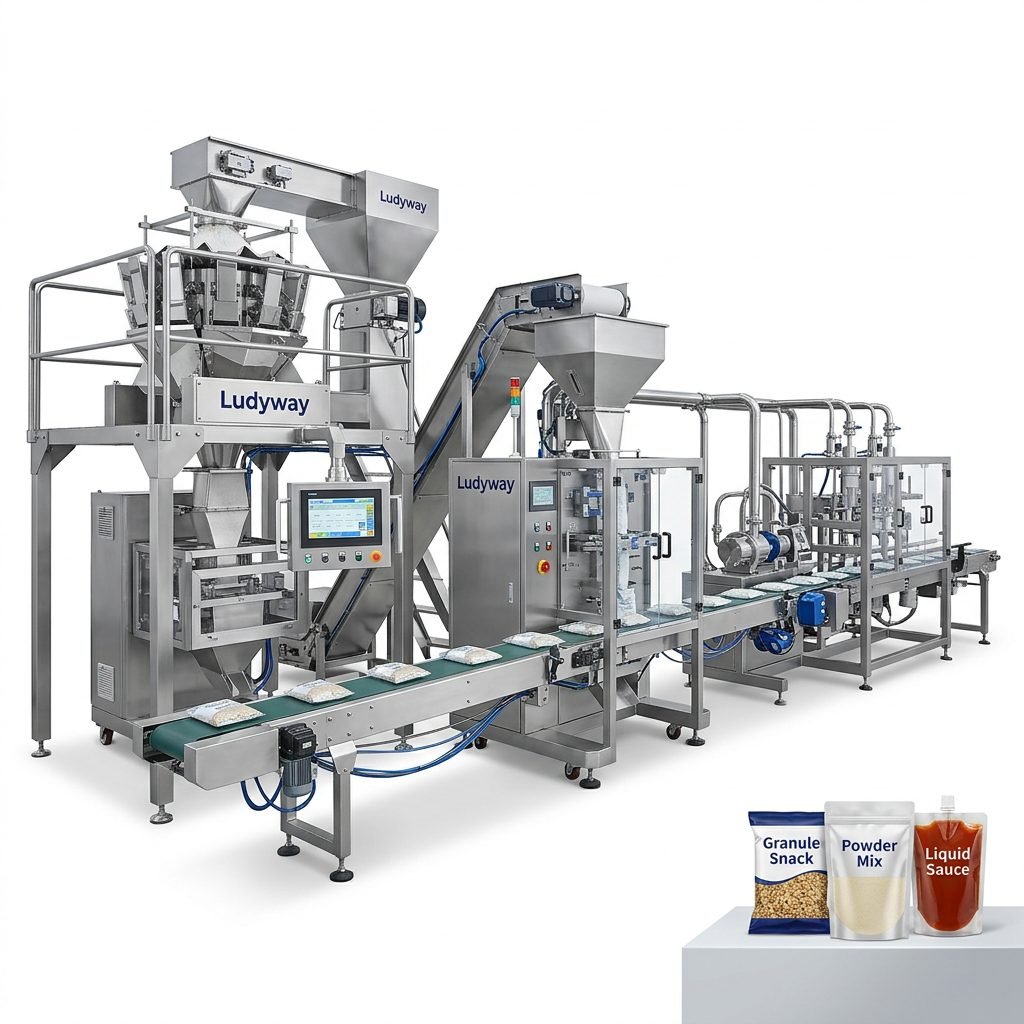
Cost Comparison by Machine Type
| Machine Category | Estimated Price Range | Best For |
|---|---|---|
| Semi-Automatic Tube Filler | $5,000 – $20,000 | Small tea shops, startups |
| Automatic Inline System | $25,000 – $60,000 | Medium enterprises, contract packers |
| Turnkey Tube Packaging Line | $80,000 – $200,000+ | High-volume export tea companies |
Additional Equipment and Auxiliary Costs
Beyond the core filling machine, tea packers should budget for ancillary equipment. A high-precision checkweigher ensures net weight compliance and can add $3,000 to $8,000. Coding and marking machines for batch numbers and expiration dates typically range from $1,500 to $5,000. Tube labeling or shrink-sleeving modules represent further investment but are essential for retail-ready packaging.
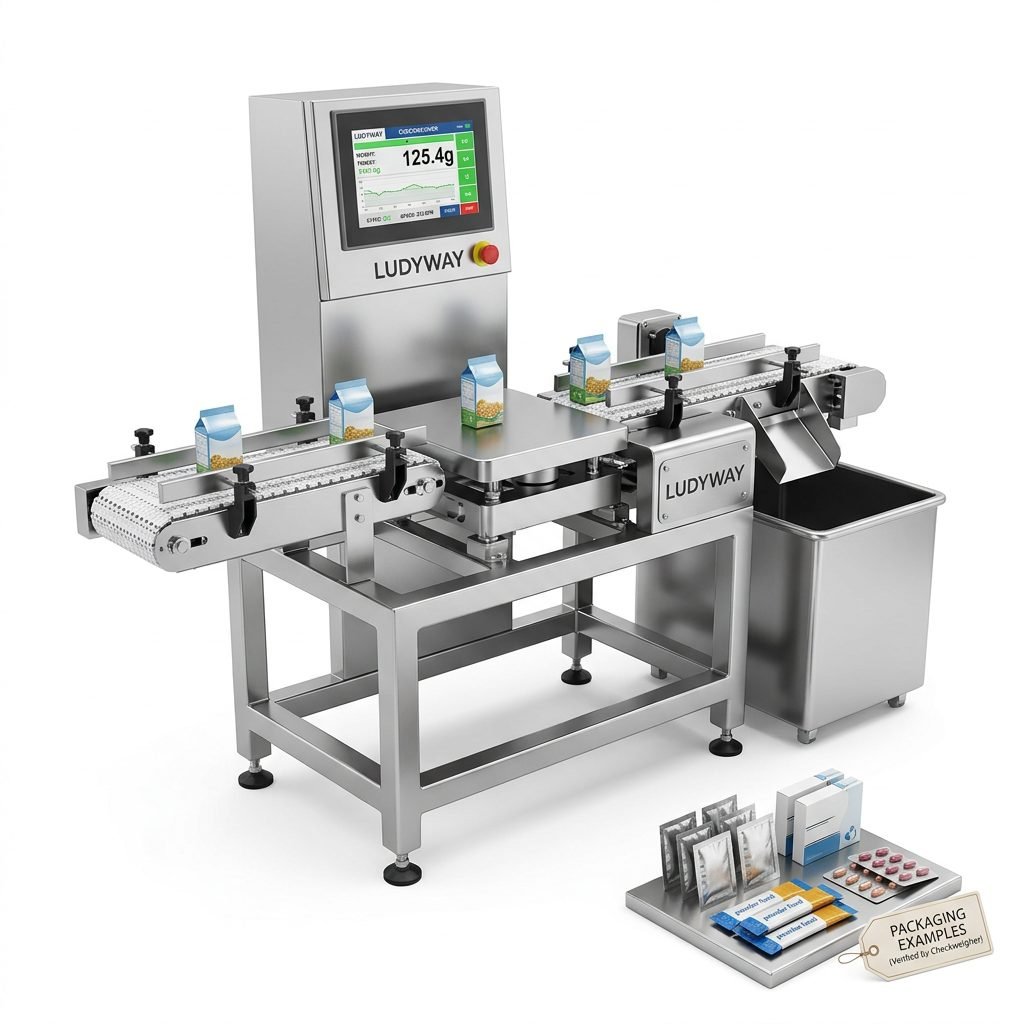
How to Reduce Your Tea Tube Packing Machine Cost
Strategic planning can significantly influence the final quote. Standardizing tube dimensions minimizes the need for extensive change parts, which are a hidden cost in many projects. Opting for a modular machine design allows phased automation investment. Additionally, working directly with a reputable packaging machine manufacturer can reduce intermediary markups. For instance, Ludyway is one of the largest packaging machine manufacturers in China, offering over 50 intelligent packaging machine models and turnkey solutions that help tea businesses optimize both initial investment and long-term operational efficiency.
Maintenance and Long-Term Ownership Costs
The purchase price is only one part of the equation. Service contracts, spare parts availability, and machine durability define the total cost of ownership. A machine built with a robust stainless steel frame and globally sourced electrical components (Siemens, Schneider, Omron) will entail lower maintenance costs over a 10-year lifecycle. High-quality tea tube packing machines from established suppliers often feature predictive maintenance alerts and remote diagnostic capabilities.
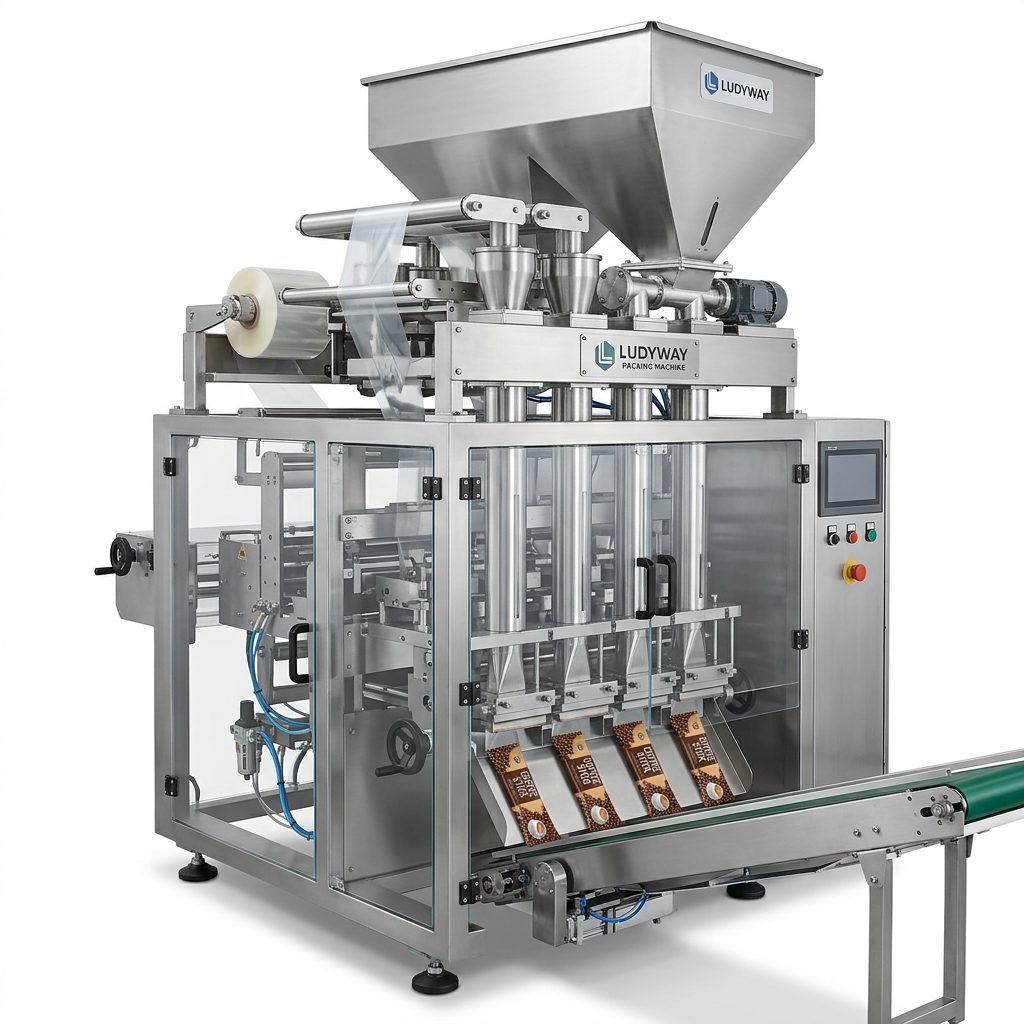
Smart Features and Integration Capabilities
Modern tea tube packers are increasingly integrated into smart factory ecosystems. Features like IoT-enabled remote monitoring, OEE dashboards, and ERP integration add upfront cost but deliver significant efficiency gains. A fully integrated packaging line can communicate with warehouse management systems, track real-time throughput, and automatically adjust parameters for different tea blends, reducing changeover time and labor costs.
For a deeper understanding of global packaging machinery trends and standards, refer to these industry resources:
- PMMI – Packaging Industry Resources and Reports
- Flexible Packaging Association – Data and Industry Insights
- FDA – Food Ingredient and Packaging Regulations
- ISO – International Packaging Standards
- European Commission – Packaging and Packaging Waste Regulation
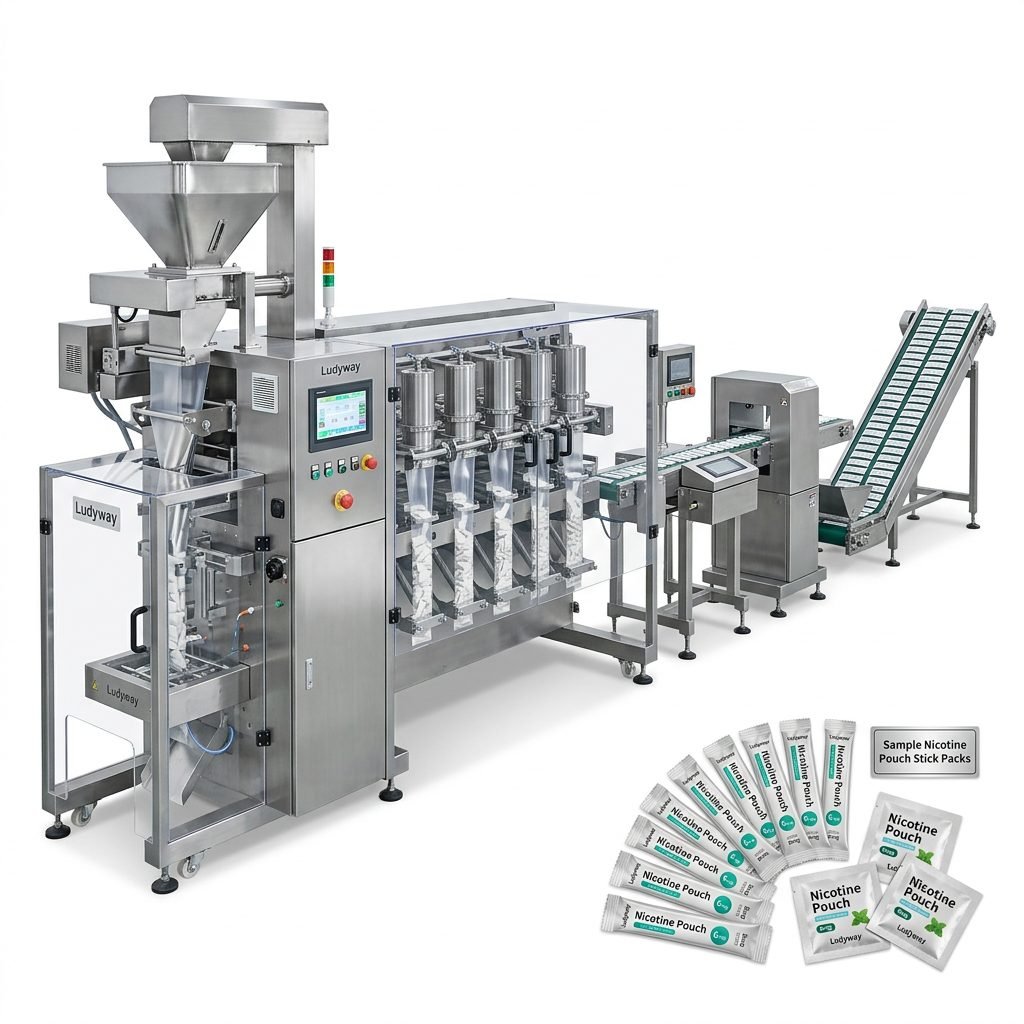
Emerging Trends in Tea Tube Packaging
The tea packaging market is evolving with a strong focus on compostable tube materials and mono-layer recyclable structures. Machines equipped to handle sustainable yet challenging substrates command higher prices due to enhanced sealing and forming technologies. Nitrogen-flushing and vacuum-sealing capabilities are increasingly standard for preserving delicate tea aromas, adding value to the final packaged product.
Questions to Ask Before Requesting a Quote
To obtain an accurate and comparable price, prepare the following specifications before contacting suppliers: target output per hour, tube dimensions and material, tea product characteristics (granule size, density, dust level), required automation modules, and facility constraints. Detailed specifications enable vendors to propose the most cost-effective solution matching your production reality.

Investing in a reliable tea tube packing machine secures your product quality and brand reputation. By matching machine capabilities to your production scale and growth plans, you achieve a favorable cost-benefit ratio that supports long-term business success in the competitive tea market.