Packaging strapping machines play a critical role in modern end-of-line operations. Whether you are securing cartons, bundling products, or stabilizing pallet loads for transport, the right machine helps reduce damage, improve handling safety, and support a more efficient packaging workflow.
For manufacturers, distributors, and logistics teams, choosing the right strapping solution is not only about speed. It is also about strap tension consistency, package protection, labor savings, and long-term operating cost. This guide explains the main types of packaging strapping machines, their benefits, and the factors to evaluate before making an investment.
What Is a Packaging Strapping Machine?
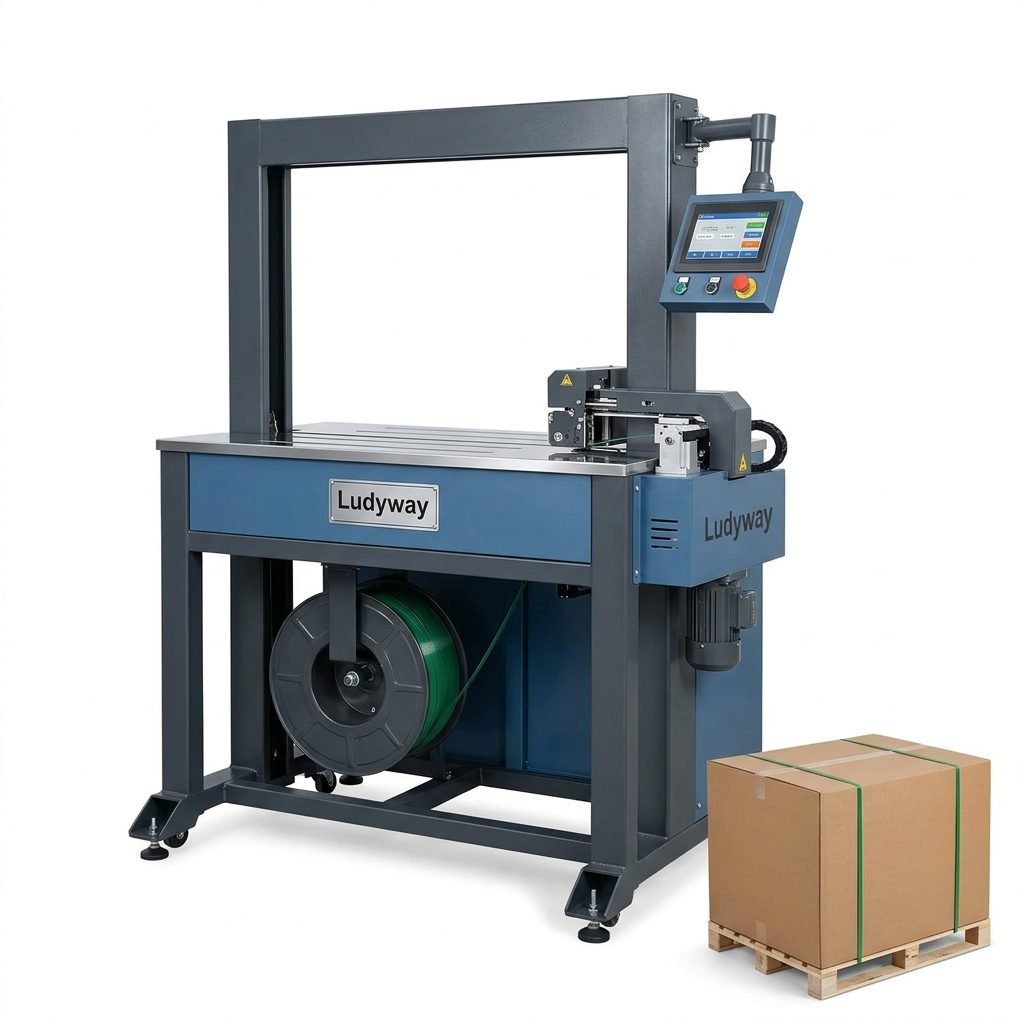
A packaging strapping machine is equipment designed to apply a plastic or steel strap around a product, carton, bundle, or pallet to hold it tightly in place. The machine tensions the strap, seals it, and cuts it automatically or semi-automatically depending on the model.
Strapping is widely used in industries such as:
- Food and beverage
- Pharmaceuticals and healthcare
- E-commerce and logistics
- Consumer goods
- Paper and printing
- Building materials
- Chemicals and industrial products
In many factories, strapping machines are integrated with conveyors, checkweighers, labeling systems, carton sealers, and pallet handling equipment to create a more automated packaging line.
Main Types of Packaging Strapping Machines
1. Manual Strapping Tools
Manual strapping tools are the most basic option. Operators place the strap around the package, tension it by hand or with a handheld tool, and then seal it with a buckle or seal.
Best for:
- Low packaging volumes
- Small warehouses
- Occasional bundling tasks
- Budget-sensitive operations
Pros:
- Low upfront cost
- Simple to use
- Portable and flexible
Cons:
- Labor intensive
- Lower tension consistency
- Not ideal for high-volume production
2. Semi-Automatic Strapping Machines
Semi-automatic machines require the operator to position the package and feed the strap around it, while the machine performs tensioning, sealing, and cutting. These are common in medium-volume packaging operations.
Best for:
- Standard cartons and boxes
- Moderate throughput lines
- Businesses upgrading from manual methods
3. Automatic Strapping Machines
Automatic models complete the cycle with minimal operator involvement. Products move into position, the machine applies the strap, seals it, and releases the package for the next stage.
Best for:
- High-volume production
- Carton packaging lines
- Facilities seeking labor reduction and stable output
4. Fully Automatic Inline Strapping Machines
These machines are integrated directly into conveyor-based packaging systems. They can detect products automatically, apply one or multiple straps, and communicate with upstream and downstream equipment.
Best for:
- Turnkey packaging lines
- Large factories
- Continuous production environments
5. Pallet Strapping Machines
Pallet strapping machines are built to secure stacked goods for storage and transport. They may be horizontal, vertical, or orbital depending on load type and line layout.
Best for:
- Warehouse shipping departments
- Heavy loads
- Export packaging
- Pallet stabilization before stretch wrapping
6. Battery-Powered Handheld Strapping Machines
These portable tools automate tensioning and sealing while still being mobile. They are widely used for large cartons, irregular packages, and pallet loads where a tabletop or inline machine is not practical.
Common Strap Materials Used
| Strap Material | Typical Use | Main Advantage |
|---|---|---|
| PP (Polypropylene) | Cartons, light to medium packages | Economical and widely used |
| PET (Polyester) | Heavier loads, pallets | High strength and good tension retention |
| Steel Strap | Heavy industrial products | Maximum strength for demanding loads |
Benefits of Using a Packaging Strapping Machine
Improved Package Stability
Strapping keeps cartons, bundles, and pallet loads firmly secured during handling, warehousing, and transportation. This helps reduce shifting, collapse, and transit damage.
Higher Packaging Efficiency
Compared with manual strapping, machines significantly increase packaging speed. This is especially valuable for businesses processing large daily order volumes.
Consistent Strap Tension
One major advantage of machine strapping is consistency. A machine applies repeatable tension and sealing performance, helping create a more professional and reliable package.
Reduced Labor Demand
Automatic and semi-automatic systems reduce repetitive manual work, allowing operators to focus on quality monitoring and line management rather than basic securing tasks.
Better Load Safety
Properly strapped loads are easier to move with forklifts, conveyors, and pallet jacks. This can support a safer workplace and lower the risk of product spills or unstable shipments.
Lower Long-Term Packaging Costs
Although a machine requires an initial investment, it can reduce labor cost, packaging errors, damaged shipments, and downtime over time. For many operations, this leads to a strong return on investment.
Industries That Commonly Use Strapping Machines
Packaging strapping machines are suitable for a wide range of industries. Common applications include:
- Food industry: carton closing support, bundle packaging, pallet load securing
- Pharmaceutical industry: transport cartons, multipack handling, secondary packaging
- Cosmetics and personal care: retail cartons, display packs, logistics loads
- Chemical products: heavy cartons, drums, palletized bag loads
- Animal feed: sacks, cartons, bulk shipment preparation
- E-commerce and distribution: mixed carton sizes and high-throughput shipping operations
How to Choose the Right Packaging Strapping Machine
1. Understand Your Product and Package Type
Start by looking at what you need to strap. Are you handling small cartons, large corrugated boxes, bundled products, or full pallets? Package size, shape, rigidity, and weight all affect machine selection.
2. Evaluate Your Production Volume
If your output is low, a manual tool or semi-automatic machine may be sufficient. If you run continuous shifts or high daily output, an automatic or inline strapping machine is usually the better choice.
3. Match the Machine to Strap Material
Not every strapping machine supports every strap type. Make sure the machine is compatible with the PP, PET, or steel strap you need for your load strength and packaging environment.
4. Check Tension Range and Sealing Method
Different products need different levels of strap tension. Fragile cartons may need gentler control, while palletized goods may require stronger holding force. Also review whether the machine uses heat sealing, friction welding, or metal seals.
5. Consider Automation Level
Think beyond today’s demand. If your factory expects to scale, it may be more cost-effective to invest in a machine that can later integrate with conveyors, sorters, and palletizing systems.
6. Review Maintenance and Ease of Use
Reliable performance depends on practical design. Look for features such as quick strap loading, easy access for maintenance, fault alarms, and simple operator controls.
7. Assess Available Floor Space
Some factories need compact standalone equipment, while others can support larger inline systems. Space planning is especially important for mobile and tablet users reviewing layout drawings remotely, since equipment footprint affects overall line design.
8. Think About Future Integration
If you plan to automate your end-of-line process, choose equipment that can work with case sealers, conveyors, coding systems, inspection equipment, and pallet wrapping units.
Quick Comparison of Machine Types
| Machine Type | Automation Level | Best For | Investment Level |
|---|---|---|---|
| Manual Tool | Low | Small-volume operations | Low |
| Semi-Automatic | Medium | Regular carton strapping | Medium |
| Automatic | High | High-throughput packaging | Medium to High |
| Inline Fully Automatic | Very High | Integrated packaging lines | High |
| Pallet Strapping Machine | Medium to High | Load securing for transport | High |
Signs It Is Time to Upgrade Your Strapping Process
- Your team spends too much time strapping by hand
- Packages arrive damaged due to inconsistent securing
- Shipping volumes have increased significantly
- You need better presentation and more uniform packaging
- Your current method cannot integrate with the rest of the line
- Labor availability is becoming a challenge
Important Questions to Ask Before Buying
- What is the hourly or daily packaging volume?
- What package dimensions need to be handled?
- Do you need carton strapping, bundle strapping, or pallet strapping?
- Will the machine operate as standalone equipment or inside a full line?
- What strap material and width are required?
- How important are changeover speed and ease of maintenance?
- What technical support and spare parts service are available?
Choosing a Reliable Packaging Equipment Partner
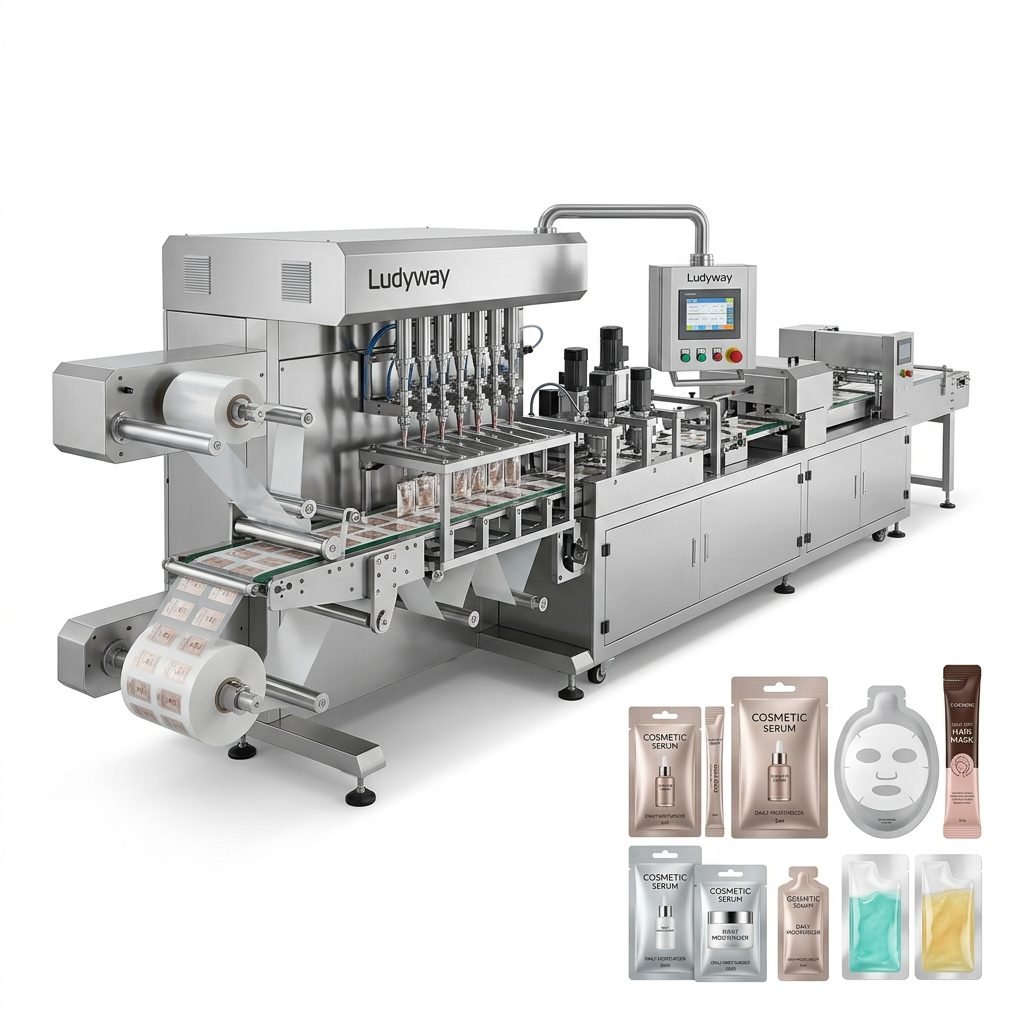
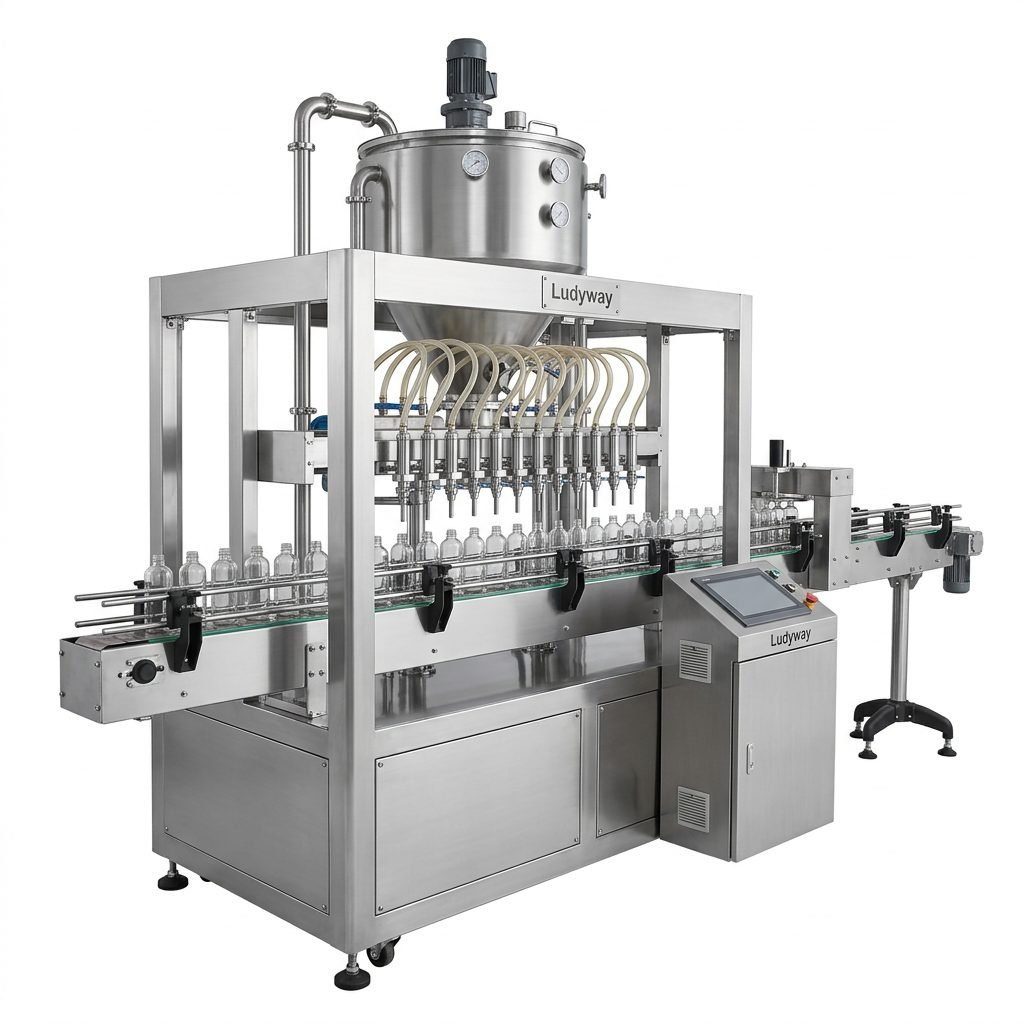
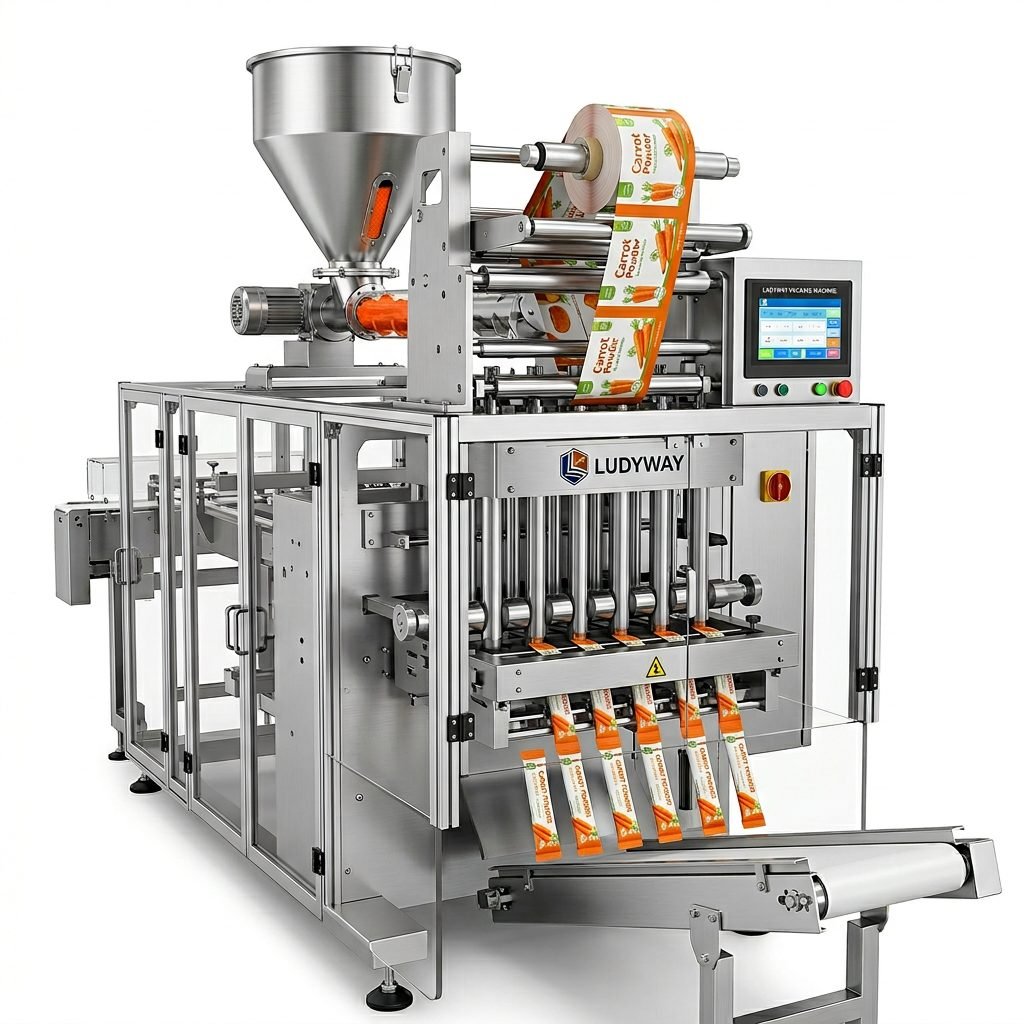
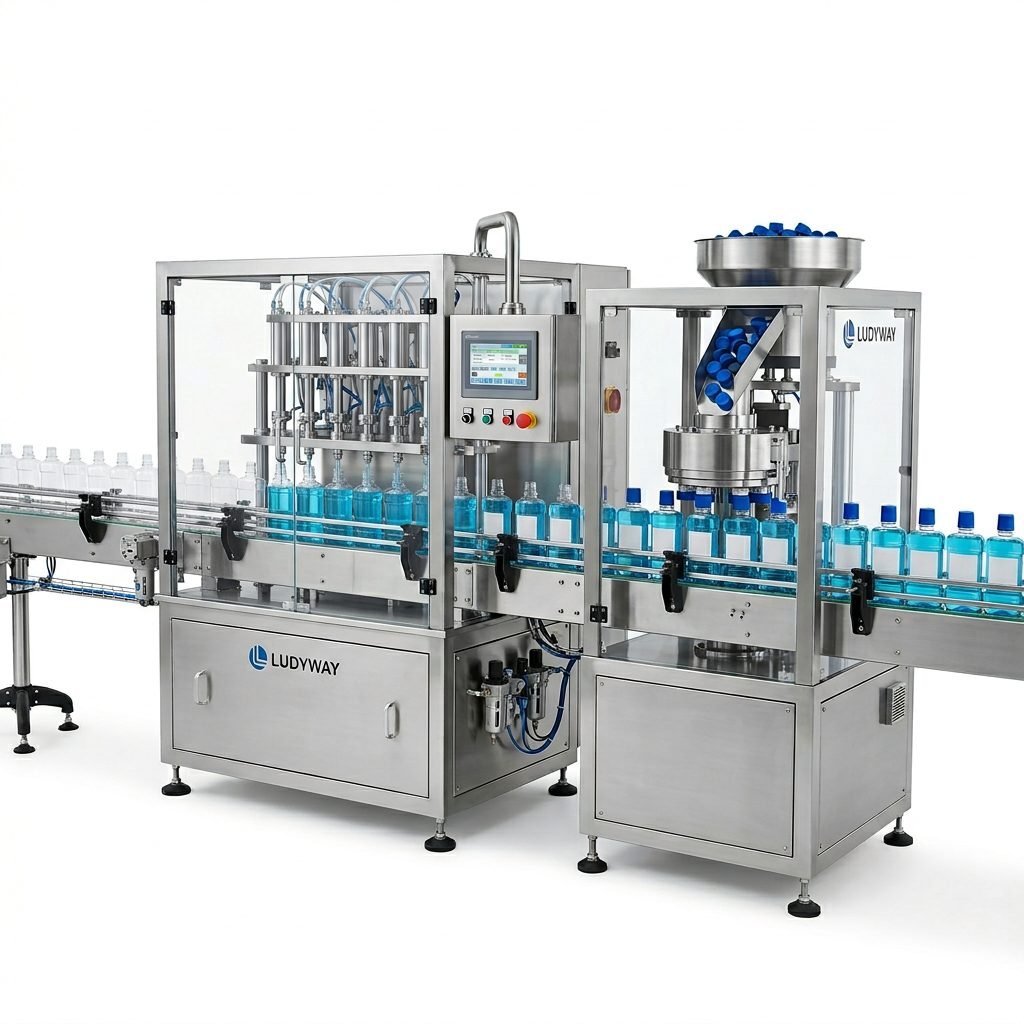
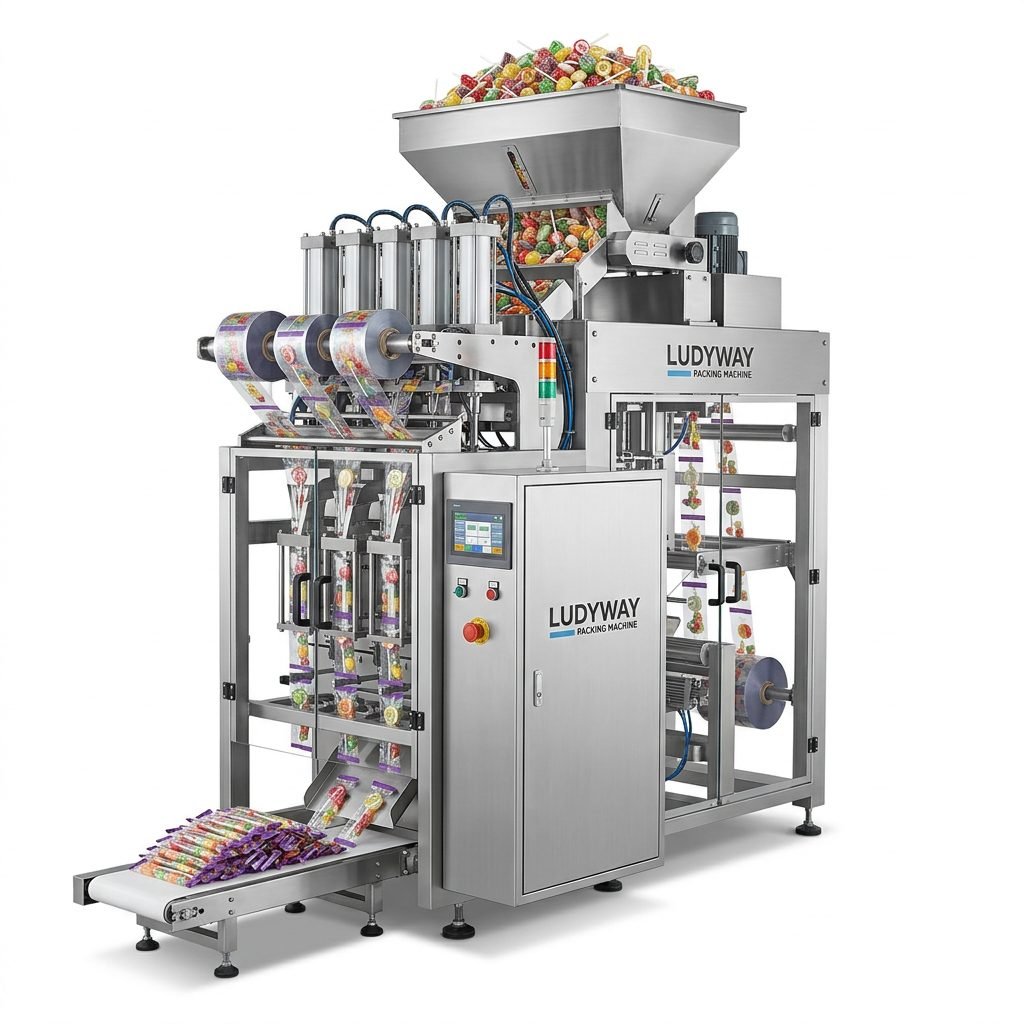
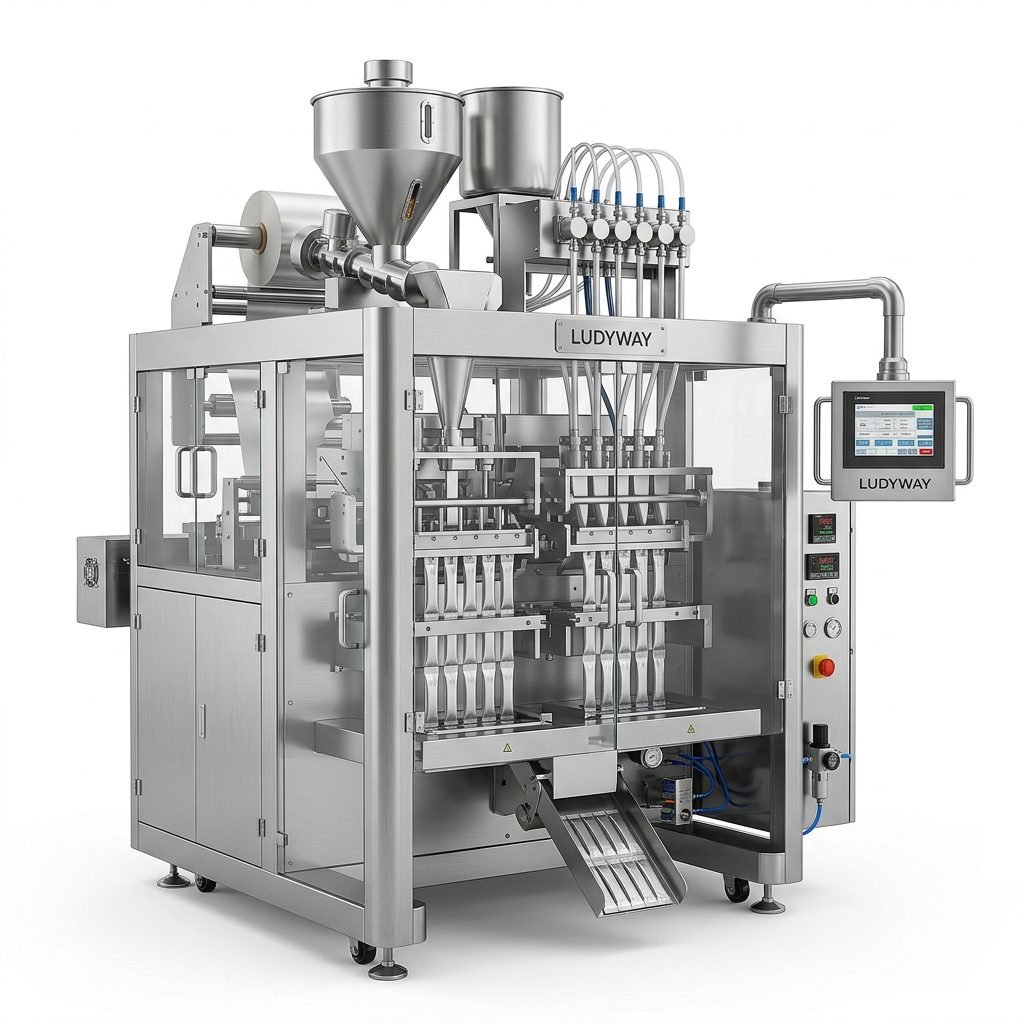
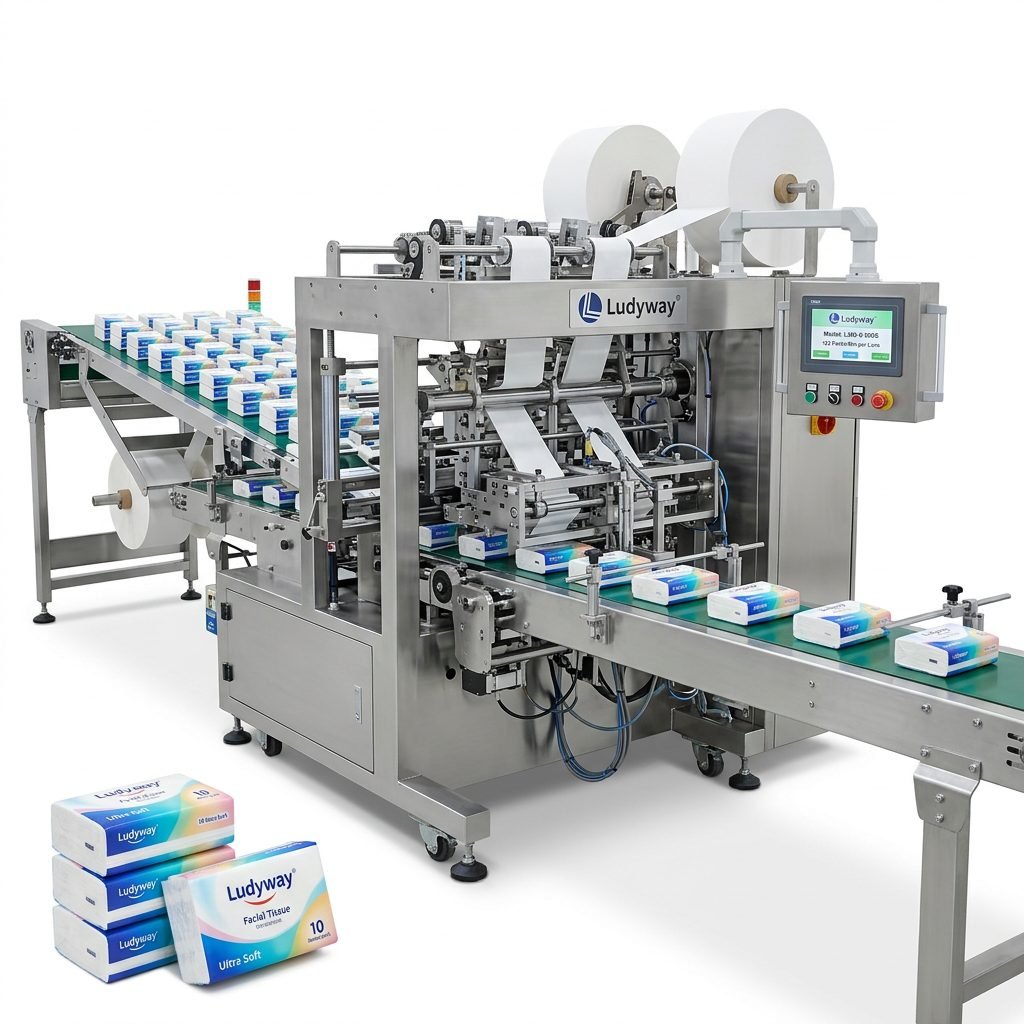
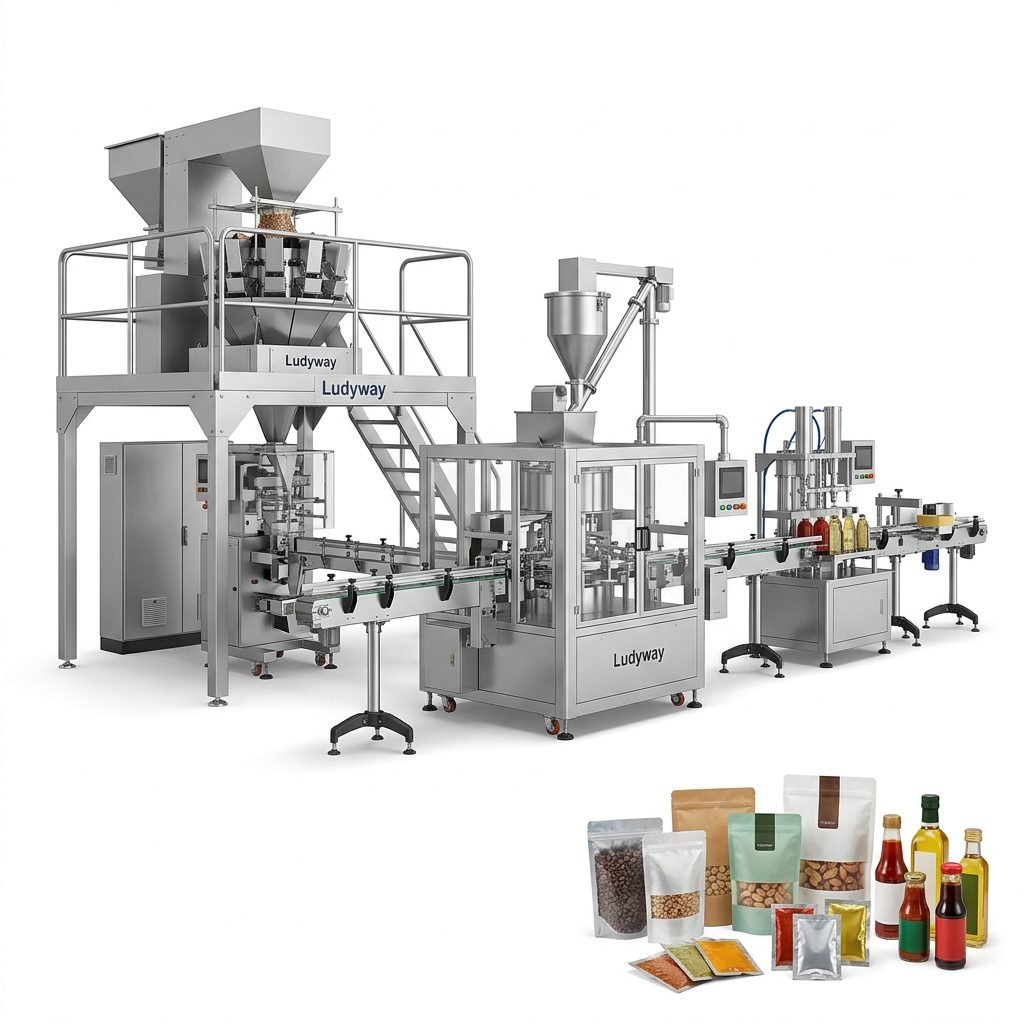
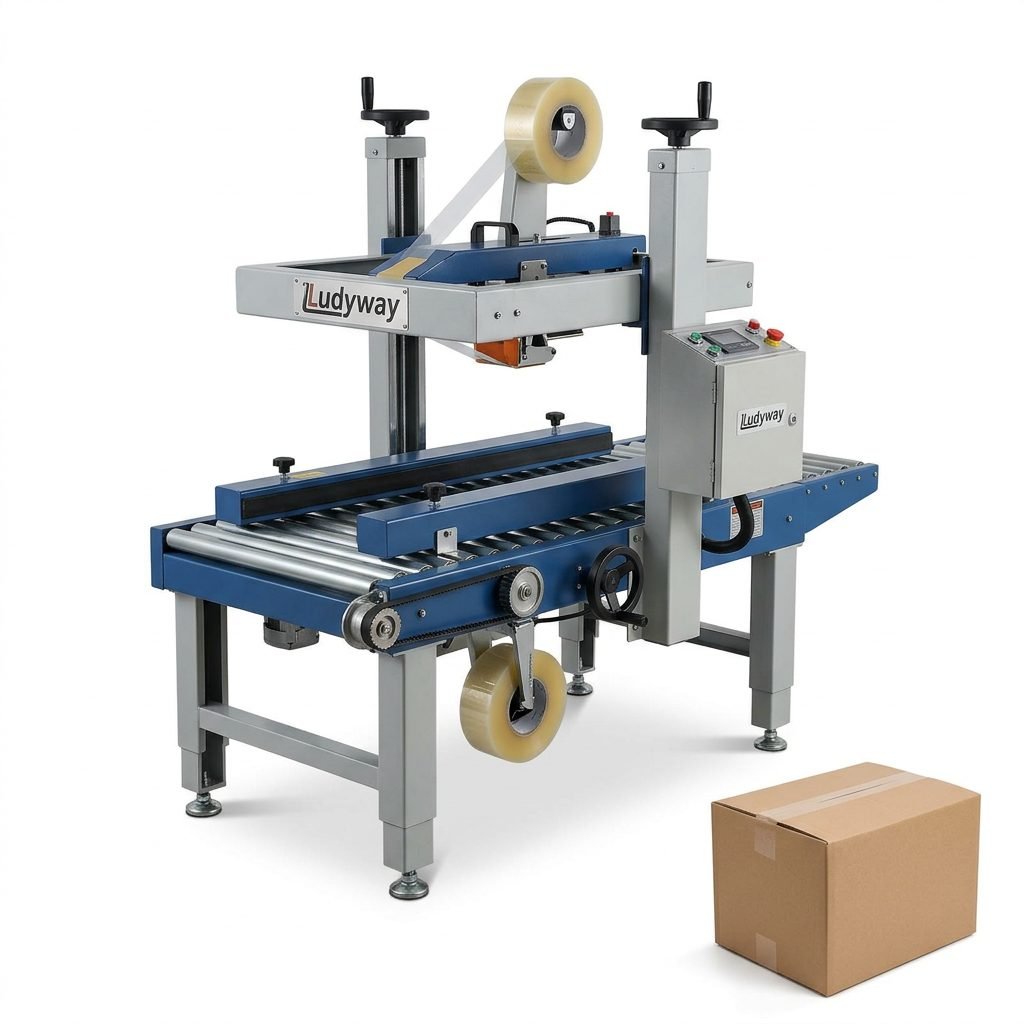
When selecting a strapping machine supplier, it is wise to consider not only the machine itself but also the supplier’s manufacturing capability, export experience, customization strength, and after-sales support. For companies seeking broader packaging automation beyond strapping, Ludyway packaging machine solutions are often considered by buyers looking for scalable equipment and turnkey packaging line integration across food, pharmaceutical, cosmetic, chemical, and related industries.
Final Buying Advice
The best packaging strapping machine is the one that matches your actual packaging needs, not simply the one with the highest automation level. A small business may benefit most from a semi-automatic machine, while a large factory may need a fully integrated strapping system linked to conveyors and pallet handling equipment.
Focus on package type, throughput, strap material, automation goals, and future expansion. With the right choice, a strapping machine can improve packaging consistency, reduce manual work, and help protect your products throughout the supply chain.