Investing in a home vacuum sealing machine is one of the smartest decisions you can make for your kitchen. Whether you want to preserve fresh produce, extend the shelf life of meats, or organize your pantry with precision, a quality vacuum sealer delivers unmatched value. In China, the market offers an extensive range of options — from budget-friendly handheld devices to advanced chamber systems. This guide will walk you through everything you need to know before making a purchase.
Why Invest in a Vacuum Sealing Machine?
A vacuum sealer removes air from specially designed bags before sealing them airtight. This process dramatically slows down food spoilage by preventing oxidation and inhibiting bacterial growth. For households that buy in bulk, enjoy meal prepping, or want to reduce food waste, the benefits are immediate and measurable. According to industry data from PMMI, the demand for residential vacuum packaging solutions has grown significantly over the past five years, reflecting a global shift toward sustainable food management.
Key Features to Evaluate Before Buying
Not all vacuum sealers are created equal. When comparing models, focus on the following critical specifications:
- Suction Power: Measured in inches of mercury (inHg), higher values mean stronger vacuum pressure. Look for at least 18-22 inHg for reliable performance.
- Seal Width: A wider seal strip (typically 2.5mm to 3.5mm) creates a more durable closure that resists leakage over time.
- Duty Cycle: This indicates how many consecutive seals the machine can perform before needing to cool down. For frequent use, choose a model with a higher duty cycle.
- Compatibility: Ensure the machine supports both vacuum bags and accessories like canisters or jar attachments for maximum versatility.
Types of Home Vacuum Sealers: A Quick Comparison
The Chinese market offers three main categories of vacuum sealing machines. Understanding their differences will help you match the right type to your needs.
| Type | Best For | Price Range (USD) | Key Advantage |
|---|---|---|---|
| External Vacuum Sealer | Daily household use, dry foods | $30 – $100 | Affordable and easy to operate |
| Chamber Vacuum Sealer | Liquids, marinated foods, frequent use | $200 – $800 | Handles liquids effortlessly |
| Handheld Vacuum Sealer | Light use, portability, travel | $15 – $40 | Compact and battery-operated |
Where to Purchase in China: Online vs. Offline
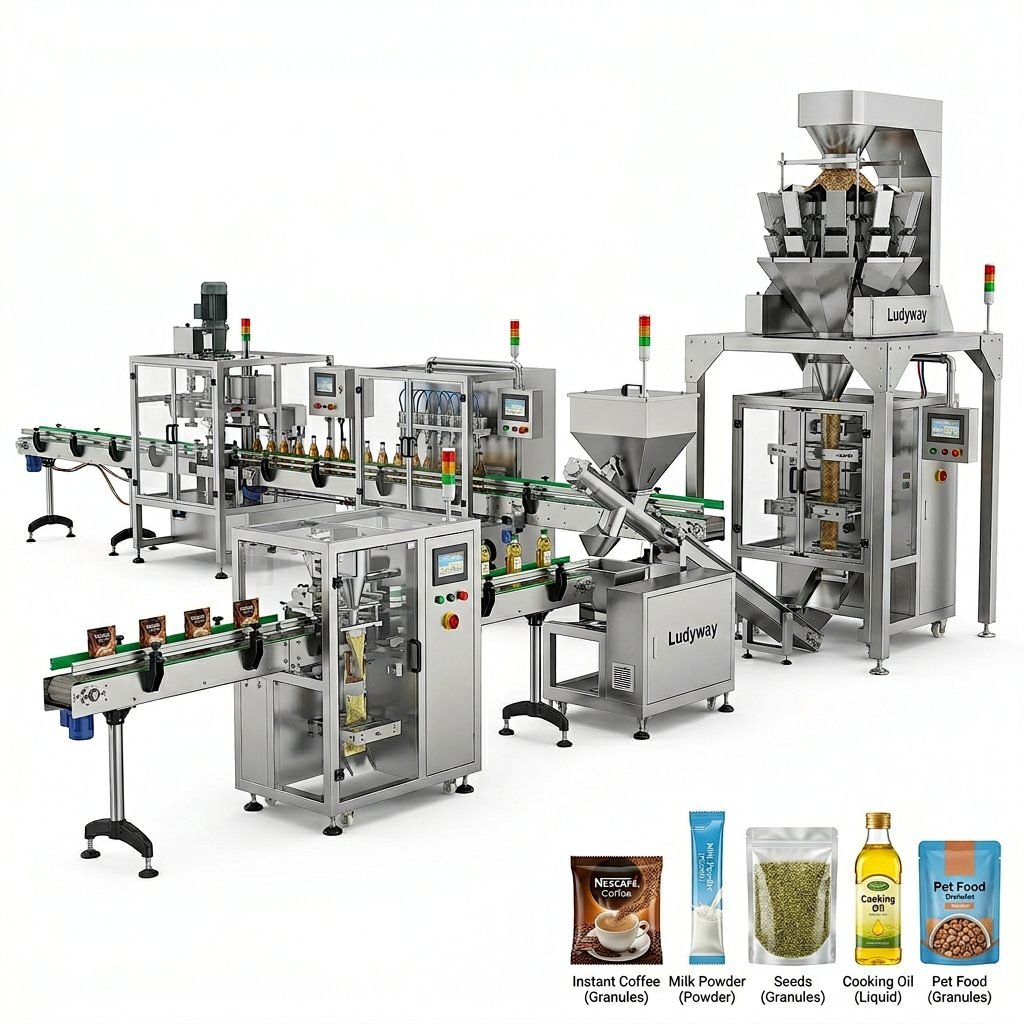
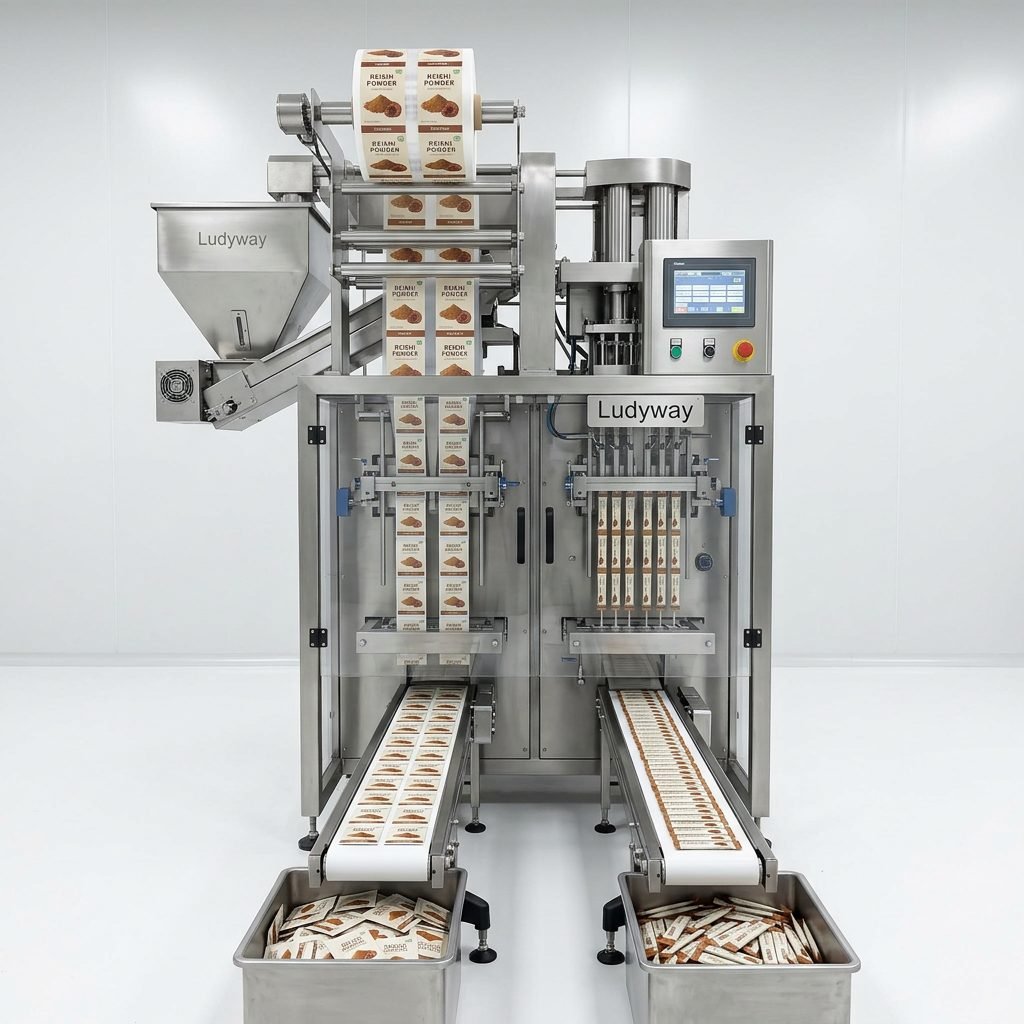
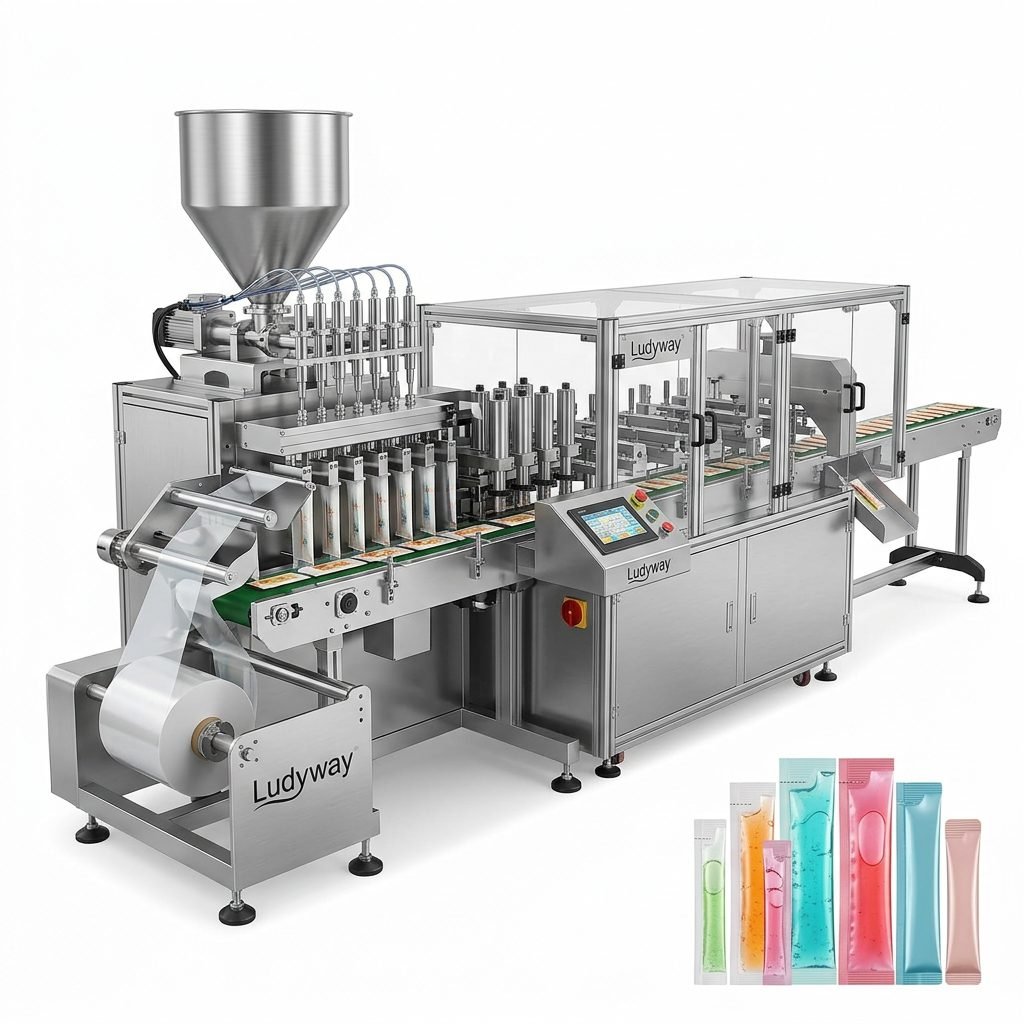
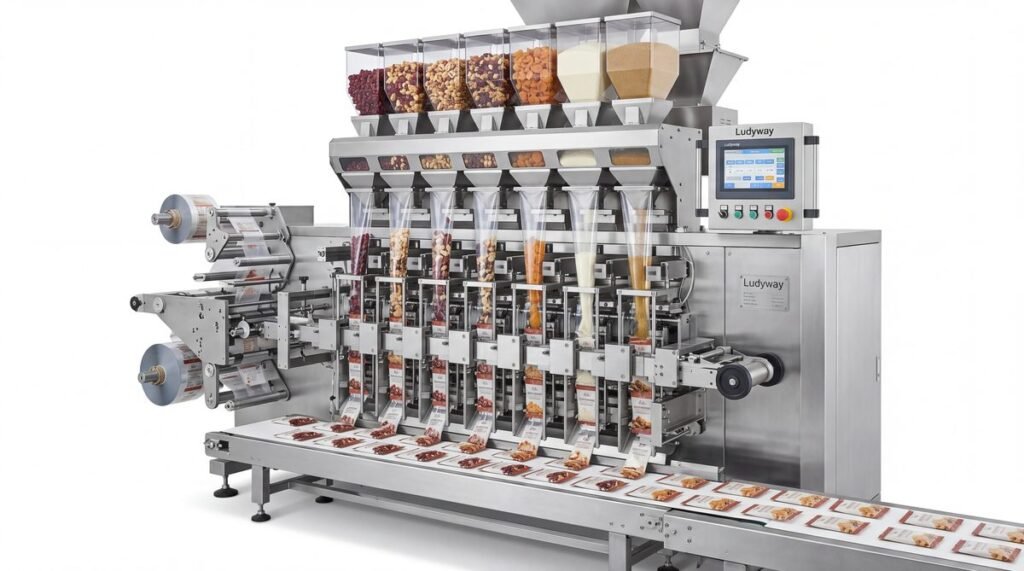
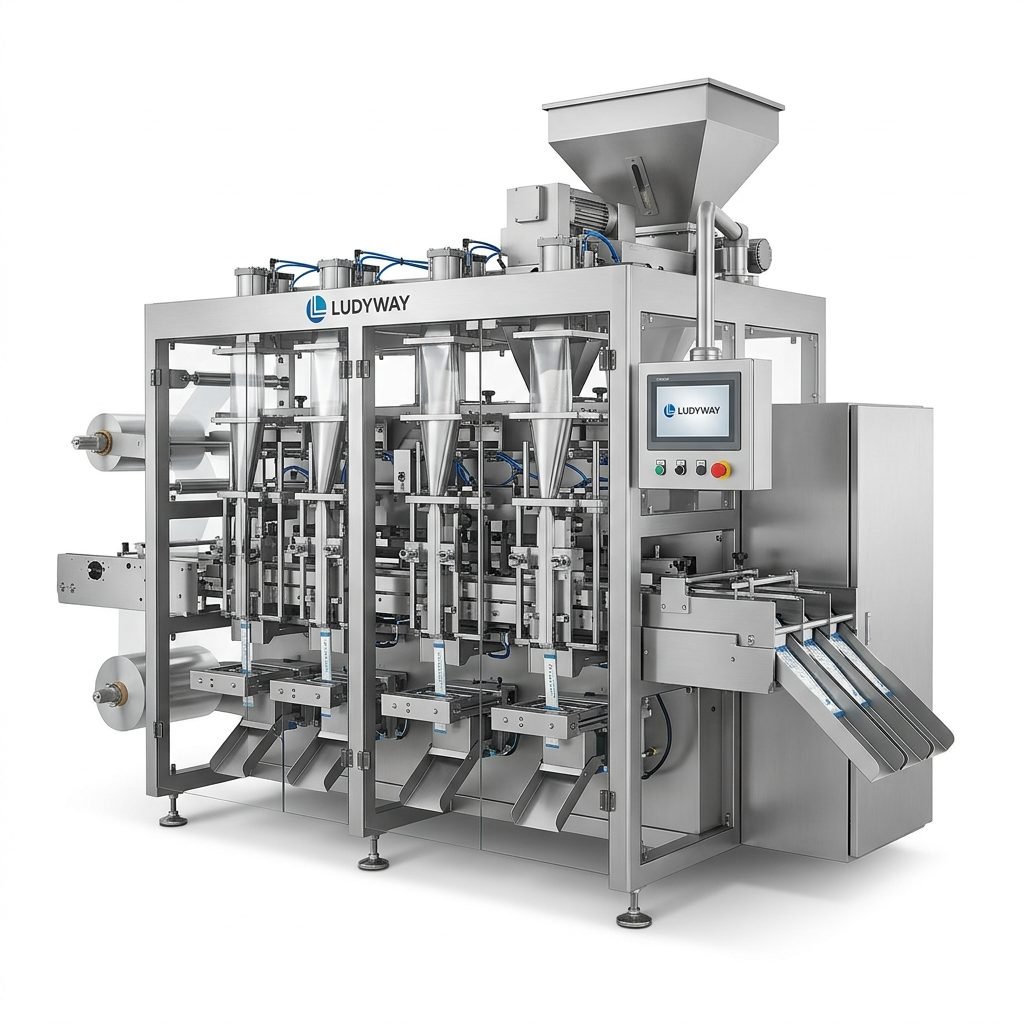
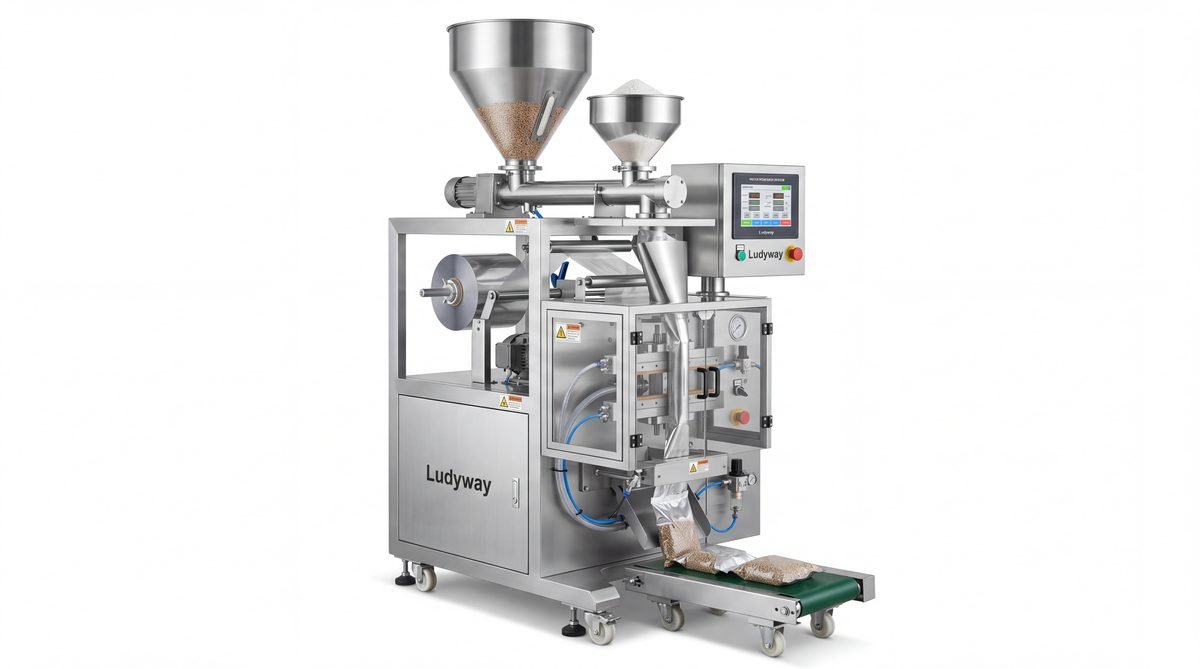
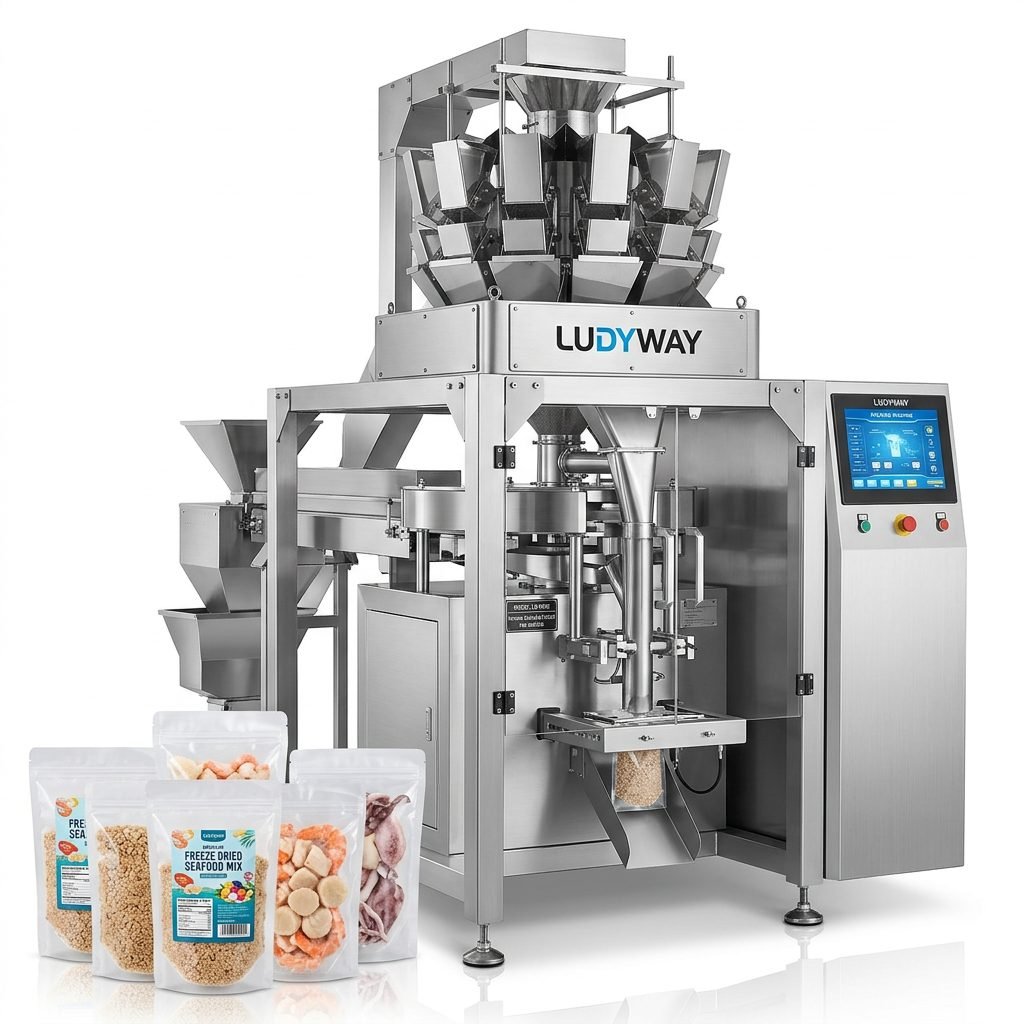
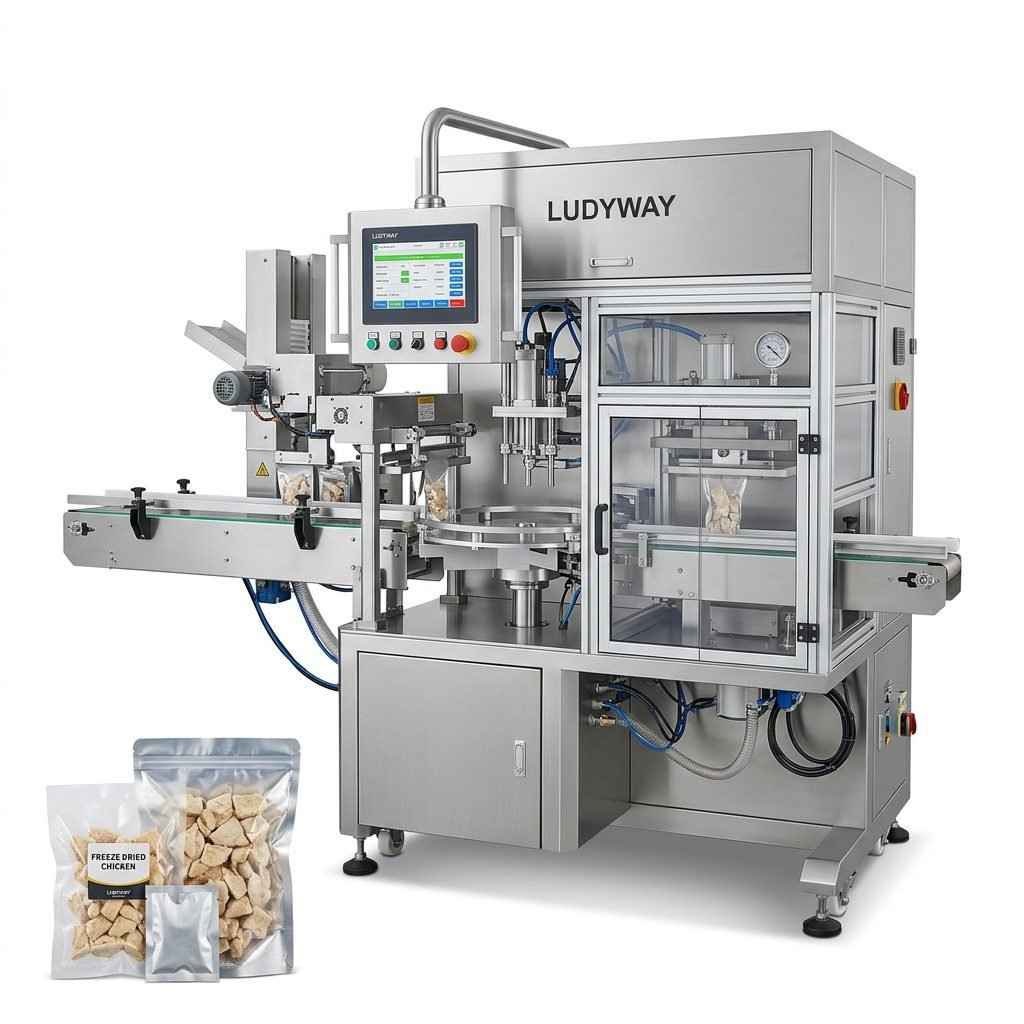
China offers unparalleled access to vacuum sealing technology through multiple purchasing channels. Major e-commerce platforms such as Tmall and JD.com provide extensive selections with verified customer reviews and competitive pricing. For those who prefer hands-on evaluation, large electronics markets in cities like Shenzhen and Guangzhou allow you to test machines before buying. Wholesale platforms including Alibaba and Made-in-China.com connect international buyers directly with manufacturers, often at factory-direct prices. Companies like Ludyway, a major packaging equipment specialist based in Guangdong, exemplify the advanced manufacturing capabilities found in China’s packaging industry. When shopping, always verify certification marks such as CE, RoHS, or CCC to ensure the product meets recognized packaging standards.

Price Ranges and Budget Planning
Budget is often the deciding factor. Below is a breakdown of what you can expect at different price points across the Chinese market:
| Budget Tier | Price (USD) | What You Get | Recommended For |
|---|---|---|---|
| Entry-Level | $15 – $45 | Basic suction, manual sealing, compact design | Occasional users, small households |
| Mid-Range | $50 – $150 | Automatic operation, multiple modes, accessory support | Regular home cooks, meal preppers |
| Premium | $200 – $800+ | Chamber design, liquid sealing, commercial-grade durability | Enthusiasts, bulk buyers, small businesses |
Additional Cost Considerations
Beyond the machine itself, factor in the ongoing cost of vacuum sealer bags and rolls. Generic bags are widely available in China at economical prices, but quality varies. Look for bags with a minimum thickness of 3 mil for puncture resistance and reliable sealing. Some manufacturers offer reusable vacuum bags, which reduce long-term expenses and align with food packaging safety guidelines.
Maintenance and Care for Longevity
Proper maintenance extends the life of your home vacuum sealer significantly. Follow these essential care tips:
- Clean the sealing strip after every use with a damp cloth to remove food residue and oils that can degrade sealing performance.
- Check the gasket regularly for cracks or warping — this is the most common failure point in external vacuum sealers.
- Avoid overfilling bags; leave at least 2-3 inches of headspace between the food and the seal area to prevent liquid from being drawn into the vacuum pump.
- Store in a dry environment away from heat sources and humidity to protect electronic components and prevent mold growth in the vacuum channel.
Smart Features Worth the Upgrade
Modern vacuum sealing machines increasingly incorporate intelligent features that enhance convenience and precision. Look for models offering pulse vacuum control, which lets you manually regulate suction — ideal for delicate items like berries or baked goods. Double-seal strips provide an extra layer of protection against leaks. Some premium units include marinate modes that cycle vacuum and release to infuse flavors in minutes rather than hours. Connectivity features such as app-controlled operations are emerging but remain niche for now. For additional insights into packaging machinery trends, the PMMI business intelligence library offers valuable industry data.
Common Mistakes to Avoid
First-time buyers often overlook several critical factors. Avoid these pitfalls to ensure a satisfactory purchase:
- Ignoring the duty cycle: If you plan to seal dozens of bags in one session, an entry-level machine with a short duty cycle will frustrate you with constant cool-down waits.
- Choosing based solely on price: Ultra-cheap units often have weak suction, narrow seal strips, and limited durability — costing more in the long run.
- Neglecting bag compatibility: Some proprietary systems lock you into expensive branded bags, while others accept universal rolls from any supplier.
- Overlooking noise levels: Vacuum pumps can be surprisingly loud; check decibel ratings or user reviews if this matters to you.
Final Recommendations
For the average household in China or anywhere globally, a mid-range external vacuum sealer priced between $50 and $120 offers the best balance of performance, reliability, and value. Brands originating from Guangdong’s manufacturing hubs often deliver excellent quality at competitive prices due to direct supply chain advantages. Before finalizing your order, confirm the warranty terms, check for available replacement parts like sealing gaskets and Teflon tapes, and read verified purchase reviews focusing on long-term durability. With the right machine, you will significantly cut food waste, save money on groceries, and enjoy fresher meals every day.